Introduction to AC Milan's Legacy
AC Milan, one of the most storied football clubs in the world, boasts a legacy that extends far beyond its trophies list. Founded in 1899 by English expatriates Alfred Edwards and Herbert Kilpin, the club was established with a vision to promote both football and cricket. However, it was football that would ultimately define AC Milan's trajectory. From its inception, the club represented a blend of local enthusiasm and international ambition, a duality that would shape its identity over the decades. This section delves into AC Milan's profound impact on global football, emphasizing its role as a pioneer, innovator, and symbol of excellence in the sport.
The club’s early success was rooted in its ability to attract talented players and cultivate a distinctive style of play. In the 1900s, AC Milan quickly became a force in Italian football, winning its first Scudetto (Italian league title) in 1901, just two years after its foundation. This rapid ascent was no accident; it reflected the club's forward-thinking approach. Kilpin, AC Milan’s first captain and a player-manager, introduced a playing style characterized by aggressive attacking and fluid movement—an early precursor to modern tactical philosophies. This era set the tone for AC Milan’s future: a club unafraid to challenge norms and push boundaries in pursuit of greatness.
AC Milan’s significance in global football history cannot be overstated. The club has been at the forefront of several pivotal moments in the sport’s evolution. For instance, in the 1950s and 1960s, AC Milan was among the first European clubs to embrace professionalism and invest heavily in player development. This era saw the rise of legendary figures like Nils Liedholm and Gunnar Nordahl, who helped the club secure multiple domestic titles and its first European Cup in 1963. Winning this prestigious trophy was not just a victory for AC Milan but a statement for Italian football as a whole, proving that the nation could compete with the likes of Spain, England, and Germany on the continental stage.
The 1980s and 1990s marked a golden age for AC Milan, a period that cemented its place as a global giant. Under the visionary leadership of Silvio Berlusconi, who took over as president in 1986, the club underwent a transformation that redefined what a football institution could achieve. Berlusconi’s ambition was matched by his willingness to invest in world-class talent and innovative coaching. The appointment of Arrigo Sacchi as manager in 1987 was a turning point. Sacchi implemented a high-pressing, possession-based system that revolutionized football tactics. This approach, combined with the iconic trio of Franco Baresi, Paolo Maldini, and Alessandro Costacurta in defense, and the dynamic midfield and attack led by Marco van Basten, Ruud Gullit, and Frank Rijkaard, produced a team widely regarded as one of the greatest in history. Their back-to-back European Cup victories in 1989 and 1990 were not just trophies but demonstrations of a new standard of excellence.
What makes AC Milan’s legacy particularly unique is its consistency in remaining relevant across eras. Unlike many clubs that experience peaks and troughs, AC Milan has managed to reinvent itself repeatedly. In the 2000s, under the stewardship of Carlo Ancelotti, the club won two UEFA Champions League titles (2003 and 2007) with a blend of seasoned veterans like Paolo Maldini and emerging stars such as Kaká. This period highlighted AC Milan’s ability to adapt its identity while staying true to its core values of discipline, skill, and ambition. The club’s success during this time also underscored its role as a bridge between generations of football fans, appealing to both those who remembered its historic triumphs and a new wave of supporters drawn to its modern appeal.
Beyond its on-field achievements, AC Milan has played a critical role in shaping football culture. The club’s home ground, San Siro (or Stadio Giuseppe Meazza), is one of the most iconic stadiums in the world, a cathedral of football that has hosted countless historic matches. AC Milan’s rivalry with Inter Milan, known as the Derby della Madonnina, is one of the fiercest and most watched derbies globally, symbolizing the intense passion and local pride that defines football in Milan. This rivalry has not only fueled competition but has also driven both clubs to strive for excellence, enriching the broader football landscape.
AC Milan’s impact extends to its influence on footballing philosophy and player development. The club has been a breeding ground for some of the most technically gifted players in history. From Andriy Shevchenko to Kaká, AC Milan has nurtured talents who have left indelible marks on the game. Moreover, the club’s youth academy, often referred to as Milanello, has been a model for others to emulate. It has produced players who have not only succeeded at AC Milan but have also contributed to the growth of football in other leagues and national teams. This focus on youth development reflects AC Milan’s commitment to long-term sustainability rather than short-term gains.
The club’s global reach is another dimension of its legacy. AC Milan is one of the most supported teams outside of its home country, with a massive fan base in regions like Asia, Africa, and the Americas. This international appeal is partly due to the club’s success in European competitions, where it has won seven UEFA Champions League titles, placing it second only to Real Madrid in the all-time rankings. However, it is also a result of AC Milan’s deliberate efforts to build a brand that resonates across cultures. Through partnerships, tours, and community initiatives, the club has positioned itself as more than a football team—it is a global ambassador for the sport.
AC Milan’s legacy is also intertwined with its challenges. The club has faced periods of financial instability, ownership changes, and on-field struggles, particularly in the 2010s. However, these difficulties have only deepened its significance in football history. They serve as a reminder that even the greatest institutions must navigate adversity to sustain their relevance. The recent resurgence under new ownership and management, including a return to Champions League football and a focus on blending youth with experience, demonstrates AC Milan’s enduring ability to adapt and thrive.
In summary, AC Milan is more than a football club with an impressive trophies list. It is a symbol of innovation, resilience, and global influence. From its early days as a trailblazer in Italian football to its modern role as a beacon of excellence, AC Milan has left an indelible mark on the sport. Its ability to evolve while maintaining its core identity makes it not just a club but a living narrative of football’s enduring power to inspire and unite.
- AC Milan was founded in 1899 and quickly established itself as a pioneer in Italian football.
- The club has won numerous domestic and international titles, including seven UEFA Champions League trophies.
- Its golden eras in the 1960s, 1990s, and 2000s showcase its adaptability and commitment to excellence.
- AC Milan’s rivalry with Inter Milan and its iconic San Siro stadium are central to its cultural significance.
- The club’s focus on youth development and global outreach underscores its role as a leader in football innovation.
This rich history ensures that AC Milan remains a cornerstone of global football, a club whose story is as much about its journey as it is about its victories.
The Birth of a Champion: Early Years and Foundations
The story of AC Milan begins in 1899, a time when football was still in its infancy in Italy. The club was founded by a group of English expatriates, led by Herbert Kilpin, a businessman and sports enthusiast who would also serve as the team's first captain. Kilpin, along with Alfred Edwards, a British businessman residing in Milan, envisioned a club that would not only promote the burgeoning sport of football but also embody the spirit of competition and camaraderie. This vision gave birth to the **Milan Cricket and Football Club**, a name that reflected the dual interests of its founders but would soon pivot toward football as its primary focus. The club's early identity was rooted in its Anglo-Saxon origins, with red and black chosen as the team colors to symbolize the fiery passion (red) and the determination (black) of its players.
However, the club’s early years were far from smooth. In the context of late 19th-century Italy, football was a niche sport, overshadowed by other athletic pursuits and largely unfamiliar to the broader population. AC Milan had to contend with limited resources, a small pool of players, and the challenge of popularizing a sport that was seen as foreign and elitist. The team played its matches on makeshift fields, often battling not just opponents but also the skepticism of local communities. Despite these hurdles, the club’s founders were determined to establish a competitive team, and their persistence began to pay off as they participated in early regional tournaments.
One of AC Milan’s first major milestones came in 1901, just two years after its foundation, when the club won its first **Scudetto** (Italian championship). This victory was a watershed moment, not only for the club but for Italian football as a whole. It signaled that the sport could thrive in Italy and that AC Milan, despite its foreign roots, had the potential to become a national force. The team’s triumph was built on the back of a small but cohesive squad, with Kilpin himself playing a pivotal role as both a player and a strategist. This early success laid the foundation for what would become a tradition of excellence, even as the club faced growing competition from other emerging teams in the region.
The challenges of AC Milan’s formative years were not limited to the pitch. The club had to navigate the complexities of operating in a rapidly industrializing Milan, a city that was itself undergoing significant social and economic transformation. Football was becoming a reflection of broader societal changes, and AC Milan found itself at the intersection of class dynamics and urban identity. The team’s success in these early years was as much a testament to its ability to unite diverse communities as it was to its athletic prowess. The red and black stripes began to symbolize not just a team but a burgeoning sense of local pride and collective ambition.
In the years following their first Scudetto, AC Milan faced a period of relative instability. The club struggled to maintain consistent success, partly due to the lack of a structured league system in Italy at the time. Matches were often ad hoc, and the absence of a formalized national competition meant that clubs like AC Milan had to rely on regional championships and friendly fixtures to maintain their momentum. This period also saw the rise of internal rivalries, particularly with **Internazionale Milano**, a club founded in 1908 by a group of dissenting AC Milan members who disagreed with the parent club’s policy of fielding only Italian players. This schism not only created one of the most enduring rivalries in football history but also pushed AC Milan to reaffirm its identity and purpose amid growing competition.
Despite these challenges, AC Milan’s early successes were not isolated. By 1906, the club secured its second Scudetto, reaffirming its place as one of the leading teams in Italy. This period of early triumphs was characterized by a blend of tactical innovation and sheer determination. Kilpin’s influence extended beyond his role as a player; he introduced a style of play that emphasized teamwork and discipline, qualities that would become hallmarks of AC Milan’s philosophy in later years. The club’s ability to win championships in such a nascent era of Italian football underscored its potential to grow into a giant of the sport.
It is also worth noting the sociocultural impact of AC Milan’s early years. The club was among the first to champion inclusivity in Italian football, fielding players of various nationalities and backgrounds. This approach was somewhat radical for the time, as many clubs were resistant to the idea of non-Italian players. AC Milan’s openness not only enriched its squad but also helped to position the club as a progressive entity within the sport. This ethos of inclusivity would later evolve into a cornerstone of the club’s identity, particularly as it expanded its reach in the mid-20th century.
The early 20th century also saw AC Milan grappling with financial constraints, a common issue for football clubs of the era. Unlike modern teams with multimillion-dollar budgets, early football organizations like AC Milan operated on shoestring budgets, often relying on the goodwill of patrons and the dedication of volunteers. This financial precariousness meant that the club had to be resourceful, often making do with limited facilities and equipment. Yet, these limitations fostered a sense of resilience and ingenuity within the team, qualities that would serve AC Milan well in its quest for long-term success.
The first decade of AC Milan’s existence can be seen as a microcosm of the club’s future trajectory: a blend of ambition, adversity, and moments of brilliance. The club’s ability to secure early championships despite the odds demonstrated its potential to evolve into a dominant force. These early successes were not merely trophies in a cabinet but symbols of resilience in the face of skepticism and structural challenges. They set the stage for what would become a legacy of excellence, even as the club navigated the uncertainties of a sport still finding its footing in Italy.
In retrospect, the foundation of AC Milan and its early achievements were not just about football; they were about building a legacy from the ground up. The club’s story in these formative years is one of perseverance, innovation, and the power of a shared vision. By winning its first major trophies and establishing itself as a competitive entity, AC Milan planted the seeds of what would become one of the most storied franchises in football history. This period of early growth and struggle is a reminder that even the greatest dynasties begin with humble origins, and AC Milan’s journey from a small, expatriate-led team to a symbol of Italian football excellence is a testament to the enduring power of passion and purpose.
- The club was founded in 1899 by English expatriates, emphasizing inclusivity and a pioneering spirit.
- AC Milan won its first Scudetto in 1901, a significant achievement for a young team in a developing football landscape.
- Early challenges included limited resources, skepticism about football's viability, and the need to popularize the sport in Italy.
- The club’s identity was shaped by its Anglo-Saxon roots and its ability to unite diverse communities in Milan.
- Financial and organizational struggles in the early years fostered resilience and resourcefulness.
This period of AC Milan’s history is not just a prologue to its later glory but a critical chapter that defines the club’s character. The early years were marked by a blend of idealism and pragmatism, laying the groundwork for a legacy that would extend far beyond the pitch.
Breakdown of AC Milan Trophies by Category
AC Milan is one of the most decorated football clubs in the world, with a storied history that spans over a century. The club's trophy cabinet is a testament to its dominance across various levels of competition, both domestically and internationally. To fully appreciate the breadth of AC Milan's achievements, it is essential to break down their trophies by category—domestic, continental, and global—and analyze the context and significance of each.
The domestic trophies form the foundation of AC Milan's legacy. Serie A, Italy's top-tier football league, has been a battleground where the Rossoneri have frequently asserted their superiority. As of 2024, AC Milan has won the Serie A title 19 times, placing them second only to Juventus in the all-time rankings. Each of these victories represents a season of consistency, tactical brilliance, and often, the emergence of iconic players who defined eras. For instance, the 1991-92 season saw AC Milan go unbeaten, a feat that underscored their tactical evolution under manager Fabio Capello. Similarly, their Coppa Italia victories—totaling five—highlight their ability to excel in knockout formats. While the Coppa Italia may not carry the same weight as Serie A in terms of prestige, it is a competition where AC Milan has often showcased their depth and adaptability. Their most recent Coppa Italia win in 2003 came during a season when they also clinched the Champions League, demonstrating their capacity to compete on multiple fronts.
However, it is worth noting that AC Milan's domestic dominance has not been without dry spells. For instance, between their Serie A wins in 2004 and 2011, the club experienced a period of transition as they adapted to financial constraints and the rise of other Italian clubs like Inter Milan and Juventus. This context is crucial because it illustrates how trophies in domestic competitions are not just markers of success but also indicators of a club's ability to navigate challenges such as squad rebuilding, managerial changes, and the increasing competitiveness of Serie A.
Moving to the continental trophies, AC Milan's record in European competitions is nothing short of legendary. The UEFA Champions League, formerly known as the European Cup, is where AC Milan has etched its name as one of the greatest clubs in European football history. With seven Champions League titles, AC Milan trails only Real Madrid in terms of overall wins. Their first victory came in 1963, a 2-1 win over Benfica that marked the club's arrival on the European stage. What stands out about AC Milan's Champions League journey is the eras of dominance they have enjoyed. The late 1980s and early 1990s under Arrigo Sacchi and later Fabio Capello saw the club win the trophy three times in five years (1989, 1990, 1994). This period was characterized by a blend of defensive solidity, embodied by the famous backline of Maldini, Baresi, Costacurta, and Tassotti, and attacking flair led by players like Marco van Basten and Ruud Gullit.
AC Milan's success in the Champions League is not just about the number of titles but also the manner in which they were achieved. Their 2003 final against Juventus at Old Trafford, decided on penalties, is often cited as one of the tensest European finals. Similarly, their 2007 triumph over Liverpool was a redemption arc, avenging their dramatic loss to the same opponent in 2005. These moments illustrate how AC Milan's European success is intertwined with narratives of resilience, strategy, and the ability to perform under pressure. Beyond the Champions League, AC Milan has also won the UEFA Cup Winners' Cup twice and the UEFA Super Cup five times, further cementing their continental pedigree. However, their relatively modest record in the UEFA Europa League—where they have yet to win a title—highlights an area where the club has room for improvement in the modern era.
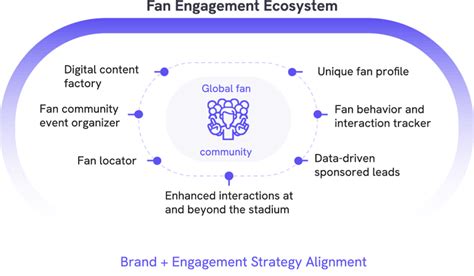
The global trophies represent AC Milan's ability to transcend European success and stake a claim as a world-class club. The FIFA Club World Cup, previously known as the Intercontinental Cup, is a competition where AC Milan has triumphed twice (1969 and 2007). These victories are significant because they pit the champions of Europe against the best clubs from other continents, often in high-stakes, one-off matches. AC Milan's 1969 win came during a time when European clubs were just beginning to assert their dominance over South American teams, making it a landmark achievement. Their 2007 victory, following their Champions League win earlier that year, showcased the club's ability to perform on the global stage against a strong Boca Juniors side. These wins are particularly meaningful because they require a different kind of preparation and mindset compared to domestic or even European competitions—they test a team's adaptability to unfamiliar opponents and conditions.
It is also important to consider the broader implications of AC Milan's global success. Winning the FIFA Club World Cup not only adds to the trophy count but also enhances the club's brand and appeal on an international scale. This is particularly relevant in the modern era of football, where commercial success and global fan engagement are increasingly tied to a club's performance in high-profile competitions. AC Milan's ability to win such titles reinforces their status as a club with a rich tradition and a forward-looking approach to competition.
When analyzing AC Milan's trophies by category, it is also worth exploring how these achievements reflect the club's identity and philosophy. Domestically, their Serie A titles and Coppa Italia wins speak to a legacy of consistency and adaptability within the Italian football ecosystem. Continental success in the Champions League and other UEFA competitions underscores their ability to compete with Europe's elite and adapt to the evolving demands of European football. Globally, their Club World Cup wins demonstrate their capability to represent European football with distinction on the world stage.
Another layer of insight comes from examining the periods of trophy accumulation. AC Milan's golden eras—such as the late 1980s to early 1990s and the early 2000s—were marked by a combination of visionary management, exceptional talent, and a culture of excellence. During these periods, the club not only won trophies but also set benchmarks for how football could be played, particularly with their emphasis on defensive organization and attacking efficiency. In contrast, the periods of relative drought, such as the 2010s, serve as a reminder of how football is cyclical and how even great clubs must evolve to remain competitive.
In conclusion, AC Milan's trophies by category tell a story of a club that has excelled across all levels of competition. Their 19 Serie A titles and 5 Coppa Italia wins showcase their dominance in Italy. Their 7 Champions League titles, along with other UEFA honors, highlight their European supremacy. And their 2 FIFA Club World Cup victories affirm their place among the elite clubs of the world. This breakdown not only quantifies their success but also provides a deeper understanding of the club's journey, challenges, and enduring legacy in the annals of football history.
Golden Eras: Key Periods of Dominance
AC Milan, one of the most storied football clubs in the world, has enjoyed several periods of unparalleled success that have etched its name into the annals of football history. These "golden eras" were defined not only by the sheer volume of trophies won but also by the distinctive style of play, the visionary leadership of managers, and the iconic contributions of players who became synonymous with the club's identity. Examining these dominant periods provides a lens into how AC Milan established itself as a global football powerhouse.
The first major era of dominance for AC Milan began in the late 1950s and extended into the 1960s. This period was marked by the arrival of Nereo Rocco, a manager often credited with pioneering the catenaccio system in Italian football. Rocco's tactical acumen transformed AC Milan into a defensively resolute yet offensively potent side. Under his guidance, the team secured its first European Cup in 1963, defeating Benfica 2-1 in the final at Wembley Stadium. This victory was not merely a triumph of tactics but also a showcase for the brilliance of players like Gianni Rivera, the elegant playmaker who became the first Italian to win the Ballon d'Or in 1969. Rivera's ability to dictate play and his partnership with striker José Altafini, who scored 14 goals in the 1962-63 European Cup campaign, were central to Milan's success. This era also saw the club win multiple domestic titles, including the Serie A championship in 1959, 1962, and 1968, underscoring their consistency at the highest level.
However, the 1980s and early 1990s represent what many consider AC Milan's most golden era. This period was shaped by the arrival of Silvio Berlusconi as club president in 1986, whose ambitious vision and financial investment revolutionized the club. Berlusconi's appointment of Arrigo Sacchi as manager in 1987 ushered in a new philosophy of football that prioritized high pressing, fluid movement, and attacking dynamism over the traditionally defensive Italian style. Sacchi's Milan was built around the legendary Dutch trio of Marco van Basten, Ruud Gullit, and Frank Rijkaard, whose technical brilliance and physical prowess redefined what a football team could achieve. The team's backline, anchored by the indomitable Franco Baresi and supported by Paolo Maldini, Alessandro Costacurta, and Mauro Tassotti, was equally formidable. This blend of attacking flair and defensive solidity led to back-to-back European Cup victories in 1989 and 1990, with resounding wins over Steaua Bucharest and Benfica, respectively. The team's 5-0 demolition of Real Madrid in the 1989 semi-final remains one of the most iconic performances in European football history.
Sacchi's departure in 1991 did not spell the end of Milan's dominance. Under Fabio Capello, who took over as manager, the team continued to excel. Capello's Milan was slightly more pragmatic than Sacchi's but no less effective. The team went unbeaten in Serie A during the 1991-92 season, a feat that earned them the nickname "The Invincibles." This side also secured another European Cup in 1994, with a 4-0 thrashing of Barcelona in the final, a match that showcased the tactical genius of Capello and the individual brilliance of players like Dejan Savićević and Marcel Desailly. This period solidified AC Milan's reputation as a club capable of adapting its identity while maintaining its winning mentality.
The turn of the millennium saw another resurgence for AC Milan, particularly during the 2000s, a period often associated with the managerial tenure of Carlo Ancelotti. Ancelotti's Milan was a blend of experienced veterans and emerging talents, embodying a style that balanced defensive organization with moments of attacking brilliance. This era is perhaps best remembered for the 2003 Champions League final, where Milan defeated Juventus on penalties in an all-Italian affair at Old Trafford. The team boasted a midfield anchored by Andrea Pirlo, whose deep-lying playmaking reinvented the role of the regista, and a forward line spearheaded by Andriy Shevchenko, who won the Ballon d'Or in 2004. The following year, Milan reached the final again but suffered a heartbreaking loss to Liverpool in Istanbul despite leading 3-0 at halftime. However, they redeemed themselves in 2007, defeating Liverpool 2-1 in Athens to claim their seventh European Cup. This period also saw the rise of Kaká, whose performances in the 2007 campaign were pivotal and earned him the Ballon d'Or.
It is worth noting that the success of these eras was not solely due to individual brilliance or managerial genius but also to the club's ability to foster a cohesive team culture. Players like Maldini, who spanned multiple golden eras, exemplified loyalty and leadership, becoming symbolic of the Milan ethos. Similarly, the club's investment in scouting and youth development ensured a steady pipeline of talent that complemented high-profile signings.
Another unique insight into these dominant periods is the role of club identity and continuity. Unlike many modern clubs that frequently overhaul their squads and managerial staff, AC Milan's golden eras were characterized by a sense of stability. Whether it was the long-serving presence of players like Baresi and Maldini or the philosophical consistency across managers like Sacchi, Capello, and Ancelotti, there was a clear thread of continuity that allowed the club to sustain success over extended periods.
In contrast to these successes, it is also important to acknowledge the challenges and transitions that followed each golden era. For instance, after the 1990s dominance, the club faced a period of rebuilding, and the 2000s resurgence was followed by a relative decline in the 2010s as financial constraints and changing football landscapes took their toll. However, these challenges only serve to highlight the exceptional nature of AC Milan's dominant periods, where the club not only achieved success but did so in a manner that left an indelible mark on the sport.
In summary, AC Milan's golden eras—spanning the 1960s, the late 1980s to early 1990s, and the 2000s—were defined by a combination of visionary management, world-class talent, and a commitment to a distinctive style of play. From Rocco's tactical innovation to Sacchi's revolutionary approach and Ancelotti's balanced pragmatism, each era contributed to the club's legacy. The players who graced these teams—Rivera, van Basten, Shevchenko, and others—became legends not just for their individual achievements but for their roles in AC Milan's collective greatness. These periods of dominance are a testament to the club's ability to rise to the pinnacle of football and remain there, even amidst the ever-evolving challenges of the sport.
Detailed Trophy Timeline: Year-by-Year Overview
AC Milan, one of the most storied football clubs in the world, has a trophy cabinet that reflects its dominance across domestic and international competitions. This section delves into the chronological progression of their triumphs, offering a year-by-year breakdown of the trophies they have won. By exploring this timeline, we gain not only a sense of the club's historical achievements but also an understanding of how their successes are interwoven with pivotal moments in football history.
The journey of AC Milan's trophy haul begins in the early 20th century. The club was founded in 1899, and its first major success came in 1901, when they won the Italian Football Championship, the precursor to the modern Serie A. This early victory set the tone for a club that would go on to establish itself as a titan of Italian football. However, the frequency of their early successes was sporadic, as football in Italy was still developing, and the competitive landscape was less structured than it is today. Their next significant domestic win came in 1906 and 1907, when they secured back-to-back Italian Championships. These early trophies were a testament to the club's growing influence in a sport that was rapidly gaining popularity across Europe.
The interwar and post-war periods were more challenging for AC Milan, as the club faced periods of inconsistency. However, the 1950s marked a turning point. Under the guidance of visionary managers and with the emergence of talented players, AC Milan began to reassert themselves. In 1951, they won their fourth Serie A title, ending a 44-year drought. This was followed by another league title in 1955, signaling a resurgence. These victories were not merely about domestic dominance; they laid the groundwork for AC Milan's entry into European competitions, where they would soon make their mark.
The 1960s ushered in a golden era for the club, particularly in international football. In 1963, AC Milan won their first European Cup (now the UEFA Champions League) by defeating Benfica in the final. This victory was monumental, as it made them the first Italian team to win the prestigious trophy. The European Cup win was complemented by a Coppa Italia victory in 1967, showcasing their ability to compete on multiple fronts. The European success also highlighted the club's tactical evolution, as they adapted to a more dynamic and attack-oriented style of play that was beginning to define the modern game.
The 1970s were a mixed period for AC Milan. While they added a Coppa Italia in 1972 and 1973, their league performances were less consistent. However, the club secured another European title in 1973 by winning the UEFA Cup Winners' Cup, a competition they would win again in 1977. These victories underscored AC Milan's ability to excel in cup competitions even when their league form wavered. This period also saw the club navigating the challenges of squad rebuilding, as key players aged and new talents were integrated.
The 1980s were defined by a period of transition but also a resurgence under the ownership of Silvio Berlusconi, who took over in 1986. While the early part of the decade saw limited success, the arrival of manager Arrigo Sacchi in the late 1980s revolutionized the club. In 1988, Milan won the Serie A title, their first in 9 years, and followed it up with a historic European Cup victory in 1989, defeating Steaua Bucharest in the final. This was part of an extraordinary run where they won the European Cup again in 1990, becoming one of the most dominant teams in Europe during this era. The Supercoppa Italiana was also added to their collection in 1988, further solidifying their domestic presence.
The 1990s continued the club's European dominance under Sacchi's successor, Fabio Capello. Milan won the UEFA Champions League in 1994, defeating Barcelona in a match that is often regarded as one of the most one-sided finals in the competition's history. During this decade, they also secured multiple Serie A titles in 1992, 1993, 1994, and 1996. The club's ability to maintain a high level of performance across different competitions was a hallmark of this era, with players like Marco van Basten, Paolo Maldini, and Franco Baresi becoming synonymous with the club's success.
The turn of the millennium saw AC Milan remain a force in European football. In 2003, they won the UEFA Champions League for the sixth time, beating Juventus in an all-Italian final. This victory was part of a 2002-2003 season where they also won the Coppa Italia, achieving a domestic and European double. The following year, in 2004, they clinched another Serie A title, showcasing their ability to sustain excellence. A notable feature of this period was the club's defensive solidity, often referred to as the "Rossoneri wall," which was anchored by players like Maldini and Alessandro Nesta.
In 2007, AC Milan added another UEFA Champions League trophy to their collection by defeating Liverpool in a rematch of the infamous 2005 final. This victory was particularly sweet, as it came after a period of introspection following their loss in Istanbul. The club also won the FIFA Club World Cup in the same year, cementing their status as a global powerhouse. These successes were a blend of experienced leadership and emerging talents, with players like Kaká playing pivotal roles.
The 2010s were a more challenging period for AC Milan, as financial constraints and changes in ownership impacted their ability to compete at the highest level. However, they still managed to win the Serie A title in 2011, their last league victory to date. Additionally, they secured a Supercoppa Italiana in 2011 and 2016, small but significant victories in an otherwise difficult decade. This period also saw the club invest in youth development and attempt to rebuild a squad capable of returning to former glories.
In recent years, AC Milan has been on an upward trajectory once again. Under the stewardship of manager Stefano Pioli, they won the Serie A title in 2022, ending an 11-year drought. This victory was a culmination of years of strategic planning, focused on blending experienced players with promising youngsters. The club also reached the semi-finals of the UEFA Champions League in 2023, signaling a return to relevance in Europe.
To provide a comprehensive overview, here is a detailed list of AC Milan's trophies in chronological order:

- 1901 - Italian Football Championship
- 1906, 1907 - Italian Championships
- 1951, 1955 - Serie A titles
- 1963 - European Cup
- 1967 - Coppa Italia
- 1973, 1977 - UEFA Cup Winners' Cup
- 1988 - Serie A, Supercoppa Italiana
- 1989, 1990 - UEFA Champions League
- 1992-1994, 1996 - Serie A titles
- 2003 - UEFA Champions League, Coppa Italia
- 2004 - Serie A
- 2007 - UEFA Champions League, FIFA Club World Cup
- 2011 - Serie A, Supercoppa Italiana
- 2022 - Serie A
This timeline not only highlights the club's enduring legacy but also reveals patterns in their success. AC Milan's ability to reinvent themselves across eras—whether through tactical innovation, strategic investments, or the cultivation of legendary players—demonstrates why they are considered one of the most decorated clubs in football history. Their trophy timeline is not just a list of victories; it is a narrative of resilience, adaptation, and excellence that continues to inspire new generations of fans and players alike.
Comparison with Other Football Giants
When discussing the legacy of football clubs, trophies serve as the ultimate yardstick of success. AC Milan, one of Italy's most storied clubs, has a rich history of triumphs that places it among the elite of European football. However, to truly understand its standing, it is imperative to compare its trophy count with other football giants like Real Madrid, Barcelona, and Manchester United. This comparison not only highlights AC Milan's achievements but also provides context for its position in the global football hierarchy.
AC Milan boasts an impressive collection of trophies, including 19 Serie A titles, 7 UEFA Champions League (formerly European Cup) titles, 5 Coppa Italia trophies, and 7 Supercoppa Italiana wins. On the international stage, the club has also secured 3 UEFA Super Cups and 1 FIFA Club World Cup. These accolades place AC Milan as one of the most successful clubs in Europe, particularly in the realm of continental competitions. However, when measured against the likes of Real Madrid, Barcelona, and Manchester United, certain nuances emerge that shape the narrative of its success.
Starting with Real Madrid, the Spanish powerhouse is often considered the most decorated club in European football history. Real Madrid has won a record 14 UEFA Champions League titles, dwarfing AC Milan's 7. This stark difference underscores Real Madrid's dominance in Europe's premier club competition. Additionally, Real Madrid has 35 La Liga titles, significantly outpacing AC Milan's 19 Serie A wins. While AC Milan has had periods of European dominance—particularly in the late 20th century when they won the Champions League multiple times under legendary managers like Arrigo Sacchi and Fabio Capello—Real Madrid's sustained success in both domestic and European competitions gives it a clear edge in the overall trophy count.
However, it is worth noting that AC Milan's European success is more concentrated in terms of quality over quantity. The club’s 7 Champions League titles came in a span of 40 years (1963 to 2007), often against formidable opponents. This includes iconic finals like the 1989 and 1990 back-to-back wins under Sacchi, which showcased a revolutionary style of play centered on pressing and tactical discipline. In contrast, Real Madrid’s 14 titles span a longer period and include several eras of dominance, but their early successes in the 1950s and 1960s were often against less competitive fields compared to the modern era. This contextual difference allows AC Milan to hold a unique place as a club that has often peaked during highly competitive periods of European football.
Moving to Barcelona, the Catalan club presents a different dynamic. Barcelona has won 5 Champions League titles, placing it closer to AC Milan in terms of European success. However, Barcelona’s domestic dominance is unparalleled in Spain, with 27 La Liga titles. This domestic consistency is something AC Milan has struggled to replicate in Serie A, where the club has faced long droughts—such as the one between their 2011 and 2022 Serie A titles. Barcelona’s golden era under managers like Pep Guardiola (2008–2012) saw them dominate both domestically and internationally, winning multiple Champions League titles alongside La Liga and Copa del Rey trophies. This era of tiki-taka football not only elevated Barcelona’s global profile but also set a benchmark for club success that AC Milan has not consistently matched in the modern era.
Despite this, AC Milan's historical impact on European football is arguably more influential than Barcelona's in certain respects. AC Milan's tactical innovations under Sacchi in the late 1980s—introducing zonal marking and a high defensive line—are often credited with revolutionizing modern football. While Barcelona’s tiki-taka defined an era, AC Milan's contributions to the evolution of defensive and pressing systems remain a cornerstone of football strategy. This intellectual legacy is a less tangible but equally significant measure of success that complements their trophy count.
Manchester United, another giant of football, offers an interesting point of comparison. The English club has won 20 Premier League titles, one more than AC Milan’s Serie A haul. In European competitions, Manchester United has secured 3 Champions League titles, placing it below AC Milan in this specific metric. However, Manchester United’s broader trophy cabinet—including 12 FA Cups and 5 League Cups—highlights its consistency across multiple domestic competitions. This is an area where AC Milan lags, particularly in secondary domestic trophies like the Coppa Italia, where their record of 5 wins is modest compared to Manchester United's dominance in English cup competitions.
What stands out in the comparison with Manchester United is the role of iconic managers and players in shaping their respective legacies. Manchester United’s success under Sir Alex Ferguson from the 1990s to the early 2010s parallels AC Milan’s golden eras under Sacchi and Carlo Ancelotti. Both clubs experienced periods of sustained success driven by visionary leadership and world-class talent. However, Manchester United’s ability to remain competitive across multiple decades—even after Ferguson’s retirement—contrasts with AC Milan’s relative decline in the 2010s, where financial challenges and mismanagement led to a dip in their domestic and European standing. This decline is a key differentiator when assessing their overall trophy trajectories.
One area where AC Milan stands out in comparison to these clubs is its efficiency in European competition relative to its domestic performance. While Real Madrid, Barcelona, and Manchester United have often leveraged strong domestic platforms to fuel their European ambitions, AC Milan has, at times, punched above its weight in the Champions League despite inconsistencies in Serie A. For example, their 2007 Champions League win came during a period when they were not the dominant force in Italian football, yet they still managed to outperform Europe’s best. This ability to excel in high-stakes European matches is a hallmark of AC Milan’s identity and sets it apart from Manchester United, which has occasionally underperformed in Europe relative to its domestic success.
Another dimension to consider is the historical context of these clubs' trophy accumulation. Real Madrid and Barcelona have benefited from being part of La Liga, a league that, while competitive, has often seen a duopoly between the two clubs. This has allowed them to accumulate domestic trophies at a higher rate than AC Milan, which has had to contend with a more competitive Serie A featuring clubs like Juventus, Inter Milan, and Napoli. Similarly, Manchester United’s dominance in England has been challenged by the rise of clubs like Manchester City and Liverpool in recent years, but the Premier League’s financial structure has often given English clubs an edge in squad depth and competitiveness.
In summary, while AC Milan’s trophy count may not surpass that of Real Madrid, Barcelona, or Manchester United in aggregate, its legacy is defined by the quality and impact of its successes. The club’s 7 Champions League titles, often won during fiercely competitive eras, and its role in shaping modern football tactics give it a unique place among Europe’s elite. While Real Madrid and Barcelona may outstrip AC Milan in sheer numbers, and Manchester United may have greater domestic consistency, AC Milan’s concentrated periods of excellence and influence on the sport ensure its status as a true football giant.
- AC Milan’s 7 Champions League titles are a testament to its ability to perform at the highest level in Europe.
- Real Madrid’s 14 Champions League wins highlight its unparalleled European dominance.
- Barcelona’s domestic consistency and tiki-taka era set it apart in terms of holistic success.
- Manchester United’s balanced approach across domestic and European competitions offers a different model of success.
By analyzing these factors, it becomes clear that AC Milan’s trophy list is not just a measure of quantity but also a reflection of its enduring impact on the sport.
Impact of Trophies on Club Identity and Fanbase
The trophies won by AC Milan have played a pivotal role in shaping the club's identity and its connection with fans worldwide. Over its storied history, AC Milan has established itself as one of the most successful football clubs in Europe, and this success has not only defined its reputation but has also deeply influenced how the club is perceived by its supporters and the global football community. This section delves into the profound impact of trophy wins on the club's brand, fan loyalty, and global recognition, exploring how these achievements have cemented AC Milan as a symbol of excellence and resilience.
One of the most striking aspects of AC Milan's trophy-laden history is its ability to create a narrative of dominance and prestige. The club has won seven UEFA Champions League titles, a feat surpassed only by Real Madrid. Each of these victories has not only added to the club's trophy cabinet but has also reinforced its image as a giant of European football. For instance, the back-to-back Champions League wins in 1989 and 1990 under the guidance of Arrigo Sacchi are often cited as a golden era for the club. These triumphs were not merely about the silverware; they represented a paradigm shift in how AC Milan approached the game. The club became synonymous with a highly organized, tactically innovative style of play that captivated fans and inspired a generation of football strategists. This era solidified the club's reputation as a team that could dominate on the biggest stage, a perception that resonated deeply with fans and elevated the club's status globally.
Trophies also serve as anchors of fan loyalty, particularly in moments of transition or struggle. AC Milan's fanbase, known as the Rossoneri, has remained steadfast through periods of both success and adversity, in part because the club's trophy wins have created a sense of collective pride and belonging. Winning the Serie A title or lifting the Champions League trophy offers fans a tangible symbol of their team's excellence, something they can rally around even during lean years. For example, after AC Milan's last Serie A title in 2011, the club faced a prolonged drought in domestic success. However, the legacy of past glories—such as the 2007 Champions League victory over Liverpool, which avenged the infamous 2005 final loss—has kept the fanbase engaged and hopeful. These trophies act as reminders of what the club is capable of, reinforcing the emotional investment of fans even during challenging times. This dynamic is particularly important in modern football, where fan loyalty is increasingly tested by the pressures of commercialization and fluctuating on-field performance.
The global recognition of AC Milan is closely tied to its trophy successes, especially in the context of the UEFA Champions League. The competition is the most prestigious in club football, and AC Milan's consistent presence in its latter stages has ensured the club a prominent place in the global football narrative. Winning the Champions League not only boosts the club's profile but also attracts a broader audience. For instance, AC Milan's 1994 Champions League final victory over Barcelona, often referred to as "The Dream Final," was watched by millions worldwide. This win was not just a sporting achievement but a marketing boon, as it introduced the club to new audiences in Asia, Africa, and the Americas. The global broadcast of such matches, combined with the visibility of the trophy itself, has enabled AC Milan to penetrate markets beyond Italy, creating a diverse and expansive fanbase. This reach is further amplified by the club's ability to leverage its trophy-winning history in merchandising and branding efforts, from jerseys featuring star-shaped badges denoting multiple Champions League wins to memorabilia that celebrates past glories.
Another dimension of the impact of trophies on AC Milan's identity is the way they have influenced the club's recruitment and player appeal. Winning trophies enhances a club's attractiveness to top-tier players. AC Milan's history of success has often acted as a magnet for world-class talent. Legends like Paolo Maldini, Franco Baresi, and more recently, Zlatan Ibrahimović, were drawn to the club partly because of its reputation as a serial winner. Trophies not only validate the club's ambitions but also create an environment where players aspire to be part of a legacy. This is evident in how AC Milan's trophy-winning eras have often coincided with the arrival of some of the game's most iconic figures. For example, after the 2003 Champions League victory, the club was able to attract players like Kaká and Andriy Shevchenko, who would go on to become key figures in subsequent triumphs. This cyclical relationship between trophies and player acquisition reinforces the club's identity as a destination for excellence.
It is also worth considering how AC Milan's trophy wins have shaped its cultural and historical footprint within Italian football. The club's rivalry with Inter Milan, known as the Derby della Madonnina, has been intensified by the pursuit of trophies. Each victory in a major competition not only elevates AC Milan but also deepens the narrative of competition with its city rival. For fans, these victories are not just about the club's success but also about asserting dominance in a local rivalry that has global implications. This is particularly evident in how AC Milan's seven Champions League titles are often contrasted with Inter's three, emphasizing the former's superior European pedigree. Such comparisons fuel the passion of the fanbase and contribute to the club's unique identity within the broader context of Italian football.
Additionally, the club's trophy wins have had a transformative effect on its branding and commercial strategy. AC Milan has leveraged its success to build a brand that extends beyond football. The club's association with victory and prestige has made it an attractive partner for sponsors and investors. For example, the visibility gained from winning the Champions League has led to lucrative sponsorship deals and partnerships with global brands. This commercial success, in turn, feeds back into the club's ability to invest in players and infrastructure, creating a self-reinforcing cycle of success. The club's trophy-winning legacy also supports its efforts to expand its digital presence, with social media campaigns often harking back to iconic moments from past triumphs to engage younger fans and maintain relevance in an increasingly digital world.
Finally, the impact of trophies on AC Milan's fanbase can be seen in how these victories have fostered a sense of generational connection. Older fans who witnessed the club's dominance in the late 20th century can share their experiences with younger generations who are just beginning to follow the team. This intergenerational bond is strengthened by the shared memory of iconic moments, such as the 1989 Champions League final or the 1994 penalty shootout win against Barcelona. Trophies thus act as a bridge between eras, ensuring that the club's legacy is not confined to a specific time but is instead carried forward by its supporters.
In conclusion, the trophies won by AC Milan have had a profound and multifaceted impact on the club's identity and fanbase. They have shaped the club's brand as a symbol of excellence, fueled fan loyalty through shared pride, and expanded its global recognition. Trophies have also influenced player recruitment, deepened local rivalries, and provided a platform for commercial growth. Most importantly, they have created a legacy that transcends individual seasons, ensuring that AC Milan remains a club defined by its pursuit of greatness.
Challenges and Droughts in Trophy Acquisition
The history of AC Milan is one of both glory and resilience, with periods of unparalleled success contrasted by challenging times when the club struggled to maintain its dominance. This section delves into the challenges and droughts in trophy acquisition that have shaped the club's journey, examining how these struggles tested Milan's character and forced it to adapt to remain competitive in the ever-evolving world of football.
AC Milan's trophy cabinet boasts a wealth of silverware, including 7 UEFA Champions League titles, 19 Serie A championships, and numerous domestic and international cups. However, even a club as storied as Milan has faced extended periods where trophies were elusive. These droughts are not merely footnotes in the club's history but pivotal moments that reveal the underlying structural, managerial, and competitive challenges Milan had to overcome to regain its place at the top.
One of the most notable droughts occurred in the late 1970s and early 1980s, a time when Milan was grappling with both on-field inconsistency and off-field turmoil. During this period, the club won only one Serie A title (in 1979) and faced relegation to Serie B twice (in 1980 and 1982) due to a match-fixing scandal known as Totonero. This was a dark chapter for Milan, as it not only tarnished the club's reputation but also disrupted its ability to build a competitive squad. The scandal exposed vulnerabilities in the club's internal governance and highlighted how external pressures could derail even a team with a proud legacy. To recover, Milan had to undergo a period of introspection and restructuring.
The appointment of Giuseppe Farina as president in 1986 marked a turning point. Farina brought in Silvio Berlusconi as the new owner later that year, a move that would redefine Milan's trajectory. Berlusconi's vision was ambitious: he sought to transform Milan into a global football powerhouse. This ambition was supported by the appointment of Arrigo Sacchi as manager in 1987, whose innovative tactics and emphasis on pressing and attacking football revolutionized the team. Sacchi's Milan, featuring legends like Marco van Basten, Ruud Gullit, and Franco Baresi, became synonymous with success, winning back-to-back European Cups in 1989 and 1990. This resurgence underscored how strategic leadership and a clear vision could pull a club out of a trough and into a golden era.

However, Milan's history also includes more recent challenges. After the heights of the late 1980s and 1990s—a period that saw Milan dominate both domestically and in Europe—the club entered another phase of struggle in the late 2000s and 2010s. Following their last Serie A title in 2011, Milan faced a prolonged drought in league success that lasted until 2022. Several factors contributed to this dry spell, including financial constraints, ownership changes, and the rise of Juventus and other competitors in Serie A. During this time, Milan's transfer strategy often focused on short-term fixes rather than long-term planning, leading to a lack of squad depth and an over-reliance on aging stars like Zlatan Ibrahimović and Kaká in their later years.
The club's financial difficulties were exacerbated by UEFA Financial Fair Play (FFP) regulations, which limited Milan's ability to invest heavily in top-tier talent. This period saw Milan transition through multiple owners, including the controversial tenure of Li Yonghong, whose tenure was marked by instability and unfulfilled promises. These ownership struggles created uncertainty and made it difficult for the club to establish a stable foundation for success. As a result, Milan often found itself mid-table or fighting for Europa League spots rather than challenging for the Scudetto or Champions League.
To address these challenges, Milan adopted a youth-focused rebuilding strategy in the late 2010s under the guidance of directors like Paolo Maldini and Zvonimir Boban. This approach emphasized scouting and developing young talent rather than relying on expensive signings. Players such as Gianluigi Donnarumma, Theo Hernández, and Rafael Leão became central to Milan's resurgence. Additionally, the club prioritized sustainability, working within tighter budgets to build a competitive squad. This shift required patience from fans and stakeholders but ultimately bore fruit when Milan won the Serie A title in 2022, ending an 11-year wait.
Another layer of Milan's adaptation during this period was its focus on managerial stability. After cycling through several managers in the early 2010s, the club found a steadying figure in Stefano Pioli, who took over in 2019. Pioli's ability to foster a cohesive team spirit and implement a balanced playing style allowed Milan to compete despite not having the financial muscle of rivals like Juventus or Inter Milan. His tenure exemplifies how consistent leadership can bridge the gap between ambition and resources.
It is also worth noting how Milan navigated the broader competitive landscape of European football during its droughts. The emergence of financially dominant clubs like Manchester City, Paris Saint-Germain, and Bayern Munich created a more challenging environment for traditional giants like Milan to reclaim their status. The club's ability to remain relevant despite these pressures speaks to its resilience and adaptability. For instance, Milan has increasingly focused on leveraging data analytics and modern scouting networks to identify undervalued talent, a strategy that has proven effective in maintaining competitiveness without overspending.
The lessons from Milan's droughts are instructive for any football club facing similar challenges. First, ownership stability and clear vision are critical. Berlusconi's initial transformation of the club and the more recent efforts under Elliott Management (and subsequently RedBird Capital) demonstrate how strong leadership can provide the framework for recovery. Second, investment in youth and sustainability is no longer optional in modern football—it is a necessity. Milan's focus on young talent has not only revitalized its squad but also positioned the club for long-term success in a financially constrained environment.
Finally, Milan's experience highlights the importance of cultural identity. Even during its most challenging periods, the club retained its core values of excellence and ambition, which helped maintain fan loyalty and attract players who believed in the project. This cultural continuity served as a unifying force during times of struggle.
In conclusion, AC Milan's journey through periods of struggle and trophy droughts is a testament to the club's ability to adapt and persevere. From the post-scandal recovery of the 1980s to the youth-driven resurgence of the 2020s, Milan has repeatedly shown that success is not linear but rather a product of resilience, innovation, and strategic decision-making. These phases of challenge are not merely setbacks but opportunities for growth, reinforcing the idea that even the greatest clubs must evolve to remain at the pinnacle of football.
The Role of Iconic Players in Trophy Wins
AC Milan, one of the most storied clubs in football history, has a trophy cabinet that reflects its dominance across domestic and international competitions. While team effort and strategic management play significant roles in any victory, the contributions of iconic players often stand out as pivotal in shaping the club's legacy. This section delves into the specific players whose skill, leadership, and moments of brilliance were instrumental in AC Milan's major trophy wins.
One cannot discuss AC Milan's trophy-laden history without mentioning Paolo Maldini, a player synonymous with the club. Maldini, who spent his entire career at AC Milan, was a key figure in the team's successes during the late 20th and early 21st centuries. His role as a left-back and later as a central defender was critical in AC Milan's seven UEFA Champions League victories. Maldini's ability to read the game, coupled with his impeccable timing in tackles and leadership on the field, made him a linchpin of the team. For instance, in the 2003 Champions League final against Juventus, Maldini's calm presence and defensive organization were instrumental in neutralizing Juventus' attacking threats, helping Milan secure the title in a tense penalty shootout. Maldini's longevity—playing over 900 matches for the club—also highlights how his consistency and adaptability supported Milan's sustained success over decades.
Another player whose impact cannot be overstated is Franco Baresi, the epitome of Milan's defensive solidity during the 1980s and 1990s. Baresi, a sweeper known for his tactical intelligence and precise interceptions, was the backbone of Milan's defense during their back-to-back European Cup wins in 1989 and 1990. Under the management of Arrigo Sacchi, Baresi's ability to orchestrate the backline and initiate attacks from deep positions was a game-changer. His partnership with Maldini (in the latter's early years) and other defenders like Alessandro Costacurta created a near-impenetrable defense that allowed Milan to dominate opponents. In the 1989 final against Steaua Bucharest, Baresi's leadership ensured that Milan conceded no goals in a resounding 4-0 victory. His influence extended beyond matches; Baresi's mentoring of younger players set a standard for professionalism and excellence that became part of the club's culture.
Moving to the attacking side of the pitch, Marco van Basten was a forward whose brilliance directly contributed to Milan's European and domestic triumphs in the late 1980s and early 1990s. Van Basten's arrival at Milan in 1987 coincided with a period of reinvention under Sacchi. His technical skill, aerial prowess, and ability to score in high-pressure situations made him indispensable. In the 1989 European Cup final, van Basten scored a hat-trick against Steaua Bucharest, showcasing his ability to rise to the occasion. Similarly, in the 1992 Champions League campaign, his goals were vital in propelling Milan to the final, even though they ultimately lost to Marseille. Van Basten's synergy with fellow forwards Ruud Gullit and Frank Rijkaard created a dynamic attacking trio that not only won trophies but also redefined how attacking football was played at the club level.
The early 2000s saw a resurgence of AC Milan under manager Carlo Ancelotti, and one player who embodied this era was Andriy Shevchenko. The Ukrainian striker was a goal-scoring machine whose contributions were crucial in Milan's 2003 Champions League win and 2004 Serie A title. Shevchenko's ability to find the back of the net in tight games, such as his winning penalty in the 2003 Champions League final shootout, exemplified his clutch mentality. Over his Milan career, he scored 175 goals in 322 appearances, making him one of the club's all-time top scorers. Shevchenko's partnership with players like Kaká in the mid-2000s added a new dimension to Milan's attack, blending Shevchenko's poacher instincts with Kaká's creative playmaking.
Speaking of Kaká, the Brazilian midfielder was a transformative figure during Milan's 2007 Champions League triumph. Kaká's performances in that campaign were nothing short of sensational, particularly in the knockout stages where he scored key goals against Manchester United and Celtic. His ability to dribble past defenders, combined with his vision and finishing, made him a nightmare for opponents. In the final against Liverpool, Kaká's assists set up two of Milan's goals in their 2-1 victory, avenging their dramatic loss to the same team in 2005. Kaká's Ballon d'Or win that year underscored his individual brilliance and his role as the creative engine of the team.
It is also worth noting the impact of Alessandro Nesta, a defender who complemented Maldini in AC Milan's backline during the 2000s. Nesta's elegance and defensive prowess were on full display in Milan's Champions League campaigns, especially in the 2007 final where he played a crucial role in containing Liverpool's forwards. Nesta's ability to maintain composure under pressure and his understanding with Maldini ensured that Milan's defense remained a fortress in high-stakes matches.
Beyond individual brilliance, what stands out about these players is their ability to perform in high-stakes environments. For example, in domestic competitions like Serie A, players such as Gunnar Nordahl in the 1950s and Andrea Pirlo in the 2000s provided the consistency needed to secure league titles. Nordahl's goal-scoring record helped Milan clinch multiple Scudetti in the 1950s, while Pirlo's deep-lying playmaking in the 2000s allowed Milan to control the tempo of games and dominate possession.
A closer look at AC Milan's trophy timeline also reveals the influence of players who may not have been as prolific in terms of personal accolades but were unsung heroes in key moments. For instance, Filippo Inzaghi, though not the most technically gifted striker, had a knack for scoring decisive goals. His brace in the 2007 Champions League final exemplifies how players with a specific skill set—in his case, being in the right place at the right time—can be just as impactful as more celebrated stars.
In summary, AC Milan's trophy wins are a tapestry woven with the contributions of iconic players across generations. From Maldini's defensive mastery to van Basten's attacking flair, and from Baresi's leadership to Kaká's creative genius, these players not only delivered results but also embodied the ethos of the club. Their ability to perform under pressure, adapt to evolving styles of play, and inspire teammates ensured that AC Milan remained at the pinnacle of football for decades. This interplay of individual excellence and collective effort is what makes AC Milan's trophy history so rich and enduring.
Conclusion: The Enduring Legacy of AC Milan
AC Milan's legacy in football is not merely defined by the trophies that line its cabinets but by the indelible impact the club has had on the sport's evolution and culture. To understand the club's place in the pantheon of great teams, one must look beyond the numerical count of its titles—though impressive—and delve into the club's broader contributions to football as an institution, a global phenomenon, and a unifying force.
One of the most striking aspects of AC Milan's legacy is its role as a pioneer of tactical innovation. The club has consistently been at the forefront of football strategy, particularly during its most successful eras. Under the stewardship of legendary managers like Nereo Rocco and Arrigo Sacchi, Milan redefined how the game was played. Rocco's implementation of the catenaccio system in the 1960s gave Milan a defensive solidity that became synonymous with Italian football. However, it was Sacchi's Milan of the late 1980s and early 1990s that truly revolutionized football. His emphasis on high pressing, zonal marking, and fluid attacking play was a stark departure from the defensive-minded ethos prevalent in Italian football at the time. This "total football" philosophy not only brought Milan unparalleled success—including back-to-back European Cups in 1989 and 1990—but also influenced a generation of coaches and teams worldwide. The ripple effects of Sacchi's Milan can still be seen in modern pressing systems and possession-oriented playstyles, exemplifying how the club's tactical brilliance transcended its era.
Equally significant is AC Milan's contribution to globalizing football. During the 1980s and 1990s, the club became a symbol of footballing excellence that resonated far beyond Italy. This was partly due to its ability to attract some of the world's best players, such as Marco van Basten, Ruud Gullit, and Frank Rijkaard, who formed the backbone of the iconic "Dutch Trio." These players not only elevated Milan's on-field performance but also served as ambassadors for the sport in an era when international football coverage was expanding. Milan's success in European competitions during this period helped cement the UEFA Champions League (then the European Cup) as the pinnacle of club football. The club's dominance on the continent made it a household name in regions where Serie A was becoming the most-watched league, laying the groundwork for football's global commercialization in the decades to come.
Beyond its on-field achievements, AC Milan has played a cultural role in football's narrative. The club’s identity is intertwined with the city of Milan itself—a hub of fashion, design, and industry. This synergy has given AC Milan a unique brand image, one that blends sporting excellence with cultural sophistication. The club’s iconic red-and-black stripes are not just a uniform but a statement of ambition and prestige. This cultural weight has allowed Milan to maintain a global fanbase even during less successful periods. The club’s ability to project itself as more than a football team—as a lifestyle and an aspirational ideal—has made it a model for other clubs seeking to build a lasting identity in a competitive global market.
AC Milan's place in the pantheon of great clubs is also reinforced by its resilience and adaptability. While the club has experienced periods of decline—most notably in the 2010s—its ability to rebuild and remain relevant is a testament to its enduring stature. This resilience is rooted in Milan’s institutional memory and its willingness to embrace change. For instance, the recent focus on youth development and investment in analytics reflects a forward-thinking approach that aligns with contemporary football trends. The club’s resurgence under Stefano Pioli in the late 2010s and early 2020s, culminating in the 2021-22 Serie A title, underscores its ability to reinvent itself without losing sight of its storied history. This balance between tradition and innovation is a hallmark of great clubs, and Milan exemplifies it.
Another dimension of AC Milan's legacy lies in its contribution to football's social fabric. The club has often been a trailblazer in promoting inclusivity and unity through sport. From its early days of fielding diverse squads to its modern initiatives aimed at community engagement and social responsibility, Milan has used its platform to champion values beyond the pitch. Programs like "Milan Foundation" exemplify this commitment, focusing on education, health, and social inclusion for underprivileged communities. Such endeavors illustrate how the club views its role not just as a competitor in a game but as a steward of football’s broader societal impact.
When considering AC Milan's place among the great clubs, it is also essential to acknowledge its rivalries and their significance. The club’s storied clashes with Inter Milan in the Derby della Madonnina and with Juventus in high-stakes Serie A and European matches have added layers of drama and prestige to its history. These rivalries are not just local or national but global in their appeal, drawing attention to the intensity and passion that define football at its highest level. AC Milan’s role in these narratives has elevated its status as a club that thrives under pressure and delivers performances that etch themselves into football lore.
The club’s trophy cabinet—laden with 19 Serie A titles, 7 UEFA Champions League/European Cups, and numerous other honors—serves as a tangible measure of success. However, the true measure of AC Milan's greatness lies in its ability to shape the sport's direction. From pioneering defensive systems to redefining attacking football, from setting standards for global appeal to embodying resilience in adversity, Milan has left an imprint that few clubs can match. Its legacy is not confined to the trophies it has won but extends to the way it has influenced how football is played, watched, and understood.
In this context, AC Milan occupies a unique position in football history. It is not merely one of the great clubs—it is a reference point for what a football institution can achieve. The club’s ability to balance tradition with modernity, to win with style, and to inspire generations of players and fans ensures its enduring place in football’s collective memory. Whether through the artistry of its play, the global reach of its brand, or the societal values it promotes, AC Milan has carved out a legacy that is as much about its impact on the sport as it is about its silverware. This is the true measure of a great club—one whose story continues to be written, even as its past glories are celebrated.
- AC Milan pioneered tactical systems that influenced global football.
- The club played a key role in globalizing the sport during its golden eras.
- Its cultural identity as a symbol of Milan’s sophistication sets it apart.
- Resilience in rebuilding during challenging periods reinforces its greatness.
- Social responsibility initiatives add depth to its legacy beyond football.
In conclusion, AC Milan’s enduring legacy is rooted in its ability to transcend the confines of a football club. It is a beacon of innovation, a cultural icon, and a symbol of football’s unifying power. Its contributions to the sport are not static but dynamic, evolving with the times while remaining anchored in a tradition of excellence. This duality ensures that AC Milan will forever be remembered not just for the trophies it has won but for the way it has shaped the beautiful game.