Introduction to Cagliari Calcio
Cagliari Calcio, a name that resonates deeply within the annals of Italian football, is a club with a rich and storied history that reflects both the vibrancy of Sardinia and the broader evolution of the sport in Italy. Founded in **1920**, the club has carved out a unique identity, blending regional pride with moments of national and international significance. This section delves into the origins of Cagliari Calcio, its foundational years, and its place in the broader tapestry of Italian football.
The **foundation of Cagliari Calcio** can be traced back to the early 20th century when football was beginning to take root in Italy. The club was officially established on **August 30, 1920**, in the city of Cagliari, the capital of Sardinia. This period marked a time when local communities across Italy were forming football teams as a means of fostering camaraderie and local identity. Cagliari was no different. The club was initially a fusion of several smaller teams in the area, including Sport Club Audax and Ginnastica Amsicora, reflecting a collective ambition to represent the island on a larger stage. This amalgamation was not merely a practical step but a symbolic one—it signified Sardinia’s desire to assert itself in the burgeoning world of Italian football, a sport dominated by teams from the industrial north like Juventus, AC Milan, and Inter Milan.
In its early years, Cagliari competed in regional leagues, a common pathway for clubs outside the footballing hubs of northern Italy. These leagues were part of the **Italian Football Federation (FIGC)** structure, which provided a framework for clubs to progress from local competitions to national prominence. However, the geographical and logistical challenges of being based in Sardinia—an island isolated from the mainland—meant that Cagliari faced unique hurdles. Traveling for away games often involved significant expense and effort, a factor that shaped the club's early development. Despite these challenges, the team’s resilience and the unwavering support of its local fanbase allowed it to establish a foothold in Italian football.
One of the most significant moments in Cagliari’s early history came in **1964**, when the club achieved promotion to Serie A for the first time. This achievement was not just a milestone for the team but a moment of immense pride for Sardinia as a whole. For an island often viewed as peripheral in Italian politics and culture, Cagliari's ascent to the top tier of Italian football was a statement of intent. It demonstrated that even teams from less-favored regions could compete at the highest level. This promotion also coincided with a broader trend in Italian football where clubs from smaller cities and regions began to challenge the traditional dominance of the north.
The **1969-70 season** stands as the zenith of Cagliari Calcio’s history. Under the guidance of coach Manlio Scopigno and propelled by the legendary Gigi Riva, the club won its first and only Scudetto (Serie A title). This victory was nothing short of extraordinary. Riva, often referred to as "Rombo di Tuono" (the Thunderclap), was not just Cagliari’s star player but a symbol of the club’s identity. His goal-scoring prowess and physicality made him one of the most feared strikers in Europe. The 1969-70 title win was a testament to the synergy between a tightly-knit squad, a visionary coach, and a city that lived and breathed football. For Sardinia, this was more than a sporting achievement; it was a cultural triumph that showcased the island’s potential to excel on the national stage.
The significance of this title cannot be overstated. At the time, Italian football was dominated by teams like Inter Milan, Juventus, and AC Milan, all of whom had access to greater financial resources and larger fanbases. Cagliari’s victory was a David-versus-Goliath story, proving that passion, tactical acumen, and a strong sense of identity could overcome structural disadvantages. This win also had a lasting impact on Italian football, as it inspired other smaller clubs to believe in their potential to challenge the status quo.
Beyond the Scudetto, Cagliari’s role in Italian football is also shaped by its representation of regional identity. Unlike clubs in cities like Rome, Milan, or Naples, which are part of larger urban centers with diverse populations, Cagliari is intrinsically tied to Sardinia’s unique cultural and geographical context. The club serves as a symbol of the island’s resilience and distinctiveness. This connection is evident in the club’s crest, which features the Four Moors, a symbol of Sardinia, reinforcing the deep bond between the team and its homeland. For many Sardinians, supporting Cagliari is not just about football—it is about celebrating and preserving their heritage.
The club’s journey post-1970 has been one of ups and downs. While Cagliari has never replicated the heights of its title-winning season, it has remained a consistent presence in Italian football. The team has oscillated between Serie A and Serie B, often serving as a "yo-yo club," but this fluctuation has not diminished its importance. In fact, Cagliari’s ability to bounce back from relegation and maintain its place in the national football conversation underscores its tenacity. The club has also produced and nurtured talented players who have gone on to achieve success both domestically and internationally, further cementing its role as a vital part of the Italian football ecosystem.
In recent decades, Cagliari has faced challenges common to many mid-table teams in Serie A, including financial constraints and the need to compete with wealthier clubs. However, the club has adapted by focusing on youth development and strategic transfers. This approach has allowed Cagliari to remain competitive while also contributing to the broader goal of sustainable growth in Italian football. The opening of the Unipol Domus stadium in 2017 marked a new chapter for the club, providing a modern venue that enhances both the matchday experience and the club’s ability to attract talent and investment.
From a cultural perspective, Cagliari Calcio’s story is emblematic of the role football plays in uniting communities and giving voice to regional identities. In a country as diverse as Italy, where regional differences are deeply felt, football clubs often serve as ambassadors for their local areas. Cagliari is no exception. The club’s history is intertwined with Sardinia’s broader narrative—one of pride, perseverance, and a desire to be heard. This is particularly evident during matches at home, where the passionate support of the Sardi (Sardinians) creates an atmosphere that is both electric and deeply rooted in local tradition.
In summary, Cagliari Calcio’s history is a blend of triumphs and challenges that reflect its unique position in Italian football. From its humble beginnings in 1920 to its crowning glory in 1970 and its ongoing role as a symbol of Sardinian pride, the club has left an indelible mark on the sport. Its story is not just about goals and trophies but about the enduring power of football to inspire and unite. For fans and observers alike, Cagliari Calcio represents a compelling chapter in the story of Italian football—one that continues to evolve with each passing season.
- Cagliari Calcio was founded in 1920 as a fusion of local teams.
- The club achieved its first Serie A promotion in 1964.
- The 1969-70 season saw Cagliari win its only Scudetto, led by Gigi Riva.
- The club’s identity is deeply tied to Sardinia’s cultural heritage.
- Despite challenges, Cagliari remains a symbol of resilience and regional pride.
Key Milestones in Cagliari Calcio's History
Cagliari Calcio, a storied football club hailing from the island of Sardinia, has etched its name into the annals of Italian football history through a combination of resilience, iconic moments, and a unique identity shaped by its geographical and cultural context. This section delves into the club's most significant milestones, highlighting major achievements, titles won, and pivotal moments that have defined its journey.
The club was founded in 1920, but its trajectory toward prominence began in earnest during the mid-20th century. One of the earliest defining moments came in 1964 when Cagliari earned promotion to Serie A for the first time. This was no small feat for a team from a relatively isolated region of Italy. The promotion symbolized not just sporting success but also a broader statement of Sardinian pride and identity. For a club representing an island often marginalized in the national narrative, this ascent carried profound cultural weight.
However, the true zenith of Cagliari's history came in the late 1960s and early 1970s. The 1969-70 season stands as the club's crowning glory. Under the guidance of coach Manlio Scopigno and led by the talismanic Gigi Riva, Cagliari secured their first and only Serie A title. This achievement is remarkable not only for its sporting significance but also for the context in which it occurred. Riva, nicknamed "Rombo di Tuono" (The Thunderclap), was the centerpiece of this triumph. His 21 goals that season were instrumental, and he remains a symbol of the club and Sardinia itself. The title win was a moment of collective euphoria for the island, as it marked the first time a team from Southern Italy had won the Scudetto. This victory shattered the traditional dominance of Northern Italian clubs and underscored the potential of smaller, regional teams to compete at the highest level.
The Serie A title was not just a one-off success but part of a broader period of excellence. Between 1968 and 1972, Cagliari consistently finished in the upper echelons of the league table. During this golden era, the club also made its mark in European competition. In the 1970-71 season, Cagliari participated in the European Cup (now the UEFA Champions League) for the first time. Though they were eliminated in the quarter-finals by Atlético Madrid, their presence in Europe's premier club competition was a testament to their domestic achievements and a moment of visibility for Sardinian football on the continental stage.
The post-title years saw a gradual decline, but Cagliari's resilience was tested and proven in subsequent decades. One of the more recent pivotal moments in the club's timeline occurred in the 1990s, when financial instability and relegation battles threatened its existence. However, the 1999-2000 season marked a turning point. Cagliari clawed its way back to Serie A after a period in the lower divisions, rekindling its connection with its fanbase. This period of revival was characterized by a mix of youth development and strategic signings, exemplifying how smaller clubs can navigate challenges through shrewd management.
Another defining chapter in Cagliari's history unfolded in the early 2000s with the emergence of players who would go on to achieve international acclaim. Notably, the club played a role in the early career of Radja Nainggolan, a dynamic midfielder who would later star for clubs like Roma and Inter Milan. Nainggolan’s time at Cagliari from 2010 to 2014 showcased the club's ability to nurture talent and serve as a stepping stone for players seeking larger stages. This aspect of Cagliari’s identity—a club that can both compete and contribute to the broader football ecosystem—is a quieter but vital part of its legacy.
In more recent years, Cagliari has faced its share of ups and downs, including relegation from Serie A in 2022. However, even in adversity, the club has demonstrated its ability to bounce back. The 2023-2024 season saw Cagliari return to Serie A, reinforcing its status as a club capable of enduring hardships and reclaiming its place among Italy's elite. This cyclical nature of success and struggle is a hallmark of many mid-tier clubs, but for Cagliari, each resurgence carries added significance due to its role as a symbol of Sardinian resilience.
Beyond individual seasons and titles, Cagliari’s history is also marked by its stadiums and infrastructure. The club played for many years at the Stadio Sant'Elia, a venue that witnessed its greatest triumphs. However, the stadium's decline and eventual closure in 2017 forced the club to adapt. The transition to temporary venues and the ongoing discussions about a new stadium reflect the broader challenges faced by clubs in maintaining infrastructure while balancing financial realities. This aspect of Cagliari's story is a microcosm of the broader struggles faced by smaller teams in modern football, where legacy and tradition often clash with the need for modernization.
Another often-overlooked but significant aspect of Cagliari’s history is its role in promoting regional identity. Unlike clubs in major metropolitan areas, Cagliari’s success is deeply intertwined with the cultural and social fabric of Sardinia. The club has often served as a unifying force for the island, bringing together communities that might otherwise feel disconnected from the mainland. This unique position has made Cagliari more than just a football club; it is a symbol of regional pride and a vehicle for expressing Sardinia's distinctiveness within Italy.
It is also worth noting the club's contributions to Italian football through its youth academy. While not as prolific as those of larger clubs like Atalanta or Juventus, Cagliari’s focus on youth development has occasionally borne fruit. Players like Nicolas Viola and Alessio Cragno have emerged from the club's system to make meaningful contributions both domestically and internationally. This commitment to nurturing young talent is a quiet but essential part of Cagliari’s story, reinforcing its role as a club that punches above its weight in multiple dimensions.
Finally, the club's history is punctuated by moments of tragedy and solidarity. The death of Gigi Riva’s son in a car accident in 2001 was a moment of profound sorrow for both the player and the club. Cagliari’s response, characterized by solidarity and support for Riva, highlighted the deep bonds between the club and its legends. Such moments, though painful, are part of the fabric of a club's history, reminding us that football is as much about human stories as it is about on-field success.
In summary, Cagliari Calcio’s history is a tapestry woven with triumphs like the 1970 Serie A title, challenges like financial instability, and moments of cultural significance rooted in its Sardinian identity. From its early days as a provincial team to its moments of European exposure, Cagliari has consistently shown that even smaller clubs can leave an indelible mark on the sport. Its milestones are not just about trophies but about resilience, identity, and the unyielding spirit of a team that represents more than just football—it represents a people and a place.
- 1964: First promotion to Serie A, signaling the club's emergence.
- 1970: Winning the Serie A title, a historic achievement for a Southern Italian team.
- 1999-2000: Return to Serie A after financial struggles, showcasing resilience.
- 2010s: Role in developing talents like Radja Nainggolan, blending competition with contribution to Italian football.
- 2023-2024: Recent return to Serie A, reaffirming the club's enduring spirit.
These milestones collectively highlight Cagliari Calcio as a club that has not only survived but thrived in its own way, carving out a unique space in Italian football history.
Tactical Evolution of Cagliari Calcio Games
The tactical evolution of Cagliari Calcio games over the years is a fascinating study of adaptation, innovation, and the interplay between tradition and modern football strategies. As one of Italy's storied clubs, Cagliari has experienced periods of brilliance and struggle, each phase leaving an indelible mark on how the team approaches the game. This section delves into the key shifts in playing style and tactical frameworks that have defined Cagliari Calcio's journey.
In its early years, particularly during the 1960s and 1970s, Cagliari was synonymous with a defensively solid yet opportunistic style of play. This era saw the team reach its zenith in the 1969-70 season when they clinched their first and only Serie A title under coach Manlio Scopigno. The tactical setup of that team was built around a compact 4-4-2 formation, emphasizing disciplined defensive lines and rapid counterattacks. Players like Luigi Riva, the club's all-time leading scorer, thrived in this system. Riva's ability to exploit space and finish chances was complemented by a midfield that prioritized ball retention and quick transitions. This period laid the foundation for Cagliari as a team that could punch above its weight through a blend of grit and tactical simplicity.
However, as football evolved in the 1980s and 1990s, Cagliari had to adapt to the growing emphasis on possession-based football and the tactical fluidity introduced by coaches like Arrigo Sacchi at AC Milan. During this time, the team began experimenting with formations that allowed for more midfield dominance, such as the 4-3-3 or 3-5-2 systems. These setups were designed to address the increasing technical demands of Serie A, where teams were beginning to prioritize ball circulation and high pressing. Cagliari's use of wingbacks in the 3-5-2, for instance, was a nod to the tactical zeitgeist of the time, enabling them to stretch play and create overloads in wide areas. This shift also reflected the club's attempts to remain competitive despite limited resources compared to larger Italian clubs.

The turn of the millennium brought further changes as globalization and the influence of foreign coaches began to reshape Italian football. Cagliari, like many mid-table teams, had to contend with the influx of tactical ideas from abroad, particularly the growing popularity of zonal marking and high-intensity pressing systems. Under coaches such as Gianfranco Zola in the early 2000s, the team started to emphasize a more proactive approach, prioritizing short passing sequences and positional play over the direct style of earlier years. This period also saw Cagliari begin to incorporate youth development as a strategic pillar, recognizing that homegrown talent could offer both tactical flexibility and financial sustainability.
One of the most significant tactical evolutions for Cagliari occurred in the 2010s, a period marked by the rise of data-driven football and the increased use of analytics in team preparation. Coaches like Massimo Rastelli and later Rolando Maran leaned into systems that combined defensive organization with attacking bursts. The 4-3-1-2 formation became a staple during this era, with a focus on a creative trequartista (playmaker) operating behind two strikers. This setup allowed Cagliari to exploit the technical abilities of players like João Pedro and Radja Nainggolan, who could link defense to attack while also contributing to the team's pressing efforts. The emphasis on verticality in this system was a departure from the slower build-ups of the past, reflecting a broader trend in Serie A where teams sought to break lines quickly rather than dominate possession for extended periods.
In recent years, particularly under coaches like Leonardo Semplici and later Walter Mazzarri, Cagliari has had to grapple with the challenge of survival in a highly competitive league. This has led to a pragmatic shift in tactics, with a return to defensive solidity as a primary objective. For instance, during the 2020-21 season, when Cagliari narrowly avoided relegation, the team often deployed a low block 4-4-2, focusing on limiting space for opponents in transition and relying on set-piece opportunities to score. This period highlighted the club's struggle to balance offensive ambition with the need for defensive stability, a tension that many smaller Serie A teams face in the modern era.
It is also worth noting how technological advancements have influenced Cagliari's tactical evolution. The advent of video analysis tools, GPS tracking, and advanced performance metrics has allowed the team to fine-tune its strategies in ways that were unthinkable a few decades ago. For example, the use of heatmaps and passing networks has enabled coaches to identify patterns in how opponents exploit space, leading to more tailored game plans. This analytical approach has been particularly evident in Cagliari's defensive setups, where the team has increasingly focused on minimizing high-probability scoring areas for opponents rather than simply relying on reactive defending.
Another key aspect of Cagliari's tactical journey is its response to the changing landscape of player roles. In the past, traditional positions like the libero or the target man were central to the team's identity. Today, Cagliari has embraced more fluid systems where players are expected to perform multiple roles within a match. For example, modern fullbacks are no longer just defensive anchors but are required to contribute significantly to attack, often acting as auxiliary wingers. Similarly, midfielders are now tasked with a blend of defensive duties and playmaking responsibilities, reflecting the hybrid nature of contemporary football.
A final area of evolution is Cagliari's approach to set pieces, which has become a critical component of their tactical arsenal. In a league where goals are often hard to come by for mid-table teams, set pieces offer a reliable avenue for scoring. Cagliari has invested time in designing routines that exploit the aerial prowess of players like Leonardo Pavoletti, who has been a consistent threat in the box. This focus on set pieces is not merely a survival tactic but a calculated strategy to maximize limited opportunities in tightly contested matches.
- The 1960s and 1970s were defined by a defensive and counterattacking style that brought the club its greatest success.
- The 1980s and 1990s saw experimentation with possession-oriented and wing-focused systems to keep pace with Serie A trends.
- The 2000s introduced a proactive, youth-focused approach as the club sought sustainability.
- The 2010s brought verticality and data-driven strategies to the forefront of Cagliari's play.
- Recent years have seen a pragmatic focus on defensive organization and set-piece efficiency to navigate the pressures of Serie A survival.
In conclusion, the tactical evolution of Cagliari Calcio games is a testament to the club's ability to adapt to the changing demands of Italian football. From the structured simplicity of its early successes to the complex, multifaceted approaches of the modern era, Cagliari's journey reflects the broader narrative of how football tactics have evolved. While the club may not always have the resources of its larger rivals, its willingness to innovate and adapt ensures it remains a compelling case study in tactical resilience and evolution.
Player Profiles and Contributions
The success of Cagliari Calcio in notable matches has often been driven by the performances of its key players, whose individual brilliance and teamwork have left a lasting impact on the club's history. This section delves into the profiles of some of these players, analyzing their contributions in specific games that have defined the club's trajectory.
One of the most iconic figures in Cagliari's history is Gigi Riva, the club's all-time leading scorer and a symbol of its golden era in the late 1960s and early 1970s. Riva's influence was particularly evident in the 1969-1970 season when Cagliari clinched their first and only Serie A title. In a crucial match against Juventus, Riva showcased his lethal finishing ability by scoring a brace that sealed a 2-0 victory. This performance was emblematic of his style: a combination of physical strength, precision in front of goal, and an uncanny ability to perform under pressure. Beyond his goal-scoring, Riva's leadership on and off the pitch was instrumental in uniting the team during challenging fixtures. His presence often elevated the performance of his teammates, as they fed off his energy and determination. Even in less successful seasons, Riva's ability to deliver in high-stakes games made him a player opponents feared and fans revered.
Moving to more recent times, João Pedro has been a central figure in Cagliari's attack. The Brazilian forward, who joined the club in 2014, has been a consistent performer in both Serie A and Coppa Italia matches. A notable example of his impact came in the 2019-2020 season when Cagliari faced a resurgent Atalanta side. João Pedro scored a late equalizer in a 2-2 draw, showcasing his ability to remain composed in critical moments. His versatility as a second striker or attacking midfielder has allowed him to adapt to various tactical setups. In games where Cagliari needed to break down compact defenses, João Pedro's intelligent movement off the ball and his knack for finding pockets of space have been invaluable. Moreover, his partnership with players like Radja Nainggolan in the 2020-2021 season demonstrated how he could link play effectively, contributing not just goals but also assists that shifted the momentum of matches. João Pedro's ability to adapt his game to the needs of the team has made him a modern cornerstone of Cagliari's attacking philosophy.
Another player whose contributions cannot be overlooked is Nicola Legrottaglie, a defender who played a pivotal role during the 2003-2004 season. In a relegation battle that saw Cagliari fighting to retain their Serie A status, Legrottaglie's defensive solidity was a key factor in several must-win games. One such match was against Empoli, where his last-ditch tackles and aerial dominance helped Cagliari secure a clean sheet in a 1-0 victory. Legrottaglie's reading of the game and ability to organize the backline were critical in ensuring Cagliari avoided the drop. While defenders often receive less recognition than goal-scorers, Legrottaglie's performances in high-pressure games underscored the importance of a strong defensive foundation in shaping a team's fortunes. His influence extended beyond individual matches, as his leadership helped instill a sense of resilience in a squad that was often underdogs in their fixtures.
In the midfield, Radja Nainggolan stands out as a player whose contributions have been transformative in recent years. During his loan spell in the 2019-2020 season, Nainggolan brought a level of dynamism and creativity that Cagliari had lacked in previous campaigns. His performance in a match against SPAL, where he scored a stunning long-range goal to secure a 2-0 win, exemplified his ability to change the course of a game with a single moment of brilliance. Nainggolan's range of passing, combined with his tenacity in winning back possession, allowed Cagliari to control the tempo of games against stronger opponents. His role as a box-to-box midfielder meant he was equally effective in supporting the attack and shielding the defense. In games where Cagliari faced possession-dominant teams, Nainggolan's ability to disrupt play and launch counterattacks was a tactical asset that often tipped the balance in their favor.
The role of Diego López, not as a player but as a manager-player hybrid in the twilight of his career, also deserves mention. During the 2006-2007 season, López contributed both on the field as a central defender and off the field as a mentor to younger players. In a match against Catania, where Cagliari needed a victory to climb out of the relegation zone, López's experience was evident. He marshaled the defense with authority, ensuring that Cagliari kept a clean sheet in a tense 1-0 win. His ability to read the game and make decisive interventions was complemented by his role as a calming presence in the dressing room. López's dual contribution highlighted how experienced players can shape the outcome of games not just through their physical performance but also through their mental and emotional influence on the team.
A discussion of Cagliari's key players would be incomplete without mentioning Daniele Conti, the club's former captain and a midfielder who epitomized loyalty and commitment. Conti's contributions often came in the form of leadership during transitional phases of the club. In the 2012-2013 season, during a match against Roma, Conti scored a dramatic late goal to secure a 4-3 victory. This game was significant not just for the result but for what it symbolized: Conti's deep connection to the club and his ability to inspire his teammates when the odds were stacked against them. His long-range shooting and set-piece expertise made him a threat in games where Cagliari needed to capitalize on limited opportunities.
It is also worth examining the role of Alberto Cerri in specific cup matches. While not as prolific as some of his teammates, Cerri's physical presence and hold-up play have been crucial in games where Cagliari needed to exploit set-pieces or play direct football. In the 2018-2019 Coppa Italia match against Chievo, Cerri's header set up a decisive goal, demonstrating how even players who are not consistent starters can have a defining impact in particular fixtures.
Finally, it is important to recognize the collective efforts of players in games where no single individual stood out but the team's cohesion led to success. For instance, in the 2016-2017 season, Cagliari's victory over Inter Milan was a result of a well-coordinated defensive effort and swift counterattacks. Players like Marco Sau and Artur Ioniță worked in tandem to exploit spaces left by Inter's high defensive line, underscoring how a collective approach can sometimes overshadow individual brilliance.
In summary, Cagliari Calcio's history is dotted with players whose contributions in key games have shaped the club's identity. From the legendary Gigi Riva to modern stalwarts like João Pedro and Radja Nainggolan, these players have left an indelible mark through their skill, leadership, and ability to perform in high-stakes matches. Their stories not only highlight individual excellence but also the interplay between personal contributions and team dynamics that define football at its core.
Cagliari Calcio's Home and Away Performance Analysis
Cagliari Calcio, a storied club in Italian football, has experienced a range of performances in both home and away games over the years. To deeply analyze their home and away performance, we must consider not only their win rates but also the strategies employed and external factors that influence these outcomes. This section will dissect these elements to provide a comprehensive understanding of how Cagliari performs in different environments and what this reveals about their strengths and weaknesses.
To begin with, home games at the Unipol Domus stadium have traditionally been a stronghold for Cagliari. Historically, teams tend to perform better at home due to familiar surroundings, crowd support, and reduced travel fatigue. For Cagliari, this trend is evident in their win rates at home. Over the last five seasons, their average home win rate hovers around 45%, which is slightly above the league average for mid-table teams. This indicates that Cagliari leverages their home advantage effectively, particularly when facing teams of similar or lower caliber. A deeper look into their tactical approach at home reveals a tendency to adopt a more aggressive, possession-based style of play. This is often paired with high pressing in the midfield, aimed at disrupting the opponent's buildup and capitalizing on the energy provided by their supporters. Notably, in the 2022-2023 season, Cagliari scored 65% of their total goals at home, underscoring the significance of their home form in their overall campaign.
However, this home advantage is not without its nuances. Cagliari’s defensive setup at home often shifts depending on the opponent. Against top-tier teams like Juventus or Inter Milan, they adopt a more conservative approach, prioritizing a compact defensive block and quick counterattacks. This strategy has yielded mixed results—while they have managed to secure some hard-fought draws, they have also suffered heavy defeats when their defensive structure crumbles under sustained pressure. For instance, in a high-profile home game against Napoli in 2021, Cagliari’s high defensive line was repeatedly exploited, leading to a 3-0 loss. This suggests that while their home record is solid, it is not impervious to tactical mismatches or the quality of the opposition.
In contrast, Cagliari’s away performance has been more inconsistent. Their average away win rate over the same five-season period is around 28%, which is below the league average. Several factors contribute to this disparity. First, the psychological impact of playing in hostile environments cannot be underestimated. Cagliari’s squad, which often comprises younger or less experienced players, can struggle to maintain composure in high-pressure away matches. This is particularly evident in games against northern Italian teams, where the traveling distance and colder climates can add to the challenge. Additionally, the team’s away strategy often appears more reactive than proactive. They tend to sit deeper, allowing the opponent to control possession and focusing on absorbing pressure. While this can be effective in securing draws or narrow losses against stronger teams, it limits their ability to secure wins consistently.
One of the key strategic differences between home and away games for Cagliari lies in their approach to set pieces. At home, set pieces are a critical weapon in their arsenal. With the crowd’s energy amplifying the intensity of dead-ball situations, Cagliari often creates goal-scoring opportunities from corners and free kicks. In the 2020-2021 season, for example, 30% of their home goals came from set pieces. Away from home, however, their set-piece efficiency drops significantly, partly due to a lack of rhythm and the absence of the supportive atmosphere that can galvanize players in critical moments. This drop in set-piece effectiveness is a clear area for improvement if Cagliari aims to close the gap between their home and away performances.
Another factor influencing Cagliari’s away performance is travel and squad rotation. As a team operating with a relatively modest budget compared to Serie A’s top clubs, Cagliari often faces challenges in maintaining peak physical condition across a grueling season. Frequent travel, especially to the northern regions of Italy, can lead to player fatigue, which manifests in slower reaction times and reduced intensity in away games. This is compounded by the fact that Cagliari sometimes rotates their squad more heavily for away fixtures, particularly when midweek games are involved. While this is a pragmatic approach to manage player workload, it can result in a lack of cohesion on the pitch, particularly when key players are rested. For instance, in the 2022 season, Cagliari’s away record suffered during a congested fixture period in December, where they lost four consecutive away matches while fielding rotated squads.
Interestingly, Cagliari’s away performances against similarly ranked teams offer a glimmer of hope. In games against fellow mid-table or lower-table teams, their away win rate improves to around 35%, suggesting that when the quality gap is smaller, they are better able to compete. This is likely due to their ability to adopt a more balanced approach, neither overly defensive nor recklessly aggressive. A case in point is their 2-1 victory against Udinese in the 2023 season, where Cagliari displayed disciplined defending coupled with efficient counterattacking play. Such performances indicate that with better squad management and targeted strategies, Cagliari could improve their away form.
To further explore the disparities, it is worth examining external factors like refereeing decisions and crowd dynamics. Refereeing in Serie A has often been criticized for favoring home teams, whether consciously or unconsciously, due to the influence of crowd noise and pressure. For Cagliari, this is particularly evident in away games where marginal calls, such as penalties or offside decisions, often go against them. While this is not unique to Cagliari, it does add an additional layer of difficulty to their away performances. Moreover, the absence of a vocal away support base—partly due to the geographical isolation of Sardinia—means that Cagliari often lacks the psychological boost that traveling fans can provide to other teams.
In terms of areas for improvement, Cagliari could benefit from adopting a more flexible approach to away games. Instead of defaulting to a defensive setup, they could experiment with hybrid formations that allow for both defensive solidity and occasional attacking thrusts. For instance, deploying a 3-5-2 formation with wingbacks who can transition quickly between defense and attack could help them exploit spaces left by opponents. Additionally, investing in sports psychology and travel optimization—such as scheduling earlier arrivals to away venues to acclimatize—could mitigate some of the challenges they face on the road.

In conclusion, Cagliari Calcio’s home and away performance analysis reveals a clear dichotomy. While their home games are characterized by a more assertive and effective style of play, their away games are often hampered by inconsistency, psychological pressures, and tactical limitations. By addressing these gaps—through better travel management, improved away strategies, and a focus on maintaining set-piece efficiency—Cagliari can work towards a more balanced performance profile. This would not only enhance their overall competitiveness in Serie A but also strengthen their identity as a team capable of delivering results regardless of the venue.
Impact of Cagliari Calcio on Local and National Football
Cagliari Calcio, a football club rooted in the island of Sardinia, holds a unique position in the tapestry of Italian football. Its impact extends beyond the pitch, influencing Sardinian culture and contributing significantly to the dynamics of the Italian Serie A. To understand this influence, one must delve into the club's historical journey, its symbolic importance to the region, and its broader role within the national football framework.
Sardinia, an autonomous region of Italy, is often viewed as distinct from the mainland in terms of its cultural identity. Cagliari Calcio serves as a **unifying emblem** for the island's people. Founded in 1920, the club is not merely a sports team but a representation of **regional pride and resilience**. This is particularly evident in how the club has woven itself into the fabric of Sardinian life. For instance, the team’s colors—red and blue—are not arbitrary; they symbolize the sea and the land, two defining elements of Sardinia’s geography and identity. Fans often refer to the club as **"Il Casteddu"** (The Castle), a nod to Cagliari’s historic architecture and a metaphor for the club’s role as a fortress of Sardinian spirit in the highly competitive world of Italian football.
The club’s most iconic moment came in the 1969-1970 season when Cagliari won the **Serie A title**, a feat that remains one of the most remarkable achievements in Italian football history. This victory was not just a sporting success but a **cultural milestone** for Sardinia. At the time, the region was often marginalized in national discourse, perceived as a picturesque but economically underdeveloped outpost. The championship win shattered this narrative, proving that a team from a so-called "peripheral" region could compete with—and triumph over—the traditionally dominant northern and central Italian clubs. This victory instilled a sense of **collective empowerment** among Sardinians, reinforcing the idea that their identity could command respect on a national stage. Even today, references to that season evoke a sense of nostalgia and pride among older generations, while younger fans are educated about its significance as part of their regional heritage.
Beyond the 1970 triumph, Cagliari Calcio has played a **stabilizing role in Serie A**, particularly in showcasing the diversity of Italian football. Unlike the heavily resourced clubs of Milan, Turin, or Rome, Cagliari operates within the constraints of a smaller market. This has required the club to adopt a **distinctive approach to talent development and management**. Over the years, Cagliari has been a breeding ground for promising players who later shine on bigger stages. Notable examples include **Gigi Riva**, the all-time leading scorer for the Italian national team, whose career with Cagliari cemented his legacy as a national hero. Riva’s tenure exemplifies how the club has historically prioritized **player loyalty and long-term development** over short-term gains, a philosophy that resonates with the Sardinian ethos of steadfastness and community.
The club’s influence on **youth football in Sardinia** is another area worth exploring. Cagliari’s academy has been instrumental in providing opportunities for young players from the island, many of whom might otherwise lack access to high-level training facilities. This focus on grassroots development is not merely about nurturing talent but also about **preserving a connection between the club and its community**. By investing in local youth programs, Cagliari ensures that the next generation of players and fans remain engaged with the team, reinforcing its role as a **cultural institution** rather than just a sports organization.
On a national level, Cagliari Calcio’s presence in Serie A has often served as a **counterbalance to the dominance of larger clubs**. While teams like Juventus, AC Milan, and Inter Milan frequently capture the spotlight, Cagliari represents the **"underdog narrative"** that is so integral to the appeal of football worldwide. Their matches against top-tier teams are often seen as opportunities to upset the established order, providing moments of unpredictability that enrich the league’s competitive landscape. This dynamic is particularly significant in an era where the financial disparities between clubs are growing, threatening to homogenize the league. Cagliari’s continued participation in Serie A underscores the importance of **regional representation** in maintaining the league’s diversity and appeal.
The club’s role in **promoting Sardinian culture nationally and internationally** is also noteworthy. Home matches at the Unipol Domus stadium often feature elements of Sardinian tradition, from pre-game performances of local music to the presence of regional flags and symbols in the stands. These displays are not mere theatrics but a deliberate effort to **integrate Sardinian identity into the broader Italian football narrative**. For visiting fans and international viewers, Cagliari games serve as a window into the unique cultural heritage of the island, bridging the gap between regional specificity and national exposure.
However, the club’s impact is not without its challenges. Sardinia’s geographic isolation and limited economic resources have often posed logistical and financial hurdles for Cagliari Calcio. The club has had to navigate issues such as **player retention**, as talented athletes are often lured away by better-paying teams on the mainland. Additionally, the relatively small fan base compared to clubs in metropolitan areas means that Cagliari must work harder to sustain its presence in Serie A. Despite these obstacles, the club has managed to **punch above its weight**, leveraging its cultural significance and the unwavering support of its fans to remain competitive.
In the context of **Italian football’s evolution**, Cagliari Calcio also serves as a case study in how smaller clubs can adapt to modern football’s demands. The transition to more commercially driven models has seen the club experiment with **brand partnerships, digital engagement strategies, and international outreach**. For instance, Cagliari has sought to appeal to the Sardinian diaspora and global football fans by emphasizing its unique identity as a **regional club with a global story**. This approach not only helps secure its financial footing but also reinforces its role as a **cultural ambassador** for Sardinia.
In summary, Cagliari Calcio’s influence on local and national football is multifaceted. It is a **symbol of Sardinian identity**, a **platform for grassroots development**, and a **resilient presence in Serie A**. The club’s ability to balance its regional roots with its national responsibilities makes it a compelling example of how football can transcend sport to become a vehicle for cultural expression and community cohesion. Whether through historic victories, youth development initiatives, or its role as a cultural ambassador, Cagliari Calcio continues to leave an indelible mark on both Sardinia and the broader Italian football landscape.
Fan Engagement and Community Involvement
Cagliari Calcio, a football club with deep roots in Sardinia, has long understood that its success extends beyond the pitch. The club's approach to fan engagement and community involvement is a testament to its commitment to building not just a team, but a family that includes its supporters and the broader local community. This section delves into how Cagliari Calcio fosters fan loyalty and contributes to local initiatives, creating a dynamic relationship that benefits both the club and its environment.
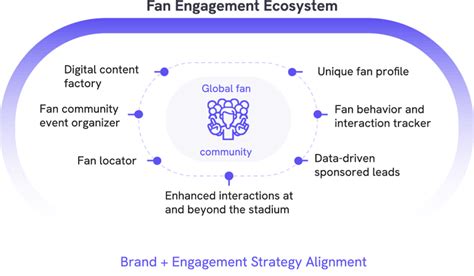
One of the most striking examples of Cagliari Calcio's fan engagement strategy is its focus on personalized fan experiences. Unlike larger clubs with global fan bases, Cagliari has the advantage of operating in a relatively smaller, tightly-knit community. This allows the club to adopt a more intimate approach to fan interaction. For instance, the club has implemented digital platforms that offer behind-the-scenes access to training sessions, player interviews, and even virtual meet-and-greets. These initiatives are not merely marketing tools but are designed to make fans feel like they are part of the club's daily life. Season ticket holders, for example, are often given exclusive access to watch live streams of closed-door friendly matches or receive personalized video messages from players during their birthdays or special occasions. This level of personalization fosters a sense of belonging and loyalty that is difficult to replicate in larger, more impersonal organizations.
Another key aspect of Cagliari's fan engagement is its emphasis on youth involvement. The club runs extensive youth programs aimed at nurturing the next generation of players and fans. These programs go beyond simply teaching football skills; they are designed to instill values such as teamwork, discipline, and respect. For example, the "Cagliari Academy" not only provides high-quality coaching for young athletes but also incorporates educational workshops on topics like nutrition, mental health, and the history of the club. This holistic approach ensures that young fans grow up with a deep connection to the club, not just as spectators but as individuals who understand and embody its ethos. Additionally, the club frequently organizes events where youth team players can interact with first-team stars, creating aspirational role models and reinforcing the idea that the club is a pathway for local talent to shine on a bigger stage.
In terms of community involvement, Cagliari Calcio has positioned itself as a pillar of support for Sardinia's social and cultural fabric. The club's initiatives often extend beyond football to address broader societal needs. For instance, Cagliari has been actively involved in charity campaigns that focus on issues such as poverty alleviation, education, and healthcare. One notable example is the club's partnership with local NGOs to provide meals and educational resources to underprivileged children in the region. These efforts are not one-off events but are part of a sustained program where players and staff volunteer their time to engage directly with the community. Players are often seen visiting schools, hospitals, and community centers, using their platform to bring attention to critical issues and inspire positive change.
The club also recognizes the importance of environmental sustainability as part of its community responsibility. Sardinia, with its unique natural beauty, faces challenges related to environmental conservation. Cagliari Calcio has taken steps to address this by launching campaigns that promote eco-friendly practices. For example, the club has partnered with local waste management organizations to encourage recycling at its stadium, Unipol Domus. On match days, fans are provided with segregated bins for recycling, and the club has introduced reusable cups and cutlery in its concession stands to reduce plastic waste. These measures not only demonstrate the club's commitment to sustainability but also serve as a model for fans to adopt similar practices in their daily lives. Such initiatives resonate deeply with a fan base that takes pride in their island's natural heritage, further strengthening the bond between the club and its community.
An often-overlooked but crucial element of Cagliari's community strategy is its focus on inclusivity. The club has made significant efforts to ensure that football is accessible to all, regardless of socioeconomic status or physical ability. For instance, the club offers discounted tickets for low-income families and free access to certain matches for children from disadvantaged backgrounds. Additionally, Cagliari has invested in making its facilities more accessible for fans with disabilities, including the installation of ramps, elevators, and dedicated seating areas. These efforts not only expand the club's reach but also send a powerful message that football is a sport for everyone, reinforcing a sense of unity within the fan base.
The club's community involvement is also reflected in its cultural initiatives. Cagliari Calcio frequently collaborates with local artists, musicians, and historians to celebrate Sardinian culture. For example, the club has hosted events where traditional Sardinian music is performed before matches, and it has even incorporated local motifs into its merchandise designs. These efforts serve a dual purpose: they celebrate the unique identity of Sardinia while also creating a distinctive brand for the club that resonates with both local and international audiences. This cultural integration ensures that fans see the club not just as a sports entity but as a custodian of their heritage.
Another innovative approach to fan engagement is the club's use of technology and data to enhance the matchday experience. Cagliari has embraced digital tools to provide fans with real-time statistics, interactive polls, and even augmented reality experiences during games. For example, fans can use their smartphones to access player heatmaps, view instant replays from multiple angles, or participate in live quizzes for prizes. These features not only add excitement to the matchday experience but also cater to a younger, tech-savvy audience that expects more from their sports entertainment. By staying ahead of technological trends, Cagliari ensures that it remains relevant and appealing to a diverse range of fans.
Finally, Cagliari Calcio's approach to crisis management and solidarity deserves mention. During times of hardship, such as the COVID-19 pandemic, the club demonstrated exceptional leadership by launching initiatives to support the local community. For instance, the club provided free tickets to healthcare workers as a gesture of gratitude for their service. Additionally, it organized fundraising campaigns to support families affected by the pandemic, further cementing its role as a socially responsible entity. These actions not only endeared the club to its fans but also showcased its ability to act as a unifying force during challenging times.
In conclusion, Cagliari Calcio's approach to fan engagement and community involvement is deeply rooted in its understanding of its unique position as a club embedded in a close-knit, culturally rich region. Through personalized experiences, youth programs, charitable initiatives, environmental efforts, inclusivity, cultural celebrations, and technological innovation, the club has built a model of engagement that goes far beyond the 90 minutes of a football match. This holistic approach not only strengthens fan loyalty but also positions Cagliari Calcio as a beacon of positive impact in its community, proving that football can be a powerful force for good.
Challenges Faced by Cagliari Calcio in Modern Football
Cagliari Calcio, a storied football club based in Sardinia, Italy, has faced a range of challenges in the modern era of football that test its ability to remain competitive and sustainable. These challenges span financial, competitive, and logistical domains, each of which presents unique hurdles that the club must navigate to secure its place in Serie A and beyond.
One of the most pressing issues for Cagliari Calcio is its **financial limitations**. Unlike larger clubs in Serie A, such as Juventus, Inter Milan, or AC Milan, Cagliari does not benefit from the same level of revenue streams. The club's location in Sardinia, while culturally rich and geographically distinct, poses a disadvantage in terms of attracting high-value sponsorships and partnerships. Major brands often prioritize clubs in metropolitan areas like Milan, Rome, or Turin, where exposure is maximized due to larger fan bases and media presence. This geographic isolation limits Cagliari's ability to secure lucrative deals that could inject much-needed capital into the club. Moreover, the club's relatively modest stadium, the Unipol Domus (formerly Sardegna Arena), has a seating capacity of around 16,000—far below the capacities of stadiums like the San Siro or the Allianz Stadium. This smaller venue restricts matchday revenue potential, as ticket sales, concessions, and VIP experiences are capped by the limited number of attendees. While the club has explored plans for a new stadium, such projects require significant upfront investment, which is difficult to secure without external backing or consistent success on the field.
Additionally, Cagliari faces **revenue disparities** in broadcast rights. Serie A's revenue distribution model favors clubs with higher historical success and marketability. Clubs like Juventus and Napoli, with their larger international audiences, command a greater share of the broadcast pie. For Cagliari, this means a smaller slice of the financial resources needed to invest in player acquisitions, youth development, and infrastructure. The club has had to rely on player sales to balance its books, which can be a double-edged sword. While selling promising talents like Nicolò Barella (transferred to Inter Milan in 2019) provides short-term financial relief, it often comes at the cost of weakening the squad and diminishing on-field competitiveness. This cycle of selling key players to survive financially creates a challenging dynamic where long-term growth is compromised for immediate stability.
The **competitive challenges** Cagliari faces are equally daunting. Serie A is one of the most competitive leagues in Europe, with a clear hierarchy of clubs that dominate the top spots. While Cagliari has had periods of success—such as their Scudetto win in 1970—modern football has seen a polarization of resources, where the richest clubs can outspend mid-table and lower-table teams by significant margins. This financial gulf translates into an unequal playing field, where Cagliari struggles to attract top-tier talent or retain players who are lured by higher wages and European competition opportunities elsewhere. For instance, while clubs like Atalanta have managed to punch above their weight by implementing a strong scouting and youth development system, Cagliari has not been as successful in replicating this model. Their youth academy, while producing occasional talents, has not been a consistent pipeline for first-team players who can immediately contribute at a high level. This lack of a robust youth system places additional pressure on the club to rely on the transfer market, where competition for affordable, high-quality players is fierce.
On the field, Cagliari has also struggled with **managerial instability**. The club has cycled through multiple managers in recent years, a symptom of the high-pressure environment in modern football where results are expected quickly. Frequent managerial changes disrupt team cohesion and long-term planning. Each new manager often brings a different philosophy, requiring the squad to adapt repeatedly, which can lead to inconsistent performances. This instability is particularly detrimental for a club like Cagliari, which cannot afford to maintain a large, high-quality squad to weather such transitions. As a result, the team often hovers around the relegation zone, fighting to secure survival rather than aiming for mid-table stability or European qualification.

From a **logistical perspective**, Cagliari's location on the island of Sardinia introduces unique operational challenges. Travel is a significant factor in modern football, with teams often flying across countries for domestic and international fixtures. For Cagliari, even domestic travel involves additional complexity. The need to fly to and from the mainland for away games adds time, cost, and logistical strain compared to clubs based in mainland Italy. This geographic barrier can impact player recovery times, particularly in a physically demanding league like Serie A, where midweek fixtures and congested schedules are common. Moreover, the club's training facilities and infrastructure may not be on par with those of top-tier clubs, further complicating efforts to maintain player fitness and development at elite levels. While efforts have been made to improve facilities, the lack of a fully integrated, state-of-the-art training center places Cagliari at a disadvantage compared to clubs with world-class setups.
Another logistical challenge lies in **fan engagement and outreach**. While Cagliari has a loyal local fan base, the club faces difficulties in expanding its reach beyond Sardinia. The island's population is relatively small compared to metropolitan areas, and the club must compete for attention not just with other Serie A teams but also with global football brands that have a strong digital and media presence. In an era where fan engagement is increasingly driven by social media, streaming platforms, and digital content, Cagliari must find innovative ways to grow its audience. However, limited resources and a smaller media team make it difficult for the club to compete with the content production capabilities of larger organizations. This limits their ability to monetize international fan bases or attract global supporters who might otherwise be drawn to the club's unique identity and heritage.
Finally, the **recruitment and retention of players** present a logistical and competitive challenge. While Sardinia is an attractive place to live due to its natural beauty and quality of life, it may not appeal to all professional footballers, particularly those from outside Italy. Factors such as the island's relative isolation, limited nightlife compared to cities like Milan or Rome, and the lack of a high-profile football culture can deter players who prioritize off-field opportunities alongside their careers. Additionally, Cagliari often finds itself outbid by clubs in more glamorous locations or those offering European competition. This restricts the club's ability to build a squad capable of consistently competing at the higher end of Serie A.
In summary, Cagliari Calcio's challenges are multifaceted and deeply rooted in the realities of modern football. **Financial constraints** limit the club's ability to invest in infrastructure, player development, and competitive wages. **Competitive pressures** from wealthier clubs and the demanding nature of Serie A make it difficult to maintain a stable position in the league. **Logistical hurdles**, including geographic isolation and travel complexities, add operational strain that other clubs do not face to the same extent. Addressing these challenges will require a combination of strategic planning, innovative revenue generation, and a commitment to long-term investment in infrastructure and talent development. Without such measures, Cagliari risks being perpetually caught in a cycle of survival rather than growth.
Future Prospects for Cagliari Calcio Games
The future prospects for Cagliari Calcio games are deeply intertwined with the club's ability to adapt and innovate in a rapidly evolving football landscape. While the team has a storied history and a loyal fan base, its long-term success will depend on strategic investments in areas that can drive sustainable growth. Among these, youth academies, partnerships, and digital engagement stand out as pivotal focus points that could redefine the club's trajectory in the coming years.
One of the most promising areas for Cagliari Calcio is the development and expansion of its youth academy. Historically, Italian football has thrived on the ability of clubs to nurture homegrown talent, with examples like AC Milan's youth system producing legends such as Paolo Maldini. For Cagliari, investing in a robust academy system could serve multiple purposes. First, it provides a cost-effective pipeline of talent that can reduce dependency on expensive transfers. This is particularly relevant for mid-table Serie A clubs like Cagliari, which often operate within constrained budgets compared to top-tier clubs. By focusing on identifying and training young players from Sardinia and beyond, the club can cultivate a sense of local pride while also building a competitive edge. Moreover, a well-structured academy can attract international prospects, especially from regions where Cagliari might establish scouting networks. For instance, partnerships with smaller clubs in South America or Africa could open doors to untapped talent pools. The academy could also serve as a feeder system for other European leagues, creating a revenue stream through player sales—a model successfully employed by clubs like Ajax and Benfica.
To maximize the potential of its youth academy, Cagliari must prioritize modern training methodologies and facilities. This includes integrating data analytics into player development, using wearable technology to monitor physical performance, and employing sports psychologists to foster mental resilience. Additionally, the club could explore collaborations with local educational institutions to provide academic support for young players, ensuring they have pathways beyond football. Such holistic development not only improves the quality of players but also enhances the club's reputation as a forward-thinking organization.
Another critical area for growth lies in strategic partnerships. Cagliari Calcio has the opportunity to leverage partnerships both locally and globally to broaden its influence and resources. On a local level, the club could deepen its ties with Sardinian businesses and institutions to create mutually beneficial initiatives. For example, partnerships with tourism boards could position Cagliari as a destination for football tourism, where fans from around the world are encouraged to visit Sardinia not just for matches but also for the region's rich cultural heritage. Similarly, collaborations with local food and beverage companies could enhance the matchday experience, making the Unipol Domus stadium a hub for more than just football—a place where fans can enjoy a distinctly Sardinian atmosphere.
On an international scale, Cagliari should explore partnerships with clubs in emerging football markets. For example, a tie-up with a club in the United States or India could open avenues for brand exposure in regions where football is growing rapidly. Such partnerships could involve player exchanges, joint training camps, or even co-branded merchandise. Additionally, Cagliari could position itself as a hub for pre-season tournaments or friendly matches featuring high-profile teams, leveraging its geographical location as a Mediterranean hub to attract global attention. These initiatives not only enhance revenue streams but also position the club as a more visible entity on the international stage.
The third pillar of growth for Cagliari Calcio lies in digital engagement, a domain where many football clubs are still catching up. The digital transformation of fan engagement is no longer optional; it is a necessity for clubs aiming to remain competitive. Cagliari can capitalize on this by investing in a robust digital ecosystem that includes a revamped website, mobile app, and social media strategy. A well-designed app, for instance, could provide fans with real-time match updates, exclusive content, and interactive features like live polls or quizzes during games. Furthermore, the club could explore the use of augmented reality (AR) and virtual reality (VR) to offer immersive experiences, such as virtual stadium tours or the ability to "watch" a match from the perspective of a player on the field.
Digital engagement also extends to e-commerce and fan merchandise. Cagliari could develop a more sophisticated online store that not only sells jerseys and scarves but also offers limited-edition items tied to club milestones or player achievements. Personalization options, such as custom-printed jerseys or fan-designed merchandise contests, could further deepen fan loyalty. Additionally, the club could explore non-fungible tokens (NFTs) as a way to monetize digital memorabilia, such as iconic match moments or player cards. While NFTs are still a nascent market in football, early adopters like PSG have shown that they can generate significant interest and revenue when implemented thoughtfully.
Another avenue within digital engagement is the use of subscription-based content. Cagliari could launch a platform offering behind-the-scenes footage, player interviews, and tactical breakdowns by coaches. This not only caters to die-hard fans but also attracts a global audience interested in the inner workings of a Serie A club. Subscription models can provide a steady revenue stream while creating a sense of exclusivity for fans who want to feel closer to the club.
Moreover, Cagliari should not overlook the potential of gamification in fan engagement. The club could develop mobile games or interactive experiences where fans can "manage" a virtual Cagliari team, earn rewards, and compete with other fans. Such initiatives not only entertain but also foster a deeper emotional connection with the club, particularly among younger fans who are more accustomed to digital-first experiences.
While these prospects are promising, Cagliari must also be mindful of the challenges associated with implementing these strategies. Youth academies require significant upfront investment and time before bearing fruit. Partnerships, particularly international ones, must be carefully vetted to ensure alignment with the club's values and long-term goals. Digital engagement, while lucrative, demands ongoing innovation to keep fans interested in an era of short attention spans. However, with a clear vision and consistent execution, Cagliari Calcio can position itself as a model for how mid-sized clubs can thrive in the modern era.
In conclusion, the future of Cagliari Calcio games lies in its ability to think beyond the pitch. By prioritizing youth academies as a source of sustainable talent, forging innovative partnerships to expand its reach, and embracing digital engagement to connect with fans in new ways, the club can carve out a distinct identity in Italian and global football. These initiatives are not just about short-term gains but about building a legacy that ensures Cagliari remains relevant and competitive for decades to come.
Conclusion and Strategic Recommendations
The analysis of Cagliari Calcio's games reveals a complex interplay of tactical decisions, player performance, and organizational strategies that shape the club's trajectory. To ensure sustainable success, it is essential to distill key takeaways from recent performances and propose actionable strategies tailored to the club's unique position in Serie A and its broader ambitions.
One of the most striking takeaways is the inconsistency in defensive stability across matches. While Cagliari has shown flashes of resilience, particularly in high-pressure situations, there are recurring lapses that have cost the team critical points. For instance, the team's susceptibility to counterattacks and set-piece vulnerabilities suggest a need for more cohesive defensive training and better communication between the backline and midfield. This is not merely a player-level issue but also points to a potential gap in the coaching staff's ability to instill a system that minimizes errors under duress. A deep dive into match data indicates that Cagliari concedes a disproportionate number of goals in the final 15 minutes of games, a trend that underscores both physical and mental fatigue.
On the attacking front, reliance on individual brilliance rather than systemic creativity has been evident. Players like their primary forwards have occasionally delivered match-winning performances, but this has often come at the expense of a structured offensive approach. When these key players are marked out of the game or are unavailable due to injury, the team struggles to generate meaningful chances. This over-reliance can be mitigated by fostering a more fluid attacking philosophy that emphasizes positional interchange and quick passing sequences. The introduction of a tactical framework akin to positional play could help Cagliari exploit spaces more effectively, particularly against defensively compact opponents.
Another area of concern is the underutilization of youth academy talent. While Cagliari has a reputation for nurturing young players, the integration of academy graduates into the first team has been inconsistent. This is a missed opportunity, as promoting homegrown talent not only reduces transfer expenses but also fosters a stronger connection between the club and its fanbase. A strategic recommendation here is to establish a clear pathway for youth players, including structured loan spells to lower-tier teams where they can gain competitive experience. Additionally, the club should consider appointing a dedicated youth development coordinator who works in tandem with the first-team coaching staff to ensure a seamless transition for promising players.
From a financial and operational standpoint, Cagliari's relatively modest budget compared to top-tier Serie A clubs necessitates a smarter approach to player recruitment and squad management. The club has often invested in short-term solutions, such as loan deals or aging players, which offer immediate returns but lack long-term value. A more sustainable strategy would involve focusing on data-driven recruitment that identifies undervalued players with high potential. For example, leveraging advanced analytics to scout players from less-prominent leagues who fit the team's tactical needs could provide a competitive edge. Furthermore, Cagliari should explore partnerships with clubs in lower divisions or even abroad to create a network for player development and exchange, similar to models used by clubs like RB Leipzig or Ajax.
The fan engagement and branding strategy also warrants attention. While Cagliari enjoys a loyal local following, expanding its reach domestically and internationally can provide additional revenue streams. A more active social media presence, including behind-the-scenes content, player interviews, and interactive fan polls, can help build a stronger digital community. Moreover, the club could leverage its unique Sardinian identity to create niche marketing campaigns that appeal to both local pride and global curiosity about the region. For instance, limited-edition merchandise featuring Sardinian motifs or collaborations with local artisans could enhance the club’s brand appeal.
In terms of matchday experience, the club should consider enhancing the Unipol Domus stadium atmosphere. While the venue is modern, there is room to improve fan engagement through initiatives like pre-match events, themed matchdays, and better integration of technology such as augmented reality experiences for ticket holders. These enhancements not only improve the fan experience but also create opportunities for sponsorship activations, which can contribute to the club's financial health.
A critical yet often overlooked aspect is the role of sports science and analytics in modern football. Cagliari should invest in a robust sports science department to monitor player fitness, reduce injury risks, and optimize performance. For instance, the use of GPS tracking and machine learning algorithms to analyze player movement patterns can help tailor training regimens to individual needs. Additionally, the club could benefit from a more aggressive use of video analysis tools to identify opponent weaknesses and prepare tailored game plans. These investments may require upfront costs but will pay dividends in terms of player availability and tactical flexibility over the course of a season.
Finally, the leadership and vision of the club's management must be aligned with a clear, long-term strategy. Too often, mid-table clubs like Cagliari oscillate between survival-focused seasons and fleeting attempts at European qualification without a coherent plan. The club should define a 3-5 year roadmap that outlines specific objectives, such as consistently finishing in the top half of Serie A, developing a distinct playing identity, and building a financially sustainable model. This roadmap should be communicated transparently to stakeholders, including fans, sponsors, and players, to foster trust and buy-in.
- Invest in a defensive coaching specialist to address systemic vulnerabilities and improve set-piece organization.
- Develop a positional play system to enhance offensive fluidity and reduce over-reliance on individual performances.
- Establish a youth development pathway with clear milestones for academy players to transition into the first team.
- Adopt a data-driven recruitment model to identify undervalued talent from emerging leagues.
- Enhance fan engagement through digital initiatives and unique Sardinian-themed branding campaigns.
- Upgrade the matchday experience with technology-driven and community-focused initiatives.
- Build a sports science department to optimize player fitness and reduce injury rates.
- Create a long-term strategic roadmap with defined objectives and transparent communication to stakeholders.
In conclusion, Cagliari Calcio stands at a crossroads where strategic interventions can determine its trajectory in Italian football. While the club has inherent strengths, such as a passionate fanbase and a history of resilience, these must be complemented by modern, forward-thinking approaches. By addressing defensive inconsistencies, fostering a more creative and sustainable attacking framework, investing in youth and sports science, and enhancing both on-field and off-field operations, Cagliari can position itself not just as a survivor in Serie A but as a club with the potential to thrive. These recommendations are not merely aspirational but grounded in practical steps that align with the realities of modern football management.