Introduction to English Football Leagues
The English football league system is one of the most well-organized and globally recognized frameworks in the world of sports. It serves as a model for structuring competitive leagues across various countries and is a cornerstone of the global football ecosystem. With its roots deeply embedded in the history of modern football, the league system in England not only represents a complex hierarchy of competitions but also holds immense cultural and economic significance. This introduction explores the structure of the English football leagues, their unique features, and their global impact.
At its core, the English football league system is a **pyramid structure** comprising multiple tiers of leagues, interconnected by a system of promotion and relegation. This system ensures that clubs have the opportunity to rise or fall based on their performance, creating a dynamic and competitive environment. The system starts with the **Premier League** at the top, followed by the **English Football League (EFL)**, which includes the Championship, League One, and League Two. Below these are the **non-league tiers**, which are further divided into various levels managed by organizations like the National League and regional football associations. This tiered approach allows for inclusivity, as even small, community-based clubs can aspire to climb the ranks and compete at higher levels.
The **Premier League**, established in 1992, is the pinnacle of this system and is widely regarded as the most competitive and lucrative football league in the world. Its global appeal is driven by the presence of world-class players, high-profile managers, and state-of-the-art stadiums. Broadcasting rights for the Premier League are sold to over 180 countries, making it a significant contributor to the global sports entertainment industry. This international exposure not only elevates the profile of English football but also generates substantial revenue that trickles down through the lower tiers of the pyramid, albeit unevenly.
Beneath the Premier League lies the **EFL**, which serves as the bridge between elite football and the grassroots levels. The **Championship**, the second tier, is particularly noteworthy for its intensity. Often described as one of the toughest leagues to compete in, the Championship features clubs with rich histories and ambitions of promotion to the Premier League. The financial stakes are high, as promotion to the Premier League can result in a windfall of over £100 million due to increased revenue from TV deals and sponsorships. Conversely, relegation from the Premier League can lead to financial instability for clubs unprepared for the drop in income.
The **non-league system**, often overlooked in casual discussions of English football, is a critical part of the ecosystem. Leagues such as the **National League**, **Northern Premier League**, and **Isthmian League** provide a platform for semi-professional and amateur clubs to participate in competitive football. These leagues are a breeding ground for talent, with many players and managers honing their skills here before moving to higher-tier clubs. The non-league system also embodies the community spirit of English football, as these clubs are often deeply tied to local identities and traditions. This aspect of the league system reinforces the idea that football in England is not just a professional sport but also a cultural phenomenon that permeates society at multiple levels.
One of the most distinctive features of the English football league system is its **open structure**. Unlike some countries where leagues are closed or heavily franchised, England’s system is built on the principle of meritocracy. A club from the lowest tier can theoretically rise to the Premier League if it consistently performs well and meets the necessary criteria for each tier. This openness has led to remarkable success stories, such as **Leicester City’s rise to win the Premier League in 2016**, a feat that captured global attention and underscored the unpredictability and charm of the system. However, this meritocracy also comes with challenges, as smaller clubs often struggle to compete financially with wealthier counterparts, leading to debates about the sustainability of the system.
The **global significance** of the English football leagues cannot be overstated. English clubs are among the most followed worldwide, with fan bases extending far beyond the borders of the UK. This global reach is partly due to the historical influence of England as the birthplace of modern football and partly due to the league’s ability to market itself as a premium product. The Premier League, in particular, has positioned itself as a global brand, with clubs like Manchester United, Liverpool, and Arsenal boasting fan bases that rival those of major international sports franchises. This global interest also drives tourism, merchandise sales, and international collaborations, further cementing the league’s role as a powerhouse in the sports world.
Another layer of significance lies in the **economic impact** of the league system. The English football industry contributes billions of pounds annually to the UK economy through ticket sales, broadcasting rights, sponsorships, and related industries such as hospitality and retail. This economic engine supports not only the clubs and players but also local businesses and communities. For instance, matchdays for lower-league clubs often serve as key events for small towns, bringing in visitors and revenue. However, the financial disparities between the top tiers and lower leagues have sparked discussions about revenue distribution and the need for more equitable models to support the sustainability of smaller clubs.
The league system also plays a role in **talent development**. England’s youth academies, often affiliated with clubs across the tiers, are known for producing players who go on to represent both domestic and international teams. The **English Football Association (FA)** has implemented initiatives to strengthen this pipeline, ensuring that the league system not only serves as a competitive arena but also as a nursery for future stars. This focus on youth development has paid dividends in recent years, with England’s national team achieving success in tournaments like the UEFA European Championship and FIFA World Cup.
From a **cultural perspective**, the league system reflects the deep-seated passion for football in England. Matches are not just sporting events but social occasions that bring together people from diverse backgrounds. The rivalries between clubs, such as the North-West derby between Liverpool and Manchester United or the London derbies, add drama and narrative to the league seasons. These cultural elements make the leagues more than just a competition—they are a shared experience that unites fans and communities.
In summary, the English football league system is a microcosm of the sport’s broader role in society. It combines **competition, inclusivity, and tradition** while serving as a global benchmark for how football can be structured and celebrated. Its significance extends beyond the pitch, influencing economics, culture, and even national identity. As the system continues to evolve—facing challenges like financial disparities, VAR implementation, and the pressures of modern commercialization—it remains a testament to the enduring appeal and adaptability of football in England.
Overview of the Football Pyramid Structure
The structure of English football leagues is organized into a **pyramid system** that provides a clear hierarchy of competition across various levels of play. This system is designed to ensure that teams can progress or regress based on their performance, creating a dynamic and competitive environment. The pyramid is not just a static framework but a living ecosystem where success and failure are rewarded or punished through **promotion and relegation** mechanisms. This section delves into the tiers of the pyramid, the mechanics of movement between them, and the broader implications for clubs and the sport as a whole.
At the **top of the pyramid** lies the **Premier League**, the most prestigious and commercially successful league in English football. Established in 1992 as a breakaway from the Football League, the Premier League operates as a separate entity but remains part of the broader pyramid. It consists of 20 teams, and its position as the top tier means it garners the most attention, revenue, and global viewership. Below the Premier League are the three divisions of the **English Football League (EFL)**: the **Championship**, **League One**, and **League Two**. These three tiers form the core of the professional game and are directly linked to the Premier League through promotion and relegation.
The **Championship**, as the second tier, is often regarded as one of the most competitive leagues in the world. It features 24 teams, and the stakes are incredibly high. The top two teams at the end of the season are automatically promoted to the Premier League, while the teams finishing in 3rd to 6th places enter a **playoff system** to determine the third promoted team. This playoff format is unique and adds an extra layer of drama, as a team that finishes 6th can still achieve promotion by winning a series of high-pressure matches. Conversely, the bottom three teams in the Championship are relegated to **League One**, emphasizing the fine line between success and failure.
Below the Championship, **League One** and **League Two** operate with similar structures. League One has 24 teams, with the top two gaining automatic promotion and a playoff determining the third promoted team from positions 3rd to 6th. The bottom four teams are relegated to League Two. In **League Two**, the top three teams are promoted automatically, while the 4th to 7th teams contest a playoff for the fourth promotion spot. The bottom two teams in League Two face relegation to the **National League**, which marks the first step into **non-league football**.
The inclusion of the **National League** in the pyramid is significant because it represents the bridge between professional and semi-professional football. The National League has 24 teams, with the champions gaining automatic promotion to League Two. The second to fifth-placed teams enter a playoff for the second promotion spot. This tier is a critical juncture because it often features clubs with ambitions to re-enter the fully professional ranks, as well as those struggling to maintain their status due to financial or infrastructural challenges. Below the National League, the pyramid fans out into **regional leagues** such as the National League North and South, which further subdivide into even more localized competitions.
The **promotion and relegation** system is the lifeblood of the pyramid structure. It ensures that every match has consequences, not just for the current season but for a club's long-term trajectory. For example, a team in the Championship that secures promotion to the Premier League stands to gain **significant financial rewards**, including a share of the Premier League's lucrative broadcast deals. However, the flip side is equally stark: relegation from the Premier League often leads to a sharp decline in revenue, forcing clubs to adapt quickly to reduced budgets. This dynamic creates a **high-stakes environment** where clubs must balance short-term performance with long-term sustainability.
The mechanics of promotion and relegation are not solely based on final league standings. Factors such as **points deductions** for financial mismanagement or rule breaches can influence a team's position. For instance, a club might finish mid-table but face relegation due to unpaid debts or breaches of league regulations. This adds a layer of complexity and unpredictability to the system, as off-field issues can sometimes override on-field success.
Another unique aspect of the pyramid is the presence of **non-automatic promotion pathways** in lower tiers. For example, clubs in the National League must meet specific **stadium and financial criteria** to be eligible for promotion to League Two. This ensures that promoted teams are capable of competing at a higher level both on and off the pitch. Similarly, teams in the Premier League or EFL must maintain certain standards to avoid being **expelled or demoted administratively**. These criteria demonstrate that the pyramid is not just about sporting merit but also about **infrastructure, governance, and financial health**.
The pyramid also supports a sense of **fluidity and opportunity** for clubs at all levels. A small club in the lower reaches of the pyramid, such as a team in the eighth or ninth tier, can dream of climbing the ranks over time. This is not merely theoretical; there are examples of clubs like **AFC Wimbledon** or **Bournemouth** that have risen from obscurity to compete in higher tiers. This possibility of upward mobility fosters a sense of **hope and ambition** among fans and club owners, even in the face of significant challenges.
However, the system is not without its **criticisms and challenges**. Some argue that the financial gulf between the Premier League and lower tiers is so vast that it creates an **imbalance**, making it nearly impossible for smaller clubs to compete sustainably at higher levels. For instance, a newly promoted team from the Championship might struggle to retain its Premier League status due to the superior resources of established top-tier clubs. This has led to debates about whether the pyramid should include **additional financial support mechanisms** for lower-tier clubs to level the playing field.
The pyramid structure also plays a role in **fan culture and identity**. Supporters of lower-league teams often take pride in their club's unique journey, whether it involves steady progression through the tiers or a fight to avoid dropping into obscurity. This contrasts with the more commercialized atmosphere of the Premier League, where global fanbases and corporate interests sometimes overshadow local traditions. The pyramid's inclusivity ensures that football remains accessible to communities across England, even if their team is not competing at the highest level.
In summary, the **pyramid structure of English football leagues** is a carefully balanced system that rewards success and punishes underperformance while maintaining opportunities for growth and recovery. Its tiers, from the Premier League down to regional competitions, are interconnected through promotion and relegation mechanics that emphasize meritocracy. While the system is not perfect—particularly in addressing financial disparities—it remains a model of how a sport can organize itself to balance competition, ambition, and accessibility. Understanding this structure provides insight not only into the mechanics of English football but also into the broader cultural and economic dynamics that shape the game.
The Premier League: The Top Tier
The Premier League, established in 1992, stands as the pinnacle of English football and one of the most prestigious leagues in the world. Its formation marked a transformative moment in the sport, driven by a desire to modernize and commercialize football in England. This section delves into the history, structure, iconic teams, and the league's role as the highest level of competition in the English football pyramid.
The origins of the Premier League can be traced back to the declining state of English football in the 1980s. Stadiums were outdated, hooliganism was rampant, and the sport was struggling to attract investment. A pivotal moment came in 1990 when England's successful bid to host the 1996 European Championships signaled a need for change. Simultaneously, the advent of satellite television provided an opportunity to monetize the sport in new ways. In 1992, the First Division clubs broke away from the Football League to form the Premier League, fueled by a lucrative broadcasting deal with Sky Sports. This move not only provided clubs with unprecedented financial resources but also positioned English football as a global entertainment product.
The Premier League is home to 20 teams each season, competing in a double round-robin format where every team plays 38 matches—19 at home and 19 away. The league operates on a system of promotion and relegation with the English Football League (EFL), meaning the bottom three teams at the end of each season are demoted to the Championship, while the top two teams from the Championship, along with a playoff winner, are promoted. This dynamic injects both hope and tension into the competition, as even historically smaller clubs can rise to challenge the elite.
Among the teams that have defined the Premier League, Manchester United stands out as the most successful in the league's early years. Under the management of Sir Alex Ferguson, the club won 13 titles between 1993 and 2013, setting a standard for dominance. However, the league is characterized by competitive balance over time. Teams like Arsenal, Chelsea, Manchester City, and Liverpool have also etched their names into its history. Manchester City's rise under Abu Dhabi ownership and Liverpool's resurgence under Jürgen Klopp illustrate how the league accommodates both traditional powerhouses and emerging forces shaped by modern financial strategies.
What sets the Premier League apart is its global appeal. Unlike many other leagues, it features a blend of tactical diversity, physical intensity, and technical skill that attracts fans worldwide. The league's broadcast deals, valued at billions of pounds, ensure matches are televised in over 190 countries. This reach has turned clubs into global brands, with fan bases extending far beyond the UK. For instance, Liverpool's "You'll Never Walk Alone" anthem resonates in stadiums from Indonesia to the United States, while Manchester United's global tours reflect its status as a commercial juggernaut.
The Premier League's role as the highest level of competition is underscored by its influence on player development and transfer markets. The league attracts top talent from across the globe, with players like Cristiano Ronaldo, Thierry Henry, and Kevin De Bruyne becoming synonymous with its style of play. Moreover, the financial might of the Premier League means it often outspends other leagues in transfer windows. This has created a feedback loop where success in the Premier League enhances a club's ability to attract better players, perpetuating its status as the most competitive league.
One of the league's unique aspects is its unpredictability. While elite teams often dominate, "giant-killing" upsets are a regular feature. For example, Leicester City's title win in 2016 remains one of the most astonishing achievements in modern sports history. A team with odds of 5000-1 defied all expectations, showcasing how the Premier League can subvert traditional hierarchies. This unpredictability is partly due to the intense schedule, which tests squad depth and managerial acumen, and partly due to the league's relatively even distribution of television revenue compared to other top European leagues.
The Premier League also plays a critical role in the broader English football ecosystem. Revenue generated at the top trickles down through solidarity payments and parachute payments to lower leagues, albeit with debates about whether this is sufficient to address financial disparities. Additionally, the league serves as a showcase for English talent, though criticism persists about the limited opportunities for young English players due to the influx of international stars. Initiatives like the Elite Player Performance Plan (EPPP) aim to address this by improving youth development pathways.
Another layer of the Premier League's identity is its stadiums. From the historic grounds like Anfield and Old Trafford to modern arenas like the Emirates Stadium and Tottenham Hotspur Stadium, the venues are integral to the fan experience. These stadiums are not just venues for football but cultural landmarks that embody the spirit of their communities. The atmosphere generated by passionate crowds is often cited as a key differentiator of the Premier League compared to other top-tier leagues.
The league's global influence extends beyond football into societal and economic realms. It has become a vehicle for soft power, with clubs engaging in philanthropic activities and community outreach programs. For instance, Manchester City's Cityzens Giving initiative funds youth-led projects worldwide, while Chelsea's Say No To Antisemitism campaign addresses social issues. These efforts reflect how the Premier League's teams are more than sports entities—they are cultural ambassadors.
From a competitive standpoint, the Premier League is often described as the most demanding league in the world. The physicality of matches, combined with the depth of competition, means no team can afford complacency. This is evident in the fierce battles for European qualification spots and the fight to avoid relegation. Even mid-table teams like Brighton & Hove Albion and Brentford have shown they can challenge the so-called "Big Six" on their day, further enriching the league's narrative.
In conclusion, the Premier League is more than just the top tier of English football—it is a global phenomenon that blends tradition, innovation, and intense competition. Its history is marked by ambition and evolution, from its breakaway origins to its current status as a multi-billion-pound industry. The league's blend of iconic teams, world-class players, and unmatched global reach ensures it remains the standard-bearer for football at the highest level. Whether through the roar of a packed Anfield or the drama of a last-minute winner at the Etihad, the Premier League encapsulates the drama and passion that define football as the world's most beloved sport.
The English Football League (EFL) Structure
The English Football League (EFL) is a critical component of the English football pyramid, serving as the backbone for professional football below the elite Premier League. With a history dating back to 1888, the EFL encompasses three main divisions—the Championship, League One, and League Two—that collectively form a competitive and financially diverse ecosystem. Each division has its own distinct characteristics, challenges, and appeal, providing a pathway for clubs to rise through the ranks or fall into lower tiers depending on their performance. This section will explore the structure, dynamics, and unique features of these three leagues as part of the broader EFL system.
The Championship, the highest tier of the EFL, is often described as one of the most competitive and financially demanding leagues in the world outside the top-tier leagues like La Liga, Serie A, or the Premier League. It consists of 24 teams, all vying for one of the most coveted prizes in football: promotion to the Premier League. The financial rewards of reaching the top flight are immense, with parachute payments for relegated teams and lucrative TV deals creating a stark contrast between the Championship and lower divisions. However, this economic allure also introduces significant risk; clubs often overspend in pursuit of promotion, leading to financial instability if their ambitions are not realized.
The Championship operates on a standard points-based system, with each team playing 46 matches in a season—home and away against every other team. The top two teams at the end of the season are automatically promoted to the Premier League, while the teams finishing in third to sixth places enter the playoffs. The playoff system is a unique feature of English football, adding drama and unpredictability. A four-team mini-tournament culminates in a Wembley final often referred to as the “richest game in football,” as the financial windfall from Premier League promotion can exceed £100 million. Conversely, the bottom three teams in the Championship are relegated to League One, emphasizing the high-stakes nature of this division.
One of the unique aspects of the Championship is the blend of clubs with storied histories and those with more recent ambitions. Teams like Nottingham Forest and Sheffield United bring a sense of tradition, while others such as Wigan Athletic or Luton Town exemplify the potential for smaller clubs to compete at this level. The division is also a proving ground for young talent and experienced players seeking a second chance, with many Premier League clubs loaning out players to gain experience in the highly physical and tactical environment of the Championship.
Below the Championship lies League One, a division that balances the pursuit of upward mobility with the threat of relegation to League Two. League One comprises 24 teams, similar to the Championship, and operates on the same 46-match season format. While the financial rewards are less substantial than in the Championship, the competition is no less fierce. Clubs in League One often face a dual challenge: maintaining competitiveness on the pitch while managing tighter budgets. Unlike the Championship, where some clubs can rely on parachute payments from previous Premier League stints, League One teams are more reliant on gate receipts, local sponsorships, and innovative commercial strategies to sustain themselves.
League One is notable for its unpredictability. Teams like Portsmouth, Ipswich Town, and Bolton Wanderers—once fixtures in higher divisions—find themselves rebuilding amidst financial constraints or past mismanagement. At the same time, clubs such as Accrington Stanley or Wycombe Wanderers demonstrate how smaller, community-focused teams can punch above their weight. The division also serves as a launchpad for young managers and players. For instance, managers who succeed in League One often attract attention from higher-tier clubs, while players use the platform to showcase their abilities for potential moves upward. The top two teams are automatically promoted, while the third promotion spot is determined through playoffs involving the teams finishing third to sixth.
Relegation from League One is a harsh reality for the bottom four teams, who drop to League Two. This creates a high-pressure environment where every point matters, particularly in the latter stages of the season. Unlike the Championship, where financial disparity can sometimes create predictable outcomes, League One is characterized by a more level playing field, with upsets and surprise runs common.
League Two, the lowest tier of the EFL, is where the grassroots of professional football are most visible. Comprising 24 teams, it is a division where financial prudence and community engagement often take precedence over lavish spending. Clubs in League Two operate under strict financial fair play rules, with many relying heavily on local support and volunteer efforts to maintain operations. Despite these limitations, the division is rich in character and stories of resilience.
The competitiveness of League Two is reflected in its promotion structure. The top three teams are automatically promoted, while the fourth promotion spot is determined through playoffs involving the teams finishing fourth to seventh. This creates nail-biting end-of-season scenarios, where even teams in mid-table can harbor realistic playoff ambitions with a strong run of form. At the other end of the table, the bottom two teams face relegation to the National League, the first tier of non-league football. This prospect adds a layer of urgency to matches, as clubs fight to avoid the financial and reputational challenges associated with dropping out of the EFL system.
League Two is also a hotbed for emerging talent. Young players often find opportunities here to develop their skills in a less pressurized environment compared to higher divisions. Additionally, experienced professionals winding down their careers frequently take on player-coach roles or contribute as mentors to younger squads. Clubs like Mansfield Town, Tranmere Rovers, and Swindon Town exemplify the mix of ambition and pragmatism that defines this tier. The division also attracts a loyal fan base, with many supporters valuing the close-knit, community-driven nature of League Two football over the commercialized spectacle of higher divisions.
A common thread across the Championship, League One, and League Two is the role of the EFL in promoting sustainability and competitiveness. The EFL’s financial regulations, such as the Salary Cost Management Protocol (SCMP) in League One and League Two, aim to prevent unsustainable spending. However, these rules are often a point of contention, as clubs grapple with the tension between ambition and fiscal responsibility. For example, clubs relegated from the Championship to League One may struggle to adapt to the reduced income, while League Two teams promoted to League One face challenges in scaling their operations to meet the demands of a higher division.
Another unique insight into the EFL structure is the role of cup competitions. Teams in all three divisions participate in the EFL Cup, EFL Trophy, and FA Cup, offering opportunities for lower-league teams to test themselves against Premier League opposition or secure unexpected revenue through deep cup runs. These competitions often serve as a double-edged sword; while they provide exposure and financial boosts, they can also strain smaller squads and detract from league ambitions.
In summary, the Championship, League One, and League Two collectively form a dynamic and interdependent system within the EFL. Each division has its own identity, from the high-stakes battles of the Championship to the community-focused resilience of League Two. Together, they embody the diversity and depth of English football, offering a platform for clubs, players, and managers to grow, compete, and, at times, reinvent themselves within the broader football landscape.
Non-League Football: Steps 1–6
The non-league football system in England represents a fascinating and complex structure that operates below the fully professional leagues of the English Football League (EFL) and the Premier League. This section focuses on **Steps 1–6** of the National League System (NLS), which encompasses teams outside the EFL and provides a pathway for clubs to ascend into professional football or descend into more localized competition. Understanding this system requires an appreciation of its organization, the competitive dynamics, and the unique challenges faced by clubs at these levels.
The **National League**, at **Step 1**, is the highest tier of non-league football and acts as the bridge between the professional and semi-professional game. It consists of 24 teams, with the champions earning automatic promotion to the EFL League Two, while the next four teams enter a playoff system for the second promotion spot. This tier is highly competitive, as clubs like **Wrexham**, recently backed by high-profile owners, and traditional non-league powerhouses such as **Notts County** and **Chesterfield**, vie for a chance to re-enter the professional ranks. Unlike lower steps, Step 1 clubs often have significant fan bases, some even drawing crowds comparable to lower-tier EFL teams. This financial backing can be a double-edged sword; while it enables better facilities and player recruitment, it also raises expectations and financial pressures that can destabilize clubs if promotion is not achieved.
Below the National League is **Step 2**, divided into two regional divisions: the **National League North** and **National League South**. Each division contains 24 teams, making this level geographically diverse but logistically challenging for some clubs. Travel costs for away fixtures can be a significant burden, especially for semi-professional teams where players often balance football with day jobs. For example, a club in the south like **Dartford** may face a 500-mile round trip to play **Blyth Spartans** in the north. These divisions highlight the strain on resources for non-league clubs, where even modest success requires robust local support, sponsorship deals, and volunteer networks. Promotion from Step 2 is determined by a playoff system, ensuring high stakes for clubs at this level.
The structure becomes more fragmented at **Step 3**, which is split into three leagues: the **Isthmian League Premier Division**, the **Northern Premier League Premier Division**, and the **Southern League Premier Division Central/South**. Each league operates with a regional focus, which helps reduce travel costs compared to Step 2 but introduces a new set of challenges. Clubs at this level often rely heavily on community ties and local businesses for survival. Attendance figures typically range from 300 to 800 per game, depending on the club’s history and local support. A unique aspect of Step 3 is the prevalence of clubs with rich histories that have fallen from higher levels, such as **Hereford FC**, a phoenix club rebuilt by fans after the demise of Hereford United. These clubs often carry the emotional weight of past glories, which can fuel both ambition and nostalgia among supporters.
At **Steps 4–6**, the non-league pyramid further subdivides into a multitude of regional leagues, creating a highly localized football experience. For instance, **Step 4** includes leagues like the **Isthmian League Division One North/South** and the **Northern Premier League Division One East/West**. These leagues often feature clubs with more modest facilities, such as grounds with only one or two stands, and players who are either part-time or entirely amateur. Despite the lower profile, **Step 4** is a critical proving ground for young talent and a testing environment for clubs aiming to climb the pyramid. For example, **Bedford Town** in the Southern League Division One Central has invested in youth development programs to nurture players who might eventually move up to higher levels, illustrating how smaller clubs can still contribute meaningfully to the football ecosystem.
As we descend to **Steps 5 and 6**, the leagues become even more localized, with names like the **Combined Counties League** and **Essex Senior League** representing competitions where community spirit often outweighs commercial ambitions. Clubs at these levels may play in front of crowds as small as 50–100 people, yet their role is vital in maintaining grassroots football. Many Step 5 and 6 clubs operate on shoestring budgets, with volunteers handling everything from pitch maintenance to matchday operations. Despite this, there are occasional success stories, such as **Sutton United**, which rose from Step 5 to reach the EFL in recent years, demonstrating that persistence and effective management can overcome financial and logistical barriers.
One of the most intriguing aspects of non-league football at these levels is the **volunteer-driven nature** of club operations. Unlike professional leagues, where full-time staff manage everything from marketing to player contracts, non-league clubs often depend on passionate individuals donating their time. This can lead to unique dynamics, such as club chairmen doubling as groundskeepers or supporters forming committees to raise funds for new kits. These grassroots efforts create a strong sense of community ownership, but they also expose clubs to vulnerabilities, such as financial mismanagement or the loss of key volunteers.
Another critical challenge for non-league clubs is **infrastructure development**. While Step 1 clubs like **Stockport County** or **Boreham Wood** may have stadiums with capacities exceeding 5,000, lower-step clubs often play in grounds with limited seating, basic amenities, and sometimes even shared facilities with other sports. Meeting the ground grading requirements for promotion can be a significant hurdle. For instance, a club winning promotion from Step 3 to Step 2 must ensure their stadium has a minimum capacity of 3,000, including 500 covered seats. This often requires substantial investment, which smaller clubs struggle to secure without external support or crowdfunding campaigns.
The non-league system also plays a crucial role in **talent development**. Many young players who are released by professional academies find opportunities in Steps 1–6 to rebuild their careers. Clubs like **AFC Fylde** and **Solihull Moors** have provided platforms for players to showcase their skills and attract attention from scouts in higher divisions. Additionally, non-league football has become a space for experimental tactics and management styles, as coaches often work with limited resources and diverse player pools. This environment fosters innovation and resilience, qualities that can later benefit those who transition into professional setups.

Finally, the non-league system is a **hotbed of stories and narratives** that often go unnoticed in mainstream football coverage. From the rise of fan-owned clubs like **AFC Wimbledon** to the fierce rivalries in local derbies such as **Wealdstone vs. Barnet**, these leagues are rich with human interest stories. They also serve as a reminder of football’s roots—a game built on passion, community, and the sheer love of competition. While the glamour of the Premier League may dominate global attention, the non-league system remains the lifeblood of English football, nurturing both the sport’s future stars and the enduring spirit of the beautiful game.
- The National League (Step 1) serves as the pinnacle of non-league football, offering a direct path to the EFL.
- Steps 2–3 balance regional organization with competitive ambition, though travel and infrastructure pose challenges.
- Steps 4–6 emphasize grassroots football, where community ties and volunteer efforts are paramount.
- Non-league football is a critical platform for talent development and club resilience.
In summary, the non-league system from Steps 1 to 6 is a microcosm of English football’s diversity and depth. It is not merely a collection of lower-tier competitions but a dynamic ecosystem where ambition, community, and the pursuit of excellence coexist. Understanding this structure provides insight into how football sustains itself beyond the spotlight of professional leagues, offering a platform for both clubs and individuals to dream, grow, and occasionally defy the odds.
Historical Evolution of the League System
The historical evolution of the English football league system is a fascinating journey that reflects not only the growth of the sport but also the socio-economic and cultural shifts in the United Kingdom over the past century and a half. The league system as we know it today is the product of gradual refinement, bold innovations, and occasional controversies that shaped its structure and governance.
The origins of organized football leagues in England can be traced back to the late 19th century. In 1888, the **Football League** was founded by William McGregor, a director of Aston Villa. This was a revolutionary step, as it marked the first time clubs agreed to a structured competition format rather than playing only friendly matches or cup tournaments. The initial league consisted of 12 teams, primarily from the Midlands and the North of England, including iconic names like Preston North End, Everton, and Blackburn Rovers. This was a pragmatic response to the growing popularity of the sport and the logistical challenges of scheduling matches in an era when travel was more cumbersome.
The early league system operated on a simple premise: teams played each other home and away, earning points for wins and draws. Preston North End’s “Invincibles” dominated the first season, setting a benchmark for excellence. However, the league was not inclusive; it was limited to a small number of clubs, and there was no formal mechanism for promotion or relegation. This changed in 1892 when the **Second Division** was introduced, expanding the competitive framework. The concept of promotion and relegation was established, allowing teams to move between divisions based on performance. This innovation was crucial because it introduced a sense of dynamism and ambition, giving smaller clubs a pathway to compete at higher levels.
By the early 20th century, the league had grown in size and complexity. The geographical concentration of teams in the North and Midlands began to shift as clubs from London and the South gained prominence. This period also saw the emergence of the **Football Association (FA) Cup** as a parallel competition, which sometimes clashed with league priorities. Clubs had to balance their energies between league campaigns and cup runs, a tension that persists to this day. The league system was further tested during the two World Wars, as competitive football was suspended. Post-war recovery efforts, however, spurred renewed interest in the sport, and the league system expanded to accommodate the growing appetite for football.
A major turning point came in 1992 with the formation of the **Premier League**. This was not merely a rebranding but a seismic shift in the governance and commercialization of English football. The top clubs, frustrated by what they perceived as insufficient revenue sharing under the old Football League structure, broke away to form a new top-tier league. This move was driven by lucrative television deals, particularly with Sky Sports, which transformed the financial landscape of the sport. The Premier League became a global brand, attracting international talent and audiences while leaving the lower divisions under the umbrella of the Football League. This development created a clear hierarchy within the league system, with the Premier League at the pinnacle and the Football League’s three divisions—the Championship, League One, and League Two—serving as the feeder system.
The introduction of the Premier League also highlighted the growing disparity between clubs in terms of resources. While the top-tier clubs benefited from massive broadcasting revenues, lower-league clubs often struggled to compete financially. This disparity led to debates about the sustainability of the pyramid system. One response was the introduction of **parachute payments** for relegated Premier League teams, intended to ease their transition back to the Championship. However, this policy has been criticized for widening the gap between the Championship’s “haves” and “have-nots.”
Another significant development in the league system was the incorporation of **play-offs** for promotion. Introduced in the 1980s, play-offs added a layer of drama and unpredictability to the season’s end. Teams finishing just below the automatic promotion spots in each division could still earn a place in the higher division through a knockout tournament. This innovation not only created thrilling climaxes to seasons but also provided financial incentives for clubs on the cusp of promotion, as moving up a division often brought substantial revenue increases.
The league system also adapted to address issues of inclusivity and regional representation. The creation of the **National League** (formerly the Conference) in 1979 provided a formal pathway for semi-professional and amateur clubs to enter the professional pyramid. This addition was vital for maintaining the integrity of the system, as it allowed clubs from smaller towns and communities to dream of climbing the ladder. Today, the National League and its feeder divisions are integral to the broader league structure, offering a clear route for ambitious clubs to progress.
In recent years, the league system has faced new challenges and opportunities. The globalized nature of football has led to discussions about the potential for a **European Super League**, which threatened to disrupt the traditional pyramid by creating a closed shop for elite clubs. Although this proposal was met with widespread opposition and ultimately abandoned in 2021, it underscored the tension between tradition and commercial ambition. At the same time, there have been calls for greater financial redistribution within the pyramid to support lower-league clubs, particularly during crises like the COVID-19 pandemic, which exposed vulnerabilities in the financial models of many clubs.
The league system has also seen structural tweaks aimed at improving competitiveness and fairness. For example, the **English Football League (EFL) Trophy** was revamped to include Premier League academy teams, a move aimed at bridging the gap between youth development and first-team football. While this change was controversial among some fans, it highlighted the ongoing experimentation within the system to address emerging needs.
Looking back, the league system’s evolution is a testament to its resilience and adaptability. From its humble beginnings as a 12-team competition to its current multi-tiered structure encompassing over 90 clubs, the system has continually evolved to meet the demands of the times. Key themes in this evolution include the balance between inclusivity and elitism, the role of financial incentives in shaping competition, and the tension between tradition and modernization. As football continues to evolve in the 21st century, the league system will likely face further transformations, but its historical trajectory suggests it will remain a dynamic and central part of English sporting culture.
- The league system began with 12 teams in 1888 and has since grown to include hundreds of clubs across multiple tiers.
- The introduction of promotion and relegation in 1892 was a game-changer, fostering ambition and competition.
- The Premier League’s creation in 1992 marked a new era of commercialization and global reach.
- Play-offs and the inclusion of semi-professional tiers have added layers of excitement and opportunity.
Understanding this history provides not just a timeline of events but a deeper appreciation of how the league system has been shaped by the interplay of ambition, innovation, and the enduring passion of fans and clubs alike.
Key Differences Between Tiers
The English football league system is a hierarchical structure comprising multiple tiers, each with its own distinct characteristics that set it apart from the others. Understanding the key differences between tiers requires a closer look at how competition quality, funding, and fanbase dynamics evolve as one moves up or down the pyramid. These distinctions are not merely a matter of prestige but are deeply rooted in the operational, financial, and cultural frameworks that govern each league.
At the top of the structure is the Premier League, widely regarded as one of the most competitive and lucrative football leagues in the world. The quality of competition here is unmatched within the English system, as it features the country's top 20 clubs. These teams are not only the best in England but are often among the elite in Europe, regularly participating in the UEFA Champions League and Europa League. The high level of play is driven by the presence of world-class players, coaches, and state-of-the-art training facilities. Clubs in the Premier League benefit from enormous television rights deals, which provide them with substantial revenue streams. For instance, the latest broadcasting deals have seen clubs receive hundreds of millions of pounds annually, enabling them to invest heavily in player acquisitions, infrastructure, and youth development.
Below the Premier League is the EFL Championship, often described as one of the most challenging second-tier leagues globally. While the competition quality in the Championship is high, it does not quite reach the pinnacle of the Premier League. However, this tier is unique because it serves as a battleground where ambition and financial strain often collide. Many clubs in the Championship are former Premier League sides striving for promotion, while others are mid-tier teams with aspirations of breaking into the elite group. The gap in funding becomes evident here. While Championship clubs receive a share of broadcasting revenue, it pales in comparison to the Premier League. This often leads to a high-stakes environment where clubs overspend on wages and transfers in a bid to secure promotion, sometimes leading to financial instability. Despite this, the Championship boasts a strong and passionate fanbase, with many clubs having deep historical roots in their communities. Matches in this tier often see large attendances, particularly for derby games or promotion battles, underscoring the enduring appeal of football at this level.
The League One and League Two tiers, which make up the third and fourth levels of the English football league system, represent a marked step down in both competition quality and funding. While the top teams in these leagues can occasionally produce moments of brilliance, the overall standard of play is significantly lower than in the Championship or Premier League. Funding in these tiers is heavily reliant on matchday revenue, local sponsorships, and smaller broadcasting deals. This creates a more modest financial environment where clubs must operate with tighter budgets. As a result, player wages are lower, and squads often consist of a mix of young prospects, seasoned veterans, and loan players from higher-tier clubs. Despite these limitations, the fanbase in these leagues is remarkably resilient. Supporters in League One and League Two are often characterized by their loyalty and community-driven ethos. Smaller stadiums and closer interactions between players and fans foster a sense of intimacy that is less common in higher tiers. For many fans, supporting a team in these leagues is less about global glory and more about local pride and tradition.
Beyond League Two lies the National League, the first tier of non-league football. This is where the divide between professional and semi-professional football becomes apparent. The competition quality here varies widely, as teams range from those with ambitions of returning to the EFL to those content with their status as part-time outfits. Funding in the National League is even more constrained, with clubs often relying on local businesses, small-scale sponsorships, and limited central funding. The fanbase in this tier is typically smaller and more localized, though there are exceptions where clubs with a rich history or recent relegation from League Two maintain a strong following. What stands out in the National League is the grit and determination of clubs and fans alike, as the path back to league football is fraught with challenges. Success stories, such as clubs like Wrexham or Sutton United, illustrate how this tier can serve as a springboard for reinvention and growth.
As one descends further into the lower non-league tiers—such as the Northern Premier League, Isthmian League, and Southern League—the distinctions become even more pronounced. These leagues are characterized by a mix of amateur and semi-professional teams, where funding is minimal, and the focus is often on survival rather than ambition. Competition quality can be inconsistent, with matches sometimes resembling local derby contests rather than part of a broader footballing structure. However, these leagues are vital for grassroots football, providing opportunities for young players to gain experience and for communities to engage with the sport on a personal level. The fanbase here is often limited to friends, family, and die-hard locals, but the passion can be just as intense as in higher tiers, albeit on a smaller scale.
A critical aspect of the differences across tiers is the impact of funding on sustainability and growth. Premier League clubs operate in a financial ecosystem where revenue from broadcasting, sponsorships, and global merchandising allows them to maintain a competitive edge. This trickle-down effect is limited, however, as lower-tier clubs often struggle to secure even a fraction of such resources. The Championship’s financial model, for instance, is often described as a “feast or famine” scenario, where clubs either achieve promotion and the associated riches or face severe financial repercussions for overspending. In contrast, lower-league and non-league clubs must rely on grassroots initiatives, community support, and occasional windfalls (such as FA Cup runs) to stay afloat. This creates a stark contrast in how clubs at different levels plan for the long term.
The fanbase dynamics across tiers also reveal interesting patterns. Premier League clubs enjoy a global fanbase, with millions of supporters tuning in from around the world. This international appeal is driven by media exposure, star players, and the league’s marketing prowess. In contrast, lower-tier clubs are more regionally focused, drawing support from local communities. While this might seem like a disadvantage, it often leads to a more intimate and loyal supporter base. For instance, a League Two club might see the same families attending matches for generations, creating a sense of continuity and belonging that is harder to find in the more transient world of top-tier football. This dynamic also affects how clubs engage with their fans; lower-tier clubs often emphasize community outreach, affordable ticket pricing, and direct interaction with supporters, which can be less feasible for Premier League giants.
Another nuanced difference lies in the pathways for player development. Premier League and Championship clubs often have extensive youth academies and scouting networks, enabling them to groom talent for both domestic and international stages. Lower-tier clubs, however, play a crucial role in this ecosystem by providing playing time for young loanees or overlooked talents who might not yet be ready for the higher levels. This interdependence between tiers is a unique feature of the English football system, where the success of one level often depends on the health and vibrancy of those below it.
In summary, the distinctions between tiers in the English football league system are profound and multifaceted. From the elite competition and global appeal of the Premier League to the grassroots resilience of non-league football, each tier offers a unique experience shaped by competition quality, funding structures, and fanbase characteristics. These differences are not merely hierarchical but reflective of the diverse ways in which football operates as both a sport and a cultural institution across England.
Promotion and Relegation Mechanics
The mechanics of promotion and relegation in English football leagues are a defining feature of the sport's structure, creating a dynamic and competitive environment where teams must consistently perform to maintain or improve their league standing. This system is not merely about moving teams up or down; it is a complex interplay of automatic qualification, playoff systems, and the financial and cultural stakes tied to each movement. Understanding how this works requires an examination of the specific rules and scenarios that govern these transitions across the leagues.
At the top of the hierarchy is the Premier League, which consists of 20 teams. At the end of each season, the bottom three teams in the premier league table are relegated to the EFL Championship, the second tier of English football. Relegation is automatic and determined purely by league position. There are no playoffs or second chances for these teams—finishing 18th, 19th, or 20th means dropping out of the top flight, often with significant financial repercussions. For instance, the loss of Premier League broadcasting revenue can be a major blow to a club's budget, sometimes leading to financial instability or even insolvency if not managed properly.
On the flip side, the EFL Championship sends teams in three directions. The top two teams in the Championship table at the end of the season are automatically promoted to the Premier League. This is a straightforward process: finish first or second, and you are guaranteed a place in the top tier. However, the stakes for automatic promotion are incredibly high. Teams that secure automatic promotion often experience a windfall in revenue, sponsorships, and global visibility. Clubs in the Championship invest heavily in their squads to aim for these spots, as the difference between automatic promotion and having to go through the playoffs can be tens of millions of pounds.
The third promotion spot from the Championship is determined by a playoff system, which is one of the most dramatic and high-stakes events in English football. The teams finishing in 3rd, 4th, 5th, and 6th place in the Championship enter the playoffs. The structure is as follows: the 3rd-placed team plays the 6th-placed team in a two-legged semifinal, while the 4th-placed team faces the 5th-placed team in another semifinal. The winners of these semifinals then meet in a one-off final, usually held at Wembley Stadium, often referred to as the "richest game in football." The winner of this final is promoted to the Premier League. This system rewards not just consistent performance over the season but also the ability to handle pressure in knockout scenarios. It is worth noting that the team finishing 3rd, despite having had a better season than the 6th-placed team, still faces the risk of missing out on promotion entirely if they falter in the playoffs. This creates a unique tension where a strong regular season does not always guarantee success.
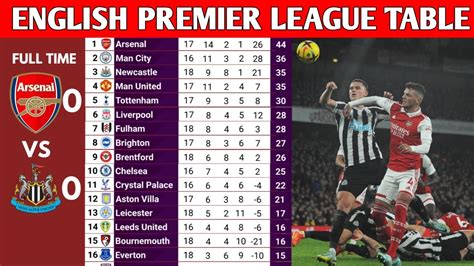
Below the Championship, the EFL League One and EFL League Two operate on similar principles but with slight variations. In League One, the top two teams are automatically promoted to the Championship, while the next four teams (3rd through 6th) enter a playoff for the third promotion spot. In League Two, the dynamic is slightly different because of the presence of the National League below it. The top three teams in League Two are automatically promoted, but only one playoff spot is available for the team finishing in 4th through 7th place. This reduced playoff field reflects the smaller size of League Two compared to higher divisions. Additionally, the bottom two teams in League Two face relegation to the National League, but only one team from the National League is promoted automatically, with a second promotion spot determined by—you guessed it—another playoff involving teams finishing 2nd through 7th in the National League.
The playoffs are not merely about sporting competition; they are a financial lifeline for many clubs. For example, a club in the National League that earns promotion to League Two gains access to the English Football League's revenue-sharing model, which can significantly boost their operational capacity. Similarly, for a Championship team reaching the Premier League, the difference in revenue is staggering. Reports suggest that even a single season in the Premier League can generate upwards of £100 million in revenue, even if the team is immediately relegated the following year. This "parachute payment" system for relegated teams further complicates the landscape, as it provides relegated teams with financial support for a few years to help them adjust to the lower league's reduced income.
One aspect often overlooked is the psychological and logistical impact of promotion and relegation. For teams moving up, especially from the Championship to the Premier League, the jump in quality of competition is immense. Premier League teams often have deeper squads, better facilities, and more experienced managers. Newly promoted teams frequently struggle to adapt, leading to a high turnover rate in the bottom ranks of the Premier League. Conversely, relegated teams often face a period of rebuilding. While parachute payments help, the loss of key players to bigger clubs and the need to restructure their wage bills can make immediate recovery difficult.
Another unique feature of the English system is the concept of relegation battles, which often run parallel to promotion races. In the lower leagues, the fight to avoid relegation can be just as intense as the push for promotion. For instance, in League Two, the bottom two teams face direct relegation, but the team finishing 23rd enters a playoff against a team from the National League, adding another layer of drama. This means that even teams near the bottom of the table have something to play for late in the season, keeping fan interest and competitive spirit alive across the league.
The interplay between leagues is also influenced by financial fair play regulations and club licensing requirements. A team may win promotion on the field but be denied entry to a higher league if they fail to meet stadium, financial, or administrative criteria. This has happened in the past, such as when teams were unable to secure the necessary funding or infrastructure upgrades to compete at a higher level. These rules add another dimension to the promotion and relegation system, as clubs must not only perform well on the pitch but also ensure their off-field operations are in order.
In summary, the promotion and relegation mechanics in English football leagues are a blend of automatic qualification and playoff drama, with significant financial and emotional stakes for all involved. The system rewards both long-term consistency and the ability to perform under pressure in one-off matches. It also ensures that every team, regardless of their position in the table, has something to fight for until the very end of the season. This structure not only maintains competitive balance but also fuels the passion and unpredictability that make English football so compelling to fans and stakeholders alike.
Economic and Cultural Impact of the Leagues
The English football leagues, ranging from the Premier League to non-league competitions, are not merely sporting entities but powerful economic engines and cultural touchstones. Their impact extends far beyond the pitch, influencing local economies, national identity, and even global perceptions of English culture. To fully explore their economic and cultural significance, it is essential to consider how these leagues contribute to both tangible financial growth and intangible social cohesion.
The economic influence of the leagues begins with the Premier League, which stands as one of the most lucrative sports organizations in the world. Its broadcast rights deals alone generate billions of pounds annually, with global networks clamoring to air matches. This revenue is not confined to the clubs themselves; it trickles down to local businesses such as pubs, hotels, and merchandise vendors. For instance, matchdays in cities like Manchester, Liverpool, and London see a surge in economic activity as fans flock to stadiums, spend on transportation, food, and accommodation. According to a 2022 report by Deloitte, the Premier League contributed over £7.6 billion to the UK economy in a single season, supporting over 100,000 jobs. This economic ripple effect is amplified in lower-tier leagues like the Championship, League One, and League Two, where clubs often serve as the lifeblood of smaller communities. While the revenue streams are smaller, the proportion of income these clubs bring to local businesses can be even more significant. For example, a League Two club’s home game might be the primary event of the week in a town like Mansfield or Crawley, ensuring a steady flow of customers to nearby establishments.
Beyond direct economic benefits, the leagues also play a role in urban regeneration. Many clubs have invested in stadium redevelopment projects that revitalize previously neglected areas. The construction of Tottenham Hotspur’s state-of-the-art stadium, for instance, not only provided a modern venue but also spurred the development of local infrastructure, including improved public transport links and commercial spaces. Similarly, lower-league clubs often partner with local councils to use their facilities for community events, creating a dual purpose for their grounds that extends economic benefits year-round.
However, the economic impact is not without its challenges. The financial disparity between the Premier League and lower leagues has created a widening gap that can stifle competition and economic diversity. Parachute payments for relegated teams and the concentration of wealth in the top tier can make it difficult for smaller clubs to compete, leading to financial instability. This economic imbalance is a double-edged sword: while the Premier League’s success elevates English football’s global profile, it can marginalize smaller clubs that struggle to attract investment or fans. Nonetheless, initiatives like the Football Foundation, which channels funding from the Premier League to grassroots projects, aim to mitigate this disparity by investing in facilities and programs that benefit local communities.
On the cultural front, the leagues are deeply embedded in the fabric of English society. Football is more than a sport in England; it is a communal experience that fosters a sense of belonging. The leagues provide a platform for local pride and identity. In cities with multiple clubs, such as Manchester (United and City) or London (Arsenal, Chelsea, Tottenham, and others), football rivalries are not just about competition but about representing different parts of the city’s identity. These rivalries often transcend sports, becoming part of the cultural narrative of the area. For example, the Merseyside derby between Liverpool and Everton is not just a match; it is a reflection of the shared history and distinct identities of the two clubs’ fan bases, rooted in the city's working-class heritage.
At the national level, the leagues contribute to a sense of collective identity. English football is a unifying force, with the Premier League acting as a showcase of the country’s sporting prowess on the global stage. The success of English clubs in European competitions, such as Liverpool’s Champions League victories or Leicester City’s fairy-tale Premier League win in 2016, fosters national pride. These moments are celebrated not just by fans of the specific clubs but by the broader public, reinforcing the idea that football is a unifying aspect of English culture. This is particularly evident during international tournaments when players from the leagues represent England, bringing the country together in support of the national team.
The leagues also play a role in social integration and community building. Many clubs run extensive outreach programs, using their influence to tackle social issues such as homelessness, mental health, and youth engagement. For instance, the English Football League (EFL) Trust coordinates initiatives that use football as a tool to bring diverse groups together. These programs often target underserved populations, providing opportunities for marginalized communities to engage with the sport and its associated benefits. This cultural role underscores how the leagues are not just economic entities but also agents of social change.
Moreover, the leagues have a global cultural footprint, particularly the Premier League, which is watched in over 180 countries. This global reach has made English football a cultural export, synonymous with qualities like passion, resilience, and fair play. The leagues have become a way for people worldwide to connect with English culture, even if they have never set foot in the country. For many international fans, supporting an English club is a way to participate in a global community while also learning about the nuances of local traditions, chants, and club histories.
On a more granular level, the leagues contribute to regional cultural preservation. Smaller clubs in the lower leagues often embody the unique characteristics of their regions. For instance, clubs like Sunderland or Portsmouth carry the weight of their industrial and maritime histories, with chants, symbols, and traditions that reflect the local culture. These clubs act as custodians of regional identity, preserving elements of history that might otherwise be overlooked in the push toward modernization and globalization.
The leagues also influence media and entertainment, shaping how football is consumed and discussed. The rise of streaming platforms, podcasts, and social media content centered on English football has created new cultural phenomena. Fans now engage with the sport not just as spectators but as active participants in online debates, fantasy leagues, and content creation. This digital ecosystem has further entrenched the leagues in daily life, making them a constant presence in both local and global cultural conversations.
In summary, the English football leagues are economic powerhouses that drive local and national growth while simultaneously serving as cultural pillars. They generate wealth, foster community spirit, and act as vehicles for both regional identity and national unity. However, their impact is not without complexities, particularly in terms of economic inequality between tiers. Despite this, the leagues’ role in shaping both the economy and culture of England is undeniable, making them a vital component of the country’s social fabric.
Conclusion and Future Trends
The English football league system is a complex and hierarchical structure comprising numerous tiers, with the Premier League at the pinnacle and non-league football forming the base. Each league within this system operates with specific rules, financial dynamics, and competitive pressures. At present, the English football leagues are characterized by their global reach, financial clout, and a mix of traditional club rivalries and modern commercialization. The Premier League stands as one of the most-watched sports leagues in the world, generating billions in revenue annually through broadcasting rights, sponsorships, and merchandising. Below it, the English Football League (EFL), consisting of the Championship, League One, and League Two, serves as a proving ground for talent and a battleground for clubs aspiring to reach the top tier. Non-league football, though less glamorous, remains a vital part of the ecosystem, fostering grassroots development and offering pathways for smaller clubs to dream of ascending the ladder.
One of the defining features of the current state of English football leagues is their **economic disparity**. The Premier League's revenue model heavily favors its top clubs, with parachute payments to relegated teams creating a financial cushion that can distort competition in the Championship. This has led to a growing divide between the "haves" and "have-nots," with mid-tier and lower-league clubs often struggling to maintain financial stability. Despite these challenges, the leagues remain deeply rooted in tradition, with fan culture and local identity continuing to play a significant role. Initiatives like the Fan-Led Review of Football Governance in 2021 highlighted the need for better financial regulation and protection of club heritage, demonstrating that the leagues are at a crossroads between commercial growth and community-focused sustainability.
Another notable trend in the current landscape is the **rise of data-driven decision-making**. Clubs across all levels are increasingly leveraging analytics to optimize performance, recruitment, and injury prevention. Tools like expected goals (xG), player tracking systems, and video analysis software are no longer exclusive to top-tier teams but are permeating lower leagues as well. This democratization of technology is a positive development, as it allows smaller clubs to compete more effectively, even if they lack the financial resources of their wealthier counterparts. However, it also introduces a new dimension of inequality—clubs with better access to skilled analysts and software can gain a competitive edge, further stratifying the leagues.
Looking to the future, several **potential developments** could reshape the English football leagues. One of the most discussed is the **prospect of a European Super League (ESL) resurgence**. Although the initial attempt in 2021 was met with fierce opposition from fans, players, and governing bodies, the underlying economic pressures that motivated its creation have not disappeared. If top Premier League clubs feel that UEFA’s Champions League reforms do not offer sufficient financial rewards or competitive balance, there may be renewed efforts to explore alternative structures. Such a move could have profound implications for the lower leagues, as the trickle-down effect of Premier League revenue might be disrupted, leaving EFL and non-league clubs more financially exposed.
Another area of speculation is the **impact of streaming and digital media**. Traditional broadcasting deals, while still lucrative, are facing challenges from streaming platforms like Amazon Prime and DAZN, which are experimenting with new models for sports content delivery. These platforms could offer more tailored experiences for fans, such as pay-per-view matches for lower-league games or interactive features that enhance viewer engagement. This shift could benefit smaller clubs by providing them with new revenue streams, but it also raises questions about accessibility. If streaming becomes the dominant mode of consumption, will fans in lower-income brackets or rural areas be priced out of following their teams?
A related trend is the **globalization of fan bases**. English football leagues already enjoy enormous international appeal, but this could expand further with the rise of virtual reality (VR) and augmented reality (AR) technologies. Imagine a scenario where fans in Asia or Africa can "attend" a match in a VR stadium, complete with the sights and sounds of being in the stands. While this could deepen global engagement, it also risks diluting the local significance of matches. Clubs may need to strike a balance between catering to international audiences and preserving the communal atmosphere that defines English football.
The **integration of women’s football** into the broader football ecosystem is another area of potential growth. The success of the Women’s Super League (WSL) and the England women’s national team (the Lionesses) has demonstrated that there is significant appetite for women’s football. In the future, we may see closer alignment between the men’s and women’s league structures, with shared resources, joint marketing campaigns, and even cross-promotion of matches. This could elevate the status of women’s football while creating new opportunities for clubs to diversify their fan bases and revenue streams.
On the regulatory front, there is growing momentum for **financial reforms** aimed at leveling the playing field. Proposals like salary caps, luxury taxes, or stricter financial fair play rules could help mitigate the financial imbalances that currently exist. However, implementing such measures is fraught with challenges, as powerful clubs and stakeholders may resist changes that limit their competitive advantages. Nevertheless, the ongoing dialogue about governance suggests that the leagues are aware of the need for reform, even if progress is slow.
A final area of speculation is the **role of sustainability** in the future of English football. Climate change and environmental concerns are increasingly part of the public discourse, and football is not immune to these pressures. Leagues and clubs are beginning to adopt greener practices, such as reducing single-use plastics at stadiums, improving energy efficiency, and promoting public transport for fans. In the future, we might see league-wide sustainability initiatives, such as carbon-neutral matchdays or incentives for clubs to adopt eco-friendly infrastructure. These efforts could not only enhance the leagues' social responsibility but also appeal to a growing segment of environmentally conscious fans.
In conclusion, the English football leagues are at a fascinating juncture. While they are buoyed by their global popularity and financial success, they also face significant challenges related to inequality, technological disruption, and sustainability. The next decade could see a redefinition of what it means to compete in English football, with clubs at all levels needing to adapt to new realities. Whether through embracing innovation, fostering inclusivity, or addressing systemic issues, the leagues have the opportunity to evolve in ways that preserve their rich history while paving the way for a more sustainable and equitable future. This balance between tradition and transformation will be key to ensuring that English football remains a beacon of the sport for generations to come.