Introduction to German Engineering Education
Germany has long been recognized as a global leader in engineering and technology, and its universities are at the forefront of this reputation. The country’s engineering education system is deeply rooted in a tradition of innovation, precision, and practical application, making it a preferred destination for students and researchers worldwide. This section explores the factors that contribute to Germany's status as a global hub for engineering education and examines why its institutions are held in such high esteem in the field.
One of the primary reasons for Germany’s prominence in engineering education is its **historical emphasis on applied sciences and industry collaboration**. Unlike many countries where theoretical knowledge dominates the curriculum, German universities have consistently integrated practical learning into their programs. This tradition dates back to the establishment of polytechnic schools in the 19th century, which were designed to address the industrial needs of a rapidly modernizing nation. Institutions like the **Technical University of Munich (TUM)** and **RWTH Aachen University** were pioneers in this approach, blending rigorous academic training with hands-on experience in labs, workshops, and industry partnerships. This legacy continues today, with many German engineering programs requiring students to complete internships or cooperative education placements in companies, ensuring they graduate with both theoretical expertise and practical know-how.
Another critical aspect of Germany’s reputation is its **strong alignment with industry needs**. The country is home to some of the world’s most influential engineering and manufacturing companies, such as Siemens, BMW, Bosch, and Volkswagen. These companies often work closely with universities to shape curricula, fund research projects, and provide students with access to cutting-edge facilities. For instance, the **Fraunhofer Society**, a network of research institutes across Germany, collaborates with universities and industries to develop real-world solutions in fields like renewable energy, robotics, and materials science. This synergy between academia and industry not only enhances the quality of education but also creates a direct pipeline for graduates into high-demand jobs. As a result, German engineering graduates are highly sought after globally, not just for their technical skills but also for their ability to apply knowledge in practical, industry-relevant contexts.
Germany’s **focus on research and innovation** further cements its position as a leader in engineering education. The country invests heavily in research and development (R&D), with a significant portion of this funding directed toward universities and research institutions. According to the **Organisation for Economic Co-operation and Development (OECD)**, Germany consistently ranks among the top countries in terms of R&D expenditure as a percentage of GDP. This investment supports groundbreaking research in fields such as **automation, artificial intelligence, sustainable energy, and advanced manufacturing**. German universities are often at the center of these efforts, with specialized research centers and labs that enable students to work on projects at the cutting edge of technology. For example, TUM’s involvement in quantum computing or the **Karlsruhe Institute of Technology (KIT)**'s leadership in energy research demonstrates how German institutions are not just teaching engineering but actively shaping its future.
The **dual education system** in Germany is another unique feature that distinguishes its engineering education. This system combines academic learning with vocational training, allowing students to gain a deeper understanding of their field while also developing practical skills. For instance, students in engineering programs can opt for **dual study programs** where they split their time between university coursework and on-the-job training in a company. This model not only prepares students for the workforce but also addresses skills gaps in the labor market. It is particularly appealing to international students, as it provides them with an opportunity to gain experience in globally recognized companies while studying.
Germany’s **affordable and accessible education system** is yet another reason for its global appeal. Unlike countries like the United States or the United Kingdom, where higher education can be prohibitively expensive, most public universities in Germany charge little to no tuition fees for both domestic and international students. Even private universities, while more expensive, are often subsidized or offer scholarships to attract top talent. This affordability, combined with the high quality of education, makes Germany an attractive option for students from diverse socio-economic backgrounds. Additionally, the country’s post-study work visa policies allow graduates to stay and work in Germany for up to 18 months after completing their studies, providing a clear pathway to building a career in one of the world’s strongest economies.
Another often-overlooked aspect of Germany’s engineering education is its **multidisciplinary approach**. Many universities encourage students to explore intersections between engineering and other disciplines, such as business, environmental science, or computer science. Programs like **mechatronics** or **environmental engineering** exemplify this approach, equipping students with a broader skill set that is increasingly valuable in today’s interconnected world. For example, the growing emphasis on **sustainable engineering solutions** has led to the development of specialized courses and research initiatives focused on renewable energy systems, green manufacturing, and climate-resilient infrastructure.
The **global outlook of German universities** also plays a significant role in their reputation. Many institutions offer programs in English, particularly at the master’s level, to attract international students. This inclusivity has made German engineering education accessible to a diverse cohort of learners, fostering a multicultural academic environment. Moreover, German universities actively promote international exchange programs, collaborations with universities abroad, and participation in global research networks. This exposure helps students develop a broader perspective on engineering challenges and solutions, preparing them to work in multinational teams and tackle global issues.
It is also worth noting the **cultural emphasis on precision and quality** that permeates German engineering education. This cultural trait is often cited as a reason why German-engineered products, from automobiles to machinery, are synonymous with reliability and excellence. This same attention to detail is embedded in the education system, where students are trained to approach problems methodically and strive for perfection in their work. Whether it is in the design of a machine or the implementation of a new technology, the focus on quality ensures that German engineering graduates are equipped to meet the highest standards.
Finally, Germany’s **strategic location in Europe** and its role as an economic powerhouse further enhance the appeal of its engineering education. The country is at the heart of the European Union, with strong trade and research ties across the continent. Students studying in Germany benefit from exposure to a diverse range of industries and markets, as well as opportunities to engage with European research initiatives such as **Horizon Europe**. This positioning allows German engineering graduates to be not just national but also European and global leaders in their fields.
In summary, Germany’s status as a global hub for engineering education is the result of a combination of factors: its historical focus on practical learning, close ties with industry, emphasis on research and innovation, affordable education system, multidisciplinary approach, and cultural commitment to excellence. These elements, supported by the country’s economic strength and global outlook, make German engineering universities an ideal choice for students seeking a comprehensive and impactful education in the field of engineering.
History and Evolution of Engineering in Germany
The history of engineering education in Germany is deeply intertwined with the country's broader intellectual, industrial, and cultural evolution. Germany is often regarded as a pioneer in formalized technical education, and its contributions to engineering have shaped not only its own industrial landscape but also global practices. To understand the roots of this legacy, one must examine the historical development of engineering education in Germany, tracing its origins and the factors that propelled it to prominence.
The origins of German engineering education can be traced back to the early 18th century, a period marked by the gradual transition from artisanal craftsmanship to more systematic and scientific approaches to technology. At this time, the concept of "engineering" was not yet formalized in the way we understand it today. Skills were largely passed down through apprenticeships, and there was little distinction between the roles of craftsmen, inventors, and early engineers. However, the Industrial Revolution in the late 18th and early 19th centuries created a demand for a more structured approach to technical knowledge. Germany, with its burgeoning industrial base, was at the forefront of this shift.
One of the first significant milestones in the formalization of engineering education was the establishment of the Bergakademie Freiberg in 1765. This institution, initially focused on mining and metallurgy, was one of the earliest schools to provide structured education in technical subjects. It reflected the growing recognition that mining—a critical industry in Germany—required not just practical skills but also a theoretical foundation in geology, chemistry, and mechanics. This emphasis on combining theoretical knowledge with practical application would become a hallmark of German engineering education.
The 19th century saw the emergence of polytechnic schools, which played a pivotal role in the evolution of engineering education. Institutions like the Königliche Gewerbeschule in Berlin (founded in 1821) and the Königliche Polytechnische Schule Karlsruhe (founded in 1825) were instrumental in creating a new class of technical professionals. These polytechnics were designed to bridge the gap between academic science and industrial application. Unlike traditional universities, which were often focused on classical education, polytechnics emphasized applied sciences such as civil engineering, mechanical engineering, and architecture. This pragmatic approach was a direct response to the needs of an industrializing society.
A key figure in this period was Wilhelm von Humboldt, whose educational reforms in the early 19th century emphasized the unity of research and teaching. While Humboldt is often associated with the classical university model, his ideas indirectly influenced the polytechnics by fostering a culture of interdisciplinary learning. The polytechnics began to adopt a research-oriented approach, blending theoretical studies with experimental work. This approach laid the foundation for what would later become the modern research university.
The late 19th and early 20th centuries marked a period of rapid expansion and institutionalization of engineering education in Germany. The transformation of polytechnics into full-fledged technical universities was a critical step. For example, the Technische Universität München (TUM), originally established as a polytechnic in 1868, was granted the status of a university in 1877. This shift signaled a growing recognition of engineering as an academic discipline equal in rigor and importance to traditional fields like law and medicine. Moreover, the establishment of specialized departments and research facilities within these institutions allowed for deeper exploration of fields such as electrical engineering, chemical engineering, and aeronautics.
The impact of World War I and World War II on German engineering education cannot be ignored. While the wars disrupted academic activities and led to the redirection of research efforts toward military applications, they also underscored the critical role of engineering in national resilience. Post-war reconstruction efforts in Germany saw a renewed focus on engineering as a means of rebuilding infrastructure and driving economic recovery. Institutions like the Fraunhofer Society, founded in 1949, exemplify this period's emphasis on applied research and industry collaboration. The Fraunhofer model, which integrates academic research with practical industry needs, remains a cornerstone of German innovation.
Another significant development in the mid-20th century was the influence of the Cold War on engineering education. West Germany's alignment with Western economies and its focus on rebuilding as a technological leader led to heavy investment in engineering education and research. Universities like TUM, RWTH Aachen, and TU Berlin became hubs for cutting-edge research in fields such as aerospace, materials science, and computer engineering. Meanwhile, East Germany's engineering education system was shaped by its socialist framework, emphasizing heavy industry and state-driven projects. Although the two systems diverged ideologically, both contributed to Germany's reputation for engineering excellence in different ways.
The reunification of Germany in 1990 brought new challenges and opportunities for engineering education. The integration of East German institutions into the broader academic framework required substantial investment and reform. However, it also provided an opportunity to blend the strengths of both systems. For instance, East German universities had a strong tradition of applied research in fields like mechanical engineering and materials science, which complemented the more commercially oriented focus of West German institutions.
In the modern era, German engineering education is characterized by its emphasis on innovation, sustainability, and global collaboration. Universities have adapted to the demands of a knowledge-based economy by offering interdisciplinary programs that integrate engineering with fields like data science, environmental studies, and business management. For example, the concept of Industrie 4.0—a term coined in Germany to describe the fourth industrial revolution driven by automation and digitalization—has its roots in German engineering education. Institutions now prioritize not only technical proficiency but also the ability to work in multidisciplinary teams and address global challenges such as climate change and resource scarcity.
The influence of German engineering education on modern practices is evident in several ways. First, the dual education system, which combines academic learning with vocational training, has its roots in Germany's historical approach to technical education. This system has been emulated worldwide as a model for producing highly skilled engineers who are both theoretically grounded and practically experienced. Second, the focus on research-driven innovation in German universities has produced breakthroughs in fields ranging from renewable energy to robotics. Finally, the global reputation of German engineering—evident in the success of companies like Siemens, Bosch, and BMW—can be traced back to the robust educational foundation provided by its universities.
In summary, the evolution of engineering education in Germany reflects a dynamic interplay between historical, economic, and cultural forces. From the early polytechnics to the research-intensive universities of today, Germany has consistently adapted its approach to meet the needs of a changing world. This adaptability, combined with a deep-rooted commitment to quality and innovation, has cemented Germany's position as a global leader in engineering education and practice.
- The establishment of early institutions like Bergakademie Freiberg highlighted the integration of theory and practice.
- The rise of polytechnics in the 19th century emphasized applied sciences and addressed industrial needs.
- Post-war and Cold War influences shaped the focus on innovation and applied research.
- Modern German engineering education prioritizes interdisciplinary learning and sustainability.
This historical trajectory not only explains the success of German engineering today but also serves as a model for how nations can build robust technical education systems that are both forward-looking and deeply rooted in practical application.
Top German Engineering Universities and Rankings
Germany is globally renowned for its engineering education, boasting a robust ecosystem of universities that combine academic excellence with practical, industry-focused training. This reputation stems from the country's long-standing tradition of innovation in engineering, supported by a strong industrial base and cutting-edge research facilities. When considering the top German engineering universities, it is essential to analyze not only their global rankings but also their unique strengths, research output, and alignment with industry needs.
One of the most prestigious institutions in this domain is the Technical University of Munich (TUM). TUM consistently ranks among the top engineering schools worldwide, often appearing in the top 50 of the QS World University Rankings for Engineering and Technology. Its strengths lie in its interdisciplinary approach, which integrates engineering with natural sciences, medicine, and computer science. For instance, TUM is a leader in fields like robotics, renewable energy systems, and aerospace engineering. The university's proximity to major industrial hubs such as BMW and Siemens provides students with unparalleled opportunities for internships and collaborative projects. Additionally, TUM's emphasis on entrepreneurship is evident through its UnternehmerTUM initiative, a center for innovation and business creation that supports startups stemming from university research.
Another heavyweight in German engineering education is the RWTH Aachen University. Located in Aachen near the Belgian and Dutch borders, RWTH Aachen is highly regarded for its focus on mechanical engineering, production technology, and materials science. The university is a member of the IDEA League, a strategic alliance of leading European technical universities, which underscores its international reputation. RWTH Aachen's strong ties with the industrial sector are reflected in its Excellence Strategy, a program that fosters cutting-edge research in areas like smart manufacturing and sustainable energy systems. Notably, the university hosts one of the largest engineering faculties in Europe, with over 10,000 students enrolled in engineering-related programs. Its strong focus on applied research ensures that graduates are well-prepared to tackle real-world engineering challenges.
The Karlsruhe Institute of Technology (KIT) is another standout institution, particularly known for its contributions to energy research and environmental engineering. KIT frequently appears in global rankings for its work in sustainable technologies, including renewable energy systems and climate modeling. The university's unique strength lies in its dual focus on fundamental research and practical application. For example, KIT operates the Energy Lab 2.0, a large-scale research platform that tests innovative energy storage and grid integration solutions. This hands-on approach to tackling global energy challenges makes KIT a top choice for students interested in sustainable engineering. Furthermore, its location in Karlsruhe—a city with a rich history of technological innovation—provides students with access to a vibrant tech ecosystem.

In addition to these institutions, the University of Stuttgart deserves mention for its specialization in simulation technology and automotive engineering. Stuttgart is often associated with the automotive industry due to the presence of companies like Porsche and Mercedes-Benz, and the university capitalizes on this proximity. Its Institute of Automotive Engineering (IFS) is a hub for research in vehicle dynamics, lightweight construction, and autonomous systems. The university also excels in computational engineering, with programs that emphasize the use of simulation tools to solve complex engineering problems. This focus on computational methods aligns with the growing demand for digitalization in modern engineering workflows.
While these universities are often highlighted in global rankings, it is worth noting that smaller or less internationally known institutions also offer unique strengths. For example, the TU Dresden is recognized for its expertise in microelectronics and communication systems, supported by its proximity to the semiconductor industry in eastern Germany. Similarly, the TU Darmstadt has carved out a niche in cybersecurity and artificial intelligence, areas of increasing importance in engineering. These universities may not always top global rankings, but their specialized programs and industry collaborations make them highly attractive to students with niche interests.
Global rankings, such as those by QS, Times Higher Education, and Shanghai Ranking, often evaluate universities based on criteria like research output, academic reputation, and employer reputation. German engineering universities consistently perform well in these areas due to their emphasis on practical learning and integration with industry. For instance, the dual education model—a combination of academic study and vocational training—is a hallmark of German higher education. This model is particularly evident in engineering programs, where students often engage in mandatory internships or cooperative education (co-op) placements with industry leaders. This integration ensures that graduates are not only academically proficient but also job-ready.
Another unique aspect of German engineering education is the affordability and accessibility of its programs. Most public universities in Germany charge minimal or no tuition fees for international students, a stark contrast to the high costs associated with studying in other countries like the United States or the United Kingdom. This affordability, combined with the high quality of education, makes German engineering universities particularly appealing to international students. For example, TUM and RWTH Aachen attract thousands of international applicants each year, contributing to a diverse and globally connected student body.
One cannot discuss German engineering universities without acknowledging their research output and innovation. Many of these institutions are part of the German Universities of Excellence initiative, a government-funded program aimed at fostering world-class research. For example, TUM and RWTH Aachen are part of this initiative, receiving substantial funding to support projects in fields like AI, quantum computing, and sustainable infrastructure. This focus on research not only enhances the academic experience but also positions these universities as leaders in addressing global challenges such as climate change and digital transformation.
In summary, the top German engineering universities stand out not just for their high rankings but for their ability to blend academic rigor with practical application. Institutions like TUM, RWTH Aachen, KIT, and the University of Stuttgart offer unique strengths in areas ranging from renewable energy to automotive engineering. Additionally, their affordability, industry connections, and emphasis on research make them highly attractive to both domestic and international students. For aspiring engineers seeking a blend of theoretical knowledge and hands-on experience in a globally competitive environment, Germany remains an unbeatable destination.
Programs Offered and Specializations
German engineering universities are globally renowned for their rigorous academic standards, cutting-edge research facilities, and industry-aligned curricula. These institutions offer a wide array of engineering programs designed to cater to the diverse needs of students and the demands of the modern engineering landscape. This section delves into the types of engineering programs available at these universities, focusing on mechanical, civil, electrical, and software engineering, while highlighting standout courses that exemplify their excellence.
One of the hallmarks of German engineering education is its emphasis on interdisciplinary learning. Unlike some other systems where programs are siloed, German universities often encourage students to explore overlaps between fields. For instance, a mechanical engineering student might take electives in robotics or mechatronics, while a civil engineering student could delve into environmental engineering to address sustainability challenges. This flexibility ensures graduates are well-prepared for the complexities of real-world engineering problems.
Let us begin with mechanical engineering, one of the most sought-after disciplines in Germany. Universities such as the Technical University of Munich (TUM) and RWTH Aachen University offer comprehensive programs in this field. These programs cover core areas like thermodynamics, fluid mechanics, and machine design, but what sets them apart are specialized courses like "Advanced Manufacturing Technologies" and "Energy Efficient Systems Design". For example, TUM’s course on "Additive Manufacturing" not only teaches students the principles of 3D printing but also integrates hands-on projects where they design and fabricate functional prototypes. This focus on practical application is a distinctive feature of German mechanical engineering education, driven by the country’s strong industrial base, particularly in automotive and aerospace sectors.
In civil engineering, German universities excel in combining traditional infrastructure design with modern sustainability practices. Programs at TU Berlin and Karlsruhe Institute of Technology (KIT) are particularly notable. Courses such as "Infrastructure Resilience and Climate Adaptation" address the growing need for engineering solutions that can withstand extreme weather events and rising sea levels. Another standout is the "Smart Cities and Urban Planning" module offered at KIT, which explores how data-driven approaches and IoT technologies can optimize urban infrastructure. Germany’s emphasis on Baukultur (building culture) also means that civil engineering students are exposed to the historical and aesthetic aspects of construction, ensuring their projects are not only functional but also integrate into the cultural fabric of their surroundings.
Electrical engineering programs in Germany are deeply rooted in the country’s pioneering role in energy and electronics. Institutions like TU Dresden and University of Stuttgart offer robust curricula that balance theoretical foundations with practical applications. A standout course at TU Dresden is "Power Electronics for Renewable Energy Systems", which equips students with the knowledge to design systems that efficiently harness and distribute renewable energy. Similarly, the University of Stuttgart’s "Embedded Systems Engineering" course integrates electrical engineering with computer science, focusing on the design of systems used in automotive technology, robotics, and industrial automation. These programs are often complemented by partnerships with industry giants like Siemens and Bosch, providing students with opportunities for internships and co-op placements that bridge the gap between academia and industry.
The field of software engineering has seen exponential growth in Germany, driven by the country’s burgeoning tech ecosystem. Universities such as University of Passau and TU Munich offer programs that emphasize both the theoretical and applied aspects of software development. A notable course is "Artificial Intelligence and Machine Learning in Software Systems" at TU Munich, which explores how AI can be integrated into software to create smarter, more efficient systems. Additionally, the University of Passau’s "Cybersecurity Engineering" course is highly regarded for its focus on ethical hacking, secure software design, and risk assessment. These programs often include collaborative projects with tech startups and incubators in cities like Berlin and Munich, giving students a taste of entrepreneurial engineering.
What makes these programs even more valuable is the integration of research opportunities into the curriculum. For example, many German engineering universities are part of the Excellence Initiative, a government-funded program that supports cutting-edge research. Students in mechanical engineering might work on projects related to autonomous vehicles at TUM’s Institute for Automotive Technology, while those in electrical engineering could contribute to energy storage research at the Helmholtz Association. This integration of research ensures that students are not just learning existing knowledge but are actively contributing to the advancement of their fields.
Another unique aspect of German engineering programs is their focus on international collaboration. Many universities offer courses taught in English to attract a diverse student body, and they often include exchange programs with partner institutions worldwide. For instance, RWTH Aachen’s "Global Engineering" initiative allows students to spend a semester at a partner university in Asia or North America, gaining exposure to different engineering practices and cultural perspectives. This global outlook is particularly valuable in fields like software and civil engineering, where cross-border collaboration is increasingly common.
Beyond the traditional engineering disciplines, German universities also offer niche specializations that cater to emerging trends. For instance, environmental engineering is gaining prominence as a response to global sustainability challenges. Courses like "Circular Economy in Engineering Design" at TU Berlin teach students how to design systems that minimize waste and maximize resource efficiency. Similarly, biomedical engineering programs at universities like TU Dresden are redefining the intersection of engineering and medicine, with courses such as "Bioinstrumentation and Medical Imaging" focusing on the development of diagnostic tools and prosthetics.
It is also worth noting that German engineering programs place a strong emphasis on soft skills alongside technical expertise. Courses often include modules on project management, communication, and intercultural competence, recognizing that modern engineers must work in multidisciplinary and multicultural teams. For example, the "Leadership in Engineering Projects" module at KIT equips students with the skills to manage complex, collaborative projects effectively.
To summarize, the engineering programs offered by German universities are characterized by their depth, practical orientation, and adaptability to emerging trends. Whether it is the hands-on focus of mechanical engineering, the sustainability-driven approach of civil engineering, the energy-centric innovations in electrical engineering, or the tech-forward mindset of software engineering, these programs are designed to produce graduates who are not only technically proficient but also capable of addressing global challenges. The combination of specialized courses, research integration, and international exposure ensures that students receive a well-rounded education that prepares them for leadership roles in the engineering world.
Admission Requirements and Process
German engineering universities are renowned for their high academic standards, rigorous curricula, and focus on practical applications. For international and local students alike, gaining admission to these institutions requires a clear understanding of the eligibility criteria, application process, and the documentation required. This section provides a comprehensive breakdown of these aspects to help prospective students navigate the process effectively.
Germany is home to numerous engineering universities, many of which are part of the Technische Universitäten (TU) network. These universities are highly competitive, and while the admission process is streamlined, it can vary slightly depending on whether the student is local or international, and whether they are applying for a bachelor's or master's program. Understanding these nuances is critical to ensuring a successful application.
The first step for any student is to assess their eligibility criteria. For local students (German citizens or those with equivalent educational qualifications within the European Union), the primary requirement is a high school diploma equivalent to the German Abitur. This diploma certifies that the student has completed secondary education with a focus on subjects that qualify them for university-level studies. For engineering programs, it is often expected that students have taken advanced mathematics, physics, or chemistry in their high school curriculum.
For international students, the eligibility criteria are more nuanced. Most German engineering universities require a school-leaving certificate that is recognized as equivalent to the Abitur. This equivalency is determined by the Zeugnisanerkennungsstelle (certificate recognition office) in Germany. For example, an Indian student with an All India Senior School Certificate (CBSE or ISC) or an American student with a high school diploma and Advanced Placement (AP) credits in STEM subjects may qualify. However, some students may need to complete a one-year preparatory course called Studienkolleg if their qualifications are not directly equivalent. This course helps bridge the gap between their current education and the German system, culminating in an exam called the Feststellungsprüfung.
Additionally, many engineering programs at the bachelor's level are taught in German, so proficiency in the language is often a strict requirement. International students must provide proof of German language skills, typically through certifications like TestDaF or DSH (Deutsche Sprachprüfung für den Hochschulzugang). A minimum level of B2 or C1 is usually expected, depending on the program. For master's programs, especially those taught in English, language requirements shift to English proficiency tests like IELTS (minimum 6.5) or TOEFL (minimum 90). Some universities may waive these requirements if the student's previous education was conducted in English, but this is assessed on a case-by-case basis.
The application process for German engineering universities involves several key steps. Local students typically apply through a centralized platform called Hochschulstart for programs with restricted admission (numerus clausus). For programs without restricted admission, students can apply directly to the university. International students, on the other hand, usually apply through the Uni-Assist platform, which verifies their documents before forwarding the application to the university. Some universities also allow direct applications, but this varies widely.
One of the most important aspects of the application process is timing. German universities have two intakes: winter semester (starting in October) and summer semester (starting in April). The application deadlines for winter intake are often between May and July, while summer intake deadlines fall between December and January. Missing these deadlines can result in a year-long delay, so students must plan well in advance. For master's programs, the deadlines can be even earlier, sometimes as far back as 10-12 months before the start of the program.
International students must also be aware of the application fees. While many German universities do not charge application fees for local students, international students often need to pay a fee ranging from €50 to €100 through platforms like Uni-Assist. This fee is non-refundable, even if the application is unsuccessful.
In terms of key documents, both local and international students need to prepare a comprehensive set of materials. These typically include:
- Academic transcripts and certificates: Local students must submit their Abitur or equivalent, while international students need their school-leaving certificates and, if applicable, Studienkolleg completion certificates.
- Language proficiency certificates: As mentioned earlier, German or English proficiency must be demonstrated through official test scores. For German-taught programs, this is non-negotiable.
- Curriculum Vitae (CV): A well-structured CV highlighting academic achievements, internships, and relevant projects is often required, especially for master's programs.
- Motivation letter or statement of purpose (SOP): This document is critical for master's applicants. It should outline why the student is interested in the specific engineering program, their career goals, and how their background aligns with the program's focus. For example, a student applying for a master's in automotive engineering might discuss prior experience with CAD software or internships in the automotive sector.
- Letters of recommendation: Some universities require 1-2 letters from academic or professional referees who can attest to the student's capabilities. These are particularly important for competitive master's programs.
- Proof of financial resources (Finanzierungsnachweis): International students must demonstrate that they have sufficient funds to support themselves during their studies. This is often around €11,208 per year (as of 2024), which can be shown through blocked bank accounts, scholarships, or sponsorship letters.
- Passport copy and visa documents: International students must provide a valid passport and, upon acceptance, apply for a student visa. The visa process requires proof of admission, financial resources, and health insurance.
Another unique aspect of the German system is the emphasis on practical experience. For master's programs, some universities prefer candidates with prior work experience or internships in engineering-related fields. This is particularly true for specialized fields like mechanical engineering, aerospace engineering, or renewable energy systems. While this is not a strict requirement for bachelor's programs, having extracurricular activities or projects related to engineering can strengthen an application.

It is also worth noting that some universities may conduct entrance exams or interviews for certain engineering programs, especially at the master's level. These are designed to assess the student's technical knowledge and aptitude. For instance, a master's program in robotics might include a technical interview to gauge the student's understanding of programming, control systems, or machine learning.
Local students often have an advantage in terms of familiarity with the system, but international students can level the playing field by thoroughly researching the specific requirements of their target universities. Many universities provide detailed guidelines on their websites, and some even offer pre-application counseling for international students. Leveraging these resources can significantly improve the chances of acceptance.
Finally, it is important to highlight the role of scholarships and funding opportunities in the application process. Germany offers numerous scholarships for international students, such as the DAAD (German Academic Exchange Service) scholarships, which can cover tuition fees (if applicable) and living expenses. Including proof of scholarship application or funding in the application dossier can demonstrate preparedness and financial stability, both of which are viewed favorably by admissions committees.
In conclusion, gaining admission to a German engineering university requires meticulous preparation, a strong academic background, and attention to detail in meeting eligibility criteria and documentation requirements. Whether local or international, students must approach the process with a clear plan, well-organized applications, and a proactive approach to meeting deadlines and requirements. This ensures not only admission but also a strong start to a promising engineering career in one of the world's most innovative academic environments.
Tuition Fees and Scholarships
Studying engineering in Germany is often seen as a gateway to world-class education at a fraction of the cost compared to other popular study destinations like the United States or the United Kingdom. This affordability is largely attributed to the country's commitment to accessible higher education, particularly through its public university system. However, understanding the nuances of tuition fees and scholarships available for international students is crucial for prospective engineers aiming to study in Germany.
One of the most striking features of Germany's higher education system is the **low or nonexistent tuition fees at public universities**. Since 2014, most public universities in Germany have abolished tuition fees for undergraduate programs for both domestic and international students. This policy was introduced as part of Germany's broader initiative to promote education as a public good rather than a commercial enterprise. While some federal states, such as Baden-Württemberg, reintroduced tuition fees for non-EU students in 2017—charging around **€1,500 per semester**—this is still significantly lower than what students might pay in other countries. For example, a semester fee of €1,500 is often less than 10% of the annual tuition at private engineering schools in the U.S. or even some European institutions.
However, it is important to note that while tuition is low or free, students are still required to pay a **semester contribution**. This fee, typically ranging from **€150 to €300 per semester**, covers administrative costs, public transportation passes (a significant perk for students), and access to university facilities like libraries and sports centers. For instance, the Technical University of Munich (TUM), one of Germany's most prestigious engineering schools, charges around €144 per semester as a basic contribution, which includes a public transport ticket valid across the city. This system not only reduces living costs for students but also integrates them into the local community by providing affordable mobility options.
While public universities dominate the landscape of affordable engineering education, **private universities in Germany** do exist and charge considerably higher fees. Institutions like Jacobs University Bremen or SRH Hochschule Heidelberg may charge between **€10,000 and €20,000 per year** for engineering programs. These private universities often cater to students seeking smaller class sizes, English-only programs, or niche specializations. However, for most international students, public universities remain the preferred choice due to their reputation, affordability, and alignment with German industrial standards.
For international students concerned about additional costs, **scholarships and financial aid** play a significant role in making studying in Germany feasible. The **Deutscher Akademischer Austauschdienst (DAAD)**, or German Academic Exchange Service, is one of the most prominent organizations offering scholarships to international students. DAAD provides a range of funding opportunities, from full-ride scholarships covering tuition, living expenses, and travel costs to partial scholarships aimed at supporting specific research projects or master’s programs in engineering. For example, the **DAAD Scholarship for Development-Related Postgraduate Courses** is particularly relevant for students from developing countries pursuing engineering degrees with a focus on sustainable development or infrastructure.
In addition to DAAD, many universities and private organizations offer scholarships tailored to engineering students. The **Germany Scholarship (Deutschlandstipendium)** is a notable program where both the federal government and private donors fund talented students, providing **€300 per month** regardless of their financial background. This merit-based scholarship is particularly appealing because it is awarded to high-achieving students at public universities and does not require repayment. Furthermore, some universities, like RWTH Aachen University, have their own scholarship programs specifically for international engineering students. These scholarships often target students excelling in fields such as mechanical engineering, robotics, or renewable energy—areas where Germany is a global leader.
Another avenue for financial support is **industry-sponsored scholarships**. Germany's strong ties between academia and industry mean that companies like Siemens, Bosch, and BMW often collaborate with universities to fund engineering talent. For instance, the **Siemens Excellence Award** provides funding to students conducting research in engineering and technology fields aligned with the company’s focus areas. These scholarships not only ease financial burdens but also open doors to internships, co-op programs, and potential job placements within these industry giants. Such opportunities are particularly valuable for international students, as they help bridge the gap between academic learning and practical experience in Germany's highly competitive job market.
It is also worth mentioning the role of **student loans and part-time work** in supplementing finances. While Germany allows international students to work part-time for up to **120 full days or 240 half-days per year** without requiring additional permits, this option is more of a supplementary income rather than a primary funding source. However, the ability to work part-time in engineering-related fields—such as software development, CAD design, or even lab assistance—can provide students with hands-on experience while offsetting some living expenses. Additionally, low-interest student loans, such as those offered by **KfW Bank**, are available to international students under certain conditions, though these are more common for EU residents.
A unique aspect of studying engineering in Germany is the **focus on practical, industry-aligned education**, which indirectly reduces costs for students. Many engineering programs include mandatory internships or practical semesters (Praxissemester) as part of the curriculum. These internships are often paid, with students earning between **€600 and €1,200 per month** depending on the field and location. This not only helps students gain real-world experience but also provides them with an income stream during their studies. Universities like the **Karlsruhe Institute of Technology (KIT)** and the **University of Stuttgart** are particularly known for their strong industry connections, ensuring that students can find well-paying internships in sectors such as automotive engineering, aerospace, or renewable energy.
While the cost of living in Germany can be a challenge—averaging around **€850 to €1,200 per month** depending on the city—the overall affordability of tuition often offsets this. Cities like Munich, Stuttgart, and Frankfurt are more expensive, but smaller university towns such as Aachen, Karlsruhe, or Dresden offer a lower cost of living. Scholarships and part-time work opportunities can further alleviate financial pressure, making Germany an attractive destination for engineering students, especially those from middle-income or developing countries.
In conclusion, the combination of **low tuition fees at public universities**, robust scholarship programs like those offered by DAAD and industry partners, and opportunities for paid internships creates a financially sustainable pathway for international engineering students in Germany. While the cost of living and potential reintroduction of fees in certain states should be considered, the overall value proposition of a German engineering education is hard to match. For students willing to navigate the system and take advantage of available resources, Germany offers not just an education but also a launchpad into one of the world’s most innovative and industrious economies.
Research Opportunities and Industry Collaboration
German engineering universities are renowned for their emphasis on research and their close ties with industry, making them a hub for innovation and practical application of engineering principles. This integration of research, innovation, and industry collaboration is one of the key factors that set these institutions apart on the global stage. In this section, we will explore how German engineering universities foster a dynamic ecosystem where academia and industry converge, particularly in fields like automotive engineering and renewable energy.
One of the defining features of German engineering universities is their deep-rooted focus on applied research. Unlike purely theoretical approaches, these institutions prioritize projects that have direct implications for solving real-world problems. For instance, universities such as RWTH Aachen University and Technical University of Munich (TUM) are at the forefront of research in areas like electric mobility and sustainable energy systems. These universities house dedicated research centers, such as the Institute for Automotive Engineering (ika) at RWTH Aachen, which collaborates with major automotive players like BMW, Volkswagen, and Daimler. These collaborations are not limited to funding; they often involve joint research projects, co-development of prototypes, and even shared intellectual property rights. This ensures that the research produced is not only academically rigorous but also commercially viable.
The automotive industry is a prime example of how German engineering universities integrate research with industry needs. Germany is home to some of the world’s leading automobile manufacturers, and universities have positioned themselves as critical partners in driving innovation. A key aspect of this collaboration is the focus on electrification and autonomous driving. Universities often work on projects related to battery technology, lightweight materials, and AI-driven vehicle systems. For example, TUM has been instrumental in the development of autonomous vehicle prototypes through its participation in projects like the "Visio.M" initiative, which aimed to create a safe, efficient, and affordable electric vehicle. Such projects are often co-funded by industry giants and government grants, creating a triple-helix model of collaboration between academia, industry, and government.
In the realm of renewable energy, German engineering universities are equally proactive in fostering collaborations. Germany’s ambitious goals for transitioning to a green economy, encapsulated in its Energiewende policy, have spurred significant research in wind, solar, and hydrogen technologies. Universities like the University of Stuttgart and TU Berlin have established dedicated centers for renewable energy research. For instance, the Institute of Energy Economics and Rational Energy Use (IER) at the University of Stuttgart works closely with companies like Siemens Energy and Bosch to develop efficient energy storage systems and optimize grid integration of renewable sources. These collaborations often extend beyond individual projects to include industry-sponsored labs and research parks where students and researchers work side by side with industry professionals. This proximity facilitates the rapid transfer of knowledge and technology from the lab to the market.
Another unique aspect of German engineering universities is their emphasis on dual education models and industry-integrated learning. Many universities have partnerships with companies to offer students practical internships and co-op programs as part of their curriculum. For instance, students at Karlsruhe Institute of Technology (KIT) often work on projects in collaboration with companies like Porsche and SAP. These experiences allow students to apply theoretical knowledge in real-world scenarios while giving companies access to fresh ideas and talent. This integration is further supported by Fraunhofer-Gesellschaft, a network of applied research institutes closely linked to German universities. Fraunhofer institutes specialize in translating cutting-edge research into market-ready solutions, particularly in fields like energy storage, advanced manufacturing, and smart infrastructure. For example, the Fraunhofer Institute for Solar Energy Systems (ISE) collaborates with universities and companies to advance photovoltaic technology and hydrogen production methods, directly impacting Germany's renewable energy landscape.
The role of funding and government support cannot be overlooked in this context. Germany has a robust system of research funding through organizations like the German Research Foundation (DFG) and the Federal Ministry for Economic Affairs and Climate Action. These organizations often allocate funds specifically for projects that involve collaboration between universities and industries. For instance, the Hydrogen Technology Offensive initiative has provided substantial funding for research into hydrogen fuel cells, with universities like TU Dresden leading projects in collaboration with energy companies. This financial support not only enables universities to undertake ambitious research but also ensures that industries have access to state-of-the-art facilities and expertise without bearing the full cost of development.
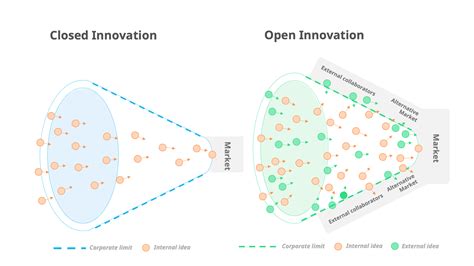
It is also worth noting how open innovation platforms play a role in this collaboration. Many German engineering universities host hackathons, innovation challenges, and industry days where students and researchers present their ideas to industry leaders. For instance, TU Munich’s TUM IDEAward encourages students and researchers to pitch innovative solutions to industry-relevant problems. Winners often receive funding and mentorship from partner companies, which can lead to long-term collaborations. These platforms not only showcase the talent emerging from German universities but also create a pipeline of innovation that directly benefits industries.
Another critical aspect is the focus on interdisciplinary collaboration. German engineering universities are not siloed entities; they actively encourage cross-disciplinary research. For example, the development of smart cities involves contributions from mechanical engineering, computer science, and urban planning departments. Universities like TU Darmstadt have established interdisciplinary research clusters where experts from different fields work together on projects such as energy-efficient buildings and intelligent transportation systems. These clusters often involve industry partners who provide domain-specific insights and funding, ensuring that the solutions are holistic and practical.
The integration of international perspectives is another layer of this ecosystem. Many German engineering universities attract a diverse pool of researchers and students, which enriches the collaborative environment. Programs like the DAAD Scholarships and partnerships with global companies enable universities to bring in international expertise while exposing students to global industry practices. For instance, the Automotive Engineering Program at RWTH Aachen includes modules co-taught by industry experts from companies with a global presence, such as Ford and Toyota, providing students with insights into both German and international engineering practices.
In summary, the research opportunities and industry collaborations at German engineering universities are deeply embedded in their operational framework. These institutions are not just centers of learning but also incubators of innovation where academic rigor meets industrial pragmatism. Whether it is through joint research projects in automotive engineering, collaborative labs for renewable energy, or interdisciplinary clusters tackling global challenges, German engineering universities exemplify how academia and industry can work hand in hand to drive progress. This model not only benefits students and researchers but also ensures that Germany remains a global leader in engineering and technological advancement.
Student Life and Resources
Studying engineering in Germany offers a unique blend of academic rigor, state-of-the-art facilities, and a culturally enriching environment. German engineering universities are renowned for their emphasis on practical learning, innovation, and global collaboration. This extends beyond the classroom into the broader campus life and support systems designed to ensure students thrive both academically and personally.
One of the most striking features of German engineering campuses is their modern and well-equipped facilities. Universities like the Technical University of Munich (TUM), RWTH Aachen, and Karlsruhe Institute of Technology (KIT) invest heavily in infrastructure to support cutting-edge research and hands-on learning. For instance, TUM’s Garching campus houses specialized labs for robotics, aerospace engineering, and energy systems. These facilities are not just for academic use but are often integrated with industry partnerships, allowing students to work on real-world projects. Many universities also boast maker spaces and innovation hubs where students can prototype ideas, access 3D printers, and collaborate on entrepreneurial ventures. These spaces foster a culture of experimentation and problem-solving, essential for future engineers.
In addition to labs and workshops, German universities often provide extensive libraries and digital resources. Engineering students have access to vast collections of technical journals, e-books, and databases like IEEE Xplore and SpringerLink. Libraries are designed as quiet, productive spaces but are also equipped with group study rooms and high-speed internet, catering to both independent and collaborative study needs. Some campuses, such as TU Berlin, even offer remote access to software tools like MATLAB, ANSYS, and AutoCAD, ensuring students can work seamlessly from dorms or off-campus locations.
Student support services in Germany are another highlight. Universities recognize that international students, who make up a significant portion of their engineering cohorts, may face unique challenges. To address this, most institutions have dedicated international offices that assist with visa processing, health insurance, and accommodation. For example, RWTH Aachen’s “Buddy Program” pairs incoming international students with local peers to help them navigate academic and social life. Similarly, the language support services are robust, offering free or subsidized German language courses tailored for engineers. While many programs are taught in English, learning German is invaluable for integrating into the local community and enhancing job prospects post-graduation.
Mental health and well-being are increasingly prioritized in German universities. Most campuses have counseling centers where students can seek help for stress, homesickness, or academic pressure. Tutors and mentors are also readily available to guide students through challenging coursework. Furthermore, engineering programs often include career services that provide resume workshops, mock interviews, and networking opportunities with companies like Siemens, Bosch, and BMW. These services are particularly helpful given Germany’s strong engineering industry, where graduates are in high demand.
The cultural experience of studying engineering in Germany is equally compelling. German universities are situated in cities that blend history with modernity. For instance, studying at TU Dresden means living in a city known for its baroque architecture and vibrant arts scene, while KIT in Karlsruhe offers proximity to the Black Forest for weekend getaways. Engineering students often find themselves immersed in a culture that values precision, efficiency, and sustainability—traits that resonate deeply with the field. This cultural emphasis is reflected in university initiatives like sustainability-focused design competitions or renewable energy projects that allow students to engage with Germany’s leadership in green engineering.
Social life on campus is vibrant and diverse. Engineering students can join student organizations such as Formula Student teams, where they design and build race cars to compete internationally. These teams not only hone technical skills but also teach project management, teamwork, and leadership. For those interested in less technical pursuits, there are cultural clubs, sports teams, and music ensembles that cater to a wide range of interests. Events like summer festivals, hackathons, and guest lectures by industry leaders provide opportunities to network and unwind. Many universities also host international weeks, where students from different countries showcase their cultures through food, music, and presentations, fostering a sense of global community.
Another unique aspect of student life is the affordability and accessibility of resources. Unlike in some countries where high tuition fees dominate student concerns, most public universities in Germany charge minimal or no tuition fees, even for international students. This financial ease allows students to focus on their studies and explore extracurricular opportunities. However, the cost of living can vary by city. For example, Munich and Stuttgart are more expensive compared to smaller towns like Aachen or Ilmenau. To support students, universities often provide affordable housing options through dormitories or partnerships with local housing agencies. Shared apartments, or “Wohngemeinschaften” (WGs), are a popular choice, offering both cost savings and a chance to experience German communal living.
The work-life balance in Germany also plays a significant role in the student experience. Universities encourage students to participate in part-time work, particularly in fields related to their studies. Engineering students often find opportunities in research assistant roles or internships with local companies. This not only provides financial support but also enriches their learning by applying theoretical knowledge in practical settings. The concept of “Fachschaft” (student councils) is also prominent, where elected student representatives organize events, advocate for student needs, and create a sense of community within departments.
Beyond academics, Germany’s location in the heart of Europe offers engineering students the chance to explore neighboring countries and cultures. Many students take advantage of semester breaks to travel, often using Germany’s efficient rail system or budget airlines. This exposure to diverse perspectives enhances their global outlook, a valuable trait in today’s interconnected engineering landscape.
In summary, the student life and resources at German engineering universities are designed to provide a holistic experience. From cutting-edge facilities and robust support services to a culturally immersive environment, students are equipped not just to excel academically but to grow as well-rounded individuals. Whether it’s through tinkering in a maker space, participating in a Formula Student team, or simply enjoying a traditional Christmas market in the city, the experience of studying engineering in Germany is both enriching and transformative.
Career Prospects After Graduation
Germany is renowned for its robust education system, particularly in engineering, and graduates from German engineering universities are highly sought after both within the country and internationally. This section delves into the career prospects for these graduates, focusing on job opportunities, post-graduation work visas, and the demand for engineers in Germany and globally.
One of the primary reasons international students flock to German engineering universities is the strong industrial base of the country. Germany is home to some of the world's leading engineering and manufacturing companies, such as Siemens, Bosch, BMW, and Volkswagen. These companies not only provide a steady stream of job opportunities but also actively collaborate with universities for internships, research projects, and direct hiring pipelines. Graduates often find roles in automotive engineering, mechanical design, renewable energy systems, and industrial automation—fields where Germany excels due to its emphasis on innovation and precision engineering.
For instance, the automotive sector in Germany is a significant employer of engineering graduates. With the global shift toward electric vehicles (EVs) and autonomous driving technologies, German companies are at the forefront of these developments. Engineers with expertise in battery technology, embedded systems, and AI-driven automation are in high demand. Moreover, German engineering graduates are trained in a curriculum that often includes practical components, such as cooperative education (dual studies) or mandatory internships, which makes them particularly well-suited for these roles. This hands-on experience, combined with the reputation of German engineering degrees, gives graduates a competitive edge in the job market.
Another area of opportunity is the renewable energy sector. Germany has committed to ambitious climate goals, including transitioning to a largely renewable energy-powered economy by 2045. This commitment has led to an increased demand for engineers skilled in wind energy, solar power systems, and energy storage solutions. Graduates with a specialization in sustainable engineering or environmental technology find abundant opportunities in both established energy companies and startups focused on green technologies. The German government's support for these initiatives through subsidies and research grants further enhances job creation in this domain.
In addition to domestic opportunities, German engineering graduates are well-positioned for global career mobility. The international reputation of German universities, coupled with the country's focus on English-taught programs in engineering, ensures that graduates are equipped with skills that are transferable across borders. For example, many German-trained engineers secure roles in multinational corporations like Airbus, ABB, or General Electric, which value the rigorous academic and practical training provided by German institutions. Furthermore, German degrees are often recognized as equivalent to those from other top-tier engineering schools worldwide, facilitating smoother transitions for graduates seeking employment outside of Europe.
Post-graduation work visas are another critical factor that enhances career prospects for international students in Germany. The country offers a Job Seeker Visa, allowing graduates to stay in Germany for up to 18 months after completing their studies to find employment. This visa is particularly advantageous because it provides graduates with the time and legal framework to explore the job market thoroughly. Unlike some other countries where work visas are tied to a specific employer or require immediate job offers, Germany's policy is more flexible. Engineers, especially those in high-demand fields like software engineering, data science, and mechanical design, often secure jobs well within this timeframe due to the shortage of skilled workers in these areas.
The demand for engineers in Germany is underscored by demographic trends and industry needs. Germany has an aging population, which has led to a shortage of skilled labor in many technical fields. According to reports from the German Federal Employment Agency, there is a consistent need for engineers in fields like mechatronics, civil engineering, and software development. This shortage is projected to persist in the coming decades, making engineering one of the most stable and lucrative career paths for graduates. Furthermore, the German government has simplified the process for highly skilled workers to obtain permanent residency, which further incentivizes international graduates to remain in the country and contribute to its economy.
On a global scale, the demand for engineers is also growing, driven by technological advancements, infrastructure development, and sustainability initiatives. German-trained engineers are particularly valued for their expertise in precision manufacturing, process optimization, and systems integration. For instance, in emerging markets like India and Southeast Asia, where rapid industrialization is underway, German-educated engineers are often recruited to lead projects requiring advanced technical knowledge. Similarly, in the United States and Canada, German graduates are sought after for roles in aerospace, robotics, and green energy, as these countries look to strengthen their technological capabilities while addressing climate challenges.
It is also worth noting that German universities prepare students not just for technical roles but also for managerial and entrepreneurial paths. Many engineering programs include courses in project management, business administration, and innovation management, enabling graduates to take on leadership roles or even start their own ventures. Startups founded by German engineering alumni often focus on niche areas like smart manufacturing, IoT devices, and clean energy solutions, benefiting from Germany's supportive ecosystem for innovation, including access to funding and government-backed incubators.
However, while the prospects are promising, graduates must also be aware of challenges such as competition for top roles and the need for proficiency in the German language for certain positions. While many engineering companies operate in English, particularly in multinational settings, smaller firms or those in more traditional sectors may require at least a working knowledge of German. Engineering graduates who invest time in learning the language during their studies often find better integration into the German workforce and access to a broader range of opportunities.
In summary, the career prospects for graduates of German engineering universities are exceptionally bright, driven by domestic industrial strength, global recognition of German degrees, and supportive immigration policies. Whether in Germany or internationally, engineers from these institutions are equipped to tackle some of the most pressing challenges of our time, from advancing sustainable energy solutions to shaping the future of autonomous systems. With a combination of practical skills, theoretical knowledge, and access to vibrant job markets, German engineering graduates are well-positioned to thrive in a rapidly evolving global economy.
Conclusion and Recommendations
The landscape of higher education in engineering is vast and competitive, with numerous institutions around the world vying for the attention of prospective students. However, German engineering universities stand out as a beacon of excellence for several compelling reasons. In this conclusion and recommendations section, we distill the key takeaways from our analysis and offer practical advice tailored to students considering Germany as their destination for engineering education.
One of the most striking features of German engineering universities is their strong emphasis on practical, application-oriented learning. Unlike many universities globally that focus heavily on theoretical aspects, German institutions integrate hands-on experience into their curricula. Programs often include mandatory internships, cooperative education models (such as the dual study system), and close collaboration with industry leaders like Siemens, Bosch, and BMW. This integration ensures that students are not only well-versed in the theoretical underpinnings of engineering but are also equipped with the practical skills necessary to excel in real-world scenarios. For instance, the Fachhochschulen (Universities of Applied Sciences) are particularly known for their industry-aligned programs, making them an excellent choice for students who prioritize direct career readiness over purely academic pursuits.
Another standout feature is the affordability of education in Germany. Public universities in Germany charge minimal or no tuition fees for most programs, even for international students. This is a stark contrast to countries like the United States or the United Kingdom, where the cost of higher education can be prohibitive. While living expenses in cities like Munich or Berlin can be significant, the overall financial accessibility of German education remains a major draw. Moreover, the availability of scholarships such as the DAAD (German Academic Exchange Service) scholarships further alleviates financial concerns for international students. This combination of high-quality education and affordability creates a unique value proposition that is hard to find elsewhere.
German engineering universities are also deeply embedded in a culture of innovation and research excellence. Institutions like the Technical University of Munich (TUM), RWTH Aachen, and Karlsruhe Institute of Technology (KIT) are consistently ranked among the top in global engineering rankings. These universities are hubs for cutting-edge research in fields such as automation, renewable energy, aerospace, and materials science. Students have the opportunity to work alongside world-class researchers and contribute to projects that address global challenges. For example, TUM’s focus on sustainability and green engineering aligns with the growing demand for environmentally conscious solutions in the industry. This research-intensive environment not only enhances the learning experience but also provides students with a competitive edge in the job market.
The global recognition of German engineering degrees is another compelling reason to consider these institutions. A degree from a German university carries significant weight in the international job market, particularly in Europe, Asia, and the Middle East. Employers value the rigorous training and problem-solving abilities instilled in graduates of German engineering programs. Furthermore, the country’s strong industrial base and its position as a leader in sectors like automotive engineering, mechanical engineering, and renewable energy mean that students often have access to robust job placement opportunities upon graduation. Many universities have dedicated career services and partnerships with companies that facilitate internships, co-op placements, and direct hiring.
However, while the advantages are numerous, prospective students must also be aware of the challenges they might face. One such challenge is the language barrier. While many master’s programs are offered in English, undergraduate courses are predominantly taught in German. This necessitates a strong command of the language for those pursuing bachelor’s degrees. Prospective students should invest time in learning German, even for English-taught programs, as it greatly enhances integration into the local culture and job market. Additionally, the highly competitive nature of admissions to top universities like TUM or RWTH Aachen requires students to have a strong academic profile, including excellent grades in mathematics and physics.
With these takeaways in mind, here are actionable recommendations for prospective students:
- Research program-specific requirements early: German universities often have specific prerequisites, such as subject-specific grade point averages, language proficiency tests (TestDaF or DSH for German, IELTS/TOEFL for English), and standardized tests like GRE for certain master’s programs. Understanding these requirements well in advance can help students tailor their applications effectively.
- Leverage preparatory courses: For students who lack the necessary language skills or academic background, many universities offer Studienkollegs (preparatory courses) to bridge the gap. These courses not only help with language proficiency but also provide foundational knowledge in subjects like mathematics and engineering.
- Focus on building a strong profile: Beyond academic scores, German universities value well-rounded applicants. Participation in extracurricular activities, internships, or research projects related to engineering can significantly enhance your application. Highlight these experiences in your statement of purpose and interviews.
- Plan for post-graduation opportunities: Germany offers an 18-month job seeker visa for international graduates, allowing them to stay in the country and find employment. Students should explore this option and network with industry professionals during their studies to maximize post-graduation prospects.
- Engage with university resources: Many German universities have dedicated international offices and student organizations that provide support for housing, visa processing, and cultural integration. Utilizing these resources can ease the transition and help students make the most of their time in Germany.
Why should German engineering universities be a top choice? The answer lies in their holistic approach to education. They combine academic rigor with practical exposure, affordability with quality, and innovation with tradition. Moreover, Germany’s position as a global leader in engineering and technology ensures that students are learning in an environment that is at the forefront of industry trends. Whether you are interested in automotive design, sustainable energy systems, or AI-driven robotics, German universities provide the tools, networks, and opportunities to turn aspirations into reality.
In conclusion, German engineering universities are not just institutions of higher learning; they are gateways to a future shaped by innovation, global collaboration, and impactful engineering solutions. For students willing to embrace the challenges and seize the opportunities, these universities offer an unparalleled pathway to personal and professional growth. By carefully preparing for the application process, immersing themselves in the German academic and cultural landscape, and leveraging the unique strengths of these institutions, prospective students can position themselves for success in a competitive global engineering arena.