Introduction to La Liga
La Liga, officially known as Campeonato Nacional de Liga de Primera División, is the top professional football league in Spain and one of the most prestigious football competitions in the world. Established in 1929, it has grown into a symbol of excellence in the sport, showcasing some of the most talented players, iconic clubs, and thrilling matches that capture the imagination of fans globally. The league is not just a domestic competition but a cornerstone of international football culture, contributing significantly to the sport's global appeal.
One of the defining features of La Liga is its rich history and tradition. The league has been home to some of football's most storied clubs, including Real Madrid and FC Barcelona, which have dominated both the Spanish and European football landscapes. These two giants have a combined total of over 60 La Liga titles, creating a narrative of intense rivalry and high stakes in every season. This rivalry, often referred to as El Clásico, is one of the most-watched sporting events worldwide, drawing millions of viewers for both live and televised matches. However, La Liga is not just about these two clubs. Clubs like Atlético Madrid, Sevilla, and Valencia have also played pivotal roles in shaping the league's competitive nature, offering a diverse range of playing styles and strategies that make every match unpredictable and exciting.
The global significance of La Liga extends beyond its clubs and players. It serves as a platform for the evolution of football tactics and strategies. Spanish football is renowned for its emphasis on possession-based play, technical skill, and tactical discipline—hallmarks that have influenced coaching philosophies around the world. The success of La Liga teams in European competitions, such as the UEFA Champions League and Europa League, underscores the league's quality. Real Madrid holds the record for the most Champions League titles, while Barcelona has left an indelible mark with its tiki-taka style of play that dominated the early 2010s. This success has elevated La Liga's reputation, making it a must-watch for fans eager to see the sport played at its highest level.
The appeal of live La Liga matches is multifaceted. For fans, attending a live match is an immersive experience that combines the passion of Spanish football culture with the electric atmosphere of the stadiums. Venues like Barcelona's Camp Nou and Real Madrid's Santiago Bernabéu are not just arenas but cathedrals of football, where every cheer, chant, and goal celebration reverberates with history. The live experience offers more than just the game itself; it is a celebration of community and identity. Fans often travel from across the globe to witness these matches, creating a unique blend of local and international support that enriches the atmosphere.
From a broadcasting perspective, live La Liga matches have become a global commodity. The league has struck lucrative broadcasting deals that ensure matches are accessible to audiences in nearly every corner of the world. This reach is amplified by the presence of international stars who ply their trade in La Liga. Players such as Lionel Messi (during his time at Barcelona), Cristiano Ronaldo (during his tenure at Real Madrid), and more recently, younger talents like Vinícius Júnior and Pedri, have turned La Liga into a stage for individual brilliance. These players not only attract fans to the games but also drive merchandising, sponsorships, and media narratives that keep the league in the spotlight year-round.
The technological advancements in how live matches are presented have further enhanced the appeal of La Liga. Innovations such as 4K streaming, augmented reality graphics, and multi-angle replays have made watching a live match a highly engaging experience, even for those who cannot attend in person. Additionally, La Liga has embraced social media and digital platforms to provide real-time updates, behind-the-scenes content, and interactive fan engagement. This approach has allowed the league to maintain a strong connection with younger audiences who consume sports content in new and dynamic ways.
La Liga's impact on the global football economy is another reason why live matches are so significant. The league generates billions of euros annually through ticket sales, broadcasting rights, sponsorships, and merchandise. This economic engine supports not only the clubs but also the wider ecosystem of jobs, local businesses, and tourism in Spain. For instance, matchdays in cities like Madrid and Barcelona see a surge in visitors, with hotels, restaurants, and shops benefiting from the influx of fans. Live matches are thus not just sporting events but economic drivers that contribute to the vibrancy of Spanish cities.
Moreover, the cultural aspect of La Liga live matches cannot be overlooked. Spanish football is deeply intertwined with the country's identity, and attending a match often feels like participating in a cultural ritual. The chants, the colors of the team scarves, and the pre-match traditions all contribute to an experience that is as much about the spectacle as it is about the sport. This cultural immersion is particularly evident during high-profile matches, where the stakes are not just about points on the table but about pride, history, and bragging rights.
Another unique aspect of La Liga live matches is the diversity of playing venues. Unlike some leagues where most attention is focused on a handful of stadiums, La Liga offers a variety of settings, from the grandeur of Camp Nou to the more intimate atmospheres of smaller clubs like Real Sociedad's Reale Arena or Athletic Bilbao's San Mamés. Each venue has its own character, and this diversity adds to the charm of following the league. Fans who attend live matches often speak of the distinct vibes each stadium offers, whether it's the raucous energy of a Seville derby or the passionate support of a newly promoted team playing in front of its home crowd for the first time.
In recent years, La Liga has also made strides in promoting inclusivity and accessibility for fans. Initiatives to improve stadium facilities, provide affordable ticketing options, and ensure matches are broadcast in multiple languages have made the league more welcoming to a global audience. These efforts reflect a commitment to not just entertain but also to foster a sense of belonging among fans, regardless of where they are located.
In conclusion, the live match experience in La Liga is a blend of sport, culture, and spectacle that few other leagues can rival. It combines the thrill of top-tier football with the vibrancy of Spanish football culture, offering fans a chance to witness history in the making. Whether it is the roar of the crowd at a last-minute goal, the tactical chess match between two world-class managers, or the simple joy of being part of a live audience, La Liga live matches are an experience that resonates deeply with fans. This blend of tradition, innovation, and global appeal ensures that La Liga remains a beacon of excellence in the world of football, making every live match a must-see event for enthusiasts and casual viewers alike.
History and Evolution of La Liga
The history of La Liga, officially known as Campeonato Nacional de Liga de Primera División, is deeply rooted in the cultural and sporting evolution of Spain. Established in 1929, La Liga has grown from a modest football competition into one of the most prestigious and globally recognized leagues in the world. Its journey is a testament to the passion for football in Spain and the league's ability to adapt and thrive through political, social, and economic challenges over the decades.
The origins of La Liga can be traced back to the early 20th century when football began to take hold in Spain. The sport was introduced primarily by British expatriates and visiting sailors, and it quickly gained popularity among local communities. Clubs such as FC Barcelona (founded in 1899) and Real Madrid (founded in 1902) were among the pioneers of organized football in the country. These early clubs laid the foundation for what would eventually become a structured league system.
The idea of a national league competition was first proposed by José María Acha, a director at Arenas Club de Getxo, in 1927. At the time, Spanish football was dominated by regional tournaments, and there was no unified competition to determine a national champion. Acha's vision was to create a league that would bring together the best clubs from across Spain to compete on a national stage. After two years of planning and negotiations, the first edition of La Liga kicked off in February 1929 with ten teams: Athletic Club, FC Barcelona, Real Madrid, Real Sociedad, Arenas Club de Getxo, Real Unión, Espanyol, Atlético Madrid, Europa, and Racing de Santander.
The inaugural season was a success, with Barcelona clinching the first title. This early era of La Liga was characterized by regional rivalries and the dominance of a few key clubs. However, the league faced its first major challenge during the Spanish Civil War (1936–1939), which disrupted football activities and left the competition in limbo. Many clubs struggled to survive during this period, and some, like CD Castellón and CE Sabadell, faced severe financial difficulties. Despite these obstacles, La Liga resumed in 1939, signaling the resilience of Spanish football even in the face of national turmoil.
The post-war years saw La Liga begin to take on a more structured and professional form. Clubs like Real Madrid and Barcelona started to assert their dominance, not just within Spain but also on the European stage. The 1950s and 1960s were particularly transformative for La Liga, as the league began to attract international attention. This period coincided with the rise of Alfredo Di Stéfano at Real Madrid, whose influence helped the club win five consecutive European Cups (1956–1960). Real Madrid's success elevated the profile of La Liga and established Spain as a footballing powerhouse.
The 1980s marked another turning point for La Liga, driven by the emergence of television broadcasting. The increased visibility of matches on TV brought the league to a wider audience, both domestically and internationally. This era also saw the rise of other clubs, such as Athletic Bilbao and Valencia, challenging the traditional dominance of Real Madrid and Barcelona. The league's competitive balance was further enhanced by the introduction of new regulations aimed at promoting fair play and financial stability among clubs.
One of the most significant developments in La Liga's evolution was the advent of Johan Cruyff as both a player and later a manager, particularly at Barcelona. Cruyff's philosophy of "Total Football" not only revolutionized Barcelona's playing style but also influenced the broader identity of Spanish football. His emphasis on technical skill, possession-based play, and youth development laid the groundwork for what would later become known as tiki-taka, a style that would define Spanish football in the 21st century.
The turn of the millennium brought new challenges and opportunities for La Liga. The league faced increased competition from other European leagues, particularly the English Premier League, which had secured lucrative broadcasting deals. To remain competitive, La Liga had to modernize its business model. This included centralized broadcasting rights, which were introduced in 1997 but only fully optimized in the 2010s. This shift allowed La Liga to negotiate more lucrative contracts, ensuring that even smaller clubs benefited from increased revenue.
In the 2000s and 2010s, La Liga experienced a golden era with the rivalry between Lionel Messi at Barcelona and Cristiano Ronaldo at Real Madrid. This period was marked by unprecedented global viewership, as fans tuned in to watch two of the greatest players in history compete in the same league. Their duels not only elevated the prestige of La Liga but also contributed to the league's commercial success. During this time, La Liga also expanded its reach through digital platforms, engaging with fans on social media and streaming services to maintain its global appeal.
Another key aspect of La Liga's growth has been its focus on grassroots development and the integration of technology. The league has invested heavily in youth academies, producing a steady stream of talented players who have gone on to achieve success both domestically and internationally. Moreover, La Liga has embraced data analytics and artificial intelligence to enhance match analysis, fan engagement, and even stadium management. These technological advancements have positioned La Liga as a forward-thinking league in the modern football landscape.
La Liga's international expansion has been a critical factor in its evolution. The league has actively sought to grow its brand beyond Spain, hosting promotional events and even official matches abroad, such as the controversial plan to play a game in Miami in 2018 (which was ultimately blocked by football authorities). These efforts highlight La Liga's ambition to be not just a Spanish league but a global entity.
The league's growth has not been without its controversies. Issues such as financial disparities between top clubs and smaller teams, debates over match scheduling, and the role of state-owned clubs like PSG and Manchester City in inflating transfer markets have sparked discussions about the sustainability of La Liga's model. However, the league has taken steps to address these challenges, including implementing financial fair play regulations and working to create a more level playing field.
Today, La Liga stands as a symbol of Spain's footballing heritage and global influence. From its humble beginnings in 1929 to its current status as a league that attracts some of the best players and coaches in the world, La Liga has continually evolved to remain relevant. Its history is not just about the trophies and titles but also about the stories of resilience, innovation, and the unrelenting passion of its fans and stakeholders.
- La Liga was established in 1929 with ten founding teams.
- The Spanish Civil War disrupted the league but could not halt its eventual resurgence.
- The rivalry between Real Madrid and Barcelona has been central to La Liga's global appeal.
- Technological and commercial innovations have helped La Liga remain competitive in a changing football landscape.
In conclusion, the history and evolution of La Liga reflect the broader story of Spanish football—a story of passion, perseverance, and adaptation. From regional tournaments to a league that captivates millions worldwide, La Liga has cemented its place as one of the most prestigious football competitions, blending tradition with modernity to create a spectacle that is as much about the past as it is about the future.
How to Access La Liga Live Matches
Accessing La Liga live matches legally is a task that involves understanding the landscape of broadcasters, streaming platforms, and regional availability. With La Liga being one of the most-watched football leagues globally, its distribution is managed through a combination of traditional TV networks, over-the-top (OTT) services, and exclusive partnerships. This section delves into the platforms, broadcasters, and services available for fans to enjoy the action without resorting to unauthorized streams.
One of the primary ways to access La Liga live matches is through **official broadcasting rights holders**. These are typically large media companies that secure the rights to air matches in specific regions. For instance, in **Spain**, the rights are held by **Movistar+** and **DAZN**, two major players in the sports streaming and broadcasting space. Movistar+ offers comprehensive coverage, including pre- and post-match analysis, while DAZN focuses on a more streamlined, app-based experience. Fans in Spain can subscribe to these services individually or as part of bundled packages with internet or mobile services, often making it a cost-effective option for avid viewers.
In **the United Kingdom**, La Liga matches are broadcast exclusively on **LaLigaTV**, a dedicated channel available through **Premier Sports**. This service not only provides live match coverage but also includes expert commentary, documentaries, and in-depth features on Spanish football. Subscribers can access LaLigaTV as a standalone channel or as part of a package with Premier Sports. This exclusivity ensures that UK-based fans have a centralized platform for all things La Liga, reducing the fragmentation that sometimes plagues sports broadcasting.

For fans in the **United States**, **ESPN+** is the go-to platform for La Liga matches. ESPN+ has positioned itself as a leader in streaming live sports, and its partnership with La Liga allows it to stream every match live. This is particularly advantageous for cord-cutters who prefer to avoid traditional cable subscriptions. ESPN+ also offers additional features like match replays, highlights, and analysis shows, enriching the viewer experience beyond just the live games. However, it is worth noting that blackout restrictions may apply in certain cases, particularly if a match is being shown on a linear ESPN channel.
In **India**, **Viacom18’s Sports18** and its OTT platform **JioCinema** have emerged as key players in broadcasting La Liga. This is a relatively new development, as the league previously struggled with visibility in the region due to limited coverage. JioCinema, in particular, has disrupted the market by offering free streaming for several high-profile sports events, including La Liga matches. This approach has significantly increased accessibility for fans in a price-sensitive market, although the platform occasionally faces criticism for inconsistent streaming quality during high-demand matches.
Another avenue for accessing La Liga live matches is through **global OTT platforms** like **beIN SPORTS CONNECT**. beIN SPORTS holds broadcasting rights in several regions, including the **Middle East**, **North Africa**, and parts of **Southeast Asia**. The platform provides a direct streaming option for subscribers, offering multi-language commentary and high-definition streams. However, beIN SPORTS has faced challenges in some markets due to geo-blocking and competition from local providers. For instance, in **Australia**, beIN SPORTS is available as an add-on channel through services like **Foxtel** and **Kayo Sports**, catering to fans who prefer a more integrated sports-viewing experience.
It is also important to mention the role of **social media platforms** in La Liga's distribution strategy. In recent years, the league has experimented with broadcasting matches or match highlights on platforms like **Facebook**, **YouTube**, and **Twitter**. These initiatives are often region-specific and aim to attract younger, digitally native audiences. For example, La Liga has previously streamed select matches for free on Facebook in the **Indian subcontinent**, leveraging the platform's massive user base to increase engagement. While these streams are not as comprehensive as full-match broadcasts on dedicated platforms, they serve as an entry point for casual fans and help expand the league's reach.
Fans who prefer a **hardware-based solution** can explore options like **satellite TV providers**. Services such as **Sky Sports** in Europe or **SuperSport** in Africa often include La Liga in their sports packages. These providers are ideal for households with multiple viewers or those who value the reliability of traditional TV over internet-based streaming. However, this option can be more expensive compared to OTT services, particularly when factoring in installation and equipment costs.
An often-overlooked method of accessing La Liga live matches is through **VPN services**. While not officially endorsed, VPNs allow users to bypass regional restrictions by masking their IP address and accessing streams available in other countries. For example, a fan in a region without official La Liga coverage could use a VPN to subscribe to a service like ESPN+ or beIN SPORTS CONNECT. However, this approach comes with legal and ethical considerations, as it may violate the terms of service of both the streaming platform and the rights holder. Additionally, some platforms actively block VPN traffic, making this a less reliable option for consistent access.
An important aspect of choosing a platform is understanding the **pricing and subscription models**. Most streaming services offer tiered plans, with higher tiers providing additional features such as 4K streaming, multi-device support, or access to other sports leagues. For instance, ESPN+ in the US costs $9.99 per month, while DAZN in Spain has a monthly fee of around €18.99. Fans should evaluate these costs against their viewing habits—whether they want to watch every match or only specific teams—to determine the most economical option.
Another consideration is the **user experience** offered by different platforms. Streaming services like DAZN and ESPN+ are known for their intuitive interfaces, multi-language support, and additional content such as documentaries and player interviews. In contrast, some traditional broadcasters may lack these features, focusing solely on live match coverage. Fans who value a richer, more immersive experience might prioritize OTT platforms over conventional TV services.
Lastly, it is worth noting the rise of **illegal streaming alternatives** and why they should be avoided. While free, unauthorized streams might seem tempting, they often come with risks such as poor video quality, intrusive ads, and potential exposure to malware. Moreover, supporting illegal streams undermines the revenue model that allows leagues like La Liga to invest in player development, infrastructure, and fan engagement initiatives. Opting for legal platforms not only ensures a better viewing experience but also supports the sport's long-term sustainability.
In summary, accessing La Liga live matches legally involves exploring a variety of options tailored to different regions and preferences. Whether through dedicated OTT platforms like ESPN+ and DAZN, traditional broadcasters such as Movistar+ and Sky Sports, or innovative social media initiatives, fans have numerous ways to enjoy the league's thrilling matches. By understanding the offerings available in their region and prioritizing legal avenues, viewers can ensure they are part of the global community cheering on their favorite teams without compromise.
Technological Advancements in Live Streaming
The live streaming of sports, particularly high-profile events like La Liga matches, has undergone a transformative evolution driven by modern technological advancements. Gone are the days of grainy feeds and limited viewing options; today’s fans demand—and receive—an immersive, high-definition experience that brings them closer to the action than ever before. Two of the most impactful technologies in this space are 4K streaming and virtual reality (VR), both of which have redefined how audiences consume live sports content.
To begin with, 4K streaming has set a new standard for visual clarity in live sports broadcasting. A 4K resolution, also known as Ultra HD, offers four times the pixel count of traditional 1080p HD. This means viewers can see finer details on the pitch—the individual blades of grass, the sweat on a player’s brow, or the intricate patterns of a team's kit. For a sport as dynamic and fast-paced as football, this level of detail is not just a luxury but a necessity. It enables fans to analyze plays more effectively, such as tracking the trajectory of a long pass or observing the split-second decision-making of a goalkeeper during a penalty.
One of the most significant benefits of 4K streaming is its ability to maintain clarity even during rapid motion. Traditional broadcasts often struggled with motion blur or pixelation during high-speed sequences, such as a counterattack or a goal-line save. With 4K, these issues are mitigated due to higher frame rates and improved compression algorithms. Broadcasters like La Liga have partnered with streaming platforms to ensure that their content is optimized for 4K delivery. This partnership often involves deploying advanced encoding technologies, such as HEVC (High Efficiency Video Coding), to balance high resolution with manageable bandwidth requirements. As a result, fans with compatible devices and stable internet connections can enjoy a nearly cinematic experience from the comfort of their homes.
However, 4K is only one piece of the puzzle. Another groundbreaking innovation is the integration of virtual reality (VR) into live match viewing. VR takes the concept of immersion to an entirely new level by placing fans "inside" the stadium, even if they are thousands of miles away. Using VR headsets, viewers can choose their vantage point—whether it’s sitting in the stands, standing on the sidelines, or even experiencing the match from a player’s perspective. This personalization of the viewing experience is particularly appealing to younger, tech-savvy audiences who crave interactivity and control over how they consume content.
VR implementations in La Liga matches often include features like 360-degree cameras placed strategically around the stadium. These cameras capture a comprehensive view of the action, allowing users to pan around and focus on areas of interest. For instance, a fan might want to watch the reaction of the crowd after a goal or zoom in on the manager’s instructions to players during a timeout. Some VR platforms also offer real-time overlays, such as player statistics, heatmaps, or replays, which can be toggled on or off depending on the viewer’s preference. This blend of real-time data and immersive visuals creates a multi-sensory experience that traditional broadcasts cannot replicate.
Beyond the individual benefits to viewers, VR has also opened new avenues for global fan engagement. La Liga, for example, has used VR to host virtual watch parties where fans from different countries can "meet" in a shared digital space to watch a match together. These virtual spaces often include interactive elements, such as live chat, trivia games, or even the ability to "high-five" a fellow fan after a goal. Such features not only enhance the entertainment value but also foster a sense of community among geographically dispersed supporters. This is especially important for leagues like La Liga, which have a strong international fan base and rely on technology to maintain their global appeal.
Another aspect of VR’s impact is its potential to democratize access to live matches. For fans who cannot afford stadium tickets or live in regions where attending games is logistically challenging, VR provides a cost-effective alternative that still delivers a premium experience. This inclusivity aligns with broader trends in sports broadcasting, where leagues are increasingly focused on expanding their reach to underserved markets. By leveraging VR, La Liga can ensure that even fans in remote locations feel like they are part of the action, creating a more equitable viewing landscape.
However, the adoption of these technologies is not without challenges. Infrastructure limitations are a key concern, particularly in regions with slower internet speeds or less developed digital ecosystems. While 4K streaming requires a stable connection of at least 25 Mbps, VR experiences often demand even higher bandwidth and low latency to avoid lag or disorientation. Broadcasters and tech providers must invest in solutions like edge computing and adaptive streaming to address these issues. Additionally, the cost of VR hardware can be a barrier for some fans, though prices are gradually decreasing as the technology becomes more mainstream.
Another challenge lies in the content production pipeline. Capturing and delivering 4K and VR content requires significant investment in specialized equipment, such as high-resolution cameras, advanced stitching software for VR feeds, and robust cloud-based distribution networks. Moreover, the technical expertise needed to operate these systems is not yet widespread. La Liga and its partners have tackled this by collaborating with technology companies and training production teams to handle these advanced tools. Over time, as these processes become standardized, the costs and complexities are expected to decrease, making such innovations more accessible to smaller broadcasters and regional leagues.
Looking ahead, the convergence of AI and machine learning with 4K and VR technologies is poised to further enhance the live match experience. For instance, AI-driven cameras could dynamically track key players or highlight critical moments in a match without human intervention, providing a more curated and engaging feed for viewers. Similarly, machine learning algorithms could analyze viewer preferences in real time to suggest optimal camera angles or personalized overlays, tailoring the experience to individual tastes.
In conclusion, the integration of 4K streaming and VR into live sports broadcasting represents a significant leap forward in how fans engage with La Liga matches. These technologies not only improve visual and immersive qualities but also redefine the boundaries of accessibility and fan interaction. While challenges remain in terms of infrastructure and production costs, the trajectory is clear: the future of live sports viewing will be defined by ever-greater levels of technological sophistication, ensuring that the thrill of the game is never out of reach for fans worldwide.
- 4K streaming provides unparalleled visual clarity, enhancing the viewing experience with finer details and smoother motion.
- VR offers immersive, customizable experiences, allowing fans to feel as though they are part of the stadium atmosphere.
- Challenges like bandwidth requirements and hardware costs are being addressed through innovation and collaboration.
- AI and machine learning are set to further personalize and optimize the live streaming experience in the near future.
Key Teams and Players to Watch
La Liga, Spain's top-tier football league, is renowned for its high-quality matches, technical brilliance, and the sheer star power that graces its pitches. When it comes to a La Liga live match, the anticipation often stems from the teams and players who consistently deliver memorable performances. In this section, we delve into the top-performing teams and standout players that make La Liga one of the most-watched football leagues in the world.
One cannot discuss La Liga without mentioning FC Barcelona and Real Madrid, the two titans of Spanish football. These clubs have a storied rivalry known as El Clásico, which alone draws millions of viewers worldwide. Barcelona, with its tiki-taka style of play, has been a dominant force in La Liga for decades. Though the departure of Lionel Messi in 2021 left a void, the team has reorganized around a new generation of talent. Players like Robert Lewandowski, the Polish striker signed in 2022, have revitalized Barcelona's attack. Lewandowski’s clinical finishing and ability to find space in crowded penalty areas make him a player to watch in any live match. Additionally, young talents such as Pedri and Gavi exemplify Barcelona's commitment to nurturing homegrown stars. Their composure on the ball and ability to dictate play in midfield are reminiscent of legends like Xavi and Iniesta.
On the other hand, Real Madrid remains a powerhouse, not just in Spain but in European football. Under the management of Carlo Ancelotti, Real Madrid blends experience with youthful energy. Vinícius Júnior, the Brazilian winger, has emerged as one of the league's most electrifying players. His pace, dribbling, and knack for scoring in high-pressure situations have made him a key figure in Real Madrid's attack. Alongside him, Jude Bellingham, the English midfielder signed in 2023, has taken La Liga by storm. Bellingham’s box-to-box play, combined with his goal-scoring prowess, has already made him a fan favorite. Real Madrid’s ability to balance these emerging stars with veterans like Luka Modrić and Toni Kroos ensures that their matches are always a masterclass in tactical nuance and individual brilliance.
Beyond the traditional giants, Atlético Madrid has carved out a niche as a team that thrives on resilience and defensive solidity under manager Diego Simeone. Atlético’s style of play is less flamboyant than Barcelona or Real Madrid but equally effective. Antoine Griezmann, back in top form, is a versatile forward who contributes both goals and assists. His understanding of Simeone’s system and ability to perform in clutch moments make him indispensable. Additionally, Jan Oblak, Atlético’s goalkeeper, is often the difference-maker in tightly contested matches. His shot-stopping ability and command of the penalty area have earned him a reputation as one of the best goalkeepers in the world. Watching Atlético in a live match often means witnessing a masterclass in defensive organization and counter-attacking football.
Another team that has been making waves in recent years is Real Sociedad. While not as historically dominant as Barcelona or Real Madrid, Real Sociedad has become a team to watch due to its cohesive play and emphasis on youth development. Players like Takefusa Kubo, the Japanese attacking midfielder, have brought flair and unpredictability to their game. Kubo’s dribbling and vision make him a joy to watch in a live match, particularly when he takes on defenders in one-on-one situations. Real Sociedad’s rise is also attributed to their ability to compete with limited resources compared to the bigger clubs, making their matches a testament to tactical innovation and team spirit.
In terms of individual star power, Sevilla FC often punches above its weight in La Liga, particularly in European competitions. While their league form can be inconsistent, players like Youssef En-Nesyri, the Moroccan striker, are capable of producing moments of magic. En-Nesyri’s aerial ability and poacher’s instinct make him a threat in the box, particularly during set pieces. Sevilla’s matches are also notable for their physicality and high-energy approach, which often leads to dramatic and unpredictable outcomes.
One cannot overlook Villarreal CF, a team that has consistently overachieved in La Liga and European competitions. Under the guidance of managers like Unai Emery (now succeeded by Quique Setién), Villarreal plays an attractive brand of football that emphasizes possession and quick transitions. Gerard Moreno, their talismanic striker, is a player who epitomizes this style. His ability to link play, hold up the ball, and finish with precision makes him a standout performer. Villarreal’s live matches often showcase their tactical flexibility, as they can switch between a possession-based approach and a more direct style depending on the opposition.
Another intriguing aspect of La Liga is the emergence of smaller clubs that occasionally upset the established order. Rayo Vallecano, for instance, has become known for its spirited performances and ability to challenge bigger teams on their day. Players like Isi Palazón, a dynamic winger, embody the underdog spirit of the club. His dribbling and set-piece delivery often make Rayo’s matches entertaining, even if they are not always tipped to win.
When analyzing star players across La Liga, it is also worth noting the impact of foreign imports who have adapted exceptionally well to the league. Alexander Isak, now at Newcastle United but a former Real Sociedad player, showcased how Scandinavian talent can thrive in Spain. Similarly, Joselu, who returned to Real Madrid after a journeyman career, has proven that experience and determination can still shine in a league dominated by youth and pace.
From a tactical perspective, La Liga’s diversity of playing styles adds to the allure of its live matches. Teams like Athletic Bilbao bring a unique flavor due to their policy of fielding only Basque players. This creates a distinct identity and often leads to highly competitive matches, especially when facing top-tier opponents. Players like Iñaki Williams, known for his blistering speed and work rate, make Athletic Bilbao a team that can never be underestimated.
In summary, a La Liga live match is not just about the final score but about the narratives that unfold on the pitch. Whether it is the technical mastery of Barcelona’s young midfielders, the relentless energy of Atlético Madrid’s counter-attacks, or the underdog spirit of teams like Real Sociedad and Rayo Vallecano, the league offers something for every football enthusiast. The star players mentioned here—from established legends like Modrić to emerging talents like Bellingham and Kubo—ensure that every match is a spectacle worth tuning into. For fans, the combination of tactical depth, individual brilliance, and the unpredictable nature of La Liga makes it one of the most compelling leagues to follow live.
Impact of Live Matches on Fan Engagement
The live broadcast of La Liga matches has a profound impact on fan engagement, creating a dynamic ecosystem where the thrill of the game extends far beyond the 90 minutes on the pitch. This interaction is not merely about watching a football match; it is about the shared experience, the real-time reactions, and the ripple effects that live matches generate across social platforms and fan communities. To understand this phenomenon deeply, we must explore how live matches act as a catalyst for fan interaction, influence social media trends, and foster community building.
One of the most immediate ways live matches drive fan interaction is through the **emotional immediacy** of the event. Unlike recorded games or highlights, live matches compel fans to be present in the moment. Every goal, save, or controversial referee decision elicits instant reactions. Fans are not passive consumers but active participants in the unfolding drama. This immediacy is amplified by platforms like Twitter, Instagram, and TikTok, where fans post live commentary, memes, and celebratory videos. For instance, when a star player like Vinícius Júnior scores a last-minute winner for Real Madrid, the surge of tweets and hashtags like #HalaMadrid can trend globally within minutes. This real-time interaction not only keeps fans engaged but also creates a virtual stadium where supporters from different geographies feel connected in their shared emotions.
The role of **social media trends** in live matches is particularly significant. Platforms like Twitter act as a barometer of fan sentiment during a match. Hashtags associated with La Liga teams or players often see a spike in usage during live games. For example, during El Clásico between Barcelona and Real Madrid, the sheer volume of tweets can reach millions, with fans from both camps engaging in banter, predictions, and post-match analysis. Brands and sponsors also capitalize on this frenzy by running targeted campaigns. A brand like Adidas might tweet about a player’s performance using the match hashtag, thereby intertwining the live event with their marketing narrative. This interplay between live matches and social media trends creates a feedback loop: the more engaged fans are, the more content they generate, which in turn attracts new viewers and sustains the momentum of the event.
Beyond individual interactions, live matches also play a pivotal role in **community building**. Fans often organize watch parties, both physical and virtual, to experience matches together. Streaming platforms and fan forums enable supporters to discuss tactics, celebrate victories, or commiserate over losses in real-time. These communities are not limited to local fan groups; they extend to global networks of supporters who might never meet in person but feel a sense of belonging through their shared passion for La Liga. For instance, Reddit communities like r/soccer or dedicated Discord channels for La Liga fans become hubs of activity during live games. Members share live match threads, post in-depth analyses, and even organize fantasy football leagues tied to the outcomes of live games. This sense of community transcends geographical boundaries and reinforces the idea that being a fan is about being part of something larger than oneself.
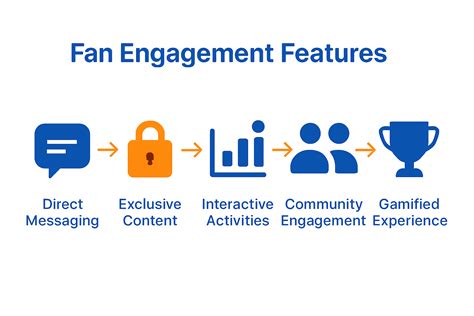
Another layer of fan engagement comes from the **gamification of live matches**. Apps like La Liga’s official app or third-party platforms offer features such as live match stats, player ratings, and prediction games. These tools encourage fans to stay actively involved throughout the match. For example, a fan might predict the first goal scorer or the final scoreline, earning points or rewards based on their accuracy. This gamification not only keeps fans glued to the screen but also deepens their emotional investment in the match. It transforms passive viewing into an interactive experience where fans are incentivized to pay closer attention to every detail of the game.
The **role of influencers and content creators** in this landscape cannot be overlooked. Many football enthusiasts with large followings on platforms like YouTube or Twitch host live streams during matches, providing real-time commentary, analysis, and fan interaction. These creators often serve as conduits between the event and the audience, amplifying the emotional highs and lows of the game. Their content fosters a sense of camaraderie among viewers, as fans tune in not just for the match itself but for the added layer of entertainment and insight provided by these personalities. This dynamic also opens avenues for brands to collaborate with influencers, creating sponsored content that aligns with the live match experience.
An often-underappreciated aspect of live matches is their ability to **bridge generational and cultural divides**. In a world increasingly fragmented by digital echo chambers, live football serves as a unifying force. A grandfather in Spain watching the game with his grandson on a video call, or a group of friends in different countries coordinating their schedules to watch a live stream, exemplify how live matches create shared experiences across age groups and geographies. This intergenerational and cross-cultural engagement is particularly evident during high-stakes matches, such as title deciders or relegation battles, where the stakes are not just about points but about identity and pride.
Moreover, live matches influence **long-term fan loyalty** by creating indelible memories. A thrilling comeback or a dramatic penalty shootout during a live broadcast often becomes a defining moment for fans. These moments are not just about the result but about the shared emotional journey. Fans recall where they were when Lionel Messi scored his 644th goal or when Atlético Madrid clinched the league title in the final matchday of the 2020-21 season. Such events become part of the collective memory of the fanbase, reinforcing their connection to the league and its teams.
Finally, **data-driven fan engagement** is a growing trend in live matches. La Liga and its partner platforms use advanced analytics to understand fan behavior during live games. Metrics like peak viewership times, most-discussed players, and regional engagement patterns are analyzed to tailor future content and marketing strategies. For instance, if data shows that fans in Asia are particularly active during early-morning matches, La Liga might schedule more games in time slots favorable to that audience. This analytical approach ensures that the league remains responsive to its audience, enhancing fan satisfaction and retention.
In conclusion, live La Liga matches are not just sporting events; they are engines of engagement that drive fan interaction, shape social media landscapes, and build communities. From the emotional immediacy of the game to the long-term memories it creates, live matches serve as a cornerstone of modern football fandom. By leveraging social media trends, gamification, and data analytics, La Liga not only entertains its audience but also fosters a sense of belonging and loyalty that extends far beyond the final whistle.
Broadcasting Rights and Revenue Model
The broadcasting rights and revenue model of La Liga live matches represent a complex and dynamic ecosystem that underpins the financial health of one of the world's most prestigious football leagues. As global demand for live sports content continues to grow, La Liga has strategically positioned itself to maximize revenue while maintaining its competitive edge in the international sports broadcasting market. This section delves into the economic intricacies of how broadcasting rights are negotiated, the partnerships that drive monetization, and the innovative approaches La Liga has adopted to sustain and grow its revenue streams.
At the heart of La Liga's revenue model lies its **broadcasting rights deals**, which are negotiated on both domestic and international fronts. Domestically, the league has historically relied on agreements with Spanish broadcasters such as Movistar and DAZN. These agreements are often multi-year contracts, with rights divided into packages that include live matches, highlights, and digital streaming options. The domestic market, however, has faced challenges due to the saturation of pay-TV services and the economic constraints of Spanish consumers. This has led La Liga to explore **innovative pricing models** and partnerships to ensure accessibility while maintaining profitability. For example, the league has worked to offer tiered subscription packages that allow fans to choose specific content bundles rather than committing to full-season access, thereby catering to a broader audience.
Internationally, La Liga has been far more aggressive in expanding its reach. The league has struck lucrative deals with broadcasters in key markets such as the United States (ESPN), the Middle East (beIN Sports), and Asia (Sony Pictures Networks). These agreements are not merely transactional; they are part of a **strategic effort to increase La Liga's global footprint**. For instance, the partnership with ESPN in the U.S. not only ensures live match coverage but also includes promotional content, player interviews, and feature programs designed to deepen fan engagement. Such deals are often accompanied by **minimum guarantee payments** from broadcasters, providing a stable revenue stream for the league. However, these deals are not without risks—fluctuations in currency exchange rates and geopolitical tensions can impact the value of international contracts.
One of the most significant shifts in La Liga's broadcasting strategy has been its move toward **direct-to-consumer (DTC) platforms**. Recognizing the limitations of relying solely on third-party broadcasters, La Liga has invested in its own OTT (over-the-top) platform, LaLigaTV. This platform allows fans to stream matches directly, bypassing traditional TV providers. While the DTC model offers greater control over content delivery and fan data, it also requires substantial investment in technology and marketing to compete with established streaming giants like Netflix and Amazon Prime. LaLigaTV's success hinges on its ability to offer a **seamless user experience**, exclusive content, and localized features for different regions. This approach not only diversifies revenue sources but also creates opportunities for **data-driven marketing**, enabling the league to better understand viewer preferences and tailor future offerings.
Partnerships play a pivotal role in La Liga's monetization strategy. Beyond traditional broadcasters, the league has collaborated with **technology companies** to enhance the viewing experience. For example, partnerships with companies like Microsoft and AWS have enabled La Liga to implement advanced analytics and AI-driven features such as real-time statistics, augmented reality (AR) overlays, and personalized content recommendations. These innovations not only enrich the match-day experience for fans but also open new avenues for **sponsorship deals**. Brands are increasingly willing to pay a premium to associate themselves with technologically advanced and immersive sports content. Additionally, La Liga has explored **regional partnerships** with local brands in emerging markets, such as mobile network operators in Africa and Southeast Asia, to drive subscription growth and foster a sense of local connection to the league.
Another critical aspect of the revenue model is **content syndication**. La Liga has licensed match highlights, player interviews, and other ancillary content to digital platforms like YouTube and social media networks. This strategy serves a dual purpose: it generates additional income through advertising revenue shares while also acting as a **marketing tool** to attract new viewers to live broadcasts. The league's active presence on platforms like TikTok and Instagram demonstrates its understanding of the importance of **short-form content** in capturing the attention of younger demographics. By leveraging these platforms, La Liga not only monetizes its content but also builds a **digital community** around its brand, ensuring long-term fan loyalty.
The economic model of La Liga live match broadcasting is also influenced by the **revenue-sharing agreements** between the league and its clubs. Unlike some other football leagues where revenue distribution can be uneven, La Liga has implemented a more **equitable system** to ensure smaller clubs also benefit from broadcasting deals. This approach fosters **competitive balance** within the league, as even lower-ranked teams have access to funds that can be reinvested in player development and infrastructure. However, this model is not without its critics, as top-tier clubs like Barcelona and Real Madrid often argue for a greater share of the revenue due to their higher viewership numbers. This tension highlights the delicate balance La Liga must maintain to keep both its larger and smaller clubs satisfied while ensuring the league's overall financial viability.
In recent years, La Liga has also explored **non-traditional revenue streams** to supplement its broadcasting income. For instance, the league has ventured into **eSports** by launching the eLaLiga, a virtual football competition that attracts a younger, digitally native audience. This initiative not only diversifies La Liga's revenue base but also positions the league as a forward-thinking organization in the rapidly growing eSports space. Similarly, La Liga has experimented with **metaverse integrations**, allowing fans to experience matches in virtual environments. These initiatives, while still nascent, point to a broader trend of leagues exploring **immersive technologies** to create new revenue opportunities.
The economic success of La Liga's broadcasting model is also tied to its ability to **adapt to market disruptions**. The COVID-19 pandemic, for example, forced the league to rethink its approach to live match delivery, particularly when stadiums were empty. La Liga quickly pivoted to **virtual fan experiences**, using augmented reality to simulate crowd noise and create a sense of normalcy for viewers. This adaptability not only mitigated revenue losses during a challenging period but also demonstrated the league's resilience and innovation in the face of adversity.
In conclusion, the broadcasting rights and revenue model of La Liga live matches are a testament to the league's ability to balance tradition with innovation. Through a combination of **strategic partnerships**, **technological investments**, and **diverse monetization strategies**, La Liga has built a robust economic framework that supports its clubs, engages its global audience, and positions the league for long-term growth. As the sports broadcasting landscape continues to evolve, La Liga's proactive approach to exploring new revenue streams and embracing emerging technologies ensures it remains at the forefront of the global football industry.
Challenges in Live Match Accessibility
The accessibility of live La Liga matches has become a pressing concern for fans worldwide. While the league boasts some of the most talented players and iconic clubs, such as Real Madrid and Barcelona, not all supporters can easily tune in to watch their favorite teams in action. Several challenges stand in the way of seamless live match access, each rooted in technological, economic, and legal complexities. Below, we dissect the primary issues of geo-restrictions, piracy, and cost barriers, exploring how they impact fans and what can be done to address them.
One of the most significant hurdles for fans is geo-restrictions. Broadcasters purchase exclusive rights to air La Liga matches in specific regions, which means viewers in one country might have access to games while those in another are left in the dark. For instance, a fan in Spain might have access to multiple streaming platforms or free-to-air channels, but someone in Southeast Asia could face a blackout unless they subscribe to a costly service. This fragmentation is driven by licensing agreements that prioritize revenue maximization over fan convenience. While these agreements ensure that broadcasters can monetize their investments, they create a fragmented viewing experience for global audiences. Fans often resort to using Virtual Private Networks (VPNs) to bypass these restrictions, but this approach is not foolproof. Many streaming services have sophisticated geo-blocking mechanisms that can detect and block VPN usage, leaving fans frustrated. Additionally, VPNs are not always legal in certain jurisdictions, further complicating the issue. A more fan-centric solution might involve La Liga negotiating global streaming deals that prioritize accessibility over exclusivity, perhaps through partnerships with platforms like YouTube or Twitch that have a global reach.

Another critical challenge is the rise of piracy in live sports streaming. Fans who cannot access matches through legitimate channels often turn to illegal streams, which are rife across the internet. These streams are typically low-quality, plagued by intrusive ads, and sometimes riddled with malware, but they remain an attractive option for those unwilling or unable to pay for official services. The piracy ecosystem is fueled by the high cost of legitimate subscriptions and the ease of access to pirated content. According to industry reports, the sports industry loses billions of dollars annually to piracy, and La Liga is no exception. However, combating piracy is not just about enforcement; it requires addressing the root causes. For instance, La Liga has taken proactive steps by using AI-driven tools to detect and shut down illegal streams in real time. While this is a step in the right direction, a more sustainable approach might involve offering tiered pricing models that cater to different economic strata. By making official streams more affordable and bundling them with added value (such as exclusive content or interactive features), the league could incentivize fans to choose legitimate options over pirated ones.
The third major challenge is cost barriers. For many fans, especially those in developing countries, the price of accessing live matches is prohibitively high. Subscription services like ESPN+, beIN Sports, or DAZN often charge fees that are out of reach for casual viewers or families with limited disposable income. This issue is compounded by the fact that many services require users to subscribe to a bundle of channels or content they may not need, further driving up costs. For example, a La Liga fan in India might need to subscribe to a service that includes other leagues or sports they are not interested in, making the investment feel inefficient. To address this, La Liga could explore partnerships with local telecom providers to offer affordable, pay-per-view options tailored to specific matches or packages. Additionally, introducing ad-supported free streams for certain matches could attract a larger audience while still generating revenue through advertising partnerships. This model has been successfully implemented in other sports, such as cricket in India, where free streaming platforms like Hotstar have drawn massive audiences through a combination of ads and affordable premium tiers.
Beyond these core issues, there are also technological access gaps that exacerbate the problem. While streaming services are widely available in urban areas with high-speed internet, fans in rural or underserved regions often lack the infrastructure to stream matches without buffering or interruptions. This is particularly true in parts of Africa, South America, and Asia, where internet penetration is lower, and data costs are higher. La Liga could mitigate this by collaborating with local ISPs to offer discounted data plans for match days or by optimizing their streams for lower bandwidths. Innovations like adaptive bitrate streaming, which adjusts video quality based on the user's internet speed, can also help bridge this gap. Such measures would not only expand the league's reach but also foster goodwill among fans who feel excluded due to systemic inequalities in digital access.
Another nuanced aspect of live match accessibility is the fragmentation of platforms. Fans often need to juggle multiple apps or services to watch different games, especially when rights are split between broadcasters. This can lead to confusion and dissatisfaction. For instance, a fan might need one service for league matches and another for cup competitions involving La Liga teams. A centralized platform—owned or endorsed by La Liga—could simplify this process. By aggregating all matches into a single service, the league could offer a more streamlined and user-friendly experience. This approach has been adopted by the NFL in the United States with its NFL Game Pass, which provides fans with a one-stop solution for all games. While this might require renegotiating existing broadcasting deals, it could pay dividends in terms of fan loyalty and engagement.
It is also worth considering the social dimension of live match accessibility. For many fans, watching a game is a communal experience, whether at a local pub, a friend’s house, or a public screening. However, geo-restrictions and cost barriers can isolate fans who cannot afford or access official streams. This can diminish the sense of community that sports are meant to foster. To counter this, La Liga could invest in public screening initiatives in underprivileged areas or collaborate with local organizations to set up free viewing events. These efforts would not only enhance accessibility but also strengthen the league’s brand as one that cares about its global fan base.
In conclusion, the challenges of live match accessibility for La Liga are multifaceted and require a holistic approach to resolve. While geo-restrictions limit global reach, piracy undermines revenue streams, and cost barriers exclude vast segments of the fan base. Addressing these issues will require a mix of technological innovation, pricing reform, and strategic partnerships. By prioritizing fan accessibility over short-term profits, La Liga can position itself as a forward-thinking league that values its supporters above all else. This not only ensures a more inclusive viewing experience but also strengthens the league's long-term sustainability in an increasingly competitive sports entertainment landscape.
Tips for an Optimal Live Match Experience
Watching a La Liga live match is an exhilarating experience, whether you're a die-hard fan of Barcelona, Real Madrid, or any of the other competitive teams in Spain's top-tier football league. However, the quality of your viewing experience can vary greatly depending on how well you prepare. This section offers actionable advice to ensure you get the most out of every live match, from optimizing your device setup to creating match day rituals that enhance the atmosphere.
The first step to an optimal live match experience is choosing the right platform for streaming or viewing. La Liga matches are broadcast across various platforms, including official apps, cable TV, and online streaming services. Research which platform offers the best quality for your region. For instance, some services provide 4K streaming, which can make a significant difference in how crisp the pitch, players, and ball movement appear. If you’re using a mobile device, ensure it supports HD streaming and has a stable internet connection. A Wi-Fi connection is generally more reliable than mobile data for uninterrupted viewing. For those using smart TVs, consider investing in a high-quality HDMI cable if you’re casting from a laptop or other device—this can prevent lags or pixelation that detract from the immersive experience.
Once your platform is sorted, optimize your viewing environment. The room where you watch the match plays a critical role. Dim the lights to reduce glare on your screen, especially if you’re watching during daylight hours. Position your screen at eye level to avoid neck strain during the 90 minutes of play. If you’re in a shared space, consider using noise-canceling headphones to block out distractions and immerse yourself in the commentary or stadium sounds. Many streaming platforms now offer options for enhanced audio, such as Dolby Atmos, which can make you feel like you’re in the stands even if you’re watching from your living room.
Another often-overlooked aspect is understanding match dynamics before the game starts. Dedicate time to reviewing pre-match analysis or team lineups. This not only deepens your appreciation of the tactical setups but also allows you to anticipate key player matchups or strategies that might unfold. For example, if you know that a particular winger is likely to exploit the opposition's left-back, you can watch for those moments with greater interest. Platforms like La Liga's official app or websites often provide real-time stats, heat maps, and even live commentary in multiple languages. Turning on these features can add layers of insight to your viewing experience.
Creating a match day ritual can also heighten your excitement. Fans often underestimate the psychological impact of rituals in enhancing their connection to the game. For instance, wearing your team’s jersey or setting up snacks that are associated with Spanish culture—like tapas, sangria, or even a simple plate of olives—can make the event feel more festive. Some fans even set up mini watch parties, complete with themed decorations or chants to replicate the stadium vibe. These small touches can transform a regular match into a memorable event.
If you’re watching with friends or family, engage in interactive elements to keep the energy high. Many streaming platforms now include features like live polls, prediction games, or chat rooms where fans can discuss the match in real time. Participating in these can make you feel part of a larger community, even if you’re watching alone. Additionally, consider joining online fan forums or social media groups dedicated to La Liga. These spaces often feature lively debates, shared memes, and post-match analysis that can enrich your understanding of the game and help you connect with like-minded fans.
For those who want to take their experience to the next level, explore augmented reality (AR) or virtual reality (VR) options. Some broadcasters and apps are beginning to integrate AR features that allow fans to view player stats, replays, or even 3D visualizations of key moments directly on their screens. While VR is still emerging in sports broadcasting, certain services offer virtual stadium seats where you can feel as though you’re sitting in the Camp Nou or Santiago Bernabéu. While these options might require additional hardware, they represent the cutting edge of how technology is reshaping sports viewing.
Another aspect of optimization is time management. La Liga matches often occur at specific times that might not align with your schedule, especially if you’re in a different time zone. To avoid missing out, set calendar reminders or use apps that send push notifications for kick-off times. If you can’t watch live, ensure you have access to a service that provides match replays or highlights packages. Some platforms even allow you to start the match from the beginning if you tune in late, a feature that can be a lifesaver for fans with unpredictable schedules.
One of the most underrated tips for enhancing your live match experience is to learn about the cultural and historical context of the teams and players. La Liga isn’t just about football—it’s a league steeped in rivalries, traditions, and narratives. For instance, understanding the El Clásico rivalry between Barcelona and Real Madrid adds a layer of drama to the game that goes beyond the scoreline. Similarly, knowing a player’s backstory—like how a young talent from a small town made it to the big leagues—can make their every move on the pitch feel more significant. Dive into documentaries, podcasts, or articles that explore these stories to enrich your connection to the league.
Finally, don’t neglect your physical comfort during the match. Sitting in one position for 90 minutes can be taxing, so ensure you have a comfortable chair or couch. Keep hydration and snacks within reach to avoid interruptions. If you’re prone to getting emotionally invested in the game, consider setting boundaries for yourself—like stepping away for a moment if the tension gets too high—to maintain a balanced experience. After all, the goal is to enjoy the match, not to end up stressed or fatigued by the end of it.
In summary, an optimal La Liga live match experience combines technical preparation, environmental setup, and personal engagement. From selecting the right platform and optimizing your viewing space to immersing yourself in pre-match analysis and embracing match day rituals, each step contributes to a richer, more enjoyable experience. Whether you’re a casual viewer or a passionate supporter, these tips can help you feel closer to the action and make every live match a memorable event.
Conclusion and Future of La Liga Live Matches
The current state of live match access for La Liga demonstrates a blend of traditional broadcasting models and emerging digital platforms. Fans across the globe can tune into matches through a variety of channels, from cable networks to streaming services like ESPN+, beIN SPORTS, and La Liga's own OTT platform. However, the landscape is far from uniform. Access depends heavily on geographic location, subscription models, and the willingness of broadcasters to secure rights. This has led to a fragmented experience where some fans enjoy seamless, high-quality streams while others face barriers such as geo-restrictions, laggy feeds, or the need for multiple subscriptions to follow their favorite teams.
One of the key challenges in the current state of live match access is the tension between traditional broadcasters and streaming services. Broadcasters like beIN SPORTS have long been the go-to providers for La Liga matches in many regions, but their dominance is being challenged by the rise of direct-to-consumer (DTC) platforms. La Liga itself has ventured into this space with its own streaming service, offering fans an opportunity to watch games without relying on third-party broadcasters. This move reflects a broader trend in sports media where leagues are trying to reclaim control over their content distribution, aiming to maximize revenue and fan engagement. However, this approach is not without its pitfalls. DTC platforms often struggle to provide the scale and reach of established broadcasters, leaving certain fan bases underserved or requiring them to navigate an increasingly complex web of subscription options.
Another critical aspect of the current state is the role of social media and short-form content in how fans interact with live matches. Platforms like YouTube, TikTok, and even Twitter have become hubs for match highlights, pre- and post-match analysis, and fan-generated content. These platforms are not just supplementary but are increasingly seen as primary touchpoints for younger, digitally native audiences. This shift poses both an opportunity and a threat to La Liga. On one hand, it allows the league to reach new audiences who might not subscribe to traditional services. On the other hand, it risks diluting the value of live match access if fans can piece together a satisfactory experience from free, bite-sized content rather than investing in full-match broadcasts.
Looking to the future, one of the most exciting areas of speculation is the role of AI-driven personalization in enhancing the live match experience. AI has the potential to transform how fans consume La Liga matches by tailoring content delivery to individual preferences. For instance, imagine a scenario where a fan logs into a streaming platform and is greeted by a curated dashboard showing not just the live match but also real-time statistics, player performance predictions, and even personalized camera angles based on their viewing history. AI algorithms could analyze a user's past interactions—such as which players they follow, their favorite teams, or their preferred types of plays (e.g., set pieces vs. open play)—to create a highly customized viewing experience. This level of personalization could redefine what it means to "watch" a live match, making it a more immersive and interactive experience.
Another area of future innovation is the integration of augmented reality (AR) and virtual reality (VR) into live match access. While still in its infancy, AR and VR technologies have the potential to bring fans closer to the action than ever before. Imagine donning a VR headset and being "transported" to Camp Nou or the Santiago Bernabéu, with the ability to view the match from a player’s perspective or even from the manager’s dugout. These technologies could also enable fans to engage in virtual watch parties with friends or other supporters, creating a sense of community that replicates the atmosphere of being in a stadium. While these applications are still experimental, their potential to enhance fan engagement is immense, particularly as hardware becomes more affordable and accessible.
The future of live match access also hinges on improved accessibility and inclusivity. Currently, language barriers, cost, and digital literacy can limit who can fully enjoy La Liga matches. AI and machine learning could help address these issues by enabling real-time multilingual commentary, automated closed captioning, and even AI-generated summaries for fans who cannot watch an entire 90-minute game. Additionally, as 5G networks become more widespread, the quality and reliability of live streams are expected to improve significantly, reducing latency and buffering issues that currently frustrate fans. This could make live matches more accessible to fans in remote or underserved regions, broadening La Liga’s global reach.
However, these advancements also raise important questions about data privacy and ethical use of AI. As leagues and platforms collect more data on fan behavior to enable personalization, they must ensure that this data is used responsibly and transparently. Fans may be wary of platforms that seem to "know too much" about their preferences or that push targeted advertising in intrusive ways. Striking the right balance between personalization and privacy will be a critical challenge for La Liga and its partners as they navigate this new landscape.
Another trend worth considering is the potential impact of blockchain technology on live match access. Blockchain could enable new models of content distribution, such as tokenized access to matches or micro-transactions that allow fans to pay only for the matches or moments they want to watch. This could democratize access by reducing the need for expensive, all-encompassing subscriptions. For instance, a fan might pay a small fee to watch a single El Clásico match or a specific highlight reel rather than committing to a full season package. While this model is still speculative, it aligns with broader trends in the digital economy toward more flexible, user-centric payment systems.
Lastly, the role of fan-driven content and interactivity should not be overlooked. The future of live match access may see fans playing a more active role in shaping their viewing experience. Features like live polls, interactive commentary, or even the ability to "direct" their own broadcast by choosing camera angles or focusing on specific players could become standard. This shift would not only cater to the growing demand for interactivity but also help La Liga differentiate itself in a crowded sports media market.
In conclusion, the future of La Liga live matches is poised at an exciting crossroads. While the current state reflects a mix of traditional and digital access models, upcoming trends like AI-driven personalization, AR/VR integration, and blockchain-based content distribution promise to redefine how fans experience the beautiful game. However, these innovations must be implemented thoughtfully, with a focus on inclusivity, privacy, and ethical considerations. As La Liga continues to evolve, its ability to balance technological advancement with fan-centric values will determine whether it remains a leader in the global sports media landscape or risks being left behind by more agile competitors.