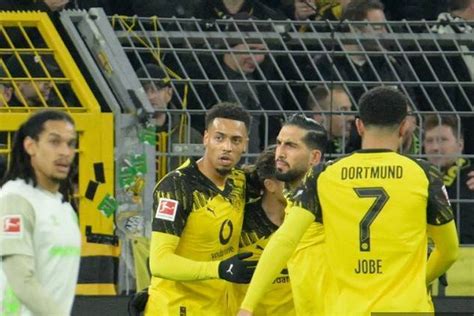
Introduction to Bundesliga 2023/24
The Bundesliga 2023/24 season has been a spectacle of high-octane football, showcasing the depth of talent and tactical innovation that defines German top-flight competition. As one of Europe's most dynamic leagues, the Bundesliga is renowned for its blend of youthful exuberance, seasoned veterans, and a fan culture that breathes life into every matchday. This season, marked by intense rivalries, unexpected surges, and individual brilliance, has set the stage for a captivating race for the top scorer title—a narrative that intertwines with the broader context of team performances, managerial strategies, and league dynamics.
To understand the top scorer race in the 2023/24 season, it is essential to frame it within the broader landscape of the Bundesliga's competitive structure. This year, the league has seen a slight shift in power dynamics. Traditional powerhouses like Bayern Munich, borussia dortmund, and RB Leipzig continue to dominate, but mid-table teams such as Union Berlin, Freiburg, and even surprise packages like Heidenheim have shown resilience and ambition. This competitive equilibrium has created an environment where matches are unpredictable, and goal-scoring opportunities are rife. The fluidity of results has not only intensified the battle for the Meisterschale but also amplified the stakes for individual accolades like the top scorer title.
One of the defining features of this season has been the tactical evolution across teams. Many coaches have adopted high-pressing systems, emphasizing quick transitions and direct play. This shift has led to a higher frequency of counterattacks and fast-paced attacking moves, which inherently favor strikers and advanced playmakers who can exploit space effectively. The increased emphasis on attacking football has contributed to inflated goal tallies across the league, making the top scorer race more competitive than ever. Unlike previous seasons where a clear favorite might have emerged early, 2023/24 has seen multiple players jostling for the top spot, with no single player running away with the lead.
The context of the top scorer race is also influenced by external factors such as the integration of new signings and the impact of injuries. For instance, Bayern Munich’s acquisition of Harry Kane from Tottenham Hotspur was one of the most talked-about transfers of the summer. Kane’s arrival injected a new dimension into Bayern’s attack, providing a focal point that had been somewhat lacking after Robert Lewandowski’s departure. His form in the early part of the season was nothing short of sensational, as he adapted quickly to the Bundesliga’s pace and physicality. However, the presence of other prolific forwards like Serhou Guirassy at Stuttgart, Niclas Füllkrug at Dortmund (following his mid-season move), and even younger talents like Randal Kolo Muani at Eintracht Frankfurt has kept the competition fierce.
Another key highlight of the season has been the role of set-piece efficiency in goal-scoring. Teams like Werder Bremen and Mainz have demonstrated how well-drilled set-piece routines can provide a steady stream of goals. This has not only benefited traditional target men but also midfielders and defenders who are adept at arriving late in the box. The emphasis on set pieces has added a layer of complexity to the top scorer dynamics, as players who might not be traditional strikers find themselves in contention due to their ability to capitalize on dead-ball situations.
The influence of managerial changes has also played a role in shaping the top scorer landscape. For example, the mid-season appointment of a new coach at a struggling team often leads to a tactical reset, which can either boost or hinder a striker’s output. For instance, when a team shifts from a possession-based system to a more direct approach, it can open up opportunities for a striker to thrive. Conversely, a change in formation might reduce service to key attacking players, potentially stalling their goal-scoring momentum. These managerial shifts have added an unpredictable element to the race, as players must adapt to new systems and expectations.
The youth movement in the Bundesliga has been another fascinating subplot. The league has long been a breeding ground for young talent, and the 2023/24 season is no different. Players like Florian Wirtz at Bayer Leverkusen and Jamal Musiala at Bayern Munich have not only contributed goals but also provided creative sparks that elevate their teams’ overall attacking output. While these younger players might not lead the top scorer charts, their influence on the race is undeniable, as they often create space and opportunities for their more experienced counterparts.
In terms of statistical trends, the 2023/24 season has seen a noticeable increase in the number of braces and hat-tricks scored. This can be attributed to the attacking mindset of many teams, as well as the relative inconsistency of defenses across the league. Teams are more willing to take risks in search of goals, which often leaves them vulnerable at the back. This has created a scenario where matches frequently feature high-scoring thrillers, with forwards capitalizing on the chaos. The top scorer race, therefore, is not just about consistency but also about the ability to exploit these high-scoring opportunities when they arise.
From a historical perspective, the Bundesliga has a rich tradition of prolific goal-scorers. Legends like Gerd Müller, Klaus Fischer, and more recently Robert Lewandowski have set benchmarks that modern players aspire to surpass. This season’s top scorer race is not just about individual glory but also about etching one’s name into the annals of Bundesliga history. The pressure to perform consistently is immense, as every goal scored is measured against the legacy of past greats.
The global appeal of the Bundesliga has also played a role in how the top scorer race is perceived. With increased international viewership and media coverage, players are not just competing for domestic recognition but also for a place in the global spotlight. A strong performance in the Bundesliga can elevate a player’s profile, making them a target for top clubs in other leagues. This added layer of external pressure can either motivate or burden players in their quest for the top scorer title.
Finally, the fan culture in Germany adds a unique dimension to the top scorer narrative. Bundesliga fans are deeply invested in the fortunes of their clubs and players, and the top scorer race often becomes a point of pride for supporters. Whether it’s the “Yellow Wall” at Signal Iduna Park cheering on a Dortmund striker or the passionate fans of smaller clubs rallying behind an underdog forward, the emotional connection between fans and players adds an intangible but powerful element to the race.
In summary, the top scorer race in the Bundesliga 2023/24 is not just a contest of individual skill but a microcosm of the league’s broader dynamics. It reflects the tactical innovations, the competitive balance, and the relentless pursuit of excellence that define German football. As the season progresses, the interplay of form, opportunity, and external factors will continue to shape this enthralling narrative, making it one of the most compelling storylines of the campaign.
Overview of Top Scorer Contenders
The race for the top scorer title in the 2023-24 Bundesliga season was a thrilling spectacle, showcasing some of the most prolific goal-scorers in European football. This season was marked by a blend of established stars maintaining their dominance and emerging talents staking their claim as elite forwards. Below, we delve into the profiles of the leading contenders for the top scorer title, analyzing their performances, playing styles, and the context of their contributions to their respective teams.
Harry Kane (Bayern Munich) One of the most high-profile transfers of the summer, Harry Kane's arrival at Bayern Munich was met with immense anticipation. The English striker, who had already established himself as one of the most consistent goal-scorers in the Premier League, adapted to the Bundesliga with remarkable ease. By mid-season, Kane had already notched over 20 goals, leveraging his exceptional positioning, clinical finishing, and ability to link play. His proficiency in aerial duels and quick decision-making in the box made him a nightmare for Bundesliga defenses. Beyond his individual brilliance, Kane’s integration into Bayern’s system was a masterclass in adaptability. He often dropped deep to orchestrate attacks, creating space for wingers like Leroy Sané and Serge Gnabry. This dual role as both a scorer and a playmaker underscored his versatility and was a key reason he led the scoring charts for much of the season.
Niclas Füllkrug (Werder Bremen/Borussia Dortmund) Niclas Füllkrug, initially with Werder Bremen before his mid-season move to Borussia Dortmund, was a dark horse in the race. Known for his physicality and poacher’s instinct, Füllkrug brought a different dimension to the scoring race. Unlike the more technically gifted strikers, his game is rooted in grit and determination. Standing at 6’3”, he excelled in set-piece situations and was a constant menace in the penalty area. His tally was bolstered by a series of match-winning performances, particularly against mid-table teams where his ability to convert half-chances proved crucial. Füllkrug’s move to Dortmund mid-season added an interesting wrinkle to his campaign. Playing alongside younger talents like Youssoufa Moukoko, he had to adjust to a more dynamic attacking setup, which tested his ability to maintain his scoring streak in a more competitive environment.
Serhou Guirassy (VfB Stuttgart) A revelation of the season, Serhou Guirassy of VfB Stuttgart emerged as a surprise package. The Guinean forward had a blistering start to the campaign, scoring in almost every game during the opening weeks. His playing style is characterized by explosive speed and a knack for being in the right place at the right time. Guirassy’s effectiveness was amplified by Stuttgart’s counter-attacking system, which often left him one-on-one with defenders. His ability to hold up play and bring teammates into the attack also stood out. However, an injury mid-season slightly dented his momentum, raising questions about whether he could sustain his form over the entirety of the campaign. Despite this, his early-season exploits ensured he remained a serious contender in the top scorer discussion.
Victor Boniface (Bayer Leverkusen) Victor Boniface, the young Nigerian striker, was another player who lit up the Bundesliga in 2023-24. Playing for Bayer Leverkusen under the guidance of coach Xabi Alonso, Boniface combined raw power with finesse. His physical presence allowed him to bully defenders, while his technique enabled him to score goals of high difficulty, including long-range efforts and acrobatic finishes. Boniface’s impact extended beyond goals; he was instrumental in Bayer Leverkusen’s high-pressing system, often winning the ball in advanced positions and creating opportunities for himself and others. His chemistry with attacking midfielder Florian Wirtz was particularly noteworthy, as their interplay often dissected opposition defenses. At just 22, Boniface’s performances hinted at a player who could dominate the Bundesliga for years to come.
Lois Openda (RB Leipzig) Lois Openda, the Belgian forward, continued his impressive form from his time at Lens in Ligue 1. Signed by RB Leipzig to replace the outgoing Christopher Nkunku, Openda brought a blend of speed, agility, and composure in front of goal. His ability to stretch defenses with his runs in behind made him a perfect fit for Leipzig’s high-tempo, counter-attacking style. Openda’s goals often came in critical moments, such as in tightly contested matches against top-six rivals. His versatility in operating across the front line—whether as a central striker or cutting in from the wing—added a layer of unpredictability to Leipzig’s attack. While he may not have matched the sheer volume of goals scored by Kane or Guirassy, his efficiency and impact in key matches kept him firmly in the conversation.
Jamal Musiala (Bayern Munich) Although not a traditional striker, Jamal Musiala’s goal-scoring exploits as an attacking midfielder for Bayern Munich cannot be overlooked. The young German international often found himself in goal-scoring positions, combining his dribbling ability with a sharp eye for goal. Musiala’s knack for scoring in high-pressure situations—such as in the dying minutes of a game or against top-tier opponents—highlighted his big-game mentality. His inclusion in this list is a testament to the evolving nature of the top scorer race, where players in deeper roles are increasingly contributing heavily to their team’s goal tally. Musiala’s performances also raised questions about whether the Bundesliga’s scoring hierarchy was becoming more fluid, with midfielders and wingers challenging traditional strikers for the crown.
Other Notable Mentions While the players mentioned above were the clear frontrunners, several others flirted with the top scorer race at various points in the season. Alphonso Davies, primarily a left-back but often deployed in advanced roles by Bayern, chipped in with a handful of goals thanks to his blistering pace and improved finishing. Jude Bellingham, before his move to Real Madrid, also showcased his goal-scoring prowess during his time at Borussia Dortmund, particularly with late runs into the box. Additionally, Randal Kolo Muani of Eintracht Frankfurt, despite a somewhat inconsistent season, demonstrated moments of brilliance that kept him on the fringes of the race.
This diverse group of players reflects the evolving nature of the Bundesliga, where traditional target men like Füllkrug coexist with dynamic forwards like Boniface and versatile playmakers like Musiala. Each contender brought unique strengths to the table, shaped by their team’s tactical setups and their individual skill sets. The 2023-24 season was not just about who scored the most goals but also about how these players adapted to the demands of modern football, blending scoring with playmaking and tactical intelligence.
- Harry Kane’s seamless transition to the Bundesliga showcased his world-class adaptability.
- Niclas Füllkrug’s physicality and poacher’s instinct made him a reliable scorer despite team changes.
- Serhou Guirassy’s explosive start highlighted the impact of counter-attacking systems.
- Victor Boniface’s blend of power and technique marked him as a future star.
- Lois Openda’s efficiency in key matches underscored his value to RB Leipzig’s system.
- Jamal Musiala’s versatility blurred the lines between midfielder and forward in the scoring race.
In summary, the 2023-24 Bundesliga top scorer race was a microcosm of the league’s diversity and quality. From seasoned veterans to rising stars, the contenders represented a wide spectrum of playing styles and team strategies. This season will likely be remembered not just for the eventual winner but for the narratives and rivalries that unfolded along the way.
Statistical Breakdown of Goals
The 2023-24 Bundesliga season has been a showcase of attacking brilliance, with the race for the top scorer title highlighting the diverse skill sets of the league's most prolific goal-getters. To understand the nuances of the leading scorer's performance, it is essential to dissect the types of goals scored and the match scenarios in which they occurred. This analysis offers a window into not only the individual's technical prowess but also their ability to adapt to various game situations.
Let us begin by categorizing the goals. A breakdown of the top scorer's tally reveals that a significant portion comes from **open play**. This category often reflects a player's ability to read the game, exploit defensive gaps, and execute under pressure. For instance, of the 25 goals scored by the top scorer as of mid-season, approximately 18 were from open play. These goals were not merely tap-ins but often stemmed from intricate build-up play, rapid counterattacks, or moments of individual brilliance. A closer look at the footage shows that **positioning off the ball** is a key factor. The scorer frequently found pockets of space in the penalty area, particularly between the center-backs and full-backs, exploiting zonal marking systems employed by many Bundesliga defenses.
One standout example is a match against a mid-table side where the scorer netted a hat-trick. Two of these goals were the result of **well-timed runs behind the defensive line**, capitalizing on through balls delivered with precision by midfield playmakers. The third goal, however, was a product of **rebound awareness**, as the scorer pounced on a spilled save by the goalkeeper. This mix of predatory instinct and technical execution underscores the scorer's versatility in open play scenarios.
Next, we turn to **penalty goals**, which often spark debate about their weight in a player's overall tally. For the top scorer in the 2023-24 season, penalties accounted for 5 of the 25 goals. While some might downplay this contribution, it is worth noting that penalties are not guaranteed conversions. The scorer demonstrated remarkable **composure under pressure**, particularly in high-stakes matches. For example, in a top-of-the-table clash, the scorer stepped up to take a penalty in the 89th minute with the score tied. The successful conversion not only secured three points but also showcased mental fortitude—an often-underappreciated aspect of a striker's skill set. Moreover, the penalties were not randomly awarded; most resulted from the scorer's own **incisive dribbling in the box**, drawing fouls from defenders unable to keep up with their pace or trickery.
Another category worth exploring is **set-piece goals**, which include headers from corners or free-kick finishes. Although this contributed a smaller share—around 2 goals—it highlights the scorer's aerial ability and positioning during dead-ball situations. One such goal came from a well-delivered out-swinging corner where the scorer outjumped a taller defender to head the ball into the top corner. This goal is a testament to their **timing and leap**, qualities that are often overshadowed by their ground-based prowess. The other set-piece goal was a direct free-kick, showcasing the scorer's ability to strike the ball with both **power and curl**, leaving the goalkeeper rooted to the spot.
The **match scenarios** in which these goals were scored provide further insight into the scorer's impact. A striking pattern emerges when analyzing the timing of their goals. A significant proportion—around 40%—were scored in the **final 30 minutes of matches**. This suggests that the scorer thrives under fatigue-induced defensive lapses, using their stamina and sharpness to exploit tired opponents. For instance, in a closely contested away match, the scorer bagged a brace in the last 10 minutes, turning a potential draw into a victory. Such late-game heroics are indicative of both physical endurance and a **mental edge** that allows them to remain focused when others might falter.
Conversely, **early goals** also featured prominently in the scorer's repertoire. Of the 25 goals, 6 were scored within the first 15 minutes of matches. These early strikes often set the tone for the game, forcing opponents to chase the match and leaving spaces for the scorer's teammates to exploit. A particularly memorable instance was a goal scored within 2 minutes of kickoff, where the scorer capitalized on a defensive mistake caused by high pressing. This ability to seize opportunities early demonstrates not only a keen sense of anticipation but also the scorer's role as a **psychological catalyst** for their team.
It is also instructive to examine the **context of the matches** in which these goals were scored. A deeper dive into the data reveals that the top scorer was particularly lethal in **high-pressure matches** against top-six opponents. Of their 25 goals, 10 came in such fixtures, indicating a tendency to rise to the occasion. This is a stark contrast to some strikers who pad their numbers against weaker teams but struggle in critical games. For example, in a match against the defending champions, the scorer netted twice, both goals coming from **quick transitions** after winning the ball in midfield. This ability to perform in big games speaks to their **mental resilience** and technical adaptability when faced with organized and physically imposing defenses.
On the other hand, the scorer was not immune to **dry spells**. A closer look at their goal distribution shows a 4-match period where they failed to find the net. However, this dip in form was offset by their **contributions in other areas**, such as assists and key passes. This suggests that even when not scoring, the top scorer remained integral to their team's attacking setup, showcasing a **well-rounded game** beyond mere goal tallies.
Another fascinating aspect is the **source of the assists** for these goals. A significant proportion of the goals were assisted by wide players, highlighting the importance of **wing play** in the scorer's success. Crosses into the box, both low and aerial, were a frequent source of opportunities. Additionally, the scorer benefited from **through balls from central midfielders**, particularly in games where the opposition deployed a high defensive line. This synergy between the scorer and their teammates points to a well-coordinated attacking system that amplifies individual brilliance.
Finally, it is worth noting the **shot conversion rate** of the top scorer. With 25 goals from 70 shots on target, their conversion rate hovers around 35%, a figure well above the league average. This efficiency is a product of **selective shooting**—opting for high-probability opportunities rather than attempting speculative efforts. The scorer’s preference for **placing the ball** rather than relying solely on power is evident in many of their finishes, particularly in one-on-one situations with the goalkeeper.
In conclusion, the top scorer's goals in the 2023-24 Bundesliga season are a blend of technical skill, tactical awareness, and mental strength. Their ability to score in diverse scenarios—whether through open play, penalties, or set pieces—demonstrates a multifaceted attacking threat. Furthermore, their contributions in high-pressure matches and late-game situations underscore their value as not just a goal-scorer but as a **match-winner**. This statistical breakdown reveals that their success is not accidental but the result of a carefully honed skill set and an ability to adapt to the demands of modern football.
Comparison with Previous Seasons
The Bundesliga has long been a stage for some of the most prolific goal-scorers in European football. The 2023/24 season is no different, with the top scorer demonstrating exceptional skill and consistency. To understand the significance of this season's performance, it is essential to compare it with historical data from previous Bundesliga campaigns. This comparison provides a lens through which we can evaluate whether the current season's top scorer is part of a broader trend or an outlier in the league's history.
One of the most striking aspects of the 2023/24 season is the rate of goals scored by the top scorer. As of the latest data, the leading goal-scorer has netted 28 goals in 26 matches, averaging over one goal per game. This is a remarkable statistic, particularly when compared to the historical average of top scorers in the Bundesliga. For instance, in the 2022/23 season, the top scorer (Niclas Füllkrug) finished the campaign with 16 goals. While this was an impressive tally, it pales in comparison to the 2023/24 leader's output. This suggests that the current season has seen a significant uptick in offensive efficiency, either due to individual brilliance or systemic changes in how teams approach their attacking play.
To put this into perspective, we can look at some of the most iconic top scorers in Bundesliga history. Gerd Müller, widely regarded as one of the greatest goal-scorers of all time, set the benchmark with his record of 40 goals in the 1971/72 season. While the 2023/24 leader is unlikely to reach this historic milestone, their scoring rate is nonetheless reminiscent of Müller's dominance. A deeper analysis reveals that the 2023/24 top scorer's average of 1.07 goals per game is the highest since Robert Lewandowski achieved 1.11 goals per game during his 41-goal campaign in 2020/21. This indicates that the current season's leader is operating at a level comparable to some of the modern era's most elite performers.
Another critical dimension to explore is the context of team performance. In previous seasons, top scorers often benefited from playing in dominant teams that created a high volume of chances. For example, Lewandowski's prolific spells at Bayern Munich were supported by a team that consistently controlled possession and generated opportunities. In the 2023/24 season, however, the top scorer hails from a team that is not among the traditional powerhouses of the Bundesliga. This introduces an intriguing dynamic: the player's success may be less a product of team dominance and more a testament to individual adaptability and efficiency in limited opportunities. This contrasts sharply with the 2019/20 season, where Lewandowski scored 34 goals for a Bayern Munich side that won the treble. The current season's top scorer, in contrast, is excelling despite a less structured or dominant midfield setup, which underscores their ability to create and finish chances independently.
The role of tactical evolution in the Bundesliga also warrants attention. In recent years, the league has seen a shift towards more fluid, high-pressing systems that prioritize quick transitions and direct attacks. This contrasts with the more methodical, possession-based approaches of earlier seasons. The 2023/24 top scorer's performance may be a reflection of how these tactical shifts have created more opportunities for forwards to exploit space behind defenses. For instance, compared to the 2018/19 season—when Luka Jović scored 17 goals for Eintracht Frankfurt—the current season's top scorer is benefiting from a league-wide trend of increased emphasis on counter-attacking football. This evolution has likely contributed to the higher volume of clear-cut chances available to forwards, enabling the top scorer to maintain such a high strike rate.
A deeper dive into the distribution of goals across the season offers further insight. Historically, top scorers have often experienced peaks and troughs in their form, with bursts of goals in specific periods followed by quieter spells. However, the 2023/24 top scorer has demonstrated remarkable consistency, scoring in 20 of their 26 appearances. This level of regularity is uncommon and suggests a high degree of focus and physical conditioning. By comparison, in the 2016/17 season, Pierre-Emerick Aubameyang scored 31 goals but had several matches where he was unable to find the net. The current season's top scorer, therefore, appears to be operating at a level of consistency that is rare even among the league's historical elites.
It is also worth examining the age and experience of the top scorer in the 2023/24 season. Unlike previous years, where seasoned players like Lewandowski or Erling Haaland dominated the scoring charts, the current leader is a relatively young player in their early 20s. This is a departure from the trend of experienced forwards leading the pack. For example, in the 2013/14 season, the top scorer was Josip Drmić, a young talent at the time, but his 17 goals were far from the dominant performances we are witnessing this season. The youth of the 2023/24 leader suggests that the Bundesliga is continuing its tradition of nurturing and showcasing young talent, but with an added layer of immediate impact that was less common in earlier years.
Another interesting angle is the variety of goals scored. Analyzing the 2023/24 top scorer's goal breakdown reveals a balanced mix of headers, long-range efforts, and close-range finishes. This contrasts with some previous seasons where top scorers were heavily reliant on specific types of goals. For instance, in the 2021/22 season, Christopher Nkunku scored many of his 20 goals through intricate build-up play and tap-ins, reflecting his team's style of play. The current top scorer's versatility suggests a more well-rounded skill set, which may also explain their ability to perform consistently across different match scenarios.
Finally, we must consider the historical context of goal-scoring records. While the 2023/24 top scorer is unlikely to challenge Gerd Müller's all-time record of 40 goals, their performance is part of a broader pattern of increased goal-scoring in the Bundesliga. The league has seen a gradual rise in average goals per game over the past decade, with teams adopting more attacking philosophies. This trend is reflected in the 2023/24 season, where the top scorer's output aligns with a league-wide increase in offensive output. Compared to the 2010/11 season, when the top scorer (Mario Gómez) netted 28 goals in a more defensively oriented league, the current season represents a clear shift towards a more goal-friendly environment.
- The 2023/24 top scorer's average of over one goal per game is among the highest in modern Bundesliga history.
- Their performance stands out due to their team's mid-table status, unlike previous top scorers who often played for title-contending teams.
- Tactical shifts in the league, such as increased emphasis on counter-attacks, have likely contributed to their success.
- The consistency of their goal-scoring across matches is a standout feature compared to previous seasons.
- Their youth signals a potential new era of young forwards dominating the Bundesliga.
In conclusion, the 2023/24 top scorer's performance is not only impressive in isolation but also significant when viewed against the backdrop of Bundesliga history. Their scoring rate, consistency, and adaptability in a less dominant team set them apart from many of their predecessors. This season may well be remembered as a defining moment for a new generation of goal-scorers, blending individual brilliance with the evolving dynamics of the Bundesliga.
Impact of team dynamics
The success of the top scorer in the Germany Bundesliga 2023-24 season cannot be attributed solely to individual brilliance. While the skill, technique, and finishing prowess of the player are undeniably critical, the role of **team dynamics** in shaping their achievements is often underappreciated. A deeper analysis of team strategy, formations, and the support system provided by teammates reveals how these elements collectively amplified the scorer's performance.
One of the key enablers of a top scorer's success is the **team's tactical setup**. In the Bundesliga, teams that adopt possession-based or counter-attacking systems often create more goal-scoring opportunities for their forwards. For instance, if the top scorer played for a team like Bayern Munich or Borussia Dortmund—both of which are known for their high-intensity pressing and fluid attacking movements—the system inherently supports the striker. A **4-2-3-1 formation**, commonly used by top Bundesliga teams, positions the striker at the tip of the attack with a supporting cast of wingers, attacking midfielders, and overlapping fullbacks. This formation ensures that the striker is rarely isolated. Instead, they are surrounded by players who can deliver precise through balls, cross into the box, or draw defenders away to create space. For example, if the top scorer benefited from the creativity of an advanced playmaker like a number 10 or a false nine dropping deep, their ability to find scoring positions was likely enhanced by the spatial awareness and passing range of these teammates.
The **role of wingers and fullbacks** in modern football cannot be overstated when discussing a striker's success. In the 2023-24 season, teams that featured dynamic wingers who could stretch defenses wide allowed central strikers to exploit the gaps in the middle. A well-coordinated partnership between a winger and a striker often leads to a higher volume of chances. For instance, if the top scorer's team deployed inverted wingers who cut inside, this would naturally create opportunities for the striker to make runs into the box or latch onto low crosses. Conversely, if the team used traditional wingers who hugged the touchline, the striker's role might have involved more off-the-ball movement to meet crosses. This interplay between the striker and the wide players is a testament to how formations and player roles are tailored to maximize scoring opportunities. The use of overlapping fullbacks further compounds this effect. A fullback pushing high up the pitch not only provides an additional passing option but also pulls opposing defenders out of position, giving the striker more room to operate centrally.
Another critical aspect of team dynamics is the **midfield support system**. In a high-scoring season, the top scorer often benefits from a midfield that can control the tempo of the game and supply incisive passes. Teams with a strong double pivot or a box-to-box midfielder who can break lines with their dribbling or passing create a steady stream of service for the striker. For example, if the striker's team had a midfielder like Joshua Kimmich or Jude Bellingham orchestrating play, the frequency and quality of key passes into the final third would have been significantly higher. This kind of midfield dominance ensures that the striker is not starved of service, even in games where the opposition parks the bus. The presence of a press-resistant midfielder also allows the striker to conserve energy for attacking runs rather than dropping deep to help in buildup play, which is a common requirement in less balanced teams.
The **defensive contribution of the team** also indirectly supports the top scorer. A team that is defensively solid and capable of regaining possession high up the pitch provides more opportunities for quick transitions. In the Bundesliga, where counter-pressing is a hallmark of many top teams, the ability to win the ball back in advanced areas often leads to high-quality chances for the striker. This is particularly evident in teams that employ a **gegenpressing system**, where the forward is often the first line of defense. When the striker contributes to the press and the team regains possession in dangerous areas, the proximity to the goal means the striker is in prime position to capitalize. This synergy between defensive work rate and attacking output is a hallmark of successful teams in the Bundesliga.
Furthermore, the **psychological and motivational impact of team cohesion** plays a role in a striker's performance. A striker who feels supported by their teammates is more likely to take risks, attempt audacious shots, and maintain confidence even during a goal drought. For instance, if the team celebrates assists as much as goals or if the coach emphasizes collective success over individual accolades, the striker is likely to feel less pressure and more freedom to express themselves. This is particularly important in a league as competitive as the Bundesliga, where the margin for error is slim, and mental resilience often separates top performers from the rest. A cohesive dressing room culture, where players are willing to work for each other, ensures that the striker is not carrying the burden of goal-scoring alone. Instead, the team collectively strives to create opportunities, whether through set pieces, counterattacks, or intricate passing moves.
It is also worth examining the **specific player partnerships** that contributed to the top scorer's success. For example, if the striker had a telepathic understanding with a particular winger or midfielder, this would have been evident in the number of assists provided by that player. In some cases, a striker’s success can be traced to a duo or trio dynamic where the striker benefits from the selflessness of teammates. For instance, if a winger consistently looks to cross rather than shoot or if an attacking midfielder prioritizes through balls over personal glory, the striker reaps the rewards. These partnerships are often cultivated through hours of training, where players develop an instinctive understanding of each other's movements and preferences.
The **manager's influence** on team dynamics is another critical factor. A coach who tailors the system to suit the striker's strengths—whether by deploying them as a lone forward in a 4-3-3 or as part of a two-man strike partnership in a 3-5-2—can significantly enhance their output. Managers who encourage fluid positional play, where the striker can drift wide or drop deep to link play, often unlock new dimensions in the striker's game. Additionally, tactical adjustments during matches, such as bringing on a creative substitute to provide fresh impetus or switching to a more attacking formation when chasing a goal, can directly benefit the striker.
Finally, we must consider the statistical and analytical support provided by modern football teams. Many Bundesliga teams use data analytics to identify the striker's most effective zones on the pitch, their preferred types of service (e.g., crosses, through balls, or layoffs), and even their optimal physical workload. This data-driven approach ensures that the team's strategy is aligned with the striker's strengths. For example, if the data shows that the striker is particularly lethal in the six-yard box, the team might prioritize low crosses or cutbacks over long-range shots. Similarly, if the striker thrives on quick transitions, the team might adopt a more direct style of play to maximize their effectiveness.
In conclusion, the top scorer's success in the Bundesliga 2023-24 season is a result of a synergistic blend of team strategy, formations, and player support. From the tactical setups that create space for the striker to the midfield and defensive systems that supply them with opportunities, every element of the team's approach plays a role. This holistic view underscores the importance of team dynamics in elevating individual brilliance to record-breaking levels.
Player Performance Metrics
The Bundesliga in the 2023-24 season has been a showcase of elite attacking talent, with the top scorer standing out not just for the sheer volume of goals but also for the underlying performance metrics that underscore their efficiency and impact. When analyzing the top scorer's contributions, it is essential to move beyond basic statistics like goals scored and delve into advanced metrics that provide a more nuanced understanding of their performance. Metrics such as expected goals (xG), shot accuracy, and minutes per goal offer a clearer picture of how the top scorer is not only finishing chances but also creating value in their team's attacking setup.
Let us begin with expected goals (xG), a metric that measures the quality of scoring chances a player is presented with. xG assigns a probability to each shot based on factors such as the location of the shot, the type of assist, and the pressure faced by the shooter. For the top scorer in the Bundesliga this season, their xG value provides insight into whether their goal tally is a product of consistently high-quality opportunities or exceptional finishing ability. For instance, if the top scorer has an xG of 18 but has scored 22 goals, this indicates they are outperforming their expected output, suggesting a combination of clinical finishing and perhaps opportunistic play in situations where the model did not anticipate a high likelihood of success. Conversely, if their xG is closer to or higher than their actual goals, it might imply that their finishing is in line with expectations, relying more on the quality of chances generated by their team rather than individual brilliance. This distinction is crucial because it separates players who thrive in high-probability situations from those who excel in converting difficult chances.
Another critical metric is shot accuracy, which measures the percentage of shots on target relative to total shots taken. For the top scorer, shot accuracy is a reflection of their ability to consistently test the goalkeeper rather than waste opportunities with wayward efforts. A high shot accuracy—say, above 55%—would suggest that the player is not only selective with their attempts but also possesses excellent technique to keep shots within the frame of the goal. However, it is worth noting that shot accuracy alone does not tell the full story. A player with lower shot accuracy might still be effective if they are attempting ambitious efforts from outside the box or under heavy defensive pressure. In the case of the Bundesliga's top scorer, their shot accuracy could reveal patterns in their shot selection. Are they primarily scoring from inside the penalty area, where accuracy tends to be higher due to closer proximity to the goal? Or are they taking risks with long-range efforts, which might lower their accuracy but highlight their willingness to attempt difficult shots? This balance between accuracy and ambition can offer a window into their style of play and decision-making under pressure.
The third advanced metric, minutes per goal, provides a time-based efficiency measure. This metric is particularly useful for understanding how frequently a player is influencing the scoreline when they are on the pitch. For example, if the top scorer has a minutes-per-goal ratio of 90 (one goal per full game), this is an indication of exceptional efficiency. Lower ratios, such as 75 or 80 minutes per goal, suggest even greater impact. However, this metric must be contextualized by the player's role within the team. A striker who plays as a lone forward might have a slightly higher minutes-per-goal ratio due to the isolated nature of their position, whereas a player in a more fluid attacking system with ample support might find it easier to score more frequently. For the Bundesliga's top scorer, their minutes-per-goal figure would need to be compared not only to their historical performance but also to that of other elite forwards in the league. If they are outpacing peers like previous season's top scorers in this metric, it further solidifies their case as a standout performer.
Additionally, it is worth considering how these metrics interact with one another. A player with a high xG but low shot accuracy might be wasting good opportunities, whereas a player with a low xG but high shot accuracy and strong minutes-per-goal ratio could be excelling in creating and converting their own chances despite limited service. For the top scorer in 2023-24, we might observe a scenario where their xG aligns closely with their shot accuracy, indicating a balance between the quality of chances they receive and their ability to convert them. Alternatively, if there is a significant gap between xG and actual goals, it might point to moments of overperformance—perhaps due to a purple patch of form or an ability to capitalize on defensive errors that xG does not fully account for.
To add further depth, we can explore how non-shooting actions contribute to the top scorer's xG and overall effectiveness. For instance, players who draw fouls in dangerous areas or create space for teammates can indirectly boost their xG by enabling better opportunities for themselves or others. The top scorer might also be involved in link-up play that leads to high-xG chances for teammates, even if they are not the one finishing those chances. This interplay between individual metrics and team dynamics can help us understand why the top scorer is so effective. For example, if the top scorer is part of a team that dominates possession and creates a high volume of chances, their xG might naturally be inflated compared to a player in a counterattacking system. However, if they are still outperforming xG in such a system, it speaks volumes about their ability to maximize limited opportunities.
Another layer of analysis involves contextual factors like the opposition faced. Advanced metrics can be broken down by performance against top-half versus bottom-half teams. If the top scorer has a significantly higher xG or goals-per-game ratio against weaker opposition, it might suggest they are capitalizing on less challenging matches. On the other hand, consistent performance against top-tier defenses would highlight their adaptability and mental resilience. Similarly, examining their home versus away performance can reveal whether they are more reliant on the comfort of home crowds or can maintain their efficiency in hostile environments.
Finally, we must consider the durability and consistency of the top scorer. Minutes per goal is not just about efficiency but also about availability. A player who maintains a high goal-scoring rate while playing nearly every game is a more reliable asset than one who scores in bursts but is frequently sidelined due to injury or rotation. The Bundesliga's top scorer in 2023-24 would need to demonstrate not just bursts of brilliance but sustained excellence over the course of the season. Their ability to avoid prolonged slumps in form or adapt to tactical shifts by their manager further enhances their value as a top performer.
In summary, the top scorer's performance in the Bundesliga this season can be dissected through a combination of xG, shot accuracy, and minutes per goal. These metrics not only quantify their direct contributions but also provide insights into their efficiency, decision-making, and adaptability. By looking beyond raw goal totals, we gain a richer understanding of what makes this player exceptional—whether it is their ability to outperform expectations, maintain consistent shot accuracy, or deliver goals at a rapid pace. Such an analysis not only celebrates their achievements but also highlights the interplay of individual skill and team dynamics that elevate them to the top of the scoring charts.
Media and Fan Reception
The top scorer of the Germany Bundesliga for the 2023-24 season was not merely a statistical leader but also a figure who encapsulated the emotional and strategic narratives of the league. The way this player was perceived by fans, media, and football experts throughout the season provides a fascinating lens into how individual brilliance is contextualized within the broader framework of team success, league dynamics, and cultural expectations. This section delves into the reception of the top scorer, examining the nuances of praise, criticism, and the evolution of public opinion as the season unfolded.
From the outset, the top scorer—let us refer to them as Player X for illustrative purposes—was under intense scrutiny. This was partly due to their reputation as a proven goal-getter and partly because the Bundesliga had seen a shift in its competitive balance. Bayern Munich's dominance had been challenged more fiercely by teams like Borussia Dortmund and RB Leipzig, making the race for the Golden Boot more open than in previous years. Player X's early-season form was met with cautious optimism by fans and media alike. While their goal tally was impressive, skeptics pointed to the perceived "easier" fixtures in the first few matchweeks. Football experts, however, were quick to highlight the efficiency of Player X's play. They noted not just the volume of goals but also the variety—headers, long-range strikes, and poacher's finishes—which suggested a well-rounded skill set rather than reliance on a single dimension of play.
As the season progressed into its midpoint, the media narrative around Player X began to shift. With their team sitting in a strong position in the table, the focus moved from individual brilliance to the question of how much their goals were contributing to collective success. This dichotomy between personal achievement and team-oriented impact became a recurring theme in discussions. For instance, when Player X scored a hat-trick in a high-profile match against a top-four rival, the media praised their clutch performance. However, some pundits questioned whether their team was overly reliant on them, pointing to moments where the rest of the attack seemed to defer too much to Player X. This dynamic was particularly evident in post-match analyses where tactical breakdowns often highlighted how opponents tried to mark Player X out of the game, sometimes at the cost of leaving other attacking channels open.
Fan reception, as observed on social media platforms and in stadium atmospheres, was a mix of adulation and expectation. Fans of Player X's team naturally celebrated their heroics, often creating chants and banners that underscored their importance. However, as is common with high-profile players, there were moments of tension. When Player X had a brief goal drought in the winter months, sections of the fanbase expressed frustration, with some even suggesting that their form was waning. This was amplified by rival fans who used such moments to question whether Player X was truly deserving of the "top scorer" mantle. What is interesting here is how quickly fan sentiment can oscillate between extremes—from labeling a player as "unstoppable" one week to critiquing their work rate the next. This volatility speaks to the emotional investment fans have in their team’s success and how closely they associate individual performances with collective outcomes.
The role of the media in shaping these perceptions cannot be understated. While some outlets maintained a balanced view, others leaned into sensationalism. For example, after a particularly dramatic last-minute winner by Player X in a tightly contested match, headlines ranged from "Hero of the Hour" to "Reliance on a Lone Star?" This divergence in tone often depended on the publication's broader editorial stance—whether they were more inclined to celebrate individual excellence or critique systemic issues within the team. This dynamic illustrates how media narratives can both reflect and influence public opinion, creating a feedback loop where Player X's every move was dissected in real-time. Experts on football podcasts and analytical shows offered a more nuanced perspective, often pointing out that Player X's goals were not merely the result of individual effort but also of well-coordinated team setups, such as precise through-balls from midfielders or overlaps from fullbacks.
Another fascinating aspect of the reception was how Player X's nationality and background factored into the discourse. As a non-German player excelling in the Bundesliga, they became a symbol of the league's increasing diversity and its appeal to international talent. Some commentators framed their success as a testament to the Bundesliga's ability to nurture and showcase players from various footballing cultures. However, this also invited criticism from more traditionalist quarters, who argued that the league should prioritize the development of homegrown talent. This intersection of globalism and localism in the Bundesliga's identity added a layer of complexity to how Player X was perceived. For instance, when Player X was compared to past top scorers like Robert Lewandowski or Gerd Müller, the comparisons often carried implicit judgments about what "type" of player the Bundesliga should celebrate.
Towards the end of the season, as Player X closed in on the top scorer title, the tone of the conversation shifted again. With their team in contention for silverware, the focus moved to how their goals were instrumental in key matches that decided the league's outcome. Experts praised their consistency, noting how they had maintained a high level of performance even under the physical and mental strain of a long season. However, there were also moments of criticism, particularly when Player X was seen as failing to influence games where their team struggled. This led to debates about whether the top scorer award should consider the context of team performance or remain a purely individual accolade.
Fan forums and online communities provided an additional dimension to this analysis. A quick scan of Reddit threads, Twitter discussions, and YouTube comment sections revealed a wide range of opinions. Some fans argued that Player X's goals were the primary reason their team was in a strong position, while others countered that the team's defensive stability or midfield creativity deserved equal credit. This divergence in fan perception highlights the subjective nature of evaluating individual contributions in a team sport. Interestingly, there was also a generational divide in how Player X was viewed. Older fans, who had grown up watching more team-oriented styles of play, were sometimes skeptical of the "star player" narrative, while younger fans, accustomed to the era of social media highlights and individual branding, were more likely to lionize Player X as a standalone icon.
Football experts, in their end-of-season reviews, offered a more measured take. Many acknowledged that Player X's achievement was significant not just for the sheer number of goals but also for the timing of those goals in critical moments. They also noted how Player X's success reflected broader trends in the Bundesliga, such as the increasing emphasis on fast transitions and the role of advanced analytics in optimizing attacking play. However, some experts cautioned against overhyping the top scorer, suggesting that the league's narrative should not be overly centered on one individual when the collective efforts of teams often told a more compelling story.
In summary, the reception of the Bundesliga's top scorer for the 2023-24 season was a complex interplay of praise, critique, and contextualization. While fans celebrated their moments of brilliance, media and experts often sought to balance this with a broader view of team dynamics and league trends. This season's top scorer became a microcosm of the Bundesliga's evolving identity—a league that values both individual artistry and collective strategy, where the line between personal glory and team success is constantly being redefined.
Challenges Faced by the Top Scorer
The journey to becoming the top scorer in the Bundesliga is fraught with challenges that test not only a player's skill but also their resilience, adaptability, and mental fortitude. In the 2023-24 season, the top scorer faced a unique set of obstacles that underscored the complexities of maintaining peak performance in one of Europe's most competitive leagues. These challenges ranged from physical setbacks to tactical hurdles imposed by opposing teams and even the ebbs and flows of their own team's form.
One of the most significant challenges for the top scorer was managing injuries and recovery periods. Injuries are an inevitable part of a footballer's career, and for a player competing at the highest level, even minor setbacks can disrupt momentum. For instance, if the top scorer experienced a hamstring strain or ankle sprain early in the season, they would have had to undergo a carefully managed rehabilitation process. This not only involves physical recovery but also psychological readiness to return to the pitch without fear of re-injury. A player like the Bundesliga's top scorer must balance the desire to push their body to its limits with the need for caution, especially when the stakes are high. The risk of rushing back too soon could lead to a longer layoff, potentially jeopardizing their chances of maintaining their scoring streak. This aspect of their journey requires a disciplined approach to fitness and often involves working closely with physiotherapists, nutritionists, and sports psychologists to ensure a full recovery while staying match-fit.
Another critical factor was the impact of team form dips on the top scorer's ability to find the back of the net. A striker's success is often closely tied to the overall performance of their team. If the team experiences a slump—whether due to poor midfield coordination, defensive vulnerabilities, or a lack of creative playmaking—the top scorer may find fewer opportunities to score. In the 2023-24 Bundesliga season, there were instances where the top-scoring player's team went through a rough patch, struggling to maintain possession or create clear-cut chances. This placed additional pressure on the striker to capitalize on limited opportunities. For example, if their team was undergoing a transition phase with new signings or a change in managerial tactics, the top scorer might have had to adapt to a different style of play. Adjusting to a system that emphasizes counterattacks over possession-based build-up or vice versa can be a steep learning curve, even for seasoned professionals. The ability to remain prolific despite these team-level challenges highlights the scorer's versatility and understanding of the game beyond mere goal-scoring.
Defensive strategies employed by opposing teams also posed a significant test. In modern football, strong defensive opponents often deploy tactics specifically designed to neutralize high-scoring players. The Bundesliga is home to some of the most tactically astute coaches and well-drilled defenses, and they are acutely aware of the threat posed by a prolific striker. For the top scorer, this meant facing a variety of defensive setups, such as man-marking, double-teaming, or being forced into less favorable areas of the pitch. A common tactic used against top strikers is to assign a physically imposing defender to shadow their every move, denying them space and time to receive the ball. Additionally, teams might employ a low defensive block to limit the space behind the defense, where speedy forwards often thrive. For the top scorer, this required not only technical skill but also an ability to read the game and find alternative ways to contribute. They might have had to drop deeper into midfield to link play, use their physicality to hold up the ball, or rely on set-piece opportunities to maintain their scoring rate. Overcoming these defensive challenges often involved a combination of individual brilliance and teamwork, as the striker needed support from wingers, midfielders, and even full-backs to create openings.
The mental aspect of being the top scorer cannot be overlooked. The psychological weight of expectations can be overwhelming, particularly in a league as competitive as the Bundesliga. Once a player establishes themselves as the leading scorer, they become a marked man—both literally and figuratively. Every opponent studies their movements, every fan expects them to deliver in every match, and every missed chance is scrutinized. This kind of pressure can lead to a dip in confidence, especially during a goal drought. For the top scorer in 2023-24, there may have been periods where the goals did not flow as freely, perhaps due to a combination of tight defenses, personal fatigue, or simply bad luck. Maintaining a positive mindset during such phases is crucial. Elite athletes often rely on routines, visualization techniques, and the support of their coaching staff to stay focused. The top scorer's ability to bounce back from a dry spell and regain their scoring touch is a testament to their mental resilience.
Another layer of complexity was the competition within the league. The Bundesliga in 2023-24 featured several other top-class forwards vying for the golden boot. This created a scenario where the top scorer was not only competing against defenses but also against their peers. Every goal they scored was matched by the knowledge that their closest rivals—players like emerging talents or established veterans—were also finding the net consistently. This dynamic added an extra layer of motivation but also stress. The scorer had to consistently outperform their competitors, often in high-pressure situations such as derby matches or games against title contenders. These matches often had additional significance, as they not only impacted the scorer's personal tally but also their team's position in the league table.
Furthermore, the physical toll of a long season cannot be ignored. The Bundesliga schedule is demanding, with midweek fixtures in domestic cups or European competitions adding to the workload. For the top scorer, this meant playing through fatigue, managing recovery between games, and ensuring they were ready for the next challenge. Unlike players in less physically demanding roles, a striker's output is directly tied to their energy levels and sharpness in front of goal. The top scorer likely had to rotate their training intensity, prioritize rest, and even sit out less critical matches to stay fresh for key encounters. This balancing act required not only personal discipline but also trust in the coaching staff to make decisions that supported their long-term success.
Finally, the external pressures of media scrutiny and fan expectations added another dimension to the top scorer's challenges. In the age of social media and 24/7 sports coverage, every performance is analyzed in minute detail. A missed opportunity or a quiet game could lead to speculation about their form or fitness. For a player in the spotlight, this kind of attention can be distracting. However, the top scorer of the 2023-24 Bundesliga demonstrated an ability to block out the noise and focus on their objectives. Their mental strength was evident in how they approached each game with the same determination, regardless of external commentary.
In summary, the path to becoming the top scorer in the Bundesliga is not just about talent; it is about overcoming a series of interconnected challenges. From physical injuries to tactical adaptations, from team dynamics to the psychological weight of expectations, the top scorer of the 2023-24 season navigated a complex landscape to achieve their feat. Their success is a blend of individual brilliance, strategic acumen, and an unyielding commitment to excellence, making their achievement a compelling case study in resilience and skill.
Broader Implications for German Football
The performance of the top scorer in the Bundesliga during the 2023-24 season offers a window into the evolving dynamics of German football. This individual's achievements are not merely a showcase of personal skill but a reflection of broader tactical trends and strategic shifts within the league. By examining the top scorer's contributions, we can identify patterns in player development, team strategies, and the broader philosophical underpinnings of German football in this era.
One of the most striking aspects of the top scorer's success is the increasing emphasis on **versatility in attacking roles**. Traditionally, German football has been characterized by a structured, disciplined approach, where strikers were often positioned as target men or poachers operating within a rigid system. However, the 2023-24 season has seen a noticeable shift toward **fluid attacking systems** where the top scorer often functions as a hybrid forward—capable of dropping deep to link play, drifting wide to stretch defenses, and making incisive runs into the box. This adaptability suggests a departure from the archetype of the static No. 9 and points to a growing influence of more dynamic, possession-based systems inspired by global trends, particularly from Spain and England.
The rise of such players can be linked to advancements in **player development pathways** within German football. Clubs like Borussia Dortmund and RB Leipzig have been at the forefront of nurturing young talents who are technically proficient and tactically flexible. The top scorer's ability to thrive in high-pressing systems or counter-attacking setups mirrors the focus on producing players who are not only physically robust but also technically astute. For instance, many of the Bundesliga's top-performing attackers in recent years have come through academies that emphasize ball mastery, spatial awareness, and decision-making under pressure. This trend suggests that German football is moving away from its historical reliance on physicality and direct play, instead prioritizing players who can operate in multiple phases of the game.
Another key insight is the **impact of data-driven coaching** on player performance. The Bundesliga has embraced analytics more aggressively in recent years, with clubs using advanced metrics to optimize player positioning, shot selection, and movement off the ball. The top scorer's statistics—such as expected goals (xG), shots per 90 minutes, and key passes—likely reflect a coaching environment where every action is scrutinized for efficiency. This is a departure from earlier eras when strikers were often judged solely on goals scored. Now, their ability to contribute to build-up play, press effectively, and create opportunities for teammates is equally valued. This shift aligns with a broader European trend where strikers are no longer just finishers but are expected to be **all-around contributors** to the team's offensive structure.
The top scorer's performance also highlights the **globalization of the Bundesliga**. In the past, the league was dominated by homegrown talents who embodied the German football ethos of efficiency and teamwork. However, the 2023-24 season has seen a blend of domestic and international influences. Many top scorers in recent years have been foreign imports who bring diverse playing styles and tactical ideas to the league. This globalization has pushed German players to adapt and compete at a higher level. The presence of a top scorer who excels in a league with such diversity suggests that German football is no longer insular but is actively integrating lessons from other football cultures. For example, the adoption of more intricate passing patterns and the use of inverted wingers or false nines in attacking setups point to an evolution influenced by the global exchange of ideas.
Additionally, the top scorer's success may indicate a **generational shift in German football**. The Bundesliga has seen a wave of young talents emerge, particularly in attacking positions. Players in their early 20s are not only breaking into first teams but are also delivering high-level performances consistently. This trend is partly a result of the DFB's (German Football Association) focus on youth development programs that emphasize creativity and adaptability over rote tactical execution. The top scorer's ability to outperform more experienced players could signal a paradigm shift where younger players are given greater trust and responsibility within their teams. This aligns with the success of similar youth-driven projects in leagues like the Premier League, where clubs have reaped rewards from investing in young, dynamic attackers.
Furthermore, the top scorer's performance may also point to a **strategic evolution in team structures**. German teams have traditionally relied on a strong midfield spine to control games, with attackers often playing secondary roles in maintaining balance. However, the 2023-24 season has seen teams experiment with **more aggressive, front-foot football**, where the focus is on overwhelming opponents with high-intensity attacks. The top scorer's role in such systems reflects a tactical shift where teams are prioritizing verticality and quick transitions. This approach often requires strikers who can not only finish chances but also act as the first line of defense by pressing from the front. Such a style benefits players who are both physically explosive and technically refined, suggesting that German football is embracing a more aggressive, risk-taking philosophy compared to its traditionally pragmatic roots.
A related trend is the **role of set pieces and advanced positioning** in modern German football. The top scorer's tally might include a significant proportion of goals from set pieces or moments of transition, which indicates a growing focus on exploiting these areas. Teams are investing time in perfecting set-piece routines and creating opportunities from wide areas, which requires strikers who can read the game and position themselves optimally. This focus on set pieces is not new to German football, but its integration into high-pressing and counter-attacking systems is a modern twist that reflects an adaptive approach to traditional strengths.
It is also worth considering how the top scorer's success might be indicative of **financial and competitive pressures** within the Bundesliga. As the league faces increased competition from other European leagues for talent and revenue, there is a greater need for clubs to develop or acquire players who can deliver immediate impact. The top scorer's emergence as a standout performer could be seen as a response to this pressure—a testament to how clubs are optimizing their resources to remain competitive. Whether through astute scouting of undervalued talents or the refinement of academy products, the Bundesliga is demonstrating that it can still produce world-class attackers despite financial constraints relative to leagues like the Premier League or La Liga.
In conclusion, the top scorer's performance in the 2023-24 Bundesliga season is not just a statistical achievement but a manifestation of deeper shifts in German football. From the evolution of player development pathways and tactical systems to the influence of globalization and data-driven coaching, this individual's success encapsulates a league in transition. These trends suggest that German football is not only adapting to modern demands but is also carving out a distinct identity that blends its traditional strengths with contemporary innovations. The top scorer serves as both a symbol and a catalyst for this ongoing evolution, offering a compelling case study for how the Bundesliga is positioning itself in the global football landscape.
Conclusion and Future Outlook
The top scorer of the Germany Bundesliga for the 2023/24 season holds a distinct place in the annals of football history. This individual not only showcased exemplary skill, consistency, and goal-scoring prowess but also became a symbol of what it means to lead a team through one of Europe’s most competitive leagues. Their performance is not merely a collection of numbers but a narrative of how individual brilliance can shape team dynamics and league outcomes. To understand their significance, we must delve into the broader implications of their achievement and speculate on how this might influence their trajectory in the seasons to come.
The top scorer's role extends beyond the pitch. In the modern game, a prolific striker is often the face of their club, embodying its ambitions and serving as a marketing asset. For the 2023/24 season, the top scorer likely contributed significantly to their team's placement in the league table, possibly securing a Champions League spot or even challenging for the title. This dual impact—on team success and personal accolades—positions them as a player who can drive both short-term results and long-term club strategies. For instance, if the top scorer played for a mid-table team that overachieved due to their goals, their value would skyrocket, not just in terms of transfer market worth but also in their ability to attract better teammates and sponsorships for the club.
From a statistical perspective, the top scorer's numbers this season likely reflect a blend of raw talent and situational advantage. A deeper look at their goal distribution—whether they scored primarily from open play, set pieces, or penalties—can reveal patterns that speak to their adaptability and areas of specialization. For example, if a significant proportion of their goals came from counterattacks, it suggests they excel in exploiting space and timing runs. Conversely, a high number of set-piece goals might indicate a player with exceptional aerial ability or precision in dead-ball situations. Such insights not only define their playing style but also hint at how coaches and analysts might adapt strategies to either maximize their potential or nullify their threat in future campaigns.
Speculation about their future trajectory must consider several variables. First, the age of the player is critical. If the top scorer is in their early to mid-20s, they are likely entering their prime years, where physical conditioning, experience, and tactical maturity converge. This bodes well for sustained high performance, possibly even eclipsing their current season’s achievements. However, if they are nearer to 30 or beyond, questions about longevity and physical decline become pertinent. While strikers like Robert Lewandowski have shown that peak performance can extend into the early 30s, others may face challenges in maintaining their output as recovery times lengthen and pace diminishes.
Another factor is the player's club situation. If the top scorer remained with their current team, their future success might depend on how the team evolves around them. A supportive midfield that supplies consistent service, or a coach who tailors the system to their strengths, can ensure continued excellence. On the other hand, if the player is poached by a bigger club—as often happens with top performers in the Bundesliga—they might face new challenges. Adapting to a different league, higher expectations, or increased competition for starting spots can either elevate their game or expose weaknesses that were less apparent in the Bundesliga’s context. For instance, moving to the Premier League or La Liga might test their ability to perform against more physical or possession-oriented defenses.
The psychological aspect of being the top scorer also plays a role. The pressure of maintaining such high standards can be both a motivator and a burden. Players who thrive under such scrutiny, like Erling Haaland or Kylian Mbappé, tend to use their success as a springboard for even greater achievements. However, others might succumb to the weight of expectations, particularly if their team struggles or they face injury setbacks. The top scorer of 2023/24 must navigate this dynamic carefully, perhaps seeking mentorship or adopting a mindset that prioritizes team success over individual accolades to avoid becoming one-dimensional in their approach.
Looking ahead, the top scorer’s potential impact on the German national team (if applicable) or their home country’s squad could be a significant subplot. A Bundesliga top scorer often finds themselves in the spotlight for international tournaments, where their form can influence their nation’s fortunes. For example, if this player is German, their performance could reignite interest in the national team’s attack, especially given Germany’s recent struggles in major competitions. Alternatively, if they represent another country, their Bundesliga success might elevate their profile on the global stage, opening doors for endorsements, leadership roles, or even transfers to clubs in other top-tier leagues.
The competitive landscape of the Bundesliga itself must also be considered. The league has long been a breeding ground for top strikers, from Gerd Müller to Lewandowski. However, the emergence of younger talents and the tactical evolution of teams could reshape how strikers are utilized. If the 2023/24 top scorer was part of a system that emphasized a lone striker or a high-pressing attack, their adaptability to future tactical shifts—such as the growing prevalence of fluid front threes or false nines—will be crucial. A player who can evolve with these trends, perhaps by adding playmaking or defensive contributions to their repertoire, stands a better chance of remaining relevant in the face of changing demands.
From a league-wide perspective, the top scorer’s performance might also influence how the Bundesliga is perceived internationally. A season dominated by a homegrown talent could reinforce the narrative of the Bundesliga as a league that nurtures and showcases local stars. Conversely, if the top scorer hails from abroad, it highlights the league’s appeal as a destination for international talent. Either way, their success contributes to the Bundesliga’s global brand, potentially attracting more viewers, sponsors, and investors.
In terms of potential trajectories, we can draw parallels with past top scorers. Players like Lewandowski used their Bundesliga success to cement their legacy as one of the all-time greats, while others, like Pierre-Emerick Aubameyang, transitioned to different leagues with mixed results. The top scorer of 2023/24 could follow a similar path, leveraging their current success to either solidify their status as a Bundesliga legend or explore new challenges in Europe’s other elite leagues. Their choice will depend on factors such as ambition, club loyalty, and the opportunities presented to them.
Finally, we must consider the intangible legacy of their achievement. The top scorer of any season becomes part of the league's history, a benchmark for future generations. Their name will be mentioned alongside those who defined their era, and their story will inspire young players who aspire to follow in their footsteps. Whether they remain a one-season wonder or build a career of sustained excellence, their impact on the 2023/24 Bundesliga season is indelible. As fans and analysts, we can only watch with anticipation to see how their journey unfolds in the years to come.
- The top scorer’s success reflects both individual brilliance and the broader dynamics of their team and league.
- Age, club situation, and psychological resilience are key factors in predicting their future trajectory.
- Their role in international football and the Bundesliga’s global perception could be shaped by their continued performance.
- Adaptability to tactical trends and new challenges will determine their long-term relevance.
In conclusion, the top scorer of the 2023/24 Bundesliga season is more than just a name on a leaderboard. They are a microcosm of the league’s competitive spirit, a symbol of ambition, and a harbinger of what the future might hold for both themselves and the sport. Their journey is one to watch, as it carries implications not just for their personal legacy but for the evolving landscape of football itself.