Introduction
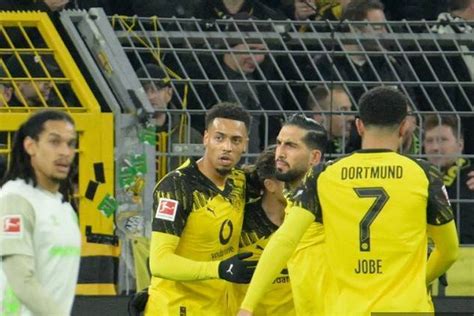
The concept of a "top scorer" in German football is not merely a statistical accolade but a symbol of excellence, perseverance, and the embodiment of the sport's competitive spirit. In Germany, a country where football is often referred to as a way of life, the role of top scorers extends far beyond the pitch. These players are not just individuals who find the back of the net with remarkable consistency; they are cultural icons who shape the narratives of seasons, influence team strategies, and, in many cases, redefine the sport itself. To understand the significance of top scorers in German football, one must delve into their role as trailblazers, their impact on team dynamics, and their contribution to the larger legacy of the sport in the nation.
At its core, German football is a blend of tactical discipline, physical endurance, and relentless ambition. The Bundesliga, Germany's top-tier league, is one of the most competitive and high-scoring leagues in Europe. This environment naturally places a premium on goal-scoring prowess. Top scorers in this league are not just statistical leaders; they are often the focal points around which entire teams are built. Consider the likes of Gerd Müller, who scored an astonishing 365 goals in the Bundesliga, a record that stood for decades. Müller’s ability to score in tight spaces and under pressure was not just a personal achievement but a reflection of the German football ethos—efficiency and effectiveness. His legacy is a testament to how top scorers can embody a team’s identity and set benchmarks for future generations.
Top scorers in German football also play a pivotal role in shaping the tactical evolution of the game. The Bundesliga has long been a testing ground for innovative formations and attacking strategies. For instance, the rise of players like Robert Lewandowski in the modern era showcases how top scorers can adapt to and influence tactical systems. Lewandowski’s versatility—his ability to operate as a lone striker, drop deep to link play, or drift wide to create space—has made him a prototype for the modern forward. His performances have not only elevated Bayern Munich’s dominance but have also inspired coaches and younger players to rethink the traditional role of a striker. This interplay between individual brilliance and tactical adaptation underscores how top scorers are instrumental in pushing the boundaries of what is possible in German football.
Another critical aspect of top scorers' significance lies in their psychological impact on team morale and fan engagement. In a sport where moments of brilliance can turn the tide of a match, a prolific goal scorer often becomes the emotional anchor for both players and supporters. A goal in a high-stakes match, such as a derby or a Champions League knockout tie, can galvanize an entire stadium. This phenomenon is not unique to Germany, but the country’s passionate fan culture amplifies its importance. Top scorers like Müller, Klaus Fischer, or more recently, Timo Werner, are not just celebrated for their goals but for the hope and excitement they bring to the stands. Their ability to deliver in clutch situations creates a sense of trust and expectation among fans, further cementing their role as central figures in the sport’s narrative.
The legacy of top scorers also extends to their influence on youth development and the broader footballing ecosystem. Germany’s football academies, such as those at borussia dortmund and Bayern Munich, emphasize the importance of goal-scoring as a core skill. The presence of top scorers in the league serves as both inspiration and a practical benchmark for young talents. For instance, when a young player watches someone like Erling Haaland or Lewandowski dismantle defenses with precision and power, it sets a tangible goal for their own development. This ripple effect ensures that the pursuit of excellence among top scorers trickles down to grassroots levels, fostering a culture of ambition and skill refinement.
Moreover, top scorers often become ambassadors of German football on the global stage. Their performances in domestic and international competitions help elevate the profile of the Bundesliga and the German national team. For example, Miroslav Klose, the all-time leading goal scorer in World Cup history, is a prime example of how a top scorer can transcend club boundaries to represent the nation’s footballing identity. Klose’s exploits in World Cups not only added to his personal legacy but also reinforced Germany’s reputation as a footballing powerhouse. This dual role—excelling for club and country—highlights how top scorers are integral to the sport’s global outreach and the nation’s soft power in international sports.
It is also worth noting how top scorers in German football often act as barometers of broader societal and cultural shifts. Football in Germany has not been immune to changes in societal values, such as the increasing emphasis on diversity and inclusivity. Players like Cacau, a Brazilian-born striker who became a naturalized German citizen and represented the national team, exemplify how top scorers can symbolize the evolving identity of German football. Their success stories highlight how the sport can serve as a unifying force, bringing together players and fans from diverse backgrounds under a shared passion for the game.
Furthermore, the role of top scorers in German football is deeply intertwined with the commercial and media landscape of the sport. In an era of globalized media coverage and lucrative sponsorship deals, top scorers are often the most marketable figures in the league. Their goals are replayed endlessly on highlight reels, their jerseys are among the best-selling, and their endorsements reach far beyond Germany’s borders. This commercialization, while sometimes criticized for overshadowing the collective nature of the sport, underscores the top scorer’s role as a brand ambassador for their team and the league. Their visibility ensures that German football remains a prominent feature in global sports conversations.
Finally, the significance of top scorers in German football cannot be fully appreciated without considering their impact on historical continuity and tradition. The Bundesliga, established in 1963, has a rich history of celebrated goal scorers who have passed the torch from one generation to the next. From Uwe Seeler in the early days of the league to modern icons like Lewandowski, the lineage of top scorers serves as a thread that connects the past to the present. This continuity not only honors the sport’s legacy but also reinforces its future by setting a standard of excellence that new talents strive to emulate.
In summary, top scorers in German football are more than just individuals who excel at finding the net. They are architects of legacy, influencers of tactical innovation, emotional catalysts for fans, and ambassadors of the sport’s enduring appeal. Their contributions extend beyond the immediate thrill of a goal to shape the very fabric of German football’s identity. Whether through their on-field exploits, their role in youth development, or their global representation of the sport, top scorers stand as pillars of Germany’s rich footballing heritage, ensuring that the legacy of the game remains vibrant and ever-evolving.
Historical Context of Scoring in Germany
The evolution of goal-scoring trends in German football is a fascinating journey that reflects not only changes in playing styles and strategies but also the broader socio-cultural and technological shifts that have shaped the sport. To understand the trajectory of top scorers in Germany, it is essential to examine the historical context of scoring in the country, from its nascent stages to the highly professionalized and data-driven football environment of today.
In the **early days of German football**, which began to take shape in the late 19th and early 20th centuries, the concept of goal-scoring was much different from what we see today. Football in Germany during this period was heavily influenced by English traditions, as the sport was introduced by British expatriates and travelers. Matches were often low-scoring affairs, with teams prioritizing defensive solidity and physical endurance over attacking flair. The pitches were uneven, the balls were heavier, and the rules of the game were still evolving. This meant that scoring even a handful of goals in a season was considered a significant achievement. Players like Franz Sedlatschek, who played in the 1910s, exemplify this era; their scoring exploits were modest by modern standards but groundbreaking for the time.
The **interwar period** saw a gradual shift in German football. The establishment of structured leagues such as the Gauliga in the 1930s provided a more competitive framework for players to excel. During this time, goal-scoring trends began to rise as teams adopted more cohesive tactics and better training regimens. Players like Otto Siffling, who scored 13 goals in a single match in 1937, became symbols of this era. However, the shadow of World War II loomed large, and the war disrupted the continuity of leagues and player development. Despite this, the period laid the groundwork for a more dynamic approach to attacking football in post-war Germany.
The **post-war era and the formation of the Bundesliga in 1963** marked a turning point for goal-scoring in German football. With the creation of a unified top-tier league, the sport became more professionalized, and goal-scoring records began to climb. The 1960s and 1970s were characterized by prolific strikers such as Gerd Müller, whose name is synonymous with goal-scoring excellence. Müller’s ability to find space in crowded penalty areas and convert chances with clinical precision earned him the nickname "Der Bomber." He scored 365 goals in 427 Bundesliga matches, a record that remains unbroken. This era also saw a greater emphasis on attacking football, with teams like Bayern Munich and Borussia Mönchengladbach prioritizing fluid, high-scoring play. The average number of goals per game in the Bundesliga during this period hovered around 3.0, a stark contrast to earlier decades.
In the **1980s and 1990s**, German football underwent another evolution as the game became more tactical and physically demanding. The introduction of foreign players and the influence of international competitions like the UEFA Cup and the European Cup exposed German teams to new styles of play. This period saw a slight dip in the average number of goals scored per game as teams adopted more defensive formations, such as the sweeper system popularized by coaches like Franz Beckenbauer. However, strikers like Klaus Allofs, Rudi Völler, and Jürgen Klinsmann continued to thrive by adapting their play styles to the changing demands of the game. The 1990 FIFA World Cup win by Germany also showcased the country’s ability to produce top scorers who could perform on the global stage.
The **modern era of German football**, beginning in the early 2000s, has been shaped by several key factors that have influenced goal-scoring trends. The advent of sports science, video analysis, and data-driven strategies has made the game more structured and efficient. Strikers are now expected not only to score but also to contribute to build-up play, press opponents, and adapt to high-intensity systems. Players like Robert Lewandowski, who scored 41 goals in a single Bundesliga season in 2020–21, epitomize this modern striker. Lewandowski’s success is a result of his technical ability, physical conditioning, and the support of a well-organized team like Bayern Munich, which emphasizes possession-based attacking football.
Another significant trend in modern German football is the **rise of youth academies and player development systems**. Clubs like Borussia Dortmund and RB Leipzig have invested heavily in nurturing young talent, resulting in a new generation of goal-scorers such as Erling Haaland (although Norwegian, his time in the Bundesliga is noteworthy) and Timo Werner. These players benefit from advanced training methods, exposure to diverse tactical systems, and the opportunity to compete in high-stakes environments from a young age. This focus on development has also increased the diversity of goal-scoring styles, with some players excelling as poachers, others as target men, and some as versatile forwards capable of playing across the front line.
The **impact of globalization** cannot be overlooked when discussing scoring trends in Germany. The Bundesliga has become a melting pot of international talent, with players from Africa, South America, and other parts of Europe bringing their unique approaches to the game. This has enriched the league’s attacking dynamics and contributed to higher goal tallies in recent years. For instance, the 2019–20 season saw an average of 3.21 goals per game, one of the highest in Bundesliga history. This trend is partly due to the faster pace of play, improved pitch conditions, and the use of technologies like VAR, which have reduced errors in officiating and allowed attacking play to flourish.
However, it is also worth noting that the **commercialization of football** has introduced certain pressures on top scorers. The demand for instant success and the financial stakes involved in European competitions have made it harder for players to maintain consistent scoring form over multiple seasons. Top scorers are now expected to deliver not just domestically but also in the UEFA Champions League, where the level of competition is fiercer. This has led to a greater emphasis on mental resilience and adaptability among modern strikers.
In summary, the evolution of goal-scoring in German football reflects a broader narrative of innovation, adaptation, and globalization. From the modest scoring feats of early pioneers to the record-breaking exploits of modern superstars, the story of top scorers in Germany is one of constant transformation. Whether it is the individual brilliance of Gerd Müller in the 1970s or the systematic excellence of Robert Lewandowski in the 2020s, German football has consistently produced strikers who define their eras. This historical context not only highlights the skill and determination of these players but also underscores the dynamic nature of the sport itself, shaped by the interplay of tradition, technology, and global influences.
- The early days were marked by low-scoring, physically demanding matches.
- The post-war era saw the rise of structured leagues and prolific strikers like Gerd Müller.
- The modern era is defined by sports science, youth development, and globalization.
This deep dive into the historical context of scoring in Germany reveals how the role of the top scorer has evolved, mirroring the sport's journey from its humble beginnings to its current status as a global powerhouse.
Profiles of Top Scoring Legends
The history of German football is adorned with prolific goal-scorers whose names echo through the annals of the sport. These players have not only defined their eras but have also set benchmarks that continue to inspire generations of footballers. In this section, we delve into the profiles of some of Germany's top scoring legends, focusing on their records, playing styles, and the indelible marks they left on the game.
Gerd Müller: The Goal Machine No discussion of German goal-scoring legends can begin without Gerd Müller, affectionately known as "Der Bomber." Müller's career, particularly with Bayern Munich and the West German national team, was characterized by an almost supernatural ability to find the back of the net. Between 1966 and 1974, he scored an astonishing 68 goals in 62 international appearances, a record that stood for decades. His playing style was unique—he was not the tallest or fastest player on the pitch, but his agility, positioning, and instinct for goal were unparalleled. Müller excelled in tight spaces, often scoring from improbable angles or with his first touch. His record of 40 goals in a single Bundesliga season (1971-72) remains a testament to his dominance. What set Müller apart was his consistency; he was not a player who relied on bursts of form but delivered year after year. His role in West Germany's 1974 World Cup victory, where he scored the winning goal in the final, cemented his legacy as one of the greatest finishers in football history.
Miroslav Klose: The World Cup Record Holder While Müller dominated in the 1970s, Miroslav Klose carried the torch into the 21st century. Klose holds the record for the most goals scored in World Cup history (16), surpassing even the legendary Brazilian Ronaldo. Unlike Müller, Klose was not a player who dazzled with technical brilliance or explosive speed. Instead, his strength lay in his aerial ability, work ethic, and positioning. Standing at 6'0", Klose was a master of the header, often lurking in the box to convert crosses with pinpoint accuracy. His international career spanned 13 years (2001–2014), during which he scored 71 goals in 137 appearances, making him Germany's all-time leading goal-scorer. A key feature of Klose's success was his adaptability; he played in different systems and under various managers but always found ways to contribute. His humility and team-first mentality were as much a part of his legend as his goals. Notably, Klose was part of the 2014 World Cup-winning squad, where he scored twice, including in the historic 7-1 semifinal victory over Brazil. His career exemplifies the evolution of the modern striker—reliant not on individual flair but on efficiency and teamwork.
Uwe Seeler: The Loyal Icon Before Müller and Klose, there was Uwe Seeler, a player whose loyalty to Hamburger SV and the German national team endeared him to fans. Seeler scored 43 goals in 72 international appearances between 1954 and 1970, a remarkable feat considering the era's more defensive style of play. What made Seeler stand out was his versatility; he was equally adept at scoring with his head, left foot, or right foot. Despite being only 5'7", he had an incredible leap and was fearless in aerial duels. Seeler's career coincided with a period when West Germany was establishing itself as a footballing powerhouse. He played in four World Cups (1958, 1962, 1966, and 1970) and was the first player to score in four separate tournaments—a record later matched by Klose. Seeler's impact extended beyond statistics; he was a symbol of perseverance and sportsmanship. His refusal to join more lucrative clubs abroad, choosing instead to remain with Hamburg, underscored his deep connection to his roots and his integrity as a player.
Lothar Matthäus: The Versatile Contributor While primarily remembered as a midfielder, Lothar Matthäus also made significant contributions as a scorer, particularly in critical matches. With 23 goals in 150 international appearances, Matthäus was not a traditional striker, but his ability to arrive late in the box and deliver long-range strikes made him a unique threat. His record as Germany's most-capped player reflects his influence across multiple positions. Matthäus's scoring prowess was particularly evident in the 1990 World Cup, where he netted four goals, including a stunning free-kick against Yugoslavia. His leadership and versatility were instrumental in Germany's World Cup triumph that year. Matthäus exemplifies how a player can influence the game in multiple ways, blending goal-scoring with playmaking and defensive grit.

The Collective Legacy Beyond these individual profiles, it is worth considering the broader context of what made these players so effective. German football has long emphasized a blend of technical skill, physical conditioning, and tactical discipline. This environment allowed players like Müller, Klose, Seeler, and Matthäus to thrive. Each of them benefited from strong team dynamics and systems that prioritized creating goal-scoring opportunities. For instance, Müller's success was amplified by the creative midfielders of his time, such as Franz Beckenbauer, who supplied him with opportunities. Similarly, Klose's aerial dominance was complemented by the precise wing play of players like Philipp Lahm and Bastian Schweinsteiger.
Another unique aspect of these legends is their mental fortitude. Scoring consistently at the highest level requires not just physical attributes but also psychological resilience. Müller's ability to perform under pressure, Klose's calmness in front of goal, and Seeler's unwavering determination are hallmarks of their greatness. This mental strength is often overlooked in discussions of goal-scoring records but is a critical factor in their sustained success.
It is also important to note how these players adapted to the changing landscape of football. Müller operated in an era where physicality and direct play were predominant. Klose, on the other hand, navigated the transition to a more technical and possession-based style of play in the 2000s. This adaptability highlights the versatility of German football's top scorers and their ability to evolve with the game.
Records and Milestones A closer look at the records held by these players reveals fascinating insights. Müller's goals-per-game ratio for the national team (1.097) remains one of the highest in history, underscoring his efficiency. Klose's World Cup record is a reflection of his longevity and ability to perform on the biggest stage. Seeler's versatility across positions and tournaments illustrates the breadth of his impact. Matthäus, while not a pure striker, demonstrated how a midfielder could influence the scoreline in high-stakes games.
In summary, the profiles of these top-scoring legends reveal not just their individual brilliance but also the broader narrative of German football's evolution. From Müller's predatory instincts to Klose's aerial dominance, from Seeler's versatility to Matthäus's all-around contribution, these players have left an enduring legacy. Their records and achievements serve as both a benchmark and an inspiration for future generations of German footballers, reminding us that greatness is built on a combination of talent, adaptability, and an unrelenting drive to succeed.
Statistical Analysis of Top Scorers
The concept of "top scorer Germany" encompasses a rich history of prolific goal-scorers who have left an indelible mark on football, both domestically in the Bundesliga and internationally for the German national team. To conduct a meaningful statistical analysis of these top scorers, we must delve into the granular data of their performances, including goals scored, average goals per match, and their contributions in various tournaments. This analysis not only highlights individual brilliance but also sheds light on how these players have shaped the narrative of German football over the years.
One of the most striking features of German football history is the consistent presence of players who have dominated scoring charts across eras. For instance, Gerd Müller, often referred to as "Der Bomber," remains a benchmark for goal-scoring excellence. Müller scored 365 goals in 427 Bundesliga matches for Bayern Munich, averaging approximately 0.85 goals per match. This statistic is not merely impressive—it is nearly unparalleled in the context of long-term consistency. When we extend this analysis to his international career, Müller netted 68 goals in 62 appearances for Germany, maintaining an average of 1.09 goals per match. These numbers underscore not just his efficiency but also his ability to perform under high-pressure scenarios, particularly in major tournaments like the FIFA World Cup and UEFA European Championship.
Shifting focus to more recent times, Robert Lewandowski has redefined goal-scoring standards in the Bundesliga. Although not German by nationality, his impact while playing for Bayern Munich and Borussia Dortmund is deeply intertwined with the modern era of German football. Lewandowski has scored over 300 Bundesliga goals, with an average of around 0.82 goals per match. What makes his contribution unique is the sheer volume of goals scored in high-stakes matches and his ability to deliver in multiple seasons. For example, in the 2020-21 season, he broke Gerd Müller's long-standing record of 40 goals in a single Bundesliga campaign by scoring 41 goals in 29 matches, averaging an astonishing 1.41 goals per match for that season. This feat not only elevated his status but also demonstrated how modern training, tactical evolution, and sports science have enabled players to push the boundaries of what was once considered possible.
When analyzing tournament contributions, we must consider how top scorers perform under the weight of national expectations. The FIFA World Cup and UEFA European Championship serve as critical barometers for assessing a player's impact on the international stage. Miroslav Klose, the all-time leading goal-scorer in World Cup history with 16 goals, provides a compelling case study. While his Bundesliga average of 0.46 goals per match may seem modest compared to Müller or Lewandowski, his international record is nothing short of extraordinary. Klose's ability to deliver in World Cups—scoring in four consecutive tournaments from 2002 to 2014—highlights a player whose value transcends club-level metrics. His average of 0.67 goals per World Cup match reflects a player who thrived in the most competitive environment, often scoring pivotal goals that propelled Germany to success, including their 2014 World Cup victory.
Another dimension of this analysis is the role of supporting cast and team dynamics in enabling top scorers to excel. For example, Gerd Müller benefited from a Bayern Munich side that included playmakers like Franz Beckenbauer and Uli Hoeneß, who provided him with ample opportunities. Similarly, Lewandowski’s partnership with players such as Thomas Müller (no relation to Gerd) and the creative midfield of Bayern Munich has been instrumental in his goal tallies. Statistical models that analyze expected goals (xG) and assist-to-goal ratios reveal that these top scorers often operate within systems that maximize their strengths. For instance, Lewandowski's xG per 90 minutes consistently ranks among the highest in Europe, suggesting that his goal output is not merely a result of individual brilliance but also of a system designed to supply him with high-quality chances.
A deeper dive into the data also reveals interesting patterns in tournament-specific contributions. For instance, in UEFA Champions League matches played by German clubs, top scorers like Lewandowski and earlier icons such as Jürgen Klinsmann have often led the line. Klinsmann, who played for clubs like Bayern Munich and Tottenham Hotspur, averaged 0.5 goals per Champions League match during his time in Germany. While this figure may not rival modern standards, it is essential to consider the context of the era, where defensive structures were more rigid, and high-scoring games were less common. The contrast between eras highlights how the role of a top scorer has evolved—from being a poacher in crowded penalty areas to a more versatile forward capable of contributing across the attacking third.
To further contextualize these achievements, we can compare average goals per match across different competitions. For instance, Gerd Müller's international average of 1.09 goals per match is significantly higher than his Bundesliga average of 0.85, indicating that he elevated his game when representing his country. In contrast, Lewandowski's Bundesliga dominance is not as pronounced in international competitions, where his average dips slightly. This discrepancy can be attributed to factors such as the quality of opposition, team cohesion, and the pressure of playing for a nation with a storied football legacy. However, it also demonstrates that while club football often provides a more consistent platform for scoring, international tournaments test a player's adaptability and mental fortitude.
An often-overlooked aspect of this analysis is the longevity of top scorers. Gerd Müller's peak years were concentrated in the 1970s, whereas Lewandowski's prime has spanned the 2010s and early 2020s. This temporal spread allows us to observe how the game has changed. Müller operated in an era where physicality and instinctive finishing were paramount, while Lewandowski has thrived in a more technical and analytically driven environment. Their respective average goals per match and tournament contributions reflect not just their individual prowess but also the broader evolution of German football tactics and training methodologies.
Finally, we must consider the impact of these top scorers on team success. Gerd Müller's goals were instrumental in Bayern Munich's dominance in the 1970s, including three consecutive European Cups. Similarly, Lewandowski's prolific scoring was central to Bayern's treble-winning campaign in 2020. On the international stage, Klose's goals were a cornerstone of Germany's consistent presence in World Cup semi-finals and their eventual triumph in 2014. These contributions extend beyond mere statistics—they represent moments of national pride and collective achievement that resonate beyond the football pitch.
In conclusion, the statistical analysis of top scorers in Germany reveals a fascinating interplay of individual brilliance, team dynamics, and the evolving nature of the sport. From Gerd Müller's clinical efficiency to Lewandowski's record-breaking feats and Klose's tournament heroics, these players exemplify the diverse ways in which goal-scoring excellence can manifest. Their data not only tells a story of personal achievement but also serves as a mirror reflecting the broader trends and transformations in German football.
Impact of Top Scorers on Team Success
The role of top scorers in shaping the success of German clubs and the national team is a fascinating subject that reveals the interplay between individual brilliance and collective performance. In football, the ability to consistently find the back of the net can be a game-changer, not just in terms of match outcomes but also in creating a psychological edge for the team. Germany’s footballing history, both at the club and international levels, provides numerous examples of how top scorers have been instrumental in achieving success in major competitions.
At the club level, German teams like Bayern Munich, Borussia Dortmund, and Hamburger SV have consistently relied on prolific goal-scorers to climb the ladder of domestic and European success. Take, for instance, Gerd Müller, one of the most legendary figures in German football. During his time at Bayern Munich in the 1960s and 1970s, Müller scored an astonishing 365 goals in the Bundesliga, a record that still stands today. His goals were not just statistics; they were pivotal in Bayern's dominance of the Bundesliga and their ascent to European glory. During this era, Bayern won three consecutive European Cups (1974–1976), a feat largely attributed to Müller’s ability to deliver in high-pressure situations. His knack for scoring critical goals in knockout stages of competitions showcased how a top scorer could elevate a team’s chances by turning draws into wins and narrow leads into comfortable margins.
This trend has continued in modern times with players like Robert Lewandowski, who has redefined the role of a striker in the Bundesliga. During his tenure at Bayern Munich, Lewandowski scored at an unparalleled rate, averaging over 30 goals per season in the league. His impact is best understood by examining Bayern’s successes during his peak years. From 2019 to 2021, Bayern secured back-to-back Bundesliga titles, a UEFA Champions League trophy in 2020, and a FIFA Club World Cup. In the Champions League-winning campaign, Lewandowski scored 15 goals in 10 matches, demonstrating how a top scorer can act as the linchpin of a team’s attacking strategy. His presence ensured that Bayern maintained a high conversion rate in critical matches, often breaking down stubborn defenses that other teams struggled to penetrate.
Beyond individual goal tallies, the psychological and tactical influence of top scorers cannot be understated. A player like Lewandowski not only scores goals but also occupies defenders, creating space for midfielders and wingers to exploit. This was evident in Bayern’s system under coaches like Hansi Flick, where players like Thomas Müller and Serge Gnabry benefited from the attention Lewandowski drew from opposing defenses. This synergy underscores how a top scorer’s influence extends beyond their personal statistics, contributing to the overall cohesiveness and effectiveness of the team.
On the national team front, Germany’s success in major tournaments has often been linked to the presence of a reliable goal-scorer. The 2014 FIFA World Cup serves as a prime example. Miroslav Klose, who holds the record for the most goals in World Cup history (16), was a critical figure in Germany’s campaign. While he was not the flashiest player on the field, his ability to score in crucial moments—such as his goal in the semifinal against Brazil—was instrumental in Germany’s march to the title. Klose’s role was not just about scoring; it was about providing a focal point for the team’s attack, holding up the ball, and bringing others into play. This highlights how top scorers can act as anchors for a team’s strategy, particularly in tournament settings where consistency and reliability are paramount.
Another dimension to consider is how top scorers influence team morale and momentum. In the case of the German national team, players like Klose and later Thomas Müller (in a more versatile attacking role) provided a sense of assurance to their teammates. When a team knows they have a player capable of delivering in tight situations, it fosters confidence and allows other players to take risks, knowing that the goal-scoring burden is not solely on their shoulders. This was evident in Germany’s run to the 2010 World Cup semifinal, where a young Thomas Müller emerged as a breakout star, scoring five goals and winning the Golden Boot. His performances not only boosted Germany’s goal tally but also energized a team in transition, signaling the arrival of a new generation of talent.
However, the impact of top scorers is not without its challenges. There is a risk of over-reliance, where a team’s entire offensive strategy revolves around one player. This was evident during periods when Germany or its clubs faced slumps in form when their primary scorer was injured or out of form. For example, in the 2018 World Cup, Germany’s early exit was partly attributed to their inability to find a consistent goal-scoring threat. Thomas Müller, who had been a reliable scorer in previous tournaments, failed to find the net, and the team lacked a clear alternative. This points to the need for teams to build depth and not solely depend on one individual, even if they are a top scorer.
The dynamics of top scorers also extend to their ability to perform under pressure in high-stakes matches. In both club and international football, German top scorers have often delivered when it mattered most. For instance, in the 1990 World Cup, Jürgen Klinsmann played a key role in Germany’s victory, scoring crucial goals in the knockout stages. Similarly, in the 2013 Champions League final, Arjen Robben (a Dutch player in a German team, but indicative of the broader trend) scored the winning goal for Bayern Munich in the dying minutes against Borussia Dortmund. These moments illustrate how top scorers can be difference-makers in defining moments of competitions.
It is also worth noting how the evolution of football tactics has shaped the role of top scorers in Germany. In the modern era, teams like RB Leipzig and Borussia Dortmund have adopted high-pressing, counter-attacking systems that require strikers to be not just finishers but also active participants in build-up play. This shift has seen the emergence of players like Erling Haaland (during his time at Dortmund) and Timo Werner (at RB Leipzig), who, while not traditional poachers like Müller or Klose, have shown how versatility in scoring and involvement in broader team play can still drive success.
In summary, the impact of top scorers on the success of German clubs and the national team is multifaceted. They are not just goal machines but also catalysts for team dynamics, morale, and tactical execution. From Gerd Müller’s era-defining performances to Robert Lewandowski’s modern dominance, and Miroslav Klose’s World Cup heroics, top scorers have repeatedly proven their worth in shaping German football’s legacy. However, their influence must be balanced with the need for team depth and adaptability to avoid over-reliance. As football continues to evolve, the role of top scorers will likely remain central to Germany’s aspirations in major competitions, serving as both a barometer of team strength and a symbol of their attacking identity.
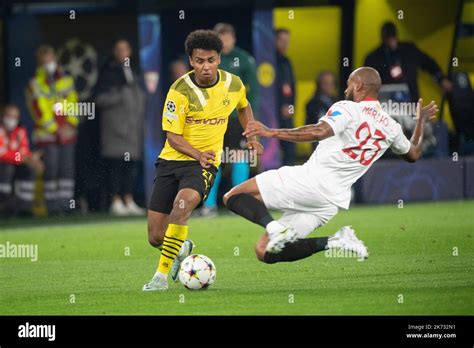
- Top scorers like Gerd Müller and Robert Lewandowski have been central to German club success in domestic and European competitions.
- Miroslav Klose’s reliability in World Cups exemplifies how top scorers anchor national team strategies.
- The psychological boost provided by top scorers can elevate team confidence and performance.
- Over-reliance on a single scorer can pose risks, as seen in Germany’s 2018 World Cup exit.
- Modern strikers like Erling Haaland demonstrate how versatility enhances the role of top scorers in contemporary football.
Comparison with International Counterparts
When analyzing Germany's top scorers in the context of their international counterparts, it becomes apparent that their achievements are not only a testament to individual brilliance but also a reflection of the broader football ecosystem in which they operate. To contextualize the success of players like Miroslav Klose, who holds the record for the most goals scored in FIFA World Cup history (16 goals), or Gerd Müller, whose prolific club and international goal-scoring rate remains unmatched by many, we must compare their feats against those of other nations' leading goal-scorers.
One of the most instructive comparisons can be drawn with Brazil, a nation synonymous with attacking football and home to some of the greatest goal-scorers in history. Brazil's Pelé, often regarded as the greatest footballer of all time, scored 77 goals in 92 appearances for his country. While this is an extraordinary record, it is worth noting that Pelé's era (1950s-70s) saw fewer competitive international matches compared to the modern era. Germany's Miroslav Klose, for instance, played in an era of increased international fixtures, including qualifiers, friendlies, and expanded tournaments like the UEFA Nations League. This context does not diminish Klose's record but rather highlights how his consistency across multiple World Cups—playing in four and scoring in all of them—sets him apart. Unlike Pelé, who often played in a team that dominated possession and created numerous chances, Klose operated in systems where his role as a poacher required adaptability to different tactical setups.
Another compelling comparison can be made with Argentina's Lionel Messi, who recently surpassed 100 international goals. Messi's achievements are remarkable, particularly given that he has often carried the burden of Argentina's attacking play on his shoulders. However, unlike Germany's top scorers, Messi's international goal tally includes a significant number of goals scored in friendlies and against lower-ranked teams in South American qualifiers. Germany's top scorers, by contrast, have often delivered in high-pressure situations, such as World Cup knockout stages. Gerd Müller, for example, scored 10 goals across two World Cups (1970 and 1974), with many of those goals coming in critical matches. This ability to perform under the brightest spotlights is a hallmark of German efficiency and mental fortitude, qualities that distinguish their top scorers from many of their international peers.
When we turn to Europe, players like Cristiano Ronaldo of Portugal and Ferenc Puskás of Hungary (who later played for Spain) offer fascinating parallels. Ronaldo, with over 120 international goals, is the all-time leading scorer in men's international football. His longevity and adaptability across different stages of his career are commendable. However, it is worth noting that Ronaldo's goal tally is bolstered by a high number of goals in qualifiers and friendlies against teams that are not traditionally strong. Germany's top scorers, particularly in the modern era, have had to navigate a more competitive European qualifying landscape, where even "lesser" teams like Iceland or North Macedonia have proven capable of springing upsets. This competitive environment adds weight to the achievements of German strikers who have had to maintain high standards in tightly contested matches.
Ferenc Puskás, who scored 84 goals in 85 appearances for Hungary, represents an interesting case study in efficiency. His goals-per-game ratio is one of the highest in history, and his success was closely tied to Hungary's "Golden Team" of the 1950s. While Puskás's record is extraordinary, it must be noted that Hungary's dominance in that era was partially due to a lack of parity in international football. Germany's top scorers, by contrast, have often operated in eras of greater competition. For instance, Müller's goals in the 1970s came during a period when European football was experiencing a surge in tactical innovation and physicality, making his achievements more impressive in relative terms.
The comparison also extends to team dynamics. Germany's top scorers have often been part of well-rounded teams with a strong emphasis on collective play. Miroslav Klose, for instance, was not a player who dribbled past multiple defenders to score; instead, he thrived on service from midfield maestros like Bastian Schweinsteiger and wingers like Lukas Podolski. This contrasts with nations like Portugal, where Ronaldo has often been the focal point of the attack, or Argentina, where Messi has frequently had to create and finish chances due to a lack of support. The German model of integrating top scorers into a cohesive system rather than relying on individual brilliance underscores the country's footballing philosophy.
Another dimension to consider is the evolution of the game. Modern top scorers like Harry Kane of England or Robert Lewandowski of Poland have benefited from advancements in sports science, analytics, and training methods that allow players to maintain peak performance for longer periods. While this has enabled them to amass impressive goal tallies, it also means that the playing field for record-setting has shifted. Germany's earlier top scorers, such as Gerd Müller, achieved their feats without the same level of technological and scientific support, further underscoring the raw talent and instinct that defined their careers.
A deeper dive into the tournament-specific impact of top scorers reveals another layer of differentiation. German strikers have historically excelled in World Cups, where the stakes are highest. Miroslav Klose's World Cup record, for example, is a direct result of his ability to deliver in the tournament's most critical moments. In contrast, some of the leading goal-scorers from other nations, such as England's Wayne Rooney or Spain's David Villa, while exceptional in their own right, did not consistently replicate their domestic success on the biggest international stage. This disparity highlights the unique pressure and expectation that comes with representing a footballing powerhouse like Germany, where anything less than excellence in major tournaments is considered a failure.
Finally, we must address the role of coaching and infrastructure in shaping top scorers. Germany's systematic approach to youth development, epitomized by the post-2000 overhaul of their football academies, has produced a steady pipeline of talent that supports top scorers. This contrasts with nations like Brazil or Argentina, where individual talent often emerges from less structured environments. While this can lead to moments of individual magic, it also means that the support systems for sustaining consistent goal-scoring performances may be less robust.
- Consistency in high-pressure scenarios: German top scorers like Klose and Müller have thrived in World Cups and critical matches, whereas some international counterparts have struggled to maintain the same level of impact in similar situations.
- Team-oriented success: Germany's emphasis on collective play has allowed their top scorers to excel within a system rather than as isolated stars.
- Era-specific challenges: The achievements of German goal-scorers are often more impressive when considering the competitive landscape of their respective eras.
In conclusion, while Germany's top scorers may not always boast the highest raw numbers compared to some international counterparts, their achievements are deeply rooted in a combination of individual excellence, team-oriented play, and the ability to perform under immense pressure. This nuanced comparison not only highlights their greatness but also provides a broader understanding of what it means to be a top scorer in the context of global football history.
Role of Coaching and Team Dynamics
The role of coaching and team dynamics in shaping the success of top scorers in German football is a fascinating interplay of strategy, psychology, and tactical innovation. While individual brilliance often takes center stage in discussions about prolific goal-scorers, it is the ecosystem created by coaches and team setups that enables these players to consistently perform at the highest level. Examining this dynamic reveals how specific coaching philosophies, tactical frameworks, and interpersonal relationships within teams have historically supported Germany's top scorers in achieving their records.
One of the most striking examples of coaching influence can be seen in the career of Gerd Müller, widely regarded as one of the greatest goal-scorers in German history. Under the guidance of Udo Lattek at Bayern Munich in the 1970s, Müller thrived in a system that prioritized quick transitions and a high-pressing style. Lattek’s emphasis on creating opportunities in the final third through overlapping fullbacks and incisive midfield play provided Müller with the perfect platform to exploit his instinctive positioning and finishing ability. This was not accidental; Lattek recognized Müller’s unique talent for operating in tight spaces and designed plays that funneled the ball into the penalty area where Müller could capitalize. Such a tailored approach highlights how coaching strategies can amplify a player’s natural strengths rather than forcing them into a predefined mold.
Similarly, the modern era offers a compelling case study in Joachim Löw’s management of Miroslav Klose during Germany’s 2014 World Cup triumph. Löw’s system was built around fluid, possession-based football that emphasized width and movement off the ball. Klose, though not the fastest or most technically gifted striker of his generation, was a master of timing his runs and exploiting space in the box. Löw’s decision to deploy a false nine system in certain matches—where players like Mesut Özil or Thomas Müller would drop deeper to create overloads—allowed Klose to focus solely on his predatory instincts within the 18-yard box. This setup not only maximized Klose’s effectiveness but also demonstrated how team dynamics can be adjusted to serve the strengths of a top scorer. The interplay between Klose and creative players like Özil or Toni Kroos exemplifies how a coach’s understanding of team chemistry can elevate an individual’s output.
Another critical aspect of team dynamics is the psychological support provided by coaches. Top scorers often face immense pressure to deliver consistently, and their mental state can significantly impact their performance. Coaches like Jürgen Klopp at Borussia Dortmund have shown how fostering a positive, high-energy environment can help strikers thrive. During Klopp’s tenure, Robert Lewandowski emerged as one of Europe’s most lethal finishers. Klopp’s man-management style, which combined rigorous tactical preparation with an emphasis on personal connection, allowed Lewandowski to grow in confidence. Klopp often spoke about tailoring training sessions to Lewandowski’s preferences, such as practicing quick combinations in tight spaces or focusing on first-touch finishing. This bespoke approach not only improved Lewandowski’s technical abilities but also reinforced his belief in his role as the team’s focal point. The result was a striker who could seamlessly integrate into Dortmund’s high-intensity counter-pressing system while maintaining his scoring prowess.
The influence of team setups extends beyond individual coaching styles to include the composition of the squad itself. A top scorer is only as effective as the players around them, and German football history is replete with examples of teams built to serve their primary goal-getter. At Bayern Munich, for instance, Franz Beckenbauer as a coach in the early 1990s recognized the need to surround a prolific striker like Jürgen Klinsmann with creative midfielders and wide players who could deliver precise crosses. Beckenbauer’s use of wingers such as Christian Ziege ensured that Klinsmann was regularly supplied with scoring opportunities. This deliberate structuring of the team to feed the striker underscores how coaches can craft team dynamics to prioritize goal creation for their leading scorer.
In the context of modern football, the rise of analytics and data-driven coaching has added a new layer to this dynamic. Coaches now have access to granular data on player movements, shot conversion rates, and defensive weaknesses of opponents. This has allowed coaches like Hansi Flick to fine-tune their strategies to support top scorers like Serge Gnabry and Thomas Müller. For example, Flick’s use of data at Bayern Munich revealed that Gnabry was most effective when cutting in from the right onto his left foot. By instructing fullbacks like Alphonso Davies to provide overlapping runs and stretch defenses, Flick created the space Gnabry needed to exploit his shooting angles. Such data-informed decisions illustrate how contemporary coaching has evolved to provide top scorers with even more tailored support.
However, it is also worth noting that team-first philosophies can sometimes pose challenges for top scorers. In systems where collective pressing or defensive solidity takes precedence, individual goal-scorers may find their opportunities limited. This tension was evident during Rudi Völler’s time as a striker in the German national team under Berti Vogts in the 1990s. Vogts’ pragmatic approach often emphasized defensive stability over attacking flair, which occasionally restricted Völler’s ability to shine. Yet, even in such scenarios, coaches can adapt by creating specific game plans for key matches where the top scorer is given more freedom. This balance between team structure and individual freedom is a delicate act that defines the success of many top scorers.
A less discussed but equally important factor is the role of mentorship within teams. Young strikers often benefit from guidance provided by experienced players or coaches who have been in similar positions. For instance, Klaus Fischer, one of Germany’s top scorers in the 1970s and 1980s, often credited the influence of senior players and coaches who emphasized the importance of movement off the ball and anticipation. This mentorship not only improved Fischer’s technical skills but also instilled a sense of discipline and focus that is crucial for any top scorer.
Finally, we must consider the impact of competition within teams. In many cases, the presence of other high-quality players can push a top scorer to new heights. For example, at Bayern Munich, the healthy rivalry between Robert Lewandowski and Thomas Müller in terms of goal contributions created an environment of friendly competition that drove both players to excel. Coaches who can manage such dynamics without allowing them to become divisive are often able to extract the best from their top scorers.
- Coaches like Lattek and Löw tailored systems to suit the unique talents of their top scorers, emphasizing their strengths rather than imposing rigid roles.
- Psychological support and man-management, as seen with Klopp’s handling of Lewandowski, play a pivotal role in a striker’s success.
- Team setups, including the presence of creative midfielders and wide players, are designed to maximize scoring opportunities for the lead striker.
- Modern analytics allow for even more precise tactical adjustments to support top scorers, as seen in Flick’s management of Gnabry.
- Mentorship and intra-team competition further enhance a striker’s development and motivation.
In conclusion, the journey of a top scorer in Germany is as much about the environment created by coaches and team setups as it is about individual skill. From the tactical innovations of Lattek to the modern, data-driven approaches of Flick, coaching strategies and team dynamics have consistently played a pivotal role in enabling top scorers to achieve their records. This symbiotic relationship between player and system is a testament to the depth of thought and adaptability that characterizes German football at its best.
Cultural and Media Influence
In Germany, the celebration of top scorers extends beyond the boundaries of sport, embedding itself deeply into the nation's cultural fabric, media landscape, and the collective psyche of fan communities. The prominence of top scorers in German football is not solely a result of their athletic prowess but also the symbolic weight they carry as representatives of excellence, perseverance, and national identity. This dynamic interplay between individual achievement and broader societal values creates a unique environment where top scorers are celebrated in multifaceted ways.
One of the most striking aspects of how top scorers are celebrated in German culture is the way their success is framed as a reflection of collective values. Germany has a long-standing tradition of valuing hard work, discipline, and teamwork—qualities that are often ascribed to top scorers in the Bundesliga and other leagues. For instance, when a player like Gerd Müller set records in the 1970s or when Robert Lewandowski dominated the scoring charts in recent years, their achievements were not just personal milestones but were celebrated as embodiments of the German ethos of efficiency and precision. Media narratives often frame these players as role models who demonstrate what can be achieved through dedication and a methodical approach to the game. This cultural alignment between individual success and national values ensures that top scorers are not just sports figures but also cultural icons.
The media plays a pivotal role in amplifying the status of top scorers. German sports media, particularly outlets like Kicker, Bild, and Sport1, have a tradition of creating detailed profiles, post-match analyses, and feature stories that delve into the lives and techniques of top scorers. These platforms often craft a narrative arc around the player, highlighting their journey from humble beginnings to stardom. For example, when Lewandowski broke Gerd Müller's long-standing record of 40 goals in a single Bundesliga season in 2021, the media coverage was not limited to match reports. Instead, it included interviews with former coaches, psychological analyses of his mindset, and even explorations of how his Polish heritage intersects with his success in Germany. This comprehensive coverage serves to humanize the players while simultaneously elevating them to near-mythical status. The consistent focus on their training regimens, diet, and mental strength also underscores the idea that their success is attainable yet extraordinary—a balance that resonates with fans and aspiring players alike.
Fan communities in Germany also play a significant role in shaping how top scorers are perceived and celebrated. German football culture is known for its vibrant and organized fan bases, many of which have deep historical roots. Supporter groups often create chants, banners, and rituals specifically to honor their team's top scorer. For instance, when a player like Claudio Pizarro (a beloved figure at Werder Bremen and Bayern Munich) achieved significant milestones, fans would craft elaborate tifos (large choreographed displays) to celebrate his contributions. These fan-driven expressions are not merely acts of fandom but are deeply rooted in the idea of collective identity. A top scorer is seen as a symbol of the team's success and, by extension, the pride of the local community or region. This dynamic is particularly pronounced in smaller clubs, where a top scorer can become a unifying figure who galvanizes support and fosters a sense of belonging among fans.
The interplay between top scorers and media extends to the realm of merchandising and branding. German football has a highly commercialized ecosystem, and top scorers often become the face of marketing campaigns for clubs, sponsors, and even national initiatives. For example, when a player like Miroslav Klose became the all-time leading scorer for Germany in international competitions, his image was used extensively in campaigns promoting the national team. Similarly, top scorers are often featured in video games like FIFA, where their high ratings and in-game celebrations mirror their real-world popularity. This crossover between sports and entertainment ensures that top scorers are not confined to the pitch but are also visible in broader cultural spaces, from advertising billboards to social media trends. In this way, the media does not just report on their success but actively participates in crafting their public persona.

Another interesting dimension of the cultural celebration of top scorers in Germany is the historical continuity of such recognition. Unlike some countries where sports narratives are often transient, Germany has a tradition of maintaining a long-term memory of its sporting heroes. This is evident in how past top scorers like Uwe Seeler and Klaus Fischer are still revered in discussions about the evolution of German football. Media retrospectives, museum exhibits, and even academic studies often revisit their careers, drawing parallels between their achievements and those of contemporary players. This historical awareness ensures that the legacy of top scorers is not ephemeral but instead woven into the ongoing story of German football. It also creates a sense of lineage and continuity, where new top scorers are seen as inheritors of a tradition rather than isolated phenomena.
The role of social media in recent years has added a new layer to how top scorers are celebrated. Platforms like Instagram, Twitter, and TikTok allow fans to engage directly with players, often amplifying their celebratory moments through memes, highlight reels, and viral content. For example, when Erling Haaland (though Norwegian, he played in the Bundesliga for Borussia Dortmund) scored hat-tricks, fan-made videos of his goals would trend globally within hours. This digital dimension has democratized the celebration of top scorers, allowing not just established media outlets but also individual fans to contribute to the narrative. However, this also introduces challenges, as the immediacy of social media can sometimes lead to over-criticism or overexposure, particularly when a top scorer faces a slump or controversy.
In addition to mainstream media and fan communities, academic and analytical circles in Germany also contribute to the discourse around top scorers. Universities and sports institutes often study the techniques, strategies, and psychological profiles of top scorers, producing detailed reports and papers that are shared with coaching staff and public audiences. This analytical focus adds a layer of intellectual appreciation to the celebration of top scorers, positioning them not just as entertainers but as subjects of serious study. For instance, the biomechanics of a player's shooting technique or the psychological resilience required to perform under pressure are topics that receive attention in German sports science publications.
Finally, it is worth noting how the celebration of top scorers in Germany is often intertwined with national identity, particularly in the context of the national team. Players who excel as top scorers for Germany in international tournaments like the FIFA World Cup or UEFA European Championship are elevated to a status that transcends club rivalries. Their success is seen as a point of pride for the entire nation, and media coverage often emphasizes how their goals contribute to Germany's reputation as a footballing powerhouse. This national pride is especially evident during World Cup years, where top scorers are not just celebrated for their individual brilliance but are framed as ambassadors of German excellence on the global stage.
In conclusion, the celebration of top scorers in Germany is a rich and layered phenomenon that reflects the intersection of cultural values, media dynamics, and fan engagement. From historical reverence to modern social media trends, the ways in which these players are elevated go far beyond mere statistics, encapsulating a broader narrative of identity, community, and excellence.
Challenges Faced by Top Scorers
The role of a top scorer in football, particularly in a competitive league like the Bundesliga or on the international stage for Germany, is one that comes with immense expectation and scrutiny. While their goal-scoring exploits are celebrated, the journey to maintain such a high level of performance is fraught with challenges that often go unnoticed by fans and casual observers. This section delves into the pressures, injuries, and other hurdles that top scorers in Germany face as they strive to consistently deliver exceptional performances.
One of the most significant challenges for top scorers is the psychological pressure that comes with their position. In Germany, players like Robert Lewandowski, Gerd Müller, and more recently, Christopher Nkunku, have set a standard of excellence that is not easily sustained. The weight of expectation from fans, coaches, and even teammates can be overwhelming. For instance, when a striker is in a scoring slump, even for a few matches, it often leads to intense media scrutiny and public criticism. This pressure can manifest in various ways—some players may become overly self-critical, leading to diminished confidence, while others might feel compelled to take unnecessary risks on the field, such as attempting difficult shots rather than playing strategically. This mental toll is exacerbated by the 24/7 nature of modern football coverage, where every missed opportunity or subpar performance is dissected on social media and analyzed by pundits.
Another layer of pressure is the competition within the team. Top scorers are often part of squads with other talented attacking players vying for the same opportunities. For example, in Bayern Munich's setup, even a prolific scorer like Robert Lewandowski had to contend with the presence of wingers and attacking midfielders who also contributed goals. This dynamic can create a sense of insecurity, as players worry about losing their starting position or being overshadowed by a teammate. Additionally, the demand to outperform not just opponents but also internal benchmarks—such as breaking season records or matching the legacy of past legends—can be draining. For instance, after Gerd Müller's record of 40 goals in a single Bundesliga season stood for decades, the pressure on Lewandowski to surpass it in 2021 was immense, even though he ultimately succeeded.
Injuries are another critical challenge for top scorers. The physical demands of modern football are immense, and strikers, in particular, are subjected to high-impact plays due to their proximity to defenders and goalkeepers. A top scorer's success often relies on their ability to exploit tight spaces, make sharp turns, and sprint explosively—movements that put significant strain on their knees, ankles, and hips. Injuries such as ACL tears, hamstring strains, or recurring muscle issues can not only sideline a player for weeks or months but also disrupt their rhythm and form upon return. For example, Marco Reus, one of Germany's most talented attacking players, has had a career marred by injuries that have prevented him from consistently performing at the top level. Even minor injuries, like a sprained ankle, can affect a striker's sharpness in front of goal, as timing and precision are critical to their effectiveness.
The challenge of age and physical decline is also a factor for top scorers. Football is a sport where peak physical performance often occurs in a player's late twenties, but maintaining scoring consistency into their thirties is a Herculean task. As players age, their speed and stamina naturally diminish, and they must rely more on experience, positioning, and tactical awareness to compensate. However, this transition is not always smooth. A striker like Miroslav Klose, who remained effective for Germany well into his thirties, is an exception rather than the norm. Many top scorers face a decline in their goal output as they age, and this can lead to frustration and a loss of confidence. Clubs may also begin to look for younger replacements, further intensifying the pressure on the player to prove their worth.
Beyond individual pressures and physical challenges, tactical evolution in football poses its own set of difficulties. Modern defenses in Germany and across Europe are increasingly organized and employ advanced strategies to neutralize top scorers. For instance, the use of a low block, double-marking, or zonal marking can limit the space and time a striker has to operate. This has forced top scorers to adapt their playing styles. For example, Robert Lewandowski evolved from being a pure poacher to a more complete forward who could drop deep, link play, and contribute to build-up. However, this adaptation requires not just skill but also a willingness to continuously learn and reinvent oneself—something that not all players are equipped to handle.
Another often-overlooked challenge is the mental and physical toll of international duties. Top scorers for Germany, such as Thomas Müller or Timo Werner, are expected to perform not just for their clubs but also for the national team. The packed fixture schedule, especially during years with major tournaments like the UEFA European Championship or the FIFA World Cup, leaves little room for rest and recovery. The travel, different playing styles, and the added responsibility of leading the attack for their country can lead to burnout. This issue is compounded by the fact that international matches often involve higher stakes and more intense scrutiny, as a player’s performance is tied to national pride.
Additionally, there is the isolation that comes with being a top scorer. While they are often the focal point of their team's attack, this can also mean they bear the brunt of blame when the team underperforms. For instance, if a striker fails to convert a crucial chance in a high-stakes match, they are often singled out, even if the team's overall performance was lacking. This can create a sense of loneliness within the squad, as the expectations placed on them are disproportionate compared to other players. Strikers are also less likely to receive the same level of support or understanding from fans and media when they face personal struggles, such as family issues or off-field controversies, which can further impact their mental well-being.
Finally, there is the challenge of maintaining hunger and motivation. After achieving success, such as winning the Bundesliga's top scorer award or leading Germany to a major trophy, some players struggle to find the same level of drive. This is not necessarily due to a lack of ambition but rather the psychological difficulty of replicating past glory. For instance, after a player like Lewandowski has won multiple Golden Boots, the question arises: What more is there to achieve? This can lead to complacency or, conversely, an unhealthy obsession with chasing records, both of which can detract from their overall performance.
In summary, the life of a top scorer in Germany is far from glamorous when viewed through the lens of these challenges. From the psychological pressures of meeting expectations to the physical toll of injuries and the evolving nature of the game, these players must navigate a complex web of obstacles to maintain their scoring prowess. While their goals may light up stadiums and thrill fans, the path to sustaining such excellence is one that demands resilience, adaptability, and an unrelenting commitment to improvement.
Conclusion and Future Outlook
The legacy of top scorers in Germany is a tapestry woven with moments of brilliance, unrelenting determination, and a profound impact on the sport's history. These players, from Gerd Müller to Miroslav Klose and beyond, have not only etched their names into record books but have also shaped the narrative of German football. Their contributions extend beyond mere statistics; they embody the ethos of a nation that prizes efficiency, teamwork, and a relentless pursuit of excellence. By examining their legacies, we can better understand the qualities that define a top scorer and how these traits might manifest in the next generation of footballing prodigies.
Gerd Müller, often referred to as "Der Bomber," is a cornerstone of this legacy. His ability to find space in crowded penalty areas and convert chances with uncanny precision set a benchmark for goal-scoring excellence. Müller's record of 365 goals in the Bundesliga stood for decades, a testament to his consistency and lethal finishing. However, his impact was not confined to numbers; he symbolized the archetype of a poacher, a player whose primary role was to be in the right place at the right time. This archetype has influenced generations of forwards, from Karl-Heinz Rummenigge to more recent stars like Robert Lewandowski.
Klose, another luminary, redefined the role of a striker in the modern era. While not as prolific in domestic leagues as Müller, his international record of 71 goals for Germany remains unmatched. Klose’s success was rooted in adaptability—he was equally effective with his head as with his feet, and his work ethic off the ball made him a coach's dream. His legacy is a reminder that top scorers are not always flamboyant; sometimes, they are the quiet architects of a team's success, blending into the system while delivering when it matters most. This duality—between individual brilliance and team contribution—is a recurring theme in the stories of Germany's top scorers.
The emergence of Robert Lewandowski in the Bundesliga added a new chapter to this legacy. While not German by birth, his time at Bayern Munich and his record-breaking seasons have deepened the connection between top scorers and German football culture. Lewandowski’s versatility, technical prowess, and physical conditioning illustrate how the role of a top scorer has evolved. Today’s elite forwards are expected to contribute across multiple dimensions—pressing, linking play, and even creating opportunities for teammates. This shift reflects broader changes in football tactics, where the lone striker is often required to be a multifaceted player rather than a static goal-hanger.
Looking ahead, the question arises: who among the emerging talents in Germany could join the ranks of these legends? One name that frequently surfaces is Youssoufa Moukoko, the young forward who made his Bundesliga debut for Borussia Dortmund at just 16 years old. Moukoko's raw talent, combined with his ability to score goals at every youth level, has drawn comparisons to Müller's precociousness. However, his journey is fraught with challenges. The modern game demands not only goal-scoring prowess but also the ability to adapt to high-pressing systems, varied tactical setups, and the mental resilience to handle the weight of expectations. Moukoko’s development will depend heavily on how well he navigates these pressures while continuing to refine his technique and decision-making.
Another promising talent is Jamal Musiala, who, though often deployed in midfield, has shown a natural inclination for finding the back of the net. His dribbling ability, close control, and vision suggest he could evolve into a hybrid player capable of both scoring and creating goals. Musiala’s dual nationality (he chose to represent Germany over England) adds an intriguing layer to his story. He embodies the globalized nature of modern football, where talent can emerge from diverse backgrounds and still find a home in the German system. If Musiala continues to develop his goal-scoring instincts while maintaining his creative flair, he could become a unique addition to the pantheon of top scorers.
Beyond individual players, the future of top scorers in Germany will likely be influenced by systemic factors. The German football academy system, renowned for its focus on technical development and tactical awareness, is producing players who are more versatile and adaptable than ever before. This trend suggests that future top scorers may not fit the traditional mold of a striker. Instead, we might see players who operate as false nines, wide forwards, or even midfielders with a penchant for goal-scoring. This evolution is already evident in the way coaches like Julian Nagelsmann and Hansi Flick experiment with fluid systems that blur positional boundaries.
The rise of analytics and data-driven coaching is another factor that could shape the next generation of top scorers. Advanced metrics such as expected goals (xG), progressive carries, and defensive contributions are now used to evaluate players holistically. This shift means that emerging talents will need to excel not just in scoring goals but also in contributing to team efficiency in ways that are measurable and quantifiable. For instance, a young player who excels in off-the-ball movement or creates high-quality chances for teammates might be valued as highly as a traditional poacher.
However, there are potential challenges on the horizon. The increasing globalization of football means that young German talents face stiffer competition from players across Europe and beyond. Clubs are more willing to invest in foreign stars, which could limit opportunities for homegrown players to rise through the ranks. Additionally, the physical and mental toll of professional football is higher than ever, with young players often expected to perform at elite levels before they are fully developed. This raises questions about how the German football ecosystem can protect and nurture its emerging talents without burning them out prematurely.
Despite these challenges, the future outlook for top scorers in Germany remains bright. The country’s footballing infrastructure, combined with a culture that values hard work and innovation, provides a fertile ground for new legends to emerge. If Moukoko, Musiala, or other young talents can harness their potential while adapting to the demands of modern football, they could very well join the ranks of Müller, Klose, and Lewandowski. Their success will not only depend on their individual abilities but also on how well the system supports their growth and how they navigate the shifting landscape of the sport.
In conclusion, the legacy of Germany's top scorers is a blend of historical excellence and forward-looking potential. While the names and styles of players may change, the core qualities—dedication, adaptability, and a killer instinct in front of goal—remain constant. As we speculate on the next wave of talent, it is clear that the story of German football’s top scorers is far from over. Instead, it is poised for new chapters, written by players who will carry forward the torch of excellence while redefining what it means to be a top scorer in an ever-evolving game.