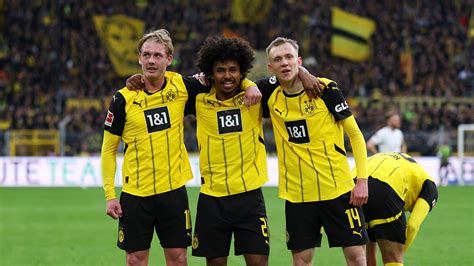
Introduction to Top Scorers in France
The role of top scorers in French football extends far beyond the mere accumulation of goals. These players are not just athletes; they are cultural icons, strategic pivots, and, in many cases, the embodiment of the evolving identity of French football. To understand their importance, one must delve into how their contributions have shaped the sport's history in France, both on and off the pitch.
French football has a rich and storied tradition, and its top scorers have often been at the forefront of this legacy. From the early days of the sport in the country to the modern era of globalized competitions, goal-scorers have been central to the narrative of success and failure. Consider the early pioneers like Just Fontaine, who scored a record 13 goals in a single World Cup in 1958. This feat not only set an enduring benchmark but also elevated French football onto the international stage at a time when the sport was dominated by South American and Central European teams. Fontaine's achievement was not just a personal milestone; it signaled to the world that France could produce players capable of competing with the best, laying the foundation for future generations to aspire to greatness.
The influence of top scorers in France is closely tied to the country’s unique footballing culture, which blends technical artistry with tactical discipline. Unlike some football cultures where physicality or defensive prowess might dominate, French football has historically prized attacking flair and creativity. This emphasis has made the role of the striker—and by extension, the top scorer—a pivotal one. For instance, Michel Platini, though not a traditional striker, was a prolific scorer in his role as an attacking midfielder. His ability to find the back of the net consistently during his time with the French national team and Juventus exemplified how top scorers could redefine their positions. Platini's influence extended beyond his goal tally; he was a leader who inspired a generation of players to view scoring as an art form rather than a mere statistic.
In the modern era, the importance of top scorers in France has been amplified by the globalization of football. The rise of the French Ligue 1 as a competitive league, coupled with the success of French players in top European leagues, has made goal-scoring a metric of both individual and national prestige. Players like Thierry Henry, who became Arsenal's all-time top scorer and a key figure in France's 1998 World Cup victory, exemplify how top scorers can bridge the gap between domestic and international success. Henry’s style—a blend of speed, precision, and elegance—was not just effective but also representative of the French footballing ethos. His influence extended to younger players, many of whom modeled their approach to the game on his ability to combine individual brilliance with team success.
The influence of top scorers is also evident in how they have shaped the tactical evolution of French football. In the 1980s and 1990s, the French national team adopted a more fluid, attacking style of play that relied heavily on players who could both create and finish chances. This shift was partly due to the emergence of players like Jean-Pierre Papin, whose clinical finishing and aerial prowess made him a standout in an era when strikers were expected to be more than just poachers. Papin’s success with Marseille and the national team highlighted how a top scorer could act as the linchpin of a team’s strategy, dictating the tempo of play and providing a psychological edge over opponents.
Another dimension of the top scorer’s impact lies in their role as ambassadors of the sport. French football has often been a melting pot of diverse backgrounds, and its top scorers have frequently come from immigrant communities. This dynamic has added a layer of social significance to their achievements. Players like Zinedine Zidane and Karim Benzema, both of Algerian descent, have not only been prolific scorers but also symbols of integration and opportunity. Their success has resonated beyond the sport, inspiring young players from similar backgrounds to see football as a pathway to recognition and success. This social dimension underscores how top scorers in France are more than athletes; they are cultural touchstones who reflect the broader societal changes in the country.
The statistics of top scorers also reveal patterns that shed light on the evolution of French football. For example, the increasing number of goals scored by French players in European competitions over the past two decades points to a growing emphasis on offensive efficiency. This trend is not accidental; it is the result of systematic investment in youth academies like Clairefontaine, which has produced a steady stream of technically gifted players. The success of these academies has ensured that France consistently produces top scorers who can compete at the highest level. This pipeline of talent has not only sustained the national team’s competitiveness but has also enriched Ligue 1 and other leagues where French players ply their trade.
It is also worth noting how top scorers have influenced the commercial and media landscape of French football. The popularity of players like Kylian Mbappé, who has already etched his name among the greats at a young age, demonstrates how scoring prowess can translate into global stardom. Mbappé’s marketability, combined with his on-field exploits, has made him a central figure in the sport’s commercial ecosystem. This phenomenon highlights a broader trend where top scorers are not just valued for their contributions to team success but are also seen as assets who drive fan engagement, merchandise sales, and sponsorship deals.
Moreover, the legacy of top scorers in France extends to their impact on coaching and management. Many former top scorers have transitioned into roles where they shape the next generation of players. For instance, Didier Deschamps, a former striker himself, has managed the French national team with a clear understanding of the importance of goal-scoring in achieving success. His ability to balance the talents of players like Mbappé, Antoine Griezmann, and Olivier Giroud reflects a deep appreciation for how top scorers can be integrated into a cohesive system.
- Top scorers in France have historically been trailblazers, setting records that inspire future generations.
- Their influence extends to tactical and cultural shifts within the sport, emphasizing the blend of individual brilliance and team dynamics.
- They serve as ambassadors of French football, representing its diversity and global appeal.
- Their commercial impact highlights how goal-scoring prowess can transcend the pitch to influence broader aspects of the sport.
In conclusion, the importance of top scorers in French football is multifaceted. They are not merely individuals who rack up goals; they are catalysts for change, ambassadors of the sport, and symbols of its evolution. From Just Fontaine’s record-setting World Cup performance to Kylian Mbappé’s meteoric rise, top scorers have been at the heart of French football’s journey. Their influence permeates every aspect of the sport, from tactical innovations to societal impact, making them indispensable to the narrative of French football’s past, present, and future.
Historical Overview of Top Scorers
The history of top scorers in French football is a rich tapestry of talent, determination, and moments of brilliance that have shaped the narrative of the sport in the country. From the early days of Ligue 1 to the modern era, France has produced and hosted some of the most prolific goal-scorers in European football. This section delves into the key players who set records in Ligue 1 and other French competitions, exploring their impact and the context of their achievements.
One cannot discuss the history of top scorers in France without beginning with Jean-Pierre Papin. A striker of exceptional skill and precision, Papin dominated Ligue 1 in the late 1980s and early 1990s. Playing primarily for Olympique de Marseille, Papin won the Ligue 1 Golden Boot five times consecutively from 1988 to 1992, a feat unmatched in the competition's history. His ability to score from seemingly impossible angles, coupled with his acrobatic volleys—dubbed "Papinades"—made him a symbol of attacking excellence. During this period, Marseille was a dominant force in Ligue 1, and Papin’s goals were central to their success. He scored 156 goals in 277 appearances in the league, a record that underscores his consistency and lethal finishing. What set Papin apart was not just his goal tally but his ability to perform in high-pressure matches, including European competitions, where he also shone brightly.
Before Papin, another legend of French football left an indelible mark: Just Fontaine. Although Fontaine is best remembered for his extraordinary performance in the 1958 FIFA World Cup, where he scored 13 goals in six matches—a record that still stands—his domestic exploits were equally impressive. Playing for Stade de Reims in the 1950s, Fontaine was a key figure in one of the most successful teams of the era. He helped Reims win multiple Ligue 1 titles and was the league's top scorer in the 1957–58 season with 34 goals. Fontaine’s record-setting World Cup performance is often highlighted, but his Ligue 1 contributions were foundational in establishing Reims as a powerhouse in post-war French football. Fontaine’s career was cut short by injury at the age of 28, yet his impact in such a short span remains a testament to his extraordinary talent.
The 1970s and 1980s saw the rise of another iconic figure, Carlos Bianchi, an Argentine striker who made Ligue 1 his personal playground. Playing for Stade de Reims and later Paris Saint-Germain, Bianchi won the Ligue 1 Golden Boot five times (1974, 1976, 1977, 1978, and 1979). His goal-scoring prowess was unmatched during this period, as he netted 179 goals in just 220 appearances. What made Bianchi unique was his adaptability to the physical and tactical nature of French football as a foreign player. He was not just a poacher but a complete forward who could hold up play, create opportunities, and finish with deadly accuracy. His records in the 1970s remain a benchmark for foreign players in Ligue 1, and his influence helped elevate the league’s global profile.
Moving into the modern era, Zlatan Ibrahimović redefined what it meant to be a top scorer in Ligue 1 during his time with Paris Saint-Germain from 2012 to 2016. While not a native French player, Ibrahimović’s impact on the league was transformative. He scored 113 goals in 122 Ligue 1 appearances, winning the Golden Boot in 2013 and 2014. His larger-than-life personality, combined with his technical brilliance and physical dominance, made him a standout figure. Ibrahimović’s records include the most goals in a single Ligue 1 season for PSG (38 in 2015–16), a mark that underscores his unparalleled efficiency. Beyond the numbers, his presence catalyzed PSG’s rise to becoming a dominant force in Ligue 1, setting the stage for the club’s era of unparalleled success.
It is also essential to recognize Bernard Lacombe, a player whose record of 255 Ligue 1 goals remains one of the highest in the competition's history. Lacombe played for Lyon, Saint-Étienne, and Bordeaux during the 1970s and 1980s. Unlike some of the flashier names, Lacombe’s career was marked by steady excellence rather than explosive bursts of brilliance. He was a reliable scorer who adapted to various systems and teams, showcasing the versatility required to sustain a long and productive career in French football. His records are a reminder that top scorers are not always flamboyant superstars but often players with an unrelenting work ethic and consistency.
In addition to Ligue 1, other French competitions like the Coupe de France have seen their share of prolific goal-scorers. Thadée Cisowski, a striker active in the 1950s, was a standout figure in this regard. Playing for clubs like RC Paris and Metz, Cisowski scored heavily in both league and cup competitions. He famously scored five goals in a single Coupe de France match in 1956, a rare achievement that highlights his goal-scoring instincts. While his Ligue 1 records are impressive, his Coupe de France exploits add another layer to his legacy, proving that top scorers often shine across multiple platforms.
Another name worth mentioning is Delio Onnis, an Argentine striker who is the all-time leading scorer in Ligue 1 history with 299 goals. Onnis played for clubs like Monaco, Reims, Tours, and Toulon during the 1970s and 1980s. Despite not playing for one of the traditional giants of French football, Onnis’s ability to find the back of the net was unparalleled. His record is a reminder that top scorers can emerge even in less glamorous teams, provided they have the talent and determination. Onnis’s career also highlights the diversity of Ligue 1, which has historically welcomed foreign players who left lasting legacies.
The evolution of top scorers in France also reflects broader changes in the game. Early stars like Fontaine and Cisowski operated in a less commercialized and more localized football environment. By the time players like Papin and Bianchi arrived, the league had begun to attract more international attention. The modern era, epitomized by Ibrahimović and the rise of PSG as a global brand, reflects the commercialization and globalization of Ligue 1. These shifts have not diminished the importance of goal-scorers but have instead elevated their role as ambassadors of the league’s quality and appeal.
In summary, the history of top scorers in France is a story of evolution, from the early pioneers like Fontaine to the modern giants like Ibrahimović. Each era has produced players who not only set records but also embodied the spirit of their times. Whether through the artistry of Papin, the adaptability of Bianchi, or the sheer volume of Onnis, these players have left an enduring legacy that continues to inspire new generations of footballers in France.
- Jean-Pierre Papin: Five-time Golden Boot winner and master of the "Papinade."
- Just Fontaine: A World Cup record-holder who also excelled domestically with Stade de Reims.
- Carlos Bianchi: A foreign star who dominated Ligue 1 in the 1970s.
- Zlatan Ibrahimović: A modern icon who set new standards for goal-scoring in Ligue 1.
- Bernard Lacombe: A symbol of consistency with 255 Ligue 1 goals.
- Thadée Cisowski: A prolific scorer in both league and cup competitions.
- Delio Onnis: The all-time leading scorer in Ligue 1 history.
These players, among others, have shaped the legacy of French football, demonstrating that the pursuit of goals is both an art and a science that transcends generations.
Current Ligue 1 Top Scorers
The Ligue 1 has long been a breeding ground for some of the most prolific goal-scorers in European football. In the most recent season, several players stood out not just for their goal tallies but also for their unique playing styles, tactical contributions, and impact on their respective teams. Analyzing the top scorers of Ligue 1 offers a fascinating glimpse into how individual brilliance can shape a league known for its blend of technical skill and physical intensity.
At the forefront of the scoring charts was Kylian Mbappé, the Paris Saint-Germain (PSG) forward who has cemented his status as one of the best players in the world. Mbappé finished the season with an impressive 29 goals in 34 appearances, a feat that underscores his consistency and lethal finishing ability. What sets Mbappé apart is not just his raw pace—arguably the fastest player in the league—but his versatility in attack. He is equally comfortable operating as a central striker or cutting in from the left flank. His playing style combines explosive acceleration with a keen sense of timing, allowing him to exploit gaps in defenses that seem impenetrable. Moreover, Mbappé’s link-up play has evolved; he contributed 5 assists this season, showing a growing understanding of how to involve teammates in build-up play.
Another key figure in the top scorers list was Alexandre Lacazette of Olympique Lyonnais, who made a triumphant return to Ligue 1 after a stint with Arsenal in the Premier League. Lacazette scored 27 goals in 35 matches, a remarkable tally for a player tasked with leading a team in transition. Unlike Mbappé, Lacazette is not defined by blistering speed but by his intelligence and positioning. His playing style is characterized by clever movement in the box, excellent hold-up play, and a knack for drawing fouls in dangerous areas. Lacazette’s ability to drop deep and link play with midfielders like Rayan Cherki added a layer of creativity to Lyon’s attack. His return to form is a testament to how experience and tactical maturity can elevate a player’s impact, even in a league as competitive as Ligue 1.
A surprising entry among the top scorers was Folarin Balogun, the young striker on loan from Arsenal to Stade de Reims. Balogun netted 21 goals in 37 appearances, making him one of the breakout stars of the season. At just 21 years old, Balogun showcased a blend of raw athleticism and composure in front of goal. His playing style is marked by a willingness to run in behind defenses, using his agility and quick bursts of speed to unsettle backlines. What is particularly striking about Balogun is his adaptability; playing for a mid-table team like Reims, he often had limited service compared to players at bigger clubs, yet he thrived by making the most of half-chances. His performances have sparked interest from top European clubs, highlighting how Ligue 1 can serve as a platform for young talents to shine.

Another noteworthy name is Jonathan David of Lille OSC, who scored 24 goals in 37 matches. David’s playing style is distinct in its balance of technical skill and physical robustness. The Canadian forward is adept at playing as a lone striker or in a two-man partnership, and his ability to press from the front makes him a valuable asset in high-intensity systems. David’s goals often came from well-timed runs into the box or clinical finishes from just inside the area. His consistency throughout the season was instrumental in Lille’s push for European qualification, and his ability to perform under pressure suggests he could be a target for bigger clubs in the near future.
It is also worth examining the role of Wissam Ben Yedder, who contributed 19 goals for AS Monaco despite being 32 years old. Ben Yedder’s inclusion in this list illustrates that age is no barrier to effectiveness in Ligue 1. His playing style is built around quick bursts of acceleration, exceptional close control, and an almost telepathic understanding of space in the penalty area. Unlike the high-volume shooters like Mbappé or Lacazette, Ben Yedder is a poacher who thrives on service from wide areas and set pieces. His efficiency—scoring a goal every 133 minutes on average—demonstrates how top scorers can vary in their approach while still delivering results.
Analyzing these players collectively reveals some interesting patterns. First, the diversity of playing styles among Ligue 1’s top scorers is striking. While Mbappé relies on speed and directness, Lacazette and Ben Yedder excel in more nuanced, positional play. Second, the presence of younger players like Balogun indicates that Ligue 1 is increasingly becoming a league where emerging talents can make their mark. This trend is further supported by the fact that many of these players are not just scoring goals but also contributing to their teams in other ways—through assists, pressing, or hold-up play.
Another key insight is the tactical evolution of Ligue 1 teams. For instance, PSG’s dominance in possession often creates opportunities for Mbappé to exploit space behind retreating defenses. Conversely, teams like Reims and Lyon, which do not dominate games as frequently, rely more on individual moments of brilliance or counter-attacking opportunities. This dynamic showcases how goal-scoring in Ligue 1 is influenced not just by a player’s skill but also by the tactical framework of their team.
It is also important to consider the impact of set pieces and penalties in the goal-scoring records of these players. For instance, Ben Yedder scored several of his goals from the penalty spot, while Lacazette’s physicality made him a target for crosses and set-piece deliveries. This highlights how goal-scoring in modern football is not just about open-play brilliance but also about maximizing opportunities from dead-ball situations.
Finally, the role of team dynamics cannot be overlooked. Mbappé benefits from playing in a star-studded PSG side where service from players like Lionel Messi and Neymar is abundant. In contrast, Lacazette and Balogun often had to create their own chances in less dominant teams. This contrast illustrates the dual nature of goal-scoring in Ligue 1: while some players thrive in systems built around them, others must carve out their success in more challenging circumstances.
In conclusion, the leading goal-scorers of the most recent Ligue 1 season offer a rich tapestry of styles, strategies, and narratives. From Mbappé’s explosive dominance to Lacazette’s intelligent play, and from Balogun’s youthful exuberance to Ben Yedder’s seasoned efficiency, these players exemplify the diverse paths to success in one of Europe’s most intriguing leagues. Their performances not only highlight individual excellence but also shed light on the tactical and team-driven factors that shape goal-scoring in modern football.
Comparison with Other European Leagues
The performance of top scorers in France's Ligue 1 compared to those in other top European leagues such as the Premier League, La Liga, and Serie A provides a fascinating lens through which to analyze the dynamics of goal-scoring proficiency across different football cultures. While Ligue 1 is often viewed as a breeding ground for young talent that later transitions to more competitive leagues, its top scorers have demonstrated unique patterns of performance that can be contrasted with their counterparts in other leagues. This comparison not only highlights the individual brilliance of players but also sheds light on systemic factors such as league competitiveness, tactical styles, and the role of clubs in nurturing or limiting scoring output.
One of the most striking differences lies in the **volume of goals scored by top players**. In Ligue 1, the dominance of Paris Saint-Germain (PSG) in recent years has meant that their forwards, such as Kylian Mbappé and Neymar, often lead the scoring charts. Mbappé, for instance, has consistently scored over 25 goals per season in Ligue 1, a feat that places him among Europe's elite. However, when compared to the Premier League, where players like Erling Haaland (36 goals in 2022-2023) and Mohamed Salah (regularly exceeding 20 goals per season) operate, the numbers suggest a slightly lower ceiling for Ligue 1's top scorers. This can be attributed to **the competitive balance in the Premier League**, where multiple teams—Manchester City, Liverpool, Arsenal, and others—compete at a high level, forcing even the best strikers to work harder for their chances. In Ligue 1, PSG's financial and squad superiority often leads to mismatches against mid- and lower-table teams, providing their top scorers with more straightforward opportunities.
In **La Liga**, the scoring patterns of top players like Robert Lewandowski, Karim Benzema, and earlier Lionel Messi reveal another dimension. La Liga has historically been a league where technical proficiency and possession-based football dominate. Top scorers here benefit from teams like Barcelona and Real Madrid's emphasis on creating high-quality chances through intricate passing and positional play. This is somewhat similar to Ligue 1 in terms of the focus on star players at dominant clubs, but the key difference is **the tactical diversity in La Liga**. While PSG often relies on individual brilliance in transition or counterattacks, La Liga's top scorers are more integrated into systems that prioritize ball retention and methodical buildup. This might explain why La Liga's top scorers often exhibit higher shot conversion rates compared to Ligue 1's, as their chances are more refined and less reliant on volume shooting.
Serie A, on the other hand, presents a unique challenge for goal scorers. Historically known as a defensively oriented league, Serie A's top scorers, such as Ciro Immobile and earlier players like Zlatan Ibrahimović, often face compact defenses and low-scoring games. Despite this, Immobile has managed to win the Capocannoniere (top scorer award) multiple times with goal tallies in the mid-20s, comparable to Ligue 1's leaders. However, the **lower average goals per game in Serie A** means that its top scorers often need to be more clinical in limited opportunities. Ligue 1's top scorers, by contrast, often play in a league where attacking football is slightly more open, particularly outside the top-four clashes. This openness can inflate goal tallies for Ligue 1 forwards, but it also means they are less tested in high-pressure scenarios compared to Serie A strikers facing teams like Inter Milan or Juventus, which prioritize defensive solidity.
Another critical aspect to consider is **the age and development trajectory of top scorers**. Ligue 1 has a reputation for being a league where young talents flourish before moving on to bigger stages. For instance, Mbappé burst onto the scene as a teenager with Monaco before becoming Ligue 1's poster child for goal-scoring excellence. In contrast, the Premier League and La Liga often see more established players leading their scoring charts. The Premier League, for example, frequently features players in their mid-to-late 20s or early 30s who have already honed their craft, such as Harry Kane or Jamie Vardy. Serie A similarly rewards experience, with Immobile and veterans like Edin Džeko thriving in their systems. This difference suggests that Ligue 1's top scorers are often in a developmental phase, whereas their counterparts in other leagues are in their prime or even slightly past it.
The **role of team dynamics** also plays a significant part in this comparison. In Ligue 1, the scoring burden is often concentrated on one or two players within a team, particularly at PSG. Mbappé, for example, is often the focal point of PSG's attack, with the team's tactics tailored to maximize his output. In the Premier League, the distribution of goals is more spread out within top teams. Manchester City, for instance, has had multiple players contributing double-digit goals in a season, such as Haaland, Phil Foden, and Julian Álvarez. This contrasts with Ligue 1, where secondary scorers at PSG or other teams often lag significantly behind the top scorer. In La Liga, the interplay between wingers and strikers (e.g., Benzema supported by Vinícius Júnior) creates a more balanced attack, while Serie A often sees a clear delineation between goal-scoring forwards and creative midfielders.
From a **statistical perspective**, an analysis of expected goals (xG) and shot conversion rates can provide deeper insights. Ligue 1's top scorers often have higher xG values due to the open nature of the league and the frequency of chances against weaker opposition. However, this can sometimes mask inefficiencies in finishing, as players in more competitive leagues like the Premier League or Serie A are often required to convert harder chances. For instance, Haaland's xG per 90 minutes in the Premier League is exceptionally high, but his actual goals often exceed this metric due to his elite finishing ability. Ligue 1's top scorers, while prolific, may not always demonstrate the same level of efficiency when faced with tougher defenses in European competitions like the UEFA Champions League.
Additionally, the **impact of cup and European competitions** on top scorers is worth noting. Ligue 1's top scorers often have less demanding schedules compared to their Premier League counterparts, who must balance league games with deep runs in domestic cups and European tournaments. This can lead to fatigue or rotation for Premier League strikers, potentially capping their league goal totals. Ligue 1 players, particularly those at PSG, often have fewer such constraints, allowing them to focus more energy on domestic league performances. However, this can also mean that Ligue 1's top scorers are less battle-tested in high-stakes scenarios, which might explain their occasional struggles when transitioning to more competitive environments.
- Ligue 1's top scorers often benefit from playing in a league with more open games and weaker defensive structures compared to the Premier League or Serie A.
- The Premier League's top scorers face stiffer competition, both in terms of defensive quality and the depth of rival teams, which can suppress individual goal tallies.
- La Liga's top scorers thrive in systems that prioritize technical precision and high-quality chances, reflecting a different style of play.
- Serie A's top scorers must navigate a more defensively oriented league, relying on clinical finishing and experience to excel.
In conclusion, while Ligue 1's top scorers like Mbappé showcase exceptional talent, their performances must be contextualized within the league's unique dynamics. The comparative ease of scoring in Ligue 1, combined with the league's focus on youth development and star-centric team structures, sets it apart from the Premier League's physicality, La Liga's technical emphasis, and Serie A's tactical rigidity. These differences not only shape the goal-scoring patterns of top players but also influence how their skills are perceived on the broader European stage.
Impact of Top Scorers on Team Performance
The role of top scorers in football is often viewed through the lens of individual brilliance, but their impact on team performance extends far beyond personal accolades. In both domestic and international competitions, top scorers serve as the fulcrum of offensive strategies, influencing not just the scoreline but also the psychological and tactical dynamics of their teams. This section explores how these players contribute to their teams' success by examining their direct and indirect roles in shaping game outcomes, fostering team cohesion, and setting the tone for competitive excellence.
One of the most evident contributions of top scorers is their ability to directly influence match results. In domestic leagues like Ligue 1, where France's top scorers often ply their trade, players such as Kylian Mbappé have demonstrated how a consistent goal-scoring presence can turn draws into wins and losses into draws. For instance, Mbappé's goal-scoring exploits in tight matches have often been the difference between Paris Saint-Germain clinching narrow victories or dropping points. A top scorer's ability to convert half-chances into goals not only adds points to the team's tally but also relieves pressure on the defense and midfield. This is particularly critical in high-stakes matches where goal difference can determine league standings or qualification for knockout stages in international tournaments like the UEFA Champions League.
However, the impact of top scorers is not limited to their goal tallies. Their presence on the field often alters the behavior of opposing defenses. A prolific striker demands constant attention from defenders, often requiring double-teaming or zonal marking. This creates space for teammates in other areas of the pitch. For example, when Olivier Giroud was a focal point for the French national team during their 2018 World Cup campaign, his ability to hold up play and draw defenders allowed players like Antoine Griezmann and Mbappé to exploit the gaps. This interplay highlights how top scorers can act as decoys, enabling secondary attackers or midfielders to contribute goals and assists. In this way, their influence is multi-dimensional, as they not only score but also enable others to thrive.
In domestic competitions, top scorers often serve as the emotional and psychological anchors of their teams. A player who consistently finds the back of the net can instill confidence in the squad, especially during challenging phases of the season. Consider the case of Karim Benzema during his tenure at Real Madrid. While not exclusively a Ligue 1 player, his French roots and influence on team dynamics are instructive. Benzema's ability to deliver in clutch moments—such as late-game equalizers or go-ahead goals—helped Madrid maintain their competitive edge in La Liga and European competitions. This psychological boost is equally vital in the French league, where top scorers often carry the weight of expectation for clubs vying for titles or European qualification. Their ability to perform under pressure reinforces team morale and provides a sense of reliability that permeates the entire squad.
On the international stage, the role of top scorers becomes even more pronounced due to the compressed nature of tournaments like the FIFA World Cup or UEFA European Championship. In these settings, a top scorer's form can be the difference between a deep run and an early exit. France's 2018 World Cup victory is a case in point. Mbappé's explosive speed and finishing were instrumental in breaking down defenses, but his goals also had a ripple effect on team strategy. For instance, his brace against Argentina in the Round of 16 not only secured the win but also demoralized the opposition, shifting the momentum firmly in France's favor. Top scorers in such scenarios often act as catalysts for team momentum, as their goals can deflate opponents while energizing their own side. This dynamic is particularly critical in knockout formats, where a single goal can decide a team's fate.
Beyond individual performances, top scorers also play a role in fostering team cohesion and tactical flexibility. In modern football, where systems like the 4-3-3 or 3-4-3 require fluid movement and interchangeability, top scorers are often required to adapt their play styles. For instance, Mbappé's versatility allows him to play as a wide forward or a central striker, depending on the needs of the team. This adaptability not only enhances the team's tactical options but also reinforces the idea that the top scorer is a team player rather than a solo act. In domestic competitions, this can mean dropping deep to link play, as Benzema often did for Real Madrid, or pressing high to disrupt the opponent's buildup, as seen in the work rate of players like Wissam Ben Yedder for AS Monaco. Such contributions underscore how top scorers are integrated into broader team frameworks rather than operating in isolation.
Another often-overlooked aspect of top scorers' impact is their influence on younger or less experienced teammates. A consistent goal-scorer can serve as a role model and mentor, particularly in teams with a mix of seasoned professionals and emerging talents. For example, when Mbappé burst onto the scene at Monaco, his rapid rise not only inspired his peers but also set a standard for work ethic and ambition. This dynamic is particularly relevant in France's youth-oriented football culture, where academies like Clairefontaine produce waves of talent. Top scorers who emerge from such systems often carry the responsibility of embodying the ideals of excellence and perseverance, which can have a lasting effect on team culture.
It is also worth considering the economic and branding impact of top scorers on their teams. In domestic leagues, a prolific goal-scorer can elevate a club's profile, attracting sponsors, fans, and media attention. This is particularly true for clubs outside the traditional powerhouses, such as Lille during their surprise Ligue 1 title win in 2021, where players like Burak Yılmaz played a pivotal role. While not French, Yılmaz's contributions highlight how top scorers can galvanize smaller clubs, making them competitive against better-resourced teams. For top clubs like PSG, the presence of a top scorer reinforces their status as a global brand, which indirectly supports team success by ensuring financial stability and access to top-tier talent.

However, it is important to acknowledge the potential risks associated with over-reliance on top scorers. Teams that become too dependent on a single player for goals can struggle when that player is injured, suspended, or out of form. This was evident during France's Euro 2020 campaign, where the absence of a fully fit Benzema in earlier tournaments had left a void in attack. While top scorers are invaluable, their success must be complemented by a balanced team structure to ensure sustainability in performance. Coaches and managers must therefore strike a delicate balance between leveraging the strengths of top scorers and developing a system that does not overly rely on them.
In conclusion, the impact of top scorers on team performance in France, both domestically and internationally, is profound and multifaceted. They are not merely goal machines but strategic assets who shape game dynamics, inspire teammates, and contribute to the broader success of their teams. Whether through direct goal contributions, psychological leadership, or tactical adaptability, top scorers embody the synergy between individual excellence and collective achievement. Their role is a testament to how football, at its core, is both an individual and a team sport, where the brilliance of one can elevate the many.
Role of French Strikers in International Football
French strikers have played a pivotal role in shaping the narrative of international football, particularly for their national team. Their ability to influence matches and deliver under pressure has been a defining characteristic of France's success in major tournaments. From historic figures like Just Fontaine to modern icons such as Kylian Mbappé, the evolution of French strikers reflects not just individual brilliance but also a deep-rooted system of talent development and tactical flexibility.
One of the earliest examples of French strikers excelling on the international stage is Just Fontaine, who holds the record for the most goals scored in a single World Cup (13 in 1958). While this feat is often seen as an outlier due to the era's less competitive nature, it underscores the French forward's ability to exploit spaces and capitalize on a high-tempo attacking system. Fontaine's success was not just about individual skill but also the synergy with players like Raymond Kopa, illustrating how early French teams relied on a combination of creativity and clinical finishing to dominate opponents.
Moving into the modern era, the role of French strikers evolved significantly. The 1998 World Cup, hosted and won by France, showcased the emergence of Thierry Henry and David Trezeguet as young, dynamic forwards. Their contributions, though not as statistically dominant as Fontaine’s, were crucial in a team that prioritized a balanced approach. Henry’s pace and ability to stretch defenses complemented Trezeguet’s poacher-like instincts, especially in high-stakes matches. For instance, Trezeguet’s golden goal in the Euro 2000 final against Italy exemplified how French strikers could deliver game-changing moments when it mattered most. This period marked a shift in how France utilized strikers—not just as goal-scorers but as integral parts of a system that emphasized fluidity and adaptability.
The 2018 World Cup victory highlighted a new generation of French strikers, with Kylian Mbappé at the forefront. Mbappé’s influence extends beyond his goal-scoring prowess; his ability to combine speed, technique, and tactical intelligence has redefined what a modern striker can offer. In the knockout stages of the tournament, Mbappé’s performances against Argentina and Croatia were emblematic of his impact. His two goals against Argentina in the Round of 16 not only showcased his raw talent but also his ability to thrive under the spotlight of a major tournament. Moreover, his off-the-ball movement created space for teammates like Antoine Griezmann and Olivier Giroud, demonstrating how French strikers often function as facilitators within a cohesive attacking unit.
A unique aspect of French strikers is their versatility. Unlike traditional "number 9s" who are often confined to poaching roles, French forwards are often tasked with contributing to build-up play and tracking back defensively. This was evident in the 2022 World Cup, where Mbappé not only finished as the tournament’s top scorer but also played a significant role in counter-pressing and initiating attacks. His partnership with Olivier Giroud, who became France’s all-time leading scorer during the tournament, exemplified a blend of youth and experience. Giroud’s hold-up play and aerial threat provided a perfect foil for Mbappé’s explosive runs, showcasing how French teams often pair strikers with complementary skill sets to maximize effectiveness.
Another critical factor in the success of French strikers is the country’s robust youth development system. The Clairefontaine academy has been instrumental in honing the skills of many top scorers. Players like Mbappé, Henry, and Karim Benzema have all benefited from this structured approach to player development, which emphasizes technical proficiency, tactical awareness, and mental resilience. This system ensures that French strikers are not only proficient in front of goal but also capable of adapting to various tactical setups, whether it’s a 4-3-3, 4-2-3-1, or even a fluid 3-4-3.
French strikers have also had a profound influence on how France approaches major tournaments strategically. For instance, in the 2018 World Cup, manager Didier Deschamps often deployed a pragmatic system that relied on quick transitions and counterattacks. This system heavily depended on the speed and finishing ability of forwards like Mbappé and Griezmann. In contrast, the 1984 European Championship, where Michel Platini was the focal point of the attack, saw a more possession-oriented style. This flexibility in approach highlights how French strikers are often the linchpins of their team’s tactical framework, capable of adapting to both attacking and defensive schemes.
The psychological impact of French strikers on their opponents cannot be overlooked. Players like Mbappé and Henry instill fear in opposition defenses due to their unpredictability and lethal finishing. This psychological edge often forces teams to alter their defensive strategies, creating opportunities for other French players to exploit. For example, in the 2018 World Cup final, Croatia’s focus on containing Mbappé allowed Paul Pogba and Antoine Griezmann to find space and contribute to the scoreline. This ripple effect of a striker’s presence is a hallmark of French football.
It is also worth noting the role of French strikers in high-pressure situations. The ability to perform consistently in knockout matches is a trait shared by many of France’s top scorers. Trezeguet’s golden goal, Henry’s crucial goals in Euro 2000, and Mbappé’s penalty-taking composure in the 2022 World Cup final all point to a mental fortitude that sets French strikers apart. This trait is often cultivated through exposure to high-stakes domestic competitions like Ligue 1 and the UEFA Champions League, where French forwards regularly face elite opposition.
However, the influence of French strikers is not without its challenges. The occasional criticism of players like Karim Benzema for their perceived lack of impact in certain tournaments highlights the immense expectations placed on them. Benzema’s absence from the 2018 World Cup squad due to off-field issues and his mixed reception upon his return for Euro 2020 and the 2022 World Cup illustrate the complex dynamics between individual talent and team cohesion. Despite these challenges, the depth of talent in French forward lines ensures that the team remains competitive even when one player underperforms.
- French strikers have historically adapted to evolving tactical systems, from Fontaine’s poaching in the 1950s to Mbappé’s multifaceted role today.
- The synergy between strikers and midfielders, as seen in partnerships like Henry-Zidane or Mbappé-Griezmann, has been a cornerstone of France’s success.
- The psychological and tactical edge provided by top French forwards often dictates the flow of major tournaments.
In conclusion, the role of French strikers in international football is multifaceted and deeply influential. Their ability to score decisive goals, adapt to diverse tactical systems, and elevate team performances in high-pressure scenarios has been instrumental in France’s sustained success in major tournaments. From Fontaine to Mbappé, these players are not just goal-scorers but symbols of France’s footballing identity—dynamic, versatile, and relentless in their pursuit of excellence.
Tactics and Strategies Behind High Scoring
The ability of players to consistently achieve high scoring records in football is not merely a result of individual brilliance but often a product of well-coordinated tactical setups and team strategies. France, as a nation with a rich footballing history, has produced top scorers who have thrived within systems designed to maximize their potential. This section delves into the specific tactical frameworks and strategic approaches that have enabled French players to excel in scoring at both club and international levels.
One of the key elements in the high-scoring success of French players is their integration into positional play systems. Modern football has seen a rise in teams employing positional play, a philosophy pioneered by coaches like Pep Guardiola and adapted by many French coaches. This system emphasizes maintaining structured spacing on the pitch, with players occupying specific zones to create numerical superiority in key areas. For instance, Kylian Mbappé, one of France's most prolific scorers in recent years, benefits from playing in teams that use wide overloads. In Paris Saint-Germain's setup, the presence of inverted wingers and overlapping fullbacks stretches the opposition defense, creating space in central areas for Mbappé to exploit with his blistering pace and clinical finishing. This tactical emphasis on creating space through positional play is a cornerstone of high-scoring success.
Another critical factor is the use of transition-based attacks. French football has a long tradition of producing players adept at exploiting counterattacks, a trait that aligns with the country’s historical focus on physicality and speed. During the 2018 FIFA World Cup, where France emerged as champions, their strategy heavily relied on quick transitions from defense to attack. Players like Antoine Griezmann and Mbappé were instrumental in this approach. The team often deployed a low-to-mid block defensively, luring opponents into their half before launching rapid counterattacks. This strategy not only suited the athletic profiles of the players but also allowed them to capitalize on the spaces left by disorganized defenses. For instance, Griezmann's role as a second striker in this setup often involved dropping deep to collect the ball and then quickly releasing it to the forwards, creating opportunities for high-probability scoring situations.
The role of set-piece strategies cannot be overlooked when analyzing high-scoring records. France has a history of fielding physically dominant players who excel in aerial duels, and this has been leveraged effectively in set-piece scenarios. During the 1998 World Cup, where France also triumphed, Zinedine Zidane scored two headed goals from set pieces in the final. This was no accident; the team had practiced meticulously orchestrated routines to exploit Zidane’s aerial ability and the delivery skills of players like Youri Djorkaeff. In modern football, set pieces remain a critical avenue for goals, and French teams often design plays that target their top scorers. For instance, in the 2022 season, Olivier Giroud, known for his heading prowess, frequently benefited from well-rehearsed corner and free-kick routines at both club and international levels.
Another dimension to consider is the synergy between playmakers and finishers. French football history is replete with examples of dynamic partnerships between creative midfielders and lethal strikers. A prime example is the partnership between Michel Platini and his supporting cast in the 1980s. Platini, a master of positioning and vision, often operated in a free role behind the strikers, supplying pinpoint passes to players making runs into the box. This tradition continues today, with players like Karim Benzema thriving in systems where creative midfielders such as Paul Pogba or N'Golo Kanté provide service. Benzema’s time at Real Madrid saw him score prolifically due to the team’s emphasis on building play through midfield maestros like Luka Modrić, who would draw defenders out of position and create gaps for Benzema to exploit. This interplay between a creative facilitator and a clinical finisher is a recurring theme in the success of French scorers.
The influence of managerial philosophy on scoring records is also worth examining. Coaches like Didier Deschamps have tailored their strategies to suit the strengths of their top scorers. Deschamps, during his tenure as France's manager, often deployed a 4-2-3-1 or 4-3-1-2 formation that allowed his forwards to remain high up the pitch while the midfield provided a solid foundation. This approach not only ensured defensive stability but also enabled the forwards to focus solely on attacking. For instance, during the 2018 World Cup, Mbappé was given the freedom to stay in advanced positions, knowing that the double pivot of Kanté and Pogba would handle defensive transitions. This freedom to focus on scoring rather than contributing heavily to build-up play is a luxury that many top scorers in other systems do not enjoy.
Moreover, psychological factors play a role in high-scoring consistency. French teams often foster an environment where top scorers are given the confidence to take risks. This is evident in the way young talents like Mbappé are encouraged to attempt audacious dribbles or long-range shots. Such freedom is often a result of a player-centric coaching philosophy, where managers prioritize nurturing the unique attributes of their top scorers rather than forcing them into rigid systems. This approach contrasts with more conservative football cultures and has been a defining feature of French football’s success in producing prolific goal-scorers.
The role of data analytics in modern football also deserves mention. French clubs and the national team have increasingly adopted analytics to identify patterns in player performance and opposition weaknesses. For example, detailed heat maps and shot maps are used to determine the most effective areas for a player like Mbappé to position himself. Analytics also help in designing training regimens tailored to improve specific aspects of a scorer’s game, such as first-touch control in tight spaces or the timing of runs into the box. This data-driven approach ensures that scoring opportunities are not left to chance but are instead engineered through meticulous preparation.
Finally, the integration of youth development programs in France plays a pivotal role. The French Football Federation’s Clairefontaine academy has been a breeding ground for technically gifted players who are also taught to understand tactical nuances. These programs emphasize not just individual skill but also the importance of team dynamics. Players are trained to recognize when to make off-the-ball runs, how to position themselves to receive passes in high-value areas, and how to read the game in real time. This holistic approach ensures that French players are not only technically proficient but also tactically astute, which is a significant enabler of high-scoring records.
- Positional play systems create space for scorers like Mbappé to thrive.
- Transition-based attacks exploit the physical and technical attributes of players in counterattacking scenarios.
- Set-piece strategies leverage the aerial dominance of players like Giroud.
- Playmaker-finisher synergy has been a consistent theme, from Platini to Benzema.
- Managerial philosophy tailors systems to maximize scoring potential.
- Psychological freedom allows players to take creative risks.
- Data analytics fine-tunes player positioning and training.
- Youth development programs instill tactical awareness alongside technical skills.
In conclusion, the high-scoring records of French players are a result of a confluence of factors, ranging from innovative tactical setups to holistic player development. Whether through positional play, transition-based attacks, or set-piece mastery, the strategies employed by French teams are designed to bring out the best in their top scorers. This multi-faceted approach not only highlights the technical prowess of individual players but also underscores the sophistication of the systems that support them.
Emerging Talents and Future Prospects
France has long been a breeding ground for footballing talent, producing some of the world's most prolific goal-scorers. From Thierry Henry to Kylian Mbappé, the nation's footballing ecosystem has consistently nurtured players who can find the back of the net with regularity. However, beyond the established stars, a new wave of young talents is emerging, each with the potential to carve out their legacy as top scorers. This section delves into these emerging talents, analyzing their development paths and the factors contributing to their rise.

One of the most exciting prospects in French football is Rayan Cherki, a forward currently plying his trade at Olympique Lyonnais. At just 20 years old, Cherki has already shown glimpses of brilliance in Ligue 1, combining technical skill with an innate ability to find space in the final third. His dribbling and close control are reminiscent of a young Eden Hazard, but what sets Cherki apart is his versatility. He can operate as a winger, a secondary striker, or even as a central playmaker. This adaptability suggests that he could evolve into a player capable of both creating and finishing chances. Cherki's development path has been accelerated by Lyon's emphasis on youth integration; the club has a history of giving young players opportunities in high-pressure environments. However, his progression will depend on his ability to add consistency to his game. Too often, his performances have been marred by erratic decision-making. Working under a coach who can refine his tactical awareness will be crucial for Cherki to transition from a promising talent to a reliable scorer.
Another name to watch is Elye Wahi, who recently moved to Premier League side Crystal Palace after impressing at Montpellier HSC. Wahi, a 20-year-old striker, scored 19 goals in 33 Ligue 1 appearances last season, a remarkable feat for a player of his age. His playing style is built around explosive pace and clinical finishing, particularly in one-on-one situations. Unlike many young forwards, Wahi has shown a maturity in his movement off the ball, often making runs that exploit defensive gaps. This instinctive understanding of space is a rare quality in players so young. His development path has been shaped by Montpellier's reliance on him as a primary attacking outlet, which forced him to shoulder significant responsibility early in his career. While this has accelerated his growth, the physical demands of the Premier League will test his adaptability. If he can maintain his scoring rate while improving his hold-up play and link-up ability, Wahi could become a mainstay in France's national team setup and a contender for future Golden Boots.
The rise of Mohamed-Ali Cho is another storyline worth following. Currently at Real Sociedad after leaving Angers SCO, Cho is a forward with raw athleticism and a fearless approach to the game. At 19, he has already represented France at various youth levels and is seen as a player with the potential to break into the senior squad. Cho's strengths lie in his directness and ability to stretch defenses with his speed. However, his finishing is an area that requires significant refinement. While he has the physical tools to trouble defenders, his goal conversion rate has been underwhelming. This is not uncommon for young strikers, and his move to La Liga offers him the perfect environment to develop. Real Sociedad's possession-based style of play encourages intelligent movement and patience in attack, which could help Cho refine his decision-making. Additionally, the mentorship of experienced players and exposure to European competitions will be instrumental in his growth. If he can address his weaknesses, Cho has the potential to become a dynamic forward capable of scoring in high-stakes matches.
Beyond individual players, it is important to consider the broader development ecosystem in France that supports these talents. The French Football Federation (FFF) has a well-structured youth academy system, with Clairefontaine serving as the crown jewel. This academy has been instrumental in identifying and honing the skills of young players, emphasizing technical proficiency, tactical awareness, and mental resilience. Many of the players mentioned here have either passed through Clairefontaine or benefited from similar regional academies. Moreover, the competitive nature of Ligue 1, with its mix of top-tier teams like Paris Saint-Germain and mid-table clubs that prioritize youth development, provides a fertile ground for young players to test their mettle. The league's balance between physicality and technicality creates an ideal training ground for future top scorers.
Another factor in the development of these players is the influence of modern analytics and coaching methodologies. Clubs in France are increasingly leveraging data to identify and nurture goal-scoring traits in young players. For instance, tracking metrics like expected goals (xG), shot placement efficiency, and off-the-ball movement are now integral to talent assessment. This analytical approach has enabled clubs to spot potential in players who might not have stood out in traditional scouting models. For example, Wahi's propensity for high xG chances in tight spaces was identified early in his career, allowing Montpellier to tailor training programs to amplify his strengths.
While individual talent is critical, the role of mentorship cannot be overlooked. Many young French forwards benefit from training alongside established stars. Kylian Mbappé's presence at PSG, for instance, provides a benchmark for aspiring goal-scorers in the league. Young players can observe his work ethic, positioning, and finishing techniques firsthand, which serves as both inspiration and education. Similarly, the international setup offers opportunities for these talents to learn from experienced players like Olivier Giroud, whose longevity and goal-scoring consistency offer a different perspective on what it takes to succeed at the highest level.
However, challenges remain. The pressure of expectation can weigh heavily on young players, particularly in a footballing culture as scrutinized as France's. For every Mbappé who thrives under the spotlight, there are others who falter under the weight of premature hype. Managing these players' mental health and ensuring they are given time to grow without undue pressure is a delicate balancing act. Clubs must strike a careful line between giving them opportunities and shielding them from excessive criticism when they inevitably experience setbacks.
In conclusion, the future of French football as a producer of top scorers looks bright. Players like Cherki, Wahi, and Cho represent a new generation of talent that combines technical skill, physical prowess, and tactical intelligence. Their development paths are supported by a robust academy system, exposure to competitive environments, and the guidance of experienced coaches and players. While there are no guarantees in football, the signs suggest that France will continue to produce goal-scorers who can dominate both domestically and on the international stage. These players are not just the future of French football—they are its present, poised to make their mark sooner rather than later.
- Rayan Cherki: A versatile forward with dribbling prowess, needing consistency.
- Elye Wahi: A clinical striker adapting to the physicality of the Premier League.
- Mohamed-Ali Cho: A raw talent refining his finishing in La Liga's technical environment.
The combination of club support, national infrastructure, and individual determination ensures that these players are well-positioned to ascend to the ranks of France's top scorers in the coming years.
Challenges Faced by Top Scorers
The life of a top scorer in France, particularly in the competitive landscape of Ligue 1 or the national team, is often romanticized. Fans see the glory of match-winning goals, record-breaking seasons, and the adulation of supporters. However, beneath this surface lies a complex web of pressures, physical tolls, and relentless competition that shape the careers of these elite athletes. To truly understand the challenges faced by top scorers in France, one must delve into the nuanced realities of their professional lives.
One of the most significant challenges for top scorers is the immense psychological pressure they endure. In a sport where success is often quantified by goals, strikers are under constant scrutiny. Every missed opportunity, every off-game, is dissected by fans, pundits, and even their own teammates and coaches. For example, a player like Kylian Mbappé, who has shouldered the expectations of both Paris Saint-Germain (PSG) and the French national team, is not just expected to score—he is expected to do so in style and consistently. This pressure can lead to mental health struggles, as players grapple with the weight of being the focal point of their team’s attack. The media magnifies this pressure; a striker who goes three games without scoring might be labeled as "out of form," even if their overall contribution to the team remains high. This creates a paradox where players are celebrated for their goal-scoring prowess but judged harshly for any dip in performance.
The physical demands of being a top scorer also take a significant toll. Injuries are a persistent threat, especially for players who rely on explosive speed, agility, and sharp reflexes to outmaneuver defenders. Consider the case of Karim Benzema, whose career has been punctuated by injuries that have occasionally sidelined him during critical moments. For a top scorer, even a minor muscle strain can disrupt their rhythm, as the position demands not just fitness but also match sharpness. The modern game’s intensity, with its congested fixture schedules due to domestic leagues, European competitions, and international duties, exacerbates this issue. Ligue 1’s physicality, combined with the high-stakes nature of UEFA Champions League matches, means that top scorers are often playing at their physical limits. Recovery times are shortened, and the risk of overuse injuries—such as hamstring strains or ankle ligament damage—looms large. Moreover, the expectation to return quickly from injuries adds another layer of stress, as players fear losing their starting spot or being replaced by emerging talent.
Speaking of emerging talent, competition is another challenge that top scorers in France face throughout their careers. France has a rich history of producing world-class attacking talent, from Thierry Henry and David Trezeguet to the current generation of Mbappé, Benzema, and Ousmane Dembélé. This creates a highly competitive environment where even established stars must continually prove their worth. Young players in Ligue 1, such as those breaking through at clubs like AS Monaco or Stade Rennais, are eager to dethrone the incumbents. For example, when Mbappé burst onto the scene, he not only had to compete with established stars at PSG but also had to fend off comparisons to previous greats. This competition isn’t limited to domestic rivals; international football adds another dimension. A top scorer for France must contend with the fact that the national team coach has a deep pool of attacking options to choose from. Missing a few opportunities in a crucial match could see them benched in favor of another player hungry to make their mark.
Another layer of competition comes from the evolution of tactical systems in modern football. The role of a top scorer is no longer limited to simply putting the ball in the net. Coaches often demand that strikers contribute to build-up play, press defensively, and even track back to support their team’s shape. This shift in expectations means that top scorers must be more versatile than ever. For instance, Mbappé’s ability to play as a winger or a central striker showcases how strikers must adapt to meet the tactical needs of their teams. However, this adaptability can be a double-edged sword. While it enhances a player’s value, it also increases the risk of burnout. A striker who is expected to press high up the pitch for 90 minutes, week in and week out, may find their goal-scoring efficiency compromised over time.
Furthermore, the commercial and public expectations placed on top scorers add to their challenges. In France, top scorers often become the face of their clubs and, by extension, brands. Sponsorship deals, media appearances, and social media presence are now integral parts of a player’s career. While these opportunities can be lucrative, they also create additional stress. A striker who underperforms on the pitch might face backlash not just from fans but also from sponsors. This commercial pressure can distract players from their primary focus—performing on the field. For instance, the global fame of Mbappé means that his every move is analyzed, from his choice of celebration to his interactions with teammates. This level of scrutiny is a modern phenomenon that past generations of top scorers did not face to the same extent.
In addition to these external pressures, there is also the internal challenge of self-motivation. Top scorers are often their own harshest critics. The drive to improve, to break records, and to leave a legacy can be both a blessing and a curse. Players like Benzema, who returned to the French national team after years of exclusion, exemplify this relentless pursuit of excellence. However, such ambition can lead to frustration when goals dry up or when team success does not align with personal achievements. This internal pressure can sometimes result in a loss of form or even conflicts with coaches and teammates, as players struggle to balance their personal goals with the collective needs of the team.
It is also worth considering the impact of cultural and societal factors on top scorers in France. Many of the country’s top talents come from diverse backgrounds, and their journeys often involve overcoming socio-economic challenges. While this can instill resilience, it also means that these players carry the hopes of their communities on their shoulders. A goal scored by a player like Mbappé or Benzema is not just a personal achievement—it is a symbol of aspiration for many young fans. This adds a unique dimension to their role as public figures, as they are seen not just as athletes but as representatives of broader social narratives.
In summary, the challenges faced by top scorers in France are multifaceted and deeply intertwined. From the psychological toll of constant expectation to the physical risks of injuries, the competitive environment of Ligue 1 and international football, and the additional burdens of commercial and societal pressures, these players navigate a high-stakes landscape. Their ability to thrive despite these challenges speaks to their skill, determination, and adaptability. However, understanding these challenges provides a more nuanced appreciation of what it truly means to be a top scorer in one of the world’s most demanding football environments.
Conclusion and Future Trends
The role of top scorers in France has historically been a reflection of the country's deep-rooted football culture, its emphasis on technical skill, and the ability of players to adapt to the tactical demands of both domestic and international competitions. As we analyze the trajectories of players like Kylian Mbappé, Karim Benzema, and earlier legends such as Thierry Henry or Michel Platini, it becomes evident that the top scorer designation in France is not merely a statistical honor but a symbol of how the game evolves in response to changing dynamics within the sport.
One of the key takeaways from the current landscape is the **multifaceted nature of scoring contributions**. Unlike previous decades, where a lone striker often dominated the scoring charts with a high volume of goals from open play, today's top scorers in France are increasingly versatile. Players like Mbappé exemplify this shift—he is not only a clinical finisher but also a player who contributes assists, dribbles past defenders, and creates space for teammates. This trend points to a broader evolution in how goals are scored and distributed within teams. The modern top scorer in France is often part of a system rather than a standalone figure. This is partly due to the tactical innovations brought by coaches who emphasize fluid formations, such as the 4-3-3 or 3-4-3, where wingers and attacking midfielders are expected to share the goal-scoring burden.
Another critical insight is the **impact of international exposure** on French players. Ligue 1 has long been a breeding ground for talent, but in recent years, the global visibility of the league has increased due to high-profile transfers and the success of French players in top European competitions like the UEFA Champions League. This exposure has raised the bar for domestic top scorers, as they are now expected to perform consistently at both league and continental levels. For instance, Mbappé's ability to deliver in high-stakes matches for Paris Saint-Germain (PSG) and the French national team has set a new standard. This trend suggests that future top scorers in France will need to possess not just technical prowess but also the mental fortitude to handle pressure across multiple competitions.
The **role of analytics and data-driven performance tracking** is also reshaping how top scorers are identified and developed. Clubs in France are increasingly leveraging advanced metrics such as expected goals (xG), shot conversion rates, and off-the-ball movement to identify players who can maximize their scoring potential. This trend is likely to grow, with top scorers being evaluated not just on raw goal tallies but on their efficiency and effectiveness within a team's system. For example, a player who scores 20 goals with an xG of 25 is viewed differently from one who scores 18 with an xG of 16. Such granular analysis will push future top scorers to refine their decision-making and shot selection, potentially leading to a more strategic approach to goal-scoring in Ligue 1.
Looking ahead, we can predict several **future trends** that may shape the role of top scorers in France:
- Increased emphasis on youth development: France has one of the most robust youth academies in the world, with institutions like Clairefontaine consistently producing world-class talent. As the focus on early specialization and tailored training grows, we may see younger players breaking into the top scorer lists earlier in their careers. This is already evident with players like Elye Wahi and other emerging talents who are making their mark in Ligue 1 before the age of 21. The challenge for these young players will be sustaining their form over multiple seasons amidst the physical and mental demands of professional football.
- Integration of AI and machine learning in coaching: As AI-driven tools become more prevalent in sports, coaches and analysts will have access to even deeper insights into player performance. This could lead to hyper-personalized training regimens for top scorers, focusing on areas such as reaction times, spatial awareness, and even psychological resilience. For example, AI might identify patterns in a player's movement that suggest they are more effective when positioned slightly wider or deeper, enabling coaches to optimize their positioning for maximum goal-scoring impact.
- Diversification of playing styles: The global nature of modern football means that Ligue 1 is no longer dominated solely by French-born players. The league has seen an influx of talented forwards from Africa, South America, and other parts of Europe, each bringing unique playing styles. This diversity will likely influence the way top scorers approach their craft. For instance, the technical dribbling of a South American forward might blend with the physicality of an African striker, creating hybrid styles that redefine what it means to be a top scorer in France.
- Shifting economic dynamics in Ligue 1: The financial landscape of French football is in flux, with clubs like PSG operating on a different economic plane compared to most of the league. This disparity could lead to a concentration of top scorers in wealthier clubs, but it might also spur smaller clubs to invest in innovative scouting and development strategies to unearth hidden gems. The rise of teams like Lille, who upset the traditional hierarchy by winning Ligue 1 in 2021, suggests that resourceful clubs can still produce top scorers who challenge the status quo.
- The influence of global competitions: As the FIFA World Cup and UEFA European Championship continue to showcase French talent on the world stage, the expectations placed on top scorers will rise. Players who excel in these tournaments often return to their domestic leagues with heightened reputations and increased scrutiny. This could lead to a "revolving door" effect, where top scorers in France are constantly challenged by emerging talents eager to prove themselves after international exposure.
Another dimension to consider is the **cultural and societal impact of top scorers** in France. Football in the country is deeply intertwined with its multicultural identity, and top scorers often become symbols of this diversity. Players like Benzema, who navigated complex narratives around identity and belonging, and Mbappé, who represents a new generation of French athletes unafraid to speak on social issues, demonstrate how top scorers can transcend their on-field roles. In the future, we might see top scorers in France taking on even greater ambassadorial roles, not just for their clubs but for broader societal causes, further embedding their influence in the national consciousness.
Finally, the **technological and media landscape** will play a pivotal role in how top scorers are perceived and celebrated. With the rise of streaming platforms, social media, and interactive fan engagement tools, top scorers in France will have unprecedented opportunities to connect with global audiences. This could lead to a new kind of "celebrity scorer," where a player's marketability and personal brand are as important as their on-field achievements. However, this also comes with the risk of overexposure and the need for players to balance their public personas with their professional responsibilities.
In conclusion, the role of top scorers in France is set to evolve in ways that reflect broader changes in the sport and society. While the fundamentals of scoring—precision, timing, and instinct—will remain constant, the context in which these skills are applied will continue to shift. From youth development to technological integration, and from tactical innovation to societal impact, the future of top scorers in France will be shaped by a complex interplay of tradition and transformation. As the sport becomes more globalized and interconnected, the top scorers of tomorrow will need to be not just exceptional athletes but also adaptable, resilient, and forward-thinking individuals who can navigate the challenges and opportunities of a rapidly changing football landscape.