Introduction to Anfield Stadium
Anfield Stadium, located in the heart of Liverpool, England, is more than just a venue for football matches—it is a living monument to the sport's rich history and a symbol of unwavering passion for one of the most storied clubs in the world, Liverpool Football Club. As the home ground of Liverpool FC since 1892, Anfield has witnessed triumphs, heartbreaks, and moments that have transcended the boundaries of sport to become part of global cultural lore. Its significance lies not only in its role as a physical space where football is played but also in its embodiment of the club's ethos, its fans' devotion, and its place in the annals of football history.
The origins of Anfield are intertwined with the early development of professional football in England. Initially, the stadium was not associated with Liverpool FC but was the home of Everton Football Club, which played there from 1884 to 1892. However, a dispute over rent between Everton and the stadium's owner, John Houlding, led to Everton's departure to Goodison Park. This event created an opportunity for Houlding to form a new club to occupy the vacant stadium, and thus Liverpool FC was born. From its very inception, Anfield was steeped in controversy and ambition, setting the stage for the club's eventual rise to prominence. This layered history underscores the stadium's role not just as a venue but as a catalyst for the formation of one of the most successful football clubs in the world.
Anfield's architecture and layout have evolved significantly over the years, reflecting the growth of Liverpool FC and the changing demands of modern football. The stadium's original capacity was modest, accommodating around 20,000 spectators in its early days. Today, after numerous expansions and renovations, Anfield can hold over 53,000 fans, with iconic stands like the Kop serving as a focal point of the matchday experience. The Kop, in particular, is more than just a stand—it is a symbol of the club's identity. Named after the Battle of Spion Kop in the Second Boer War, the stand became famous for the fervent support of Liverpool fans, whose chants, songs, and unwavering energy have often been credited with inspiring the team to victory. The emotional resonance of the Kop extends beyond its physical presence; it represents the collective spirit of a community bound by their love for the club.
The historical importance of Anfield in football extends beyond Liverpool FC's achievements. The stadium has hosted some of the most memorable matches in the sport's history, including European nights that have become legendary. Anfield's atmosphere on these occasions is often described as electric, with the crowd's roar creating an almost tangible force that has unsettled even the most composed opponents. One of the most famous examples is the 2005 UEFA Champions League semi-final second leg against Chelsea, where a last-minute goal by Luis García sent Liverpool to the final in Istanbul. Such moments are etched into the collective memory of football fans worldwide, cementing Anfield's reputation as a venue where the improbable becomes possible.
Anfield's historical significance also lies in its ability to serve as a microcosm of broader societal changes. During the 1980s, when Liverpool as a city faced economic hardship and political marginalization, the stadium became a focal point for community solidarity. Football provided an escape and a sense of pride for the people of Liverpool, and Anfield was at the center of this dynamic. The club's success during this era, including domestic league titles and European triumphs, offered a beacon of hope and unity in challenging times. This connection between the stadium and the city's social fabric illustrates how Anfield is not merely a sports venue but a cultural touchstone that reflects the resilience and identity of its people.
The stadium's role in shaping Liverpool FC's identity is also evident in its traditions and rituals. The "You'll Never Walk Alone" anthem, sung passionately by fans before every home game, has become synonymous with the club and its home. This tradition, which began in the 1960s when the song was popularized by local band Gerry and the Pacemakers, encapsulates the emotional bond between the stadium, the team, and its supporters. Walking through the players' tunnel at Anfield, with the words "This is Anfield" emblazoned above, serves as a reminder of the weight of history and expectation that comes with representing Liverpool FC. These elements combine to make Anfield not just a place to watch football but a space where the past and present converge in a shared experience.
Anfield's historical importance is further highlighted by its status as a site of pilgrimage for football enthusiasts. Visitors from around the world come to experience the Anfield Stadium Tour, which offers an intimate glimpse into the stadium's storied past. From the opportunity to sit in the dugout to exploring the newly built Main Stand, the tour provides a comprehensive look at how Anfield has adapted to the modern era while preserving its historical essence. The tour also includes access to the Liverpool FC Museum, where memorabilia such as European trophies, match-worn jerseys, and other artifacts tell the story of the club's journey. For many fans, this pilgrimage is not just about seeing a stadium but about connecting with a legacy that has shaped their own lives and passions.
In addition to its role in football history, Anfield has also been a venue for significant non-sporting events. Concerts, charity functions, and community outreach programs have all taken place within its walls, further embedding the stadium in the cultural landscape of Liverpool. These activities highlight how Anfield serves as a multipurpose space that extends its influence beyond the pitch, reinforcing its status as a cornerstone of the local community.
The ongoing evolution of Anfield, including the recent expansion projects, demonstrates the club's commitment to balancing tradition with progress. While the stadium has modernized to meet the demands of contemporary football, efforts have been made to retain its unique character. For instance, the preservation of the Shankly Gates, dedicated to legendary manager Bill Shankly, and the incorporation of historical elements into new developments ensure that Anfield remains a bridge between generations of fans.
In summary, Anfield Stadium is more than the sum of its physical attributes. It is a repository of memories, a stage for some of football's most dramatic narratives, and a symbol of Liverpool FC's enduring legacy. Its walls echo with the cheers of millions, the footsteps of legendary players, and the collective heartbeat of a city that has found solace, joy, and identity within its confines. For anyone embarking on the Anfield Stadium Tour, the experience is not just a walk through a venue—it is an immersion into a story that continues to unfold with every match, every song, and every moment of shared history.
- Anfield's origins are tied to the split between Everton and John Houlding, leading to Liverpool FC's formation.
- The Kop stand embodies the emotional core of the stadium and its fans.
- Anfield has hosted historic matches that have shaped football's global narrative.
- The stadium serves as a cultural and social touchstone for Liverpool and its people.
- Modern renovations balance tradition with the needs of contemporary football.
This deep connection between Anfield and its significance in football history makes it a must-visit destination for anyone seeking to understand the sport's impact on culture, community, and the human spirit.
History of Anfield
The history of Anfield Stadium is a tale woven into the fabric of football itself, a story that begins not with Liverpool Football Club, but with a different team altogether. Anfield was originally built in 1884 as the home ground for Everton Football Club. The land was leased by John Houlding, a local brewer and businessman, who saw potential in the area for a sporting venue. The stadium was modest at first, with a capacity of around 20,000 spectators. However, even in these early days, the site held promise, nestled in the Anfield district of Liverpool, a location that would later become synonymous with football greatness.
In 1892, a disagreement between Houlding and the Everton committee over rent and control of the ground led to a split. Everton moved to a new site at Goodison Park, leaving Houlding with an empty stadium and a vision. Rather than let the venue languish, he decided to form a new football club to play at Anfield. This was the birth of Liverpool Football Club, and from that moment, Anfield became intrinsically linked to the Reds. The first game played by Liverpool at Anfield was a friendly against Rotherham Town in September 1892, marking the start of a new chapter for the stadium.
The early 20th century saw Anfield grow in both size and reputation. One of the key milestones in this evolution was the construction of the Spion Kop in 1906. Named after a hill in South Africa where a battle was fought during the Second Boer War—a battle that claimed the lives of many soldiers from Liverpool—the Kop became a symbol of the club's deep connection to its community. This terrace, which could hold up to 30,000 standing fans, was known for its passionate and vocal support, creating an atmosphere that would become legendary in football folklore. The Kop was not just a stand; it was a living, breathing embodiment of the city’s spirit.
As Liverpool FC grew in stature, so did Anfield. The 1920s and 1930s were a period of expansion, with new stands being constructed to accommodate the growing fanbase. The Main Stand was rebuilt in 1928, increasing the stadium’s capacity to over 50,000. This period also saw Anfield host its first international match, England vs. Ireland in 1922, cementing its status as a venue capable of hosting top-tier football events. However, it was not just the physical structure of Anfield that evolved—it was the aura of the place. The stadium became a fortress for Liverpool, a place where the team’s identity was forged through triumphs and trials alike.
The post-World War II era brought further changes. Anfield was one of the first stadiums in England to install floodlights, a development that allowed evening matches to be played. The first floodlit game at Anfield was against Everton in 1957, a moment that symbolized the club’s willingness to embrace innovation. This period also saw the introduction of European football to Anfield. Liverpool’s success in domestic competitions in the 1960s under Bill Shankly propelled the club into European competitions, bringing continental teams and their supporters to the hallowed turf. Anfield was no longer just a local landmark; it was becoming a stage for international drama.
The 1970s and 1980s were golden decades for Liverpool FC, and Anfield bore witness to some of the club’s most iconic moments. The stadium’s capacity was reduced in the interest of safety following the 1989 Hillsborough disaster, which deeply affected the football world and led to significant changes in stadium design across the UK. Anfield, like many other venues, transitioned to an all-seater stadium in the 1990s, a move that altered the physical dynamics of the ground but did not diminish its aura. The Kop, though no longer a standing terrace, retained its reputation as one of the most atmospheric sections of any football ground in the world.
In the modern era, Anfield has continued to evolve. The turn of the 21st century saw significant redevelopment, particularly with the expansion of the Main Stand in 2016. This project increased the stadium’s capacity to over 53,000 and introduced state-of-the-art facilities for fans, players, and media. Yet, amidst these changes, care was taken to preserve the soul of Anfield. The renovated Main Stand incorporated elements of the original design, ensuring that the stadium’s history was not erased but rather integrated into its future.
Anfield’s evolution into a world-renowned venue is not solely due to its physical attributes but also its intangible qualities. The stadium has been the site of countless iconic moments that have etched themselves into football history. From the European nights under the floodlights, where the crowd’s roar seems to lift the team to victory, to the emotional tributes such as the annual remembrance of the Hillsborough victims, Anfield is more than a venue—it is a living archive of emotion and memory.
The stadium’s global reputation is also tied to its unique traditions. The singing of “You’ll Never Walk Alone” before matches is a ritual that resonates far beyond the confines of Anfield. This anthem, adopted by Liverpool fans in the 1960s, has become a symbol of solidarity and resilience, encapsulating the spirit of the club and its supporters. Visitors to Anfield often remark on the palpable sense of history and community that permeates the stadium, a feeling that is rare even among the world’s most celebrated sporting venues.
Anfield’s journey from a simple football ground to a global icon is also a reflection of Liverpool as a city. Both the stadium and the city have faced challenges—economic hardships, social change, and tragedy—yet both have endured with a sense of pride and resilience. The stadium stands as a testament to the power of football to unite people, to create shared experiences that transcend the boundaries of sport.
- Anfield was originally built for Everton in 1884 but became Liverpool FC’s home in 1892.
- The Spion Kop, constructed in 1906, became a legendary terrace known for its atmosphere.
- Floodlights were installed in the 1950s, enabling evening matches and European football.
- The Main Stand expansion in 2016 marked a modern milestone in Anfield’s development.
Today, Anfield is not just a stadium; it is a pilgrimage site for football fans worldwide. Its rich history, combined with its continued relevance in modern football, makes it a venue that embodies the past, present, and future of the sport. Whether through the roar of the Kop, the echoes of historic victories, or the quiet reverence of its memorials, Anfield remains a place where football is more than a game—it is a story that continues to be written with every match played on its turf.
What to Expect on the Tour
The Anfield Stadium Tour is a unique and immersive experience that allows visitors to step into the heart of one of football's most iconic venues. For fans of Liverpool Football Club and even neutral enthusiasts, the tour offers an unparalleled opportunity to explore the rich history, culture, and behind-the-scenes workings of this legendary stadium. This section delves into the key features of the tour, providing a detailed look at what visitors can expect when they embark on this journey through Anfield's hallowed grounds.
One of the most anticipated aspects of the Anfield Stadium Tour is the chance to access the pitch. While you won’t be able to step directly onto the playing surface (to preserve its quality for match days), the tour provides an up-close view of the pitch from the Main Stand. This vantage point offers a breathtaking panorama of the stadium, giving visitors a sense of what it feels like to be a player or manager surveying the field before a big game. The guide often shares anecdotes about famous matches, the atmosphere created by the crowd, and the significance of the "This Is Anfield" sign that players touch as they walk out. This part of the tour is particularly impactful because it allows fans to imagine the roar of 50,000 supporters and the weight of history that accompanies every match played here. The guide might also highlight the redevelopment of the Main Stand, which increased the stadium's capacity and modernized its facilities while retaining its historic charm.
Another highlight of the tour is the visit to the dressing rooms. This is where the magic happens before the players step onto the pitch. Visitors are taken into the home team's dressing room, where they can see the setup of the players' lockers, complete with nameplates of the current squad members. This space is designed to be both functional and motivational, with Liverpool's ethos of teamwork and excellence embedded in its layout. Guides often point out interesting details, such as how the manager might address the team here or how players prepare mentally and physically before a match. What sets this part of the tour apart is the contrast provided by a glimpse into the away team's dressing room. Unlike the home setup, the away dressing room is deliberately less luxurious—a subtle psychological edge Liverpool has incorporated to maintain a home advantage. Visitors are often intrigued by this insight into the strategic side of football beyond what happens on the pitch.
The dressing room visit also includes a chance to sit where the players sit, giving fans a tangible connection to their heroes. Many visitors take photos in this area, imagining what it must feel like to prepare for a Champions League final or a high-stakes Premier League clash. Guides often share stories of legendary players who have used this space, from Steven Gerrard and Kenny Dalglish to modern stars like Mohamed Salah and Virgil van Dijk. These personal touches make the experience feel less like a standard tour and more like an intimate exploration of Liverpool's footballing legacy.
No Anfield Stadium Tour would be complete without a stop at the trophy room, a space that encapsulates the club's illustrious history. Here, visitors can see an impressive collection of silverware, including the UEFA Champions League trophies, Premier League titles, FA Cups, and League Cups. The guides provide context for each trophy, recounting the dramatic stories behind their acquisition. For instance, the 2005 Champions League victory in Istanbul is often a focal point, with its narrative of a seemingly impossible comeback against AC Milan. This room is not just a display of trophies but a living testament to Liverpool's identity as a club that thrives on resilience, passion, and a never-say-die attitude. Visitors often remark on how humbling it is to stand in the presence of such a collection, especially when the guide recounts the emotional weight of these achievements for the players, staff, and fans.
In addition to these key areas, the tour often includes access to the players' tunnel, where visitors can walk the same path the players take on match days. The tunnel experience is enhanced by an audio recording of the crowd noise, simulating the electric atmosphere that greets the team as they emerge onto the pitch. This sensory addition is a clever touch that helps visitors feel the adrenaline and pressure players might experience. The tour also provides access to the manager's dugout, where you can sit in the spot where Jürgen Klopp or past managers like Bob Paisley and Rafa Benitez have made critical decisions during matches. This perspective offers a unique view of the pitch and a chance to appreciate the strategic intricacies of the game from the manager's standpoint.
Another fascinating feature of the Anfield Stadium Tour is the interactive elements incorporated into the experience. For instance, visitors can explore the Liverpool FC Story exhibition, which showcases the club's history through multimedia displays, memorabilia, and personal stories from players and fans. This section often includes rare artifacts, such as match-worn jerseys, boots, and other items that provide a tangible link to the club's past. Interactive screens allow visitors to dive deeper into specific moments in Liverpool's history, such as the "Bootroom" era or the club's recent resurgence under FSG ownership. These exhibits are particularly engaging for younger visitors or those new to Liverpool's story, as they combine education with entertainment.
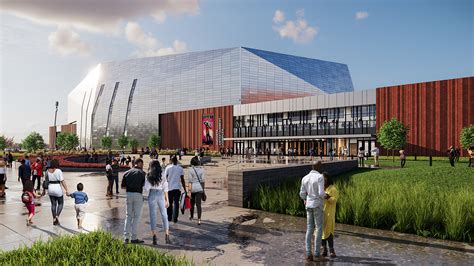
The tour also includes a visit to the Kop, Anfield's most famous stand and the spiritual home of Liverpool's most passionate supporters. Guides explain the origins of the Kop's name (derived from the Spion Kop battlefield in the Boer War) and its significance as a symbol of fan loyalty and community. Standing in the Kop, even when empty, gives visitors a sense of the energy and unity that define Liverpool's fanbase. Guides often share stories of legendary chants, the role of the Kop in motivating the team, and how the stand has evolved over the years while retaining its core identity.
What makes the Anfield Stadium Tour particularly special is the personal touch provided by the guides. Many of them are lifelong Liverpool fans or have connections to the club, and their passion shines through in the way they narrate the experience. They are often happy to answer questions, share lesser-known facts, or even tailor parts of the tour to the interests of the group. This human element transforms the tour from a scripted walkthrough into a dynamic and engaging narrative.
For those interested in the logistics and accessibility of the tour, it is worth noting that the experience is designed to be inclusive. The stadium has made efforts to ensure that the tour is wheelchair-friendly and accommodating for visitors with mobility challenges. Audio guides are available in multiple languages, making the tour accessible to international visitors who may not be fluent in English. This inclusivity reflects Liverpool FC's commitment to being a club for everyone, echoing its motto, "You'll Never Walk Alone."
Finally, the tour often concludes with a visit to the club store or a nearby café where visitors can purchase memorabilia or enjoy refreshments while reflecting on their experience. This part of the tour is not just a commercial add-on but a chance for fans to take a piece of Anfield home with them, whether it’s a scarf, a replica jersey, or a book about the club’s history.
In summary, the Anfield Stadium Tour is much more than a walk through a stadium—it is a deep dive into the soul of Liverpool Football Club. From the pitch to the dressing rooms, the trophy room to the Kop, every aspect of the tour is designed to immerse visitors in the club's history, culture, and ethos. Whether you are a die-hard Liverpool fan or simply curious about one of football's most storied venues, the tour offers a rich and unforgettable experience that captures the essence of what makes Anfield so special.
Iconic Attractions at Anfield
Anfield Stadium, the hallowed home of Liverpool Football Club, is a treasure trove of history and emotion for football enthusiasts. Beyond being a venue for thrilling matches, it is a living museum of the club’s legacy. The Iconic Attractions at Anfield offer visitors a chance to immerse themselves in the spirit of the Reds, with each spot steeped in stories that resonate far beyond the pitch. Below, we explore the must-see spots that make the Anfield Stadium tour an unforgettable experience.
The Shankly Gates are one of the most poignant symbols of Anfield’s identity. Erected in 1982 as a tribute to the legendary manager Bill Shankly, these gates bear the inscription "You’ll Never Walk Alone"—a phrase that has become synonymous with Liverpool FC. This motto is more than a song; it is a creed that has united fans through triumphs and tragedies. The gates themselves are not just an entrance but a threshold into the club’s ethos. Visitors often pause here to reflect on Shankly’s transformative impact on Liverpool. Under his stewardship from 1959 to 1974, the club transitioned from Second Division mediocrity to First Division champions, laying the groundwork for future European successes. The Shankly Gates are a physical embodiment of his enduring influence, and touching them feels like connecting with the very soul of Liverpool FC.
Another unmissable feature of the tour is the Kop, the famous stand that has become a symbol of fan loyalty and passion. Originally built in 1906 and named after the Spion Kop battlefield in the Boer War, the Kop has evolved into a cauldron of noise and support. During matches, the stand reverberates with the sound of 12,000 voices singing in unison, creating an atmosphere that intimidates opponents and inspires players. On non-match days, standing in the Kop during a stadium tour allows visitors to imagine the electric energy of a full crowd. What makes the Kop particularly special is its role in shaping Liverpool’s identity. It was here that the tradition of singing "You’ll Never Walk Alone" took root, cementing the stand’s reputation as a spiritual home for supporters. The tour often includes anecdotes about how the Kop has witnessed some of the most dramatic moments in football history—from the 2005 Champions League comeback against AC Milan to the emotional tributes following the Hillsborough disaster. Standing in this space, one can almost feel the echoes of roars from decades past.
Adjacent to the Kop is the Bill Shankly Statue, a bronze monument that captures the essence of the man who redefined Liverpool FC. Unveiled in 1997, the statue depicts Shankly with his arms outstretched, a pose that reflects both his passion for the game and his connection to the fans. The inscription at its base reads, "He made the people happy"—a simple yet profound statement that encapsulates his legacy. The statue is not merely ornamental; it serves as a meeting point for fans and a place of pilgrimage for those who wish to pay homage to Shankly’s vision. Tour guides often share lesser-known stories about Shankly’s interactions with fans, such as how he would personally respond to letters from supporters or join them in impromptu discussions at local pubs. These anecdotes add a human dimension to the statue, reminding visitors that Shankly was not just a manager but a figure who embodied the community spirit of Liverpool.
While the Shankly Gates, the Kop, and the Bill Shankly statue are the most prominent attractions, the tour also offers a deeper look into the connection between Anfield and its community. For instance, the area surrounding the stadium has a rich history of working-class resilience, and this is subtly reflected in the design and layout of the grounds. Anfield was not built as a glamorous sports arena; it grew organically alongside the neighborhood it serves. This interplay between the stadium and its surroundings is evident in features like the Liver Bird motifs found throughout the facility, which tie the club to the broader identity of the city of Liverpool. Visitors are encouraged to observe how the stadium’s architecture and layout have been adapted over the years to balance modernization with the preservation of its heritage.
Another layer of intrigue lies in the historical artifacts displayed near these attractions. For example, close to the Shankly Gates, visitors can find plaques and memorials that honor significant figures and events in Liverpool’s history. These include tributes to the 96 victims of the Hillsborough disaster, a tragedy that forever altered the club and its fanbase. The presence of these memorials underscores the idea that Anfield is not just a sports venue but a space of remembrance and solidarity. The tour provides context for these elements, helping visitors understand how the club’s identity has been shaped by both celebration and sorrow.
The interaction between past and present is a recurring theme at Anfield. For instance, while the Shankly Gates and the Kop are steeped in tradition, modern additions like the Main Stand expansion (completed in 2016) showcase how the club has embraced growth without losing sight of its roots. This juxtaposition is particularly evident when walking through the stadium. One moment, you are marveling at the vintage wooden seats preserved in certain areas; the next, you are standing in a state-of-the-art lounge with panoramic views of the pitch. This blend of old and new is a deliberate choice, intended to honor the club’s history while ensuring Anfield remains a world-class venue for future generations.
The tour also provides unique insights into how these attractions are experienced by different groups. For die-hard fans, the Shankly Gates might evoke memories of chanting crowds and triumphant parades. For first-time visitors, they serve as an introduction to the club’s mythology. Similarly, the Kop is not just a stand but a microcosm of Liverpool’s global fanbase. On match days, it hosts locals who have been season ticket holders for decades, as well as international supporters who have traveled thousands of miles to experience its magic. This diversity is part of what makes Anfield so special—it is a place where personal stories intersect with collective history.
Finally, no exploration of Anfield’s iconic attractions would be complete without mentioning the emotional resonance of these spots. The Shankly Gates are not just metal and paint; they are a symbol of perseverance. The Kop is not merely a stand; it is a living, breathing testament to the power of community. The Bill Shankly statue is not just a sculpture; it is a reminder of how one person’s vision can inspire generations. These attractions are more than their physical forms—they are conduits for the emotions, memories, and dreams of millions of fans worldwide.
In summary, the must-see spots at Anfield are not just stops on a tour; they are gateways into the heart of one of football’s most storied clubs. Whether you are tracing your fingers along the Shankly Gates, standing in awe of the Kop, or reflecting by the Bill Shankly statue, each moment at Anfield offers a deeper understanding of what it means to be part of the Liverpool family. These attractions do not just tell the story of a football club—they tell the story of a city, its people, and their unwavering belief in the power of unity and passion.
The Immersive Experience
The Anfield Stadium Tour stands out as a shining example of how modern technology can elevate a traditional experience into something truly immersive and memorable. While the physical grandeur of the stadium and its rich history are undeniable draws, it is the incorporation of interactive elements that transforms a simple walkthrough into an engaging journey. These elements, ranging from **audio guides** to **augmented reality (AR) features** and even **virtual experiences**, are designed not just to inform but to deeply connect visitors with the essence of Liverpool FC and its iconic home.
One of the most prominent features of the tour is the **audio guide**, which serves as a personalized storyteller for each visitor. Unlike static placards or pre-recorded videos, the audio guide is tailored to provide dynamic content based on the visitor's location within the stadium. For instance, as you step onto the famous Kop stand, the guide might recount the electrifying atmosphere of a Champions League night, complete with sound bites of roaring crowds and iconic chants. This contextual audio not only enhances the emotional impact of the tour but also allows visitors to feel as though they are part of the club's living history. The guides are available in multiple languages, ensuring inclusivity for international fans and underscoring Liverpool FC's global reach. What sets this feature apart is its integration of **player and manager interviews**—hearing Jürgen Klopp describe his first walk onto the pitch or Steven Gerrard recount a last-minute goal brings an intimacy that static exhibits cannot replicate.
Beyond audio, the tour leverages **augmented reality (AR)** to create moments of wonder and interactivity. AR is used strategically at key points in the stadium to overlay digital content onto the physical environment. For example, when visitors point their devices at the players’ tunnel, they might see a virtual recreation of the team walking out for a match, complete with the sound of the "You'll Never Walk Alone" anthem filling their headphones. This use of AR is particularly effective in bridging the gap between the present and the past. Visitors can point their smartphones at the Shankly Gates and watch a short AR-driven animation that explains their significance, accompanied by archival footage of Bill Shankly himself. Such features make the tour not just a passive observation but an active exploration, where visitors can "unlock" layers of history and meaning with their devices.
Another standout aspect is the **virtual experiences** integrated into the tour. These experiences are particularly valuable for younger audiences or tech-savvy fans who expect more than static displays. A prime example is the **virtual reality (VR) simulation** of a matchday experience. Visitors can don VR headsets to "sit" in the manager's dugout during a high-stakes game, feeling the tension as the crowd roars and the players execute a meticulously planned set piece. This simulated immersion is not merely a gimmick; it serves to illustrate the tactical and emotional intensity of football from a perspective most fans never get to experience. Similarly, some sections of the tour include interactive screens where visitors can "design" their dream team from Liverpool's all-time greats, complete with stats and highlights for each player. These virtual experiences are not only entertaining but also educational, as they encourage visitors to think critically about the club's legacy and its players' contributions.
The **combination of AR and physical artifacts** is another area where the Anfield tour excels. For instance, in the trophy room, AR can bring trophies to life. When a visitor points their device at the Champions League trophy, they might see a virtual overlay of key moments from Liverpool’s European triumphs—such as the Miracle of Istanbul—complete with video snippets and player testimonials. This blending of physical and digital elements ensures that even those who are not die-hard fans can appreciate the significance of what they are seeing. It also caters to different learning styles; while some visitors might prefer reading about the trophies, others can engage with them dynamically through AR.
One of the more subtle yet impactful uses of technology is the **gamification of the tour experience**. Interactive quizzes and challenges are embedded throughout the tour, accessible via a mobile app. For example, visitors might be prompted to answer questions about Liverpool FC’s history as they move through the stadium. Correct answers unlock exclusive content, such as behind-the-scenes videos or rare photos. This gamified approach not only keeps visitors engaged but also encourages them to pay closer attention to the details of the tour. It is particularly effective for families, as children and parents can compete in a lighthearted way, turning the experience into a shared adventure.
The tour also excels in its use of **real-time personalization**. Through the mobile app or devices provided at the start of the tour, visitors can input their preferences—such as their favorite player or era of Liverpool FC history—and receive customized content. For instance, a fan of Mohamed Salah might receive additional anecdotes or video clips about his time at the club when they approach the players’ dressing room. This level of personalization ensures that the experience feels unique to each visitor, rather than a one-size-fits-all presentation.
What truly sets the Anfield Stadium Tour apart is its ability to balance **historical reverence with modern innovation**. While the focus is undoubtedly on preserving the club's legacy, the interactive elements ensure that the experience remains fresh and exciting for a contemporary audience. For instance, the integration of **social media features** allows visitors to share their AR experiences or virtual moments directly from the app. A visitor might post a selfie with a virtual recreation of Kenny Dalglish or share their VR matchday simulation, extending the tour's reach beyond the physical confines of the stadium.
These interactive elements are not just add-ons; they are **integral to the tour's philosophy** of making every visitor feel like part of the Liverpool FC family. By using technology to personalize, contextualize, and dramatize the experience, the tour ensures that even those with little prior knowledge of the club can leave with a profound sense of connection. It also caters to repeat visitors, as the evolving nature of AR and virtual content means there is always something new to discover. For instance, updates to the app might include new AR features tied to recent victories or player milestones, keeping the tour dynamic and relevant.
In summary, the **immersive experience** of the Anfield Stadium Tour is a masterclass in blending tradition with technology. The thoughtful integration of audio guides, AR features, and virtual experiences ensures that visitors are not merely passive observers but active participants in the story of Liverpool FC. This approach not only deepens the emotional impact of the tour but also positions Anfield as a leader in how sports venues can use technology to create meaningful, lasting connections with their audiences.
Behind-the-Scenes Insights
The Anfield Stadium Tour offers fans and visitors a rare opportunity to step into the heart of one of football's most iconic venues. While the general ambiance of the stadium is electric on match days, the "Behind-the-Scenes Insights" section of the tour provides a more intimate and exclusive look at spaces that are usually reserved for players, coaches, and media personnel. These areas are steeped in history, strategy, and the emotional weight of countless victories and losses. Let us delve into the exclusive access areas like the manager's dugout, player tunnels, and press rooms to uncover what makes them so special.
The manager's dugout is arguably one of the most symbolic spaces in any football stadium. At Anfield, this area is more than just a place for the manager and coaching staff to sit during matches; it is a vantage point where strategies are observed, decisions are made in real time, and emotions run high. Sitting in the dugout during the tour, visitors can almost feel the intensity that managers like Jürgen Klopp or legends such as Bob Paisley and Bill Shankly might have experienced. The dugout’s design, while seemingly simple, is strategically positioned to provide an optimal view of the pitch. Its proximity to the players allows for quick communication, but it also serves as a psychological anchor for the team. During the tour, guides often share anecdotes about famous moments in the dugout—such as Klopp’s exuberant celebrations or the stoic focus of past managers during high-stakes games. This space is not just functional; it is a microcosm of the tactical and emotional energy that defines Liverpool Football Club.
Moving from the dugout, the player tunnel is another area that holds immense significance. The tunnel at Anfield is more than a physical pathway connecting the dressing rooms to the pitch—it is a psychological threshold. For players, walking through this tunnel is a ritual that signifies the transition from preparation to performance. The tour allows visitors to walk the same path that legends like Steven Gerrard, Kenny Dalglish, and Mohamed Salah have taken before crucial matches. A unique feature of Anfield’s tunnel is the "This Is Anfield" sign, positioned just before the exit to the pitch. This sign, introduced by Bill Shankly, serves as a reminder of the club's storied history and the weight of responsibility that comes with wearing the Liverpool shirt. Guides often recount how players touch the sign for good luck or as a gesture of respect before stepping onto the field. For fans, walking through the tunnel is an almost surreal experience—hearing the echoes of crowd noise (sometimes simulated for effect during the tour) and imagining the roar of 50,000 supporters as players emerge into the light. This moment encapsulates the blend of tradition and adrenaline that defines Anfield.

The journey continues into the press rooms, where the narrative of each match is shaped and shared with the world. The press room at Anfield is not just a functional space for post-match interviews; it is a theater of analysis, emotion, and sometimes controversy. During the tour, visitors can sit in the same seats where managers and players face the media after matches. This space is designed to balance professionalism with the raw, unfiltered energy that follows a game. Guides often explain how the layout of the room—with its tiered seating for journalists and a central podium—is designed to ensure clear visibility and acoustics for both the speaker and the audience. Exclusive insights shared here include stories of how managers like Klopp have used this space to deliver memorable quotes or defuse tense situations. For instance, Klopp’s post-match interviews are known for their blend of humor, honesty, and passion, and being in the press room allows visitors to imagine the atmosphere during those moments. Additionally, the tour sheds light on how the press room has evolved over the years, from a simple setup in earlier decades to a modern, media-friendly environment equipped for live broadcasts and digital coverage.
One of the lesser-known aspects of the press room experience is the role it plays in shaping public perception. Visitors learn how managers and players are coached to handle questions, maintain composure, and represent the club’s values even in defeat. This behind-the-scenes look humanizes the figures we see on screen and offers a glimpse into the psychological challenges they face. For instance, the tour might highlight how a manager’s body language or choice of words in this room can influence fan morale or even player confidence in the days following a match.
Another fascinating element of the press room is its connection to the broader media landscape. The tour often emphasizes how the space is not just for immediate post-match reactions but also for pre-match press conferences, where managers outline their strategies and address speculation. This dual purpose underscores the room’s importance as a hub of communication, where the club’s narrative is both crafted and defended. Visitors might also learn about the presence of translators, media coordinators, and even the subtle branding elements that reinforce Liverpool’s identity in every frame of footage captured here.
Beyond these primary areas, the tour sometimes offers glimpses into ancillary spaces that are part of the behind-the-scenes ecosystem. For example, the route to the dugout or press room often passes by areas like the mixed zone, where players briefly interact with journalists post-match, or the media workspace, where reporters file their stories under tight deadlines. These spaces, while not as glamorous as the dugout or tunnel, provide a holistic view of the operational complexity involved in managing a stadium of Anfield’s stature.
What sets the Anfield Stadium Tour apart is its ability to weave these exclusive areas into a narrative that is both educational and emotionally engaging. Visitors are not just passive observers; they are invited to imagine themselves in the shoes of those who inhabit these spaces during the heat of competition. This immersive quality is amplified by the guides, many of whom are long-time supporters or have personal connections to the club. Their ability to share unique stories—such as how a manager’s pre-match ritual in the dugout might involve a quiet moment of reflection or how a player’s first walk through the tunnel as a Liverpool debutant is often a mix of nerves and exhilaration—adds depth to the experience.
The tour also highlights how these areas have witnessed some of the most pivotal moments in Liverpool’s history. For instance, the player tunnel has seen the quiet determination of teams before European finals and the jubilant celebrations of title-winning squads. The press room has been the site of iconic interviews, from the elation of championship wins to the poignancy of farewells. By focusing on these exclusive access areas, the tour not only showcases the physical infrastructure of Anfield but also emphasizes its role as a living, breathing entity that has shaped the club’s identity over decades.
In conclusion, the "Behind-the-Scenes Insights" section of the Anfield Stadium Tour is a treasure trove of experiences that go beyond the typical fanfare of a stadium visit. By exploring the manager's dugout, player tunnel, and press rooms, visitors gain a profound understanding of the strategic, emotional, and communicative layers that underpin the world of professional football. These spaces are not just functional components of a stadium; they are conduits of history, tradition, and the unyielding spirit of Liverpool Football Club.
Fan Testimonials and Reviews
The "Fan Testimonials and Reviews" section of this white paper delves into the diverse range of experiences visitors have had during the Anfield Stadium Tour. This iconic venue, home to Liverpool Football Club, is more than just a sports arena—it is a place of deep emotional resonance for fans and a fascinating cultural site for general tourists. Through the voices of those who have walked its halls, we explore how the tour impacts different groups and why it holds such a special place in their memories.
For Liverpool FC supporters, the Anfield Stadium Tour is often described as a pilgrimage. Many fans recount the overwhelming sense of connection they feel when stepping into the stadium that has witnessed some of the club's most historic moments. One visitor, a season ticket holder for over a decade, shared how walking through the players' tunnel gave them "chills like no other." They explained, "Hearing the sound system play 'You'll Never Walk Alone' as you emerge into the stadium is surreal. It’s like you're part of the team for a moment, feeling the weight of history and the energy of match days."
Another recurring theme among supporters is the emotional impact of visiting the Kop end. This stand, synonymous with Liverpool's most passionate fans, evokes a sense of unity and belonging. A fan from Norway noted, "Standing on the Kop, even when empty, feels like standing in the heart of something bigger than yourself. You can almost hear the echoes of the crowd singing on a European night." This sentiment underscores how the tour bridges the gap between the physical space and the intangible spirit of the club. For lifelong fans, the opportunity to sit in the dugout or see the view from the manager's perspective offers a rare glimpse into the inner workings of their beloved team.
General tourists, even those with little prior knowledge of Liverpool FC, often find the tour surprisingly engaging. A family from the United States, visiting Liverpool as part of a broader UK trip, described the tour as "an unexpected highlight." The father explained, "We’re not football fans, but the guide made the history of the club come alive. Learning about the tragedies, like Hillsborough, and the resilience of the community gave us a new appreciation for what this stadium represents." This perspective highlights how the tour serves as an educational experience, offering insights into Liverpool's broader cultural and social history.
One of the most talked-about features of the tour is the interactive elements, such as the immersive locker room experience. Visitors are encouraged to sit where players like Mohamed Salah and Steven Gerrard have prepared for matches. A teenage fan from India described this as "the coolest part of the tour." They added, "I could imagine what it feels like to be a player, surrounded by the jerseys and the tactical board. It made me feel connected to the players I idolize." This hands-on aspect resonates particularly well with younger visitors and families, making the experience more dynamic and memorable.
The tour also frequently garners praise for its knowledgeable guides, many of whom are lifelong Liverpool fans themselves. Their passion and personal anecdotes add a layer of authenticity that canned presentations cannot replicate. A visitor from Australia shared, "Our guide wasn’t just reciting facts; he was telling stories—about famous matches, legendary players, and even the time he snuck into the stadium as a kid. It felt like we were getting a behind-the-scenes look from someone who truly loves the club." This human touch often transforms the tour from a simple walkthrough into a deeply engaging narrative experience.
Another aspect that stands out in visitor reviews is the emotional weight of the memorials and tributes included in the tour. The Hillsborough Memorial, in particular, is a somber yet essential part of the experience. A first-time visitor from Germany reflected, "I knew about the tragedy vaguely, but seeing the memorial and hearing the guide explain its significance was deeply moving. It made me realize that this stadium is not just about football—it’s about community, loss, and perseverance." This aspect of the tour often leaves a lasting impression, even on those who are not football enthusiasts.
For families, the Anfield Stadium Tour offers a blend of education and entertainment. Parents often remark on how the tour keeps children engaged while also providing meaningful context. One mother from Wales noted, "My kids loved seeing the trophies and trying on the virtual reality headset to experience a match day. But they also asked questions about the history of the club, which led to some great conversations on the drive home." This dual appeal—fun for kids and thought-provoking for adults—makes the tour a versatile experience for diverse age groups.
Online reviews and social media posts further illuminate the tour’s impact. A quick scan of platforms like TripAdvisor reveals a consistent theme of high satisfaction among visitors. Common phrases include "worth every penny," "a must-do in Liverpool," and "an unforgettable experience." While some reviews mention minor logistical issues, such as crowded times or long queues during peak seasons, these are often outweighed by the overwhelmingly positive feedback about the content and delivery of the tour.
Interestingly, the tour also serves as a point of connection for international fans. Liverpool FC boasts a global fanbase, and many international visitors describe the tour as a way to feel closer to the club they support from afar. A fan from Brazil shared, "Watching Liverpool games on TV is one thing, but being at Anfield, seeing the pitch, and walking the same path as the players I’ve cheered for my whole life—it made me feel like I was part of the Liverpool family, even though I live thousands of miles away." This global resonance underscores the tour's ability to transcend geographical boundaries and create a sense of belonging for fans worldwide.
Some reviews also highlight the accessibility and inclusivity of the tour. Liverpool FC has made efforts to ensure that the experience is welcoming to all, including those with mobility challenges. A visitor using a wheelchair praised the staff for their attentiveness, saying, "The staff went out of their way to make sure I could access every part of the tour. They even adjusted the route slightly so I could see everything without feeling like an inconvenience." This inclusivity enhances the tour’s reputation as a thoughtful and well-managed experience.
Finally, the value for money is a recurring point in visitor feedback. While some attractions can feel overpriced, many reviewers argue that the Anfield Stadium Tour offers excellent value. A group of friends from London explained, "We’ve done stadium tours at other clubs, but this one felt more personal and comprehensive. The inclusion of the museum, trophy room, and even a chance to take photos with the Premier League trophy made it feel like we got more than we paid for." This sentiment is echoed by many, reinforcing the idea that the tour is not just a commercial venture but a genuine effort to share the club’s legacy with its supporters and the wider public.
In conclusion, the Anfield Stadium Tour is a multifaceted experience that resonates deeply with both die-hard Liverpool FC supporters and casual visitors. Through the heartfelt testimonials of fans and the appreciative reviews of general tourists, it becomes clear that the tour is more than just a walk through a stadium—it is an opportunity to connect with history, community, and the enduring spirit of one of football’s most storied clubs.
Planning Your Visit
Planning a visit to Anfield Stadium, the iconic home of Liverpool Football Club, requires thoughtful preparation to ensure a smooth and enjoyable experience. This section provides detailed, practical information to help you navigate ticket pricing, tour schedules, accessibility options, and nearby accommodations with clarity and precision.
Ticket Pricing Anfield offers a variety of tour options, each tailored to different interests and budgets. The most popular choice is the Stadium Tour, which includes access to the dressing rooms, players' tunnel, pitchside, and the Kop stand—a must-see for any football enthusiast. Prices for this tour generally range from £23 to £27 for adults, with discounts available for children, seniors, and families. For a more immersive experience, the LFC Legends Q&A Tour combines the standard tour with a chance to hear stories from former Liverpool players. This premium option costs around £50 per person and is offered on select dates. It is advisable to book tickets well in advance, especially during peak seasons like school holidays or match weekends, as slots can sell out quickly. Online booking often includes a small discount compared to on-site purchases, so checking the official website is a smart move.
For those interested in a deeper historical dive, the Tour and Museum Package is an excellent choice. This package includes the stadium tour and entry to the Liverpool FC Museum, where visitors can explore the club's rich history, including its five European Cups. Pricing for this combination is slightly higher, typically around £30 for adults. Keep an eye out for special promotions, such as discounted rates for group bookings or seasonal offers during less busy periods like midweek in the off-season.
Tour Schedules Anfield Stadium tours generally operate seven days a week, with the first tour starting around 9:30 a.m. and the last one departing at 3:30 p.m. However, schedules are subject to change based on match days, maintenance, or private events. On home match days, tours are either limited or unavailable entirely, so it is critical to check the official tour calendar before finalizing your plans. During European match weeks, for instance, the dressing rooms may be off-limits due to preparations. To avoid disappointment, plan your visit on non-match days or during the early part of the week when the stadium is less crowded.
Another unique scheduling aspect is the weekend rush. Saturdays and Sundays see higher foot traffic, particularly from international fans. If you prefer a quieter experience, consider visiting on a weekday morning when tour groups are smaller, and the atmosphere is more relaxed. Additionally, some tours include extended access during special events like anniversary celebrations or themed tours (e.g., focusing on Liverpool’s Champions League victories), so checking for these extras can enhance your visit.
Accessibility Anfield is committed to being an inclusive destination, and the stadium has made significant efforts to accommodate visitors with disabilities. The tour route is fully accessible, with step-free access to key areas such as the dressing rooms, press room, and museum. Wheelchair users and those with limited mobility can request assistance when booking their tickets, and the staff is well-trained to provide support. The stadium also provides accessible parking spaces near the main entrance, though these are limited and should be reserved in advance.
For visitors with visual or hearing impairments, audio guides and BSL-interpreted tours are available. These guides are included in the standard ticket price and offer detailed commentary in multiple languages, ensuring that non-English speakers can also enjoy the experience. If you or someone in your group requires specific accommodations, it is recommended to contact the Anfield customer service team at least 48 hours before your visit. They can arrange personalized assistance, such as guiding you through less crowded routes or providing printed materials in large font.
Families with young children are also well catered for. The tour includes child-friendly audio guides and interactive elements, such as the opportunity for kids to sit in the manager’s seat or take photos with life-size cutouts of players. This thoughtful inclusion makes the tour enjoyable for all age groups.

Nearby Accommodations Liverpool is a vibrant city with a range of accommodation options to suit different preferences and budgets. If you want to stay close to Anfield, there are several hotels and guesthouses within a 2-mile radius. The Hotel TIA (This Is Anfield), for instance, is a popular choice among fans due to its proximity to the stadium and its football-themed decor. Rooms here often include memorabilia and offer a unique atmosphere for supporters. Prices range from £80 to £120 per night, depending on the season.
For those seeking more budget-friendly options, budget hotels like Premier Inn or Travelodge are available in the city center, about 3-4 miles from Anfield. These hotels provide clean, comfortable rooms at prices starting from £50 per night. Staying in the city center also gives you the added advantage of being close to other attractions, such as the Albert Dock, Liverpool ONE shopping center, and the Beatles Story museum.
If you prefer a more personalized experience, Airbnb rentals in the Anfield area are worth exploring. Many local hosts offer rooms or entire apartments with easy access to the stadium, often at competitive rates. Some even include perks like free parking or breakfast, which can be particularly convenient for early tours. However, book early during match weekends, as accommodation demand surges.
For those combining the stadium tour with a broader exploration of Liverpool, consider hotels near the Liverpool Lime Street Station or the Albert Dock area. These locations provide excellent transport links, including buses and taxis to Anfield. The 17 bus route, for example, is a direct and cost-effective way to travel from the city center to the stadium, with fares around £2-£3 per journey.
Additionally, the area around Anfield has several cafes and pubs that cater to visitors. Establishments like The Boot Room Sports Cafe, located within the stadium complex, offer pre- or post-tour meals with a football-centric ambiance. If you are looking for a traditional pub experience, The Arkles is a stone’s throw from the stadium and is frequented by fans for its friendly atmosphere and affordable meals.
In summary, planning your visit to Anfield Stadium involves balancing ticket choices, understanding the schedule intricacies, ensuring accessibility needs are met, and selecting suitable accommodations. By considering these practical details, you can focus on immersing yourself in the rich history and vibrant energy of one of football’s most storied venues.
Comparison with Other Stadium Tours
When evaluating the Anfield Stadium tour against those of other iconic venues such as Old Trafford or Camp Nou, it is essential to consider several key dimensions: the historical significance of the venue, the immersive experience provided to visitors, the integration of modern technology, and the overall emotional resonance of the tour. Each stadium tour has its unique selling points, but the comparison reveals distinct differences in how these aspects are prioritized and executed.
One of the foremost points of comparison is the historical weight of the stadiums. Anfield, home to Liverpool FC, boasts a rich history that dates back to 1884, originally serving as the home ground for Everton before Liverpool FC was founded in 1892. This layered history is a central theme of the Anfield tour, where guides often emphasize the club's ethos of "You'll Never Walk Alone" and the legendary moments tied to the stadium, such as the 2005 Champions League victory. In contrast, Old Trafford, the home of Manchester United, leans heavily on its status as "The Theatre of Dreams," with a focus on its post-World War II resurgence under Sir Matt Busby and the club's global brand dominance. Camp Nou, home to FC Barcelona, presents itself as a symbol of Catalan identity and a stage for some of football's most celebrated talents, including Lionel Messi. While all three stadiums are steeped in history, Anfield often stands out for its more intimate storytelling, emphasizing personal and emotional connections rather than sheer scale or commercial success.
The tour experience itself is another critical area of differentiation. Anfield offers a highly curated and immersive experience, particularly with its focus on the Spion Kop stand, a symbol of fan culture and passion. Visitors are often taken through the player's tunnel, where the sound of the crowd is simulated to recreate matchday energy—a feature that resonates deeply with fans. Old Trafford, by comparison, provides a polished and expansive tour that includes access to the dugouts, the players' lounge, and the extensive museum. However, some critics argue that the tour at Old Trafford can feel more commercialized, with an emphasis on merchandise and photo opportunities rather than authentic immersion. Camp Nou, on the other hand, impresses with its sheer size—it is one of the largest stadiums in Europe—and its tour includes access to the FC Barcelona museum, which houses an impressive collection of trophies and memorabilia. However, the scale of Camp Nou can sometimes make the experience feel less personal compared to Anfield's more intimate atmosphere.
A significant point of differentiation is the use of technology in the tours. Anfield has made strides in incorporating modern elements, such as augmented reality (AR) features that allow visitors to "meet" legendary players like Steven Gerrard or hear stories from past matches. This use of AR enhances the tour's interactivity, particularly for younger audiences or tech-savvy visitors. Old Trafford also employs multimedia elements, including video presentations and a robust audio guide system, but its focus on historical narratives sometimes feels less dynamic compared to Anfield's more innovative approach. Camp Nou, meanwhile, has recently undergone renovations to include more interactive exhibits in its museum, but the stadium tour itself can sometimes lack the same level of technological integration seen at Anfield. For instance, Anfield's use of AR to visualize past games or simulate the roar of the Kop is a unique selling point that neither Old Trafford nor Camp Nou currently matches in scope or execution.
Another area of focus is the emotional appeal of the tours. Anfield is often praised for its ability to evoke a sense of belonging and pride among visitors, regardless of their allegiance to Liverpool FC. The tour frequently includes visits to the memorials and tributes, such as the Hillsborough disaster memorial, which adds a somber yet meaningful dimension to the experience. This emotional depth is a hallmark of the Anfield tour and sets it apart from Old Trafford, where the emphasis is more on the club's global success and star players. Camp Nou also has its emotional elements, particularly in its celebration of Catalan culture and the club's role in social movements, but these aspects can sometimes feel secondary to the focus on footballing greatness. Anfield's ability to balance sporting achievement with a deep sense of community and remembrance gives it a unique edge in this regard.
The accessibility and inclusivity of the tours also warrant consideration. Anfield has made efforts to ensure that its tour is accessible to a wide range of visitors, including those with disabilities, by offering audio guides, wheelchair-friendly routes, and inclusive pricing options. Old Trafford similarly provides accessibility features, but its larger size can sometimes make navigation more challenging for visitors with mobility issues. Camp Nou, while expansive, has faced criticism in the past for not being as accommodating in terms of accessibility, though recent upgrades have aimed to address this.
From a value-for-money perspective, Anfield offers competitive pricing for its tours, often bundled with additional experiences such as access to the Liverpool FC museum or special event packages. Old Trafford tends to have higher ticket prices, reflective of its status as one of the most commercially successful clubs in the world. Camp Nou, while offering a vast experience, can sometimes feel overpriced given the variability in the quality of the tour guides and the occasional overcrowding during peak seasons. Anfield strikes a balance by offering a rich experience at a price point that feels reasonable given the depth of the tour and its emotional impact.
One area where Anfield may lag slightly behind is in the scale of its facilities. Both Old Trafford and Camp Nou are larger stadiums, capable of accommodating over 70,000 and 90,000 spectators, respectively, compared to Anfield's capacity of around 54,000. This size difference can influence the perceived grandeur of the tour. However, Anfield compensates for its smaller scale with a more focused and personal approach. Visitors often remark that the smaller size allows for a more intimate connection with the stadium's spaces, such as the home team dressing room or the manager's dugout, which can feel more accessible and less overwhelming compared to the vastness of Camp Nou or Old Trafford.
Finally, the target audience for each tour plays a role in how they are designed and perceived. Anfield caters strongly to Liverpool FC fans and those interested in the club's unique culture and history. Old Trafford appeals to a broader, more international audience, leveraging Manchester United's global fanbase. Camp Nou similarly attracts a diverse crowd, but its emphasis on FC Barcelona's identity as a symbol of Catalan pride can sometimes alienate visitors who are not familiar with the club's cultural significance. Anfield's tour is perhaps the most successful in creating a universal appeal, blending football history with broader themes of community and resilience that resonate even with non-football fans.
In summary, while each stadium tour offers a compelling experience, the Anfield tour distinguishes itself through its intimate storytelling, innovative use of technology, and emotional depth. It may not have the sheer scale of Camp Nou or the commercial polish of Old Trafford, but its ability to connect visitors to the heart of Liverpool FC's identity makes it a standout choice for those seeking a meaningful and immersive stadium experience. This balance of history, innovation, and emotion ensures that the Anfield tour holds its own—and often surpasses—its counterparts in the realm of stadium tours.
Conclusion and Call to Action
The Anfield Stadium Tour is more than just a walk through the hallowed grounds of one of football's most iconic venues; it is an immersive journey into the heart of Liverpool Football Club's rich history, culture, and enduring legacy. For fans and casual visitors alike, the tour offers a rare opportunity to step into the shoes of legends, relive historic moments, and experience the tangible energy that has made Anfield a symbol of passion and pride for generations.
One of the most striking aspects of the Anfield Stadium Tour is its ability to connect visitors to the emotional core of the club. Unlike many stadium tours that focus purely on architectural highlights or operational logistics, Anfield’s tour is steeped in storytelling. Each stop along the route is designed to evoke a sense of what it means to be part of "The Liverpool Way." Whether it’s standing in the players’ tunnel, hearing the spine-tingling echo of "You'll Never Walk Alone," or sitting in the dugout where managers like Jürgen Klopp and Bill Shankly once strategized, the tour brings fans closer to the club’s identity in a way that is both personal and profound. This emotional resonance is what sets the Anfield experience apart from other stadium tours, making it not just a sightseeing activity but a deeply moving encounter with football history.
The historical depth of the tour is another unique feature. Anfield is not merely a modern sports venue; it is a living archive of footballing milestones. Visitors are taken through key areas such as the Main Stand, which has undergone significant redevelopment to blend modern amenities with the stadium's classic character. Here, you can learn about the evolution of Anfield from its humble beginnings in 1884 to its current status as a 53,000-seater colossus. The tour also delves into lesser-known stories, such as how the stadium survived periods of financial uncertainty or how its design has been influenced by the club's philosophy of inclusivity and community engagement. These insights provide a nuanced understanding of Anfield as a space that has grown in tandem with the city of Liverpool itself, reflecting its resilience and spirit.
Another compelling aspect is the interactive and personalized nature of the experience. Unlike static tours where visitors passively observe, the Anfield Stadium Tour incorporates multimedia elements that make the journey dynamic. For instance, the use of augmented reality (AR) allows guests to visualize historic matches or see how the stadium has changed over the decades. Interactive exhibits in the Liverpool FC Museum, which is often included in the tour package, let visitors explore memorabilia, watch video clips of iconic goals, and even test their knowledge of club trivia. These features ensure that the tour caters to a diverse audience, from die-hard fans who can recite every player's name to newcomers curious about the club's global appeal.
The human element of the tour is also worth emphasizing. The guides, often lifelong Liverpool supporters or individuals with deep ties to the club, add a layer of authenticity that cannot be replicated. Their anecdotes about legendary players like Steven Gerrard, Kenny Dalglish, and Mohamed Salah, as well as their ability to share personal stories about matchday atmospheres or community events, make the experience feel intimate rather than scripted. This human touch transforms the tour into a conversation rather than a lecture, allowing visitors to ask questions, share their own memories of the club, and feel a sense of belonging within the broader Liverpool FC family.
Beyond the emotional and historical dimensions, the tour also offers a practical glimpse into the inner workings of a world-class football club. Visitors get to see areas typically reserved for players and staff, such as the state-of-the-art home team dressing room, where shirts of current players hang ready for action. Walking through the mixed zone and press room provides a rare opportunity to understand the logistical and media-related challenges that come with managing a high-profile team. These behind-the-scenes glimpses are particularly appealing to those interested in the operational side of football, offering a perspective that is both educational and fascinating.
For families and younger visitors, the tour is an inspirational experience that can spark a lifelong love for the sport. Children often leave the tour wide-eyed, imagining themselves as future stars walking onto the pitch. This aspirational quality of the Anfield tour is a subtle yet powerful motivator, encouraging young minds to dream big while learning about the values of teamwork, perseverance, and community that Liverpool FC embodies. The inclusion of family-friendly activities, such as photo opportunities with the European Cup or interactive games in the museum, ensures that the tour is accessible and enjoyable for all age groups.
From a logistical standpoint, the tour is also well-structured and accommodating. Visitors can choose from various tour options, including guided tours, audio-guided explorations, and even bespoke experiences for special occasions. The flexibility of scheduling and the availability of multilingual resources make it accessible to international visitors, reinforcing Anfield’s status as a global destination. Additionally, the tour’s affordability relative to its depth and quality makes it a worthwhile investment for anyone seeking a meaningful travel experience.
Now, as we draw this exploration to a close, the question arises: why should you book your visit to the Anfield Stadium Tour? The answer lies in the uniqueness of what Anfield offers—a blend of history, emotion, interactivity, and inspiration that few other attractions can match. Whether you are a lifelong Liverpool supporter who wants to pay homage to your heroes, a football enthusiast eager to explore one of the sport’s most iconic venues, or simply a traveler looking for a memorable experience in the heart of Liverpool, the tour delivers on all fronts.
By booking your visit, you are not just purchasing a ticket; you are investing in an unforgettable experience that will leave you with memories to cherish. Imagine standing on the Kop, gazing at the pitch where countless legendary matches have unfolded, or holding a replica of the Champions League trophy and feeling the weight of its significance. These moments are not just about football; they are about connecting with a legacy that transcends sport. They are about understanding why Anfield is more than a stadium—it is a symbol of unity, resilience, and the unyielding belief that anything is possible when you have the support of a community behind you.
So, whether you are planning a trip to Liverpool or simply looking for an experience that will stay with you long after it ends, the Anfield Stadium Tour is a must. Take the step, book your visit, and prepare to be immersed in a world where the past, present, and future of football come alive in ways that are as thrilling as they are meaningful. Anfield awaits, and the memories you create there will be nothing short of legendary.
- Experience the emotional resonance of Anfield’s history and culture.
- Explore interactive exhibits and multimedia features for a dynamic tour.
- Gain behind-the-scenes insights into the operational side of a top-tier football club.
- Enjoy family-friendly activities designed to inspire and entertain all age groups.
- Benefit from flexible tour options tailored to diverse preferences and needs.
Don’t just take our word for it—come and see for yourself why the Anfield Stadium Tour is hailed as one of the most compelling experiences in sports tourism. Your journey into the heart of Liverpool FC starts here.


