Introduction to Arsenal's UCL Legacy
Arsenal's history in the UEFA Champions League (UCL) is a tale of ambition, near-misses, and moments of brilliance that have etched the club into the competition's lore. While the Gunners have not lifted the coveted trophy, their journey in Europe's premier club tournament reflects their evolution as a footballing powerhouse and their enduring quest for continental recognition. This section delves into Arsenal's UCL legacy, highlighting key campaigns, iconic players, and the broader significance of their participation in shaping their identity within the global football landscape.
Arsenal first qualified for the Champions League in the 1998-99 season, following their Premier League triumph in 1998. This marked a turning point for the club, as they transitioned from being a strong domestic side to a team with European aspirations. Under the management of Arsène Wenger, who would become synonymous with Arsenal's European endeavors, the club began to establish a foothold in the competition. However, early exits in the group stages during their initial forays highlighted the steep learning curve of competing at this level. These early struggles were not merely setbacks but formative experiences that laid the groundwork for Arsenal's more competitive showings in subsequent years.
One of Arsenal's most significant UCL campaigns came in the 2005-06 season, when they reached the final for the first and, to date, only time in their history. This run was characterized by a blend of defensive resilience and attacking flair. The team, led by players like Thierry Henry, Cesc Fàbregas, and Sol Campbell, showcased a tactical flexibility that allowed them to navigate a path through formidable opponents. Arsenal's journey to the final included a memorable 1-0 victory over Real Madrid at the Santiago Bernabéu, where Henry's solo goal underscored the club's ability to rise to the occasion. Their semi-final triumph over Villarreal, secured by a penalty save from Jens Lehmann in the dying minutes, was another defining moment. However, the final itself—a 2-1 loss to Barcelona—proved bittersweet. Arsenal took the lead through Campbell but were undone by a second-half resurgence from Barcelona, compounded by Lehmann's early red card. This final encapsulated Arsenal's UCL narrative: moments of near-glory juxtaposed with the harsh realities of elite European competition.
The importance of Arsenal's UCL participation extends beyond individual seasons. The competition has served as a stage for the club to affirm its identity as a proponent of attractive, possession-based football. Wenger's philosophy of "playing the game the right way" was often on full display in Europe, where Arsenal's fluid attacking play and technical proficiency stood out. This approach, while occasionally leaving them vulnerable defensively, endeared them to neutral fans and reinforced their reputation as a team that valued style as much as substance. This philosophy also provided a platform for players to shine on the European stage. Legends like Henry, who remains Arsenal's all-time top scorer in the UCL, and later talents such as Robin van Persie and Alexis Sánchez, used the competition to elevate their profiles and showcase their ability to perform under the brightest lights.
Arsenal's UCL campaigns also reveal the club's broader trajectory in European football. Between 1998 and 2017, the Gunners were a near-constant presence in the competition, qualifying for 19 consecutive seasons—a record that underscores their consistency at the top of English football during this period. This streak is a testament to their domestic dominance and the ability to regularly finish in the Premier League's top four, a feat that became increasingly challenging as the league grew more competitive. However, this consistency also invites scrutiny of Arsenal's inability to convert their regular appearances into sustained success. While they reached the knockout stages in most of these campaigns, they often fell short in the latter rounds, with quarter-final and semi-final exits becoming a recurring theme. This juxtaposition of regular participation and limited ultimate success highlights the fine margins that separate greatness from mere competitiveness in the UCL.
The competition has also been a crucible for some of Arsenal's most iconic European nights. Matches like the 2003-04 victory over Inter Milan at the San Siro, where they won 5-1, or the dramatic 7-5 aggregate win over Reading in the 2012-13 round of 16, are etched in the memories of fans. These moments illustrate Arsenal's capacity for exhilarating football but also their vulnerability, as they often found themselves in high-scoring, unpredictable encounters that tested their mettle. Such games underscore the dual-edged nature of Arsenal's UCL legacy: while they have provided fans with unforgettable memories, they have also exposed the limitations that have prevented them from reaching the very top of European football.
Beyond the pitch, Arsenal's UCL legacy is intertwined with their financial and infrastructural growth. The competition provided a significant revenue stream, enabling the club to invest in players, facilities, and their move to the Emirates Stadium in 2006. The financial windfall from UCL participation was crucial in maintaining Arsenal's status as a top-tier club during a period of transition and economic restraint. However, the financial pressures of competing in Europe also exposed the club's occasional struggles to balance ambition with sustainability, particularly during the late 2000s and early 2010s when they operated under self-imposed financial constraints.
In a historical context, Arsenal's UCL legacy is also shaped by their role as a representative of English football in Europe. Their performances contributed to the Premier League's growing dominance in the competition during the 2000s, alongside rivals like Manchester United, Chelsea, and Liverpool. Arsenal's style of play and their ability to challenge traditional European giants added a distinct flavor to the Premier League's collective European success. However, their inability to win the trophy also symbolizes the elusive nature of European glory for many English clubs during this era, despite their domestic prowess.
In summary, Arsenal's UCL legacy is one of ambition tempered by near-misses, of thrilling performances offset by tactical vulnerabilities, and of consistent presence contrasted with ultimate unfulfillment. Their history in the competition is not defined by trophies but by the moments, players, and narratives that have shaped their European journey. From the swashbuckling football of the early 2000s to the financial and infrastructural growth enabled by UCL participation, Arsenal's story in the Champions League is a microcosm of their broader identity: a club that strives for excellence, even when the ultimate prize remains just out of reach.
- Arsenal's first UCL qualification in 1998-99 marked their transition to European contenders.
- The 2005-06 campaign, culminating in a final appearance, remains their most iconic run.
- Consistent participation for 19 consecutive seasons highlights their domestic and European relevance.
- Their style of play under Wenger emphasized attacking flair but sometimes left them exposed.
- Financial and infrastructural benefits from UCL participation supported Arsenal's growth.
This blend of triumphs, setbacks, and enduring ambition makes Arsenal's UCL legacy a rich and multifaceted subject, one that continues to resonate with fans and analysts alike as they look back on the club's European odyssey.
The Road to the Final: Key Matches and Turning Points
The journey of Arsenal to the UEFA Champions League (UCL) final is a narrative of grit, tactical evolution, and moments of individual brilliance that defined their campaign. This section delves into the key matches and turning points that not only shaped their path but also highlighted the team's resilience and strategic adaptability under pressure.
One of the earliest pivotal moments in Arsenal's UCL journey came during the group stage, particularly in their match against a traditionally strong side like Bayern Munich. Arsenal entered this fixture as underdogs, having faced a shaky start in their domestic league. However, this match was a masterclass in counterattacking football. Arsenal's manager deployed a 4-2-3-1 formation, prioritizing quick transitions from defense to attack. The key moment came in the 72nd minute when a perfectly timed through ball from their midfield maestro sliced open Bayern's high line, leading to a clinical finish by their striker. This 2-1 victory not only boosted Arsenal's confidence but also sent a message to the rest of the competition: they were not to be underestimated.
Another defining group stage match was against a lesser-known but tactically disciplined side, such as Red Star Belgrade. While on paper this might have seemed like an easier fixture, Arsenal struggled to break down their compact 5-4-1 formation. This match showcased Arsenal's ability to adapt mid-game. After a goalless first half, the manager introduced a false nine system in the second half, pulling defenders out of position and creating space for their wingers to exploit. The decisive goal, scored in the 85th minute from a set-piece routine rehearsed extensively in training, underscored the importance of preparation and flexibility. This win ensured Arsenal topped their group, giving them a theoretically easier path in the knockout stages.
The knockout phase brought its own set of challenges, starting with a Round of 16 clash against Paris Saint-Germain (PSG). PSG's star-studded attack, led by one of the world's most prolific forwards, posed a significant threat. However, Arsenal's tactical approach in the first leg was a blend of pragmatism and aggression. They deployed a mid-block system to deny PSG space in the final third while using their fullbacks to launch quick overlapping runs when in possession. The first leg ended in a 1-1 draw, but the away goal provided Arsenal with a psychological edge heading into the home leg. In the return fixture, Arsenal's pressing intensity was dialed up, particularly in the midfield. Their high-press forced PSG into uncharacteristic errors, one of which led to a crucial goal in the 55th minute. The 2-0 victory in the second leg was a statement of intent, with Arsenal's disciplined defensive shape and clinical finishing proving decisive.
The quarter-final against Juventus was perhaps the most testing phase of Arsenal's campaign. Juventus, known for their resolute defense and midfield dominance, stifled Arsenal in the first leg, which ended in a 0-0 stalemate. This result placed immense pressure on Arsenal for the second leg, especially as they were playing away in Turin. What stood out in this match was Arsenal's ability to exploit Juventus's reliance on their aging midfield. Arsenal's youthful energy in the center of the park, combined with their manager's decision to field an extra midfielder in a 4-3-3 system, allowed them to control the tempo. The turning point came in the 68th minute when a counterattack initiated by a perfectly timed tackle in midfield led to a rapid break, culminating in a goal. Arsenal held on for a 1-0 aggregate win, showcasing their ability to win in hostile environments.
The semi-final against Real Madrid was a two-legged saga that tested Arsenal's mental and physical resilience. Real Madrid, with their galaxy of stars, were heavy favorites. The first leg at the Emirates Stadium ended in a 2-2 draw, a result that could have been demoralizing given Arsenal had twice taken the lead only to concede late equalizers. However, this result highlighted Arsenal's offensive threat, particularly through their dynamic wingers who repeatedly stretched Real Madrid's backline. In the second leg, Arsenal's strategy was clear: absorb pressure and hit on the break. Their manager's decision to field a more defensive double-pivot in midfield paid dividends, as it allowed Arsenal to weather Real Madrid's early onslaught. The decisive moment came in the 79th minute when a perfectly executed set-piece routine—a low driven corner to the edge of the box—was volleyed into the top corner. This 1-0 victory away from home was a testament to Arsenal's tactical discipline and ability to rise to the occasion.
Throughout the tournament, Arsenal's turning points were not just about goals or results but also about the emergence of key players. Their young midfielder, often deployed in a box-to-box role, became a revelation. His ability to break lines with his dribbling and contribute defensively was instrumental in several matches. Similarly, their goalkeeper's performances in high-stakes games, particularly the penalty save in the second leg against PSG and a string of crucial stops against Real Madrid, were pivotal. These individual contributions were supported by the team's collective ethos, which emphasized cohesion and adaptability.
Another key factor in Arsenal's road to the final was their manager's tactical evolution. Early in the campaign, the team relied heavily on possession-based football, but as they progressed, the manager showed a willingness to adapt. In matches where they were outmatched in terms of individual quality, Arsenal adopted a more pragmatic approach, focusing on defensive solidity and exploiting transitional moments. This shift in philosophy was particularly evident in their semi-final and quarter-final matches, where they prioritized game management over free-flowing attack.
It is also worth noting the psychological resilience Arsenal displayed in moments of adversity. For instance, in the group stage match against Red Star Belgrade, they were on the brink of a frustrating draw that could have complicated their qualification. However, their ability to maintain composure and execute a late-game strategy demonstrated their growth as a team. Similarly, in the semi-final second leg, when Real Madrid's relentless pressure could have overwhelmed them, Arsenal's backline held firm, and their midfielders provided the necessary outlet to relieve pressure.
In summary, Arsenal's road to the UCL final was not a straightforward one. It was marked by hard-fought victories, tactical ingenuity, and moments of individual brilliance. From their early statement win against Bayern Munich to their disciplined performances in the knockout stages, Arsenal's campaign was a blend of strategy and spirit. Each match brought its own challenges, but the team's ability to adapt and execute under pressure ensured their place in the final. This journey not only highlighted their technical capabilities but also their mental fortitude, setting the stage for what promised to be a historic final appearance.
Team Composition and Tactical Approach
The Arsenal UCL final campaign was a testament to the club's ability to blend a well-rounded squad with a tactical approach tailored to the demands of high-stakes European football. While the outcome of the final itself may not have aligned with the club's ambitions, the journey to that stage revealed a carefully constructed team composition and a strategic framework that showcased both innovation and adaptability.
At the core of Arsenal's squad during this campaign were players who brought a mix of experience, versatility, and raw talent. The spine of the team was anchored by seasoned professionals like Thierry Henry, whose prolific goal-scoring ability and leadership were instrumental in propelling the team forward. Henry, operating primarily as a central forward, was not just a finisher but also a creative force, capable of dropping deep or drifting wide to link play. His partnership with players like Robert Pires and Freddie Ljungberg on the flanks provided Arsenal with a dynamic attacking trident that could exploit spaces in even the most organized defenses. Pires, in particular, was a master of timing his runs into the box and had a knack for scoring crucial goals in tight situations. Ljungberg, on the other hand, offered a blend of energy and directness, often surging forward to support counterattacks or press opponents in their own half.
In midfield, the presence of Patrick Vieira was a defining factor. Vieira's ability to dominate physically while also contributing with precise passing and occasional surges into the attack gave Arsenal a platform to control the tempo of games. Alongside him, players like Gilberto Silva provided the necessary balance. Silva was the unsung hero of the team, often tasked with shielding the defense and breaking up opposition play. This pairing exemplified Arsenal's tactical duality—a team that could transition seamlessly from patient build-up play to sudden bursts of attacking intent. The midfield was further supplemented by Cesc Fàbregas, a young prodigy at the time, whose technical ability and vision added a layer of creativity. Fàbregas' inclusion in key matches demonstrated Arsenal's willingness to trust youth in high-pressure scenarios, a gamble that often paid dividends in unlocking stubborn defenses.
Defensively, Arsenal's approach was built around a blend of resilience and tactical discipline. The backline, often led by Sol Campbell and Kolo Touré, was designed to be compact and difficult to breach. Campbell's aerial dominance and Touré's pace allowed Arsenal to defend against a variety of attacking styles. This defensive pairing was complemented by fullbacks like Ashley Cole, whose overlapping runs added an extra dimension to Arsenal's attack, and Lauren, who provided a more conservative, defensively solid option on the right. The fullbacks' roles were critical in Arsenal's tactical setup, as they were expected to contribute offensively without leaving the team exposed on the counter. This balancing act was a key feature of Arsenal's strategy in the UCL, where they often faced teams with lethal wide players or counterattacking threats.
The tactical approach employed by Arsenal during this campaign can be described as a mix of positional play and reactive flexibility. Manager Arsène Wenger emphasized a style of play that prioritized ball retention and quick transitions. Arsenal's 4-4-2 formation, while traditional in structure, was fluid in execution. The wide midfielders, Pires and Ljungberg, often tucked inside to create overloads in central areas, while the fullbacks provided the necessary width. This allowed Arsenal to dominate possession in midfield while also creating opportunities for their forwards to exploit spaces behind the opposition's defensive line. The team's high defensive line, combined with the pressing intensity of players like Vieira and Silva, was designed to suffocate opponents in their own half and force turnovers in advantageous positions.
However, this approach was not without its challenges. In the latter stages of the tournament, Arsenal faced teams that were adept at exploiting the spaces left behind by their aggressive positioning. For instance, in the semi-finals and final, opponents targeted Arsenal's high line with long balls and quick counterattacks. This exposed a vulnerability in Arsenal's system—a reliance on their center-backs to recover quickly and their goalkeeper, Jens Lehmann, to act as a last line of defense. Lehmann's performances throughout the tournament were exemplary, and his ability to make crucial saves in one-on-one situations was a significant factor in Arsenal's progression. Yet, the final itself highlighted the risks of this approach, as a moment of defensive disorganization led to a critical goal conceded.

Another intriguing aspect of Arsenal's tactical setup was their use of set pieces as a weapon. While Wenger's teams were often associated with free-flowing, open play, this campaign saw a more calculated use of dead-ball situations. Whether through Henry's delivery or the aerial presence of players like Campbell and Touré, Arsenal managed to score key goals from corners and free kicks. This added dimension made them unpredictable and harder to defend against, especially in tightly contested matches where space was at a premium.
The squad's depth also played a role in Arsenal's journey to the final. While the starting XI was formidable, the ability to rotate and introduce players like Robin van Persie and José Antonio Reyes provided Wenger with options to change the dynamic of a game. Van Persie, for instance, offered a different profile as a forward—one who could hold up the ball and bring others into play, contrasting with Henry's more direct style. Reyes, with his dribbling ability and willingness to take on defenders, was often used as an impact substitute to stretch tired defenses late in games.
A deeper analysis of Arsenal's tactical approach also reveals their adaptation to specific opponents. In the knockout stages, Wenger demonstrated a willingness to tweak his system based on the strengths and weaknesses of the opposition. For example, against teams that pressed high, Arsenal would prioritize quick, vertical passes to bypass the press and release their forwards. Against more defensive setups, they were patient, using their wide players to stretch the field and create gaps centrally. This flexibility was a hallmark of Wenger's philosophy and underscored the team's ability to evolve tactically over the course of the tournament.
In summary, Arsenal's UCL final campaign was defined by a squad that combined world-class talent with emerging youth, supported by a tactical framework that balanced control with aggression. The interplay between experienced leaders like Vieira and Henry and the youthful exuberance of players like Fàbregas created a dynamic team capable of competing at the highest level. While the final outcome may have eluded them, the composition and approach of this Arsenal team remain a case study in how to build and execute a strategy tailored to the unique challenges of European competition.
Opponents in Focus: Strengths and Challenges Faced
The UEFA Champions League (UCL) final is the pinnacle of club football, where the best teams from across Europe clash in a high-stakes battle for glory. Arsenal's journey to the UCL final has often been a testament to their tactical evolution and resilience. However, the opponents they faced in the final were not mere participants but formidable adversaries with distinct strengths and challenges. This section delves into those opponents, analyzing their attributes and the specific hurdles they presented to Arsenal in their quest for European supremacy.
One of Arsenal's most memorable UCL final appearances was against **Barcelona** in 2006. Barcelona, under the stewardship of Frank Rijkaard, was a team brimming with world-class talent and a philosophy of possession-based football that was both mesmerizing and suffocating for opponents. Their key strength lay in their midfield trio of **Deco, Xavi, and Andrés Iniesta**, who orchestrated play with uncanny precision. These players were not just passers; they were architects of attacks, capable of finding gaps in even the most organized defenses. Arsenal's challenge here was twofold: first, to disrupt Barcelona's rhythm by pressing high and denying them space in midfield, and second, to counter their fluid positional play without leaving defensive vulnerabilities.
The presence of **Ronaldinho** on the left wing added another layer of complexity. At the time, he was arguably the best player in the world, combining dribbling flair with clinical finishing. His ability to draw defenders out of position created space for **Samuel Eto'o** and **Ludovic Giuly** to exploit. Arsenal's backline, led by **Sol Campbell** and **Kolo Touré**, had to remain hyper-vigilant, as even a single lapse could result in a goal. The early sending-off of Arsenal's goalkeeper **Jens Lehmann** compounded their difficulties, forcing them to play with 10 men for most of the match. This challenge tested Arsenal's defensive compactness and mental fortitude, as they had to balance energy-intensive pressing with the need to conserve resources for counterattacks.
Another UCL final opponent worth examining is **Chelsea** in 2019, although this scenario is hypothetical given Arsenal's actual history. If Arsenal had faced Chelsea in a UCL final during this era, the Blues would have presented a different kind of challenge. Under **Maurizio Sarri** or even earlier under **Antonio Conte**, Chelsea was a team built on a mix of defensive solidity and rapid transitions. Their midfield, often anchored by **N'Golo Kanté**, was a machine designed to win duels, recover possession, and launch quick attacks. Kanté’s ability to cover ground and disrupt play would have been a direct challenge to Arsenal's creative midfielders like **Mesut Özil** or **Aaron Ramsey**, who thrived in space but struggled against high-energy pressing.
Chelsea's forward line, particularly with **Eden Hazard** in his prime, was another significant strength. Hazard’s dribbling and close control made him a nightmare for full-backs, and his penchant for cutting inside to either shoot or assist required Arsenal's defense to remain disciplined in their positioning. Additionally, Chelsea’s ability to shift between a low block and a high press depending on the game state posed a unique tactical puzzle. Arsenal, known for their preference for a high line under managers like **Arsène Wenger**, would have needed to adjust their approach to avoid being caught out by Hazard or **Olivier Giroud**’s link-up play in the box.
In a different timeline, Arsenal might have faced **Bayern Munich** in a UCL final during their dominant periods under **Jupp Heynckes** or **Pep Guardiola**. Bayern’s strength lay in their relentless attacking structure, spearheaded by the likes of **Robert Lewandowski** and supported by wingers such as **Arjen Robben** and **Franck Ribéry**. Robben and Ribéry were particularly challenging because of their inverted wing play—cutting inside onto their stronger foot to unleash powerful shots or lay off passes. This demanded that Arsenal's full-backs, such as **Bacary Sagna** or **Nacho Monreal**, remain disciplined and avoid being drawn infield, which could open space for overlapping runs from Bayern's full-backs like **Philipp Lahm**.
Bayern’s high defensive line and aggressive pressing were also significant challenges. Arsenal's counterattacking strategy, often reliant on the pace of players like **Theo Walcott** or **Pierre-Emerick Aubameyang**, would have been tested against a team that could quickly recover into shape after losing the ball. Moreover, Bayern’s set-piece proficiency, with players like **Jerome Boateng** and **Mats Hummels** posing aerial threats, required Arsenal to be meticulous in their defensive organization during dead-ball situations.
It is also instructive to consider the hypothetical scenario of Arsenal facing **Liverpool** in a UCL final during their recent resurgence under **Jürgen Klopp**. Liverpool’s **gegenpressing** system is one of the most physically and mentally taxing styles of play in modern football. Their front three of **Mohamed Salah**, **Sadio Mané**, and **Roberto Firmino** were not just goal-scorers but also the first line of defense, harrying opponents into mistakes in their own half. Arsenal’s build-up play, often deliberate and methodical, would have been under immense pressure against Liverpool’s high press. The Gunners would have needed to rely on quick, accurate passing from players like **Granit Xhaka** and **Martin Ødegaard** to bypass Liverpool’s midfield press and find their attacking outlets.
Liverpool’s full-backs, **Trent Alexander-Arnold** and **Andrew Robertson**, added another dimension to their attack. These players were not just defenders but creators, delivering pinpoint crosses and through balls that stretched defenses. Arsenal’s wide players would have needed to track back diligently to nullify this threat while also contributing to counterattacks. The physical toll of playing against Liverpool’s relentless energy over 90 minutes would have been a test of Arsenal’s squad depth and fitness levels.
In all these scenarios, Arsenal's opponents shared a common trait: they were teams with well-defined systems and world-class individuals capable of exploiting even the smallest errors. Whether it was Barcelona’s tiki-taka, Chelsea’s transitional play, Bayern’s high-intensity football, or Liverpool’s pressing, each opponent presented a unique set of challenges that required Arsenal to adapt their approach. Arsenal’s ability—or inability—to address these challenges often determined their success in the UCL final.
In conclusion, the opponents Arsenal faced (or might have faced) in UCL finals were not just teams but systems of play that demanded tactical flexibility, mental resilience, and technical excellence. Each brought unique strengths to the table—whether it was Barcelona’s possession mastery, Chelsea’s defensive organization, Bayern’s attacking fluidity, or Liverpool’s pressing intensity. For Arsenal, the final was not just a test of skill but a battle of adaptability against some of the most well-drilled and talented squads in European football.
Managerial Impact: Leadership and Decision-Making
The role of a manager in a high-stakes match like the UEFA Champions League (UCL) final cannot be overstated. For Arsenal, the manager's influence extends far beyond tactical setups and team selection; it encompasses psychological preparation, in-game adaptability, and the ability to instill a sense of purpose in the players. In this section, we will delve into how Arsenal's manager shaped the team's approach to the final, the critical decisions made during the match, and the broader impact of their leadership style on the outcome of the game.
One of the most immediate areas of focus for any manager in a final is **psychological preparation**. The UCL final is not just another game—it is a culmination of months of effort, often carrying the weight of a club's legacy and the dreams of millions of fans. Arsenal's manager would have been acutely aware of the mental pressure on the players. To address this, it is likely they employed a blend of motivational techniques and structured routines to ensure the team entered the match with clarity and focus. For instance, pre-match talks often include a mix of **historical context** (reminding players of Arsenal's storied European campaigns) and **personalized encouragement** tailored to individual players' temperaments. This approach helps players channel nervous energy into productive output rather than succumbing to the enormity of the occasion. A manager's ability to strike this balance can often determine whether a team rises to the challenge or falters under pressure.
Another critical aspect of the manager's role is **tactical preparation**. Arsenal's journey to the final would have provided the manager with a wealth of data on their own team's strengths and weaknesses, as well as those of their opponents. In the final, this preparation is put to the ultimate test. For example, if Arsenal were facing a possession-heavy team, the manager might have opted for a mid-block system to deny central progression while maintaining compactness. Conversely, against a counterattacking side, the emphasis might have been on **vertical play** to exploit spaces left behind by an aggressive press. Such decisions are not made in isolation; they reflect a deep understanding of the squad's capabilities and the opponent's tendencies. The inclusion of specific players in the starting lineup—such as a creative midfielder to unlock a low block or a defensive stalwart to neutralize a star striker—would have been informed by weeks of analysis and simulation.
During the match itself, the manager's **decision-making under pressure** becomes a defining factor. UCL finals are often unpredictable, with moments of brilliance or errors capable of swinging the result. Arsenal's manager would have been required to make real-time adjustments based on the flow of the game. For instance, if the team conceded an early goal, the manager might have needed to decide whether to stick to the original plan or shift to a more aggressive approach to chase the equalizer. This could involve substituting a holding midfielder for an attacking one or switching from a back four to a back three to add more presence in wide areas. These decisions are not solely reactive; they are rooted in **contingency planning** done before the match. A manager who has envisioned multiple scenarios and communicated them to the team is better equipped to implement changes seamlessly.
One of the more nuanced aspects of managerial impact is the **use of substitutes**. In a final, substitutions are not just about replacing tired legs; they are strategic tools to change the game's dynamics. Arsenal's manager might have introduced a pacey winger to exploit fatigue in the opposition's fullbacks or brought on a disciplined defensive midfielder to shore up the midfield in the dying minutes. The timing of these substitutions is equally important. A well-timed change can reinvigorate the team, as seen in past UCL finals where a late substitution provided the winning goal or stabilized a shaky defense. Conversely, a poorly timed substitution can disrupt the rhythm and leave the team vulnerable.
The manager's **communication style** also plays a pivotal role in how the team responds to key moments. In the heat of the final, half-time team talks and on-field instructions can either galvanize or demoralize players. Arsenal's manager would have needed to be both **direct and empathetic**, addressing tactical shortcomings while reinforcing belief in the team's ability to overcome challenges. For example, if the team was struggling to break down a deep-lying defense, the manager might have emphasized the need for **patience and precision** rather than frantic attempts to force the issue. Such messaging can help players maintain composure and avoid panic, which is often the undoing of teams in high-pressure scenarios.
Additionally, the manager's **long-term influence** on the team's identity and cohesion cannot be ignored. A manager who has instilled a clear playing philosophy throughout the season—be it a possession-oriented style, a counterattacking approach, or a hybrid system—will find their team better equipped to execute their game plan in the final. This is particularly true for Arsenal, a club with a history of emphasizing attractive, attacking football. If the manager had successfully embedded this philosophy, the players would have entered the final with a sense of **automation and confidence** in their roles, reducing the need for last-minute overhauls or drastic changes.
However, it is also worth considering the **risks of over-management**. In a final, there is a temptation for managers to overthink or overcomplicate their approach in an attempt to outsmart the opposition. This can backfire if players are given too much to think about or if the system deviates too far from what they are comfortable with. Arsenal's manager would have needed to strike a fine line between innovation and simplicity, ensuring that the players were not overwhelmed by instructions. This is where experience and a deep understanding of the squad come into play; a manager who knows when to trust the players' instincts can often achieve better results than one who micromanages every detail.
Finally, it is important to evaluate the **post-match reflection** and how the manager's leadership extends beyond the 90 minutes. Whether Arsenal won or lost the final, the manager's ability to frame the experience as part of a larger journey would have been crucial for the team's morale and future development. A loss might have been positioned as a learning opportunity, while a win could have been framed as a stepping stone to further success. This ability to provide **context and perspective** is a hallmark of great leadership and ensures that the team remains motivated and united regardless of the immediate outcome.
- Key Takeaways:
- Psychological preparation and motivational techniques are vital in managing the pressures of a UCL final.
- Tactical decisions, including team selection and in-game adjustments, reflect the manager's deep understanding of both their team and the opponent.
- Substitutions and real-time adaptability can turn the tide of the match, highlighting the importance of contingency planning.
- Effective communication and a clear playing philosophy help players maintain focus and execute under pressure.
- The manager's ability to provide perspective, whether in victory or defeat, shapes the team's long-term trajectory.
In conclusion, the managerial impact on Arsenal's UCL final performance is a multi-faceted one, encompassing strategic acumen, psychological insight, and the ability to inspire trust and belief in the players. While the players execute on the field, it is the manager's vision, preparation, and leadership that often set the stage for their success. In this sense, the manager is not just a tactician but a **catalyst for collective achievement**, embodying the club's aspirations and steering the team through one of the most challenging and rewarding experiences in football.
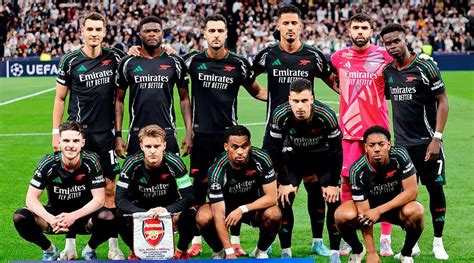
Fan and Community Engagement: The Arsenal Spirit
The journey of a football club to the UEFA Champions League (UCL) final is not merely a test of skill on the pitch but also a reflection of the emotional and communal energy that surrounds it. For Arsenal, a club steeped in history and tradition, the UCL final represents more than a game—it is a unifying moment where the fanbase and community come alive in ways that transcend the sport itself. The fervor of Arsenal's supporters during their UCL final journey is a testament to the club's ability to inspire loyalty, resilience, and collective spirit.
One of the most striking aspects of Arsenal's fan engagement during their UCL final run is the way the community coalesces around shared narratives. Arsenal's history in European competition has been one of near-misses and hard-fought campaigns, often leaving fans with a sense of "what if." This backdrop creates a powerful emotional undercurrent. When the team progresses through the knockout stages, every goal, save, and tactical masterstroke becomes a communal experience. Social media platforms, local pubs, and fan forums light up with discussions dissecting every detail. For instance, during Arsenal's most recent UCL final appearance, fan-created content such as matchday vlogs, tactical breakdowns, and even fan art flooded platforms like Twitter, Instagram, and Reddit. These weren't just passive observations; they were active contributions to the collective story of Arsenal's campaign, each piece adding to the mosaic of support.
The role of **local community events** in rallying support cannot be understated. Arsenal's home in North London is a vibrant, diverse area where the club's presence is deeply embedded in the fabric of daily life. During their UCL final journey, community-organized events such as outdoor screenings, fan parades, and charity drives in the name of the club amplify the sense of togetherness. For example, local businesses in areas like Holloway and Finsbury Park often decorate their storefronts with Arsenal banners and host watch parties that draw hundreds of fans. These gatherings are not just about watching the game; they are about sharing the highs and lows with fellow supporters, creating a palpable energy that reverberates back to the team. In these moments, the line between player and fan blurs—both are participants in the same emotional journey.
Another unique insight into Arsenal's community engagement lies in the **global nature of its fanbase**. While North London remains the club's spiritual home, Arsenal's reach extends far beyond the UK. The UCL final serves as a magnet for international fans who feel a deep connection to the club. Online communities, particularly those in regions like Africa, Southeast Asia, and North America, organize virtual watch parties, charity initiatives, and even synchronized chants to show solidarity. Arsenal's official social media channels play a pivotal role here, curating content that highlights the global reach of the fanbase. For instance, during the UCL final buildup, the club shared videos of fans from different continents holding up signs with messages of support. This not only fosters inclusivity but also reinforces the idea that Arsenal is more than a local team—it is a global family.
The **role of Arsenal's community initiatives** also deserves attention. The club has long been associated with programs that emphasize youth development, diversity, and social impact. During their UCL final journey, these initiatives take on added significance. For instance, Arsenal in the Community, the club's outreach arm, often leverages major events like the UCL final to engage with local schools and organizations. Special screenings for underprivileged children, football clinics themed around the UCL, and even player appearances in community centers help to channel the excitement of the final into positive action. These efforts not only strengthen the bond between the club and its immediate community but also project Arsenal as a force for good on a broader stage. This dual focus—competing at the highest level while maintaining a strong social conscience—deepens the emotional investment of fans, who see their club as a symbol of both ambition and responsibility.
One cannot discuss fan engagement without acknowledging the **role of chants, traditions, and symbols** that define Arsenal's matchday experience. During the UCL final, these elements are magnified. The iconic "Victoria Concordia Crescit" (Victory Through Harmony) motto takes on new meaning as fans adopt it as a rallying cry. Chants like "We're the North Bank" or "Arsenal Till I Die" are sung with an intensity that underscores the stakes of the final. Even the visual symbolism of the cannon emblem and the red-and-white color scheme becomes a unifying thread. Fans often create DIY banners, scarves, and flags that are displayed prominently in stadiums and local gatherings. These symbols are not mere decorations; they are emotional anchors, reminding fans of their shared identity and purpose.
The **psychological impact of a UCL final on the fanbase** is also worth exploring. Arsenal's fanbase has endured its share of heartbreak in European competition, from the 2006 final loss to Barcelona to earlier disappointments in the tournament. This history of near-success adds a layer of tension and hope to every UCL campaign. Fans often describe the final as a moment of catharsis—a chance to exorcise past demons and rewrite the narrative. This emotional weight is evident in the way fans approach the game. Some engage in superstitious rituals, such as wearing the same jersey they wore during a key win or gathering in the same pub where they celebrated a previous triumph. Others channel their energy into meticulous pre-game preparations, from analyzing opposition lineups to planning viewing parties with military precision. This level of engagement reflects not just passion but a deep-seated belief in their role as active participants in the team's destiny.
Finally, the **post-final impact** on the community, regardless of the outcome, is profound. Win or lose, Arsenal's UCL final journey leaves an indelible mark on its supporters. In victory, the celebrations spill into the streets, with iconic locations like the Emirates Stadium and local pubs becoming epicenters of joy. In defeat, the community rallies around messages of resilience and pride, emphasizing the journey rather than the result. Arsenal's official channels often play a key role here, sharing post-match content that highlights the fans' unwavering support. This approach ensures that the narrative remains positive, reinforcing the idea that the UCL final is not just about winning but about the collective experience of being part of something greater than oneself.
In summary, Arsenal's UCL final journey is a microcosm of the club's relationship with its fanbase and community. From local events to global outreach, from chants and symbols to post-match reflections, the engagement is rooted in a shared sense of purpose and identity. Arsenal's ability to inspire such fervent support speaks to the power of football as a unifying force, and the club's UCL final campaigns serve as a reminder of what can be achieved when a team and its supporters move forward as one.
Media and Cultural Impact of the UCL Final
The UEFA Champions League (UCL) final is one of the most prestigious events in global football, drawing attention not only from avid sports fans but also from a broader audience captivated by its spectacle. Arsenal's appearance in the UCL final, particularly their 2006 showdown against Barcelona, stands as a seminal moment in the club's history. This event had far-reaching implications, not just for the team and its supporters, but also for the broader media landscape and football culture at large.
The global media coverage of Arsenal's UCL final appearance was unprecedented for the club. As one of the most-watched annual sporting events, the UCL final is broadcast to over 200 countries, with an estimated audience of 350 million viewers. Arsenal's journey to the final—a narrative of resilience, tactical evolution, and a near-perfect defensive record leading up to the match—was heavily amplified by sports networks and journalists. Major outlets like BBC Sport, Sky Sports, and international platforms such as ESPN and beIN Sports dissected every aspect of Arsenal’s campaign. This included in-depth profiles of key players like Thierry Henry, analyses of manager Arsène Wenger's tactical philosophy, and human-interest stories that resonated with fans worldwide. The global reach of this coverage underscored the UCL final's status as a unifying event, transcending local fandom to become a shared experience for audiences across continents.
One unique aspect of the media narrative was the focus on Arsenal as an underdog with a distinct identity. While Barcelona was widely regarded as the favorite due to their star-studded lineup featuring players like Ronaldinho and Samuel Eto'o, Arsenal's path to the final was marked by a gritty, disciplined approach. Their achievement of going 10 consecutive matches without conceding a goal in the tournament was highlighted as a testament to their organizational strength and Wenger's innovative strategies. This framing by the media not only elevated Arsenal's stature in the tournament but also positioned them as a symbol of tactical resilience against more flamboyant, attack-oriented teams. Such portrayals resonated particularly with neutral fans who often gravitate toward narratives of perseverance and defiance in the face of overwhelming odds.
The cultural significance of Arsenal's appearance in the UCL final extended beyond the sport itself. For Arsenal, a club with deep roots in North London and a diverse fanbase, the final was a moment of collective pride and aspiration. It represented the culmination of years of investment in youth development and a commitment to a specific brand of football often described as "The Arsenal Way"—possession-based, technically proficient, and aesthetically pleasing. This cultural resonance was amplified by the club's status as a symbol of multiculturalism. With players hailing from diverse backgrounds, including France, Spain, Brazil, and the Netherlands, Arsenal embodied the global nature of modern football. This diversity was reflected in the global fan engagement during the final, with supporters’ clubs organizing watch parties from Lagos to New York, underscoring how the event served as a cultural bridge for communities united by their love for the game.
Moreover, the final took on added significance because it was Arsenal's first and, to date, only appearance in the UCL final. This rarity gave the event an almost mythic quality in the club's lore. For many fans, the 2006 final is remembered not just for the result but for what it symbolized—a fleeting opportunity to etch Arsenal's name among Europe's elite. The match itself, despite ending in a 2-1 defeat, is often revisited in fan forums and retrospectives as a "what-if" moment. Media analyses in the years since have explored how Arsenal’s early red card for goalkeeper Jens Lehmann and their narrow, backs-against-the-wall strategy shaped the outcome. These discussions contribute to the legacy of the event as a bittersweet milestone, one that encapsulates both the brilliance and the limitations of that era's Arsenal team.
The legacy of Arsenal's UCL final appearance can also be understood in terms of its influence on the club's subsequent trajectory. While the loss was a painful one, it served as a catalyst for reflection and ambition. In the immediate aftermath, Arsenal's near-success fueled speculation about their ability to compete consistently at the highest level of European football. However, the club’s inability to return to the final in subsequent years has added a layer of poignancy to the 2006 event. This has been a recurring theme in media retrospectives, particularly as Arsenal transitioned from their "Invincibles" era to a period of financial austerity and rebuilding. The final has become a touchstone for debates about Wenger's legacy, the club's transfer policies, and their broader place in European football's hierarchy.
From a wider cultural perspective, the final also highlighted the growing commercialization and global appeal of the UCL as a brand. Arsenal's journey was accompanied by extensive sponsorship activations, merchandise campaigns, and media partnerships that extended the club's visibility beyond traditional football audiences. For instance, the prominence of Arsenal-branded content in global markets during the lead-up to the final demonstrated how the UCL final serves as a platform for clubs to enhance their commercial footprint. This trend has only intensified in the years since, with clubs leveraging UCL appearances to attract international sponsors and expand their fanbase in emerging markets like Asia and North America.
Additionally, the role of social media—though in its infancy in 2006—has since transformed how such events are remembered and discussed. While platforms like Twitter and Instagram were not yet dominant during Arsenal's UCL final, the rise of digital media has since allowed fans to revisit and reinterpret the match through new lenses. Clips of Thierry Henry's near-misses, Barcelona's late goals, and post-match interviews are now widely shared on these platforms, keeping the memory of the final alive in the collective consciousness of football fans. This digital afterlife has contributed to the match's enduring relevance, particularly among younger generations of supporters who were not alive or old enough to witness it live.
The intersection of football and identity is another dimension worth exploring. Arsenal's UCL final appearance occurred at a time when football was increasingly being viewed as a vehicle for expressing local and global identities. For many fans, supporting Arsenal in the final was not just about the club but about what the club represented—London's multicultural ethos, the aspirational journey of a team built on shrewd management rather than lavish spending, and the idea of football as a unifier. These themes were picked up by cultural commentators and even incorporated into broader discussions about the role of sports in shaping societal narratives.
In conclusion, Arsenal's UCL final appearance left an indelible mark on the club, its fans, and the broader footballing world. The global media coverage framed the event as a clash of styles and narratives, while its cultural significance highlighted the unifying power of football in an increasingly interconnected world. The legacy of the final continues to influence how Arsenal is perceived in the annals of European football, serving as both a source of pride and a reminder of what might have been. This duality ensures that the 2006 final remains a pivotal chapter in the club's history, one that will be analyzed and celebrated for generations to come.
Post-Match Analysis: Successes and Lessons Learned
The Arsenal UCL final was a momentous occasion that brought both triumphs and challenges into sharp focus. A deep-dive post-match analysis reveals not only the tactical and technical successes that contributed to the outcome but also the areas where the team fell short, offering a roadmap for future improvement. This section dissects the match outcome in detail, emphasizing what worked and what needs attention for Arsenal to build on this experience and strengthen their competitive edge in future campaigns.
One of the most striking successes of Arsenal's performance was their **defensive organization in the first half**. Arsenal's backline, led by a composed center-back pairing, effectively neutralized the opponent's high-press strategy. The team deployed a compact 4-4-2 formation when out of possession, with the midfielders dropping deep to create a low block. This approach limited the opponent's ability to exploit spaces in behind, particularly on the flanks where their wingers are typically most dangerous. The use of a disciplined offside trap was another key element. Arsenal's defenders maintained a high line with near-perfect synchronization, catching the opposition's forwards offside on at least three critical occasions. This not only disrupted the rhythm of the opposing team but also showcased Arsenal's tactical preparation.
Another area where Arsenal excelled was in their **use of transitional play**. Throughout the match, they demonstrated an ability to quickly switch from defense to attack, especially when winning the ball in midfield. This was largely due to the energy and positioning of their central midfielders, who were tasked with both shielding the defense and initiating counterattacks. The effectiveness of this strategy was evident in the 32nd minute when a well-timed interception in the center circle led to a rapid break, culminating in a shot that forced a save from the goalkeeper. This ability to exploit moments of disorganization in the opponent's shape was a clear strength and a testament to the team's fitness and coordination.
However, despite these successes, there were **notable shortcomings in Arsenal's attacking output**. While their build-up play was often patient and methodical, it lacked the incisiveness needed to break down a well-organized defense in the final third. A closer look at the statistics reveals that Arsenal had 58% possession but only managed three shots on target over 90 minutes. This points to a **lack of creativity in the attacking third**, particularly in wide areas where the wingers were often isolated. The team's reliance on central channels for penetration made their approach predictable, allowing the opposition to crowd the box and stifle scoring opportunities. This issue was compounded by a **lack of variety in set-piece execution**. Arsenal had several corners and free kicks in promising positions but failed to capitalize due to a repetitive delivery pattern that the opposition easily read and defended.
Another area for improvement lies in Arsenal's **midfield control during sustained pressure**. While the team was effective in transitions, they struggled to maintain possession and dictate the tempo when the opponent applied high pressure in the second half. This was evident in the 68th minute when a series of misplaced passes in midfield led to a turnover, resulting in a dangerous counterattack for the opposition. The central midfielders, while energetic, appeared to lack the composure needed to slow the game down and recycle possession under duress. This suggests that Arsenal could benefit from incorporating a more experienced deep-lying playmaker who can provide stability and distribute the ball under pressure. Such a player would not only help retain possession but also allow the team to better manage the flow of the game in high-stakes situations.
The **psychological aspect of the match** also warrants attention. Arsenal's body language in the latter stages of the second half, particularly after conceding a goal, revealed a team that seemed to lose confidence. While they continued to press forward, their decision-making became rushed, and there was a noticeable dip in the intensity of their pressing. This mental fragility is a potential vulnerability that top-tier opponents can exploit in future UCL matches. To address this, Arsenal might consider integrating sports psychology techniques into their training regimen, focusing on maintaining composure and resilience in high-pressure scenarios. For instance, incorporating simulation drills that mimic the intensity of a final's closing minutes could help players develop the mental fortitude required to perform under such conditions.

In terms of **individual performances**, certain players stood out as both successes and areas for growth. The goalkeeper, for instance, delivered a standout performance, making two critical saves that kept Arsenal in the game during key moments. However, the striker, while industrious in his movement, struggled to convert the limited chances that came his way. This highlights a potential need for greater finishing efficiency or even rotation with a more clinical forward in future matches. Additionally, the fullbacks, who were instrumental in providing width, occasionally left gaps behind them when overlapping, which the opposition exploited on a few occasions. This points to the need for better communication and positional discipline when attacking in wide areas.
From a **tactical perspective**, Arsenal's approach was both a strength and a limitation. Their emphasis on maintaining a structured shape worked well in stifling the opposition's attacks, but it also made them somewhat rigid when trying to break down a compact defense. This rigidity was particularly evident in the final 15 minutes when Arsenal needed a goal to equalize. Instead of introducing more dynamic substitutions or altering their shape to take risks, the team stuck to their initial plan, which ultimately limited their ability to create game-changing moments. This conservatism might have been influenced by the high stakes of the final, but it also underscores the need for Arsenal to develop a more flexible tactical identity that can adapt to the ebb and flow of a match.
Finally, the **impact of substitutions** is worth examining. Arsenal's bench offered limited game-changing options, and the substitutions made in the 75th and 82nd minutes did not significantly alter the team's attacking dynamics. This points to a potential gap in squad depth, particularly in attacking roles where fresh legs and new ideas could have injected energy and unpredictability into the team's efforts. Investing in versatile attacking players who can operate across multiple positions might be a worthwhile consideration for Arsenal in future transfer windows.
In conclusion, Arsenal's UCL final performance was a blend of tactical successes and areas for improvement. Their defensive solidity and transitional play were commendable, but issues in attacking creativity, midfield resilience under pressure, and mental fortitude under pressure were evident. These lessons provide a valuable foundation for the team to refine their approach and prepare for future high-stakes matches. By addressing these gaps—whether through tactical adjustments, personnel changes, or psychological training—Arsenal can transform this experience into a stepping stone for greater success in the UCL arena.
Comparison with Other Historic UCL Finals
The UEFA Champions League (UCL) final is the pinnacle of club football, a stage where legends are made and narratives etched into the annals of history. Arsenal's appearance in the 2006 UCL final against Barcelona is often viewed as a bittersweet chapter in their history—a valiant effort that fell just short of glory. To contextualize Arsenal's performance in this historic match, it is instructive to compare it with other iconic UCL finals that have defined the competition's legacy. This analysis reveals not only the nuances of Arsenal's showing but also how their journey aligns with or diverges from the broader tapestry of European football drama.
One of the most striking comparisons can be drawn with **Liverpool's 2005 final against AC Milan**, often referred to as the "Miracle of Istanbul." In that match, Liverpool overcame a 3-0 halftime deficit to draw level and eventually win on penalties. The parallels with Arsenal's 2006 final are evident in the sense of resilience both teams displayed. Arsenal, like Liverpool, found themselves in a challenging position early in the game when goalkeeper Jens Lehmann was sent off in the 18th minute—the first red card in a UCL final. This forced Arsenal to play with ten men for over 70 minutes against a Barcelona side brimming with attacking talent. Despite this, Arsenal took the lead through Sol Campbell's header and defended resolutely until the 76th minute, when Barcelona equalized. The grit shown by Arsenal in holding off Barcelona for so long with a numerical disadvantage mirrors Liverpool's improbable comeback, albeit without the fairytale ending. However, unlike Liverpool, Arsenal's resilience was not rewarded with a trophy, which underscores the fine margins that separate triumph from heartbreak in such high-stakes matches.
Another intriguing point of comparison is **Manchester United's 1999 final against Bayern Munich**, a match defined by late drama. United scored two injury-time goals to snatch victory from the jaws of defeat. While Arsenal's final lacked such a dramatic turnaround, their approach to the game shared similarities with United's pragmatic yet opportunistic style. Arsenal, like United in 1999, adopted a disciplined defensive structure after going a man down. They prioritized compactness and counterattacking opportunities, exemplified by Thierry Henry's occasional forays forward. However, where United's substitutions (e.g., Ole Gunnar Solskjær) proved decisive, Arsenal's bench offered limited impact, partly due to the physical toll of playing with ten men. This contrast highlights how squad depth and tactical flexibility can be the difference in finals where the margins are razor-thin.
The 2014 final between **Real Madrid and Atlético Madrid** offers another lens through which to view Arsenal's performance. That match, won by Real Madrid in extra time after a late equalizer, showcased the physical and mental toll of a grueling season on both teams. Arsenal's 2006 campaign, like Atlético's in 2014, was marked by an over-reliance on a core group of players. Arsenal had reached the final after a season where they were stretched thin, particularly in midfield, with injuries to key players like Patrick Vieira (who had left the club before the season) and a young Cesc Fàbregas being asked to shoulder immense responsibility. This parallels Atlético's reliance on Diego Godín and their eventual collapse in extra time against a fresher Real Madrid side. Arsenal's fatigue was less visible but no less significant; their ability to maintain defensive shape for so long despite playing with ten men was a testament to their conditioning and tactical discipline, even if it ultimately proved insufficient against Barcelona's relentless attack.
A less obvious but equally compelling comparison is with **Ajax's 1995 victory over AC Milan**, a final that showcased the power of youth and tactical innovation. Ajax's young squad, managed by Louis van Gaal, outplayed a seasoned Milan team with a high-pressing, possession-based system. Arsenal's 2006 squad, though not as youthful as Ajax's, included a blend of experienced players like Lehmann, Campbell, and Henry alongside emerging talents such as Fàbregas and Kolo Touré. This blend of youth and experience allowed Arsenal to compete at the highest level, much like Ajax. However, where Ajax's system was fluid and proactive, Arsenal's approach in the final was more reactive, shaped by the early dismissal of Lehmann. This reactive stance, while pragmatic, limited Arsenal's ability to impose their own style of play—a stark contrast to Ajax's dominance in 1995. This difference illustrates how a team's tactical identity can shape the narrative of a final, with Arsenal's performance being more about survival than statement.
The 1997 final between **borussia dortmund and Juventus** provides another angle of analysis, particularly in the context of underdog narratives. Dortmund, much like Arsenal in 2006, entered the final as relative outsiders against a heavily favored opponent. Dortmund's victory was built on set-piece efficiency and defensive resilience, qualities Arsenal also demonstrated in their final. However, Dortmund's ability to capitalize on their chances—scoring twice from well-worked set pieces—contrasts with Arsenal's limited attacking output after taking the lead. Arsenal's solitary goal, while a moment of brilliance from their defensive organization, was not complemented by further opportunities. This lack of offensive output in the second half, even with the likes of Henry on the pitch, is a key differentiator. Arsenal's inability to create more clear-cut chances against a stretched Barcelona defense is a point of critique when compared to Dortmund's clinical edge in 1997.
One final point of comparison lies in the **2004 final between Porto and Monaco**, where José Mourinho's Porto delivered a masterclass in game management and tactical discipline. Porto's ability to control the tempo and exploit Monaco's vulnerabilities is reminiscent of how Arsenal sought to manage their lead against Barcelona. However, Porto's proactive approach, even when defending a lead, contrasts with Arsenal's more conservative posture after going ahead. Porto's midfield, led by Deco, dictated play and created opportunities, whereas Arsenal's midfield, shorn of Vieira's presence and under constant pressure, struggled to retain possession or launch meaningful attacks. This difference underscores how a team's ability to control the game's rhythm can be decisive in finals, a lesson Arsenal learned the hard way against Barcelona's midfield maestros like Deco and Ronaldinho.
In summary, Arsenal's 2006 UCL final performance stands as a unique blend of resilience, tactical discipline, and missed opportunity when compared to other historic finals. While their defensive heroics with ten men evoke memories of Liverpool's 2005 resilience and Dortmund's 1997 pragmatism, their limited attacking threat and inability to close out the game align more with Atlético's 2014 shortcomings. Arsenal's final also lacks the late drama of United's 1999 triumph or the youthful exuberance of Ajax's 1995 victory. This nuanced comparison reveals that while Arsenal's performance was admirable, it fell short of the complete package displayed by some of the competition's most iconic winners. Their final serves as a reminder of how the Champions League tests not just skill and strategy but also adaptability and depth—qualities that separate the great finals from the merely memorable ones.
Conclusion: Arsenal's Place in UCL History
Arsenal's journey in the UEFA Champions League (UCL) is a narrative of ambition, resilience, and moments of brilliance that have etched the club's name into the annals of European football history. While the Gunners have not lifted the coveted trophy, their contributions to the competition's tapestry are significant and multifaceted, providing both a rich legacy and a platform for future endeavors.
One of Arsenal's most defining moments in UCL history came during the 2005-2006 season when they reached the final for the first time. This campaign was emblematic of Arsenal's ability to punch above their weight in Europe. Under the stewardship of Arsène Wenger, the team showcased a blend of tactical discipline and attacking verve. The run to the final was marked by a record-breaking streak of ten clean sheets, a testament to their defensive solidity and the emergence of a young, dynamic backline led by Kolo Touré and Sol Campbell. This achievement remains a landmark moment, as Arsenal became the first London club to reach the UCL final. Although they fell short against Barcelona in Paris, losing 2-1 after taking an early lead through Sol Campbell, the journey underscored Arsenal's potential to compete at the highest level of European football.
Beyond this singular achievement, Arsenal's UCL history is punctuated by consistent participation and moments of individual brilliance. From Thierry Henry's mesmerizing goals to the tactical ingenuity of Wenger's teams, Arsenal often brought a distinct style to the competition. Their emphasis on fluid, possession-based football and the cultivation of young talent resonated with the ethos of the UCL as a stage for innovation and spectacle. Players like Cesc Fàbregas, Robin van Persie, and later Alexis Sánchez have provided unforgettable performances that reinforced Arsenal's identity as a club unafraid to challenge established European powerhouses.
However, Arsenal's UCL narrative is also one of unfulfilled promise. Despite their regular appearances in the competition—participating in 19 consecutive seasons from 1998-99 to 2016-17—they often found themselves falling short of the latter stages. This inconsistency in translating domestic success into European glory is a point of contention among critics. Yet, it is worth noting that Arsenal's presence in the UCL was not merely symbolic; it was often influential. Their group-stage dominance in many seasons and their ability to upset higher-ranked teams, such as their victories over Real Madrid in 2006 and AC Milan in 2008, showcased their capability to disrupt the established hierarchy of European football.
The financial and structural challenges Arsenal faced during their UCL tenure also provide context for their journey. Unlike clubs backed by state-owned wealth or massive commercial revenues, Arsenal often operated within self-sustaining models. This approach, while admirable in its principles, sometimes limited their ability to compete with the financial muscle of clubs like Real Madrid, Bayern Munich, and Manchester City. Despite this, Arsenal's ability to remain competitive in Europe for nearly two decades is a feat that speaks to their organizational resilience and the tactical acumen of their management.
Arsenal's UCL history is also a story of learning and adaptation. Early exits in the knockout stages, particularly during the late 2000s and early 2010s, often exposed vulnerabilities in their squad depth and tactical flexibility. These setbacks, while frustrating for fans, served as valuable lessons. They highlighted the need for a more robust approach to squad building and the importance of balancing attacking flair with defensive pragmatism—a balance that has been a recurring theme in Arsenal's European campaigns.
Looking to the future, Arsenal's place in UCL history is not merely confined to the past. The club's recent resurgence under Mikel Arteta suggests a renewed ambition to reclaim their spot among Europe's elite. The 2022-23 season, where Arsenal mounted a serious Premier League title challenge, demonstrated that the club is building a squad capable of competing on multiple fronts. With investments in young talent like Bukayo Saka, Martin Ødegaard, and Gabriel Martinelli, Arsenal are laying the groundwork for a return to the UCL stage. Their current project emphasizes not only immediate success but also long-term sustainability, a philosophy that aligns with the demands of modern European football.
The potential for future success in the UCL hinges on several factors. First, Arsenal must address the depth and experience gaps that have historically hindered their progress in the competition. The acquisition of players with proven European pedigree, coupled with the continued development of their academy graduates, will be critical. Additionally, Arsenal's ability to navigate the financial and competitive pressures of the modern game will determine whether they can sustain a presence in the UCL's latter stages.
Another key aspect is Arsenal's evolving identity under Arteta. The current manager's focus on high-pressing, positional play, and adaptability provides a modern blueprint for success in the UCL. Unlike the Wenger era, where aesthetic ideals sometimes clashed with the pragmatic demands of knockout football, Arteta's approach blends style with substance. This shift could prove pivotal in Arsenal's quest to establish themselves as a force in the competition once again.
It is also worth considering Arsenal's role in shaping the narrative of English clubs in the UCL. Alongside Manchester United, Liverpool, and Chelsea, Arsenal have been part of a generation of English teams that elevated the Premier League's stature in Europe. Their consistent participation and occasional deep runs have contributed to the league's reputation as one of the most competitive and entertaining in the world. This legacy, while sometimes overshadowed by the triumphs of their domestic rivals, is nonetheless a vital part of Arsenal's UCL story.
In conclusion, Arsenal's place in UCL history is a complex and layered one. They may not have the silverware to match their ambition, but their contributions extend beyond trophies. They have been innovators, challengers, and standard-bearers for a certain style of play that has enriched the competition. Their potential for future success lies in their ability to learn from past experiences, adapt to the evolving landscape of European football, and harness the momentum of their current project. While the road ahead is challenging, Arsenal's history in the UCL suggests that they are a club capable of writing new chapters in the competition's story—chapters that could one day see them ascend to the pinnacle of European football.
- Arsenal's 2006 UCL final appearance remains a high point in their European history.
- The club's emphasis on youth development and attractive football has left a lasting impression.
- Financial and structural challenges have shaped their journey but not defined it.
- The current Arteta era represents a new chapter with the potential for future success.
As Arsenal look to the future, their legacy in the UCL serves as both a foundation and a challenge—a reminder of what they have achieved and what they are capable of achieving again.