Introduction to Arsenal in the UCL
Arsenal's participation in the UEFA Champions League (UCL) is a story woven with moments of brilliance, heartbreak, and a persistent quest for European glory. As one of England's most storied football clubs, Arsenal has left an indelible mark on the competition, even if the ultimate prize—lifting the trophy—has eluded them. This section delves into Arsenal's legacy in the UCL, emphasizing their significance in shaping the tournament's narrative and their contributions to its rich history.
Arsenal first qualified for the Champions League in the 1998-99 season, a milestone that marked their transition from a strong domestic competitor to a club with European ambitions. Under the stewardship of manager Arsène Wenger, the club began to adopt a style of play that was not only effective in the Premier League but also adaptable to the demands of European football. Wenger's philosophy of attractive, possession-based football was a stark contrast to the more pragmatic approaches of many English teams of the era. This shift was significant because it showcased Arsenal as a club capable of competing with Europe's elite on both tactical and aesthetic levels.
One of the hallmarks of Arsenal's early UCL campaigns was their ability to navigate the group stages with relative ease. Between 2003 and 2006, Arsenal reached the knockout stages consistently, a period that coincided with their "Invincibles" season in the Premier League. This era was defined by a core of world-class players such as Thierry Henry, Patrick Vieira, and Robert Pires, who brought a blend of creativity, physicality, and tactical intelligence to the European stage. Henry, in particular, became synonymous with Arsenal's UCL exploits, scoring pivotal goals and embodying the club's attacking ethos. His performances, especially in high-stakes matches, elevated Arsenal's reputation as a team that could challenge the traditional powerhouses of European football.
The 2005-06 season stands out as a watershed moment in Arsenal's UCL journey. That year, they became the first London club to reach the final of the competition. Their path to the final was marked by a series of dramatic moments, including a memorable victory over Real Madrid at the Santiago Bernabéu, where Henry scored a stunning solo goal. Arsenal's run to the final was also characterized by a defensive solidity that was uncharacteristic of Wenger's teams. They set a record by not conceding a goal in 10 consecutive matches, a testament to their adaptability and the emergence of a young defensive talent in Kolo Touré. However, the final itself was a bittersweet experience. Facing Barcelona in Paris, Arsenal took an early lead through Sol Campbell but ultimately succumbed to a 2-1 defeat. This loss, while painful, underscored Arsenal's ability to compete at the highest level and left fans with a sense of "what might have been."
Beyond individual seasons, Arsenal's participation in the UCL has been a reflection of their broader identity as a club. Their consistent qualification for the competition during Wenger's tenure—spanning nearly two decades—was a feat in itself. This regularity highlighted Arsenal's stability and their ability to remain competitive despite financial constraints compared to clubs like Manchester United, Real Madrid, or Barcelona. The club's move to the Emirates Stadium in 2006 was partly motivated by the need to sustain their UCL ambitions, as the increased revenue from the new stadium was seen as a way to compete in an era of escalating transfer fees and wages. However, this period also revealed the challenges of balancing domestic and European priorities, as Arsenal often found themselves stretched thin, particularly during periods of squad transition.
Arsenal's UCL legacy is also shaped by their role in some of the competition's most iconic matches. The 2003-04 campaign saw them face Chelsea in a thrilling quarter-final that ended in a 3-2 aggregate defeat, but the tie showcased the intensity of all-English clashes in the UCL. Similarly, their 2008-09 semi-final against Manchester United was a rollercoaster of emotions, with Arsenal falling short in a 4-1 aggregate loss. These matches not only emphasized Arsenal's ability to compete but also highlighted the fine margins that separate success from failure in Europe's premier club competition.
Another dimension of Arsenal's UCL story is their impact on player development and European exposure for young talents. The competition has served as a platform for emerging stars like Cesc Fàbregas, who made his mark as a teenager in the UCL, and more recently, players such as Bukayo Saka and Gabriel Martinelli. Arsenal's willingness to blood young players in high-pressure European games has been both a strength and a gamble, illustrating their commitment to long-term development over short-term results. This approach has sometimes backfired, as seen in their inability to progress beyond the round of 16 for several consecutive seasons in the 2010s, but it has also reinforced their identity as a club that values youth and innovation.
It is also worth considering Arsenal's absence from the UCL in recent years. After a prolonged period of participation, the club experienced a hiatus from the competition following their decline in domestic form post-2017. This absence has been a sobering reminder of the cyclical nature of football success and the challenges of maintaining a presence among Europe's elite. However, their return to the UCL in the 2023-24 season, following a strong Premier League campaign, has reignited hopes among fans and underlined the club's resilience. This resurgence is not just about qualifying but about reasserting Arsenal's place in the European hierarchy, a narrative that adds layers of intrigue to their modern-day UCL story.
From a broader perspective, Arsenal's UCL journey is significant because it reflects the evolution of English football in the competition. The club has been part of the wave of Premier League teams that have challenged the dominance of Spanish and Italian sides in the UCL. Their matches against clubs like Barcelona, Bayern Munich, and AC Milan have often been billed as clashes of styles—Arsenal's fluid, attacking football against the structured, disciplined approaches of their opponents. These encounters have not only entertained fans but also contributed to the global appeal of the UCL as a stage for diverse footballing philosophies.
In summary, Arsenal's participation in the UEFA Champions League is a multifaceted story of ambition, innovation, and resilience. While they have yet to claim the trophy, their legacy in the competition is undeniable. From their early forays under Wenger to their recent return, Arsenal has been a club that embodies the spirit of European competition—striving for greatness while navigating the complexities of modern football. Their significance lies not just in their results but in their ability to inspire, entertain, and challenge the status quo of what it means to be a top-tier European club.
- Arsenal's early UCL campaigns highlighted their transition to European ambitions under Wenger.
- The 2005-06 season marked their first and only UCL final appearance, a defining moment in their history.
- The club's emphasis on youth development has shaped their UCL identity, for better or worse.
- Their recent return to the competition signals a new chapter in their European story.
This deep dive into Arsenal's UCL legacy reveals a club that has been both a protagonist and a symbol of the competition's dynamism, making their story a compelling chapter in the annals of European football.
Early Years in the Competition
Arsenal's journey in the UEFA Champions League (UCL) began in the late 1990s, a period when the club was establishing itself as a consistent force in English football under the management of Arsène Wenger. Their initial appearances in Europe's premier club competition were marked by a blend of promise, learning experiences, and the inevitable challenges that come with competing at the highest level. This section delves into Arsenal's early years in the UCL, highlighting key matches, the strategic evolution of the team, and the hurdles they faced during this formative period.
Arsenal first qualified for the Champions League in the 1998-99 season, having won the Premier League title the previous year. This was a significant milestone for the club, as it marked their return to top-tier European competition after a gap of several years. However, their debut campaign was far from smooth. Drawn into a group with Lens, Dynamo Kyiv, and Panathinaikos, Arsenal found themselves in a competitive environment where even a single slip could prove costly. Their first-ever UCL match, a 1-1 draw against Lens at Highbury, set the tone for a campaign of mixed results. Despite showing flashes of quality, particularly in a 3-2 victory over Panathinaikos, Arsenal struggled to adapt to the tactical demands of European football. They finished third in their group, failing to progress to the knockout stages and instead dropping into the UEFA Cup.
One of the key challenges Arsenal faced in these early years was the adjustment to the pace and physicality of European matches. Unlike the Premier League, where their fluid, possession-based style often overwhelmed opponents, UCL games demanded a higher level of tactical discipline. Teams like Dynamo Kyiv exploited Arsenal's occasional defensive naivety, exposing gaps in their backline and capitalizing on set-piece opportunities. This was evident in their 3-1 defeat away to Kyiv, a match that highlighted the need for greater cohesion and experience at the back. Players like Tony Adams and Martin Keown, while stalwarts in domestic competitions, were learning to adapt to the different rhythms of European nights.
The 1999-2000 season saw Arsenal return to the UCL with a renewed sense of purpose. This time, they navigated the group stage more confidently, finishing second behind Fiorentina but ahead of Barcelona and AIK. A standout match during this campaign was their 1-1 draw against Barcelona at Wembley Stadium, where Arsenal demonstrated their ability to compete with European giants. Marc Overmars scored a crucial goal in that match, showcasing the attacking potency that Wenger's teams were beginning to develop. However, their journey was cut short in the second group stage, where they were pooled with Bayern Munich, Spartak Moscow, and Lyon. The grueling nature of this extended format exposed Arsenal's lack of squad depth, as injuries and fatigue took their toll. A 1-0 loss to Spartak Moscow in freezing conditions underscored the physical and mental toll of competing on multiple fronts.
The early 2000s marked a turning point for Arsenal in the UCL, as they began to establish a more defined identity in the competition. Their 2000-01 campaign included a memorable 3-2 win over Lazio at the Stadio Olimpico, a result that underscored their growing confidence on the European stage. This victory was particularly significant because it came against a Lazio side that boasted world-class talent like Pavel Nedvěd and Juan Sebastián Verón. Arsenal's ability to secure such a result away from home signaled their potential to challenge at the highest level. However, the team still faced inconsistencies, particularly in knockout scenarios. Their round of 16 exit at the hands of Valencia in 2001 was a bitter disappointment, as they were undone by a 1-0 aggregate scoreline despite creating numerous chances over two legs.
A recurring theme in Arsenal's early UCL years was their struggle to balance attacking flair with defensive solidity. Wenger's philosophy of attractive, high-tempo football often left them vulnerable to counterattacks, especially against teams with well-organized midfields and pacy forwards. This was evident in their group-stage matches against Shakhtar Donetsk and Spartak Moscow, where Arsenal's backline was frequently caught out of position. While players like Thierry Henry and Dennis Bergkamp provided moments of individual brilliance, the team as a whole lacked the tactical maturity to see out tightly contested matches. This was a period of trial and error for Wenger, who was experimenting with different formations and player combinations to find the right balance for European success.
Another significant challenge during this period was the financial disparity between Arsenal and some of their continental rivals. While clubs like Real Madrid and Manchester United were investing heavily in star players, Arsenal operated within more constrained budgets. This meant that Wenger had to rely on a mix of young talents and experienced players to compete. The emergence of academy graduates such as Ashley Cole and Ray Parlour provided a glimpse of Arsenal's long-term vision, but the lack of a deep, experienced squad often left them exposed in high-stakes matches. For instance, their 2003-04 campaign saw them top their group unbeaten, only to be eliminated by Chelsea in the quarter-finals. The tie was a microcosm of their early UCL struggles—dominant in patches but unable to convert their superiority into decisive results.
Despite these challenges, Arsenal's early years in the UCL laid the groundwork for future success. Their matches against European heavyweights provided invaluable experience for both the players and the coaching staff. Key fixtures, such as their encounters with Barcelona and Bayern Munich, offered lessons in how to approach games with a mix of tactical discipline and attacking intent. The 2003-04 season, in particular, was a watershed moment, as Arsenal's unbeaten Premier League campaign coincided with their best UCL performance to date. Although they fell short of the ultimate prize, their progress in the competition hinted at the potential for sustained success in the years to come.
In summary, Arsenal's initial appearances in the UCL were characterized by a steep learning curve. From adapting to the unique demands of European football to addressing tactical and financial limitations, the club faced numerous obstacles. However, these early experiences were instrumental in shaping their approach to future campaigns. The matches against teams like Lazio, Barcelona, and Valencia not only tested their mettle but also provided a platform for growth. As Arsenal continued to evolve under Wenger's guidance, their early UCL years served as both a challenge and a catalyst for the club's broader ambitions in European football.
Iconic Matches and Performances
Arsenal's journey in the UEFA Champions League (UCL) has been a rollercoaster of emotions, filled with moments of brilliance, heartbreak, and unforgettable drama. While the club has yet to lift the coveted trophy, their participation has given fans some of the most iconic matches and performances in the competition's history. This section delves into some of those standout games that have etched themselves into the annals of Arsenal's European legacy.
One of the most memorable matches in Arsenal's UCL history came during the 2003-04 season, a year when the team was famously dubbed "The Invincibles" in domestic competition. In the quarter-finals, Arsenal faced Chelsea in a high-stakes London derby. The first leg at Stamford Bridge ended in a 1-1 draw, but the return leg at Highbury showcased Arsenal's resilience. Jose Antonio Reyes scored early to give Arsenal the lead, and despite a late equalizer from Frank Lampard, Arsenal held on to progress on away goals. This victory was not just about advancing in the tournament but about asserting dominance in a fiercely competitive era of English football. The match also underscored Arsenal's tactical flexibility under Arsène Wenger, as they managed to stifle Chelsea's attacking threats while maintaining their own attacking intent.
Another iconic performance came in the 2005-06 season, which saw Arsenal reach their first and only UCL final. En route to the final, Arsenal faced Real Madrid in the round of 16—a tie that many predicted would be the end of their European campaign. However, Arsenal defied the odds with a historic 1-0 victory at the Santiago Bernabéu, courtesy of a stunning solo goal from Thierry Henry. This win was not just about the scoreline but about the manner in which Arsenal outplayed one of Europe's giants on their home turf. The second leg at Highbury ended in a goalless draw, but the result was enough to send Arsenal through. This match is often cited as a prime example of Arsenal's ability to rise to the occasion, combining defensive solidity with moments of individual brilliance.
The 2005-06 campaign also included a semi-final clash against Villarreal, where Arsenal's defensive prowess was on full display. The first leg at Highbury ended in a 1-0 win for Arsenal, but the second leg in Spain was a nerve-wracking affair. With the game poised at 0-0 and Villarreal pressing for an equalizer, the match entered stoppage time with Arsenal clinging to their aggregate lead. In a dramatic moment, Villarreal were awarded a penalty, only for Arsenal's goalkeeper, Jens Lehmann, to save it. This save not only preserved Arsenal's clean sheet but also secured their place in the final. Lehmann's heroics in this match exemplify how individual moments can define a team's European journey.
No discussion of Arsenal's UCL history would be complete without mentioning the 2009-10 campaign, where Arsenal faced Porto in the round of 16. After losing the first leg 2-1 in Portugal, Arsenal needed a strong performance in the return leg at the Emirates Stadium. What followed was a masterclass in attacking football. Arsenal won the second leg 5-0, with Nicklas Bendtner scoring a hat-trick. This match is remembered not only for the emphatic scoreline but also for the fluidity of Arsenal's play. The game showcased Wenger's philosophy of attacking football, with players like Cesc Fàbregas and Samir Nasri orchestrating the midfield. This victory demonstrated Arsenal's capability to bounce back from adversity and turn a deficit into a statement win.

One of the most dramatic UCL matches involving Arsenal occurred in the 2011-12 group stage against borussia dortmund. The match at the Emirates ended in a thrilling 2-1 victory for Arsenal, with Robin van Persie scoring both goals. This game was significant because it highlighted Arsenal's ability to compete against top European sides in a group that also included Marseille and Olympiacos. Van Persie's performance in this match—combining clinical finishing with intelligent movement—epitomized his status as one of Arsenal's most lethal forwards in the UCL era.
Another high-scoring affair that stands out is the 2015 match against Monaco in the round of 16. While the tie ultimately ended in disappointment for Arsenal (they were eliminated on away goals despite winning the second leg 2-0), the first leg at the Emirates was a lesson in the perils of complacency. Arsenal suffered a shocking 3-1 defeat at home, with defensive lapses proving costly. However, the second leg in Monaco saw Arsenal mount a valiant comeback, winning 2-0 with goals from Olivier Giroud and Aaron Ramsey. Though they fell short of progressing, this match is remembered for Arsenal's fighting spirit and their ability to dominate away from home against a defensively strong side.
A more recent iconic moment came in the 2018-19 Europa League (while not UCL, it is worth mentioning as it reflects Arsenal's European pedigree) when they faced Valencia in the semi-finals. After a tense first leg that ended 3-1 in Arsenal's favor, the second leg in Spain was a high-pressure encounter. Arsenal emerged victorious with a 4-2 win, driven by a Pierre-Emerick Aubameyang hat-trick. This performance showcased Arsenal's ability to thrive in high-stakes European matches, even when the odds were stacked against them.
It is also worth reflecting on some of the heartbreaking moments that are part of Arsenal's UCL story. The 2006 final against Barcelona remains a bittersweet memory. Arsenal took the lead through Sol Campbell and held it for much of the game, even after Lehmann was sent off early in the match. However, late goals from Samuel Eto'o and Juliano Belletti saw Barcelona snatch the trophy away. This match is a testament to Arsenal's grit and the fine margins that often decide UCL glory.
Arsenal's UCL history is also marked by high-scoring group stage games that showcased their attacking flair. For instance, a 7-0 demolition of Slavia Prague in the 2007-08 group stage remains one of their most dominant performances. The match featured goals from players like Fabregas, Hleb, and Walcott, emphasizing Arsenal's ability to dismantle weaker opposition when in full flow. These games, while less dramatic than knockout ties, are crucial in understanding Arsenal's European identity as a team capable of producing scintillating football.
In summary, Arsenal's UCL journey is a tapestry of dramatic comebacks, high-scoring thrillers, and pivotal victories that reflect both their potential and their vulnerabilities. Whether it was Thierry Henry's solo brilliance against Real Madrid, Jens Lehmann's penalty save against Villarreal, or the team's collective resilience in high-pressure games, these matches have left an indelible mark on Arsenal's European legacy. While the ultimate prize has eluded them, their performances in the UCL have provided fans with moments that epitomize the beauty and unpredictability of football at its highest level.
Tactical Evolution Under Wenger
Arsène Wenger's tenure at Arsenal is often remembered for its blend of aesthetic football and ambitious European campaigns. While the club never lifted the UEFA Champions League (UCL) trophy under his guidance, Wenger's tactical evolution played a pivotal role in shaping Arsenal's identity in European competitions. His approach to the game not only refined the club's domestic style but also attempted to craft a distinct European strategy that balanced technical prowess with pragmatic adaptability.
In the early years of Wenger's reign, Arsenal's UCL campaigns were marked by a high-energy, possession-oriented style that emphasized quick passing and fluid movement. This was a natural extension of the "Wengerball" philosophy that had already taken root in the Premier League. However, the European stage demanded a different kind of resilience. Unlike the Premier League, where physicality and direct play often held sway, the UCL required teams to navigate intricate tactical setups, patient build-ups, and the pressures of knockout football. Wenger, initially, leaned into his belief in attacking football, often fielding lineups that prioritized creativity over defensive solidity.
One of the defining features of Arsenal's early UCL campaigns under Wenger was the use of a 4-4-2 formation with a twist. Wenger's interpretation involved wide midfielders like Robert Pires and Freddie Ljungberg who were given license to drift inside and support the forwards. This system allowed Arsenal to overload central areas, creating numerical superiority in the final third. The 2003-04 season, during which Arsenal went unbeaten in the Premier League, showcased this philosophy at its peak. In Europe, however, this approach was tested against teams like Chelsea and Valencia, who countered Arsenal's fluidity with compact defensive structures. The lack of a clear Plan B often left Arsenal exposed, particularly in away fixtures where their open style invited counterattacks.
The 2005-06 season marked a turning point in Wenger's tactical evolution. This was the year Arsenal reached their first and only UCL final, losing 2-1 to Barcelona. In this campaign, Wenger shifted towards a more pragmatic 4-5-1 system, particularly in the knockout stages. This shift was partly driven by necessity—injuries to key players like Thierry Henry forced Wenger to adapt—but it also reflected a growing understanding of the need for control in European matches. The midfield trio of Cesc Fàbregas, Gilberto Silva, and Alexander Hleb provided a balance of creativity and defensive cover. This setup allowed Arsenal to absorb pressure and hit teams on the break, a stark contrast to their earlier gung-ho approach. The semi-final victory over Villarreal, where Arsenal kept a clean sheet over two legs, exemplified this newfound tactical maturity.
However, the final against Barcelona revealed the limitations of this transitional phase in Wenger's tactics. While Arsenal took an early lead through Sol Campbell, their inability to sustain possession and manage the game in the second half exposed vulnerabilities. Barcelona's relentless pressure and superior ball retention ultimately overturned the deficit. This match symbolized the duality of Wenger's European strategy—ambitious in its intent but often lacking the structural robustness to compete against Europe's elite over 90 minutes.
In the later years of Wenger's tenure, particularly after the move to the Emirates Stadium in 2006, Arsenal's UCL campaigns were shaped by financial constraints and a younger, less experienced squad. Wenger adapted by emphasizing youth development and technical proficiency, often fielding teams that were technically gifted but physically outmatched in key areas. The 4-2-3-1 formation became a staple during this era, with players like Samir Nasri, Jack Wilshere, and later Mesut Özil tasked with orchestrating play. While this system offered fluidity and creativity, it often lacked the defensive cohesion required to navigate deep UCL runs. The 2009-10 and 2010-11 campaigns, where Arsenal were eliminated in the round of 16 by Barcelona and Manchester United respectively, highlighted this imbalance. Wenger's teams could dazzle in moments but struggled to impose themselves over two legs against opponents with clear tactical blueprints.
One of the most intriguing aspects of Wenger's European strategy was his emphasis on youth and technical skill over experience. This was both a strength and a weakness. On one hand, it allowed Arsenal to produce scintillating performances, such as the 2-1 victory over Barcelona in the 2010-11 round of 16 first leg, where a young Jack Wilshere shone in midfield. On the other hand, this reliance on youth often meant a lack of composure in high-pressure situations. The 8-2 defeat to Manchester United in the Premier League in 2011 and the 10-2 aggregate loss to Bayern Munich in the 2016-17 UCL round of 16 were stark reminders of how Wenger's idealism sometimes clashed with the harsh realities of elite European football.
Wenger's later years also saw a gradual shift towards a more conservative approach in Europe, particularly in away games. This was evident in the 2014-15 and 2015-16 campaigns, where Arsenal adopted a lower defensive block and looked to exploit transitions. The victories over Bayern Munich and Napoli during this period demonstrated a more calculated side of Wenger's management. However, these moments were exceptions rather than the rule, as Arsenal often reverted to their expansive style in home fixtures, leaving them vulnerable to away goals.
A critical analysis of Wenger's UCL campaigns reveals a manager who was both a visionary and a pragmatist, albeit one who struggled to fully reconcile these two aspects of his philosophy. His belief in the beauty of the game often led to teams that were a joy to watch but occasionally lacked the ruthlessness required in European competitions. This was particularly evident in his reluctance to prioritize defensive solidity over attacking fluidity, even when the stakes demanded it. For instance, the repeated failures to address Arsenal's defensive fragility—whether through squad recruitment or in-game adjustments—were a recurring theme in their UCL exits.
In summary, Wenger's tactical evolution in the UCL can be seen as a microcosm of his broader philosophy at Arsenal. He sought to marry artistry with effectiveness, often pushing the boundaries of what was possible with the resources at his disposal. While his teams were capable of moments of brilliance—such as the invincible season's overlap with European campaigns or the near-miss in 2006—they were also emblematic of the challenges faced by a manager who valued expression over efficiency. Wenger's legacy in the UCL is one of ambition and innovation, even if the ultimate prize eluded him. His approach not only defined Arsenal's European style of play during his era but also left an indelible mark on how the club is perceived in the broader context of European football.
Notable Rivalries in the UCL
Arsenal's journey in the UEFA Champions League (UCL) has been marked by moments of brilliance, heartbreak, and intense rivalries that have defined their European legacy. While the club has not lifted the trophy, their encounters with some of Europe's elite teams have created narratives that resonate deeply with fans and football historians alike. Among these, rivalries with teams like **Barcelona**, **Bayern Munich**, and a few others stand out as particularly notable for their competitive intensity, recurring storylines, and the sheer quality of football on display.
One of Arsenal's most enduring and high-profile rivalries in the UCL has been with **Barcelona**. This rivalry is steeped in a clash of footballing philosophies—Arsenal's fluid, possession-based style under Arsène Wenger often mirrored Barcelona's tiki-taka approach, making their matches a spectacle of technical prowess. The 2006 UCL final in Paris is perhaps the most iconic chapter of this rivalry. Arsenal, in their first-ever Champions League final, took an early lead through Sol Campbell, only to succumb to a Barcelona comeback led by Samuel Eto'o and Juliano Belletti. This loss was a bitter pill for Arsenal, especially given Jens Lehmann's early red card, which many fans believe altered the course of the match. However, the rivalry did not end there. In the 2010 round of 16, Arsenal managed a stunning 2-1 win at the Emirates, with Robin van Persie and Andrey Arshavin overturning a Zlatan Ibrahimović opener. Yet, the second leg at Camp Nou saw Lionel Messi's masterclass—a four-goal haul that underlined Barcelona's dominance. These matches highlighted not just Barcelona's superiority in that era but also Arsenal's ability to challenge them momentarily, even if they often fell short in the end.
Another formidable adversary for Arsenal in the UCL has been **Bayern Munich**, a team that has often been a yardstick for European excellence. The recurring nature of their clashes, particularly in the knockout stages, has given this rivalry a sense of inevitability and frustration for Arsenal fans. Between 2013 and 2017, Arsenal faced Bayern four times in the round of 16, with the German giants prevailing on each occasion. The 2013 encounter was particularly agonizing—after a 3-1 loss at the Emirates, Arsenal nearly pulled off a miraculous comeback in Munich, winning 2-0 but falling short on away goals. This pattern of narrow defeats and fleeting moments of hope became a recurring theme. The 2017 tie was perhaps the most emblematic of Arsenal's struggles against Bayern. A 5-1 defeat in both legs exposed the growing chasm between the two teams, as Arsenal's defensive vulnerabilities and lack of squad depth were laid bare against Bayern's ruthlessness. These matches not only underscored Bayern's dominance but also fueled debates about Arsenal's ability to compete at the highest level in Europe.
Beyond Barcelona and Bayern, Arsenal has also had significant rivalries with other European powerhouses. **AC Milan**, for instance, provided a memorable clash in the 2007-08 round of 16. Arsenal's 2-0 victory at the San Siro was a landmark moment—it was the first time an English team had beaten AC Milan on their home turf in the Champions League. The match was a testament to Arsenal's ability to rise to the occasion against storied opponents, with Cesc Fàbregas and Emmanuel Adebayor delivering the goals. This win was particularly significant because it came during a period when AC Milan was considered one of Europe's most formidable sides, having won the competition just two years prior. However, such highs were often followed by lows, as Arsenal's inconsistency in maintaining their European form became evident in subsequent campaigns.
Another intriguing rivalry, albeit less frequent, was with **Chelsea** in the UCL. While both teams are English, their meetings in Europe carried an added edge due to their domestic rivalry. The 2003-04 quarter-final clash was particularly tense, with Arsenal knocking out a Chelsea side that was beginning to assert itself as a European force under Roman Abramovich's ownership. The matches were characterized by tactical battles, with Wenger's attacking philosophy often pitted against Chelsea's more pragmatic approach under managers like Claudio Ranieri and later José Mourinho. These encounters were not just about advancing in the tournament but also about asserting dominance in the broader narrative of English football supremacy.
It is also worth examining Arsenal's clashes with **Manchester United** in the UCL, particularly the 2008-09 semi-final. This was a rare instance of two English teams meeting so deep in the competition, and the tie had all the hallmarks of a classic rivalry. United, managed by Sir Alex Ferguson, were at the peak of their powers, while Arsenal, despite their young squad, were eager to prove their mettle. The first leg at Old Trafford ended in a 1-0 win for United, but the second leg was a masterclass in efficiency from Ferguson's team, who won 3-1 at the Emirates. This result was a microcosm of Arsenal's challenges in the late 2000s—they often showed promise but were undone by more experienced and physically robust opponents.
What makes these rivalries particularly compelling is the **context of Arsenal's broader European journey**. Unlike clubs like Barcelona or Bayern, who have consistently been among the favorites to win the tournament, Arsenal's presence in the UCL was often framed as a battle against the odds. Their ability to reach the latter stages of the competition, particularly during the mid-2000s and early 2010s, was a testament to Wenger's philosophy of nurturing young talent and playing attractive football. However, this approach also had its limitations, as Arsenal often lacked the defensive solidity and squad depth required to overcome Europe's elite consistently.
The recurring theme in Arsenal's UCL rivalries is one of **near-misses and what-ifs**. Whether it was the heartbreak of the 2006 final, the frustration of repeated knockouts by Bayern, or the fleeting moments of triumph against AC Milan and Chelsea, these rivalries reveal a club that was often on the cusp of greatness but struggled to take the final step. This dynamic has made Arsenal's UCL story one of both admiration and critique—a team capable of producing scintillating football but one that often fell short when it mattered most.
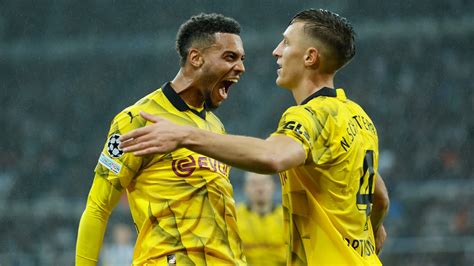
In summary, Arsenal's key rivalries in the Champions League are a microcosm of their European identity—ambitious, talented, but often outgunned by teams with greater resources or experience. These rivalries with Barcelona, Bayern Munich, AC Milan, and others have not only shaped Arsenal's UCL legacy but also provided some of the most memorable moments in their modern history. They serve as a reminder of the fine margins that separate success and failure at the highest level of European football.
Key Players and Contributions
Arsenal's journey in the UEFA Champions League (UCL) has been marked by moments of brilliance, heartbreak, and the indelible impact of certain standout players. These individuals not only elevated the team's performance but also left a lasting legacy in the club's history. Among the many who donned the Arsenal shirt in UCL campaigns, Thierry Henry, Cesc Fàbregas, and Robin van Persie stand out as players whose contributions were both consistent and transformative.
Let us begin with Thierry Henry, a name synonymous with Arsenal's golden era in the early 2000s. Henry's influence in the UCL was not merely about goals—though he scored plenty—but about the way he redefined the role of a forward in European competition. In the 2005-06 season, Arsenal's run to the final was underpinned by Henry's ability to shoulder the burden of expectation. With 51 goals in the competition during his Arsenal career, he remains the club's all-time top scorer in the UCL. However, what truly set Henry apart was his versatility. In matches like the quarter-final against Real Madrid in 2006, Henry's solo goal at the Bernabéu epitomized his blend of pace, technique, and audacity. It was not just about scoring; it was about instilling belief in a team that often operated with a defensive setup in Europe. Henry's ability to drop deep, link play, and spearhead counterattacks made him the focal point of Arsenal's strategy. His leadership in that campaign, where Arsenal became the first London club to reach a UCL final, underscored his importance beyond statistics.
Another player who left an indelible mark was Cesc Fàbregas, a product of Arsenal's youth system who matured into a midfield maestro. Fàbregas's contributions to Arsenal's UCL campaigns were characterized by his vision, composure, and ability to dictate the tempo of matches. A prime example of his impact came in the 2007-08 season during the Round of 16 clash against AC Milan. At just 20 years old, Fàbregas delivered a masterclass in the second leg at San Siro, scoring a long-range goal that broke the deadlock and set the stage for a historic 2-0 victory. What made Fàbregas unique was his maturity in high-pressure situations. While many young players would shy away from responsibility, Fàbregas thrived on it. His partnership with players like Alexander Hleb and later Samir Nasri allowed Arsenal to maintain possession and control games even against more physically dominant opponents. Fàbregas's knack for creating chances was evident in his assist numbers, but it was his ability to rise to the occasion in knockout stages that defined his UCL legacy. For instance, in the 2009-10 campaign, his brace against Porto in the Round of 16 second leg showcased his big-game temperament, as Arsenal overturned a first-leg deficit with a resounding 5-0 win.
Completing this triumvirate of standout players is Robin van Persie, whose later years at Arsenal were defined by his evolution into one of the most lethal strikers in Europe. Van Persie's UCL contributions were often overshadowed by his injury woes, but when fit, he was nothing short of spectacular. In the 2011-12 season, Van Persie's performances were instrumental in Arsenal's progression from a challenging group stage. His brace against Borussia Dortmund in a 2-1 victory demonstrated his clinical finishing and ability to perform under pressure. What set Van Persie apart was his adaptability in different systems. Whether operating as a lone striker or in a partnership, he had an uncanny ability to find space in crowded penalty areas. His volleys, particularly the one against Barcelona in the 2010-11 Round of 16 first leg, showcased not just technical brilliance but also the mental fortitude to deliver in high-stakes matches. Van Persie's UCL journey with Arsenal was also a story of resilience; despite the team's frequent defensive vulnerabilities, he often provided the spark needed to keep them competitive in Europe.
Beyond individual brilliance, these players also shared a common trait: their ability to elevate the collective. Arsenal's UCL campaigns often relied on a blend of youth and experience, and these players bridged that gap. Henry's mentorship of younger players, Fàbregas's role as a creative lynchpin, and Van Persie's clinical edge all contributed to Arsenal punching above their weight in Europe. For instance, in the 2008-09 semi-final against Manchester United, while the result did not favor Arsenal, the trio's interplay and determination were evident. Henry's departure by then had left a void, but Fàbregas and Van Persie stepped up to fill it, even if the team fell short of the ultimate prize.
It is also worth noting how these players' contributions were shaped by the tactical frameworks of their managers. Under Arsène Wenger, Arsenal's UCL philosophy often emphasized fluid, attacking football, which suited the skill sets of Henry, Fàbregas, and Van Persie. However, this style also exposed the team to counterattacks, particularly in away fixtures. The players' ability to adapt to these challenges—whether through Henry's direct running, Fàbregas's intelligent positioning, or Van Persie's predatory instincts—was crucial in mitigating risks. Their performances in away matches, such as Henry's goal at the Santiago Bernabéu or Fàbregas's influence at the San Siro, demonstrated how they could thrive in hostile environments.
Another layer to this analysis is the psychological impact these players had on their teammates. Henry's aura as a world-class forward inspired confidence in those around him. Fàbregas, as captain in later campaigns, became a vocal leader who could rally the team during difficult moments. Van Persie, with his late-career surge, symbolized the perseverance required to compete at the highest level. Their presence on the pitch often galvanized the squad, particularly in knockout ties where nerves could easily fray.
It is also instructive to consider the context of Arsenal's UCL campaigns during their tenures. The club often operated with a comparatively smaller budget compared to European giants like Barcelona, Real Madrid, or Bayern Munich. This financial disparity meant that Arsenal's success in the UCL was often contingent on the brilliance of individuals like Henry, Fàbregas, and Van Persie. Their ability to produce moments of magic—be it a solo goal, a defense-splitting pass, or a last-minute equalizer—often compensated for the team's structural weaknesses.
In summary, the contributions of Henry, Fàbregas, and Van Persie to Arsenal's UCL campaigns were multifaceted. They were not just goal-scorers or playmakers; they were leaders, motivators, and embodiments of the club's ambition to compete with Europe's elite. While Arsenal may not have secured a UCL trophy during their time, these players ensured that the club's presence in the competition was both memorable and respected. Their legacies are etched not only in the record books but also in the hearts of fans who witnessed their artistry on Europe's grandest stage.
- Henry's solo goals and leadership were pivotal in Arsenal's 2005-06 run to the final.
- Fàbregas's midfield dominance was evident in key matches like the AC Milan victory in 2008.
- Van Persie's clinical finishing provided crucial goals in challenging group and knockout stages.
Their stories are a testament to how individual brilliance can shape the narrative of a team's European journey, even in the face of formidable odds.
Challenges and Setbacks
Arsenal's journey in the UEFA Champions League (UCL) has been a mix of exhilarating highs and agonizing lows. While the club has had its moments of brilliance, the setbacks and challenges they faced in this prestigious competition often overshadow their achievements. This section delves into the specific setbacks Arsenal encountered, including knockout stage exits, controversies, and missed opportunities, to provide a nuanced view of their struggles in Europe's elite tournament.
One of the most glaring challenges Arsenal faced in the UCL was their inability to progress beyond the knockout stages consistently. Between 2004 and 2017, Arsenal qualified for the knockout rounds in 14 out of 14 seasons—an impressive feat by any standard. However, this streak of qualification masked a deeper issue: their tendency to falter when it mattered most. During this period, Arsenal reached the final only once (in 2006) and were eliminated in the Round of 16 for seven consecutive seasons from 2011 to 2017. This pattern of early exits became emblematic of their European campaigns, leading to criticism of their tactical approach and mental resilience.
The 2006 final against Barcelona was perhaps the most heartbreaking example of a missed opportunity. Arsenal took an early lead through Sol Campbell and were 15 minutes away from becoming the first London club to win the UCL. However, a red card for goalkeeper Jens Lehmann in the 18th minute disrupted their rhythm. Despite playing with ten men for most of the match, Arsenal held their lead until the 76th minute when Barcelona equalized. Eventually, they conceded again in the 81st minute, losing 2-1. This defeat was not just a loss but a turning point—it highlighted Arsenal's vulnerability under pressure and their lack of squad depth to sustain a challenge in the latter stages of the tournament. The psychological impact of this loss lingered, as Arsenal struggled to replicate such a deep run in subsequent years.
Another significant setback was Arsenal's recurring clashes with European giants, often drawing them in unfavorable matchups due to their seeding position. For instance, during the seven-year Round of 16 curse, Arsenal were repeatedly drawn against teams like Bayern Munich and Barcelona—two of the most dominant forces in European football at the time. Between 2013 and 2017, Arsenal faced Bayern Munich three times in the Round of 16, losing all three ties emphatically. The 10-2 aggregate defeat in 2017 was particularly humiliating and underscored the gulf in quality and resources between Arsenal and Europe's elite. These repeated matchups not only exposed Arsenal's limitations but also fueled a narrative of them being "European also-rans," unable to compete at the highest level.
Controversies also played a role in Arsenal's UCL setbacks. One of the most notable incidents occurred in the 2009 Champions League semi-final against Manchester United. In the first leg at Old Trafford, Arsenal lost 1-0 but were still in the tie. However, in the second leg at the Emirates, a 3-1 defeat saw them exit the competition. The match was marred by contentious decisions, including a penalty awarded to Manchester United and a red card for Robin van Persie for a seemingly harsh second yellow card. While controversies are part of football, such moments often left Arsenal fans and players feeling aggrieved, as if external factors conspired against their European ambitions. Similarly, in 2011, a contentious red card for Robin van Persie against Barcelona in the first leg of the Round of 16 (for shooting after the whistle) was widely criticized. These incidents, whether justified or not, added to the perception that Arsenal were often on the wrong side of refereeing decisions in critical moments.
Missed opportunities also defined Arsenal's UCL campaigns. One of the most frustrating aspects was their failure to capitalize on favorable draws or strong group stage performances. For example, in the 2010-11 season, Arsenal topped their group ahead of Shakhtar Donetsk and Braga, only to be knocked out by Barcelona in the Round of 16. Similarly, in 2015-16, Arsenal finished second in their group behind Bayern Munich but were drawn against Barcelona again, losing 5-1 on aggregate. These instances highlighted a recurring theme: Arsenal often found themselves in promising positions but failed to convert them into meaningful progress. This was partly due to tactical inflexibility under manager Arsène Wenger, who was often criticized for his reluctance to adapt his philosophy to the demands of high-stakes European games. While Wenger's commitment to attacking football was lauded domestically, it often left Arsenal exposed defensively against more tactically astute European opponents.
The financial landscape of European football also posed challenges for Arsenal. Unlike clubs like Real Madrid, Barcelona, or Manchester City, Arsenal operated under stricter financial constraints, particularly during the mid-2000s and early 2010s when the club was financing the Emirates Stadium. This financial disadvantage limited their ability to attract and retain world-class talent capable of making the difference in the latter stages of the UCL. For instance, the departures of key players like Thierry Henry, Cesc Fàbregas, and Robin van Persie weakened the squad at crucial junctures. While Arsenal continued to develop young talents and maintain a competitive squad, the lack of a truly dominant spine—comprising a world-class goalkeeper, central defender, midfielder, and striker—often proved costly in Europe.
Additionally, Arsenal's psychological fragility in high-pressure European games cannot be overlooked. Their tendency to collapse under pressure was evident in matches where they conceded early goals or failed to hold onto leads. A prime example is the 2012 Round of 16 tie against AC Milan, where Arsenal lost the first leg 4-0. Although they mounted a spirited comeback in the second leg, winning 3-0, the damage had already been done. Such collapses were symptomatic of a team that often struggled to maintain composure in the face of adversity, particularly when playing away from home in hostile environments.
Another overlooked aspect of Arsenal's setbacks was their lack of experience in managing two-legged ties. While they were often competitive in the first legs of knockout matches, their inability to close out ties in the second leg was a recurring issue. This was particularly evident in the 2019 Europa League final (a step below the UCL but indicative of their European struggles), where they lost 4-1 to Chelsea. The inability to manage the dynamics of a two-legged tie—preserving leads, scoring away goals, and adapting to the ebb and flow of European football—was a skill Arsenal never fully mastered during their UCL campaigns.
Finally, it is worth noting the cultural and structural factors that may have hindered Arsenal's UCL ambitions. Unlike clubs with a deep-rooted European pedigree, such as Liverpool or Manchester United, Arsenal's identity in the UCL was often seen as that of a plucky outsider rather than a genuine contender. This perception, combined with the weight of expectation from fans and the media, created an environment where setbacks were magnified. The lack of a clear European strategy—both on and off the pitch—further compounded their challenges.
In conclusion, Arsenal's UCL journey is a tale of what could have been. While their consistent qualification for the competition is a testament to their domestic success, their setbacks—knockout stage exits, controversial moments, and missed opportunities—reveal deeper issues related to squad quality, tactical approach, and psychological resilience. These challenges not only shaped their European legacy but also serve as a case study in the complexities of competing at the highest level of club football.
Impact on Club Legacy and Fanbase
Arsenal's journey in the UEFA Champions League (UCL) has been a defining aspect of the club's modern history, shaping its reputation, bolstering its fanbase, and fueling aspirations in European football. While the club has not lifted the coveted trophy, their participation and performances in the competition have left an indelible mark on how they are perceived both domestically and internationally. This impact extends beyond the pitch, resonating in fan culture, club ambitions, and the broader narrative of Arsenal's place in the footballing world.
One of the most significant ways Arsenal's UCL journey has influenced its reputation is through its association with attractive, attacking football. During the early 2000s under Arsène Wenger, Arsenal became synonymous with a fluid, possession-based style that was both entertaining and effective. Their memorable run to the 2006 UCL final—where they narrowly lost 2-1 to Barcelona—showcased this ethos. Despite playing much of the match with ten men after Jens Lehmann's red card, Arsenal demonstrated resilience and tactical discipline. This performance elevated their standing as a team capable of competing with Europe's elite, even if they fell short of ultimate success. Such moments reinforced Arsenal's identity as a club that values aesthetic football, a trait that has helped maintain its allure among neutrals and purists of the game.
The UCL has also been a catalyst for fan support, both in terms of numbers and emotional investment. Arsenal's consistent qualification for the competition during the 2000s and early 2010s provided fans with a sense of prestige and belonging to an exclusive club of European giants. For many supporters, the Champions League anthem played at Emirates Stadium was a symbol of Arsenal's stature. The competition offered fans unforgettable nights, such as the 2003/04 victory over Inter Milan at the San Siro, where Arsenal overturned expectations with a 5-1 win. These moments created a sense of collective euphoria and pride, solidifying the bond between the club and its supporters. Even during periods of UCL absence in the late 2010s and early 2020s, the memories of those European nights served as a reminder of what the club is capable of achieving, reinforcing loyalty during leaner times.
However, Arsenal's UCL journey has not been without its challenges, and these have also played a role in shaping the club's legacy. Their repeated exits in the round of 16—a phase they were eliminated from for seven consecutive seasons between 2010 and 2017—became a point of frustration for fans and critics alike. This pattern highlighted a perceived inability to transition from a strong domestic team to a genuine European contender. Yet, paradoxically, these struggles have deepened the emotional connection for many fans. The shared experience of disappointment fostered a sense of solidarity among the fanbase, as supporters rallied around the team in the face of adversity. This dynamic is a testament to how European competition can serve as a unifying force, even when outcomes are less than ideal.
From an aspirational perspective, Arsenal's UCL exploits have set a benchmark for what the club strives to achieve. The competition represents the pinnacle of club football, and Arsenal's participation has often been a yardstick for their progress. For instance, the club's consistent presence in the group stages during the Wenger era reflected their ability to maintain a high level of domestic performance, which was necessary to secure UCL spots. However, the absence from the competition in recent years has underscored how much the club's ambitions have been tied to European success. Arsenal's gradual return to form under Mikel Arteta, culminating in their 2022/23 Premier League title challenge, has reignited hopes of re-establishing themselves as a regular UCL participant. This aspiration is not merely about financial rewards or prestige but about rekindling the belief that Arsenal belongs among Europe's elite.
The globalization of Arsenal's fanbase can also be partially attributed to their UCL involvement. The competition's extensive broadcast reach has exposed Arsenal to audiences worldwide, particularly in markets where European football holds significant appeal. Iconic moments, such as Thierry Henry's virtuoso performances or the dramatic encounters with teams like AC Milan and Bayern Munich, have left a lasting impression on fans who may not have a direct connection to North London. This global exposure has not only expanded Arsenal's supporter base but also increased the club's commercial viability, as sponsors and partners view UCL participation as a marker of prestige and reach.
Moreover, Arsenal's UCL journey has had a psychological impact on the club's approach to European football. Early successes, such as reaching the final in 2006, instilled a belief that Arsenal could compete at the highest level. However, the subsequent years of underachievement in the competition have also served as a reality check, prompting introspection about squad depth, tactical flexibility, and the club's recruitment strategy. These lessons have been instrumental in shaping Arsenal's modern approach to squad building, with an emphasis on blending youth with experienced players capable of thriving in high-pressure European environments. The club's recent focus on acquiring players with Champions League experience, such as Declan Rice and Gabriel Jesus, reflects a conscious effort to address past shortcomings and align with the demands of top-tier European competition.
Another layer to consider is how Arsenal's UCL narrative interacts with their domestic ambitions. The club's inability to balance UCL participation with Premier League title challenges during certain periods revealed the strain of competing on multiple fronts. This dynamic has shaped fan expectations, with some sections of the support base prioritizing a return to the UCL as a stepping stone toward broader success. For Arsenal, the competition is not just a goal in itself but a means of reasserting their dominance in English football by attracting top-tier talent and maintaining financial competitiveness.
In summary, Arsenal's UCL journey has been a complex but enriching chapter in the club's history. It has enhanced their reputation as a team capable of playing beautiful football on the grandest stage, even if ultimate success has eluded them. It has deepened fan support by creating moments of shared joy and resilience. It has also shaped the club's aspirations, serving as both a measure of progress and a reminder of the work still to be done. As Arsenal looks to the future, their UCL legacy serves as both a source of inspiration and a challenge to reclaim their place among Europe's most storied clubs.
Comparative Analysis with Other Clubs
Arsenal's journey in the UEFA Champions League (UCL) offers a fascinating lens through which to examine their competitive stature compared to other top-tier European clubs. While the club has had its moments of brilliance in the competition, its record and approach often contrast sharply with the likes of Manchester United, Real Madrid, and Juventus—clubs that have historically demonstrated a mix of consistency, adaptability, and a winning mentality in the tournament. This section delves into a comparative analysis of Arsenal's UCL record and approach in relation to these clubs, focusing on key aspects such as performance trends, tactical philosophies, and long-term strategies.
One of the most apparent differences lies in consistency of participation and success. Arsenal qualified for the UCL for 19 consecutive seasons between 1998 and 2017, a commendable feat that underscores their domestic dominance during that period. However, despite this regular presence, Arsenal have never lifted the trophy, with their best performance being a runner-up finish in the 2005–06 season, where they lost 2–1 to Barcelona. In contrast, Manchester United has won the UCL three times (1999, 2008, and 2017) and has been a more frequent finalist, appearing in five finals since 1999. This disparity can be attributed to United's ability to combine domestic success with a pragmatic approach in Europe, often leveraging experienced managers like Sir Alex Ferguson who prioritized UCL glory alongside Premier League titles. Arsenal, under Arsène Wenger, often seemed to treat UCL participation as a byproduct of domestic qualification rather than a primary objective, which sometimes led to tactical conservatism in knockout stages.
Similarly, Real Madrid stands as the epitome of UCL excellence, with a record 14 titles. Their approach to the competition is steeped in a culture of "Champions League DNA," a phrase often invoked by players and managers to describe the club's unwavering belief in their ability to triumph in Europe. Real Madrid's repeated success can be attributed to their strategic recruitment of world-class players who thrive under the pressure of UCL matches, as well as their ability to perform in high-stakes games. Arsenal, by comparison, has often lacked this killer instinct. For instance, their 2006 final appearance was built on a defensively disciplined run, including a record 10 consecutive clean sheets, but they struggled to replicate this defensive solidity in subsequent campaigns. This suggests a tactical inconsistency in Arsenal's approach—relying heavily on a system rather than adapting to the fluid demands of knockout football.
Another point of comparison is squad depth and investment in star players. Juventus, while not as dominant as Real Madrid in terms of titles, has reached the UCL final five times (losing in 2015 and 2017 most recently). Juventus' strategy has often involved building a squad around a blend of experienced veterans and emerging talents, with a focus on defensive solidity. Their UCL campaigns under managers like Massimiliano Allegri showcased a clear game plan: prioritizing clean sheets and exploiting counterattacks. Arsenal, however, has often been criticized for a lack of investment in top-tier defensive talent during their UCL years. The club's reliance on a high-pressing, possession-based style under Wenger sometimes left them exposed against more physically robust or tactically disciplined European sides. For example, their 2010–11 defeat to Barcelona in the quarterfinals highlighted how Arsenal's midfield, while technically gifted, could be overrun by teams with a clear structural advantage in midfield battles.
In terms of tactical evolution, Arsenal's approach to UCL matches often mirrored their domestic style—prioritizing fluid, attacking football. While this philosophy produced moments of brilliance, such as their 5–1 group-stage win over Inter Milan in 2003, it also exposed them to counterattacking vulnerabilities. Manchester United, by contrast, adapted their style depending on the opponent. Ferguson's teams were known for their ability to "win ugly" in Europe, often grinding out results through set pieces, defensive organization, and late goals. This adaptability was a stark contrast to Arsenal's occasionally rigid adherence to their philosophy, which could backfire against teams like Bayern Munich, who exploited their high defensive line in the 2012–13 and 2013–14 round-of-16 demolitions.
Another critical aspect is managerial influence. Real Madrid's success has often been tied to managers who understand the unique pressures of UCL football, such as Zinedine Zidane, who won three consecutive titles from 2016 to 2018. Juventus has also benefited from managers like Allegri, who instilled a clear defensive structure. Arsenal, however, largely operated under Wenger's singular vision for over two decades. While Wenger's philosophy was revolutionary in the Premier League, it sometimes lacked the pragmatic edge needed in Europe. This is not to say Arsenal did not have moments of tactical nuance—their 2006 run showcased a blend of defensive resilience and attacking flair—but these instances were more the exception than the rule.
The financial and infrastructural factors also play a role in this comparison. Arsenal's move to the Emirates Stadium in 2006 coincided with a period of financial austerity as the club sought to manage debt from the stadium project. This limited their ability to compete with clubs like Real Madrid and Manchester United in terms of transfer spending during key windows. For example, while United could afford marquee signings like Cristiano Ronaldo and later re-sign him in 2018 for UCL ambitions, Arsenal often had to rely on developing young talents like Cesc Fàbregas and Robin van Persie. While this approach was commendable in terms of long-term sustainability, it often left them a step behind in immediate UCL competitiveness. Juventus, too, has faced financial constraints in recent years but has compensated by focusing on shrewd signings and a clear identity in European matches.
Finally, psychological factors cannot be ignored. Arsenal's UCL campaigns were often marked by a sense of "what could have been." Their inability to progress beyond the round of 16 for seven consecutive seasons between 2011 and 2017 points to a psychological block in high-pressure European games. In comparison, clubs like Real Madrid and Manchester United have cultivated a winning mentality that allows them to perform under pressure. Juventus, despite their final losses, has shown resilience in navigating tough draws and progressing deep into the tournament. Arsenal's lack of a clear "game-changer" in critical moments—someone like Cristiano Ronaldo for United or Gareth Bale for Real Madrid—has often been a deciding factor in their European shortcomings.
- Arsenal's consistent qualification contrasts with their lack of trophy success compared to Manchester United and Real Madrid.
- Juventus' defensive pragmatism highlights a different approach to Arsenal's attacking ethos.
- Managerial adaptability and squad depth have been key differentiators for top-tier clubs in UCL campaigns.
- Financial and infrastructural limitations have historically impacted Arsenal's ability to compete at the highest level in Europe.
In conclusion, Arsenal's UCL record and approach reveal a club that has often punched above its weight in terms of regular participation but has struggled to translate this into sustained success. Their comparative analysis with Manchester United, Real Madrid, and Juventus underscores the importance of a balanced approach that combines tactical flexibility, squad investment, and a winning mentality. While Arsenal's European journey is marked by moments of promise, it also serves as a case study in the challenges faced by clubs attempting to bridge the gap between domestic consistency and European dominance.
Conclusion and Future Prospects
Arsenal's journey in the UEFA Champions League (UCL) has been a blend of moments of brilliance, near-misses, and periods of underperformance. Their overall impact in this prestigious competition can be characterized by their ability to establish themselves as a consistent presence during certain eras, coupled with a tendency to fall short of ultimate success. This section delves into Arsenal's historical footprint in the UCL and examines how their past experiences might shape their trajectory in European competitions moving forward.
One of Arsenal's most notable contributions to the UCL was their ability to regularly qualify for the tournament during the late 1990s and early 2000s under the stewardship of Arsène Wenger. This period marked the zenith of Arsenal's European ambitions. The team's style of play—characterized by fluid passing, high technical proficiency, and an emphasis on attacking football—made them a formidable opponent. Their run to the 2006 UCL final, where they were narrowly defeated by Barcelona, stands out as a high point. This was not just a showcase of their tactical acumen but also of their ability to compete with Europe's elite. However, despite this achievement, Arsenal has often been critiqued for their inability to convert strong league performances into European dominance. This dichotomy reveals a key aspect of their UCL legacy: they were a team capable of reaching great heights but one that struggled to sustain consistency at the very top level.
Arsenal's impact in the UCL can also be evaluated through their influence on English football's representation in Europe. During their peak years, Arsenal's presence in the competition bolstered the Premier League's reputation as one of the strongest leagues in Europe. Their matches often drew global audiences, particularly during high-profile clashes against teams like Real Madrid, AC Milan, and Bayern Munich. These fixtures not only tested Arsenal's mettle but also served as a barometer for the Premier League's competitive edge. Yet, Arsenal's European campaigns were frequently marred by a pattern of falling at critical stages—often in the knockout rounds against teams with superior squad depth or tactical flexibility. This recurring theme points to a structural challenge: while Arsenal often had star players like Thierry Henry, Cesc Fàbregas, and Robin van Persie, their squad lacked the depth and defensive solidity required to navigate the grueling UCL campaign year after year.
In terms of cultural impact, Arsenal's UCL matches have left an indelible mark on their fanbase and the broader football community. Iconic moments, such as their 2-1 victory over Real Madrid at the Bernabéu in 2006 or their thrilling 7-5 aggregate win over Reading in the 2012-13 season (albeit in the League Cup, but reflective of their attacking ethos), are etched in memory. These moments underscore Arsenal's potential to produce scintillating football on the European stage. However, these flashes of brilliance were often juxtaposed against frustrating exits, such as their repeated struggles against Bayern Munich in the 2010s. This juxtaposition highlights a paradox in Arsenal's UCL history: they were a team that could inspire but also one that often left their supporters yearning for more.
Looking ahead, Arsenal's future in European competitions must be viewed through the lens of their recent resurgence under Mikel Arteta. The team's return to the Champions League in the 2023-24 season after a six-year absence signals a renewed focus on re-establishing themselves as a competitive force in Europe. However, the landscape of European football has evolved significantly since Arsenal's last sustained period of UCL success. The financial might of state-backed clubs like Manchester City and Paris Saint-Germain, coupled with the tactical innovation of teams in Germany and Italy, presents new challenges. Arsenal must adapt to these dynamics if they are to carve out a meaningful role in the modern UCL.
One area of optimism lies in Arsenal's youth-focused strategy. The club has invested heavily in developing young talent, such as Bukayo Saka, Martin Ødegaard, and Gabriel Martinelli. These players not only bring energy and skill but also represent a long-term vision for sustainability in European competitions. Unlike the financially driven models of some rivals, Arsenal's emphasis on organic growth could serve as a differentiator. However, this approach requires patience and a clear strategy for integrating these talents into a system that can withstand the physical and mental demands of the UCL. Their recent league performances suggest they are moving in the right direction, but European success will hinge on their ability to reinforce key areas, particularly in defense and midfield, where depth is often tested in the latter stages of the competition.
Another critical factor for Arsenal's future in the UCL is their ability to attract and retain top-tier talent. The club's brand, bolstered by its history and London's appeal, remains a strong selling point. Yet, in an era where player mobility is often dictated by immediate success and financial incentives, Arsenal must demonstrate that they can compete not just in domestic leagues but also consistently in Europe. This dual focus is essential for maintaining their status as a desirable destination for elite players. A strong showing in the 2023-24 UCL campaign, even if not culminating in a trophy, could serve as a statement of intent and a foundation for future success.
Speculating on Arsenal's potential future in European competitions also requires consideration of the evolving tournament formats. UEFA's expansion of the Champions League in 2024, with more group-stage matches and a revised qualification system, could either benefit Arsenal or pose additional challenges. On one hand, the increased number of games may favor clubs with deep squads and strong financial backing. On the other, it offers more opportunities for ambitious teams like Arsenal to establish themselves as regular contenders. Arsenal's ability to navigate this new format will depend on their adaptability and the strategic vision of their management.
Furthermore, Arsenal's European prospects are tied to their domestic performance. Consistent top-four finishes in the Premier League are a prerequisite for regular UCL participation. This underscores the importance of squad rotation, injury management, and tactical flexibility—areas where Arsenal has shown improvement under Arteta but still has room for growth. Their ability to balance Premier League and UCL ambitions will be a litmus test of their managerial and squad depth.
- Arsenal's past UCL campaigns reveal a legacy of promise tempered by inconsistency.
- Their youth-focused strategy offers a sustainable path forward but requires careful execution.
- Adapting to the modern UCL's financial and tactical demands is crucial for sustained success.
- Regular domestic success remains the cornerstone of their European ambitions.
In conclusion, Arsenal's overall impact in the UCL is a story of unfulfilled potential juxtaposed with moments of brilliance. While they have not yet lifted the trophy, their influence on the competition and English football cannot be understated. Moving forward, their ability to learn from past shortcomings, invest strategically, and adapt to the modern European football landscape will determine whether they can transition from being a team of occasional excellence to one of sustained European prominence. The road ahead is challenging, but with the right blend of vision, investment, and execution, Arsenal has the potential to redefine their legacy in the UCL and beyond.


