Introduction to Assist Kings
The term "assist king" in football history refers to a player who excels in creating goal-scoring opportunities for their teammates. While the concept of an assist is straightforward—it is the final pass or action that directly leads to a goal—the designation of an "assist king" carries a weight that extends beyond mere statistics. It represents a player's vision, creativity, and ability to influence the flow of a game in ways that are not always captured by goals alone. In this section, we will explore the origins of the concept, its evolution in football, and the unique role it plays in understanding the sport's dynamics.
The idea of an "assist king" is rooted in the recognition that football is a team sport where individual brilliance often manifests in ways that do not involve directly scoring goals. While goalscorers have historically received the lion's share of glory, the emergence of detailed match analytics and statistical tracking in the late 20th century brought attention to the players who set up those goals. This shift was partly driven by the professionalization of football and the increasing emphasis on tactical roles. A player who could consistently deliver pinpoint crosses, through balls, or well-timed layoffs became as valuable as the finisher who converted those chances. In this context, the "assist king" became a symbol of unselfish play and strategic intelligence.
To understand the importance of the "assist king," one must consider the evolution of football tactics. In the early days of the sport, the game was more direct, with a focus on physicality and individual dribbling prowess. The concept of "assists" as a measurable contribution was not formally recognized because the sport's structure did not prioritize nuanced player roles. However, as systems like the WM formation and later the 4-4-2 took hold, the role of playmakers—often operating in midfield or wide areas—became more defined. These players were tasked with orchestrating attacks, and their ability to deliver assists became a key metric of their effectiveness. For instance, players like Stanley Matthews in the mid-20th century were celebrated not just for their dribbling but for their ability to create opportunities, even if the term "assist" was not yet in vogue.
The formal acknowledgment of assists as a statistic gained traction in the 1970s and 1980s, particularly in leagues that began keeping detailed records of player actions. This period coincided with the rise of more fluid and possession-oriented styles of play, such as Total Football pioneered by the Dutch. In this system, players like Johan Cruyff exemplified the blend of scoring and creating, embodying the essence of what would later be termed the "assist king." Cruyff’s ability to thread passes through defenses or deliver a well-weighted ball to a striker highlighted how assists could be as impactful as goals in breaking down opponents.
The importance of the "assist king" also lies in its reflection of a player's broader skill set. A high assist tally often indicates not just technical ability but also a deep understanding of space, movement, and timing. For example, Lionel Messi, one of the most prolific assist providers in modern football, is celebrated not only for his goals but for his capacity to see and execute passes that others do not even consider. This reflects a mental sharpness and game awareness that separates assist kings from merely competent playmakers. Their contributions often require anticipating the runs of teammates, understanding defensive weaknesses, and executing under pressure—a combination of skills that elevates them in the pantheon of football greats.
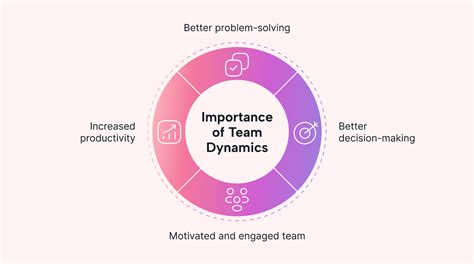
Another dimension of the "assist king" is its role in team dynamics. Football history is replete with examples of partnerships where an assist provider and a goalscorer form a symbiotic relationship. Consider the legendary pairing of Dennis Bergkamp and Thierry Henry at Arsenal. Bergkamp’s vision and ability to pick out Henry’s runs were as critical to the team’s success as Henry’s finishing. This dynamic underscores how the "assist king" is not merely an individual accolade but a reflection of how well a player integrates into a team's system. In this sense, the "assist king" can often be seen as the glue that holds attacking units together, ensuring that the team functions as a cohesive whole rather than a collection of individuals.
The concept of the "assist king" also has a psychological dimension. Players who are prolific in providing assists often exhibit traits like selflessness and a team-first mentality. While a goalscorer might bask in the immediate glory of finding the net, an assist provider derives satisfaction from enabling others to succeed. This quality can foster team cohesion and morale, as it demonstrates that individual success is not the sole focus. For instance, players like Kevin De Bruyne at Manchester City are often praised not just for their technical brilliance but for their willingness to prioritize the team’s success over personal accolades. This mindset is particularly important in high-stakes matches where collective effort often determines the outcome.
From a historical perspective, the "assist king" also serves as a lens through which to view the changing nature of football. In the modern era, with the advent of advanced metrics like expected assists (xA) and heat maps, the role of the assist provider has become even more nuanced. Players are now evaluated not just on the number of assists they provide but on the quality and difficulty of the chances they create. This has allowed for a deeper appreciation of players who may not rack up high assist numbers but whose creative output is nonetheless vital. For example, a player who consistently delivers passes that lead to shots on target, even if they do not result in goals, is contributing in ways that traditional statistics might overlook.
The "assist king" is also a barometer of how football cultures value different aspects of the game. In some leagues, such as the Premier League, where physicality and direct play are prominent, assist kings are often wide players or wingers who deliver crosses. In contrast, in leagues like La Liga, where possession and intricate passing are emphasized, central playmakers like Xavi or Andres Iniesta have been celebrated for their ability to dictate play and set up goals. This variation highlights how the role of the "assist king" is shaped by the tactical and cultural context of the league in which they play.
In conclusion, the "assist king" is more than just a statistical leader in creating goals; it is a concept that encapsulates the artistry, intelligence, and teamwork inherent in football. By focusing on assists, we gain a richer understanding of the sport’s complexity and the diverse ways in which players can leave their mark on the game. Whether through the flamboyant dribbles of a winger, the precise passes of a midfield maestro, or the subtle layoffs of a forward, the "assist king" represents the unsung heroism that often defines football’s most beautiful moments. As football continues to evolve, the role of the "assist king" will remain a key measure of a player’s impact and a testament to the sport’s collaborative nature.
- The "assist king" reflects a player's vision and creativity beyond scoring goals.
- The concept has evolved alongside football tactics and statistical tracking.
- Assists highlight the importance of teamwork and unselfish play in football success.
- The role of the "assist king" varies across leagues and tactical systems.
- Modern analytics provide a deeper understanding of the quality of assists.
Evolution of Playmaking in Football
The concept of playmaking in football has undergone a profound transformation over the decades, shaped by shifts in tactics, player specialization, and the evolving demands of the game. To understand the role of the "assist king" in football history, we must trace the lineage of playmakers and how assist-focused strategies have developed alongside changes in the sport's structure and philosophy.
In the early days of football, particularly in the late 19th and early 20th centuries, the game was far more rudimentary. Teams often employed a straightforward, physical approach with limited emphasis on intricate passing or positional play. The idea of a "playmaker" as we understand it today did not exist; instead, the focus was on directness. Players in central positions were expected to contribute equally to attacking and defensive duties, with little room for specialized roles. The notion of providing assists was secondary to scoring goals or preventing them. However, even in this era, certain players began to stand out for their ability to distribute the ball intelligently—early prototypes of the playmaker.
The 1920s and 1930s saw the emergence of more structured formations, such as the WM system popularized by Herbert Chapman at Arsenal. This formation introduced a clearer division between attack and defense, with inside forwards taking on more creative responsibilities. These players, positioned between the wingers and the center-forward, were among the first to adopt assist-focused roles. Their job was not merely to score but to link play and set up opportunities for strikers. This period marked the beginning of a more deliberate approach to passing, where players like Matthias Sindelar of Austria's Wunderteam demonstrated an early flair for orchestrating attacks through precise ball movement.
The post-World War II era brought further evolution. The advent of total football in the 1970s, pioneered by the Dutch and exemplified by teams such as Ajax and the Netherlands national team, revolutionized the playmaking role. In this system, every player was expected to contribute to both attack and defense, which blurred traditional positional boundaries. Playmakers were no longer confined to a single area of the pitch; they could emerge from deep-lying midfield positions or even from full-back roles. Players like Johan Cruyff exemplified this fluidity, often dropping deep to collect the ball and initiate attacks with visionary passes. The assist, as a measurable contribution, began to gain recognition as a critical component of team success.
The 1980s and 1990s marked a period of tactical diversification. The rise of the 4-4-2 system in many leagues emphasized wing play and the importance of wide players delivering crosses into the box. This era saw the emergence of wingers and wide midfielders as key assist providers. Figures like David Beckham became synonymous with pinpoint crosses that turned into goals, redefining the assist as a product of both technique and spatial awareness. Meanwhile, deep-lying playmakers such as Andrea Pirlo began to thrive in systems that allowed them to dictate the tempo of the game from a withdrawn position. These players were not necessarily racking up high assist numbers but were invaluable for their ability to unlock defenses with through balls and incisive passes.
The turn of the 21st century brought a data-driven approach to football analysis, where assists were quantified and celebrated as a key performance metric. This shift coincided with the rise of advanced statistics and the increased prominence of attacking midfielders in systems like the 4-2-3-1 and 4-3-3. Players such as Mesut Özil and Kevin De Bruyne became exemplars of the modern playmaker, combining exceptional vision with the technical ability to execute defense-splitting passes. The assist became not just a byproduct of good play but a deliberate objective, with teams designing strategies to maximize the effectiveness of their creative players.
One of the most significant developments in recent years has been the integration of playmakers into more dynamic and fluid systems. The traditional "number 10" role, once the epitome of playmaking, has been adapted or even phased out in some teams in favor of more versatile setups. For instance, in modern football, we see "false 9s" like Lionel Messi dropping deep to act as playmakers, or wide forwards like Neymar contributing assists from less central areas. This fluidity reflects a broader trend in football where the assist is no longer the exclusive domain of a single player type but can come from virtually any position on the field.
Assist-focused strategies have also been influenced by the increasing use of analytics in football. Teams now dissect every pass, movement, and decision to identify patterns that lead to goal-scoring opportunities. This has led to a greater emphasis on players who can deliver "pre-assists"—the pass before the assist—or who excel in creating space for others through their movement. For example, Thomas Müller has popularized the concept of the "raumdeuter" (space interpreter), a player whose primary role is to find and exploit gaps in the opposition's defense, even if their contributions do not always result in direct assists.
Another fascinating trend is the role of set pieces in assist statistics. Players like Trent Alexander-Arnold have demonstrated how dead-ball situations can be leveraged to rack up assists, turning corner kicks and free kicks into goal-scoring opportunities. This highlights how the definition of a playmaker has expanded to include those who excel in specific scenarios rather than across 90 minutes of open play.
The evolution of playmaking also reflects broader cultural and technological changes in football. The globalized nature of the sport means that players are exposed to diverse styles of play, blending South American flair with European tactical rigor. This cross-pollination has produced hybrid playmakers who can adapt to multiple roles within a match. Additionally, the rise of video analysis tools has allowed coaches and players to study assist patterns in granular detail, further refining strategies to optimize assist production.
- Early football emphasized directness over creativity, with playmaking roles only beginning to emerge in the interwar period.
- Total football in the 1970s redefined playmaking as a fluid, multi-positional responsibility.
- The 1990s saw the rise of wingers and deep-lying playmakers as key assist providers.
- Modern football has democratized the assist, with players in any position capable of contributing creatively.
- Analytics and set-piece specialization have further elevated the importance of the assist in strategic planning.
In conclusion, the evolution of playmaking in football is a story of adaptation and innovation. From the early days of rudimentary passing to the sophisticated, analytics-driven approaches of today, the role of the assist king has been shaped by the game's changing priorities. Whether through the elegance of a Cruyff turn, the precision of a Beckham cross, or the vision of a De Bruyne through ball, playmakers have continually redefined what it means to create opportunities in football. This journey underscores not just the individual brilliance of players but also the collective evolution of the sport itself.
Criteria for Evaluating Assist Kings
The title of "assist king" in football history is one that carries weight, as it signifies a player's ability to create opportunities for their teammates to score. However, identifying the greatest assist providers is not as straightforward as tallying raw numbers. Several metrics and criteria must be considered to evaluate players fairly and comprehensively. These criteria account for the context of the assists, the quality of the player's contributions, and the broader impact on the game. Below, we explore the key factors that help distinguish assist kings from mere statistic-padding players.
The most obvious and frequently cited metric is the total number of assists a player has recorded over their career. This is a straightforward count of how many times a player has directly set up a goal. Players like Lionel Messi, Thomas Müller, and Kevin De Bruyne often top such lists due to their prolific ability to create goal-scoring opportunities. However, raw numbers can be misleading. A player who has played more games or in a system that prioritizes attacking football might naturally accumulate higher assist totals. For instance, a player in a team like Barcelona under Pep Guardiola, which emphasized possession and quick passing, might have more opportunities to register assists compared to a player in a defensively oriented team. Therefore, while total assists are important, they must be contextualized within the player's career span, team style, and league competitiveness.
Another critical factor is the assist-to-game ratio. This metric adjusts for the number of appearances a player has made and provides a better sense of their consistency in creating opportunities. For example, a player with 200 assists in 700 games has a lower assist-to-game ratio than one with 150 assists in 400 games. The latter suggests a higher efficiency in producing assists per match. This ratio is particularly useful when comparing players across eras or those who played in different leagues with varying season lengths. However, even this metric has limitations—it does not account for the quality or difficulty of the assists provided.
The quality of assists is a more nuanced criterion that often requires subjective judgment. Not all assists are created equal. A simple square pass to a striker in front of an open goal is statistically an assist, but it carries less weight than a defense-splitting through-ball that bypasses multiple opponents or a perfectly weighted cross from the byline under pressure. Analysts and statisticians have begun to develop advanced metrics like expected assists (xA) to quantify the quality of chances created. xA measures the likelihood of a pass resulting in a goal based on factors such as the position of the recipient, the angle of the pass, and the defensive setup. A player with a high xA suggests they are consistently creating high-quality opportunities, even if their teammates fail to convert them into goals. This adds depth to the evaluation of assist kings, as it emphasizes the skill and vision behind the pass rather than merely the end result.
Another important aspect is the variety of assist types a player produces. Great assist providers are often versatile in their methods of creation. Some players excel at short, incisive passes in tight spaces (like Andrés Iniesta), while others are renowned for their long-range through-balls or crosses (like David Beckham). A diverse portfolio of assist types indicates a player's adaptability and football intelligence. For instance, a player who can deliver pinpoint set-piece deliveries, lofted through-balls, and one-touch lay-offs demonstrates a broader skill set than one who relies on a single method. This variety also reflects their ability to adapt to different game situations and opposition strategies, a hallmark of true greatness.
The team context and role of the player must also be considered. Assist kings often operate in systems that emphasize attacking play and creative freedom. However, the role of the player within the team is significant. A central playmaker like Mesut Özil or a wide winger like Arjen Robben will naturally have more opportunities to create assists compared to a defensive midfielder. Additionally, the quality of teammates can influence assist numbers. A player surrounded by clinical finishers like Robert Lewandowski or Cristiano Ronaldo is more likely to rack up assists because their passes are more frequently converted into goals. Conversely, a player in a team with less efficient forwards might create excellent opportunities that go unrewarded. This interplay between individual skill and team dynamics makes it essential to evaluate assists within the broader team framework.
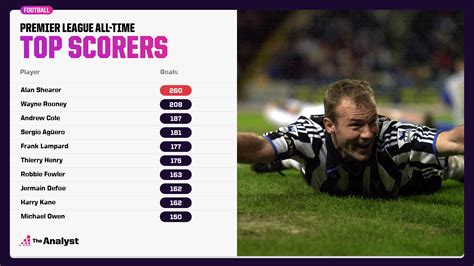
The historical era and league competitiveness also play a role in assessing assist kings. Football has evolved significantly over the decades, with changes in tactics, training methods, and even the rules of the game. For example, players in the modern era benefit from improved pitch conditions, advanced video analysis, and more attacking-oriented systems. A player in the 1970s or 1980s might have had fewer opportunities to create assists due to more defensive styles of play or less emphasis on statistical tracking. Similarly, the competitiveness of the league matters. Assists in the English Premier League, known for its physicality and fast-paced nature, might be harder to come by than in leagues with a more technical and possession-based style, such as La Liga or Serie A. Adjusting for these contextual factors helps level the playing field when comparing players from different eras and leagues.
Another often-overlooked criterion is the impact of assists on match outcomes. Some assists are more decisive than others. For instance, an assist that sets up a last-minute winner in a crucial title-deciding match carries more weight than one in a rout where the outcome was already decided. While this is harder to quantify objectively, it underscores the idea that assist kings are not just creators of goals but contributors to their team's success in meaningful ways. Players who consistently provide assists in high-stakes games or against top-tier opponents demonstrate a level of influence that goes beyond raw numbers.
Finally, the longevity and consistency of a player's assist-providing ability is a key factor. Sustained excellence over many seasons is a hallmark of true greatness. Players like Ryan Giggs, who provided assists well into the later stages of their career, showcase not just skill but also adaptability and mental resilience. Longevity also allows a player to accumulate higher totals while proving their ability to evolve with changing team dynamics and personal physical decline.
In summary, evaluating the greatest assist kings in football history requires a multi-faceted approach. While total assists and assist-to-game ratios provide a foundation, deeper analysis through expected assists (xA), the quality and variety of assists, and the context of team dynamics, league competitiveness, and match impact offer a more complete picture. These criteria ensure that the title of "assist king" is not merely a numbers game but a recognition of skill, vision, adaptability, and enduring influence on the sport.
Top Contenders for the Title
The title of "assist king" in football history is a prestigious honor that recognizes players who have mastered the art of creating goal-scoring opportunities for their teammates. While goal scorers often steal the limelight, the players who set up these goals are equally vital to a team's success. In this section, we delve into some of the most iconic figures who have been heralded as the greatest assist kings, exploring their unique styles, contributions, and the eras they dominated.
One of the most prominent names in this conversation is **Lionel Messi**. The Argentinian maestro has redefined what it means to be an assist provider in modern football. With over 350 assists in his career (as of recent records), Messi combines unparalleled vision, precise passing, and an almost telepathic understanding of his teammates' movements. His ability to thread the needle in tight spaces or deliver a perfectly weighted through ball has made him a standout figure. What sets Messi apart is his dual threat—he is just as lethal as a scorer as he is as a creator. This duality forces defenses to account for him in multiple ways, which often opens up space for his teammates. His time at Barcelona, particularly under managers like Pep Guardiola, showcased his assist prowess in systems that emphasized positional play and quick interchanges. Messi's assists are not just about quantity but also about quality—many of his setups are so intricate that they could be considered works of art in themselves.
Another giant in this category is **Thomas Müller** of Germany and Bayern Munich. Often described as a "raumdeuter" (space interpreter), Müller's playing style is less about flashy dribbles and more about intelligent positioning and anticipation. His assist numbers are staggering, particularly in the Bundesliga, where he has consistently ranked among the top creators. Müller excels in finding pockets of space that others overlook, and his off-the-ball movement often drags defenders out of position, creating opportunities for others. His partnership with players like Robert Lewandowski has been particularly fruitful, as Müller’s knack for delivering key passes in high-pressure situations has been a cornerstone of Bayern’s dominance in domestic and European competitions. Unlike traditional wingers or playmakers, Müller operates in a hybrid role that blends forward runs with midfield orchestration, making him a unique contender for the assist king title.
No discussion of assist maestros is complete without mentioning **Xavi Hernández**. The Spanish midfield general was the heartbeat of Barcelona and the Spanish national team during their golden eras in the late 2000s and early 2010s. Xavi’s assist numbers may not rival those of Messi or Cristiano Ronaldo in sheer volume, but his influence on the game as a facilitator is unmatched. His ability to dictate the tempo of a match, combined with his pinpoint accuracy in short and long passes, made him the quintessential playmaker. Xavi’s assists often came from a deep-lying position, where he would spray diagonal balls to wingers or slide through balls to forwards like Messi and David Villa. His role in the tiki-taka system emphasized patience and precision, and his assists were often the result of methodical buildup rather than individual bursts of brilliance. This approach underscores the idea that assists are not just about the final pass but about the entire sequence of play leading up to it.
In the realm of historic figures, **Michel Platini** deserves a mention. The French legend, who played in the 1980s, was a midfielder known for his elegance and vision. While he was a prolific goal scorer himself, Platini’s ability to set up goals was a defining feature of his game. Playing in an era where football was more physical and less focused on intricate passing systems, Platini’s assists were often born out of his exceptional technique and ability to read the game. He had a rare combination of creativity and decisiveness, often delivering defense-splitting passes or lofted through balls that left defenders scrambling. His influence on the assist landscape paved the way for future generations of midfield creators.
Moving to more recent times, **Kevin De Bruyne** has emerged as a modern-day assist king. The Belgian midfielder, who has been a central figure for Manchester City under Pep Guardiola, is renowned for his ability to deliver a wide range of assists—from whipped crosses to incisive through balls. De Bruyne’s assist numbers in the Premier League are among the highest in the competition's history, and his versatility as a creator is a key factor. He can operate as a deep-lying playmaker, a wide playmaker, or even as an advanced attacker, depending on the tactical setup. What makes De Bruyne stand out is his consistency; he has maintained high assist numbers across multiple seasons, even as team dynamics and personnel have changed. His assists often come from a mix of technique and athleticism, such as his ability to strike a ball with both power and finesse, making him a versatile threat in the assist department.
Another name that often comes up in this debate is **Mesut Özil**. During his prime years at Real Madrid and Arsenal, Özil was considered one of the most creative players in the world. His assist numbers in the Premier League and La Liga were exceptional, and he held the record for the most chances created in a single Premier League season for a time. Özil’s style was characterized by his silky touch, exceptional spatial awareness, and ability to pick out runs that others might not even see. However, his career also highlights the challenges assist kings face—his contributions were sometimes undervalued due to his lack of defensive work or perceived inconsistency in high-pressure games. Nonetheless, his ability to unlock defenses with a single pass places him firmly in the conversation.
It is also worth considering **Roberto Baggio**, the Italian genius of the 1990s. While he is often remembered for his goals and dribbling, Baggio was an exceptional creator as well. His assists were often born out of his ability to draw defenders toward him before releasing a pass at the perfect moment. Baggio’s assists were less about volume and more about their impact—many of them came in critical moments of games, showcasing his ability to perform under pressure. His style blended artistry with efficiency, making him a unique figure in the history of assist providers.
Lastly, we must acknowledge **Cristiano Ronaldo**, who, while primarily known as a goal scorer, has also been a prolific assist provider throughout his career. Particularly in his earlier years at Manchester United and during his time at Real Madrid, Ronaldo’s ability to deliver pinpoint crosses and lay off passes in critical areas was a key part of his game. While his assist numbers may not match those of Messi or De Bruyne, his role as a dual-threat player who can both score and create places him in a special category.
In summary, the title of "assist king" is contested by players with diverse styles and contributions. From **Messi’s artistry** and **Müller’s spatial intelligence** to **Xavi’s methodical setups** and **De Bruyne’s modern versatility**, each player brings a unique flavor to the role of a creator. These players not only rack up assist numbers but also shape the way their teams attack, leaving an indelible mark on football history.
- Lionel Messi: A dual-threat player with unparalleled vision and precision.
- Thomas Müller: A master of space interpretation with consistent assist numbers.
- Xavi Hernández: A methodical playmaker central to tiki-taka football.
- Michel Platini: A visionary midfielder from a more physical era.
- Kevin De Bruyne: A modern creator with versatility and consistency.
- Mesut Özil: A creative genius with a knack for unlocking defenses.
- Roberto Baggio: An artist who blended goal-scoring and assist-making.
- Cristiano Ronaldo: A goal scorer who also excelled as a creator in his prime.
These players represent the pinnacle of creativity in football, proving that the art of the assist is as impactful as the act of scoring itself.
Statistical Breakdown of Assists
The concept of an "assist" in football has evolved over time, becoming a measurable statistic that highlights a player's ability to create goal-scoring opportunities for their teammates. While goals often steal the limelight, assists are the unsung heroes of a team's attacking prowess. In this section, we will delve into the statistical breakdown of assists, focusing on the top assist leaders across various leagues and eras to provide a nuanced understanding of their contributions to the game.
The role of assists gained prominence in the late 20th century as football analytics began to take shape. Before this, player contributions were often judged solely by goals scored or general impact on the pitch. However, the introduction of detailed match statistics allowed for a deeper appreciation of playmakers who orchestrate attacks without necessarily being the ones to finish them. This shift has given rise to the recognition of players like Lionel Messi, Thomas Müller, and Kevin De Bruyne as some of the most prolific assist providers in modern football history.
Starting with Lionel Messi, his record across leagues is nothing short of extraordinary. In La Liga alone, Messi amassed 192 assists during his time with Barcelona, a record that underscores his ability to not only score but also set up his teammates. His vision and close ball control enabled him to thread passes that often seemed impossible. For instance, in the 2019-2020 season, Messi provided 21 assists in La Liga, a feat that tied the record for the most assists in a single season in the league. This performance is even more impressive when considering that he also scored 25 goals that season, exemplifying his dual threat as both a scorer and a creator.
Moving to the Premier League, Ryan Giggs holds the all-time record for assists with 162 during his illustrious career with Manchester United. Giggs' longevity—spanning over two decades—allowed him to rack up this impressive tally across different eras of the league. His peak assist season came in 1993-1994 when he provided 15 assists, a remarkable number for a winger in an era where the game was more physical and less focused on intricate passing. Giggs' assist record is a testament to his adaptability and consistency, as he remained a creative force even as the Premier League evolved into a faster, more technical competition.
In the Bundesliga, Thomas Müller stands out as a unique case study. Often described as a "raumdeuter" (space interpreter), Müller's ability to find and exploit spaces has resulted in 156 assists as of the 2023-2024 season. What makes Müller's record particularly intriguing is his positional versatility. Unlike traditional wingers or attacking midfielders, Müller's role often defies categorization, allowing him to drift into areas where he can deliver key passes. His peak season for assists came in 2019-2020, where he provided 21 assists, matching Messi's La Liga record for that season. This highlights how Müller has adapted his game to remain relevant in an era dominated by high-pressing and fast transitions.
The Serie A has seen its share of assist maestros as well. Francesco Totti, the iconic Roma captain, provided 121 assists in his career, a record that underscores his influence in a league known for its tactical rigor. Totti's ability to deliver precise through balls and lofted passes made him a standout player in an era when Italian football was more defensively oriented. His record is particularly significant because Serie A's emphasis on defensive structures often limited the opportunities for high assist numbers. Totti's consistency in delivering assists despite these challenges illustrates his exceptional football intelligence.
Another fascinating aspect of assist records is how they differ across eras and playing styles. For example, the modern game, with its emphasis on high-pressing and quick transitions, often sees higher assist numbers compared to earlier eras. This is evident when comparing players like Kevin De Bruyne of Manchester City to playmakers of the 1980s and 1990s. De Bruyne has already provided over 100 Premier League assists in a relatively short span, benefiting from the fluid, possession-based systems employed by managers like Pep Guardiola. In contrast, players like Diego Maradona or Zinedine Zidane, who played in eras with less emphasis on detailed statistics, may not have assist numbers that fully reflect their creative genius. For instance, Maradona's assists in Napoli's title-winning campaigns of the late 1980s are not as well-documented but were crucial to his team's success.
A deeper look at cross-league comparisons reveals interesting patterns. For instance, the Eredivisie in the Netherlands has historically been a high-scoring league, which often results in inflated assist numbers. Players like Luis Suárez and Hakim Ziyech thrived in this environment, racking up assists at a pace that would be harder to replicate in more defensively sound leagues like Serie A or the Premier League. This discrepancy highlights how league dynamics—such as pace, defensive organization, and tactical focus—can influence assist statistics.
It is also worth noting the role of set-piece specialists in assist records. Players like Mesut Özil and David Beckham have leveraged their ability to deliver pinpoint crosses and set-piece deliveries to amass impressive assist tallies. Beckham, for example, provided 15 assists in the 1999-2000 Premier League season, many of them from his trademark crosses and dead-ball situations. This specialization adds another layer to the assist leaderboard, as it shows how different skillsets can contribute to a player's assist record.
When analyzing all-time records across all competitions, Messi once again emerges as a standout figure. His total of over 350 career assists (including domestic leagues, Champions League, and international matches) is a record that few can rival. However, it is essential to consider the context of team dynamics. Messi often played in Barcelona teams built around his genius, which naturally created more opportunities for him to rack up assists. Similarly, Cristiano Ronaldo, while more associated with goal-scoring, has provided over 200 career assists, showcasing his underrated playmaking ability when deployed in wider or deeper roles.
A closer examination of assist-to-game ratios provides another layer of insight. While players like Messi and Müller have high raw numbers, their assist-per-game ratios can vary depending on their roles and team setups. For example, Neymar, during his time at Barcelona and Paris Saint-Germain, has often boasted a higher assist-per-game ratio than Messi in certain seasons, reflecting his more facilitative role in certain systems. This metric helps identify players who are not just prolific but also efficient in their creative output.
Finally, it is important to consider international football when discussing assist leaders. While club football often provides more consistent data due to the regularity of matches, international tournaments have seen players like Xavi Hernández and Andrés Iniesta shine as assist providers on the biggest stage. Xavi, for instance, provided 30 assists in the Champions League alone, a record that complements his role as the metronome of Spain's tiki-taka style during their dominant period in the late 2000s and early 2010s.
In conclusion, the statistical breakdown of assists reveals a rich tapestry of player contributions across leagues and eras. From Messi's record-breaking creativity to Giggs' enduring legacy and Müller's spatial intelligence, assists are a window into the art of playmaking. These numbers not only celebrate individual brilliance but also shed light on how football's evolution—through tactics, technology, and team dynamics—has shaped the way we measure and appreciate the art of setting up goals.
Analysis of Playing Styles
The concept of an "assist king" in football history refers to players who excel in creating goal-scoring opportunities for their teammates. While the title often evokes admiration for their creativity and vision, the playing styles of these maestros vary significantly, reflecting the evolution of the game and the unique demands of their teams. A deep comparison of their playing styles sheds light on how they influenced team dynamics and redefined the role of playmakers in different eras.
One of the most iconic assist kings, Lionel Messi, exemplifies a style rooted in close ball control and spatial awareness. Messi’s ability to dribble past multiple defenders while maintaining possession often draws multiple opponents toward him, creating space for his teammates. His assists are not just a product of pinpoint passes but also of his knack for attracting defensive attention and then releasing the ball at the precise moment. This style of play has a ripple effect on team dynamics; Barcelona, during its peak years under Guardiola, thrived on a system of positional play where Messi operated as the central figure. His assists often came from quick one-twos or through balls that exploited the gaps left by defenders preoccupied with marking him. This dynamic made Barcelona’s attack fluid and unpredictable, as Messi’s presence forced opponents to overcommit, leaving spaces elsewhere on the pitch.
In contrast, Kevin De Bruyne, a modern assist king, operates with a different approach that emphasizes long-range passing and vision. De Bruyne’s playing style is characterized by his ability to deliver defense-splitting passes from deep or wide positions. Unlike Messi, who often works in tight spaces, De Bruyne thrives in open areas where he can survey the field and pick out runs. His assists often come from lofted balls over the top or drilled low crosses into the box. This style has been pivotal for Manchester City, a team built on high pressing and rapid transitions. De Bruyne’s long passes not only bypass defensive lines but also enable his team to maintain momentum during counterattacks. This approach influences team dynamics by encouraging forwards to make diagonal or curved runs, knowing that De Bruyne can find them even in crowded areas. His presence reshapes how Manchester City builds attacks, as players are conditioned to anticipate his visionary passes rather than relying on short, methodical buildups.
Another distinct style is seen in Thomas Müller, often referred to as a "raumdeuter" or "space interpreter." Müller’s assists come not from traditional playmaking but from his uncanny ability to find pockets of space in and around the box. His movements are less about technical dribbling or long passes and more about understanding the flow of the game. Müller’s assists often involve subtle layoffs, first-time passes, or well-timed cutbacks that exploit the chaos in the penalty area. This style has been instrumental for Bayern Munich, a team that thrives on high-energy, high-pressing football. Müller’s influence on team dynamics lies in his ability to connect the midfield and attack seamlessly. His unorthodox positioning and movement create opportunities for wingers and strikers to exploit spaces that would otherwise go unnoticed. Unlike Messi or De Bruyne, Müller’s style is less about individual brilliance and more about synergy, making him a glue player who enhances the effectiveness of those around him.
The playing style of Mesut Özil, another assist king, offers yet another dimension. Özil’s game was defined by his elegance and subtlety, particularly during his time at Real Madrid and Arsenal. His assists were often the result of perfectly weighted through balls or delicate chips over the defense. Özil operated in a more withdrawn role compared to Messi or De Bruyne, often dropping deep to collect the ball and initiate attacks. This style required a high level of understanding with his forwards, as his passes often relied on the timing and movement of his teammates. Özil’s influence on team dynamics was twofold: he provided a calming presence in possession, slowing down the game when necessary, and he also enabled quick transitions by spotting runs early. However, his style sometimes posed challenges for teams that lacked players capable of making intelligent off-the-ball runs, as his effectiveness was heavily dependent on the quality of his supporting cast.
Beyond individual examples, the evolution of assist kings reflects broader trends in football strategy. Early playmakers like Michel Platini and Diego Maradona operated in systems where possession was slower and more methodical. Their assists often came from orchestrating attacks over sustained periods, emphasizing control and patience. In modern football, the pace of the game has increased, and assist kings like De Bruyne and Messi must adapt to higher pressing and quicker transitions. This shift has influenced team dynamics by prioritizing players who can think and act quickly under pressure.
The diversity in playing styles also highlights how assist kings influence team structure. Messi’s style often required a team built around him, with supporting players trained to react to his movements. De Bruyne’s long passes demand forwards with exceptional off-the-ball intelligence, while Müller’s unselfish play benefits teams with high-energy attackers who can exploit his spatial awareness. Özil’s elegance, on the other hand, worked best in teams with disciplined forwards who could read his intentions.
Another key factor is how these players adapted to different tactical setups. Messi’s assists flourished in Barcelona’s tiki-taka system, where short passes and positional play were paramount. De Bruyne, however, thrives in Pep Guardiola’s more dynamic and flexible system at Manchester City, which blends possession with direct play. Müller’s style is inseparable from Bayern’s emphasis on verticality and high pressing, while Özil’s creativity was often most effective in counterattacking systems or possession-based setups where he had time to pick out passes.
The impact of these playing styles extends to defensive considerations as well. Messi’s dribbling and close control often forced teams to deploy man-marking or double teams, which opened up space for others. De Bruyne’s long passes required opponents to maintain compact defensive lines, lest they be exposed by his vision. Müller’s ghost-like movements in the box forced defenders to stay alert even when the ball was far from him. Özil’s subtle playmaking often lulled defenses into a false sense of security, only for him to exploit the smallest gaps.
In summary, the playing styles of assist kings are as varied as the teams they represented. From Messi’s dribble-driven creativity to De Bruyne’s long-range precision, Müller’s spatial intelligence, and Özil’s understated elegance, each player brought unique qualities that shaped their teams’ attacking dynamics. Understanding these differences not only highlights their individual brilliance but also underscores how football evolves as a team sport, with assist kings serving as both catalysts and reflections of their era’s tactical innovations.
Impact on Team Success
The role of an "assist king" in football history is often overshadowed by the spotlight on prolific goal scorers, yet their impact on team success is both profound and measurable. Assists, the art of setting up goals, are a critical component of a team's offensive strategy, and players who excel in this area often serve as the linchpins of their teams' trophy-winning campaigns. This section delves into how assist kings have directly influenced team success, not merely through individual brilliance but by fostering a cohesive and dynamic team dynamic that translates into silverware.
Assist kings are, by definition, creators. They possess an uncanny ability to read the game, anticipate movements, and deliver pinpoint passes that unlock even the most stubborn defenses. This skill set is particularly valuable in high-stakes matches where space is at a premium and opportunities to score are limited. For instance, players like Lionel Messi and Kevin De Bruyne have demonstrated how their assist-making prowess can turn matches in their team's favor. Messi, during his time at Barcelona, was not only a goal machine but also the team's primary playmaker. His 21 assists in the 2019-20 La Liga season were instrumental in Barcelona's title challenge, even if they fell short of ultimate success. Similarly, De Bruyne's record-breaking 20 assists in the 2019-20 Premier League season propelled Manchester City to second place and showcased how a high-assist player can keep a team competitive even in challenging seasons.
The correlation between assists and team trophies becomes evident when analyzing the most successful teams in football history. Clubs like Barcelona, Real Madrid, and Bayern Munich have consistently featured players who rank among the top assist providers in their leagues. At Barcelona, for example, the partnership between Messi and Luis Suárez was a symbiotic relationship where Messi's assists often led to Suárez's goals. This duo was central to Barcelona's treble-winning season in 2014-15, where the team secured La Liga, the Copa del Rey, and the UEFA Champions League. The assists provided by Messi were not just numbers; they represented moments of strategic brilliance that broke down opponents and allowed Barcelona to dominate matches. In this context, assists are not merely individual achievements but catalysts for collective success.
Another layer to consider is how assist kings contribute to team morale and cohesion. A player who provides assists consistently is often seen as selfless, prioritizing the team's success over personal glory. This attitude can inspire teammates and create a positive atmosphere within the squad. For example, Mesut Özil during his time at Real Madrid was renowned for his ability to deliver defense-splitting passes. In the 2011-12 season, he provided 17 assists in La Liga, helping Real Madrid secure the title with a record 100 points. Özil's creativity not only boosted the team's attacking output but also lifted the spirits of his fellow players, who knew they could rely on him to create opportunities. This intangible benefit of having an assist king—fostering trust and camaraderie—can be as important as the tangible results they produce on the field.
Assist kings also play a critical role in high-pressure scenarios, such as knockout tournaments like the Champions League. Here, a single moment of brilliance can be the difference between progression and elimination. For instance, in the 2013 Champions League final, Arjen Robben provided the assist for Franck Ribéry in the build-up to Bayern Munich's winning goal against borussia dortmund. This assist was not just a statistical contribution but a decisive action that secured Bayern's fifth European title. In such moments, the assist king becomes the architect of glory, underscoring their indispensable role in achieving team success.
Moreover, assist kings often enable teams to maintain a balanced attack. While goal scorers naturally draw defensive attention, the presence of a prolific assist provider ensures that the team is not overly reliant on one avenue of attack. This was evident in the case of Cesc Fàbregas during his time at Arsenal. Despite the team's lack of consistent trophy success during his tenure, Fàbregas' ability to provide assists—he notched 13 in the 2009-10 Premier League season—kept Arsenal competitive in a period when their squad was not as deep as their rivals. His assists allowed lesser-known players to score crucial goals, demonstrating how an assist king can elevate the entire team rather than just a select few.
A deeper analysis of assist kings also reveals their adaptability across different systems and styles of play. For instance, Thomas Müller of Bayern Munich is often described as a "space interpreter" rather than a traditional playmaker. His unique ability to find pockets of space and deliver assists has been a cornerstone of Bayern's dominance in the Bundesliga and Europe. Müller's 21 assists in the 2019-20 Bundesliga season were a key factor in Bayern's treble-winning campaign. His contributions highlight how assist kings can adapt to modern tactical systems, such as the high-pressing and positional play favored by top coaches like Pep Guardiola and Hansi Flick.
It is also worth noting that assist kings often thrive in teams with a strong supporting cast. While their individual talent is undeniable, their success is often amplified by the presence of world-class finishers. This interplay between creators and finishers is a hallmark of successful teams. For example, Cristiano Ronaldo benefited greatly from the assists provided by Ángel Di María during Real Madrid's Champions League-winning campaigns. Di María's precise crosses and through balls were tailor-made for Ronaldo's predatory instincts, showcasing how the synergy between an assist king and a goal scorer can elevate a team to new heights.
However, the impact of assist kings is not limited to attacking output. They also play a role in dictating the tempo of the game and maintaining possession in critical areas. This was evident in the playing style of Andrea Pirlo, who, while not a traditional assist king in terms of raw numbers, was pivotal in orchestrating attacks for teams like AC Milan and Juventus. His ability to deliver long, defense-splitting passes often set up goals indirectly, contributing to his teams' domestic and European successes.
In conclusion, the contribution of assist kings to team success extends far beyond the numbers they rack up in the assists column. They are architects of strategy, morale boosters, and key figures in the tactical frameworks of successful teams. Whether through direct assists that lead to trophies or the intangible benefits of their creativity and selflessness, assist kings have proven time and again that their role is indispensable in the pursuit of footballing greatness. Teams that harness the talents of such players often find themselves at the pinnacle of the sport, a testament to the enduring value of the assist king in football history.
Cultural and Fan Perception
The role of an "assist king" in football is often overshadowed by the glamour of goal scorers, yet their contributions are deeply ingrained in the fabric of the sport's culture. Fans and pundits alike recognize the artistry and intelligence required to deliver the perfect pass that sets up a goal. This section delves into how assist kings are celebrated in football culture and by fans worldwide, exploring the nuanced ways their impact is perceived and immortalized.
Assists, as a statistical category, gained prominence relatively recently compared to goals. While goals have always been the ultimate measure of success in football, the rise of data analytics and advanced metrics in the late 20th and early 21st centuries brought assists into the spotlight. This shift has reshaped how fans perceive players who excel in creating opportunities rather than finishing them. For instance, players like Lionel Messi, Kevin De Bruyne, and Mesut Özil are often celebrated not just for their technical skills but for their ability to see and execute passes that others cannot even envision. This celebration is rooted in an appreciation of football as a team sport, where the assist is a symbol of collaboration and ingenuity.
One of the key ways assist kings are celebrated is through fan-driven narratives. Football fandom thrives on stories of individual brilliance, and assists provide a rich tapestry for such storytelling. A player who consistently delivers pinpoint crosses or defense-splitting through balls becomes a fan favorite not just for their statistical output but for the aesthetic quality of their play. For example, Andrés Iniesta’s assists were often accompanied by gasps of admiration from spectators because they seemed to defy the laws of physics or human perception. Fans cherish these moments as they represent the pinnacle of what football can offer—beauty in motion. This cultural elevation of assist kings is further amplified in the age of social media, where highlight reels of assists are shared widely, often accompanied by captions that emphasize the player's vision and creativity.
The celebration of assist kings also varies by regional football culture. In South America, particularly in countries like Brazil and Argentina, football is often seen as an art form. Players who provide assists are viewed as artists, sculpting opportunities for their teammates. This is evident in how players like Ronaldinho and Juan Román Riquelme were adored not just for their goals but for their ability to make their teammates look good. In contrast, European football, particularly in nations like England and Germany, has historically been more goal-oriented. However, the rise of playmakers like Kevin De Bruyne and Thomas Müller has challenged this narrative, with fans increasingly valuing the "pre-assist" or the pass before the assist as a mark of tactical intelligence. This evolution reflects a broader shift in how football culture interprets the value of different roles on the pitch.

Another fascinating aspect of fan perception is the emotional connection fans develop with assist kings. Unlike goal scorers, whose moments of glory are often fleeting and individualistic, assist kings are seen as enablers of collective joy. A striker might score a goal, but the assist king is the one who made it possible. This dynamic fosters a sense of gratitude among fans, who often credit the assist provider as much as the scorer in post-match discussions. This is particularly evident in fan chants and banners, where assist kings are sometimes referred to as "the architect" or "the magician." For example, Arsenal fans often hailed Mesut Özil as "The Wizard of Öz" for his ability to conjure opportunities out of thin air. Such nicknames and rituals underscore how assist kings are not just players but symbols of creativity and selflessness in the game.
However, the perception of assist kings is not universally positive. There is a subset of fans and analysts who view assists as a lesser achievement compared to goals. This stems from the belief that while a player can control the quality of their pass, the final outcome—the goal—depends on the finisher. This has led to debates about whether assist kings deserve the same level of recognition as top goal scorers. Some argue that assists are more dependent on the quality of the team and the finisher’s ability, which can dilute the individual brilliance of the assist provider. Yet, this perspective is increasingly challenged by the growing emphasis on data-driven analysis, which shows that players like Lionel Messi and Xavi Hernández were not just products of their teams but actively elevated their teams’ performances through their playmaking.
The rise of fantasy football and statistical platforms has also played a significant role in how assist kings are perceived. In fantasy leagues, assists are often weighted equally or even more heavily than goals, which has led to a surge in the popularity of players who excel in this area. Fans who participate in these games often develop a deeper appreciation for players who might not score frequently but are critical to their team’s success. This has created a new wave of fandom where players like Trent Alexander-Arnold, a defender with exceptional assist numbers, are celebrated as much as traditional forwards. The democratization of football statistics has allowed fans to engage with the sport in a more nuanced way, elevating the status of assist kings in the process.
Beyond individual players, the concept of the assist king has also influenced team identity and branding. Clubs with a strong tradition of possession-based or creative football often market themselves around the idea of beautiful play, with assist kings at the forefront of this narrative. For instance, Barcelona’s tiki-taka era was defined by players like Xavi and Iniesta, whose assists were as much a part of the club’s identity as their goals. Similarly, Manchester City’s dominance under Pep Guardiola has been characterized by the prolific assist numbers of players like Kevin De Bruyne, reinforcing the club’s image as a hub of creative football. This synergy between player and club identity helps cement the assist king’s place in football culture.
Finally, the way assist kings are celebrated is also tied to generational shifts in fan expectations. Younger fans, raised in the era of YouTube compilations and video games like FIFA, are more likely to appreciate the subtlety of a well-timed pass than older generations who might prioritize the raw excitement of a goal. This generational difference has led to a reevaluation of what it means to be a football legend. Assist kings are no longer just the supporting cast; they are often seen as the protagonists of their teams’ success stories. This shift is evident in how modern football documentaries and retrospectives often dedicate significant segments to players like Dennis Bergkamp or David Silva, emphasizing their role as enablers of team glory.
- Assists are celebrated for their aesthetic and collaborative nature, particularly in regions like South America where football is seen as an art form.
- Social media and highlight reels have amplified the visibility of assist kings, turning their moments of brilliance into global phenomena.
- Fantasy football has created a new dimension of fandom, where assist-oriented players are highly valued.
- Team branding often revolves around the creative output of assist kings, reinforcing their importance in football culture.
In conclusion, the celebration of assist kings in football culture is a multifaceted phenomenon that reflects broader shifts in how the sport is consumed and understood. From fan chants to social media trends, from regional preferences to generational attitudes, assist kings occupy a unique and evolving space in the hearts of football fans worldwide. They are not just players who set up goals; they are architects of beauty, enablers of joy, and symbols of the sport’s collaborative essence.
Challenges and Criticisms
The concept of the "assist king" in football history often stands in the shadow of the more celebrated goal scorers. While assist statistics have gained prominence in recent years due to advanced analytics and the rise of playmakers like Lionel Messi, Kevin De Bruyne, and Thomas Müller, the role of the assist king remains a subject of debate and controversy. This section delves into the challenges and criticisms surrounding the recognition of assist kings and how their contributions are often undervalued or misunderstood in comparison to goal scorers.
One of the primary criticisms of recognizing assist kings is the subjectivity in defining and attributing assists. Unlike goals, which are clear-cut and universally acknowledged when the ball crosses the goal line, assists are not as straightforward. An assist is typically credited when a pass or action directly leads to a goal, but this definition can vary across leagues, competitions, and even individual statisticians. For instance, a player who delivers a long ball that is controlled and finished by a striker may receive an assist, but another player who initiates a complex passing sequence leading to a goal might not. This lack of standardization creates a gray area where the value of an assist can be questioned. Critics argue that this inconsistency undermines the legitimacy of the "assist king" title, as it can depend on how loosely or strictly assists are defined in a given context.
Another challenge is the perception that assists are inherently less impactful than goals. In football, the ultimate objective is to score goals, and this has historically elevated goal scorers to a higher pedestal. A striker who scores 30 goals in a season is often seen as more valuable than a midfielder who provides 20 assists because the act of scoring is more visible and emotionally resonant. Goals are celebrated with fireworks, chants, and iconic moments, while assists are often a quiet precursor—important but not as flashy. This bias is embedded in fan culture and media narratives, where highlight reels prioritize goals over the buildup play. As a result, assist kings are sometimes viewed as mere facilitators rather than game-changers, even though their role in creating scoring opportunities is often as critical as the final touch.
The evolution of football tactics has also complicated the debate. In earlier eras of the sport, football was more direct, with a greater emphasis on individual brilliance and simpler passing patterns. Assists were less emphasized because the game often relied on wingers crossing the ball for center-forwards or playmakers threading through balls in isolation. However, modern football has seen the emergence of intricate systems like tiki-taka, gegenpressing, and positional play, where the assist king’s role becomes more nuanced. Players like Lionel Messi, who frequently drop deep to orchestrate play, blur the lines between goal scorer and assist provider. This evolution has sparked debates about whether assists in these systems are more a product of the system itself rather than individual brilliance. Critics argue that a player in a highly structured team might rack up assists simply because of the quality of their teammates, rather than their own creativity or decision-making.
There is also the issue of statistical inflation and context. In the age of data-driven football, assist numbers can sometimes be misleading. For example, a player in a dominant team that controls possession and creates numerous chances is more likely to accumulate assists than a player in a struggling team that sees less of the ball. This raises questions about whether assist statistics truly reflect individual skill or are more a function of team dynamics. A player like Thomas Müller, often referred to as a "space interpreter," thrives in Bayern Munich's system, where his movement and positioning are optimized by the team's structure. While his assist numbers are impressive, some critics suggest they are inflated by the collective strength of his team rather than his standalone ability. This creates a tension between recognizing individual contributions and acknowledging the systemic factors that influence assist tallies.
Another point of contention is the comparison between assist kings and goal scorers in terms of consistency and pressure. Goal scorers are often under immense pressure to deliver in high-stakes moments—penalty kicks, last-minute winners, or crucial goals in knockout tournaments. Their performances are judged on their ability to deliver when it matters most. In contrast, assist kings are not always subjected to the same level of scrutiny. A player can provide numerous assists in less critical moments of a match or against weaker opposition, which can dilute the perceived value of their contributions. For instance, a player might accumulate assists in a group stage of a tournament but fail to make a similar impact in the knockout stages. This disparity in how moments of contribution are weighted further fuels the debate about whether assist kings deserve the same level of recognition as goal scorers.
The cultural and historical biases in football also play a significant role in this debate. Historically, football has been a sport that glorifies the individual who puts the ball in the net. Icons like Pelé, Diego Maradona, Cristiano Ronaldo, and Lionel Messi are remembered for their goal-scoring exploits, and their legacies are often defined by their ability to find the back of the net. Assists, by contrast, are a relatively modern metric that has only gained prominence with the advent of detailed match data and advanced tracking systems. This means that many of the assist kings of earlier eras—players like Luís Figo, Roberto Baggio, or even the legendary Diego Maradona in his playmaking role—may not have been fully recognized for their creative output because the concept of "assists" was not as systematically tracked or celebrated.
Additionally, there is a philosophical divide in how football fans and analysts view the sport. Some fans prioritize the romanticism of the individual moment—a stunning solo goal, a thunderous volley—over the collective beauty of a well-constructed team move. This romanticism often leads to the underappreciation of players who excel in setting up goals. Assists are seen as part of the "team play" rather than an individual feat, which can diminish their perceived value. However, proponents of the assist king argue that this view is shortsighted. They contend that the ability to consistently create opportunities for others requires a unique blend of vision, technique, and football intelligence that is just as rare and valuable as the ability to score goals.
Finally, there is the commercial and branding aspect of football. Goal scorers are more marketable; their moments are easier to package into advertisements, endorsements, and media narratives. A player like Cristiano Ronaldo, with his iconic goal celebrations, becomes a global brand partly because of the simplicity and universality of his achievements. Assist kings, on the other hand, often lack this immediate appeal. Their contributions are more subtle and require a deeper understanding of the game to appreciate fully. This commercial bias further reinforces the narrative that goal scorers are more important than assist providers, even when the latter’s role is equally critical to a team’s success.
In summary, while the recognition of assist kings in football history is growing, it is not without its challenges and criticisms. From the subjectivity of assist attribution to the cultural bias favoring goal scorers, the debate is rooted in both the nature of the sport and its broader narratives. Addressing these controversies requires a more balanced appreciation of the game—one that values the art of creation as much as the art of finishing. Only then can the assist king truly be seen as a figure of equal importance in football’s rich tapestry.
Conclusion and Legacy
The legacy of "assist kings" in football history is a testament to the evolution of the sport itself. While goalscorers often bask in the limelight, the players who create opportunities—those who thread the needle with a perfectly weighted pass or deliver a cross that seems to defy physics—have carved out a unique and enduring space in football's narrative. Their contributions go beyond individual statistics; they represent the essence of teamwork, vision, and the intangible art of playmaking that has shaped the modern game.
Assist kings, such as Lionel Messi, Xavi Hernández, Kevin De Bruyne, and Mesut Özil, have not only redefined what it means to be a creative force on the pitch but have also influenced how teams approach strategy, training, and player development. Their enduring legacy lies in their ability to elevate the collective performance of their teams while challenging conventional hierarchies that prioritize goalscoring over chance creation.
One of the most significant aspects of their legacy is the way they have shifted the perception of what constitutes greatness in football. Traditionally, a player's worth was often measured by the number of goals they scored. However, assist kings have demonstrated that the ability to consistently create scoring opportunities is equally, if not more, valuable. This shift is evident in how modern football analytics have evolved. Metrics like expected assists (xA), key passes, and progressive passes have gained prominence, offering a more nuanced understanding of a player's impact. These players have paved the way for a broader appreciation of the "invisible work" that often goes unnoticed in the heat of a match but is crucial for a team's success.
The role of assist kings has also had a profound impact on tactical evolution. In the early days of football, playmakers were often stationed in central areas, tasked with dictating the tempo of the game. Figures like Michel Platini and Diego Maradona exemplified this central role. However, as football became more dynamic and fluid, assist kings began to emerge in wider positions, deeper roles, and even as false nines. Lionel Messi's ability to drop deep and orchestrate play while still being a direct goal threat is a prime example of this evolution. Similarly, Kevin De Bruyne's versatility in both central and wide areas showcases how the modern assist king is not confined to a single zone on the pitch. This adaptability has influenced coaches to design systems that prioritize fluidity and interchangeability, enabling teams to exploit spaces and create overloads in ways that were less common in earlier eras.
Another critical aspect of their legacy is the emphasis on teamwork and collective intelligence. Assist kings are not solitary geniuses; they thrive in systems where their teammates are equally adept at making runs, understanding cues, and executing movements. This interdependence has elevated the importance of off-the-ball movement and positional play. For instance, the symbiotic relationship between Xavi Hernández and Andrés Iniesta at Barcelona epitomized how assist kings can function within a cohesive unit. Their ability to anticipate each other's actions and synchronize with forwards like Messi created a style of play—tiki-taka—that became synonymous with dominance in the late 2000s and early 2010s. This legacy extends beyond individual accolades; it has inspired a generation of coaches and players to prioritize possession, spatial awareness, and quick combinations over direct, individualistic play.
The cultural impact of assist kings is also worth noting. In an era where football is consumed globally and analyzed minutely, these players have become symbols of creativity and intelligence. Their highlights—a no-look pass, a first-time through ball, or a cross that seems to bend to the will of the attacker—resonate with fans because they represent the beauty of the sport. This cultural imprint is evident in how young players idolize not just goalscorers but also those who make goals happen. Training academies now place greater emphasis on developing vision, spatial awareness, and passing accuracy, recognizing that these skills are as critical as physical attributes like speed and strength.
Furthermore, assist kings have played a role in diversifying the archetypes of footballing heroes. While traditional narratives often lionize the rugged striker or the towering center-back, assist kings bring a different kind of allure. They are often seen as thinkers on the pitch, players who combine physical skill with mental acuity. This has broadened the appeal of football, attracting fans who appreciate the cerebral aspects of the game. It also challenges stereotypes about what a "star player" should look like, emphasizing that football is a sport where intelligence and creativity can be as impactful as raw athleticism.
The influence of assist kings extends to the global stage, where their performances in international tournaments have often defined eras. Players like Luka Modrić and Andrés Iniesta have used their playmaking abilities to guide their nations to historic achievements, such as World Cup victories or deep tournament runs. These moments are etched in football history not just because of the results but because of the artistry involved in their creation. Assists in high-stakes matches—like Roberto Baggio's delicate through ball in a World Cup or Özil's vision in a Champions League knockout stage—carry a weight that transcends the match itself, becoming part of the sport's collective memory.
However, the legacy of assist kings is not without its challenges. As football becomes increasingly commercialized and focused on individual branding, there is a risk of reducing their contributions to mere statistics. While numbers like total assists or key passes are useful, they can sometimes obscure the broader impact these players have on a team's rhythm and morale. A perfectly timed pass that leads to a goal might be recorded as a single assist, but its true value lies in the confidence it instills in the scorer, the momentum it generates for the team, and the fear it strikes into opponents. This nuance is part of what makes their legacy so profound—it is not just about the numbers but about the stories they create and the emotions they evoke.
Looking forward, the legacy of assist kings will likely continue to shape modern football in unexpected ways. As data analytics and artificial intelligence become more integrated into the sport, there is potential for even greater appreciation of the subtleties of chance creation. Coaches and analysts may develop new ways to measure and enhance the playmaking abilities of players, further cementing the importance of assist kings in team dynamics. Additionally, the rise of women's football has introduced a new generation of assist queens, such as Marta and Megan Rapinoe, who are redefining the role in their own right, proving that the art of the assist is universal and transcends gender.
In conclusion, the legacy of assist kings is multifaceted. They have not only shaped the way football is played but also how it is understood and appreciated. Their enduring influence lies in their ability to blend individual brilliance with collective success, to challenge traditional hierarchies, and to inspire future generations of players and fans. As football continues to evolve, the role of the assist king will remain a cornerstone of the sport's identity—a reminder that the most beautiful moments often come not from the final strike of the ball but from the vision and creativity that make it possible.