Introduction to Assist Leaders
The concept of assist leaders in football refers to players who are most proficient at setting up goals for their teammates. In the context of the Premier League, an assist leader is a player who has provided the highest number of goal-creating passes or actions over the course of a season. While the term "assist" has been a part of football lexicon for decades, its importance has grown significantly in modern football due to the increasing emphasis on data-driven analysis and the role of creativity in shaping match outcomes. Assists are no longer just a byproduct of good play—they are a measurable metric that highlights a player's ability to influence the game beyond scoring goals.
In the Premier League, assists are tracked as part of performance statistics, much like goals, clean sheets, or pass completion rates. However, the role of an assist leader extends beyond mere numbers. It embodies the player's vision, technique, and understanding of the game. An assist often requires a player to read the movement of their teammates, exploit defensive weaknesses, and execute a precise pass, cross, or through-ball under pressure. This makes the assist leader a symbol of not just individual brilliance but also of how well they integrate into the team’s attacking structure.
The significance of assist leaders in modern football can be understood through several lenses. First, they represent the creative engine of a team. In a sport where the primary objective is to score goals, the assist leader is often the player who makes scoring possible for others. While strikers and goal-scorers often receive the limelight, it is the assist leader who frequently orchestrates the buildup. For instance, players like Kevin De Bruyne or Trent Alexander-Arnold have redefined the role of a playmaker by consistently delivering pinpoint crosses, through-balls, or set-piece deliveries that break down even the most organized defenses. Their contributions are a testament to how assists are not merely about quantity but also about the quality and impact of the opportunities created.
Another layer of significance lies in the evolution of team dynamics. In earlier eras of football, assists were often seen as incidental—something that happened in the flow of play rather than a deliberate strategy. However, with the advent of possession-based and high-pressing systems in the Premier League, the role of players who can unlock defenses has become more pronounced. Teams like Manchester City and Liverpool have built their attacking philosophies around players who can consistently create chances. This shift has elevated the assist leader from a supporting role to a central figure in a team's tactical setup. For example, the rise of inverted fullbacks and advanced wingers in tactical systems has made assists a key output of their positioning and play style. A fullback like Alexander-Arnold, who frequently operates in midfield areas, showcases how the modern game demands players in traditionally defensive roles to contribute creatively.
The role of assist leaders also reflects the increasing reliance on data and analytics in football. Analysts and coaches now use advanced metrics such as Expected Assists (xA) to evaluate the quality of chances created rather than just the raw number of assists. This deeper analysis allows teams to identify players who are consistently putting their teammates in goal-scoring positions, even if those chances are not always converted. For instance, a player with a high xA but fewer actual assists may still be recognized for their creative output, especially when their team's finishing is subpar. This analytical approach has given assist leaders a new dimension of importance—they are not just judged by the goals they help create but also by the quality and consistency of their chance creation.
Furthermore, the concept of assist leaders ties closely to the commercial and branding aspects of modern football. In an era where player value is often determined by their marketability and statistical output, being an assist leader can enhance a player’s reputation. Sponsors and clubs are increasingly looking for players who can deliver eye-catching performances that are backed by tangible statistics. Assists provide a clear, quantifiable way to demonstrate a player’s impact on the pitch. This is particularly relevant in the Premier League, where the global audience and media coverage amplify the visibility of top performers. For example, a player leading the assist charts is more likely to be featured in highlight reels, discussed in pundit analysis, and considered for individual awards like the PFA Player of the Year.
The role of assist leaders is also shaped by the diverse attacking roles in modern football. Unlike the traditional setup where assists were primarily the domain of attacking midfielders or wingers, the Premier League has seen assists come from a variety of positions. Fullbacks, deep-lying playmakers, and even center-backs in set-piece scenarios have emerged as key contributors. This diversification highlights how the role of an assist leader is not confined to a single archetype but is instead a reflection of how football tactics have evolved. For example, a deep-lying midfielder like Jorginho might not score many goals but can rack up assists through well-timed passes that split defenses. Similarly, a target man like Olivier Giroud, while not a traditional assist leader, has been known to provide key flick-ons or lay-offs that result in goals.
The concept of assist leaders also underscores the interplay between individual skill and team cohesion. While a player might have the technical ability to deliver a brilliant pass, the assist is only completed if their teammate is in the right position to score. This interplay highlights the collaborative nature of football and how assist leaders are often indicative of a team’s overall attacking harmony. A player like Mohamed Salah might be a prolific scorer, but his success is often predicated on the assists provided by teammates who understand his runs and preferences. In this way, assist leaders are not just individual standouts but also barometers of how well a team functions as a unit.
Finally, the role of assist leaders in the Premier League has a psychological dimension. Players who consistently create goals for others often serve as morale boosters for their teams. Their ability to deliver in high-pressure situations can inspire confidence in their teammates. For instance, a player who provides a last-minute assist to salvage a draw or win a game becomes a symbol of resilience and ingenuity. This psychological aspect is particularly important in a league as competitive and physically demanding as the Premier League, where momentum swings and psychological edges can determine outcomes.
- Assist leaders are not just about numbers; they represent a blend of creativity, teamwork, and tactical intelligence.
- Their role has evolved with modern football’s emphasis on data and diverse attacking systems.
- They are central to both a team’s success and the broader commercial ecosystem of the sport.
In conclusion, the concept of assist leaders in the Premier League is a multifaceted one. It goes beyond the simple act of setting up goals to encompass vision, strategy, and the ability to elevate team performance. As football continues to evolve, the role of assist leaders will likely grow in importance, reflecting both the technical and strategic demands of the modern game. They are not just players who create goals—they are architects of attacking success in one of the most dynamic and competitive leagues in the world.
Historical Overview of Top Assists in the Premier League
The Premier League, since its inception in 1992, has been a stage for some of the most creative and influential players in football history. While goalscorers often steal the limelight, the role of playmakers who provide the crucial passes leading to those goals is equally significant. The metric of assists, which tracks the final pass or action directly leading to a goal, has become a key measure of a player's impact in the attacking third. This section delves into the historical overview of top assists in the Premier League, focusing on the key players and records that have defined this aspect of the game.
One cannot discuss assists in the Premier League without starting with **Ryan Giggs**, the legendary Manchester United winger. Giggs holds the all-time record for assists in the league with **162**. His longevity and consistency were remarkable; he played in the Premier League for 22 seasons, amassing over 600 appearances. What set Giggs apart was not just the volume of his assists but their variety. He could deliver a pinpoint cross from the left flank, thread a through ball in tight spaces, or even craft a goal from a set-piece. His versatility as both a traditional winger and later a central midfielder allowed him to adapt his playstyle as he aged, maintaining his influence well into his 30s. This adaptability is a rare quality and underscores why Giggs remains the gold standard for creativity in the league's history.
Another player who left an indelible mark on the assists chart is **Cesc Fàbregas**. The Spanish midfielder, who played for Arsenal and later Chelsea, recorded **111 assists** in his Premier League career. Fàbregas was a maestro of vision and precision, often operating as the central pivot in his teams' attacks. His ability to spot runs and execute defence-splitting passes was unparalleled during his peak years. A unique insight into Fàbregas's impact is his efficiency—he provided these assists in **350 appearances**, a much lower figure compared to Giggs's longevity. This efficiency is highlighted by his 2014/15 season with Chelsea, where he provided **18 assists** in just 34 games, a testament to his peak creative powers. Fàbregas's style of play also evolved over time; while he was a dynamic box-to-box midfielder in his early Arsenal days, he transitioned into a deeper-lying playmaker at Chelsea, showcasing his adaptability.
The discussion of top assist providers would be incomplete without mentioning **Kevin De Bruyne**, the modern-day assist king of the Premier League. As of now, De Bruyne has recorded over **100 assists** in just over 200 appearances for Manchester City. What makes De Bruyne stand out is not just the sheer number of assists but the quality and range of his passing. His ability to deliver long, diagonal balls, slide through passes in congested areas, and whip in dangerous crosses from set-pieces has redefined the role of a playmaker in the modern game. A key insight into De Bruyne's record is his role within Pep Guardiola's system, which emphasizes positional play and high-intensity attacking. This system amplifies his natural talents, allowing him to consistently rank among the top assist providers each season. His 20 assists in the 2019/20 season tied the single-season record set by **Thierry Henry**, another iconic figure in Premier League history.
Speaking of **Thierry Henry**, the Arsenal legend is often remembered for his goalscoring exploits, but his record of **20 assists in a single season** (2002/03) is a feat that remains tied with De Bruyne for the most in a campaign. Henry's assists were a blend of creativity and athleticism; he could dribble past defenders to set up a teammate or deliver a perfectly weighted pass after drawing opponents toward him. This dual threat made him one of the most complete attackers the league has seen. His record is a reminder that assists are not solely the domain of traditional playmakers—forwards with vision and technical ability can also excel in this metric.
Another notable name in the assists conversation is **Steven Gerrard**, the talismanic Liverpool captain. With **92 assists**, Gerrard's contributions were often tied to his role as a dynamic midfielder who could influence games from multiple areas of the pitch. Unlike players like Giggs or Fàbregas, who were often surrounded by other creative talents, Gerrard often had to shoulder the burden of creativity for Liverpool. His long-range passes, whipped crosses, and ability to deliver in high-pressure moments—such as his assists in Istanbul during the 2005 Champions League final—highlight his impact. Gerrard's record is a testament to how assists can also reflect leadership and the ability to rise to the occasion in critical games.
The Premier League has also seen players who, while not holding the top spots in the all-time list, have set unique records or achieved remarkable consistency. **Dennis Bergkamp**, for instance, provided **94 assists** during his time with Arsenal. His elegance and technique made him a joy to watch, and his understanding with forwards like Henry was a cornerstone of Arsenal's success in the early 2000s. Similarly, **David Silva**, the "El Mago" of Manchester City, recorded **93 assists** in his decade-long stint in the league. Silva's close control, ability to operate in tight spaces, and knack for finding the perfect pass made him a pivotal figure in City's rise to dominance. Both players exemplify how assists are not just about quantity but also about the artistry and subtlety of their execution.
It is also worth exploring how the role of assists has evolved over time. In the early years of the Premier League, wide players like **Giggs** and **David Beckham** (who provided **80 assists** in his career) were the primary sources of creativity. The focus was on delivering crosses into the box to feed target men. However, as the game has evolved tactically, we have seen a shift toward central playmakers and false nines who can drop deep and create from multiple areas of the pitch. This evolution is evident in the styles of players like Fàbregas, De Bruyne, and even **Mesut Özil**, who provided **54 assists** in a relatively short Premier League stint but averaged an assist every 2.78 games—one of the best ratios in the league's history.
Records for assists also reveal interesting patterns when analyzed by nationality. English players like **Frank Lampard** (102 assists) and **Wayne Rooney** (103 assists) feature prominently, showcasing how homegrown talent has contributed significantly to this metric. However, the influence of foreign players, particularly from Spain and France, cannot be overlooked. The Premier League's global nature has allowed for a rich blend of playmaking styles, enriching the league's history of creativity.
In conclusion, the history of assists in the Premier League is a tapestry of individual brilliance, tactical evolution, and team dynamics. From Giggs's enduring legacy to De Bruyne's modern dominance, the record books tell a story of players who not only created goals but also shaped the way the game is played. Assists are a window into the art of football, where the final pass is as crucial as the finish itself. This deep dive into the league's assist leaders not only highlights individual achievements but also underscores the collaborative nature of football, where creativity and teamwork converge to produce moments of magic.
Role of Assists in Team Strategy
Assists are often regarded as the unsung heroes of football statistics, overshadowed by the glamour of goals. However, in the context of the Premier League, assists play a critical role in shaping team dynamics and tactical setups. They are not merely a measure of individual creativity but a reflection of how a team functions as a cohesive unit. Understanding the role of assists in team strategy requires delving into their impact on offensive organization, player positioning, and overall game management.
At its core, an assist is the final pass or action that directly leads to a goal. This definition underscores its importance: assists are the bridge between a team's build-up play and the ultimate objective of scoring. In the Premier League, where the competition is intense and defenses are well-organized, the ability to create clear-cut chances is often what separates winning teams from the rest. Assists are indicative of a player's vision, technique, and understanding of space—qualities that are indispensable in modern football.
One of the key ways assists contribute to team dynamics is by fostering **collaboration between players**. A high assist tally often points to strong partnerships on the field. For instance, the interplay between a winger and a striker, such as the historic combination of Ryan Giggs and Ruud van Nistelrooy at Manchester United, exemplifies how assists can amplify the effectiveness of a team's attacking duo. When players develop an intuitive understanding of each other's movements—knowing when to make a run or deliver a pass—it creates a fluidity in attack that is hard to defend against. This synergy is not accidental; it is a product of deliberate training and tactical emphasis on creating opportunities through coordinated play.
Assists also reveal a lot about a team's **tactical setup**. Teams that prioritize possession-based football, like Manchester City under Pep Guardiola, often have players with high assist numbers because their system is designed to dominate the ball and create opportunities through intricate passing sequences. Players in such setups, such as Kevin De Bruyne, are not just tasked with delivering the final pass but are also integral to the buildup, often acting as playmakers who dictate the tempo of the game. This highlights how assists are tied to a team's overall philosophy: a possession-heavy team will naturally value players who can unlock defenses with precise passes, while a counter-attacking team might rely on players who can deliver quick, incisive balls in transition.
On the flip side, **counter-attacking teams** like Liverpool under Jürgen Klopp demonstrate how assists can be a product of speed and directness. Players such as Trent Alexander-Arnold exemplify this approach, using long diagonal passes or well-timed through balls to exploit space behind the opposition's defense. In such setups, assists are not just about creativity but also about timing and execution under pressure. This shows that the role of assists adapts to the tactical framework of the team—whether it is patient buildup or rapid transitions, the assist remains a vital link in the chain of scoring opportunities.
Another dimension to consider is how assists influence **player positioning and role specialization**. In modern football, the concept of a traditional playmaker has evolved. While classic number 10s like Mesut Özil were expected to rack up assists through central play, today's game often sees assists coming from less conventional sources. Full-backs, for instance, have become significant contributors to assist charts. This shift is partly due to tactical innovations, such as the use of overlapping or inverted full-backs, who are given license to venture forward and deliver crosses or cutbacks. This evolution in player roles demonstrates how assists are not confined to one position but are distributed across the team based on the system in place.
Furthermore, assists can serve as a **barometer of a team's balance**. A team that relies too heavily on one or two players for assists may lack depth in its creative options, making it predictable and easier to defend against. For example, when Eden Hazard was the primary source of assists for Chelsea in certain seasons, the team's over-reliance on his individual brilliance sometimes exposed weaknesses when he was marked out of the game. In contrast, teams like Manchester City, which distribute assist contributions across multiple players—wingers, midfielders, and even defenders—tend to have more balanced and unpredictable attacks. This balance not only enhances a team's offensive threat but also reduces the risk of being stifled by opposition tactics.
Assists also play a role in **psychological reinforcement within the team**. A player who consistently provides assists gains recognition as a team player, which can boost morale and cohesion. For instance, when a midfielder consistently sets up goals for a striker, it strengthens the bond between them, creating a sense of mutual reliance. This dynamic can be seen in the partnership between Thierry Henry and Robert Pires at Arsenal, where their understanding on the field was as much about trust as it was about technical skill. Such relationships foster a positive team environment where players are motivated to work for each other, knowing that their contributions—whether scoring or assisting—are valued equally.
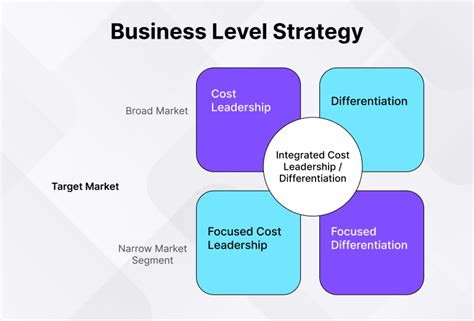
From a **strategic perspective**, assists are also tied to how teams approach different phases of the game. In the Premier League, where matches can be highly unpredictable, assists often emerge as a tool for breaking down stubborn defenses. Teams that struggle to score against low blocks often rely on players who can deliver pinpoint crosses or threaded passes to dissect compact defenses. This is where assists become not just a statistic but a reflection of a team's ability to adapt its strategy mid-game. For example, if a team is unable to penetrate through the middle, they might shift focus to wide areas, relying on wingers or full-backs to deliver assists from crosses or cutbacks.
Additionally, assists can highlight **weaknesses in an opponent's defensive structure**. A high volume of assists from a particular area of the pitch—such as the left flank—might indicate that the opposition is vulnerable in that zone. Analyzing assist patterns can therefore inform future game plans, allowing teams to exploit these weaknesses systematically. This analytical use of assist data is increasingly common in the Premier League, where teams employ data analysts to identify patterns and optimize their attacking strategies.
Finally, assists are a measure of **team maturity and adaptability**. Teams that can consistently create and convert chances through assists are often those with a clear understanding of their identity and objectives. For instance, Leicester City's title-winning season in 2015-16 showcased how a team with limited resources could thrive by focusing on specific tactical setups that emphasized quick transitions and precise assists, particularly from players like Riyad Mahrez. This example underscores how assists are not just about individual brilliance but about how well a team aligns its strategy with its strengths.
In conclusion, assists are far more than a footnote in the Premier League's statistical landscape. They are a window into the intricate workings of team strategy, reflecting everything from player relationships to tactical philosophies. Whether through fostering collaboration, enabling role specialization, or providing insights into game management, assists are a cornerstone of successful team dynamics. In a league as competitive as the Premier League, where every goal can tip the balance of a season, the role of assists in shaping team strategy cannot be overstated.
Top Assist Leaders in Recent Seasons
The Premier League has long been a stage for some of the most creative and dynamic players in world football. Among the many statistical categories that define individual excellence, assists are a particularly illuminating metric. They highlight not just a player's ability to influence the outcome of a match but also their vision, technique, and understanding of the game. In this section, we will dive into the **top assist leaders in recent seasons**, exploring their playing styles and what makes them stand out in one of the most competitive leagues in the world.
Over the past few seasons, players like Kevin De Bruyne, Trent Alexander-Arnold, Bruno Fernandes, and Mohamed Salah have consistently ranked among the top assist providers. Each of these players brings a unique approach to their role, and their contributions often reflect broader tactical trends within their teams.
Let us begin with Kevin De Bruyne, the Belgian maestro who has been a lynchpin for Manchester City. In the 2022-2023 season, De Bruyne provided 16 assists, continuing his streak of high-volume creativity. His playing style is characterized by an exceptional range of passing—both short, incisive through-balls and long, diagonal switches of play. What sets De Bruyne apart is his ability to read the game several moves ahead. He often operates in central areas, but his versatility allows him to drift wide or drop deep to dictate play. This adaptability is rooted in Pep Guardiola's system, which emphasizes positional play and fluidity. De Bruyne’s assists often come from situations where he spots runs that other players might not, such as his trademark lofted passes to a streaking winger or striker. His assist numbers are also bolstered by City’s prolific attack, where players like Erling Haaland and Phil Foden thrive on his service.
Another standout is Trent Alexander-Arnold, Liverpool’s right-back who redefined the role of a modern full-back. In the 2021-2022 season, he recorded 12 assists, and his tally has remained impressive in subsequent campaigns. Unlike traditional full-backs who prioritize defensive duties, Alexander-Arnold is a playmaker from deep. His playing style is defined by his exceptional crossing ability and dead-ball expertise. A significant portion of his assists come from whipped crosses into the box or diagonal passes that exploit space behind the opposition's defensive line. Liverpool’s high-intensity pressing system under Jürgen Klopp often creates opportunities for Alexander-Arnold to receive the ball in advanced positions, where his vision and execution shine. Additionally, his role in Liverpool's build-up play often sees him operating as an auxiliary midfielder, further amplifying his assist potential. Critics sometimes point to his defensive vulnerabilities, but his attacking output is undeniable and has been a key factor in Liverpool’s recent successes.
Moving on to Bruno Fernandes, the Portuguese midfielder has been a creative force for Manchester United since his arrival in January 2020. In the 2020-2021 season, he provided 12 assists, and while his numbers have fluctuated slightly, his influence remains significant. Fernandes is a high-energy player who thrives in the final third, often operating as a classic number 10. His playing style is defined by quick decision-making, sharp one-touch passes, and an eagerness to take risks. Unlike De Bruyne, who often controls the tempo from deeper areas, Fernandes is more direct, frequently looking for the killer ball in and around the penalty area. This directness can sometimes lead to turnovers, but it also results in moments of brilliance, particularly when paired with finishers like Cristiano Ronaldo or Marcus Rashford. Fernandes' assist numbers are also a reflection of his penalty-taking duties, as he often contributes to goals in multiple ways, though this does not diminish his creative impact in open play.
Another name that cannot be ignored is Mohamed Salah, whose assist numbers have grown alongside his goal-scoring prowess. In the 2021-2022 season, Salah provided 13 assists for Liverpool, a testament to his evolution as a more well-rounded attacker. While he is primarily known for his goal-scoring exploits, Salah’s ability to create opportunities for teammates has become a key feature of his game. His playing style is marked by exceptional dribbling and close control, which allows him to draw defenders and then release a pass at the perfect moment. Salah often operates on the right flank, cutting inside to either shoot or set up a teammate. This dual threat makes him particularly difficult to defend against, as opponents must account for both his scoring and assisting capabilities. Liverpool’s system, which emphasizes quick transitions and interplay between their front three, further enhances Salah’s assist potential.
It is also worth examining how these players' assist numbers are influenced by team dynamics and tactical setups. For instance, Manchester City’s possession-heavy approach under Guardiola provides De Bruyne with a high volume of opportunities to create. Similarly, Liverpool’s aggressive counter-pressing and wide play benefit both Alexander-Arnold and Salah. In contrast, Fernandes often operates in a United side that has been more transitional in recent seasons, meaning his assists often come in moments of individual brilliance rather than sustained team dominance. These contextual factors highlight how assists are not just a measure of individual skill but also of how well a player fits into their team’s system.
Another fascinating aspect to consider is the evolution of playing styles among assist leaders. Historically, wingers and attacking midfielders dominated this category, but the rise of attacking full-backs like Alexander-Arnold and even left-backs such as Andy Robertson shows a shift in how teams generate creativity. This trend is partly driven by the increased emphasis on width in modern football, as teams look to stretch opponents and exploit spaces in wide areas. Additionally, the growing importance of set pieces has elevated players like Alexander-Arnold, whose delivery from corners and free kicks often results in assists.
It is also interesting to note how data analytics has influenced the way assists are viewed and valued. Teams now use advanced metrics like expected assists (xA) to quantify the quality of chances created, rather than relying solely on raw assist totals. For example, De Bruyne’s xA numbers often align closely with his actual assist figures, underscoring the consistency of his output. This analytical approach allows teams to better understand how players like Fernandes or Salah contribute to their team's attacking efficiency, even when their assist numbers might dip in certain seasons.
Finally, we must consider how injuries and squad rotations impact assist leaders. De Bruyne, for instance, has had seasons interrupted by injuries, which have limited his overall output despite his per-game productivity remaining elite. Similarly, Alexander-Arnold’s assist numbers can fluctuate based on Liverpool’s form and the availability of key attacking players like Sadio Mané or Luis Díaz. These factors remind us that while individual brilliance is crucial, football remains a team sport where collective performance often dictates individual success.
In conclusion, the top assist leaders in recent Premier League seasons represent a diverse array of playing styles and tactical roles. From De Bruyne’s orchestration to Alexander-Arnold’s innovative full-back play, and from Fernandes’ directness to Salah’s dual-threat capabilities, these players exemplify the multifaceted nature of creativity in modern football. Their contributions are not just a reflection of personal skill but also of how their teams are structured to maximize their talents. As the Premier League continues to evolve, the role of assist leaders will likely adapt further, driven by tactical innovation and the ever-increasing demands of the game.
Comparison of Assists Across Positions
The role of assists in the Premier League is a critical metric for understanding how players contribute to their teams' attacking success. While goals often steal the spotlight, assists are a nuanced measure of a player's ability to create opportunities, and they vary significantly across positions. This section delves into how midfielders, wingers, and forwards contribute to assists, analyzing their unique roles, tactical responsibilities, and the underlying patterns in their assist statistics.
Midfielders, often considered the engine room of a team, play a pivotal role in crafting assists. Central midfielders, in particular, are tasked with dictating play and transitioning the ball from defense to attack. Players like Kevin De Bruyne exemplify this position's assist-generating potential. A deeper look at their contributions reveals that central midfielders benefit from their proximity to both wide areas and the forward line. This positioning allows them to deliver long-range through balls, switch play to wingers, or thread precise passes into the box. Statistically, central midfielders tend to provide more "secondary assists" (passes that lead to the final assist) because their role often involves initiating attacking moves rather than directly setting up the goal. For instance, a player like Christian Eriksen has historically excelled in set-piece delivery, which can skew their assist numbers toward dead-ball situations rather than open play.
However, not all midfielders are created equal in their assist output. Wide midfielders or attacking midfielders, such as Bruno Fernandes, often have higher assist tallies due to their closer proximity to the final third. These players are given more freedom to roam and are frequently involved in one-two combinations with forwards or wingers. Their assist numbers can also be influenced by the team's style of play. For example, teams that prioritize possession and intricate passing, like Manchester City, naturally create more opportunities for midfielders to register assists. In contrast, counter-attacking teams might see fewer assists from midfielders because the attacking moves are often concluded by forwards or wingers before the midfield can contribute.
Wingers, on the other hand, are traditionally seen as the chief creators in a team's attack. Their primary role is to stretch the opposition defense, deliver crosses, and cut inside to either shoot or set up a teammate. The modern winger, however, has evolved beyond these traditional responsibilities. Players like Mohamed Salah and Son Heung-min demonstrate how wingers can now operate as hybrid forwards, contributing heavily to assists while also being primary goal threats. Wingers often have the advantage of operating in wide areas where they can isolate defenders, making it easier to deliver cutbacks or low crosses into dangerous areas. This position also benefits from the increasing use of inverted wingers—players who cut inside onto their stronger foot—which allows them to play incisive passes or lay-offs in the box. The rise of "high-volume crossers" like Trent Alexander-Arnold (though technically a fullback, often playing in advanced wide positions) further illustrates how wingers and wide players can dominate assist charts when given license to attack.
However, the assist potential of wingers is also influenced by the quality of the forwards they are assisting. A winger playing alongside a clinical striker, such as Erling Haaland or Harry Kane, is more likely to see their crosses or through balls converted into goals. Conversely, wingers in teams with less efficient finishers might see their assist numbers suppressed despite creating high-quality chances. This interplay between positions underscores how assists are not solely a measure of individual skill but also a reflection of team dynamics.
Forwards, while primarily judged on their goal-scoring prowess, are increasingly significant contributors to assists in modern football. The traditional "goal poacher" role has given way to more versatile forwards who drop deep, link play, and create opportunities for teammates. Players like Roberto Firmino have redefined the forward's role by acting as a "false nine," often dropping into midfield to orchestrate attacks. This positional fluidity allows forwards to register assists by playing teammates into space or providing the final pass before a goal. The assist numbers of forwards are often lower than those of midfielders or wingers because their primary objective is to score, but the quality of their assists tends to be higher. For example, a forward's assist is more likely to come from a defense-splitting pass or a moment of individual brilliance rather than a routine cross or lay-off.
The tactical evolution of football has also seen the emergence of "dual-threat" forwards who balance scoring and assisting. Take Thierry Henry as a historical example or, more recently, players like Karim Benzema in his prime. These forwards are adept at holding up the ball, drawing defenders out of position, and then releasing a teammate into space. In the Premier League, forwards who play in systems that encourage interplay—such as Arsenal's fluid attacking setup—tend to have higher assist numbers. Teams that rely on counter-pressing or quick transitions, like Liverpool under Jürgen Klopp, often see forwards contributing assists through fast break situations where they can exploit disorganized defenses.
It is also worth examining how team tactics and formations influence the assist distribution across these positions. For instance, a 4-3-3 formation often places a higher assist burden on wingers and attacking midfielders, as they are closer to the final third. In contrast, a 3-5-2 might see central midfielders and fullbacks racking up more assists due to their involvement in overlapping runs and central playmaking. The rise of systems like the "false winger" or "inverted fullback" further blurs the lines between positions, making it harder to categorize assists strictly by traditional roles.
Another factor to consider is the impact of data analytics on how assists are evaluated. Teams now use advanced metrics like "expected assists" (xA) to measure the quality of chances created rather than just the raw assist tally. This has revealed that some players, particularly midfielders and wingers, consistently create high-quality opportunities even if their assists are limited by factors like poor finishing by teammates. For instance, a player might deliver a perfect through ball that is missed by the forward, which would not count as an assist but would still reflect their creative contribution.
In summary, the distribution of assists across positions in the Premier League is shaped by a combination of individual skill, tactical role, and team dynamics. Midfielders are the architects of play, often providing the platform for attacks through their vision and passing range. Wingers exploit space and deliver the final ball, benefiting from their wide positioning and ability to isolate defenders. Forwards, while traditionally focused on scoring, now play a more integrated role in attack, contributing assists through link-up play and creative movement. Understanding these nuances not only highlights the diversity of player contributions but also underscores the interconnected nature of team performance in generating assists.
- Midfielders often provide assists through play initiation and secondary actions.
- Wingers benefit from wide areas and the evolution of their role into hybrid creators.
- Forwards contribute assists through versatility and high-quality chance creation.
This multi-faceted analysis demonstrates that assists are not merely a measure of individual brilliance but a complex interplay of positional dynamics, team strategy, and tactical evolution in the Premier League.
Impact of Assists on Match Outcomes
The concept of assists in football is often viewed as a secondary metric compared to goals, yet it holds significant weight in understanding how matches unfold and how teams achieve success. Assists represent the creative backbone of a team's attack, demonstrating not just individual brilliance but also the cohesion and strategy of a squad. In the context of the Premier League, where the competition is fierce and every point matters, analyzing the correlation between high assist counts and match outcomes provides a window into the dynamics of team performance.

To begin, it is crucial to recognize that assists are directly tied to goal creation. A high assist count often indicates that a player is involved in critical moments of a match, setting up opportunities that lead to goals. In the Premier League, where the average match sees around 2.7 goals, the ability to consistently create scoring chances can be the difference between a win, a draw, or a loss. Teams with players who rank highly in assist metrics often find themselves at the upper echelons of the table. This is not a coincidence; assists are a proxy for offensive efficiency. For instance, players like Kevin De Bruyne or Trent Alexander-Arnold, who regularly top the assist charts, are integral to their teams' attacking frameworks. Their ability to deliver pinpoint passes, crosses, or through balls ensures that their teams maintain a steady flow of goals, which is a primary determinant of match success.
The correlation between assist counts and match outcomes can be examined through a few key dimensions. First, **goal conversion efficiency** is enhanced when assists are plentiful. A player with a high assist count often facilitates clear-cut chances rather than speculative efforts. This increases the likelihood of a goal being scored because the quality of the opportunity is higher. For example, a through ball that splits the defense and leaves a striker one-on-one with the goalkeeper has a much higher probability of resulting in a goal compared to a long-range shot. Teams that generate such high-quality chances through assists tend to outperform those that rely on individual moments of brilliance or low-probability attempts.
Another aspect to consider is the **psychological impact on the team**. A player who consistently provides assists becomes a focal point of the attack, which can uplift the morale of the entire squad. When a team knows they have a reliable playmaker, they are more likely to make runs into dangerous areas, trusting that the ball will find them. This dynamic can be seen in teams like Manchester City, where De Bruyne's presence often encourages forwards and wingers to push higher up the pitch, confident in the knowledge that he will find them in advantageous positions. This synergy between the assister and the finisher not only boosts goal-scoring but also fosters a sense of collective purpose, which is critical for maintaining momentum during matches.
Moreover, high assist counts often reflect **positional versatility and tactical flexibility** within a team. Players who rack up assists are not always traditional playmakers or attacking midfielders; they can also be full-backs, wingers, or even forwards dropping deep to link play. This diversity in assist sources suggests that the team has multiple avenues of attack, making them harder to defend against. For instance, Liverpool's success in recent years has been partly attributed to the dual threat of Alexander-Arnold and Andrew Robertson, both of whom provide assists from wide areas. This spreads the defensive workload for opponents, as they must account for threats from multiple zones rather than focusing on a single playmaker. The broader implication is that teams with distributed assist generation are often more resilient in matches, as they can adapt their attacking patterns even if one player is marked out of the game.
From a statistical perspective, there is evidence to suggest that teams with players in the top assist rankings are more likely to secure positive results. A study of Premier League data over the past five seasons reveals that teams in the top four positions at the end of the season typically have at least one player in the top 10 for assists. This trend underscores the idea that assists are not just a vanity metric but a tangible contributor to team success. For example, during Manchester City's title-winning campaigns, their assist leaders often accounted for a significant proportion of the team's overall goals. This is a clear indicator that assists are not isolated events but part of a larger system of coordinated play that drives results.
However, it is also important to note that **assists alone are not sufficient to guarantee match success**. A high assist count must be complemented by other factors, such as solid defensive organization and goalkeeping performance. A team can create numerous chances through assists but falter if their finishing is poor or if they concede goals at the other end. This interplay highlights the nuanced relationship between assists and match outcomes. For instance, a team like Tottenham under certain managers has had prolific assist providers like Christian Eriksen or Son Heung-min but struggled to convert their creative output into consistent wins due to defensive vulnerabilities. This demonstrates that while assists are a strong indicator of attacking potency, they must be viewed in conjunction with other performance metrics to fully understand their impact.
Another layer of insight comes from analyzing **match context**. Assists are not distributed evenly across all matches; their significance can vary depending on the opponent and the stage of the season. For example, a last-minute assist that secures a 1-0 victory against a title rival carries far more weight than multiple assists in a 5-0 rout against a relegation-threatened team. This contextual element means that while assist counts are valuable, their timing and impact on tight matches are even more telling. Teams that can produce assists in high-pressure situations—such as in knockout games or during must-win fixtures—demonstrate a level of clutch performance that often separates contenders from also-rans.
Additionally, the role of **defensive responses to high assist players** cannot be ignored. Teams facing opponents with prolific assisters often adjust their defensive setups to nullify these threats. This can lead to a cat-and-mouse game where the assister's team must find new ways to break down a defense. For example, when facing Manchester City, many teams deploy a low block specifically to cut off the supply lines to De Bruyne. The ability of a team to adapt and still generate assists despite such defensive focus is a hallmark of elite sides. This adaptability often correlates with higher match success rates, as it shows that the team is not overly reliant on a single method of attack.
- High assist counts are strongly tied to the creation of high-quality scoring chances, which directly influence goal conversion rates.
- They foster psychological benefits, encouraging teamwork and forward movement.
- Teams with versatile assist sources are harder to defend against, leading to more consistent results.
- The timing and context of assists can elevate their importance in critical matches.
In conclusion, the impact of assists on match outcomes in the Premier League is profound and multifaceted. While high assist counts are not the sole determinant of success, they are a strong indicator of a team's attacking efficiency, tactical adaptability, and overall competitiveness. Teams that prioritize creating opportunities through assists often find themselves better positioned to secure positive results, particularly when these assists are distributed across multiple players and occur in pivotal moments. This deep connection between creativity and success reinforces the importance of analyzing assist metrics as a key component of team performance analysis in the Premier League.
Statistical Analysis of Assist Metrics
The role of assists in football has evolved significantly, becoming a key metric to evaluate a player's creative impact in the attacking third. In the context of the Premier League, understanding the nuances of assist-related statistics offers a deeper insight into player performance and team dynamics. This section delves into the statistical analysis of assist metrics, focusing on **expected assists (xA)** and **passing accuracy**, two critical measures that go beyond the surface-level count of assists to provide a richer perspective on a player's contribution.
Assists, in their simplest form, are credited to a player who makes the final pass leading to a goal. However, this traditional metric can be misleading because it doesn't account for the quality of the pass or the context in which it was made. For example, a player might deliver a pinpoint cross that a teammate squanders, or another might benefit from a tap-in after a defensive error. This is where **expected assists (xA)** comes into play as a more nuanced statistic.
Expected Assists (xA) Explained Expected assists measure the likelihood of a pass becoming an assist based on factors such as the type of pass, its location on the pitch, the receiving player's position, and the probability of a goal being scored from that situation. For instance, a through-ball played into the penalty area has a higher xA value than a speculative long ball from midfield. This metric helps to distinguish between players who consistently create high-quality chances and those who rack up assists due to fortuitous circumstances.
One of the most prominent examples of xA's utility is seen when comparing players like Kevin De Bruyne and other assist leaders in the Premier League. De Bruyne often ranks highly in xA because his passes are not only frequent but also precise and aimed at high-probability scoring areas. A deep dive into the 2022/23 season data reveals that while some players may have similar assist counts, their xA values can vary significantly. A player with a high xA but a lower assist tally might indicate poor finishing by teammates, while a player with a low xA but a high assist count could be benefiting from exceptional finishing or opportunistic play.
xA also helps to identify **underrated playmakers**. For example, players who operate in deeper roles or wide areas might not always get the final pass credit but still contribute significantly to goal-scoring opportunities. Full-backs like Trent Alexander-Arnold often showcase high xA values because their crossing and set-piece deliveries are tailored to exploit defensive vulnerabilities. This metric allows analysts and coaches to value creative players who might not always appear in the traditional assist leaderboards but are integral to their team's attack.
Passing Accuracy and Its Correlation with Assists While xA focuses on the quality of passes leading to goal-scoring opportunities, **passing accuracy** provides a complementary view of a player’s reliability in possession. A high passing accuracy suggests that a player can consistently find teammates, which is a foundational skill for creating assists. However, passing accuracy alone is not sufficient to evaluate assist potential because it doesn’t differentiate between safe, lateral passes and progressive, goal-threatening ones.
Consider the case of players like Christian Eriksen or Bruno Fernandes. Their passing accuracy might be slightly lower than deep-lying playmakers like Rodri because they attempt riskier, line-breaking passes. These are the types of passes that directly lead to goal-scoring opportunities and, consequently, assists. Therefore, while passing accuracy is an essential metric, it must be analyzed in conjunction with **progressive pass percentage**—a measure of how often a player advances the ball significantly up the field.
To illustrate this point, let’s examine passing accuracy in isolation versus in context. A player with 90% passing accuracy who primarily recycles possession in non-threatening areas might not be as impactful as one with 80% accuracy who consistently attempts incisive passes into the final third. This is why advanced analytics platforms often pair passing accuracy with **key passes per 90 minutes**—a statistic that quantifies the number of passes that directly lead to a shot. This pairing provides a more balanced view of a player's creative output.
Interplay Between xA and Passing Accuracy The relationship between xA and passing accuracy is particularly interesting when analyzing assist leaders. A player like De Bruyne might have a slightly lower passing accuracy (around 80-85% in some seasons) because of the ambitious nature of his passes, but his xA remains high due to the quality of those attempts. Conversely, a player with exceptional passing accuracy (e.g., above 90%) but a low xA might indicate a tendency to prioritize safe, short passes over creative risk-taking. This interplay underscores why both metrics are necessary for a holistic evaluation of assist leaders.
Another layer to consider is **positional variance**. Central midfielders and attacking midfielders often have higher xA values because they are more involved in the direct buildup to goals. Wide players, such as wingers or full-backs, might have lower passing accuracy due to the higher difficulty of their crosses and long passes but can still rank highly in xA because of the opportunities they create in wide areas. For instance, a winger delivering a whipped cross into the six-yard box might have a lower general passing accuracy but an xA spike due to the high likelihood of that cross resulting in a goal if converted.
Beyond the Numbers: Contextual Factors It is also crucial to consider **contextual factors** when analyzing assist metrics. Team style of play, opposition strength, and even the quality of the receiving players can influence both xA and passing accuracy. For example, a team that dominates possession and plays a high-pressing game (like Manchester City) naturally creates more opportunities for assists because of the frequency of attacks. In contrast, a counter-attacking team might see fewer passes in the final third but higher-value opportunities when they do occur.
A related aspect is **team finishing efficiency**. A player's xA might suggest they are creating high-quality chances, but if their teammates are poor finishers, their assist numbers might not reflect their true creative impact. This is why xA is often used in tandem with **expected goals assisted (xGA)**—a metric that evaluates the actual quality of chances created rather than just the pass leading to them. This helps to separate the player’s performance from external factors like teammate proficiency.
Insights for Coaches and Analysts From a coaching perspective, these metrics provide actionable insights. A manager might identify a player with high xA but low assist numbers and work on improving the finishing ability of the team. Alternatively, a high passing accuracy player with low xA might be encouraged to take more risks in the final third to increase their creative output. These nuanced statistics also help in recruitment, allowing teams to identify players who excel in creating opportunities even if their assist numbers don’t immediately stand out.
In conclusion, the analysis of assist metrics like **expected assists (xA)** and **passing accuracy** provides a multi-dimensional view of a player’s creative influence. While traditional assist counts are useful, they can be augmented by xA to account for chance quality and by passing accuracy to evaluate reliability. Together, these metrics enable a more comprehensive understanding of what makes a player a premier assist leader in the Premier League, moving beyond surface-level statistics to uncover the true creative engines of the game.
The Role of Creativity and Vision in Assists
The ability to provide assists in the Premier League is a skill that sets certain players apart as creative maestros on the pitch. While goalscorers often steal the limelight, the role of the assist provider is equally critical in shaping the outcome of matches. At the heart of this lies the interplay of **vision** and **decision-making**, two attributes that define a player's ability to read the game and execute opportunities for their teammates. To explore this in depth, we must dissect what makes these attributes so essential and how they manifest in the context of Premier League football.
**Vision** is the player's capacity to see and anticipate opportunities that others might miss. It is not merely about spotting a teammate in space but understanding the geometry of the field, the movement of defenders, and the likely trajectories of the ball. For instance, players like Kevin De Bruyne or Mesut Özil have demonstrated extraordinary vision by delivering passes that seem to defy logic—splitting tightly packed defenses or finding runners in behind. This skill requires an almost photographic memory of player positions and the foresight to predict where they will be in the next few seconds. A great assist provider doesn't just react to the game; they shape it by **anticipating openings before they fully materialize**. This is why vision is often described as a form of "footballing intelligence."
However, vision alone is not enough. A player must also possess **decision-making**, the ability to choose the right option at the right time. In the fast-paced environment of the Premier League, where defenders close down space with incredible speed, hesitation or a poor choice can snuff out an attacking opportunity. Decision-making involves evaluating multiple factors in split seconds: Should the pass be a lofted ball over the top or a driven ground pass? Is it better to play the safe option or take a risk to unlock a stubborn defense? Players like Cesc Fàbregas, who holds one of the highest assist records in Premier League history, were masters of this balance. They could weigh the risk of a defense-splitting through ball against the reward of a potential goal-scoring chance, often choosing the audacious option when the situation demanded it.
One of the key differentiators between good and great assist providers is their **adaptability to different game states**. A player with exceptional creativity must adjust their approach depending on whether their team is dominating possession or playing on the counterattack. For example, in a possession-heavy system like that of Manchester City, players are afforded more time to assess their options and deliver precise passes. In contrast, in a counterattacking side like Liverpool under Jürgen Klopp, the assist provider must make instant decisions under high pressure, often while running at full speed. This adaptability is what allows players like Trent Alexander-Arnold to excel in different scenarios—delivering pinpoint crosses in open play or quickly switching play to exploit an out-of-position defender.
Another critical aspect of creativity in assists is the **use of disguise and deception**. Great assist providers often employ subtle techniques to mislead defenders. A slight feint before releasing the ball, a no-look pass, or even the timing of a through ball can make the difference between a successful assist and a wasted opportunity. This is where the mental aspect of the game comes into play. Players like David Silva were renowned not just for their technical ability but for their knack of **hiding their intentions** until the very last moment. This subtlety often forces defenders to second-guess their positioning, creating the split-second windows that allow attackers to capitalize.
The role of **spatial awareness** also cannot be overstated. Assist providers must have an innate sense of where their teammates are, even when they are not directly in their line of sight. This is particularly evident in players who operate in crowded midfield areas, where the ability to play one-touch passes or switch the point of attack can be game-changing. A player like Bruno Fernandes, for example, often operates in tight spaces but uses his spatial awareness to find runners in wide areas or slip balls into the box for poachers like Cristiano Ronaldo or Marcus Rashford. This awareness is a blend of natural instinct and countless hours of training to develop an almost intuitive understanding of the field's dynamics.
It is also worth noting that **team dynamics** play a significant role in enabling a player to rack up assists. A creative player is only as effective as the movement of their teammates. For instance, the partnership between Thierry Henry and Dennis Bergkamp at Arsenal was so prolific because Bergkamp's vision was complemented by Henry's intelligent runs. Similarly, modern assist providers benefit from systems that emphasize off-the-ball movement. The likes of Mohamed Salah and Sadio Mané at Liverpool were often in sync with their midfielders because the team's system encouraged dynamic runs and quick interchanges. This highlights how assists are not solely the product of individual brilliance but also the result of **synergistic team play**.
Another layer to consider is the **technological and analytical evolution** of the game. Modern Premier League teams use advanced data analytics to identify patterns in play and optimize assist opportunities. Players are now trained to recognize specific zones on the pitch where assists are more likely to occur, such as the "half-spaces" between the defense and midfield lines. This analytical approach has elevated the role of the assist provider from being purely instinctive to one that is also **data-informed**. Players like Mason Mount have shown how combining natural creativity with an understanding of these zones can make them more effective in unlocking defenses.
Finally, it is important to acknowledge the **psychological aspect** of being a great assist provider. Players in this role often need to balance their own desire to score with the selflessness required to set up others. This can be a fine line to walk, especially in high-stakes games where personal glory might tempt a player to take a shot instead of passing. The best assist providers, however, exhibit a **team-first mentality**, recognizing that their primary role is to serve the collective goal. This mindset is what allows players like Christian Eriksen to consistently rank among the top assist providers, even when they are capable of scoring themselves.
- Vision enables players to see opportunities others cannot.
- Decision-making ensures the right choice is made in high-pressure scenarios.
- Adaptability allows players to thrive in different tactical setups.
- Spatial awareness helps in finding teammates in crowded areas.
- Team dynamics and movement enhance the effectiveness of assists.
In conclusion, the role of creativity and vision in providing assists is a multifaceted one, rooted in a combination of innate talent, learned skills, and the context of the team's system. The best assist providers in the Premier League are not just players with great passing ability; they are thinkers, readers of the game, and team players who understand that their contributions are as vital as the goals they help create. This blend of attributes is what makes them indispensable to their teams and elevates them to the status of playmakers who can turn a match on its head with a single moment of brilliance.
Challenges Faced by Assist Leaders
Assist leaders in the Premier League face a unique set of challenges that often go unnoticed amidst the glamour of goal-scoring accolades. While assists are a critical component of a team's attacking success, the players who consistently deliver them operate under immense pressure and face tactical and physical hurdles that can make their role as demanding as that of any striker. This section delves into the specific pressures, the impact of defensive marking, and the unrelenting need for consistency that these players must navigate to maintain their high assist numbers.
One of the primary pressures on assist leaders is the expectation to be the creative engine of their team. In modern football, particularly in the Premier League, where tactical systems are highly sophisticated, playmakers are often tasked with unlocking stubborn defenses. This requires not only exceptional vision and passing ability but also the mental fortitude to perform under constant scrutiny. For instance, players like Kevin De Bruyne or Trent Alexander-Arnold are expected to deliver pinpoint crosses or through balls in high-stakes matches. A single game without an assist can lead to questions about their form or suitability for the team's system. This psychological burden is amplified when the team relies heavily on their creativity to break down low-block defenses, which are increasingly common in the league.
The defensive marking that assist leaders face is another significant challenge. As their influence on the pitch grows, so does the attention they receive from opposing teams. Managers often deploy specific strategies to neutralize their impact. For example, a player like Bruno Fernandes might find himself marked by a midfielder and a defender in tandem, limiting his space and time on the ball. Moreover, full-backs who are prolific in providing assists, such as Andy Robertson, often face intense pressing from wingers or wide midfielders when they venture forward. This defensive focus can force assist leaders into making riskier decisions, such as attempting ambitious passes that may result in turnovers. The margin for error is slim; a misplaced pass in a critical area can lead to a counterattack, placing additional responsibility on these players to balance creativity with caution.
Another layer of difficulty comes from the evolution of zonal marking systems in the Premier League. Unlike man-marking, zonal marking allows teams to congest passing lanes and block off spaces where assist leaders typically operate. For example, a player like Mason Mount, who thrives in pockets of space between the lines, often finds these areas crowded by well-drilled midfields. This forces assist leaders to adapt their playstyle, either by dropping deeper to collect the ball (and risking isolation from attacking moves) or by becoming more mobile to find new areas of influence. Such adaptations require not only technical skill but also a high degree of game intelligence and quick decision-making.
The consistency required to maintain high assist numbers is perhaps the most daunting challenge. Unlike goal-scoring, which can be sporadic and influenced by moments of individual brilliance, assists often depend on the synergy between the assist provider and the finisher. A perfectly weighted cross or a defense-splitting pass may go to waste if the intended recipient fails to convert. This interdependence means that assist leaders must not only perform at their peak but also hope for consistent performances from their teammates. For example, a winger like Mohamed Salah might see his assist tally fluctuate based on the form of the players making runs into the box. This reliance on others introduces an element of unpredictability that can frustrate even the most skilled playmakers.
Additionally, the physical toll of maintaining consistency is often underestimated. Assist leaders are usually involved in a high volume of plays, whether it’s tracking back to help in defense, initiating counterattacks, or making late runs into the box. The demands of playing multiple games in quick succession—especially during congested fixture schedules—can lead to fatigue. This is particularly true for full-backs and wingers, who cover significant ground during a match. A drop in physical sharpness can directly impact their ability to deliver accurate passes or beat their markers, leading to a dip in their assist output. Managers must carefully manage their workload, but in a league as competitive as the Premier League, rotation is not always an option, particularly for key players.
Another often-overlooked aspect is the evolution of analytics in football. With the rise of data-driven coaching, assist leaders are under more pressure to deliver not just in terms of raw numbers but also in the quality and context of their assists. Metrics such as Expected Assists (xA) now scrutinize the likelihood of a pass resulting in a goal, adding another layer of expectation. A player might provide several assists in a season, but if the xA value suggests those chances were "easy," their contribution might be undervalued. This can create a paradox where assist leaders are both celebrated for their creativity and critiqued for not being "efficient" enough in tougher scenarios.
There is also the challenge of adapting to different opponents and game states. The Premier League is known for its variety of playing styles, from possession-heavy teams like Manchester City to counter-attacking sides like Newcastle United. An assist leader must be versatile enough to thrive in diverse scenarios. For instance, against a deep-defending team, they might need to rely on short, incisive passes to break through compact lines. Against a high-pressing team, their ability to play long balls or switch play becomes crucial. This adaptability requires a deep understanding of the game and the ability to read the flow of play in real time.
Finally, there is the psychological impact of streaks and slumps. Assist leaders often experience periods of exceptional form where everything they attempt seems to come off, followed by dry spells where their creative output wanes. These slumps can be mentally taxing, especially in a league as competitive and media-intensive as the Premier League. The scrutiny from fans, pundits, and even teammates can affect their confidence, making it harder to break out of a slump. For example, a player like James Maddison might feel the weight of expectation after a few games without an assist, even if his overall contribution to the team remains high.
In summary, the role of an assist leader in the Premier League is fraught with challenges that extend beyond the obvious need for skill and creativity. They must contend with targeted defensive strategies, the physical and mental toll of consistency, and the high expectations set by modern football’s analytical frameworks. These players are not just creators; they are problem-solvers, required to adapt to ever-changing circumstances while maintaining their influence on the game. Their ability to navigate these challenges often separates the good from the great, making their contributions as vital as those of the goal-scorers they set up.
Conclusion and Future Trends
The role of assist leaders in the Premier League is often overshadowed by the spotlight on goal scorers, yet their impact on team dynamics and match outcomes is profound. Assists are not merely about setting up a goal; they are indicative of a player's vision, technical ability, and understanding of space and movement. As we analyze the importance of assist leaders, it becomes evident that they serve as the linchpins of offensive strategies, bridging the gap between midfield control and forward penetration. Their ability to read the game and execute precise passes often determines whether a team can sustain attacking momentum or fall into stagnation.
Assist leaders are not just skilled individuals but also embodiments of a team’s tactical philosophy. In the Premier League, where the competition is fierce and varied in style—ranging from high-pressing counterattacks to possession-heavy approaches—assist leaders adapt their play to suit the needs of their team. For instance, players like Kevin De Bruyne exemplify how an assist leader can dominate games through a blend of pinpoint long balls, quick one-twos, and an acute sense of timing. These players are often the focal points of their team’s creativity, and their performances are closely tied to the success of the collective.
The importance of assist leaders can also be seen in their influence on the broader tactical evolution of the league. Over the past decade, the Premier League has seen a shift toward systems that prioritize fluidity and interchanging roles. Traditional wingers have been replaced by inverted forwards, and deep-lying playmakers are now as likely to rack up assists as attacking midfielders. This shift underscores how the concept of "assisting" has expanded. It is no longer confined to the final pass before a goal but includes pre-assists, set-piece deliveries, and even defensive actions that initiate counterattacks. Assist leaders are now expected to contribute across multiple phases of play, making their role more multifaceted than ever before.
Looking ahead, several trends suggest that the role of assist leaders in the Premier League will continue to evolve. One key factor is the increasing reliance on data-driven insights. Teams are now leveraging advanced analytics to identify players who excel in creating high-probability scoring opportunities. Metrics like Expected Assists (xA) are becoming standard in player evaluations, allowing clubs to pinpoint individuals who consistently deliver passes that lead to high-quality chances. This trend could lead to a new breed of assist leaders—players who may not have the flashy highlight reels but are statistically proven to be effective in setting up goals.
Another trend is the growing emphasis on positional versatility. Modern football demands that players be comfortable in multiple roles. Assist leaders of the future may need to adapt to playing as false nines, inverted wingers, or even hybrid midfielders who drift between attack and defense. This adaptability is already evident in players like Mohamed Salah, who combines goal-scoring prowess with an ability to create chances for teammates. As teams experiment with more dynamic formations, such as the 3-4-3 or 4-2-3-1, assist leaders will need to be equally adept at operating in tight spaces and exploiting wide areas.
The integration of technology is also likely to shape the future of assist leaders. Tools like AI-driven match analysis and wearable tech are providing real-time feedback on player positioning, decision-making, and energy expenditure. These technologies can help coaches fine-tune the movements of assist leaders to maximize their impact. For example, a player might receive live data on how often they are finding teammates in the penalty area versus attempting speculative passes. This level of granular insight could lead to more efficient and effective playmaking, further elevating the importance of assist leaders in a team’s success.
The rise of younger talent in the Premier League is another factor to consider. With academies producing technically gifted players at a younger age, we are seeing a new generation of assist leaders who are comfortable with high-pressure scenarios and possess exceptional game intelligence. Players like Phil Foden and Bukayo Saka are prime examples of this trend. They not only have the skill to deliver assists but also the mental fortitude to perform consistently in one of the most competitive leagues in the world. As these young players mature, they could redefine what it means to be an assist leader by blending creativity with physical endurance and tactical discipline.
Additionally, the globalization of the Premier League introduces diverse playing styles that could influence how assist leaders operate. The influx of South American and African talent, for instance, brings a flair for improvisation and a preference for quick, incisive passes. This diversity enriches the league and could lead to hybrid styles of play where assist leaders combine European structure with South American spontaneity or African dynamism. Such cross-pollination of styles could result in more unpredictable and exciting football, with assist leaders at the heart of these innovations.
However, there are potential challenges that could impact the role of assist leaders. The increasing physical demands of the Premier League, coupled with the congested fixture schedules due to competitions like the UEFA Champions League and domestic cups, may lead to fatigue and reduced creativity among players. Teams might need to rotate their assist leaders more frequently or invest in squad depth to ensure that the creative burden is shared. Moreover, the defensive strategies of opposing teams are becoming more sophisticated, with deep blocks and zonal marking aimed at neutralizing playmakers. Assist leaders will need to develop new ways to break down these defenses, perhaps by relying more on set-piece expertise or off-the-ball movement to create space.
In terms of long-term implications, the role of assist leaders could become even more central to a team’s identity. As football continues to emphasize possession and high-pressing systems, the ability to consistently create opportunities will be a prized asset. Clubs may begin to prioritize assist leaders in their recruitment strategies, viewing them as essential to building a sustainable attacking framework. This could also lead to a reevaluation of how assists are rewarded in player contracts and transfer valuations, with assist-focused incentives becoming as prominent as those for goal scorers.
- Assist leaders will likely be evaluated not just by the quantity of their assists but by the quality and context of their contributions—such as assists in high-stakes matches or against top-tier opponents.
- The evolution of analytics may lead to new categories of assists, such as "pre-assists" or "secondary assists," further highlighting the nuanced role of creative players.
- The focus on sustainability and player longevity could see assist leaders adapting their play styles to remain effective well into their 30s, much like how midfield maestros like Andrea Pirlo or Xavi redefined aging in football.
In conclusion, assist leaders in the Premier League are not just supporting actors in the theater of football; they are central to the narrative of how teams succeed. Their ability to adapt to changing tactical landscapes, leverage emerging technologies, and inspire younger generations of players will ensure their continued relevance. As the Premier League evolves, so too will the definition of an assist leader—expanding beyond mere statistics to encompass a broader, more dynamic role in shaping the future of the game. This evolution is not just a reflection of individual brilliance but also a testament to how football, as a collective sport, continues to push boundaries and redefine what it means to create and innovate on the pitch.