Introduction
Television rights revenue has become one of the most critical financial pillars for football clubs worldwide, dictating not just their operational sustainability but also their competitive edge in the global sports arena. In an era where the commercialization of football has reached unprecedented heights, clubs are increasingly reliant on broadcast deals to fuel their ambitions. For a club of Barcelona's stature, television rights revenue is not merely a stream of income—it is a lifeline that supports its sprawling operations, from player transfers and salaries to infrastructure development and fan engagement initiatives. This section delves into why television rights are so significant for football clubs, with a focused lens on Barcelona’s financial reliance in the 2024-25 season.
To understand the gravity of television rights revenue for Barcelona, one must first grasp the broader context of how these deals have evolved in European football. Traditionally, broadcast rights were negotiated collectively by leagues, with revenue distributed among clubs based on a mix of performance, popularity, and other factors. However, as the global audience for football has expanded—spurred by digital streaming platforms, social media, and a more interconnected fanbase—clubs like Barcelona have sought to maximize their individual share of this lucrative pie. In Spain, the Liga de Fútbol Profesional (LFP) governs the distribution of television rights, but clubs with larger fan bases and higher viewership, such as Barcelona and Real Madrid, naturally command a disproportionate share of the revenue. This model has allowed Barcelona to secure multi-million-euro deals, enabling it to compete at the highest level despite its well-documented financial challenges.
Barcelona’s financial reliance on television rights is particularly pronounced due to its unique economic model. Unlike clubs in some other leagues, such as the English Premier League, where revenue from broadcasting is shared more equitably among teams, Barcelona’s revenue is heavily influenced by its individual appeal. The club’s brand—anchored by its rich history, global fan base, and the allure of stars like Lionel Messi in earlier years—has made it a prime attraction for broadcasters. For instance, in recent years, Barcelona has been one of the most-watched teams globally, with matches involving the club consistently drawing high ratings. This has allowed Barcelona to negotiate premium deals, even as its on-field performance has fluctuated. However, the club’s financial health has been strained by high debt levels, exacerbated by the COVID-19 pandemic and ambitious yet unsustainable spending on player acquisitions. In this context, television rights revenue serves as a critical stabilizer, ensuring that the club can meet its short-term obligations while planning for long-term recovery.
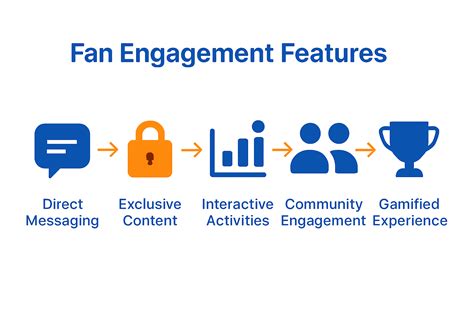
The 2024-25 season is particularly important for Barcelona in this regard. The club is in the midst of a financial restructuring effort, which includes reducing its wage bill, renegotiating debt terms, and seeking innovative ways to increase revenue. Television rights are expected to play a central role in this strategy. Reports suggest that Barcelona’s new deals for this period could see an uptick in revenue due to the growing demand for exclusive content in emerging markets such as Asia, North America, and Africa. These regions represent untapped potential for European football, and Barcelona is well-positioned to capitalize on its brand appeal in these markets. For example, the club has been actively engaging with fans through digital platforms, launching region-specific content, and even exploring partnerships with local broadcasters to create tailored viewing experiences. Such initiatives not only enhance the club’s visibility but also increase its bargaining power when negotiating television rights deals.
Another factor that underscores the importance of television rights for Barcelona is the shifting landscape of media consumption. Traditional broadcast models are being challenged by streaming services and over-the-top (OTT) platforms, which offer clubs the opportunity to bypass intermediaries and directly monetize their content. Barcelona has been at the forefront of this trend, having launched its own OTT platform, Barça TV+, to provide exclusive content to fans. While this platform is not yet a primary source of revenue compared to traditional broadcast deals, it represents a forward-looking approach that could supplement television rights income in the future. In the 2024-25 season, the club is likely to continue exploring synergies between its OTT offerings and broadcast partnerships, potentially bundling access to exclusive matches or behind-the-scenes content as part of its television rights packages. This hybrid approach could set a precedent for how football clubs monetize their intellectual property in an increasingly fragmented media landscape.
It is also worth noting that television rights revenue is not just about immediate financial gain for Barcelona—it is deeply intertwined with the club’s ability to attract and retain top talent. Football is a star-driven sport, and players are drawn to clubs that can offer not only competitive salaries but also the exposure and prestige that come with being part of a globally televised team. Barcelona’s ability to secure lucrative television deals directly impacts its attractiveness to elite players. For instance, the club’s recent signings and retention of key players have been closely tied to its ability to project financial stability, which is underpinned by robust broadcast income. Without this revenue, Barcelona risks losing its competitive edge in the transfer market, which could have a cascading effect on its on-field performance and, by extension, its brand value.
Furthermore, the significance of television rights revenue extends beyond Barcelona’s internal operations to its role in the broader football ecosystem. As one of the most influential clubs in La Liga, Barcelona’s financial health has a ripple effect on the league as a whole. A strong Barcelona, bolstered by high television rights revenue, contributes to the overall competitiveness and appeal of La Liga, which in turn benefits other clubs through increased global viewership and sponsorship opportunities. This interdependence highlights why the club’s ability to secure favorable television deals is not just a matter of self-interest but also a contribution to the league’s collective growth.
However, Barcelona’s reliance on television rights revenue is not without risks. The club’s financial model is heavily skewed toward this income stream, which can be volatile. Factors such as changes in viewer preferences, the emergence of competing sports or entertainment options, or even geopolitical events can impact broadcast revenues. For instance, the rise of esports and other forms of digital entertainment has started to divert younger audiences away from traditional sports consumption. Additionally, the increasing fragmentation of media rights—where leagues and clubs are splitting rights across multiple platforms—could dilute the value of traditional broadcast deals. Barcelona must navigate these challenges carefully to ensure that its reliance on television rights does not become a vulnerability.
In summary, television rights revenue is a cornerstone of Barcelona’s financial strategy, particularly in the 2024-25 season as the club seeks to stabilize its operations and pursue long-term growth. The revenue not only supports day-to-day operations but also enables the club to maintain its global stature, attract top talent, and contribute to the overall health of La Liga. While this reliance comes with inherent risks, Barcelona’s proactive approach—through digital innovation, regional engagement, and strategic partnerships—demonstrates its commitment to adapting to the evolving media landscape. As the club navigates the complexities of modern football finance, its ability to leverage television rights effectively will remain a critical determinant of its success.
Historical Context of TV Rights Revenue
Barcelona's television rights revenue has been a cornerstone of the club's financial ecosystem, reflecting broader trends in the evolving landscape of football economics. To understand the potential trajectory of Barcelona's TV rights revenue for the 2024-25 season, it is essential to examine the club's historical performance in this domain over the past decade. This historical context reveals not only the club's strategic decisions but also the external factors that have influenced its revenue streams.
In the early 2010s, Barcelona, like many top-tier European clubs, benefited from the growing global popularity of football. The club's on-field success, epitomized by its tiki-taka era under managers such as Pep Guardiola, created a surge in demand for televised matches. During this period, Barcelona's TV rights were primarily negotiated collectively under La Liga's centralized model. This meant that while Barcelona and Real Madrid, as the league's marquee teams, received the lion's share of the revenue, the distribution was still more equitable compared to the individualized deals seen in other leagues, such as the Premier League. Between 2010 and 2015, Barcelona's TV rights revenue grew steadily, driven by their consistent appearance in high-profile competitions like the UEFA Champions League and their domestic dominance in La Liga.
However, the landscape began to shift in 2015 when La Liga introduced a new centralized TV rights deal aimed at reducing the financial disparity between clubs. This reform, while beneficial for smaller clubs, initially posed challenges for Barcelona and Real Madrid, as their share of the revenue pool slightly decreased. Despite this, Barcelona's global brand ensured they remained one of the top earners in La Liga. From 2015 to 2019, Barcelona's TV rights revenue saw incremental growth, bolstered by their continued success in European competitions and their ability to negotiate lucrative sponsorship deals that complemented their broadcast income. For instance, their partnership with Rakuten, signed in 2017, indirectly supported their ability to invest in players and maintain their on-field competitiveness, which in turn kept their TV viewership high.
The late 2010s also marked a period of significant financial strain for Barcelona due to their aggressive spending on player transfers and wages. This period saw the club rely heavily on TV rights as a stable revenue stream to offset their operational costs. By 2019, Barcelona was reported to earn over €160 million annually from TV rights alone, a figure that underscored their dependence on this income source. However, the COVID-19 pandemic in 2020 disrupted this trajectory. The pandemic led to a sharp decline in matchday revenues and commercial activities, making TV rights an even more critical financial lifeline. With stadiums empty and broadcast schedules altered, Barcelona, like many clubs, faced a short-term dip in TV revenue as leagues negotiated reduced fees with broadcasters to account for the disruption.
Despite these challenges, Barcelona's TV rights revenue began to recover post-pandemic as La Liga sought to renegotiate deals in a more favorable market environment. One of the most significant developments during this period was the increasing role of international broadcast rights. While domestic TV rights remained a steady source of income, the global appeal of La Liga and Barcelona specifically began to drive exponential growth in overseas markets. In 2021, La Liga signed a multi-year deal with ESPN for the U.S. market, and Barcelona's share of this revenue pool increased due to their brand appeal. This trend was further supported by the club's digital transformation efforts, including the launch of Barça TV+, a streaming platform that aimed to monetize their content directly and reduce reliance on third-party broadcasters.
Another critical factor in Barcelona's TV rights revenue evolution has been the club's involvement in debates around the European Super League (ESL). Although the ESL project collapsed in 2021 amid widespread opposition, Barcelona's vocal support for the initiative highlighted their desire to explore alternative revenue models outside the traditional league structures. This move underscored the club's awareness of the limitations of La Liga's centralized model in maximizing their TV rights potential. While the ESL's failure stalled these ambitions, it set the stage for Barcelona to advocate for more flexible and lucrative arrangements within existing frameworks.
By 2023, Barcelona's financial recovery efforts, including the activation of economic levers such as selling future TV rights and other assets, signaled a more aggressive approach to stabilizing their finances. These levers, while controversial, allowed the club to invest in the squad and maintain their competitive edge, indirectly supporting their ability to generate higher TV rights revenue. For instance, the arrival of high-profile players like Robert Lewandowski and the club's resurgence in European competitions contributed to increased viewership and, consequently, higher broadcast valuations.
Looking at the broader European context, the Premier League's dominance in TV rights revenue offers a benchmark for Barcelona's ambitions. In 2023, Premier League clubs collectively earned over £2.5 billion from domestic and international TV deals, far outpacing La Liga. This disparity has prompted La Liga to innovate, with initiatives like the "Boost La Liga" agreement with CVC Capital Partners aiming to enhance the league's commercial appeal. Barcelona, as one of the league's flagship clubs, stands to benefit from these efforts, particularly if they can sustain their on-field success and audience engagement.
A detailed analysis of Barcelona's TV rights revenue over the past decade also reveals the club's vulnerability to external economic factors. For example, fluctuations in the global advertising market and changes in consumer viewing habits—such as the rise of streaming platforms and the decline of traditional cable subscriptions—have introduced new challenges. Barcelona's response to these shifts, including their investment in digital channels and direct-to-consumer models, suggests a forward-looking strategy aimed at diversifying their revenue base.
As we approach the 2024-25 season, Barcelona's TV rights revenue is poised for potential growth, but this is contingent on several factors. The club's performance in domestic and European competitions will remain a key determinant, as higher placements and appearances in marquee matches directly impact broadcast valuations. Additionally, La Liga's ability to secure improved international deals, particularly in high-growth markets like Asia and the Middle East, will play a pivotal role. Barcelona's own initiatives, such as expanding their streaming platform and leveraging their brand in non-traditional markets, could further augment their TV rights income.
In summary, Barcelona's TV rights revenue trends over the past decade illustrate a club navigating the dual pressures of financial ambition and external economic shifts. From the stability of the early 2010s to the disruptions of the pandemic and the post-pandemic recovery, Barcelona has consistently adapted its strategies to remain a top earner in this space. The 2024-25 season represents a critical juncture where the lessons of the past decade—coupled with proactive innovation—could position the club for sustained financial growth in the TV rights arena.
Current TV Rights Landscape in La Liga
The TV rights landscape in La Liga has undergone significant evolution over the past decade, driven by a need to modernize and compete with other top European leagues like the Premier League and the Bundesliga. The distribution of TV rights revenue in La Liga is governed by a model that seeks to balance equity and market-driven incentives. However, this model has unique implications for clubs like Barcelona, whose financial health and global appeal are heavily intertwined with their share of these revenues.
La Liga's TV rights distribution model is rooted in the **Royal Decree-Law 5/2015**, which was introduced to centralize the sale of broadcasting rights. Before this law, clubs negotiated their own deals, resulting in a highly uneven revenue distribution. Real Madrid and Barcelona, for instance, secured far larger deals than smaller clubs, creating a competitive imbalance. The centralization of rights aimed to address this issue by pooling revenues and distributing them based on a set of criteria designed to promote fairness while still rewarding performance and marketability.
Under the current structure, TV rights revenue is distributed using a formula that considers several factors. These include **a fixed base amount for all clubs**, **performance-based incentives** (such as recent league positions), **historical merit** (based on performance over the past five years), and **social factors** like the club's contribution to the league’s global reach. A smaller portion of the revenue is also allocated based on **audience share**, which measures a club's ability to attract viewers. This multifactorial approach is intended to reward both sporting success and commercial appeal while ensuring smaller clubs receive a sustainable share of the pie.
For Barcelona, this model presents both opportunities and challenges in the 2024-25 season. As one of the league's most marketable clubs, Barcelona benefits significantly from the social and audience share components of the distribution formula. The club's massive global fanbase and consistent high-profile matches (e.g., El Clásico against Real Madrid) ensure that it captures a substantial portion of the audience-driven revenue. However, Barcelona's recent financial struggles and off-field controversies have impacted its ability to fully capitalize on these advantages. For instance, the club's financial fair play issues have limited its squad investment, which could indirectly affect its on-field performance and, by extension, its share of performance-based TV revenue.
One of the most critical aspects of La Liga's model is the **50% base allocation** that is distributed equally among all 20 clubs. This ensures that even the smallest clubs receive a guaranteed minimum share of the revenue. However, the remaining 50% is distributed based on performance and marketability. Here, Barcelona and Real Madrid, as the two most prominent clubs, naturally receive a disproportionate share. Estimates suggest that in the 2024-25 season, the top two clubs could receive around **15-18% of the total revenue each**, while mid-table clubs might receive closer to 3-5%. This disparity, though reduced compared to the pre-2015 era, still gives Barcelona a significant financial edge over most of its competitors.
However, La Liga's model also includes **revenue equalization mechanisms** to prevent the top clubs from pulling too far ahead. A portion of the revenue is redistributed to lower-ranked clubs based on a "solidarity payment" system. While this helps maintain some competitive balance, it also means that Barcelona's net gain from TV rights is slightly diluted compared to what it might earn in a purely market-driven system. For example, if Barcelona were to negotiate its own TV deal independently, as Premier League clubs do, its revenue could potentially be much higher due to its global brand strength. However, La Liga’s centralized approach ensures that smaller clubs remain viable, which is crucial for the league’s overall health and competitiveness.

Another factor impacting Barcelona's TV rights share in 2024-25 is the **evolving media landscape**. Streaming platforms and international broadcasters are increasingly playing a role in how La Liga's rights are sold. The league has been actively pursuing deals with platforms like ESPN+ and Amazon Prime to expand its international audience. This shift benefits clubs with a strong international presence, such as Barcelona. However, the revenue from these deals is not solely tied to a club's individual performance but rather to the league's overall growth in global markets. This means Barcelona must share the benefits of this expansion with the rest of the league, even if its matches are a primary driver of international viewership.
Barcelona's share of TV rights revenue in 2024-25 is also influenced by **its recent partnership with Spotify** and other commercial deals. While these partnerships do not directly affect the TV rights formula, they enhance the club's overall revenue profile, potentially offsetting any shortfalls in the TV rights distribution. For instance, the Spotify deal, which includes stadium naming rights and shirt sponsorship, adds a buffer that allows Barcelona to invest in its squad and infrastructure even if its TV rights share remains relatively stable. This interplay between TV rights and commercial revenues highlights how Barcelona is navigating a multi-stream financial strategy to remain competitive.
A unique challenge for Barcelona in 2024-25 is the **post-COVID economic environment** and the lingering effects of its financial restructuring. The club has had to adopt cost-cutting measures, including player sales and wage reductions, to comply with La Liga's strict financial fair play rules. These challenges could limit Barcelona's ability to fully exploit its TV rights revenue, as any increase in revenue might be offset by caps on squad spending. This dynamic creates a paradox: while Barcelona remains one of the biggest beneficiaries of La Liga's TV rights model, its financial constraints mean that the revenue might not translate into on-pitch dominance as it once did.
Additionally, the **competitive landscape within La Liga** is changing. Clubs like Atletico Madrid, Sevilla, and Villarreal have become more competitive both domestically and in European competitions. This has led to a slight redistribution of audience share and performance-based incentives. While Barcelona and Real Madrid still dominate the top spots in terms of TV rights revenue, the gap between them and the next tier of clubs is narrowing. This trend could have long-term implications for Barcelona's dominance in the revenue hierarchy, especially if smaller clubs continue to grow in marketability and performance.
In summary, Barcelona's share of La Liga's TV rights revenue in 2024-25 is shaped by a complex interplay of factors. While the club benefits from its global appeal, historical success, and audience pull, it must also contend with the league's equalization mechanisms, financial fair play restrictions, and the broader economic environment. The centralized model ensures that Barcelona remains one of the highest earners in La Liga, but the club's ability to fully capitalize on this revenue depends on its financial discipline and on-field performance. As the media landscape continues to evolve, Barcelona must adapt its strategies to maintain its position as one of the league's most financially robust clubs.
Key Drivers of 2024-25 Revenue Growth
Barcelona's television rights revenue for the 2024-25 season is expected to see significant growth, driven by a combination of strategic decisions, market trends, and evolving consumer behaviors. Understanding the key drivers of this growth requires a closer look at the factors reshaping how football clubs monetize their broadcasting and digital assets. Below, we explore the critical elements contributing to this anticipated revenue surge.
New broadcasting deals and Market Competition One of the primary drivers of Barcelona's revenue growth in the 2024-25 season is the renegotiation of broadcasting deals. La Liga, like other major European leagues, has been actively pursuing more lucrative contracts with broadcasters both domestically and internationally. Spain's top-tier league has seen increased competition among media companies, including traditional networks and emerging digital platforms, to secure rights to broadcast matches. Barcelona, as one of the league's most marketable teams, stands to benefit disproportionately from these deals. For instance, the league's recent agreements with broadcasters in key international markets such as the United States, Asia, and the Middle East are likely to inject higher revenues into the club's coffers. These regions have shown growing appetite for European football, particularly for clubs with global fan bases like Barcelona. The club’s iconic status and star players make it a prime attraction for broadcasters looking to maximize viewership.
Additionally, the fragmentation of broadcasting rights has played a role. Unlike earlier centralized deals, clubs now have more leeway to negotiate individual agreements for friendly matches, preseason tours, and even specific competitions like the UEFA Champions League. Barcelona’s ability to secure premium rates for these auxiliary rights adds another revenue stream that supplements the core domestic and international broadcasting deals.
Digital Streaming Platforms and Direct-to-Consumer Models The rise of digital streaming platforms has fundamentally altered the landscape of sports broadcasting. Platforms such as Amazon Prime Video, DAZN, and even club-owned OTT (over-the-top) services are becoming significant players in the distribution of live sports content. Barcelona has been exploring ways to leverage this trend to its advantage. While traditional broadcasters still dominate, the club is increasingly looking at partnerships with streaming services that can offer both reach and flexibility. For example, a direct-to-consumer (DTC) streaming model could allow Barcelona to bypass intermediaries and sell matchday content directly to fans globally. This approach not only increases revenue potential but also gives the club greater control over its brand and audience data.
In the 2024-25 season, Barcelona is expected to experiment further with hybrid models where certain matches or exclusive content (such as player interviews, behind-the-scenes footage, or youth team games) are offered through its own digital platforms. This strategy is already being tested by other major clubs like Manchester City and Bayern Munich. By diversifying its revenue base through digital channels, Barcelona can tap into a younger, tech-savvy audience that might not engage with traditional TV subscriptions. Moreover, the club can use its streaming platform to upsell merchandise, promote ticket sales, and even integrate sponsorships in a way that traditional broadcasters cannot.
Audience Engagement and Global Fan Base Expansion Barcelona’s ability to monetize its television rights is closely tied to its global fan base, which has grown exponentially over the past decade. The club’s marketing efforts have been focused on engaging fans beyond Spain, particularly in regions like Asia, North America, and Latin America. These efforts include regular preseason tours, partnerships with local brands, and the establishment of Barcelona academies in key markets. A larger and more engaged global audience directly impacts the value of broadcasting rights because advertisers and broadcasters are willing to pay a premium to reach this audience.
One unique aspect of Barcelona’s strategy is its focus on digital fan engagement. The club has invested heavily in social media platforms, creating content tailored to different regions and languages. For instance, Barcelona’s use of short-form video content on TikTok and Instagram Reels has proven effective in capturing the attention of younger fans. This engagement not only builds loyalty but also boosts the club’s attractiveness to broadcasters and advertisers. A highly engaged fan base translates to higher viewership numbers, which in turn strengthens Barcelona’s bargaining position when negotiating rights deals.
Another factor is the club’s ability to capitalize on marquee signings and star players. The presence of global icons like Robert Lewandowski or emerging talents such as Pedri and Gavi ensures that Barcelona matches remain must-watch events for football fans worldwide. This "star power" effect is particularly important in markets where individual player popularity can outweigh team loyalty, such as in parts of Asia and the Middle East. As a result, broadcasters are more inclined to pay top dollar for the rights to showcase Barcelona games, knowing that these matches will draw significant audiences.
Regulatory Changes and Revenue Redistribution Regulatory shifts in how television revenues are distributed within La Liga have also played a role in Barcelona’s projected growth. The league has been working on a more equitable revenue-sharing model that still rewards top-performing and high-profile clubs. While this might seem like a potential risk for Barcelona, the club’s consistent performance and global appeal ensure that it remains in a favorable position under such models. Furthermore, La Liga’s push to increase the overall value of its collective broadcasting rights—by improving production quality, expanding international coverage, and marketing the league as a whole—has a spillover effect that benefits top-tier clubs like Barcelona.
In addition, the European Union's focus on fair competition and anti-monopoly practices in sports broadcasting has indirectly benefited clubs. By encouraging transparency and preventing any one entity from monopolizing rights, the EU has created an environment where clubs like Barcelona can negotiate more favorable terms with multiple broadcasters rather than being locked into restrictive deals.
Innovations in Content Packaging and Sponsorship Integration Another subtle yet impactful driver of revenue growth lies in how Barcelona packages its content for broadcasters and streaming platforms. The club has been at the forefront of offering "value-added" packages that include not just live matches but also supplementary content such as match analyses, player spotlights, and historical retrospectives. This approach makes Barcelona’s offerings more attractive to broadcasters who are eager to provide their subscribers with a comprehensive viewing experience. For example, a "Barcelona Season Pass" offered through a streaming service could include not only live games but also exclusive access to training sessions, manager interviews, and interactive fan Q&A sessions.
Sponsorship integration is another area where Barcelona is innovating. The club has been working closely with its sponsors to embed their branding into digital and televised content in more seamless and creative ways. For instance, virtual advertising technologies allow sponsors' logos to be displayed dynamically during broadcasts, even in markets where local regulations might restrict traditional advertising. This not only enhances the value of Barcelona’s television rights but also creates new revenue opportunities tied to specific sponsorships.
Conclusion The projected growth in Barcelona’s television rights revenue for the 2024-25 season is the result of a multifaceted strategy that combines traditional broadcasting, digital innovation, and audience engagement. By capitalizing on new broadcasting deals, exploring direct-to-consumer models, expanding its global fan base, and leveraging regulatory and technological shifts, Barcelona is well-positioned to maximize its revenue potential. These efforts not only secure the club’s financial future but also reinforce its status as a leader in the commercialization of football in the modern era.
Comparison with Top European Clubs
The landscape of television rights revenue in European football has become a critical determinant of financial competitiveness for elite clubs. Barcelona, as one of the most storied institutions in the sport, has historically leveraged its global brand and massive fanbase to secure lucrative deals. However, as we analyze the projected TV rights revenue for the 2024-25 season, it is essential to place Barcelona’s figures in the context of its direct competitors—clubs like Real Madrid, Manchester United, and Paris Saint-Germain (PSG)—to understand how it stacks up in this increasingly monetized domain.
To begin with, Barcelona's TV rights revenue is heavily influenced by its participation in La Liga and the UEFA Champions League. For the 2024-25 season, projections suggest that Barcelona could earn approximately €220-240 million from domestic and international TV rights combined. This figure, while substantial, must be examined in light of the broader financial ecosystem of European football. Real Madrid, often considered Barcelona's fiercest rival, is projected to earn a similar range, potentially slightly higher at €230-250 million. This closeness is not surprising given the shared dominance of the Spanish league in terms of TV rights distribution, which is more equitable compared to other top European leagues like the Premier League.
However, a key distinction lies in the marketability and appeal of the clubs outside Spain. While Barcelona and Real Madrid are neck-and-neck in domestic rights, Real Madrid has historically edged Barcelona in international broadcast appeal, particularly in regions like Asia and the Middle East. This is due to Real Madrid's sustained success in the Champions League over the past decade and its ability to attract marquee players who resonate globally. Barcelona, on the other hand, has faced challenges in maintaining its on-field dominance, which could slightly impact its international TV rights growth compared to its rival. The gap is marginal but indicative of how success on the pitch directly correlates to revenue potential in this area.
Shifting focus to Manchester United, the Premier League's TV rights structure provides a stark contrast. For the 2024-25 season, Manchester United is projected to earn upwards of €280-300 million from TV rights. This figure is significantly higher than Barcelona's, even though Manchester United has not been as competitive in European competitions recently. The reason for this disparity lies in the centralized and highly lucrative nature of Premier League TV deals. The Premier League’s international broadcast rights are among the most expensive in the world, with the league's global audience dwarfing that of La Liga. Manchester United, as one of the most followed clubs worldwide, benefits disproportionately from this structure. Even in seasons where their performance has been subpar, their historical brand appeal and consistent viewership numbers ensure robust TV revenue streams. This situation highlights a structural advantage that Premier League clubs, including Manchester United, hold over their La Liga counterparts.
Another dimension to consider is the lopsided growth of TV rights revenue in the Premier League compared to other leagues. While La Liga has seen incremental increases in its TV deals, the Premier League has consistently outpaced other European leagues in securing exponential growth in its broadcasting contracts. This is a critical factor that places Manchester United, and even clubs like Liverpool and Manchester City (who are projected to earn similar or slightly higher figures than United), in a more advantageous position relative to Barcelona. The revenue gap between the Premier League and La Liga is not merely a reflection of on-field performance but of the leagues' differing approaches to monetization and global outreach.
Turning to Paris Saint-Germain (PSG), the French club provides an interesting case study in how TV rights revenue interacts with state-backed ownership models. For the 2024-25 season, PSG is expected to earn around €180-200 million from TV rights. While this is lower than Barcelona's projections, it is important to note that the Ligue 1 TV rights market is less developed compared to La Liga or the Premier League. PSG’s revenue is bolstered by its dominance in a relatively weaker league, but the club compensates for lower TV rights income through other revenue streams, such as sponsorship deals tied to its Qatari ownership and its aggressive marketing in emerging football markets. PSG’s lower TV rights revenue compared to Barcelona is less a reflection of brand value and more a consequence of the French league’s limited commercial appeal on the global stage.
One of the most striking takeaways from this comparison is the structural inequality between leagues. While Barcelona and Real Madrid operate in a league where TV revenue is distributed more equitably among clubs (a model that historically aimed to maintain competitive balance in La Liga), the Premier League’s model rewards top clubs like Manchester United disproportionately due to their larger share of international rights. This inequality has created a situation where Barcelona, despite being one of the most recognizable football brands globally, finds itself at a financial disadvantage in terms of TV rights compared to Premier League giants. Moreover, the recent financial struggles of Barcelona, including its high debt levels and need to restructure its operations, further complicate its ability to fully capitalize on TV rights growth in the short term.
Another critical insight is the role of non-traditional revenue sources in offsetting TV rights disparities. Barcelona, like PSG, has been exploring alternative avenues such as digital content platforms, fan tokens, and regional sponsorship deals to supplement its TV income. However, these efforts are still in their infancy compared to the entrenched global broadcast deals of Manchester United or the state-backed financial muscle of PSG. This reliance on diversification underscores a broader trend in European football: clubs are no longer solely dependent on traditional TV rights but are actively seeking to redefine their revenue models in a rapidly changing media landscape.
It is also worth noting that Barcelona’s TV rights revenue could be impacted by its involvement in potential new competitions, such as the evolving structure of the Champions League or even speculative ventures like the European Super League (should it ever materialize). These opportunities, if realized, could provide Barcelona with a much-needed boost in TV-related earnings. However, for now, the club remains in a position where it must navigate the constraints of La Liga’s TV rights framework while competing with clubs in leagues that offer more lucrative deals.
- Barcelona’s TV rights revenue for 2024-25 is projected at €220-240 million, slightly below Real Madrid’s €230-250 million.
- Manchester United benefits from the Premier League’s centralized structure, with projected earnings of €280-300 million.
- PSG, despite Ligue 1’s lower TV rights value (€180-200 million), compensates through other revenue streams tied to its ownership model.
- The Premier League's global broadcast appeal significantly outpaces La Liga, creating a structural revenue advantage for English clubs.
In conclusion, while Barcelona remains a financial heavyweight in European football, its TV rights revenue for 2024-25 reflects both the strengths and limitations of its domestic league. The comparison with Real Madrid, Manchester United, and PSG reveals not only the club's enduring appeal but also the challenges it faces in competing with the Premier League’s financial dominance and PSG’s unique ownership advantages. This underscores the need for Barcelona to continue innovating in revenue generation while addressing its on-field performance to maintain its status as a top-tier club in the global football hierarchy.
Challenges and Risks in Revenue Projections
The projection of Barcelona's television rights revenue for the 2024-25 season is a critical aspect of the club's financial strategy, particularly as it navigates the complexities of modern football economics. However, this revenue stream is not immune to challenges and risks that could undermine its stability. In this section, we will explore some of the key potential risks, including economic downturns, competition from other sports, and regulatory changes, that could impact the club's ability to sustain or grow its television rights income.
One of the most immediate and pervasive risks to Barcelona's television rights revenue is the threat of economic downturns. Football, like any entertainment industry, is highly sensitive to macroeconomic conditions. In periods of economic contraction, consumer spending on discretionary items such as pay-TV subscriptions, streaming services, and matchday experiences tends to decline. For instance, if Spain or the broader European economy enters a recession, fans may be less willing or able to purchase television packages that include La Liga matches. This could lead to reduced viewership numbers, which in turn could lower the value of broadcasting deals. Moreover, advertisers—a key source of supplementary revenue for broadcasters—may cut back on their spending during downturns, further eroding the financial ecosystem that supports high-value TV rights.
Another dimension of economic risk lies in the globalization of Barcelona's fan base. While the club has a massive following worldwide, much of its international revenue from TV rights depends on markets in regions like Asia, the Middle East, and the Americas. These regions are often more volatile in terms of economic stability. A currency devaluation in key international markets, for example, could reduce the purchasing power of local broadcasters or streaming platforms, potentially leading to renegotiated or diminished deals. Furthermore, if inflationary pressures persist globally, the cost of production and distribution for broadcasters might rise, squeezing margins and making high-value rights packages less appealing.
A second major challenge comes from competition with other sports. While football remains the dominant sport in many markets, the landscape is becoming increasingly crowded. Sports like basketball (particularly the NBA), cricket (especially in South Asia), and esports are aggressively vying for audience attention and media rights dollars. In regions where Barcelona has traditionally enjoyed strong viewership, such as Southeast Asia or Latin America, the rise of local sports leagues or global alternatives could dilute the club's share of the entertainment market. For instance, the explosive growth of esports among younger demographics poses a unique threat. If younger fans are drawn more to competitive gaming than traditional football, broadcasters might reassess their investment priorities, opting to allocate resources to more "future-proof" sports properties.
This competition is not limited to other sports but also extends within football itself. Rival clubs such as Real Madrid, Manchester City, and Paris Saint-Germain are also vying for top-tier broadcasting deals. If these clubs achieve greater on-pitch success or sign high-profile players that capture global attention, they could siphon viewership and bargaining power away from Barcelona. For example, if Real Madrid secures a string of Champions League victories while Barcelona experiences a slump, broadcasters may prioritize the former in negotiations, impacting the revenue split for domestic or European TV rights.
The third significant risk lies in regulatory changes, which can be both unpredictable and far-reaching. Governments and football governing bodies are increasingly scrutinizing the financial and competitive dynamics of the sport. For instance, the European Union has previously examined the monopolistic tendencies of certain broadcasting arrangements, and there is growing pressure to ensure that TV rights deals do not unfairly concentrate wealth among a few elite clubs. Should new regulations mandate revenue-sharing models that are more equitable across La Liga clubs, Barcelona could see a reduction in its share of the domestic TV rights pie. Similarly, stricter rules around broadcasting monopolies could lead to the fragmentation of rights packages, reducing the overall value of deals.
Additionally, there is the potential for intervention in subscription-based models. Some governments are exploring caps on the pricing of sports broadcasting packages to make them more accessible to the general public. If such measures are implemented, broadcasters might struggle to recoup the high costs of acquiring rights, potentially leading to lower bids in future auctions. This is particularly concerning for Barcelona, which has historically benefited from the high premiums paid by platforms like Movistar and DAZN for exclusive La Liga coverage.
Beyond economic and regulatory factors, technological disruption represents a less obvious but equally potent risk. The rapid evolution of streaming platforms and the "cord-cutting" phenomenon have already altered the traditional TV rights landscape. While streaming services have so far been a boon for rights holders, offering new revenue streams through direct-to-consumer models, this dynamic is not without its pitfalls. Platforms like Amazon Prime Video and Netflix have shown a willingness to enter sports broadcasting, but they are also highly data-driven and may prioritize sports with more predictable or global appeal. If Barcelona's appeal wanes in key streaming markets, these platforms might opt to invest elsewhere, leaving traditional broadcasters to shoulder the burden of high-cost deals.
Another technological challenge is the rise of piracy and unauthorized streaming. High-quality illegal streams are becoming increasingly accessible, particularly in markets where legitimate options are priced out of reach for many fans. While Barcelona and La Liga have invested in anti-piracy measures, the cat-and-mouse nature of this battle means that a significant portion of potential revenue is lost to piracy. If this trend accelerates, broadcasters may become more hesitant to commit to high-value deals, knowing that a portion of their audience will access content through illegitimate means.
Finally, it is worth considering the reputational risks that could indirectly affect TV rights revenue. Barcelona's brand is one of its most valuable assets, but any scandal—whether related to financial mismanagement, player behavior, or broader institutional issues—could tarnish its image. A damaged reputation might make the club less attractive to broadcasters and advertisers who seek to align themselves with "clean" and high-integrity organizations. For instance, if controversies surrounding Barcelona's financial dealings (such as those related to the "Negreira case") resurface or new issues arise, it could lead to a loss of trust among stakeholders, including TV rights partners.
In summary, while Barcelona's television rights revenue for 2024-25 is a critical component of its financial planning, it is far from guaranteed. Economic downturns could suppress consumer and advertiser spending, competition from other sports and within football could erode Barcelona's market share, and regulatory changes might reshape the financial landscape of broadcasting deals. Coupled with technological disruptions and reputational vulnerabilities, these risks underscore the need for Barcelona to adopt a diversified and resilient revenue strategy that can weather potential storms in the television rights market.
Impact of Financial Fair Play (FFP) on Revenue Utilization
Barcelona's television rights revenue for the 2024-25 season is a critical component of the club's financial ecosystem, particularly as it navigates the stringent requirements of Financial Fair Play (FFP). The intersection of this revenue stream with FFP regulations presents both opportunities and challenges for the club, especially given its recent financial restructuring efforts. To fully understand the impact of FFP on the utilization of this revenue, it is essential to delve into how Barcelona must strategically align its income with compliance obligations while maintaining a competitive edge in both domestic and European football.
FFP regulations, introduced by UEFA, are designed to ensure that football clubs operate within their means, preventing excessive spending fueled by debt or unsustainable financial practices. These rules require clubs to balance their books over a rolling three-year period, with allowances for some losses provided they are covered by equity contributions rather than debt. For Barcelona, a club that has historically leveraged its global brand to secure lucrative TV rights deals, the challenge lies in ensuring that this revenue is not only maximized but also deployed in a manner that adheres to FFP's financial discipline.
One of the primary ways Barcelona's TV rights revenue must align with FFP is through its role in reducing the club's **debt burden**. In recent years, Barcelona has faced significant financial strain, including a reported debt of over €1 billion at its peak. A portion of the TV rights revenue for 2024-25 will likely be earmarked for debt servicing, particularly repayments on loans taken to manage operational shortfalls or finance infrastructure projects like the Espai Barça redevelopment. However, this allocation must be carefully managed to avoid triggering FFP penalties. For instance, if a substantial share of the revenue is used to pay down debt without corresponding reductions in operational expenses or player wages, UEFA may view this as a lack of financial prudence. This creates a delicate balancing act: while reducing debt is a long-term necessity, it cannot come at the expense of FFP compliance in the short term.
Another critical area of focus is **player acquisitions and wage bills**. Barcelona's TV rights revenue is a key contributor to its ability to sign and retain top-tier talent. However, under FFP, the club is limited in how much of this revenue can be directed toward player-related expenditures. UEFA's regulations impose a **salary cap proportion**, requiring clubs to keep their wage bills within a certain percentage of their revenue. For Barcelona, this has been a particularly challenging area, as the club has often operated with one of the highest wage bills in world football. The 2024-25 TV rights revenue must therefore be used judiciously to either renegotiate contracts at more sustainable levels or invest in younger, less expensive players who offer long-term value. This approach not only helps Barcelona stay within FFP parameters but also aligns with the club's broader strategy of transitioning toward a more sustainable financial model.
A unique insight into this dynamic is the role of **non-traditional revenue optimization** in FFP alignment. Barcelona has explored innovative methods to enhance its TV rights value, such as the sale of a percentage of its future rights to third-party investors (e.g., the deal with Sixth Street for a portion of La Liga rights). While this provides immediate liquidity, it also introduces a **long-term liability** in terms of reduced future income streams. Under FFP, such deals are scrutinized to ensure they do not artificially inflate a club's revenue for short-term compliance while creating unsustainable financial gaps in subsequent years. Barcelona must therefore ensure that any revenue derived from these arrangements is clearly accounted for within FFP's framework, avoiding the perception of financial engineering.
The **redistribution of TV rights revenue across the club's operations** also plays a pivotal role in FFP compliance. Beyond player-related costs, Barcelona must allocate this revenue to other areas such as youth academy development, women's football, and community initiatives. These investments are not only beneficial for the club's long-term growth but are also viewed favorably under FFP as they demonstrate a commitment to holistic development rather than purely commercial gain. For instance, increased spending on La Masia (Barcelona's famed youth academy) can be framed as an investment in sustainable talent production, which aligns with FFP's emphasis on clubs developing their own players rather than relying solely on expensive transfers. This strategy can also serve as a buffer against potential FFP investigations, as it showcases a diversified approach to revenue utilization.
However, the **risks of mismanagement** loom large. Barcelona's financial history includes instances of overspending on transfer fees and wages, which have drawn scrutiny from UEFA and other regulatory bodies. The 2024-25 TV rights revenue must therefore be accompanied by **transparent financial reporting** to demonstrate that the club is not merely meeting FFP requirements on paper but is genuinely committed to sustainable practices. This includes providing detailed breakdowns of how TV rights funds are used, such as publishing audited financial statements that clearly delineate expenditures across different operational categories. Transparency can help rebuild trust with UEFA and other stakeholders, particularly in light of Barcelona's past controversies, such as the "Negreira case," which has cast a shadow over its reputation.
Additionally, Barcelona's **broader financial strategy** must incorporate **revenue diversification** to reduce its reliance on TV rights as a primary income source. While TV rights remain a cornerstone of the club's finances, over-dependence on this revenue stream can be risky, particularly in a volatile media landscape where broadcast deals may fluctuate. FFP encourages clubs to build resilience by diversifying their income sources, such as through merchandising, sponsorships, and digital platforms. Barcelona's recent foray into **Barça Studios** and its partnerships in the digital space (e.g., NFT projects and fan tokens) are steps in this direction. However, these initiatives must also be evaluated for their FFP impact, as any revenue generated must be sustainable and not reliant on speculative or high-risk ventures.
Finally, the club's **engagement with FFP's "settlement framework"** is worth noting. If Barcelona anticipates challenges in meeting FFP requirements due to the scale of its TV rights revenue and associated expenditures, it may need to negotiate a settlement with UEFA. This could involve agreeing to specific financial targets, such as reducing its wage bill by a certain percentage or capping transfer spending for a defined period. While such settlements are not ideal, they can provide Barcelona with a pathway to remain competitive while working toward long-term financial health. The club's leadership must weigh the trade-offs of such agreements, particularly in terms of how they might affect its ability to attract top talent or invest in key areas like stadium upgrades.
- TV rights revenue must be used to service debt while maintaining FFP compliance.
- Wage bills and player acquisitions need to be managed within FFP's revenue-to-expenditure ratios.
- Innovative revenue deals, such as selling future rights, must be transparent and sustainable under FFP.
- Diversification of revenue streams can reduce over-reliance on TV rights and strengthen FFP positioning.
- Transparent reporting is essential to rebuild trust and demonstrate genuine commitment to FFP principles.
In conclusion, Barcelona's TV rights revenue for 2024-25 is not merely a financial windfall but a critical tool in its quest for FFP compliance and long-term stability. The club must navigate a complex landscape of debt reduction, player investment, and operational diversification while ensuring that every euro of this revenue is accounted for within FFP's strict guidelines. By doing so, Barcelona can not only avoid penalties but also position itself as a model for financial sustainability in modern football.
Role of Media Partners and Sponsors
The landscape of television rights revenue for football clubs like Barcelona has evolved significantly over the past decade. With the advent of digital streaming platforms and the globalization of sports viewership, the role of media partners and sponsors has become more pivotal than ever in shaping the financial framework of clubs. For Barcelona, a club with a massive global fanbase and a brand synonymous with excellence, the influence of media partners such as Amazon, DAZN, and traditional broadcasters cannot be understated. These entities are not just facilitators of broadcast deals but active participants in redefining how Barcelona monetizes its content and engages its audience.

One of the most significant shifts in recent years has been the entry of **digital-first platforms** like Amazon and DAZN into the sports broadcasting arena. These platforms bring a new dimension to Barcelona's TV rights negotiations. Amazon Prime Video, for instance, has shown an aggressive appetite for securing exclusive sports content. In markets like the UK and Germany, Amazon has successfully acquired rights to high-profile football matches, including the Premier League. This trend signals a broader ambition to tap into football's global appeal, and Barcelona, as one of the most-watched clubs worldwide, is a natural target. By partnering with Amazon, Barcelona could unlock a new revenue stream through subscription-based models tailored to its global audience. Unlike traditional broadcasters, Amazon’s data-driven approach allows for highly personalized viewer experiences, which can enhance fan engagement while also providing Barcelona with granular insights into its fanbase’s consumption patterns.
Similarly, DAZN has positioned itself as a disruptor in the sports broadcasting space. Known as the "Netflix of sports," DAZN has aggressively pursued rights to top-tier football leagues and competitions. For Barcelona, DAZN represents an opportunity to expand its reach in markets where traditional broadcasters may not have as strong a foothold. For example, in regions like Japan and Canada, DAZN has become a go-to platform for sports content. A partnership with DAZN could allow Barcelona to penetrate these markets more effectively, ensuring that its brand visibility extends beyond Europe and South America. Moreover, DAZN’s flexible subscription model and focus on mobile-first streaming align well with the preferences of younger, tech-savvy fans—a demographic Barcelona must continue to cultivate to maintain its long-term growth.
However, while digital platforms are making inroads, traditional broadcasters remain influential players in the TV rights ecosystem. Broadcasters like Movistar, ESPN, and Sky Sports have long-standing relationships with Barcelona and possess the infrastructure to deliver high-quality, linear broadcasts to millions of viewers. These broadcasters often offer guaranteed revenue streams through multi-year deals, which provide financial stability for the club. Traditional broadcasters also have an advantage in their ability to bundle Barcelona’s matches with other premium content, creating a comprehensive package for subscribers. This bundling strategy not only ensures consistent viewership for Barcelona games but also reinforces the club’s position as a centerpiece of sports entertainment.
The interplay between digital platforms and traditional broadcasters introduces a competitive dynamic that benefits Barcelona. Media rights auctions for La Liga and UEFA Champions League matches have become highly contested events, with both Amazon and DAZN challenging the dominance of traditional networks. This competition often results in inflated bids, which directly benefits Barcelona by driving up the value of its TV rights. For instance, reports suggest that La Liga’s deal with broadcasters for the 2024-25 season could see a significant increase in valuation, partly due to the entry of non-traditional players. Barcelona, as one of the league’s marquee teams, stands to gain a larger share of this increased revenue pool.
Another critical aspect of media partner influence is the **localization of content**. Media partners are not merely acquiring rights to broadcast matches; they are also investing in creating supplementary content tailored to specific regions. For example, Amazon’s "All or Nothing" docuseries, which has featured clubs like Manchester City and Arsenal, demonstrates how media partners can enhance a club’s brand by offering behind-the-scenes access. If Barcelona were to collaborate with Amazon or DAZN on similar projects, it could deepen its connection with fans while also generating additional revenue from content licensing. This localized approach is particularly valuable in markets like Asia and North America, where football fandom is growing but still requires tailored engagement strategies to compete with local sports.
Sponsors also play an indirect yet crucial role in Barcelona’s TV rights landscape. Brands like Nike, Spotify (Barcelona’s current shirt sponsor), and others often have global marketing strategies that align with the club’s TV rights deals. For instance, a media partner like Amazon could collaborate with Spotify to create co-branded content or exclusive promotions tied to Barcelona matches. This synergy between sponsors and media partners not only amplifies Barcelona’s visibility but also creates new commercial opportunities. Sponsors are increasingly looking for integrated marketing opportunities that extend beyond stadium signage or jersey branding—they want to be part of the broader narrative that TV rights deals help create.
A notable challenge in this dynamic is the **fragmentation of viewership**. While the entry of multiple media partners offers financial benefits, it can also dilute the exclusivity of Barcelona’s content. Fans may need to subscribe to multiple platforms to access all of the club’s games, which could lead to frustration and reduced engagement. Barcelona must work closely with its media partners to ensure that its content remains accessible without overburdening its fanbase. Strategic partnerships, such as exclusive "matchday experiences" bundled with Amazon Prime or DAZN subscriptions, could mitigate this issue while still capitalizing on the financial upside of multi-platform deals.
Additionally, Barcelona’s ability to negotiate favorable TV rights deals is tied to its on-field performance and brand appeal. Media partners are more likely to invest heavily in a club that consistently performs at the highest level and attracts a global audience. Barcelona’s recent efforts to rebuild its squad and maintain a competitive edge in domestic and European competitions directly impact its bargaining power in TV rights discussions. A strong performance in the Champions League, for example, not only boosts viewership but also justifies premium pricing for broadcast rights.
In summary, the role of media partners and sponsors in shaping Barcelona’s TV rights revenue for the 2024-25 season is multifaceted. Digital disruptors like Amazon and DAZN are redefining how content is consumed and monetized, while traditional broadcasters continue to provide a stable revenue base. The competition between these entities ensures that Barcelona can command higher fees for its rights, while the involvement of sponsors adds another layer of commercial opportunity. However, the club must navigate challenges such as fragmentation and the need for localized engagement to fully capitalize on these partnerships. As the sports media landscape continues to evolve, Barcelona’s ability to adapt and leverage these relationships will be critical to sustaining its financial health and global influence.
Future Outlook for TV Rights Revenue
The landscape of television rights revenue for football clubs like Barcelona is poised for significant evolution post-2025, driven by a confluence of technological advancements, shifting consumer behaviors, and market dynamics. To understand the trajectory of Barcelona's TV rights revenue, it is essential to explore how the club can adapt to these changes while leveraging its global brand and fanbase.
One of the most transformative factors in the post-2025 era will be the continued rise of **direct-to-consumer (DTC) streaming platforms**. Traditional broadcasters, which have historically dominated the TV rights market, are increasingly challenged by tech giants and DTC services such as Amazon Prime Video, Apple TV+, and even club-specific platforms. Barcelona, like other top-tier clubs, may find itself at a crossroads: continue relying on collective league-wide deals (such as La Liga's centralized agreements) or explore independent streaming options. The latter approach could allow Barcelona to capture a greater share of the revenue pie by monetizing its massive global audience directly. However, this shift requires substantial investment in infrastructure, content production, and marketing to compete with established streaming services. A successful DTC model could see Barcelona's TV rights revenue grow exponentially, particularly if the club can offer exclusive content like behind-the-scenes access, player interviews, and interactive match-day experiences that cater to younger, digitally native audiences.
Another critical trend to consider is the **globalization of football consumption**. While Europe remains the epicenter of football fandom, emerging markets such as India, Southeast Asia, and Africa are rapidly becoming key revenue drivers. Barcelona has a strong foothold in these regions, thanks to its brand visibility and star players like Lionel Messi in the past. Post-2025, the club could further capitalize on this by tailoring its content and partnerships to local tastes. For instance, partnerships with regional telecom providers or localized streaming services in these markets could unlock new revenue streams. Moreover, the rise of affordable smartphones and improved internet connectivity in these areas means that more fans will have access to live matches and club-related content. Barcelona must ensure its digital strategy is inclusive of these demographics, perhaps even offering tiered subscription models to cater to varying income levels.
The role of **technological innovation** cannot be overlooked when predicting TV rights revenue evolution. Advancements in **augmented reality (AR), virtual reality (VR), and artificial intelligence (AI)** are set to redefine how fans engage with football content. Imagine a scenario where Barcelona offers a VR match-day experience, allowing fans to feel as though they are sitting in Camp Nou from the comfort of their homes. Such immersive technologies could command premium pricing for access, creating a new revenue category beyond traditional broadcast rights. Additionally, AI-driven personalization could enable Barcelona to offer customized viewing packages—for example, a "Messi Legacy" package showcasing classic matches and interviews for fans of the club's golden era. These innovations not only enhance fan engagement but also provide Barcelona with opportunities to charge higher fees for differentiated content.
However, the post-2025 period may also bring **increased competition for audience attention**. The proliferation of alternative entertainment options, including esports, gaming, and short-form video platforms like TikTok, means that football clubs must work harder to retain their audience. Barcelona's strategy must include diversifying its content offerings to stay relevant. This could involve partnerships with esports teams, creating football-themed gaming experiences, or even producing short-form, snackable content tailored for social media platforms. These efforts would not only broaden Barcelona’s appeal but also create additional monetization opportunities tied to its TV rights ecosystem.
A potential challenge for Barcelona in this period will be navigating **regulatory and market consolidation pressures**. As streaming platforms and tech companies continue to expand their influence, there is a risk of monopolistic practices that could drive down the value of TV rights. For instance, if a few major players dominate the global streaming market, they may exert downward pressure on fees, arguing that they are the primary distribution channels. Barcelona would need to advocate for fair valuation of its content, potentially through collective bargaining with other top clubs or even exploring co-ownership of streaming platforms. This approach could help stabilize revenue and ensure that the club is not overly reliant on external platforms.
Another area of focus is the **sustainability of revenue models in the face of economic uncertainty**. The COVID-19 pandemic demonstrated how quickly global events can disrupt sports revenue streams. Post-2025, Barcelona must build resilience into its TV rights strategy by diversifying income sources. For example, the club could explore hybrid models where TV rights are bundled with merchandising, stadium experiences, or even fan tokens and NFTs. These digital assets, while controversial, have shown promise in engaging younger fans and creating new revenue opportunities. A forward-thinking approach might involve creating exclusive digital collectibles tied to TV rights packages, such as limited-edition match highlights or virtual meet-and-greets with players.
It is also worth considering the potential impact of **climate change and sustainability initiatives** on TV rights revenue. As global awareness of environmental issues grows, fans and sponsors may prioritize clubs that demonstrate a commitment to sustainability. Barcelona, with its "More Than a Club" ethos, could position itself as a leader in this space by integrating green initiatives into its TV rights strategy. For instance, the club might partner with broadcasters or streaming platforms that use renewable energy for their operations or offer carbon-neutral viewing options. Such moves would not only enhance Barcelona's brand image but could also attract environmentally conscious sponsors and viewers willing to pay a premium for ethical consumption.
Finally, the **evolution of broadcast technology itself** will play a role in shaping revenue. The transition to **5G networks** and the adoption of **cloud-based broadcasting solutions** will enable higher-quality, low-latency streaming experiences. Barcelona could leverage these technologies to offer ultra-high-definition (UHD) or even 8K broadcasts, which may become standard in the latter half of the decade. While this requires upfront investment, the ability to deliver a superior viewing experience could justify higher subscription or rights fees.
In summary, Barcelona's TV rights revenue post-2025 will depend on its ability to adapt to a rapidly changing media landscape. By embracing DTC models, leveraging emerging markets, integrating immersive technologies, and diversifying its content offerings, the club can position itself for sustained growth. However, it must also remain vigilant about regulatory challenges, economic uncertainties, and the need for sustainability. A proactive and innovative approach will be key to ensuring that Barcelona remains at the forefront of football's revenue generation in the years to come.
Conclusion and Strategic Recommendations
The landscape of television rights revenue in football has evolved significantly in recent years, and Barcelona's approach to this revenue stream in the 2024-25 season must reflect both the opportunities and challenges of this dynamic environment. As one of the world's most iconic clubs, Barcelona has a unique position to leverage its brand, fan base, and on-field performance to secure and grow its television rights revenue. However, the club must also navigate financial pressures, market competition, and the shifting dynamics of media consumption to remain sustainable and competitive. This section summarizes the key takeaways from the analysis of Barcelona's television rights revenue and proposes actionable strategies to maximize this critical financial resource while ensuring long-term sustainability.
One of the key takeaways is that Barcelona’s television rights revenue is heavily influenced by its on-field success and global appeal. In the 2024-25 season, the club's performance in domestic leagues and European competitions will directly impact the valuation of its rights. For instance, consistent participation in the latter stages of the UEFA Champions League not only guarantees higher visibility but also enhances the club's bargaining power when negotiating broadcast deals. However, Barcelona must recognize that reliance on performance alone is a double-edged sword; a poor season could lead to diminished revenue projections. Therefore, a diversified approach to revenue generation is essential, rather than anchoring financial health purely on match-day and broadcast outcomes.
Another critical insight is the growing importance of digital platforms in the distribution of football content. Traditional broadcasters are no longer the sole gatekeepers of television rights. Streaming services, such as Amazon Prime, DAZN, and even Barcelona's in-house platforms like Barça TV+, are increasingly becoming significant players in the market. This trend presents an opportunity for Barcelona to explore direct-to-consumer (DTC) models where the club can retain a larger share of the revenue by bypassing intermediaries. While this approach requires significant investment in technology and content production, it aligns with the preferences of younger, tech-savvy audiences who prefer on-demand and personalized viewing experiences. Barcelona could also experiment with hybrid models, where certain matches or exclusive content are offered through DTC channels while retaining partnerships with traditional broadcasters for broader reach.
A third takeaway is the regional diversification of broadcast markets. Barcelona’s global fan base spans continents, yet its revenue from television rights remains disproportionately reliant on European and North American markets. Emerging markets in Asia, Africa, and Latin America represent untapped potential. For example, the club could negotiate region-specific deals tailored to local viewing habits and economic conditions. In India and China, where football is rapidly gaining popularity, Barcelona could offer exclusive content packages or partner with local broadcasters to increase penetration. Similarly, in Latin America, where Barcelona has a strong cultural connection due to its roster of South American players, the club could develop Spanish-language content tailored to the region. These strategies not only diversify revenue streams but also deepen the club's connection with its global fan base.
To maximize television rights revenue and ensure financial sustainability, Barcelona should consider the following actionable strategies:
- Invest in Content Production and Storytelling: Barcelona should expand its in-house production capabilities to create high-quality, behind-the-scenes content that goes beyond match coverage. This includes docuseries about the club’s history, player profiles, and day-to-day operations. Such content not only adds value to broadcast deals but also strengthens the club’s brand as a lifestyle and entertainment entity. For instance, a series focusing on the integration of young talents from La Masia into the first team could resonate with fans and attract new audiences.
- Leverage Data Analytics for Audience Insights: Barcelona must adopt a data-driven approach to understand its audience better. By analyzing viewing patterns, demographics, and engagement metrics across different regions, the club can tailor its content and negotiate more lucrative deals. For example, if analytics show high engagement among younger audiences in Southeast Asia, Barcelona could prioritize partnerships with platforms popular in that region, such as mobile-first streaming services.
- Enhance Sponsorship Integration with Broadcast Content: Television rights deals can be enriched by integrating sponsorship opportunities. Barcelona can work with sponsors to create branded segments, such as pre-match analysis or post-match interviews, that are included in broadcast packages. This not only adds value to the rights sold but also strengthens sponsor relationships, potentially leading to higher sponsorship revenues.
- Explore Joint Ventures with Other Clubs or Leagues: Barcelona could collaborate with other top-tier clubs or even leagues to create joint broadcasting ventures. For instance, a "European Football Weekend" package that combines matches from multiple leagues could appeal to global audiences and command higher fees from broadcasters. Such collaborations also position Barcelona as a leader in shaping the future of football broadcasting.
- Advocate for Collective Bargaining in La Liga: While Barcelona has a strong individual brand, it can also benefit from collective bargaining within La Liga to ensure fair distribution of television rights revenue. By working with other clubs to negotiate as a bloc, Barcelona can help secure better deals for all parties while ensuring its share reflects its stature in the league. This approach also mitigates the risk of smaller clubs being left behind, which could destabilize the league’s overall competitiveness and appeal.
- Focus on Sustainability Messaging: Modern audiences, particularly younger fans, are increasingly drawn to organizations that demonstrate social and environmental responsibility. Barcelona can integrate sustainability initiatives into its television content, such as highlighting green stadium practices or community outreach programs. This not only enhances the club’s image but also makes its broadcasts more attractive to advertisers and partners aligned with these values.
Additionally, Barcelona must prioritize financial prudence in its television rights strategy. While maximizing revenue is a priority, the club must avoid overcommitting to expensive production or distribution ventures that could strain its already delicate financial situation. A phased approach, where new initiatives are piloted and scaled based on measurable success, is recommended. For instance, starting with a limited DTC offering in select markets can provide valuable insights before a full-scale rollout.
In conclusion, Barcelona’s television rights revenue in the 2024-25 season represents both a challenge and an opportunity. By leveraging its global appeal, embracing digital transformation, diversifying its audience base, and adopting innovative strategies, the club can not only secure higher revenues but also position itself as a forward-thinking leader in the football industry. However, these efforts must be underpinned by a clear vision of financial sustainability, ensuring that short-term gains do not compromise long-term stability. With the right balance of innovation, collaboration, and strategic investment, Barcelona can navigate the evolving media landscape and solidify its position as a financial and sporting powerhouse.