Introduction to Barcelona's UCL Legacy
Barcelona's legacy in the UEFA Champions League (UCL) is a testament to the club's enduring influence on European football. As one of the most successful clubs in the competition's history, Barcelona has not only claimed multiple titles but has also redefined how the game is played at the highest level. Their approach blends tactical innovation, a deep-rooted philosophy of possession-based football, and an unwavering commitment to nurturing homegrown talent. This section delves into the club's significance in UCL history and explores its cultural impact beyond the confines of the pitch.
Barcelona's journey in the Champions League began in earnest during the 1990s, a period when the tournament transitioned from the European Cup to its modern, more inclusive format. The club's first UCL title came in 1992, under the guidance of Johan Cruyff, a figure synonymous with Barcelona's identity. This victory was not merely about lifting a trophy; it marked the culmination of a project that sought to embed a distinctive style of play—tiki-taka—into the club's DNA. The 1992 triumph at Wembley against Sampdoria symbolized Barcelona's emergence as a European powerhouse and laid the foundation for future successes. This was not just a win for the club but a statement of intent: Barcelona was here to reshape European football.
The club's UCL titles are spread across different eras, each reflective of Barcelona's adaptability and resilience. From their second title in 2006 under Frank Rijkaard to their most recent in 2015 with Luis Enrique, Barcelona has demonstrated an ability to reinvent itself while staying true to its core principles. What stands out is not just the number of titles—five in total—but the manner in which they were achieved. Barcelona’s 2009 and 2011 triumphs under Pep Guardiola are often cited as some of the most dominant performances in Champions League history. These teams, spearheaded by Lionel Messi, showcased a brand of football that blended artistry with effectiveness. Their 2011 victory over Manchester United at Wembley is often described as a "masterclass," a game where Barcelona’s control of the ball and space left opponents chasing shadows. Such performances elevated the Champions League from a tournament to a stage for footballing philosophy to shine.
Beyond the statistics and trophies, Barcelona’s UCL legacy is deeply intertwined with its cultural significance. The club represents more than just a football team; it is a symbol of Catalan identity. In a region with a complex political and cultural history, Barcelona has often been a unifying force, embodying the spirit of mes que un club ("more than a club"). This motto resonates in their European campaigns, where victories are celebrated not just as sporting achievements but as moments of collective pride for a people and a region. The Champions League, as the pinnacle of club football, has provided Barcelona with a platform to project its values of inclusivity, innovation, and resilience to a global audience.
The club’s emphasis on youth development has been another cornerstone of its UCL success. La Masia, Barcelona's famed academy, has produced some of the most iconic players in Champions League history. From Xavi Hernandez and Andres Iniesta to Lionel Messi, these players were not just skilled athletes but embodiments of Barcelona’s philosophy. Their ability to perform under the bright lights of the UCL stage reflects the club’s investment in nurturing talent that understands the importance of teamwork, creativity, and tactical discipline. This focus on homegrown talent has also allowed Barcelona to maintain a sense of continuity in its playing style, even as managers and players have come and gone.
Barcelona’s UCL journey has also been marked by moments of drama and heartbreak, which add depth to its legacy. The crushing defeat to Liverpool in the 2019 semi-final, despite a three-goal advantage from the first leg, is a stark reminder of the competition’s unpredictability. Similarly, their loss to Chelsea in the 2012 semi-final, where missed opportunities and a resolute defense thwarted their progress, underscores the fine margins that define Champions League glory. These setbacks, while painful, have only deepened the club’s connection with its fans, as they embody the highs and lows of sporting endeavor.
The cultural impact of Barcelona’s UCL success extends beyond Catalonia. The club’s style of play has inspired a generation of coaches, players, and even entire footballing nations. The influence of tiki-taka, characterized by short passing, positional play, and relentless ball retention, can be seen in teams across the globe. Guardiola’s success at Barcelona not only elevated the club but also popularized a template for how modern football could be played. This ripple effect is evident in the way teams like Manchester City, Bayern Munich, and even national sides have adopted variations of Barcelona’s approach.
Furthermore, Barcelona’s UCL campaigns have often been intertwined with broader narratives of footballing evolution. Their matches against storied rivals like Real Madrid, Bayern Munich, and AC Milan have provided some of the most iconic moments in the competition’s history. These clashes are not just games; they are spectacles that capture the imagination of millions worldwide. For instance, the 2015 Champions League semi-final against Bayern Munich, managed by Guardiola—a former Barcelona coach—was as much a battle of ideologies as it was a contest of skill. Such moments illustrate how Barcelona’s presence in the UCL extends beyond mere competition; it is a dialogue about the future of the sport.
The club’s cultural and commercial influence is also worth noting. Barcelona’s UCL success has turned it into a global brand, attracting fans from every corner of the world. The sight of the famous Blaugrana colors on Champions League nights is a unifying spectacle for supporters. This global appeal has also translated into financial growth, with Barcelona leveraging its European success to secure lucrative sponsorships and partnerships. However, this commercial success comes with its own challenges, as the club has often grappled with balancing its identity as a symbol of Catalan pride with the pressures of operating in a globalized, profit-driven football industry.
In conclusion, Barcelona’s significance in UEFA Champions League history is multi-faceted. It is a story of triumph and innovation, of cultural pride and global influence. The club’s titles are not just numbers in a record book; they are milestones in a journey that has reshaped European football. From the tactical genius of Cruyff to the dominance of Guardiola’s era, Barcelona has consistently pushed the boundaries of what is possible in the Champions League. Its legacy is not just about what it has won but about how it has inspired, entertained, and connected with people worldwide. In this sense, Barcelona’s UCL story is as much about the future as it is about the past—a legacy that continues to evolve with every season.
Historical Overview of the UEFA Champions League
The UEFA Champions League (UCL), one of the most prestigious club football competitions in the world, has a rich history that intertwines with the legacy of clubs like Barcelona. To understand Barcelona's UCL titles, it is essential to delve into the origins and evolution of the tournament and how the Catalan giants became a part of its early narrative.
The UCL, originally known as the **European Champion Clubs' Cup**, was conceived in the early 1950s as a way to determine the best football club in Europe. The idea was inspired by the success of the Latin Cup, a tournament involving clubs from France, Spain, Italy, and Portugal. However, it was the French sports newspaper **L'Équipe**, under the guidance of its editor **Gabriel Hanot**, that pushed for a pan-European competition. Hanot envisioned a tournament where the champion clubs of each European nation could compete to crown a true continental champion. This vision became a reality in **1955**, when the first edition of the European Cup was launched, featuring 16 teams invited based on their domestic success.
Barcelona, as one of Europe's most prominent clubs even in the mid-20th century, was among the inaugural participants. Their early involvement was a reflection of their status as a dominant force in Spanish football. In the 1950s, Barcelona had already established itself as a powerhouse, with a squad that included legends like **Ladislao Kubala**, a Hungarian forward whose flair and skill made him a symbol of the club's ambition. While Real Madrid would go on to dominate the early years of the European Cup, winning the first five editions, Barcelona's presence was significant. They reached the quarter-finals in the inaugural season but were eliminated by **Saarbrücken**, a result that underscored the challenges of competing in a fledgling tournament with limited experience in European competition.
The evolution of the European Cup into the modern UCL was not merely a change in name but a transformation in structure and inclusivity. Initially, only the champions of each domestic league were allowed to participate. This exclusivity created a high-stakes environment where only the very best clubs could test their mettle against one another. However, as football became more commercialized in the 1990s, the tournament expanded to include not just champions but also high-performing teams from stronger leagues. This shift was driven by the growing influence of television rights and sponsorship deals, which sought to maximize viewership and revenue. Barcelona adapted to this changing landscape, leveraging its growing financial and sporting clout to remain a consistent presence in the competition.
In the early years, Barcelona's UCL journey was marked by near-misses and learning experiences. For instance, in **1961**, they reached the final for the first time, only to lose 3-2 to **Benfica** in a match where they were considered favorites. This loss was a pivotal moment for the club, as it highlighted the gap between their domestic dominance and their ability to perform on the European stage. Despite this, Barcelona's persistence in the competition laid the groundwork for future success. Their early struggles also mirrored the broader challenges faced by Spanish clubs in the European Cup during its initial decades, as Real Madrid's early dominance often overshadowed the achievements of other Spanish teams.
The 1970s and 1980s saw Barcelona's involvement in the European Cup take on a more consistent tone, though titles remained elusive. During this period, the club began to experiment with tactical innovations and brought in influential managers like **Rinus Michels** and **Johan Cruyff**, whose philosophies would later shape Barcelona's identity. The introduction of **Total Football** and the emphasis on possession-based play began to take root at the Camp Nou. While these eras did not yield UCL titles for Barcelona, they were instrumental in building the club's long-term strategy for European success. The lessons learned during these years—about squad depth, tactical flexibility, and the importance of psychological resilience—would prove invaluable in later campaigns.
A key turning point in Barcelona's UCL history came with the advent of the **Champions League format** in **1992**. The rebranding of the tournament was not just cosmetic; it introduced group stages, more participating teams, and a heightened focus on revenue generation. Barcelona embraced this new era with open arms. Their first UCL title came in **1992**, under the stewardship of **Johan Cruyff**, when they defeated **Sampdoria** 1-0 in the final at Wembley. This victory was symbolic of Barcelona's transition from a club with potential to one capable of winning Europe's premier competition. The win was also a testament to the club's ability to adapt to the evolving demands of European football, incorporating a blend of homegrown talent and international stars.
Looking back at Barcelona's early involvement in the UCL, it is clear that their journey was not one of immediate dominance but of gradual progression. The tournament's origins as a platform for Europe's champions allowed Barcelona to test itself against the best, even if early results were mixed. The club's persistence, coupled with its willingness to innovate tactically and structurally, ensured that it remained a fixture in the competition. This historical context is crucial when analyzing Barcelona's later successes in the UCL, as they are rooted in the club's early experiences and its ability to learn from both triumphs and setbacks.
- The European Cup's inception in 1955 provided Barcelona with an early opportunity to compete at the highest level, even if initial results were mixed.
- The club's quarter-final appearance in the inaugural season demonstrated its potential but also exposed areas for improvement.
- The shift to the Champions League format in 1992 marked a new era, one in which Barcelona would thrive due to its adaptability and forward-thinking approach.
In summary, the origins and evolution of the UCL are deeply intertwined with Barcelona's trajectory as a club. From its participation in the inaugural European Cup to its eventual triumph in 1992, Barcelona's early involvement in the competition reflects a broader narrative of growth, resilience, and ambition. The tournament's transformation mirrored the club's own evolution, as it moved from a participant with potential to a perennial contender capable of shaping the competition's history. This historical overview not only highlights Barcelona's role in the UCL's early years but also sets the stage for understanding the club's enduring legacy in European football.
Barcelona's First UCL Triumph
Barcelona's first UEFA Champions League (UCL) title in 1992 marked a watershed moment in the club's history. This triumph was not merely about lifting a trophy; it symbolized the culmination of years of strategic development, the emergence of a distinct playing style, and the alignment of key personalities that would shape the club's future. To understand the significance of this achievement, one must delve into the circumstances leading to the victory, the team dynamics, and the contributions of the key players who made it possible.
The road to Barcelona's inaugural UCL title was paved with both challenges and evolution. The tournament, then known as the European Cup, had eluded Barcelona for decades despite their domestic dominance. By the late 1980s, the club was under pressure to deliver on the European stage. Their near-miss in the 1986 European Cup final, where they lost on penalties to Steaua Bucharest, had left a lingering sense of unfulfilled potential. This disappointment loomed large as the club entered the 1991-92 season under the guidance of their Dutch manager, **Johan Cruyff**, whose philosophy of "Total Football" was beginning to take root at Barcelona.
Cruyff's appointment in 1988 was transformative. He not only brought a tactical revolution but also instilled a cultural shift at the club. His emphasis on possession-based football, quick transitions, and high pressing was radical for the time. This period saw the birth of what would later be known as the "Dream Team," a squad that blended technical brilliance with a cohesive team ethic. The 1992 UCL campaign was a testament to how Cruyff's vision could translate into tangible success.
The team dynamics during this era were unique. Barcelona's squad was a mix of experienced veterans and emerging talents. Ronald Koeman, the Dutch defender, played a pivotal role as the anchor of the backline. His ability to read the game and distribute the ball from deep positions was crucial in maintaining Barcelona's possession-oriented style. However, Koeman's most iconic contribution came in the final itself, where he scored the winning goal—a perfectly struck free-kick against Sampdoria at Wembley Stadium.
Another key figure was **Hristo Stoichkov**, the fiery Bulgarian forward whose explosive pace and clinical finishing made him a nightmare for defenders. Stoichkov's partnership with the Danish forward **Michael Laudrup** was instrumental in breaking down opposition defenses. Laudrup, with his elegant dribbling and vision, provided the creative spark that often unlocked tight games. Together, they formed a dynamic attacking duo that epitomized Barcelona's blend of flair and effectiveness.
The midfield was equally vital. Guillermo Amor and **José Mari Bakero** provided the engine room, balancing defensive discipline with the ability to support attacks. Their understanding of Cruyff's system allowed them to maintain the team's shape while enabling the more creative players to flourish. This balance was a hallmark of Barcelona's approach during this era—a team that could control games without sacrificing defensive solidity.
The path to the final was not without its hurdles. Barcelona faced tough opponents, including a quarter-final clash with Dynamo Kyiv, where they won 4-3 on aggregate. The semi-final against Real Madrid was particularly significant. This was more than a football match; it was a clash of ideologies and rivalries. Barcelona's 3-1 aggregate victory was not just a sporting triumph but a psychological one, reinforcing their belief that they could overcome any challenge. These matches highlighted the team's resilience and tactical adaptability under pressure.

The final itself, played on May 20, 1992, at Wembley Stadium, was a tense affair. Barcelona faced Sampdoria, an Italian side known for their defensive solidity. The match was a stark contrast to the free-flowing football Barcelona often displayed. Sampdoria's compact defense stifled Barcelona's attacking players for much of the game. However, this is where Cruyff's philosophy shone through. Instead of abandoning their style, Barcelona remained patient, probing for openings and maintaining possession. The match went into extra time, and it was Koeman's 112th-minute free-kick that decided the outcome. This goal was not just a moment of individual brilliance but a vindication of Barcelona's collective belief in their method.
The victory was also a reflection of the club's broader ethos during this period. Barcelona was not just a football team; it was a representation of Catalan identity and pride. The 1992 triumph coincided with Barcelona hosting the Summer Olympics, making it a year of celebration for the city and its people. This interweaving of sporting success and regional identity added a layer of emotional depth to the win.
The role of Josep Lluís Núñez, Barcelona's president at the time, should not be overlooked. His backing of Cruyff, despite early skepticism from some quarters, was instrumental in allowing the manager the freedom to implement his ideas. This synergy between the boardroom and the pitch was a critical enabler of success. It demonstrated how a club's leadership could align with its on-field strategy to create a winning environment.
From a tactical perspective, this UCL win was a precursor to the style that would define Barcelona in the decades to come. The focus on ball retention, positional play, and attacking fluidity laid the groundwork for future generations of Barcelona teams. Players like **Pep Guardiola**, who was part of the squad as a young midfielder, would later build on this legacy as both a player and a manager. The 1992 triumph was not an isolated event but the start of a golden era for the club.
The key players of this campaign deserve individual recognition. Stoichkov's fiery determination, Laudrup's creativity, Koeman's composure, and the midfield's work rate were all essential components of the team's success. However, it was Cruyff's overarching influence that tied everything together. His ability to instill confidence in his players and convince them of their collective superiority was perhaps his greatest achievement.
In retrospect, Barcelona's first UCL title was more than a trophy; it was a statement of intent. It showed that a club could succeed by prioritizing a distinct identity and staying true to its principles, even in the face of adversity. This win set the stage for Barcelona to become one of the most dominant forces in European football, with the "Dream Team" era serving as a blueprint for future successes. The circumstances, team dynamics, and key players of this inaugural triumph were not just contributors to a single victory but architects of a legacy that endures to this day.
Breakdown of Barcelona's UCL Titles
Barcelona's journey in the UEFA Champions League (UCL) has been nothing short of legendary, with the club securing multiple titles that have cemented its place among the elite of European football. A deep dive into their UCL title-winning seasons reveals not just the triumphs but also the context, strategies, and standout moments that defined each campaign. This section breaks down each of Barcelona's UCL title wins, providing a comprehensive look at the years, finals, and opponents they faced.
The first of Barcelona's UCL titles came in the 1991-92 season, a momentous occasion as it marked the club's maiden victory in Europe's premier club competition. Under the guidance of manager Johan Cruyff, Barcelona faced Sampdoria in the final at Wembley Stadium. This was a game characterized by tension and a battle of attrition. The match was decided by a Ronald Koeman free-kick in extra time, which gave Barcelona a 1-0 victory. This win was significant not just for the trophy but for what it symbolized—Barcelona, under Cruyff's "Dream Team," was transitioning into a force that blended tactical innovation with attacking flair. The victory laid the foundation for Barcelona's modern identity as a club that prioritized possession and technical brilliance.
Fast forward to the 2005-06 season, and Barcelona had re-emerged as a European powerhouse under Frank Rijkaard. This title run was defined by the emergence of a young Lionel Messi and the brilliance of Ronaldinho, who was at the peak of his powers. In the final, held at the Stade de France, Barcelona faced Arsenal. The match was a rollercoaster, with Arsenal taking an early lead through Sol Campbell despite being down to 10 men after Jens Lehmann's red card. However, Barcelona's persistence paid off in the second half. Samuel Eto'o equalized in the 76th minute, and Juliano Belletti scored the winner just five minutes later. This title win was a testament to Barcelona's ability to overcome adversity, particularly against a disciplined Arsenal side that had frustrated them for large portions of the game. It also marked the start of a new era where Barcelona would consistently challenge for European glory.
The 2008-09 season was perhaps one of the most transformative in Barcelona's history, as it saw the arrival of Pep Guardiola as manager. This campaign was part of a historic treble, and the UCL victory was the crowning achievement. Barcelona faced Manchester United in the final at the Stadio Olimpico in Rome. The match showcased Barcelona's dominance, with a 2-0 win secured through goals from Samuel Eto'o and Lionel Messi. Messi's header, in particular, was a moment of magic, as he rose above a towering defense to nod the ball past Edwin van der Sar. This season highlighted Guardiola's tactical genius, particularly his implementation of the tiki-taka style of play, which emphasized short passing, movement, and suffocating possession. The final also underscored the growing influence of Messi, who was beginning to establish himself as one of the greatest players in the world.
Two years later, in the 2010-11 season, Barcelona once again met Manchester United in the final, this time at Wembley Stadium. This match is often regarded as one of the most one-sided UCL finals in terms of technical superiority. Barcelona won 3-1, with goals from Pedro, Messi, and David Villa, while Wayne Rooney scored for United. What stood out in this match was Barcelona's almost hypnotic control of the game, with their midfield trio of Xavi, Andres Iniesta, and Sergio Busquets dictating play. Guardiola's side demonstrated the pinnacle of tiki-taka, suffocating United with their ball retention and precise movement. This title win reinforced the idea that Barcelona under Guardiola was not just winning trophies but redefining how football could be played at the highest level.
The 2014-15 season saw Barcelona clinch their fourth UCL title under manager Luis Enrique. This campaign was marked by the infamous "MSN" trio of Messi, Luis Suárez, and Neymar, who combined to devastating effect throughout the season. In the final, held at the Olympiastadion in Berlin, Barcelona faced Juventus. The match ended 3-1 in Barcelona's favor, with goals from Ivan Rakitić, Suárez, and Neymar, while Álvaro Morata scored for Juventus. This win was unique because it showcased Barcelona's adaptability. While they were still a possession-heavy team, the addition of Suárez brought a more direct, aggressive edge to their attack. The final also highlighted Neymar's growing stature as a big-game player, as he scored the final goal in injury time to seal the victory.
Barcelona's most recent UCL triumph came in the 2018-19 season, although this campaign ended in disappointment as they were knocked out in the semifinals. However, their previous title in 2014-15 remains their last successful outing in the competition. This gap underscores the increasing competitiveness of European football, with clubs like Real Madrid, Liverpool, and Bayern Munich posing significant challenges in subsequent years. It also prompts reflection on how Barcelona's style and squad dynamics have evolved—or stagnated—since their last win.
A common thread across Barcelona's UCL title-winning seasons is the presence of generational talents and innovative managers. From Cruyff's visionary approach to Guardiola's tactical revolution and the firepower of the MSN trio, each title win reflects a different facet of Barcelona's footballing philosophy. Another insight is the role of key matches and moments—such as Koeman's free-kick, Messi's header, or the MSN's dominance—that have defined their legacy in the competition.
It is also worth noting the opponents Barcelona faced in these finals. Teams like Sampdoria, Arsenal, Manchester United, and Juventus each presented unique challenges. For instance, Arsenal's resilience despite being a man down, United's attempts to counter Barcelona's possession game, and Juventus' physicality all tested Barcelona in different ways. These matches reveal not just Barcelona's strengths but also the adaptability required to win at the highest level.
In summary, Barcelona's UCL titles are a blend of tactical innovation, individual brilliance, and moments of sheer determination. From their first win in 1992 to their most recent in 2015, each season tells a story of evolution and excellence. While the club has faced challenges in recent years, their history in the competition serves as a reminder of what they are capable of when everything aligns—talent, strategy, and the indomitable will to win.
Key Players and Managers Behind the Success
Barcelona's success in the UEFA Champions League (UCL) has been shaped by a combination of visionary managers and exceptional players who brought both tactical brilliance and individual genius to the pitch. The club's UCL triumphs are not merely a result of collective effort but also the influence of a few key figures who stood out in their roles, defining eras and etching their names in football history.
One of the most iconic figures in Barcelona's UCL journey is **Pep Guardiola**, who managed the team during one of its most dominant periods from 2008 to 2012. Under Guardiola, Barcelona won the Champions League twice (2009 and 2011), implementing a style of play that became synonymous with the club: **tiki-taka**. This possession-based, high-pressing system relied on quick passing, positional awareness, and fluid movement. Guardiola’s philosophy was not just about winning but about winning with a distinct identity. His ability to blend youth academy products with seasoned professionals was a masterstroke. The 2009 triumph, for instance, saw a team heavily influenced by La Masia graduates, including **Xavi Hernández**, **Andrés Iniesta**, and **Lionel Messi**, who were at the heart of Barcelona's intricate play.
The role of **Lionel Messi** in Barcelona's UCL success cannot be overstated. A five-time Ballon d'Or winner during his time at the club, Messi was the focal point of Barcelona's attack in their UCL-winning campaigns of 2006, 2009, 2011, and 2015. While he was part of the squad in 2006, his true emergence as a game-changer came in subsequent tournaments. In the 2009 final against Manchester United, Messi scored a header—a rare feat for a player of his height—that showcased his versatility. By 2011, he was the undisputed leader of Barcelona's attack, scoring a stunning goal in the final against the same opponent. Messi’s ability to drop deep, link play, and finish with lethal precision made him the most influential player in Barcelona's modern UCL history. His partnership with **Samuel Eto'o** in 2009 and later with **David Villa** in 2011 created a dynamic attacking trio that defenses struggled to contain.
Another key figure in Barcelona's UCL success is **Johan Cruyff**, though his impact came more as a manager in the early 1990s. While Barcelona won their first UCL title in 1992 under Cruyff, the foundation he laid for the club's philosophy extended far beyond that victory. Cruyff’s "Dream Team" not only won the European Cup but also instilled a playing style that would evolve into the modern Barcelona identity. Players like **Hristo Stoichkov** and **Ronald Koeman** were pivotal in that 1992 victory. Stoichkov’s fiery attacking play and Koeman’s ability to control the tempo from defense were hallmarks of that era. Cruyff’s emphasis on nurturing young talent and prioritizing technical ability over physicality set the stage for future successes, including those under Guardiola.
In the 2006 UCL victory, **Ronaldinho** was the star of the show. His flair, creativity, and ability to produce moments of magic were instrumental in Barcelona’s campaign. The Brazilian forward’s partnership with **Samuel Eto'o** and **Ludovic Giuly** provided Barcelona with a dynamic front line that could break down even the most organized defenses. Ronaldinho’s performance in the knockout stages, particularly against Chelsea and AC Milan, was a blend of skill and charisma that inspired his teammates and electrified fans. His influence extended beyond goals and assists; he brought a sense of joy and freedom to Barcelona's play that resonated with the club's ethos.
The 2015 UCL victory under **Luis Enrique** saw a slightly different Barcelona side, one that blended the traditional tiki-taka with a more direct and counterattacking approach. This shift was partly due to the arrival of **Luis Suárez** and **Neymar**, who joined Messi to form the famed **MSN** trio. Suárez’s tenacity and goal-scoring instinct complemented Messi’s creativity, while Neymar’s dribbling and pace added a new dimension to Barcelona's attack. Enrique’s management style was less rigid than Guardiola’s but equally effective in adapting to the strengths of his squad. The 2015 final against Juventus showcased this adaptability, with Barcelona able to control possession while also exploiting spaces on the break.
Defensively, Barcelona’s UCL successes were anchored by players who often operated in the shadows but were no less critical. **Carles Puyol**, the captain during the 2006 and 2009 victories, was a symbol of resilience and leadership. His no-nonsense defending and ability to marshal the backline provided Barcelona with the stability needed to support their attacking ethos. Alongside him, **Gerard Piqué** emerged as a key figure in later campaigns, offering a blend of technical skill and aerial dominance. Piqué’s partnership with **Javier Mascherano** in the 2011 and 2015 campaigns was particularly effective, as they provided a balance of composure and aggression.
The role of midfield maestros like **Xavi** and **Iniesta** deserves special mention. These two players were the engines of Barcelona’s dominance in the Guardiola era. Xavi’s ability to dictate the tempo of the game and Iniesta’s knack for unlocking defenses with his dribbling and vision were indispensable. Their understanding of space and time on the field allowed Barcelona to control matches even against the toughest opponents. In the 2011 final, Iniesta’s incisive passing and Xavi’s metronomic control were on full display, as they outclassed Manchester United in a masterclass of midfield play.
It is also worth noting the contributions of less celebrated players who played crucial supporting roles. For instance, **Sergio Busquets**, often overshadowed by the star power of Messi, Xavi, and Iniesta, was the linchpin of Barcelona's midfield. His positional awareness and ability to break up play allowed the more creative players to thrive. Similarly, **Víctor Valdés**, Barcelona's goalkeeper during their UCL triumphs, was often called upon to make critical saves in high-pressure situations. His calmness under pressure was a quiet yet significant factor in Barcelona's success.

Beyond individual brilliance, what stands out in Barcelona's UCL victories is the synergy between players and managers. Each manager—whether Cruyff, Guardiola, or Enrique—adapted their tactics to the strengths of their squad while staying true to the club's philosophy of attractive, possession-based football. Players like Messi, Xavi, Iniesta, and Puyol were not just talented individuals but embodiments of Barcelona's identity, blending skill, intelligence, and a deep understanding of the team's collective goals.
In summary, Barcelona's UCL successes are a testament to the interplay between visionary management and world-class talent. From Cruyff’s pioneering philosophy to Guardiola’s tactical genius and the unmatched brilliance of players like Messi, the club’s journey in Europe’s premier competition has been defined by individuals who not only excelled in their roles but also elevated the team as a whole. These key figures ensured that Barcelona’s name would be forever associated with excellence in the Champions League.
Tactical Evolution of Barcelona in UCL Campaigns
Barcelona's UEFA Champions League (UCL) triumphs are not just a testament to their star-studded squads but also to their ability to adapt and evolve tactically across different eras. From their first title in 1992 to their most recent in 2015, the club's playing style has undergone significant transformations, shaped by influential managers, player dynamics, and the broader footballing landscape. This section delves into the tactical evolution of Barcelona in their UCL-winning campaigns, highlighting key shifts in philosophy and execution that defined their success.
The 1992 UCL victory under manager Johan Cruyff was the foundation of Barcelona's modern identity. The team operated within the framework of Total Football, a philosophy Cruyff had inherited from his time as a player at Ajax. This system emphasized fluid positional play, where players were encouraged to interchange roles seamlessly. However, the 1992 side was not as possession-oriented as later Barcelona teams. Instead, it relied on a blend of direct play and high-pressing moments to unsettle opponents. Players like Hristo Stoichkov and Michael Laudrup provided the creativity and unpredictability, while the defensive structure was more pragmatic compared to future iterations of the team. This era marked the beginning of Barcelona's focus on attacking football but lacked the suffocating control of possession that would become their hallmark in later years.
The next major shift came during the 2006 UCL campaign under Frank Rijkaard. This team was built around the genius of Ronaldinho, who operated as the focal point of Barcelona's attack. While the philosophy of positional play remained, Rijkaard's Barcelona was more transitional in nature. They used the width provided by fullbacks like Gianluca Zambrotta and the dribbling prowess of players like Lionel Messi (then a burgeoning talent) and Deco to break down defenses. The midfield trio of Xavi, Andrés Iniesta, and Deco offered a mix of creativity and stability, but the team was not yet the possession juggernaut it would become. Instead, Rijkaard's side was more willing to cede possession in certain phases, opting for quick counterattacks when opportunities arose. This flexibility was crucial in their victory over Arsenal in the final, where they adapted to being a goal down before asserting control in the latter stages of the match.
The 2009 and 2011 UCL titles under Pep Guardiola represent the zenith of Barcelona's tactical evolution. Guardiola took the foundational ideas of Cruyff's Total Football and refined them into what is now known as tiki-taka. This style was characterized by an almost obsessive focus on retaining possession, with short, quick passes used not just to advance play but to control the tempo of the game entirely. Guardiola's Barcelona operated in a 4-3-3 formation, with Sergio Busquets as the pivot, Xavi and Iniesta as the creative engines, and Lionel Messi as the false nine. This tactical innovation—deploying Messi in a central role without a traditional striker—was revolutionary. It allowed Barcelona to overload central areas, drawing defenders inward and creating space for wide players like Thierry Henry and Pedro to exploit. The high defensive line, combined with aggressive pressing, ensured that opponents were suffocated in their own half. This era also saw Barcelona prioritize ball retention as a defensive strategy; by keeping the ball, they minimized the opponent's chances to attack. Their 2011 victory over Manchester United at Wembley is often cited as one of the most dominant UCL final performances, showcasing the peak of this philosophy.
By the time of their 2015 UCL triumph under Luis Enrique, Barcelona had shifted gears yet again. While the core principles of possession and pressing remained, the team adopted a more direct style compared to Guardiola's era. This was partly due to the inclusion of Luis Suárez, who joined Messi and Neymar to form the famed MSN trio. Unlike the false nine system, Suárez provided a traditional center-forward presence, which added a new dimension to Barcelona's attack. The team was less reliant on midfield control and more focused on exploiting the individual brilliance of their forward line. This shift was evident in their semi-final and final performances, where rapid transitions and explosive counterattacks often caught opponents off guard. The midfield, now featuring Ivan Rakitić alongside Iniesta and Busquets, was more dynamic and less focused on slow, methodical buildup. This evolution reflected a pragmatic response to the changing dynamics of European football, where high-pressing and counter-pressing teams like Bayern Munich and Atlético Madrid were becoming more dominant.
One of the most interesting aspects of Barcelona's tactical evolution is their adaptation to player profiles. For instance, the 1992 team relied heavily on individual moments of brilliance from Stoichkov and Laudrup, while the 2006 side leaned on Ronaldinho's unpredictability. In contrast, the Guardiola era was defined by collective brilliance, where the system often overshadowed individual contributions. By 2015, the team had shifted back toward a more star-driven approach, with the MSN trio shouldering much of the attacking responsibility. This reflects how Barcelona's tactics have always been shaped by the strengths of their key players, rather than adhering rigidly to a single philosophy.
Another critical factor in their evolution is the role of pressing and defensive organization. While Cruyff's team pressed selectively, Guardiola's side elevated pressing to an art form, making it a cornerstone of their dominance. However, by 2015, Barcelona's pressing was less intense across 90 minutes, reflecting both the physical demands of modern football and the need to conserve energy for their lethal attacking transitions. This pragmatic shift underscores how Barcelona's tactical identity was not static but responsive to the challenges posed by opponents and the broader evolution of the game.
It is also worth noting the influence of external factors on Barcelona's tactical evolution. The financial and institutional stability of the club during the 2000s allowed them to invest in youth development and maintain a core group of players like Messi, Iniesta, and Xavi. This continuity was a stark contrast to other clubs that frequently overhauled their squads. However, by 2015, the landscape had shifted, with rising competition from state-funded clubs and a greater emphasis on physicality and tactical flexibility in European football. Barcelona's ability to adapt while retaining core principles of their identity is a key reason for their sustained success in the UCL.
In conclusion, Barcelona's UCL-winning campaigns reveal a club that has consistently evolved its playing style to stay ahead of the curve. From the early days of Total Football to the refined tiki-taka of Guardiola and the more direct approach of Luis Enrique, each era reflects a willingness to innovate while staying true to their attacking ethos. This adaptability, combined with a focus on nurturing world-class talent and maintaining a clear identity, has been the cornerstone of their European dominance.
Comparison with Other Dominant UCL Teams
Barcelona's success in the UEFA Champions League (UCL) places them among the elite clubs in European football history. However, when compared to other dominant UCL teams such as Real Madrid, Bayern Munich, and Liverpool, their journey reveals both unique strengths and areas where they trail behind in terms of sustained dominance or historical weight. This section delves into the comparative analysis of Barcelona's UCL titles and performances against these giants of European football.
To begin with, Real Madrid stands as the most successful club in UCL history, with 14 titles to their name as of 2024. This staggering number dwarfs Barcelona's five titles (as of the same period). Real Madrid’s dominance is rooted not only in quantity but also in their ability to win during different eras. Their early hegemony in the 1950s, when they won the first five editions of the tournament, set the tone for their historical prestige. Later, they experienced a resurgence in the late 1990s and early 2000s, and more recently, during the 2010s, when they won four titles in five years (2014-2018). This sustained success across eras is something Barcelona has not been able to replicate. While Barcelona had their golden period under Pep Guardiola (2008-2012), winning two titles in three years (2009, 2011), their UCL triumphs are more clustered and less spread out over time compared to Real Madrid's broader historical footprint. This suggests that while Barcelona has been a dominant force during specific periods, Real Madrid’s ability to win consistently over decades gives them a distinct edge in the UCL narrative.
On the other hand, Bayern Munich presents an interesting comparison. With six UCL titles, they are closer to Barcelona in terms of total wins but have a slightly different approach to dominance. Bayern’s success is marked by their consistency in reaching the latter stages of the tournament. Since the turn of the century, Bayern has made the semifinals or better in over 10 seasons, showcasing a level of reliability that Barcelona has occasionally lacked. For instance, while Barcelona has had seasons where they failed to progress beyond the quarterfinals or even the group stage (such as in 2022), Bayern has maintained a near-constant presence in the knockout rounds. However, Barcelona’s style of play during their peak years—centered around tiki-taka and an emphasis on possession-based dominance—has often been viewed as more aesthetically pleasing and transformative for the sport compared to Bayern’s more pragmatic but equally effective approach. This stylistic contrast highlights how Barcelona’s UCL success is often remembered not just for the titles but for the way they redefined modern football during their prime years under Guardiola.
When it comes to Liverpool, their UCL success is rooted in moments of dramatic triumph rather than sheer volume. With six titles, Liverpool is on par with Bayern Munich and one ahead of Barcelona. However, Liverpool’s UCL legacy is defined by iconic comebacks and unforgettable finals, such as the 2005 "Miracle of Istanbul" where they came back from a 3-0 halftime deficit against AC Milan. While Barcelona has had its share of dramatic moments—like their 6-1 comeback against PSG in 2017—Liverpool’s narrative often feels more anchored in the emotional and theatrical aspects of the tournament. Barcelona, in contrast, is often associated with methodical and systematic dismantling of opponents rather than last-minute heroics. This difference in narrative framing shows how Liverpool’s UCL success is often tied to their identity as a team of resilience and fight, while Barcelona’s success has been more about tactical superiority and collective brilliance.
One aspect where Barcelona stands out is their integration of youth academy products into their UCL-winning teams. The role of La Masia in Barcelona’s triumphs cannot be overstated. During their most successful UCL campaigns, players like Lionel Messi, Andrés Iniesta, Xavi Hernández, and Sergio Busquets—all products of La Masia—played pivotal roles. This homegrown core distinguishes Barcelona from Real Madrid and Bayern Munich, both of whom have often relied on a mix of high-profile signings and academy graduates. Liverpool, too, has had a blend of local talent and strategic signings, but Barcelona’s reliance on a philosophy of nurturing talent from within has given their UCL wins a unique flavor. For instance, the 2011 final against Manchester United saw seven La Masia graduates in the starting lineup, a feat that underscores the depth of their youth development system.
Another point of comparison is the role of key individuals in their UCL success. Barcelona’s UCL titles are inextricably linked to Lionel Messi, arguably the greatest player of his generation. Messi’s influence in Barcelona’s 2009, 2011, and 2015 wins was monumental, not just in terms of goals but in his ability to dictate the flow of games. In contrast, Real Madrid’s recent success has been tied to the "BBC" trio (Gareth Bale, Karim Benzema, and Cristiano Ronaldo) and their ability to perform in high-stakes games. Bayern Munich’s dominance has often been attributed to collective strength rather than individual brilliance, although players like Robert Lewandowski and Thomas Müller have been instrumental. Liverpool’s recent UCL success under Jürgen Klopp has been shaped by collective pressing and the impact of players like Mohamed Salah and Virgil van Dijk. While Barcelona’s reliance on Messi has been both a strength and a potential vulnerability (as seen in their post-Messi struggles in the UCL), it also highlights how their identity during their dominant years was heavily shaped by one transcendent talent.
From a tactical evolution perspective, Barcelona’s UCL wins are often seen as part of a broader shift in how football is played. Their 2009 and 2011 victories under Guardiola are frequently cited as benchmarks for possession-based football and the implementation of a high-pressing, positional play system. This contrasts with Bayern Munich’s more direct and physically dominant style and Real Madrid’s counter-attacking prowess in the 2010s. Liverpool, under Klopp, has popularized the "gegenpressing" system, which is distinct from Barcelona’s approach but equally effective. This tactical diversity among dominant UCL teams highlights how each club has left its mark on the tournament in unique ways. Barcelona’s emphasis on beauty and control in their play has often been contrasted with the pragmatic and results-driven approaches of their rivals.
In terms of recent performance trends, Barcelona’s UCL record post-2015 has been less impressive compared to their earlier dominance. While Real Madrid added three consecutive titles (2016-2018) and Bayern Munich secured a treble in 2020, Barcelona has faced challenges in replicating their earlier success. Financial difficulties, squad transitions, and the departure of key figures like Messi have contributed to a less consistent presence in the latter stages of the tournament. This decline contrasts with Real Madrid’s ability to reinvent themselves post-2018 and Bayern’s continued strong showings. Liverpool, too, experienced a resurgence under Klopp, winning in 2019 and reaching another final in 2022.
In summary, while Barcelona’s five UCL titles place them among the elite, their success is more concentrated in specific eras and driven by a unique blend of tactical innovation, youth development, and individual brilliance. Real Madrid’s broader historical dominance, Bayern Munich’s consistency, and Liverpool’s dramatic narratives offer different but equally compelling dimensions of UCL success. Barcelona’s legacy in the competition is not just about the titles but about how they transformed the way football is played and perceived during their peak years.
Impact of UCL Wins on Barcelona's Global Brand
Barcelona's success in the UEFA Champions League (UCL) has been a cornerstone of the club's ascent to global prominence. Winning the UCL is not merely a sporting achievement; it is a transformative event that impacts a club's reputation, fanbase, and financial trajectory. For Barcelona, their UCL titles—particularly those won during the late 2000s and early 2010s—have played a pivotal role in solidifying their status as one of the most recognizable and influential football clubs in the world. This section delves into the multifaceted ways these victories have elevated Barcelona's global brand.
One of the most immediate effects of a UCL title is the **enhancement of a club's reputation**. Barcelona's first UCL triumph in 1992 at Wembley marked a turning point, but it was their subsequent victories in 2006, 2009, 2011, and 2015 that truly established them as a dominant force in European football. Each title reinforced the perception of Barcelona as a club synonymous with excellence, innovation, and a distinctive style of play. Under managers like Pep Guardiola, the team became emblematic of **tiki-taka football**—a possession-based, high-pressing style that captivated audiences worldwide. This style was not just successful but also visually appealing, making Barcelona matches must-watch events. A UCL title served as a global stage to showcase this philosophy, drawing admiration from neutral fans and cementing Barcelona's identity as a club that prioritized beauty in football over mere pragmatism.
The **expansion of Barcelona's fanbase** is another critical outcome of their UCL success. A deep run in the Champions League exposes a club to audiences far beyond its domestic league. For instance, Barcelona's 2009 campaign, which culminated in a historic sextuple, brought them unmatched visibility. Their 2-0 victory over Manchester United in the final was watched by over 100 million viewers globally. Such high-profile matches attract new supporters, particularly in regions where football fandom is still developing, such as Asia and North America. Barcelona's UCL wins coincided with the rise of social media platforms like Facebook and Twitter, which allowed the club to engage directly with fans in real-time. This period saw a surge in Barcelona-themed content, from highlight reels to player interviews, amplifying the club's reach. The result was a globalized fanbase that extended well beyond Catalonia, with Barcelona merchandise and fan clubs popping up in cities as diverse as Tokyo, New York, and Mumbai.
From a **financial perspective**, UCL titles have had a profound impact on Barcelona's growth. Participation in the Champions League itself is lucrative, but winning the tournament brings exponential rewards. For example, Barcelona's 2015 UCL victory earned them approximately €50 million in prize money alone, not including additional revenue from ticket sales, merchandise, and sponsorship deals. Winning the UCL enhances a club's attractiveness to sponsors, as companies are eager to associate their brands with a proven winner. Barcelona leveraged their UCL success to negotiate lucrative partnerships with global brands like Nike, Qatar Airways, and Rakuten. These deals not only provided immediate financial windfalls but also allowed Barcelona to invest in infrastructure, youth academies, and player acquisitions, further reinforcing their competitive edge. Moreover, the club's success on the pitch translated into higher ticket prices and increased demand for season tickets, creating a self-sustaining financial ecosystem fueled by their European triumphs.
Another often-overlooked dimension of UCL success is its role in **talent attraction and retention**. Barcelona's UCL wins made them a magnet for top-tier players who aspired to compete at the highest level. The club's 2009 and 2011 victories, in particular, were built on the brilliance of players like Lionel Messi, Xavi Hernández, and Andrés Iniesta, all products of Barcelona's famed La Masia academy. However, their UCL success also enabled them to attract world-class talents such as Zlatan Ibrahimović, Neymar, and Luis Suárez, who were drawn to the club's pedigree and ambition. This influx of talent not only bolstered the team's on-field performance but also heightened Barcelona's global appeal. Fans are naturally drawn to clubs that field superstar lineups, and Barcelona's ability to consistently field such squads was a direct consequence of their European success.
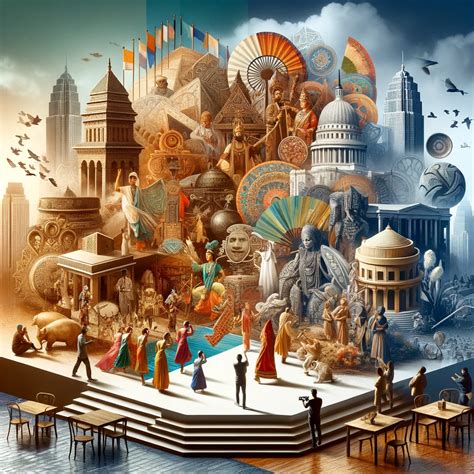
The **cultural and symbolic significance** of UCL wins also played a role in shaping Barcelona's brand as more than just a football club. Barcelona has long positioned itself as "més que un club" (more than a club), emphasizing its role as a symbol of Catalan identity and values. UCL victories amplified this message on the global stage. For instance, their 2011 victory at Wembley was seen not just as a sporting achievement but as a triumph for a club rooted in community and cultural pride. This narrative resonated with audiences who viewed Barcelona as a club with a deeper purpose, further endearing them to fans who valued the intersection of sport and identity. The club's success in Europe reinforced this narrative, making Barcelona a symbol of excellence that transcended football.
It is also worth exploring how UCL titles contributed to **long-term brand sustainability**. While domestic league titles are important, the Champions League offers a level of prestige that is unmatched in club football. Barcelona's multiple UCL wins ensured that they remained part of the conversation as one of the elite clubs in Europe, even during periods of domestic underperformance. This prestige has a compounding effect: each UCL title adds to the club's legacy, making them a perennial contender in the eyes of fans, media, and sponsors. For instance, even during the club's financial struggles in the late 2010s and early 2020s, their past UCL successes provided a buffer, maintaining their reputation as a top-tier club despite on-field challenges.
Finally, the **digital era's intersection with UCL success** cannot be ignored. Barcelona's UCL triumphs came at a time when digital platforms were becoming central to sports consumption. The club's ability to dominate European football coincided with their savvy use of digital marketing. For example, after their 2015 victory, Barcelona's social media team released tailored content highlighting key moments from the final, player interviews, and fan reactions. This strategy not only engaged existing fans but also converted casual viewers into followers of the club. The UCL's global platform allowed Barcelona to tap into new markets, particularly in emerging football regions like Southeast Asia and Africa, where digital penetration was rapidly increasing.
In conclusion, Barcelona's UCL titles have been instrumental in elevating the club's global brand. They enhanced the club's reputation as a beacon of excellence, expanded its fanbase across continents, and provided the financial resources necessary for sustained growth. Moreover, these victories contributed to Barcelona's cultural significance and ensured their place in the upper echelons of football history. Each UCL win was not just a trophy but a catalyst for broader opportunities, reinforcing Barcelona's position as a club that is not only successful on the pitch but also deeply influential off it.
Challenges and Controversies in UCL History
Barcelona's journey in the UEFA Champions League (UCL) has been a tapestry of triumphs, but it is also marked by controversies, challenges, and setbacks that have tested the club's resilience and left indelible marks on their legacy. While their UCL titles are celebrated, the path to glory was rarely straightforward, often requiring the club to navigate through turbulent waters both on and off the pitch.
One of the most controversial episodes in Barcelona's UCL history revolves around their matches against Chelsea in the 2008–09 semi-finals. This tie is remembered not just for Barcelona's dramatic progression but for the contentious refereeing decisions that shaped the outcome. In the second leg at Stamford Bridge, Chelsea felt aggrieved by several penalty appeals that were waved away by Norwegian referee Tom Henning Øvrebø. The most notable was a handball by Barcelona defender Gerard Piqué, which many argued should have resulted in a spot-kick. Chelsea players, including Didier Drogba, expressed their frustration on the field and in post-match interviews, with Drogba's infamous "It's a disgrace" remark encapsulating the tension. Barcelona's Andres Iniesta scored a last-gasp equalizer to send them through on away goals, but the match left a sour taste for many. While Barcelona went on to win the trophy that year, this game remains a point of contention in discussions of fairness in UCL history.
Beyond refereeing controversies, Barcelona has also faced challenges stemming from internal and external pressures. Financial mismanagement in recent years has cast a shadow over their ability to compete at the highest level. Their 2020–21 campaign, for instance, was marred by financial constraints that forced the club to part ways with talismanic forward Lionel Messi due to La Liga's salary cap rules. While this was not a direct on-field controversy, the off-field instability undoubtedly impacted the team's morale and performance. In the UCL, Barcelona suffered a humiliating 8-2 defeat to Bayern Munich in the quarter-finals of that season—a result that exposed not only tactical weaknesses but also the psychological toll of a club in turmoil. This defeat was a stark reminder that even giants like Barcelona are not immune to the ripple effects of instability.
Another significant setback came during the 2018–19 season when Barcelona squandered a 3-0 first-leg lead against Liverpool in the semi-finals. At Anfield, Liverpool staged one of the most remarkable comebacks in UCL history, winning 4-0 to advance to the final. This collapse was emblematic of Barcelona's vulnerability in high-stakes away games, particularly when under intense pressure. The result was not just a tactical failure but also a psychological one, as the team seemed unable to cope with Liverpool's relentless intensity. This loss was particularly painful because it echoed a similar collapse the previous year against Roma, where Barcelona surrendered a 4-1 first-leg lead in the quarter-finals. These back-to-back implosions raised questions about the team's mental fortitude and the management's ability to prepare the squad for critical moments.
Off the field, Barcelona has also been embroiled in allegations of unethical practices related to their UCL campaigns. In 2014, the club was investigated for allegedly breaching FIFA's rules on the signing of underage players. While this controversy did not directly affect their on-field performances in the UCL, it tarnished the club's reputation and raised broader questions about the integrity of their operations. Such controversies often serve as a reminder that even celebrated institutions like Barcelona are not immune to scrutiny, and their UCL journey has occasionally been overshadowed by off-field issues.
Another layer of challenge has been Barcelona's struggles against certain rival teams in the UCL. Their record against clubs like Bayern Munich and Real Madrid in knockout stages has often been less than stellar. Bayern, in particular, has been a persistent thorn in Barcelona's side, handing them heavy defeats in multiple campaigns. The psychological edge that these teams hold over Barcelona cannot be overlooked, as it often forces the club into a reactive rather than proactive approach in key matches. This dynamic highlights how even a club of Barcelona's stature can find themselves outmaneuvered by opponents who seem to have their number.
The club has also grappled with managerial instability during some of their UCL campaigns. While managers like Pep Guardiola and Luis Enrique delivered UCL titles with flair, other coaches struggled to replicate that success. For instance, Ernesto Valverde's tenure saw Barcelona achieve domestic success but falter in Europe, particularly in the aforementioned collapses against Roma and Liverpool. The transition periods between managers often exposed cracks in the team's structure, as new systems and philosophies took time to embed. This inconsistency in leadership has been a recurring challenge for Barcelona in maintaining a sustained presence at the summit of European football.
Financial and sporting controversies have also intersected in match-fixing allegations, though none have been conclusively proven against Barcelona. For example, there were whispers of impropriety surrounding their 6-1 victory over Paris Saint-Germain in the 2016–17 round of 16, a match often referred to as "La Remontada." PSG had won the first leg 4-0, and Barcelona's comeback, while spectacular, was criticized by some as being aided by dubious refereeing decisions, including a highly contentious penalty awarded in the dying minutes. While no formal charges were ever brought, such controversies fuel debates about the fairness of certain results in the UCL.
Additionally, Barcelona's reliance on a core group of players during their golden era—Messi, Xavi, Iniesta, and others—posed its own set of challenges. While this core delivered multiple UCL titles, it also created a dependency that became apparent as these players aged or moved on. The club's inability to seamlessly transition to a new generation of talent has been evident in their recent UCL performances, where they have struggled to impose themselves against Europe's elite. This challenge underscores how even the most successful teams must constantly reinvent themselves to remain competitive.
In summary, Barcelona's UCL journey is not just a story of triumph but also one of resilience in the face of adversity. From refereeing controversies and financial woes to psychological collapses and off-field scandals, the club has faced a myriad of challenges that have tested their mettle. These setbacks, while painful, are also a testament to the complexities of competing at the highest level of European football. Barcelona's ability to overcome—or sometimes succumb to—these challenges is what makes their UCL history both compelling and instructive for future generations of the sport.
Conclusion and Future Prospects
Barcelona's legacy in the UEFA Champions League (UCL) is a tapestry woven with moments of brilliance, innovation, and dominance. Their five titles in the competition—secured in 1992, 2006, 2009, 2011, and 2015—represent not just victories but epochs in football history. Each title era is characterized by distinct tactical philosophies, iconic players, and cultural impacts that extended beyond the pitch. To understand Barcelona's UCL legacy, one must delve into how these triumphs were shaped by the club's identity and how they have influenced the broader football landscape.
The first UCL title in 1992, won under the stewardship of Johan Cruyff, marked Barcelona's arrival as a European powerhouse. This victory was not merely about the scoreline but about the introduction of a philosophy—**total football** adapted to the Catalan context. The Dream Team of that era emphasized possession, fluid movement, and technical precision. While the 1992 triumph was isolated in terms of immediate success, it planted the seeds for a long-term vision of how Barcelona would approach European competition. This vision matured under Frank Rijkaard and reached its zenith under Pep Guardiola, whose teams redefined what it meant to play "the Barcelona way."
The 2006 title, spearheaded by Ronaldinho and a young Lionel Messi, was a statement of resurgence. However, the 2009, 2011, and 2015 titles under Guardiola and later Luis Enrique were part of a golden era where Barcelona became synonymous with UCL excellence. These years were defined by **tiki-taka**, a system so effective it seemed unbeatable. The spine of the team—Messi, Xavi, Iniesta—embodied a style of play that prioritized control, precision, and creativity. Their 2011 victory over Manchester United at Wembley is often cited as one of the most dominant UCL final performances, showcasing how Barcelona could suffocate opponents with relentless ball retention and positional play. Yet, these triumphs were not just about technical superiority; they were cultural milestones, reinforcing Barcelona's identity as **"more than a club."**
However, Barcelona's UCL legacy is not without its complexities. Since their last title in 2015, the club has struggled to replicate that success. Financial mismanagement, an aging core, and the departure of key figures like Messi have exposed vulnerabilities. Their recent campaigns have been marred by early exits, heavy defeats (such as the 8-2 loss to Bayern Munich in 2020), and a sense of stagnation. This decline raises a critical question: can Barcelona reclaim their place among Europe's elite?
To speculate on Barcelona's future prospects in the UCL, one must assess both internal and external factors. Internally, the club has made strides to rebuild. The appointment of Xavi Hernández as manager is symbolic; as a player, he was central to Barcelona's golden era, and as a coach, he embodies the club's philosophy. Xavi has emphasized youth development, integrating talents like Gavi, Pedri, and Ansu Fati into the first team. These players, while promising, are still maturing. Their potential to form the backbone of a new era will depend on how well the club supports them with experienced signings and a stable infrastructure.
Financial recovery is another critical aspect. Barcelona's recent activation of "economic levers" to register players and reduce debt is a short-term solution, but sustainability will require smarter investments and a clear sporting strategy. The club's ability to attract top-tier talent while adhering to Financial Fair Play (FFP) regulations will be pivotal. For instance, the signings of Robert Lewandowski and Jules Koundé in 2022 were ambitious but also indicative of the pressure to deliver immediate results. Such moves must be balanced with a long-term vision that prioritizes squad depth and tactical flexibility.
Externally, the landscape of European football has evolved. The dominance of state-backed clubs like Manchester City and Paris Saint-Germain, alongside traditional giants like Real Madrid and Bayern Munich, presents a formidable challenge. The UCL has become more unpredictable, with financial power and squad depth often outweighing tactical ingenuity. For Barcelona to compete consistently, they must not only strengthen their first team but also develop a **B-team pipeline** that can supplement the senior squad without over-relying on the transfer market. This approach aligns with their historical emphasis on La Masia, which, though less prominent in recent years, remains a unique asset.
Another aspect to consider is the changing nature of the UCL itself. The proposed expansion of the tournament and the potential introduction of a European Super League (should it ever materialize) could reshape the competitive landscape. Barcelona, as a club with immense global appeal, would likely benefit from these changes in terms of revenue and exposure. However, they must also guard against becoming overly reliant on external structures that could dilute the sport's competitive essence.
From a tactical perspective, Barcelona's future in the UCL will hinge on their ability to adapt. The **tiki-taka** era is over; modern football demands a blend of possession-based play and transitional speed. Teams like Manchester City under Pep Guardiola and Liverpool under Jürgen Klopp have shown that a hybrid approach—combining control with aggressive counter-pressing—can be highly effective. Barcelona must find their version of this evolution, perhaps by blending the technical heritage of their past with the dynamism required in contemporary football.
The role of individual brilliance cannot be overlooked. While Barcelona has historically thrived on collective play, the presence of a talismanic figure like Messi was a decisive factor in their recent successes. The challenge now lies in creating a system where the collective can shine without being overly dependent on one star. This is where Xavi's emphasis on **positional play** and **versatility** could pay dividends. If players like Fati, Pedri, and Frenkie de Jong can step into leadership roles while maintaining a cohesive team ethos, Barcelona could once again become a force in Europe.
Speculating on future titles, it is reasonable to suggest that Barcelona's window for UCL success is not closed but requires patience. Their current trajectory suggests that they are in a transitional phase, with 3-5 years needed to fully rebuild. If the club can maintain financial discipline, nurture its young talents, and establish a clear identity under Xavi, there is every reason to believe they could add to their tally of UCL titles. However, this will require not just technical excellence but also a cultural reset—a return to the humility and hunger that defined their earlier triumphs.
In conclusion, Barcelona's UCL legacy is one of innovation, dominance, and occasional fallibility. Their past successes are a testament to what the club can achieve when its identity is fully embraced. While the road ahead is fraught with challenges, the blueprint for future success lies in learning from both triumphs and failures. Barcelona's potential for future UCL titles is not just a matter of resources or talent but of rekindling the spirit that made them Europe's most captivating team. If they can achieve this, the Camp Nou might once again witness the kind of European nights that define footballing greatness.