Introduction to Barcelona's UCL Legacy
Barcelona's legacy in the UEFA Champions League (UCL) is a tapestry woven with moments of brilliance, tactical innovation, and an unyielding commitment to a philosophy that has defined the club for decades. As one of the most successful teams in the competition's history, Barcelona has not only accumulated trophies but has also left an indelible mark on the style and spirit of European football. This section delves into the club's prominence in the UCL, exploring the factors that have elevated it to a position of eminence and the broader significance of its achievements in the context of the sport.
To understand Barcelona's UCL legacy, one must first recognize the club's deep-rooted identity as a proponent of **total football**—a style characterized by fluid movement, positional interchange, and an emphasis on ball possession. This identity took shape in the 1970s under the influence of Dutch legend Johan Cruyff, who as a player and later as a manager, instilled a philosophy that would become synonymous with Barcelona. While the club's first European Cup victory came in 1992 at Wembley against Sampdoria, it was under Cruyff's managerial tenure in the early 1990s that Barcelona began to craft a narrative of dominance in European competitions. This victory was not merely a trophy but a statement—Barcelona was no longer just a participant in European football; it was a contender with a distinct identity.
The turn of the 21st century saw Barcelona's UCL journey enter a golden era. Between 2006 and 2015, the club won the competition four times (2006, 2009, 2011, and 2015), a period that coincided with the rise of a generation of players who would redefine modern football. This era was marked by the convergence of three key elements: exceptional talent, a cohesive team ethos, and innovative coaching. Players like Lionel Messi, Xavi Hernández, and Andrés Iniesta became the embodiment of Barcelona's philosophy on the pitch. Their ability to control games through possession, intricate passing, and positional awareness made them nearly unplayable in the UCL. This was not just about winning; it was about how they won—dominating opponents with a brand of football that was as aesthetically pleasing as it was effective.
A critical aspect of Barcelona's UCL success is its emphasis on **homegrown talent**. The club's famed La Masia academy has been a cornerstone of its European success. Players nurtured within this system not only understood the tactical demands of Barcelona's style but also embodied its cultural and emotional ethos. The 2011 UCL final, where seven of the starting eleven were La Masia graduates, is a testament to this. The sight of Messi, Iniesta, and Xavi orchestrating play was not just a display of technical skill but a manifestation of years of institutional investment in youth development. This homegrown approach contrasts sharply with the big-spending strategies of many other European giants, underscoring Barcelona's unique place in the footballing world.
Beyond the individual brilliance of its players, Barcelona's UCL success is also a story of **tactical evolution**. Each of its victorious campaigns has been shaped by managers who adapted the club's philosophy to the demands of the time. For instance, Pep Guardiola's tenure (2008–2012) is often regarded as the pinnacle of Barcelona's UCL dominance. Guardiola took the foundational ideas of Cruyff and added his own layer of intensity and precision. His teams were characterized by high pressing, rapid ball recovery, and an almost telepathic understanding among players. The 2009 and 2011 campaigns, in particular, showcased a level of football that many analysts describe as the zenith of modern tactical sophistication. The 2011 final against Manchester United, often hailed as one of the most one-sided finals in UCL history, exemplified this—Barcelona's 3-1 victory felt like a masterclass in control and creativity.
However, Barcelona's UCL journey has not been without its challenges. The club's philosophy, while often lauded, has also been its Achilles' heel in certain contexts. Teams that have successfully disrupted Barcelona's rhythm—such as Inter Milan in 2010 under José Mourinho or Liverpool in 2019—have exposed the vulnerabilities of a system heavily reliant on possession and high defensive lines. These moments of failure are as instructive as the triumphs, reminding us that Barcelona's UCL legacy is not one of invincibility but of resilience and adaptability. The club's ability to bounce back from disappointments, such as the 2015-2020 period where UCL success eluded them despite domestic dominance, speaks to its enduring ambition.
The significance of Barcelona's UCL legacy extends beyond the trophies in its cabinet. It represents a broader impact on **European football culture**. Barcelona's success has inspired clubs across the continent to prioritize youth development, embrace possession-based football, and strive for a balance between results and style. The "MSN" trio of Messi, Luis Suárez, and Neymar in the mid-2010s, for instance, became a blueprint for attacking tridents in other teams. Similarly, the club's emphasis on nurturing talent rather than relying solely on the transfer market has influenced how smaller clubs approach their long-term strategies in European competitions.
Another dimension of Barcelona's UCL prominence is its role in **globalizing the sport**. The club's European successes have coincided with its rise as a global brand. Matches featuring Barcelona in the UCL are among the most-watched sporting events worldwide, drawing audiences not just for the competition but for the narrative of a team that represents more than just a city—it represents an idea of football as art. This global appeal has also been fueled by the club's ability to attract and retain some of the most marketable talents in the sport, further cementing its place in the pantheon of European football.
In examining Barcelona's UCL legacy, it is also worth considering the **symbolic weight of its victories**. Each trophy has come at a time when the club needed to assert its relevance—whether it was the 1992 triumph that marked its arrival on the European stage, the 2006 win that ended a 14-year drought, or the 2009 sextuple under Guardiola that showcased unparalleled dominance. These moments have not only shaped Barcelona's history but have also resonated with fans as symbols of hope, pride, and excellence.
In conclusion, Barcelona's prominence in the UEFA Champions League is a multifaceted phenomenon. It is rooted in a rich history of tactical innovation, sustained by a commitment to youth development, and amplified by its global appeal. While the club's recent struggles in the competition highlight the challenges of maintaining such a legacy, its past achievements serve as a benchmark for what is possible when philosophy, talent, and ambition align. Barcelona's UCL story is not just about the trophies it has won but about the way it has shaped and been shaped by the evolution of European football.
- The club's identity as a proponent of total football has been central to its UCL success.
- Homegrown talent from La Masia has been a defining feature of Barcelona's European campaigns.
- Tactical evolution under managers like Cruyff and Guardiola has kept Barcelona at the forefront of European football.
- The club's global appeal and influence on football culture extend beyond its trophy count.
This deep-dive into Barcelona's UCL legacy reveals that its impact is not confined to the pitch—it is a story of how a club can transcend sport to become a symbol of innovation, identity, and inspiration in the world of football.
Historical Overview of UCL Trophies Won
Barcelona's journey in the UEFA Champions League (UCL) has been one of the most storied in European football history. The club has won the prestigious trophy on multiple occasions, each victory reflecting a unique blend of tactical brilliance, individual genius, and collective effort. This section provides a detailed historical overview of Barcelona's UCL triumphs, delving into the years, key statistics, and the contextual significance of each win.
Barcelona has won the UCL **five times**, placing them among the elite clubs in the competition's history. These victories came in **1992, 2006, 2009, 2011, and 2015**, spanning different eras of the club's evolution. Each of these wins offers a snapshot of Barcelona's footballing identity at the time, influenced by the managers, players, and broader footballing philosophies that shaped their campaigns.
The first UCL trophy for Barcelona came in **1992**, during the era when the competition was still called the European Cup. Under the guidance of manager **Johan Cruyff**, Barcelona faced **Sampdoria** in the final at Wembley Stadium. The match was a tense affair, ending 1-0 in favor of Barcelona with a **Ronald Koeman free-kick goal in extra time**. This win was significant for several reasons. First, it marked Barcelona's maiden European Cup victory, ending years of near-misses and frustrations in the competition. Second, it was a testament to Cruyff's "Dream Team," which blended homegrown talents like **Pep Guardiola** with international stars such as **Hristo Stoichkov** and **Michael Laudrup**. The victory also signaled the rise of Barcelona as a force in European football, laying the groundwork for future successes.
The next UCL trophy came in **2006**, under manager **Frank Rijkaard**. Barcelona defeated **Arsenal** 2-1 in the final held in Paris. This victory was characterized by a dramatic comeback after Arsenal took an early lead through a **Sol Campbell header**. Barcelona's goals came from **Samuel Eto'o** and a late winner by **Juliano Belletti**, a right-back not typically known for his scoring prowess. This win was notable for featuring a young **Lionel Messi**, who was part of the squad but did not play in the final due to injury. The 2006 triumph also highlighted the growing influence of **Ronaldinho**, whose artful play and charisma had become synonymous with Barcelona's attacking style. The win marked a resurgence for the club after a relatively barren period in European competition during the late 1990s and early 2000s.
The most prolific period for Barcelona in the UCL came during the era of **Pep Guardiola**, who led the team to two titles in **2009 and 2011**. These victories were emblematic of Barcelona's tiki-taka philosophy, a style of play characterized by short passing, possession dominance, and positional fluidity. In **2009**, Barcelona faced **Manchester United** in the final in Rome, winning 2-0. The goals were scored by **Samuel Eto'o** and **Lionel Messi**, the latter's header being one of the iconic moments of the match. This victory was part of a historic **treble** season for Barcelona, as they also won La Liga and the Copa del Rey. The 2009 team featured a core of players like **Xavi Hernández**, **Andrés Iniesta**, and **Carles Puyol**, who embodied the club's philosophy of nurturing talent from La Masia, Barcelona's famed youth academy.
In **2011**, Barcelona once again met Manchester United in the final, this time at Wembley Stadium, and secured a convincing 3-1 victory. This match is often regarded as one of the most dominant UCL final performances in history. **Lionel Messi** scored a stunning goal, complemented by strikes from **Pedro** and **David Villa**. United, despite their pedigree, were overwhelmed by Barcelona's intricate passing and relentless pressure. This win underscored the peak of Guardiola's Barcelona, a team widely considered one of the greatest in football history. The 2011 side not only showcased individual brilliance but also demonstrated the near-perfect execution of a collective system that left opponents chasing shadows.
The most recent UCL triumph for Barcelona came in **2015**, under manager **Luis Enrique**. The final, held in Berlin, saw Barcelona defeat **Juventus** 3-1. This victory was marked by the deadly trio of **Lionel Messi**, **Luis Suárez**, and **Neymar**, collectively known as **MSN**. Each member of the trio scored in the knockout stages of the tournament, with Neymar netting the final goal in Berlin. This win was significant because it showcased a slightly evolved Barcelona, one that blended tiki-taka with more direct attacking play. The 2015 campaign also highlighted the adaptability of the team under Luis Enrique, who was willing to deviate from strict possession-based play when necessary, particularly in high-pressure knockout games.
A deeper analysis of these victories reveals some intriguing patterns. For instance, Barcelona's UCL wins often coincide with the presence of generational talents. From **Koeman's free-kick in 1992** to **Messi's mastery in the 2009 and 2011 finals**, individual brilliance has often been the X-factor. However, Barcelona's success is not merely about star power; it is rooted in a **systematic approach to the game**. Whether under Cruyff's Dream Team, Rijkaard's transitional side, Guardiola's tiki-taka era, or Luis Enrique's versatile squad, Barcelona has consistently prioritized a cohesive style of play that reflects their identity.
Another unique insight is the role of **La Masia graduates** in Barcelona's UCL successes. Across these five victories, players like **Guardiola, Xavi, Iniesta, Puyol, Messi, and Busquets**—all products of the academy—played pivotal roles. This reflects Barcelona's commitment to a philosophy of nurturing and integrating homegrown talent into the first team, a model that has been both a point of pride and a competitive advantage.
Statistically, Barcelona's UCL wins also reveal some compelling figures. Across their five victories, they have scored a total of **16 goals in the finals**, with an average of just over 3 goals per final. They have conceded only **5 goals in these finals**, highlighting their defensive solidity even in high-stakes matches. Another noteworthy statistic is the role of **homegrown players in key moments**. For example, in the 2009 and 2011 finals, La Masia produits like Xavi, Iniesta, and Messi were central to the team's success, reinforcing the idea that Barcelona's victories are deeply tied to their identity as a club.
Beyond the statistics, each UCL win tells a story of **resilience and adaptability**. The 1992 win came after years of European disappointment. The 2006 victory marked a revival after a difficult period. The 2009 and 2011 triumphs were part of an era of dominance that redefined modern football. And the 2015 win demonstrated that Barcelona could evolve while maintaining their core principles.
In conclusion, Barcelona's UCL trophies are not just a measure of success but a reflection of the club's enduring philosophy and adaptability. Each win represents a different chapter in their history, shaped by iconic managers, legendary players, and a commitment to a unique style of play. These triumphs are not just milestones; they are a testament to Barcelona's place among the giants of European football.
Key Players in Barcelona's UCL Success
Barcelona's success in the UEFA Champions League (UCL) has been defined by moments of brilliance, tactical mastery, and a core group of players who elevated the team to legendary status. While the club's philosophy of tiki-taka and its emphasis on possession-based football are often credited as the backbone of their triumphs, it is impossible to overlook the individual genius of key players who turned matches in Barcelona's favor. Among these, Lionel Messi, Xavi Hernández, and Andrés Iniesta stand out as the most influential figures in Barcelona's UCL victories, but their impact extends far beyond mere statistics or highlight reels.
To understand the role of these players, one must first consider the context of Barcelona's UCL successes. The club has won the tournament five times (as of 2024), with their most dominant period coming in the late 2000s and early 2010s. This era coincided with the rise of a golden generation of players nurtured through La Masia, Barcelona's famed youth academy. This shared upbringing created a unique synergy on the pitch, enabling these players to anticipate each other's movements intuitively—a quality that was particularly evident in their UCL campaigns.
Lionel Messi is, without question, the most iconic figure in Barcelona's Champions League history. His record of 120 goals in the competition (many of which came during Barcelona's title-winning campaigns) underscores his scoring prowess, but Messi's influence went beyond goals. In the 2008-09 season, when Barcelona won their third UCL title under Pep Guardiola, Messi was deployed in a false nine role. This tactical shift allowed him to drop deeper into midfield, drawing defenders out of position and creating space for wingers like Thierry Henry and Samuel Eto'o. Messi's two goals in the 2009 final against Manchester United, including a stunning header, showcased his versatility and big-game temperament. In later campaigns, such as the 2014-15 season, Messi's partnership with Luis Suárez and Neymar (the MSN trio) was instrumental. His solo run and goal against Bayern Munich in the semifinals of that season—where he left Jerome Boateng on the ground—remains one of the most replayed moments in UCL history. Messi’s ability to dictate play, combined with his lethal finishing, made him the linchpin of Barcelona’s attack during their most successful years.

However, Messi’s brilliance was only part of the equation. Xavi Hernández, the metronome of Barcelona’s midfield, was the architect of their possession-based system. Xavi’s ability to control the tempo of a match was unparalleled. In UCL matches, where the stakes are higher and the opposition often parks the bus, Xavi’s precision passing was crucial in breaking down stubborn defenses. For instance, in the 2010-11 final against Manchester United at Wembley, Xavi completed 145 passes—a record for a UCL final at the time. His role was not just about keeping the ball but about finding the right pass to unlock defenses. Xavi’s understanding of space and his knack for playing line-breaking passes allowed Barcelona to maintain their suffocating control of games. His partnership with Sergio Busquets and Iniesta in midfield created a triangle of control that became the foundation of Barcelona’s dominance. Xavi’s influence was not limited to offense; his defensive awareness and ability to press intelligently ensured Barcelona could win the ball back quickly, a key tenet of their high-pressing style.
Andrés Iniesta, often described as the magician of the team, complemented Xavi’s structured play with moments of improvisation and daring. Iniesta’s most memorable UCL contribution came in the 2008-09 season during the semifinal against Chelsea. With Barcelona on the brink of elimination, Iniesta scored a last-minute screamer from outside the box to send his team to the final. This goal encapsulated Iniesta’s ability to perform under immense pressure. Unlike Xavi, who was the steady hand, Iniesta was the unpredictable spark. His close control, dribbling in tight spaces, and vision made him a nightmare for defenders in one-on-one situations. Iniesta’s influence was particularly evident in knockout stages, where his ability to deliver in clutch moments often turned ties in Barcelona’s favor. Beyond his technical skills, Iniesta’s humility and teamwork embodied the Barcelona ethos, making him a beloved figure among fans and teammates alike.
While Messi, Xavi, and Iniesta were the trio most associated with Barcelona's UCL success, other players also played pivotal roles. Carles Puyol, the captain during many of these campaigns, was the defensive rock. Puyol’s leadership and no-nonsense defending provided the necessary balance to a team often focused on attack. His goal in the 2006 semifinal against AC Milan, for instance, was a testament to his determination. Similarly, Victor Valdés, often underrated, was a goalkeeper who excelled in one-on-one situations and was adept at playing out from the back—a critical component of Barcelona’s style. In the 2011 final, Valdés made key saves early in the match to deny Manchester United momentum, showcasing his importance in high-stakes games.
Another underrated aspect of Barcelona's UCL success was the role of supporting players like Samuel Eto'o and Thierry Henry in the 2008-09 season. Eto'o’s opener in the 2009 final against Manchester United set the tone for Barcelona’s dominance, while Henry’s ability to stretch defenses on the left flank created space for Messi and Iniesta to operate centrally. These players, though not La Masia graduates, adapted seamlessly to Barcelona’s system, proving that the team’s success was a blend of homegrown talent and well-integrated signings.
It is also worth noting how these players adapted to different managerial philosophies. Under Pep Guardiola, the emphasis was on high pressing and rapid ball circulation, which suited the technical abilities of Messi, Xavi, and Iniesta. However, in the 2014-15 season under Luis Enrique, the approach was slightly more direct, leveraging the pace of the MSN trio. This adaptability of Barcelona’s star players to evolving systems is a testament to their footballing intelligence and versatility.
The synergy between these players was not accidental but a product of years of playing together. For instance, Messi, Xavi, and Iniesta had an almost telepathic understanding on the pitch. This was evident in their ability to execute quick one-twos in crowded areas or exploit half-spaces that other teams struggled to defend. Their collective brilliance was not just about individual skill but about how they complemented each other’s strengths. Messi’s explosiveness, Xavi’s control, and Iniesta’s unpredictability formed a triumvirate that opposition teams found nearly impossible to contain.
In summary, Barcelona’s UCL success was driven by a combination of tactical innovation and the exceptional talents of key players. Messi’s goalscoring genius, Xavi’s orchestration, and Iniesta’s artistry were the pillars of their triumphs. However, the contributions of supporting cast members like Puyol, Valdés, and Eto'o should not be overlooked. Together, they formed a team that not only won titles but also redefined how football could be played at the highest level. Their legacy is not just in the trophies they lifted but in the indelible mark they left on the sport.
Memorable Matches and Turning Points
Barcelona's journey to UEFA Champions League (UCL) glory is punctuated by moments of brilliance, resilience, and sheer footballing artistry. These matches and turning points not only defined their campaigns but also etched their name in the annals of European football history. From dramatic finals to unforgettable comebacks, Barcelona has often redefined what it means to compete at the highest level of club football.
One of the most iconic matches in Barcelona's UCL history came in the 2006 final against Arsenal. This was a watershed moment for the club, as it marked their first UCL title in over a decade. The match itself was a rollercoaster. Arsenal took the lead through Sol Campbell in the first half, despite being reduced to ten men after Jens Lehmann's early red card. Barcelona, under the stewardship of Frank Rijkaard, struggled to break down a resolute Arsenal defense for much of the game. However, the turning point came in the 76th minute when Samuel Eto'o equalized with a clinical finish. Just five minutes later, Juliano Belletti, a relatively unheralded right-back, scored the winner. This match showcased Barcelona's patience and tactical adaptability, as they exploited Arsenal's numerical disadvantage while maintaining their trademark possession-based style.
The 2009 semifinal second leg against Chelsea is another match that looms large in Barcelona's UCL lore. This game is remembered not just for the result but for the dramatic manner in which it unfolded. Chelsea had held Barcelona to a 0-0 draw in the first leg at Camp Nou and were leading 1-0 in the second leg at Stamford Bridge, courtesy of Michael Essien's stunning volley. With Barcelona on the brink of elimination, the match entered stoppage time. Then, in the 93rd minute, Andrés Iniesta produced a moment of magic—a first-time strike from 20 yards that sailed into the top corner. This goal, often referred to as "Iniesta's thunderbolt," sent Barcelona to the final on away goals. The match was also marred by controversy, with Chelsea feeling aggrieved by several refereeing decisions. Nonetheless, this moment encapsulated Barcelona's never-say-die attitude and their ability to conjure brilliance under immense pressure.
The 2011 final against Manchester United is widely regarded as one of the most dominant performances in a UCL final. Played at Wembley Stadium, this match showcased Barcelona at the peak of their powers under Pep Guardiola. The team delivered a masterclass in possession football, with a 3-1 victory that felt more comprehensive than the scoreline suggested. Lionel Messi, playing in a false nine role, was unplayable, scoring a stunning goal and dictating play throughout. This match was not just about the result but about the statement it made—Barcelona's tiki-taka style had reached its zenith. The interplay between Xavi, Iniesta, and Messi was a lesson in fluid football, leaving Manchester United chasing shadows for large parts of the game. This victory solidified Barcelona's place as the preeminent team of that era.
However, no discussion of Barcelona's UCL journey is complete without mentioning their 2017 quarterfinal second leg against Paris Saint-Germain—a match that has been immortalized as "La Remontada" (The Comeback). After losing the first leg 4-0 in Paris, Barcelona faced what seemed like an insurmountable deficit. Yet, at Camp Nou, they produced one of the most astonishing comebacks in football history. A hat-trick from Neymar, a goal from Luis Suárez, and an injury-time winner from Sergi Roberto completed a 6-1 victory, sending Barcelona through to the next round. This match was defined by moments of individual brilliance, particularly Neymar's free-kick and penalty in the dying minutes, but also by the collective belief of the team. It was a testament to Barcelona's mental fortitude and their ability to thrive in the face of near-impossible odds. While the match had its share of controversy, particularly regarding some refereeing decisions, it remains a defining moment of Barcelona's UCL narrative.
Another turning point in Barcelona's UCL story came in the 2015 final against Juventus. This match was significant not only because it secured Barcelona's fifth UCL title but also because it marked the completion of a treble under Luis Enrique—their second treble in six years. The final, played in Berlin, saw Barcelona take an early lead through Ivan Rakitić, only for Juventus to equalize in the second half. However, Barcelona's attacking trident of Messi, Suárez, and Neymar (famously dubbed "MSN") proved too much for Juventus. Suárez and Neymar scored late goals to seal a 3-1 victory. This match underscored the potency of Barcelona's forward line and their ability to perform on the biggest stage, even when faced with a resilient opponent.
One cannot overlook the 2009 final against Manchester United at the Stadio Olimpico in Rome. This was the first time Barcelona had faced United in a UCL final, and it was a clash of two footballing philosophies. Barcelona's fluid, possession-oriented style clashed with United's more direct approach. The match was decided by a first-half header from Samuel Eto'o and a second-half goal from Lionel Messi, who scored with a rare header. This victory was significant because it was Barcelona's first UCL title under Pep Guardiola, setting the stage for their dominance in the years to follow. The match also highlighted how Barcelona could outmaneuver physically stronger teams through technical superiority and positional play.
Beyond finals and comebacks, Barcelona's path to UCL glory has also been shaped by group stage and early-round performances that often go unnoticed. For instance, their 2018-19 group stage match against Tottenham at Wembley was a showcase of their attacking brilliance. Lionel Messi scored twice in a 4-2 victory, reminding the world of his ability to single-handedly decide games. Such matches may not have the drama of finals, but they are crucial in building momentum and confidence for the knockout stages.
Barcelona's UCL triumphs are also marked by individual brilliance in clutch moments. Whether it was Ronaldinho's audacious dribbling in the 2006 campaign, Messi's consistent match-winning performances, or the collective brilliance of the MSN era, these players have often been the difference-makers. Their ability to rise to the occasion in high-stakes matches has been a recurring theme in Barcelona's UCL success.
In summary, Barcelona's UCL journey is a tapestry of iconic matches and turning points that reflect their philosophy of beautiful football. From the patience of 2006 to the dominance of 2011 and the sheer audacity of 2017's comeback, these moments are not just about winning trophies but about redefining what is possible on the pitch. Each match tells a story of tactical innovation, individual genius, and collective belief—elements that have made Barcelona one of the most celebrated clubs in UCL history.
Tactical Evolution of Barcelona in UCL
Barcelona's journey in the UEFA Champions League (UCL) is a testament to the club's ability to adapt and innovate its playing style and tactics over the years. From the early dominance of Johan Cruyff's "Dream Team" to the tiki-taka era under Pep Guardiola and beyond, Barcelona's tactical evolution has been a fascinating study in how a club can shape and reshape its identity to maintain competitiveness at the highest level of European football.
The foundational philosophy of Barcelona has always been rooted in the Dutch concept of Total Football, introduced to the club by Cruyff during his playing days and later as a manager. This philosophy emphasized fluid positioning, high pressing, and maintaining possession as a means of control. However, the specific application of these principles has evolved significantly across different UCL campaigns.
In the 1990s, under Cruyff's "Dream Team," Barcelona won their first UCL title in 1992. The team relied on a 3-4-3 formation that was unconventional for the time. The system prioritized wide play, with wingers like Hristo Stoichkov and lateral midfielders such as Albert Ferrer providing width. The focus was on quick transitions and exploiting spaces in the opposition's defense. However, this era also revealed vulnerabilities in defense, as the high line and aggressive pressing occasionally left them exposed to counterattacks—a lesson that would inform future tactical adjustments.
The early 2000s saw a period of relative stagnation for Barcelona in the UCL. While the club had talented players like Rivaldo and Patrick Kluivert, their tactics lacked cohesion. Managers such as Louis van Gaal and Frank Rijkaard attempted to blend possession-based play with more direct approaches. Rijkaard's 2006 UCL-winning side marked a turning point. This team combined the traditional Barcelona ethos of ball retention with a more dynamic attacking setup. The emergence of a young Lionel Messi, the creative brilliance of Ronaldinho, and the midfield engine of Deco and Xavi allowed Barcelona to dominate games while being more vertical in their approach. The 4-3-3 formation became a staple, with an emphasis on wing play and overlapping fullbacks like Gianluca Zambrotta.
The tiki-taka revolution under Pep Guardiola from 2008 to 2012 is arguably the most iconic phase of Barcelona's tactical evolution in the UCL. Guardiola took the possession-based philosophy to its zenith, implementing a highly structured 4-3-3 system where every player was comfortable on the ball. The midfield trio of Xavi, Andrés Iniesta, and Sergio Busquets became the heartbeat of the team. Their ability to maintain a high tempo, recycle possession, and find pockets of space was unparalleled. This era also saw the rise of Messi as a false nine, a tactical innovation that confused defenses. Messi would drop deep to receive the ball, drawing out central defenders and creating space for wingers like Pedro and David Villa to exploit. The high defensive line, combined with relentless pressing, ensured that Barcelona could suffocate opponents in their own half. This approach brought two UCL titles in 2009 and 2011, with the 2011 victory often regarded as the pinnacle of their tactical sophistication.
However, the post-Guardiola era revealed the limitations of tiki-taka when opponents began to adapt. Teams like Inter Milan in 2010 under José Mourinho and later Atlético Madrid exposed Barcelona's over-reliance on short passes and lack of Plan B. This led to a period of tactical experimentation under managers like Tito Vilanova, Gerardo Martino, and Luis Enrique. Luis Enrique's 2015 UCL-winning side represents a fascinating blend of tradition and adaptation. While the 4-3-3 formation remained, the team incorporated more direct play and physicality. The front three of Messi, Luis Suárez, and Neymar (commonly referred to as MSN) were given license to roam and interchange positions, moving away from the rigid positional play of the Guardiola era. This flexibility allowed Barcelona to be more unpredictable in attack, as seen in their remarkable comeback against Paris Saint-Germain in the 2017 round of 16, where a mix of individual brilliance and tactical flexibility overturned a 4-0 first-leg deficit.
In the late 2010s and early 2020s, Barcelona's UCL campaigns were marked by a struggle to maintain their identity amidst squad transitions and managerial changes. The departure of key players like Xavi, Iniesta, and later Messi exposed gaps in the midfield structure that had been the foundation of their success. Managers such as Ernesto Valverde and Quique Setién attempted to balance the traditional Barcelona style with more pragmatic approaches. For instance, Valverde's teams often adopted a lower defensive block in European away games, a stark departure from the high-pressing philosophy of earlier years. While this pragmatism brought domestic success, it often left the team lacking the fluidity and control needed in high-stakes UCL matches. The 8-2 defeat to Bayern Munich in 2020 was a stark illustration of how far Barcelona had drifted from their once-dominant tactical identity.
The current phase of Barcelona's evolution under Xavi Hernández, a product of the Guardiola era, shows a deliberate attempt to restore the club's DNA while incorporating modern elements. Xavi has reintroduced positional play and high pressing but with a greater emphasis on verticality and quick transitions. The signing of players like Robert Lewandowski has added a more direct threat in the final third, while young talents like Pedri and Gavi are being groomed to replicate the creative midfield roles of Xavi and Iniesta. In UCL matches, Barcelona has shown glimpses of their old dominance, particularly in games where they can control possession and exploit spaces with incisive passing. However, the lack of depth and experience in certain areas continues to challenge their consistency in Europe.
A deeper analysis of Barcelona's UCL campaigns reveals how external factors have influenced their tactical evolution. The financial constraints of recent years have limited their ability to sign world-class players who fit their system, forcing them to rely on academy graduates and strategic signings. Additionally, the rise of high-pressing, counterattacking teams in Europe has forced Barcelona to rethink their approach to defensive organization. Unlike the Guardiola era, where the team could dominate with sheer technical superiority, modern Barcelona must find ways to balance possession with defensive solidity.
In conclusion, Barcelona's tactical evolution in the UCL is a story of innovation, adaptation, and occasional vulnerability. From Cruyff's visionary approach to Guardiola's perfection of tiki-taka and the pragmatic adjustments of later managers, the club has continually sought to redefine its identity in response to changing circumstances. While the road ahead may be uncertain, Barcelona's history in the UCL showcases a club that is unafraid to experiment and evolve in pursuit of European glory.
- The Dream Team laid the foundation for possession-based play but exposed defensive vulnerabilities.
- The tiki-taka era under Guardiola represented the zenith of Barcelona's tactical sophistication.
- Post-Guardiola teams struggled with over-reliance on short passes and lacked a Plan B.
- Luis Enrique's 2015 side blended tradition with direct play and physicality.
- Recent campaigns reflect a mix of pragmatism and attempts to restore Barcelona's identity under Xavi.
This deep dive into Barcelona's UCL journey underscores the importance of tactical flexibility and the need for a clear vision to sustain success in Europe's most competitive club competition.
Impact of Barcelona's UCL Wins on European Football
Barcelona's success in the UEFA Champions League (UCL) has been a defining feature of modern European football. With five UCL titles to their name, the club has not only etched its name in history but also left an indelible mark on the sport's evolution. Their triumphs, particularly during the peak years of the late 2000s and early 2010s, reshaped how teams approach strategy, intensified rivalries, and expanded the global reach of football fandom. This section delves into the specific ways Barcelona's UCL wins influenced European football in these areas.
One of the most significant contributions of Barcelona's UCL success is its impact on modern football strategies. Under managers like Pep Guardiola, Barcelona redefined the concept of possession-based football, often referred to as "tiki-taka." This style emphasized short, quick passes, maintaining ball control, and exploiting spaces with fluid player movement. Their 2009 and 2011 UCL victories showcased this philosophy at its zenith. Teams across Europe, from Bayern Munich to Manchester City, began adopting elements of this approach. The belief that retaining the ball could suffocate opponents and create scoring opportunities became a cornerstone of many top-tier clubs' playbooks. For instance, Guardiola’s subsequent stints at Bayern and City saw him implement a refined version of tiki-taka tailored to the strengths of those squads. However, Barcelona's influence was not limited to emulation; it also sparked counter-strategies. Teams like José Mourinho’s Inter Milan in 2010 and Diego Simeone’s Atlético Madrid developed defensive, counterattacking systems specifically designed to disrupt Barcelona’s rhythm. This tactical arms race elevated the overall complexity and diversity of strategies in European football.
Barcelona's UCL wins also intensified rivalries within European football. Their repeated clashes with Real Madrid in La Liga spilled over into the Champions League, amplifying the "El Clásico" narrative on the continental stage. Barcelona’s 2011 semi-final victory over Real Madrid, for example, was a watershed moment that showcased their dominance not just in Spain but across Europe. This success fueled a sense of competition among other clubs to dethrone Barcelona as the continent's standard-bearer. Clubs like Bayern Munich and Juventus invested heavily in squad building to challenge Barcelona’s supremacy, leading to some of the most memorable UCL finals and semi-finals of the era. Moreover, the emergence of new European powerhouses, such as Paris Saint-Germain and Manchester City, can partly be attributed to the desire to emulate Barcelona’s model of success, blending homegrown talent with high-profile signings to compete at the highest level.
The global fan engagement spurred by Barcelona's UCL wins is another critical aspect of their influence. Barcelona’s style of play, embodied by players like Lionel Messi, Xavi, and Andrés Iniesta, was not just effective but also aesthetically pleasing. This "beautiful football" attracted a diverse and global audience. Fans who might have previously been indifferent to European football found themselves drawn to Barcelona’s matches, captivated by their artistry on the pitch. Social media platforms, which began to rise in prominence during Barcelona’s dominant years, played a significant role in amplifying this engagement. Highlights of Messi’s solo runs, team tiki-taka sequences, and celebratory moments were shared widely, turning Barcelona into a global brand. This increased visibility had a ripple effect on merchandise sales, sponsorships, and even youth academy interest worldwide. Aspiring players from Africa, Asia, and the Americas often cited Barcelona as their inspiration, further entrenching the club’s influence on the sport’s grassroots level.
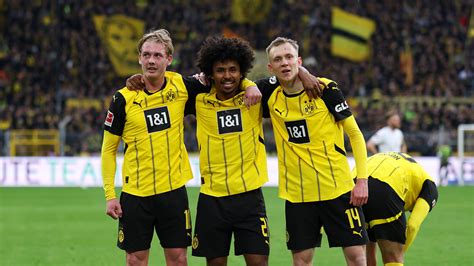
Beyond strategy and fandom, Barcelona's UCL success also had a profound effect on the philosophy of youth development. The club’s reliance on La Masia, its famed youth academy, during their UCL-winning campaigns demonstrated the viability of a long-term, sustainable approach to team building. Players like Messi, Iniesta, and Sergio Busquets, all products of La Masia, were instrumental in their UCL triumphs. This success inspired other clubs to invest more heavily in their academies, hoping to replicate Barcelona's model. For example, clubs such as Ajax and Dortmund, known for their youth development, saw renewed global recognition as they produced teams capable of competing in the UCL by prioritizing homegrown talent. However, this also created a paradox: while Barcelona showed the power of nurturing local talent, their later reliance on big-money signings (e.g., Neymar, Luis Suárez) highlighted the challenges of maintaining such a model in the face of financial and competitive pressures.
Another layer of impact can be seen in how Barcelona's UCL wins influenced the commercial landscape of European football. Their success coincided with a period of rapid globalization of the sport, driven by television rights deals and digital media expansion. Barcelona’s brand became synonymous with winning and style, making them a highly attractive partner for sponsors. Their UCL victories elevated the Champions League itself, turning it into a must-watch event even for casual sports fans. This period also saw a surge in the commercialization of football, with clubs across Europe seeking to capitalize on the increased interest generated by Barcelona’s performances. The financial windfalls from UCL participation and success prompted clubs to prioritize European competition over domestic leagues, a trend that persists today.
Additionally, Barcelona's UCL wins played a role in shaping the narrative of "legacy teams" in modern football. Their back-to-back triumphs and consistent deep runs in the tournament reinforced the idea that sustained success in the UCL was a marker of greatness. This narrative not only elevated Barcelona's status but also placed pressure on other historically successful clubs, such as Liverpool, Milan, and Manchester United, to maintain their legacy. The competition became as much about historical validation as it was about the immediate glory of lifting the trophy. This dynamic has influenced how clubs approach transfers, managerial appointments, and even their public relations strategies, as they strive to align themselves with the prestige associated with UCL success.
Finally, Barcelona’s UCL wins had a subtle but significant impact on UEFA’s tournament structuring and marketing. The excitement generated by their matches, particularly high-profile games against teams like Chelsea, Manchester United, and Bayern Munich, demonstrated the draw of star-studded, high-stakes football. UEFA capitalized on this by further enhancing the Champions League’s branding, introducing new broadcast deals, and pushing for format changes to keep the tournament engaging. Barcelona’s role as a consistent performer in this era helped solidify the UCL as the pinnacle of club football, a status it retains to this day.
In conclusion, Barcelona's UCL wins have had a multifaceted impact on European football. They influenced tactical innovation, fueled rivalries, expanded global fan engagement, inspired youth development models, and shaped the sport’s commercial and structural landscape. Their legacy is not just in the trophies they won but in how they transformed the very fabric of the game, leaving a blueprint for success that continues to reverberate across the footballing world.
Comparisons with Other UCL Dominant Clubs
When discussing Barcelona's UEFA Champions League (UCL) achievements, it is essential to place them within the context of other dominant clubs in the competition's history. This comparison not only highlights Barcelona's unique approach to European success but also underscores how their triumphs measure up against the sustained excellence of clubs like Real Madrid, Bayern Munich, and Liverpool—each of which has carved out its own legacy in the UCL.
Barcelona has won the UCL five times (1992, 2006, 2009, 2011, and 2015). While this is an impressive tally, it pales in comparison to Real Madrid's record of 14 titles. However, the nature of Barcelona's victories often stands out for their stylistic brilliance rather than mere volume. Barcelona’s UCL triumphs are inextricably linked to their philosophy of tiki-taka—a possession-oriented, high-pressing style of play that reached its zenith under managers like Pep Guardiola. This contrasts with Real Madrid's more results-oriented, star-studded approach, often epitomized by their "Galácticos" era, where the club focused on signing the world's best players to secure European glory. Real Madrid's dominance is spread across eras, from the 1950s to their recent three-peat (2016-2018) under Zinedine Zidane, showing a club that adapts its methods while maintaining an unrelenting hunger for European success.
In contrast, Barcelona's UCL wins are more concentrated in specific golden periods. Their 2009 and 2011 victories, for instance, are often regarded as the pinnacle of modern football, with a team led by Lionel Messi, Xavi Hernández, and Andrés Iniesta playing a brand of football that was as entertaining as it was effective. These titles were not just about winning but about redefining how the game could be played at the highest level. While Real Madrid’s UCL success often hinges on moments of individual brilliance or tactical adaptability, Barcelona’s wins are emblematic of a collective ethos, where every player contributes to a system that prioritizes fluidity and control. This difference in approach illustrates how Barcelona’s UCL legacy is as much about their identity as it is about the trophies themselves.
Bayern Munich, with their six UCL titles, presents another interesting comparison. Like Barcelona, Bayern has often been driven by a strong domestic foundation, leveraging the Bundesliga’s financial and competitive structure to build teams capable of European success. However, Bayern’s approach is more pragmatic and physically dominant compared to Barcelona’s artistic style. Their 2020 UCL victory, for example, showcased a ruthless efficiency, winning every game in the tournament—a feat no other club has achieved. While Barcelona’s UCL campaigns often hinge on the brilliance of their midfield and attacking play, Bayern’s success is rooted in a blend of physicality, tactical flexibility, and a knack for capitalizing on key moments. Their 2013 victory, for instance, came during a period of German football resurgence, with Bayern and borussia dortmund meeting in the final—a stark contrast to Barcelona’s dominance of Spanish football during their UCL-winning years.
Liverpool, with six UCL titles, offers yet another dimension to this discussion. The Reds are synonymous with European nights at Anfield, where their passionate fan base and ability to produce dramatic comebacks have become hallmarks of their UCL legacy. Liverpool’s victories often feel rooted in emotion and resilience, such as their 2005 "Miracle of Istanbul" triumph, where they came back from a 3-0 halftime deficit against AC Milan. This contrasts sharply with Barcelona’s methodical and controlled style. While Barcelona’s UCL campaigns are defined by sustained periods of control, Liverpool’s are often punctuated by moments of chaos and brilliance. Their 2019 victory, for example, was built on a mix of tactical discipline under Jürgen Klopp and moments of individual heroism, such as Divock Origi’s late goals in key matches. Barcelona, by comparison, rarely relies on such unpredictability; their UCL success is more often the result of a well-oiled machine operating at its peak.
Another layer to this comparison is the role of consistency in UCL campaigns. Real Madrid and Bayern Munich, for instance, have demonstrated remarkable consistency in reaching the latter stages of the tournament year after year. Real Madrid’s three consecutive titles from 2016 to 2018 and Bayern’s regular appearances in semifinals and finals showcase their ability to sustain excellence over time. Barcelona, while dominant in their peak years, have experienced more pronounced ebbs and flows. After their 2015 triumph, for instance, the club struggled to replicate their earlier success in the UCL, often falling short in the knockout stages despite domestic success. This inconsistency can be attributed to factors like squad transitions, managerial changes, and the eventual decline of their golden generation. Liverpool, too, has had periods of UCL drought, such as the 14-year gap between their 2005 and 2019 victories, but their ability to bounce back with dramatic runs adds a different flavor to their legacy.
A unique aspect of Barcelona’s UCL journey is their youth academy's influence on their European success. La Masia, Barcelona's famed youth system, has been integral to their UCL-winning teams. Players like Messi, Iniesta, and Sergio Busquets were products of this academy, and their deep understanding of Barcelona’s philosophy gave the team a cohesive edge. In comparison, while Real Madrid and Bayern Munich also invest in youth development, their UCL-winning squads often rely more heavily on high-profile signings. Liverpool, too, has mixed academy graduates with strategic signings, but their European success is less tied to a singular playing philosophy nurtured from within. This distinction underscores how Barcelona’s UCL trophies are not just about results but about a club-wide commitment to a specific vision of football.
Financial dynamics also play a role in this comparison. Barcelona’s recent struggles in the UCL can be partially attributed to financial mismanagement, which has limited their ability to refresh their squad with top-tier talent. Real Madrid and Bayern Munich, with their robust financial models, have been better equipped to remain competitive in Europe even during transitional phases. Liverpool, under Fenway Sports Group, has also managed to balance financial prudence with strategic investments, such as the acquisition of Virgil van Dijk and Alisson Becker, which directly contributed to their 2019 UCL win. Barcelona’s financial challenges, particularly in the post-2015 era, highlight a vulnerability that sets them apart from these other dominant clubs.
In terms of rivalries, Barcelona’s UCL story is closely intertwined with Real Madrid and, to a lesser extent, other European giants. Their clashes with Real Madrid in the UCL, though less frequent than in domestic competitions, have added layers of drama to their European legacy. Meanwhile, Bayern Munich’s dominance in Germany means their UCL narrative often lacks the same level of intra-country rivalry, whereas Liverpool’s European story is defined by iconic battles against clubs like AC Milan and Chelsea. Barcelona’s UCL journey, therefore, is as much about their relationships with other elite clubs as it is about their standalone achievements.
In conclusion, Barcelona’s UCL trophies are a testament to a club that has not only won but also shaped the way football is played on the European stage. While they may not match Real Madrid’s sheer number of titles or Bayern Munich’s consistent presence in the latter stages, their victories are imbued with a sense of artistry and philosophy that is uniquely their own. Liverpool’s emotional resonance and comeback culture provide a different kind of allure, but Barcelona’s UCL legacy remains one of technical brilliance and collective excellence—a legacy that, while not the most voluminous, is undeniably profound.
Challenges and Setbacks in UCL Campaigns
Barcelona's journey in the UEFA Champions League (UCL) has been a blend of triumphs and tribulations. While the club has enjoyed remarkable success, including multiple UCL titles, there have been significant challenges and setbacks that have tested their resilience and strategic acumen. These moments of failure or near-misses often serve as pivotal learning experiences, shaping the club's approach to future campaigns.
One of the most striking examples of Barcelona's struggles in the UCL came during the 2017-2018 season. Under manager Ernesto Valverde, Barcelona entered the competition as one of the favorites, buoyed by their domestic dominance and the presence of a world-class squad led by Lionel Messi. However, their campaign was derailed in spectacular fashion during the quarter-finals against AS Roma. After securing a commanding 4-1 lead in the first leg at the Camp Nou, Barcelona appeared poised for a comfortable progression. Yet, in the return leg in Rome, they suffered a shocking 3-0 defeat, losing on away goals. This collapse highlighted critical vulnerabilities in Barcelona's approach, particularly their inability to manage a lead under pressure and their defensive fragility when faced with a motivated opponent.
The Roma defeat underscored a recurring issue in Barcelona's UCL campaigns: a tendency to rely too heavily on individual brilliance rather than collective defensive solidity. While Messi's genius often masked systemic weaknesses, the lack of a robust defensive structure and the team's over-reliance on high-possession football left them exposed against counter-attacking sides. This was not an isolated incident—similar vulnerabilities were evident in their 2019-2020 campaign, where they were humiliated 8-2 by Bayern Munich in the quarter-finals. This result was not just a defeat but a statement of how far Barcelona had fallen in terms of squad depth, tactical flexibility, and mental fortitude.

The Bayern rout was a watershed moment for Barcelona, exposing deeper systemic issues within the club. The squad was aging, with key players like Gerard Piqué, Sergio Busquets, and Luis Suárez no longer able to sustain peak performance across an entire season. Moreover, the club's transfer policy had come under scrutiny, with expensive signings such as Philippe Coutinho and Ousmane Dembélé failing to deliver consistent performances in high-stakes UCL matches. This period highlighted the importance of squad rejuvenation and the need for a clear long-term strategy rather than short-term fixes. Barcelona's over-dependence on their golden generation of players, many of whom were nearing the end of their careers, became a cautionary tale for other elite clubs.
Another notable setback occurred in the 2006-2007 season, where Barcelona, despite having a squad filled with talent including Ronaldinho, Samuel Eto'o, and a young Messi, failed to progress beyond the last 16. Facing Liverpool, they were knocked out on away goals after a 2-2 aggregate score. This defeat was particularly painful because Barcelona had been the reigning champions, having won the UCL the previous season. The loss revealed the psychological toll of defending a title and the challenge of maintaining consistency at the highest level. Liverpool's pragmatic approach and physical intensity exposed Barcelona's occasional inability to adapt to different styles of play, a lesson that would resurface in later campaigns.
One of the most instructive lessons from these setbacks lies in the importance of squad balance. Barcelona's golden era under Pep Guardiola (2008-2012) showcased how a well-rounded team could dominate Europe, blending technical brilliance with tactical discipline. However, in subsequent years, particularly after Guardiola's departure, the club struggled to replicate this balance. The 2013-2014 season, for instance, saw them exit in the quarter-finals against Atlético Madrid, a team that epitomized defensive organization and counter-attacking efficiency. Atlético's ability to stifle Barcelona's creative midfield and exploit their high defensive line was a stark reminder of how tactical evolution could negate even the most talented squads.
Financial mismanagement also played a role in Barcelona's UCL struggles. The club's inability to invest wisely in youth development and squad depth became evident in their 2020-2021 campaign. Facing Paris Saint-Germain in the round of 16, Barcelona were outclassed over two legs, losing 5-2 on aggregate. This was a far cry from their iconic comeback against PSG in 2017, when they overturned a 4-0 first-leg deficit to win 6-5 on aggregate. The contrast between these two encounters with PSG illustrated how much Barcelona had regressed. The 2021 loss was exacerbated by financial constraints that limited their ability to strengthen the squad, forcing them to rely on an aging core and underperforming signings. This period served as a stark reminder that sustained UCL success requires not just talent but also financial prudence and a clear vision for player recruitment.
Barcelona's setbacks in the UCL also point to the psychological challenges of competing at the highest level. The "remontada" against PSG in 2017 was a moment of euphoria, but it also set an unrealistic expectation for future comebacks. This was evident in their 2018-2019 semi-final against Liverpool. After a 3-0 win at the Camp Nou, Barcelona traveled to Anfield with a sense of complacency, only to suffer a 4-0 defeat. Liverpool's relentless pressing and physicality exposed Barcelona's mental fragility in high-stakes away games. This result was a stark contrast to their historic comebacks and highlighted the fine line between confidence and overconfidence in UCL knockout stages.
These challenges and setbacks have not been without their lessons. Barcelona's repeated struggles against counter-attacking teams have prompted a reevaluation of their playing style. While their philosophy of possession-based football remains central to their identity, there has been a growing recognition of the need for greater tactical flexibility. Managers like Xavi Hernández, a product of Barcelona's academy and a key figure in their UCL successes as a player, have emphasized the importance of pressing, defensive organization, and squad depth. The club's focus on integrating young talents like Pedri, Gavi, and Ansu Fati reflects an attempt to build a more sustainable model for success.
Additionally, the financial and structural challenges faced by Barcelona have led to a period of introspection. The club's efforts to reduce its wage bill, invest in youth, and adopt a more disciplined approach to transfers are indicative of lessons learned from past failures. While these measures may not yield immediate UCL success, they represent a necessary step toward long-term competitiveness in Europe's premier club competition.
In conclusion, Barcelona's setbacks in UCL campaigns reveal a complex interplay of tactical shortcomings, squad management issues, and external pressures. From the Roma and Liverpool collapses to the Bayern humiliation, each failure has provided valuable insights into the demands of modern football. While these moments of defeat are painful for a club of Barcelona's stature, they also serve as a crucible for growth. The lessons learned—about squad balance, tactical adaptability, and financial sustainability—will be critical as Barcelona seeks to reclaim its place among Europe's elite.
Cultural and Economic Impact of UCL Wins
Barcelona's UEFA Champions League (UCL) victories have not merely been sporting achievements but transformative moments that elevated the club's brand, revenue streams, and cultural influence on a global scale. Each triumph, particularly in the modern era of football, has acted as a catalyst for the club to transcend its identity as a regional powerhouse and position itself as a global institution with far-reaching implications in sports, economics, and culture.
One of the most immediate and tangible impacts of Barcelona's UCL wins has been on the club's brand equity. Barcelona's philosophy of "mes que un club" (more than a club) has been reinforced with each European triumph. When the team lifted its first UCL trophy in 1992 at Wembley, it marked a shift from being a predominantly Spanish or Catalan symbol to a European contender. However, the string of victories in the 2000s and 2010s—particularly under managers like Pep Guardiola—solidified Barcelona as a global brand. Each UCL win amplified the club's visibility, not just among football fans but also among casual observers of the sport. This visibility extended beyond Europe to markets in Asia, North America, and Africa, where the Champions League is a highly watched competition. The club's crest, colors, and star players became synonymous with excellence, drawing in fans who may not have previously aligned with Barcelona but were captivated by its style of play and consistent success.
The economic ramifications of UCL victories for Barcelona are profound. Winning the Champions League directly impacts the club's revenue streams in several ways. First, there is the prize money from UEFA, which has grown significantly over the years. For instance, a UCL win can bring in over €100 million when factoring in television rights, performance bonuses, and market pool shares. However, the real financial windfall comes from the commercial opportunities that arise post-victory. Sponsors are willing to pay a premium to associate with a UCL-winning team. For Barcelona, this meant renegotiated deals with global partners like Nike, Rakuten, and Beko. The visibility of the club during UCL campaigns—particularly in the knockout stages and finals—offered unparalleled exposure for these brands. Additionally, merchandise sales surge after a UCL win. Jerseys featuring the Champions League badge and the year of the win become collector's items, driving revenue in club stores and online platforms. Barcelona's ability to monetize its success through branded apparel, memorabilia, and licensing agreements has been a direct result of its European dominance.
Beyond the financial metrics, Barcelona's UCL victories have had a profound influence on its cultural footprint. The club's unique identity, rooted in Catalan pride and a commitment to attractive, possession-based football, became a global export through its European success. The "tiki-taka" style of play, epitomized during the Guardiola era, was not just a tactical innovation but a cultural statement. This style of play, characterized by short passes, high possession, and fluid movement, resonated with audiences who appreciated beauty in sport. UCL wins under this philosophy turned Barcelona into a symbol of how football could be played "the right way." This cultural export was particularly potent in regions like South America and Africa, where young players and fans began to emulate Barcelona's stars and style. The club's academy, La Masia, also gained legendary status as it produced UCL-winning talents like Lionel Messi, Xavi, and Andrés Iniesta. These players became global ambassadors for Barcelona, further embedding the club into the cultural fabric of football fandom worldwide.
Another dimension of Barcelona's cultural influence lies in its media and digital presence. UCL victories in the age of social media have allowed the club to harness the power of digital platforms to amplify its reach. After winning the 2009 and 2011 UCL finals, Barcelona's social media engagement metrics—such as follower growth, post interactions, and video views—spiked dramatically. The club leveraged these moments to launch campaigns that not only celebrated the win but also reinforced its brand narrative. For example, post-match content featuring emotional moments, player interviews, and behind-the-scenes footage allowed fans to feel closer to the club. This engagement strategy has been instrumental in maintaining Barcelona's relevance in an era where fan interaction is increasingly digital. The club’s YouTube channel, Instagram account, and other platforms became hubs for storytelling, ensuring that the cultural resonance of a UCL win extended far beyond the 90 minutes of the final match.
The global tours and friendly matches that often follow a UCL win are another avenue through which Barcelona has expanded its influence. These tours, often to regions like the United States, China, and Japan, are not merely about playing exhibition games but about deepening the club's connection with international fan bases. A UCL win acts as a promotional tool, making Barcelona a more attractive proposition for international sponsors and event organizers. The club's ability to fill stadiums in far-flung locations is a testament to how its European success has turned it into a global entertainment product.
It is also worth noting how Barcelona's UCL wins have influenced the broader football ecosystem. Each victory has set a benchmark for other clubs, both in terms of on-field performance and off-field strategy. Rival clubs, particularly in Spain and Europe, have often sought to emulate Barcelona’s model of youth development, tactical innovation, and commercial savvy. This ripple effect has pushed the sport forward, with other teams investing more heavily in academies, sports science, and branding to compete at Barcelona's level. In this sense, Barcelona's UCL wins have not only elevated the club but also contributed to the professionalization and globalization of football as a whole.
From a sociocultural perspective, Barcelona's UCL victories have also been intertwined with broader narratives of identity and representation. The club's Catalan roots have often been highlighted during European campaigns, particularly in the context of Spain's political landscape. For many Catalans, a UCL win is not just a sporting triumph but a moment of pride that underscores their distinct identity. This dynamic has resonated with global audiences who see Barcelona as a club that stands for more than just football—it represents resilience, regional pride, and a commitment to values beyond the pitch. Such narratives have made Barcelona a club that appeals to fans who seek a deeper connection with the teams they support.
In summary, Barcelona's UCL victories have been more than trophies; they have been transformative events that reshaped the club's trajectory. They elevated Barcelona from a regional entity to a global powerhouse, driving revenue through prize money, sponsorships, and merchandise while simultaneously expanding its cultural influence. The club's success on the European stage has not only enriched its coffers but also entrenched its identity as a symbol of excellence, innovation, and inclusivity in the world of football. This dual impact—economic and cultural—demonstrates how UCL wins are not just milestones in sporting history but pivotal moments in the evolution of a football institution.
Conclusion and Future Prospects
Barcelona's journey in the UEFA Champions League (UCL) has been nothing short of a rollercoaster, marked by moments of sheer brilliance, periods of dominance, and the inevitable ebbs and flows that come with competing at the highest level of European football. Their trophy cabinet boasts five UCL titles (1992, 2006, 2009, 2011, and 2015), each emblematic of different eras in the club's history. These triumphs were not merely victories but also reflections of Barcelona's identity as a club that blended tactical innovation, technical excellence, and a deep-rooted philosophy of possession-based football.
The first UCL win in 1992 under Johan Cruyff's "Dream Team" was a watershed moment. It signaled Barcelona's arrival as a European powerhouse after years of domestic success but relative underachievement on the continental stage. The 2006 triumph under Frank Rijkaard, spearheaded by Ronaldinho, symbolized the club's resurgence after a period of transition. However, the golden era of Pep Guardiola (2008–2012) redefined what success in the UCL could look like. With Lionel Messi, Xavi, and Andrés Iniesta at the core, Barcelona not only won the trophy twice (2009 and 2011) but also played a brand of football that many consider the pinnacle of modern tactical sophistication—tiki-taka. Their 2015 victory under Luis Enrique, with the MSN trio (Messi, Suárez, Neymar) leading the charge, was the last hurrah of a dominant Barcelona before the club entered a period of instability.
The post-2015 era has been less kind to Barcelona in the UCL. Despite strong domestic performances in some seasons, their European campaigns have often ended in disappointment. High-profile exits, such as the 2017 collapse against Paris Saint-Germain (PSG) and the 2018 humiliation at the hands of Roma, exposed vulnerabilities in the squad and raised questions about the club's ability to adapt to the evolving demands of modern football. Financial mismanagement, an over-reliance on aging stars, and a lack of squad depth have all contributed to this decline. The 8-2 defeat to Bayern Munich in 2020 was perhaps the nadir, a stark reminder of how far Barcelona had fallen from their perch.
However, the club's UCL journey is not just a story of past glories and recent struggles; it is also a narrative of resilience and reinvention. Barcelona's recent efforts to rebuild under the presidency of Joan Laporta and with Xavi Hernández at the helm suggest a desire to return to their roots. The focus on youth development, exemplified by players like Pedri, Gavi, and Ansu Fati, is a clear nod to the club's philosophy of nurturing homegrown talent. These players are not just prospects; they are seen as potential torchbearers of Barcelona's future success in the UCL.
Speculating on Barcelona's potential for future success in the UCL requires an understanding of the challenges they face and the opportunities available to them. One of the primary challenges is financial. The club's well-documented financial woes have limited their ability to compete in the transfer market, forcing them to adopt a more sustainable approach. This has led to a reliance on free transfers and creative financial arrangements, such as the "economic levers" used to register players. While these measures have allowed Barcelona to remain competitive in La Liga, the UCL demands a different level of squad depth and quality. Competing against state-backed clubs like Manchester City and PSG, or well-structured teams like Bayern Munich, requires not just talent but also financial muscle.
Another challenge lies in the tactical evolution of the game. The high-pressing, counter-attacking systems employed by many top European teams have often exposed Barcelona's vulnerabilities, particularly in transition. The Guardiola-era tiki-taka, while revolutionary, is no longer as dominant in an era where physicality, speed, and direct play are increasingly prioritized. For Barcelona to succeed in the UCL, they must find a way to blend their traditional philosophy with modern tactical adaptations. This means developing a more robust defensive structure, improving their ability to press effectively without the ball, and ensuring that their midfield can control games against high-intensity opposition.
On the positive side, Barcelona's academy, La Masia, remains a beacon of hope. The emergence of young talents who are steeped in the club's values provides a foundation for long-term success. Players like Gavi and Pedri have already shown glimpses of world-class potential, and their development under Xavi—a manager who embodies Barcelona's DNA—could be instrumental in shaping the team's future. Additionally, the return of key figures like Messi, should it materialize, could provide not just a short-term boost but also a symbolic link to the club's golden era.
The club's recent investments in players like Robert Lewandowski and Raphinha indicate an intent to compete at the highest level. Lewandowski's experience and goal-scoring prowess could be crucial in tight knockout games, while Raphinha's flair adds a different dimension to their attack. However, these signings must be complemented by a cohesive team strategy. Barcelona's recent successes in La Liga suggest that they are moving in the right direction, but the UCL is a different beast altogether. The ability to perform consistently over two-legged ties, manage high-pressure situations, and outthink elite coaches will be critical.
Looking ahead, Barcelona's prospects in the UCL will also depend on how they navigate the broader landscape of European football. The proposed changes to the Champions League format, including the "Swiss model" set to be introduced in 2024, could present both opportunities and challenges. A larger group stage with more games might favor clubs with deeper squads, but it could also provide Barcelona with more opportunities to blood their young talents in high-stakes environments. Furthermore, the increasing globalization of football means that Barcelona must also focus on building a global brand and attracting top talents who are drawn to the club's legacy and philosophy.
In conclusion, Barcelona's UCL journey is a testament to their ability to adapt, evolve, and occasionally falter. While their recent struggles in the competition highlight the difficulties of maintaining excellence in a highly competitive environment, their history and ethos suggest that they are never too far from reclaiming their status as a dominant force. The road ahead will require a blend of tactical innovation, financial prudence, and a renewed focus on youth development. If Barcelona can successfully navigate these challenges, there is every reason to believe that they can once again lift the UCL trophy and etch new chapters in their storied European history. The club's potential for future success lies not just in its past glory but in its willingness to embrace change while staying true to its identity.