Introduction
Bayern Munich's achievement of winning six titles in a single calendar year—a feat accomplished in 2020—stands as one of the most remarkable milestones in football history. This accomplishment, often referred to as the "sextuple," places Bayern in an elite group of teams that have managed to secure every available trophy within a year. To understand the gravity of this achievement, it is essential to delve into the context of these titles, their historical significance, and the broader implications they hold for the club's legacy and the sport of football as a whole.
The six titles Bayern Munich won in 2020 include the Bundesliga, the DFB-Pokal, the UEFA Champions League, the UEFA Super Cup, the FIFA Club World Cup, and the DFL-Supercup. Each of these competitions represents a different facet of football excellence, ranging from domestic dominance to international supremacy. This diverse array of trophies underscores Bayern's ability to excel across multiple competitive formats, a testament to their strategic depth, player versatility, and managerial acumen.
The Bundesliga title, for instance, was Bayern's eighth consecutive league win, cementing their status as the unrivaled force in German football. While domestic dominance might seem routine for a club of Bayern's stature, maintaining such consistency in a league with competitive teams like borussia dortmund and RB Leipzig is no small feat. This title was not merely a continuation of a streak but a demonstration of Bayern's ability to adapt to new challenges, including the mid-season replacement of manager Niko Kovač with Hansi Flick, whose impact would prove transformative.
The DFB-Pokal victory added another layer of domestic success. Winning the German Cup is often seen as a complementary achievement to the Bundesliga, but it also serves as a barometer of a team's ability to perform under the unique pressures of knockout football. Bayern's win in this competition highlighted their mental resilience and tactical adaptability, particularly in high-stakes matches where a single mistake could derail an entire campaign.
However, it was in the UEFA Champions League where Bayern truly showcased their global dominance. Their path to the trophy was nothing short of extraordinary, characterized by a perfect record of 11 wins in 11 matches—a feat never achieved before in the tournament's history. This run included a stunning 8-2 quarter-final demolition of Barcelona, a result that sent shockwaves through the football world. Bayern's Champions League campaign was not just about results; it was a masterclass in attacking football, characterized by high pressing, fluid movement, and clinical finishing. Players like Robert Lewandowski, who scored 15 goals in the competition, exemplified the team's relentless drive for excellence.
The UEFA Super Cup and FIFA Club World Cup victories further solidified Bayern's claim to being the best team in the world at that moment. The UEFA Super Cup, contested between the winners of the Champions League and the Europa League, often serves as a symbolic clash of European titans. Bayern's win over Sevilla demonstrated their ability to handle the physical and tactical demands of such one-off matches. Similarly, their triumph in the FIFA Club World Cup, held in Qatar, underscored their global reach and adaptability in facing teams from different football cultures, such as Tigres UANL of Mexico.
The DFL-Supercup, while perhaps the least glamorous of the six titles, should not be overlooked. This match, pitting the Bundesliga champions against the DFB-Pokal winners, is often seen as a curtain-raiser for the new season. Bayern's ability to win this trophy amidst the physical and mental toll of their previous campaigns highlights their professionalism and hunger for success, even when the stakes might seem lower compared to other competitions.
The historical significance of Bayern's sextuple lies in its rarity and the context in which it was achieved. Only one other team, Barcelona in 2009 under Pep Guardiola, had previously accomplished this feat. However, Bayern's achievement carries additional weight because of the challenges posed by the COVID-19 pandemic. The 2020 football calendar was heavily disrupted, with compressed schedules, empty stadiums, and logistical hurdles. For Bayern to maintain peak performance under such circumstances speaks volumes about their resilience, adaptability, and the strength of their squad depth.
Bayern's sextuple is also a case study in football excellence because it exemplifies how a well-oiled machine operates at the highest level. Several factors contributed to this success: a cohesive playing style rooted in aggressive pressing and possession-based football, a squad with world-class talent across all positions, and a managerial shift that unlocked the team's full potential. Hansi Flick, who took over as manager in November 2019, implemented a system that maximized the strengths of players like Thomas Müller, Joshua Kimmich, and Alphonso Davies. Flick's emphasis on unity, clear communication, and a relentless winning mentality transformed Bayern into a near-unstoppable force.
Moreover, this achievement is a reflection of Bayern's broader institutional excellence. The club's infrastructure, from its youth academy to its recruitment strategy, has long been a model for sustainability and success. While other clubs have relied heavily on external funding or short-term fixes, Bayern has maintained a balance between homegrown talent and strategic signings. This approach not only ensures long-term stability but also fosters a sense of identity and continuity within the team.
From a footballing perspective, Bayern's 2020 sextuple offers lessons for other clubs and stakeholders in the sport. It demonstrates the importance of holistic development—building a squad that is not only talented but also mentally and physically prepared for the rigors of modern football. It also underscores the value of adaptability, as Bayern navigated changes in management, player injuries, and the unique challenges of a pandemic-affected season. Finally, it highlights the role of ambition, as the club refused to rest on its laurels even after securing the Bundesliga and Champions League, pushing forward to claim every available trophy.
In conclusion, Bayern Munich's six titles in 2020 are not just a statistical milestone but a profound statement about what is possible in football when excellence is pursued with unwavering focus. Their achievement serves as a benchmark for other clubs aspiring to greatness and a reminder of the heights that can be reached through meticulous planning, exceptional talent, and a relentless pursuit of perfection. As a case study, Bayern's sextuple is a blueprint for what football excellence looks like in the modern era—a blend of tradition, innovation, and unyielding ambition.
- Bayern's sextuple represents excellence across domestic, European, and global competitions.
- The COVID-19 pandemic added unique challenges that make this achievement even more remarkable.
- Hansi Flick's leadership and tactical innovations were pivotal in unlocking the team's potential.
- The sextuple underscores the importance of adaptability, resilience, and institutional strength in football.
The Context of Success
The era of Bayern Munich's six-title haul, often referred to as their "sextuple" season, is a remarkable chapter in football history. To understand the full weight of this achievement, we must first examine the **historical and competitive landscape** of the sport during the years when Bayern asserted its dominance. This period was shaped not only by the club's internal strengths but also by external factors that created both opportunities and challenges in the broader football ecosystem.
The years leading up to and including Bayern's title-winning spree were characterized by a **global shift in football's competitive balance**. The early 2010s saw the emergence of a small group of elite clubs that were increasingly able to hoard talent due to financial advantages. UEFA's Financial Fair Play (FFP) regulations, introduced in 2011, aimed to curb excessive spending and promote long-term sustainability. However, these rules often worked in favor of established giants like Bayern, who had already built robust financial models through shrewd management and consistent Champions League participation. This gave Bayern a **structural edge** over many competitors, particularly in Germany, where the Bundesliga's revenue-sharing model was less skewed toward individual clubs compared to leagues like the Premier League.
Bayern's rise was also facilitated by the **relative decline of traditional rivals** within Germany. Borussia Dortmund, their fiercest domestic competitor during this period, experienced financial difficulties earlier in the decade. Despite their back-to-back Bundesliga titles in 2011 and 2012 under Jürgen Klopp, Dortmund struggled to retain key players such as Mario Götze and Robert Lewandowski—both of whom eventually moved to Bayern. This talent drain weakened Dortmund’s ability to mount sustained challenges, leaving Bayern with a clearer path to domestic dominance. The broader Bundesliga landscape also lacked other consistent challengers, as clubs like Schalke 04 and Bayer Leverkusen often fell short of mounting title-winning campaigns.
On the **international stage**, the competitive dynamics were similarly favorable for Bayern. The UEFA Champions League during this period was dominated by a handful of superclubs, including Barcelona, Real Madrid, and Bayern themselves. However, Barcelona was undergoing a transitional phase after the departure of Pep Guardiola in 2012, and while they remained a force, their aura of invincibility had diminished. Real Madrid, though formidable, was still in the process of rebuilding under multiple managerial changes before Zinedine Zidane's arrival in 2016. This created a window of opportunity for Bayern to assert themselves as Europe's premier team.
One cannot discuss Bayern's success without acknowledging the **managerial brilliance** that underpinned their campaigns. The appointment of Jupp Heynckes in 2011 was a turning point. Heynckes brought a blend of tactical flexibility and man-management skills that allowed Bayern to thrive. Under his guidance, the team not only won the treble in 2013 but also laid the groundwork for future success. The seamless transition to Pep Guardiola in 2013 further elevated Bayern's tactical sophistication. Guardiola’s emphasis on possession-based football and high pressing reshaped the team’s identity, even as critics argued that his obsession with control sometimes came at the expense of directness. This managerial continuity and evolution gave Bayern a **cohesive strategic vision** that many rivals lacked during the same period.
The **state of European football competition** also played a role in Bayern's ability to secure titles. The Champions League format, with its group stages and knockout rounds, often favored teams with deep squads and financial muscle. Bayern’s ability to invest in a mix of world-class talent and promising youth ensured they were well-equipped for the grueling European schedule. Players like Manuel Neuer, Philipp Lahm, and Thomas Müller provided a blend of experience and versatility, while acquisitions such as Javi Martínez and Thiago Alcântara added depth and tactical variety. This combination of star power and squad depth was a stark contrast to many competitors who struggled to balance domestic and European commitments.
Another critical factor was the **economic disparity** within European football during this era. Bayern's financial stability allowed them to not only retain their best players but also poach talent from rivals. The acquisitions of Mario Götze and Robert Lewandowski from Dortmund are prime examples of this strategy. While such moves were controversial and often criticized for undermining competition, they reflected the harsh reality of modern football economics. Bayern leveraged their superior resources to consolidate power within Germany and project it onto the European stage. This was a stark contrast to other leagues, such as Serie A or Ligue 1, where financial instability often hindered clubs from competing at the highest level.
The **role of infrastructure and institutional support** should not be overlooked. Bayern's state-of-the-art training facilities, coupled with their strong youth academy, ensured a steady pipeline of talent. The club’s close relationship with the German Football Association (DFB) also played a role in aligning the national team's success with Bayern's ambitions. Many of Germany's key players during their 2014 World Cup win—including Neuer, Müller, and Lahm—were Bayern stalwarts. This synergy between club and country created a **virtuous cycle** where success at one level fed into the other, further cementing Bayern's dominance.
It is also worth considering the **external pressures and narratives** that surrounded Bayern during this period. The global football community was increasingly focused on the rise of "superclubs" and the potential negative effects on competition. Bayern’s dominance was often framed as a symptom of this larger issue, with critics arguing that their success was as much a product of systemic advantages as it was of their own excellence. However, this narrative neglects the **relentless professionalism** and adaptability that characterized Bayern's approach. They were not merely beneficiaries of a favorable environment; they actively shaped it through strategic decision-making and relentless pursuit of excellence.
Finally, we must consider the **psychological dimension** of Bayern's success. Winning breeds winning, and Bayern’s ability to maintain a winning culture during this period was a testament to their mental fortitude. Each title reinforced their belief in their own invincibility, creating a self-perpetuating cycle of success. This mentality was particularly evident in their ability to perform under pressure, whether in domestic cup finals or high-stakes Champions League matches.
- Bayern’s dominance was rooted in **structural advantages** within the Bundesliga and European football.
- The **decline of key rivals** like Dortmund created a power vacuum domestically.
- Managerial transitions from Heynckes to Guardiola ensured **tactical evolution** without losing momentum.
- The club’s **financial and infrastructural superiority** gave them an edge in talent acquisition and retention.
- Their success was bolstered by a **synergistic relationship** with the German national team.
In summary, the context of Bayern's six titles is one of **carefully cultivated dominance** within a football landscape that was both enabling and challenging. While external factors such as rival weaknesses and favorable economic conditions played a role, Bayern’s achievements were underpinned by their own excellence in strategy, management, and execution. This period was not merely a run of good luck but a demonstration of how a football institution can harness its resources to shape history.
Titles Overview
The "bayern 6 titles" refers to the historic achievement of FC Bayern Munich in the 2019-2020 season, when the club secured an unprecedented sextuple of major trophies across domestic, European, and global competitions. This feat placed Bayern in an elite group of football clubs to achieve such a milestone, alongside FC Barcelona in 2009. Each of the six titles represents not just a victory but a demonstration of Bayern's dominance, adaptability, and resilience during a challenging period marked by the COVID-19 pandemic. Below is a detailed overview of the six titles, their significance, and the context in which they were won.
The first title of the sextuple was the **Bundesliga**, won in the 2019-2020 season. Bayern clinched their **eighth consecutive German league title** on June 16, 2020, after a 1-0 victory over Werder Bremen. This win underscored Bayern's complete control of the Bundesliga, a competition they have come to define in the modern era. What made this particular title stand out was the mid-season managerial change. Hansi Flick, initially appointed as interim manager following the departure of Niko Kovač in November 2019, transformed the team's fortunes. Under Flick, Bayern adopted a high-pressing, possession-oriented style that overwhelmed opponents. They finished the season with 82 points, 13 points ahead of second-placed Borussia Dortmund. This title was a testament to Bayern's ability to regroup and excel despite early-season stumbles.
The second title was the **DFB-Pokal (German Cup)**, secured on July 4, 2020, with a 4-2 victory over Bayer Leverkusen in the final. This competition showcased Bayern's attacking prowess, particularly through players like Robert Lewandowski, who scored a brace in the final. The DFB-Pokal win was significant not only because it marked a domestic double but also because it highlighted Bayern's ability to perform in high-stakes knockout matches. The team’s fluid attacking play, combined with a solid defensive structure, made them nearly unbeatable in one-off games. This title also reinforced the growing influence of Flick's tactical acumen, as he managed to maintain focus and intensity in a compressed season disrupted by the pandemic.
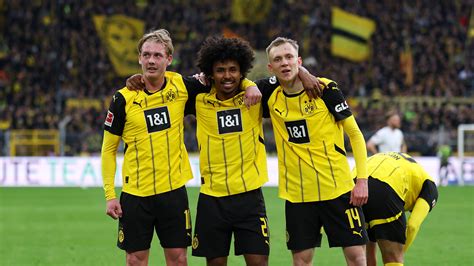
The third title, and arguably the most prestigious, was the **UEFA Champions League**, won on August 23, 2020. Bayern defeated Paris Saint-Germain (PSG) 1-0 in the final, with Kingsley Coman scoring the decisive goal. This victory was the culmination of a perfect Champions League campaign—Bayern won all 11 of their matches, a rare achievement in the tournament's history. Their run included a stunning 8-2 quarter-final demolition of Barcelona, a result that sent shockwaves through the football world. Beyond the numbers, this title was a showcase of Bayern’s mental fortitude. They navigated a unique single-leg format for the latter stages of the competition, held in Lisbon due to COVID-19 restrictions. The Champions League win was a statement of Bayern's global dominance, as they outclassed Europe's best with a blend of tactical flexibility and individual brilliance.
The fourth title, the **UEFA Super Cup**, was claimed on September 24, 2020, in a 2-1 extra-time victory over Sevilla. This match, played in Budapest, was a true test of Bayern's resilience. Sevilla, the Europa League winners, took an early lead, but Bayern fought back with goals from Leon Goretzka and Javi Martínez. The Super Cup is often seen as a ceremonial match, but for Bayern, it was another opportunity to prove their mettle. The game also highlighted the depth of Bayern's squad; Martínez, a player often used as a substitute, emerged as the hero with his extra-time winner. This title symbolized Bayern's ability to win even when not at their peak, a hallmark of truly great teams.
The fifth title was the **DFL-Supercup**, won on September 30, 2020, with a 3-2 victory over Borussia Dortmund. This competition, pitting the Bundesliga champions against the DFB-Pokal winners, is often viewed as a curtain-raiser for the new season. However, for Bayern, it was more than a ceremonial match—it was a chance to assert their dominance over their fiercest domestic rival. The match was a tightly contested affair, with Joshua Kimmich scoring a late winner. This victory demonstrated Bayern's mental toughness and their ability to win close games, even when fatigue from a grueling schedule began to show. The DFL-Supercup win also symbolized the growing rivalry between Bayern and Dortmund, as both teams pushed each other to higher levels of performance.
The final title of the sextuple was the **FIFA Club World Cup**, secured on February 11, 2021, with a 1-0 win over Tigres UANL of Mexico. This competition, held in Qatar, was the last piece of the puzzle for Bayern's historic season. While the Club World Cup is sometimes dismissed as a lesser competition compared to the Champions League or domestic titles, for Bayern, it represented the culmination of their global ambitions. The match itself was a display of Bayern's tactical maturity; they controlled the game despite the physical and tactical challenges posed by Tigres. Benjamin Pavard's goal secured the win, and the title reinforced Bayern's status as the best club in the world for that season. This victory also had a symbolic resonance, as it marked the end of a grueling 12-month period in which Bayern competed—and triumphed—across every possible front.
Each of these six titles carries unique significance within the broader context of Bayern's 2019-2020 season. The **Bundesliga** and **DFB-Pokal** titles reaffirmed their dominance in Germany, while the **Champions League** win showcased their ability to compete—and excel—on the European stage. The **UEFA Super Cup** and **DFL-Supercup** victories highlighted their consistency and mental resilience in shorter, high-pressure formats. Finally, the **FIFA Club World Cup** capped off their journey by solidifying their place in football history as a truly global powerhouse.
What makes this achievement even more remarkable is the **context of the COVID-19 pandemic**. The compressed schedule, health protocols, and absence of fans in stadiums created unprecedented challenges for players and staff. Bayern's ability to maintain focus, adapt to new formats, and perform at the highest level under such conditions reflects not just their technical skill but their mental and organizational strength. This sextuple is also a testament to the holistic approach of the club, from the boardroom to the training ground. The recruitment of key players like Alphonso Davies and the seamless integration of youth and experience were critical factors in their success.
In summary, the six titles won by Bayern Munich in the 2019-2020 season are a reflection of their **comprehensive excellence**. They dominated domestically, conquered Europe, and asserted their supremacy on the world stage. This achievement is not just a collection of trophies but a narrative of how a club can rise to meet extraordinary challenges and etch its name in the annals of football history.
Key Players and Leadership
The success of Bayern Munich in securing six titles during their historic 2019-2020 season was a result of a confluence of exceptional talent, strategic leadership, and a cohesive team ethos. This section delves into the pivotal role played by star players, the influence of coaching staff, and the broader leadership structures that enabled such dominance across domestic and international competitions.
At the heart of Bayern's success were several star players whose individual brilliance and consistency elevated the team's performance. One cannot discuss this era without highlighting Robert Lewandowski, whose goal-scoring prowess was nothing short of extraordinary. In the 2019-2020 season alone, Lewandowski netted 55 goals across all competitions, including 15 in the UEFA Champions League—a tournament where he was named the top scorer. His ability to position himself in high-leverage areas, combined with a clinical finishing touch, made him the focal point of Bayern's attack. However, Lewandowski was not merely a goal machine; his off-the-ball movement and link-up play with midfielders like Thomas Müller created space and opportunities for others. Müller, often referred to as the "Raumdeuter" (space interpreter), was instrumental in orchestrating attacks with his intelligent positioning and ability to find gaps in opposition defenses. His 21 assists in the Bundesliga that season underscored his importance as a creative force.
Another key figure was Joshua Kimmich, a versatile player who transitioned seamlessly between right-back and central midfield roles. Kimmich's tactical intelligence and work rate allowed Bayern to dominate possession and control the tempo of matches. His precise passing range and defensive acumen made him a linchpin in both phases of play. Notably, Kimmich's chipped goal against Borussia Dortmund in May 2020 exemplified his composure under pressure and his ability to deliver in high-stakes situations. Alongside him, Alphonso Davies, a young and dynamic left-back, burst onto the scene with blistering pace and defensive tenacity. Davies' rise was emblematic of Bayern's willingness to integrate youth into their experienced squad, providing a blend of energy and innovation.
While individual brilliance was evident, the coaching leadership of Hans-Dieter Flick was perhaps the most transformative element of Bayern's title run. Flick took over as interim manager in November 2019 after the departure of Niko Kovač and quickly instilled a sense of purpose and tactical clarity. Under Flick, Bayern shifted to a high-pressing system that emphasized quick transitions and aggressive ball recovery. This approach not only suited the physical and technical capabilities of the squad but also exploited the mental fragility of opponents who struggled to maintain possession under relentless pressure. Flick's man-management skills were equally critical; he fostered a positive environment where players felt trusted and motivated. His decision to reinstate Müller into the starting lineup, for instance, proved to be a masterstroke, as Müller's on-field intelligence complemented Flick's tactical framework.
Flick's emphasis on squad rotation and depth was another hallmark of his leadership. Bayern's success in managing a grueling schedule across multiple competitions was partly due to Flick's ability to keep the squad fresh without compromising results. Players like Leon Goretzka and Serge Gnabry stepped up in critical moments, showcasing the depth of talent at Flick's disposal. Goretzka, in particular, transformed into a box-to-box midfielder under Flick, adding goals and defensive solidity to his repertoire. Gnabry, with his explosive speed and finishing ability, provided a dynamic edge on the flanks, as seen in his brace against Tottenham in a 7-2 Champions League rout.
Beyond the players and coach, the institutional leadership at Bayern Munich played a significant role in this achievement. The club's executive board, led by Karl-Heinz Rummenigge and later supported by Oliver Kahn, ensured that the team was well-resourced and strategically aligned. Bayern's transfer policy during this period was a blend of shrewd acquisitions and a commitment to developing homegrown talent. The signing of Philippe Coutinho on loan from Barcelona provided creative depth, while the emergence of academy products like Davies highlighted the club's long-term vision. Moreover, Bayern's ability to retain core players and maintain a stable core—a rarity in modern football—was a testament to their leadership's focus on continuity and culture.
The team culture fostered by leadership and players alike was another differentiating factor. Bayern has long been known for its "Mia san Mia" (We are who we are) philosophy, emphasizing unity, pride, and a relentless winning mentality. This ethos was evident in how the team responded to setbacks, such as the early-season struggles under Kovač. Instead of fracturing, the squad rallied under Flick's stewardship, demonstrating resilience and adaptability. The leadership also prioritized mental preparation, ensuring players were equipped to handle the pressure of competing on multiple fronts. This was particularly evident in the Champions League knockout stages, where Bayern dispatched heavyweights like Barcelona (8-2) and Paris Saint-Germain with poise and determination.
It is also worth noting the synergy between tactical innovation and player buy-in. Flick's system required players to embrace high-intensity football, which demanded not only physical endurance but also mental discipline. The willingness of star players to adapt their roles for the greater good—such as Kimmich dropping deeper or Müller taking on a more fluid attacking role—reflected a collective commitment to success. This adaptability was a stark contrast to some of Bayern's rivals, who often struggled with inflexible systems or internal discord.
The role of experienced veterans like Manuel Neuer and Jérôme Boateng cannot be overlooked. Neuer, widely regarded as one of the best goalkeepers of his generation, provided a sense of security at the back with his shot-stopping and sweeping abilities. His leadership as captain was evident in how he organized the defense and instilled confidence in younger players. Boateng, despite being in the latter stages of his career, delivered commanding performances in central defense, particularly in the latter stages of the Champions League. Their experience complemented the youthful exuberance of players like Davies and Gnabry, creating a balanced dynamic within the team.
In summary, Bayern's six titles in the 2019-2020 season were not the result of isolated brilliance but a harmonious interplay of star power, coaching ingenuity, and institutional support. Players like Lewandowski, Müller, and Kimmich delivered world-class performances, while Flick's transformative coaching and the club's strategic leadership created an environment conducive to sustained success. This period in Bayern's history serves as a case study in how a well-rounded approach to talent, leadership, and team culture can yield historic results.
Strategic Approach
Bayern Munich's ability to secure six titles in a single season—a feat accomplished during the 2019-2020 campaign—was not merely the result of superior talent or financial muscle. It was underpinned by a strategic approach that blended tactical innovation, squad management, and a deep understanding of modern football's evolving demands. This section delves into the specific tactical and strategic innovations Bayern employed to secure their dominance during this historic period.
One of the cornerstones of Bayern's success was their embrace of a high-intensity pressing system. Under the guidance of manager Hansi Flick, who took over midway through the season, Bayern transformed into a team that suffocated opponents with relentless pressing. This was not a novel concept in football, as teams like Liverpool and Manchester City had already popularized the approach. However, Bayern's execution was uniquely tailored to their squad's strengths. Flick implemented a system where the front three—led by Robert Lewandowski, supported by wingers like Serge Gnabry and Kingsley Coman—would initiate the press immediately after losing possession. This "gegenpressing" was not just about winning the ball back but also about creating immediate attacking opportunities. The speed and coordination of this press were critical. For instance, Bayern's midfielders, particularly Thomas Müller and Joshua Kimmich, were tasked with covering large areas of the pitch to cut passing lanes and support the forwards. This approach forced opponents into hurried clearances or errors in dangerous areas, often leading to quick transitions and goals.
Another key innovation was Bayern's flexible formation and positional play. While they primarily operated in a 4-2-3-1 formation, Flick introduced a level of fluidity that allowed players to interchange positions seamlessly. Müller, for example, was not a traditional number 10 but operated as a "raumdeuter" (space interpreter), drifting into pockets of space between the lines to disrupt opposition structures. Similarly, Kimmich, nominally a midfielder, often dropped into the right-back position to provide width and dictate play from deeper areas. This positional flexibility was a deliberate strategy to stretch opponents horizontally and vertically. Bayern's full-backs, particularly Alphonso Davies, were given license to bomb forward, creating overloads on the flanks. Davies' pace and recovery ability meant that even when he ventured high up the pitch, Bayern were rarely exposed on the counter. This dynamic approach required not just physical conditioning but also a high level of tactical intelligence from the players, which Bayern cultivated through rigorous training and video analysis sessions.
Bayern's focus on squad rotation and player fitness was another critical element of their strategy. Competing across multiple competitions—Bundesliga, DFB-Pokal, and UEFA Champions League—required meticulous management of player workloads. Flick was unafraid to rotate his squad, even in high-stakes matches, trusting the depth of his bench. Players like Leon Goretzka, Ivan Perišić, and Lucas Hernández were often rotated in and out of the starting lineup without a drop in performance levels. This was enabled by a data-driven approach to fitness. Bayern employed sports scientists and performance analysts to monitor player metrics such as sprint distance, recovery times, and injury risk. This ensured that key players like Lewandowski and Kimmich were at peak performance during crucial phases of the season. For example, during the compressed schedule caused by the COVID-19 pandemic, Bayern's ability to maintain intensity and avoid fatigue-related injuries was a testament to their strategic preparation.
The team's focus on attacking width and central penetration was another hallmark of their tactical setup. Bayern's wide players, such as Coman and Gnabry, were encouraged to hug the touchline to stretch defenses, creating space for central runners like Lewandowski and Müller. This approach was complemented by the use of overlapping full-backs, particularly Davies and Benjamin Pavard, who provided additional passing options and drew defenders out of position. In the central areas, Bayern's midfielders were adept at playing quick, vertical passes to break lines. Kimmich, in particular, was a pivotal figure in this regard, often acting as the metronome of the team. His ability to switch play from one flank to another or deliver incisive through balls into the box was a key feature of Bayern's attacking strategy. This blend of width and central penetration made Bayern's attack unpredictable and difficult to defend against.
Bayern also excelled in their use of set pieces, an often-underappreciated aspect of their dominance. While their open-play attacking prowess garnered more attention, Flick's team was highly effective in dead-ball situations. This was evident in their Champions League knockout stage matches, where set-piece goals played a significant role. The coaching staff analyzed opponents' defensive setups during set pieces and devised specific routines to exploit weaknesses. For instance, Bayern often used decoy runners to create space for players like Niklas Süle or Lewandowski to attack the ball in the box. This attention to detail in set-piece strategy underscored the holistic nature of their approach—no aspect of the game was left to chance.
Another less discussed but equally important aspect of Bayern's strategic success was their psychological resilience and team cohesion. Flick fostered a strong sense of unity within the squad, emphasizing collective goals over individual accolades. This was particularly evident in how the team responded to setbacks, such as their early-season struggles under previous manager Niko Kovač. Flick's man-management skills were instrumental in rebuilding confidence and morale. He created an environment where players felt valued, regardless of their role in the team. This cohesion was evident in their performances during high-pressure moments, such as their comeback victories in the Champions League. The 8-2 thrashing of Barcelona in the quarter-finals was not just a display of technical superiority but also a psychological masterclass in imposing their will on a demoralized opponent.
Finally, Bayern's integration of youth and experience was a subtle yet critical factor in their dominance. While the squad boasted seasoned veterans like Manuel Neuer, Jérôme Boateng, and Müller, it also featured young talents like Davies and Kimmich, who brought energy and innovation. Flick's ability to blend these elements ensured that the team had both the wisdom to navigate challenging situations and the dynamism to overwhelm opponents. The mentorship provided by senior players to younger ones was a deliberate part of the club's culture, reinforcing a sense of continuity and shared purpose.
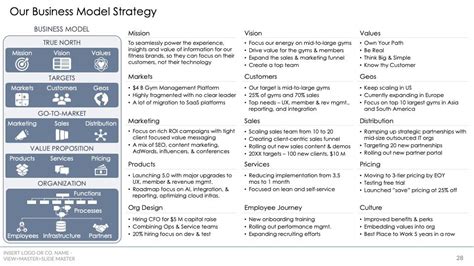
In summary, Bayern's six-title triumph was not an accident but the result of a multi-faceted strategic approach. Their high-intensity pressing, positional flexibility, squad rotation, set-piece efficiency, psychological resilience, and blend of youth and experience all contributed to their unparalleled success. Each of these elements was not deployed in isolation but as part of a cohesive system that adapted to the demands of modern football. This holistic and innovative approach set Bayern apart, making their dominance during the 2019-2020 season a case study in how strategic planning and execution can elevate a team to historic heights.
Impact on Football Culture
Bayern Munich's achievement of securing six titles in a single calendar year during the 2019-2020 season stands as a monumental feat in the annals of football history. This accomplishment, which included the UEFA Champions League, Bundesliga, DFB-Pokal, UEFA Super Cup, FIFA Club World Cup, and the DFL-Supercup, not only cemented Bayern's status as a dominant force in European football but also had a profound and far-reaching impact on global football culture. Their success reshaped how clubs approach ambition, strategy, and the very essence of what it means to aim for excellence in the modern game.
One of the most immediate and visible effects of Bayern's six-title run was the way it redefined the standards of success for football clubs worldwide. Historically, the bar for greatness had been set by teams like the Ajax side of the 1970s, the Milan teams of the late 1980s, and the Barcelona squads of the early 2010s. However, Bayern's clean sweep of available trophies in a single year pushed this benchmark even higher. Clubs began to see such comprehensive dominance as a tangible, albeit extraordinarily difficult, goal rather than a distant fantasy. This led to a paradigm shift in club ambition, particularly among elite teams in Europe. Managers and boardrooms started to articulate their visions not just in terms of domestic titles or occasional European success but in the pursuit of a "six-title season" as the ultimate measure of a club's global stature.
The ripple effect of this ambition was particularly evident in the strategic evolution of clubs outside Germany. Teams like Paris Saint-Germain, Manchester City, and even emerging forces such as RB Leipzig began to adopt a more holistic approach to squad building and competition prioritization. For instance, PSG's aggressive recruitment of superstars like Lionel Messi, Neymar, and Kylian Mbappé can be seen as an attempt to craft a squad capable of competing across multiple fronts simultaneously. This mirrors Bayern's strategy of maintaining a core group of world-class players while integrating young talents and experienced veterans. Bayern demonstrated that success across all competitions was not merely a matter of financial investment but also of cohesive squad management, tactical flexibility, and a winning culture instilled from top to bottom.
Another significant influence of Bayern's success was the way it inspired tactical innovation in other teams. Under Hansi Flick, Bayern employed a brand of high-intensity, possession-based football that combined fluid attacking movements with relentless pressing. This style of play was not entirely new—Pep Guardiola's Barcelona and Jürgen Klopp's Liverpool had popularized similar approaches—but Bayern's ability to execute it across multiple competitions with unwavering consistency set a new standard. Other teams began to study and emulate this model, recognizing that success required not just individual brilliance but a systematic approach to team performance. For example, Chelsea's tactical overhaul under Thomas Tuchel, which included a focus on high pressing and counterattacking, bore hallmarks of Bayern's blueprint. The German club's dominance served as a case study in how to blend individual talent with collective discipline, encouraging teams to prioritize system over star power in certain scenarios.
Bayern's success also had a psychological impact on rival teams and leagues. Their ability to dominate both domestically and internationally served as a wake-up call for other leagues, particularly those in England, Spain, and Italy, where the competition was often seen as more unpredictable. The Bundesliga, often criticized for being a "one-team league," gained newfound respect as Bayern's achievements highlighted the league's ability to produce a team capable of excelling on multiple stages. This, in turn, led to increased competitiveness in other leagues, as clubs sought to close the gap. For instance, the Premier League saw a surge in investment and ambition among its top clubs, with Manchester United, Liverpool, and Chelsea all bolstering their squads to ensure they could compete not just within England but on the European stage.
The influence of Bayern's six titles also extended to youth development and scouting strategies. Bayern's success was underpinned by a blend of homegrown talents like Thomas Müller and Joshua Kimmich alongside shrewd acquisitions such as Robert Lewandowski and Alphonso Davies. This model inspired other clubs to invest more heavily in their academies and scouting networks, aiming to replicate Bayern's balance of nurturing local talent and identifying undervalued players from less-heralded leagues. For instance, the rise of clubs like Ajax and RB Salzburg in producing and exporting young talents can partially be attributed to the desire to emulate Bayern's sustainable model of success. The idea of creating a pipeline of talent capable of competing at the highest level became a central tenet for clubs seeking to challenge the established elite.
On a broader cultural level, Bayern's six-title run also contributed to the globalization of football narratives. Their dominance was not just a European story but one that resonated across continents. Fans in Asia, Africa, and the Americas began to see Bayern as a symbol of what a well-run, ambitious club could achieve. This global appeal was further amplified by the club's outreach efforts, including pre-season tours, digital engagement, and partnerships in emerging football markets. The narrative of Bayern's success became a motivational story for underdogs and aspirational clubs, particularly in regions where football infrastructure was still developing. Teams in countries like India, Nigeria, and Brazil began to draw parallels between their own ambitions and the structured, disciplined approach that defined Bayern's rise.
Moreover, the way Bayern conducted themselves during this period—displaying humility despite their dominance—also had an impact on the ethos of sportsmanship in football. Unlike some dominant teams that have been criticized for arrogance or overbearing behavior, Bayern maintained a sense of respect for their opponents and a grounded approach to their achievements. This was exemplified by their players and management, who often emphasized the collective effort behind their success rather than individual glory. Such an attitude resonated with fans and served as a template for how successful teams could maintain public goodwill even in the face of overwhelming superiority.
Finally, Bayern's six-title achievement highlighted the importance of adaptability in modern football. Their ability to transition seamlessly between different competitions, adjust to injuries, and rotate their squad without losing momentum underscored the need for clubs to be flexible in their approach. This adaptability became a key takeaway for other teams, particularly those aiming to compete in multiple tournaments. For example, Liverpool's success in the following years, including their Premier League title and Champions League win, can be seen as a response to the challenge posed by Bayern's comprehensive dominance. The message was clear: to thrive in modern football, teams must be prepared to excel across all fronts, not just specialize in one competition.
- Bayern redefined the benchmark for success, inspiring clubs to aim for holistic dominance.
- Their tactical model influenced the strategies of rival teams and managers.
- The Bundesliga gained global respect as a league capable of producing world-beaters.
- Youth development and scouting became more central to club strategies worldwide.
- Their sportsmanship and adaptability set a standard for how dominant teams should operate.
In conclusion, Bayern's six-title triumph was more than a historical milestone for the club; it was a watershed moment for global football culture. It challenged teams to rethink their ambitions, inspired tactical and structural innovations, and elevated the standards of what it means to be a successful football institution. The legacy of this achievement continues to shape the aspirations and strategies of clubs across the world, proving that Bayern's impact extended far beyond the trophies they lifted.
Challenges Faced
Bayern Munich's journey to securing six titles in a single calendar year was nothing short of historic, but it was far from a straightforward path. The challenges they faced during their title runs were multifaceted, involving external pressures from rival teams and internal dynamics that tested the club's resilience and adaptability. To truly understand the magnitude of their achievement, it is essential to delve into the specific obstacles they encountered and how these shaped their eventual success.
One of the most significant challenges Bayern faced was the **competitive landscape of European and domestic football**. During their title runs, particularly in the 2019-2020 season when they achieved the sextuple, Bayern was up against some of the most formidable teams in Europe. In the UEFA Champions League, they had to contend with teams like Paris Saint-Germain (PSG), who boasted a star-studded lineup including Neymar and Kylian Mbappé. The final against PSG was a clash of titans, where Bayern’s tactical discipline was pitted against PSG's explosive attacking prowess. While Bayern emerged victorious with a 1-0 scoreline, the match was far from easy. PSG’s counterattacking strategy posed significant threats, and Bayern’s backline, led by Jerome Boateng and David Alaba, had to remain vigilant throughout. This match underscored how Bayern’s ability to manage high-pressure situations against top-tier opponents was a critical factor in their success.
Domestically, the **Bundesliga presented its own set of challenges**. While Bayern has long been the dominant force in German football, the emergence of teams like RB Leipzig and Borussia Dortmund added new layers of competition. Leipzig, in particular, posed a unique challenge due to their high-pressing, energetic style of play, which often disrupted Bayern’s rhythm. In the 2019-2020 Bundesliga season, Leipzig finished just five points behind Bayern, a gap that indicated how closely contested the league had become. Bayern’s ability to maintain their consistency despite this growing competition required not just technical skill but also mental fortitude. Every match became a potential stumbling block, and the team had to approach even mid-table opponents with the same level of focus they would bring to a Champions League fixture.
Another external challenge was the **impact of the COVID-19 pandemic**, which disrupted the football calendar and introduced unprecedented logistical and psychological hurdles. The pandemic forced the suspension of leagues and tournaments, leading to a compressed schedule when play resumed. Bayern had to navigate a grueling run of fixtures with little time for recovery. This placed immense physical strain on the players, increasing the risk of injuries and fatigue. Moreover, the absence of fans in stadiums—a result of pandemic-related restrictions—removed a key source of motivation and home-field advantage. Bayern had to adapt to playing in empty arenas, which altered the atmosphere and dynamics of matches. Their ability to maintain focus and perform at a high level in this "new normal" environment was a testament to their professionalism and adaptability.
Internally, Bayern faced **team management and squad rotation challenges**. The sextuple-winning season coincided with a period of transition for the club. Long-serving players like Philipp Lahm and Arjen Robben had retired, and the squad was in the process of integrating younger talents such as Alphonso Davies and Joshua Zirkzee while relying on experienced figures like Robert Lewandowski and Thomas Müller. This blend of youth and experience required careful management by the coaching staff. Under Hans-Dieter Flick, who took over as head coach midway through the season, Bayern had to rebuild team cohesion and instill a winning mentality. Flick’s emphasis on high-intensity pressing and fluid attacking play was a departure from previous systems, and not all players adapted immediately. There were reports of initial resistance to his methods, particularly from players accustomed to different tactical setups. However, Flick’s ability to communicate his vision and foster trust within the squad was instrumental in overcoming these internal hurdles.
The **psychological toll of high expectations** also weighed heavily on Bayern. As one of the most successful clubs in Europe, the pressure to win was ever-present. This was particularly evident in the Champions League, where Bayern’s history of success created an implicit expectation of excellence. Any misstep—whether a draw in the league or a narrow win in Europe—was scrutinized by fans, media, and even within the club’s hierarchy. This constant pressure to perform could have led to burnout or a drop in morale, but Bayern’s leadership, both on and off the pitch, worked to mitigate these effects. Players like Manuel Neuer and Müller, who had experienced both triumphs and disappointments in their careers, played a crucial role in maintaining team morale and focus.
Additionally, Bayern had to manage **internal rivalries and egos** within the squad. A team filled with world-class talent inevitably brings with it a degree of competition for starting spots and recognition. For instance, the presence of Robert Lewandowski, widely regarded as one of the best strikers in the world, could have created friction with other attacking players vying for goals and assists. Similarly, the competition between defenders for a place in the starting lineup—such as Niklas Süle, Lucas Hernández, and Alaba—required careful handling to avoid discord. Flick’s man-management skills were critical here; he ensured that every player felt valued, even those who were not regular starters. This approach helped maintain a harmonious dressing room, which is often an underestimated factor in sustained success.
Another layer of complexity was the **financial constraints and squad depth**. While Bayern is a wealthy club, they operate within the broader financial ecosystem of European football. Unlike some of their rivals, such as Manchester City or PSG, who have access to near-limitless funds from state-backed ownership, Bayern has had to be more strategic in their spending. This meant that they could not always afford to bring in high-profile replacements for every position. Instead, they relied on a mix of youth academy products and smart transfers, such as the acquisition of Ivan Perišić on loan to provide depth. This approach required Bayern to maximize the potential of their existing squad, which added pressure on the coaching staff to develop players internally and ensure that bench players were match-ready when called upon.
Finally, Bayern had to contend with **historical context and external narratives**. As they chased the sextuple, comparisons were inevitably drawn to other legendary teams, such as Barcelona’s 2009 side that also achieved a similar feat. This created an additional layer of expectation, as Bayern was not just playing for the present but also to etch their name in football history. The weight of this historical context could have been paralyzing, but the team used it as motivation rather than a burden. They were acutely aware that their performances would be judged not just by contemporary standards but against the legacy of past greats.
In summary, Bayern’s path to six titles was fraught with challenges that extended beyond the pitch. From rival teams pushing them to their limits to internal dynamics requiring careful navigation, the club demonstrated remarkable resilience. Their ability to overcome these obstacles speaks to the strength of their squad, the vision of their coaching staff, and the unyielding determination that defined their historic run.
Financial and Business Model
Bayern Munich's consistent dominance in winning titles, including their six consecutive Bundesliga titles from 2013 to 2019, can be closely tied to their robust financial strategies and well-structured business model. Unlike many top European clubs that rely heavily on external investments, debt accumulation, or high-risk transfer strategies, Bayern has cultivated a sustainable and self-sufficient approach. This section delves into the specifics of how their financial prudence and diversified business model have supported their title-winning campaigns.
One of the cornerstones of Bayern's financial success is their revenue diversification. The club generates significant income from multiple streams, including matchday revenue, broadcasting rights, commercial deals, and merchandising. In the period of their six-title streak, Bayern's annual revenue consistently ranked among the top five in European football. However, what sets them apart is the balanced distribution of these revenue sources. For instance, while broadcasting rights are a critical component for many clubs, Bayern has not allowed this to dominate their income profile. Instead, they have prioritized commercial partnerships with global brands such as Adidas, Audi, and Allianz. These long-term deals not only provide steady revenue but also align the club with high-profile sponsors that bolster its global brand presence.
The club's stadium management also plays a pivotal role. The Allianz Arena, opened in 2005, is a state-of-the-art facility that maximizes matchday revenue. Bayern owns the stadium outright (alongside co-tenant 1860 Munich until 2006), which means they retain all revenue from ticket sales, corporate hospitality, and events hosted at the venue. During their title-winning campaigns, Bayern's average attendance at the Allianz Arena hovered around 75,000, one of the highest in Europe. This high attendance is not merely a reflection of their on-field success but also a result of strategic pricing and fan engagement initiatives. By ensuring affordable ticket options for local fans while offering premium experiences for corporate clients, Bayern has created a loyal and financially supportive fan base. This contrasts with some clubs that prioritize short-term gains by inflating ticket prices, often alienating their core supporters.
Another critical aspect is Bayern's transfer strategy, which is both pragmatic and financially savvy. While clubs like Paris Saint-Germain and Manchester City have spent exorbitantly on marquee signings, Bayern has taken a more measured approach. During their six-title run, the club focused on acquiring players who fit their system rather than chasing expensive "galactico" signings. For example, the signings of Robert Lewandowski (on a free transfer from Borussia Dortmund in 2014) and Joshua Kimmich (a relatively low-cost acquisition from RB Leipzig) demonstrate their ability to identify talent without overspending. This strategy is underpinned by a strong scouting network that identifies players with high potential and aligns them with Bayern's tactical philosophy. Moreover, the club often sells players at peak value, reinvesting the proceeds into squad improvement. This approach not only maintains financial health but also ensures squad depth and competitiveness.

Bayern's wage structure is another area where their business model shines. While they pay competitive wages to attract top talent, they avoid the kind of salary inflation seen at other clubs. This disciplined approach ensures that player salaries remain sustainable relative to revenue. For instance, during the six-title streak, Bayern’s wage-to-revenue ratio was consistently below 50%, a benchmark of financial stability in football. This contrasts sharply with clubs that have exceeded 70% or even 80%, leading to financial instability. By maintaining this balance, Bayern has avoided the risk of over-leveraging their finances to retain or attract players, ensuring long-term sustainability.
The club's focus on youth development is another pillar of their business model. Bayern operates one of the most successful youth academies in Germany, producing players like Thomas Müller and David Alaba, who were integral to their title-winning squads. Investing in youth not only reduces the need for expensive transfers but also fosters a sense of loyalty and continuity within the squad. This approach aligns with their broader philosophy of building a team that is both competitive and cohesive over multiple seasons. The emphasis on homegrown talent also resonates with fans, further strengthening the club's community ties and brand appeal.
Bayern's regional and global commercial strategy has been instrumental in supporting their on-field success. The club has expanded its footprint beyond Germany, particularly in Asia and North America, where football's popularity has grown significantly. Through pre-season tours, partnerships with local brands, and digital engagement strategies, Bayern has cultivated a global fan base. This global reach not only boosts merchandising revenue but also enhances broadcasting deals, as international audiences drive higher TV rights valuations. For example, Bayern's partnership with Tmall (Alibaba's B2C platform) has allowed them to tap into the Chinese market, where football merchandise and digital content are in high demand. Such initiatives ensure that the club's financial health is not solely dependent on domestic success but is also bolstered by international opportunities.
It is also worth examining Bayern's financial discipline in the face of UEFA's Financial Fair Play (FFP) regulations. While some clubs have skirted or even violated FFP rules to fund their ambitions, Bayern has adhered strictly to these guidelines. This compliance not only protects the club from potential sanctions but also reinforces its reputation as a financially responsible organization. By avoiding excessive debt or risky financial maneuvers, Bayern has maintained a stable foundation that supports consistent investment in the squad and infrastructure without jeopardizing future prospects.
A less discussed but equally important aspect of Bayern's business model is their collaboration with other Bundesliga clubs. Unlike the cutthroat competition seen in other leagues, Bayern has often engaged in mutually beneficial deals with smaller German clubs. For instance, they have loaned players to teams like Hoffenheim and Stuttgart, allowing these players to gain experience while maintaining a good relationship with the broader German football ecosystem. This collaborative approach not only supports the development of German football as a whole but also ensures Bayern has a steady pipeline of talent and goodwill within the league. This contrasts with the more aggressive poaching strategies seen in other leagues, where dominant clubs can alienate smaller teams.
Finally, governance and leadership stability have been critical to Bayern's financial and sporting success. The club is run by a professional management team, including former players like Karl-Heinz Rummenigge and Uli Hoeneß, who understand both the sporting and business sides of football. This continuity in leadership has allowed Bayern to implement long-term strategies without the disruptions often caused by frequent changes in ownership or management. Their ability to plan for the future—whether it’s stadium upgrades, youth academy investments, or transfer policies—has been a key differentiator in sustaining their dominance.
- Revenue diversification across matchday, commercial deals, and merchandising ensures balanced income streams.
- Pragmatic transfer policies focus on value rather than vanity signings.
- A disciplined wage structure keeps player costs in line with revenue.
- Youth development reduces reliance on expensive transfers while building squad loyalty.
- Global commercial expansion enhances revenue and brand presence.
- Adherence to FFP ensures financial stability and ethical operations.
- Collaboration with other Bundesliga clubs fosters goodwill and sustainable growth.
In conclusion, Bayern Munich's financial strategies and business model are not merely supportive of their title-winning campaigns—they are integral to them. By prioritizing sustainability, discipline, and innovation, the club has created a blueprint for success that other teams can learn from. Their ability to balance ambition with prudence has allowed them to remain competitive while avoiding the financial pitfalls that have befallen many of their European rivals.
Legacy and Long-Term Effects
Bayern Munich's achievement of securing six titles in a single calendar year—a feat that included the Bundesliga, DFB-Pokal, UEFA Champions League, UEFA Super Cup, FIFA Club World Cup, and DFL-Supercup in 2020—represents a watershed moment not just for the club but for the broader football landscape. This accomplishment, while rooted in on-pitch excellence, carries profound long-term implications for Bayern's brand identity, fanbase dynamics, and the football ecosystem as a whole. Analyzing these dimensions reveals how this unprecedented success has reshaped perceptions, strategies, and expectations within and beyond the club.
From a brand perspective, Bayern's six titles have cemented their status as a global footballing powerhouse. While the club was already highly regarded for its consistency in the Bundesliga and regular deep runs in European competitions, the "sextuple" elevated them into an elite echelon of teams capable of achieving the extraordinary. This is not merely about adding trophies to the cabinet; it is about redefining what is possible for a modern football club. The sextuple is now a key narrative in Bayern's marketing arsenal, used to differentiate the club in global sponsorship pitches and media engagements. Partners like Adidas, Allianz, and Qatar Airways benefit from associating with a club that symbolizes sustained excellence rather than fleeting success. For instance, the club's ability to market itself as a "model of efficiency and dominance" resonates particularly well in markets like Asia and North America, where such narratives are highly valued by corporate sponsors seeking reliable, high-profile partnerships.
The fanbase impact of this achievement is multifaceted. On one hand, it has deepened the loyalty of Bayern's existing supporters, particularly in Germany, where the club's domestic dominance is sometimes met with criticism for "killing competition." The sextuple provided a fresh angle to celebrate, one that transcended local rivalries and positioned Bayern as a team representing German football on the world stage. This global resonance has also expanded Bayern's fanbase internationally. Social media analytics from the period show a significant spike in follower growth across platforms like Instagram, Twitter, and TikTok, particularly from regions like Southeast Asia, where football fans are drawn to clubs with a track record of global success. However, this success has also created a paradox: while the fanbase grows, there is a risk of alienating traditional supporters who value the "romance" of football—a sport where unpredictability and underdog stories often hold greater emotional weight than sheer dominance. Bayern must navigate this tension carefully to avoid becoming a "corporate team" in the eyes of some fans, a label that has dogged clubs like Paris Saint-Germain and Manchester City.
In the broader football ecosystem, Bayern's sextuple has sparked debates about the sustainability of such dominance and its implications for competitive balance. Football thrives on narratives of unpredictability, yet Bayern's ability to sweep all available trophies could, paradoxically, diminish the sport's appeal if it sets a precedent for hyper-consolidated success. This phenomenon is particularly relevant in the context of UEFA's Financial Fair Play (FFP) regulations, which aim to level the playing field but are often criticized for favoring established giants like Bayern, who benefit from decades of institutional stability and revenue growth. The sextuple has reignited discussions about whether the current football model—where a handful of elite clubs dominate resources and trophies—needs reform. Bayern's success, while celebrated, also underscores the growing chasm between "superclubs" and the rest of the field. This dynamic has fueled calls for measures like salary caps, more equitable revenue distribution, and even the controversial European Super League, which sought to address (albeit clumsily) the perceived imbalance in football's power structure.
Another long-term effect of Bayern's achievement lies in its influence on club strategies and youth development. Bayern's sextuple was not merely a product of star signings but also of a well-oiled system that integrated academy graduates like Joshua Kimmich and Serge Gnabry alongside experienced players. This blend of homegrown talent and shrewd recruitment has become a benchmark for other clubs aspiring to replicate such success. For instance, clubs in the Bundesliga and beyond have taken note of Bayern's emphasis on continuity—retaining key figures like Hansi Flick (their manager during the sextuple run) and building a cohesive team ethos rather than relying on short-term, high-cost transfers. This approach has made Bayern a case study in sustainable success, challenging the "spend-to-win" model epitomized by clubs backed by state-owned wealth. Smaller clubs now look to Bayern not just as a rival but as a template for how to build a competitive team within financial constraints.
The sextuple also has implications for player market dynamics. Bayern's ability to attract and retain top talent was already strong, but the six titles have enhanced their allure as a destination club. Players now see Bayern not just as a stable, successful team but as one capable of delivering historic milestones. This reputation can influence transfer negotiations, particularly with younger players who prioritize legacy-building over immediate financial gain. However, this also puts pressure on Bayern to maintain their winning culture. A dip in form or a failure to replicate such dominance could lead to questions about whether the sextuple was a peak rather than a sustainable standard. The club's management must therefore balance the weight of expectations with the realities of squad rotation, injuries, and the natural ebb and flow of footballing fortunes.
From a cultural standpoint, Bayern's achievement has also redefined what it means to be a "global football brand." The club's success story is not just about trophies but about embodying a philosophy of excellence that extends beyond the pitch. Bayern's emphasis on community engagement, player development, and fiscal responsibility has positioned them as a model club in an era where football's financial excesses often make headlines. This image has resonated with fans who increasingly seek authenticity and purpose in the teams they support. For instance, Bayern's vocal stance on social issues, such as their solidarity with oppressed groups or their refusal to participate in the European Super League, adds depth to their legacy. The sextuple thus becomes part of a broader narrative about what a football club can represent in the 21st century—not just a business or a team, but a symbol of values and vision.
Finally, the competitive response from other clubs is worth considering. Bayern's dominance has likely spurred rivals, both in Germany and across Europe, to reevaluate their own ambitions and strategies. Clubs like Borussia Dortmund and RB Leipzig in the Bundesliga are under greater pressure to challenge Bayern's hegemony, while European giants like Real Madrid, Liverpool, and Manchester City are acutely aware of the benchmark set by the sextuple. This competitive tension could lead to more aggressive recruitment, innovative tactical approaches, and even collaborations (such as multi-club ownership models) aimed at closing the gap. In this sense, Bayern's success acts as a catalyst for evolution across the football ecosystem, pushing other stakeholders to adapt or risk obsolescence.
In conclusion, Bayern's six titles are not just a historic milestone but a phenomenon with far-reaching implications. They have redefined the club's brand as a global standard-bearer, expanded and diversified their fanbase, and influenced the strategic direction of football clubs and governing bodies. While the immediate glow of this achievement may fade, its long-term effects on Bayern's identity, the aspirations of other clubs, and the structural dynamics of football ensure that the legacy of the sextuple will endure for decades to come.
Conclusion
The legacy of Bayern Munich's six-title haul in 2020 is not merely a chapter in football history but a masterclass in organizational excellence, strategic foresight, and the power of cohesive team dynamics. To draw meaningful conclusions from this achievement, one must dissect the layers of their success and identify the principles that elevate their story beyond a mere sequence of trophies. This section aims to encapsulate the key takeaways from Bayern's accomplishments and distill lessons that can serve as a blueprint for future teams and organizations across sports and business.
One of the most striking aspects of Bayern's success is their **consistency in performance across competitions**. Winning six titles in a single calendar year—Bundesliga, DFB-Pokal, UEFA Champions League, UEFA Super Cup, FIFA Club World Cup, and the DFL-Supercup—demonstrates an unparalleled ability to sustain peak performance across varying formats, opponents, and stakes. This is not luck or fleeting brilliance but the result of a **systematic approach to preparation and execution**. Future teams can learn that success at this scale requires more than isolated moments of genius; it demands a **holistic framework that integrates physical conditioning, tactical versatility, and mental resilience**. Bayern's ability to rotate players without losing competitive edge underscores the importance of squad depth and a clear understanding of each player's role within the system.
The role of **leadership and culture** cannot be overstated in Bayern's story. Under the guidance of Hansi Flick, who took over mid-season in 2019-2020, the team underwent a transformation. Flick's leadership style emphasized **clear communication, trust, and player empowerment**. Rather than imposing a rigid structure, he adapted his strategies to the strengths of his squad, particularly leveraging the dynamic attacking trio of Robert Lewandowski, Serge Gnabry, and Thomas Müller. This adaptability is a crucial lesson for organizations: **great leaders do not enforce their will but cultivate an environment where individuals can thrive collectively**. Bayern's culture of mutual respect and shared purpose was evident in how players celebrated each other's successes, regardless of individual accolades. This unity is a stark reminder that **team-first mentality often trumps individual brilliance in achieving long-term success**.
Another critical takeaway is the **strategic use of data and analytics**. Modern football increasingly relies on performance metrics to optimize player output and game strategies. Bayern exemplified how data can be integrated into decision-making without stifling creativity. For instance, their high-pressing game and rapid counterattacks were not just instinctive but carefully calibrated based on opponent analysis. Teams looking to replicate such success must recognize the importance of **balancing intuition with informed decision-making**. The integration of sports science, video analysis, and even psychological profiling allowed Bayern to gain micro-advantages in high-pressure situations. This approach is a lesson for organizations in any field: **leveraging technology and data as enablers rather than replacements for human intuition can yield extraordinary results**.
Bayern's success also highlights the **importance of long-term planning and investment in infrastructure**. Their youth academy, known as the Fußball-Lehranstalt, has been a consistent source of talent, with players like David Alaba and Thomas Müller being products of this system. This focus on nurturing homegrown talent alongside strategic acquisitions of world-class players such as Alphonso Davies and Joshua Kimmich illustrates a **dual-track approach to team building**. For future teams, this is a reminder that **sustainable success requires balancing immediate needs with a vision for the future**. Organizations in other domains can draw parallels here: nurturing internal talent while strategically acquiring external expertise can create a robust foundation for enduring achievement.
The **psychological aspect of their journey** is another area worth exploring. Bayern's ability to perform under immense pressure is rooted in their experience and mental conditioning. Winning the Champions League final against Paris Saint-Germain, for example, was not just a display of technical skill but also a testament to their **ability to manage stress and stay focused on the bigger picture**. This mental fortitude is a direct result of years of experience in high-stakes environments and a culture that normalizes success without succumbing to complacency. For organizations, this underscores the value of **building resilience and a winning mindset into the fabric of their teams**. Whether through mentorship programs, stress management training, or fostering a culture of continuous improvement, the psychological edge can often be the differentiator in tightly contested scenarios.
A less discussed but equally important aspect of Bayern's six-title run is their **adaptability to external challenges**. The COVID-19 pandemic disrupted global sports, yet Bayern navigated these uncertainties with remarkable poise. Their ability to maintain focus during the hiatus and return with unrelenting determination speaks volumes about their **organizational agility**. This adaptability is a lesson for teams and businesses alike: **success in turbulent times often hinges on the ability to pivot, remain patient, and stay committed to core objectives**. Bayern’s seamless transition to playing in empty stadiums and maintaining their intensity is a case study in **maintaining operational focus amidst external disruption**.
From a **strategic perspective**, Bayern's six-title achievement also serves as a lesson in **resource optimization**. Unlike some of their European rivals who invest heavily in short-term solutions, Bayern has maintained a **sustainable financial model** while still competing at the highest level. Their prudent approach to transfers, emphasis on player development, and shrewd contract management allowed them to maintain a competitive edge without overextending their resources. This is a critical lesson for organizations: **success does not always require the biggest budget but rather the smartest allocation of resources**. Bayern’s example shows that **efficiency, rather than extravagance, can be the cornerstone of greatness**.
However, it is also important to acknowledge the **risks of complacency** that can follow such a dominant run. Bayern's achievements set a high benchmark, and sustaining this level of success is arguably more challenging than reaching it. Teams and organizations must guard against the **trap of resting on laurels**. Bayern's subsequent seasons have shown that even giants can stumble if they fail to evolve. This is a reminder that **continuous innovation and reinvention are non-negotiable for sustained excellence**. Future teams must learn to treat success not as an endpoint but as a stepping stone to even greater ambitions.
Finally, Bayern's six-title run offers a lesson in the **globalization of success**. Their victories resonated far beyond Germany, capturing the imagination of fans worldwide. This global appeal was not accidental but a result of **strategic branding, media engagement, and a commitment to playing attractive football**. For organizations, this highlights the importance of **building a narrative around achievements** that can transcend local boundaries. Whether in sports or business, the ability to craft a compelling story around success can amplify its impact and create lasting legacies.
In conclusion, Bayern Munich's six-title achievement in 2020 is a rich tapestry of lessons for future teams and organizations. It teaches us that **consistency, adaptability, leadership, and a team-first mentality are non-negotiable pillars of success**. It emphasizes the value of **data-driven decision-making, long-term planning, and psychological resilience**. Moreover, it serves as a cautionary tale about the need for **continuous evolution and the dangers of complacency**. For those who aspire to replicate such feats, the lesson is clear: greatness is not an accident but the outcome of deliberate, well-executed strategies that blend human ingenuity with institutional excellence.