Introduction to Bayern Munich in the UCL
Bayern Munich's journey in the UEFA Champions League (UCL) is one steeped in tradition, excellence, and a relentless pursuit of European glory. As one of the most successful clubs in the competition's history, Bayern Munich has etched its name into the annals of football lore through a combination of tactical brilliance, iconic players, and an unwavering desire to dominate on the continental stage. To understand Bayern's significance in the UCL, one must delve into the club's historical context, its transformative moments, and the broader impact it has had on shaping the competition itself.
The origins of Bayern Munich's European ambitions can be traced back to the 1960s, a period when the club began to emerge as a force in German football. However, it was in the 1970s that Bayern truly announced itself as a European powerhouse. Under the guidance of legendary figures like Franz Beckenbauer, Gerd Müller, and Sepp Maier, Bayern won the European Cup (the precursor to the UCL) three consecutive times from 1974 to 1976. This era not only established Bayern as a dominant club in Europe but also laid the foundation for its enduring legacy in the competition. The style of play during this period—characterized by a mix of defensive solidity and clinical attacking—set a standard for future generations of Bayern teams. Their success in this era also marked the beginning of a German imprint on European football, with Bayern becoming synonymous with high-stakes drama and unyielding competitiveness.
One of the unique aspects of Bayern Munich's UCL history is its ability to adapt and evolve across different footballing eras. Unlike some clubs that experience peaks and valleys in their European endeavors, Bayern has maintained a near-constant presence in the latter stages of the tournament. This consistency is a testament to the club's institutional stability and its philosophy of blending homegrown talent with world-class signings. For instance, the 1990s saw Bayern navigate the challenges of a rapidly globalizing football landscape, with players like Lothar Matthäus leading them to UCL finals and cementing their status as a club capable of competing with Europe's elite even during transitional periods.
The turn of the millennium brought a new dimension to Bayern's UCL narrative. The club's approach to the competition became more systematic, with an emphasis on building squads capable of challenging not just for domestic titles but for European supremacy. This era saw the rise of players such as Oliver Kahn, Philipp Lahm, and Bastian Schweinsteiger, who embodied the club's ethos of resilience and technical prowess. Bayern's 2001 UCL victory, secured in a dramatic penalty shootout against Valencia, was a watershed moment. It symbolized the club's ability to overcome adversity and reinforced its reputation as a team that thrives under pressure. This win also marked a shift in how Bayern approached European competition—not as occasional contenders but as perennial frontrunners.
In the modern era, Bayern Munich's significance in the UCL has been amplified by its dominance in both tactical innovation and player development. The 2013 triumph, where Bayern defeated borussia dortmund in an all-German final at Wembley Stadium, was a culmination of years of strategic planning. Under Jupp Heynckes, Bayern showcased a blend of high-pressing football and positional flexibility that set them apart. This victory was not just a testament to the players on the pitch but also to the club's broader vision of integrating a cohesive playing style across all levels of the organization. The subsequent years saw Bayern continue to assert its dominance, with the 2020 UCL campaign standing out as a masterclass in efficiency and adaptability. Under Hans-Dieter Flick, Bayern won every match in the tournament, a feat rarely achieved, culminating in an 8-2 demolition of Barcelona in the quarter-finals—a result that sent shockwaves through the football world.
Bayern's success in the UCL is also deeply intertwined with its identity as a club that represents more than just football. The club's financial model, which relies on self-sustainability and prudent management rather than reliance on external investment, offers a stark contrast to many of its European rivals. This approach has allowed Bayern to maintain its competitive edge without compromising its principles, a factor that resonates with fans and observers alike. In a competition often criticized for the financial disparities between clubs, Bayern's ability to thrive while adhering to a more traditional model of club management underscores its unique position in the UCL landscape.
Another critical aspect of Bayern's UCL journey is its role in producing iconic moments that have defined the competition. From Arjen Robben's last-minute winner in the 2013 final to Robert Lewandowski's record-breaking goal tallies in recent campaigns, Bayern has provided fans with countless memories that transcend the sport. These moments are not merely statistical achievements but cultural touchstones that reinforce the club's place in the global football narrative. Moreover, Bayern's UCL matches often serve as a stage for tactical battles between some of the best managers in the world, from Pep Guardiola's possession-oriented philosophy to Thomas Tuchel's pragmatic counterattacking setups. These clashes highlight Bayern's ability to adapt its approach while staying true to its identity as a team that prioritizes control and precision.
The club's impact on the UCL extends beyond its on-field achievements. Bayern Munich has played a pivotal role in shaping the competition's structure and appeal. Its consistent presence in the knockout stages has contributed to the UCL's commercial success, as matches involving Bayern often draw significant global audiences. Additionally, Bayern's vocal stance on issues such as financial fair play and the proposed European Super League has positioned the club as a key stakeholder in discussions about the future of European football. This dual role—as both a participant and a shaper of the competition—further underscores Bayern's significance in the UCL ecosystem.
When analyzing Bayern Munich's UCL history, it is also essential to consider the club's relationship with its fanbase. The passionate support of the Südkurve at the Allianz Arena and the global reach of Bayern's fan communities have created an atmosphere that is both intimidating for opponents and inspiring for the players. This connection between the club and its supporters adds an emotional layer to Bayern's UCL matches, making each campaign feel like a collective journey rather than a series of isolated games.
In conclusion, Bayern Munich's history and significance in the UCL are defined by a blend of tradition, innovation, and an unrelenting pursuit of excellence. From its early triumphs in the 1970s to its modern-day dominance, the club has consistently redefined what it means to compete at the highest level of European football. Its ability to balance tactical evolution with institutional stability, coupled with its cultural and financial impact on the competition, makes Bayern Munich a cornerstone of the UCL's legacy. As the club continues to chase further glory in the tournament, its legacy serves as both a benchmark for others and a reminder of the enduring allure of European football's premier competition.
Key Milestones in Bayern's UCL Journey
Bayern Munich's journey in the UEFA Champions League (UCL) is a tapestry of triumphs, records, and moments that have etched the club's name in football folklore. Their dominance in Europe's premier club competition is not merely a result of sporadic success but a consistent pursuit of excellence that has defined their identity over decades. This section delves into the key milestones of Bayern's UCL journey, shedding light on their major achievements, from titles won to record-breaking feats that have set them apart.
The club's first taste of European glory came in the 1973-74 season when they clinched their maiden European Cup. This was a transformative moment for Bayern, as they announced themselves on the continental stage. Led by the legendary Franz Beckenbauer and powered by the goal-scoring prowess of Gerd Müller, Bayern defeated Atlético Madrid in a replay of the final, winning 4-0. This victory was not just about the trophy but the beginning of a dynasty. The team went on to defend the title in the next two seasons, becoming one of only a handful of teams to win the European Cup in three consecutive years (1974, 1975, and 1976). This early dominance laid the foundation for Bayern's reputation as a European heavyweight, a mantle they have carried with pride ever since.
Fast forward to the modern era, and Bayern's UCL journey has been nothing short of spectacular. One of the most iconic moments came in the 2012-13 season when Bayern secured their fifth Champions League title in their home stadium, the Allianz Arena. Under the management of Jupp Heynckes, Bayern defeated Borussia Dortmund 2-1 in the final, with goals from Mario Mandžukić and Arjen Robben. This win was particularly significant because it came after the heartbreak of losing the final the previous season to Chelsea on penalties, also at their home ground. The 2013 triumph was a redemption arc, showcasing Bayern's resilience and ability to bounce back from setbacks. It also marked the beginning of a period of sustained success under a new generation of players and coaches.
Another milestone worth highlighting is Bayern's record-breaking campaign in the 2019-20 season. This was a season like no other, as Bayern swept aside all opposition with a brand of football that was both relentless and mesmerizing. They won every single game in the competition, a feat never achieved before in the history of the UCL. From their group stage dominance to their 8-2 demolition of Barcelona in the quarter-finals—a result that sent shockwaves through the football world—Bayern's campaign was a masterclass in efficiency and attacking brilliance. The final against Paris Saint-Germain was a tense affair, but a solitary goal from Kingsley Coman, a former PSG academy graduate, sealed the victory. This win not only gave Bayern their sixth UCL title but also solidified their place as one of the most dominant teams of the decade.
Beyond titles, Bayern has also set numerous records that underscore their excellence in the UCL. They hold the record for the most consecutive wins in the competition, with 15 victories spanning the end of the 2019-20 season and the start of the 2020-21 campaign. This streak is a testament to their ability to maintain high performance levels across multiple seasons. Additionally, Bayern has been a consistent presence in the latter stages of the tournament, reaching at least the quarter-finals in 11 of the last 12 seasons (as of 2023). This consistency is a hallmark of their UCL strategy, which emphasizes squad depth, tactical flexibility, and a winning mentality instilled by both players and management.
The role of individual brilliance cannot be overlooked when discussing Bayern's UCL milestones. Players like Robert Lewandowski have left an indelible mark on the competition. Lewandowski's performances, particularly in the 2019-20 season, were nothing short of extraordinary. He scored 15 goals in 10 matches, including a stunning four-goal haul against Red Star Belgrade in the group stage. His goal-scoring exploits not only propelled Bayern to glory but also earned him the title of the tournament's top scorer and the UEFA Men's Player of the Year award. This blend of individual and collective excellence is a recurring theme in Bayern's UCL story.
It is also worth noting Bayern's rivalry with other European giants, particularly in high-stakes UCL matches. Their duels with Real Madrid, Barcelona, and Liverpool have produced some of the most memorable moments in the competition's history. For instance, the 2019-20 victory over Barcelona was not just a win but a statement of intent, as Bayern showcased their tactical superiority and physical dominance. Similarly, their 2020 victory over PSG in the final was a clash of two footballing philosophies, with Bayern's high-pressing, high-energy approach prevailing over PSG's star-studded lineup.
Another fascinating aspect of Bayern's UCL journey is their ability to adapt and evolve. Unlike some clubs that rely heavily on a single generation of players, Bayern has managed to transition seamlessly between eras. From the era of Beckenbauer and Müller to the modern dominance of players like Thomas Müller, Manuel Neuer, and Joshua Kimmich, Bayern has consistently rebuilt and reinvigorated their squad while maintaining their competitive edge. This adaptability is a key reason why they remain a perennial contender in the UCL.
Bayern's financial and structural stability also plays a significant role in their success. Unlike some clubs that experience boom-and-bust cycles due to erratic spending or mismanagement, Bayern has maintained a sustainable model that allows them to compete at the highest level year after year. Their focus on developing young talent, combined with strategic signings, has ensured a steady supply of world-class players who can perform on the biggest stage.
In terms of records, Bayern's UCL journey is replete with milestones. They are one of only three clubs to have won the competition six times, alongside Liverpool and Milan, and are tied with Barcelona for the most consecutive away wins (11). Their goal difference in the 2019-20 group stage (+19) is one of the best in UCL history, underscoring their attacking potency. Moreover, their unbeaten run in the 2019-20 season is a feat that may take years for any team to replicate.
In conclusion, Bayern Munich's UCL journey is a blend of historical significance and modern dominance. From their early triumphs in the 1970s to their record-breaking performances in recent years, the club has consistently set the benchmark for excellence in European football. Their ability to win titles, break records, and adapt to changing dynamics in the sport is a testament to their enduring legacy. As Bayern continues to chase further glory in the UCL, their milestones serve as both a reminder of their past achievements and a beacon for future aspirations.
Iconic Matches and Moments
Bayern Munich's journey in the UEFA Champions League (UCL) has been nothing short of legendary. Over the years, the Bavarian giants have delivered performances that have etched themselves into the annals of European football history. This section delves into some of the most memorable UCL matches involving Bayern, highlighting thrilling comebacks, high-scoring games, and moments that defined their legacy in the competition.
One of the most iconic matches in Bayern's UCL history came during the 2012-13 season, when they faced off against Barcelona in the semi-finals. The first leg at the Allianz Arena saw Bayern deliver a masterclass, thrashing Barcelona 4-0. This was not just a win but a statement of intent. Goals from Thomas Müller (2), Mario Gomez, and Arjen Robben showcased Bayern's tactical superiority and physical dominance. The return leg at Camp Nou was expected to be a tougher challenge, but Bayern stunned the world again, winning 3-0 to seal a 7-0 aggregate victory. This was a rare instance of a team completely outplaying Barcelona in their prime, with Bayern's high press and clinical finishing leaving the Catalan side shell-shocked. This match is often cited as the moment when Bayern announced themselves as Europe's dominant force in the modern era.
Another unforgettable moment came during the 2019-20 season, a campaign that would ultimately see Bayern lift the trophy. In the quarter-finals, they faced Barcelona again, this time in a single-leg format due to COVID-19 adjustments. What unfolded was a historic 8-2 victory, a scoreline that reverberated across the football world. Bayern's relentless attack, led by Robert Lewandowski, Thomas Müller, and a young Joshua Kimmich, dismantled Barcelona's defense. The match was emblematic of Bayern's peak under manager Hans-Dieter Flick, combining high-intensity pressing with precise counterattacks. Notably, this game also saw Philippe Coutinho, on loan from Barcelona to Bayern, score two goals against his parent club—a bittersweet subplot in an already dramatic encounter. This match is often regarded as one of the most lopsided results in UCL knockout history, underscoring Bayern's sheer dominance that season.
However, Bayern's UCL journey has not been without its share of thrilling comebacks. One such instance occurred during the 2004-05 group stage against Ajax. Bayern found themselves 2-0 down at halftime in Amsterdam. In the second half, they mounted a remarkable comeback, with goals from Roy Makaay and Martin Demichelis leveling the score. The match ended in a 2-2 draw, but the fight displayed by Bayern in hostile territory was a testament to their resilience. This match is often overlooked in favor of more recent heroics, but it remains a key example of Bayern's ability to dig deep when the odds are against them.
High-scoring games have also been a hallmark of Bayern's UCL campaigns. One such game was their 2014-15 group stage clash against AS Roma, where they ran riot in a 7-1 away victory. This match showcased Bayern at their attacking best, with Arjen Robben, Robert Lewandowski, and Thomas Müller all finding the net. The sheer ruthlessness of their performance left Roma stunned, and it remains one of the most emphatic away wins in UCL history. This game highlighted Bayern's ability to not just win, but to do so with style, asserting their dominance even in away fixtures against strong opponents.
A discussion of Bayern's UCL legacy would be incomplete without mentioning their 2013 final against Borussia Dortmund at Wembley Stadium. This was a clash of German titans, and the match lived up to its billing. After a tense first half that ended 0-0, Bayern took the lead through Mario Mandžukić in the 60th minute. However, Dortmund equalized through Ilkay Gündogan's penalty, setting up a nail-biting finish. With just two minutes of normal time remaining, Arjen Robben scored the winner, cementing his place in Bayern folklore. This match was not just about the victory but also about Bayern's redemption after losing the final the previous year to Chelsea on penalties. The win marked their fifth European title and solidified their place among the UCL elite.

Another high-scoring and dramatic game worth noting is the 2000-01 quarter-final second leg against Manchester United. Bayern had lost the first leg 0-1 at Old Trafford but turned the tie around with a 2-1 win at home, advancing on away goals. This match was a rollercoaster of emotions, with Bayern taking the lead through Paulo Sérgio before United equalized. However, a late goal from Mehmet Scholl ensured Bayern's progression. This match is remembered not just for the result but for the tactical chess match between two of Europe's heavyweights, with Bayern demonstrating their ability to perform under immense pressure.
Bayern's UCL history also features moments of heartbreak that add depth to their narrative. The 1999 final against Manchester United is perhaps the most agonizing example. Bayern led 1-0 for much of the game, only for United to score two injury-time goals and snatch the trophy away. This match is a stark reminder of the fine margins in European football, where even a dominant performance can be undone in moments of chaos. Despite the loss, this match is often cited as a turning point for Bayern, fueling their determination to return stronger in subsequent campaigns.
In more recent years, Bayern's UCL matches have continued to produce drama. During the 2020-21 round of 16, they faced Lazio and secured a comprehensive 6-2 aggregate win. However, the first leg in Rome stood out, as Bayern showcased their attacking prowess in a 4-1 victory. This game exemplified their ability to adapt to different opponents and styles, with Robert Lewandowski and Jamal Musiala shining on the European stage.
One cannot overlook the role of individual brilliance in Bayern's UCL matches. Players like Robert Lewandowski, who has consistently delivered in high-stakes games, and Franck Ribéry, whose flair and creativity often turned matches in Bayern's favor, have been central to their success. Additionally, the tactical evolution under managers like Jupp Heynckes, Pep Guardiola, and Hans-Dieter Flick has allowed Bayern to remain competitive across different eras of European football.
To summarize, Bayern Munich's UCL matches are a tapestry of thrilling comebacks, high-scoring spectacles, and moments of both triumph and heartbreak. From their dismantling of Barcelona in 2013 and 2019 to their dramatic victories and occasional stumbles, Bayern's UCL journey reflects their status as one of the most storied clubs in European football. These matches not only highlight their tactical prowess and individual brilliance but also their unyielding ambition to remain at the pinnacle of the sport.
- The 2013 semi-final against Barcelona remains a benchmark for tactical dominance.
- The 8-2 victory over Barcelona in 2020 is one of the most talked-about results in modern UCL history.
- Comebacks, such as the one against Ajax in 2004, showcase their fighting spirit.
- High-scoring games, like the 7-1 win over Roma, underscore their attacking brilliance.
- The 2013 final win over Dortmund exemplifies their ability to perform in high-pressure finals.
These moments collectively form the backbone of Bayern Munich's UCL legacy, a legacy defined by unforgettable matches and the relentless pursuit of excellence.
Tactical Evolution of Bayern Munich
The Tactical Evolution of Bayern Munich in the UEFA Champions League (UCL) is a fascinating journey that reflects not only the club's adaptability but also the broader trends in European football. Over the years, Bayern has transitioned through various coaching regimes, each bringing distinct philosophies and tactical frameworks that have shaped their approach to UCL matches. This evolution can be dissected into key periods, highlighting how the team has responded to challenges and innovations in the game.
In the early 2000s, under coaches like Ottmar Hitzfeld, Bayern Munich was a team built on a solid defensive structure combined with efficient counterattacking football. Hitzfeld’s Bayern was characterized by a 4-4-2 formation with a focus on physicality and direct play. The team relied heavily on wing play, with players such as Hasan Salihamidžić and Bixente Lizarazu providing width, while strikers like Giovane Elber and Roy Makaay capitalized on crosses and through balls. This era saw Bayern win the UCL in 2001, but their style was often criticized for being too pragmatic and less dynamic compared to other European giants of the time.
The mid-2000s to early 2010s marked a transition period for Bayern. The appointment of Louis van Gaal in 2009 was a turning point. Van Gaal introduced a more possession-oriented style, emphasizing a 4-2-3-1 system that prioritized ball retention and positional play. This shift was influenced by the growing popularity of tiki-taka, popularized by Barcelona. Bayern began to focus on intricate passing triangles, with players like Bastian Schweinsteiger and Arjen Robben central to their attacking moves. However, this period also exposed vulnerabilities, particularly in high-pressing scenarios, as seen in their 2010 and 2012 UCL final defeats. These losses highlighted a need for greater intensity and adaptability in high-stakes matches.
The arrival of Jupp Heynckes in 2011 heralded a new era of tactical sophistication. Heynckes blended the possession-based approach with a more direct and aggressive style. His 2012-13 UCL-winning campaign showcased a team that could dominate possession while also exploiting spaces with rapid transitions. This was evident in their 7-0 aggregate victory over Barcelona in the semifinals, where Bayern used a gegenpressing system to suffocate Barcelona’s buildup play. The integration of Franck Ribéry and Arjen Robben as inverted wingers allowed Bayern to stretch defenses while maintaining a compact midfield. This tactical flexibility was a key reason for their treble-winning season.
The most transformative period in Bayern’s tactical evolution came with the appointment of Pep Guardiola in 2013. Guardiola took Bayern’s possession game to an extreme, implementing a highly structured 4-3-3 system that emphasized positional play and controlled buildup from the back. Under Guardiola, Bayern often deployed a false nine, with players like Thomas Müller drifting into spaces to disrupt defensive lines. However, this era also saw criticism for overcomplication in big games, such as the 2014 UCL semifinals against Real Madrid, where Bayern’s insistence on maintaining a high line and overloading the midfield left them vulnerable to counterattacks.
Despite the mixed results under Guardiola, his tenure laid the groundwork for a more dynamic and fluid Bayern. Successors like Carlo Ancelotti and Nikki Kovac attempted to balance Guardiola’s possession ethos with a return to more pragmatic approaches. However, it was under Hans-Dieter Flick in 2019 that Bayern found a near-perfect synthesis of these ideas.
Flick’s Bayern was a masterclass in verticality and aggression. He reintroduced a high-pressing 4-2-3-1 system that focused on quick ball recoveries and lightning-fast transitions. This style was epitomized in their 2020 UCL campaign, where Bayern steamrolled opponents with a blend of relentless pressing and clinical finishing. The 8-2 victory over Barcelona in the quarterfinals was a stark demonstration of their tactical prowess—using a high defensive line, coordinated pressing traps, and the explosive pace of players like Serge Gnabry and Alphonso Davies to exploit spaces behind the opposition.
One of the most striking features of Flick’s Bayern was their ability to adapt within games. For instance, in tight matches, they would switch to a 3-4-3 formation mid-game to overload the flanks or provide additional defensive cover. This flexibility was a stark contrast to the rigid systems of previous eras and showcased how modern Bayern had embraced a more fluid, game-state-dependent approach.
In recent years, under Julian Nagelsmann, Bayern has continued to evolve tactically. Nagelsmann’s philosophy leans heavily on positional flexibility and asymmetrical formations. He has experimented with a 3-1-4-2 system that allows Bayern to dominate the midfield while offering multiple attacking outlets. The use of wingbacks like Alphonso Davies and Noussair Mazraoui as hybrid players who can both attack and defend has added another layer of unpredictability to their play. Additionally, Nagelsmann has shown a willingness to rotate his squad and tailor tactics to specific opponents, a departure from the more consistent systems of earlier coaches.
This evolution is also evident in how Bayern has adapted to the rise of high-pressing and counterpressing teams in the UCL. Unlike earlier iterations of the team, modern Bayern is better equipped to handle aggressive pressing due to their improved ball circulation and the technical quality of players like Joshua Kimmich and Leon Goretzka. Furthermore, the integration of young talents and a focus on squad depth has allowed Bayern to remain competitive even as the physical and mental demands of UCL football have intensified.
A deeper analysis of their UCL matches reveals that Bayern’s tactical evolution is also influenced by external factors, such as the globalization of football and the increasing emphasis on data analytics. For example, the use of expected goals (xG) and passing networks has allowed coaches to fine-tune their strategies, ensuring that Bayern’s playing style remains at the cutting edge of European football.
In conclusion, Bayern Munich’s tactical evolution in UCL matches is a testament to their ability to adapt to changing circumstances while maintaining their identity as a dominant force in European football. From the pragmatic approaches of Hitzfeld to the possession-heavy systems of Guardiola and the dynamic flexibility of Flick and Nagelsmann, Bayern has consistently redefined their playing style to stay ahead of the competition. This adaptability not only reflects the club’s ambition but also underscores the importance of tactical innovation in sustaining success at the highest level of the game.
Player Contributions and Legends
The success of Bayern Munich in the UEFA Champions League (UCL) is deeply intertwined with the performances of its key players, who have often elevated the team to legendary status. From the golden era of the 1970s to the modern dominance of the 2010s and beyond, certain individuals have left an indelible mark on Bayern’s UCL campaigns. This section delves into the contributions of **Gerd Müller**, **Arjen Robben**, and **Robert Lewandowski**, examining how their unique styles, mentalities, and moments of brilliance shaped Bayern’s journey in Europe’s most prestigious club competition.
One cannot discuss Bayern Munich’s UCL history without starting with **Gerd Müller**, the prolific striker whose goalscoring exploits in the 1970s were instrumental in establishing Bayern as a European powerhouse. Müller, nicknamed “Der Bomber,” was not just a finisher but a player whose positioning, instinct, and ability to exploit tight spaces redefined the role of a center-forward. In the 1973-74 UCL campaign, Müller scored crucial goals, including a brace in the second leg of the semi-final against Újpest and the equalizer in the final against Atlético Madrid, which Bayern eventually won in a replay. His knack for scoring in high-pressure situations was a defining feature of his career. Müller’s 35 goals in 35 European matches for Bayern during this period underscore his efficiency and reliability. What set Müller apart was not just his goal tally but his ability to perform when the stakes were highest—a trait that became a blueprint for future Bayern strikers.
Fast forward to the late 2000s and 2010s, and we find **Arjen Robben**, a player whose influence on Bayern’s UCL success is often encapsulated in one word: **moments**. Robben’s time at Bayern was marked by his electrifying pace, dribbling ability, and a left foot that could bend games to his will. While he faced criticism for occasional high-profile misses, his redemption arc in the 2012-13 UCL final is the stuff of legend. Robben had endured heartbreak in the 2012 final against Chelsea, where he missed a crucial penalty in extra time. However, in the 2013 final against Borussia Dortmund at Wembley, Robben delivered a masterclass. His late goal in the 89th minute, combining skillful dribbling and composure, secured Bayern’s fifth European title. This moment was not just about individual brilliance but also about resilience. Robben’s ability to rebound from setbacks and deliver when it mattered most made him a symbol of Bayern’s modern era. Moreover, his partnership with Franck Ribéry, affectionately known as “Robbery,” terrorized defenses across Europe, creating a dynamic wing-focused attack that became a hallmark of Bayern’s UCL strategy during this period.
In the 2010s and early 2020s, **Robert Lewandowski** emerged as the focal point of Bayern’s attack, bringing a blend of technical prowess, physicality, and an almost machine-like consistency. Unlike Müller, who thrived in tight spaces, or Robben, who relied on explosive runs, Lewandowski redefined the role of a modern striker by excelling in every facet of the game. His UCL contributions are staggering—he scored 69 goals in 91 appearances for Bayern in the competition. A standout moment came in the 2019-20 season, where Lewandowski played a pivotal role in Bayern’s treble-winning campaign. He scored in every UCL match leading up to the final, amassing 15 goals in total, including a four-goal haul against Red Star Belgrade in the group stage. His performance in the 8-2 demolition of Barcelona in the quarter-finals showcased not just his finishing but his ability to link play and create opportunities for teammates. Lewandowski’s influence extended beyond goals; his movement off the ball, hold-up play, and aerial dominance made him the complete package. His departure in 2022 left a void, but his legacy as one of Bayern’s most impactful UCL players is secure.
What ties these players together is not just their individual brilliance but their ability to embody the ethos of Bayern Munich in the UCL. Gerd Müller’s era was defined by a relentless pursuit of goals in an era where European football was still finding its modern identity. His contributions laid the foundation for Bayern’s reputation as a team that could dominate on the biggest stage. Arjen Robben, on the other hand, represented the evolution of Bayern into a team capable of blending tactical sophistication with individual genius. His moments of magic often came when the team needed them most, illustrating the importance of mental fortitude in UCL success.
Meanwhile, Robert Lewandowski symbolized the culmination of years of squad-building and tactical evolution. His time at Bayern coincided with a period where the team was not only winning domestically but also asserting itself as a consistent contender in Europe. Lewandowski’s role was not just about scoring but about being the linchpin of an attack that could dismantle even the most organized defenses. His understanding of space, timing, and movement was a product of both natural talent and the tactical systems employed by coaches like Pep Guardiola and Hansi Flick.
It is also worth noting how these players adapted to the changing demands of the UCL. Müller operated in a time when physicality and direct play were paramount. Robben’s era saw the rise of counter-attacking football and wing-focused play, while Lewandowski thrived in an era of high-pressing, possession-based systems. Each player’s success reflects not only their personal skills but also how Bayern adapted its approach to remain competitive in an ever-evolving tournament.
Another layer to this discussion is the **team dynamics** that supported these players. Müller benefited from a midfield that included Franz Beckenbauer and Uli Hoeneß, who provided the platform for his goals. Robben’s exploits were often enabled by the defensive solidity of players like Philipp Lahm and the creative genius of Bastian Schweinsteiger. Similarly, Lewandowski’s peak years were supported by a well-rounded squad featuring players like Thomas Müller (no relation to Gerd), whose intelligent movement and assists complemented Lewandowski’s finishing.
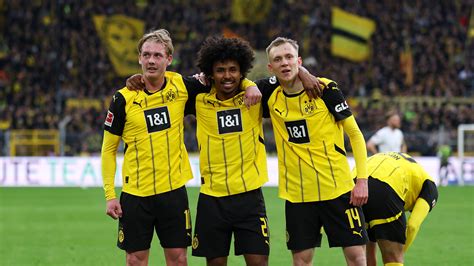
In summary, the role of these key players in Bayern Munich’s UCL success is a study in how individual brilliance can align with team strategy to achieve greatness. Gerd Müller’s goalscoring feats established Bayern as a force in Europe. Arjen Robben’s clutch performances epitomized the importance of resilience and redemption. Robert Lewandowski’s all-around excellence showcased the modern striker’s role in a dominant team. Together, they form a triumvirate of legends whose contributions are not just statistical but deeply symbolic of Bayern’s identity as a club that thrives on both tradition and innovation in the UCL.
- Gerd Müller’s instinctive finishing laid the groundwork for Bayern’s early European dominance.
- Arjen Robben’s ability to deliver in critical moments defined Bayern’s modern resurgence.
- Robert Lewandowski’s consistency and versatility made him the face of Bayern’s recent UCL triumphs.
These players, though from different eras, share a common thread: they were not just participants in Bayern’s UCL journey but architects of its most memorable chapters.
Rivalries and Competitive Dynamics
Bayern Munich's journey in the UEFA Champions League (UCL) has been marked by thrilling encounters, high-stakes drama, and some of the most iconic rivalries in European football. Among these, their clashes with **Real Madrid**, **Barcelona**, and **Liverpool** stand out as defining narratives in the competition's history. These rivalries are not just about the matches themselves but also about the broader competitive dynamics that have shaped Bayern's identity as a European powerhouse.
One of the most storied rivalries in Bayern's UCL history is against **Real Madrid**. This clash of titans represents a meeting of two clubs with rich European pedigrees, each boasting multiple UCL titles. Their encounters often carry a weight of expectation, as both teams are accustomed to reaching the latter stages of the tournament. The rivalry intensified during the 2010s, a period in which both clubs frequently crossed paths in the semifinals or quarterfinals. A key feature of this rivalry is the tactical contrast: Bayern's high-pressing, possession-oriented style often met Real Madrid's counterattacking prowess. For instance, the 2013–14 semifinals saw Real Madrid dismantle Bayern with a 5-0 aggregate victory, showcasing their lethal transitions led by Cristiano Ronaldo. However, Bayern has also had its moments of dominance, such as their 2012 quarterfinal triumph. This rivalry is further fueled by the clubs' shared ambition to assert dominance in Europe, with each side viewing the other as a benchmark of success. The psychological edge in these matches often hinges on which team can impose its tactical approach, making their meetings a masterclass in strategy and execution.
Another compelling rivalry for Bayern in the UCL is against **Barcelona**, a team that has often embodied the ideals of possession football and technical brilliance. Their matches are frequently billed as a clash of philosophies: Bayern's disciplined and physical approach against Barcelona's fluid, intricate play. One of the most memorable chapters of this rivalry unfolded in the 2019–20 quarterfinals, where Bayern delivered a historic 8-2 victory over Barcelona. This result was not just a scoreline but a symbolic moment in European football, signaling a shift in power dynamics. However, the rivalry predates this match, with earlier encounters often decided by fine margins. For example, the 2015 semifinals saw Barcelona edge Bayern 5-3 on aggregate, with Lionel Messi's individual brilliance proving decisive. What makes this rivalry intriguing is how both clubs have adapted over time. Bayern's evolution under coaches like Hansi Flick and Julian Nagelsmann has seen them incorporate more versatility, while Barcelona's struggles in recent years have added a layer of unpredictability to their clashes. These matches often highlight the importance of adaptability, as Bayern has demonstrated an ability to exploit Barcelona's vulnerabilities, particularly in defensive transitions.
The rivalry with **Liverpool** is somewhat different in nature, as it is rooted in fewer direct meetings but carries a unique intensity. Liverpool and Bayern represent two of Europe's most passionate fan bases and clubs with distinct cultural identities. Their most notable recent encounter came in the 2018–19 round of 16, where Liverpool prevailed 3-1 on aggregate. This tie was emblematic of the physical and mental demands of UCL knockout football. Liverpool's high-energy pressing and rapid counterattacks under Jürgen Klopp posed significant challenges for Bayern, who were still in a transitional phase at the time. The matches between these two sides often emphasize the role of **momentum and home advantage**, as both Anfield and the Allianz Arena are venues where the crowd can heavily influence proceedings. Liverpool's ability to thrive in high-pressure environments has often tested Bayern's resilience, particularly in away fixtures. This rivalry also underscores the role of managerial dynamics, as Klopp and various Bayern coaches have sought to outwit each other in terms of in-game adjustments and psychological preparation.
Beyond the individual rivalries, these matches reveal broader **competitive dynamics** in the UCL. Bayern's encounters with Real Madrid, Barcelona, and Liverpool often serve as litmus tests for their squad depth, tactical flexibility, and mental fortitude. For instance, Bayern's ability to maintain a high level of performance across multiple seasons is a testament to their strategic planning and recruitment. Their sustained success in the UCL, even against these formidable opponents, is a reflection of their ability to adapt to changing European landscapes. While Real Madrid and Barcelona have historically been associated with star-studded lineups, Bayern has often relied on a blend of seasoned veterans and emerging talents to compete at the highest level. This approach has allowed them to remain competitive even during periods of transition, such as after the departure of key players like Philipp Lahm or Arjen Robben.
Another critical aspect of these rivalries is the role of **historical context**. Bayern's clashes with Real Madrid, for example, are tinged with the legacy of their 1970s battles, when both clubs were pioneers in European football. Similarly, their encounters with Liverpool evoke memories of the 1980s, when both teams were at the forefront of continental competition. These historical layers add depth to the modern-day rivalries, as each match carries the weight of legacy and the desire to etch new chapters in history. Barcelona, meanwhile, represents a more recent but equally intense chapter, particularly as both clubs have vied for the mantle of Europe's most innovative and successful team in the 21st century.
The **psychological aspect** of these rivalries cannot be overlooked. Bayern's players and coaches often speak of the added motivation that comes from facing such storied opponents. For instance, their desire to avenge past defeats—such as the 2014 humiliation against Real Madrid—has fueled some of their most inspired performances. Conversely, the pressure of maintaining their status as a top-tier European club means that every match against Liverpool, Barcelona, or Real Madrid is laden with expectation. This pressure is amplified by the global audience that tunes in for these high-profile fixtures, further cementing the significance of these rivalries in the broader football ecosystem.
From a **statistical perspective**, Bayern's record against these rivals is a mixed bag, reflecting the unpredictable nature of UCL football. While they have had resounding victories (such as the 8-2 against Barcelona), they have also experienced humbling defeats (like the 2014 semifinal loss to Real Madrid). This variability underscores the fine margins that separate success and failure in the UCL. Bayern's ability to learn from these results and adapt their approach is a key reason they remain a perennial contender in the competition.
In summary, Bayern Munich's rivalries in the UCL with Real Madrid, Barcelona, and Liverpool are more than just a series of matches—they are narratives that encapsulate the essence of European football. These rivalries are shaped by tactical innovation, historical weight, and the relentless pursuit of excellence. Each clash adds a new layer to Bayern's legacy, reinforcing their status as one of the most formidable teams in the tournament's history while also serving as a reminder of the challenges posed by Europe's elite.
Impact of UCL Success on Club Legacy
Bayern Munich's performances in the UEFA Champions League (UCL) have been instrumental in shaping the club's legacy, both within Germany and on the global football stage. The club's consistent excellence in Europe's premier club competition has not only bolstered its reputation as a force to be reckoned with but has also reinforced its identity as a model of sustained success. This section delves into how UCL success has contributed to Bayern Munich’s global standing, its strategic influence in football, and its enduring cultural imprint.
One of the most significant ways UCL success has shaped Bayern Munich's legacy is through its role in establishing the club as a symbol of German footballing supremacy. Bayern's six UCL titles—the most by any German club—underscore its dominance not just domestically but in the broader European context. Each triumph, from the club's first win in 1974 to its most recent in 2020, has reinforced the narrative that Bayern Munich is the standard-bearer for German football. These victories serve as milestones that amplify the club's prestige, particularly when compared to its domestic rivals like Borussia Dortmund or RB Leipzig, who have yet to achieve similar European consistency. This dominance creates a psychological edge in the Bundesliga, where Bayern’s UCL success often acts as a deterrent for competitors aiming to dethrone them.
Beyond Germany, Bayern’s UCL performances have positioned the club as a global ambassador for tactical and organizational excellence. The club’s ability to adapt to different eras of European football—transitioning from the Total Football-inspired teams of the 1970s to the high-pressing, possession-oriented sides of the 2010s—demonstrates a remarkable capacity for evolution. For instance, the 2012-13 treble-winning team under Jupp Heynckes showcased a blend of relentless attacking and defensive solidity, while the 2019-20 side under Hansi Flick epitomized fluidity and speed in a system centered around players like Robert Lewandowski and Joshua Kimmich. These successes highlight Bayern’s ability to remain at the forefront of tactical innovation, making them a case study for clubs worldwide. This adaptability has not only helped Bayern win titles but has also elevated its standing as a club that can compete with the likes of Real Madrid, Barcelona, and Liverpool in terms of strategic depth.
The financial and commercial impact of UCL success cannot be understated. Participation in the UCL, especially deep runs and victories, generates significant revenue for clubs through prize money, broadcasting rights, and increased sponsorship opportunities. Bayern Munich has leveraged its consistent presence in the latter stages of the competition to secure lucrative partnerships with global brands like Adidas, Allianz, and Qatar Airways. These deals are not merely financial transactions but are indicative of how UCL success enhances the club’s brand value. For instance, the 2020 UCL victory in Lisbon, played in a pandemic-affected "bubble" format, was a testament to Bayern’s resilience and marketability even under challenging circumstances. This win, combined with their 100% win record in that campaign, solidified their image as a club that thrives under pressure, appealing to both fans and commercial partners.
Another critical dimension is Bayern’s role in shaping the perception of German football on the international stage. While the German national team has had its moments of glory, such as the 2014 World Cup win, Bayern’s UCL success often acts as a more consistent barometer of the country’s footballing health. The club’s ability to attract and retain world-class talent—players like Franck Ribéry, Arjen Robben, and more recently, Jamal Musiala—is partly attributed to its UCL pedigree. Young players and seasoned professionals alike are drawn to Bayern not just for its domestic dominance but for the opportunity to compete at the highest level in Europe. This allure has allowed Bayern to remain competitive in the transfer market, even when faced with the financial might of clubs from the Premier League or La Liga.
Moreover, Bayern’s UCL success has had a ripple effect on its influence within European football governance. As a club with a strong voice in the European Club Association (ECA) and a consistent presence in UCL decision-making forums, Bayern has used its status to advocate for reforms and policies that align with its vision of competitive balance. For example, the club’s opposition to the controversial European Super League proposal in 2021 was rooted in its belief in the primacy of the UCL as a platform for merit-based competition. This stance not only reinforced Bayern’s image as a club committed to tradition and fairness but also elevated its role as a thought leader in European football.
The club’s UCL success also plays a role in cultural diplomacy, particularly in how it represents Germany in global sports discourse. Bayern Munich’s matches in the UCL often serve as a showcase for German efficiency, discipline, and innovation. Whether it is the meticulous preparation evident in their tactical setups or the seamless integration of youth academy graduates like Thomas Müller and David Alaba into star-studded squads, Bayern embodies a model of holistic club management. This reputation extends beyond the pitch, influencing how the club is perceived in international media and among football enthusiasts. For instance, the club’s "Mia san Mia" (We are who we are) motto resonates globally as a symbol of self-belief and ambition, traits often associated with their UCL campaigns.
It is also worth noting how individual moments of UCL brilliance have become part of Bayern’s folklore, further enriching its legacy. Goals like Arjen Robben’s late winner in the 2013 final against Borussia Dortmund or the dominant 8-2 victory over Barcelona in 2020 are etched into football history. These moments not only solidify Bayern’s place in UCL lore but also serve as touchpoints for fans and analysts to discuss the club’s impact. Such performances create a sense of invincibility around the team, which in turn fuels its fan base and enhances its global appeal.
Finally, Bayern’s approach to UCL success reflects a broader philosophy of sustainability and long-term planning. Unlike some clubs that rely on short-term spending sprees to chase European glory, Bayern has built its success on a foundation of financial prudence, youth development, and shrewd transfers. This approach not only ensures the club’s UCL campaigns are built on stable ground but also reinforces its reputation as a model organization in an era where financial excess often overshadows sporting merit. This philosophy has allowed Bayern to maintain its UCL competitiveness over decades, a feat few clubs can claim.
- Bayern’s UCL success has established it as the premier representative of German football.
- The club’s adaptability across eras showcases its tactical evolution and global influence.
- Financial and commercial gains from UCL runs have enhanced Bayern’s brand worldwide.
- Its role in European football governance underscores its thought leadership.
- Iconic UCL moments have enriched the club’s cultural and historical significance.
In conclusion, Bayern Munich’s UCL performances have done more than add silverware to its trophy cabinet; they have profoundly shaped its reputation as a global football powerhouse. Through tactical brilliance, financial acumen, and a commitment to excellence, the club has used the UCL as a platform to assert its dominance and influence. This impact extends beyond the pitch, embedding Bayern Munich in the fabric of global football history and ensuring its legacy remains intertwined with the narrative of European club football.
Statistical Insights and Records
Bayern Munich's involvement in the UEFA Champions League (UCL) has been a storied journey marked by dominance, consistency, and remarkable performances. To understand their impact in this elite competition, it is essential to delve into the statistical insights and records that underline their legacy. This section provides a detailed breakdown of key metrics that define Bayern Munich's UCL matches, focusing on win percentages, top goal scorers, and defensive records.
One of the most compelling aspects of Bayern Munich's UCL history is their **win percentage**. Over the years, Bayern has consistently ranked among the top-performing clubs in the tournament. As of the 2023-2024 season, Bayern boasts a win percentage of approximately **62%** in UCL matches. This figure is derived from their total matches played, which exceeds 300 in the competition's history. Such a high win rate is a testament to their tactical versatility, squad depth, and ability to adapt to different opponents. Notably, this percentage is higher than that of many other European giants, showcasing Bayern's ability to not just qualify for the tournament but to thrive in it. For instance, in the 2019-2020 season, when they secured their sixth UCL title, Bayern won all 11 matches they played—a **perfect record** that underscores their dominance when firing on all cylinders.
Another critical statistic is the **top goal scorers** for Bayern Munich in UCL matches. Unsurprisingly, the list is dominated by some of the most prolific strikers in football history who have donned the Bavarian jersey. Robert Lewandowski leads this category with an astonishing **69 goals** in UCL matches for Bayern between 2014 and 2022. His ability to find the back of the net in high-pressure situations made him a linchpin of Bayern's attack during this period. Following closely is Thomas Müller, whose contribution extends beyond goals. Müller has scored **53 UCL goals** for Bayern, but his playmaking and positioning often create opportunities for teammates, making him an integral part of Bayern's attacking setup. Other notable contributors include Gerd Müller, who laid the foundation for Bayern's early European success with 34 goals, and more recently, Serge Gnabry, who has displayed flashes of brilliance with key goals in knockout stages. These statistics highlight not just individual brilliance but also the cohesive attacking philosophy Bayern has maintained over decades.
Defensive records are equally important when analyzing Bayern's UCL success. While their attacking prowess often steals the limelight, Bayern's ability to maintain a solid backline has been a cornerstone of their European campaigns. Bayern's **goals conceded per game** in UCL matches stands at an impressive **0.86** over the last decade. This figure reflects their disciplined approach to defending, often anchored by world-class goalkeepers and a well-organized defense. Manuel Neuer, for instance, has been a pivotal figure in this regard. His sweeper-keeper style and shot-stopping ability have contributed significantly to Bayern's defensive stability. In the 2019-2020 season, Bayern conceded only 8 goals in 11 matches, a remarkable achievement considering the high-scoring nature of modern football. Moreover, Bayern's record of **22 clean sheets** in the last five seasons demonstrates their ability to shut out even the most potent attacks. This is particularly impressive given the quality of opposition faced in the knockout stages, where teams like Paris Saint-Germain, Real Madrid, and Liverpool often pose significant threats.
A deeper look at Bayern's UCL journey reveals some **unique records** that set them apart. For instance, Bayern holds the record for the **most goals scored in a single UCL season**—43 goals during the 2019-2020 campaign. This was a season where their attacking trident of Lewandowski, Müller, and Gnabry was nearly unstoppable. Additionally, Bayern has the distinction of being one of the few teams to have won the UCL with a **100% win record** in a season, as mentioned earlier. Such feats are not merely statistical anomalies but indicative of a team that can sustain excellence over an extended period. Their ability to score multiple goals in away matches is also noteworthy. Bayern has scored **3 or more goals** in away UCL matches on 35 occasions, a figure that highlights their attacking intent regardless of venue.
Bayern's consistency in reaching the latter stages of the tournament is another statistical insight worth exploring. They have qualified for the **knockout phase** in 15 of the last 16 seasons, a level of regularity that few clubs can match. During this period, they have reached the semi-finals **8 times** and the final **4 times**, winning the title twice in this span. This consistency is not just a measure of their squad quality but also their mental fortitude in high-stakes matches. For example, their ability to overturn deficits, such as their comeback against Porto in the 2014-2015 quarter-finals, where they overturned a 3-1 first-leg loss to win 7-4 on aggregate, showcases their resilience.
Bayern's defensive records also extend to **individual player contributions**. While defenders like Philipp Lahm and David Alaba were instrumental in Bayern's earlier successes, newer talents such as Dayot Upamecano and Matthijs de Ligt have maintained this tradition. The team's ability to balance youth and experience in defense is reflected in their low error rate in UCL matches. For instance, in the 2022-2023 season, Bayern's defenders had an average pass completion rate of **91%** in UCL games, a metric that underscores their composure under pressure and ability to initiate attacks from the back.
It is also worth noting the **home and away performance split** in UCL matches. Bayern Munich has historically been formidable at the Allianz Arena, with a home win percentage of over **75%** in UCL games. However, their away form is equally commendable, with a win percentage of approximately **55%**. This balance ensures that Bayern is not overly reliant on home advantage, a trait that has served them well in two-legged ties. For instance, in the 2020 UCL final against PSG, played at a neutral venue, Bayern's ability to perform under neutral conditions was evident in their 1-0 victory, secured by a Kingsley Coman goal.
Finally, Bayern's **head-to-head records against top European clubs** in UCL matches provide further insight into their competitive edge. They have a positive win record against teams like Barcelona (11 wins, 2 losses) and Chelsea (6 wins, 2 losses), while their rivalry with Real Madrid has been more evenly matched (12 wins, 10 losses). These records indicate that Bayern is not just a dominant force against smaller teams but also a consistent challenger against Europe's elite.
In conclusion, Bayern Munich's UCL matches are a treasure trove of statistical insights that reflect their enduring excellence in European football. From high win percentages and prolific goal scorers to defensive solidity and unique records, their numbers tell a story of a club that has mastered the art of competing at the highest level. Whether it is the brilliance of individual players or the collective strength of the team, Bayern's UCL journey is a blend of tactical acumen, historical pedigree, and an unyielding desire for success.
Challenges and Criticisms
Bayern Munich, one of Europe's most storied football clubs, has had a rich history in the UEFA Champions League (UCL), marked by triumphs, near-misses, and occasional controversies. While their dominance in domestic competitions often translates to strong showings in the UCL, the club has not been immune to setbacks, criticisms, and controversies that have occasionally tarnished their campaigns. This section delves into the specific challenges and criticisms Bayern has faced in their UCL journey, providing a nuanced view of their struggles beyond the pitch.
One of the most prominent criticisms Bayern has faced is related to their financial advantage within the Bundesliga. Unlike many of their European rivals who compete in leagues with multiple strong teams, Bayern benefits from a domestic league where they are often unchallenged. This has led to accusations that their financial muscle—built on a lack of serious competition in Germany—allows them to invest disproportionately in top-tier talent compared to other UCL contenders. Critics argue that this creates a skewed playing field when Bayern enters the UCL, as their squad depth and financial security are bolstered by minimal resistance in their home league. For instance, during the 2019-2020 season when Bayern won the UCL in emphatic fashion, their dominance was partially attributed to the ease with which they secured domestic titles, allowing them to focus resources and energy on European glory. While this is not a direct fault of the club, it is a structural criticism often leveled at them by rival fans and pundits.
Another area of contention has been Bayern's approach to player recruitment, particularly their tendency to sign key players from direct rivals within the Bundesliga. This practice, often referred to as "weakening the competition," has drawn ire from fans of other German clubs. For example, Bayern's acquisition of Robert Lewandowski from Borussia Dortmund in 2014 was seen as a move that not only strengthened their own squad but also significantly weakened a team that had been their primary domestic challenger. While this strategy is not unique to Bayern, it has been a point of ethical debate in their UCL campaigns. Critics argue that such moves give Bayern an unfair edge when they face European rivals, as their domestic league does not push them to innovate or adapt as much as clubs in more competitive leagues, like the Premier League or La Liga.
Setbacks in the UCL have also brought tactical criticisms to the fore. Despite their success, Bayern has occasionally been accused of being too one-dimensional in their approach, especially when facing teams that employ a low block or prioritize defensive solidity. During the 2018-2019 season, for instance, Bayern was knocked out in the round of 16 by Liverpool, a team that exploited their vulnerability to high-intensity counterattacks. Liverpool manager Jürgen Klopp's tactical setup exposed Bayern's over-reliance on a possession-based style of play, particularly when their fullbacks were pinned back. This loss highlighted a growing concern among analysts: Bayern’s inability to adapt when faced with teams that deny them space in the final third. This criticism resurfaced in subsequent campaigns, particularly in matches against teams like Paris Saint-Germain (PSG) in the 2020-2021 quarter-finals, where their high defensive line was repeatedly breached by the pace of Kylian Mbappé.
Bayern has also faced refereeing controversies in key UCL matches, which have fueled debates about fairness in European competition. One memorable instance was the 2012 UCL final against Chelsea at the Allianz Arena. While Bayern dominated possession and created numerous chances, they were unable to convert their opportunities, and Chelsea eventually won on penalties. However, the match was marred by claims of inconsistent refereeing, particularly regarding penalty decisions and the dismissal of key players. While such criticisms are common in high-stakes football, Bayern's vocal dissatisfaction with officials in this match—and in other tightly contested UCL fixtures—has sometimes been viewed as indicative of a sense of entitlement. This perception has occasionally alienated neutral fans who see the club as unwilling to accept defeat graciously.
In addition to on-field issues, Bayern has also been embroiled in off-field controversies that have impacted their UCL image. The club has faced scrutiny over its role in the European Super League (ESL) fiasco of 2021. Although Bayern publicly distanced themselves from the breakaway league, their silence during the initial stages of the controversy was interpreted by some as tacit support. This raised questions about the club's commitment to the ideals of fair competition in European football. While Bayern eventually reaffirmed their support for the UCL and UEFA, the episode highlighted the tension between their ambitions as a global footballing powerhouse and their role as a standard-bearer for traditional football values.
Another recurring criticism has been Bayern’s handling of managerial transitions during UCL campaigns. The club has a history of sacking managers even after relatively successful seasons if they fall short of UCL expectations. For example, Niko Kovač was dismissed in November 2019 despite having won the domestic double the previous season, largely due to unconvincing performances in the UCL group stage. This "win-or-else" mentality has been both a strength and a weakness for Bayern. While it underscores their relentless pursuit of excellence, it has also been criticized for creating instability. The constant managerial churn can disrupt long-term planning and player development, particularly when new coaches are expected to implement their philosophy mid-season. This was evident during the 2022-2023 season when Bayern struggled to find consistency under Julian Nagelsmann, leading to his eventual replacement by Thomas Tuchel. Such disruptions can affect team morale and cohesion during critical UCL knockout stages.
Moreover, Bayern has occasionally been accused of underperforming in high-pressure situations despite their talent-laden squad. Their exit in the 2022-2023 UCL quarter-finals against Villarreal—a team considered a relative underdog—was seen as a significant underachievement. Analysts pointed to a lack of focus and tactical naivety in both legs, with Bayern unable to break down Villarreal's disciplined defense. This loss reignited debates about whether Bayern’s players, particularly their younger talents, are sufficiently battle-tested in high-stakes European games compared to counterparts in more competitive leagues.
Finally, Bayern’s relationship with UEFA has occasionally been a point of contention. The club has been vocal in its criticism of UEFA’s financial regulations, particularly the Financial Fair Play (FFP) rules, which they view as inconsistent or inadequately enforced. This tension has occasionally spilled over into their UCL campaigns, with Bayern perceived as a club that both benefits from and resents the existing structures of European football. While their critique of FFP is shared by other top clubs, it has sometimes been seen as hypocritical given Bayern’s own financial advantages within Germany.
In summary, Bayern Munich's UCL campaigns have been shaped not just by their successes but also by the challenges and criticisms they have faced. From structural advantages in the Bundesliga to tactical shortcomings, refereeing controversies, and off-field disputes, the club's journey in Europe's premier competition has been anything but smooth. These issues provide a more nuanced understanding of Bayern's place in the UCL landscape, reminding us that even football giants are not immune to scrutiny and imperfection.
Future Prospects in the UCL
Bayern Munich has long been a dominant force in the UEFA Champions League (UCL), with a rich history of success that includes multiple titles and consistent deep runs in the competition. However, as the landscape of European football evolves, so too must Bayern's approach to maintaining its elite status. This section explores the future prospects in the UCL for Bayern Munich, focusing on potential strategies, squad development, and ambitions to secure further glory in Europe's premier club competition.
One of the key areas of focus for Bayern in the coming years will be squad evolution. The club has historically relied on a blend of experienced veterans and emerging talents, but the rapid pace of player turnover and the increasing financial power of rival clubs necessitate a more proactive approach to squad planning. For instance, the recent departures of key players like Robert Lewandowski and the aging core of players such as Thomas Müller and Manuel Neuer highlight the need for Bayern to invest in a new generation of stars. The club's transfer strategy must prioritize players who not only fit the tactical system but also possess the physical and technical qualities to compete at the highest level. This means identifying young talents with high ceilings, such as Jamal Musiala and Matthijs de Ligt, and ensuring they are integrated into the first team with clear developmental pathways.
Bayern’s youth academy and scouting network will play a pivotal role in this process. The club has a strong tradition of promoting players from its youth system, as seen with the likes of David Alaba and Bastian Schweinsteiger in the past. To sustain UCL success, Bayern must double down on this approach by enhancing its youth setup and ensuring that young players are given opportunities to shine in high-pressure environments. Additionally, an aggressive scouting strategy in under-scouted regions, such as Africa and South America, could unearth hidden gems who can provide both quality and cost-effectiveness. This approach would allow Bayern to remain competitive without over-relying on the inflated transfer market, where clubs like Paris Saint-Germain and Manchester City often outspend their rivals.
Tactically, Bayern’s approach in the UCL will need to adapt to the changing dynamics of modern football. The traditional German emphasis on high pressing and attacking football remains a core part of Bayern’s identity, but recent UCL campaigns have shown that flexibility is crucial. Teams like Manchester City and Liverpool have demonstrated the value of tactical versatility, switching between possession-based play and counter-attacking setups depending on the opponent. Bayern must develop a similar adaptability under their current and future managers. This could mean experimenting with formations beyond the classic 4-2-3-1, such as a 3-4-3 or 4-3-3, to provide more defensive solidity against top-tier opponents while maintaining attacking potency. The integration of players with positional versatility, such as Alphonso Davies and Leon Goretzka, will be critical in enabling such tactical shifts.
Another area of focus is managerial stability and innovation. Bayern has seen a rotation of managers in recent years, from Hansi Flick to Julian Nagelsmann and beyond. While this has not necessarily hindered their domestic success, the UCL demands a level of consistency and long-term vision that is often better served by a stable managerial setup. Bayern’s board must prioritize hiring a manager who not only understands the club’s philosophy but also has the tactical acumen to outwit Europe’s best coaches. This could involve looking beyond the traditional German coaching pool to find innovative thinkers who can bring fresh ideas to the team. A manager with experience in diverse leagues—such as the Premier League or Serie A—might offer perspectives that help Bayern navigate the unique challenges of UCL knockout stages.
Ambitions for future UCL success must also consider the financial landscape of European football. Bayern operates within a self-sustaining model that eschews the kind of state-backed funding seen at clubs like Manchester City or Newcastle United. While this model is commendable, it places additional pressure on Bayern to maximize revenue streams and maintain a lean, efficient operation. This could involve exploring new commercial partnerships, expanding their global brand presence, and leveraging digital platforms to engage with fans worldwide. A stronger financial foundation would allow Bayern to compete more effectively for top-tier talent without compromising their principles.
In terms of on-pitch strategy, Bayern must also address the growing tactical sophistication of their opponents. The UCL has seen a rise in teams employing low blocks and counter-attacking systems designed to frustrate high-possession teams like Bayern. To counter this, Bayern could benefit from diversifying their attacking patterns. For example, incorporating more varied set-piece routines, encouraging midfielders to take more long-range shots, and developing intricate passing sequences in tight spaces could make them less predictable. This would require not just technical training but also a cultural shift within the squad to embrace a more multifaceted style of play.
Bayern’s ambitions must also extend beyond individual brilliance. While star players like Harry Kane (should he remain at the club long-term) can provide match-winning moments, the UCL is increasingly a competition where collective strength triumphs. Bayern’s ability to foster a cohesive team spirit, particularly in high-stakes knockout matches, will be a defining factor. This involves not just team-building exercises but also ensuring that the squad has a clear understanding of their roles and responsibilities in various game scenarios. A strong dressing room culture, where senior players mentor younger ones and everyone is aligned with the club’s objectives, can be a decisive edge in tough UCL campaigns.
Finally, the role of data and analytics cannot be overlooked. Modern football is increasingly driven by insights derived from advanced metrics, such as expected goals (xG), pressure intensity, and defensive organization. Bayern has the resources to invest in cutting-edge analytical tools that can provide a competitive edge. For instance, using data to identify weaknesses in opponents’ defensive setups or to fine-tune player positioning during set pieces could give Bayern a critical advantage. The club should also consider how analytics can inform long-term planning, such as identifying transfer targets based on performance data rather than reputation alone.
In summary, Bayern Munich’s future prospects in the UCL hinge on a combination of strategic squad development, tactical evolution, and organizational strength. By nurturing young talents, diversifying their tactical approach, ensuring managerial stability, and leveraging modern tools like analytics, Bayern can position itself as a perennial contender in the competition. While the road to UCL success is fraught with challenges, Bayern’s rich history and commitment to excellence provide a strong foundation for continued ambition. The club’s ability to adapt to the ever-changing demands of European football will determine whether they can add to their trophy cabinet in the years to come.