Introduction
The Bundesliga, Germany's premier football league, has long been a stage for dominance by one club in particular: Bayern Munich. This club's unparalleled success in the league has become a hallmark of modern football, characterized by a blend of strategic planning, financial acumen, and on-field brilliance. Bayern Munich's dominance is not merely a product of chance or fleeting talent; it is a well-oiled machine that has redefined what it means to sustain excellence in a competitive environment. Understanding this phenomenon requires delving into the structural and cultural factors that underpin their success, as well as the broader landscape of the Bundesliga, which, despite its competitive nature, has often found itself overshadowed by Bayern's towering presence.
Bayern Munich's Consistent Success The roots of Bayern Munich's dominance can be traced back to the late 20th century, when the club began to establish itself as a force not just in Germany but in European football. Since the inception of the Bundesliga in 1963, Bayern has won the league title more than any other team, with their trophy cabinet reflecting a near-monopolistic grip on domestic success. As of today, they have secured over 30 Bundesliga titles, a statistic that underscores their ability to adapt and thrive amidst changing eras of football. This is not merely about having star players—though they have had their share of legends like Franz Beckenbauer, Gerd Müller, and more recently, Robert Lewandowski. Instead, it is about institutional strength.
One of the key pillars of Bayern's success is their financial model. Unlike many top-tier clubs that rely on external investors or volatile revenue streams, Bayern Munich operates with a degree of financial prudence that is both rare and enviable. The club consistently posts profits, aided by robust commercial deals, a loyal fan base, and a well-managed stadium infrastructure. This financial stability allows them to reinvest in their squad strategically, often poaching the best talent from rival Bundesliga clubs—a practice that has drawn criticism but undeniably strengthens their squad. Their ability to maintain a competitive edge through this "circular dominance" has created a feedback loop: success breeds resources, and resources breed further success.
Another critical aspect of their dominance is their focus on youth development and long-term planning. Bayern's academy, while not as globally renowned as Barcelona's La Masia, has produced players who fit seamlessly into their system. This integration of homegrown talent with high-profile signings ensures a blend of continuity and innovation. Moreover, their managerial appointments often reflect a clear vision. Whether it is the tactical flexibility of coaches like Jupp Heynckes or the modern, high-pressing approach of Hansi Flick, Bayern has shown a knack for aligning their on-field strategy with the broader trends in football.
However, Bayern's dominance is not without its critics. The Bundesliga has often been accused of being a "one-team league," with other clubs like borussia dortmund, RB Leipzig, and Bayer Leverkusen struggling to mount sustained challenges. This perceived lack of competition has sparked debates about whether the league's structure inadvertently favors Bayern. Yet, it is also worth noting that Bayern's success is as much about their rivals' limitations as it is about their own strengths. Many Bundesliga clubs face financial constraints or inconsistent strategic planning, which Bayern has managed to avoid.
Vincent Kompany's Relevance in Football Strategy In this context of sustained excellence, the figure of Vincent Kompany emerges as an intriguing point of reference. While Kompany is not directly associated with Bayern Munich or the Bundesliga, his influence as a player and now as a manager offers valuable insights into the kind of football philosophy that can challenge or emulate such dominance. As a player, Kompany was a symbol of leadership and tactical intelligence at Manchester City, where he played a pivotal role in their rise to prominence in the Premier League. His ability to read the game, organize defenses, and inspire teammates made him a lynchpin in City's transformation under Sheikh Mansour's ownership.
Since retiring, Kompany has transitioned into management, most notably with Anderlecht and now Burnley, where his approach to the game has drawn attention. His philosophy emphasizes a blend of possession-based football and defensive solidity, principles that are not dissimilar to the strategies employed by top Bundesliga teams, including Bayern Munich. Kompany's understanding of how to build a team culture, nurture young talent, and implement a clear playing style makes him a relevant figure when analyzing what it takes to disrupt or replicate the kind of dominance Bayern has achieved.
Kompany's managerial journey is particularly interesting when viewed through the lens of the Bundesliga's competitive dynamics. While Bayern's success is often attributed to their financial superiority and squad depth, Kompany's work at Burnley demonstrates how a well-drilled, cohesive unit can punch above its weight. His emphasis on tactical flexibility and player development could serve as a model for Bundesliga clubs seeking to challenge Bayern's hegemony. For instance, his focus on building from the back and fostering a high-pressing game could be adapted to exploit the occasional vulnerabilities in Bayern's system, particularly when they face teams willing to take risks.
Moreover, Kompany’s experience in the Premier League—a league often heralded for its unpredictability and competitiveness—provides a contrast to the Bundesliga's more stratified structure. His ability to instill belief and resilience in underdog teams could offer lessons for how Bundesliga rivals might approach their encounters with Bayern. While no one expects a mid-table Bundesliga side to dethrone Bayern outright, the strategic lessons from Kompany’s career suggest that a combination of tactical nuance, player development, and psychological resilience can at least make the contest more engaging.
The Intersection of Bayern and Kompany's Influence Bayern Munich's dominance and Vincent Kompany's growing influence in football strategy represent two sides of the same coin: the quest for excellence in a highly competitive sport. While Bayern exemplifies what it means to establish and maintain dominance through institutional strength, Kompany symbolizes the potential for innovation and adaptability to challenge such dominance. Together, they highlight the interplay between tradition and evolution in football, where established giants like Bayern must continually adapt to stay ahead, and emerging figures like Kompany offer new perspectives on how to redefine success.
In this broader context, the Bundesliga's future may hinge on how its other clubs and figures like Kompany can learn from both Bayern's blueprint and the challenges posed by more competitive leagues. Whether through emulating Bayern's long-term planning or adopting Kompany-esque approaches to team-building and strategy, the league as a whole has an opportunity to evolve. This dynamic not only enriches the narrative of domestic football in Germany but also serves as a microcosm of the global sport's ongoing tension between continuity and disruption.
- Bayern Munich's success is rooted in institutional strength, financial stability, and a blend of youth development and high-profile signings.
- The Bundesliga's perceived lack of competition is as much about rivals' limitations as it is about Bayern's strengths.
- Vincent Kompany's managerial philosophy offers a potential counterpoint to Bayern's dominance, emphasizing adaptability and team culture.
In sum, Bayern Munich's Bundesliga dominance is a multi-faceted phenomenon that extends beyond mere results. It is a story of strategic excellence, financial acumen, and cultural cohesion. Meanwhile, Vincent Kompany's trajectory in football strategy serves as a reminder that even in the face of such dominance, there are always opportunities for innovation and challenge. Together, these narratives frame a compelling discussion about the nature of success and competition in modern football.
Historical Context of Bayern Munich's Dominance
Bayern Munich's dominance in the Bundesliga is not merely a contemporary phenomenon but a historical trend rooted in the club's strategic vision, organizational stability, and ability to adapt to changing football landscapes. Since the Bundesliga's inception in 1963, Bayern Munich has been a central figure in German football, amassing an unparalleled record of success that has shaped the league's narrative. To understand the depth of this dominance, it is essential to examine key eras of their supremacy and the trophies that underscore their historical achievements.
The early years of the Bundesliga saw Bayern Munich emerge as a competitive force, but it was not until the late 1960s and early 1970s that they began to assert their dominance. This era was marked by the rise of the "axis of greatness," featuring players like Franz Beckenbauer, Gerd Müller, and Sepp Maier. These individuals were not just exceptional talents but also the architects of Bayern's first golden era. Between 1971 and 1974, Bayern secured three consecutive Bundesliga titles, a feat that set the tone for their future ambitions. This period also saw them win their first European Cup in 1974, establishing a connection between domestic and continental success that would become a hallmark of the club.
What set Bayern apart during this time was not just their on-field brilliance but their ability to institutionalize success. The club invested in a youth system that would later produce stars like Paul Breitner and Karl-Heinz Rummenigge, ensuring a pipeline of talent that could sustain their competitive edge. This early emphasis on youth development and player retention laid the groundwork for long-term dominance, a strategy that many clubs, including modern rivals, have tried to emulate but often struggled to replicate.
The 1980s represented a transitional period for Bayern. While they continued to win titles—securing Bundesliga crowns in 1980, 1981, 1985, and 1987—they faced stiffer competition from clubs like Hamburg and Werder Bremen. However, this era also saw Bayern begin to establish themselves as a financial powerhouse. The club’s ability to attract sponsors and grow its commercial revenue allowed them to outspend many rivals, even during lean years. This financial acumen would become crucial in later decades when the global football market became more competitive.
The 1990s marked a period of resurgence for Bayern Munich, fueled by the professionalization of the Bundesliga and the broader commercialization of football. Bayern won five Bundesliga titles during this decade (1994, 1997, 1999, 1999–2000, and 2000–2001), but their success was not without challenges. The emergence of Borussia Dortmund as a rival in the mid-to-late 1990s pushed Bayern to innovate. This rivalry, epitomized by Dortmund's Champions League victory in 1997, forced Bayern to rethink their approach to squad building and tactical flexibility. The signing of players like Lothar Matthäus in the early 1990s and the later integration of foreign talents such as Giovane Élber and Bixente Lizarazu demonstrated Bayern’s willingness to adapt to a more globalized football environment.
The turn of the millennium ushered in what many consider the "modern era" of Bayern Munich's dominance. Under the stewardship of managers like Ottmar Hitzfeld and later Pep Guardiola, Bayern not only won Bundesliga titles with regularity but also redefined what it meant to be a dominant force in German football. From 2000 to 2023, Bayern has won the Bundesliga an astonishing 17 times, including a record-setting streak of 11 consecutive titles from 2013 to 2023. This period of dominance is often attributed to their ability to blend tactical innovation with financial might. Bayern's acquisition of top talents like Arjen Robben, Franck Ribéry, and later Robert Lewandowski showcased their ability to attract and retain world-class players while competing at the highest level in Europe.
A critical aspect of Bayern’s success during this period has been their consistent ability to dismantle competition. For instance, their financial power has often been used to sign key players from direct rivals, such as Mario Götze and Robert Lewandowski from Borussia Dortmund. This strategy, while controversial, has been highly effective in weakening competitors and reinforcing Bayern’s position at the top of the table. Additionally, their focus on squad depth has allowed them to weather injuries and fixture congestion better than most rivals, a factor that has contributed significantly to their unbroken run of titles in the 2010s and early 2020s.
It is also worth noting that Bayern’s dominance is not solely measured in league titles. Their trophy cabinet includes numerous DFB-Pokal wins and a consistent presence in the latter stages of the Champions League. Since 2010, they have won the Champions League twice (2013 and 2020), reinforcing their status as not just a Bundesliga giant but a European powerhouse. This dual focus on domestic and international success is a testament to the club's ambition and resources.
When analyzing Bayern's historical performance, it is impossible to overlook the role of organizational stability. Unlike many clubs that experience frequent managerial or administrative turnover, Bayern has maintained a stable leadership structure. Figures like Uli Hoeneß and Karl-Heinz Rummenigge have been instrumental in steering the club through various challenges, ensuring that the club’s vision remains aligned with its long-term goals. This stability has allowed Bayern to navigate transitions, such as the departure of star players or the appointment of new managers, without losing their competitive edge.
Another unique insight into Bayern’s dominance is their geopolitical advantage within Germany. As the most prominent club in Bavaria, Bayern has leveraged its regional identity to build a loyal fanbase and secure local sponsorship deals. This regional dominance has also translated into national influence, as Bayern’s success has often been seen as a point of pride for German football as a whole. This dynamic has further cemented their position as the standard-bearer of the Bundesliga.
In comparison to other European leagues, Bayern's dominance in the Bundesliga is often critiqued for creating a lack of competition. However, this critique overlooks the fact that Bayern’s success is a product of their ability to outperform not just on the pitch but in areas like youth development, commercial growth, and strategic planning. Their ability to maintain this level of excellence over decades speaks to a deeper structural advantage that few clubs globally can claim.
In conclusion, Bayern Munich’s historical performance in the Bundesliga is a layered narrative of tactical brilliance, financial ingenuity, and institutional stability. From the golden era of the 1970s to the modern dominance of the 2010s and beyond, the club has consistently found ways to stay ahead of the curve. Their record of 33 Bundesliga titles, complemented by numerous domestic and international trophies, is a testament to their enduring legacy. When figures like Vincent Kompany or other footballing minds assess Bayern’s trajectory, they are not just looking at a club but at a case study in sustained excellence that has few parallels in the history of the sport.
Vincent Kompany's Football Philosophy
Vincent Kompany's football philosophy is a blend of modern tactical innovation and deeply rooted respect for the traditions of the game. As a player, he was known for his commanding presence, both physically and mentally, at the heart of Manchester City's defense. However, it is his transition into management, particularly with his current role at Burnley and his experiences in Belgian football, that allows us to understand the depth of his approach to the game. This section delves into how Kompany's philosophy as a player and manager intertwines with Bayern Munich's dominance in the Bundesliga and offers a critical lens on his influence in the broader footballing landscape.
As a player, Kompany was a strategist on the pitch. His ability to read the game was exceptional, often positioning himself to nullify attacking threats before they materialized. This proactive approach to defending was not just about physicality but about understanding the ebb and flow of a match. For instance, during Manchester City's title-winning campaigns, Kompany was instrumental in orchestrating the backline, often acting as a de facto coach on the field. He adapted to different systems under managers like Roberto Mancini, Manuel Pellegrini, and Pep Guardiola, showcasing his versatility. This adaptability is a cornerstone of his footballing ethos—flexibility within a structured framework.

Kompany's leadership qualities were equally notable. He was not just a captain by title but a leader by example. His calm demeanor under pressure and his ability to rally teammates in high-stakes situations were hallmarks of his career. This is particularly relevant when considering Bayern Munich's dominance in the Bundesliga, a team that thrives on collective discipline and mental fortitude. While Kompany never played in Germany, his leadership style mirrors the kind of authoritative yet inclusive approach that Bayern's captains, such as Philipp Lahm and Manuel Neuer, have demonstrated. This similarity suggests that Kompany's understanding of team dynamics is aligned with the principles of sustained success in top-tier leagues.
Transitioning to his role as a manager, Kompany has demonstrated a clear tactical acumen that reflects both his experiences as a player and his willingness to innovate. At Anderlecht, where he began his managerial career, Kompany embraced a possession-based style of play, focusing on building from the back and creating overloads in midfield. This approach was influenced by Guardiola, under whom he played at Manchester City, but Kompany added his own nuances. He emphasized the importance of youth development, integrating young talents into the first team while maintaining a balance of experienced players. This mirrors Bayern Munich's model of blending seasoned internationals with academy graduates, a strategy that has sustained their Bundesliga dominance.
At Burnley, Kompany has taken this philosophy further. Promoted to the Premier League after a transformative season in the Championship, Burnley under Kompany has shown a brand of football that is both progressive and pragmatic. His teams are structured to control games through possession while being adaptable enough to shift into counter-attacking modes when necessary. This dual approach is reminiscent of how Bayern Munich under various managers—such as Hansi Flick and Julian Nagelsmann—has blended high-pressing football with moments of calculated directness. Kompany's ability to instill this duality in his teams is a testament to his deep understanding of game management.
One of the most intriguing aspects of Kompany's philosophy is his emphasis on psychological preparation. He often speaks about the importance of mental resilience, a quality he honed during his playing days when Manchester City was under intense scrutiny to deliver trophies. In the context of Bayern Munich, this resonates strongly. The Bundesliga's competitive landscape, while often seen as less varied due to Bayern's dominance, still demands a relentless mindset to maintain consistency over 34 matchdays. Kompany's focus on building a winning mentality in his squads is a parallel to how Bayern sustains its edge—through rigorous preparation, clear communication, and an unwavering belief in their methods.
Kompany's tactical setups also reveal a nuanced appreciation for positional play. As a manager, he has shown a preference for systems that prioritize ball retention and intelligent movement off the ball. This is evident in how Burnley's midfielders and fullbacks are encouraged to push high and wide, creating space for central players to exploit. Such an approach aligns with Bayern's tactical DNA, where wingers like Serge Gnabry and Leroy Sané stretch defenses, and midfielders like Joshua Kimmich dictate tempo. While Kompany operates with fewer resources than Bayern, his ability to implement similar principles on a smaller scale highlights his strategic depth.
Another critical element of Kompany's philosophy is his focus on team cohesion. He has often emphasized the need for players to understand their roles within a collective framework. This is not about rigidly sticking to positions but about fostering an environment where players are empowered to make decisions within a shared vision. Bayern Munich, despite its star-studded lineup, operates on a similar principle. Their success is not just due to individual brilliance but because players like Thomas Müller, Leon Goretzka, and Kingsley Coman understand how their movements complement one another. Kompany's ability to cultivate this understanding in his teams suggests that his managerial trajectory could one day see him at a club of Bayern's stature.
It is also worth noting Kompany's global perspective on the game. Having played in Belgium, England, and now managing in England after a stint in Belgium, he brings a multicultural understanding of football. This is particularly relevant when analyzing Bayern Munich's approach, a club that has consistently blended German efficiency with international influences. Kompany's ability to adapt his philosophy to different footballing cultures suggests that he could thrive in diverse environments, including the high-pressure setting of the Bundesliga.
In summary, Vincent Kompany's football philosophy is characterized by a deep understanding of both the technical and human elements of the game. His tactical acumen as a player and manager reflects a commitment to structured yet flexible systems, while his leadership qualities emphasize mental resilience and team cohesion. These attributes, though not directly tied to Bayern Munich, offer a compelling parallel to the qualities that have enabled the Bavarian club's sustained dominance. Kompany's journey from a world-class defender to an innovative manager provides a fascinating case study in how footballing principles can transcend leagues and roles, making him a figure worth watching in the broader context of European football's evolution.
Tactical Innovations in Bayern's Gameplay
Bayern Munich's dominance in the Bundesliga is not merely a product of superior talent or financial resources; it is deeply rooted in their ability to innovate tactically and adapt to the evolving demands of modern football. Over the years, the club has consistently showcased a willingness to experiment with new systems and strategies, often setting the benchmark for tactical sophistication in German football. This section delves into the specific tactical innovations that have underpinned Bayern's sustained success, with a particular focus on how these systems create an edge over competitors like Vincent Kompany's managerial approach at clubs such as Burnley and Anderlecht, where structured and possession-oriented football has also been a focus.
One of Bayern's most distinctive tactical hallmarks is their commitment to a **high-pressing game** combined with fluid positional play. Under managers like Pep Guardiola, Hansi Flick, and Julian Nagelsmann, Bayern has embraced a philosophy of **gegenpressing**—a system where the team seeks to win the ball back immediately after losing possession. This strategy not only disrupts the opponent's buildup but also creates quick transition opportunities. Unlike traditional pressing systems, Bayern's implementation involves a high degree of coordination among players across all lines. For instance, the forwards, such as Robert Lewandowski in previous seasons or Harry Kane in the current setup, are tasked with cutting passing lanes to the opponent's defensive midfielders. Meanwhile, wingers like Serge Gnabry or Leroy Sané position themselves to press full-backs aggressively, forcing turnovers in wide areas. This creates a suffocating effect on opponents, particularly in the Bundesliga, where many teams are not equipped to handle such relentless pressure.
The **use of a back-three system** has been another critical innovation in Bayern's gameplay. While the 4-2-3-1 or 4-3-3 formations are staples of many top European sides, Bayern has often shifted to a 3-4-3 or 3-5-2 under Nagelsmann, particularly in matches where they anticipate dominating possession. This system allows for greater flexibility in attack, as the wing-backs—players like Alphonso Davies and Noussair Mazraoui—can push high up the pitch to provide width, while the central defenders spread out to cover space. This approach not only stretches the opposition but also creates numerical superiority in midfield. For example, when facing teams that sit deep, as many Bundesliga sides do against Bayern, the back-three system enables Bayern to maintain a high line and use their center-backs, such as Matthijs de Ligt or Dayot Upamecano, as playmakers. This contrasts with Vincent Kompany's Burnley, where the emphasis has often been on a back four with a focus on building patiently from the back, but without the same level of positional rotations seen at Bayern.
Another area of tactical innovation is Bayern's emphasis on **verticality and quick ball progression**. While possession football is a staple of their game, Bayern does not prioritize sterile possession for its own sake. Instead, they aim to move the ball forward quickly, exploiting the spaces left by opponents. This is achieved through the use of players like Joshua Kimmich and Leon Goretzka, who act as dual pivot midfielders capable of switching play rapidly or driving forward with the ball. Kimmich, in particular, exemplifies this approach with his ability to deliver incisive long balls to wingers or strikers making runs behind the defense. This focus on verticality is a sharp contrast to some of Kompany's teams, which have often been criticized for over-relying on lateral passes in the buildup phase, particularly during his time at Anderlecht.
Bayern's tactical flexibility is also evident in their **ability to adapt mid-game**. A hallmark of their dominance is their capacity to shift systems within a match without losing coherence. For example, in tightly contested games, Bayern has shown the ability to transition from a high-pressing 3-4-3 to a more conservative 4-4-2, especially when protecting a lead. This adaptability is a testament to the players' tactical intelligence and the coaching staff's preparation. In contrast, Kompany's teams, while methodical in their approach, have sometimes struggled with in-game adjustments, particularly when facing high-quality opposition that can exploit structural weaknesses.
The club's focus on **exploiting half-spaces** is another area where Bayern has maintained a tactical edge. Half-spaces—the areas between the wing and the center of the pitch—are critical in modern football for creating goal-scoring opportunities. Bayern's attacking midfielders and inverted wingers are adept at occupying these zones, drawing defenders out of position and opening channels for through balls or cutbacks. Players like Thomas Müller, often described as a "raumdeuter" (space interpreter), excel in finding pockets of space in these areas. This tactical nuance is a key differentiator when compared to Kompany's teams, where the focus has often been on wide play and crosses rather than intricate half-space exploitation.
Bayern's dominance is also bolstered by their **integration of youth and experience** within their tactical framework. The club has a track record of blending academy graduates like Jamal Musiala with seasoned veterans like Thomas Müller and Manuel Neuer. This mix ensures that the team has both the energy and innovation of youth and the experience to execute complex game plans under pressure. Kompany, during his time at Anderlecht, also emphasized youth development, but the Bundesliga's competitive nature demands a higher level of immediate impact from young players, something Bayern has managed to achieve consistently.
It is also worth noting Bayern's approach to **set pieces** as a tactical weapon. While often overlooked in discussions of their gameplay, Bayern's set-piece routines are meticulously planned and executed. Whether it is dead-ball situations or quick restarts, the team uses these moments to exploit defensive lapses. For instance, the presence of a target man like Matthijs de Ligt or the aerial prowess of players like Serge Gnabry allows Bayern to convert set pieces into goals with remarkable efficiency. This is an area where Kompany's teams, particularly at Burnley, have also shown strength, but Bayern's variety and unpredictability in set-piece execution often give them the upper hand.
Finally, Bayern's success is underpinned by their **data-driven approach to tactics**. The club invests heavily in performance analysis, using advanced metrics to identify weaknesses in opponents and optimize their own gameplay. This analytical edge allows Bayern to fine-tune their pressing triggers, defensive shape, and attacking patterns based on detailed opponent scouting. While Kompany has also shown a willingness to use data in his coaching philosophy, Bayern's resources and infrastructure give them a significant advantage in this regard.
- Bayern's high-pressing game and gegenpressing create a relentless tempo that few Bundesliga teams can match.
- The back-three system offers both defensive solidity and attacking flexibility, particularly against deep-lying opponents.
- Verticality and half-space utilization ensure that Bayern can break down compact defenses with precision.
- Mid-game adaptability reflects a deep understanding of match dynamics and opponent weaknesses.
- Set pieces and data-driven analysis provide additional layers of tactical sophistication.
In summary, Bayern Munich's tactical innovations are not static; they evolve with each managerial era and adapt to the strengths of their squad. This dynamic approach ensures that they remain a step ahead of their Bundesliga rivals, including those managed by promising tacticians like Vincent Kompany. While Kompany's focus on structured play and youth development is commendable, Bayern's blend of high-pressing systems, positional flexibility, and analytical rigor demonstrates why they continue to set the standard in German football.
Comparative Impact of Leaders Like Kompany
Leadership in football is often a nuanced blend of on-field performance, tactical understanding, and the ability to inspire teammates. When examining the comparative impact of leaders like Vincent Kompany, particularly in the context of Bayern Munich’s Bundesliga dominance, it is essential to explore how such figures shape team dynamics both within and beyond the Bundesliga. While Bayern Munich has built its dominance on a combination of institutional strength, consistent recruitment, and high-level coaching, the role of individual leaders within the team structure mirrors, in many ways, what Kompany brought to teams like Manchester City and later as a manager at Burnley.
Kompany's influence at Manchester City was pivotal during a transformative era for the club. He was not just a central defender known for his physical prowess and reading of the game but also a figure who embodied the club's ambitions. His leadership extended beyond the pitch—he was a vocal presence in the dressing room, a strategist who could adapt to different systems, and a symbol of City's rise to prominence. This duality of being both a player and a leader is something that can be paralleled to Philipp Lahm or Bastian Schweinsteiger during Bayern Munich's most dominant years. Both Lahm and Schweinsteiger were not just technically gifted players but also individuals who set the tone for how Bayern approached games, both tactically and mentally. Their ability to read the game and communicate adjustments mid-match was critical in maintaining Bayern's stranglehold on the Bundesliga.
One key aspect of Kompany's leadership that draws a parallel to Bayern’s models is the concept of institutional alignment. At Manchester City, Kompany was deeply integrated into the club's vision. His understanding of the club’s long-term goals—championed by leadership figures like Pep Guardiola—allowed him to act as a bridge between the coaching staff and the players. Similarly, Bayern Munich has often relied on leaders who are not only skilled athletes but also individuals who embody the club's ethos. For instance, Manuel Neuer, as both a goalkeeper and captain, has been instrumental in maintaining Bayern’s defensive solidity while also being a vocal advocate for the club’s aggressive, high-pressing style. This alignment of individual leadership with institutional strategy is a shared trait between Kompany and Bayern’s model of dominance.
However, the leagues beyond the Bundesliga present different challenges that test a leader’s adaptability. For example, when Kompany moved into management with Burnley in the Championship, he faced a stark contrast to the resources and stability he had at Manchester City. His ability to instill a winning mentality in a squad with limited star power is reminiscent of how Bayern Munich has often cultivated leaders who can elevate the collective rather than rely on individual brilliance. Bayern’s system often emphasizes team-first mentalities, where even star players like Robert Lewandowski or Thomas Müller are expected to contribute to the broader tactical framework. Kompany’s Burnley, while operating at a lower level, demonstrated a similar approach—prioritizing cohesion, work ethic, and a clear game plan over reliance on star individuals. This is a critical insight into how leaders like Kompany can influence team dynamics by fostering a culture of shared responsibility, something Bayern has mastered over decades of dominance.
Another dimension to explore is how leaders like Kompany influence psychological resilience in their teams. In the Bundesliga, Bayern Munich’s dominance is often attributed to their ability to bounce back from setbacks, whether it’s a mid-season dip in form or the pressure of knockout competitions. This resilience is cultivated by leaders who can maintain focus and belief within the squad. Kompany, during his playing days, was known for his ability to rally his teammates during high-pressure moments. A famous example is his winning goal in the final game of the 2011-12 Premier League season, which secured the title for Manchester City in dramatic fashion. This kind of clutch performance is not just about skill but about the psychological impact a leader can have on their team. Bayern has had similar figures—think of Oliver Kahn in goal during the early 2000s or more recently, Joshua Kimmich, whose relentless drive and vocal presence ensure that Bayern rarely succumbs to pressure.
The role of mentorship is another area where leaders like Kompany leave a lasting impact. At Manchester City, Kompany was instrumental in nurturing younger talents like John Stones and Aymeric Laporte, helping them adapt to the demands of playing for a top club. This mentorship role is also evident in Bayern’s leadership models. Players like Thomas Müller and Manuel Neuer have taken on the responsibility of integrating younger talents such as Jamal Musiala and Alphonso Davies into the team, ensuring that the next generation understands the expectations of playing for Bayern. This mentorship dynamic is critical in sustaining long-term success, as it creates a pipeline of players who are not only technically proficient but also mentally attuned to the club’s standards.
However, there are differences in how leadership is expressed in leagues beyond the Bundesliga. The Premier League, for instance, is more physically demanding and less predictable than the Bundesliga, where Bayern’s dominance is often seen as a product of the league’s competitive imbalance. This means that leaders like Kompany had to adapt their styles to account for greater variability in opposition tactics and squad depth. In contrast, Bayern’s leaders often operate in an environment where their team is expected to control games. This difference highlights how Kompany’s leadership was perhaps more reactive in nature—adapting to challenges as they arose—while Bayern’s leaders often have the luxury of being proactive, dictating the flow of matches from the outset.
One could also argue that Kompany’s impact as a leader has parallels to Bayern’s approach in terms of long-term vision. Kompany’s transition from player to manager at Anderlecht and later Burnley showed his commitment to not just short-term success but also building a sustainable model. Similarly, Bayern Munich has often prioritized leaders who think beyond the immediate season. The club’s focus on integrating academy players, maintaining financial stability, and ensuring a smooth transition between coaches and captains reflects a shared value of sustainability in leadership. This is a trait that distinguishes both Kompany and Bayern from many other football entities, where short-term success often overshadows long-term planning.
- Both Kompany and Bayern’s leaders prioritize institutional alignment, ensuring their personal ethos matches the club’s broader strategy.
- They excel in fostering psychological resilience, enabling their teams to perform under pressure.
- Mentorship of younger players is a shared focus, creating a sustainable pipeline of talent.
- Kompany’s adaptability in different leagues contrasts with Bayern’s ability to dominate within a more stable Bundesliga environment.
In conclusion, the comparative impact of leaders like Vincent Kompany reveals a shared thread of influence that extends beyond their immediate leagues. While Bayern Munich’s dominance is shaped by institutional strength and a clear leadership model, Kompany’s legacy at Manchester City and beyond demonstrates how individual leaders can transcend their roles to shape team dynamics in profound ways. Whether it is through psychological resilience, mentorship, or aligning personal values with institutional goals, the parallels between Kompany and Bayern’s leadership models underscore the importance of having figures who can inspire, adapt, and sustain success in diverse footballing environments.
The Role of Squad Depth in Sustained Success
Bayern Munich's dominance in the Bundesliga is not merely a product of star players or tactical brilliance; it is deeply rooted in their strategic approach to squad depth. This aspect of their team-building philosophy has allowed them to maintain a level of consistency and resilience that few clubs in world football can match. To understand how this contributes to their sustained success, we must delve into the mechanics of their squad management and how this approach could serve as a benchmark for managers like Vincent Kompany, who are navigating different challenges at clubs such as Anderlecht or Burnley.
One of Bayern Munich's most distinctive features is their ability to rotate players without a significant drop in performance. This is facilitated by their investment in high-quality backups and versatile players who can fill multiple roles. For instance, during their recent title-winning campaigns, Bayern have often rotated between world-class forwards like Robert Lewandowski (before his departure) and Eric Maxim Choupo-Moting, or deployed versatile midfielders such as Leon Goretzka and Joshua Kimmich in various positions. This flexibility is not accidental; it is a deliberate outcome of their recruitment strategy. Bayern identifies players who not only excel in their primary roles but also have the adaptability to step into other positions when needed. This approach ensures that injuries, suspensions, or fatigue do not derail their campaign. For a club competing on multiple fronts—Bundesliga, DFB-Pokal, and Champions League—this is not a luxury but a necessity.
The concept of squad depth also extends to how Bayern integrates young talents from their academy or lower-tier signings into the first team. Players like Jamal Musiala and Alphonso Davies were not marquee signings when they joined the club but were nurtured and given opportunities to grow within a competitive yet supportive environment. This blend of experienced stars and emerging talents creates a dynamic squad where competition for places is fierce, yet collaborative. Such an environment fosters a culture of continuous improvement, where even fringe players are motivated to push their limits. This is a critical lesson for managers like Kompany, who must often work with limited resources at clubs with less financial muscle than Bayern.
Vincent Kompany, during his tenure at Anderlecht and now at Burnley, has shown glimpses of understanding the importance of squad depth, albeit in different contexts. At Anderlecht, a club with a proud youth development tradition, Kompany emphasized nurturing young players and giving them opportunities in the first team. This approach was partly born out of necessity due to Anderlecht's financial constraints at the time. However, it also mirrored Bayern's philosophy of blending youth with experience. Kompany’s willingness to trust young players like Lukas Nmecha and Albert Sambi Lokonga in key matches demonstrated his belief in creating a competitive environment where players are not just placeholders but active contributors to the team's success. This is a parallel to Bayern's approach of not just relying on star power but ensuring that every squad member has a role to play.
At Burnley, Kompany faces a different challenge. The Championship, and now the Premier League, demand physicality, tactical flexibility, and mental resilience. Unlike Bayern, Burnley does not have the financial resources to stockpile world-class talent across every position. However, Kompany has shown an inclination to build a squad with a clear identity, focusing on players who fit his system rather than pursuing big-name signings. This is where the Bayern model can offer inspiration. While Burnley may not have the budget to replicate Bayern's depth in terms of star power, they can emulate the German club's focus on versatility and adaptability. For instance, signing players who can operate in multiple roles—such as a winger who can also play as a full-back or a defensive midfielder who can slot into central defense—can help Burnley cope with the rigors of a long season.
Another aspect of Bayern's squad depth that Kompany could learn from is their emphasis on mental resilience and squad harmony. Bayern’s squad is not just deep in terms of talent but also in terms of mentality. Players who are not regular starters are still expected to contribute meaningfully when called upon, and this is a cultural norm within the club. This is evident in how players like Thomas Müller, despite not always starting every game in recent seasons, remain influential figures both on and off the pitch. Kompany, in his management style, has shown a similar focus on building a cohesive unit. At Burnley, he has worked to instill a collective spirit, where players understand that their contributions—whether as starters or substitutes—are valued. This is a subtle yet critical element of squad depth: it is not just about having backup players but ensuring that those players are mentally and tactically prepared to step in without disrupting the team's rhythm.
There are also lessons in how Bayern handles player turnover. The club has a knack for identifying when to let go of aging stars or underperforming players and replacing them with younger, hungry talents or proven performers from other leagues. This proactive approach to squad evolution ensures that their depth is not static but continually refreshed. Kompany, at Burnley, has shown early signs of adopting a similar mindset. His recruitment strategy at Burnley has included players like Jordan Beyer and Anass Zaroury, who fit into his system and offer long-term potential. This is an indication that Kompany understands the need for not just immediate results but also long-term sustainability, a trait that Bayern has mastered over decades of dominance.
However, there are challenges in emulating Bayern’s model. The Bundesliga lacks the same level of competition as the Premier League, where even mid-table teams can pose significant threats. For Kompany, replicating Bayern’s depth at Burnley is not just about signing versatile players but also about creating a system where every player is clear about their role and responsibilities. This requires meticulous planning, effective communication, and a clear vision—qualities that Kompany has shown in his early managerial career.
In conclusion, Bayern Munich's sustained success in the Bundesliga is a testament to the critical role of squad depth. Their ability to rotate players, integrate youth, and maintain a winning culture is a blueprint that managers like Kompany can adapt to their own circumstances. While the financial and competitive landscapes of Anderlecht and Burnley differ significantly from Bayern’s, the underlying principles of versatility, adaptability, and mental resilience are universal. By focusing on these elements, Kompany can build teams that are not only competitive in the short term but also poised for long-term growth, much like Bayern Munich has done in their era of dominance.
Cultural and Psychological Factors
Bayern Munich's dominance in the Bundesliga is not merely a product of superior athleticism or financial resources; it is deeply rooted in the club's cultural and psychological framework. This relentless pursuit of excellence is ingrained in the very identity of the club, shaped by a combination of historical success, institutional stability, and a collective mindset that prioritizes winning above all else. To understand how this ethos operates and how it might align or contrast with Vincent Kompany's approach, we must delve into the specific psychological and cultural elements that define Bayern’s environment.
One of the most significant cultural factors is Bayern's institutional expectation of success. The club has a long-standing tradition of being the standard-bearer in German football. This expectation is reinforced by the club's history of winning—33 Bundesliga titles as of 2024—which creates a self-perpetuating cycle of excellence. Players, coaches, and staff are not just expected to win; they are indoctrinated into a culture where anything less than first place is considered a failure. This psychological pressure, while daunting for outsiders, is normalized within the club. It fosters a sense of resilience and adaptability among players who are conditioned to view setbacks as temporary and surmountable. For instance, even when Bayern faces a dip in form or a challenging opponent, the club's internal narrative reinforces the belief that they will find a way to prevail. This collective mental toughness is a cornerstone of their dominance.
Another critical element is the sense of continuity and identity within the club. Bayern Munich is unique in its ability to retain key figures—both on and off the pitch—over extended periods. Legends like Franz Beckenbauer, Uli Hoeneß, and Karl-Heinz Rummenigge have not only played for the club but have also taken on administrative roles, ensuring a seamless transmission of values and expectations. This stability creates a psychological safety net for players, who know they are part of a well-oiled machine rather than a transient project. The cultural emphasis on loyalty and continuity contrasts sharply with the often short-term, results-driven mentality seen in other clubs. This stability also translates into a shared sense of purpose among players, who are not just competing for individual glory but for the legacy of the institution.
The psychological aspect of Bayern's dominance can also be seen in their approach to competition and rivalry. The club thrives on a “Mia san mia” (We are who we are) philosophy, which embodies a sense of superiority and self-belief. This mentality is not just about confidence; it is about a cultivated arrogance that allows players to step onto the pitch with the unshakable belief that they are the best. This is not to say that Bayern players are complacent—far from it. Instead, this mentality fuels a constant drive to outperform not only opponents but also their own past achievements. For example, even after securing the Bundesliga title, the focus immediately shifts to Champions League success or breaking records within the league. This relentless pursuit of improvement is a psychological edge that keeps Bayern ahead of competitors who might rest on their laurels.
When considering how Vincent Kompany’s mindset aligns or contrasts with this ethos, it is essential to recognize his own background and leadership style. Kompany, as a player and now as a manager, has often been associated with a methodical and introspective approach. At Manchester City, he was part of a project that prioritized building a winning culture over time, heavily influenced by the financial and tactical revolution brought about by the club's ownership. However, Kompany’s leadership style, particularly as a manager at Anderlecht and now Burnley, has shown a focus on developing young talent and instilling a long-term vision rather than immediate dominance. This approach contrasts with Bayern’s high-pressure, results-oriented environment.
Kompany’s mentality, while ambitious, often emphasizes patience and process over instant gratification. For instance, at Burnley, he has focused on implementing a possession-based style of play that requires time to gel, even at the cost of short-term results. This is a stark contrast to Bayern’s win-now philosophy. Kompany’s mindset suggests a preference for building a sustainable foundation rather than operating within the high-stakes, high-expectation environment that defines Bayern. While this approach can be seen as a strength in terms of long-term development, it might not mesh well with Bayern’s need for immediate results and perpetual success.
However, there are areas where Kompany’s mindset could complement Bayern’s culture. His emphasis on leadership and accountability is something that aligns well with Bayern’s expectations of their players. Kompany, as a captain at Manchester City, was known for his ability to galvanize his teammates and set high standards. This trait is highly valued at Bayern, where leadership is not just the responsibility of the coach but is distributed across senior players. Kompany’s ability to inspire and demand excellence from those around him could resonate with Bayern’s psychological framework, particularly in moments of adversity.
Another point of potential alignment is Kompany’s focus on tactical flexibility and innovation. Bayern Munich, despite their dominance, has shown a willingness to adapt tactically under different managers, from Louis van Gaal’s possession-based approach to Hansi Flick’s high-pressing system. Kompany’s own tactical acumen, particularly his ability to implement a hybrid system that blends attacking fluidity with defensive solidity, could be an asset in a club that values both tradition and evolution. However, this would require Kompany to operate within the high-pressure environment of Bayern, where experimentation is only tolerated if it leads to success.
One area where Kompany’s mindset might contrast with Bayern’s culture is in his willingness to take risks on unproven talent. At Anderlecht and Burnley, he has shown a penchant for giving young players significant responsibilities, even in challenging situations. This is a departure from Bayern’s typical approach, which often relies on proven, world-class talent to maintain their competitive edge. While Bayern does invest in youth through their academy, the expectation is that these players will quickly adapt to the demands of first-team football. Kompany’s more patient approach to player development might not align with the immediacy required at Bayern.
In conclusion, the cultural and psychological factors driving Bayern Munich’s dominance are rooted in a deep-seated expectation of success, a sense of institutional stability, and a collective belief in their own superiority. While Vincent Kompany’s mindset shares some overlapping traits—such as leadership, adaptability, and a focus on excellence—his emphasis on process and patience might not fully align with Bayern’s high-stakes, win-at-all-costs mentality. However, his ability to inspire and innovate could offer a fresh dimension to Bayern’s already formidable psychological arsenal, provided he is willing to operate within the club’s intense and unrelenting framework of success.
Challenges to Bayern's Supremacy
Bayern Munich's dominance in the Bundesliga has been one of the most enduring narratives in European football. However, even the most dominant teams face challenges that test their resilience and adaptability. While Bayern has consistently secured titles, their supremacy has not gone unchallenged. Several clubs, most notably Borussia Dortmund, RB Leipzig, and occasionally other ambitious sides, have posed significant threats to their hegemony. This section delves into the specific challenges Bayern has faced in maintaining their position at the summit of German football.
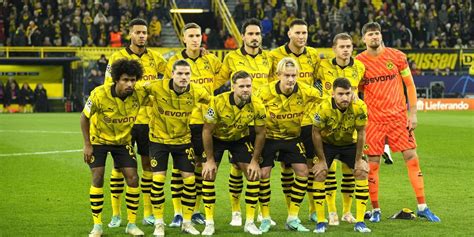
One of the most persistent and visible challenges to Bayern's dominance has come from **Borussia Dortmund**. Dortmund has historically been Bayern's most formidable rival in the Bundesliga, particularly during the late 2000s and early 2010s under the management of Jürgen Klopp. Dortmund’s high-energy, pressing style of play was a direct counter to Bayern's possession-oriented approach. This period saw Dortmund win back-to-back titles in 2010-11 and 2011-12, breaking Bayern’s streak and signaling that the Bundesliga was not a one-team league. Even after Klopp’s departure, Dortmund has remained a thorn in Bayern's side, particularly through their ability to develop and attract young, dynamic talents such as Erling Haaland, Jadon Sancho, and Jude Bellingham. These players have not only strengthened Dortmund but have also become transfer targets for Bayern themselves, creating a dynamic where Bayern must compete not just on the pitch but also in the transfer market to maintain their squad quality.
Another layer of competition has been introduced by **RB Leipzig**, a club that represents a different kind of challenge. Founded in 2009 and backed by the financial might of Red Bull, Leipzig has rapidly ascended through the German football pyramid to establish itself as a top-tier competitor. Unlike traditional rivals like Dortmund, Leipzig’s approach is rooted in a modern, analytics-driven model of player recruitment and development. Their ability to identify undervalued talents from less prominent leagues and integrate them into a cohesive system has made them a consistent top-four contender. For instance, the rise of players like Nkunku, Szoboszlai, and Olmo under Leipzig’s system has shown that Bayern cannot afford to be complacent. Leipzig’s tactical flexibility, often switching between a high press and a low block depending on the opponent, has also tested Bayern’s adaptability in key matches. While Leipzig has yet to sustain a title challenge over an entire season, their presence ensures that Bayern cannot afford to drop points against smaller teams, as Leipzig is always ready to capitalize on any slip-ups.
Beyond Dortmund and Leipzig, Bayern has also faced challenges from **less consistent but ambitious clubs** such as Bayer Leverkusen, Wolfsburg, and even Eintracht Frankfurt in cup competitions. These teams, while not perennial title contenders, have occasionally disrupted Bayern’s rhythm. Leverkusen, for example, has often been a "nearly team," capable of producing scintillating performances but lacking the consistency to mount a sustained challenge. Their ability to exploit transitional moments against Bayern, particularly when Bayern’s defense is stretched, has led to some surprising results. Similarly, Wolfsburg’s 2008-09 title win serves as a reminder that even in a league as top-heavy as the Bundesliga, complacency can be punished. These occasional upsets are not just anomalies but indicators of the fine margins that exist even for a team as dominant as Bayern.
A less discussed but equally critical challenge lies in **Bayern’s internal dynamics**. Maintaining dominance requires not just external competitiveness but also internal harmony. Bayern has seen periods of managerial instability, such as the abrupt departures of Niko Kovač and the subsequent need to stabilize under Julian Nagelsmann. While Bayern’s financial clout allows them to attract top-tier managers, the high-pressure environment of the club means that even small dips in form can lead to unrest. Additionally, the club’s reliance on a core group of experienced players—such as Thomas Müller, Manuel Neuer, and Robert Lewandowski (before his departure)—has raised questions about succession planning. As these players age or move on, Bayern must ensure that their pipeline of young talent, bolstered by signings like Jamal Musiala and Mathys Tel, can step up to fill the void. This is particularly relevant when considering how Dortmund and Leipzig have made youth development a cornerstone of their strategies.
Another dimension of Bayern's challenges is **financial competition from abroad**, which indirectly impacts their Bundesliga dominance. The rise of state-backed clubs like Paris Saint-Germain and Manchester City, as well as traditional heavyweights such as Real Madrid and Barcelona, has created a hyper-competitive environment for elite talent. Bayern, while financially robust compared to most Bundesliga teams, operates within a more restrained economic model compared to these global behemoths. This has led to scenarios where Bayern has lost out on key transfer targets or struggled to retain players who seek higher wages or more prestigious leagues. For example, the departure of Robert Lewandowski to Barcelona highlighted how even a club of Bayern’s stature can be vulnerable to external financial pressures. Such losses force Bayern to continuously reinvent their squad while maintaining their Bundesliga edge.
The role of **Vincent Kompany**, though not directly tied to the Bundesliga, offers an interesting parallel. As a manager who has shown an ability to challenge established hierarchies—first as a player at Manchester City and later as a manager at Burnley—Kompany embodies the kind of disruptive influence that Bayern’s rivals aspire to be. His emphasis on tactical innovation and player development at Burnley demonstrates how even clubs with limited resources can create competitive frameworks. While Kompany is not a direct participant in the Bundesliga, his approach serves as a metaphor for how clubs like Dortmund and Leipzig can disrupt Bayern’s rhythm by focusing on innovation, youth, and adaptability rather than sheer financial outlay.
Finally, **the broader structural dynamics of the Bundesliga** pose a unique challenge to Bayern. Unlike leagues such as the Premier League, where multiple clubs have the financial muscle to compete for the title, the Bundesliga’s revenue distribution model has historically concentrated power in Bayern’s hands. However, this very dominance has led to criticisms of the league’s competitiveness, with some fans and analysts arguing that the lack of a multi-team title race diminishes the league’s appeal. This creates a paradox for Bayern: their dominance is both a testament to their excellence and a potential liability for the league’s long-term growth. If the Bundesliga becomes seen as a "one-horse race," it could impact television revenues, sponsorship deals, and global interest, which in turn could limit Bayern’s financial growth compared to clubs in more competitive leagues.
In summary, while Bayern Munich’s Bundesliga dominance is unquestionable, it is not without its challenges. From the consistent pressure of rivals like Borussia Dortmund and RB Leipzig to internal squad transitions and external financial competition, Bayern must navigate a multifaceted landscape to maintain their position. The emergence of clubs with innovative approaches, coupled with structural questions about the Bundesliga’s long-term appeal, ensures that Bayern’s path to continued supremacy is fraught with complexity. As the football world evolves, Bayern’s ability to adapt and overcome these challenges will define their legacy in the years to come.
Vincent Kompany's Legacy and Relevance
Vincent Kompany's career and managerial journey present a fascinating case study in the dynamics of sustained success in modern football. His trajectory—from a commanding defender at Manchester City to a forward-thinking manager at Burnley—offers valuable lessons for clubs like Bayern Munich, who seek to maintain their dominance in Germany's Bundesliga while navigating the ever-evolving landscape of the sport. Kompany's legacy is not just about trophies but also about adaptability, leadership, and strategic foresight, all of which are critical for clubs aiming to sustain excellence in a highly competitive environment.
Kompany's playing career at Manchester City was marked by an unwavering commitment to excellence and a deep understanding of the game. As a central defender, he was not only a physical presence but also a cerebral one, often dictating play from the back and serving as a vocal leader on and off the pitch. His ability to read the game, coupled with his technical skill, made him a linchpin in City's rise to prominence in the Premier League. This blend of tactical intelligence and leadership is particularly relevant for Bayern Munich, a club that has long relied on strong, influential figures—both on the field and in the dugout—to maintain its supremacy in the Bundesliga.
However, what sets Kompany apart is his seamless transition from player to manager, a path that few have navigated as effectively. At Anderlecht, his first managerial role, Kompany faced the dual challenge of leading a team in transition while also learning the intricacies of management. Although the results were mixed, the experience laid the groundwork for his subsequent success at Burnley, where he masterminded a promotion campaign characterized by a clear playing philosophy and a focus on youthful development. This phase of Kompany's journey underscores the importance of adaptability—a trait that Bayern Munich must also embrace as the Bundesliga becomes increasingly competitive, with teams like RB Leipzig and Union Berlin challenging the established order.
One of the key insights from Kompany's managerial approach is his emphasis on building a cohesive team identity. At Burnley, he moved away from the traditional long-ball style associated with the club and implemented a possession-based system that prioritized technical skill and positional play. This transformation required not only a change in tactics but also a cultural shift within the club. For Bayern, a team that has often relied on its established stars and dominant playing style, Kompany's example highlights the need for continual evolution. While the Bavarians have maintained their dominance through a mix of world-class talent and tactical flexibility, there is a growing need to integrate younger players and explore new tactical systems to stay ahead of rivals.
Another aspect of Kompany's relevance lies in his focus on youth development and squad regeneration. At Burnley, he placed trust in young players, many of whom were relatively unknown, and molded them into a cohesive unit capable of executing his vision. This approach is instructive for Bayern, a club that has historically balanced its reliance on seasoned stars with the integration of academy graduates like Thomas Müller and more recently, Jamal Musiala. However, as the financial landscape of football shifts and transfer fees soar, Kompany's model of nurturing talent from within becomes even more pertinent. Bayern must not only continue to invest in their youth system but also create an environment where young players feel empowered to take on significant roles in the first team.
Kompany's journey also sheds light on the psychological aspect of leadership. As a player, he was known for his ability to inspire and unite a dressing room, often stepping up in critical moments to galvanize his team. As a manager, he has demonstrated a similar ability to instill belief in his players, even in challenging circumstances. For Bayern, a club that has occasionally faced questions about its mental fortitude in high-stakes matches—particularly in the UEFA Champions League—Kompany's example underscores the value of fostering a resilient and unified team culture. This is particularly relevant as Bayern faces renewed domestic competition and seeks to reassert its dominance on the European stage.
Moreover, Kompany's managerial philosophy reflects a forward-thinking approach to the game, one that aligns with the data-driven and analytical trends shaping modern football. At Burnley, he embraced analytics to inform his decisions, from player recruitment to in-game adjustments. This analytical edge is something Bayern can learn from, particularly as they look to refine their approach in an era where marginal gains can make the difference between success and failure. While Bayern has traditionally relied on its pedigree and resources, the increasing sophistication of opponents requires a more nuanced and proactive strategy.
There are also lessons in handling pressure and expectations that Kompany's career offers. At Manchester City, he operated under the weight of sky-high expectations, both as a player tasked with leading a team to unprecedented success and later as a manager tasked with rebuilding a storied club. Bayern Munich, as Germany's most successful club, faces similar pressures year after year. The club's ability to consistently win the Bundesliga is both a testament to its quality and a source of immense expectation. Kompany's calm and composed demeanor in the face of such pressures serves as a model for how leaders—both on and off the pitch—can navigate these challenges without losing sight of long-term goals.
Finally, Kompany's story is a reminder of the importance of continual self-improvement. Despite his success as a player, he did not rest on his laurels, instead choosing to immerse himself in the study of management and leadership. This commitment to growth is a lesson for Bayern Munich, which must remain vigilant in its pursuit of excellence. Whether through investment in cutting-edge training methods, scouting networks, or coaching education, the club must ensure that it is always evolving to meet the demands of modern football.
In conclusion, Vincent Kompany's legacy and relevance extend far beyond his achievements as a player and manager. His journey offers a blueprint for how individuals and organizations can sustain success in an era of rapid change. For Bayern Munich, his example serves as a reminder that dominance is not a given but a product of continual adaptation, strategic thinking, and a commitment to both short-term results and long-term vision. As the Bundesliga landscape shifts and new challenges emerge, Kompany’s career provides a roadmap for how to remain at the forefront of the game.
- Kompany's emphasis on team identity and tactical evolution is a lesson for Bayern in maintaining their competitive edge.
- His focus on youth development highlights the need for clubs to prioritize internal talent pipelines in a financially constrained environment.
- The psychological resilience he demonstrated as both a player and manager is a critical attribute for sustaining success under pressure.
- His analytical approach to the game serves as a model for how clubs can leverage data to refine their strategies.
- Kompany's commitment to self-improvement underscores the importance of constant growth for individuals and organizations alike.
By internalizing these lessons, Bayern Munich can not only sustain its Bundesliga dominance but also position itself for continued success in European football, drawing inspiration from Kompany's legacy of leadership and innovation.
Conclusion and Future Outlook
The dominance of Bayern Munich in the Bundesliga and the evolving role of figures like Vincent Kompany in modern football provide a fascinating intersection of tradition, innovation, and the shifting dynamics of the sport. To understand the implications of this interplay, we must first examine the key takeaways from Bayern's continued supremacy and Kompany's influence as both a player and manager.
Bayern Munich's Bundesliga dominance is not merely a product of superior financial resources or a talented squad; it is rooted in a culture of excellence and strategic foresight. The club has mastered the art of squad rotation, youth development, and high-profile acquisitions that ensure a blend of experience and raw potential. Their success is underpinned by what can be described as a "feedback loop of success": consistent domestic titles attract top talent, which in turn fuels further dominance. This cycle has created an almost insurmountable gap between Bayern and most of their Bundesliga competitors. However, this very dominance has sparked debates about the health of the league. Critics argue that the lack of a genuine title race diminishes the competitive allure of the Bundesliga, potentially affecting its long-term appeal both domestically and internationally. Bayern’s hegemony is thus a double-edged sword—a testament to their operational brilliance but also a challenge to the league’s broader narrative of competition.
One of the unique aspects of Bayern’s dominance is their adaptability. While they have traditionally relied on a core of German players and a pragmatic yet attacking style of play, they have shown an ability to evolve. The incorporation of foreign talents such as Robert Lewandowski, Alphonso Davies, and more recently, Harry Kane, reflects a club willing to look beyond its traditional borders to maintain its edge. This adaptability is a microcosm of modern football’s globalized nature, where success is no longer confined to local or regional strategies but requires a broader, more inclusive approach. Bayern’s ability to remain at the top despite managerial changes and occasional dips in form is a lesson in institutional resilience.
Vincent Kompany, on the other hand, represents a different but equally compelling narrative in modern football. As a player, Kompany was the embodiment of leadership and tactical intelligence. His role at Manchester City during their rise to prominence in the Premier League was pivotal. He was not just a defender who could marshal a backline; he was a player who could influence games with his reading of the match, his aerial prowess, and his occasional game-winning goals. Kompany’s transition into management, particularly at Anderlecht and now at Burnley, highlights a growing trend in football where former players with a deep understanding of the game are taking on leadership roles earlier in their post-playing careers.
Kompany’s approach to management reflects a blend of modern tactical sophistication and old-school leadership values. At Burnley, he has shown a willingness to implement a possession-based, high-pressing style that contrasts sharply with the more direct approach often associated with newly promoted teams. This willingness to challenge convention is reminiscent of the bold strategies employed by some of the most successful managers in modern football, such as Pep Guardiola and Jürgen Klopp. However, Kompany’s youth and relative inexperience as a manager mean that his journey is still in its early stages. His ability to adapt to the pressures of top-flight management, particularly in a league as physically demanding and financially stratified as the Premier League, will be a key indicator of his long-term impact.
The intersection of Bayern’s dominance and Kompany’s trajectory offers intriguing possibilities for the future of football. One potential evolution could be the increased emphasis on leadership models that prioritize adaptability and innovation. Bayern’s success demonstrates that even the most dominant teams must remain agile, constantly reevaluating their strategies to stay ahead. Similarly, Kompany’s career arc suggests that the modern football landscape is increasingly open to leaders who can bridge the gap between playing experience and managerial acumen. This shift may encourage more clubs to invest in former players as managers, provided they demonstrate the willingness to learn and adapt to the multifaceted demands of the role.
Another area of potential evolution is the challenge to entrenched hierarchies in football leagues. Bayern’s dominance, while impressive, raises questions about the sustainability of such disparities in domestic competitions. Could the Bundesliga, inspired by the examples of more competitive leagues like the Premier League or even Ligue 1 in recent years, explore measures to level the playing field? This could include financial redistribution models, stricter financial fair play regulations, or even structural changes to the league format. Such measures, while controversial, could reinvigorate the Bundesliga and ensure that it remains a compelling product for fans and stakeholders alike. In this context, Kompany’s managerial journey could also serve as a case study for how smaller or less dominant clubs can challenge the status quo through innovative approaches.
From a broader perspective, the narratives of Bayern Munich and Vincent Kompany highlight the interconnected nature of player development, club strategy, and league dynamics. Bayern’s success is not isolated; it is part of a larger ecosystem where player pipelines, tactical philosophies, and financial planning converge. Kompany’s role, both as a symbol of leadership on the field and as an emerging managerial figure, illustrates how individual contributions can ripple through the sport, influencing not just immediate results but also the broader culture of football.
Looking ahead, the future of these narratives may hinge on how both Bayern and figures like Kompany navigate the inevitable challenges that come with success and ambition. For Bayern, the question will be whether they can maintain their dominance while also contributing to a more competitive Bundesliga. This might involve greater collaboration with other Bundesliga clubs to strengthen the league as a whole, perhaps through shared youth development initiatives or more equitable revenue-sharing models. For Kompany, the challenge will be to sustain his early managerial success while continuing to innovate. His ability to inspire players, adapt to different league environments, and challenge traditional norms could position him as a key figure in the next generation of football managers.
In conclusion, the stories of Bayern Munich’s dominance and Vincent Kompany’s rise encapsulate the dual nature of modern football: a sport that thrives on tradition yet demands constant reinvention. Bayern’s continued success serves as both an inspiration and a cautionary tale for other clubs, while Kompany’s journey exemplifies the opportunities and challenges faced by modern football leaders. Together, these narratives suggest that the future of football will be shaped by those who can balance the weight of history with the need for forward-thinking innovation.


