Introduction to Bayern Munich's UCL Legacy
Bayern Munich's prominence in the UEFA Champions League (UCL) is not merely a reflection of their trophy cabinet but a testament to their enduring legacy as one of European football's most dominant forces. Since the inception of the European Cup in 1955, which later evolved into the modern Champions League in 1992, Bayern Munich has consistently positioned itself as a central figure in the competition's narrative. Their journey through European football is marked by a blend of tactical brilliance, individual excellence, and institutional stability that has allowed them to maintain a stronghold in the upper echelons of the sport.
The Bavarian club's first major European triumph came in 1974, a year that marked the beginning of a golden era for Bayern. Under the stewardship of legends like Franz Beckenbauer, Gerd Müller, and Uli Hoeneß, Bayern secured their first European Cup by defeating Atlético Madrid in a replay of the final. This victory was not an isolated success but the start of a three-peat, as Bayern went on to win the European Cup in 1975 and 1976. These early successes were not just about individual brilliance but also about the club's ability to adapt to the evolving demands of European competition. Their tactical approach, which blended the solidity of German football with an innovative attacking mindset, set a benchmark for how teams could dominate both domestically and on the continental stage.
What makes Bayern's UCL legacy particularly significant is their ability to sustain success across different eras. While many clubs experience peaks and troughs in their European ambitions, Bayern has demonstrated remarkable consistency. This is partly due to their philosophy of long-term planning and investment in youth development. The club's academy, known as the FC Bayern Campus, has produced players who have not only contributed to their domestic dominance but have also shone on the European stage. This focus on homegrown talent, combined with strategic acquisitions of world-class players, has allowed Bayern to remain competitive year after year.
In the modern era of the Champions League, Bayern's success is underscored by their 2013 and 2020 triumphs, which highlight different facets of their footballing identity. The 2013 victory, under the management of Jupp Heynckes, was a masterclass in cohesive team play and high-pressing football. Bayern defeated borussia dortmund in the final at Wembley, becoming the first German team to achieve the treble (Bundesliga, DFB-Pokal, and Champions League). This victory was a culmination of years of strategic investment and a clear vision of how to blend experience with youth. Players like Philipp Lahm, Bastian Schweinsteiger, and Arjen Robben were at the peak of their powers, while younger talents like Thomas Müller and David Alaba showcased their potential to carry the club into the future.
The 2020 triumph, achieved during the COVID-19 pandemic, was equally remarkable. Bayern's 8-2 demolition of Barcelona in the quarter-finals is often cited as one of the most emphatic displays of dominance in UCL history. This victory, under Hans-Dieter Flick, was built on a system of fluid attacking football, with Robert Lewandowski leading the line and players like Joshua Kimmich and Serge Gnabry providing both creativity and defensive solidity. This win was not just about the players on the pitch but also about Bayern's ability to navigate the unique challenges of a compressed tournament format due to the pandemic. Their unbeaten run throughout the campaign demonstrated a level of mental and physical resilience that few teams can match.
Bayern's historical significance in European football extends beyond their trophy count. They are one of only five clubs to have won the Champions League five or more times, placing them in an elite group alongside Real Madrid, AC Milan, Liverpool, and Barcelona. However, what sets Bayern apart is their dominance within the context of German football. Unlike some of their European rivals, who often face stiff competition from other clubs in their domestic leagues, Bayern has established itself as the unrivaled powerhouse of the Bundesliga. This domestic dominance has provided them with a stable platform to focus their resources on European success, a luxury not afforded to many other clubs.
Another unique aspect of Bayern's UCL journey is their financial model. While many top European clubs rely heavily on external investment or leveraged spending, Bayern operates within a sustainable framework. Their revenue streams are diversified, and they have consistently avoided the kind of financial instability that has plagued other European giants. This approach not only ensures their long-term viability but also reinforces their reputation as a club that achieves success without compromising its principles.
It is also worth exploring Bayern's role in shaping the cultural identity of the Champions League. Their matches often carry a sense of occasion, whether it is the electric atmosphere at the Allianz Arena or their high-profile clashes with perennial rivals like Real Madrid and Barcelona. These fixtures are not just games; they are events that capture the imagination of fans worldwide. Bayern's ability to consistently deliver on these big stages has cemented their status as one of the competition's most iconic participants.
Beyond the trophies and the glory, Bayern's UCL legacy is also shaped by their philosophical approach to the game. The club has often been at the forefront of tactical innovation, whether it was the total football influences of the 1970s, the counter-attacking prowess of the 2000s, or the possession-based, high-pressing style of the 2010s and beyond. This willingness to evolve tactically while staying true to their identity as a club rooted in German efficiency and resilience is a key reason for their sustained success.
- Bayern's early European Cups in the 1970s laid the foundation for their reputation as a force in European football.
- Their treble-winning campaign in 2013 showcased the perfect blend of tactical acumen and squad depth.
- The 2020 triumph highlighted their ability to adapt to unique challenges, such as a pandemic-affected season.
- Their financial and philosophical stability sets them apart from many of their European contemporaries.
In conclusion, Bayern Munich's UCL legacy is not just about the number of trophies they have won but about the way they have won them. Their ability to evolve with the times, their commitment to sustainable growth, and their unwavering presence in the highest echelons of European football make them a club that embodies the spirit of the Champions League. Their legacy is not merely historical but ongoing, as they continue to set standards for what it means to be a truly great European club.
Historical Timeline of UCL Wins
Bayern Munich, one of Europe's most storied football clubs, has a rich history in the UEFA Champions League (UCL), having won the prestigious trophy on multiple occasions. Each victory represents a unique chapter in the club's legacy, marked by distinct challenges, standout performances, and unforgettable moments. This section provides a detailed examination of Bayern Munich's UCL triumphs, highlighting the context, key matches, and memorable events associated with each win.
The first UCL title for Bayern Munich came in the 1973-74 season. This was a time when the tournament was still known as the European Cup. Bayern faced Atlético Madrid in the final, which initially ended in a 1-1 draw after extra time. The replay, held two days later, saw Bayern dominate with a 4-0 victory. This match was significant not only for being their maiden European triumph but also for establishing the core of a team that would go on to achieve back-to-back titles. Key players like Franz Beckenbauer, Gerd Müller, and Uli Hoeneß were instrumental in this win. The goals in the replay came from Hoeneß (2) and Müller (2), showcasing the lethal attacking prowess and tactical discipline of the team under coach Udo Lattek. This win was a statement of intent from a club that was rapidly becoming a European powerhouse.
The following year, in the 1974-75 season, Bayern defended their title against Leeds United in a tense final held in Paris. The match ended 2-0 in Bayern's favor, but it was marred by controversial refereeing decisions. Leeds had a goal disallowed, and Bayern's first goal by Franz Roth was contentious. However, the result stood, and Bayern became one of the few teams to successfully retain the European Cup. This victory was a testament to their resilience and ability to perform under pressure, even when the odds seemed stacked against them. Müller's influence as a goal-scorer and Beckenbauer's leadership as a sweeper were again critical factors in their success.
Bayern completed a historic hat-trick of European Cup wins in the 1975-76 season, defeating Saint-Étienne 1-0 in the final at Hampden Park, Glasgow. The lone goal came from Roth, who had a knack for scoring in big matches. This win solidified Bayern's status as one of the greatest teams of the era. What made this victory particularly memorable was the atmosphere of the match—Saint-Étienne's fans created an electric environment, but Bayern's composure and experience shone through. This era marked the end of an incredible run for the team, as the core players began to age, and the club entered a transitional phase in the late 1970s.
After a 25-year wait, Bayern returned to the pinnacle of European football in the 2000-01 season. This victory came in a penalty shootout against Valencia in the final held at the San Siro in Milan. The match ended 1-1 after 90 minutes and extra time, with Paolo Sérgio scoring Bayern's equalizer after falling behind to a penalty by Valencia. The shootout was dramatic, with Oliver Kahn, Bayern's goalkeeper, saving three penalties to secure the win. This victory was emblematic of a new generation of Bayern players stepping up on the European stage. The win also marked a shift in Bayern's approach to European competitions, as they began to invest heavily in squad depth and tactical flexibility under coach Ottmar Hitzfeld.
The 2012-13 season saw Bayern Munich reclaim the UCL trophy in spectacular fashion. They faced fellow German side Borussia Dortmund in the final at Wembley Stadium, winning 2-1. This match was dubbed the "German Clasico" and was a showcase of the Bundesliga's rising dominance in European football. Bayern's winner came in the 89th minute through Arjen Robben, a moment of individual brilliance that capped off a season of redemption for the Dutch winger, who had missed a crucial penalty in the previous year's final. This win was particularly sweet for Bayern as it followed two recent final losses (2010 and 2012), underscoring their persistence and mental fortitude. The team, managed by Jupp Heynckes, combined a balanced attack with a sturdy defense led by Philipp Lahm and Dante.
Just two years later, in the 2014-15 season, Bayern added another UCL title to their collection. This time, they faced Barcelona in the semi-finals but fell short. However, their journey in this campaign was defined by a blend of tactical evolution under Pep Guardiola and moments of individual brilliance from players like Robert Lewandowski and Thomas Müller. While this season did not result in a trophy lift, it set the stage for their next triumph.
The 2019-20 season is widely regarded as one of Bayern's most dominant UCL campaigns. Under coach Hans-Dieter Flick, Bayern won every single match in the tournament, a feat achieved by only a handful of teams in UCL history. Their crowning moment came in the final against Paris Saint-Germain, where they won 1-0 courtesy of a header from Kingsley Coman, a former PSG player. This victory was built on the back of an unstoppable run that included an 8-2 demolition of Barcelona in the quarter-finals—a result that sent shockwaves through European football. The team's high-pressing style, coupled with the prolific form of Robert Lewandowski, who scored 15 goals in the tournament, made this win a masterclass in modern football.
Each of Bayern Munich's UCL wins tells a story of evolution, from the dominance of the 1970s squad to the tactical innovations of the 2000s and 2010s. Their victories are not just about the players on the field but also about the club's ethos of persistence, investment in talent, and adaptability to changing football landscapes. For instance, the 2013 and 2020 wins were characterized by a mix of seasoned veterans and emerging stars, showcasing Bayern's ability to blend experience with youth.
A common thread across these triumphs is the role of key individuals in decisive moments. Whether it was Müller's goals in the 1970s, Kahn's heroics in 2001, or Lewandowski's dominance in 2020, Bayern's success has often hinged on players who rose to the occasion. Additionally, the club's ability to navigate challenging semi-final and final matches—sometimes against equally strong opponents—demonstrates their mental and tactical superiority in high-stakes games.
In summary, Bayern Munich's UCL wins are a blend of historical brilliance and modern excellence. From their first triumph in 1974 to their most recent in 2020, the club has consistently found ways to adapt and excel in Europe's most competitive club competition. These victories are not just trophies but milestones that reflect the club's enduring ambition and its place among the elite of European football.
The Evolution of Bayern's Playing Style in UCL
Bayern Munich's journey in the UEFA Champions League (UCL) has been marked by a dynamic evolution of playing styles, shaped by the club's adaptability to changing football landscapes, managerial philosophies, and player personnel. To understand how Bayern secured their UCL successes across different eras, it is essential to delve into the tactical frameworks that underpinned their campaigns.
In the **early 1970s**, Bayern's first golden era of European dominance was defined by a pragmatic yet effective approach. Under the guidance of Udo Lattek and later Dettmar Cramer, Bayern relied heavily on a solid defensive structure complemented by swift counterattacks. The team was anchored by legends such as Franz Beckenbauer, whose role as a libero allowed him to control the game from deep positions, and Gerd Müller, whose predatory instincts in the penalty box were unmatched. This era's playing style was characterized by a 4-3-3 formation that transitioned into a more defensive 4-4-2 when required. Bayern's success in winning three consecutive European Cups (1974–1976) was rooted in their ability to absorb pressure and exploit spaces left by opponents. Their strategy emphasized **vertical play**—quick transitions from defense to attack—and relied on individual brilliance rather than intricate team patterns.
The **1990s and early 2000s** saw a shift in Bayern's approach as the club adapted to the demands of modern football. This era was marked by the influence of managers like Ottmar Hitzfeld, who brought a more structured and possession-oriented style. Bayern began to emphasize **controlled buildup play**, often operating in a 4-4-2 or 3-5-2 system. The arrival of players like Stefan Effenberg and Lothar Matthäus provided a midfield engine that could dictate the tempo of games. Bayern's 2001 UCL victory over Valencia in a penalty shootout was a testament to their ability to blend physicality with tactical discipline. However, this period also exposed some limitations in their approach, particularly against teams that pressed high and disrupted their possession-based game. Their reliance on set pieces and moments of individual brilliance from players like Giovane Élber and Mehmet Scholl highlighted a need for greater fluidity in attacking movements.
The **2010s** marked a transformative era for Bayern under the influence of managers such as Louis van Gaal, Jupp Heynckes, and later Pep Guardiola. Van Gaal introduced the concept of **positional play**, emphasizing a high defensive line, fluid attacking patterns, and a focus on ball retention. This era saw the emergence of players like Arjen Robben and Franck Ribéry, whose wing play became a hallmark of Bayern's attacking identity. The 2013 UCL triumph under Heynckes was a culmination of this evolution, as Bayern showcased a blend of high-pressing football and lethal counterattacks. Their 7-0 aggregate demolition of Barcelona in the semifinals that year was a statement of their tactical superiority, combining **gegenpressing** with rapid vertical transitions. Heynckes' team was adept at switching between a 4-2-3-1 and a 4-3-3, depending on the opposition, demonstrating a tactical flexibility that had been absent in earlier eras.
Pep Guardiola's tenure (2013–2016) brought an even greater emphasis on **positional play and micro-tactics**. Guardiola's Bayern sought to control every phase of the game, often deploying a 3-4-3 or 4-3-3 system with an emphasis on **overloading specific zones** of the pitch. While this approach led to domestic dominance, it also exposed vulnerabilities in European competitions, particularly against teams that could exploit the high defensive line with pace and direct play. Guardiola's Bayern reached the semifinals of the UCL multiple times but fell short of the ultimate prize, partly due to their struggle to balance possession with defensive solidity in key moments.
The **modern era**, particularly under Hansi Flick (2019–2021) and Julian Nagelsmann (2021–present), has seen Bayern return to a more **aggressive and direct style** while retaining elements of positional play. Flick's 2020 UCL-winning side was a masterclass in **verticality and speed**. Operating predominantly in a 4-2-3-1, Bayern used the pace of players like Serge Gnabry and Kingsley Coman to stretch defenses, while Robert Lewandowski provided a consistent goal threat. The team's success was underpinned by their ability to press high up the pitch and win the ball in advanced areas, a strategy that overwhelmed opponents like Barcelona (8-2 in the quarterfinals) and Paris Saint-Germain in the final. This era also saw Bayern adopt a more **holistic approach to squad rotation**, ensuring freshness in high-intensity matches.
Under Nagelsmann, Bayern has continued to evolve, incorporating **flexible formations** such as a 3-4-2-1 or 4-2-2-2 to adapt to specific challenges. Nagelsmann's focus on **positional interchange** and **attacking overloads** has added a new dimension to Bayern's play. For instance, the use of wing-backs like Alphonso Davies in advanced roles allows Bayern to create numerical superiority in wide areas, while the midfield duo of Joshua Kimmich and Leon Goretzka provides both defensive cover and creative output. However, this approach has also raised questions about defensive stability, particularly in knockout stages where a single lapse can prove costly.
A common thread across these eras is Bayern's ability to **adapt to the strengths of their squad**. Whether it was the physical dominance of the 1970s, the structured possession of the 2000s, or the high-intensity pressing of the 2020s, Bayern has consistently aligned their playing style with the available talent and the tactical trends of the time. This adaptability is a key reason why they have remained a consistent force in European football.
Another critical factor in Bayern's UCL success is their **institutional stability**. Unlike many clubs that experience frequent managerial turnover or strategic overhauls, Bayern has maintained a clear vision for how they want to play, even as specific tactics have evolved. This stability allows them to attract top-tier talent and integrate new signings into their system with minimal disruption.
In summary, Bayern Munich's UCL success is a story of **evolution through adaptation**. From the pragmatic counterattacking style of the 1970s to the positional intricacies of the Guardiola era and the aggressive verticality of the Flick and Nagelsmann years, Bayern has consistently refined their approach to stay ahead of the competition. Each era has left its mark on the club's identity, but the underlying theme remains the same: a relentless pursuit of excellence tailored to the demands of the time. This ability to evolve while staying true to their core principles is what sets Bayern apart as one of the most successful clubs in UCL history.
- The 1970s emphasized **vertical play** and individual brilliance.
- The 1990s and 2000s focused on **controlled buildup** and tactical discipline.
- The 2010s brought **positional play** and high-intensity pressing.
- The modern era prioritizes **aggressive verticality** and flexible formations.
This layered approach to evolution demonstrates how Bayern Munich has not only kept pace with the changing landscape of European football but has often set the standard for others to follow.
Key Players and Coaches Behind the Triumphs
Bayern Munich's success in the UEFA Champions League (UCL) is a testament to the club's ability to assemble world-class talent and strategically deploy it under the guidance of visionary coaches. Their triumphs in this prestigious tournament are not merely the result of collective effort but are deeply rooted in the brilliance of key players and the tactical genius of influential coaches. This section delves into the individuals who left an indelible mark on Bayern's UCL victories, examining their contributions and the contexts in which they thrived.
One of the most iconic figures in Bayern's UCL history is **Franz Beckenbauer**, a player who transcended his role as a defender to become the architect of Bayern's early European dominance. During the 1970s, when Bayern won the European Cup (the precursor to the UCL) three times in succession (1974, 1975, and 1976), Beckenbauer was the linchpin of the team. His ability to read the game, combined with his elegant ball-playing style, allowed Bayern to dominate opponents. Beckenbauer’s leadership extended beyond his on-field performances; as captain, he instilled a winning mentality in the squad. Players like **Gerd Müller**, whose predatory instincts in front of goal were unmatched, complemented Beckenbauer’s defensive solidity. Müller’s 18 goals in 21 European Cup matches during this era were instrumental in Bayern's ascent to the pinnacle of European football. Without the synergy between Beckenbauer's orchestration and Müller's finishing, Bayern's early European success might not have been as resounding.
Fast forward to the modern era, and Bayern’s 2013 UCL victory under **Jupp Heynckes** showcased a different breed of star players and a coach who masterfully blended tradition with innovation. The spine of this team was built around players like **Philipp Lahm**, **Bastian Schweinsteiger**, and **Arjen Robben**. Lahm, often referred to as "the magic dwarf," was a versatile full-back who could seamlessly transition into midfield when required. His intelligence and work ethic provided a reliable foundation for Bayern’s attacks and defensive shape. Schweinsteiger, a homegrown talent, epitomized the grit and technical prowess needed in midfield. His ability to control the tempo of the game and deliver in high-pressure situations, such as the final against Borussia Dortmund at Wembley, was critical. Robben, often criticized for faltering in big moments, silenced his critics with the winning goal in that final, a moment that encapsulated his resilience and technical brilliance.
Equally important was the role of **Jupp Heynckes**, a coach who brought a calm yet authoritative approach to managing a star-studded team. Heynckes emphasized a high-pressing system that maximized Bayern's physical and technical strengths. His meticulous preparation for matches, particularly in the knockout stages, ensured that Bayern were tactically superior to opponents like Barcelona, whom they dismantled 7-0 on aggregate in the semifinals. Heynckes' ability to foster unity in a squad brimming with egos was a hallmark of his tenure, and it laid the groundwork for Bayern's treble that season.
The 2020 UCL victory under **Hans-Dieter Flick** was another watershed moment for Bayern, marked by a blend of experienced campaigners and emerging talents. This team was spearheaded by **Robert Lewandowski**, who had evolved into one of the most complete strikers in the world. Lewandowski's 15 goals in that season's tournament underscored his lethal efficiency, but it was his off-the-ball movement and link-up play that elevated the entire team. Alongside him, **Thomas Müller**, a player often described as "raumdeuter" (space interpreter), showcased his unique ability to find pockets of space and create opportunities for his teammates. Müller’s resurgence under Flick was a key factor in Bayern’s dominant run, particularly in the 8-2 thrashing of Barcelona in the quarterfinals.
Flick, who took over mid-season in 2019-20, brought a fresh approach that emphasized fluid attacking football and a relentless high press. His philosophy allowed players like **Joshua Kimmich** and **Alphonso Davies** to shine. Kimmich, a versatile player capable of excelling in midfield or at right-back, was pivotal in dictating play and providing defensive cover. Davies, a young Canadian full-back, became a revelation with his blistering pace and fearless attacking runs. Flick’s trust in youth and his ability to instill confidence in his players were crucial in Bayern's unbeaten run to the title, culminating in a 1-0 victory over Paris Saint-Germain in the final.
Another layer to Bayern’s success lies in the continuity of their squad-building philosophy. Players like **Manuel Neuer**, who redefined the role of a modern goalkeeper, have been constants across multiple UCL campaigns. Neuer’s sweeper-keeper style, characterized by his ability to act as an auxiliary defender, provided Bayern with an extra dimension in their defensive setup. His performances in the 2013 and 2020 campaigns, where he made crucial saves in critical moments, were as impactful as the goals scored at the other end.
It is also worth noting the influence of **Ottmar Hitzfeld**, who guided Bayern to their 2001 UCL triumph. Hitzfeld’s tactical acumen was evident in his ability to balance a squad that included players like **Oliver Kahn**, a goalkeeper known for his fiery temperament and clutch saves, and **Stefan Effenberg**, a midfield general who thrived under pressure. The final against Valencia, won on penalties, showcased Hitzfeld’s ability to prepare his team for the mental and physical rigors of a high-stakes match. Kahn’s heroics in saving a penalty during the shootout exemplified the blend of individual brilliance and collective resilience that defined Bayern’s success under Hitzfeld.
The role of **Uli Hoeneß** and **Karl-Heinz Rummenigge**, key figures in Bayern’s management, must also be acknowledged. Their vision in recruiting and retaining top talent, coupled with their emphasis on a cohesive club culture, created an environment where players and coaches could thrive. This off-field stability often translated into on-field success, as Bayern consistently competed at the highest level.
In summary, Bayern Munich’s UCL triumphs are a tapestry woven with the brilliance of star players and the strategic nous of influential coaches. From Beckenbauer and Müller in the 1970s to Lahm, Robben, and Heynckes in 2013, and finally to Lewandowski, Flick, and the dynamic squad of 2020, each era brought unique challenges and solutions. These individuals not only delivered trophies but also etched their names into the annals of European football history, exemplifying the blend of talent, leadership, and tactical innovation required to conquer the UCL.
- Beckenbauer and Müller epitomized Bayern's dominance in the 1970s.
- Heynckes and Robben were central to the 2013 victory.
- Flick, Lewandowski, and Davies symbolized the modern, dynamic Bayern of 2020.
- Neuer’s sweeper-keeper role added a unique dimension across eras.
- Hitzfeld and Kahn showcased resilience in the 2001 triumph.
This deep dive into the key players and coaches behind Bayern’s UCL successes reveals a consistent thread: the club’s ability to blend individual brilliance with collective cohesion under visionary leadership. This formula has been the cornerstone of their European legacy.
Comparison with Other UCL Dominant Clubs
When discussing the UEFA Champions League (UCL) dominance, Bayern Munich stands as one of the most decorated clubs in European football history. However, to fully understand their place in the pantheon of UCL elites, it is essential to compare their record and performance with other top-performing clubs such as Real Madrid, Barcelona, and Liverpool. This analysis delves into key metrics such as titles won, consistency in reaching later stages of the tournament, and the nature of their dominance in different eras.
Bayern Munich has won the UCL six times (as of 2024), a tally that places them among the top five clubs in the competition's history. Their victories came in 1974, 1975, 1976, 2001, 2013, and 2020. This spread of triumphs across multiple decades underscores Bayern's ability to remain competitive across generations. However, when compared to Real Madrid, who boast an unmatched 14 titles, Bayern's success appears more measured. Real Madrid's dominance is particularly pronounced in the late 1950s (where they won the first five editions of the tournament) and in the modern era, where they secured four titles in five years between 2014 and 2018. This sustained excellence, particularly in the 21st century, sets Real Madrid apart as the most prolific UCL winner.
In contrast, Bayern Munich’s victories are spread more evenly. Unlike Real Madrid, who have often relied on golden generations or specific tactical revolutions (like the Galácticos era or Zinedine Zidane’s Champions League hat-trick), Bayern’s approach has been characterized by consistent squad-building and tactical evolution. They have not had the same "all-in" approach as Real Madrid, which often splurges on marquee signings to enhance their European prospects. Instead, Bayern has cultivated a model of long-term squad development, integrating academy talents like Thomas Müller with shrewd signings such as Robert Lewandowski and Arjen Robben, which has allowed them to maintain a steady presence in the UCL knockout stages year after year.
When comparing Bayern to Barcelona, another European heavyweight with five UCL titles (1992, 2006, 2009, 2011, 2015), the comparison becomes nuanced. Barcelona’s golden era under Pep Guardiola (2008–2012) redefined modern football with their tiki-taka style, which was heavily influenced by players like Lionel Messi, Xavi, and Andrés Iniesta. During this period, Barcelona was arguably the most dominant force in Europe, particularly in 2009 and 2011 when they won the treble. Bayern, however, has not had a similarly transformative tactical era under one manager. Instead, their success is more distributed across different managerial tenures—from Ottmar Hitzfeld to Jupp Heynckes to Hansi Flick. This suggests that while Barcelona’s dominance was often tied to a specific philosophy and set of players, Bayern’s has been more adaptable, relying on a blend of pragmatism and high-quality football.
A deeper look at tournament consistency reveals interesting contrasts. Bayern Munich has reached the UCL knockout stages for 15 consecutive seasons (from 2009–2024), a feat matched by few clubs. This level of regularity is a testament to their domestic dominance in the Bundesliga, which provides them a near-guaranteed spot in the UCL each season. In comparison, Liverpool, with six UCL titles (1977, 1978, 1981, 1984, 2005, 2019), has had more erratic participation in the competition. Liverpool’s European success is often punctuated by long droughts, such as the 21-year gap between their 1984 and 2005 victories. However, Liverpool’s ability to rise to the occasion in high-stakes matches—like their miraculous comeback against AC Milan in the 2005 final—highlights a trait that Bayern also shares: mental fortitude in key moments.
Both Bayern and Liverpool have shown a knack for comebacks and high-scoring knockout ties. For instance, Bayern’s 8-2 thrashing of Barcelona in the 2020 quarterfinals or their 7-0 aggregate win over Barcelona in 2021 exemplify their ruthlessness. Similarly, Liverpool’s 4-0 second-leg victory over Barcelona in the 2019 semifinals is a testament to their resilience. However, Bayern’s ability to avoid prolonged slumps in European performance sets them apart from Liverpool, whose UCL campaigns have often been interspersed with group-stage exits or early knockouts during less competitive seasons.
One area where Bayern Munich outshines their rivals is their ability to translate domestic dominance into European success. Bayern has won the Bundesliga for 11 consecutive seasons (2013–2023), a level of domestic hegemony that none of the other clubs can claim. Real Madrid, for instance, often faces stiffer competition in La Liga from Barcelona and Atlético Madrid, while Liverpool and Barcelona have experienced periods of league inconsistency in recent years. This domestic stability allows Bayern to focus resources and energy on European campaigns, which is a key differentiator in their UCL strategy.
Another critical aspect of Bayern’s UCL journey is their defensive solidity compared to other dominant clubs. While Real Madrid and Barcelona have often been lauded for their attacking brilliance (e.g., Cristiano Ronaldo’s goal-scoring exploits for Real Madrid or Barcelona’s tiki-taka), Bayern has consistently balanced offensive firepower with defensive resilience. For example, their 2019-2020 UCL campaign, where they won every single game en route to the title, showcased not only their attacking prowess (led by Lewandowski’s 15 goals) but also a rock-solid defense that conceded just eight goals in 11 matches. This balance is less evident in Barcelona’s recent UCL campaigns, where defensive vulnerabilities have been exposed, or in Liverpool’s occasional struggles to maintain consistency in Europe when their high-pressing system is countered.
In terms of head-to-head performances against these clubs in UCL knockout stages, Bayern has had mixed results. They have had memorable victories, such as their 7-0 aggregate win over Barcelona in 2021 or their 2013 final win over Borussia Dortmund. However, they have also faced humbling defeats, such as the 2014 semifinal loss to Real Madrid (5-0 on aggregate) or the 2019 defeat to Liverpool in the round of 16. These results suggest that while Bayern is a perennial contender, they are not invulnerable, particularly against clubs with similar pedigree.
A final point of comparison lies in squad turnover and legacy. Real Madrid and Barcelona have often been defined by eras—Real’s Galácticos or Barcelona’s MSN (Messi, Suárez, Neymar) trio. Bayern, by contrast, has been more focused on sustained squad evolution rather than epoch-defining squads. This approach has allowed them to remain competitive without the dramatic highs and lows seen in other clubs. For instance, while Barcelona’s post-Messi era has seen a dip in European competitiveness, Bayern has continued to field strong squads capable of challenging for the title.
In conclusion, while Bayern Munich may not have the sheer volume of UCL titles that Real Madrid boasts or the stylistic revolution of Barcelona’s tiki-taka era, their consistency, adaptability, and balance across eras make them a unique case study in European football. Compared to Liverpool, they have been more consistent in maintaining their presence in the latter stages of the tournament. Bayern’s UCL record is a testament to their ability to blend domestic dominance with European ambition, achieving success without the same degree of financial or stylistic extremes seen in their rivals.
Impact of UCL Success on Bayern's Global Brand
Bayern Munich's success in the UEFA Champions League (UCL) has been a cornerstone of the club's rise as one of the most recognizable and influential football brands worldwide. While domestic dominance in the Bundesliga has been a constant for the Bavarian giants, their triumphs in Europe's premier club competition have provided a platform for global exposure, financial growth, and a broadening fanbase. This section delves into the transformative impact of UCL success on Bayern's global brand, focusing on reputation, fan engagement, and commercial expansion.
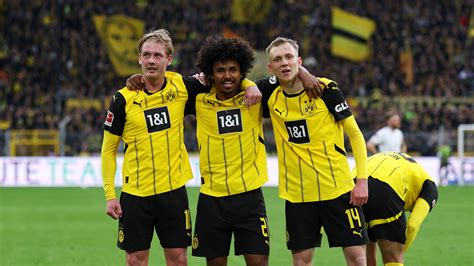
The first and perhaps most immediate effect of UCL success is the elevation of reputation. Winning the Champions League is not merely a trophy; it is a statement of excellence that resonates across the footballing world. Bayern Munich's UCL victories, particularly in high-profile years like 2013 and 2020, have reinforced their status as a European powerhouse. For instance, the 2013 treble-winning season under Jupp Heynckes, capped by a 2-1 victory over Borussia Dortmund in the final at Wembley, cemented Bayern as a team capable of competing with—and often surpassing—historic rivals such as Barcelona, Real Madrid, and Manchester United. This victory was not just about the silverware but also about the narrative it created: Bayern was no longer just a German giant but a global contender with the tactical acumen, star power, and organizational depth to outperform Europe's best.
The 2020 UCL victory in Lisbon, achieved in the unique "bubble" format necessitated by the COVID-19 pandemic, further solidified this reputation. Bayern's ruthless efficiency in winning every game of the tournament, including a 1-0 final triumph over Paris Saint-Germain, showcased a team at the peak of its powers. Such comprehensive dominance not only enhanced their sporting credibility but also positioned them as a model of consistency and excellence. This type of success is particularly influential in a sport where legacy and prestige are often measured by European achievements. For Bayern, UCL titles serve as a validation of their place among the elite, ensuring they are discussed in the same breath as clubs with storied histories like AC Milan and Liverpool.
Beyond reputation, UCL success has had a profound impact on fanbase growth. The Champions League is broadcast in over 200 countries, with a cumulative audience exceeding 350 million for the final alone. Each Bayern appearance in the competition—and especially their deep runs and victories—has introduced the club to new audiences. For example, the 2013 and 2020 campaigns drew significant attention from markets outside Europe, particularly in Asia and North America, where the appeal of top-tier European football is rapidly growing. Bayern's fan clubs have proliferated globally, with official supporters' groups now present in countries as diverse as India, the United States, and Brazil. Winning the UCL not only amplifies visibility but also creates a sense of aspirational connection for fans in regions where Bayern might otherwise be overshadowed by clubs like Manchester United or Barcelona.
The growth of Bayern's fanbase is also tied to the club's identity as a symbol of German efficiency and success. UCL victories allow the club to project an image of reliability and excellence that aligns with broader perceptions of German engineering and organizational prowess. This "brand alignment" has made Bayern particularly appealing to fans who value not just entertainment but also a sense of structured achievement. Moreover, the presence of global stars like Robert Lewandowski, Arjen Robben, and Thomas Müller in key UCL campaigns has helped humanize the club's success, making it relatable to international audiences who may not follow the Bundesliga closely but are captivated by individual brilliance on the European stage.
The third dimension of impact is commercial success. UCL titles directly contribute to Bayern's revenue streams in several ways. First, prize money from the competition is substantial—recent estimates suggest that a UCL victory can bring in over €100 million when factoring in broadcast rights, performance bonuses, and market pool shares. This financial injection allows Bayern to reinvest in the squad, maintain a competitive edge, and sustain their domestic and European ambitions. However, the indirect commercial benefits are arguably even more significant.
Sponsorship deals are often renegotiated or enhanced following UCL success. For instance, after the 2013 treble, Bayern's partnership with Adidas was extended in a deal worth €900 million over 15 years—a clear indication of how European success can amplify a club's commercial appeal. Similarly, their long-standing relationship with sponsors like Audi and Allianz has been bolstered by the global exposure UCL provides. The club's ability to attract top-tier sponsors is directly linked to its status as a consistent performer in the Champions League, where visibility is at its highest.
Merchandising is another area where UCL success has a tangible impact. Bayern's global merchandise sales spike after European triumphs, as fans rush to purchase jerseys, scarves, and other memorabilia emblazoned with the Champions League logo alongside Bayern's crest. The club's online store and retail partnerships benefit significantly from this surge in demand, particularly in regions where the club is building a nascent but enthusiastic following. For example, after the 2020 victory, Bayern saw a marked increase in merchandise sales in Asia, where the club has been actively expanding its brand presence through digital campaigns and localized fan engagement strategies.
Another often-overlooked aspect of UCL success is its role in talent attraction and retention. Bayern Munich has long been a destination for top players, but UCL trophies make the club an even more attractive proposition for elite talent. Winning the competition signals to players that Bayern is not just a financially stable and well-run organization but also a place where they can compete for the highest honors. This has allowed Bayern to secure transfers like that of Harry Kane in 2023, reinforcing their squad with players who are drawn to the club's European pedigree. Additionally, UCL success helps retain existing stars by offering them a platform to showcase their abilities on the biggest stage, further enhancing the club's brand as a destination for world-class athletes.
Finally, UCL success has enabled Bayern to diversify their global outreach through initiatives such as international pre-season tours, youth academies, and digital engagement. The club has used its European triumphs to establish football schools in countries like China and the United States, leveraging its reputation as a UCL winner to position itself as a leader in football development. These initiatives not only serve to grow the fanbase but also create long-term brand loyalty in emerging markets.
In conclusion, Bayern Munich's UCL successes have been instrumental in shaping the club's global brand. They have elevated its reputation as a European powerhouse, expanded its fanbase across continents, and driven commercial growth through increased sponsorship, merchandising, and talent acquisition. Each UCL title is not just a moment of sporting glory but a strategic asset that reinforces Bayern's position as a leader in the global football ecosystem.
Challenges Faced in UCL Campaigns
Bayern Munich's journey to becoming one of the most decorated clubs in UEFA Champions League (UCL) history has been anything but straightforward. While their trophy cabinet boasts multiple titles, including six UCL triumphs, the path to each victory has been fraught with **significant challenges**, **defeats that tested their resolve**, and **near-misses that could have altered their legacy**. This section delves into the obstacles and adversities Bayern Munich faced during their UCL campaigns, providing a nuanced look at how they navigated these trials to achieve European glory.
One of the most enduring challenges for Bayern has been their **encounters with dominant opponents** during specific eras of European football. In the 1990s, for instance, the club struggled to assert dominance in the UCL as they faced teams like AC Milan and Ajax, who were at the peak of their powers. The 1999 final against Manchester United is perhaps the most infamous example of a near-miss. Bayern led for much of the match, only to concede **two stoppage-time goals** in a heartbreaking defeat. This loss highlighted not just tactical vulnerabilities—such as their inability to convert possession into a decisive lead—but also the psychological toll of playing against a resilient opponent. The scars of that night lingered, forcing Bayern to reassess their approach to closing out high-stakes matches.
Another recurring obstacle has been **the weight of expectation**. As one of Germany's most successful clubs, Bayern Munich often carries the burden of being the favorite in UCL campaigns. This was particularly evident in the 2011-2012 season, where they reached the final hosted at their home stadium, the Allianz Arena. The pressure to win in front of their home crowd was immense, and yet they fell to Chelsea in a penalty shootout after dominating much of the game. Bayern had 35 shots compared to Chelsea's 9, yet they were undone by their **inefficiency in front of goal** and defensive lapses that allowed Didier Drogba to equalize late in regulation. This defeat underscored how even statistical dominance does not guarantee success in the UCL, where **small margins and mental fortitude** often determine outcomes.
The **mid-2000s to early 2010s** marked a period of near-misses and rebuilding for Bayern. During this time, they were frequently outclassed by Spanish giants Barcelona and Real Madrid, who had assembled some of the most talented squads in UCL history. For example, in the 2011-2012 semifinals, Bayern faced Real Madrid and managed to progress on penalties, but the matches exposed their **defensive frailties** and a lack of depth in key positions. Similarly, their 7-0 aggregate defeat to Barcelona in the 2008-2009 quarterfinals was a humbling experience that forced the club to invest heavily in squad upgrades. This period of struggle was not just about on-field performance but also about **institutional decisions**—Bayern’s board had to navigate the challenge of competing with clubs that had more financial flexibility or better youth systems. Their response, which included signing players like Arjen Robben and Franck Ribéry, laid the foundation for future success but came after years of frustration.
In addition to external opponents, Bayern has often faced **internal challenges** that threatened their UCL ambitions. One such issue was the **managerial instability** in certain periods. For instance, the 2006-2007 season saw Bayern exit in the round of 16 against eventual winners AC Milan under a relatively inexperienced coach. The club’s frequent changes in leadership—whether due to retirements, sackings, or strategic overhauls—sometimes disrupted their ability to build momentum in European competitions. This was particularly evident when they transitioned from Ottmar Hitzfeld to Jürgen Klinsmann, a move that initially failed to yield the desired results in the UCL. However, Bayern’s ability to stabilize under long-term managers like Jupp Heynckes and later Pep Guardiola demonstrated how critical **consistent leadership** is in overcoming the complexities of European football.
Another significant challenge has been **injuries to key players** at critical junctures of UCL campaigns. The 2013-2014 season serves as a case study. After winning the trophy in 2013 under Heynckes, Bayern transitioned to Guardiola's system, which emphasized possession and high pressing. However, injuries to players like Bastian Schweinsteiger and Holger Badstuber left the squad vulnerable in the knockout stages. Real Madrid exploited these weaknesses in the 2014 semifinals, handing Bayern a **humiliating 5-0 aggregate defeat**. This loss highlighted how even a well-oiled machine like Bayern can falter when **depth and fitness** are compromised. It also served as a lesson in the importance of squad rotation and injury management in the physically demanding modern UCL.
Beyond tactical and personnel-related issues, Bayern has also had to contend with **psychological hurdles**, particularly in rematches against teams that had previously defeated them. The 2019-2020 season, which culminated in their sixth UCL title, was preceded by years of struggles against teams like Liverpool and Real Madrid in the knockout stages. For instance, in the 2016-2017 quarterfinals, Bayern were eliminated by Real Madrid in a contentious tie that saw controversial refereeing decisions. These defeats could have demoralized the squad, yet Bayern used them as **motivation to refine their approach**. Their eventual triumph in 2020, which included a 1-0 victory over Paris Saint-Germain in the final, was a testament to their ability to learn from past setbacks and adapt.
The club’s UCL campaigns have also been shaped by **external factors beyond their control**. The COVID-19 pandemic in 2020, for instance, forced the tournament into a unique single-leg format for the latter stages. While this could have been a disadvantage for some teams, Bayern thrived under the new structure, winning every game en route to the title. However, this success was not without its challenges—they had to adapt quickly to playing in empty stadiums, which removed the **home-field advantage** that had often been a critical factor in their previous campaigns. This adaptability showcased Bayern’s ability to remain flexible and focused even in unprecedented circumstances.
Finally, it is worth examining the role of **financial and competitive pressures** within the modern UCL landscape. As the tournament has grown more commercialized, the gap between elite clubs and the rest has widened, but so has the competition at the top. Bayern has had to contend with the rise of state-backed clubs like Paris Saint-Germain and Manchester City, whose financial resources allow them to assemble squads of unparalleled depth. While Bayern has managed to remain competitive, their 2023 UCL campaign saw them exit in the quarterfinals against Manchester City, a result that highlighted the **increasing difficulty of maintaining European dominance** in the face of such financial powerhouses. This ongoing challenge suggests that Bayern's future UCL campaigns will require not just tactical brilliance but also **strategic squad-building** to sustain their position among Europe's elite.
In conclusion, Bayern Munich's UCL campaigns have been shaped by a series of **obstacles, defeats, and near-misses** that tested their resilience and adaptability. From psychological setbacks like the 1999 final to tactical evolutions forced by heavy defeats, the club's journey has been one of constant learning and reinvention. These challenges, while difficult, have also been instrumental in shaping Bayern into a club that thrives under pressure and learns from failure. Their ability to overcome these hurdles speaks not just to their on-field prowess but also to their **institutional strength** and unwavering ambition to remain at the pinnacle of European football.
Statistical Breakdown of UCL Performance
Bayern Munich's UEFA Champions League (UCL) campaigns are a testament to their dominance in European football. To understand the extent of their success, a statistical breakdown of their performance provides a clear picture of their prowess in this elite competition. From win percentages to goal-scoring feats and defensive resilience, Bayern Munich's UCL journey is rich with data that underscores their reputation as one of the most successful clubs in the tournament's history.
To begin with, let us consider win percentages. Bayern Munich has participated in the UCL in over 25 seasons, and their ability to consistently advance deep into the tournament is remarkable. As of the 2023-2024 season, Bayern has played approximately 300 UCL matches. Their win percentage hovers around 60%, a figure that places them among the top-performing clubs in the competition. This statistic is especially impressive considering the high level of competition they face, often against other European giants like Real Madrid, Barcelona, and Liverpool. In the group stages alone, Bayern's win rate is even higher, often exceeding 70%, illustrating their ability to dominate weaker opponents early in the competition.
Moving on to goals scored, Bayern Munich has consistently been one of the highest-scoring teams in UCL history. As of recent records, they have netted over 750 goals in the competition. This places them in the top three goal-scoring clubs, alongside Real Madrid and Barcelona. A closer look at their scoring trends reveals that Bayern averages around 2.5 goals per game in the UCL. This is a reflection of their attacking philosophy, which has been shaped by managers like Jupp Heynckes, Pep Guardiola, and Hansi Flick. Players such as Robert Lewandowski, Thomas Müller, and Arjen Robben have been instrumental in bolstering these numbers. Lewandowski alone contributed over 60 goals during his tenure at Bayern, cementing his place as one of the most lethal strikers in UCL history.
It is also worth noting that Bayern’s goal distribution is not limited to their forwards. Their midfielders and defenders have also played pivotal roles in contributing to the scoreline. For instance, players like Joshua Kimmich and David Alaba have scored crucial goals in key matches, often from set-piece situations or long-range efforts. This diversity in goal sources highlights the holistic nature of Bayern's attacking strategy, where the burden of scoring is shared across the team rather than being solely dependent on their forwards.
Defensively, Bayern Munich's records are equally impressive. A strong defense is often the backbone of a successful UCL campaign, and Bayern has demonstrated this time and again. They have kept over 150 clean sheets in their UCL matches, a figure that underscores their ability to stifle opposition attacks. In some seasons, such as their triumphant 2019-2020 campaign, Bayern conceded fewer than 10 goals in the entire tournament, a remarkable feat given the attacking quality of teams they faced. Their defensive success can be attributed to world-class goalkeepers like Manuel Neuer, whose shot-stopping ability and sweeper-keeper style have often neutralized dangerous counterattacks. Additionally, Bayern’s defensive line, fortified by players such as Jerome Boateng, Mats Hummels, and more recently Dayot Upamecano, has been adept at maintaining a high line while minimizing errors.
Another interesting facet of Bayern's UCL performance is their home and away record. Historically, Bayern has been particularly dominant at the Allianz Arena, where they have won over 75% of their home matches. This home advantage has often been a decisive factor in knockout stages, where securing a strong result in the first leg is critical. However, their away record is also commendable, with a win percentage of around 50% in hostile environments. This balance between home and away performance demonstrates their adaptability and mental fortitude in challenging conditions.
In terms of tournament progression, Bayern Munich has reached the UCL knockout stages in nearly every season they have participated since the late 1990s. They have made it to the quarterfinals or beyond in over 15 seasons, showcasing their consistency in navigating the group stage and early knockout rounds. Furthermore, they have reached the final 11 times, winning the trophy on six occasions (as of 2023). This places them joint-third in terms of UCL titles, behind Real Madrid and AC Milan. Their most recent victory in 2020 was particularly dominant, as they won every single match in the tournament—a feat achieved by no other team in UCL history. This “six out of six” run included high-scoring victories, such as their 8-2 demolition of Barcelona in the quarterfinals, a result that will be remembered as one of the most lopsided outcomes in UCL history.

Bayern's goal difference in UCL campaigns is another area worth exploring. Across their matches, they have maintained an overall goal difference of over +400, a staggering figure that reflects both their offensive efficiency and defensive solidity. For instance, in their 2019-2020 campaign, their goal difference was +40 across just 11 matches, averaging nearly 4 goals scored per game while conceding less than one per match. This level of dominance is rare and highlights how Bayern often overwhelms opponents with both individual brilliance and cohesive team play.
Examining specific seasons reveals further insights. In the 2012-2013 season, for example, Bayern set multiple records on their way to lifting the trophy. They scored 35 goals in 13 matches, conceding only 11. Their final victory over Borussia Dortmund at Wembley was a culmination of a season where they demonstrated both attacking flair and defensive discipline. Similarly, in the 2019-2020 season, their average possession exceeded 60% in most games, showcasing their ability to control matches and dictate play against even the toughest opponents.
It is also interesting to analyze individual match performances within their UCL campaigns. Bayern has been involved in several high-scoring games, such as their 7-1 victory over Roma in 2014 and the aforementioned 8-2 win over Barcelona. These results not only highlight their attacking potency but also reflect moments where their tactical setups—often characterized by high pressing and quick transitions—overpowered defensively organized teams. On the other hand, their ability to grind out 1-0 victories in tightly contested matches, such as their 2013 semifinal win against Real Madrid, showcases their tactical flexibility and resilience.
Finally, Bayern’s set-piece efficiency in the UCL is an underrated aspect of their success. They have scored a significant proportion of their goals from corners, free kicks, and penalties. This is a testament to their meticulous preparation and the technical quality of players like Arjen Robben, whose curled efforts from set pieces were a recurring theme, and Robert Lewandowski, whose aerial prowess made him a constant threat during dead-ball situations.
In conclusion, Bayern Munich's UCL performance can be dissected through a variety of statistical lenses, each reinforcing their status as a European powerhouse. From a 60% win rate to over 750 goals scored and a defensive record that includes over 150 clean sheets, their numbers tell a story of sustained excellence. Whether through dominant group stage performances, resilient knockout stage comebacks, or record-breaking seasons, Bayern’s UCL journey is a masterclass in consistency, adaptability, and tactical evolution.
Cultural and Societal Influence of UCL Wins
Bayern Munich's UEFA Champions League (UCL) triumphs have left an indelible mark not only on the club's history but also on the broader landscape of German football culture. Each victory in Europe's premier club competition has served as a cultural touchstone, reinforcing Bayern's identity as a powerhouse while simultaneously shaping societal perceptions of success, resilience, and ambition within German football. The ripple effects of these wins extend far beyond the confines of the Allianz Arena, influencing how the sport is viewed, played, and aspired to across Germany.
One of the most profound impacts of Bayern's UCL successes lies in their role as a beacon of excellence for German football. The club's first European Cup win in 1974, under the stewardship of legends like Franz Beckenbauer and Gerd Müller, came at a time when German football was establishing itself as a global force. This victory was not merely a sporting achievement but a statement of intent—an assertion that German clubs could compete and excel on the highest stage. For a nation still recovering from the shadows of World War II and seeking avenues to redefine its global identity, football became a unifying force. Bayern's win symbolized a collective triumph, one that inspired a new generation of players to dream bigger.
The repeated success in the UCL—particularly in the modern era with victories in 2013 and 2020—has solidified Bayern as a model of sustained excellence. These wins have demonstrated that success is not a fleeting moment but a product of meticulous planning, investment in youth, and an unwavering commitment to a distinct footballing philosophy. For instance, the 2013 victory, led by a team featuring homegrown talents like Philipp Lahm, Bastian Schweinsteiger, and Thomas Müller, underscored the importance of nurturing local talent. This approach resonated deeply within German football culture, which has long prided itself on its Fußball-Lehrer (football teacher) tradition of developing well-rounded players through structured youth academies. Bayern's success reaffirmed the value of this model, encouraging other Bundesliga clubs to invest in their own youth systems to emulate such sustained success.
The societal influence of these wins is also evident in how they have galvanized grassroots football in Germany. A UCL victory often serves as a catalyst for increased participation in the sport. After the 2013 triumph, there was a noticeable uptick in youth enrollment in football academies across Germany. Young players saw Bayern's stars not just as distant idols but as tangible proof of what could be achieved through hard work and dedication. The club's emphasis on a blend of technical skill, physical fitness, and tactical intelligence provided a template for aspiring players. Moreover, the diversity within Bayern's squad—featuring players of various nationalities and backgrounds—served as a powerful message of inclusivity, showing that German football could be a melting pot of talent and culture.
Another key aspect of Bayern's UCL wins is their role in shaping national pride and identity. Germany's victory in the 2014 FIFA World Cup, for example, was in part fueled by the confidence and experience gained by Bayern players who had tasted European success just a year earlier. Seven members of the World Cup-winning squad were Bayern players, and their understanding of high-pressure situations, honed in the UCL, translated seamlessly to the international stage. This synergy between club and country is a testament to how Bayern's European dominance has indirectly elevated the German national team, creating a virtuous cycle where success at one level feeds into the other.
Additionally, Bayern's UCL triumphs have had a psychological impact on rival clubs and players within Germany. The club's dominance in Europe often sets a benchmark that other Bundesliga teams strive to match. For instance, Borussia Dortmund's rise in the early 2010s, culminating in their UCL final appearance in 2013 (where they faced Bayern), was partly driven by a desire to challenge Bayern's supremacy. This competitive dynamic has elevated the overall quality of the Bundesliga, as clubs are compelled to innovate tactically and invest strategically to close the gap. In this sense, Bayern's UCL wins have acted as a rising tide that lifts all boats, pushing German football to higher standards.
The influence of Bayern's European success is also evident in how it has inspired future generations of players to embrace a global mindset. Players like Joshua Kimmich and Serge Gnabry, who grew up watching Bayern's UCL campaigns, have spoken about how these moments fueled their ambition to not only play for Bayern but also to make their mark in Europe. This generational shift reflects a broader trend in German football, where young talents are increasingly looking beyond domestic success and setting their sights on European glory. Bayern's consistent presence in the UCL knockout stages provides a stage for these players to test themselves against the best, fostering a culture of ambition and resilience.
From a broader societal perspective, Bayern's UCL wins have also contributed to the club's role as a cultural ambassador for Germany. The club's victories are celebrated not just by fans but by the wider German public, who see them as a source of collective pride. This is particularly significant in a country where football often serves as a unifying cultural force. The images of Bayern lifting the trophy in packed stadiums or in front of millions of television viewers reinforce the idea that football is more than a game—it is a shared experience that transcends regional and social boundaries. For young fans in Germany, these moments create lasting memories that shape their relationship with the sport and their sense of belonging within the football community.
Furthermore, Bayern's approach to their UCL campaigns has influenced the narrative around German football's identity. Traditionally, German teams were associated with efficiency, physicality, and a pragmatic style of play. However, Bayern's more recent UCL successes—particularly under coaches like Pep Guardiola and Hansi Flick—have showcased a more dynamic, possession-based, and attacking philosophy. This evolution has challenged stereotypes about German football and demonstrated that the nation's teams can excel with creativity and flair, not just discipline. This shift has inspired a new generation of coaches and players to think beyond traditional paradigms and embrace innovation.
In conclusion, Bayern Munich's UCL wins have had a profound and multifaceted influence on German football culture and society. They have inspired young players, elevated the standards of the Bundesliga, fostered national pride, and reshaped perceptions of what German football can achieve. Each triumph is not just a chapter in Bayern's history but a milestone in the broader story of German football's evolution. As the club continues to chase further European glory, its legacy serves as both a challenge and an inspiration for those who follow in its footsteps.
Conclusion and Future Prospects
Bayern Munich's legacy in the UEFA Champions League (UCL) is one of enduring excellence and consistent achievement. As one of the most decorated clubs in European football history, Bayern has carved out a reputation for both tactical brilliance and a winning mentality that has seen them dominate not only domestically but also on the continental stage. Their record of six UCL titles places them among an elite group of clubs that have managed to sustain success in Europe's most prestigious club competition over several decades. This section delves into Bayern Munich's historical imprint on the UCL and explores the factors that could shape their future prospects in the tournament.
The foundation of Bayern's UCL success lies in their ability to blend tradition with innovation. Since their first triumph in 1974, Bayern has established a template for success that revolves around a core of world-class players, astute management, and a robust youth system. The early triumphs of the 1970s, spearheaded by legends like Franz Beckenbauer, Gerd Müller, and Sepp Maier, set the stage for a culture of ambition. These victories were not isolated feats but part of a broader narrative of German football's ascendance in Europe. Bayern's ability to replicate this success in later eras—winning titles in 2001, 2013, and most recently in 2020—demonstrates their adaptability. Each of these eras was marked by distinct playing styles and managerial philosophies, from the disciplined structures of Ottmar Hitzfeld to the high-pressing, possession-oriented football under Pep Guardiola and Hansi Flick.
One of the unique aspects of Bayern's UCL journey is their consistency in reaching the latter stages of the competition. Since the tournament's rebranding in 1992, Bayern has reached at least the semifinals on 12 occasions, a statistic that underscores their perennial competitiveness. This is not merely a function of financial power, although Bayern's shrewd financial management has undoubtedly played a role. Unlike some of their rivals, Bayern has avoided the boom-and-bust cycles associated with over-leveraging for short-term success. Instead, they have invested in a sustainable model, prioritizing long-term player development and strategic acquisitions. For instance, their ability to sign key players like Robert Lewandowski, Manuel Neuer, and Joshua Kimmich at critical junctures has allowed them to maintain a competitive edge without destabilizing their squad dynamics.
Another hallmark of Bayern's UCL legacy is their ruthless efficiency in knockout stages. Their 2020 campaign, where they won every single game en route to the title, exemplifies this trait. This run was not just about individual brilliance—although players like Lewandowski and Serge Gnabry were instrumental—but also about collective cohesion. Bayern's high-pressing system under Flick suffocated opponents, while their ability to transition from defense to attack with speed and precision made them nearly unplayable. Such performances highlight the club's emphasis on tactical flexibility and mental resilience, qualities that are essential for sustained success in the UCL.
However, Bayern's legacy is not without its challenges. The modern UCL landscape is more competitive than ever, with clubs like Manchester City, Paris Saint-Germain, and Liverpool investing heavily to dominate the competition. Bayern's relative financial conservatism, while a strength in terms of stability, can sometimes limit their ability to match the transfer market aggression of state-backed clubs. This has led to questions about whether Bayern can continue to compete at the highest level without greater financial muscle. Yet, their recent successes suggest that their model—focused on squad harmony, youth integration, and astute scouting—can still yield results in an era of inflated transfer fees and wage bills.
Looking to the future, Bayern's prospects in the UCL are promising but not without caveats. A critical factor will be how they navigate the post-Lewandowski era. The Polish striker's departure to Barcelona in 2022 left a significant void in their attacking setup, one that Bayern has sought to address through a more collective approach to goal-scoring. Players like Jamal Musiala, Leroy Sané, and Harry Kane (if rumors of his potential signing materialize) represent the next generation of talent that could drive Bayern forward. The emergence of Musiala, in particular, as a dynamic and versatile playmaker, signals that Bayern's youth system remains a fertile ground for producing world-class talent.
Another area of focus for Bayern will be their ability to sustain managerial stability. The club has seen a rotating cast of managers in recent years, from Niko Kovač to Julian Nagelsmann, each bringing their own style but also introducing elements of uncertainty. While Bayern has a history of quickly replacing managers when results falter, the modern UCL demands a level of continuity that allows for long-term strategic planning. If Bayern can establish a stable managerial setup while continuing to innovate tactically, they will be well-positioned to challenge for future titles.
The club's infrastructure also provides a strong foundation for future success. The Allianz Arena remains one of Europe's most iconic stadiums, and Bayern's training facilities are among the best in the world. Their ability to attract top talent is bolstered by their reputation as a club that values tradition while embracing modernity. Moreover, their dominance in the Bundesliga provides a steady platform for UCL campaigns, as consistent domestic success ensures automatic qualification and allows the team to focus on European ambitions without the stress of qualification playoffs.
Speculating on Bayern's future in the UCL also requires considering external factors, such as the evolving format of the competition. The proposed expansion of the UCL to include more teams and a different group stage structure could present both opportunities and challenges. On one hand, a larger tournament might dilute the quality of opposition in the early stages, giving Bayern a theoretical advantage. On the other hand, increased competition and fixture congestion could test the depth of their squad. Bayern's ability to adapt to these changes will be a key determinant of their future success.
In addition to squad and tactical considerations, Bayern's prospects are tied to their ability to compete in an increasingly globalized football landscape. The rise of clubs from non-traditional markets, backed by significant investment, could reshape the power dynamics of European football. Bayern's response to this challenge will likely involve not just on-pitch performance but also off-pitch strategies, such as expanding their brand presence in new markets and leveraging partnerships to enhance revenue streams. This holistic approach could ensure that Bayern remains a force in the UCL for years to come.
In conclusion, Bayern Munich's UCL legacy is a blend of historical achievement and forward-thinking strategy. Their six titles are a testament to their ability to evolve with the times while staying true to their core principles. Looking ahead, their potential for future success hinges on their ability to maintain squad quality, adapt to changing competition dynamics, and continue fostering a culture of excellence. While challenges exist, Bayern's track record suggests they are more than capable of remaining a dominant force in the UCL, provided they continue to innovate and invest wisely in both talent and infrastructure.