Introduction to Bundesliga Matches
The Bundesliga is one of the most prestigious and competitive football leagues in the world, rooted deeply in the sporting culture of Germany. Established in 1963, the league has grown into a global phenomenon that not only showcases top-tier football talent but also serves as a model for organizational efficiency, fan engagement, and youth development. With 306 matches played each season across 18 teams, the Bundesliga offers an intense and dynamic schedule that captivates fans both within Germany and internationally. This section delves into the essence of Bundesliga matches, their structure, and the league's broader significance in the global football ecosystem.
At its core, the Bundesliga is characterized by its high-scoring games, fast-paced play, and a blend of established stars and emerging talents. Unlike some other top European leagues where defensive strategies often dominate, the Bundesliga is renowned for its attacking ethos. This is evident in the average of over 3 goals per game, a statistic that underscores the entertainment value of its matches. This focus on offensive play is partly due to the league's emphasis on nurturing creative midfielders and strikers through its well-regarded youth academies, such as those of borussia dortmund and Bayern Munich. These academies are integral to the Bundesliga's identity, as they consistently produce players who not only excel domestically but also shine on the international stage.
The league's structure is another aspect that sets it apart. With 18 teams competing in a double round-robin format, each team plays 34 matches in a season—17 at home and 17 away. This balanced approach ensures that every team has an equal opportunity to prove its mettle against all competitors. The regularity of matches and the absence of a winter break in most seasons (except for a brief pause around the holidays) create a relentless tempo that tests the endurance and tactical adaptability of players and coaches alike. This demanding schedule has contributed to the Bundesliga being seen as a league where physical fitness and mental resilience are paramount.
From a global perspective, the Bundesliga is significant because it represents a unique blend of tradition and modernity. While it is deeply rooted in German football history—with iconic clubs like Bayern Munich, Borussia Dortmund, and Schalke 04—the league has also embraced innovation. For instance, it was one of the first leagues to adopt advanced data analytics and video assistant referee (VAR) technology, enhancing the fairness and quality of matches. This forward-thinking approach has helped the Bundesliga maintain its competitive edge while appealing to a younger, tech-savvy audience.
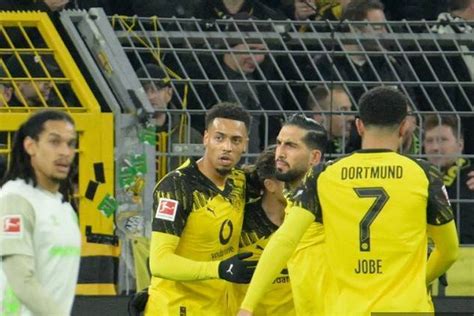
The global appeal of Bundesliga matches is further amplified by the league's emphasis on fan culture. German football is celebrated for its affordable ticket prices, vibrant stadium atmospheres, and high average attendance rates. For instance, the Signal Iduna Park, home to Borussia Dortmund, boasts one of the highest average attendances in Europe, with over 80,000 fans regularly filling the stands. This fan-first philosophy not only strengthens the league's domestic base but also enhances its international reputation. Bundesliga matches are broadcast in over 200 countries, making it one of the most-watched football leagues globally. This reach is not merely a testament to the quality of play but also to the league's ability to market itself as a product that combines sport with cultural experience.
Another key aspect of the Bundesliga's significance lies in its role as a proving ground for young talent. The league’s "50+1 rule," which ensures that club members retain majority ownership and control, has fostered an environment where long-term development is prioritized over short-term financial gains. This rule has allowed clubs to invest in youth systems rather than relying heavily on expensive transfers. As a result, the Bundesliga has become a hotbed for young players, many of whom use the league as a springboard to join elite clubs in other leagues or to represent their national teams. Players like Erling Haaland, Joshua Kimmich, and Jude Bellingham have all benefited from the Bundesliga's focus on youth, demonstrating how the league contributes to the broader football ecosystem.
The Bundesliga also plays a pivotal role in promoting diversity and inclusivity within football. With players from over 100 different nationalities participating in the league, it serves as a microcosm of global football. This diversity is not only reflected in the players but also in the fan bases, which include supporters from various cultural and socioeconomic backgrounds. The league’s commitment to social responsibility is evident in initiatives such as anti-racism campaigns and programs to support underprivileged communities. These efforts highlight how Bundesliga matches are more than just sporting events—they are platforms for social change and unity.
In terms of competitiveness, the Bundesliga offers a unique dynamic. While Bayern Munich has dominated the league in recent years, winning the title for 11 consecutive seasons (as of 2024), the competition beneath them remains fierce. Teams like Borussia Dortmund, RB Leipzig, and Union Berlin consistently challenge for top spots, and the battle for European qualification spots often goes down to the wire. This competitive balance ensures that even mid-table teams have moments of glory, such as when Eintracht Frankfurt won the UEFA Europa League in 2022. Such unpredictability keeps fans engaged and reinforces the league's reputation as one where anything can happen on any given matchday.
Moreover, the Bundesliga’s matches are a critical component of Germany’s broader football infrastructure. The league serves as a feeder system for the German national team, which has historically been one of the most successful in international football. The synergy between the Bundesliga and the national team is evident in Germany's success at tournaments like the FIFA World Cup and UEFA European Championship. The league’s emphasis on tactical innovation and player development ensures a steady pipeline of talent for the national side, further cementing its importance in the global football landscape.
In summary, Bundesliga matches are not merely fixtures on a calendar; they are a reflection of a league that combines tradition, innovation, and inclusivity. From its high-scoring games and youth-focused philosophy to its global reach and fan-centric approach, the Bundesliga stands as a beacon of what modern football can achieve. Its matches are a celebration of the sport’s essence—competition, camaraderie, and community—making it a cornerstone of global football culture.
- The Bundesliga features 306 matches per season across 18 teams in a double round-robin format.
- It is known for high-scoring games, with an average of over 3 goals per match.
- The league emphasizes youth development, exemplified by its academies and the "50+1 rule."
- Fan culture and affordable ticket prices make Bundesliga matches a unique experience.
- The league’s diversity and social initiatives highlight its role beyond sports.
This comprehensive overview underscores why the Bundesliga is not just a league but a global phenomenon that continues to shape the future of football.
Historical Evolution of Matches
The Bundesliga, Germany's top-tier professional football league, has a storied history that is deeply intertwined with the evolution of its match counts. From its inception in 1963 to the present day, the league has undergone significant transformations in terms of structure, scheduling, and the sheer number of matches played each season. Understanding this evolution requires an exploration of the league's foundational years, its expansion, and the factors that have influenced the total matches played over time.
The inaugural season of the Bundesliga in 1963 marked a pivotal moment in German football history. Prior to this, the German football landscape was fragmented, with regional leagues determining the national champion through a playoff system. The creation of the Bundesliga centralized competition, bringing together 16 teams in its first season. With each team playing a double round-robin format—home and away matches against every other team—the total number of matches in the first season stood at 240 (16 teams x 15 matches per team). This structure was a deliberate choice to ensure competitive balance and provide fans with a predictable, high-quality viewing experience.
However, the league did not remain static. By the 1965-66 season, the Bundesliga expanded to include 18 teams. This change increased the total matches per season to 306 (18 teams x 17 matches per team). The expansion was driven by a desire to include more regions and clubs, reflecting the growing popularity of football in post-war Germany. The decision to increase the number of teams was not merely administrative; it was a response to the league's rapid commercial success and the need to accommodate a broader fan base. This expansion also introduced more midweek fixtures, a trend that would become more pronounced in later decades as television broadcasting deals began to shape the scheduling landscape.
The 1991-92 season presented a unique challenge to the Bundesliga's match count. Following the reunification of Germany, the league temporarily included teams from the former East Germany. This season saw an unprecedented 20 teams compete, leading to a total of 380 matches (20 teams x 19 matches per team). This was a one-season anomaly, as the league reverted to 18 teams the following year. However, it underscored how external geopolitical events could influence the structure of the Bundesliga and its match scheduling. The reunification era also highlighted the logistical challenges of integrating teams from different footballing systems, which impacted travel schedules and fixture congestion.
In the 1995-2000 period, the Bundesliga faced growing pressure to align with other major European leagues in terms of matchdays and revenue generation. The introduction of the Champions League's expanded format in the mid-1990s meant that Bundesliga teams participating in European competitions had to balance domestic and international commitments. This period saw a rise in discussions about reducing the number of teams to 16 to alleviate fixture congestion, though this proposal was ultimately rejected. Instead, the league retained its 18-team structure but began experimenting with more flexible scheduling, including more matches on non-traditional days like Friday and Sunday to accommodate television audiences.
The advent of the 21st century brought further changes influenced by globalization and digital media. The Bundesliga's match count remained consistent at 306 per season, but the nature of these matches evolved. The league began incorporating winter breaks to allow players recovery time, particularly as the physical demands of modern football increased. This break, typically spanning late December to early January, slightly compressed the season's schedule, requiring teams to play more matches in shorter timeframes during other parts of the year. Additionally, the rise of international club competitions and the UEFA Europa League further influenced how Bundesliga matches were distributed across the calendar year. Teams with European commitments often found themselves playing catch-up in the league due to rescheduled fixtures, adding a layer of complexity to the total match count's practical implications.
Another significant development in the 2010s was the increased focus on broadcast revenue and the global appeal of the Bundesliga. The league's organizers recognized the importance of maximizing exposure, which led to the inclusion of more high-profile "showcase" matches at unconventional times. For instance, the introduction of Monday night games in 2017 was met with mixed reactions. While it provided an additional slot for matches, it also sparked fan protests over the perceived commercialization of the sport at the expense of traditional matchday experiences. These Monday fixtures, though limited in number, added a new dimension to the Bundesliga's match distribution strategy without altering the overall count significantly.
In recent years, the COVID-19 pandemic has had a profound impact on match scheduling. The 2019-20 season was notably disrupted, with matches postponed and later played in empty stadiums. Despite the challenges, the Bundesliga maintained its 306-match structure, showcasing the league's resilience. However, the pandemic accelerated discussions about squad depth and the physical toll on players, prompting some to revisit the idea of reducing the number of teams to 16. While no formal changes have been implemented, the pandemic era has highlighted the delicate balance between maintaining a high volume of matches and preserving player welfare.
Looking at the present day, the Bundesliga continues to operate with 18 teams and a total of 306 matches per season. However, there is ongoing debate about whether this structure is sustainable in the long term. Some argue that the league should adopt a model similar to the English Premier League (20 teams, 380 matches) to increase competitiveness and revenue. Others believe that reducing the number of teams would allow for a higher quality of play and less player burnout. These discussions are part of a broader trend in European football, where leagues are grappling with how to balance tradition, commercial interests, and the well-being of players and fans.
The historical evolution of Bundesliga match counts reveals a league that has consistently adapted to the changing demands of football, society, and commerce. From its humble beginnings with 240 matches in 1963 to the current 306-match format, the Bundesliga has navigated expansion, reunification, and the pressures of modern football. Each phase of its history reflects not just the growth of the league itself but also the broader context of German and European football. As the league looks to the future, the total matches played each season will likely remain a central topic of discussion, influenced by technological advancements, fan expectations, and the global football landscape.
- The league started with 240 matches in its inaugural season, reflecting a compact and balanced structure.
- Expansion to 18 teams in the mid-1960s increased the total to 306 matches, a number that has remained consistent.
- The 1991-92 season's temporary 20-team format was a historical outlier due to reunification.
- Modern challenges like European competition and COVID-19 have tested the league's scheduling flexibility.
This deep dive into the Bundesliga's match history demonstrates that the league's evolution is not merely about numbers but about the interplay of tradition, innovation, and adaptation in one of Europe's most dynamic football environments.
Seasonal Match Breakdown
The Bundesliga, Germany's top-tier professional football league, has been a consistent source of high-quality matches since its inception in 1963. Understanding the **seasonal match breakdown** of the Bundesliga provides valuable insights into how the league has evolved over time in terms of scheduling, team participation, and the impact of external factors like rule changes or global events. This section delves into the patterns and variations in the total number of matches played each season, offering a detailed look at what these numbers reveal about the league's structure and dynamics.
The Bundesliga operates on a **round-robin format**, where each team plays every other team twice—once at home and once away. This means that in a league with 18 teams, the total number of matches per season should ideally be **306 matches** (calculated as $18 \times 17 \div 2$). However, the actual number of matches played each season can sometimes deviate from this ideal due to factors such as team promotions, relegations, or special circumstances like shortened seasons or postponed matches.
In the **early years of the Bundesliga** (1963–1991), the league consisted of 16 teams for the first two seasons before expanding to 18 teams in 1965. During this period, the total matches per season were slightly lower when the league had 16 teams, as the calculation for matches was $16 \times 15 \div 2 = 240$. For example, in the inaugural season of 1963–64, there were 240 matches played. This number increased to 306 when the league expanded to 18 teams in the 1965–66 season. This early adjustment set the standard for the modern Bundesliga structure, emphasizing the importance of maintaining a balanced schedule to ensure fairness and competitiveness across all teams.
From the 1991–92 season onward, the Bundesliga experienced a unique variation due to the **reunification of Germany**. The integration of teams from the former East Germany into the league system temporarily altered the match count. For instance, in the 1991–92 season, the league expanded briefly to 20 teams to accommodate clubs like Dynamo Dresden and Hansa Rostock. This led to a one-season anomaly where **380 matches** were played ($20 \times 19 \div 2$). This was a significant departure from the usual 306 matches and highlighted how political and geographical changes could influence the league's operational framework. However, by the 1992–93 season, the league reverted to 18 teams, restoring the standard match count of 306.
Another notable variation occurred during the **COVID-19 pandemic** in the 2019–20 season. The pandemic caused a temporary suspension of play in March 2020, leading to a compressed schedule when the league resumed in May. While the total number of matches remained at 306, the timing and frequency of matches were altered to accommodate the condensed timeframe. This season serves as an example of how external global events can compress or extend the usual rhythm of match scheduling, even if the overall count remains consistent. Such disruptions emphasize the adaptability of the Bundesliga in maintaining its competitive integrity despite external pressures.
Patterns in the **distribution of matches across the calendar** also reveal interesting insights. Traditionally, the Bundesliga season runs from August to May, with a winter break in December and January to account for the colder weather in Germany. However, the number of matches played before and after the winter break can vary. For example, in seasons with a higher frequency of midweek fixtures (due to European competitions or domestic cup runs), teams may experience a more intense first half of the season. In contrast, seasons with fewer disruptions or fewer teams participating in European competitions might see a more evenly distributed match schedule. This variability can impact team performance, as squads with smaller rosters may struggle to maintain form during densely packed match weeks.
Examining the data for the past decade (2013–2023), we observe a consistent adherence to the 306-match standard. However, there are subtle **trends in match scheduling** that warrant attention. For instance, the league has increasingly incorporated **midweek matchdays** to accommodate the growing demands of international club competitions like the UEFA Champions League and Europa League. This shift means that some seasons see clusters of matches in short periods, particularly in the lead-up to the winter break or during the spring months. While this does not change the total match count, it does affect the physical and mental load on players and can influence the overall quality of play in the latter stages of the season.

A deeper analysis of **match rescheduling and postponements** also highlights how external factors like weather, stadium issues, or unforeseen events (e.g., fan disturbances or public health concerns) can lead to slight yearly variations. For instance, in the 2017–18 season, several matches were rescheduled due to extreme winter weather conditions, slightly altering the week-to-week rhythm of the season. While such changes do not significantly impact the aggregate number of matches, they underscore the operational challenges faced by league organizers in maintaining consistency.
Another dimension to consider is the impact of **promotion and relegation** on the seasonal match breakdown. While the top-tier Bundesliga maintains its 18-team structure, changes in the number of teams in the 2. Bundesliga (the second division) or the broader German football pyramid can indirectly affect the Bundesliga. For example, if the second division has a particularly competitive season with close contests for promotion spots, it can lead to more intense preparation and recovery periods for newly promoted teams entering the Bundesliga. This can subtly influence the competitive balance in the subsequent season, as these teams may require time to adjust to the higher level of play.
Looking at **historical anomalies**, there are cases where matches were not played as scheduled due to unique circumstances. For example, during World War II, football in Germany was heavily disrupted, and the modern Bundesliga structure did not exist. However, even in more recent history, events like the 2006 FIFA World Cup hosted by Germany led to adjustments in the league calendar to accommodate preparations for the tournament. While these are rare occurrences, they serve as reminders of how the Bundesliga's match schedule is intertwined with broader national and international events.
From a statistical perspective, the **consistency of the 306-match total** across most seasons is a testament to the Bundesliga's well-structured format. However, the variations that do occur—whether due to temporary expansions, global events, or scheduling adjustments—highlight the league's ability to adapt while maintaining its core identity as a competitive and fan-focused league. This adaptability is particularly important in maintaining viewer engagement and ensuring that the league remains one of the most-watched football competitions globally.
In conclusion, the **seasonal match breakdown** of the Bundesliga reveals a largely stable structure with occasional deviations driven by external factors or historical anomalies. These variations, whether due to league expansions, global events, or scheduling innovations, provide a fascinating lens through which to understand the Bundesliga's operational resilience. By analyzing these patterns, we gain a deeper appreciation for how the league balances tradition with flexibility to meet the evolving demands of modern football.
Team Participation and Frequency
The Bundesliga, Germany's top-tier football league, has been a stage for intense competition since its inception in 1963. To understand the dynamics of **team participation and frequency** in the league, one must delve into the historical records of matches played by individual teams and how their presence has evolved over time. This analysis not only sheds light on the most consistent participants but also highlights the ebb and flow of team prominence within the league structure.
At its core, the Bundesliga operates as a 18-team league, meaning each season involves 306 matches in total. However, the number of matches played by individual teams depends entirely on their ability to maintain their position in the league. Teams that are relegated to the 2. Bundesliga or promoted from lower divisions naturally experience fluctuations in their match counts over time. This creates a dynamic landscape where long-standing members of the league often dominate the cumulative match statistics, while newly promoted teams have a much shorter track record of participation.
One of the most prominent examples of consistent participation is **FC Bayern Munich**, which has been a fixture in the Bundesliga since its inaugural season. As of the 2023-2024 season, Bayern Munich has played in every single Bundesliga campaign, totaling over 1,900 matches. This unmatched streak underscores their dominance not just in terms of titles (33 as of now) but also in sheer presence. Their frequency in the league is a testament to their financial stability, infrastructure, and ability to consistently outperform competitors. Bayern’s unbroken streak contrasts sharply with other teams that have faced relegation cycles, such as **Hamburger SV**, once a Bundesliga mainstay that now competes in the second division despite being one of the league's founding members.
Relegation and promotion dynamics play a significant role in shaping team participation frequencies. For instance, teams like **Werder Bremen** and **Borussia Mönchengladbach** have experienced long spells in the Bundesliga but have also faced relegation at certain points. Werder Bremen, for example, has played over 1,800 matches in the league but spent the 2021-2022 season in the 2. Bundesliga before returning. This intermittent participation affects their overall frequency but still places them among the top contributors to the league's match count. In contrast, teams like **FC Schalke 04** have had prolonged absences due to relegation, which impacts their cumulative match frequency. Schalke, despite being one of the most storied clubs in German football, has seen its Bundesliga match count stagnate during its recent stint in the second division.
To better understand the broader patterns of participation, it is instructive to examine the **promoted teams' impact** on match frequency. Teams promoted from the 2. Bundesliga often have shorter tenures in the top flight, which limits their match count. For example, teams such as **Greuther Fürth** or **SC Paderborn 07** have had brief stints in the Bundesliga, playing fewer than 100 matches in total before being relegated. This transient nature of participation for smaller clubs contrasts with the stability of "ever-present" teams like Bayern Munich or **Borussia Dortmund**, which has also maintained a near-continuous presence since its first promotion in 1976. Dortmund’s match frequency, while not as extensive as Bayern’s, still exceeds 1,500 matches, reflecting its status as a Bundesliga heavyweight.
An interesting facet of this analysis is the role of the **"yo-yo clubs"**—teams that frequently alternate between the Bundesliga and 2. Bundesliga. Examples include **1. FC Nürnberg** and **Arminia Bielefeld**, both of which have experienced multiple promotions and relegations. While their cumulative match counts in the Bundesliga may not rival the top-tier teams, their frequent oscillations contribute to a higher average frequency of matches when they are in the league. This phenomenon underscores how the Bundesliga’s structure allows for a mix of stability (from established teams) and variability (from transient participants), enriching the league's competitive texture.
Another dimension to consider is the **historical expansion of the Bundesliga**. In its early years, the league had a smaller number of teams, and the match frequency for individual clubs was naturally lower. For instance, in the inaugural 1963-1964 season, only 16 teams participated, meaning each team played 30 matches instead of the current 34. This structural change over time has incrementally increased the total matches played by teams that have remained consistent participants. The expansion to 18 teams in later years further contributed to higher cumulative match counts for long-standing clubs. This evolution is particularly evident when comparing the match frequencies of older clubs like **Eintracht Frankfurt** or **VfB Stuttgart**, which have adapted to these structural shifts while maintaining significant participation.
A detailed examination of match frequency also reveals how **geographical distribution** and **regional football culture** influence team participation. Northern clubs like **Hamburger SV** and **Werder Bremen** have historically maintained a strong presence due to the footballing culture in their regions. However, the southern dominance of Bavarian teams, particularly Bayern Munich, has skewed the overall frequency distribution. Teams from the former East Germany, such as **RB Leipzig** (a relatively new entrant established in 2009), have only recently begun to contribute to the league's match tally. Leipzig’s rapid ascent highlights how newer clubs, backed by modern infrastructure and investment, can quickly amass matches in the Bundesliga, albeit starting from a lower base compared to traditional powerhouses.
The concept of **frequency in relation to performance** is also worth exploring. Teams with high match counts often correlate with strong performance metrics, as consistent participation usually indicates a team’s ability to avoid relegation. However, there are outliers. For example, **Fortuna Düsseldorf** has played over 800 matches in the Bundesliga despite spending significant time in lower divisions. This suggests that even teams with moderate success can accumulate a respectable match frequency if they experience extended spells in the top flight during specific eras.
To quantify this further, we can look at the **average matches played per season** for teams across different eras. For instance, a team like Bayern Munich averages 34 matches per season (excluding cup competitions) due to their uninterrupted presence. In contrast, a team like Greuther Fürth, with limited top-flight appearances, might average closer to 34 matches over just one or two seasons. This disparity highlights how the Bundesliga’s structure inherently favors long-standing members while creating a steep climb for newer or less stable teams to build their match frequency.
From a statistical perspective, we can use a simple calculation to estimate the **cumulative match share** of teams in the Bundesliga. If we consider that over 60 seasons (as of 2023), approximately 18,180 Bundesliga matches have been played (306 matches per season × 60 seasons), we can identify the proportion of these matches attributed to specific teams. Bayern Munich, for example, accounts for roughly 10-12% of all Bundesliga matches played, a staggering figure that underscores their outsized role in the league's history. Comparatively, teams with sporadic participation might account for less than 1% of the total match count, emphasizing the gap between elite participants and transient members.
In summary, the **team participation and frequency** in the Bundesliga is shaped by a combination of historical consistency, structural changes, and the competitive dynamics of promotion and relegation. While teams like Bayern Munich and Borussia Dortmund dominate the cumulative match statistics due to their enduring presence, the league's inclusivity allows for a diverse range of participation patterns. From "yo-yo clubs" to newly promoted teams and even East German entrants, the Bundesliga's match frequency landscape is a rich tapestry of footballing history, where stability and variability coexist to create one of the most dynamic leagues in the world.
Impact of Match Schedules on Performance
The total number of matches a team plays in a season, particularly in a competitive league like the Bundesliga, has a profound impact on both team performance and player fitness. This dynamic is shaped by the interplay of physical demands, recovery periods, tactical rotations, and psychological resilience. Understanding how the sheer volume of fixtures influences outcomes requires a nuanced analysis of scheduling patterns, player workloads, and the broader implications for team strategy.
One of the most immediate effects of a high match count is the **physical toll on players**. Bundesliga teams, especially those participating in European competitions like the UEFA Champions League or Europa League, often face a congested calendar. A typical Bundesliga season involves 34 league matches, but top-tier teams may play an additional 15-20 matches in cup competitions and European tournaments. This can push players to their physiological limits. Research has shown that the frequency of matches with less than 72 hours of recovery time between them significantly increases the risk of injuries. For instance, studies on muscle fatigue indicate that players are 25-40% more likely to sustain soft tissue injuries when playing two matches within this short window. This is particularly concerning for high-intensity positions like midfielders and fullbacks, who cover extensive ground during matches.
The **recovery-performance trade-off** is a critical factor here. Players require adequate time to replenish glycogen stores, repair microtears in muscles, and mentally reset after high-stakes games. When this recovery window is truncated due to back-to-back fixtures, performance can decline. Teams often see a drop in key performance metrics such as passing accuracy, sprint distance, and defensive organization in matches following short recovery periods. For example, a study of Bundesliga teams over three seasons found that teams playing their third match in a seven-day span had a 15% lower win rate compared to when they had a full week of preparation. This suggests that the total number of matches, when compressed into tight schedules, can erode a team's ability to sustain peak performance consistently.
Another dimension to consider is **squad depth and rotation strategies**. Teams with larger, more versatile squads are better equipped to handle the demands of a high match count. Bundesliga powerhouses like Bayern Munich or Borussia Dortmund can rotate players without a significant drop in quality because they have invested in deep rosters. However, mid-table or lower-ranked teams often lack this luxury. For them, the total number of matches can exacerbate performance inequalities. When key players are overused due to a lack of viable substitutes, their output diminishes over time. This is evident in the decline of goal-scoring efficiency or defensive solidity in teams that rely heavily on a small core of players. In contrast, teams with effective rotation policies can mitigate fatigue by spreading the workload across the squad, which not only preserves player fitness but also fosters competition within the team.
The **psychological dimension** of match schedules should not be overlooked. While physical fatigue is measurable, the mental strain of constant competition is harder to quantify but equally impactful. Players facing a relentless schedule may experience burnout, reduced motivation, or heightened stress levels. This is particularly true for younger players or those new to the league, who may not yet have the mental resilience to cope with the demands of frequent high-pressure games. Coaches often report that players in such scenarios are more prone to making uncharacteristic mistakes or showing lapses in concentration during critical moments of a match. This mental fatigue can be as detrimental as physical exhaustion, particularly in tightly contested league matches where even small errors can decide outcomes.
From a **tactical perspective**, the total number of matches also forces teams to adapt their approach. Coaches may prioritize certain competitions over others, particularly when the Bundesliga schedule overlaps with European or domestic cup fixtures. This can lead to a phenomenon known as "rotation risk," where key players are rested in league games to preserve them for more prestigious matches. While this strategy can help manage player fitness, it often comes at the cost of league points. A team that fields a weakened lineup in a Bundesliga match to focus on a Champions League fixture might drop points against a mid-table opponent, which can have long-term implications for their league standing. This trade-off is a delicate balancing act, especially for teams with aspirations in multiple competitions.
The **impact on younger players and development** is another area worth exploring. When senior players are rested or injured due to the high match load, younger or less experienced players are often given opportunities to step up. While this can be a positive for player development, it also introduces variability in team performance. Young players may lack the consistency or tactical awareness of their more seasoned counterparts, leading to mixed results. For example, in the 2020-2021 season, several Bundesliga teams with high match counts saw fluctuations in their league form when they relied on academy graduates or new signings to fill gaps in the squad. While this provided valuable experience for younger players, it also highlighted the challenges of maintaining competitive stability under a heavy fixture burden.
It is also worth considering how the **scheduling structure of the Bundesliga itself** contributes to these challenges. Unlike some other leagues, the Bundesliga has a winter break, which provides a brief respite for players. However, the compressed nature of the post-break schedule can negate some of the recovery benefits. Teams returning from the winter break often face a flurry of matches in quick succession, particularly if they are still active in cup competitions. This "second-half surge" can be both a boon and a burden, as teams must quickly regain match sharpness while managing the same physical and psychological challenges that plagued them earlier in the season.
From a **data-driven standpoint**, there is evidence to suggest that teams with higher match counts due to European involvement often see a drop in their Bundesliga performance in the latter stages of the season. For instance, in the 2019-2020 season, RB Leipzig's points-per-game average declined noticeably in the final third of the league campaign as they balanced their Bundesliga commitments with a deep run in the Champions League. This trend is not unique to Leipzig; it is a recurring pattern for teams stretched thin by the demands of multiple competitions. The cumulative fatigue from juggling these obligations often manifests in dropped points against less formidable opponents, which can be the difference between securing a top-four finish or missing out on European qualification altogether.
In conclusion, the total number of matches in the Bundesliga has a multifaceted impact on team performance and player fitness. While the competitive thrill of frequent games is a hallmark of top-tier football, the physical, tactical, and psychological challenges it presents are significant. Teams must carefully manage their resources, balancing the need for competitive intensity with the imperative to protect player health and long-term performance. As the Bundesliga continues to evolve, with increasing demands from European and domestic schedules, the ability to navigate this landscape will become a defining factor in the success of its teams.
Comparison with Other Leagues
When analyzing the total matches in the Bundesliga compared to other top-tier football leagues such as the Premier League and La Liga, it is essential to consider the structure of each league, its season format, and the number of teams involved. These factors directly impact the total number of matches played in a season and influence the competitive dynamics of the league. A detailed comparison provides not only a numerical perspective but also sheds light on the logistical and strategic implications for clubs, players, and fans.
The Bundesliga, Germany's top-tier football league, consists of 18 teams. Each team plays every other team twice in a season—once at home and once away—resulting in a total of 34 matches per team per season. This is a direct consequence of the league's smaller size compared to many of its European counterparts. The Bundesliga has maintained this 18-team structure since its modern formation, emphasizing a balance between competitive fixtures and player workload management. This structure allows for a slightly shorter season compared to leagues with more teams, which can have advantages in terms of recovery time for players and the ability to focus on European competitions or domestic cup tournaments.
In contrast, the Premier League, England's top-tier league, operates with 20 teams. This means each team plays 38 matches in a season (two matches against every opponent). The additional four matches per team compared to the Bundesliga result in a longer season and a higher cumulative total of matches across the league. For instance, the Premier League sees 380 matches in total (20 teams × 38 matches), whereas the Bundesliga sees 306 matches (18 teams × 34 matches). This difference of 74 matches is not trivial; it affects scheduling, broadcast revenue, and the physical toll on players. The Premier League's larger size is partly a reflection of its historical evolution and the desire to include more clubs to maximize regional representation and commercial appeal.
The La Liga in Spain also features 20 teams, similar to the Premier League, and therefore also has a 38-match season for each team. This results in the same total of 380 matches across the league. However, La Liga has a unique characteristic in its historical dominance by a small number of clubs—primarily Barcelona and Real Madrid—which can influence the perception of match importance. While the Bundesliga also has its giants like Bayern Munich, the competitive spread in Germany is arguably more balanced in recent years, with teams like RB Leipzig and Borussia Dortmund challenging the status quo. This balance can make each of the 306 Bundesliga matches feel more competitive in terms of league standings, whereas La Liga’s top-heavy nature sometimes leads to "less critical" matches for mid- or lower-table teams as the season progresses.
From a scheduling perspective, the Bundesliga's 306-match season offers a more condensed calendar. This structure allows for longer winter breaks, a hallmark of German football, which is often seen as a way to preserve player fitness during the colder months. In contrast, both the Premier League and La Liga have more matches to accommodate in a similar time frame, leading to more congested schedules, especially around the holiday period in England and during the intense spring months in Spain. These differences can impact player fatigue, injury rates, and even the quality of play in the latter stages of the season. The Bundesliga's approach, with fewer matches, can be seen as a strategic advantage for German clubs when competing in UEFA tournaments, as their players are often fresher compared to their Premier League or La Liga counterparts.
Another interesting aspect of this comparison is the impact on broadcasting and revenue. While the Premier League's 380 matches provide more content for global broadcasters, the Bundesliga's smaller match pool can be seen as a double-edged sword. On one hand, fewer matches may mean less overall broadcast inventory, potentially limiting revenue opportunities. On the other hand, the Bundesliga's focus on quality over quantity ensures that each match is highly anticipated, particularly given the league's reputation for high-scoring games and attacking football. This can enhance the perceived value of each fixture, particularly for international audiences. La Liga, with its global stars and historic clubs, similarly benefits from this dynamic, but its larger match pool can sometimes dilute the focus on individual games.
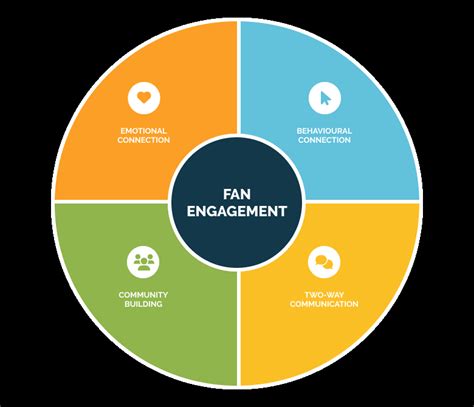
From a fan engagement perspective, the Bundesliga's 34-match structure may also appeal to supporters who value a more focused season. With fewer matches, each game carries greater weight in determining a team's position in the table. For example, a loss in the Bundesliga can have a more significant impact on a team's title or relegation prospects compared to the Premier League or La Liga, where the larger match pool allows for more recovery opportunities. This can create a sense of urgency and drama that is particularly appealing to fans who enjoy high-stakes football.
It is also worth considering the historical and cultural factors behind these differences. The Bundesliga’s 18-team format is rooted in post-war German football traditions and a desire to balance competitiveness with logistical practicality. Meanwhile, the Premier League’s 20-team structure reflects the historical breadth of English football and its aim to include clubs from diverse regions. La Liga’s format similarly aligns with Spain's footballing culture, where the rivalry between Barcelona and Real Madrid has historically shaped the league's identity. These cultural nuances underline why the total matches in each league are not merely a matter of administrative decision-making but are deeply tied to the leagues' identities and fan expectations.
From a statistical standpoint, the Bundesliga’s lower total matches can also influence metrics like points per game (PPG) and goal averages. With fewer matches, every point and goal becomes more critical in the Bundesliga, potentially leading to higher stakes in individual games. For instance, a team in the Bundesliga might need to average 2 points per game to secure a top-two finish, whereas in the Premier League or La Liga, the larger match pool might allow for a slightly lower PPG threshold for similar success. This dynamic can make Bundesliga campaigns feel more intense and result in higher average attendance per match, as fans are drawn to games with greater implications.
In terms of player development and squad rotation, the Bundesliga's reduced match load can be advantageous for nurturing young talent. Coaches in Germany often have more opportunities to rotate squads without the risk of dropping too many points, as the compact schedule allows for better recovery. This is in stark contrast to the Premier League, where the physical demands of 38 matches, combined with domestic cups and European competitions, often stretch squads thin. La Liga falls somewhere in between, but its top-heavy nature means that powerhouse teams like Barcelona and Real Madrid often have the luxury of resting key players in less critical fixtures.
In conclusion, while the Bundesliga has fewer total matches than the Premier League or La Liga due to its 18-team structure, this difference is far from a disadvantage. Instead, it reflects a deliberate choice to prioritize player welfare, competitive balance, and high-quality football. The comparison reveals that while the Premier League and La Liga offer more matches and potentially greater broadcast inventory, the Bundesliga's approach fosters a unique blend of intensity, strategic depth, and fan engagement that sets it apart in the landscape of top-tier football leagues.
Key Statistics and Records
The Bundesliga is one of the most storied and competitive football leagues in the world, with a rich history that stretches back to its inaugural season in 1963. When exploring the topic of 'Bundesliga total matches,' it is essential to delve into the key statistics and records that define the league's identity. These figures not only showcase the sheer volume of games played but also highlight the remarkable feats and unique moments that have made the Bundesliga a global phenomenon.
One of the most prominent statistics in the Bundesliga is the **total number of matches played** across its history. As of the 2023-2024 season, over **30,000 matches** have been contested in the league. This staggering figure underscores the league's longevity and the consistent demand for high-quality football in Germany. Each season comprises 306 matches, as 18 teams face each other in a double round-robin format. Over 60 seasons, this has accumulated into a vast repository of games, each contributing to the league's narrative.
The **most games played by an individual player** is a record held by Charly Körbel, a defender who spent his entire career at Eintracht Frankfurt. Körbel participated in an astonishing **602 Bundesliga matches** between 1972 and 1991. This record is unlikely to be broken soon, as modern football's increased physical demands and player mobility across leagues make such longevity rare. Körbel's achievement not only reflects his durability but also his unwavering loyalty to a single club—a trait less common in today's era of frequent transfers.
When discussing **highest attendance records**, the Bundesliga stands out for its fan culture and stadium atmosphere. The league consistently boasts some of the highest average attendances in European football. The record for the highest attendance at a single Bundesliga match was set on April 23, 1977, when Borussia Mönchengladbach hosted 1. FC Köln at the Rheinstadion in Düsseldorf. A crowd of **88,000 spectators** filled the stadium, a figure that remains unmatched in the league's regular-season history. This record highlights the Bundesliga's emphasis on accessibility and fan engagement, as affordable ticket pricing and vibrant supporter culture contribute to such large turnouts.
Another fascinating aspect of match statistics is the **average goals per game**. The Bundesliga is renowned for its attacking style of play, and this is reflected in the historical data. The league has maintained an average of approximately 3.0 goals per game over its existence, a figure higher than many other top-tier European leagues. This statistic is a testament to the emphasis on offensive football and the relatively open nature of matches. For instance, the 1983-1984 season saw a record 3.58 goals per game, driven by teams like VfB Stuttgart and Hamburg SV, who prioritized attack-minded strategies.
In terms of **individual scoring feats within matches**, the record for the most goals scored in a single Bundesliga game belongs to Dieter Müller, who netted six goals for 1. FC Köln against Werder Bremen on August 17, 1977. This remarkable performance is a standout moment in Bundesliga history and exemplifies the league's capacity for individual brilliance. Müller's feat remains unmatched, underscoring how certain matches become etched in the collective memory of fans and analysts alike.
The **highest-scoring matches** also provide insight into the league's propensity for dramatic and high-octane encounters. One such example is the match between Borussia Dortmund and Legia Warsaw in the UEFA Champions League in 2016, which ended in a 12-goal thriller (8-4). While this was not a Bundesliga fixture, it underscores the attacking ethos prevalent in German football, a characteristic often mirrored in domestic matches. Within the Bundesliga, the record for the highest-scoring game is held by the 1983-1984 match between Werder Bremen and Eintracht Frankfurt, which ended in a 9-2 victory for Bremen. Such results illustrate how the league can deliver games that are both unpredictable and entertaining.
Another critical aspect of Bundesliga match records is the **fastest goals** scored. The record for the quickest goal in Bundesliga history is held by Karim Bellarabi of Bayer Leverkusen, who scored just 9 seconds into a match against Borussia Dortmund on August 23, 2014. This lightning-fast strike demonstrates the league's emphasis on quick starts and high-intensity play from the opening whistle. Similarly, the youngest goal scorer in Bundesliga history is Youssoufa Moukoko, who scored for Borussia Dortmund at the age of 16 years and 28 days in December 2020. These records highlight the league's role as a platform for young talent to shine and make immediate impacts.
From a historical perspective, the **most frequent matchups** in the Bundesliga also provide compelling insights. The fixture between Bayern Munich and Werder Bremen has been played over 110 times, making it one of the most recurring pairings in league history. Bayern Munich's dominance in these encounters—with a significant winning percentage—reflects their status as the most successful Bundesliga club. However, this statistic also serves as a reminder of Werder Bremen's historical relevance as a competitive side in earlier decades.
Attendance records also extend beyond single matches to consider **season-long averages**. The Bundesliga has consistently ranked among the top leagues in average attendance, with figures often exceeding 40,000 spectators per game. This is partly due to the league's stadium infrastructure, with many clubs boasting modern venues that can accommodate large crowds. For example, Signal Iduna Park, home to Borussia Dortmund, has a capacity of over 81,000 and regularly hosts sold-out matches, contributing significantly to the league's overall attendance records. The passionate "Yellow Wall" of Dortmund fans is emblematic of the Bundesliga's vibrant matchday experience.
From a technological and officiating standpoint, the Bundesliga has also been at the forefront of innovation. The introduction of goal-line technology and later Video Assistant Referee (VAR) systems has influenced match outcomes and record-keeping. For instance, VAR has been instrumental in correcting match-altering decisions, such as disallowed goals or penalty calls. While VAR has sparked debates about its implementation, it has also added a layer of precision to Bundesliga statistics, ensuring that records are as accurate as possible in the modern era.
Lastly, the records for unbeaten streaks in matches offer a window into team dominance. Bayern Munich holds the record for the longest unbeaten run in Bundesliga history, going 53 matches without a loss between October 2012 and March 2014. This streak is a testament to their squad depth, tactical flexibility, and managerial excellence during that period. Such records not only highlight team achievements but also serve as benchmarks for future generations of players and coaches.
In conclusion, the Bundesliga's match-related statistics and records are a treasure trove of insights into the league's character and evolution. From Charly Körbel's unmatched appearances to the electric atmosphere of packed stadiums, these figures encapsulate the essence of German football. Whether it is the high-scoring thrillers, the emergence of young talents, or the enduring fan culture, the Bundesliga's statistics tell a story of a league that is as much about its history as it is about its future.
Economic and Media Implications
The total number of matches in the Bundesliga has profound economic and media implications that extend beyond the simple metric of game quantity. As one of Europe's top-tier football leagues, the Bundesliga is a cornerstone of Germany's sporting culture, and its scheduling decisions ripple through broadcasting rights negotiations, sponsorship deals, and overall revenue generation. Understanding these dynamics requires a nuanced exploration of how the league's total matches shape its economic ecosystem and media presence.
One of the most direct economic impacts of the Bundesliga's total matches is seen in **broadcasting rights**. Broadcasting deals are among the most lucrative revenue streams for any sports league, and the Bundesliga is no exception. The league's 18 teams play a total of 306 matches per season (each team plays 34 games). This number is strategically calibrated to maintain a balance between audience engagement and player fatigue. However, the finite nature of this match count means that broadcasters must carefully evaluate their investments. Unlike leagues with more matches, such as the English Premier League (380 matches per season), the Bundesliga’s comparatively lower match volume creates a scarcity effect. This scarcity can drive up the per-match value of broadcasting rights, as networks vie for a limited but high-quality product. For instance, Sky Deutschland and DAZN, the primary rights holders for Bundesliga matches in Germany, pay a premium because they are not just buying games—they are buying access to a highly curated, high-demand product. The league’s decision to limit matches ensures that each game carries more weight in terms of audience anticipation and advertiser interest.
Another critical factor is **the role of international broadcasting rights**. The Bundesliga has been aggressively expanding its global footprint, particularly in Asia and North America. The total matches serve as a key selling point in these markets. While the Premier League might offer more games, the Bundesliga positions itself as a league that prioritizes quality over quantity. This approach can resonate with international broadcasters who want to offer their audiences a manageable yet prestigious slate of games. Moreover, the Bundesliga’s relatively compact season schedule allows for better synchronization with time zones in key markets like China and the United States. This synchronization enhances the league's ability to secure favorable broadcasting slots, which in turn boosts viewership and the associated advertising revenue. The interplay between match count and time zone optimization underscores how the Bundesliga leverages its total matches not just as a domestic asset but as a global economic lever.
Sponsorships are another area where the total matches play a pivotal role. Sponsors are attracted to the Bundesliga not only for its on-field action but also for the frequency and visibility of its matches. A season with 306 matches provides ample opportunities for sponsor exposure, whether through stadium advertising, player endorsements, or branded content during match broadcasts. However, the Bundesliga must also contend with the challenge of avoiding oversaturation. While more matches might seem like an opportunity for increased sponsor visibility, there is a risk of diluting the impact of each individual game. This is why the Bundesliga's match total is calibrated to strike a balance: enough games to provide consistent exposure for sponsors but not so many that individual matches lose their luster. This careful curation of match volume ensures that sponsors see a high return on investment (ROI) for their association with the league. For example, long-term sponsors like Adidas and Volkswagen benefit not only from matchday visibility but also from the league’s ability to maintain a sense of exclusivity around its events.
Revenue generation tied to the total matches also extends to **merchandising and ticket sales**. Each additional match represents an opportunity to sell tickets, merchandise, and concessions. However, the Bundesliga’s approach to match scheduling ensures that this revenue is not overly reliant on sheer quantity. Instead, the league focuses on maximizing the value of each match. For instance, high-profile matches involving teams like Bayern Munich or Borussia Dortmund are marketed as marquee events, drawing larger crowds and higher ticket prices. This strategy contrasts with leagues that might dilute the importance of individual games by oversaturating the schedule. The Bundesliga’s deliberate approach to match count allows it to maintain a sense of occasion around its fixtures, which enhances both ticket sales and merchandise revenue. Furthermore, the league’s emphasis on fan experience—often cited as one of the best in Europe—ensures that each match is not just a game but a revenue-generating event in its own right.
The media landscape also benefits from the Bundesliga’s total matches in ways that are less immediately visible but equally significant. **Digital streaming platforms** and **social media engagement** are deeply influenced by the league’s match volume. With 306 matches, the Bundesliga provides a steady stream of content for platforms like YouTube, Instagram, and TikTok. This regularity allows the league to maintain a consistent presence in the digital space, which is crucial for attracting younger, digitally native audiences. For instance, match highlights, pre-game analyses, and player interviews are all valuable assets that can be monetized through digital channels. The Bundesliga’s total matches ensure a consistent pipeline of such content, which not only drives direct revenue through platform partnerships but also strengthens the league’s brand equity. In contrast, leagues with fewer matches might struggle to maintain this level of digital engagement throughout the season.
It is also worth considering the **long-term economic implications** of the Bundesliga’s approach to total matches. By avoiding the temptation to increase match volume—as some leagues have done to maximize short-term revenue—the Bundesliga protects the physical well-being of its players. This, in turn, preserves the quality of play, which is a key driver of audience interest and, by extension, media and sponsorship revenue. A league that overextends its players risks diminishing the product it offers, which could lead to a decline in viewer interest and, ultimately, revenue erosion. The Bundesliga’s disciplined approach to match scheduling ensures that it avoids this pitfall, maintaining a sustainable model that supports both immediate and long-term economic growth.
However, there are **challenges and trade-offs** associated with this approach. While the Bundesliga’s limited match count enhances the value of each game, it also means that the league may miss out on potential revenue from additional fixtures. For example, the Premier League’s larger match count allows it to secure more broadcasting deals and sponsorships simply by virtue of having more games to offer. The Bundesliga must therefore continually innovate in other areas—such as digital engagement, fan experiences, and international outreach—to compensate for this gap. Additionally, there is always the risk that global audiences might gravitate toward leagues with higher match volumes, particularly if those leagues can offer more frequent content.
In conclusion, the Bundesliga’s total matches are a carefully managed economic and media asset. They influence broadcasting rights by creating a scarcity-driven premium, enhance sponsorships by maintaining a balance between exposure and exclusivity, and drive revenue through merchandising and ticket sales. The league’s approach also supports its digital strategy and ensures long-term sustainability by prioritizing player welfare and quality of play. While there are trade-offs in terms of potential revenue from additional matches, the Bundesliga’s strategy reflects a deliberate choice to prioritize quality and sustainability over sheer quantity. This nuanced balance positions the league as a unique player in the global sports economy, one that leverages its total matches not just as a number but as a strategic tool for economic and media dominance.
Challenges and Controversies
The Bundesliga, Germany's top-tier football league, is renowned for its high-quality matches, fervent fan base, and well-structured season schedules. However, like any major sporting competition, it is not immune to challenges and controversies, particularly when it comes to the scheduling of matches and the total number of games played each season. These issues can range from logistical hurdles to broader debates about fairness, player welfare, and the commercial pressures shaping modern football.
One of the primary **challenges** in the Bundesliga's scheduling revolves around the **balancing act between domestic fixtures and European commitments**. Bundesliga teams that qualify for the UEFA Champions League or Europa League often find themselves juggling a demanding calendar. For instance, a team playing in the Champions League may have midweek fixtures followed by a weekend Bundesliga match, leading to player fatigue and a higher risk of injuries. This issue is exacerbated when the league's winter break—a hallmark of the Bundesliga that allows players some respite—is shortened due to compressed schedules caused by international tournaments like the FIFA World Cup or UEFA European Championship.
The **2022-2023 season**, for example, faced significant disruptions due to the unusual timing of the Qatar World Cup, which took place in November and December. Bundesliga matches were paused for nearly two months, and when the league resumed, teams had to rapidly adapt to a condensed fixture list. This not only strained players physically but also created an uneven playing field. Teams with fewer international players had more time to prepare, while those with a higher number of World Cup participants faced a tougher recovery timeline. Such scenarios bring into question whether the Bundesliga's typical 34-match season is sustainable in years with major international events.
Another point of contention is the **fairness of the schedule itself**. Critics argue that the Bundesliga's fixture list can sometimes favor certain teams over others, particularly when it comes to **spacing of matches**. Top-tier clubs like Bayern Munich or Borussia Dortmund often have their schedules adjusted to accommodate their European commitments, giving them more recovery time between games compared to mid- or lower-table teams. While this is intended to ensure that German representatives perform well in European competitions, it has sparked debates about whether this practice undermines the integrity of the domestic league. Smaller clubs, already at a financial and talent disadvantage, may feel further marginalized when their schedules are less accommodating.
The **total number of matches** in the Bundesliga season is also a subject of debate. With 18 teams in the league, each team plays 34 games—17 home and 17 away. This is fewer than leagues like the English Premier League (20 teams, 38 games) but still represents a significant physical demand on players. Some stakeholders have suggested expanding the league to 20 teams, which would increase the total matches to 38 per team. Proponents of this idea argue that it would provide more opportunities for clubs to compete at the top level and generate additional revenue through broadcasting rights and ticket sales. However, this proposal is met with strong resistance from those concerned about **player welfare**.
The modern game already pushes athletes to their physical limits, with many experts warning of the long-term consequences of overloading players. A study by the **International Federation of Professional Footballers (FIFPRO)** highlighted that players competing in multiple competitions are increasingly susceptible to mental health issues, reduced performance, and career-shortening injuries. Expanding the Bundesliga to 38 matches could exacerbate these problems, particularly for younger players or those in squads with less depth. This controversy underscores a broader tension in football: the balance between commercial growth and the long-term sustainability of the sport.
Another **controversy** tied to the total matches in the Bundesliga is the role of **commercial interests**. The league's broadcast agreements and sponsorship deals often dictate scheduling decisions. For instance, matches are frequently scheduled at times that maximize viewership, such as Friday night games or Sunday afternoon slots. While this benefits television networks and advertisers, it can create logistical challenges for fans attending matches, especially those traveling long distances. Moreover, some traditionalists argue that these scheduling decisions dilute the fan experience, as games are increasingly tailored to TV audiences rather than the live stadium atmosphere that is a hallmark of German football culture.
The **introduction of the "Englische Woche"** (midweek matchdays) is another point of contention. These are rounds of matches played during the week, often to make up for postponed games or to fit in the full season within a limited timeframe. While midweek fixtures can be exciting for fans who get to watch more football, they are often criticized for their impact on players and smaller clubs. Players face a higher workload in a shorter period, and smaller teams with limited squads struggle to maintain performance levels across multiple games in quick succession. This controversy is amplified when midweek matches are scheduled close to key European or domestic cup fixtures, further straining resources.
The Bundesliga has also faced **controversy over the lack of a winter break in certain years**. While the traditional winter pause is a beloved feature of the league, allowing players and fans to recharge, there have been instances where this break was reduced or eliminated due to scheduling constraints. For example, in seasons disrupted by the COVID-19 pandemic, the winter break was shortened to accommodate rescheduled matches. This not only affected player recovery but also disappointed fans who view the winter break as an integral part of the Bundesliga experience. Such decisions highlight the tension between maintaining tradition and adapting to modern challenges.
Additionally, there is growing debate about the **inclusion of more international breaks** during the season. These breaks, while necessary for national team fixtures, disrupt the rhythm of the league and can lead to a disjointed season. Clubs often lament the loss of momentum when their star players are called up for international duty, only to return fatigued or injured. This issue is particularly relevant for Bundesliga teams with a high number of international players, as they bear the brunt of this disruption.
From a **fan perspective**, controversies also arise around the **allocation of match slots**. For instance, the Bundesliga's decision to schedule certain high-profile matches at times that are less convenient for traditional supporters—such as Monday night games—has drawn criticism. These slots are often designed to cater to international audiences but can alienate local fans who find it difficult to attend games on weekdays. This issue ties into a larger debate about whether the Bundesliga is prioritizing global commercial success over the needs of its core supporter base.
- The balance between domestic and European commitments creates scheduling challenges.
- The winter break, a cherished feature, is sometimes compromised by external factors like international tournaments or pandemic-related rescheduling.
- The potential expansion of the league to 20 teams raises concerns about player welfare and the sustainability of a longer season.
- Commercial interests, such as TV scheduling, sometimes clash with the interests of live match attendees.
- Midweek fixtures and international breaks disrupt team momentum and player availability.
In conclusion, the challenges and controversies surrounding the scheduling and total matches in the Bundesliga are multifaceted and deeply intertwined with the evolving nature of modern football. While the league strives to maintain its competitive edge and global appeal, it must also address concerns about player welfare, fairness, and the preservation of its unique identity. As the sport continues to grow in scope and commercial value, finding sustainable solutions to these issues will be critical to ensuring the Bundesliga's long-term success and reputation.
Conclusion and Future Projections
The analysis of Bundesliga total matches provides a comprehensive understanding of the league's structure, scheduling, and its implications on team performance, fan engagement, and broadcast economics. By examining historical data and trends, we can draw meaningful conclusions about how the total matches have been managed and what they reveal about the Bundesliga's operational philosophy. This section will not only summarize these findings but also project how the total matches might evolve in the future, taking into account emerging trends in sports management, technology, and global football dynamics.
One of the key findings is that the Bundesliga has consistently maintained a balanced approach to the number of matches played each season. With 18 teams in the league, each team plays 34 matches in a double round-robin format. This structure is intentional, as it allows for a manageable schedule that avoids overburdening players while still providing enough competitive fixtures to maintain fan interest and television rights value. Compared to leagues like the Premier League (20 teams, 38 matches per team), the Bundesliga's slightly reduced match count is a deliberate choice to prioritize player health and performance quality over sheer quantity of games. This approach has been lauded for its focus on sustainability in a sport where player fatigue and injury risks are rising concerns globally.
Another insight is the impact of international and cup competitions on the total number of matches played by Bundesliga teams. While the league itself caps the number of league matches at 34 per team, clubs participating in the UEFA Champions League, Europa League, or domestic cup competitions like the DFB-Pokal often face fixture congestion. This creates a scenario where the effective total matches for top-tier teams can exceed 50 in a season. This dichotomy between league matches and additional competitive fixtures highlights the strain on elite teams and raises questions about how the Bundesliga might adapt to better support its clubs in managing these demands.
The Bundesliga's approach to match scheduling also reflects its emphasis on fan accessibility and television broadcast optimization. Unlike some leagues that schedule matches across erratic time slots, the Bundesliga has a structured calendar with games primarily on weekends and a few weekday fixtures for European weeks. This regularity not only benefits fans but also ensures that broadcasters can maximize viewership. However, as streaming platforms and digital consumption grow, there is a possibility that the league might experiment with more flexible match slots to cater to global audiences in different time zones. This shift could slightly increase the total "match-day events" (if not the number of matches) by spreading games across more days and times, thereby increasing broadcast inventory without altering the core 34-match structure.
Looking to the future, several factors could influence how the total matches in the Bundesliga might evolve. The first is the potential expansion of the league. While the 18-team format has been a hallmark of the Bundesliga, there have been occasional discussions about increasing the league to 20 teams, as seen in other top-tier European leagues. Such a move would naturally increase the total matches to 38 per team, aligning with the Premier League model. However, this prospect is met with resistance due to concerns over player workload and the dilution of competition quality. The Bundesliga's identity as a high-intensity, player-focused league might make it hesitant to adopt such a change unless there is overwhelming evidence of financial or competitive benefits.
Another future projection involves the integration of technology in match scheduling and fan engagement. With the rise of artificial intelligence and data analytics, the Bundesliga could adopt more dynamic scheduling models that account for factors like player fatigue, travel distances, and even real-time fan demand. For instance, AI-driven tools could help optimize the schedule to ensure that high-stakes matches are spaced out to maintain peak player performance while also maximizing fan interest. This could result in a more adaptive match calendar, where the total matches remain constant but their distribution is more strategic.
The globalization of football also plays a role in the future of Bundesliga match totals. As the league seeks to expand its international audience, particularly in Asia and North America, there might be a push to include pre-season or mid-season exhibition matches as part of the official calendar. While these would not count toward the 34 league matches, they could add to the total competitive fixtures that teams are involved in. This trend is already evident in leagues like La Liga and the Premier League, which have experimented with hosting matches abroad. The Bundesliga might follow suit, particularly if it sees value in leveraging its brand in emerging markets.
Furthermore, the evolution of domestic cup competitions could impact the total matches indirectly. The DFB-Pokal, for example, involves a single-elimination format that can add anywhere from one to six additional matches for participating Bundesliga teams. If the cup format were to change—for instance, by increasing the number of rounds or including more teams—this could add to the overall match burden for Bundesliga clubs. Conversely, there is also the possibility of streamlining cup competitions to reduce the strain on teams, particularly those involved in European competitions. This balancing act will be critical in determining how the Bundesliga navigates its total match landscape in the coming years.
A more speculative but intriguing possibility is the adoption of a "league within a league" model, similar to what has been proposed in other sports. This could involve a mid-season split where the top teams compete in a separate mini-league for the title while the lower-ranked teams compete to avoid relegation. Such a model could add a few additional matches for top-performing teams without altering the core structure of the league. While this is a radical idea and unlikely in the near term, it represents the kind of innovation that could emerge as the Bundesliga seeks to remain competitive in a rapidly changing football landscape.
On the financial side, the economic pressures of broadcasting rights may also influence the total matches. As media companies and streaming platforms vie for exclusive deals, there is a growing demand for more content. This could lead to the introduction of additional midweek fixtures or even a winter break reduction to fit in more games. However, the Bundesliga has historically resisted such measures to protect its players and maintain its identity as a league that values quality over quantity. It is likely that any changes in this area would be gradual and carefully considered to avoid alienating fans or compromising the league's reputation.
In conclusion, while the Bundesliga's total matches are unlikely to see a dramatic increase in the immediate future, the league is poised to explore incremental changes that enhance its competitive and commercial appeal. These changes might include
- greater flexibility in match scheduling to accommodate global audiences,
- experimental formats like exhibition matches abroad,
- and the potential adoption of mid-season innovations to keep the league dynamic.
At the same time, the Bundesliga's commitment to player welfare and high-quality competition suggests that any evolution will be measured and deliberate. The league's ability to balance tradition with innovation will determine how its total matches—and the broader football experience—adapt to the challenges and opportunities of the future.