Introduction to the UEFA Champions League
The UEFA Champions League is not merely a tournament; it is a spectacle that encapsulates the pinnacle of club football. This annual competition, organized by the Union of European Football Associations (UEFA), brings together the best teams from across Europe in a battle for supremacy. Its history is deeply intertwined with the evolution of football itself, reflecting the sport's growth from regional rivalries to a global phenomenon. To understand the significance of the Champions League winners by year, one must first delve into the origins and purpose of this iconic competition.
The tournament traces its roots to the **European Champion Clubs' Cup**, established in **1955**. This competition was conceived as a way to determine the best football club in Europe, inspired by the success of the South American equivalent, the Copa Libertadores. The idea was proposed by the French sports journalist **Gabriel Hanot**, who envisioned a pan-European competition that would showcase the continent's top clubs. Initially, participation was limited to teams that had won their domestic leagues, emphasizing the elite nature of the event. This exclusivity laid the foundation for what would become the modern Champions League, an arena where legends are born and dynasties are forged.
The inaugural season saw **16 teams** compete, with **Real Madrid** emerging as the first champions after defeating **Stade de Reims** in the final. This victory was not just a win for Real Madrid but a statement about the burgeoning importance of European club football. In the years that followed, Real Madrid dominated the early era of the competition, winning the first five editions (1956–1960). This era cemented the tournament's reputation as a stage for greatness and set the tone for future generations of players and fans to view it as the ultimate prize in club football.
The tournament underwent several transformations over the decades. By the **1990s**, the landscape of European football had changed significantly. The increasing commercialization of the sport, coupled with the advent of satellite television and global broadcasting, demanded a competition that could capture a wider audience. In **1992**, the European Champion Clubs' Cup was rebranded as the **UEFA Champions League**. This change was not merely cosmetic; it marked a shift toward inclusivity and marketability. The competition expanded to include not just league champions but also other high-performing teams from top-ranked leagues, creating a more dynamic and competitive field. This evolution mirrored the broader globalization of football, where clubs were no longer just local entities but global brands.
The significance of the Champions League in global football cannot be overstated. For players, it is a platform to etch their names into history. Legends like **Cristiano Ronaldo**, **Lionel Messi**, and **Zinedine Zidane** have used this stage to showcase their unparalleled talent. For clubs, it is a chance to assert dominance not just within their domestic leagues but on the continental and global stage. Winning the Champions League often serves as a validation of a club's strategy, investment, and philosophy. For instance, the repeated successes of clubs like **Barcelona** in the late 2000s and **Bayern Munich** in the 2010s highlighted their ability to blend tactical innovation with player development.
The tournament's format has also played a role in its allure. Unlike domestic leagues, where consistency over a season determines the champion, the Champions League is a test of adaptability and resilience. The group stage followed by knockout rounds introduces an element of unpredictability. A single mistake in a knockout match can end a campaign, while an inspired performance can turn an underdog into a giant-killer. This dynamic has produced some of the most memorable moments in football history, such as **Liverpool's comeback against AC Milan** in the 2005 final or **Manchester United's last-minute victory** over Bayern Munich in 1999. These moments underscore the tournament's ability to deliver high drama and emotional intensity, making it a cultural touchstone for fans worldwide.
The Champions League also holds a unique place in the global football ecosystem due to its economic impact. The prize money, television rights, and sponsorship deals associated with the competition generate billions of dollars annually. This financial windfall not only benefits the participating clubs but also has a ripple effect on the sport as a whole. Smaller clubs that qualify for the tournament often use the revenue to invest in infrastructure, youth academies, and player acquisitions, thereby improving the overall quality of football in their regions. This economic dimension has turned the Champions League into a driver of football's commercial growth, fueling its status as the most prestigious club competition in the world.
From a cultural perspective, the Champions League has become a unifying force. Its anthem, composed by **Tony Britten** and inspired by George Frideric Handel's Zadok the Priest, is instantly recognizable and evokes a sense of occasion. The tournament's global reach means that fans from different continents tune in to watch matches, creating a shared experience that transcends borders. For many, the Champions League is not just about supporting their team but about being part of a larger community of football enthusiasts who appreciate the artistry and drama of the game.
The history of Champions League winners by year is a chronicle of football's evolution. It tells the story of how the sport has adapted to changing times, from the dominance of a few elite clubs in its early years to the more competitive and diverse landscape of today. Each year's winner adds a new chapter to this story, reflecting the shifting dynamics of power, strategy, and talent in European football. For instance, the recent successes of **English clubs** like Liverpool and Chelsea in the 2010s and 2020s highlight the growing influence of the Premier League as a breeding ground for competitive teams.
In summary, the UEFA Champions League is more than a tournament; it is a celebration of football's rich tapestry. Its inception as a modest idea to crown Europe's best has grown into a global event that shapes the sport's narrative. The tournament's winners by year are not just names on a trophy but symbols of excellence, innovation, and the relentless pursuit of greatness. As we explore the history of its champions, we uncover not just the stories of matches and players but the very essence of what makes football the world's most beloved sport.
- The tournament began in 1955 as the European Champion Clubs' Cup.
- It was rebranded as the UEFA Champions League in 1992 to adapt to modern football's demands.
- The competition has grown from 16 teams to a broader, more inclusive format.
- It serves as a platform for players, clubs, and even leagues to achieve global recognition.
This deep-rooted history and its ongoing evolution make the Champions League a subject of fascination for both casual fans and avid followers of the beautiful game.
Overview of the Tournament Format
The UEFA Champions League, widely regarded as the pinnacle of club football, has undergone significant changes in its format since its inception. Understanding how the tournament structure has evolved provides valuable insight into how the competition has adapted to the growing demands of modern football, the increasing number of participating teams, and the commercialization of the sport. This section delves into the key milestones and transformations in the Champions League format over the years.
The tournament began in 1955 as the European Cup, a straightforward knockout competition involving only the champions of domestic leagues across Europe. The format was simple: teams were drawn against each other in two-legged ties, progressing through rounds until a final match determined the champion. This initial structure was exclusive, with only one team per country allowed to participate—the league winner. This exclusivity created a highly competitive environment but limited the scope of the tournament. For instance, powerhouse clubs like Real Madrid, who dominated the early years by winning the first five editions (1956–1960), had a relatively small pool of competitors to face.
The tournament's first major evolution came in the 1990s, driven by the need to accommodate more teams and increase revenue. In 1991, the competition introduced a group stage for the first time. This was a watershed moment, as it allowed multiple teams from the same country to participate if they met specific UEFA coefficient criteria. This change acknowledged the growing strength of certain leagues, such as the English Premier League, La Liga, and Serie A, which often fielded multiple competitive teams. The group stage consisted of eight groups of four teams each, with the top two in each group advancing to the knockout stages. This format not only extended the duration of the tournament but also provided more matches, which were crucial for television rights and sponsorships.
The rebranding of the European Cup to the Champions League in 1992 marked a significant shift in identity and scope. While the name change was largely symbolic, it signaled UEFA's intent to position the tournament as a global spectacle. The inclusion of runner-up teams from top-ranked leagues in the mid-1990s further expanded the participant pool. This was a controversial move at the time, as traditionalists argued it diluted the prestige of being a "champion" in the competition. However, from a practical standpoint, it allowed UEFA to feature more high-profile clubs, which in turn boosted the tournament's commercial appeal.
Another critical evolution occurred in 1999 when the group stage was expanded to 32 teams. This change was partly a response to the increasing number of competitive clubs emerging across Europe and the desire to give more nations representation. The expansion meant that even teams finishing third or fourth in strong domestic leagues could enter the competition through qualifying rounds. This was accompanied by a more complex seeding system to ensure that the group stage featured a mix of strong and weaker teams, theoretically increasing the unpredictability of matchups. However, critics pointed out that this often resulted in "groups of death," where multiple strong teams were pitted against each other early on, potentially eliminating top clubs prematurely.
The financial aspect of the Champions League cannot be ignored when discussing format changes. The tournament's revenue model has heavily influenced its structure. For instance, the introduction of a second group stage in the 1999–2000 season was designed to maximize the number of games played by top teams. This second group stage, which replaced the quarterfinals, saw 16 teams divided into four groups, with the top two from each group advancing to the semifinals. While this added more matches and revenue, it also extended the tournament's length and increased player fatigue. By 2003, this format was abandoned in favor of a single group stage followed by a straightforward knockout phase, which is the structure still used today. This change was widely welcomed as it streamlined the competition and maintained its intensity.
One of the more recent and controversial changes to the Champions League format occurred in 2024, with UEFA announcing a new "Swiss model" for the group stage. Starting in the 2024–2025 season, the tournament will feature 36 teams instead of 32, with each team playing eight matches in a league-style table rather than fixed groups. This change is aimed at addressing concerns about predictability and giving more opportunities to mid-tier clubs. However, it has sparked debate about whether this dilutes the competitive nature of the tournament or caters too much to commercial interests. The "Swiss model" also introduces a more dynamic qualification pathway, where performance in the league stage can influence a team's progression, adding an element of fluidity previously unseen in the competition.
Throughout its history, the Champions League has also adapted to geopolitical and logistical challenges. For example, during the COVID-19 pandemic in 2020, the tournament was forced to adopt a single-leg format for the quarterfinals and semifinals, hosted in a neutral venue in Lisbon. While this was a temporary measure, it demonstrated UEFA's ability to innovate under pressure and highlighted how flexible the tournament format could be when necessary.
Another aspect of format evolution is the introduction of the away goals rule in the 1965–1966 season. This rule, which gave an advantage to teams scoring more away goals in a tied aggregate score, became a defining feature of the knockout stages. It often led to dramatic finishes, with teams strategically playing for away goals. However, in 2021, UEFA abolished this rule, citing changing dynamics in modern football, such as reduced home-field advantage due to neutral crowds during the pandemic. The removal of the away goals rule has shifted the tactical approach of teams in two-legged ties, making matches more open and less reliant on defensive strategies.
The inclusion of wildcard entries and play-in rounds for teams from smaller leagues is another evolution worth noting. While the primary focus of the Champions League remains on elite clubs, UEFA has made efforts to ensure that clubs from less dominant footballing nations have a pathway to participate. This has often taken the form of preliminary qualifying rounds, which, while grueling for smaller clubs, offer them a chance to compete on the European stage.
- The early years of the European Cup were characterized by simplicity and exclusivity, focusing solely on domestic champions.
- The 1990s saw the introduction of group stages and multiple team entries from stronger leagues, broadening the competition's appeal.
- The 32-team group stage, introduced in 1999, remains the backbone of the modern Champions League format.
- Recent changes, such as the Swiss model and the removal of the away goals rule, reflect UEFA's ongoing efforts to balance tradition with innovation.
In summary, the Champions League format has evolved from a modest knockout competition to a sprawling, multi-stage tournament that blends tradition with commercial pragmatism. Each change reflects the broader trends in global football, from the rise of television revenues to the need for inclusivity and competitive balance. While purists may lament some of the shifts, the tournament's ability to adapt has ensured its place as one of the most watched and celebrated sporting events in the world.
The Early Years: 1956–1970
The early years of the UEFA Champions League, then known as the European Cup, were a time of exploration and establishment for European club football. From its inception in 1956 to 1970, the tournament saw the rise of some of the continent’s most iconic clubs, setting the stage for what would become a globally revered competition. This period was marked by the dominance of a few clubs, particularly from Western Europe, who not only won multiple titles but also defined the early identity of the competition.
The European Cup was launched in the 1955–56 season as a brainchild of the French sports newspaper L'Équipe. The inaugural edition was won by **Real Madrid**, a club that would go on to establish an unparalleled dominance in the early years of the tournament. Led by players like **Alfredo Di Stefano** and **Ferenc Puskas**, Real Madrid won the first five European Cups (1956–1960), an achievement that remains unmatched in the history of the competition. Their 4–3 victory over Stade de Reims in the first final set the tone for their supremacy. This dominance was not merely about individual brilliance but also reflected Real Madrid’s organizational structure and the allure of their playing style, which captivated audiences across Europe.
The early format of the European Cup was straightforward: it was a straight knockout tournament involving the champions of each country’s domestic league. This simplicity allowed for a clear narrative of club superiority. Real Madrid’s early success also coincided with their ability to leverage their status as a symbol of post-war recovery in Spain. Their victories were not just sporting achievements but also symbolic of national pride and resilience, which added a layer of significance to their dominance.
In 1961, the streak was finally broken by **Benfica**, a Portuguese club that introduced a new dimension to the competition. Under the guidance of their manager **Bela Guttmann** and the brilliance of a young **Eusebio**, Benfica defeated Barcelona in the final to claim their first title. This win was significant because it marked the first time a club outside of Spain had lifted the trophy. Benfica went on to defend their title in 1962, beating Real Madrid 5–3 in a thrilling final. This period highlighted the emergence of clubs from smaller footballing nations challenging the established giants, though it was short-lived as Real Madrid reclaimed the title in 1966.
The 1960s also saw the rise of **Inter Milan**, who represented the tactical evolution of European football during this era. Managed by **Helenio Herrera**, Inter Milan embraced the **catenaccio** system—a highly defensive style of play focused on counterattacks. This approach brought them European Cup victories in 1964 and 1965. Their success underlined how tactical innovation could overcome the flair-based dominance of earlier winners like Real Madrid. Inter’s victories were also a testament to the growing competitiveness of the tournament, as clubs began to adapt their strategies to counter the attacking brilliance of previous champions.
Another noteworthy aspect of this era was the **geographical concentration of winners**. Between 1956 and 1970, the European Cup was won exclusively by clubs from Western and Southern Europe. This regional dominance can be attributed to several factors. First, the economic conditions in these regions allowed for better infrastructure and investment in football. Second, the political climate in Eastern Europe during the Cold War often limited the ability of clubs from behind the Iron Curtain to compete on equal footing, despite having talented players. For instance, clubs like **Dynamo Kyiv** and **Red Star Belgrade** had skilled squads but were often hampered by travel restrictions and limited exposure to high-level competition.
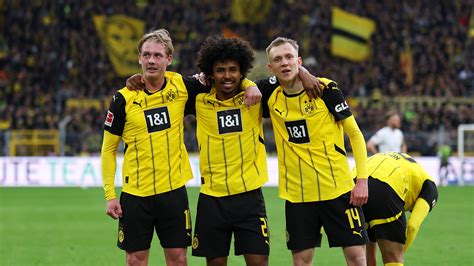
A closer look at the list of winners during this period reveals a pattern of **club-specific eras**. After Real Madrid's initial five-year reign, no club managed to win more than two consecutive titles. This suggests that while certain clubs established early dominance, the competition was becoming more unpredictable as other teams adapted and improved. For example, **Celtic**’s victory in 1967 was a landmark moment. The Scottish club, nicknamed the **Lisbon Lions**, became the first British team to win the European Cup. Their victory over Inter Milan in the final was particularly notable because it represented a triumph of attacking, free-flowing football over the defensive catenaccio style.
The 1968 final saw **Manchester United** become the first English team to win the European Cup, defeating Benfica 4–1 in extra time. This victory came a decade after the Munich air disaster, which had devastated the club and claimed the lives of several players. The win was not just a sporting achievement but also an emotional milestone for the club and its fans, symbolizing resilience and rebirth. This victory also marked the beginning of England’s growing influence in the European Cup during the late 1960s and early 1970s.
During this period, the European Cup was also characterized by **the lack of parity** among participating clubs. While some teams like Real Madrid, Benfica, and Inter Milan were consistent contenders, many others struggled to make a significant impact. This was partly due to the limited number of participants—only league champions were allowed to compete—and the absence of a group stage format, which meant that a single bad performance could end a team’s campaign. However, this exclusivity also added to the prestige of the tournament, as each match carried high stakes.
The early years of the European Cup were also defined by **the emergence of star players** who became synonymous with the competition. Players like **Eusebio**, **Di Stefano**, and **Sandor Kocsis** showcased skills that captivated audiences and elevated the tournament’s profile. Their performances not only contributed to their clubs’ successes but also helped establish the European Cup as a stage for individual excellence.
From a broader perspective, the period from 1956 to 1970 can be seen as a **foundation era** for the Champions League. The dominance of a few clubs laid the groundwork for future rivalries and narratives. Real Madrid’s early success created a legacy that the club continues to uphold, while the breakthroughs of Benfica, Inter Milan, Celtic, and Manchester United demonstrated that the competition was not limited to a single region or style of play. This era also set the stage for the gradual expansion of the tournament in later decades, as more nations and clubs sought to participate in what had become Europe’s premier club competition.
- Real Madrid’s five consecutive wins established them as the competition’s first dominant force.
- Benfica and Inter Milan introduced new tactical and regional dimensions to the tournament.
- The geographical concentration of winners highlighted the economic and political disparities of the time.
- Celtic and Manchester United’s victories signaled the growing diversity of European champions.
In summary, the early years of the European Cup were characterized by the emergence of iconic clubs, the dominance of a few, and the gradual broadening of competition. While the tournament was initially a stage for the brilliance of Real Madrid, it soon became a battleground for tactical innovation, regional representation, and the pursuit of glory by clubs from diverse footballing traditions. This period laid the foundation for the modern Champions League, where history and legacy continue to shape the narrative of the competition.
The Rise of European Giants: 1971–1990
The period from 1971 to 1990 in the history of the European Cup (later rebranded as the UEFA Champions League) was a transformative era that saw the establishment of several football clubs as European giants. This era was marked by the dominance of clubs like Liverpool, AC Milan, and Bayern Munich, who not only won multiple titles but also laid the foundations of their enduring legacies. Their success was not merely a product of talent but also of strategic innovation, cultural alignment, and the emergence of iconic figures both on and off the pitch.
Liverpool's ascent during this period is particularly noteworthy. The club, under the stewardship of managers like Bill Shankly and later Bob Paisley, became synonymous with European success. Between 1977 and 1984, Liverpool won the European Cup four times (1977, 1978, 1981, 1984). This dominance was rooted in a blend of tactical discipline and a relentless attacking philosophy. The "Boot Room" culture—a tight-knit group of coaches and strategists—allowed Liverpool to maintain consistency despite managerial changes. The team's ability to adapt its high-pressing style to European competitions, where tactical nuance often outweighed physicality, set them apart. Players like Kenny Dalglish and Graeme Souness became emblematic of Liverpool's European ambition, combining technical brilliance with a fierce winning mentality.
Equally compelling was Bayern Munich's rise to prominence in the mid-to-late 1970s. The German club secured three consecutive European Cup victories from 1974 to 1976, a feat that underscored their emergence as a force in European football. Bayern's success was anchored by a core of players who were part of West Germany's 1974 World Cup-winning squad, including Franz Beckenbauer, Gerd Müller, and Sepp Maier. This synergy between club and national team success was no accident; Bayern's structured approach, emphasizing defensive solidity and swift counterattacks, mirrored the pragmatic yet effective style of the German national team. Their ability to grind out results in high-pressure European finals—such as the 1974 win over Atlético Madrid in a replay—showcased a mental resilience that became a hallmark of their legacy.
AC Milan's contributions to this era, though less frequent in terms of titles compared to Liverpool and Bayern, were no less significant. The Rossoneri won the European Cup in 1989 and 1990, straddling the end of this period, but their groundwork was laid earlier. The 1980s saw Milan grapple with financial and institutional instability before the arrival of Silvio Berlusconi as president in 1986. Berlusconi's injection of resources and his vision for a modern, attacking team set the stage for Milan's dominance in the late 1980s and beyond. The appointment of Arrigo Sacchi as manager in 1987 was transformative; Sacchi introduced a high-pressing, possession-based system that revolutionized how teams approached European competition. The trio of Marco van Basten, Ruud Gullit, and Frank Rijkaard became the embodiment of Milan's new identity, blending flair with efficiency.
What distinguished these clubs during this era was not just their trophy hauls but their ability to adapt to the evolving landscape of European football. For instance, the introduction of the away goals rule in the 1960s and its impact in the 1970s and 1980s required teams to approach two-legged ties with a mix of caution and aggression. Liverpool, in particular, excelled in managing these dynamics, often securing crucial away goals to tilt the balance in their favor. Bayern, on the other hand, leveraged their physicality and set-piece prowess to exploit opponents in tightly contested matches.
Another critical factor in the rise of these clubs was the role of infrastructure and fan culture. Liverpool's Anfield became a fortress not just because of its intimidating atmosphere but because the club cultivated a sense of community and belonging that extended to its players. Bayern Munich's ability to draw on the fervent support of Bavarian fans gave them an edge in home fixtures, particularly in the Olympiastadion. AC Milan, meanwhile, used their ties to Italian industrial wealth and media influence to project an image of sophistication and power, which resonated with their global fanbase.
It is also worth noting how these clubs benefitted from the broader geopolitical and economic context of the time. The 1970s and 1980s saw the gradual commercialization of football, with increased television coverage bringing European matches to wider audiences. This exposure not only elevated the profiles of clubs like Liverpool and Bayern but also created a competitive environment where success on the European stage became a marker of prestige. The financial rewards of European success, though modest compared to today's standards, allowed these clubs to reinvest in their squads and maintain their competitive edge.
However, this era was not without its challenges. The dominance of a handful of clubs led to accusations of predictability in the European Cup. Critics argued that the tournament's format, which initially favored champions of domestic leagues, created an uneven playing field. Yet, the success of Liverpool, Bayern, and Milan demonstrated that their achievements were not merely a result of systemic advantages but of genuine excellence. For example, Liverpool's ability to win the European Cup in 1984 with a squad that blended experienced players like Alan Hansen with emerging talents like Ian Rush showed their ability to regenerate while maintaining a winning culture.
The tactical evolution during this period also played a role in shaping the legacies of these clubs. Liverpool's "pass and move" philosophy, Bayern's disciplined backline, and Milan's innovative use of zonal marking and high pressing all contributed to a richer tactical tapestry in European football. These approaches were not isolated to their respective clubs but influenced the broader footballing landscape, setting benchmarks for others to follow.
In summary, the period from 1971 to 1990 was pivotal in cementing the legacies of Liverpool, AC Milan, and Bayern Munich as European giants. Their successes were built on a combination of tactical innovation, strong leadership, and cultural identity. These clubs did not just win titles; they redefined what it meant to compete at the highest level of European football. Their stories from this era serve as a blueprint for how clubs can balance tradition with ambition, creating a legacy that endures well beyond the final whistle of their greatest victories.
- Liverpool's "Boot Room" culture and high-pressing style were central to their four European Cup wins.
- Bayern Munich's three consecutive victories showcased their defensive solidity and mental resilience.
- AC Milan's late-1980s resurgence under Berlusconi and Sacchi introduced a modern, attacking ethos.
- The era highlighted the growing importance of fan culture, infrastructure, and commercialization in European football.
This era remains a golden age for these clubs, one that not only shaped their histories but also set the stage for the modern Champions League as we know it today.
The Modern Era Begins: 1991–2000
The period from 1991 to 2000 marked a significant transformation in the history of the UEFA Champions League, as the competition underwent major format changes that redefined its structure and appeal. This era saw the competition evolve from the traditional European Cup, which was limited to league champions, into a more expansive tournament that included runners-up and other high-ranking teams from top European leagues. These changes not only broadened the field of participants but also introduced a group stage format that added a new layer of competitiveness and commercial viability to the tournament.
One of the most impactful changes came in the 1991-92 season when the tournament was officially rebranded as the UEFA Champions League. This shift was more than just a name change; it signaled a move toward a more inclusive and marketable competition. The introduction of a group stage in 1992-93 was a game-changer. Instead of the traditional knockout rounds from start to finish, teams were now divided into groups, allowing for more matches, greater exposure, and increased revenue from broadcasting rights. This format also gave teams more opportunities to recover from early setbacks, which added an element of unpredictability and extended the drama over a longer period.
The emergence of new powerhouses during this era was closely tied to these format changes. Teams like Barcelona, who had previously struggled to consistently dominate in the European Cup, found the expanded structure more conducive to their style of play and squad depth. Barcelona’s first Champions League title in 1992 was a watershed moment. Under the guidance of coach Johan Cruyff, the team embraced a philosophy of "total football," blending technical skill with tactical innovation. Their victory in the 1992 final against Sampdoria at Wembley Stadium was emblematic of a new era where clubs with progressive systems and strong financial backing could rise to prominence.
The dominance of AC Milan in the early 1990s also reflected the changing dynamics of European football. Led by the legendary trio of Franco Baresi, Paolo Maldini, and Marco van Basten, Milan won back-to-back titles in 1994 and reached the final in 1993 and 1995. Their disciplined, defense-first approach contrasted sharply with Barcelona’s attacking ethos, illustrating how the Champions League was becoming a stage for diverse tactical philosophies. Milan’s success in this period was also a testament to the importance of squad continuity and the ability to adapt to the demands of a more rigorous tournament schedule.
The group stage format also allowed for the rise of teams from less traditionally dominant leagues. For instance, Ajax, under the stewardship of Louis van Gaal, became a force to be reckoned with in the mid-1990s. Their youthful squad, featuring players like Patrick Kluivert, Edgar Davids, and Clarence Seedorf, won the Champions League in 1995 and reached the final in 1996. Ajax’s success was built on a blend of homegrown talent and shrewd scouting, proving that smaller clubs with well-organized youth academies could compete at the highest level. This was a stark contrast to the era of the European Cup, where financial disparities often dictated the outcome.
However, the format changes were not without controversy. Critics argued that the inclusion of multiple teams from the same league diluted the prestige of being a "champion" and created an imbalance. For example, the 1997-98 season saw the participation of Manchester United, Newcastle United, and Blackburn Rovers from England, raising questions about whether the tournament was becoming too inclusive at the expense of its competitive edge. Nonetheless, the expanded format undeniably increased the tournament’s global viewership and commercial appeal, setting the stage for its modern incarnation as a multi-billion-dollar enterprise.
The late 1990s also saw the rise of Real Madrid as a dominant force, signaling the beginning of their "Galácticos" era. While Real Madrid had a storied history in the European Cup, their Champions League victory in 1998—their first since 1966—was a turning point. This win was fueled by a mix of experienced players like Predrag Mijatović and emerging talents, underscoring how the competition was now a blend of tradition and innovation. Real Madrid’s success in this period laid the groundwork for their subsequent dominance in the early 2000s.
Another key aspect of this era was the commercialization of the tournament. The UEFA Champions League branding, coupled with lucrative sponsorship deals and television rights, transformed the competition into a global spectacle. The anthem, the star-ball logo, and the midweek scheduling all contributed to making the Champions League a marquee event in the football calendar. This commercial success also incentivized clubs to invest heavily in their squads, leading to a virtuous cycle where success in the tournament attracted better players, which in turn led to more success.
The impact of these changes can be seen in the list of winners during this decade. From 1991 to 2000, the Champions League winners included Barcelona (1992), Marseille (1993, though their victory was later marred by a match-fixing scandal), AC Milan (1994), Ajax (1995), Juventus (1996), borussia dortmund (1997), Real Madrid (1998), Manchester United (1999), and Bayern Munich (2000). This diversity of winners highlighted how the format changes enabled clubs from different footballing traditions to stake their claim at the top.
A closer look at the 1999 final between Manchester United and Bayern Munich encapsulates the drama and unpredictability that the new format brought. United’s last-gasp comeback in injury time to secure a 2-1 victory was not just a triumph of perseverance but also a demonstration of how the group stage allowed teams to build momentum and resilience over the course of the season. This match is often cited as one of the most iconic moments in Champions League history, underscoring how the modern era had elevated the tournament's narrative potential.

In summary, the period from 1991 to 2000 was a transformative decade for the Champions League. The format changes not only broadened participation but also allowed for the emergence of new powerhouses like Barcelona and Ajax, while traditional giants like AC Milan and Real Madrid adapted to the new landscape. This era set the stage for the tournament to become the global phenomenon it is today, blending tradition with innovation and creating a platform where tactical diversity, squad depth, and commercial interests could coexist and thrive.
- The rebranding and group stage introduction in the early 1990s expanded the competition’s scope and appeal.
- New powerhouses like Barcelona and Ajax emerged, leveraging progressive tactics and youth development.
- Traditional giants like AC Milan and Real Madrid adapted to the new era, blending legacy with modern strategies.
- The commercialization of the tournament turned it into a global spectacle, setting the stage for future growth.
This era was not just about crowning champions but about redefining what it meant to compete at the highest level of European football.
The 2000s: A Decade of Dominance and Drama
The 2000s in the UEFA Champions League were marked by a fascinating blend of consistent dominance and unexpected drama. This decade saw the emergence of footballing giants who not only competed at the highest level but also stamped their authority on the competition with repeat victories. Among these, Real Madrid and AC Milan stand out as teams that defined the era with their ability to consistently reach the pinnacle of European football. This section delves into how these teams achieved such feats, the factors contributing to their success, and the broader implications for the competition during this period.
To begin with, Real Madrid claimed the Champions League title three times in the 2000s—in 2000, 2002, and 2008. This was a continuation of their storied history in the competition, but the 2000s brought a new dimension to their dominance. The early part of the decade was defined by their "Galácticos" policy, where the club invested heavily in world-class talents like Zinedine Zidane, Luís Figo, and Ronaldo. The 2000 final saw them defeat Valencia 3-0, a statement of intent that they were back as a European force after a 32-year drought since their 1998 win. This win was not just about the players on the pitch but also about the club's strategic ambition to reassert itself as the preeminent name in European football.
The 2002 victory was equally significant. Zidane’s iconic left-footed volley in the final against Bayer Leverkusen is often cited as one of the greatest goals in Champions League history. This moment encapsulated Real Madrid’s ability to blend individual brilliance with team cohesion. However, what is often overlooked is how these victories were not without challenges. The club frequently rotated managers during this period, with figures like Vicente del Bosque navigating the pressures of managing a squad of superstars. This highlights a key insight of the 2000s: even with a galaxy of talent, success required tactical flexibility and man-management skills to keep egos in check and maintain focus on collective goals.
While Real Madrid’s victories were punctuated by moments of brilliance, AC Milan offered a different narrative of consistency. The Italian giants won the tournament twice in the decade—in 2003 and 2007—and were runners-up in 2005. Their style of play was a stark contrast to Real Madrid’s flamboyance. Under the stewardship of coach Carlo Ancelotti, Milan embodied a disciplined, defensively astute approach that prioritized control and efficiency. The 2003 final against Juventus, which ended in a penalty shootout after a 0-0 draw, exemplified this. Milan’s backline, anchored by legends like Paolo Maldini and Alessandro Nesta, was nearly impenetrable, while their midfield, featuring Andrea Pirlo and Clarence Seedorf, controlled the tempo of games.
The 2005 final, however, introduced an element of unpredictability that contrasted sharply with Milan’s usual dominance. In what is now infamously known as the "Miracle of Istanbul," Liverpool came back from a 3-0 halftime deficit to draw 3-3 and eventually win on penalties. This match is a microcosm of the decade’s drama—where even the most dominant teams could be undone by moments of vulnerability. For Milan, this loss was a bitter pill, but their response in 2007, when they defeated Liverpool 2-1 in the final, showcased their resilience. This duality of triumph and heartbreak underscores how the Champions League in the 2000s was not just about sustained excellence but also about the ability to recover from setbacks.
A deeper analysis of this era reveals that repeat winners like Real Madrid and AC Milan benefited from institutional stability and a clear footballing identity. Real Madrid’s focus on signing the world’s best players was complemented by their global brand appeal, which allowed them to attract sponsors and generate revenue to sustain their ambitions. AC Milan, on the other hand, relied on a more organic approach, building around a core group of players who understood the club’s philosophy. This contrast between flashiness and pragmatism illustrates how different pathways could lead to similar outcomes in terms of success.
Another factor that contributed to their dominance was the evolving structure of the Champions League itself. The 2000s saw the competition expand its group stage format, allowing more games and greater financial rewards for participating clubs. This change disproportionately benefited established powerhouses like Real Madrid and AC Milan, who had the resources to navigate the longer season and invest in squad depth. Smaller clubs occasionally upset the hierarchy—such as Porto’s surprise win in 2004 under José Mourinho—but the decade largely reinforced the idea that European success was the domain of a select few elite clubs.
It is also worth noting how the 2000s set the stage for the modern era of "superclubs." Real Madrid’s Galácticos project and AC Milan’s reliance on seasoned veterans were early examples of how clubs could leverage financial power and tactical nous to maintain a stranglehold on the competition. This trend would later evolve into the dominance of clubs like Barcelona and Bayern Munich in the following decade, but the groundwork was laid in the 2000s.
The drama of the decade was not limited to on-field performances. The financial landscape of football was shifting, with increased television revenues and sponsorship deals creating a growing gulf between the elite clubs and the rest. This economic disparity played a role in enabling teams like Real Madrid and AC Milan to repeatedly compete at the highest level. However, it also sowed the seeds of discontent among smaller clubs and leagues, a tension that would later manifest in debates over competition reform and the controversial European Super League proposal in the 2020s.
From a statistical perspective, the 2000s saw Real Madrid and AC Milan account for five of the ten titles, a clear indication of their supremacy. Yet, this period was also one of increasing competitiveness in the knockout stages. Teams like Chelsea, who reached their first final in 2008, and Liverpool, with their improbable 2005 win, hinted at a future where the Champions League would become more unpredictable. This dynamic created a fascinating juxtaposition: while repeat winners dominated the podium, the broader narrative of the competition was beginning to shift toward greater inclusivity in terms of who could challenge for the title.
In conclusion, the 2000s were a decade where Real Madrid and AC Milan showcased the dual pillars of European success: sustained excellence through talent and strategy, coupled with the ability to weather challenges and adapt to adversity. Their repeat victories were not merely a product of individual brilliance but also of institutional strength, tactical innovation, and the broader economic and structural shifts in European football. This decade laid the foundation for the modern Champions League, where dominance is both celebrated and questioned, and where the pursuit of glory remains as thrilling and unpredictable as ever.
The 2010s: Globalization and Tactical Shifts
The 2010s marked a transformative era in the UEFA Champions League, characterized by the deepening influence of globalization on team structures and the tactical evolution that reshaped how the game was played at the highest level. This decade saw clubs from diverse footballing traditions ascend to the pinnacle of European success, with winners like Bayern Munich and Chelsea embodying the interplay between global talent acquisition and adaptive strategies. As the sport became more interconnected, the Champions League became a battleground not just for Europe's traditional powerhouses but also for teams that leveraged global networks to redefine their competitive edge.
One of the most striking features of this era was the acceleration of player mobility across national borders. The 2010s saw an unprecedented influx of South American, African, and Asian players into European leagues, particularly those competing in the Champions League. Clubs like Bayern Munich and Chelsea were at the forefront of this trend, assembling squads that blended local talent with international stars. For instance, Bayern's 2013 triumph was underpinned by a squad featuring German stalwarts like Philipp Lahm and Bastian Schweinsteiger alongside imports such as Franck Ribéry (France), Arjen Robben (Netherlands), and Dante (Brazil). This diversity was not merely cosmetic; it allowed teams to adopt hybrid playing styles that combined the tactical discipline of European football with the flair and unpredictability of players from other continents. Chelsea’s 2012 victory, for example, was driven by a squad that included African forwards like Didier Drogba and Salomon Kalou, who brought physicality and goal-scoring prowess that complemented the team’s defensive organization.
Globalization also influenced club ownership and financial models, which in turn shaped team dynamics. The rise of billionaire owners and state-backed investments in clubs like Paris Saint-Germain and Manchester City began to reshape the landscape of European competition. However, traditional clubs such as Bayern Munich and Chelsea adapted by leveraging their established networks and commercial acumen. Bayern, for instance, maintained its dominance in the Bundesliga while building a sustainable model that emphasized youth development and shrewd transfer policies. Their 2013 Champions League win was a culmination of years of strategic investment in players like Thomas Müller and David Alaba, who were products of their academy system. Chelsea, owned by Roman Abramovich, took a different approach by aggressively pursuing high-profile signings such as Eden Hazard and Juan Mata, while also relying on loan systems and scouting networks to identify undervalued talent globally. These contrasting yet effective approaches highlighted how globalization enabled clubs to carve out unique paths to success.
Tactically, the 2010s were marked by a shift from rigid formations to more fluid systems, a trend influenced by the global exchange of coaching ideas. Managers like Pep Guardiola, who took charge of Barcelona in the early part of the decade before moving to Bayern Munich, were instrumental in popularizing possession-based football that required players to be technically proficient and tactically versatile. Bayern's 2013 campaign showcased this evolution; under Jupp Heynckes, the team adopted a high-pressing, possession-oriented style that overwhelmed opponents like Barcelona in the semifinals. This approach was a stark contrast to the more direct, counter-attacking football that had characterized previous Champions League winners. Chelsea’s 2012 victory, by contrast, was a masterclass in defensive resilience and opportunism. Under Roberto Di Matteo, the team deployed a pragmatic, counter-attacking system that relied on the defensive solidity of players like John Terry and the clinical finishing of Drogba. This divergence in styles underscored how globalization had not homogenized football but instead created space for multiple tactical philosophies to coexist and thrive.
The role of managerial influence became more pronounced in this era, as clubs increasingly sought coaches who could adapt to the demands of a globalized game. Bayern Munich’s ability to attract and retain top-tier managers like Guardiola, Heynckes, and later Hansi Flick was a testament to their global appeal. These managers brought with them not just tactical innovations but also an understanding of how to integrate players from diverse backgrounds into a cohesive unit. Chelsea, meanwhile, cycled through multiple managers during the decade, each leaving a distinct imprint on the team’s style. The appointment of managers like José Mourinho and Antonio Conte reflected the club’s willingness to experiment with different approaches to achieve success in Europe. This managerial churn was a microcosm of the broader trend of clubs seeking leaders who could navigate the complexities of a globalized squad and competition.
Another critical aspect of the 2010s was the impact of technology and data analytics on team performance. The globalization of football was not limited to players and managers; it extended to the tools and methods used to prepare for matches. Both Bayern and Chelsea embraced advanced performance analytics to optimize training, player fitness, and in-game strategies. For instance, Bayern’s use of data to fine-tune their pressing system allowed them to dominate possession and suffocate opponents. Chelsea, on the other hand, used analytics to identify weaknesses in opponents, as seen in their meticulous preparation for the 2012 final against Bayern, where they exploited set-piece opportunities and defensive vulnerabilities. This reliance on technology was a direct outcome of football’s globalized ecosystem, where clubs had access to cutting-edge tools and expertise from around the world.
The commercialization of the Champions League during this decade further amplified the effects of globalization. The tournament's growing global audience and lucrative broadcasting deals incentivized clubs to field teams that could appeal to international markets. Bayern’s success in 2013, for example, was not just a sporting achievement but also a branding victory that elevated their profile in Asia and North America. Similarly, Chelsea’s 2012 win resonated with their growing fanbase in Africa, driven in part by the prominence of players like Drogba. These victories were as much about expanding the clubs’ global footprint as they were about lifting the trophy.
In summary, the 2010s were a decade where globalization and tactical evolution converged to create a more dynamic and unpredictable Champions League. Teams like Bayern Munich and Chelsea exemplified how the integration of global talent, the adoption of diverse tactical systems, and the embrace of modern footballing tools could lead to success. Their victories were not just a testament to their individual brilliance but also a reflection of how the sport had evolved into a truly global phenomenon, where the boundaries between nations, styles, and traditions were increasingly blurred.
Recent Years: 2020–Present
The period from 2020 to the present in the UEFA Champions League has been marked by a fascinating blend of continuity and disruption. While certain clubs have maintained their stronghold on European football's most prestigious trophy, the landscape has also seen the emergence of new narratives and challengers. This section delves into the trends of recent years, with a particular focus on the dominance of English and Spanish clubs, examining how their successes have been shaped by evolving team dynamics, financial power, and tactical innovation.
One of the most striking features of this era is the continued prominence of **English clubs** in the latter stages of the tournament. Since 2020, English teams have reached the final in four out of the five seasons. **Liverpool**, **Chelsea**, **Manchester City**, and **Tottenham Hotspur** have all played significant roles in this resurgence. This dominance can be attributed to several key factors. First, the **Premier League's financial might** has allowed its top clubs to attract world-class talent and maintain deep, competitive squads. The league's lucrative broadcasting deals and commercial revenues have created an environment where multiple teams can invest heavily in player acquisition and infrastructure, ensuring that they remain competitive on multiple fronts.
For instance, **Manchester City's 2023 triumph** under Pep Guardiola was the culmination of years of strategic investment and tactical refinement. Guardiola's emphasis on possession-based football, coupled with the club's ability to sign players like Erling Haaland—a goal-scoring machine who netted 12 times in the 2022-23 campaign—demonstrates how financial resources can be effectively channeled into on-field success. However, it is not just about money; the Premier League's competitive nature ensures that its top teams are battle-tested week in and week out. This has translated into a kind of resilience that serves them well in the high-pressure environment of the Champions League.
Another trend worth noting is the **tactical evolution of English clubs**. While earlier successes in the Champions League were often associated with pragmatic, counter-attacking football (e.g., Liverpool under Rafael Benítez in 2005), recent winners have showcased a more sophisticated, possession-oriented style. **Chelsea's victory in 2021** under Thomas Tuchel is a case in point. Tuchel implemented a highly structured 3-4-3 system that emphasized defensive solidity and swift counter-attacks. This approach allowed Chelsea to neutralize the attacking threats of teams like Real Madrid and Manchester City en route to their second Champions League title. The adaptability of English teams to different styles of play has been a hallmark of their success in this period.
On the other side of the spectrum, **Spanish clubs** have also remained a force to be reckoned with, though their dominance has waned slightly compared to the early 2010s when Barcelona and Real Madrid were near-unstoppable. Since 2020, **Real Madrid** has been the standout performer among Spanish teams, winning the tournament in **2022**. Their success in this period can be attributed to a blend of experience, individual brilliance, and an almost mythical ability to perform in clutch moments. Real Madrid's 2022 campaign, in particular, was defined by come-from-behind victories against Paris Saint-Germain, Chelsea, and Manchester City in the knockout stages. Players like **Karim Benzema** and **Luka Modrić** showcased their ability to deliver in high-stakes situations, reinforcing the idea that experience and mental fortitude are as crucial as technical skill in this competition.
However, the decline of **Barcelona** as a Champions League heavyweight is a notable subplot of this era. Financial mismanagement and the departure of key players like Lionel Messi have left Barcelona struggling to replicate their earlier dominance. This shift underscores how the balance of power in European football is not static; it can be influenced by off-field factors such as financial stability and squad planning. While Real Madrid has managed to sustain its competitive edge, Barcelona's struggles highlight the vulnerabilities that even historically dominant clubs can face in the modern era.

Beyond the dominance of English and Spanish clubs, it is also worth examining the **emergence of new challengers** and the near-misses of other teams. **Paris Saint-Germain (PSG)**, backed by Qatari investment, has consistently been among the favorites in recent years but has yet to lift the trophy. Their 2020 final appearance, where they lost to Bayern Munich, and subsequent disappointments in the knockout stages reveal a recurring theme: the difficulty of translating domestic dominance into European success. This challenge is not unique to PSG; other financially powerful clubs like **Manchester City** took years to break their Champions League "curse," suggesting that European success often requires a blend of experience, tactical nous, and a bit of luck.
The presence of **German and Italian clubs** in this period also adds nuance to the narrative. **Bayern Munich's 2020 victory** was a display of sheer dominance, as they won every game in the tournament—a feat rarely achieved. Their high-pressing, attacking style under Hansi Flick set a benchmark for how a well-drilled team can overwhelm even the best opposition. However, since that victory, Bayern has struggled to replicate that level of success, often falling short in the later stages. Similarly, Italian teams like **Inter Milan** and **AC Milan** have had moments of promise, with Inter reaching the final in 2023, but they have generally lacked the consistency to mount sustained challenges.
A deeper look at the **dynamics of knockout-stage football** in this era reveals how **small margins and key moments** often decide outcomes. For instance, the 2022 semi-final between Real Madrid and Manchester City was a masterclass in drama, with Real Madrid overturning a late deficit through Rodrygo's stoppage-time goals. Such moments illustrate how the Champions League is not just about long-term strategies but also about the ability to perform under extraordinary pressure. This has been a recurring theme for English and Spanish clubs, who seem to thrive in these high-stakes scenarios.
Another intriguing development is the **impact of managerial changes** on team performance. The Champions League in recent years has seen a carousel of high-profile managers moving between top clubs, each bringing their unique philosophies. For example, **Carlo Ancelotti's return to Real Madrid** in 2021 played a pivotal role in their 2022 success, as his man-management skills and experience in the competition proved invaluable. Similarly, the tactical battles between managers like Guardiola, Tuchel, and Jürgen Klopp have added a layer of intrigue to the competition, as their approaches often dictate the flow of key matches.
In summary, the period from 2020 to the present has been characterized by the **continued excellence of English and Spanish clubs**, albeit with different narratives driving their success. English teams have leveraged financial power, tactical evolution, and squad depth to assert themselves as the dominant force in European football. Meanwhile, Spanish clubs, led by Real Madrid, have demonstrated that experience and individual brilliance can still overcome structural challenges. At the same time, the near-success of teams like PSG and the occasional brilliance of German and Italian sides suggest that the Champions League remains an open and dynamic competition, where even the slightest shift in dynamics can reshape the hierarchy of European football.
- English clubs have dominated due to financial strength and tactical adaptability.
- Real Madrid's resilience and experience have kept Spanish clubs in contention.
- New challengers like PSG face hurdles in translating domestic success to Europe.
- Managerial influence and key moments often shape knockout-stage outcomes.
This era of the Champions League serves as a microcosm of modern football's complexities, where financial might, tactical innovation, and moments of brilliance intertwine to create a compelling narrative of competition and legacy.
Statistical Analysis of Winners
The UEFA Champions League, Europe's premier club football competition, has a storied history that spans over six decades. Since its inception in 1955 as the European Cup and its rebranding in 1992 as the Champions League, the tournament has seen a fascinating evolution in terms of participants, formats, and victors. A deep dive into the **statistical analysis of winners** provides a lens to understand patterns, dominance, and the competitive landscape of European football over time.
One of the most compelling statistics in Champions League history is the **most titles won by a single club**. Real Madrid stands head and shoulders above the rest with **14 titles** as of 2024. This dominance is not merely a function of longevity but also of consistent excellence. Real Madrid won the first five European Cups (1956–1960), establishing an early stranglehold on the competition. While other clubs have had periods of success, Real Madrid’s ability to reinvent itself—winning titles in the 1990s, 2000s, and most recently in 2022—demonstrates adaptability across eras. This is a stark contrast to clubs like Ajax and Bayern Munich, which had concentrated periods of dominance (Ajax in the early 1970s and Bayern in the mid-1970s) but struggled to maintain that level over decades.
Another key metric is **most finals appearances**. Real Madrid leads this category as well, having reached the final **17 times**. However, this statistic also highlights the resilience of other clubs. AC Milan, with **11 finals appearances**, has been a consistent contender, particularly in the 1980s and 1990s under the stewardship of managers like Arrigo Sacchi and Fabio Capello. Liverpool, with **10 finals appearances**, has a unique story. The club has experienced both glory and heartbreak, winning 6 titles but also enduring some of the most dramatic losses, such as the 2018 final against Real Madrid. This juxtaposition of success and near-misses underscores the unpredictable nature of the competition.
When comparing clubs by **titles-to-finals ratio**, an interesting dynamic emerges. Clubs like Barcelona (5 titles in 8 finals) and Bayern Munich (6 titles in 11 finals) have a higher success rate in finals compared to Real Madrid’s 14 titles in 17 appearances. This suggests that while Real Madrid has been the most prolific champion, other clubs have been more clinical when they reach the final stage. For instance, Liverpool’s 6 titles in 10 appearances (a 60% success rate) is a testament to their ability to perform under the brightest lights, even when they are not perennial favorites in a given year.
The **geographical distribution of winners** is another area worth examining. Historically, clubs from **Spain (19 titles)**, **England (14 titles)**, and **Italy (12 titles)** have been the most successful. Spain’s dominance is largely driven by Real Madrid and Barcelona (5 titles), while England’s tally is shared among Liverpool, Manchester United (3 titles), Chelsea (2 titles), and Nottingham Forest (2 titles in the late 1970s). Italy’s success is more distributed, with AC Milan leading (7 titles), followed by Inter Milan (3 titles) and Juventus (2 titles). This distribution reveals a clear concentration of power in Western Europe, with Eastern European clubs, despite early success (like Steaua Bucharest in 1986), failing to sustain a presence in the modern era.
A deeper look at **trends over decades** provides insight into how the competition has shifted. The 1970s were marked by Dutch and German dominance, with Ajax winning three consecutive titles (1971–1973) and Bayern Munich replicating the feat immediately after (1974–1976). This era was defined by total football and highly structured tactical systems. In contrast, the 1980s saw a more diverse range of winners, including Nottingham Forest, Aston Villa, and Hamburg, reflecting a period where smaller clubs could still compete against giants. The modern era, particularly post-1992, has seen a return to dominance by a handful of superclubs, with Real Madrid, Barcelona, Bayern Munich, and Liverpool accounting for the majority of titles.
The **impact of financial power** on Champions League success is evident when analyzing recent winners. Since the turn of the century, clubs with significant financial resources—such as Manchester City, Paris Saint-Germain, and Chelsea—have increasingly dominated the latter stages of the competition. Manchester City’s maiden win in 2023, for instance, came after years of heavy investment. This trend contrasts sharply with earlier decades when clubs with modest budgets, like Red Star Belgrade in 1991, could still triumph. The financial disparity has also led to repeated success for clubs in Europe's top five leagues (Spain, England, Italy, Germany, and France), leaving other leagues with limited opportunities to compete at the highest level.
An often-overlooked statistic is the **frequency of repeat winners**. Real Madrid’s threepeat from 2016 to 2018 was the first since Bayern Munich’s in the 1970s, highlighting how difficult it is to maintain consistent success at the highest level. In contrast, no club has managed to win back-to-back titles since Real Madrid’s achievement, which speaks to the increasing parity and unpredictability of the modern tournament. This is further evidenced by the fact that first-time winners like Chelsea (2012) and Inter Milan (2010) have emerged in the last two decades, breaking the hegemony of traditional powerhouses.
Another fascinating angle is the **performance of managers** in Champions League history. Managers like Bob Paisley (Liverpool) and Zinedine Zidane (Real Madrid) have achieved the rare feat of winning the competition multiple times. Paisley is the only manager to have won three European Cups, all with Liverpool in the 1970s and 1980s. Zidane, on the other hand, is the only manager to win three consecutive titles in the modern Champions League era (2016–2018). This focus on managerial impact adds another layer to the statistical story, as it emphasizes how leadership and tactical innovation can tip the scales in a competition often decided by fine margins.
When looking at **club comparisons in finals**, certain rivalries stand out. Real Madrid and Liverpool have faced each other in three finals (1981, 2018, and 2022), with Real Madrid winning two of those encounters. Similarly, AC Milan and Liverpool have had memorable clashes, including the dramatic 2005 final in Istanbul, where Liverpool came back from a 3-0 halftime deficit to win on penalties. These rivalries not only add drama to the competition but also serve as case studies in how different playing styles and mentalities clash on the grandest stage.
Lastly, the **evolution of the tournament format** has influenced the distribution of winners. The transition from the straight knockout format of the European Cup to the group stage and knockout hybrid of the Champions League has benefited clubs from stronger leagues, as they now have more opportunities to recover from early setbacks. This shift has also increased the number of games played, favoring clubs with deeper squads and better resources. For instance, the introduction of the group stage in 1992 coincided with a rise in the success of clubs like Barcelona and Manchester United, who could leverage their financial and squad depth advantages.
In conclusion, the statistical analysis of Champions League winners reveals a rich tapestry of dominance, evolution, and competition. While Real Madrid’s unparalleled success is a defining feature, the competition’s history is also marked by moments of unpredictability, tactical innovation, and the rise of new contenders. By examining key stats such as titles, finals appearances, and club comparisons, we gain a nuanced understanding of how European football has evolved and what it takes to etch one’s name into the annals of this prestigious tournament.
Conclusion and Future Outlook
The history of Champions League winners by year offers a fascinating lens through which to examine the evolution of European club football. From the dominance of certain clubs and nations to the emergence of underdog stories, the tournament's past provides both patterns and outliers that can hint at the future trajectory of this prestigious competition. As we analyze the historical data, several key insights emerge about what the past might suggest for the future of the Champions League.
One of the most striking aspects of the Champions League's history is the recurring success of a small group of elite clubs. Clubs like Real Madrid, Barcelona, Bayern Munich, Liverpool, and AC Milan have dominated the winner's list over the decades. Real Madrid, in particular, stands out as the most successful club, with 14 titles to their name, including a remarkable run of five consecutive wins in the early years of the European Cup. This dominance by a select few suggests that the tournament has often been shaped by a combination of financial power, institutional stability, and a deep-rooted footballing culture within certain clubs. These factors have allowed these teams to consistently attract top talent, build world-class squads, and maintain their competitive edge year after year.
However, the history of winners also reveals moments of disruption and change. For instance, the emergence of new forces like Chelsea and Manchester City in recent years points to a shift in the footballing landscape. The influx of significant investment from wealthy owners and state-backed entities has allowed these clubs to close the gap on traditional powerhouses. Chelsea's rise to prominence in the mid-2000s, fueled by Roman Abramovich's financial backing, and Manchester City's first Champions League win in 2023 after years of heavy investment, illustrate how financial muscle can reshape the competitive hierarchy. This trend suggests that the future of the tournament may see an even greater emphasis on the role of financial resources in determining success. As more clubs secure significant backing—whether through private ownership or state investment—the pool of potential winners could expand, challenging the historical dominance of the traditional elite.
Another insight from the history of winners is the impact of tactical and stylistic evolution on the tournament's outcomes. Over the years, we have seen different footballing philosophies rise to prominence. The total football of Ajax in the 1970s, the pragmatic yet effective approach of Italian teams in the 1980s and 1990s, and the possession-based tiki-taka style of Barcelona in the late 2000s and early 2010s all left their mark on the competition. These shifts in dominant styles often correlate with broader changes in how the game is played at the club and international levels. For example, the high-pressing, counter-attacking style that has become prevalent in the 2020s—exemplified by teams like Liverpool under Jürgen Klopp—reflects a global trend toward more physically intense and dynamic football. This suggests that the future of the Champions League may favor teams that can adapt to and innovate within the prevailing tactical zeitgeist. Clubs that can blend financial power with a clear and effective footballing identity are likely to remain at the forefront of the competition.
The geographical distribution of winners also offers clues about the tournament's future. While Western European nations such as Spain, England, Italy, and Germany have produced the majority of Champions League winners, there have been occasional breakthroughs from other regions. Porto's surprise win in 2004 and Ajax's near-triumph in 2019 serve as reminders that footballing excellence is not confined to the traditional power centers. This raises the possibility of greater diversity in future winners, especially as clubs from Eastern Europe, Scandinavia, and even non-European markets like the Middle East invest heavily in their footballing infrastructure. The globalization of football, coupled with increased exposure and resources for clubs outside the traditional elite, could lead to a more unpredictable tournament in the coming decades. While it is unlikely that the dominance of Western European clubs will be entirely overturned, the rise of new footballing hubs could introduce more variety into the later stages of the competition.
The role of UEFA's regulations and competition format also plays a critical role in shaping the future of the Champions League. The tournament has undergone several structural changes over the years, from its expansion to include more teams to the introduction of group stages and, more recently, the proposed European Super League controversy. These changes reflect a constant tension between maintaining the tournament's exclusivity and appeal while also accommodating the growing commercial interests of clubs and broadcasters. The history of winners suggests that the Champions League thrives when it strikes a balance between tradition and innovation. For example, the introduction of the group stage in the 1990s allowed more teams to participate and increased the drama and unpredictability of the competition. However, proposals for further expansion or changes to the format—such as the recently discussed "Swiss model"—could alter the dynamics of the tournament. If these changes prioritize revenue generation over sporting merit, they could risk diluting the competitive balance and favoring the richest clubs even more. This suggests that the future of the Champions League will depend heavily on how UEFA navigates these challenges while preserving the tournament's integrity and appeal.
Another intriguing aspect of the history of winners is the role of individual talent and leadership. The Champions League has often been a stage for the world's best players and managers to showcase their abilities. From Alfredo Di Stefano and Ferenc Puskas in the early years to Cristiano Ronaldo, Lionel Messi, and more recently, Erling Haaland, the tournament has been defined by iconic performances. The increasing global visibility of the Champions League has made it a key platform for players seeking to cement their legacies, which in turn has driven clubs to invest heavily in star talent. This trend is likely to continue, with the competition serving as a battleground for the next generation of footballing superstars. However, the growing emphasis on collective team performance—as seen in the successes of teams like Liverpool and Manchester City—suggests that the future may also reward clubs that prioritize cohesion and tactical innovation over individual brilliance alone.
Looking ahead, the Champions League's history also points to the growing importance of sustainability and long-term planning. Clubs that have achieved consistent success, such as Bayern Munich and Barcelona in their prime, have often done so through a combination of financial prudence, youth development, and strategic recruitment. The rise of clubs like Ajax and RB Leipzig, which focus on developing young talent and selling them at a premium, suggests that future success may increasingly depend on a club's ability to balance short-term competitiveness with long-term sustainability. This approach could become more critical as financial fair play regulations and economic pressures force clubs to rethink their strategies.
In conclusion, the history of Champions League winners by year offers a rich tapestry of lessons for the future of the tournament. While the dominance of elite clubs is likely to persist, driven by financial and institutional advantages, there are signs of a more dynamic and diverse competition on the horizon. The interplay of financial power, tactical innovation, and UEFA's regulatory decisions will shape how the tournament evolves. Moreover, the increasing globalization of football and the rise of new footballing hubs suggest that the Champions League may become even more unpredictable and inclusive in the years to come. Ultimately, the tournament's future will depend on its ability to adapt to changing circumstances while staying true to its legacy as the pinnacle of European club football.
- The role of financial investment will likely grow, with more clubs challenging traditional powerhouses.
- Tactical evolution will continue to reward adaptable and innovative teams.
- Geographical diversity could increase as new regions invest in football infrastructure.
- UEFA's regulatory and format decisions will play a pivotal role in maintaining the tournament's appeal.
- Sustainability and youth development may become key factors in long-term success.
These factors collectively suggest that while the Champions League's past is rooted in tradition and hierarchy, its future could be defined by dynamism, diversity, and innovation—ensuring that the tournament remains a compelling spectacle for generations to come.