Introduction: Why Champions League Stats Matter
The UEFA Champions League is arguably the most prestigious club competition in world football. With millions of fans tuning in each season, the data surrounding the matches—known as Champions League stats—play a critical role in shaping perceptions, influencing betting decisions, and helping fans understand the game at a deeper level. From goals scored to possession percentages, these numbers tell a story that goes beyond the highlights reel.
Understanding the Structure of Champions League Stats
Key Categories of Data
- Match Statistics: These include goals scored, shots on target, corners, fouls, and yellow/red cards. These are the most basic yet vital indicators of a match’s intensity and quality.
- Team Performance Metrics: These metrics evaluate overall team effectiveness, such as possession, pass accuracy, defensive actions, and attack efficiency.
- Player Individual Statistics: These focus on specific player contributions, like goals, assists, dribbles completed, and defensive interventions. These stats are essential for identifying standout performers.
Tools and Platforms for Accessing Champions League Stats
Several platforms provide comprehensive Champions League stats, each offering unique features:
- UEFA Official Website: The most authoritative source for real-time and post-match data. Offers detailed match summaries, player rankings, and historical data.
- Opta and Sofascore: Known for their granularity and depth, these platforms provide advanced analytics, heat maps, and player tracking data.
- Squawka and Transfermarkt: These sites combine stats with transfer rumors and news, making them popular among fans and scouts alike.
Top Champions League Stats Trends in Recent Seasons
Goal Scoring Trends
Over the past few seasons, there has been a noticeable shift in scoring patterns. Teams are averaging 2.8 goals per match in the Champions League, up from 2.3 in the early 2010s. This increase is attributed to:
- More attacking formations being adopted by top clubs.
- Increased pace and fitness levels of modern players.
- Improved set-piece strategies by attacking teams.
Possession and Passing Trends
Possession-based play has become a dominant trend. Teams like Manchester City, Bayern Munich, and Real Madrid consistently maintain possession above 60% in key matches. This shift reflects a broader tactical evolution in European football, where control of the ball is seen as a key to unlocking defenses.
Defensive Efficiency
Defensive statistics show a marked improvement in efficiency. Teams are now averaging 14.2 interceptions per match and 6.1 clearances per 90 minutes. This trend indicates a more organized and proactive defensive approach across the board.

Set-Piece Specialist Stats
Set-piece specialists are increasingly influential. On average, 30% of goals in the Champions League are scored from set pieces, with notable contributions from players like Toni Kroos, James Ward-Prowse, and Jorginho. This trend underscores the importance of training and expertise in free kicks and corners.
Player-Specific Champions League Stats
Standout Performers
- Erling Haaland (Manchester City): With 15 goals in 17 appearances, Haaland is the current top scorer in the Champions League. His ability to score in high-pressure situations makes him a key player to watch.
- Mohamed Salah (Liverpool): Salah has contributed 12 goals and 8 assists in recent Champions League campaigns, making him one of the most consistent performers.
- Lionel Messi (Paris Saint-Germain): Despite a mixed season, Messi’s stats still reflect his influence with 9 goals and 7 assists, showcasing his continued class.
Defensive Leaders
- Virgil van Dijk (Liverpool): Van Dijk leads the defensive metrics with an average of 8.3 clearances per match and a 92% pass accuracy rate.
- Thibaut Courtois (Real Madrid): The Belgian keeper has recorded an impressive 79% save percentage, making him a crucial asset for Real Madrid’s defense.
How Champions League Stats Influence Betting and Fan Expectations
Champions League stats are not only informative for fans but also critical for bettors and analysts. Here's how they impact different groups:
- Betting Markets: Odds are adjusted based on real-time stats. For example, if a team's possession percentage drops significantly in the second half, the odds on a comeback may shift.
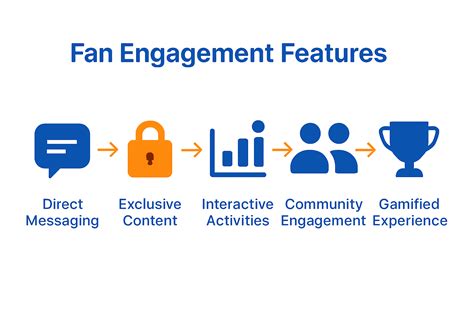
- Fan Engagement: Fans use stats to predict match outcomes. A fan who sees a high shot-on-target ratio for their team may feel more confident heading into the next leg.
- Media Narratives: Journalists and pundits use stats to frame their commentary. A team with a high defensive efficiency might be praised for their structure, while a team with low shot conversion might be criticized for inefficiency.
The Role of Emerging Technologies in Champions League Stats
Modern technology is transforming how Champions League stats are collected and analyzed.
- Video Assistant Referee (VAR): VAR has introduced a new layer of statistical analysis, influencing decisions on penalties, offsides, and other key moments.
- Wearable Technology: Player tracking via GPS and wearable sensors now provides real-time data on speed, distance covered, and physical exertion.
- AI and Machine Learning: These technologies are used to predict player performance, assess injury risks, and evaluate tactical formations.
FAQ: Frequently Asked Questions About Champions League Stats
- Q1: What are the most important Champions League stats to follow?
The most important stats include goals scored, possession percentage, shots on target, and defensive actions. These help gauge both individual and team performance effectively.
- Q2: How can I access real-time Champions League stats?
You can access real-time stats via the UEFA website, platforms like Opta, Sofascore, and mobile apps that update stats live during matches.
- Q3: Are Champions League stats reliable for predicting match outcomes?
While stats provide valuable insights, they are not foolproof. They should be used in conjunction with other factors like team form, injuries, and weather conditions for accurate predictions.
- Q4: Who holds the record for most Champions League goals?
Cristiano Ronaldo holds the record for most Champions League goals with 140, followed by Lionel Messi with 129.
- Q5: How are Champions League stats used in scouting?
Scouts use stats to identify player strengths and weaknesses, assess potential transfer targets, and evaluate performance in high-stakes matches.
Conclusion: Embracing Champions League Stats for a Deeper Understanding
Champions League stats are more than just numbers—they are a window into the game’s evolution, the strategies of coaches, and the performance of players. Whether you're a fan, analyst, or betting enthusiast, understanding these stats can elevate your experience and knowledge of the Champions League. As the competition continues to evolve, so too will the data, offering even more depth and insight for all stakeholders.