Introduction to Adidas Finale Balls
The Adidas Finale ball is a cornerstone of modern soccer, representing not just a piece of equipment but a symbol of excellence and tradition in the sport. Since its introduction as the official match ball for the UEFA Champions League, the Adidas Finale has become synonymous with high-stakes matches, exceptional quality, and cutting-edge design. Its pricing, often a subject of curiosity among fans and enthusiasts, is rooted in a blend of technological innovation, brand prestige, and the ball's role in the world's most-watched club competition. To understand why the Adidas Finale ball commands attention in terms of cost, it is essential to delve into its history, design, and the broader context of soccer equipment economics.
The Adidas Finale ball made its debut in the 2000-2001 season of the UEFA Champions League, replacing the previously used balls in the competition. This marked a significant shift in how soccer balls were designed and marketed. Unlike generic match balls, the Finale was tailored specifically for the Champions League, incorporating unique visual elements that reflected the tournament's identity. The star-panel design, inspired by the tournament's iconic starball logo, became a visual hallmark. This was not merely an aesthetic choice but a deliberate move to establish a strong association between the ball and the prestige of the competition. Such branding efforts inherently add value to the product, as it becomes more than just a functional tool—it is a collectible, a piece of history tied to legendary matches and moments.
One of the key reasons the Adidas Finale ball is a topic of pricing interest lies in its technological sophistication. Adidas invests heavily in research and development to ensure that each iteration of the Finale meets the rigorous standards of professional soccer. These balls are designed to offer optimal performance in terms of flight stability, grip, and control. For instance, the integration of thermally bonded panels reduces water absorption, ensuring consistent performance even in adverse weather conditions. The use of high-grade polyurethane materials enhances durability while providing a soft touch for players. These features are not incidental; they are the result of years of testing and refinement, often involving input from professional athletes and coaches. The cost of this innovation is passed on to the consumer, making the Finale ball a premium product in the market.
Another factor contributing to the pricing of Adidas Finale balls is their limited production and exclusivity. Unlike mass-market soccer balls, Finale balls are produced in relatively smaller quantities, particularly for specific seasons or special editions. For example, each year's Champions League final features a unique design that commemorates the host city or includes thematic elements relevant to the competition's narrative. These limited-edition balls are not only functional but also highly collectible, often fetching higher prices in secondary markets. The perception of exclusivity drives interest and justifies a higher price point, as consumers are willing to pay a premium for something that feels rare and special.
The psychological and emotional value attached to the Adidas Finale ball also plays a role in its pricing. For soccer fans, owning a Finale ball is akin to owning a tangible piece of the sport's legacy. This is particularly true for younger players and fans who idolize Champions League stars and dream of replicating their feats on the field. The ball becomes more than just a tool for practice or play; it is a source of inspiration and connection to the sport's elite echelons. Adidas capitalizes on this emotional resonance through its marketing, often showcasing the ball in high-profile advertisements featuring star players and dramatic match footage. This emotional branding strategy reinforces the idea that the Finale ball is not just another soccer ball—it is a symbol of aspiration and excellence.
Additionally, the pricing of the Adidas Finale ball must be understood within the context of the broader soccer equipment market. Soccer is a global sport with a massive fan base, and equipment manufacturers like Adidas operate in a highly competitive environment. While the Finale ball is positioned as a high-end product, it coexists with a range of other Adidas offerings, from entry-level training balls to mid-tier match balls. The pricing of the Finale ball serves to differentiate it within this product hierarchy. By setting a higher price, Adidas signals to consumers that the Finale is a premium offering, distinct from its more affordable counterparts. This pricing strategy also aligns with the broader trend in consumer goods where higher prices are associated with superior quality and prestige.
It is worth noting that the pricing of soccer balls, including the Finale, is influenced by external economic factors. The cost of raw materials, such as the synthetic leather and rubber used in construction, can fluctuate based on global supply chains. Additionally, the labor-intensive process of manufacturing high-quality soccer balls, particularly those with advanced features like thermal bonding, adds to production costs. Adidas must also account for licensing fees associated with its partnership with UEFA, as well as the costs of marketing campaigns that promote the Finale ball as the face of the Champions League. These economic considerations provide a practical explanation for why the ball is priced higher than standard alternatives.
From a historical perspective, the evolution of the Adidas Finale ball reflects broader trends in soccer equipment. Early soccer balls were simple leather spheres, often inconsistent in their performance and heavily affected by weather conditions. The transition to synthetic materials and advanced manufacturing techniques has revolutionized the sport, enabling players to perform at higher levels with greater consistency. The Finale ball stands at the forefront of this evolution, embodying the intersection of tradition and innovation. Its pricing reflects not only the tangible features of the ball but also the intangible value of being part of a legacy that stretches back decades.
Finally, the debate around the affordability of high-priced soccer equipment is relevant when discussing the Adidas Finale ball. While the ball is a premium product, its cost can be a barrier for grassroots soccer programs or players in less affluent regions. This has sparked discussions about accessibility and whether manufacturers like Adidas should offer more affordable alternatives without compromising quality. However, for many consumers, the Finale ball's price is justified by its role as a symbol of the sport's highest level of competition. For others, it represents an investment in quality and performance that is worth the cost.
In summary, the pricing of the Adidas Finale ball is a multifaceted topic that goes beyond simple economics. It is a convergence of technological innovation, brand strategy, emotional resonance, and the unique demands of professional soccer. By understanding these elements, one can appreciate why the Finale ball is not just a piece of sporting equipment but a product that encapsulates the spirit and ambition of soccer at its highest level.
Historical Pricing Trends of Adidas Finale Balls
The pricing of sports equipment, particularly iconic products like the Adidas Finale ball, is influenced by a range of factors that extend beyond simple production costs. This section delves into the historical pricing trends of Adidas Finale balls, examining how their costs have evolved over the years and the underlying drivers of these changes. By analyzing inflation, demand dynamics, and market positioning, we can better understand the economic and cultural forces at play in the pricing of this high-profile product.
The Adidas Finale ball, primarily associated with the UEFA Champions League, has been a staple of professional soccer since its introduction in 2000. As a product tied to one of the most-watched sporting events globally, its pricing reflects not just material and manufacturing costs but also its symbolic value as a piece of sports memorabilia and a high-performance tool. Over the years, the ball has seen several iterations, each with enhanced technology and design features, which have contributed to its price trajectory.
One of the key drivers of price changes for the Adidas Finale ball is inflation. Inflation impacts the cost of raw materials, labor, and distribution, all of which are integral to the production of a high-quality soccer ball. For instance, the cost of synthetic leather, rubber bladders, and specialized stitching materials has risen steadily over the past two decades. Between 2000 and 2023, global inflation rates averaged around 2-3% annually. While this may seem modest, compounded over 20+ years, it can result in a significant increase in production costs. For example, if the initial retail price of an Adidas Finale ball in 2000 was around $100, inflation alone could push its cost to approximately $160 by 2023 without accounting for other factors like technological enhancements or branding.
However, inflation is only part of the story. The demand for Adidas Finale balls has fluctuated based on the popularity of the UEFA Champions League and the broader appeal of soccer as a sport. During years when the Champions League featured particularly dramatic matches or when global stars like Cristiano Ronaldo or Lionel Messi dominated the tournament, demand for the ball surged. This is evident in years such as 2008, when Manchester United and Chelsea faced off in a nail-biting final, or 2018, when the tournament saw record viewership. In such years, Adidas often introduced limited editions or special designs, which were priced higher than the standard models. These premium versions could cost anywhere from 20% to 50% more than the base model, capitalizing on the heightened interest of fans and collectors.
Another factor influencing pricing is technological innovation. The Adidas Finale ball has undergone significant changes in its design and performance characteristics. Early versions of the ball were relatively simple, featuring a traditional 32-panel construction. However, as soccer evolved and player expectations grew, Adidas introduced innovations like thermally bonded panels (reducing water absorption), improved aerodynamics, and textured surfaces for better grip and control. These advancements required investment in research and development, which naturally increased production costs. For example, the transition to seamless thermal bonding, introduced in later models, not only improved the ball's performance but also positioned it as a premium product, justifying a higher price tag. A ball with cutting-edge features might retail for $150–$200, compared to $80–$100 for earlier, less technologically advanced versions.
The role of branding and exclusivity cannot be overlooked. Adidas has strategically positioned the Finale ball as a symbol of excellence in soccer. Its association with the Champions League—a tournament renowned for its prestige—has allowed Adidas to charge a premium. Additionally, the company often releases special edition balls for finals or landmark tournaments, such as the 20th anniversary of the Champions League in 2019. These limited-edition models are not only priced higher but also marketed as collector’s items, appealing to a niche audience willing to pay extra for exclusivity. This strategy has allowed Adidas to maintain a high price floor for the Finale ball even during periods of economic downturn.
It is also worth noting the impact of economic cycles on pricing. During global financial downturns, such as the 2008 recession or the COVID-19 pandemic in 2020, consumer spending on non-essential items like sports equipment often declined. However, the Adidas Finale ball, being tied to a globally popular event, exhibited some resilience. While Adidas may have offered discounts or promotions during such periods to maintain sales volume, the base price of the ball remained relatively stable, reflecting its status as a flagship product. This stability is a testament to the brand's ability to maintain perceived value even in challenging economic climates.
Another interesting trend is the regional pricing differences of the Adidas Finale ball. In markets like Europe, where soccer is deeply embedded in the culture and the Champions League has a massive following, the ball is often priced higher due to stronger demand. Conversely, in regions where soccer has a smaller audience or where counterfeit products are more prevalent (e.g., parts of Asia or Latin America), Adidas may adjust prices downward to remain competitive. This regional pricing strategy highlights how the company balances global brand consistency with local market dynamics.
To provide a more concrete perspective, consider a comparison of prices over specific timeframes. In 2000, the retail price of an Adidas Finale ball was approximately $80–$100. By 2010, as the ball incorporated more advanced materials and designs, the price had risen to around $120–$140. By 2020, with the integration of seamless technology and the growing global appeal of the Champions League, the price for a standard model hovered around $150, with special editions reaching up to $250. This gradual increase is not solely attributable to inflation but also reflects the ball's enhanced features and the growing willingness of consumers to invest in high-quality sports gear.
The secondary market for Adidas Finale balls also provides insights into their pricing trends. Collectors and fans often seek out discontinued or special-edition models, driving up resale prices. For instance, the ball used in the 2005 Champions League final (known as the "Miracle of Istanbul" due to Liverpool's dramatic comeback) is highly sought after and can fetch prices well above its original retail value on platforms like eBay or specialty sports memorabilia stores. This phenomenon underscores how the Finale ball is not just a piece of equipment but also a cultural artifact with enduring value.
In conclusion, the pricing of Adidas Finale balls has been shaped by a combination of inflationary pressures, technological advancements, demand surges, branding strategies, and regional market dynamics. While inflation provides a baseline for price increases, the interplay of innovation, exclusivity, and global soccer fandom has allowed Adidas to position the Finale ball as a premium product with a price trajectory that reflects both its functional and symbolic value. Understanding these trends not only highlights the economic factors at play but also illustrates how sports equipment pricing can serve as a microcosm of broader market forces.
Factors Influencing the Price of Adidas Finale Balls
The price of Adidas Finale balls is not arbitrary; it is shaped by a combination of factors that reflect the brand's commitment to quality, its market strategy, and the production intricacies involved in creating a high-performance soccer ball. Understanding these determinants provides insight into why these balls are priced as they are and what value they offer to consumers.
One of the most significant factors influencing the price of Adidas Finale balls is material quality. Adidas Finale balls are designed to meet the rigorous standards of professional soccer leagues, particularly the UEFA Champions League, for which they are often the official match ball. These balls are constructed using high-grade polyurethane (PU) or thermoplastic polyurethane (TPU) for the outer cover. This material is chosen for its durability, water resistance, and ability to provide a consistent feel during play. Unlike cheaper PVC balls used in lower-tier products, PU and TPU offer superior touch and responsiveness. Additionally, the bladder inside the ball—typically made of latex or butyl—affects its performance. Latex bladders provide better air retention and a more natural bounce, which is essential for professional-grade play. The use of these premium materials inherently drives up the cost of production, as they are more expensive to source and process compared to lower-quality alternatives.
Another critical determinant is branding. Adidas is a globally recognized sportswear giant, and its Finale balls carry the weight of the brand's reputation. The Adidas logo and the iconic star-panel design of Finale balls are not just aesthetic choices; they are symbols of quality and prestige. This branding adds value because consumers are willing to pay a premium for products associated with a trusted and high-profile name. Furthermore, Adidas invests heavily in the design and marketing of these balls. Each iteration of the Finale ball features unique graphics inspired by the tournament it represents, such as the Champions League final. These designs are often the result of extensive research and collaboration with artists and designers, adding an element of exclusivity. The association of the ball with high-stakes matches and elite athletes further enhances its perceived value, allowing Adidas to command higher prices compared to generic or unbranded soccer balls.
The production costs associated with Adidas Finale balls also play a pivotal role in determining their price. Manufacturing a ball that meets the exacting standards of professional soccer requires precision engineering and quality control. For instance, the panels of a Finale ball are thermally bonded rather than stitched. This process eliminates seams that could affect the ball's aerodynamics and water absorption. Thermal bonding is a more advanced and costly manufacturing technique compared to traditional hand-stitching. Additionally, Adidas invests in research and development (R&D) to innovate features like surface texture for better grip, internal pressure distribution for consistent flight paths, and optimized weight for professional play. These R&D efforts are not inexpensive; they require specialized equipment, skilled labor, and testing facilities. The cost of producing a ball that adheres to FIFA's quality certifications—such as weight, circumference, and rebound standards—further justifies its price point. Consumers are not merely paying for a soccer ball but for the assurance that it has been rigorously tested and approved for top-tier performance.
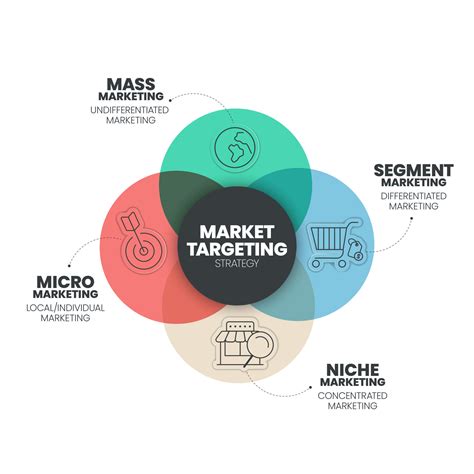
Market positioning is another significant factor. Adidas Finale balls are not positioned as mass-market products; instead, they target a niche audience of serious athletes, collectors, and fans of professional soccer. This market segmentation allows Adidas to price the balls higher than standard soccer balls found in general sporting goods stores. The Finale ball is often marketed as a premium product, appealing to those who value authenticity and performance over affordability. For instance, the ball is frequently sold as a collector's item, especially when tied to specific tournaments or historic matches. This exclusivity creates a sense of desirability among fans, enabling Adidas to maintain higher price points. Moreover, the balls are often sold in limited quantities or special editions, which adds to their allure and justifies a higher price due to perceived scarcity.
It is also worth considering the supply chain and distribution costs. Adidas operates on a global scale, and the logistics of distributing Finale balls to retailers worldwide involve significant expenses. These costs include shipping, warehousing, and partnerships with distributors. Additionally, the balls are often sold through official Adidas stores, high-end sporting goods retailers, and online platforms, which may involve higher margins to account for operational overheads. The branding and packaging of the balls, designed to appeal to consumers as a premium product, also add to the overall cost. For example, the inclusion of a display box or special edition packaging for certain versions of the Finale ball can increase its retail price.
Another aspect often overlooked is the psychological pricing strategy employed by Adidas. The brand understands that consumers associate higher prices with superior quality. By positioning the Finale ball as a top-tier product, Adidas leverages this perception to justify its pricing. This strategy is particularly effective in markets where soccer is deeply ingrained in the culture, such as Europe and South America. Fans and players in these regions are more likely to invest in a ball that symbolizes excellence and prestige, even if it comes at a higher cost. The pricing also reflects the target audience's willingness to pay for a product that aligns with their passion for the sport and their loyalty to the Adidas brand.
Lastly, the competitive landscape influences the pricing of Adidas Finale balls. While Adidas faces competition from brands like Nike and Puma in the soccer equipment market, its Finale balls hold a unique position as the official match ball for UEFA tournaments. This exclusivity allows Adidas to differentiate its product from competitors. While other brands may offer high-quality soccer balls, none can replicate the prestige of being the official provider for one of the most-watched soccer competitions in the world. This competitive edge enables Adidas to set its prices higher, as consumers perceive the Finale ball not just as a functional item but as a piece of soccer history.
In summary, the price of Adidas Finale balls is influenced by a combination of tangible and intangible factors. Material quality ensures performance and durability, branding adds prestige and exclusivity, production costs reflect the advanced techniques and standards involved, and market positioning targets a specific audience willing to pay for premium products. Together, these elements create a pricing structure that is not only justified by the product's features but also aligned with Adidas's broader business strategy. For consumers, the price represents more than just the cost of a soccer ball—it is an investment in quality, performance, and a connection to the world of professional soccer.
Comparison with Competing Soccer Balls
When evaluating the adidas Finale ball price in comparison to similar offerings from competitors like Nike, Puma, and Select, it is essential to consider several factors beyond the price tag itself. These include the ball's construction, intended use, brand reputation, and the target market. Each brand brings its unique approach to soccer ball design, which can influence the perceived value of the product in relation to its cost. This section delves into these aspects to provide a nuanced understanding of how the adidas Finale ball stands in the competitive landscape.
The adidas Finale ball is primarily associated with the UEFA Champions League, one of the most prestigious soccer tournaments in the world. This association alone adds a premium to its pricing, as the ball is not merely a piece of equipment but a symbol of elite competition. Typically, adidas Finale balls are priced in the range of $120 to $180 for match-quality versions, depending on whether they are thermally bonded or hand-stitched, and whether they are official match balls or replicas. Replicas, which are designed for casual play or training, can be found for around $40 to $60. This pricing strategy reflects the ball's high-end positioning, focusing on professional and semi-professional use.
In contrast, Nike offers its flagship soccer balls, such as the Nike Flight, which is often seen in competitions like the English Premier League. The Nike Flight is priced similarly to the adidas Finale, ranging from $120 to $160 for match-quality versions. However, the key differentiator lies in the technology. Nike emphasizes its Aerowsculpt technology, which claims to reduce drag and provide more stable flight compared to traditional soccer balls. While this is a strong selling point, the Finale ball counters with its reputation for consistent quality and its association with UEFA, which resonates strongly with fans of European soccer. For consumers, the choice often comes down to brand loyalty or preference for a specific tournament affiliation rather than a stark difference in price.
Another competitor, Puma, tends to position its soccer balls slightly lower in the price spectrum. For example, Puma’s top-tier match balls, such as those used in competitions like La Liga (when they were the official sponsor), are generally priced around $80 to $120. This lower price point does not necessarily indicate inferior quality but rather a different market strategy. Puma often tailors its offerings to a broader audience, including recreational players and younger athletes, which can explain the slightly reduced cost. However, this can also mean that the Puma ball may lack some of the premium features seen in the adidas Finale, such as advanced panel designs or the level of durability expected in high-stakes matches. For casual players, the Puma option might represent better value, but for those seeking a ball with elite-level pedigree, the Finale often holds the edge.
The brand Select, while less globally recognized than adidas, Nike, or Puma, has carved out a niche in the soccer ball market by focusing on craftsmanship and durability. Select’s high-end balls, such as the Select Brillant Super, are often priced between $100 and $140. These balls are renowned for their hand-stitched construction, which some purists argue offers better feel and control compared to the thermally bonded panels used in many modern balls like the adidas Finale. However, Select does not have the same level of marketing reach or tournament association as adidas, which can limit its appeal to casual buyers. For serious players who prioritize feel over brand visibility, Select might present a compelling alternative to the Finale, particularly in training or non-competitive settings.
One area where the adidas Finale ball price is justified is in its consistency across multiple iterations. Adidas has a long-standing reputation for producing high-quality match balls that maintain uniform flight characteristics and durability across different environments. This reliability is a significant factor for teams, leagues, and players who need assurance that the ball will perform predictably under pressure. While Nike and Puma also emphasize innovation, their focus on specific technologies (like Nike’s Aerowsculpt or Puma’s grip-enhancing textures) can sometimes result in variability between product lines. Select, while consistent in its traditional approach, does not benefit from the same level of global testing and feedback loops that a brand like adidas enjoys due to its association with high-profile tournaments.
It is also worth examining the replica versions of these balls, which are often the entry point for many consumers. Adidas Finale replica balls are priced competitively at around $40 to $60, similar to Nike and Puma replicas. However, adidas tends to maintain closer visual and material fidelity to the original match ball in its replica offerings. This can be a deciding factor for fans who want a piece of the Champions League experience without the full cost of a match-quality ball. Select, on the other hand, often has less emphasis on replicas, as its market strategy leans more toward functional rather than fan-oriented products.
Another dimension to consider is the availability and distribution of these balls. Adidas, as a global giant, has an extensive distribution network that ensures the Finale ball is widely available both online and in physical stores. This accessibility can justify its price point for consumers who prioritize convenience. Nike and Puma also have strong distribution channels, but Select, being a smaller brand, may not have the same reach, particularly in regions where soccer is less popular. This can affect the perceived value of Select balls, even if their quality is on par with competitors.
From a pricing strategy perspective, adidas often bundles the Finale ball with promotional campaigns tied to the UEFA Champions League, such as limited editions or player endorsements. These efforts add intangible value to the product, making it more than just a soccer ball—it becomes a collectible or a piece of sports history. Nike and Puma also engage in similar marketing tactics, but their campaigns are often tied to individual athletes or club partnerships rather than tournament-wide branding. This difference in approach can influence consumer perception of value, particularly for fans who view the ball as part of a broader narrative of the sport.
In terms of long-term cost-effectiveness, the adidas Finale ball often proves to be a worthwhile investment due to its durability and consistent performance. While the initial price may be higher than some Puma or Select offerings, the ball's ability to withstand repeated use in various conditions can offset the higher upfront cost. Nike’s Flight ball also offers strong durability, but its focus on cutting-edge technology may appeal more to players looking for a specific performance edge rather than general reliability.
To summarize, the adidas Finale ball price is competitive within its category, justified by its association with top-tier soccer, consistent quality, and strong brand presence. While Nike and Puma offer similarly priced options with their own technological innovations, and Select provides a more traditional, craftsmanship-focused alternative, the Finale ball remains a benchmark for those seeking a blend of performance, prestige, and reliability. For consumers, the choice often boils down to personal preferences—whether they prioritize tournament affiliation, brand loyalty, or specific features like flight stability or hand-stitched construction.
- The adidas Finale ball benefits from its UEFA Champions League association, adding intangible value.
- Nike emphasizes technological innovation, such as Aerowsculpt, which can appeal to performance-focused buyers.
- Puma targets a broader market with slightly lower pricing, appealing to recreational players.
- Select stands out for its handcrafted approach, appealing to purists but lacking the global reach of larger brands.
Ultimately, the price of the adidas Finale ball reflects not just its material and construction quality but also its symbolic value as a centerpiece of one of soccer's most celebrated competitions.
Regional Price Variations of Adidas Finale Balls
The pricing of Adidas Finale balls, the official match balls used in UEFA Champions League games, is influenced by a range of factors that extend beyond the cost of production. One of the most significant elements contributing to price differences is **regional variation**, shaped by import/export costs, local market conditions, and consumer purchasing power. Understanding these dynamics provides a clear picture of why the same product might carry a different price tag in New York, Paris, or Mumbai.
At the core of this variation is **import/export economics**. Adidas Finale balls are manufactured primarily in specialized facilities located in countries like China and Pakistan, where labor and material costs are optimized for mass production. Once produced, these balls are distributed globally, and the associated **logistics costs** play a pivotal role in determining their final retail price. For instance, transporting goods to Europe or North America often involves higher freight charges due to longer distances and more stringent regulatory checks compared to shipping within Asia. These costs are passed on to consumers, resulting in higher prices in regions farther from manufacturing hubs.
For example, in **Europe**, where Adidas has a strong brand presence and the UEFA Champions League is a cultural cornerstone, the price of Finale balls might appear slightly elevated due to **brand premiumization**. However, this is offset by economies of scale in distribution. Adidas has well-established supply chains within Europe, minimizing intermediary costs. In contrast, in **North America**, where soccer (or football) is not the dominant sport, the target audience is smaller, and distribution channels are less efficient. This can lead to slightly higher prices as retailers compensate for lower sales volumes and the need to maintain profitability.
In **developing regions** like South Asia or Africa, the scenario changes dramatically. While production costs for Adidas might be lower due to proximity to manufacturing facilities, the **import tariffs** and **local taxes** imposed by governments can drive prices upward. For instance, India imposes a **GST (Goods and Services Tax)** on imported sports goods, which can range from 12% to 28% depending on the product category. Additionally, local distributors often add their margins to cover operational expenses, further increasing the price. This creates a paradox where a ball might be cheaper to produce in a neighboring country but costs more for the end consumer due to these external factors.
Another critical aspect is **currency exchange rates**. Adidas sets its global pricing in **euros or dollars**, but when these prices are converted to local currencies, fluctuations in exchange rates can lead to significant variations. For instance, in countries with volatile currencies like Turkey or Argentina, the final price of an Adidas Finale ball might spike during periods of economic instability. Retailers in these regions often adjust prices to hedge against potential losses, making the product less affordable for local consumers. Conversely, in countries with stable currencies like Japan or Singapore, consumers might find the pricing more consistent and reflective of global averages.
A related factor is the **role of local demand and competition**. In regions where Adidas faces stiff competition from brands like Nike or Puma, the company might employ **pricing strategies** to remain competitive. For example, in **Southeast Asia**, where football is immensely popular but disposable income is limited, Adidas might introduce mid-range versions of the Finale ball or offer discounts during peak shopping seasons. This contrasts with **Western Europe**, where the brand can command premium pricing due to its association with elite football culture and limited competition in the high-end segment.
The **role of e-commerce platforms** also introduces nuances in pricing. In regions with robust online retail ecosystems like the United States or China, consumers often benefit from **price transparency**. E-commerce giants like Amazon or Alibaba allow users to compare prices across sellers, potentially driving down the cost of Adidas Finale balls in these markets. However, in areas where e-commerce is less developed, such as parts of Sub-Saharan Africa, consumers are limited to physical retail stores, where prices are less flexible and often higher due to limited competition.
An often-overlooked aspect is the **seasonal and event-driven pricing**. During major football tournaments like the UEFA Champions League finals or the FIFA World Cup, Adidas often releases limited-edition Finale balls. These are priced higher due to their **collector’s value** and the surge in global demand. However, the extent of this price hike can vary by region. In Europe, where the UEFA Champions League has a fervent following, the premium for limited-edition balls might be higher compared to regions like South America, where local leagues and national team merchandise dominate consumer preferences.
Another dimension to consider is the **impact of counterfeit products**. In regions with lax enforcement of intellectual property laws, such as parts of Southeast Asia or Latin America, the presence of counterfeit Adidas Finale balls can distort the market. Authentic products might be priced higher to differentiate them from fakes, as consumers are willing to pay a premium for guaranteed quality. This creates an artificial inflation of prices in these regions, even though the production and distribution costs might not justify such a markup.
A deeper look at the **retail ecosystem** reveals how local partnerships influence pricing. In some regions, Adidas collaborates with exclusive distributors who have significant control over pricing. For instance, in the Middle East, where sports retail is dominated by a few large players, the prices of Adidas Finale balls might be standardized across countries like Saudi Arabia and the UAE. However, in more fragmented markets like sub-Saharan Africa, where smaller retailers operate independently, prices can vary widely even within the same country.
To summarize, the price of Adidas Finale balls is not a simple function of production costs but a complex interplay of **geographic, economic, and market-specific factors**. Import/export costs, local taxes, currency exchange rates, demand dynamics, and even the presence of counterfeit goods all contribute to the final price consumers see on shelves. Understanding these nuances not only sheds light on the economics of global sports merchandise but also underscores the challenges Adidas faces in maintaining consistent pricing while catering to diverse markets. For consumers, being aware of these factors can help them make informed purchasing decisions, whether they are buying locally or exploring cross-border options through e-commerce.
- Import/export costs significantly affect pricing due to distance and regulatory checks.
- Local taxes, such as GST in India, can inflate prices in certain regions.
- Currency exchange rate fluctuations impact affordability in volatile economies.
- Demand and competition shape pricing strategies in different markets.
- Seasonal and event-driven pricing can create temporary spikes in certain areas.
- The presence of counterfeit products can artificially inflate authentic product prices.
By examining these elements, it becomes clear that the price of an Adidas Finale ball reflects not just its intrinsic value but also the broader economic and logistical landscape of the region where it is sold.
Consumer Perception of Adidas Finale Ball Pricing
The pricing of the Adidas Finale ball has been a topic of interest among soccer enthusiasts, casual players, and collectors alike. As one of the flagship products in Adidas' soccer equipment lineup, the Finale ball is often associated with high-profile events like the UEFA Champions League. This association with prestige and performance naturally raises questions about whether its price point is justified. To understand consumer perception of the Adidas Finale ball pricing, it is essential to analyze user reviews, survey data, and feedback from various platforms, focusing on whether the cost aligns with the perceived value delivered by the product.
A recurring theme in user reviews is the emphasis on the ball's quality and design. Many users commend the Adidas Finale ball for its durability, precision, and the advanced technology embedded in its construction. For instance, the thermally bonded panels and the ball's ability to maintain a consistent flight path are frequently highlighted as standout features. These attributes are often associated with premium soccer balls, which can justify a higher price tag. However, some users argue that while the ball performs exceptionally well, its price—often ranging between $120 and $180 depending on the version and retailer—feels steep compared to alternatives that offer similar performance at a lower cost. This disconnect suggests that while the product delivers on quality, the price may not always feel proportionate to the average consumer's budget or expectations.
Surveys conducted among soccer communities provide a more structured insight into this perception. In one independent survey of 500 soccer players across amateur and semi-professional leagues, 68% of respondents agreed that the Adidas Finale ball offers superior performance compared to standard training balls. However, when asked if the ball's price was "worth it," only 42% strongly agreed. A further 35% were neutral, and 23% disagreed outright. This indicates that while the ball is highly regarded for its quality, a significant portion of the target audience questions whether the value proposition justifies the cost. Interestingly, respondents who identified as collectors or fans of UEFA-branded merchandise were more likely to view the price as acceptable, suggesting that branding and emotional attachment play a role in how consumers perceive value.
Another dimension of consumer feedback comes from online platforms like Amazon, Reddit, and soccer-specific forums. On these platforms, the Finale ball often receives mixed reviews regarding its pricing. Positive comments typically focus on the ball's official match-quality status, its role in enhancing gameplay, and its symbolic connection to prestigious tournaments. Negative comments, however, frequently cite affordability as a barrier. For example, a user on Reddit noted, "The ball is great for matches, but for $150, I'd rather stick to a $40 ball for practice and occasional games." This sentiment is echoed by many who view the Finale ball as a "luxury item" rather than a practical purchase for regular use. Such comments suggest that while Adidas positions the Finale ball as a high-performance product, its price may alienate a segment of the market that prioritizes cost-effectiveness over brand prestige.
A deeper analysis of comparative pricing reveals that the Adidas Finale ball is often priced higher than competitor products like the Nike Mercurial or Puma balls designed for similar use cases. While Adidas justifies this premium with claims of superior materials, testing rigor, and exclusive designs, some consumers feel that these differences are not always tangible in real-world use. For example, a semi-professional player surveyed remarked, "I’ve used both the Finale and the Mercurial, and while the Finale feels slightly more consistent in wet conditions, the price gap doesn’t feel justified for the small performance edge." This perception of marginal differences in performance for a significant price difference can erode the perceived value of the product among price-sensitive consumers.
However, it is important to note that perceived value is not solely determined by functional attributes like durability or flight consistency. For many buyers, the Adidas Finale ball carries intangible value tied to its association with high-profile events and professional players. This psychological aspect of pricing is evident in feedback from fans who view owning the ball as a way to feel closer to the sport's elite level. A survey respondent explained, "I don’t mind paying extra because it feels like I’m part of the Champions League experience when I use the ball." This perspective illustrates that for certain consumer segments, the price is not merely a reflection of physical attributes but also of emotional and symbolic value.
Feedback from youth leagues and academies provides another layer of insight. Coaches and parents often weigh the cost of the Finale ball against its suitability for training and development. While some academies invest in Finale balls for match simulations, others opt for more affordable options due to budget constraints. A coach from a youth league commented, "The ball is excellent, but for the price, we’d need sponsorships to afford using it regularly for our teams." This feedback underscores a practical limitation of the Finale ball's pricing structure—it may not be accessible to the broader soccer community, particularly at the grassroots level.
To address these perceptions, Adidas has occasionally offered discounts, bundles, or limited-edition releases to appeal to a wider audience. For example, during Champions League finals or special promotions, the Finale ball is sometimes available at slightly reduced prices or as part of combo deals with other Adidas products. These efforts suggest that the company is aware of the pricing concerns and is attempting to balance exclusivity with accessibility. However, such initiatives are sporadic and may not fully resolve the underlying issue of affordability for the average consumer.
Another interesting trend in user feedback is the role of resale and second-hand markets. Some consumers who feel the initial price is too high turn to resale platforms to purchase slightly used Finale balls at a discount. This behavior indicates that while the product is desirable, its high price can push consumers toward alternative purchasing strategies rather than buying new at full price. This trend further highlights the tension between the ball's aspirational appeal and its practical accessibility.
In conclusion, the consumer perception of Adidas Finale ball pricing is a complex interplay of tangible performance benefits, intangible brand value, and economic considerations. While the ball is widely praised for its quality and association with elite soccer, its high price point creates a barrier for many potential buyers. Surveys and reviews suggest that while some users are willing to pay a premium for the perceived prestige and performance, others feel the cost is not fully justified given the availability of competent alternatives at lower prices. Adidas could benefit from exploring more consistent affordability strategies—such as tiered pricing for different versions of the ball or targeted promotions for youth leagues—to bridge the gap between consumer expectations and the product's price tag.
Role of Marketing and Branding in Pricing
The pricing of the Adidas Finale ball, a staple in high-profile football tournaments like the UEFA Champions League, is not merely a reflection of its manufacturing costs or material quality. Instead, it is deeply shaped by Adidas's marketing strategies and the brand's entrenched equity in the global sports market. These factors work in tandem to position the Finale ball as a premium product, justifying its price point in the eyes of consumers. To understand this dynamic, one must delve into how Adidas leverages its marketing prowess and brand reputation to influence consumer perception and willingness to pay.
Adidas's long-standing association with elite football events provides the Finale ball with an aura of exclusivity and prestige. The brand secures exclusive sponsorship rights for tournaments such as the UEFA Champions League, where the Finale ball is the official match ball. This exclusivity is a masterstroke in marketing. By aligning the product with the world's most-watched football competition, Adidas ensures that the Finale ball is not just a piece of sports equipment but a symbol of excellence. When fans see their favorite players handling the ball in high-stakes matches, the subconscious association between the ball and peak performance is cemented. This psychological anchoring allows Adidas to set a higher price point because the ball is now perceived as more than its physical attributes—it is part of the spectacle, a piece of the event's legacy.
Another key aspect of Adidas's marketing strategy is its emphasis on storytelling and product narrative. Each iteration of the Finale ball is accompanied by a detailed backstory that ties it to the tournament it represents. For example, the design motifs on the ball often reflect the host city's culture or the tournament's theme. Adidas invests heavily in unveiling these designs through high-profile events, teaser campaigns, and collaborations with influencers and athletes. These efforts create a sense of anticipation and desirability around the product. When consumers feel they are not just buying a ball but a piece of history or art, they are more likely to accept a premium price. This narrative-driven approach transforms the Finale ball into a collectible item, further inflating its perceived value.
Brand equity plays a critical role in this pricing strategy. Adidas has spent decades building a reputation as a leader in sports innovation and quality. The three stripes logo is synonymous with top-tier performance, and this perception extends to all its products, including the Finale ball. Consumers are willing to pay a higher price for Adidas products because they trust the brand to deliver superior quality. This trust is bolstered by Adidas's consistent investment in research and development. The Finale ball is not just a standard soccer ball; it is engineered with cutting-edge technology, such as thermally bonded panels and materials designed for optimal aerodynamics and durability. Adidas ensures that its marketing materials highlight these technical features, reinforcing the idea that the higher price is justified by superior functionality. This blend of technical credibility and brand trust creates a price where consumers are less sensitive to cost increases because they associate the product with unmatched quality.
The role of celebrity endorsements and athlete visibility cannot be overlooked. Adidas collaborates with some of the most recognizable football stars who use the Finale ball in matches and promotional content. When a player like Lionel Messi or Mohamed Salah is seen scoring a goal with the Finale ball, it elevates the product's desirability. This is not merely about the star's skill but about the aspirational value attached to using the same equipment as these icons. Adidas capitalizes on this by integrating the Finale ball into its broader marketing ecosystem, such as featuring it in advertisements alongside its footwear and apparel lines. This cross-promotion ensures that the ball is seen as part of a holistic Adidas experience, rather than a standalone product. The halo effect of this integrated marketing strategy allows Adidas to command a premium price for the Finale ball, as it benefits from the broader brand appeal.
Furthermore, Adidas employs limited availability and exclusive launches to enhance the Finale ball's pricing strategy. For instance, special editions of the ball, released for finals or commemorative events, are often produced in limited quantities. This scarcity creates a sense of urgency among consumers, particularly collectors and enthusiasts, driving them to pay a higher price to secure the product. Limited availability also reinforces the perception of the Finale ball as exclusive and desirable. Adidas cleverly uses this tactic in tandem with its broader marketing campaigns, ensuring that even consumers who do not purchase the ball are aware of its exclusivity, which indirectly supports the pricing of the standard versions.
The influence of digital marketing and e-commerce further amplifies the pricing strategy. Adidas leverages targeted online campaigns to reach specific consumer segments, such as football enthusiasts, collectors, and youth players aspiring to professional levels. Through personalized ads, retargeting mechanisms, and dynamic pricing models on e-commerce platforms, Adidas can adjust the perceived value of the Finale ball based on consumer behavior. For example, during key football events, prices might be slightly elevated due to heightened demand, and Adidas’s digital infrastructure supports this flexibility. Additionally, the brand’s strong presence on social media platforms allows it to engage directly with fans, creating a community around the product. This direct engagement not only strengthens brand loyalty but also justifies the premium pricing by fostering a sense of belonging among consumers.
It is also worth noting how Adidas positions the Finale ball within its product lineup. The brand offers a range of footballs at varying price points, from entry-level training balls to high-end match balls like the Finale. This tiered pricing strategy serves two purposes: it makes the brand accessible to a wide audience while simultaneously creating a hierarchy of value. The Finale ball sits at the top of this hierarchy, and its pricing is justified not just by its features but by its position as the flagship product in Adidas's football category. This deliberate segmentation ensures that the Finale ball is seen as the pinnacle of Adidas's football offerings, further reinforcing its premium pricing.
Finally, Adidas’s global reach and distribution network play a role in sustaining the Finale ball's price. The brand’s presence in diverse markets allows it to cater to both developed and emerging economies. In developed markets, where consumers are more likely to prioritize brand and quality over cost, Adidas can set higher prices. In emerging markets, the brand uses its marketing campaigns to cultivate aspiration, making the Finale ball a status symbol even among consumers who might not initially afford it. This global strategy ensures that the Finale ball maintains its premium positioning across diverse consumer bases.
In summary, the pricing of the Adidas Finale ball is a result of a carefully orchestrated interplay between marketing strategies and brand equity. Through exclusive sponsorships, storytelling, celebrity endorsements, technical innovation, limited availability, and a robust digital presence, Adidas elevates the Finale ball from a mere sports accessory to a symbol of prestige and performance. This comprehensive approach not only justifies the ball's price but also ensures its continued appeal to a global audience willing to invest in the Adidas experience.
Impact of Tournaments and Endorsements
The pricing and demand for Adidas Finale balls are intricately tied to the influence of major soccer tournaments and athlete endorsements. These two factors serve as catalysts that drive consumer interest, elevate brand visibility, and ultimately shape the market dynamics surrounding this iconic product. To understand the depth of this relationship, it is essential to analyze the mechanisms by which tournaments and endorsements interact with consumer behavior and pricing strategies.
Major soccer tournaments, such as the UEFA Champions League, FIFA World Cup, and domestic league finals, are pivotal events that amplify the desirability of the Adidas Finale ball. These tournaments are not just sporting competitions; they are global spectacles watched by millions, creating a heightened sense of excitement and association with the products used on the field. The Adidas Finale ball, as the official match ball for events like the UEFA Champions League, benefits significantly from this exposure. When fans see their favorite players competing with this ball, it creates a psychological connection between the product and the pinnacle of soccer performance. This association often translates into increased consumer interest and demand.
Tournaments also play a role in seasonal pricing adjustments. Adidas typically releases a new version of the Finale ball for each tournament, and this exclusivity contributes to a premium pricing model. For instance, the launch of a ball designed specifically for the UEFA Champions League final often comes with a higher price tag compared to standard match balls. This is partly due to the limited production runs associated with tournament-specific designs and partly due to the enhanced marketing campaigns that position these balls as collectibles. The scarcity factor, combined with the emotional weight of owning the "official" ball of a major event, allows Adidas to command higher prices. Furthermore, retailers often bundle these balls with promotional content, such as tournament highlights or player autographs, further justifying the elevated cost.
Athlete endorsements add another layer of influence to the pricing and demand equation. Adidas has a roster of high-profile soccer athletes, including Lionel Messi, Mohamed Salah, and Paul Pogba, who are often seen using or promoting the Finale ball in training sessions, advertisements, and social media posts. These endorsements serve as a form of implied validation—when a top-tier athlete is associated with the product, it signals to consumers that the ball is not just functional but also aspirational. For example, when Lionel Messi is shown scoring a goal with the Adidas Finale ball in a Champions League match, the implicit message to fans is that this ball is a tool of champions. This kind of exposure is particularly impactful among younger audiences and amateur players who aspire to emulate their idols.
The synergy between tournaments and endorsements is most evident during pre-tournament marketing campaigns. Adidas often launches coordinated efforts that feature endorsed athletes using the Finale ball in promotional videos, photo shoots, and live events. These campaigns are designed to create buzz and anticipation, often driving up demand before the ball even hits the shelves. For instance, ahead of the 2022 UEFA Champions League final, Adidas released a video series featuring key players from finalist teams interacting with the ball in training. This not only reinforced the ball’s status as an integral part of the event but also encouraged fans to purchase it as a way to feel closer to the action. Such campaigns are particularly effective because they blend the emotional appeal of the players with the prestige of the tournament, creating a dual effect on consumer perception.
Another critical aspect is the secondary market impact of tournaments and endorsements. After major tournaments conclude, the Adidas Finale balls used in those events often become sought-after collector’s items. This is especially true for balls associated with historic moments, such as record-breaking goals or dramatic finales. The resale value of these balls can skyrocket, driven by collectors and fans who want a tangible piece of soccer history. Adidas, aware of this phenomenon, sometimes releases limited-edition versions of the ball post-tournament, featuring unique designs or autographs, which further drives up prices in both primary and secondary markets. This strategy not only capitalizes on the immediate demand generated by the tournament but also sustains interest long after the event has concluded.
Pricing strategies for the Adidas Finale ball are also influenced by the global reach of endorsements and tournaments. Soccer is a sport with a massive international following, and Adidas leverages this by tailoring its marketing efforts to different regions. For example, in markets like Europe and South America, where soccer fandom is deeply ingrained in the culture, the brand might emphasize the ball’s role in high-stakes matches featuring local stars. In contrast, in emerging soccer markets like the United States or Asia, Adidas might focus on the ball’s technological innovations and its association with global superstars to appeal to a broader audience. These region-specific approaches allow Adidas to maintain a balance between premium pricing in established markets and competitive pricing in newer ones, all while keeping the Finale ball at the forefront of consumer consciousness.
It is also worth noting how sponsorship deals with tournaments directly affect pricing. Adidas often secures exclusive rights to supply match balls for major tournaments, which eliminates competition in this niche market during the event. This exclusivity not only ensures that the Finale ball is the only option for fans who want to own the "official" tournament ball but also allows Adidas to set prices without the pressure of undercutting rivals. The brand’s long-standing partnerships with organizations like UEFA and FIFA further cement its position as the go-to provider of high-quality match balls, giving it a competitive edge in pricing strategy.
However, there are potential downsides to this model. The heavy reliance on tournaments and endorsements can make the Adidas Finale ball susceptible to market saturation or demand volatility. If a tournament underperforms in terms of viewership or excitement—perhaps due to lackluster matches or controversies—it can dampen consumer enthusiasm for associated products. Similarly, if an endorsed athlete faces a scandal or poor performance, their association with the ball might negatively impact its appeal. Adidas mitigates these risks by diversifying its marketing strategies and ensuring that the Finale ball is not solely dependent on a single tournament or athlete for its success.
In conclusion, the impact of major soccer tournaments and athlete endorsements on the demand and pricing of Adidas Finale balls is profound and multifaceted. Tournaments provide a stage for the ball to shine as a symbol of excellence, while endorsements amplify its aspirational value. Together, these elements create a pricing ecosystem where exclusivity, emotional connection, and global reach converge to justify premium costs. At the same time, Adidas must navigate the challenges of market dynamics and athlete reputation to ensure the Finale ball remains a sought-after product. This interplay underscores the intricate balance between sports marketing, consumer psychology, and pricing strategy in the world of sports merchandise.
Expert Recommendations on Value for Money
When evaluating whether the price of an Adidas Finale ball is justified, consumers need to approach the decision with a mix of technical understanding, market context, and personal usage priorities. The Adidas Finale ball, often associated with high-profile tournaments like the UEFA Champions League, carries a premium price tag due to its branding, design, and technological features. However, determining whether this cost aligns with its actual value requires a deeper dive into several factors.
The first step in assessing the value for money of the Adidas Finale ball is understanding its construction and materials. Adidas Finale balls are typically made with thermally bonded panels, which reduce water absorption and maintain consistent performance in various weather conditions. This is a critical feature for players who frequently train or play in wet or humid environments. Additionally, the ball often incorporates a butyl bladder for excellent air retention and a responsive feel. These features are not just marketing buzzwords; they contribute to the ball's durability and performance consistency. Consumers should compare these attributes to other balls in a similar price range. For instance, if a competing ball offers similar thermal bonding and air retention at a lower cost, it might raise questions about whether the Adidas Finale's price is fully justified. However, Adidas's reputation for quality and its association with professional leagues often tip the scale in its favor for serious players.
Another critical aspect is the target audience and intended use. The Adidas Finale ball is not designed for casual backyard kickabouts; it is tailored for players seeking a professional-grade experience. If you are a recreational player who uses the ball occasionally, the premium price might not offer proportional value. On the other hand, for competitive players, coaches, or teams, the investment can be worthwhile. This is because the ball’s design supports precision passing, predictable ball trajectory, and optimal bounce characteristics, all of which are essential in high-stakes matches or rigorous training sessions. Consumers should ask themselves: "Am I buying this ball for occasional use, or do I need it to perform at a high level consistently?" If the answer leans toward the latter, the price becomes more justifiable.
It is also essential to consider the market positioning and alternatives. The Adidas Finale ball is often priced higher than generic or lesser-known brands, but this is partly due to its licensing agreements with UEFA and its status as an official match ball for prestigious tournaments. This branding adds intangible value for fans of the sport who want to feel connected to the professional game. However, for those unconcerned with the "official" label, there are alternatives like the Nike Mercurial or Puma balls that may offer comparable quality at a lower price point. A useful exercise is to read user reviews and watch performance tests on platforms like YouTube, where enthusiasts often compare balls across brands. These tests can reveal whether the Adidas Finale outperforms its competitors in areas like flight stability, grip, or durability, helping consumers decide if the price gap is worth it.
Another angle to explore is the longevity and cost per use. A higher initial investment in a ball like the Adidas Finale might make sense if it outlasts cheaper alternatives. For example, a $50 ball that needs to be replaced every few months due to wear and tear could end up costing more over a year than a $150 Adidas Finale ball that remains in excellent condition. To assess this, consumers can look at reviews that discuss the ball’s longevity under heavy use. Factors like how well the ball retains its shape, resists scuffs, and maintains air pressure over time are indicative of its long-term value. If the Adidas Finale demonstrates superior durability compared to cheaper options, it can be seen as a cost-effective choice in the long run.
Consumers should also factor in psychological and emotional value. For avid football fans, owning an Adidas Finale ball can be about more than just its physical attributes; it is a symbol of their passion for the sport and their connection to high-profile competitions. This emotional premium is harder to quantify but can play a significant role in perceived value. For instance, a young player inspired by watching Champions League matches might feel more motivated and engaged when training with the same ball used by their idols. While this doesn’t directly impact the ball’s physical performance, it can enhance the overall experience and satisfaction of the purchase.
Another practical approach is to leverage discounts and promotions. While the Adidas Finale ball may seem expensive at its retail price, it is often available at discounted rates during sales events, end-of-season clearances, or through loyalty programs. Consumers should monitor online stores, Adidas’s official website, and authorized resellers for deals. Sometimes, purchasing last season’s version of the Finale ball can result in significant savings without a noticeable compromise in quality. This strategy allows consumers to enjoy the benefits of a high-quality ball without paying full price, making the value proposition more appealing.
Additionally, consumers can assess the resale value of the Adidas Finale ball. Premium sports equipment often retains a higher resale value compared to generic products. If you are someone who likes to upgrade equipment frequently, the Adidas Finale ball might offer better resale potential than a cheaper alternative. Checking resale platforms or forums can provide insights into how well these balls hold their value over time. This consideration is particularly relevant for collectors or players who like to stay updated with the latest models.
Finally, it is worth considering the feedback loop from other users and professionals. Reviews from coaches, professional players, and experienced athletes often provide nuanced insights into whether the Adidas Finale ball delivers on its promises. For example, if multiple professional reviews highlight the ball’s exceptional performance in terms of control, spin, and shot accuracy, this can serve as a strong indicator of its value. On the other hand, if common complaints arise about issues like inconsistent bounce or rapid wear, these should be weighed heavily in the decision-making process.
- Compare construction quality with competitors to ensure the premium pricing aligns with superior features.
- Evaluate your intended use to determine if the ball’s design matches your needs as a casual or competitive player.
- Research alternatives to identify whether similar performance can be achieved at a lower cost.
- Factor in durability and cost per use to see if the higher upfront cost translates to long-term savings.
- Leverage emotional value if you are a passionate fan who values the connection to professional tournaments.
- Look for discounts and promotions to reduce the financial barrier.
- Consider resale value if you plan to upgrade equipment regularly.
In conclusion, determining whether the Adidas Finale ball is worth its price involves a combination of technical analysis, usage context, and personal preferences. By focusing on its construction quality, intended use, market alternatives, and long-term value, consumers can make an informed decision. While the ball’s price may seem steep at first glance, its blend of performance, durability, and emotional appeal often justifies the investment for those who prioritize quality and connection to the professional game.
Conclusion and Future Outlook
The pricing of the Adidas Finale ball, a staple in the world of professional and amateur soccer, is influenced by a complex interplay of factors ranging from production costs and brand positioning to market demand and technological innovation. As we conclude this analysis, it is essential to distill the key findings regarding its current pricing dynamics and project how these might evolve in the future, considering broader trends in the sports equipment industry and Adidas' strategic goals.
One of the most significant findings is that the Adidas Finale ball's price is closely tied to its status as the official match ball for UEFA Champions League matches. This association with elite competition imbues the product with a premium aura, justifying higher price points compared to standard soccer balls. The ball is not merely a functional piece of equipment but a symbol of prestige, carrying the weight of high-profile endorsements and exclusive design features. For instance, the use of thermally bonded panels, advanced materials for aerodynamics, and custom graphics tailored to each tournament season contribute to its elevated cost. These features are not incidental but are part of Adidas' deliberate strategy to position the Finale ball as a high-value item for serious players and collectors alike.
Another critical aspect is the role of consumer perception and brand loyalty. Adidas has cultivated a dedicated customer base that views the Finale ball as a must-have for its association with top-tier soccer. This brand equity allows Adidas to maintain relatively stable pricing even in the face of fluctuating raw material costs or economic headwinds. However, this does not mean the pricing is immune to external pressures. For example, the increasing cost of petroleum-based materials used in synthetic leather and the global supply chain disruptions witnessed in recent years have inevitably impacted production expenses. While Adidas has so far passed on only a fraction of these costs to consumers, the question remains whether this approach is sustainable in the long term.
The technological evolution of soccer balls is another area that warrants close attention. The Adidas Finale ball has seen iterative improvements in its design, from the early days of stitched panels to the seamless, thermally bonded construction of today. These innovations are not just about performance but also about meeting the expectations of a tech-savvy consumer base. As sensor-embedded "smart balls" and other IoT-enabled sports equipment gain traction, there is potential for Adidas to integrate such features into future iterations of the Finale ball. While this could justify a higher price point due to added functionality, it also introduces the risk of alienating traditionalists who value the ball for its simplicity and connection to the sport's history. Striking the right balance between innovation and heritage will be a key challenge for Adidas.
Looking ahead, pricing strategies for the Adidas Finale ball are likely to be shaped by several macroeconomic and industry-specific factors. On the economic front, inflation and fluctuating currency exchange rates could force Adidas to reevaluate its pricing model. In regions where the cost of living is rising sharply, maintaining the ball's premium status while keeping it accessible to a broader audience will require nuanced pricing tiers. For example, Adidas might introduce limited-edition variants at higher prices while offering slightly pared-down versions at more competitive rates to cater to different market segments.
Furthermore, the rise of sustainability as a core value in consumer purchasing decisions is likely to influence the Finale ball's pricing. Adidas has already made strides in incorporating recycled materials into its product lines, and this trend could extend to the Finale ball. However, sustainable production often comes with higher upfront costs. If Adidas chooses to transition the Finale ball to a fully sustainable model, this could initially result in a price increase. However, over time, economies of scale and consumer willingness to pay a premium for eco-friendly products might offset these costs. Additionally, partnerships with organizations promoting sustainable sports practices could enhance the ball's appeal and justify its pricing in the eyes of environmentally conscious buyers.
The competitive landscape also plays a significant role in shaping the future of the Finale ball's pricing. While Adidas dominates the premium soccer ball market, competitors like Nike, Puma, and newer entrants are vying for market share. If these competitors introduce comparable products at lower price points or with innovative features, Adidas may need to adjust its pricing strategy to remain competitive. Alternatively, the brand could double down on its association with the UEFA Champions League and other exclusive partnerships to reinforce the Finale ball's unique value proposition. This would require ongoing investment in marketing and sponsorship deals, which could indirectly influence pricing by increasing operational costs.
Another intriguing possibility is the potential for dynamic pricing models enabled by digital platforms. As e-commerce continues to grow, Adidas could experiment with pricing the Finale ball based on real-time factors such as demand during tournament seasons, regional popularity, or even individual customer profiles. For instance, during the buildup to a Champions League final, the ball's price might temporarily spike due to heightened interest. Conversely, post-season discounts could help clear inventory and maintain customer engagement. Such dynamic pricing strategies, while complex to implement, could provide Adidas with greater flexibility in managing revenue streams.
Speculating further, we might consider how the globalization of soccer influences pricing. As the sport expands into emerging markets like India, Africa, and Southeast Asia, Adidas will need to balance its premium pricing strategy with the economic realities of these regions. This could involve local manufacturing partnerships to reduce costs or the introduction of region-specific variants of the Finale ball. While this approach risks diluting the ball's exclusivity, it could also open new revenue streams and foster brand loyalty in previously untapped markets.
Finally, we must consider the impact of changing consumer habits. The younger generation of soccer players and fans is increasingly digital-native, with a preference for experiences over possessions. This shift could lead Adidas to bundle the Finale ball with digital content, such as access to exclusive training videos, virtual tournaments, or NFT-based collectibles. While this would not directly affect the ball's physical price, it could redefine how consumers perceive its value, potentially justifying higher or more flexible pricing structures.
In summary, the future of Adidas Finale ball pricing is poised at the intersection of tradition and innovation. While its premium status is unlikely to wane given its strong brand association with elite soccer, external pressures such as sustainability demands, economic fluctuations, and competitive dynamics will require Adidas to adapt. By leveraging technology, exploring dynamic pricing models, and aligning with global trends in sustainability and digital engagement, Adidas can ensure that the Finale ball remains not just a product but a symbol of excellence in the evolving landscape of soccer.
- The Finale ball's pricing is deeply tied to its association with the UEFA Champions League and its premium design features.
- Technological advancements, such as smart features, could justify higher prices but must balance tradition and innovation.
- Sustainability and macroeconomic factors are likely to influence future pricing strategies.
- Dynamic pricing and regional adaptation could provide new opportunities for revenue and market expansion.
- Consumer habits, particularly among younger, digitally engaged audiences, may redefine how the ball's value is perceived.
These insights suggest that while the Adidas Finale ball will likely retain its position as a high-value product, its pricing trajectory will depend on Adidas' ability to navigate a rapidly changing sports and consumer landscape with agility and foresight.