Introduction to BayArena
The BayArena, located in the vibrant city of Leverkusen, Germany, is a modern football stadium that serves as the home ground of Bayer 04 Leverkusen, one of the most prominent clubs in the Bundesliga. Its significance extends beyond being a mere venue for football matches; it is a symbol of the club's identity, a hub of community engagement, and a venue that has witnessed the evolution of German football over the years. To understand the BayArena's capacity and its role in the football landscape, it is essential to delve into its history, design, and the broader context of its location and purpose.
Situated in the North Rhine-Westphalia region, Leverkusen is a city that combines industrial prowess with a rich cultural tapestry. The city itself is part of the larger Rhine-Ruhr metropolitan area, one of Europe's most densely populated and economically significant regions. This location is not incidental to the BayArena's role. Leverkusen, though smaller compared to nearby cities like Cologne or Düsseldorf, punches above its weight in terms of footballing influence. Bayer Leverkusen, nicknamed "Die Werkself" (The Company Team), owes its origins to the pharmaceutical giant Bayer AG, which has its headquarters in the city. The close association between the club and the company has shaped the BayArena as more than a stadium—it is a physical embodiment of the symbiotic relationship between industry, community, and sport.
The BayArena was originally opened in 1958 under the name Ulrich-Haberland-Stadion, named after a former Bayer AG chairman. At that time, its capacity was modest, reflecting the needs of a club that was still growing in stature. However, as Bayer Leverkusen's fortunes improved, particularly during the 1980s and 1990s when the team began competing at higher levels in domestic and European competitions, the need for a more expansive and modern facility became apparent. The stadium underwent significant renovations and expansions, culminating in its renaming to BayArena in 1998. This transformation was not merely cosmetic; it marked a shift in how the club and the city viewed their role in German football. The BayArena became a statement of intent—a venue designed to host top-tier matches and attract fans from across the country and beyond.
Today, the BayArena boasts a seating capacity of approximately 30,210, which places it in the mid-tier of Bundesliga stadiums in terms of size. While it may not rival the colossal capacities of venues like borussia dortmund's Signal Iduna Park or Bayern Munich's Allianz Arena, the BayArena's relatively smaller scale offers a unique advantage: an intimate atmosphere. This intimacy is often cited by fans and players as one of the stadium's defining features. The close proximity of the stands to the pitch creates an environment where every cheer, chant, and shout reverberates with intensity, making it a challenging venue for visiting teams. This design choice underscores the club's focus on fostering a strong connection between the team and its supporters, a strategy that has paid dividends in building a loyal fan base.
The stadium's design also reflects a blend of tradition and modernity. While its exterior has a sleek, contemporary aesthetic with curved lines and glass facades, the interior layout pays homage to the historical roots of football in Germany. The pitch is surrounded by four distinct stands, each offering a slightly different viewing experience. The main stand, for instance, houses VIP boxes and media facilities, catering to corporate guests and journalists. Meanwhile, the opposite stand is often filled with the most vocal supporters, creating a dynamic contrast within the venue. This balance between catering to diverse audiences—from die-hard fans to corporate sponsors—demonstrates the BayArena's versatility as a space.
Beyond its role as a venue for Bayer Leverkusen's home matches, the BayArena has also played host to significant events in German football. It was one of the venues for the 2011 FIFA Women's World Cup, showcasing its adaptability to international competitions. This event not only highlighted the stadium's technical capabilities but also reinforced its importance as a symbol of inclusivity and progress within the sport. Additionally, the BayArena has been used for youth tournaments, community events, and even concerts, further solidifying its position as a multifaceted facility that serves the broader needs of the region.
The stadium's capacity, while not the largest, is optimized for the club's needs and the city's population. Leverkusen has a population of just over 160,000, and the BayArena's size ensures that it remains accessible and manageable for local supporters. This is a deliberate choice that differentiates Bayer Leverkusen from larger clubs with more expansive ambitions. Rather than chasing the highest possible attendance figures, the club prioritizes creating a sense of belonging and exclusivity among its fans. This approach aligns with the ethos of Bayer Leverkusen as a club that values quality over quantity, both on and off the pitch.
The BayArena's location also plays a strategic role in its significance. Leverkusen is situated between Cologne and Düsseldorf, two cities with their own footballing traditions and large stadiums. Despite this proximity, the BayArena carves out its unique identity. It is not merely a smaller sibling to the more famous venues in the region but a distinct entity with its own charm and purpose. For fans traveling to matches, the BayArena is easily accessible via public transport, with Leverkusen Mitte station just a short walk away. This connectivity is another testament to the thoughtfulness behind the stadium's integration into the urban fabric of the city.
In terms of its broader significance, the BayArena is a microcosm of Bayer Leverkusen's philosophy as a club. The team is often associated with a style of play that emphasizes technical skill, tactical discipline, and a focus on youth development. These attributes are mirrored in the stadium's design and function. For instance, the BayArena features state-of-the-art training facilities and a youth academy that is closely integrated with the main stadium. This proximity allows young players to experience the atmosphere of a professional matchday environment, fostering a sense of aspiration and continuity within the club's structure.
Moreover, the BayArena is a testament to the enduring influence of corporate sponsorship in football. Bayer AG's backing has ensured that the stadium is not only well-maintained but also equipped with cutting-edge amenities. From high-definition video screens to advanced pitch maintenance systems, the BayArena exemplifies how private investment can elevate a club's infrastructure without compromising its community-oriented values. This balance is particularly important in an era where many stadiums risk becoming impersonal, profit-driven entities. The BayArena, by contrast, manages to retain a sense of warmth and authenticity despite its modern trappings.
In summary, the BayArena is more than just a venue with a defined capacity; it is a living, breathing entity that reflects the history, ambitions, and identity of Bayer Leverkusen. Its location in Leverkusen, a city shaped by industry and innovation, adds layers of meaning to its existence. Whether through its intimate design, its adaptability for diverse events, or its role as a symbol of the club's philosophy, the BayArena stands as a unique and integral part of German football culture. Understanding its capacity and significance requires recognizing the interplay between its physical attributes, its historical evolution, and its place within the broader narrative of sport in Germany.
Historical Evolution of BayArena Capacity
The BayArena, located in Leverkusen, Germany, is the home stadium of Bundesliga club Bayer 04 Leverkusen. Its capacity has undergone significant transformation over the years, reflecting not only the club's growth but also changes in stadium design philosophy and the demands of modern football. To fully understand the historical evolution of BayArena's capacity, it is essential to trace its origins, key renovations, and the factors that influenced these changes.
The stadium was originally constructed in 1923 as the **Ulrich-Haberland-Stadion**, named after the founder of Bayer AG, the chemical company closely associated with the football club. In its earliest incarnation, the stadium had a modest seating capacity of around **20,000 spectators**. This was typical for stadiums of that era, which were primarily designed to accommodate local matches and lacked the expansive infrastructure seen in contemporary venues. The focus was on functionality rather than grandeur, as football was still finding its footing as a mass-spectator sport in Germany. The initial capacity was sufficient for the club's needs at the time, given that Bayer 04 Leverkusen was not yet a top-tier team and the fan base was relatively small.
The first major shift in the BayArena's capacity came in the **1950s and 1960s**, as football's popularity in Germany surged following the national team's success in the 1954 World Cup, famously known as "The Miracle of Bern." This period saw increased investment in sports infrastructure across the country. For the Ulrich-Haberland-Stadion, this meant incremental improvements rather than wholesale changes. While the exact figures for this period are not well-documented, it is understood that the stadium underwent expansions to accommodate a growing fan base. By the late 1960s, the capacity had risen to approximately **25,000**, reflecting both the club's improving performance and the broader cultural shift toward larger, more engaged crowds at football matches.
However, the most transformative period for the BayArena began in the **1980s**, when Bayer 04 Leverkusen started to establish itself as a competitive force in German football. In 1986, the stadium underwent a significant renovation that marked a departure from its humble beginnings. The club decided to modernize the venue to better align with the standards of professional football. This renovation increased the seating capacity to around **30,000**, with a greater emphasis on covered seating and improved amenities for spectators. The renovation also introduced a more cohesive architectural design, moving away from the open, utilitarian structures of earlier decades. This was a deliberate move to enhance the matchday experience and position the club as a serious contender in the Bundesliga.
The most ambitious transformation of the BayArena occurred in the **1990s**, driven by two key factors: Bayer 04 Leverkusen's consistent presence in the upper echelons of the Bundesliga and the 1996 European Championship hosted by Germany. The tournament required stadiums across the country to meet specific standards for capacity, safety, and comfort. To comply with these requirements and to solidify its status as a top-tier venue, the BayArena underwent a massive expansion. The renovation, completed in 1997, increased the stadium's capacity to **22,500 seated and 7,500 standing spaces**, bringing the total to **30,000**. This project not only expanded the physical space but also reconfigured the stadium layout to improve sightlines, install modern seating, and enhance accessibility. Importantly, the renovation retained the intimate atmosphere that fans appreciated while meeting the functional demands of a high-profile stadium.
One of the most interesting aspects of this era was the club's decision to balance **capacity with intimacy**. Unlike some other German stadiums that prioritized sheer size, the BayArena focused on creating a compact yet vibrant environment. This approach was partly influenced by the club's relatively smaller fan base compared to giants like Bayern Munich or Borussia Dortmund. However, it also reflected a strategic choice to create a venue where every seat felt close to the action, fostering a sense of community among supporters. This philosophy has persisted in subsequent upgrades, making the BayArena a unique example of how stadium design can prioritize quality over quantity.
The early **2000s** brought another wave of changes, as the demands of modern football and media coverage continued to evolve. In 2009, the BayArena underwent yet another significant renovation, increasing its capacity to the current **30,210**. This expansion was not merely about adding more seats but also about integrating state-of-the-art facilities. The updated stadium included VIP lounges, media centers, and improved player facilities. These changes were partly driven by the commercialization of football, where stadiums needed to serve as revenue-generating hubs through corporate hospitality and premium experiences. The renovations also ensured compliance with UEFA standards, enabling the stadium to host European competitions.
It is worth noting that the **2009 renovation** also addressed some of the logistical challenges associated with older designs. For instance, the stadium’s proximity to residential areas posed constraints on how much it could physically expand. Engineers and architects had to work within these limitations, opting for vertical expansion and efficient use of space rather than sprawling outward. This approach highlights the ingenuity required to balance urban constraints with the growing expectations of fans and stakeholders.
Over time, the BayArena's capacity changes have been influenced not just by the club's ambitions but also by **external factors** such as safety regulations, technological advancements, and fan expectations. For example, the transition from standing terraces to all-seater stadiums in the 1990s—a trend seen across Europe following events like the Hillsborough disaster—impacted how capacity was calculated and utilized. While the removal of standing areas typically reduced overall numbers, the focus on comfort and safety ensured that the BayArena remained a desirable venue for both fans and players.
A comparative look at the BayArena's evolution reveals an interesting trend: while its capacity has grown incrementally, it has never aimed to rival the largest stadiums in Germany, such as the **Allianz Arena** or **Signal Iduna Park**. Instead, the focus has been on creating a venue that aligns with the club's identity and community roots. This measured approach to capacity growth underscores a broader philosophy in German football, where stadiums are often tailored to the specific needs and traditions of their home clubs rather than adhering to a one-size-fits-all model.
In summary, the historical evolution of BayArena's capacity reflects a dynamic interplay of factors: the club's rise in prominence, the influence of major football events like the European Championship, and the changing landscape of stadium design. From its origins as a modest 20,000-seater to its current state-of-the-art configuration accommodating over 30,000, the BayArena stands as a testament to how stadiums can adapt to meet the needs of their time while preserving their unique character. This trajectory not only highlights the stadium's physical growth but also serves as a mirror to the broader evolution of football culture in Germany.
- The initial capacity of 20,000 in the 1920s was modest but suited the era's needs.
- Post-1950s expansions reflected Germany's growing football culture.
- The 1986 and 1997 renovations marked turning points in modernizing the stadium.
- The 2009 upgrade focused on blending capacity with commercial and technological needs.
This detailed examination of the BayArena's capacity over time reveals how it has been shaped by both internal club dynamics and external football trends, offering a nuanced perspective on the interplay between infrastructure and sport.
Current Capacity and Breakdown
The BayArena, home to Bundesliga club Bayer 04 Leverkusen, is a modern stadium with a seating capacity that reflects both its functional design and its role as a venue for high-caliber football matches. As of the latest updates, the current seating capacity of the BayArena stands at 30,210. This figure is the result of a series of renovations and expansions aimed at optimizing the spectator experience while maintaining the stadium's compact and intimate atmosphere. To fully understand the distribution of this capacity across different seating categories, it is essential to delve into the specifics of general seating, VIP boxes, and accessible areas, as these components collectively shape the stadium's operational and experiential profile.
The general seating area constitutes the majority of the BayArena's capacity. Approximately 24,000 seats are allocated to general admission, which includes the primary sections of the stadium where most fans are seated. These seats are distributed across the east, west, north, and south stands, with careful attention paid to sightlines and proximity to the pitch. The design philosophy of the BayArena emphasizes a close relationship between the spectators and the action on the field, which is why the general seating areas are arranged in a steep, tiered configuration. This approach not only enhances the viewing experience by ensuring that even fans in the upper tiers have a clear view of the pitch but also contributes to the energetic atmosphere during matches. The general seating is further subdivided into categories such as family-friendly zones, areas reserved for away supporters, and sections that cater to season ticket holders. This segmentation ensures that the general seating caters to diverse fan demographics while maintaining a cohesive atmosphere throughout the stadium.
In addition to general seating, the BayArena offers a range of VIP boxes and premium seating options, which account for a smaller but significant portion of the total capacity. There are approximately 2,000 seats allocated to VIPs, corporate guests, and sponsors across various luxury boxes and club seating areas. These spaces are designed to provide an elevated experience, both literally and figuratively. VIP boxes are typically located in the mid-tier levels of the stadium, offering panoramic views of the pitch along with exclusive amenities such as private lounges, catering services, and dedicated entry points. The inclusion of these premium areas is not merely a revenue-generating strategy but also a reflection of the club's desire to attract and retain high-value stakeholders. For instance, the VIP boxes are often used for networking events, corporate hospitality, and exclusive matchday experiences, reinforcing the BayArena's dual role as both a sports venue and a business hub. The careful integration of these spaces within the stadium layout ensures that they do not disrupt the overall flow of spectator movement while still offering a sense of exclusivity.

Another critical aspect of the BayArena's capacity breakdown is the provision of accessible seating areas for individuals with disabilities. While the exact number of seats designated for accessible use is not always prominently advertised, it is estimated that around 200-300 seats are reserved for this purpose. These areas are strategically placed to ensure ease of access and comfort for wheelchair users and their companions. Accessible seating is located in lower-tier sections, often near entrances and exits to minimize travel distance within the stadium. Furthermore, the BayArena has implemented features such as wider aisles, elevators, and dedicated parking spaces to enhance accessibility. This focus on inclusivity is not merely a regulatory requirement but also a testament to the club's commitment to creating a welcoming environment for all fans. The accessible areas are integrated into the general seating framework in a way that avoids segregation while still providing the necessary support and facilities for those who need them.
The distribution of capacity across these categories is not arbitrary but rather the result of deliberate planning informed by both operational efficiency and fan engagement. For instance, the relatively modest allocation of VIP seating compared to general admission reflects the Bundesliga's broader ethos of prioritizing the average fan over an overly commercialized experience. This approach is particularly evident when comparing the BayArena to larger stadiums in Europe, where VIP and corporate seating often occupies a disproportionately large share of the total capacity. By maintaining a balanced distribution, the BayArena ensures that the majority of its revenue and atmosphere stem from engaged, passionate fans rather than isolated luxury enclaves. This balance also contributes to the stadium's reputation as a venue where the energy of the crowd is a defining feature of the matchday experience.
It is also worth noting how the BayArena's compact size influences its capacity breakdown. Unlike larger stadiums such as the Allianz Arena or Wembley, which can accommodate over 70,000 spectators, the BayArena's smaller scale allows for a more personalized and intimate setting. This intimacy is particularly advantageous for fostering a sense of community among fans and players. However, the trade-off is that the stadium has less flexibility to expand its capacity for major events, such as European competitions or international fixtures. This limitation is mitigated by the stadium's efficient use of space, with every square meter optimized to maximize both seating and amenities. For example, the inclusion of standing terraces in earlier iterations of the stadium was replaced by all-seater arrangements in line with modern safety standards, but this shift was managed without significantly compromising the overall capacity or fan experience.
A deeper analysis of the BayArena's capacity also reveals how it aligns with trends in stadium design over the past two decades. The emphasis on sustainability and fan-centric design has influenced how capacity is distributed. For instance, the stadium incorporates features such as energy-efficient lighting, waste management systems, and digital ticketing infrastructure that support both operational goals and fan convenience. These elements are particularly evident in the accessible seating areas, where the integration of assistive technologies and thoughtful placement demonstrates a forward-thinking approach to stadium management. Additionally, the BayArena's relatively modest capacity allows for easier implementation of such technologies compared to larger venues, where scale can complicate innovation.
From a revenue perspective, the breakdown of capacity across general seating, VIP boxes, and accessible areas also reflects the club's strategic priorities. While general seating generates consistent revenue through season tickets and matchday sales, VIP boxes and premium seating offer higher per-seat revenue potential. This dual-stream approach ensures financial stability for Bayer 04 Leverkusen while also supporting the club's ambitions to compete at the highest level. Moreover, the presence of accessible seating underscores a broader commitment to corporate social responsibility, which can enhance the club's reputation and foster goodwill among its fanbase and the wider community.
In summary, the current capacity of 30,210 seats at the BayArena is a carefully calibrated figure that balances the needs of general spectators, VIP guests, and individuals requiring accessible accommodations. Each category is thoughtfully integrated into the stadium's design, reflecting a blend of operational pragmatism, fan-focused priorities, and commercial objectives. This detailed distribution not only supports the club's immediate goals but also positions the BayArena as a model of efficient and inclusive stadium management in the modern era of football.
Comparison with Other Bundesliga Venues
The BayArena, home to Bayer Leverkusen, is one of the well-known venues in the Bundesliga, Germany's top-tier football league. With a seating capacity of approximately **30,210**, it is considered a mid-sized stadium compared to other Bundesliga venues. This section delves into a comparative analysis of BayArena's capacity with other top-tier German stadiums, exploring its unique features, limitations, and how it measures up in the broader context of German football infrastructure.
To begin with, the **BayArena's capacity places it in the lower half of the Bundesliga stadium size spectrum**. The largest stadium in the league, **Signal Iduna Park** (home to Borussia Dortmund), boasts a capacity of **81,365**, making it over 2.5 times larger than the BayArena. This stark contrast underscores a key difference in the operational scale and fanbase size between the two clubs. Dortmund's stadium is renowned for its **Yellow Wall**, the largest free-standing grandstand in Europe, which accommodates over 25,000 standing fans alone—a feature that BayArena lacks due to its all-seater configuration. This limitation reflects a deliberate choice by Bayer Leverkusen to prioritize a more intimate, family-friendly atmosphere over sheer volume, which aligns with the club's identity as a smaller but competitive Bundesliga side.
Another major Bundesliga venue, **Allianz Arena** (home to Bayern Munich), has a capacity of **75,000**. While slightly smaller than Signal Iduna Park, it is still over twice the size of the BayArena. The Allianz Arena is celebrated for its **innovative exterior lighting system**, which can display a range of colors to reflect the home team or special events. In contrast, the BayArena does not feature such high-tech visual elements, which could be seen as a limitation in terms of modern stadium branding. However, this absence can also be interpreted as a cost-saving measure, given Leverkusen's relatively modest revenue streams compared to giants like Bayern Munich. The BayArena's design instead focuses on **proximity to the pitch**, offering fans a more immersive viewing experience. This intimacy is a unique selling point for the venue, as it creates a sense of closeness between players and supporters that larger stadiums often struggle to replicate.
When compared to **RheinEnergieStadion** (home to 1. FC Köln), which has a capacity of **50,000**, the BayArena is notably smaller. However, both stadiums share a similar challenge in terms of **urban constraints**. Located in densely populated areas, neither venue has the luxury of expansive grounds for expansion. The BayArena underwent significant renovations in 1997 and 2009 to modernize its facilities, but its size has remained relatively static due to space limitations. This contrasts with stadiums like **Mercedes-Benz Arena** (VfB Stuttgart) or **Olympiastadion Berlin**, both of which have larger footprints and historical significance that allow for grander scales. The BayArena's compact nature, while a limitation in terms of total attendance, enables it to maintain **consistent sell-out crowds**, fostering a vibrant atmosphere that can sometimes elude larger, partially filled venues.
Another interesting point of comparison is **WWK Arena** (home to FC Augsburg), which has a capacity of **30,660**—slightly larger than BayArena. Despite their similar sizes, the WWK Arena is a newer facility (opened in 2009) and incorporates more modern features such as **sustainability initiatives**, including solar panels and energy-efficient systems. The BayArena, while not as cutting-edge in this regard, has made efforts to remain competitive by upgrading its **corporate hospitality areas** and **media facilities**. These upgrades are vital for attracting sponsors and media partnerships, especially given Bayer Leverkusen's consistent presence in European competitions like the UEFA Champions League and Europa League. In this sense, the BayArena compensates for its smaller capacity by focusing on **revenue optimization per spectator** rather than sheer volume.
One of the more unique aspects of the BayArena is its **historical evolution**. Originally opened in 1958 as the Ulrich-Haberland-Stadion, it has undergone several transformations to reach its current form. This contrasts with newer Bundesliga venues like **Red Bull Arena** (RB Leipzig), which was purpose-built in 2004 with a capacity of **47,069**. The Red Bull Arena exemplifies the modern trend of building stadiums with larger capacities to accommodate ambitious clubs with rapidly growing fanbases. The BayArena, by contrast, represents a more **traditional approach** to stadium development, rooted in the club's long-standing history and community ties. This historical context provides the BayArena with a sense of authenticity that newer venues sometimes lack, appealing to fans who value tradition over modernity.
In terms of **geographical distribution**, the BayArena's location in Leverkusen—a city in North Rhine-Westphalia—places it in close proximity to other Bundesliga stadiums such as those in Cologne, Mönchengladbach, and Dortmund. This regional concentration of football venues creates a competitive environment for attracting fans. However, the BayArena's smaller capacity can be seen as both a challenge and an opportunity. On one hand, it may struggle to draw large crowds from neighboring cities due to the presence of bigger stadiums nearby. On the other hand, its **intimate size** allows Bayer Leverkusen to cultivate a loyal, localized fanbase that views the BayArena as a community hub rather than just a sports venue. This dynamic is less pronounced in larger stadiums like **Volksparkstadion** (Hamburg) or **Veltins-Arena** (Schalke 04), where the scale can sometimes dilute the sense of community.
A noteworthy feature of the BayArena is its **roof design**, which covers all spectator seats and contributes to an **acoustic advantage**. While not as expansive as the fully enclosed roofs of some larger stadiums, the BayArena's roof helps trap sound and amplify crowd noise, creating a more energetic atmosphere. This is a critical feature for a stadium of its size, as it helps compensate for the lack of sheer numbers. In comparison, open-air venues like **PreZero Arena** (TSG Hoffenheim) or partially covered stadiums may not achieve the same level of sound concentration, which can impact the overall matchday experience.
From a **financial perspective**, the BayArena's capacity aligns with Bayer Leverkusen's revenue model. As a club that does not rely on an ultra-large fanbase for ticket sales, the stadium's size is well-suited to its operational needs. Larger venues like **Olympiastadion Berlin** (74,475 capacity) often face challenges in filling seats for less high-profile matches, leading to a less vibrant atmosphere. The BayArena avoids this pitfall by maintaining a size that ensures near-full occupancy for most matches, which enhances the perceived energy and excitement of the venue.
Furthermore, the BayArena's **proximity to local amenities** and its integration into the cityscape is another point of distinction. Unlike fortress-like mega-stadiums such as **Schwarzwald-Stadion** (SC Freiburg), which is somewhat removed from urban centers, the BayArena is embedded within Leverkusen's urban fabric. This accessibility is a unique feature that enhances its appeal for local fans and visitors alike. However, this integration also imposes **logistical challenges**, such as limited parking and public transport strain during matchdays—issues that are less pronounced in stadiums with more peripheral locations.
In summary, the BayArena's capacity of **30,210** positions it as a modest yet effective Bundesliga venue. While it cannot compete with the sheer scale of venues like Signal Iduna Park or Allianz Arena, its focus on **proximity, acoustic design, and community integration** provides a distinctive experience. Its limitations in size and modern features are offset by its ability to foster a loyal fanbase and maintain a high level of matchday atmosphere. This balance between tradition and practicality ensures that the BayArena remains a vital part of the Bundesliga landscape, even as it operates on a smaller scale compared to its larger counterparts.
Impact of Capacity on Fan Experience
The capacity of a stadium like the BayArena plays a significant role in shaping the fan experience, both directly and indirectly. At its core, the stadium's size and layout are not merely logistical concerns but are integral to how fans perceive and engage with the event. A deeper exploration of these elements reveals how they influence the atmosphere, ticket availability, and overall fan engagement.
The **atmosphere** of a stadium is one of the most critical aspects of the fan experience. BayArena, with a capacity of approximately 30,210, is considered a mid-sized stadium compared to some of Europe's larger venues, such as Wembley or the Allianz Arena. This size creates a more **intimate setting**, which can enhance the sense of connection between fans and the action on the pitch. Unlike larger stadiums where fans might feel detached from the field due to sheer distance, BayArena’s compact design ensures that even the furthest seats are relatively close to the action. This proximity fosters a **heightened sense of energy and involvement**, as fans can more easily see players' expressions, hear the sounds of the game, and feel immersed in the event. The result is a more vibrant and engaged crowd, which often translates into louder cheers, chants, and a more electric atmosphere during matches.
However, this intimacy is a double-edged sword. While the smaller capacity can create a more cohesive and energetic environment, it also means that the **noise levels are more concentrated**. In larger stadiums, sound dissipates over a wider area, potentially diluting the intensity of crowd noise. In contrast, BayArena’s smaller footprint allows sound to reverberate more effectively, which can create a **more intimidating environment for visiting teams**. This dynamic underscores how the physical layout of the stadium contributes to the psychological edge that home teams often enjoy. Studies on stadium acoustics have shown that mid-sized venues like BayArena can amplify crowd noise in a way that larger or more open-air designs cannot, giving the home team a subtle but real advantage.
The **layout of the stadium** also plays a role in fan engagement. BayArena features a bowl-like design with continuous seating around the pitch, minimizing gaps or open spaces that can disrupt the visual and auditory experience. This design choice ensures that fans are **physically oriented toward the field** at all times, reinforcing their focus on the game. Additionally, the stadium’s modern facilities, such as unobstructed sightlines and well-designed seating tiers, ensure that even fans in less expensive seats have a good view of the action. This attention to layout detail reduces the **perceived inequity** between premium and standard seating, which can enhance overall satisfaction across different fan demographics.
However, the **ticket availability** is an area where the stadium’s capacity presents challenges. With a total of just over 30,000 seats, BayArena is often at or near full capacity for high-profile matches, particularly when Bayer Leverkusen faces top-tier opponents. This creates a **supply-demand imbalance**, where die-hard fans or casual supporters may struggle to secure tickets. The limited capacity means that the **scarcity of tickets can drive up prices** on the secondary market, potentially excluding less affluent fans from attending. This phenomenon can alienate a portion of the fan base, particularly younger or less established supporters who might not have the resources to compete for tickets. In this sense, the stadium’s size can inadvertently create a **barrier to inclusivity**, as only a subset of the fan base can consistently access live matches.
From a logistical perspective, the limited capacity also impacts the **variety of experiences** available to fans. Larger stadiums often have diverse seating options, such as luxury boxes, party decks, or family-friendly zones, which cater to different types of attendees. While BayArena does offer some premium seating options, its smaller size inherently limits the range of these offerings. This can reduce the stadium’s appeal to corporate clients or fans seeking a more tailored experience. For instance, a company looking to host clients in a private suite might find the options at BayArena less expansive compared to what is available at a 60,000-seat venue. This limitation can affect not only fan engagement but also the **commercial viability** of the stadium as a revenue-generating asset for the club.
On the other hand, the **compact nature of BayArena can foster greater fan engagement** in unique ways. Smaller stadiums often encourage **stronger community ties**, as they are more accessible and less overwhelming for first-time attendees. Fans are more likely to encounter familiar faces, form connections with fellow supporters, and feel a sense of belonging within the crowd. This sense of **intimacy and familiarity** can be particularly appealing for families or younger fans, who might feel intimidated by the sheer scale of larger stadiums. Additionally, the physical proximity of fans to one another in a mid-sized venue can amplify **social interactions**, such as shared chants, high-fives after goals, or collective groans after near-misses. These interactions are a cornerstone of the live sports experience and are often more pronounced in venues where the crowd is tightly packed.
Another aspect worth considering is how the **capacity influences fan behavior and rituals**. In a stadium like BayArena, where seating is limited and demand is high, fans often develop a sense of **loyalty and dedication** to their seats or sections. This can lead to the formation of **subcultures within the fan base**, where specific areas of the stadium become known for their unique chants, traditions, or energy levels. For example, ultra groups or long-standing season ticket holders might establish a reputation for creating a particularly lively atmosphere in one corner of the stadium. This localized engagement can enhance the overall fan experience by giving supporters a sense of **ownership and identity** within the larger community.

From a broader perspective, the **impact of capacity on fan engagement extends beyond match days**. A mid-sized stadium like BayArena can serve as a **testing ground for innovative fan engagement strategies**. For example, clubs might experiment with augmented reality (AR) apps that allow fans to interact with the game in new ways, such as accessing real-time statistics or participating in live polls. In a smaller venue, these technologies can be deployed more effectively because the audience size is manageable, and feedback loops are quicker. This experimentation can lead to a more **dynamic and tech-savvy fan experience**, setting BayArena apart from larger, more traditional stadiums that may struggle to implement such innovations at scale.
In conclusion, the capacity of BayArena has a profound impact on the fan experience, shaping everything from the energy of the atmosphere to the accessibility of tickets and the depth of engagement. While its smaller size creates challenges in terms of inclusivity and commercial opportunities, it also fosters a **unique sense of intimacy and connection** that larger venues often lack. By leveraging its compact layout and modern design, BayArena can continue to provide a vibrant and engaging environment for fans, even as it navigates the inherent trade-offs of its capacity limitations.
Role of Capacity in Hosting Events Beyond Football
The BayArena, primarily known as the home stadium of Bayer Leverkusen in the Bundesliga, is a facility that extends its utility far beyond the boundaries of football. While its core purpose is to host thrilling matches that draw thousands of passionate fans, the stadium's **capacity** plays a pivotal role in diversifying its role within the entertainment and corporate event ecosystem. With a seating capacity of approximately 30,210 for football matches, the BayArena is neither the largest nor the smallest venue in Germany, but its design and adaptability make it an ideal choice for **non-football events** such as concerts, corporate gatherings, and other large-scale functions. This section delves into how the stadium's capacity supports these alternative uses and explores the strategic advantages it offers.
One of the most significant ways the BayArena's capacity supports non-football events is through its **optimized seating arrangement and modular infrastructure**. Unlike purpose-built concert venues or conference centers, stadiums are often criticized for their lack of intimacy or poor acoustics when repurposed for events like concerts. However, the BayArena mitigates these challenges through its **semi-circular design and tiered seating**. This layout not only ensures excellent sightlines for football spectators but also supports a **360-degree stage setup** for concerts. Artists and event organizers can leverage the stadium's capacity to host mid-sized events—concerts with audiences ranging from 15,000 to 25,000—that strike a balance between grandeur and intimacy. This mid-range capacity is particularly appealing for artists who may not fill a 50,000+ seat stadium but still want to perform in a venue with a vibrant atmosphere.
The **modular nature of BayArena's facilities** further enhances its suitability for diverse events. For instance, the stadium features retractable seating and temporary structures that can be deployed to transform areas typically used for football spectators into spaces suitable for **corporate exhibitions, product launches, or gala dinners**. This flexibility allows event organizers to customize the venue to meet specific needs, whether it involves creating an open-air stage for a summer concert or partitioning sections of the venue for workshops and networking sessions during corporate gatherings. Such adaptability is rare in venues of similar size and demonstrates how the BayArena's capacity is not just a static number but a **dynamic enabler of event versatility**.
Another critical aspect of the BayArena's capacity is its **technological infrastructure**, which supports the technical demands of non-football events. Hosting a concert or a corporate event requires more than just space; it necessitates robust **audio-visual systems, high-speed internet connectivity, and scalable power supply systems**. The BayArena is equipped with state-of-the-art sound systems and lighting rigs that were originally designed to enhance the spectator experience during football matches. However, these systems are equally effective in delivering high-quality audio and visual effects for concerts or presentations. For example, the stadium's large LED screens, typically used to display match statistics and replays, can be repurposed to show live feeds, promotional content, or event-specific visuals. This pre-existing infrastructure reduces the logistical burden on event organizers, making the BayArena an attractive option for non-football events that demand high production values.
The **geographic and logistical advantages** of the BayArena also play a significant role in its capacity to host diverse events. Located in Leverkusen, a city within the Rhine-Ruhr metropolitan region, the stadium is easily accessible via multiple modes of transportation, including road, rail, and air. This accessibility is particularly beneficial for corporate gatherings, where attendees may be traveling from different parts of Germany or even internationally. The stadium's parking facilities, designed to accommodate thousands of football fans on match days, can be repurposed to handle event-related logistics such as equipment transport, vendor setups, and VIP parking. Additionally, the surrounding area offers a range of hotels and dining options, making it convenient for organizers to plan multi-day events or cater to large groups of attendees.
From a **revenue generation perspective**, the BayArena's capacity allows it to tap into markets that are otherwise inaccessible to football-only venues. Concerts and corporate events bring in revenue streams that are independent of the football season, helping the stadium remain financially sustainable throughout the year. For instance, hosting a high-profile concert can attract sponsorship deals, merchandise sales, and ticket revenue that supplement the income generated from football. Similarly, corporate events often involve **high-ticket pricing for venue rentals, catering services, and exclusive branding opportunities**. By leveraging its capacity for such events, the BayArena not only diversifies its income sources but also strengthens its position as a **multi-purpose venue** in the competitive event-hosting landscape.
Moreover, the **psychological and branding impact** of hosting non-football events in a stadium cannot be overlooked. For corporate clients, holding an event in a venue associated with high-energy sports and entertainment can imbue their gatherings with a sense of dynamism and prestige. The BayArena’s association with Bayer Leverkusen, a well-known football club, adds a layer of **brand value** to any event hosted there. This is particularly appealing for companies looking to align their brand with themes of teamwork, competition, and excellence—qualities often symbolized by football. Concerts, on the other hand, benefit from the stadium's ability to create a **sense of spectacle**, with its open skies, expansive views, and energetic ambiance adding to the overall experience.
However, the BayArena's capacity is not without its challenges when hosting non-football events. For instance, while the stadium can comfortably accommodate 30,000 spectators for football, converting it for a concert might reduce the effective capacity due to the need for a stage, sound equipment, and safety barriers. This means that while the venue can host mid-sized events, it may not be suitable for **mega-concerts** that require seating for 50,000 or more. Organizers must also consider the **acoustic properties** of an open-air stadium, which can sometimes lead to sound dispersion issues. To address this, the BayArena often collaborates with sound engineers and event production teams to optimize the experience for non-football events, demonstrating a proactive approach to overcoming capacity-related limitations.
In conclusion, the **capacity of the BayArena** is a cornerstone of its ability to host events beyond football. Its semi-circular design, modular infrastructure, advanced technological systems, and strategic location make it a versatile venue capable of supporting concerts, corporate gatherings, and other large-scale functions. While it may not rival the largest stadiums in sheer size, its **mid-range capacity and adaptability** position it as a preferred choice for events that require a balance of scale, accessibility, and production quality. By leveraging these attributes, the BayArena has successfully expanded its role from being a football-centric venue to a dynamic space that caters to a wide array of entertainment and corporate needs.
Challenges of Maintaining Optimal Capacity
The concept of maintaining optimal capacity at a venue like the BayArena involves a complex interplay of operational, safety, and economic factors. While the stadium is designed to host a specific number of spectators, achieving and sustaining this capacity without compromising safety, user experience, or financial viability presents a range of challenges that require meticulous planning and execution.
One of the foremost operational challenges is crowd management. The BayArena, with its seating capacity of approximately 30,000, must handle diverse crowds that include die-hard fans, families, corporate attendees, and occasional visitors. Each group has unique needs and behaviors that must be anticipated and addressed. For instance, during high-profile matches or events, the influx of spectators can overwhelm entry points if not managed efficiently. Queues at ticket counters, security checks, and merchandise stalls can lead to bottlenecks, frustration, and even safety risks. To mitigate this, modern stadiums like the BayArena often employ smart crowd flow technologies, such as automated ticketing systems, real-time crowd monitoring through CCTV, and designated entry/exit zones for different sections of the crowd. However, implementing these technologies requires significant investment and continuous updates to keep pace with evolving crowd dynamics.
Another layer of complexity in crowd management is the behavioral aspect. Sporting events are emotionally charged, and crowd excitement can sometimes spill over into unruly behavior, such as stampedes, fights, or property damage. Maintaining optimal capacity means not just filling seats but also ensuring that the crowd composition and density do not compromise the overall atmosphere. For example, overselling tickets in certain sections can lead to overcrowding in specific areas, creating discomfort and potential hazards. To address this, venue operators often employ segmented ticketing strategies, where certain sections are reserved for families or VIPs to balance crowd energy and maintain a safe environment. Additionally, trained stewards and security personnel are critical in diffusing tensions and ensuring smooth transitions during peak entry and exit times.
Closely tied to crowd management is the challenge of safety standards. The BayArena must adhere to stringent safety regulations imposed by local and international governing bodies. These include fire safety protocols, emergency evacuation plans, and structural integrity checks. For instance, the stadium must ensure that pathways, staircases, and emergency exits can accommodate the full capacity of spectators in the event of an evacuation. This is particularly challenging during adverse weather conditions, such as heavy rain or snow, which can slow down movement and increase the risk of accidents. Moreover, safety is not limited to physical infrastructure; it also extends to health concerns. In the post-pandemic era, maintaining optimal capacity also means factoring in health protocols such as social distancing, sanitation stations, and ventilation systems. These measures often reduce the effective capacity of the stadium, forcing operators to balance safety with the financial implications of reduced ticket sales.
The economic implications of capacity limits are perhaps the most nuanced and far-reaching. While the BayArena's capacity is set at 30,000, the actual number of attendees can fluctuate due to factors like weather, team performance, or external events. A sold-out stadium generates significant revenue through ticket sales, concessions, and merchandise. However, when attendance falls short of capacity—due to underperforming teams, unpopular matchups, or external disruptions—the venue risks financial losses. This is compounded by the fixed costs associated with operating the stadium, such as staff wages, maintenance, and utilities, which remain constant regardless of attendance. To address this, many stadiums have adopted dynamic pricing models, where ticket prices are adjusted based on demand, opponent strength, or timing of the event. For instance, a midweek match against a lower-ranked team might see discounted pricing to encourage attendance, while a high-stakes derby might command premium rates. While this approach helps optimize revenue, it also introduces challenges in terms of fan perception and loyalty, as some may feel priced out of attending certain matches.
Another economic dimension is the opportunity cost of underutilized capacity. If the BayArena consistently operates below its optimal capacity, it may miss out on ancillary revenue streams such as food and beverage sales, parking fees, and sponsorship activations. To counter this, stadium management often diversifies the use of the venue by hosting non-sporting events like concerts, corporate gatherings, or community programs. While this strategy can help offset losses, it also introduces additional operational challenges, such as reconfiguring the space for different event types and ensuring that these alternative uses do not compromise the primary function of the stadium as a sports venue.
A less discussed but equally critical challenge is the long-term sustainability of capacity management. As urban areas around stadiums like the BayArena grow denser, traffic congestion and limited parking become significant barriers to achieving full capacity. Fans may opt to skip matches due to the hassle of reaching the venue, especially if public transport options are inadequate. To address this, venues are increasingly investing in integrated transport solutions, such as shuttle services, partnerships with ride-sharing apps, and dedicated cycling lanes. However, these initiatives require coordination with local authorities and long-term planning, which can be both time-consuming and costly.
Additionally, the rise of digital alternatives poses a unique challenge to maintaining optimal capacity. With the proliferation of high-quality live streaming and virtual reality experiences, some fans may prefer to watch matches from the comfort of their homes rather than attending in person. This trend is particularly pronounced among younger audiences, who value convenience and cost-effectiveness over the traditional stadium experience. To counter this, stadiums must enhance the in-person experience by offering value-added services, such as exclusive fan zones, augmented reality features, or interactive apps that provide real-time statistics and engagement opportunities. These enhancements not only attract attendees but also justify the premium associated with attending live events.
Finally, there is the challenge of balancing economic growth with community impact. While maximizing capacity and revenue is a priority for stadium operators, it must be done in a way that respects the surrounding community. Large crowds can strain local infrastructure, such as roads, public transport, and nearby businesses. For instance, residents might face noise pollution, littering, or limited access to their own neighborhoods during match days. To address this, the BayArena must work closely with local authorities to implement community engagement programs, such as clean-up drives, noise reduction initiatives, and partnerships with local vendors to distribute economic benefits more equitably.
In summary, maintaining optimal capacity at the BayArena is not merely about filling seats but about navigating a complex web of operational, safety, and economic challenges. From ensuring efficient crowd management and adhering to safety standards to addressing economic pressures and community concerns, the task requires a holistic approach that balances short-term goals with long-term sustainability. By investing in innovative technologies, diversifying revenue streams, and fostering strong community relationships, the BayArena can aim to not only meet but exceed the expectations of its stakeholders while maintaining its reputation as a premier sporting venue.
Technological Enhancements and Their Effect on Capacity Utilization
The BayArena, home to Bayer Leverkusen, is a modern stadium that has embraced technological advancements to optimize its capacity utilization. While its physical structure defines the upper limits of how many spectators it can accommodate, the way technology is integrated into operations significantly affects how effectively this capacity is utilized. This analysis will delve into the specific role of **digital ticketing**, **seating optimization**, and **real-time capacity monitoring** in enhancing the stadium's operational efficiency and fan experience.
One of the most transformative technologies in modern stadium management is **digital ticketing**. Traditionally, paper tickets required physical distribution, manual verification at entry points, and often led to bottlenecks at gates, particularly during high-demand matches. BayArena’s adoption of digital ticketing systems, such as mobile-based QR codes or NFC-enabled passes, has streamlined this process. These systems reduce the time spent at entry points by enabling faster, contactless validation. Fans can purchase, store, and present tickets on their smartphones, eliminating the need for physical printing or collection points. This not only enhances convenience for attendees but also reduces the administrative burden on stadium staff. Moreover, digital ticketing platforms often integrate with customer relationship management (CRM) systems, allowing the stadium to gather data on ticket purchase patterns, fan demographics, and attendance trends. This data can be used to predict demand for specific matches and adjust marketing or operational strategies accordingly, ensuring that BayArena can maximize attendance even for less popular fixtures.
However, the benefits of digital ticketing extend beyond gate efficiency. By enabling dynamic ticket pricing, BayArena can adjust ticket costs based on real-time demand. For instance, if a match is undersold a few days prior to the event, the system can automatically lower prices for certain sections to attract last-minute buyers. Conversely, for high-profile games, prices can be increased to capitalize on heightened interest. This flexibility allows the stadium to optimize revenue per seat while maintaining a balance between accessibility and profitability. The shift to digital ticketing also supports the broader trend of reducing paper waste, aligning with environmental sustainability goals that are increasingly important in modern sports management.
Another area where technology has made a significant impact is **seating optimization**. BayArena’s seating layout is designed to accommodate varying crowd sizes across different sections, such as general admission, VIP areas, and family zones. However, traditional static seating assignments often left certain areas underutilized, particularly during matches with lower-than-expected attendance. Advanced seating optimization software now allows the stadium to dynamically reallocate seats based on ticket sales and fan preferences. For example, if a section is only 60% filled, the system can suggest consolidating attendees into contiguous blocks, leaving other areas unused. This not only creates a more vibrant atmosphere by concentrating fans but also simplifies logistical operations like food and beverage service, security coverage, and cleaning. Seating optimization tools are often powered by artificial intelligence (AI) algorithms that consider factors such as fan loyalty, group size, and preferred viewing angles to ensure an equitable and enjoyable experience for attendees.
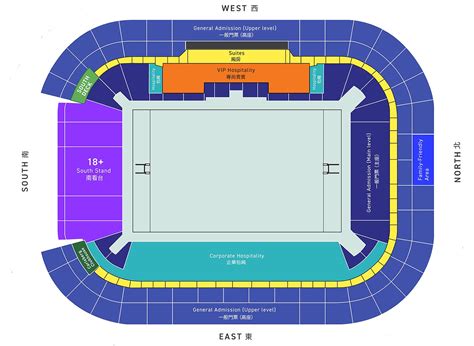
A unique aspect of seating optimization at BayArena is its focus on fan engagement. The system can prioritize seating assignments for season ticket holders or loyal fans in prime locations, fostering a sense of reward and community. Additionally, advanced algorithms can identify underperforming sections—such as those with consistently low attendance—and suggest reconfigurations. For instance, converting a low-demand section into a standing area for more enthusiastic supporters or a themed zone (e.g., for families or corporate sponsors) can improve the overall vibrancy of the stadium. This proactive approach to seating management ensures that BayArena not only fills its physical capacity but also maintains a high level of fan satisfaction and engagement.
The third pillar of technological enhancement is **real-time capacity monitoring**. Modern stadiums like BayArena are equipped with IoT (Internet of Things) sensors and surveillance systems that provide live updates on crowd density across different zones. These systems allow operators to monitor how seating areas, concourses, and entry points are being utilized during an event. For instance, if one section of the stadium is overcrowded while another remains sparsely occupied, the system can alert staff to redirect fans to less crowded areas. This capability is particularly critical during high-attendance matches, where efficient crowd flow is essential for safety and comfort. Real-time monitoring also supports emergency preparedness; if an incident occurs, the system can provide an accurate headcount and location data to aid evacuation efforts.
Real-time capacity monitoring also has implications for concession and merchandise sales. By analyzing crowd movement patterns, BayArena can identify peak times and locations for food and beverage demand. This allows the stadium to deploy mobile vendors or adjust staffing levels in real time to reduce wait times and improve service quality. For example, if sensors indicate that a particular concourse is experiencing heavy foot traffic during halftime, additional food stalls can be activated in that area to meet demand. This not only enhances the fan experience but also maximizes revenue opportunities during limited windows of high activity.
Another dimension of real-time capacity monitoring is its role in long-term planning. By analyzing data collected over multiple events, BayArena can identify patterns in how different sections of the stadium are used. For instance, if certain areas are consistently underutilized, the stadium management might consider repurposing them for alternative uses, such as premium lounges, sponsor zones, or even non-sporting events like concerts. This adaptability ensures that the stadium’s physical infrastructure is not a static asset but a dynamic resource that can evolve with changing fan needs and market demands.
It is also worth noting how these technologies work in tandem. For example, digital ticketing systems can feed data into seating optimization algorithms, which in turn inform real-time capacity monitoring systems. This interconnected approach allows BayArena to create a feedback loop where each technology enhances the effectiveness of the others. For instance, if real-time monitoring detects that a newly introduced family zone is consistently popular, the stadium can prioritize similar configurations in future matches. Similarly, seating optimization can use historical ticketing data to predict which sections are likely to sell out early, allowing the stadium to allocate resources more effectively.
However, these advancements are not without challenges. The implementation of such systems requires significant investment in infrastructure, staff training, and cybersecurity to protect sensitive fan data. Moreover, there is a risk of over-reliance on automation, which could alienate fans who value human interaction or face difficulties with digital systems (e.g., older fans or those with limited access to technology). To address these concerns, BayArena must strike a balance between technological innovation and maintaining a human touch in its operations.
In conclusion, the integration of digital ticketing, seating optimization, and real-time capacity monitoring has fundamentally transformed how BayArena manages its capacity utilization. These technologies not only improve operational efficiency but also enhance the fan experience by reducing friction points, personalizing services, and ensuring safety. As BayArena continues to evolve, its embrace of these tools positions it as a model for how modern stadiums can balance tradition with innovation to remain competitive in an increasingly tech-driven sports landscape.
Future Projections for BayArena Capacity
The BayArena, home to Bundesliga club Bayer Leverkusen, has long been a symbol of modern stadium design in Germany. With a current seating capacity of approximately 30,210, the stadium has undergone several renovations to meet the evolving needs of fans and the club. However, as trends in stadium design and fan expectations continue to shift, there is room to speculate on how the BayArena’s capacity might change in the future. This section delves into potential upgrades and transformations that could redefine the stadium’s role in the coming decades, considering both infrastructural and experiential factors.
One of the most significant drivers of change in stadium capacity is the growing emphasis on **fan-centric experiences**. Modern fans are no longer content with just a seat to watch the game; they demand an immersive, multi-sensory experience. This trend is evident in the adoption of luxury suites, interactive zones, and premium hospitality areas in stadiums worldwide. For the BayArena, a potential upgrade could involve **expanding premium seating options**, such as adding more VIP boxes or creating exclusive fan lounges. These additions would not necessarily increase the raw seating count but could redefine how capacity is utilized. For instance, replacing a section of general admission seating with tiered luxury suites could reduce overall capacity slightly but significantly boost revenue per attendee. This approach aligns with the global trend of prioritizing quality over quantity in stadium design.
Another key consideration is the **impact of hybrid event hosting**. Stadiums are no longer single-purpose venues; they are increasingly designed to accommodate a variety of events, from concerts to esports tournaments. The BayArena, with its central location and existing infrastructure, is well-positioned to capitalize on this trend. However, hosting non-football events often requires flexible seating configurations and higher capacity for certain setups. A modular design approach could allow the BayArena to temporarily increase its effective capacity for concerts or festivals by incorporating **temporary seating or standing areas**. For example, retractable seating systems, already implemented in some modern stadiums, could enable the venue to expand its capacity by 5-10% for specific events without permanently altering its football-focused layout.
The rise of **sustainability in stadium design** is another trend that could influence the BayArena’s future capacity. As environmental concerns grow, there is a push toward greener stadiums that optimize space and energy use. This could mean rethinking how the BayArena’s physical footprint is used. For instance, instead of expanding outward, which might be constrained by urban zoning laws, the stadium could explore **vertical expansion**. Adding an additional tier to certain sections of the stadium—particularly in areas with high demand, such as the main stand—could increase capacity without requiring significant land acquisition. Such a move would need to be balanced with maintaining sightlines and preserving the intimate atmosphere that smaller stadiums like the BayArena are known for. However, advancements in structural engineering and materials science make this a feasible option for the future.
In addition to physical changes, **technological integration** is likely to play a role in how capacity is perceived and managed. Augmented reality (AR) and virtual reality (VR) are already being explored as ways to enhance the fan experience. Imagine a scenario where fans attending remotely through VR feel as though they are in the stadium, effectively "occupying" a digital seat. While this does not physically increase capacity, it could allow the club to monetize virtual attendance, creating a hybrid model where the perceived capacity of the BayArena extends beyond its physical limits. Furthermore, **dynamic ticketing systems**—where sections of the stadium are reconfigured based on demand—could allow for more efficient use of existing space. For instance, if a match is expected to draw a smaller crowd, general admission areas could be condensed, freeing up space for other uses or temporary enhancements.
Another factor to consider is the **evolving nature of fan demographics**. Younger audiences, particularly Generation Z and Alpha, are bringing new expectations to live sports. They value connectivity, inclusivity, and social spaces within stadiums. This could lead to the creation of **social zones** within the BayArena—areas designed for mingling, networking, and engaging with the event beyond the game itself. Such zones might reduce traditional seating capacity but would cater to a broader audience, potentially increasing overall attendance figures in a less conventional sense. Additionally, the inclusion of **family-friendly sections** or areas tailored to diverse fan groups could shift the focus from sheer numbers to creating a more inclusive and welcoming environment.
The **competition among Bundesliga stadiums** also cannot be ignored. As clubs like Bayern Munich and Borussia Dortmund continue to enhance their venues, Bayer Leverkusen may feel pressure to ensure the BayArena remains competitive. This could involve not only increasing capacity but also modernizing facilities to keep pace with larger, more technologically advanced stadiums. For example, if rival clubs begin offering fully cashless, app-driven experiences with seamless entry and exit systems, the BayArena may need to invest in similar upgrades to remain attractive. These enhancements might not directly increase physical capacity but would make the stadium more appealing, potentially driving higher attendance rates over time.
A related consideration is the **impact of urban development around the BayArena**. As cities grow and infrastructure changes, the land available for stadium expansion may become limited. However, this constraint could drive creative solutions. For instance, partnerships with local authorities could lead to the development of **multi-use facilities adjacent to the stadium**, such as training centers, retail spaces, or even hotels. While these would not directly increase the BayArena’s seating capacity, they would enhance its role as a hub for sports and entertainment, potentially drawing more visitors and justifying further investment in the venue.
Finally, we must consider the **financial implications of capacity changes**. Expanding or upgrading the BayArena is a costly endeavor, and any decision must align with the club’s long-term financial strategy. Incremental upgrades, such as reconfiguring existing seating or adding modular elements, might be more feasible than a full-scale expansion. Additionally, the club could explore **public-private partnerships** or seek sponsorships to fund ambitious projects. These financial strategies would need to align with fan expectations and the broader vision for the stadium’s role in the community.
In conclusion, the future of the BayArena’s capacity is likely to be shaped by a combination of **fan-centric design, technological innovation, sustainability, and competition**. While a significant increase in physical seating may not be the primary focus, the stadium could evolve in ways that redefine how capacity is understood and utilized. Whether through modular designs, hybrid event hosting, or digital extensions of the stadium experience, the BayArena has the potential to remain a cutting-edge venue that meets the demands of modern sports fans while staying true to its legacy.
Conclusion and Strategic Implications
The capacity of BayArena, home to Bundesliga club Bayer 04 Leverkusen, is more than a mere numerical figure representing the number of seats available for spectators. It serves as a critical indicator of the stadium's ability to sustain its role as a vibrant sports and entertainment hub in Germany and beyond. At a capacity of approximately 30,210, BayArena balances the demands of modern stadium design with the need to maintain an intimate atmosphere that appeals to both fans and event organizers. This section delves into the strategic implications of this capacity, exploring its importance in the broader context of sports management, fan engagement, and revenue optimization.
One of the primary considerations when evaluating BayArena's capacity is its ability to cater to the **demand dynamics of modern sports audiences**. In the Bundesliga, where average attendances often exceed 40,000, BayArena’s relatively modest size might seem like a limitation. However, this size is a deliberate choice that aligns with Leverkusen’s market position and fan base. Unlike clubs like Bayern Munich or Borussia Dortmund, which command national and international fan bases capable of filling larger venues, Bayer 04 Leverkusen has a more regionally concentrated support base. This localized focus allows the club to prioritize a **high-quality fan experience** over sheer volume. The stadium's smaller capacity enhances the sense of closeness between players and fans, creating an environment where every cheer, chant, and goal celebration feels personal. This intimacy is a strategic advantage in fostering **fan loyalty**, which is increasingly critical in an era where sports organizations compete not just for ticket sales but for long-term emotional investment from supporters.
From a **revenue optimization perspective**, BayArena’s capacity plays a nuanced role. While larger stadiums often generate higher ticket sales due to greater volume, they also face challenges such as higher operational costs and potential difficulties in maintaining high occupancy rates for non-marquee matches. BayArena’s size ensures a **consistently high occupancy rate**, which is a key metric for both fan perception and sponsor appeal. A near-full stadium, even for less prominent fixtures, conveys a sense of vibrancy and success that larger, half-empty venues struggle to project. This dynamic is particularly important for **corporate sponsors and advertisers**, who value exposure in a packed, energetic environment. Additionally, the stadium’s design facilitates **premium seating and hospitality offerings**, which are disproportionately profitable compared to general admission tickets. The limited capacity ensures that these high-margin offerings are not diluted in a sea of general seating, allowing the club to maximize revenue per attendee.
The stadium’s capacity also has **implications for its versatility as an entertainment venue**. While primarily a football stadium, BayArena has hosted concerts, corporate events, and other non-sporting functions. Its size makes it an attractive option for mid-tier events that require a **manageable scale** without the logistical complexities of larger arenas. For instance, artists or event organizers looking to target the Rhine-Ruhr region—a densely populated area with significant economic activity—find BayArena’s capacity well-suited to their needs. This dual-purpose functionality diversifies the stadium’s revenue streams, reducing its reliance on matchday income alone. Stakeholders, particularly the club’s management and local government, can leverage this versatility to position BayArena as a **regional asset** rather than merely a sports venue. This positioning aligns with broader trends in stadium management, where multi-use facilities are increasingly seen as essential for long-term financial sustainability.
Another critical aspect of BayArena’s capacity is its **scalability within the constraints of urban infrastructure**. Leverkusen is a relatively compact city, and the stadium is situated in a densely built environment. Expanding the capacity significantly would require substantial investment in transportation, parking, and surrounding amenities, potentially straining local resources. Instead, the current capacity represents a **pragmatic compromise** that respects the city’s physical and economic limitations while still allowing for growth in other dimensions, such as **digital fan engagement**. For instance, the club can focus on enhancing the **virtual matchday experience** for fans who cannot attend in person, using technologies like augmented reality (AR), live streaming, and interactive apps. This approach not only complements the physical capacity but also expands the club’s reach to **global audiences**, turning BayArena into a focal point for Bayer 04 Leverkusen’s international branding efforts.
The capacity of BayArena also has **competitive implications within the Bundesliga ecosystem**. While it may not rival the size of Allianz Arena or Signal Iduna Park, its intimate scale allows Bayer 04 Leverkusen to position itself as a **boutique destination** for fans seeking a different kind of experience. This differentiation is particularly valuable in a league where clubs are increasingly vying for the attention of both domestic and international audiences. By focusing on quality over quantity, BayArena can attract fans who value **proximity to the action**, personalized services, and a unique matchday atmosphere. Stakeholders can build on this positioning by marketing BayArena as a **premium experience**, emphasizing exclusivity and the opportunity to be part of a more intimate sporting community.
From a **strategic planning perspective**, there are actionable insights for stakeholders to consider. First, the club and local authorities should **invest in infrastructure that supports non-matchday revenue generation**. This could include upgrading facilities for conferences, exhibitions, and smaller-scale performances to ensure the stadium remains active throughout the year. Second, there is an opportunity to **leverage data analytics** to understand fan behavior and preferences better. For instance, dynamic pricing models could be employed to ensure that even at near-full capacity, ticket sales remain optimized for revenue while maintaining affordability for core supporters. Third, the club should explore **partnerships with regional businesses and tourism boards** to position BayArena as a centerpiece of **regional economic development**. Events hosted at the stadium can be promoted as part of broader travel packages, attracting visitors to Leverkusen and its surroundings.
Additionally, there is potential to **explore modular expansion options** for BayArena in the future. While the current capacity is well-suited to the club’s present needs, modular designs could allow for temporary increases in seating for high-profile matches or events without requiring permanent structural changes. This approach would preserve the stadium’s intimate character while still allowing it to compete for larger-scale events when necessary.
Finally, the strategic use of BayArena’s capacity can serve as a **case study for other mid-sized clubs and venues**. By demonstrating how a carefully calibrated capacity can support both fan engagement and revenue goals, Bayer 04 Leverkusen can set an example for clubs facing similar challenges. This includes emphasizing the importance of **community integration**, where the stadium is seen not just as a place for football but as a **cultural and social hub** for the local population. Initiatives like open training sessions, fan festivals, and youth sports programs can further embed the stadium within the fabric of the city, reinforcing its role as a unifying symbol for the region.
In conclusion, BayArena’s capacity is not just a logistical detail but a cornerstone of its identity and strategy as a sports and entertainment venue. Its size reflects a thoughtful balance between the club’s market position, fan expectations, and revenue objectives. For stakeholders, the key lies in recognizing this capacity as a **strategic asset** that can be optimized through targeted investments in fan experience, event diversification, and digital innovation. By doing so, BayArena can continue to thrive as a model of how smaller stadiums can punch above their weight in the competitive landscape of modern sports and entertainment.