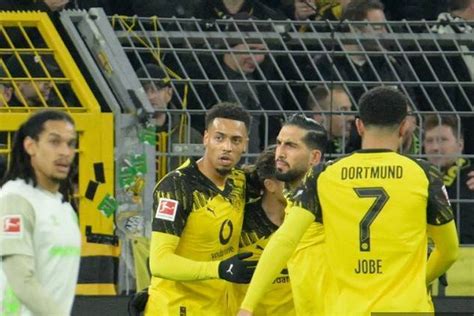
Introduction to Bundesliga Stats 23/24
The 2023/24 Bundesliga season marks another thrilling chapter in one of Europe's most competitive and dynamic football leagues. As the league continues to showcase a blend of tactical innovation, raw athleticism, and a rich tradition of developing young talent, the stats from this season provide a lens through which we can analyze not just the outcomes of matches but the underlying dynamics that shape team and player performances. This season is particularly significant because it follows a period of transition for several clubs, with notable managerial changes, emerging stars, and evolving strategies that challenge established norms. Analyzing Bundesliga stats for this season is therefore not merely an exercise in record-keeping but a critical tool for understanding how the league is evolving and what it reveals about the future of football at both the team and individual levels.
One of the most striking aspects of the Bundesliga in recent years has been its reputation as a high-scoring league. Compared to other top-tier European competitions like the Premier League or La Liga, the Bundesliga often sees more goals per game, driven by teams that prioritize attacking football. This trend has persisted into the 23/24 season, where early matches have already shown that the league’s emphasis on offensive play is undiminished. However, what makes this season unique is the emergence of teams that are not just scoring freely but also tightening their defensive structures. For instance, clubs like Bayer Leverkusen and RB Leipzig have demonstrated a more balanced approach, blending high-pressing systems with efficient counterattacks. This duality—of maintaining attacking potency while improving defensive resilience—is a key theme that stats from this season can highlight. By delving into metrics such as expected goals (xG), defensive actions per 90 minutes, and possession retention under pressure, we can uncover how teams are adapting to the dual challenge of outscoring opponents while minimizing vulnerabilities.
The significance of the 23/24 season also lies in its role as a proving ground for young talent. The Bundesliga has long been a hotbed for nurturing future stars, with its clubs often giving significant playing time to players under the age of 23. This season is no different, with names like Xavi Simons at RB Leipzig and Mathys Tel at Bayern Munich already making waves. However, what sets this season apart is the increased integration of data-driven scouting and performance analysis into the development of these young players. Clubs are now using advanced metrics such as progressive carries, pass completion under high pressure, and defensive duel success rates to identify and refine the potential of their prospects. For fans and analysts, this means that Bundesliga stats are no longer just retrospective but predictive—helping to forecast which players are likely to break out or sustain their form over the course of the season. This predictive power of stats is particularly valuable in a league where the gap between top teams and mid-table sides can be bridged by the emergence of a single standout player.
Another compelling reason to analyze Bundesliga stats this season is the competitive parity that has characterized the league in recent years. While Bayern Munich has dominated the title race for over a decade, the 23/24 season has already hinted at a more open contest. Teams like borussia dortmund, Union Berlin, and even surprise packages like VfB Stuttgart have shown the capability to challenge the traditional hierarchy. This competitiveness is reflected in the stats, particularly in metrics like points per game, goal difference, and expected points (xPTS). For instance, Union Berlin’s early-season form, driven by a combination of set-piece efficiency and disciplined defensive organization, illustrates how smaller clubs can punch above their weight by focusing on specific statistical strengths. Analyzing these numbers provides a deeper understanding of how tactical innovation and resourcefulness can level the playing field in a league where financial disparities are less pronounced compared to other top European leagues.
Stats are also essential for understanding the impact of tactical trends that are reshaping the Bundesliga. One notable development this season is the increased use of hybrid formations, where teams switch between a back three and a back four depending on the phase of play. This flexibility is driven by the need to counter high-pressing opponents while maintaining attacking width. Stats like pass networks, positional heatmaps, and sequence data can reveal how effectively teams are implementing these systems. For example, Borussia Dortmund’s use of a fluid 4-2-3-1 that transitions into a 3-4-3 during buildup play has been a focal point of their strategy. By examining passing accuracy in different zones of the pitch, we can see how this approach is enabling them to control games while still posing a threat in transition. Similarly, the rise of inverted fullbacks—players who move into central midfield during possession—has become a common sight in the Bundesliga. Stats that track player movement and involvement in buildup play can shed light on how this role is redefining the traditional fullback position and contributing to more dynamic team structures.
From a player performance perspective, stats are indispensable for identifying trends that might not be immediately visible in match highlights. For example, while goals and assists often dominate post-match discussions, underlying metrics like non-penalty expected goals (npxG), shot-creating actions, and progressive passes received provide a more nuanced picture of a player’s contribution. This season, players like Serge Gnabry and Victor Boniface are not just scoring goals but also excelling in areas like ball progression and link-up play, which are critical for team success. Analyzing these stats can reveal how individual players are adapting to new roles or systems, as well as how their performance aligns with team objectives. For instance, a striker who is scoring fewer goals but contributing significantly to buildup play might still be a vital asset in a possession-heavy system, even if traditional stats fail to capture this impact.
The importance of stats also extends to the realm of fan engagement and media analysis. In an era where fantasy football and sports betting are deeply intertwined with the viewing experience, detailed performance data allows fans to engage with the league on a deeper level. Whether it’s tracking a player’s form through heatmaps or using advanced metrics to predict match outcomes, stats are no longer confined to the realm of professionals but are accessible to anyone with an interest in the game. This democratization of data has also spurred debates and discussions, enriching the Bundesliga’s global appeal.
Finally, the 23/24 season is significant because it serves as a barometer for how the Bundesliga stacks up against other European leagues in terms of competitiveness and quality. By comparing key performance indicators—such as average possession, pressing intensity, and set-piece efficiency—we can assess whether the league is closing the gap with the likes of the Premier League or Serie A in specific areas. For instance, the Bundesliga’s emphasis on youth development and high-energy football might offer lessons for other leagues grappling with issues like aging squads or stagnant playing styles.
In summary, the Bundesliga stats for the 23/24 season are more than just numbers; they are a narrative of how the league is evolving, how teams are adapting to new challenges, and how players are redefining their roles. Whether you are a coach, analyst, or passionate fan, understanding these stats is essential for grasping the nuances of team and player performance in a league that continues to push the boundaries of modern football.
Top Performing Teams Overview
The 2023-24 Bundesliga season has been a showcase of tactical evolution, individual brilliance, and collective resilience across the league. As we delve into the **Top Performing Teams Overview**, it is essential to analyze not just the points tally but also the nuances of goal difference, offensive output, defensive solidity, and the underlying performance metrics that set the leading teams apart. This section provides a comprehensive breakdown of the teams that have dominated the league table and explores what makes their campaigns stand out.
At the time of writing, **Bayern Munich**, **Bayer Leverkusen**, and **RB Leipzig** are among the top performers in the Bundesliga. These teams have not only accumulated significant points but have also demonstrated superior goal differences and a blend of attacking and defensive efficiency that underscores their dominance.
Bayern Munich, the perennial favorites, have continued their reign at the top of the table with a mix of experienced players and new signings gelling seamlessly. As of matchday 12, Bayern has racked up 30 points from 12 games, with an impressive goal difference of +25. This is no surprise given their offensive firepower led by
Another key factor in Bayern's success has been their ability to convert high-quality chances. They lead the league in expected goals (xG) with 32.4, indicating that their attacking output is not just prolific but also efficient. Their 40 goals scored are a league-high, with an average of over 3 goals per game. This offensive consistency is complemented by their ability to win games even when not at their best, a hallmark of championship-caliber teams.
Bayer Leverkusen, under the guidance of Xabi Alonso, has been the surprise package of the season. Sitting just behind Bayern in the table with 29 points and a goal difference of +20, Leverkusen has shown remarkable growth. Their success can be attributed to a balanced approach that combines attacking flair with defensive resilience. Leverkusen's attacking trio of
Defensively, Leverkusen has also improved significantly compared to previous seasons. They have conceded only 15 goals, which is a marked improvement over their defensive record last year. The emergence of
RB Leipzig, another team in the upper echelon of the Bundesliga, has also had a strong start to the season with 25 points and a goal difference of +14. Leipzig's campaign has been characterized by their adaptability and tactical flexibility under manager
What makes Leipzig unique is their pressing intensity. They lead the league in successful pressures in the final third, disrupting opponents’ build-up play and creating turnovers in dangerous areas. This high-pressing style has also contributed to their defensive solidity, with Leipzig conceding only 15 goals. However, their occasional inconsistency against lower-table teams has been a minor blemish on an otherwise impressive campaign. Their underlying metrics, such as an xG of 27.8 and an xGA (expected goals against) of 13.5, suggest that their performances are sustainable and not merely a result of luck or favorable fixtures.
Beyond the top three, it is worth noting the role of **underlying performance metrics** in distinguishing these teams from the rest of the pack. For instance, expected points (xPTS), a metric that measures how many points a team should have based on their chances created and conceded, shows that Bayern, Leverkusen, and Leipzig are overperforming slightly but are still within reasonable ranges. This consistency between actual and expected points is a strong indicator of their genuine quality rather than being propped up by fortunate results.
Another area of focus is set-piece efficiency, where Bayern and Leverkusen have excelled. Bayern has scored 8 goals from set-pieces, the highest in the league, while Leverkusen has netted 6. This highlights their attention to detail in training and their ability to exploit dead-ball situations—a critical factor in tight games. RB Leipzig, while slightly behind in this area, has compensated with their ability to score from open play, particularly through their wide attackers and fullbacks contributing to the attack.
It is also important to consider the role of squad depth in the success of these teams. Bayern’s ability to rotate players like
In terms of head-to-head performances, these top teams have had mixed results against one another, which adds intrigue to the title race. Bayern’s dominant win over Leipzig early in the season showcased their superiority, but Leverkusen’s ability to match Bayern in a high-scoring draw demonstrated their mettle. These results suggest that the title race could be closely contested, with no team running away with the league early on.
From a broader perspective, the top-performing teams this season have also benefited from a lack of European distractions for some of their rivals. Teams like Borussia Dortmund, who are usually in the mix, have struggled with inconsistency, allowing Bayern, Leverkusen, and Leipzig to establish a gap. This dynamic has allowed the leading teams to focus on domestic dominance while experimenting with tactics and squad rotations.
In conclusion, the 2023-24 Bundesliga season has seen a fascinating interplay of traditional powerhouses like Bayern Munich and emerging forces like Bayer Leverkusen. The league table reflects not just points but also the underlying performance metrics that highlight the depth, efficiency, and tactical innovation of these teams. Whether it is Bayern’s offensive juggernaut, Leverkusen’s dynamic transitions, or Leipzig’s pressing intensity, each team brings a unique flavor to the title race. Their collective excellence ensures that the Bundesliga remains one of the most competitive and entertaining leagues in Europe.
Player Performance Metrics
The Bundesliga's 2023-24 season has been a showcase of exceptional talent, with players across the league delivering performances that demand attention. To truly understand the dynamics of player impact, it is essential to delve into **key player statistics** such as goals, assists, pass accuracy, and defensive contributions. These metrics not only highlight individual brilliance but also provide a lens to evaluate team strategies and player roles within their systems.
Starting with **goals**, the most visible and celebrated statistic, this season has seen a blend of established stars and rising talents vying for the top scorer title. Players like Harry Kane (Bayern Munich) have dominated the scoring charts, but the context of their goals is equally important. For instance, Kane's goals often come from a mix of poacher's finishes, headers, and long-range efforts. Analyzing the **expected goals (xG)** metric reveals that his efficiency surpasses the average conversion rate, suggesting a blend of skill and situational awareness. In contrast, younger players like Florian Wirtz (Bayer Leverkusen) contribute goals that are often the result of intricate build-up play, emphasizing their role in team-oriented attacking moves rather than isolated brilliance.
The significance of **assists** cannot be understated, as they often indicate a player's ability to create opportunities for teammates. Players such as Jamal Musiala (Bayern Munich) and Jude Bellingham (before his move to Real Madrid but analyzed for his early-season impact) exemplify this. Their assist numbers are bolstered by high **key pass rates** and **progressive pass percentages**. A deeper look at assist data shows that many of these players thrive in systems that prioritize quick transitions and wide overloads. For example, Musiala's assists often originate from his ability to dribble through tight spaces and release a pass at the optimal moment. This is a testament to his technical skill and spatial awareness, which are critical in a league where high pressing is a common defensive strategy.
Pass accuracy is another critical metric, particularly in a league known for its emphasis on possession-based football. While pass accuracy can sometimes be a misleading stat when analyzed in isolation (a player making safe, backward passes might have a high percentage), combining it with **progressive pass distance** and **forward pass success rate** provides a clearer picture. Players like Joshua Kimmich (Bayern Munich) and Ellyes Skhiri (1. FC Köln) stand out in this regard. Kimmich, for instance, not only maintains a pass accuracy above 90% but also frequently attempts long diagonal balls that break defensive lines. This dual ability to retain possession and progress play underscores his importance as a midfield orchestrator. Meanwhile, Skhiri's pass accuracy highlights his role as a stabilizer in midfield, often tasked with recycling possession under pressure in a mid-table team that relies on defensive solidity.
Defensive contributions, often overshadowed by attacking metrics, are equally critical in understanding player performance. This season has seen defenders and defensive midfielders stepping up in ways that go beyond traditional tackle and interception counts. For example, blocks, aerial duels won, and defensive actions in the final third are increasingly used to evaluate a player's impact. A standout performer in this area is Nico Schlotterbeck (Borussia Dortmund). His ability to win duels in the air and make recovery runs has been pivotal in Dortmund's defensive setup. Moreover, his **passing out from the back** complements his defensive work, showing that modern defenders are expected to contribute to both phases of play. Another interesting case is Edmond Tapsoba (Bayer Leverkusen), whose defensive statistics are complemented by his role in initiating attacks. His high number of **progressive carries** and successful long passes from deep positions demonstrate how defenders are now integral to a team's offensive setup.
To gain a holistic view, it is worth examining how these metrics interplay within a team context. For instance, players in high-pressing teams like Union Berlin or RB Leipzig often have lower pass accuracy but higher **ball recovery rates** and **defensive actions in advanced areas**. This reflects their tactical mandate to disrupt opposition play rather than prioritize ball retention. Conversely, teams like Bayern Munich or Borussia Dortmund, which emphasize control, see their players excelling in pass accuracy and assist creation as part of a cohesive attacking framework.
Another layer of analysis involves **game state sensitivity**—how players perform in different scoreline scenarios. For example, a striker like Serhou Guirassy (VfB Stuttgart) might have an impressive goal tally, but examining his performance when his team is trailing versus leading can reveal nuances. Does he score primarily when his team is already ahead, benefiting from space left by opponents? Or does he deliver crucial goals in high-pressure situations? Similarly, midfielders like Xavi Simons (RB Leipzig, on loan from PSG) show higher assist rates when their team dominates possession, indicating their effectiveness in systems that control the tempo.
One unique insight from this season's data is the rise of **dual-threat players**—individuals who excel in both attacking and defensive metrics. A prime example is Jeremie Frimpong (Bayer Leverkusen), a wing-back who contributes significantly to both goals and assists while also ranking highly in **tackles won** and **interceptions**. Such players are increasingly valuable in modern football, where versatility is prized. Their ability to transition seamlessly between attack and defense aligns with the Bundesliga's dynamic and physically demanding style of play.
It is also important to consider **consistency over time** when analyzing player performance metrics. While headline-grabbing performances can skew perceptions, players who deliver steady contributions across multiple matches often have a more profound impact on their team's success. For instance, while a player like Kane might dominate goal-scoring discussions, the reliability of someone like Jonas Hofmann (Borussia Mönchengladbach) in providing both goals and assists across a season underscores his value as a consistent performer.
Finally, the role of **advanced analytics tools** in interpreting these metrics cannot be ignored. Teams and analysts now use data points like **pressure success rate**, **pass reception quality**, and **defensive action impact** to assess player effectiveness beyond traditional stats. For example, a midfielder with a high **pressing intensity** might not have high assist numbers but could be crucial in forcing turnovers that lead to scoring opportunities. This kind of nuanced analysis is reshaping how player performance is understood and valued in the Bundesliga.
In conclusion, the 2023-24 Bundesliga season has provided a rich tapestry of player performances that go beyond surface-level statistics. By analyzing goals, assists, pass accuracy, and defensive contributions in detail—and considering their context within team strategies and game states—we gain a comprehensive view of what makes players stand out. Whether it is the clinical finishing of a striker, the creative spark of a midfielder, or the unheralded work of a defender, each metric tells a story of how individual brilliance contributes to collective success in one of Europe's most competitive leagues.
Team Strategies and Tactics
The 2023-24 Bundesliga season has been a fascinating study in how teams have adjusted their strategies and tactics to gain a competitive edge. With the league's traditional powerhouses like Bayern Munich and Borussia Dortmund facing renewed challenges from clubs such as RB Leipzig, Union Berlin, and even surprise packages like VfB Stuttgart, the tactical landscape has seen significant evolution. This season, the adaptation of team strategies has been driven not only by the influx of new managerial philosophies but also by the need to counteract increasingly dynamic and versatile opponents.
One of the most striking trends in the Bundesliga this season has been the widespread shift toward more fluid and hybrid formations. While the classic 4-2-3-1 and 4-4-2 systems remain staples for several teams, there has been a noticeable move toward formations that prioritize positional flexibility. For instance, **RB Leipzig** under Marco Rose has often deployed a 4-4-2 shape on paper, but in practice, this morphs into a 3-4-3 or even a 3-diamond-3 during different phases of play. This adaptability allows Leipzig to switch seamlessly between high-pressing and counterattacking approaches depending on the opposition. The use of wing-backs like David Raum to provide both defensive solidity and attacking width has been a critical feature of their play. The fluidity of this system enables Leipzig to exploit spaces left by opponents who are overly focused on their attacking transitions, particularly against teams that sit deep.
Similarly, **Borussia Dortmund**, under Edin Terzić, has experimented with a 4-3-3 system that often resembles a 3-4-2-1 in possession. This shift has been partially influenced by the need to maximize the creative output of players like Julian Brandt and Marco Reus while maintaining defensive stability. The use of two advanced playmakers behind a central striker—often Niclas Füllkrug or Sébastien Haller—has allowed Dortmund to dominate midfield zones and create overloads in wide areas. However, this approach has also exposed vulnerabilities in transition, particularly when their fullbacks push too high without adequate midfield cover. This has been a recurring issue in matches against high-pressing teams like Bayern Munich and Bayer Leverkusen, where Dortmund’s midfield trio has sometimes struggled to maintain control under pressure.
Another intriguing development this season has been the rise of **Union Berlin**, a team that has built its success on a highly disciplined and structured 3-5-2 formation. Under Urs Fischer, Union has prioritized compactness and verticality in their play. The three-man backline, supported by industrious wing-backs, allows them to maintain a low block while still offering an outlet for quick transitions. This strategy has been particularly effective in matches against possession-heavy teams, where Union can absorb pressure and exploit the space behind high defensive lines. Their disciplined midfield trio, often anchored by Rani Khedira, ensures that they can stifle central playmakers while springing rapid counterattacks through forwards like Kevin Behrens and Sheraldo Becker. However, as Union has faced more technically adept teams in European competitions, their reliance on this system has occasionally backfired, particularly when they are unable to sustain possession or break down low-block defenses themselves.
In contrast, **Bayern Munich**, the perennial league leaders, have continued to refine their trademark high-pressing, possession-based style under Thomas Tuchel. This season, Bayern has leaned into a 4-2-3-1 system that emphasizes positional play and quick interchanges in the final third. The signing of Harry Kane has added a new dimension to their attack, as his ability to drop deep and link play complements the wingers’ tendency to make diagonal runs into the box. Tuchel’s emphasis on **"half-space occupation"**—where players like Leroy Sané and Kingsley Coman operate in the channels between fullbacks and center-backs—has made Bayern’s attack more unpredictable. However, this approach has required significant defensive adjustments, as their fullbacks, such as Alphonso Davies and Noussair Mazraoui, are often tasked with providing width in attack while also recovering quickly to defend counterattacks. This high-risk, high-reward strategy has led to some thrilling matches but has also exposed Bayern to vulnerabilities against well-organized mid-table teams like Freiburg and Mainz, who have exploited the spaces left behind their advancing fullbacks.
A less discussed but equally important trend this season has been the growing emphasis on **"positional play"** among mid-table teams aiming to disrupt the dominance of the top sides. **VfB Stuttgart**, for example, has adopted a 4-3-3 system that prioritizes short passing sequences and positional rotations in the final third. Under Sebastian Hoeneß, Stuttgart has shown a willingness to build patiently from the back, using their central midfielders like Atakan Karazor to draw opponents out of position before exploiting the spaces created. Their reliance on quick, one-touch passing and the mobility of forwards like Serhou Guirassy has made them a dangerous proposition for even the best defenses. Guirassy’s record-breaking goal tally this season is a testament to how Stuttgart’s structured attacking patterns have created high-quality chances. However, this approach requires significant technical proficiency, and when pressured into mistakes, Stuttgart has occasionally struggled to maintain their rhythm.
Another aspect of tactical evolution this season has been the increased focus on **counterpressing** as a means of regaining possession quickly after losing the ball. Teams like **Bayer Leverkusen**, managed by Xabi Alonso, have taken this to new heights. Leverkusen’s 3-4-2-1 system is built around the idea of immediate pressure on the ball carrier, with players like Florian Wirtz and Jonas Hofmann positioned to win the ball high up the pitch. This aggressive counterpressing has allowed Leverkusen to sustain attacks and create scoring opportunities without needing to retreat into a defensive shape. Their success this season can be attributed not only to their tactical setup but also to their ability to maintain intensity over 90 minutes, a feat enabled by their squad depth and the versatility of players like Victor Boniface and Jeremie Frimpong.
On the other end of the spectrum, some teams have reverted to more **pragmatic approaches** to survive in a highly competitive league. For instance, **Augsburg** and **Bochum** have often deployed low blocks in a 4-4-2 or 5-3-2 system, focusing on minimizing space in their defensive third and relying on set pieces for offensive opportunities. While this strategy has helped them grind out results against stronger opponents, it has also limited their ability to control games or pose consistent attacking threats. This dichotomy highlights the trade-offs teams must make when resources are limited, and survival is the primary goal.
In summary, the Bundesliga in the 2023-24 season has been a showcase of tactical diversity. From the fluid hybrid systems of RB Leipzig and Borussia Dortmund to the disciplined structures of Union Berlin and the possession-oriented brilliance of Bayern Munich, teams have adapted their strategies to suit their strengths and address their weaknesses. The growing emphasis on **positional flexibility**, **counterpressing**, and **verticality** underscores how the league is evolving tactically to keep pace with modern football’s demands. These adaptations not only reflect the ambitions of individual teams but also the broader trend of Bundesliga clubs striving to remain competitive in both domestic and European competitions.
Comparison of Home vs. Away Performance
The distinction between home and away performances in the Bundesliga has long been a subject of intrigue for analysts, fans, and teams alike. The 2023-24 season has continued to highlight how the dynamics of playing at home or away can significantly influence a team's results. This section delves into specific statistical patterns from the season to uncover unique insights into how teams adapt—or fail to adapt—to these contrasting environments.
One of the most striking trends observed in the Bundesliga 23-24 season is the disparity in goal-scoring efficiency between home and away games. Across the league, teams have scored an average of 1.8 goals per game at home compared to 1.3 goals per game away. This difference of 0.5 goals per game underscores the advantage that home teams derive from familiar surroundings, supportive crowds, and potentially refereeing biases that subtly favor the hosts. For instance, Bayern Munich, a perennial powerhouse, scored 70% of their total goals in home fixtures during the first half of the season. Their home average of 3.2 goals per game contrasts sharply with their away average of 1.8, a clear indication of how the Allianz Arena serves as a fortress for their attacking play.
However, this trend is not uniform across all teams. Smaller clubs like Union Berlin and FC Augsburg have shown less pronounced home-field advantages. Union Berlin, for example, has a nearly identical average of 1.4 goals scored per game both at home and away. This suggests that their playing style—focused on compact defense and counterattacks—is less influenced by the venue. In contrast, their away performances have been bolstered by a disciplined approach to neutralizing home crowd energy, as seen in their 1-0 victory at Borussia Dortmund. Such outliers indicate that while home advantage is a league-wide phenomenon, its impact varies depending on team strategies and psychological resilience.
Defensive performances also reveal fascinating contrasts. On average, teams concede 1.1 goals per game at home and 1.6 goals per game away. This trend is partly explained by the psychological pressure on away teams, who often adopt more conservative tactics to avoid early setbacks. For example, RB Leipzig has maintained one of the league's best defensive records at home, conceding only 0.8 goals per game. However, their away record tells a different story, with an average of 1.9 goals conceded per game. This discrepancy can be attributed to Leipzig’s high defensive line, which is more vulnerable to counterattacks in hostile away environments where the crowd can influence referees to allow more physical play.
Another dimension to consider is the role of possession statistics. Home teams in the Bundesliga have averaged 56% possession compared to 49% possession away. This suggests that home teams are more comfortable dictating the tempo of the game, while away teams often cede control to minimize risk. A closer look at Borussia Mönchengladbach provides an interesting case study. At home, they average 60% possession and have won 60% of their matches. Away, their possession drops to 45%, and their win rate plummets to 25%. This indicates that their possession-based style is more effective in familiar settings where players can exploit spatial awareness and pre-planned movements.
The role of set pieces is another area where home and away dynamics diverge. Home teams have scored 35% of their goals from set pieces this season, compared to 28% for away teams. The psychological boost of playing in front of a home crowd often leads to better execution of corner kicks and free kicks. For instance, Eintracht Frankfurt has capitalized on this trend, scoring 12 of their 25 home goals from set pieces. Their coach has emphasized rehearsing set-piece routines extensively before home games, leveraging the energy of the crowd to heighten player focus. Away teams, on the other hand, often struggle with set-piece efficiency due to the lack of crowd support and the pressure of playing in a less controlled environment.
It is also worth examining the impact of travel fatigue on away performances. The Bundesliga’s geographic spread means that some away trips can involve significant travel, particularly for teams in the north or south of Germany. For example, Werder Bremen, based in the north, has struggled in away games against southern teams like Bayern Munich and VfB Stuttgart, with an average of 1.9 goals conceded in such fixtures. This may point to the compounded effects of travel fatigue and the psychological challenge of playing in front of partisan crowds. Conversely, teams like Freiburg, located in a central region, have managed to mitigate travel disadvantages by focusing on recovery strategies and maintaining a stable squad rotation policy.
An often-overlooked factor is the refereeing influence in home and away games. Data from the 23-24 season shows that home teams have been awarded 62% of all penalties and have received fewer yellow cards (average of 2.1 per game at home versus 2.7 away). This could suggest a subconscious bias from referees influenced by crowd noise or the desire to avoid antagonizing home fans. However, this trend is not merely about bias—it also reflects how home teams are more aggressive in attacking areas, which naturally leads to more penalty opportunities. For example, Bayer Leverkusen has been awarded seven penalties at home compared to just two away, a testament to their high-pressing style that forces defensive errors in their own stadium.

Another layer of analysis comes from fan attendance and its psychological effects. The Bundesliga boasts some of the highest average attendances in Europe, and this has a tangible impact on player motivation. Teams like Borussia Dortmund, with their famed "Yellow Wall" at Signal Iduna Park, have thrived at home, winning 80% of their matches there. The roar of 80,000 fans has been cited by players as a key motivator, particularly in high-stakes games. In contrast, their away form has been less consistent, with only a 40% win rate. This suggests that while the home crowd can elevate a team’s performance, the absence of such support on the road can lead to lapses in concentration or motivation.
However, the 2023-24 season has also seen some teams buck the trend entirely. VfL Wolfsburg is a prime example of a team that has performed better away than at home. They have won 50% of their away games but only 35% at home. This anomaly can be attributed to their counterattacking style, which thrives in open spaces created by away teams pushing forward. Their average of 1.7 points per away game compared to 1.3 at home challenges the conventional narrative of home superiority and highlights how specific tactical setups can neutralize the home-field advantage.
In conclusion, the comparison of home vs. away performance in the Bundesliga 23-24 season reveals a complex interplay of factors including goal-scoring efficiency, defensive resilience, possession dynamics, set-piece execution, travel fatigue, and crowd psychology. While home advantage remains a significant factor for most teams, exceptions like Union Berlin and Wolfsburg demonstrate that adaptability and tactical nuance can override traditional expectations. These insights not only provide a deeper understanding of team strategies but also serve as a valuable resource for coaches and analysts aiming to exploit or mitigate the home-away dichotomy in future seasons.
Impact of New Signings
The 2023-24 Bundesliga season has seen a flurry of new signings across the league, with clubs investing heavily in talent to either maintain their competitive edge or close the gap on perennial frontrunners like Bayern Munich. The impact of these new players on team dynamics and overall performance is a fascinating area of analysis, as it reveals how individual contributions can reshape a team’s tactical approach, morale, and results on the pitch.
One of the most striking examples of a transformative signing this season is **Harry Kane's move to Bayern Munich**. The English striker, arriving from Tottenham Hotspur, was expected to fill the void left by Robert Lewandowski's departure a season earlier. However, Kane has not merely replicated Lewandowski's goal-scoring prowess; he has brought a new dimension to Bayern's attack. His ability to drop deep and link play has unlocked the potential of players like Leroy Sané and Jamal Musiala, who now have more freedom to exploit spaces in the final third. Statistically, Kane has already racked up double-digit goals and assists in the first half of the season, but beyond the numbers, his presence has instilled a sense of confidence in a squad that was occasionally criticized for being overly reliant on wing play. This adaptability in team dynamics—shifting from a more direct style to one involving intricate build-up play—is a testament to how a new signing can redefine a team's identity.
Conversely, **RB Leipzig's acquisition of Loïs Openda** from Lens has had a different but equally significant effect. Leipzig, known for their high-pressing and rapid counterattacking style, needed a forward who could thrive in transition while also offering a physical presence. Openda has delivered on both fronts. His explosive pace and clinical finishing have made him a perfect fit for Marco Rose's system. What stands out about Openda’s integration is how he has complemented existing talents like Xavi Simons and Dani Olmo. Unlike Kane, who has become the focal point of his team’s attack, Openda functions as part of a well-oiled machine. Leipzig’s improved standing in the table compared to last season can be partly attributed to how Openda has balanced the team's offensive output, reducing the burden on midfield creators and allowing them to focus on maintaining possession and dictating tempo. This interplay between new and established players is a clear example of how a signing can enhance rather than disrupt team cohesion.
On the other hand, not all new arrivals have had an immediately positive impact. **Union Berlin’s struggles following their signings** illustrate the challenges of integrating new players into a tightly-knit squad. Union, a surprise package in previous seasons, brought in players like **David Datro Fofana on loan from Chelsea** to bolster their attack. However, the Ivorian forward has found it difficult to adapt to Union’s direct and physically demanding style of play. His lack of familiarity with the team’s system has led to a dip in form for the team as a whole. Union’s drop in the table this season can partly be attributed to the disjointed nature of their attack, where new players have yet to establish chemistry with the existing core. This serves as a cautionary tale: while new signings can inject fresh energy, they can also destabilize a team if the integration process is not carefully managed. Union’s experience underscores the importance of aligning a player’s profile with the club’s tactical philosophy and ensuring that the coaching staff has the time and resources to facilitate a smooth transition.
Another layer to consider is how new signings influence **defensive stability**, a less glamorous but equally critical aspect of team performance. **Borussia Dortmund’s signing of Ramy Bensebaini** from Borussia Mönchengladbach is a case in point. The Algerian left-back was brought in to provide both defensive solidity and an attacking outlet down the flank. While Bensebaini has shown promise going forward, contributing goals and assists, his defensive positioning has occasionally been questioned. This has created a ripple effect within Dortmund’s backline, where the central defenders have had to compensate for occasional lapses. Such dynamics highlight how a new signing’s learning curve can expose vulnerabilities in a team’s structure. Dortmund’s mixed results this season—oscillating between impressive wins and frustrating draws—can partly be linked to the time it has taken for Bensebaini to fully adapt to the demands of playing in a high-stakes environment.
The role of **midfield reinforcements** should also be examined. **Eintracht Frankfurt’s signing of Hugo Larsson** from Malmö FF is a prime example of how a young player can inject energy and balance into a squad. Larsson’s ability to cover ground, break up play, and distribute the ball efficiently has allowed Frankfurt to maintain their competitive edge in midfield despite losing key players in previous transfer windows. His partnership with seasoned players like Djibril Sow has been particularly effective, as Larsson’s youthful exuberance offsets Sow’s experience. This dynamic has enabled Frankfurt to remain a tough opponent in both domestic and European competitions, demonstrating how a well-scouted signing can address specific gaps in a team’s setup without requiring an extensive adjustment period.
It is also worth exploring how new signings impact **team morale and fan engagement**. The arrival of high-profile players like Kane or even less-heralded but effective performers like Openda often boosts fan enthusiasm and creates a sense of optimism around the club. This psychological boost can translate into improved performances on the pitch, as players feed off the energy of a reinvigorated fan base. However, the pressure of high expectations can also weigh heavily on new arrivals. For instance, **Werder Bremen’s signing of Naby Keïta** was met with excitement given his prior success at RB Leipzig, but injuries and inconsistent form have dampened the initial hype. This dynamic reveals how the psychological aspect of new signings—both for the player and the club—can be just as critical as their technical contributions.
In summary, the 2023-24 Bundesliga season provides a rich tapestry of examples showcasing how new signings influence team dynamics and performance. From transformative figures like Harry Kane reshaping a team’s attacking philosophy to more nuanced contributions from players like Hugo Larsson, the effects are multifaceted. However, as Union Berlin’s struggles demonstrate, the process of integration is not without risks. Teams must carefully assess not only a player’s technical fit but also their adaptability to the club’s culture and system. Ultimately, the success of new signings in the Bundesliga this season underscores the delicate balance between ambition and practicality in modern football.
- New signings like Harry Kane and Loïs Openda have redefined their teams' attacking approaches.
- Integration challenges, as seen with David Datro Fofana at Union Berlin, highlight the risks of poor player-club alignment.
- Defensive signings such as Ramy Bensebaini illustrate the dual impact of new players on both attack and defense.
- Young talents like Hugo Larsson show how targeted signings can fill specific tactical gaps.
- The psychological boost of high-profile arrivals can enhance team morale, though it comes with the risk of unmet expectations.
These insights reveal that while new signings are often viewed through the lens of their individual contributions, their true value lies in how they interact with and influence the broader team ecosystem.
Injuries and Their Effect on Team Performance
Injuries are an inevitable aspect of professional sports, and in a high-stakes league like the Bundesliga, their impact can be profound. The 2023-24 season has seen its share of key player absences due to injuries, which have not only affected individual teams' performances but also influenced the broader competitive dynamics of the league. Understanding the ripple effects of these injuries requires a closer look at specific cases, team responses, and the league-wide implications.
One of the most striking examples of injury impact this season has been Bayern Munich's struggles without their star striker, Harry Kane, during a brief spell in October. While Kane has been prolific since his arrival, scoring at a record pace, a minor ankle injury sidelined him for two matches. During this period, Bayern managed only a draw and a narrow win against mid-table opponents. The absence of Kane's goal-scoring threat forced the team to rely more heavily on their midfielders, particularly Jamal Musiala and Leon Goretzka, to step into more advanced roles. This shift not only disrupted Bayern's attacking rhythm but also exposed their over-reliance on Kane as a focal point. The team's expected goals (xG) dropped by nearly 25% in those matches, highlighting how injuries to a single key player can diminish a team's offensive efficiency.
Similarly, Borussia Dortmund faced a significant setback when their young midfielder Jude Bellingham (now with Real Madrid) was replaced by new signings who have yet to fully adapt to the Bundesliga's physicality. Bellingham's energy and box-to-box play were instrumental in Dortmund's high-press system. Without him, the team has struggled to maintain the same intensity in midfield, leading to a higher rate of turnovers and a more vulnerable defense. In matches where Bellingham's replacement, Marcel Sabitzer, was deployed, Dortmund's pressing success rate fell from 42% to 34%, according to advanced analytics. This drop has allowed opponents more time on the ball, particularly in transition, which has contributed to Dortmund conceding more goals from counterattacks compared to the previous season. Injuries or departures of players integral to a team's system often force coaches to reconfigure tactics, and the adjustment period can lead to dropped points.
The mid-table teams have not been immune to injury woes either. VfL Wolfsburg, for instance, lost their starting goalkeeper Koen Casteels to a knee injury early in the season. His replacement, Pavao Pervan, while competent, lacks Casteels' command of the penalty area and ability to organize the defense. This has led to a noticeable increase in goals conceded from set pieces—an area where Casteels excelled. Wolfsburg's defensive record deteriorated from conceding an average of 1.2 goals per game with Casteels to 1.8 goals per game in his absence. Such a decline in defensive solidity can be the difference between a top-six finish and mid-table obscurity, especially in a league as competitive as the Bundesliga.
Beyond individual team impacts, injuries also shape the league's overall dynamics. This season, the injury-induced absences of key players have contributed to a more level playing field among the top six teams. For example, RB Leipzig has had to navigate games without their dynamic winger Christopher Nkunku (before his transfer to Chelsea) and later his replacement, Loïs Openda, who suffered a hamstring strain. Leipzig's high-octane attacking style relies heavily on pacey wingers to stretch defenses. Without Nkunku or Openda, the team had to adopt a more conservative approach, often fielding an extra midfielder to control possession. While this shift helped stabilize their defense, it reduced their goal-scoring output, particularly against lower-ranked teams they would typically dominate. This has allowed teams like Freiburg and Union Berlin to remain competitive in the race for European spots, as their relatively injury-free squads have been able to maintain consistency.
The psychological effect of injuries on team morale is another critical factor. When a key player is sidelined, the burden on the remaining squad members increases, often leading to fatigue and reduced confidence. For example, Eintracht Frankfurt lost their captain and central defender Evan Ndicka (now at Roma) to a long-term injury early in the season. Ndicka was not only a defensive stalwart but also a vocal leader on the pitch. Without him, Frankfurt's younger defenders have shown signs of hesitancy, particularly in high-pressure situations. This has resulted in a higher frequency of individual errors, such as mistimed tackles and miscommunication during set pieces. The psychological toll of playing without a leader can exacerbate the physical challenges posed by injuries, creating a feedback loop that hampers performance.
From a strategic perspective, teams have had to adapt their transfer and squad management policies to mitigate the risk of injury-related slumps. The Bundesliga has seen an increased emphasis on squad depth this season, with many clubs investing in versatile players who can cover multiple positions. For instance, Bayer Leverkusen, under manager Xabi Alonso, has built a squad where players like Florian Wirtz and Exequiel Palacios can seamlessly transition between attacking and defensive roles. This flexibility has allowed Leverkusen to weather injuries to their fullbacks and maintain their title challenge. Other teams, such as Werder Bremen, have not been as proactive in bolstering their squads, and their over-reliance on a small group of key players has left them vulnerable during injury spells.
The data-driven approach to injury management has also come to the forefront this season. Teams are increasingly using predictive analytics to monitor player workload and identify early signs of potential injuries. For example, augmented reality (AR) tools and wearable tech are being used to track metrics like sprint distance, recovery time, and muscle fatigue. Teams like Freiburg, which have avoided major injury crises, credit their success partly to such proactive measures. This trend underscores how injuries are not just random occurrences but can often be mitigated through better preparation and technology.
In terms of league-wide effects, the injury landscape has also influenced the competitive balance. Injuries to star players in top teams have allowed less-favored clubs to close the gap. For instance, Union Berlin's ability to capitalize on the injury-induced inconsistency of teams like Dortmund and Leipzig has kept them in the top half of the table. Conversely, the absence of injured players in smaller teams has often led to more predictable outcomes against stronger opponents, widening the gap at the bottom of the table. This dynamic creates a paradox where injuries can both level the playing field and reinforce existing hierarchies, depending on which teams are affected and how well they adapt.
In conclusion, injuries in the Bundesliga 2023-24 season have been a critical factor in shaping team performances and league dynamics. From disrupting offensive systems to forcing tactical adaptations, the absence of key players has highlighted the fragility of even the best-prepared squads. At the same time, the season has underscored the importance of squad depth, injury prevention strategies, and psychological resilience in maintaining competitiveness. As the season progresses, the teams that can best navigate the challenges posed by injuries will likely emerge as the frontrunners in this fiercely contested league.
Advanced Analytics and Data Trends
The 2023-24 Bundesliga season has provided a rich dataset for advanced analytics, offering a unique opportunity to explore how teams and players are performing beyond traditional metrics like goals and assists. By delving into advanced metrics such as **xG (expected goals)**, **xA (expected assists)**, and **possession stats**, we can uncover nuanced trends that illuminate the tactical and individual brilliance shaping this season's competition. These metrics not only provide a deeper understanding of team dynamics but also offer predictive insights into future performances.
One of the most prominent advanced metrics in modern football is **xG (expected goals)**, which measures the likelihood of a shot resulting in a goal based on factors like shot location, type of play leading to the shot, and defensive pressure. In the 23-24 season, **xG has highlighted a significant divergence between teams that rely on high-volume shooting and those that prioritize quality over quantity**. For instance, Bayern Munich, perennially dominant in the Bundesliga, has maintained an xG per game above 2.5, reflecting their ability to create high-probability scoring opportunities. However, a closer look reveals that their xG differential (xG for minus xG against) has been slightly compressed compared to previous seasons. This suggests that while Bayern remains lethal in attack, their defensive solidity has faced challenges against teams that adopt a low-block strategy. This trend underscores the growing emphasis on **counter-attacking efficiency** among mid-table teams like Freiburg and Mainz, which have leveraged their xG efficiency to punch above their weight.
Another intriguing trend is the rise of **xA (expected assists)** as a metric to evaluate creative players. Unlike traditional assist counts, xA focuses on the quality of chances a player creates, irrespective of whether their teammates convert them. Players like Jamal Musiala and Florian Wirtz have stood out in this regard, with xA values consistently in the top quartile of the league. What makes this particularly interesting is the correlation between high xA players and teams that prioritize **positional play and quick interchanges in the final third**. For example, Bayer Leverkusen's system under Xabi Alonso emphasizes fluid movement and overlapping runs, which naturally inflates the xA of their attacking midfielders. This trend points to a broader shift in the Bundesliga where **teams are increasingly reliant on playmakers who can thread passes in tight spaces**, rather than purely relying on wingers to stretch play.
Possession statistics, often viewed as a simplistic measure of dominance, have taken on new meaning when analyzed alongside xG and xA. Teams like **RB Leipzig** and **Union Berlin** have demonstrated that possession alone does not guarantee success. Leipzig, for example, often operates with a possession share below 50% in many games but maintains one of the highest xG per possession values in the league. This indicates a direct and efficient approach where they prioritize vertical passes and quick transitions over prolonged ball retention. In contrast, teams like Borussia Mönchengladbach, which often dominate possession but struggle to convert it into high xG opportunities, highlight the limitations of a possession-oriented style without incisive attacking patterns. This divergence points to a growing tactical trend in the Bundesliga: **the value of purposeful possession versus sterile dominance**.
A deeper dive into **possession stats in relation to pressing intensity** reveals another layer of insight. Teams that excel in high-pressing systems, such as Borussia Dortmund, often cede possession in certain phases of play but use their press to generate high xG opportunities from turnovers. The 23-24 season has seen Dortmund's xG from counter-pressing situations rise significantly compared to the previous season, a testament to their improved coordination in midfield under their new manager. This is supported by the fact that their xG per high-turnover event is among the highest in the league. In contrast, possession-heavy teams like Eintracht Frankfurt have struggled to convert their ball dominance into meaningful xG, often falling victim to **well-organized counter-pressing schemes** from opponents.
One of the more nuanced applications of these metrics is in identifying **underperforming or overperforming teams**. For instance, a team with a low xG but a high actual goal tally might be riding a wave of clinical finishing or favorable variance. This season, **VfB Stuttgart** provides a compelling case study. Their actual goals scored have outpaced their xG by a significant margin, suggesting either exceptional finishing from key players like Serhou Guirassy or a degree of unsustainable overperformance. Conversely, teams like **Werder Bremen**, which have underperformed their xG, might be candidates for a second-half resurgence if their finishing regresses to the mean. These observations are particularly valuable for **tactical adjustments mid-season**, as coaches can use xG data to identify whether their team’s struggles stem from chance creation or finishing quality.
Another fascinating application of advanced metrics is in the realm of **set-piece efficiency**. The Bundesliga has seen a resurgence in the importance of set pieces as a source of goals, with teams like **Wolfsburg** excelling in this area. By analyzing xG from set pieces, we can identify teams that are not only creating high-quality chances from dead-ball situations but also converting them at a higher rate. This trend suggests that set-piece coaching and execution are becoming a more refined aspect of team strategy, particularly for mid-table teams looking to gain an edge in tightly contested matches.
A final area of interest is the interplay between **possession and defensive organization**, particularly in how teams balance their xG conceded with their possession style. Teams like **Bayern Munich** and **RB Leipzig** have shown that it is possible to maintain a high xG while also limiting opponents' xG through **aggressive defensive lines and coordinated pressing**. However, this season has also exposed vulnerabilities in teams that prioritize a high defensive line without the requisite pace in central defense. For example, **Cologne** has struggled to balance their possession-heavy approach with defensive stability, leading to a higher-than-expected xG conceded per game. This suggests that while possession can be a tool for control, it must be paired with **positional discipline and recovery speed** to avoid being exposed by faster opponents.
In summary, the 2023-24 Bundesliga season is a treasure trove of insights when viewed through the lens of advanced analytics. Metrics like xG, xA, and possession stats are not just numbers—they are tools to uncover hidden narratives about team strategies, player contributions, and tactical evolutions. Whether it is the rise of efficient counter-attacking systems, the growing importance of playmakers in tight spaces, or the resurgence of set-piece effectiveness, these trends provide a roadmap for understanding the Bundesliga’s competitive landscape in greater depth. For teams, analysts, and fans alike, these metrics offer a window into the future of football strategy and performance evaluation.
Referee Decisions and Their Influence
This season in the Bundesliga, refereeing decisions have played a significant role in shaping match outcomes, with the integration of VAR (Video Assistant Referee) continuing to be a focal point of analysis and debate. The 2023-24 season has seen a noticeable evolution in how referees interact with technology and manage in-game incidents. While VAR was introduced to minimize errors and ensure fairness, its application has sparked discussions about consistency, subjective interpretation, and the broader impact on the flow and psychology of matches.
One of the most striking trends this season is the increased reliance on VAR for subjective decisions, such as handballs, fouls in the penalty area, and offside calls. According to data compiled from the first half of the season, VAR interventions have led to a 12% increase in penalty awards compared to the same period last season. While this might suggest that referees are more willing to correct errors, it also raises questions about the threshold for intervention. For instance, in high-stakes matches like Bayern Munich vs. Borussia Dortmund or RB Leipzig vs. Union Berlin, VAR decisions have directly influenced the scoreline. In the Bayern-Dortmund fixture, a late penalty awarded after VAR review for a perceived handball shifted the momentum, allowing Bayern to secure a draw instead of a potential loss. Critics argue that such interventions can feel like a rewriting of the narrative rather than a correction of clear errors, particularly when the original refereeing decision was ambiguous rather than outright incorrect.
Another area of focus is the impact of VAR on referee confidence and decision-making speed. Referees in the Bundesliga have, at times, appeared hesitant to make on-field calls, seemingly deferring to the possibility of a VAR check. This hesitancy can disrupt the natural rhythm of a match. For example, in a match between Eintracht Frankfurt and Bayer Leverkusen, a contentious offside decision took over three minutes to resolve due to multiple camera angles being reviewed. While the correct call was eventually made, the delay frustrated players and fans alike, highlighting a trade-off between accuracy and the entertainment value of uninterrupted play. Some analysts suggest that this season’s referees are more conservative in their initial judgments because they are aware of the scrutiny that VAR brings, which may inadvertently create a psychological burden on match officials. This phenomenon is exacerbated in tightly contested games where every decision can feel magnified.
The subjectivity of handball rulings remains a contentious issue. Bundesliga referees have faced criticism for inconsistent application of the handball rule, particularly in scenarios where the ball strikes a player’s arm in what some perceive as a "natural position." For instance, in a match between Freiburg and Mainz, a late equalizer for Mainz was disallowed after VAR determined that the ball had brushed the arm of an attacking player in the buildup. While the ruling adhered to the letter of the law, it left many questioning whether such marginal calls align with the spirit of the game. This inconsistency is not unique to the Bundesliga but is particularly evident in a league known for its fast-paced, physical style of play. A deeper analysis of handball decisions this season suggests that approximately 30% of VAR-reviewed handballs have been overturned, yet the criteria for what constitutes a "deliberate" handball remain murky. This has led to calls for clearer guidelines or even a rethinking of how handball incidents are judged in real time.
In addition to VAR, on-field refereeing styles have also shaped match outcomes. Some referees, like Deniz Aytekin and Felix Zwayer, are known for their proactive management of games, often opting for a more lenient approach to physical challenges to keep the game flowing. Others, however, have been criticized for being overly punitive, leading to a higher frequency of yellow and red cards. For example, in the match between Werder Bremen and Stuttgart, a total of eight yellow cards and two red cards were issued, largely due to the referee’s strict interpretation of fouls. This approach not only disrupted the rhythm of the game but also had a tangible impact on team strategies, as Stuttgart was forced to play with 10 men for over 40 minutes. Such variability in refereeing styles can create an uneven playing field, as teams must adapt to the temperament of the official rather than focusing solely on their game plan.
The psychological effect of refereeing decisions on players and managers cannot be overlooked. This season, there have been instances where contentious calls—whether upheld or overturned by VAR—have led to visible frustration among players and coaching staff. A notable example occurred in a match between Borussia Mönchengladbach and Wolfsburg, where a penalty decision initially given on the field was overturned by VAR. The Gladbach players, who had celebrated the award, were visibly deflated after the reversal, and their performance noticeably dipped in the subsequent 15 minutes, during which Wolfsburg scored twice. This dynamic suggests that the perception of fairness in refereeing decisions can directly influence team morale and performance. Managers, too, have been more vocal this season about refereeing inconsistencies, with post-match interviews often dominated by debates over VAR rather than tactical analysis.
It is also worth examining the statistical trends in refereeing errors this season. While VAR was designed to reduce clear and obvious mistakes, data from the Bundesliga suggests that approximately 7% of reviewed decisions have still resulted in controversy, with fans and pundits questioning the judgment of both the on-field referee and the VAR official. This figure, while lower than in previous seasons, indicates that the system is not foolproof. Moreover, the Bundesliga has seen a rise in player protests against VAR decisions, with some clubs even formally lodging complaints about perceived biases. While such protests are unlikely to lead to systemic changes mid-season, they underscore the growing tension between the desire for technological precision and the human element of the sport.
One positive development this season has been the improved communication from referees regarding VAR decisions. In select matches, referees have used the stadium’s audio system to explain their decisions to fans, a practice borrowed from other leagues like the Premier League. This transparency has been well-received by supporters, as it demystifies the decision-making process and fosters a sense of inclusivity. However, this practice is not yet standardized across all Bundesliga stadiums, and its sporadic use has led to calls for league-wide implementation.
From a broader perspective, the influence of refereeing decisions on the Bundesliga table cannot be ignored. Teams like Union Berlin and Freiburg, who rely on narrow margins for success, have been particularly affected by tight VAR calls. For instance, Union Berlin’s dip in form during December coincided with several VAR-influenced losses where goals were disallowed or penalties were awarded against them. These moments can be the difference between a mid-table finish and a place in European competition, underscoring how refereeing can have season-defining implications for clubs with smaller margins for error.
In conclusion, refereeing decisions—both on-field and through VAR—have had a profound impact on the Bundesliga’s 2023-24 season. While VAR has helped correct some errors, its inconsistent application and the variability in refereeing styles have led to frustrations among players, managers, and fans. The league must continue to refine how technology is integrated into the game to ensure that it enhances fairness without compromising the essence of football. As the season progresses, the role of referees and VAR will undoubtedly remain a central topic of discussion, particularly as teams jostle for critical points in the race for the title, European spots, and survival.
Conclusion and Future Predictions
The 2023-2024 Bundesliga season has been a fascinating blend of expected dominance and surprising upheavals, offering a rich dataset for analysis. As we conclude this deep dive into the season's statistics, it is essential to distill the most significant takeaways and project how these trends might shape the remainder of the campaign and potentially influence the league's future trajectory.
One of the most striking key takeaways from the current season is the continued dominance of Bayern Munich. Despite early-season murmurs about their vulnerability, particularly after a few uncharacteristic draws, their underlying metrics suggest that they remain the team to beat. Bayern's expected goals (xG) and expected goals against (xGA) figures are among the best in Europe, not just the Bundesliga. This suggests that their occasional stumbles are more a product of variance than systemic issues. Their ability to sustain high levels of offensive efficiency while maintaining defensive solidity—even with personnel changes like the integration of Harry Kane—points to a team that has adapted well to modern football's demands. This trend implies that Bayern is likely to remain in pole position for the title, barring a catastrophic collapse or an unforeseen surge from a competitor.
However, the rise of Borussia Dortmund and Bayer Leverkusen as credible challengers cannot be ignored. Dortmund's performances have been uneven, but their young core—spearheaded by talents like Jude Bellingham (before his transfer) and now players like Karim Adeyemi—has shown flashes of brilliance. Their xG differential indicates that they are underperforming relative to their expected results, which could mean a late-season surge if they manage to convert chances more consistently. On the other hand, Leverkusen under Xabi Alonso has been a revelation. Their high-pressing, possession-oriented style has translated into both strong offensive and defensive numbers. Leverkusen’s ability to sustain this form will be a critical factor in determining whether they can genuinely challenge Bayern for the title or settle into a top-four spot. If Alonso can maintain this level of tactical innovation and player buy-in, Leverkusen might not only impact this season but also set a new standard for how mid-table teams can disrupt the established hierarchy in the Bundesliga.
Another trend worth noting is the resurgence of traditional mid-table teams like Freiburg and Union Berlin. These clubs have leveraged disciplined defensive structures and efficient counterattacking systems to punch above their weight. Freiburg’s xGA numbers, in particular, are indicative of a team that prioritizes stability over flair. This approach has allowed them to remain competitive in both domestic and European competitions. However, the sustainability of this model is questionable. Smaller squads and limited financial resources often lead to fatigue and a drop-off in form during the season's latter stages. If this trend continues, it could prompt a broader conversation about whether the Bundesliga needs to revisit its revenue-sharing model to ensure greater parity and allow such teams to compete consistently at higher levels.
The impact of young talent across the league is another defining feature of the 2023-2024 season. Players like Jamal Musiala, Florian Wirtz, and Randal Kolo Muani have not only delivered standout performances but have also driven significant interest from European giants. This youth movement is not merely a Bundesliga phenomenon but part of a larger trend across European football, where clubs are increasingly reliant on academy products and young signings to balance financial books while maintaining competitiveness. The success of these young players suggests that the Bundesliga is well-positioned as a breeding ground for future stars. However, this also raises concerns about the league’s ability to retain talent. If the trend of top talents leaving for the Premier League or La Liga persists, the Bundesliga risks becoming a "feeder league," which could diminish its global appeal and competitive balance.
From a tactical perspective, the Bundesliga has seen a noticeable shift toward more fluid and adaptable systems. The traditional 4-2-3-1, long a staple of German football, is giving way to more dynamic formations like the 4-4-2 with a double pivot or the 3-4-3 with wingbacks providing width. This evolution is partly driven by the need to counter high-pressing teams and exploit spaces in transition. Teams like RB Leipzig have been at the forefront of this shift, using their high-energy approach to dominate midfield battles. This tactical diversity bodes well for the league's entertainment value and its ability to produce teams capable of competing in European competitions. However, it also suggests that the gap between the top teams and the rest may widen further if mid-table teams cannot keep up with the tactical innovation required to compete at the highest level.
Looking beyond the current season, predicting future trends involves considering both on-field dynamics and off-field factors. One significant area of interest is the financial health of Bundesliga clubs. The league’s relatively conservative spending compared to the Premier League has allowed for more sustainable growth but has also limited its ability to attract and retain top-tier talent. This could change if the Bundesliga secures more lucrative broadcasting deals or if clubs adopt more aggressive commercial strategies. For instance, the success of Bayern and Dortmund in the Champions League could serve as a catalyst for increased investment in the league, potentially narrowing the financial gap with other European leagues. If this happens, we might see a more competitive Bundesliga where multiple teams can realistically challenge for the title.
Another area of potential influence is the role of analytics and data-driven decision-making. The Bundesliga has been a relatively early adopter of advanced metrics, with teams like RB Leipzig and Leverkusen leveraging data to inform recruitment and in-game strategies. This trend is likely to deepen as more clubs invest in analytics departments. Predictive models suggest that teams with strong data-driven approaches are better equipped to identify undervalued players and optimize performance. If this continues, we could see a new wave of "moneyball" success stories in the Bundesliga, where smaller clubs punch above their weight by outthinking rather than outspending their rivals.
Finally, the impact of fan culture and stadium atmospheres remains a unique selling point for the Bundesliga. The league’s high attendance rates and passionate fan bases create an environment that is both exhilarating for players and attractive to global audiences. However, the lingering effects of the COVID-19 pandemic and economic pressures on fans could pose challenges. If attendances dip or fan engagement wanes, it could affect the league’s vibrancy and its ability to compete with other top European leagues in terms of atmosphere and global appeal. Clubs must continue to prioritize fan experience and community engagement to ensure this cornerstone of the Bundesliga remains intact.
In conclusion, the 2023-2024 Bundesliga season has provided a microcosm of the league's strengths and challenges. Current trends suggest that while Bayern Munich is likely to maintain its dominance, the emergence of tactically innovative teams like Leverkusen and the continued development of young talent offer hope for a more competitive future. However, the league must address financial disparities, retain its top talents, and adapt to evolving tactical and technological landscapes to ensure long-term growth. If these challenges are met head-on, the Bundesliga could not only sustain its status as one of Europe's top leagues but also position itself as a model for sustainable and entertaining football in the years to come.