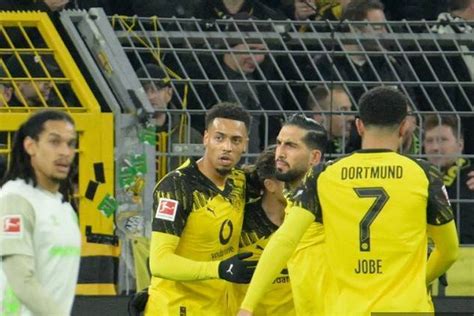
Introduction to DFB Pokal
The DFB Pokal, officially known as the Deutscher Fußball-Bund-Pokal, is one of the most prestigious and storied competitions in German football. This knockout tournament, which involves clubs from across Germany's football pyramid, serves as both a showcase of the sport's depth in the country and a platform for clubs of varying levels to compete on an equal footing. Unlike league competitions where consistency over a season determines success, the DFB Pokal thrives on the unpredictability of single-elimination matches, making it a unique and thrilling spectacle in the German football calendar.
The tournament's significance in German football extends beyond its role as a secondary competition to the Bundesliga. For many clubs, especially those outside the top tier, the DFB Pokal represents a rare opportunity to challenge elite teams, gain national recognition, and secure a place in European competition. The winner of the DFB Pokal earns a spot in the UEFA Europa League (or, in some cases, the UEFA Champions League if the winner has already qualified through the Bundesliga). This dynamic adds a layer of strategic importance to the tournament, as even mid-table Bundesliga teams or ambitious lower-division sides view it as a viable route to continental football.
The history of the DFB Pokal is deeply intertwined with the evolution of German football itself. The competition was first established in 1935 under the name Tschammerpokal, named after Reichssportführer Hans von Tschammer und Osten, during a time when football was being used as a tool for national unity and propaganda in Nazi Germany. The inaugural edition saw 1. FC Nürnberg claim the title, setting the stage for what would become a long-standing tradition. However, the tournament was discontinued after World War II and only resumed in 1952 under its current name, the DFB Pokal. This post-war revival marked a new era for German football, with the competition becoming a symbol of the sport's recovery and growth in a divided nation.
Over the decades, the DFB Pokal has grown in stature and format. Initially involving a limited number of teams, the tournament now includes 64 teams from various levels of the German football system. These include all 18 Bundesliga clubs, all 18 clubs from the 2. Bundesliga, and a mix of teams from the lower divisions, including amateur sides that qualify through regional cup competitions. This inclusive structure ensures that the DFB Pokal is not just a competition for the elite but a celebration of the sport's grassroots. The presence of smaller clubs often leads to what fans affectionately call "Pokalschlachten" (cup battles), where underdogs rise to the occasion and topple giants in dramatic fashion. Such moments are etched in the tournament's lore, reinforcing its reputation as a stage for upsets and fairy-tale runs.
One of the most remarkable aspects of the DFB Pokal is its ability to create memorable narratives. For instance, clubs like Rot-Weiss Essen, a fourth-division side, have occasionally reached advanced stages of the competition, defying expectations and capturing the imagination of fans. These stories highlight the egalitarian nature of the tournament, where David-versus-Goliath matchups are not just possible but frequent. The format also allows for regional rivalries to play out on a national stage, adding emotional weight to matches that might otherwise be routine in a league setting. For example, matches between teams from the former East and West Germany during the Cold War era carried symbolic significance, reflecting broader societal dynamics through the prism of football.
The tournament's format itself is a testament to its inclusivity and drama. Matches are played in a single-leg knockout format, with the higher-ranked team usually hosting the game. This home advantage often adds an extra dimension to the competition, as smaller clubs relish the opportunity to host big-name opponents in their intimate stadiums, creating an electric atmosphere. The final, held annually at the Olympiastadion in Berlin since 1985, is a crowning event that draws immense attention. The choice of a neutral venue for the final underscores the DFB Pokal's national character, bringing together fans from all corners of the country to celebrate the culmination of the tournament.
The DFB Pokal also holds a special place in the hearts of German football fans due to its historical milestones. Bayern Munich, with its record 20 titles, is the most successful team in the competition's history, but the tournament has also seen a diverse range of winners. Teams like Werder Bremen, Schalke 04, and Eintracht Frankfurt have etched their names into the history books, often during periods when they were not dominating the Bundesliga. This diversity of champions speaks to the DFB Pokal's role as a leveller, where form and reputation can be overturned in 90 minutes.
Another layer of significance lies in the role of the DFB Pokal in player development and exposure. For young talents at smaller clubs, a strong performance in the tournament can serve as a springboard to bigger opportunities. Scouts and managers often use the competition to identify promising players who thrive under the pressure of knockout football. Similarly, for established stars, the DFB Pokal offers a chance to add to their trophy haul and leave a legacy in German football history.
The tournament's cultural impact is also worth noting. In Germany, the DFB Pokal is more than just a football competition; it is a communal event that brings together fans of all allegiances. Local pubs, community centers, and family gatherings often revolve around cup matches, particularly when a smaller club from the region is involved. This sense of collective experience underscores the tournament's role in fostering a sense of unity and pride in local and national football culture.
From a broader perspective, the DFB Pokal has also been a laboratory for innovation in German football. The tournament has seen the introduction of new rules and experiments, such as the use of video assistant referees (VAR), which were later adopted in the Bundesliga. This willingness to evolve while preserving its traditional essence reflects the DFB Pokal's dynamic nature.
In summary, the DFB Pokal is not merely a secondary competition in German football; it is a vital component of the sport's ecosystem. Its blend of history, inclusivity, and drama makes it a unique tournament that resonates deeply with players, fans, and stakeholders alike. Whether through the triumph of underdogs, the drama of high-stakes finals, or the platform it provides for clubs and players to shine, the DFB Pokal embodies the spirit of football as a unifying and transformative force in Germany.
- The DFB Pokal offers smaller clubs a chance to compete with elite teams.
- Its history reflects the evolution of German football post-World War II.
- The tournament's single-leg format ensures high-stakes drama.
- It serves as a gateway to European competition for winners.
- Memorable upsets and regional rivalries add to its allure.
By understanding the DFB Pokal's rich tapestry of tradition, inclusivity, and excitement, one gains a deeper appreciation of its role in shaping the narrative of German football.
Historical Evolution of the Tournament
The **DFB Pokal**, Germany's premier domestic cup competition, has a storied history that reflects not only the evolution of German football but also the socio-political changes that have shaped the nation. Its origins, key milestones, and transformations over the decades offer a fascinating glimpse into how the tournament has grown from a modest competition into a highly anticipated event on the football calendar.
The roots of the **DFB Pokal** can be traced back to 1935, when the competition was first established as the **Tschammer-Pokal**, named after Reichssportführer Hans von Tschammer und Osten. This inaugural tournament was conceived as a means to promote national unity and showcase the prowess of German football clubs during a time when the country was under Nazi rule. The competition was structured as a knockout format, a feature that has remained a defining characteristic of the DFB Pokal. The first winner of the Tschammer-Pokal was **1. FC Nürnberg**, who defeated **Schalke 04** 2-0 in the final. This early iteration of the cup was heavily influenced by the political climate, with clubs often used as tools for propaganda. However, the tournament was suspended during World War II and would not resume until after the conflict, reflecting the broader disruptions of that era.
After the war, German football underwent significant reorganization. The DFB (Deutscher Fußball-Bund) reintroduced the cup competition in **1952**, albeit under a new name—**DFB Pokal**—to distance it from its politically tainted origins. This marked a fresh start for the tournament, which was now open to clubs from across West Germany. The post-war years saw the competition grow in popularity, though it was initially overshadowed by the more prestigious **Bundesliga**, which began in 1963. Despite this, the DFB Pokal began to carve out its own identity as a platform for underdog stories and dramatic upsets. Clubs from lower divisions were given the opportunity to face off against top-tier teams, a dynamic that has consistently produced memorable moments.
One of the **key milestones** in the tournament's history came in the 1960s and 1970s, when the format was expanded to include more teams. Initially limited to a smaller pool of participants, the DFB Pokal began incorporating teams from all levels of German football, including amateur sides. This democratization of access not only diversified the competition but also added an element of unpredictability. The 1970s also saw the emergence of clubs like **Fortuna Düsseldorf** and **Kickers Offenbach** as cup specialists, demonstrating that the DFB Pokal was not solely the domain of the Bundesliga giants. These years also marked the introduction of the final being held at a neutral venue, typically the **Olympiastadion in Berlin**, a tradition that continues to this day and adds to the event's grandeur.
The **1980s and 1990s** were transformative decades for the DFB Pokal, as the tournament began to reflect the increasing commercialization and professionalism of German football. The advent of live television coverage brought the games to a wider audience, boosting its profile. During this period, clubs like **Bayern Munich** and **Werder Bremen** began to dominate the competition, with Bayern Munich in particular establishing itself as the most successful team in DFB Pokal history. However, this era also saw memorable runs by smaller clubs, such as **Rot-Weiss Essen** in 1992, who reached the semi-finals as a third-division team. These moments underscored the unique charm of the cup, where David-versus-Goliath narratives are not only possible but expected.
Another significant evolution occurred in the **2000s**, as the DFB Pokal adapted to the globalization of football. The tournament's prize money increased substantially, making it a more attractive prospect for clubs of all levels. Additionally, the inclusion of **UEFA Cup (now Europa League)** qualification for the winners added an extra incentive. This period also saw a rise in the number of matches being broadcast internationally, further cementing the DFB Pokal's status as a globally recognized competition. The 2000s also witnessed the dominance of Bayern Munich, who won multiple titles, but this decade also featured surprise victories, such as **1. FC Kaiserslautern's** triumph in 1996 as a second-division team and **Werder Bremen's** victory in 2009 against the odds.
The **modern era** of the DFB Pokal has been shaped by several factors, including the rise of data-driven strategies and the impact of social media. Teams now approach the competition with meticulous planning, often using it as a testing ground for young talents or tactical experiments. The 2010s and 2020s have seen a blend of predictable outcomes—Bayern Munich winning the cup multiple times—and unexpected results, such as **Eintracht Frankfurt's** victory in 2018 against Bayern in the final. The tournament has also embraced inclusivity, with women's football gaining more prominence through the parallel **DFB-Pokal der Frauen**, which runs alongside the men's competition.
One of the most striking aspects of the DFB Pokal's evolution is its **role in fostering grassroots football**. Unlike many other cup competitions worldwide, the DFB Pokal has maintained its tradition of including amateur and semi-professional teams in the early rounds. This not only provides these smaller clubs with financial benefits but also offers them a platform to test themselves against elite opposition. For instance, in 2020, **SSV Ulm 1846**, a fourth-tier team, managed to reach the second round after defeating a Bundesliga side, demonstrating the enduring appeal of the tournament's open structure.
Over the decades, the **format and rules** of the DFB Pokal have also seen refinements. The introduction of the "away goals rule" in two-legged ties (later removed) and the use of video assistant referee (VAR) technology in the 2010s are examples of how the competition has adapted to modern footballing standards. Additionally, the seeding system has been adjusted to ensure fairness while maintaining the possibility of giant-killing feats.
A look at the **historical data** of the DFB Pokal reveals some intriguing patterns. For instance, Bayern Munich's dominance—with over 20 titles—contrasts sharply with the sporadic successes of other clubs. This disparity highlights the challenge of balancing competitiveness in a knockout format. However, it is the unpredictability of the DFB Pokal that makes it so beloved. Lower-tier teams like **Holstein Kiel** knocking out Bayern Munich in the 2020-21 season or **SC Paderborn's** run to the quarter-finals in 2018 are reminders of why the competition remains a fan favorite.
In summary, the **historical evolution of the DFB Pokal** is a tale of resilience, adaptation, and growth. From its politically charged beginnings as the Tschammer-Pokal to its current status as a showcase of German football's diversity and dynamism, the tournament has consistently provided drama, excitement, and a stage for footballing narratives that resonate far beyond the pitch. Its ability to balance tradition with modernity ensures that the DFB Pokal will remain a cornerstone of German football for years to come.
- The tournament began as the Tschammer-Pokal in 1935, reflecting its political origins.
- It was reintroduced as the DFB Pokal in 1952, signaling a fresh start post-WWII.
- The 1960s and 1970s saw format expansion and the rise of lower-tier success stories.
- The 1980s and 1990s brought commercial growth and increased television exposure.
- The modern era features inclusivity, technological advancements, and global appeal.
This rich history ensures that the DFB Pokal is not merely a cup competition but a living chronicle of German football's journey through time.
Format and Structure of the Competition
The DFB-Pokal, Germany's premier domestic cup competition, is a tournament that captures the essence of football's unpredictability and drama. Its format and structure are designed to provide opportunities for teams across various tiers of German football to compete on an equal footing, making it a unique and cherished event in the football calendar. This section delves into the tournament format, rounds, qualification criteria, and scheduling to offer a comprehensive understanding of how the competition unfolds.
The DFB-Pokal follows a knockout format, which means that each match is a one-off contest where the winner progresses to the next round, and the loser is eliminated. This high-stakes structure creates an environment where underdogs often have a chance to upset more established teams. The tournament begins with 64 teams and culminates in a single final match, usually held at Berlin's Olympiastadion.
The competition is divided into six rounds: the first round, second round, round of 16, quarter-finals, semi-finals, and the final. Each round is single-elimination, with matches decided in regular time, extra time, or penalty shootouts if necessary. The first round is particularly significant because it sets the stage for the entire tournament and involves the largest pool of teams.
The qualification criteria for the DFB-Pokal are carefully structured to ensure representation from different levels of German football. A total of 64 teams participate, drawn from the following sources:

- The 36 clubs from the Bundesliga (18 each from the first and second divisions) automatically qualify. This ensures that the top-tier teams are part of the competition, adding star power and higher-quality football to the mix.
- The winners of the 21 regional cup competitions across Germany’s states also earn a spot. These regional cups, such as the Berlin Cup or the Bavarian Cup, often feature lower-tier teams, allowing semi-professional and amateur sides to dream of a giant-killing run.
- The remaining spots are allocated based on the performance of clubs in the previous season's 3. Liga (third division). Four slots are reserved for 3. Liga teams, determined by their final standings. This inclusion ensures that teams outside the top two divisions have a pathway into the tournament.
One of the most intriguing aspects of the DFB-Pokal is the inclusion of amateur teams who qualify through regional cups. These teams often face Bundesliga giants in the first round, creating the potential for "cupsets" that are celebrated across the football world. For instance, a fifth-division side hosting a Bundesliga heavyweight in their modest stadium is not just a match but a cultural event, often drawing local and national attention. This dynamic is a key feature of the DFB-Pokal's charm and contributes to its reputation as a competition where anything can happen.
The first round of the DFB-Pokal is particularly notable for its draw mechanism. The 64 teams are divided into two pots: one containing the 32 amateur teams (regional cup winners and lower-ranked sides) and the other with the 32 professional teams (Bundesliga and 3. Liga representatives). This seeding system is designed to protect amateur teams from facing each other early on, increasing their chances of a lucrative and high-profile matchup against a top-tier side. Matches in this round are often hosted by the amateur teams, providing them with a financial boost through ticket sales and TV rights.
The scheduling of DFB-Pokal games is another aspect that distinguishes the competition. The first round typically takes place in late July or early August, just before the Bundesliga season kicks off. This timing allows clubs to fine-tune their squads and offers fans an early taste of competitive football after the summer break. Subsequent rounds are spaced out across the season, with the second round in October, the round of 16 in January, and the quarter-finals in February. The semi-finals are usually held in April, with the final taking place in May, serving as a climactic event as the domestic season winds down.
This staggered scheduling is strategic for several reasons. It allows clubs to balance their league and European commitments while keeping the DFB-Pokal in focus. For smaller teams, this spaced-out format can be a blessing, as it provides time to prepare for high-profile games without the immediate pressure of weekly league fixtures. However, for top-tier teams juggling domestic and international competitions, the DFB-Pokal can sometimes feel like a logistical challenge, particularly if they are involved in the latter stages of the UEFA Champions League or Europa League.
Another unique feature of the DFB-Pokal is the home advantage rule in the earlier rounds. In the first and second rounds, the lower-ranked team (typically an amateur or lower-division side) is given the opportunity to host the match. This rule not only levels the playing field but also creates a festive atmosphere in smaller stadiums that might otherwise never host such high-profile matches. Imagine a village team's ground filled to capacity, with fans from both sides creating a carnival-like environment—this is the essence of the DFB-Pokal's grassroots appeal.
The draws for each round are conducted publicly and are often televised events. The transparency of the process adds to the competition's integrity, as fans and teams alike can follow the pairings live. The draw for the first round is particularly anticipated, as it determines which amateur teams will face the Bundesliga's elite. As the tournament progresses, the draw becomes more open, with no seeding in the later stages, ensuring that any team can face any other, further enhancing the unpredictability of the competition.
A deeper look at the round of 16 and beyond reveals how the competition intensifies. By this stage, most amateur teams have been eliminated, and the remaining field consists primarily of Bundesliga and 2. Bundesliga sides. However, the occasional presence of a third-division or even lower-tier team at this stage is not unheard of. These "Cinderella stories" often capture the imagination of the public, as they showcase the potential for smaller clubs to shine on a national stage. For instance, teams like SSV Ulm or Rot-Weiss Essen have historically made deep runs, defying expectations and etching their names into DFB-Pokal folklore.
The final, held in Berlin, is the pinnacle of the competition. Unlike the earlier rounds, the final is played in a neutral venue, ensuring a level playing field for both finalists. The match is a spectacle, often attended by high-ranking officials, celebrities, and tens of thousands of fans. The winner of the DFB-Pokal not only earns a trophy but also secures a place in the following season's UEFA Europa League (or Europa Conference League, depending on other results), adding a tangible reward to the honor of winning the competition.
In summary, the format and structure of the DFB-Pokal competition are meticulously designed to balance inclusivity, drama, and high-quality football. From its grassroots-level qualification criteria to its single-elimination drama and staggered scheduling, the tournament offers something for everyone—be it the amateur team dreaming of a giant-killing feat or the Bundesliga powerhouse aiming for silverware. This blend of accessibility and prestige is what makes the DFB-Pokal one of the most compelling cup competitions in world football.
Key Teams and Players in DFB Pokal History
The DFB Pokal, Germany's premier domestic cup competition, has been a stage for thrilling matches, unexpected upsets, and legendary performances since its inception in 1935. Over the decades, the tournament has seen the rise of dominant teams and the emergence of iconic players whose contributions have etched their names into the annals of football history. This section delves into the most successful teams, the players who defined the competition, and some of the most unforgettable moments that have shaped the DFB Pokal's legacy.
When discussing the most successful teams in DFB Pokal history, it is impossible to overlook FC Bayern Munich. The Bavarian giants have won the tournament a record 20 times, a testament to their consistent dominance in German football. Bayern's first triumph came in 1957, but their golden era in the cup began in the 1980s under the stewardship of players like Karl-Heinz Rummenigge and Paul Breitner. Their ability to balance cup runs with league success showcases the club's infrastructure and winning mentality. In recent years, Bayern's cup dominance has been bolstered by players such as Robert Lewandowski, whose goal-scoring prowess often turned tightly contested matches in their favor. Notably, Bayern's 2019 final victory over RB Leipzig, a 3-0 win, exemplified their ability to perform under pressure in high-stakes games.
Another team that has left an indelible mark on the DFB Pokal is Werder Bremen, with six titles to their name. Bremen’s cup success in the 1990s and early 2000s was marked by a dynamic, attacking style of play. Their 2004 victory, a 3-2 win over Alemannia Aachen, was particularly memorable as it came during a season where Bremen also clinched the Bundesliga title. This "double" underlined their tactical versatility and the impact of players like Miroslav Klose, whose aerial ability and knack for scoring in clutch moments made him a standout performer.
While Bayern and Bremen are often highlighted, FC Schalke 04 deserves recognition for their five titles and their ability to shine in cup competitions even during less successful league campaigns. Schalke's 2011 victory, a 5-0 rout of MSV Duisburg, was a masterclass in efficiency and showcased the influence of players like Raúl González, whose experience and leadership brought a new dimension to Schalke’s cup runs. This match also stands out as one of the most lopsided finals in DFB Pokal history, underscoring Schalke’s ability to rise to the occasion when it mattered most.
The iconic players of the DFB Pokal are not limited to those who lifted the trophy multiple times. Some individuals have defined the competition through their performances in key matches. One such player is Gerd Müller, whose goal-scoring exploits for Bayern Munich in the 1960s and 1970s were nothing short of extraordinary. Müller’s record of 78 goals in all competitions during the 1971-72 season included vital cup goals that helped Bayern secure their second DFB Pokal title. His ability to find space in crowded penalty areas and convert chances with clinical precision made him a nightmare for defenders in cup ties.
Another player who left a lasting impression is Uwe Seeler, the legendary forward for Hamburger SV. Seeler’s performances in the 1960s were characterized by his resilience and goal-scoring instinct. Although Hamburger SV did not dominate the competition like Bayern, Seeler’s influence in key cup matches, such as the 1963 final where Hamburg defeated borussia dortmund 3-0, remains a highlight. His leadership and ability to inspire teammates in high-pressure situations made him a symbol of perseverance in the DFB Pokal.
In more recent times, Robert Lewandowski has redefined what it means to be a cup specialist. With 34 goals in the competition, he is one of the highest scorers in DFB Pokal history. His hat-trick in Bayern's 2020 final victory over Bayer Leverkusen was a display of sheer dominance, as he combined technical skill with a predator's instinct. Lewandowski’s ability to perform consistently across different competitions sets him apart as one of the modern era's most impactful players in the tournament.
Memorable performances in the DFB Pokal often come from underdogs or matches that defy expectations. One such instance is TSV 1860 Munich's run to the 1997 semi-finals, where they defeated several top-tier teams despite playing in the second division. Their journey was a testament to the cup's unpredictability and its ability to level the playing field. Similarly, Eintracht Frankfurt’s victory in the 2018 final against Bayern Munich was a shock result that showcased the cup’s capacity for drama. Frankfurt’s 3-1 win, driven by a stellar performance from Ante Rebić, who scored a brace, underlined the importance of individual brilliance in cup finals.
The 1987 final between Hamburger SV and St. Pauli is another example of the competition's ability to produce drama. St. Pauli, a second-division side at the time, pushed Hamburg to the brink in a fiercely contested match. Although Hamburg eventually won 3-1, the match is remembered for St. Pauli’s spirited performance, which captured the imagination of neutral fans and highlighted the cup’s appeal as a stage for David-versus-Goliath battles.
The DFB Pokal has also seen its share of individual brilliance in specific matches. For instance, Arjen Robben’s late winner for Bayern Munich in the 2013 final against VfB Stuttgart exemplified his ability to deliver in critical moments. Robben’s curling left-footed strike in the 89th minute not only secured the cup but also symbolized his reputation as a player who thrived under pressure. Similarly, Pierre-Emerick Aubameyang’s acrobatic goal for Borussia Dortmund in the 2017 final against Eintracht Frankfurt remains one of the most aesthetically pleasing moments in recent cup history.
Beyond individual and team achievements, the DFB Pokal has often been a platform for emerging talents to announce themselves. Players like Timo Werner, who scored key goals for RB Leipzig during their run to the 2019 final, and Jadon Sancho, whose creative play for Borussia Dortmund added flair to the competition, have used the DFB Pokal to showcase their potential on a national stage.
In summary, the DFB Pokal’s history is rich with stories of triumph, resilience, and unforgettable moments. From Bayern Munich’s unparalleled success to the heroics of players like Gerd Müller, Uwe Seeler, and Robert Lewandowski, the competition has provided a stage for greatness. Its unpredictability and the platform it offers for both established stars and rising talents ensure that the DFB Pokal remains a cornerstone of German football culture.
Economic Impact of DFB Pokal Games
The DFB Pokal, Germany's premier domestic cup competition, is not merely a showcase of footballing talent but also a significant economic driver that impacts clubs, broadcasters, and local economies. This section delves into the financial ripple effects that DFB Pokal games generate, offering a detailed analysis of how these matches contribute to various stakeholders' economic well-being.
For **clubs**, participation in the DFB Pokal can be a financial boon, particularly for smaller or lower-division teams. Unlike league matches, which are typically governed by predictable revenue streams such as season ticket sales, the cup competition offers a chance for clubs to host high-profile games against larger teams. This often results in **sell-out crowds** at smaller stadiums, where ticket prices are often raised for such marquee fixtures. For instance, a third-division club hosting a Bundesliga giant like Bayern Munich can see gate receipts spike by 200-300% compared to a regular league match. Additionally, clubs benefit from **prize money**, which escalates with each round of progression. A club earning €100,000 for reaching the first round can pocket over €2 million if they make it to the final. This revenue can be reinvested into infrastructure, player development, or reducing debt, providing a much-needed financial injection for clubs outside the top tier.
Another critical aspect for clubs is the **sponsorship boost** tied to DFB Pokal appearances. Local businesses and regional sponsors are more inclined to partner with clubs during cup runs, seeing the games as high-visibility opportunities. Clubs can renegotiate sponsorship deals or attract new partners eager to associate with the excitement of cup football. For example, a small club’s shirt sponsor might agree to a temporary bonus payment for featuring in televised matches, which are more likely in the later stages of the competition. This dynamic creates a win-win scenario where clubs gain financial support, and sponsors achieve greater brand exposure.
For **broadcasters**, DFB Pokal games represent a lucrative content asset. The unpredictability of cup football—where underdogs often upset favorites—makes these matches particularly appealing to audiences. Broadcasters such as ARD and Sky Deutschland capitalize on this by securing **broadcasting rights** that command premium advertising rates. A typical DFB Pokal match featuring a David-versus-Goliath narrative can draw significantly higher viewership than regular league games, especially when smaller clubs are involved. This audience engagement allows broadcasters to charge higher fees for **commercial slots** during live broadcasts. Moreover, streaming platforms and international broadcasters also benefit, as DFB Pokal games are often packaged as part of global football content bundles. The financial spillover extends to **subscription services**, where fans may sign up for short-term access to watch specific cup games, further boosting revenue for broadcasters and digital platforms.
The **local economies** surrounding match venues also experience a tangible economic uplift. Hosting a DFB Pokal game, especially one involving a major team, can lead to a surge in **hospitality and retail activity**. Hotels, restaurants, and bars in the vicinity of smaller stadiums often see a dramatic increase in patronage on match days. For instance, a town like Saarbrücken, which hosted a memorable cup tie against Borussia Dortmund in 2020, witnessed local businesses reporting record sales during the event. Even peripheral services such as transportation and event staffing benefit, as increased foot traffic necessitates additional resources. A study of similar cup competitions in Europe suggests that local economies can see a short-term economic boost of €1-2 million per high-profile cup match, depending on the size of the host city and the scale of the event.
Smaller towns and regions also benefit from **increased visibility** when they host DFB Pokal games. Media coverage often highlights the host city, which can lead to a **tourism ripple effect**. Fans traveling for the match might explore local attractions, dine at regional eateries, or stay overnight, contributing to the broader economic ecosystem. In some cases, towns have leveraged their association with memorable cup games to promote themselves as destinations for sports tourism, an avenue that provides long-term benefits beyond the immediate financial windfall of the match.
Another often-overlooked aspect is the **trickle-down effect on local suppliers and service providers**. From catering companies supplying food to stadium vendors to security firms hired for crowd management, DFB Pokal games create a network of economic opportunities for small businesses. These localized benefits are particularly important in regions where economic activity might otherwise be stagnant. For example, a bakery near the stadium might see a 50% increase in sales on game day, while a local transport company might secure a contract to shuttle fans to and from the venue.
However, the economic impact is not without its **challenges and disparities**. Larger clubs, particularly those with established revenue streams, may not see as significant a proportional benefit from DFB Pokal games compared to smaller teams. For instance, while Bayern Munich or Borussia Dortmund might view cup games as routine fixtures, the financial uplift for them is less pronounced because their revenue base is already diversified. Conversely, for smaller clubs, a single DFB Pokal game can represent a substantial portion of their annual revenue. This disparity underscores the importance of the competition as a financial equalizer in German football, allowing smaller entities to compete on a more level playing field, at least temporarily.
From a **macroeconomic perspective**, the DFB Pokal also contributes to Germany's sports economy by reinforcing the country's reputation as a hub for high-quality football. The competition’s structure, which ensures that even amateur teams can qualify, adds to its charm and broadens its appeal. This inclusivity not only fosters grassroots development but also encourages wider participation in football-related economic activities, from merchandise sales to local advertising campaigns.
In summary, the economic impact of DFB Pokal games is multifaceted. For **clubs**, it provides a financial lifeline, particularly for smaller teams, through gate receipts, prize money, and sponsorship opportunities. For **broadcasters**, the competition offers high-value content that drives advertising and subscription revenue. For **local economies**, the games act as catalysts for hospitality, retail, and tourism sectors, while also shining a spotlight on lesser-known regions. While the benefits are distributed unevenly across stakeholders, the cumulative effect reinforces the DFB Pokal’s role as a cornerstone of German football’s economic ecosystem. This interplay of financial dynamics ensures that the competition is not just a celebration of football but also a vital contributor to the broader economic landscape.
Tactical Approaches in DFB Pokal Matches
The DFB Pokal, Germany's premier knockout football competition, is a stage where teams face high-stakes matches that demand both tactical ingenuity and adaptability. Unlike league games, where a drawn-out points race allows room for experimentation and recovery, knockout matches are unforgiving—one loss means elimination. This dynamic shapes the strategies teams adopt, often emphasizing both offensive explosiveness and defensive solidity to navigate the unique pressures of single-leg contests.
In examining offensive trends in DFB Pokal matches, a recurring theme is the prioritization of early goal-scoring opportunities. Teams recognize that an early lead can force their opponents into a more aggressive, risk-taking posture, potentially creating vulnerabilities to exploit on the counterattack. This is particularly evident when lower-tier teams face Bundesliga giants. For example, a team from the 3. Liga might adopt a high-pressing system in the opening 20 minutes to disrupt the rhythm of technically superior opponents. This approach can yield quick turnovers in dangerous areas, allowing for rapid transitions into attack. A notable case is SC Paderborn's 2019 run, where their aggressive wing-play and early pressing unsettled top-tier defenses, even if only for brief spells.
Another offensive strategy seen in DFB Pokal matches is the use of rotational movement in the final third. Elite teams, especially those with versatile attackers, often deploy fluid positional systems to confuse static defenses. For instance, Bayern Munich under Hansi Flick frequently used players like Thomas Müller and Serge Gnabry in "free roles" during DFB Pokal games. Their ability to drift between central and wide areas created numerical advantages in key zones, overwhelming less adaptable defensive setups. This tactic is particularly effective in knockout games because the compressed nature of the match duration—where every minute matters—demands that teams maximize their attacking output without overcommitting players too early.
However, offensive strategies are not solely about high-octane pressing or intricate movement. Some teams, particularly underdogs, rely on set-piece efficiency as a primary method of breaking down superior opponents. A well-rehearsed corner routine or a dangerous free-kick taker can level the playing field in games where open-play chances are limited. This was evident in Holstein Kiel's shock victory over Bayern Munich in 2021, where a late set-piece goal highlighted how smaller teams can capitalize on moments of defensive disorganization in high-pressure situations.
On the defensive side, low-block defenses are a staple for teams facing superior opposition. The DFB Pokal often pits teams from different tiers against each other, and for the underdog, a compact defensive shape is a pragmatic way to frustrate technically superior attackers. A 4-5-1 or 5-4-1 formation is commonly deployed, with the objective of denying space in central areas and forcing the opposition to rely on wide attacks, which are generally less threatening if crosses can be intercepted. Teams like SC Verl and SSV Jahn Regensburg have employed such systems to take top-tier sides to extra time or even penalties, where the inherent randomness of a shootout can negate quality disparities.
That said, counterattacking football is perhaps the most widely observed defensive-offensive hybrid in DFB Pokal matches. Teams that sit deep often look to exploit the spaces left by opponents who overcommit in attack. This is especially prevalent when Bundesliga sides face each other, as both teams are typically well-drilled in possession-based systems. A classic example is Borussia Mönchengladbach's 2021 victory over Bayern Munich, where they absorbed pressure for long periods and then used the pace of players like Marcus Thuram to launch devastating counterattacks. This strategy requires not only disciplined defensive organization but also players capable of executing precise transitions under fatigue—a hallmark of well-prepared teams in knockout scenarios.
Another defensive trend worth noting is the use of man-marking systems in specific scenarios. While zonal defending is more common in league play, man-marking can be a useful tool in knockout games to neutralize a particularly influential player. For instance, when facing a team with a standout playmaker like Marco Reus or Christopher Nkunku, some coaches assign a midfielder or defender to shadow their movements closely. This hyper-focused approach can stifle the creative engine of the opposition, even if it leaves other areas of the pitch slightly exposed. However, this tactic is a double-edged sword; if the marked player manages to escape their shadow or if the marking player is dragged out of position, it can lead to catastrophic defensive breakdowns.
In addition to these broad trends, psychological factors play a significant role in shaping tactical choices. The "nothing-to-lose" mentality of lower-tier teams often leads them to adopt more adventurous tactics than they might in league play. Conversely, top-tier teams, aware of the expectations placed upon them, may adopt a more cautious approach to avoid embarrassment. This dynamic can result in surprising scorelines, as seen when fourth-tier SV Rödinghausen held Bayern Munich to a 1-2 result in 2018. Bayern, perhaps overconfident, struggled to break down a deeply organized defense and conceded a goal on a swift counterattack—a stark reminder that tactical discipline can sometimes outweigh raw quality in knockout football.
It is also worth considering how the role of substitutes has evolved in DFB Pokal games. With five substitutions now permitted in many competitions, managers have greater flexibility to shift their tactical approach mid-game. A team trailing by a goal in the second half might introduce a target man to exploit aerial opportunities or a pacey winger to stretch a tired defense. Similarly, teams protecting a narrow lead might bring on an extra defensive midfielder to shore up the midfield and provide additional cover for the backline. This trend has made DFB Pokal matches more dynamic in their later stages, as managers scramble to outthink each other in real time.
Finally, the impact of home-field advantage cannot be overlooked. Unlike two-legged ties in European competitions, DFB Pokal matches are single-leg affairs, often hosted by the lower-ranked team in early rounds. This can create a cauldron-like atmosphere that unsettles visiting teams, especially those unaccustomed to hostile environments. Teams like FC Saarbrücken, who reached the semi-finals in 2020 as a fourth-tier side, thrived on the energy of their home crowd to spring upsets. Visiting teams must therefore account for this intangible factor in their game plan, often opting for a more conservative setup to weather the early storm before asserting control.
In summary, the tactical landscape of DFB Pokal matches is shaped by the unique pressures of knockout football. Offensively, teams prioritize early goals, fluid movement, and set-piece efficiency to gain an edge. Defensively, low blocks, counterattacking setups, and targeted man-marking are common tools to neutralize stronger opponents. Beyond the Xs and Os, psychological factors and the strategic use of substitutes add layers of complexity to these matches. These elements combine to make the DFB Pokal a fascinating study in how teams adapt their approaches to the unforgiving nature of single-elimination football.
Fan Engagement and Cultural Significance
The DFB Pokal, Germany's premier domestic cup competition, is more than just a series of knockout matches; it is a unifying thread in the fabric of German football culture. Beyond the on-field drama, the tournament plays a pivotal role in fostering fan loyalty, sustaining traditions, and reinforcing the cultural significance of football in Germany. This deep dive explores how the DFB Pokal games create a unique space for engagement, where the local and national converge to celebrate the sport in ways that extend far beyond the final whistle.
One of the most striking features of the DFB Pokal is its ability to amplify fan loyalty at both ends of the football spectrum. Major clubs like Bayern Munich and Borussia Dortmund often see the tournament as an opportunity to add another piece of silverware to their storied histories. For these clubs, the DFB Pokal serves as a stage where their most ardent supporters can experience a different kind of competitive energy compared to league matches. The cup’s single-elimination format injects a sense of urgency and unpredictability, which keeps fans on edge and deeply invested. Every match matters, and this immediacy of consequence creates a heightened sense of attachment to the team’s journey. Fans are not just spectators; they become active participants in the emotional rollercoaster of cup football.
However, the true magic of the DFB Pokal lies in its democratic nature. Unlike the Bundesliga, where the same group of elite clubs often dominates, the cup allows lower-tier teams—from the third division and even amateur sides—to compete against football giants. This egalitarian structure provides smaller clubs with a rare opportunity to shine on a national stage. For fans of these underdog teams, the DFB Pokal is not just a competition; it is a chance to witness their local heroes challenge the status quo. The atmosphere in these games is electric. Supporters of smaller clubs often turn out in droves, creating a carnival-like environment that showcases the deep-rooted passion for football at the grassroots level. These moments of collective euphoria—whether celebrating a shock victory or simply the honor of hosting a top-tier team—reinforce the idea that the DFB Pokal is a competition where every fanbase, no matter how small, has a voice.
Traditions surrounding the DFB Pokal further underscore its role in German football culture. One of the most iconic traditions is the final held annually at the Olympiastadion in Berlin. This fixed venue transforms the cup final into a pilgrimage for fans across the country. The journey to Berlin is not merely about supporting a team; it is about being part of a national event that transcends club allegiances. The final is a celebration of football itself, complete with pre-match festivities, fan parades, and shared camaraderie among supporters of all stripes. These traditions create a sense of continuity and belonging, reinforcing the idea that the DFB Pokal is not just about winning but about being part of something larger than any single club.
Another layer of fan engagement comes from the ritualistic nature of cup matches themselves. Unlike league games, which unfold over a season, DFB Pokal games are self-contained dramas. They often take place on weekdays or in less-frequented stadiums, offering fans an opportunity to experience football in a more intimate setting. This dynamic creates opportunities for fans to form new rituals—such as traveling to unfamiliar towns to support their team, sharing stories of past cup runs, or bonding over the shared hope of an upset. These experiences deepen the emotional connection fans have with their clubs and with the sport as a whole. For instance, when a lower-league team hosts a Bundesliga giant, the local community often comes together in ways that extend beyond football. Local businesses thrive, schools and community groups get involved, and the entire town becomes a temporary hub of excitement. This ripple effect illustrates how the DFB Pokal can act as a catalyst for community engagement and cultural pride.
The cultural significance of the DFB Pokal also extends to its role in preserving Germany’s decentralized football identity. Unlike countries where football is heavily concentrated in one or two cities, German football thrives on its regional diversity. The DFB Pokal reflects this by ensuring that teams from all corners of the country—from the industrial heartlands of the Ruhr to the rural landscapes of Bavaria—have a chance to compete. This geographical inclusivity mirrors the broader ethos of German society, where regional identities are celebrated alongside national unity. For fans, this means that supporting their team in the DFB Pokal is not just about football; it is about representing their region, their history, and their unique place within the German football landscape. The cup thus becomes a vehicle for expressing local pride on a national platform.
The tournament also plays a subtle yet powerful role in bridging generational gaps among fans. Older supporters often share stories of historic cup runs or legendary matches, passing down memories that become part of the collective identity of a club’s fanbase. For younger fans, the DFB Pokal offers a chance to create their own memories, whether it is witnessing a giant-killing upset or attending their first cup final. This intergenerational exchange of experiences strengthens the cultural continuity of football fandom in Germany. It ensures that the DFB Pokal is not just a competition of the present but a link to the past and a promise for the future.
Moreover, the DFB Pokal has embraced modern fan engagement strategies while staying true to its traditional roots. Social media campaigns, interactive fan polls, and behind-the-scenes content allow younger, digitally native fans to connect with the competition in ways that were not possible a generation ago. At the same time, the tournament resists over-commercialization, maintaining its focus on the grassroots and community aspects of football. This balance between modernity and tradition ensures that the DFB Pokal remains relevant to fans of all ages while preserving its authenticity as a cornerstone of German football culture.
In summary, the DFB Pokal is a microcosm of what makes German football unique. It is a competition that amplifies fan loyalty through its unpredictable format, celebrates traditions through iconic events like the Berlin final, and reinforces the cultural fabric of German football by giving every team—regardless of size or stature—a chance to dream. Through its blend of inclusivity, community impact, and intergenerational connection, the DFB Pokal serves as a reminder that football is not just about the players on the pitch but about the fans who live and breathe the game. In this way, the DFB Pokal is not merely a tournament; it is a living, breathing expression of Germany’s love affair with the beautiful game.
Comparison with Other Domestic Cup Competitions
The DFB Pokal, Germany's premier domestic cup competition, stands as a cornerstone of the nation's football calendar, offering teams across various tiers of the football pyramid a chance to compete for glory. When compared to other domestic cup competitions globally, such as the FA Cup in England or Copa del Rey in Spain, the DFB Pokal reveals both shared characteristics and distinct features that set it apart. This section delves into these comparisons to highlight the unique aspects of the DFB Pokal in the broader context of domestic cup tournaments.
One of the primary similarities between the DFB Pokal and its counterparts is the inclusivity of teams. Like the FA Cup and Copa del Rey, the DFB Pokal allows participation from clubs across multiple divisions, including amateur and semi-professional sides. This open structure is a hallmark of domestic cup competitions, as it provides smaller clubs with opportunities to face elite teams, often leading to "giant-killing" moments that captivate fans. However, the DFB Pokal is slightly more restrictive in its inclusivity compared to the FA Cup. While the FA Cup allows entry to over 700 teams, including those from the very lowest amateur levels, the DFB Pokal features 64 teams, comprising all Bundesliga and 2. Bundesliga clubs, along with qualifiers from the lower regional leagues and the winners of the German Cup at the amateur level. This capped number ensures a more streamlined tournament structure but arguably limits the "romance" of seeing ultra-minnows progress deep into the competition, as is sometimes seen in the FA Cup.
The format of the tournaments also provides an interesting point of comparison. The DFB Pokal adopts a straightforward knockout system from the outset, with all matches decided in a single game at the home ground of one of the competing teams (determined by a draw). This single-leg format intensifies the pressure on higher-ranked teams, particularly when they are drawn away to lower-division sides, where hostile environments and uneven pitch conditions can level the playing field. In contrast, the FA Cup occasionally uses replays for drawn matches in earlier rounds, a tradition that has been phased out in later stages but still exists in some form. The Copa del Rey, on the other hand, has experimented with single-leg formats in recent years but historically employed two-legged ties for most rounds, which can favor stronger teams with greater squad depth. The DFB Pokal's unwavering commitment to the single-leg format ensures that every match is a high-stakes affair, which can lead to more dramatic upsets and memorable moments.
Another aspect where the DFB Pokal stands out is its prize structure and prestige. While the FA Cup is often romanticized for its history and the idea of amateur teams reaching the later stages, the financial rewards for winning the DFB Pokal are comparatively higher. The winner of the DFB Pokal not only secures a place in the UEFA Europa League (or UEFA Champions League if the winner has already qualified through the league) but also receives a significant financial windfall. This financial incentive is particularly important for lower-tier teams, as even reaching the later stages can provide a financial lifeline. In contrast, the FA Cup's prize money, while substantial, is often seen as less impactful due to the vast revenue disparities in English football. The Copa del Rey, similarly, offers prestige and a path to European competition, but its lower-tier teams often struggle with financial sustainability even after deep runs.
The cultural significance of the DFB Pokal also deserves attention. In Germany, the competition is deeply embedded in the football culture as a unifying event that brings together teams from diverse regions and levels of play. This is somewhat akin to the FA Cup's role in England, where it is celebrated for its tradition and the idea of "anyone can win on the day." However, the DFB Pokal has a more pronounced emphasis on regional representation. German football has a strong tradition of regional leagues, and the inclusion of teams from these leagues in the DFB Pokal ensures that the competition retains a grassroots connection. For instance, a team from the Oberliga (fifth tier) facing Bayern Munich or Borussia Dortmund is not just a football match but a celebration of regional identity and the broader football ecosystem. This regional focus is less pronounced in the FA Cup, where the sheer number of teams dilutes the sense of regional pride, and in the Copa del Rey, where the dominance of a few major clubs like Barcelona and Real Madrid often overshadows the narratives of smaller teams.
One unique feature of the DFB Pokal is its emphasis on fairness through the draw system. Unlike the FA Cup, where seeded teams were used in the past to protect higher-ranked clubs from early exits (a practice now abandoned), the DFB Pokal draw has always been entirely open, with no seeding. This means that a top-tier club could face another top-tier club in the first round, or an amateur side could host a Bundesliga giant. This lack of seeding adds an element of unpredictability and drama, as it ensures that no team is shielded from the possibility of an early upset. In the Copa del Rey, seeding has also been a factor historically, although recent changes have aimed to make the competition more open. The DFB Pokal's approach underscores its commitment to equality and the idea that, in theory, any team can win the tournament if fortune favors them on the day.
The role of stadiums and venues is another area of distinction. In the DFB Pokal, matches are hosted at the home ground of one of the competing teams, which often means smaller stadiums for lower-tier teams. This creates an intimate and often electric atmosphere, particularly when a small club hosts a major team. The FA Cup, by contrast, culminates in a showpiece final at Wembley Stadium, a neutral venue that adds grandeur but removes the home-field advantage dynamic seen in earlier rounds. The Copa del Rey final is also held at a neutral venue, often a large stadium that can accommodate fans of both finalists. The DFB Pokal's use of home venues throughout the tournament reinforces its identity as a competition rooted in the local and regional fabric of German football.
When examining historical narratives, the DFB Pokal has seen its share of dramatic upsets, such as when fourth-tier Energie Cottbus reached the final in 1997. However, these occurrences are less frequent than in the FA Cup, where teams like Wigan Athletic and Leicester City have won against all odds. This difference can be attributed to the DFB Pokal's smaller pool of teams and its single-leg format, which can sometimes limit the chances of prolonged Cinderella stories. The Copa del Rey, meanwhile, has seen its dominance by Barcelona and Real Madrid reduce the likelihood of such narratives, although there have been exceptions like Mirandés reaching the semifinals in 2020.
In summary, while the DFB Pokal shares foundational elements with the FA Cup and Copa del Rey—such as inclusivity, knockout drama, and a pathway to European competition—it carves its own identity through its single-leg format, open draw system, regional emphasis, and financial rewards. These features make the DFB Pokal not just a tournament but a unique expression of German football's values: fairness, regional pride, and the celebration of competition at all levels. This blend of tradition and modernity ensures that the DFB Pokal remains a compelling and distinct competition in the global landscape of domestic cup football.
Challenges and Controversies in DFB Pokal
The DFB Pokal, Germany's premier domestic cup competition, is a spectacle of drama, excitement, and unpredictability. However, like any high-profile tournament, it is not without its share of **challenges and controversies** that test the resilience of the competition's structure and its stakeholders. These issues often revolve around **fixture congestion**, **refereeing controversies**, and **debates over tournament fairness**, which can impact the integrity and appeal of the event.
One of the most pressing challenges faced by teams participating in the DFB Pokal is **fixture congestion**. For top-tier clubs, particularly those involved in European competitions like the UEFA Champions League or Europa League, the DFB Pokal adds to an already crowded schedule. Bundesliga teams, for instance, often find themselves juggling league matches, European fixtures, and cup games within a short span of time. This can lead to **player fatigue**, **increased injury risks**, and **reduced performance quality**. For example, a club like Bayern Munich or Borussia Dortmund might play a midweek Champions League match, followed by a weekend Bundesliga game, and then a DFB Pokal fixture the next midweek. Such a packed schedule not only strains the players but also forces managers to prioritize competitions. This prioritization can sometimes lead to **weakened lineups** in the cup, undermining the competitive spirit of the tournament.
Clubs from lower divisions, while less burdened by European commitments, face a different form of **fixture stress**. For these teams, the DFB Pokal often represents a rare opportunity to shine on a national stage. However, their limited squad depth means they are less equipped to handle back-to-back games, particularly if they progress deeper into the tournament. This disparity in resources creates an uneven playing field, where smaller clubs are at a disadvantage not just in terms of talent but also in recovery time and preparation.
Another area of contention in the DFB Pokal is **refereeing controversies**. As with any high-stakes competition, the role of match officials is scrutinized intensely. Incidents of **contentious decisions**—such as penalties awarded or denied, offside calls, or red cards—often dominate post-match discussions. The introduction of **Video Assistant Referee (VAR)** technology was intended to reduce such controversies, but it has instead added a new layer of complexity. While VAR has corrected some clear errors, its implementation has been criticized for **inconsistent application** and **prolonged delays** that disrupt the flow of the game. For example, a controversial VAR decision in a knockout match can not only alter the outcome of a game but also spark debates about whether technology is being used fairly or as a tool to favor certain teams. This has led to calls for greater transparency in how VAR decisions are made and communicated to fans and teams alike.
Moreover, **referee bias allegations** have occasionally marred the tournament. Smaller clubs, in particular, have voiced concerns about receiving less favorable treatment from officials compared to top-tier teams. While such claims are often dismissed as sour grapes, the perception of bias can erode trust in the competition. For instance, if a lower-division team faces a Bundesliga giant and feels that critical decisions consistently go against them, it can fuel a sense of **injustice** that tarnishes the tournament's reputation. Addressing these concerns requires not only better referee training but also a more open dialogue about how decisions are reviewed and explained post-match.
The third major issue is the **debate over tournament fairness**. The DFB Pokal is structured as a **knockout competition**, which inherently introduces an element of unpredictability. While this format is celebrated for its potential to produce "giant-killings" where lower-division teams upset higher-ranked opponents, it also raises questions about whether the competition is truly fair. Larger clubs with greater financial resources and deeper squads are naturally better positioned to handle the demands of the tournament. This has led to a **dominance of elite teams** in the later stages of the competition. For instance, Bayern Munich has won the DFB Pokal a record number of times, reflecting not just their quality but also the structural advantages they enjoy.
Some critics argue that the **seeding system** in the early rounds, which often pairs lower-division teams against top-tier clubs, exacerbates this imbalance. While such pairings are designed to create exciting David-versus-Goliath narratives, they can also feel like a **ritual sacrifice** of smaller teams for the entertainment of the masses. A more equitable approach might involve a **regional draw system** or **weighted seeding** that gives lower-ranked teams a better chance of progressing without entirely removing the element of surprise. This could enhance the inclusivity of the tournament while still preserving its competitive edge.
Additionally, there are ongoing discussions about whether the DFB Pokal should adopt a **two-legged format** for certain rounds, similar to the Copa del Rey in Spain or the later stages of the UEFA Champions League. A two-legged format could provide a more balanced assessment of team quality, reducing the impact of a single bad performance or a controversial decision. However, this proposal is not without its drawbacks. It would further increase **fixture congestion** and might dilute the "one-and-done" drama that makes the DFB Pokal unique. Therefore, any changes to the tournament structure must carefully weigh the trade-offs between fairness, tradition, and practicality.
Another dimension of fairness revolves around **financial rewards**. While the DFB Pokal offers a significant financial incentive for smaller clubs to progress, the disparity in prize money between rounds and the lack of long-term support for lower-league teams can be seen as a missed opportunity. For example, a team from the 3. Liga that reaches the quarterfinals might earn a financial windfall, but this is often a short-term gain that does not address the **systemic challenges** these clubs face in terms of infrastructure, youth development, and sustainability. A more holistic approach to prize distribution—perhaps including **grants for grassroots development**—could help level the playing field and ensure the tournament contributes to the broader growth of German football.
The controversies and challenges in the DFB Pokal are not isolated issues but are interconnected. **Fixture congestion** affects team performance, which can exacerbate **refereeing controversies** when fatigue leads to mistakes. Similarly, **tournament fairness** is influenced by the structural advantages of elite clubs, which are often reinforced by the current format and financial dynamics. Addressing these issues requires a **multi-faceted approach** that involves not just the German Football Association (DFB) but also input from clubs, players, and fans.
In conclusion, while the DFB Pokal is a beloved competition that captures the essence of German football, its ongoing challenges demand **proactive solutions**. Whether through better scheduling, improved refereeing transparency, or structural reforms to enhance fairness, the tournament has the potential to evolve into an even more equitable and exciting event. Resolving these issues is not just about preserving the competition's legacy but also about ensuring its future as a fair and thrilling showcase of German football talent.
Future of DFB Pokal: Opportunities and Innovations
The DFB Pokal, Germany's premier domestic cup competition, has a rich history that stretches back to 1935. While its format has evolved over the decades, the tournament remains a cornerstone of German football culture. However, as the landscape of sports and entertainment shifts in response to technological advancements, changing fan expectations, and the global push for sustainability, the DFB Pokal is at a crossroads. This section explores the future of DFB Pokal through the lens of opportunities and innovations, focusing on expanded participation, digital fan experiences, and sustainability initiatives.
One of the most intriguing opportunities lies in expanded participation. Currently, the DFB Pokal features 64 teams, including all Bundesliga and 2. Bundesliga clubs, along with representatives from lower leagues and amateur associations. While this structure ensures a mix of professional and semi-professional competition, there is room to broaden the scope further. For instance, introducing a wildcard system for non-league teams that excel in regional tournaments could add an element of unpredictability and grassroots appeal. This approach mirrors the FA Cup in England, where minnows occasionally upset giants, creating memorable narratives. Additionally, incorporating clubs from neighboring countries—such as Austria or Switzerland—on a limited, invitational basis could internationalize the competition without diluting its German identity. Such changes would not only increase the tournament's reach but also create new fanbases and cross-border rivalries, enriching the overall spectacle.
The rise of digital fan experiences presents another frontier for innovation. While the DFB Pokal has embraced some digital tools—live streaming matches, social media engagement, and mobile apps—there is untapped potential in creating immersive, tech-driven fan interactions. For example, augmented reality (AR) could allow fans to "attend" matches virtually by projecting players and stadium atmospheres into their living rooms. Imagine a fan in Munich being able to experience the electric atmosphere of a DFB Pokal final in Berlin through AR glasses or a smartphone app. Similarly, virtual reality (VR) could provide behind-the-scenes access to locker rooms, player warm-ups, and tactical team talks, offering fans an unprecedented level of intimacy with the competition. These technologies not only cater to younger, tech-savvy audiences but also expand the DFB Pokal's global audience by making the experience accessible to fans who cannot physically attend matches.
Another avenue for digital enhancement is the use of data-driven storytelling. Advanced analytics and AI-generated insights can be integrated into broadcasts and second-screen experiences to provide fans with real-time statistics, player heatmaps, and predictive analyses. For instance, a fan watching a match could receive notifications about a player’s sprint speed, shot accuracy, or historical performance in DFB Pokal games. This approach not only deepens fan engagement but also positions the DFB Pokal as a leader in using technology to enrich the viewing experience. Furthermore, personalized content delivery—such as customized match highlights based on a fan’s favorite team or player—can foster deeper loyalty and repeat viewership.
Sustainability is a critical area where the DFB Pokal can set an example for other competitions. Football has a significant environmental footprint, from energy consumption in stadiums to the carbon emissions associated with travel. The DFB Pokal can adopt sustainability initiatives that not only reduce its impact but also inspire fans and clubs to embrace greener practices. For instance, stadiums hosting DFB Pokal matches could transition to renewable energy sources, such as solar panels or wind turbines, to power lighting and facilities. Waste management systems could be optimized to ensure that all cups, food containers, and other materials used during matches are either recyclable or compostable. These measures could be paired with public awareness campaigns to encourage fans to carpool, use public transport, or offset their carbon footprint when traveling to games.
In addition to environmental sustainability, there is an opportunity to focus on economic sustainability for smaller clubs. Lower-tier teams often face financial strain when participating in high-profile cup competitions due to travel costs, stadium upgrades, and other logistical challenges. The DFB could introduce a revenue-sharing model that ensures smaller clubs receive a fair share of the tournament’s broadcast and sponsorship revenue. This would not only support their participation but also foster a more equitable ecosystem within German football. Moreover, introducing a “DFB Pokal Fund” for community projects—where a portion of ticket sales or sponsorship proceeds is directed toward local initiatives like youth football programs or stadium accessibility improvements—could reinforce the tournament’s role as a force for social good.
A related area of innovation is the potential for gamification and fan engagement platforms. The DFB Pokal could launch a digital platform where fans earn points for attending matches, participating in online polls, or predicting match outcomes. These points could be redeemed for exclusive merchandise, virtual meet-and-greets with players, or even tickets to future games. Such platforms can also incorporate educational elements, such as quizzes about the history of the DFB Pokal or sustainability tips, blending entertainment with awareness-building. This approach not only enhances fan loyalty but also positions the tournament as a forward-thinking competition that values its audience as active participants rather than passive consumers.
Finally, the tournament could explore hybrid competition formats to keep the DFB Pokal dynamic and engaging. For example, introducing a "Champions Path" for teams that have performed well in European competitions could add a layer of prestige to certain fixtures. Alternatively, experimenting with mid-season mini-tournaments for lower-tier clubs—where the winner earns a spot in the main DFB Pokal bracket—could create additional excitement and opportunities for underdog stories. These changes would require careful balancing to preserve the tournament’s tradition while embracing modernity, but they represent a way to keep the competition fresh and relevant in an increasingly competitive sports landscape.
In conclusion, the future of DFB Pokal is ripe with opportunities to innovate and adapt. By expanding participation, embracing digital fan experiences, and championing sustainability, the tournament can not only preserve its legacy but also position itself as a model for how traditional sports competitions can evolve in the 21st century. These changes would ensure that the DFB Pokal remains not just a celebration of German football but a beacon of progress and inclusivity in the global sporting arena.