Introduction to Etihad Stadium
The Etihad Stadium, located in Manchester, England, is a modern marvel of sports architecture and a symbol of the city's sporting and cultural renaissance. Officially known as the City of Manchester Stadium, it has a rich history that intertwines with the evolution of both the city and its flagship football club, Manchester City. Understanding the stadium's origins, its current state, and its broader significance in the world of sports and events requires delving into its transformative journey from an ambitious project to a globally recognized venue.
The stadium was originally constructed for the 2002 Commonwealth Games, an event that placed Manchester on the international stage as a capable host of large-scale sporting events. Designed by Arup Associates, the venue was purpose-built to accommodate athletics during the Games. Its innovative design featured a temporary track and seating arrangement to meet the specific needs of athletics competitions. This adaptability was a key feature of the project, as it allowed the stadium to transition into a football-specific venue after the Games—a rare feat in stadium design. Following the conclusion of the Commonwealth Games, Manchester City Football Club, which had been playing at Maine Road since 1923, moved into the Etihad Stadium in 2003. This marked a new era for the club, as the modern facilities provided a stark contrast to the aging infrastructure of their previous home.
The transformation of the Etihad Stadium from an athletics venue to a football-focused arena was not merely cosmetic. The seating capacity was increased from approximately 38,000 during the Games to over 48,000 for football matches, with further expansions bringing the current capacity to around 53,400. This evolution underscores the stadium's adaptability and its role as a dynamic space that can cater to diverse needs. The current state of the Etihad Stadium reflects its status as one of the most technologically advanced venues in Europe. It boasts state-of-the-art pitch maintenance systems, cutting-edge lighting, and immersive fan experiences, including high-definition screens and acoustics designed to amplify the energy of a live match. These features not only enhance the spectator experience but also position the stadium as a benchmark for modern sports venues.
The significance of the Etihad Stadium in sports extends far beyond its role as the home of Manchester City. It has hosted numerous high-profile football matches, including UEFA Champions League fixtures, FA Cup semi-finals, and international friendlies. Its role in European competitions has brought some of the continent's most illustrious clubs to Manchester, further cementing the stadium's reputation as a premier venue. Beyond football, the Etihad has been a stage for other sports, such as rugby league matches and boxing events. Notably, it hosted a world heavyweight title fight in 2016, showcasing its versatility. This multi-sport functionality highlights the stadium's importance not just to football but to the broader athletic community.
In the realm of events beyond sports, the Etihad Stadium has proven to be a cultural hub. It has hosted concerts by some of the world's biggest artists, including the Rolling Stones, Coldplay, and Taylor Swift. These events draw tens of thousands of attendees, demonstrating the stadium's ability to serve as a venue for mass gatherings that extend beyond the realm of athletics. The stadium's design, with its open bowl structure and excellent sightlines, lends itself well to such performances, ensuring that every attendee has a clear view of the stage. This dual-purpose functionality is a testament to the forward-thinking approach taken during its design and subsequent upgrades.
The architectural and urban significance of the Etihad Stadium cannot be overstated. Located in the regenerated area of East Manchester, the stadium is a cornerstone of the city's urban redevelopment efforts. The surrounding Etihad Campus includes training facilities, community spaces, and commercial developments that have transformed what was once a neglected industrial area into a vibrant hub of activity. This integration of the stadium into the local community reflects a broader trend in stadium design, where venues are no longer isolated structures but are instead embedded within the urban fabric. The Etihad Stadium exemplifies how sports infrastructure can act as a catalyst for economic and social regeneration, providing jobs, boosting local businesses, and fostering community pride.
From a historical perspective, the Etihad Stadium is deeply tied to Manchester City's meteoric rise as a footballing powerhouse. The club's association with the stadium has been a critical element of its transformation under the ownership of the Abu Dhabi United Group. The vast resources and ambition of the ownership have been complemented by the stadium's ability to host world-class football and attract top-tier talent. This synergy between the club and its home ground has created a virtuous cycle, where the stadium's prestige enhances the club's brand, and the club's success elevates the stadium's profile. This relationship is a case study in how sports venues can become integral to the identity and success of their resident teams.
The stadium's role in the global sports ecosystem is also worth noting. As one of the most recognizable venues in the Premier League—arguably the most-watched football league in the world—the Etihad Stadium is a regular feature in broadcasts that reach millions of viewers worldwide. Its distinctive design, characterized by its circular roof and sweeping curves, has become an iconic image associated with Manchester City and the Premier League. This visual identity contributes to the stadium's role as a symbol of modern football, where infrastructure plays an increasingly important role in defining a club's global brand.
In addition to its sporting and cultural significance, the Etihad Stadium has also been a site of technological innovation. It was one of the first stadiums in the UK to implement a fully cashless system for transactions, a move that streamlined operations and enhanced the fan experience. Moreover, the stadium has been at the forefront of sustainability initiatives, including energy-efficient lighting and water conservation measures. These efforts align with broader trends in stadium management, where environmental responsibility is becoming a key consideration.
The future of the Etihad Stadium is poised for further growth, particularly with the proposed expansion plans. These plans aim to increase the seating capacity to over 60,000, making it one of the largest stadiums in the Premier League. This expansion is not just about adding seats; it is about reimagining the fan experience, incorporating new premium hospitality areas, and enhancing accessibility. Such developments are indicative of the stadium's ambition to remain at the forefront of sports venue innovation, ensuring it continues to meet the demands of modern spectators and global audiences.
In summary, the Etihad Stadium is more than just a venue; it is a dynamic space that embodies the intersection of sports, culture, and urban development. Its history as a Commonwealth Games venue, its transformation into a football fortress, and its current role as a multi-purpose facility underscore its versatility and importance. As Manchester City continues to grow as a global football brand, the Etihad Stadium will undoubtedly remain at the heart of this journey, symbolizing the club's ambition and the city's enduring spirit.
Rationale for Expansion
The decision to expand the Etihad Stadium is rooted in a combination of strategic, economic, and operational factors that reflect both the current demands of Manchester City Football Club and its long-term vision. This expansion is not merely about increasing seating capacity but is a calculated move to address multiple dimensions of growth, including fan engagement, revenue optimization, and the evolving infrastructure needs of a top-tier sports facility. Below, we delve into the core reasons behind this ambitious project.
One of the most apparent drivers of the expansion is increased demand for matchday attendance. Over the past decade, Manchester City has solidified its position as one of the most successful clubs in the Premier League and Europe. This success has translated into a growing fanbase, both locally and internationally. Season ticket waiting lists have become longer, and the club has struggled to accommodate the high volume of fans who wish to attend games regularly. While the current capacity of approximately 53,400 seats is substantial, it no longer meets the expectations of a club with such widespread appeal. Expanding the stadium would allow Manchester City to welcome more supporters, reduce the strain on ticket availability, and create a more inclusive environment for fans who have been unable to secure seats due to limited capacity.
Moreover, the expansion aligns with revenue optimization goals that are critical for sustaining the club’s competitive edge in an increasingly expensive football market. Ticket sales, while significant, are only one part of the revenue equation. A larger stadium enables the club to host more premium hospitality offerings, such as luxury suites, VIP seating, and exclusive dining experiences. These high-margin services cater to corporate clients and affluent fans willing to pay a premium for an enhanced matchday experience. Additionally, a more expansive stadium footprint can support increased retail space for club merchandise, food and beverage outlets, and other commercial ventures. By diversifying and amplifying revenue streams, the club can better fund player acquisitions, youth academy development, and community outreach programs—key elements of Manchester City’s broader strategy for sustained success.
Another critical aspect of the rationale is the need to meet modern infrastructure requirements. The Etihad Stadium, originally built for the 2002 Commonwealth Games and later reconfigured for football, has served the club well but is beginning to show limitations in terms of technological and functional upgrades. For instance, modern stadiums are expected to offer state-of-the-art facilities such as advanced Wi-Fi connectivity, augmented reality experiences for fans, and enhanced broadcasting capabilities to meet the demands of global media partners. An expanded stadium would provide the opportunity to integrate these features seamlessly. Furthermore, the expansion could address logistical challenges such as improved access routes, additional parking facilities, and enhanced public transport integration, all of which are necessary to accommodate larger crowds without compromising the fan experience. Infrastructure improvements also extend to player and staff amenities, including upgraded training and recovery facilities that reflect the club’s commitment to excellence at every level.
From a competitive standpoint, the expansion also serves as a response to the arms race among top-tier football clubs to offer the best possible fan experience. Clubs like Tottenham Hotspur and Arsenal have recently invested in modern stadiums designed not just for football but as multi-purpose venues capable of hosting concerts, esports events, and other large-scale gatherings. Manchester City cannot afford to lag in this regard. An expanded Etihad Stadium would position the club to host non-football events, tapping into a lucrative market for venue rentals and broadening its role within Manchester’s cultural and economic landscape. This versatility not only diversifies revenue streams but also enhances the club’s brand as a hub of activity beyond the football season.
The expansion also reflects a forward-looking approach to urban development and community impact. The area surrounding the Etihad Stadium, known as the Etihad Campus, has been a focal point of regeneration efforts in East Manchester. The club has played a pivotal role in transforming the area into a vibrant space for sports, education, and community engagement. Expanding the stadium is an extension of this vision, creating additional opportunities for local employment during construction and operation phases. Furthermore, a larger stadium can serve as a centerpiece for new commercial and residential developments in the vicinity, fostering economic growth and reinforcing the club’s role as a catalyst for regional development. This aligns with Manchester City’s broader corporate social responsibility objectives, demonstrating that the expansion is not solely about football but also about contributing to the city’s long-term prosperity.
Another nuanced reason is the psychological and branding impact of a larger stadium. In football, the size and grandeur of a stadium are often seen as symbolic of a club’s ambition and stature. A more expansive Etihad Stadium would send a clear message to rivals, fans, and potential sponsors that Manchester City is not content with its current success but is actively pursuing a future as one of the world’s most iconic football institutions. This psychological edge can influence everything from player recruitment—where top athletes are drawn to clubs with a sense of scale and ambition—to sponsorship negotiations, where brands are more likely to associate with a club perceived as forward-thinking and globally relevant.
It is also worth considering the demographic shifts and globalization of football fandom. The rise of digital platforms and streaming services has made Manchester City accessible to millions of fans worldwide, many of whom aspire to visit the Etihad Stadium as part of a pilgrimage to connect with the club they support from afar. An expanded stadium can better accommodate international visitors, who often travel in groups and seek premium experiences. This not only boosts matchday revenue but also strengthens the club’s global brand presence, as these visitors become ambassadors for Manchester City in their home countries.
Finally, the expansion is a response to regulatory and league expectations. The Premier League and UEFA have increasingly emphasized the importance of stadium infrastructure as part of their criteria for hosting high-profile matches, such as Champions League finals or international tournaments. A modern, expanded Etihad Stadium would position Manchester City as a preferred venue for such events, further cementing its status as a top-tier club while generating additional prestige and revenue. This is particularly important as the club seeks to host events that go beyond domestic league fixtures, ensuring its facilities remain competitive on the global stage.
In summary, the rationale for expanding the Etihad Stadium is multi-faceted, driven by a combination of fan demand, revenue ambitions, infrastructure modernization, and the club’s aspirations to remain at the forefront of global football. This is not merely a reactionary measure but a proactive strategy to future-proof the club’s operations, enhance its competitive edge, and deepen its ties with the local community and global fanbase. By addressing these interconnected needs, the expansion represents a visionary step that aligns with Manchester City’s ethos of innovation and excellence.
Project Scope and Objectives
The Etihad Stadium expansion represents a significant milestone in the evolution of one of the UK's most iconic sporting venues. As the home of Manchester City Football Club, the stadium has long been a focal point for fans, athletes, and the broader community. The expansion project is not merely an exercise in increasing capacity but a comprehensive reimagining of how the stadium can serve its diverse stakeholders while aligning with modern architectural, operational, and environmental standards. This section delves into the specific goals of the project, emphasizing its strategic focus on seating capacity, facilities, and sustainability targets.
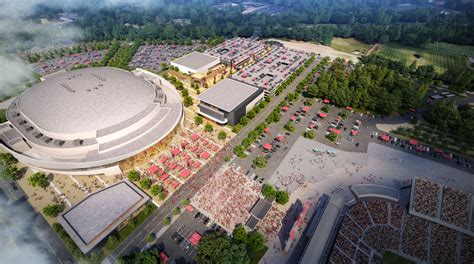
The foremost objective of the expansion is to increase seating capacity to accommodate the growing demand for attendance at Manchester City matches and other high-profile events hosted at the venue. Currently, the Etihad Stadium has a capacity of approximately 53,400. The expansion aims to add around 7,000 to 10,000 seats, bringing the total to over 60,000. This increase is not arbitrary; it is driven by the exponential growth in the club’s fanbase over the past decade, fueled by on-field success and global outreach efforts. The additional seating will primarily target areas such as the South Stand, where structural feasibility studies have indicated optimal potential for vertical expansion without compromising sightlines or fan experience. This targeted approach ensures that the new seats are not just numbers but strategically positioned to enhance atmosphere and engagement during matches.
Beyond raw numbers, the project also seeks to redefine the quality of facilities available to fans, players, and event organizers. A key aspect of this goal is the introduction of premium seating and hospitality options. These include new tiers of luxury boxes, club lounges, and exclusive dining areas designed to cater to corporate clients, high-net-worth individuals, and international visitors. Such offerings are not merely about revenue generation but about creating an experience that aligns with Manchester City’s brand identity as a forward-thinking, premium sports institution. Additionally, the expansion will include enhanced accessibility features for differently-abled fans, such as improved seating arrangements, wider concourses, and state-of-the-art elevators. These upgrades reflect a commitment to inclusivity, ensuring that the stadium remains a space for all, regardless of physical ability.
Another critical focus area is the modernization of player and team facilities. While fan experience is a priority, the project also recognizes the importance of providing world-class infrastructure for athletes and support staff. Plans include the construction of expanded locker rooms, advanced physiotherapy and recovery suites, and dedicated spaces for sports science and analytics teams. These enhancements are intended to maintain Manchester City’s competitive edge by offering players an environment that supports peak performance. Furthermore, the expansion will incorporate flexible event spaces that can be repurposed for concerts, conferences, and community activities, diversifying the stadium’s utility beyond football. This multi-use capability is a deliberate strategy to maximize the venue’s economic and social impact throughout the year.
Sustainability is a cornerstone of the Etihad Stadium expansion, reflecting both Manchester City’s corporate responsibility ethos and the global shift toward environmentally conscious design in large-scale projects. The project has set ambitious sustainability targets that go beyond superficial greenwashing. For instance, the new construction will prioritize the use of low-carbon materials such as recycled steel and concrete with a reduced carbon footprint. Energy efficiency is another critical area of focus, with plans to integrate solar panels on the roof of the expanded stands and implement a smart energy management system to optimize power usage across the facility. These measures are expected to significantly reduce the stadium’s operational carbon emissions, contributing to Manchester City’s broader goal of achieving net-zero operations in line with UEFA and Premier League sustainability guidelines.

Water conservation is also a key component of the project. The expansion will include the installation of rainwater harvesting systems to collect and reuse water for irrigation of the pitch and other non-potable uses. Additionally, the design will emphasize waste reduction by incorporating circular economy principles. For example, food and beverage vendors will be encouraged to use biodegradable packaging, and comprehensive recycling programs will be implemented throughout the stadium. These initiatives are not only environmentally responsible but also resonate with fans and sponsors who increasingly expect sports organizations to lead by example in sustainability.
The expansion also aims to strengthen the community integration of the stadium. Manchester City has long positioned itself as more than just a football club, actively engaging with local residents through various outreach programs. The project includes provisions for community-focused facilities such as learning centers, youth training academies, and public spaces that can host events and workshops. These additions are intended to ensure that the stadium serves as a hub for education, skill development, and social cohesion, particularly for underprivileged groups in the surrounding areas. By embedding these community-oriented features into the expansion, the project aligns with Manchester City’s mission to use football as a vehicle for positive social impact.
From a logistical perspective, the expansion project is designed to minimize disruption to ongoing operations. Given that the Etihad Stadium hosts matches and events year-round, the construction process has been carefully planned to avoid long-term closures or significant inconvenience to fans and stakeholders. This involves phased construction, where certain sections of the stadium are expanded while others remain fully operational. Advanced project management techniques, such as Building Information Modeling (BIM), are being employed to streamline coordination among architects, engineers, and contractors. This approach not only ensures efficiency but also demonstrates the club’s commitment to delivering the project with minimal environmental and operational footprint.
An often-overlooked aspect of the expansion is its role in boosting Manchester’s economy. The project is expected to generate hundreds of jobs during the construction phase and create new opportunities for local businesses, particularly in the hospitality and service sectors. Moreover, the increased capacity and enhanced facilities are likely to attract more international events, further positioning Manchester as a global destination for sports and entertainment. This economic ripple effect underscores the strategic importance of the expansion beyond the immediate goals of the football club.
In summary, the Etihad Stadium expansion is a multi-faceted endeavor with clearly defined objectives that extend far beyond increasing seating capacity. It seeks to redefine the fan experience through premium facilities, modernize infrastructure to support player performance, and set new benchmarks for sustainability in stadium design. By integrating community-focused elements and ensuring logistical feasibility, the project exemplifies a holistic approach to stadium development. These goals collectively position the Etihad Stadium not just as a venue for football but as a symbol of innovation, inclusivity, and environmental stewardship in the world of sports.
Design and Architectural Features
The expansion of the Etihad Stadium represents a bold step forward in modern stadium design, blending cutting-edge architectural innovation with a deep understanding of user experience. This section delves into the unique design elements that make the expanded Etihad Stadium a benchmark for future projects, focusing on how these features enhance both functionality and aesthetic appeal.
One of the most striking innovative design elements of the Etihad Stadium expansion is the incorporation of a dynamic roof structure. Unlike traditional cantilevered roofs, the new design employs a tensile membrane system that allows for a combination of light diffusion and weather protection. This system is engineered to provide optimal natural lighting during the day while maintaining a comfortable environment for spectators. The use of ethylene tetrafluoroethylene (ETFE) panels, similar to those used in other high-profile venues like the Allianz Arena, enables a translucent effect that creates an airy, open atmosphere. This design choice is particularly significant for enhancing the user experience by reducing the feeling of confinement often associated with enclosed stadiums. Moreover, the roof's retractable sections are equipped with advanced automation, allowing them to adapt quickly to changing weather conditions—an essential feature in Manchester's unpredictable climate.
Another noteworthy feature is the seating bowl redesign, which prioritizes intimacy and acoustics. The expansion project includes the addition of steeper terraced seating in certain sections, bringing fans closer to the action. This approach not only improves sightlines but also enhances the auditory experience by channeling crowd noise more effectively toward the pitch. Studies in stadium acoustics have shown that steeper seating arrangements can create a more immersive environment for fans, as sound waves are less dispersed and more concentrated. This design choice is particularly impactful for football matches, where the energy of the crowd plays a pivotal role in the overall atmosphere. The architects have also introduced a gradient of seating colors that subtly blends the team’s signature sky blue with neutral tones, creating a visually appealing gradient effect that complements the on-field action without overwhelming the eye.
The integration of smart technology within the stadium's architecture is another area where the Etihad Stadium stands out. The expanded sections feature embedded IoT sensors in seats and surrounding infrastructure to monitor crowd density, temperature, and even air quality in real time. These sensors feed data into a central management system, enabling stadium operators to optimize airflow, lighting, and temperature settings dynamically. For instance, if a particular section becomes overcrowded, the system can adjust nearby ventilation to maintain comfort levels. This not only enhances user experience by ensuring a pleasant environment but also demonstrates a commitment to sustainability by reducing energy waste. Additionally, the stadium has introduced augmented reality (AR) wayfinding systems, accessible via mobile apps, to guide visitors through the expanded concourses. This feature is particularly beneficial for first-time attendees, as it reduces the stress of navigation and ensures smoother movement within the facility.
From an aesthetic standpoint, the stadium's façade redesign is a masterclass in blending modernity with the surrounding urban landscape. The expanded wings of the stadium are wrapped in a perforated metal cladding that serves dual purposes: it provides a sleek, contemporary look while also acting as a solar shading device. This cladding is designed to reduce heat gain inside the stadium, particularly in the summer months, while still allowing natural light to filter through. The use of parametric design tools in the cladding's development allowed architects to create a façade that is not only functional but also visually dynamic. The patterns etched into the metal are inspired by the fluid movements of players on the pitch, a subtle nod to the stadium's primary purpose. This artistic touch ensures that the stadium is not just a venue but a landmark that contributes to Manchester's architectural identity.
The expansion also reimagines circulation spaces within the stadium. Traditionally, concourses in large stadiums can feel cramped and utilitarian. However, the Etihad Stadium expansion introduces wider, naturally lit concourses that are lined with interactive displays showcasing the club's history and achievements. These spaces are designed to act as social hubs rather than mere transit zones. For example, the inclusion of modular food and beverage pods allows for a flexible layout that can adapt to different event types, from football matches to concerts. This flexibility ensures that the concourses remain vibrant and engaging, even during non-sporting events. Furthermore, the design incorporates green walls and small pockets of vegetation, which not only improve air quality but also add a biophilic element to the space, fostering a sense of calm and connection to nature amidst the bustling environment.
Another aspect worth highlighting is the focus on accessibility. The expansion project includes a range of features aimed at making the stadium more inclusive. For instance, tactile wayfinding strips and audio-guided navigation systems have been installed to assist visually impaired visitors. Additionally, the architects have ensured that wheelchair-accessible seating is not relegated to less desirable locations. Instead, these seats are integrated into prime viewing areas, ensuring that all fans have an equitable experience. This commitment to inclusivity is not just a regulatory checkbox but a genuine effort to create a space where everyone feels welcome.
The sustainability angle of the design cannot be overlooked. The Etihad Stadium expansion incorporates several green building practices, such as the use of rainwater harvesting systems to irrigate the pitch and supply water for sanitation purposes. The new sections of the stadium are also equipped with solar panels integrated into non-visible areas of the roof, ensuring that energy generation does not compromise the aesthetic appeal. These features align with Manchester City Football Club's broader sustainability goals, showcasing how sports venues can lead by example in the push for environmentally responsible design.
Finally, the multi-use functionality of the expanded stadium is a testament to forward-thinking design. The architects have included modular spaces that can be reconfigured for different events, from esports tournaments to community gatherings. This adaptability ensures that the stadium remains a vibrant part of the city’s infrastructure year-round, rather than sitting idle outside of match days. Features like retractable stages and adjustable seating layouts allow the venue to transition seamlessly between uses, maximizing its utility and revenue potential.
In summary, the design and architectural features of the Etihad Stadium expansion are a harmonious blend of innovation, functionality, and beauty. From the dynamic roof and seating bowl enhancements to the integration of smart technology and a commitment to accessibility and sustainability, every element has been carefully considered to elevate both user experience and aesthetics. This project sets a new standard for what modern stadiums can achieve, proving that they can be more than just venues—they can be icons of design and community engagement.
Economic Impact of Expansion
The expansion of Etihad Stadium represents a significant infrastructural investment that extends far beyond its role as a sports and entertainment venue. This endeavor has the potential to create ripple effects across the local economy, catalyzing job creation, stimulating tourism, and bolstering Manchester's position as a hub of economic activity. By delving into the specifics of how the expansion impacts these areas, we can better understand the broader economic narrative surrounding this project.
One of the most immediate and visible economic benefits of the stadium expansion is job creation. The construction phase alone generates a surge in employment opportunities across multiple sectors. From architects and engineers to construction workers and material suppliers, the project demands a diverse workforce. For instance, the expansion may involve the installation of new seating, upgraded facilities, and enhanced accessibility features, each requiring specialized labor. This influx of jobs not only supports local workers but also stimulates spending in ancillary industries such as hospitality (workers needing accommodation or meals) and retail (purchases of tools and equipment). Moreover, the post-construction phase opens doors for permanent and part-time roles within the stadium itself. These include roles in event management, security, maintenance, and customer service—positions that are often filled by local residents, thereby directly contributing to household incomes in the area.
Beyond job creation, the expansion fosters tourism growth, a critical driver of economic activity in Manchester. Etihad Stadium is not merely a venue for football matches; it is a multifaceted attraction that hosts concerts, corporate events, and international sports tournaments. An expanded stadium inherently increases its capacity to accommodate larger crowds, which translates to higher ticket sales, merchandise revenue, and food and beverage expenditures. For example, a stadium with a larger seating capacity may attract high-profile events such as UEFA Champions League finals or global music tours, drawing attendees not just from the UK but from across Europe and beyond. These visitors often extend their stay, booking hotels, dining at local restaurants, and exploring nearby attractions like the National Football Museum or Manchester's vibrant cultural scene. The economic spillover from this increased foot traffic is substantial. According to studies on event-driven tourism, for every pound spent directly at a venue, an additional £2-£3 is generated in the surrounding economy through secondary spending. This multiplier effect underscores how the stadium expansion acts as a magnet for both domestic and international visitors, amplifying Manchester’s reputation as a destination.
Another dimension of the expansion's economic impact lies in its role as a catalyst for urban development. Large-scale projects like this often serve as anchors for broader redevelopment initiatives in their vicinity. For instance, the area around Etihad Stadium could see enhanced infrastructure, including improved public transport links, new retail spaces, and residential developments aimed at accommodating increased demand. These auxiliary projects not only enhance the quality of life for local residents but also create additional employment opportunities in construction, urban planning, and real estate. Moreover, a thriving area around the stadium can attract private sector investments, such as hotels or entertainment complexes, further diversifying the economic landscape. This symbiotic relationship between stadium expansion and urban development ensures that the benefits are not confined to match days but extend throughout the year, creating a more dynamic and resilient local economy.
The expansion also has the potential to boost Manchester's global brand as a city capable of hosting world-class events. Cities that invest in their sports and entertainment infrastructure often position themselves as leaders in the global events market. For example, the expansion may enable Etihad Stadium to bid for and host marquee events like the FIFA World Cup or the Olympics, which bring unparalleled international exposure. Such events not only generate immediate economic benefits through ticket sales and sponsorships but also leave a lasting legacy by showcasing Manchester as a city with the infrastructure and expertise to handle large-scale global events. This reputation can attract future investments, from multinational corporations setting up offices to entrepreneurs launching ventures in the city. In this sense, the stadium expansion serves as both a short-term economic booster and a long-term strategic asset for Manchester’s economic identity.
It is also worth exploring how the expansion could influence local supply chains and small businesses. The increased activity at Etihad Stadium—whether through more matches, larger events, or expanded facilities—creates demand for goods and services from local suppliers. For example, caterers, cleaning services, and even local breweries may see a sharp uptick in orders during event days. Small businesses in the vicinity, such as pubs, souvenir shops, and transport providers, can capitalize on the influx of visitors. This localized economic stimulation is particularly important in ensuring that the benefits of the expansion are not concentrated solely in large corporations but are distributed across a spectrum of stakeholders, including independent entrepreneurs and family-run enterprises. Furthermore, partnerships between the stadium and local businesses can lead to innovative collaborations, such as exclusive merchandise lines or locally sourced food offerings, further embedding the stadium into the fabric of the community.
However, it is important to acknowledge that the economic impact of such expansions is not without challenges. While job creation and tourism growth are clear positives, there is a need to ensure that these benefits are equitably distributed. For instance, rising property values around the stadium could lead to gentrification, potentially displacing long-term residents. Additionally, there is a risk of over-reliance on the stadium as an economic driver, which could leave the local economy vulnerable during off-seasons or in the event of reduced event bookings. To mitigate these risks, city planners and stadium management must adopt a holistic approach, ensuring that the expansion is part of a broader strategy that includes affordable housing initiatives, support for small businesses, and investments in sustainable urban infrastructure.
In conclusion, the economic impact of Etihad Stadium's expansion is multifaceted and far-reaching. It drives job creation across various sectors, stimulates tourism by positioning Manchester as a premier destination for global events, and acts as a catalyst for urban development and local business growth. While the project presents challenges that require careful management, its potential to transform the local economy and enhance Manchester's global standing is undeniable. By analyzing these dynamics, we see that the expansion is not merely an upgrade to a sports venue but a strategic investment in the city's future prosperity.
Challenges and Obstacles
The expansion of the Etihad Stadium, like any major infrastructural project, was not without its share of significant challenges and obstacles. These ranged from financial pressures to logistical complexities and community-related concerns. Each of these areas posed unique difficulties that required innovative solutions and strategic planning to overcome. This section delves into the specific challenges encountered during the planning and execution phases of the stadium's expansion, providing a nuanced understanding of the hurdles faced and how they were addressed.
One of the most prominent challenges was **budget constraints**. Stadium expansions are notoriously expensive endeavors, often requiring hundreds of millions of dollars to complete. For the Etihad Stadium, the project team had to balance the desire for a state-of-the-art facility with the financial realities of the club and its stakeholders. The initial budget projections were ambitious but not fully aligned with the actual costs of construction materials, labor, and unforeseen expenses. For instance, the rising costs of steel and concrete during the planning phase created a significant strain on the allocated funds. Additionally, the project faced unexpected delays in securing sponsorships and external funding, which further complicated the financial landscape. To mitigate this, the team had to adopt a phased approach to construction, prioritizing key elements of the expansion while deferring less critical components to future funding cycles. This not only allowed for better cash flow management but also provided a buffer to explore alternative revenue streams, such as naming rights deals and premium seating packages.
Another major challenge was **logistical and operational complexity**. The Etihad Stadium is located in a densely populated urban area, which limited the available space for construction activities. Coordinating heavy machinery, material deliveries, and worker movement in a confined space required meticulous planning. For example, the proximity of residential neighborhoods meant that construction noise and traffic had to be carefully managed to avoid disrupting local communities. The project team implemented strict schedules for noisy activities, such as pile driving or concrete pouring, to occur during non-peak hours. Furthermore, temporary access roads and staging areas had to be created to minimize the impact on existing infrastructure. These measures, while effective, added to the overall cost and time required for the project. Additionally, the need to maintain operations during the expansion—hosting matches and events while construction was underway—added another layer of complexity. This required the design of temporary facilities, such as modular seating and alternate entry points, to ensure continuity for fans and event organizers. The interplay between maintaining functionality and progressing with construction was a delicate balancing act that required close collaboration between architects, engineers, and stadium management.
**Community concerns** also emerged as a significant obstacle. Large-scale projects like stadium expansions often face resistance from local residents and businesses due to perceived negative impacts on their quality of life. For the Etihad Stadium, community members voiced worries about increased traffic congestion, noise pollution, and the potential loss of green spaces. These concerns were amplified by the fact that the stadium is situated in an area with a mix of residential and commercial properties. To address these issues, the project team engaged in extensive community consultations, hosting town hall meetings and setting up dedicated feedback channels. These efforts were not merely symbolic; they led to tangible changes in the project design. For instance, the inclusion of sound barriers and green roofing in the expansion plans was a direct result of community input. Moreover, the team worked with local authorities to improve public transport links to the stadium, reducing the reliance on private vehicles and alleviating some of the traffic concerns. While these measures helped to build goodwill, they also added time and cost to the project, as they required additional studies and design revisions.
A less obvious but equally critical challenge was **regulatory and compliance hurdles**. Stadium expansions must adhere to a wide range of local, national, and international standards, including safety codes, environmental regulations, and urban planning guidelines. Ensuring compliance with these often-conflicting requirements added layers of complexity to the project. For example, the expansion plans had to account for updated fire safety standards, which mandated wider evacuation routes and enhanced emergency systems. Similarly, environmental assessments were required to ensure that the project did not adversely impact local ecosystems or contribute to urban heat island effects. These assessments often resulted in design changes, such as the incorporation of energy-efficient lighting and water recycling systems. While these adaptations were necessary to secure approvals, they also introduced delays and increased costs. The project team had to work closely with regulatory bodies to navigate these requirements, often engaging in iterative design processes to align the expansion with legal and ethical standards.
Another challenge worth noting is **stakeholder alignment**. A project of this magnitude involves multiple stakeholders, including the football club ownership, local government, construction firms, and the fan base. Aligning the interests and expectations of these diverse groups was a formidable task. For instance, while the club prioritized maximizing seating capacity to boost revenue, local authorities were more focused on minimizing the project's impact on the surrounding area. Fans, on the other hand, were concerned about preserving the atmosphere and sightlines of the existing stadium. Balancing these sometimes-competing priorities required extensive negotiation and compromise. The project team employed stakeholder mapping techniques to identify key priorities for each group and developed a communication strategy to keep everyone informed and engaged throughout the process. This not only helped to manage expectations but also fostered a sense of shared ownership of the project's success.
Finally, **technological integration** presented its own set of challenges. Modern stadium expansions are expected to incorporate cutting-edge technology, such as high-speed Wi-Fi, advanced ticketing systems, and immersive fan experiences. However, integrating these technologies into an existing structure is far from straightforward. The Etihad Stadium's existing infrastructure was not initially designed to support the level of connectivity and automation envisioned in the expansion plans. This required significant retrofitting, including the installation of new cabling, server rooms, and IoT-enabled systems. Additionally, the team had to future-proof the stadium by designing for technologies that were still in development, such as augmented reality experiences for fans. These efforts required close collaboration with technology vendors and a willingness to experiment with unproven solutions, which carried inherent risks.
In summary, the challenges faced during the planning and execution of the Etihad Stadium expansion were multifaceted and deeply interconnected. From financial and logistical constraints to community and regulatory concerns, each obstacle demanded a tailored approach to resolution. What stands out in this case is the project team's ability to adapt and innovate in the face of adversity, turning potential roadblocks into opportunities for improvement. This not only ensured the successful completion of the expansion but also set a precedent for how similar projects might address comparable challenges in the future.
Stakeholder Involvement
The expansion of the Etihad Stadium is not merely a construction project; it is a multifaceted endeavor that requires the active involvement of diverse stakeholders to ensure its success. Each group—government bodies, sponsors, fans, and local communities—plays a distinct and critical role in shaping the project’s trajectory, addressing challenges, and capitalizing on opportunities. Understanding these roles in detail provides a clearer picture of how such a large-scale initiative can be effectively managed and executed.
The government is a primary enabler of the stadium expansion, providing the regulatory, legal, and infrastructural support necessary to move the project forward. At the outset, local and national government entities are involved in granting permissions, such as planning permissions, environmental clearances, and zoning approvals. These are not mere formalities; they often involve rigorous assessments to ensure the project aligns with urban development goals, environmental sustainability standards, and public interest. For example, the expansion might require the government to assess its impact on traffic flow, public transport systems, and nearby residential areas. Additionally, governments can offer financial incentives, such as tax breaks or grants, to support infrastructure projects that promise long-term economic benefits. By acting as a mediator between the project team and the public, government bodies also play a role in managing public opinion and ensuring transparency in the decision-making process. Their active involvement can mitigate potential resistance from local communities concerned about increased congestion or noise.
Another critical dimension of government involvement is in the realm of policy alignment. Stadium expansions often tie into broader urban regeneration strategies. For instance, the Etihad Stadium expansion may be part of Manchester’s vision to position itself as a global sports and entertainment hub. By supporting such projects, the government not only fosters economic growth through increased tourism and employment opportunities but also reinforces the city’s brand as a vibrant cultural center. This alignment of private ambitions with public policy objectives underscores the symbiotic relationship between the stadium project and governmental priorities.
The sponsors are another indispensable pillar of the expansion. Sponsors bring financial resources and brand leverage that are essential for funding the project and enhancing its visibility. In the case of Etihad Stadium, sponsors such as Etihad Airways and other corporate partners are likely to view the expansion as an opportunity to deepen their association with one of the world’s most iconic sports venues. Sponsorship agreements often go beyond mere branding rights; they can include co-financing specific aspects of the expansion, such as luxury suites, high-tech facilities, or sustainable design features. For instance, a sponsor might fund the installation of solar panels or energy-efficient lighting systems, aligning the project with global sustainability goals while also enhancing their corporate social responsibility (CSR) profile.
Sponsors also bring expertise to the table. Many corporate partners have experience in large-scale event management, marketing, and customer engagement, which can be leveraged to optimize the stadium’s operational model post-expansion. For example, sponsors might help design digital fan experiences, such as augmented reality (AR) apps or interactive kiosks, to enhance visitor engagement. Their involvement ensures that the expanded stadium is not just bigger but also smarter, more technologically advanced, and more appealing to a global audience.
The fans are the lifeblood of any stadium, and their role in the expansion cannot be overstated. While fans are not typically involved in the operational or financial aspects of the project, their needs, preferences, and feedback are central to its design and functionality. Modern stadium expansions are increasingly driven by the desire to enhance the fan experience, which includes better seating arrangements, improved sightlines, enhanced acoustics, and state-of-the-art amenities like Wi-Fi connectivity and premium food options. Engaging fans through surveys, focus groups, and public consultations can provide valuable insights into what they expect from the upgraded facility. For instance, fans might prioritize features like family-friendly zones, accessible seating for people with disabilities, or dedicated spaces for pre- and post-match socializing.
Fans also act as informal ambassadors for the project. Their enthusiasm and support can generate positive publicity and build momentum for the expansion. However, this enthusiasm must be managed carefully. If the expansion disrupts match schedules or temporarily reduces seating capacity, clear communication and fan engagement strategies are essential to maintain trust. Transparent updates about project milestones, coupled with exclusive previews or early access opportunities for loyal fans, can turn potential dissatisfaction into active support.
The local communities surrounding the Etihad Stadium are often the most directly impacted by the project and, therefore, must be actively involved in its planning and execution. Community engagement is not just a box-ticking exercise; it is a critical component of ensuring the project’s long-term viability and acceptance. Expanding a stadium can lead to short-term inconveniences, such as noise pollution, traffic disruptions, and increased demand on local services. Proactively addressing these concerns through town hall meetings, community liaison groups, and impact assessments can help build goodwill and reduce friction.
Moreover, the expansion offers opportunities for local communities to benefit directly. For example, the project can include initiatives to hire local workers, support small businesses in the area, or fund community programs. A well-designed community benefits agreement might stipulate that a percentage of construction jobs or post-expansion operational roles are reserved for local residents. Additionally, the stadium can serve as a venue for community events, educational programs, or health initiatives, further embedding it within the social fabric of the area. By fostering a sense of ownership and inclusion, the project can transform potential opposition into active collaboration.
It is also worth considering the interplay between these groups. For instance, sponsors might fund community outreach programs as part of their CSR initiatives, while the government might facilitate partnerships between the stadium management and local schools or sports clubs. Fans can act as a bridge between the project team and the community by voicing shared concerns or celebrating mutual benefits. This interconnectedness highlights how the success of the Etihad Stadium expansion is not the result of isolated efforts but of a collaborative ecosystem where each stakeholder’s role is interdependent.
In summary, the success of the Etihad Stadium expansion hinges on the active and coordinated involvement of government, sponsors, fans, and local communities. Each group brings unique contributions—regulatory support, financial resources, experiential insights, and social integration—that collectively elevate the project from a construction endeavor to a transformative initiative with far-reaching implications. By recognizing and harnessing the strengths of these stakeholders, the project can not only achieve its immediate goals but also set a benchmark for how large-scale sports infrastructure developments can be managed in the future.
Environmental and Sustainability Considerations
The expansion of Etihad Stadium is not merely a feat of architectural engineering or a response to growing audience demands; it is also a project deeply rooted in environmental and sustainability considerations. In an era where climate change and resource depletion are pressing global concerns, the project team has taken deliberate steps to ensure that the expansion aligns with eco-friendly practices and long-term sustainability goals. This approach reflects not only a commitment to minimizing the environmental footprint of the stadium but also a forward-thinking strategy to set a precedent for future urban infrastructure projects.
One of the most significant environmental initiatives incorporated into the Etihad Stadium expansion is the emphasis on **energy efficiency**. The design includes the installation of advanced energy management systems that optimize power usage across the facility. For instance, smart lighting systems equipped with motion sensors and LED technology are being implemented to reduce electricity consumption. These systems are programmed to adjust lighting levels based on occupancy and natural light availability, ensuring that energy is used only where and when it is needed. Such measures are expected to cut the stadium's energy consumption by up to 30% compared to traditional systems, a critical step in reducing the carbon footprint associated with large-scale venues.
Another key aspect is the integration of **renewable energy sources**. The project incorporates rooftop solar panels across newly constructed and existing sections of the stadium. These panels are designed to harness solar energy to power certain operational functions, such as lighting, heating, and cooling systems. While the energy output from these panels may not fully offset the stadium's power needs, it represents a step toward reducing reliance on non-renewable energy sources. Moreover, the stadium is exploring partnerships with local energy providers to source additional renewable energy, such as wind or hydroelectric power, further underscoring its commitment to a diversified energy portfolio.
The stadium expansion also prioritizes **water conservation**, a critical concern given the increasing pressures on water resources in urban areas. The design includes rainwater harvesting systems that collect and store precipitation for use in irrigation and sanitation purposes. These systems are complemented by low-flow fixtures in restrooms and other facilities to minimize water wastage. Additionally, the landscaping around the stadium has been reimagined with native and drought-resistant plant species, which require less water and maintenance compared to conventional greenery. This approach not only conserves water but also supports local biodiversity by creating habitats for native species.
A less obvious but equally impactful consideration is the **use of sustainable materials** in construction. The project team has committed to sourcing materials with low embodied carbon, such as recycled steel, sustainably harvested timber, and low-VOC (volatile organic compound) paints and finishes. Where possible, locally sourced materials have been preferred to reduce the environmental impact of transportation. This focus on material sustainability extends to the demolition and reconstruction phases, where deconstruction techniques have been employed to salvage and reuse components from older structures. For example, seating from the old stands is being repurposed for community sports facilities, reducing waste and extending the lifecycle of existing resources.
The project also takes into account **waste management and circular economy principles**. During the construction phase, a robust waste segregation system has been implemented to ensure that materials such as concrete, metal, and wood are recycled or reused rather than sent to landfills. Once operational, the stadium will feature comprehensive waste management infrastructure, including segregated bins for recyclables, composting facilities for organic waste, and partnerships with local waste-to-energy plants. These measures are expected to significantly reduce the volume of waste generated by events held at the stadium, while also creating opportunities for community education on sustainable waste practices.
In terms of **transport and accessibility**, the expansion incorporates features designed to encourage sustainable travel options. Enhanced bicycle parking facilities and dedicated pedestrian pathways are being developed to promote non-motorized transport. Public transit connectivity is also being improved, with additional shuttle services and partnerships with local transit authorities to provide convenient and affordable options for attendees. These initiatives aim to reduce the number of private vehicles traveling to the stadium, thereby lowering greenhouse gas emissions and alleviating traffic congestion in the surrounding area. Furthermore, electric vehicle (EV) charging stations are being installed in parking lots to support the growing adoption of EVs among fans and staff.
Another innovative feature of the Etihad Stadium expansion is its focus on **green spaces and urban cooling**. The project includes the creation of green roofs and vertical gardens in certain sections of the stadium. These features not only enhance the aesthetic appeal of the facility but also contribute to urban cooling by mitigating the heat island effect commonly associated with large, impermeable structures. The green spaces are designed to improve air quality by absorbing pollutants and producing oxygen, while also providing a tranquil environment for visitors and nearby residents.
A forward-looking element of the project is its **integration of digital technologies for sustainability monitoring**. The stadium is equipped with IoT (Internet of Things) sensors that collect real-time data on energy usage, water consumption, and waste generation. This data is analyzed to identify inefficiencies and opportunities for improvement, enabling the stadium management team to make data-driven decisions that support long-term sustainability goals. For example, if energy usage spikes during certain events, the system can suggest adjustments to operational practices or infrastructure configurations to mitigate future inefficiencies.
Finally, the Etihad Stadium expansion is positioning itself as a **community-centered sustainability initiative**. Beyond the physical infrastructure, the project team has engaged local stakeholders, including environmental organizations and community groups, to ensure that the expansion aligns with broader sustainability objectives. Educational programs are being developed to raise awareness among fans and the wider community about the importance of eco-friendly practices. These programs aim to foster a sense of shared responsibility for the environment, turning the stadium into a hub for sustainability advocacy.
In summary, the Etihad Stadium expansion is a case study in how large-scale urban projects can integrate environmental and sustainability considerations without compromising functionality or aesthetic appeal. From energy efficiency and renewable energy adoption to water conservation, sustainable materials, waste management, and community engagement, the project exemplifies a holistic approach to sustainability. By embedding these principles into every facet of its design and operation, the stadium not only addresses immediate environmental challenges but also sets a benchmark for future projects in the sports and entertainment industry. This commitment to sustainability ensures that the stadium will serve as a model of responsible development for years to come.
Comparison with Other Stadium Expansions
The expansion of Etihad Stadium is part of a broader trend in global sports infrastructure, where stadiums are being reimagined not just as venues for sporting events but as multi-purpose hubs capable of hosting diverse activities and generating year-round revenue. This section delves into how the Etihad Stadium expansion compares with similar projects globally, offering context and benchmarks that highlight its ambitions, challenges, and unique features.
One of the most prominent comparisons can be made with the **Camp Nou redevelopment project** in Barcelona. Like Etihad Stadium, Camp Nou is home to a globally recognized football club—FC Barcelona—and its expansion aims to increase seating capacity while modernizing the facilities. Camp Nou’s Espai Barça project, which includes increasing the stadium’s capacity to over 105,000 and integrating a new roof structure, shares similarities with Etihad’s focus on enhancing fan experience and capacity. However, there are key differences. While Camp Nou’s expansion has been mired in financial and logistical challenges, including a reported cost of over €1.5 billion, Etihad Stadium’s expansion is taking place within a more controlled budgetary framework. This distinction underscores Manchester City’s approach to balancing ambition with fiscal responsibility, a lesson learned from other high-cost stadium overhauls that have faced public backlash or operational delays.
Another interesting point of comparison is the **MetLife Stadium expansion and modernization** in New Jersey, USA. Unlike Etihad, which is focused on growing its capacity primarily for football (soccer), MetLife Stadium serves as a shared venue for two NFL teams, the New York Giants and the New York Jets. MetLife’s expansion strategy emphasized versatility, enabling it to host not only NFL games but also major concerts, international soccer matches, and even WrestleMania events. Etihad’s approach, while rooted in football, similarly considers multi-use functionality, with plans to accommodate concerts, conferences, and potentially other sports. However, Etihad’s location within a densely urban area of Manchester presents a different set of spatial constraints compared to MetLife’s expansive suburban setting. This contrast highlights how Etihad’s planners must innovate within tighter physical boundaries, requiring creative architectural solutions to maximize utility without encroaching on surrounding communities.
A more direct parallel can be drawn with the **Allianz Arena expansion in Munich**, home to Bayern Munich. Both Etihad and Allianz Arena expansions emphasize not just increased seating but also enhanced premium seating options, such as luxury boxes and VIP experiences. The Allianz Arena’s focus on creating an immersive, high-tech environment for fans—complete with dynamic LED lighting and state-of-the-art sound systems—mirrors Etihad’s commitment to elevating the spectator experience. However, the Allianz Arena benefits from Germany’s established infrastructure for public transport and fan access, which has been a challenge for Etihad given Manchester’s urban density. The Etihad expansion must address not just the in-stadium experience but also the broader ecosystem of transport, parking, and pedestrian flow, making it a more complex project in some respects.
In Asia, the **Japan National Stadium redevelopment** for the 2020 Tokyo Olympics offers another benchmark. This project emphasized sustainability and integration with the surrounding urban environment, using wood sourced from all 47 prefectures of Japan to reflect a connection to nature. While Etihad Stadium’s expansion does not emphasize traditional materials in the same way, its emphasis on sustainability—through energy-efficient designs and green spaces—aligns with global trends seen in Tokyo. Both projects also aim to serve as landmarks that contribute to their cities’ identities, though the Etihad expansion is more directly tied to the club’s brand and Manchester’s identity as a football hub rather than a national symbol.
The **Tottenham Hotspur Stadium expansion** in London provides a closer-to-home comparison within the Premier League. Tottenham’s new stadium, opened in 2019, set a high bar for modern stadium design with its retractable pitch that allows for both football and NFL games, as well as its focus on hospitality spaces like the 'Tunnel Club' where fans can watch players prepare for matches. Etihad Stadium’s expansion is likely influenced by such innovations, particularly in creating exclusive, high-revenue hospitality offerings. However, Etihad’s project appears more incremental compared to Tottenham’s ground-up redesign, reflecting Manchester City’s strategy of gradual improvement rather than a complete overhaul. This approach may offer a more sustainable model for clubs that do not wish to disrupt their operations significantly during construction.
A less conventional but instructive comparison can be made with the **Melbourne Cricket Ground (MCG) upgrades** in Australia. While primarily a cricket venue, the MCG has undergone expansions to maintain its status as a multi-sport facility capable of hosting AFL (Australian Football League) games, concerts, and other events. The MCG’s focus on community engagement and local economic impact offers a lesson for Etihad Stadium. Both venues are deeply embedded in their cities’ cultural fabric, and their expansions are as much about reinforcing community ties as they are about enhancing the venue itself. Etihad’s planners can draw from the MCG’s example of maintaining strong public support by emphasizing local benefits, such as job creation and urban regeneration.
On the financial side, the **SoFi Stadium development in Los Angeles** provides a stark contrast. As the most expensive stadium ever built, with a cost exceeding $5 billion, SoFi represents the upper echelon of stadium investments. Its focus on luxury and technology—such as the 70,000-square-foot dual-sided video board—highlights the premium end of stadium expansions. While Etihad’s budget is far more modest, the project can learn from SoFi’s emphasis on creating a "destination" venue that attracts global attention. Etihad’s planners must ensure that their expansion achieves a similar draw without overspending, a balance that requires strategic prioritization of features that deliver the highest return on investment.
One area where Etihad Stadium stands out is its **integration with Manchester’s broader urban development plans**. Unlike many global stadium projects that are isolated endeavors, Etihad’s expansion is part of a larger vision for East Manchester, including housing, commercial spaces, and community facilities. This holistic approach is reminiscent of the **Olympic Stadium redevelopment in London**, which transitioned into a multi-use venue post-2012 Olympics. However, Etihad’s expansion is unique in its direct alignment with a football club’s growth strategy, rather than a broader post-event legacy plan. This distinction positions Etihad as a case study in how sports facilities can act as catalysts for urban transformation while remaining tethered to their primary purpose.
From a logistical perspective, the **Maracanã Stadium upgrades in Rio de Janeiro** offer a cautionary tale. While Maracanã is one of the most iconic stadiums in the world, its post-2014 World Cup renovations were criticized for high costs, underutilization, and poor maintenance. Etihad Stadium’s planners must ensure that their expansion avoids similar pitfalls by focusing on long-term operational viability and community integration. This means not only expanding seating and facilities but also ensuring the stadium remains a vibrant part of Manchester’s urban life year-round.
In summary, the Etihad Stadium expansion occupies a unique position within the global landscape of stadium projects. It combines elements of ambitious modernization seen in Camp Nou and Allianz Arena with the urban integration strategies of the MCG and London’s Olympic Stadium. By learning from both successes and challenges of these global projects, Etihad’s expansion can set a benchmark for how to grow a stadium in a way that is financially prudent, fan-focused, and aligned with broader urban and cultural goals.
Conclusion and Future Prospects
The expansion of Etihad Stadium represents a significant milestone in the evolution of modern sports and entertainment venues. This project is not merely about increasing seating capacity or enhancing physical infrastructure; it is a bold step toward redefining how stadiums serve as hubs of community, commerce, and connectivity. The expected outcomes of this expansion are multifaceted and hold the potential to set new benchmarks for stadium experiences worldwide.
One of the most immediate outcomes of the expansion is the increase in seating capacity, which will allow Etihad Stadium to host larger audiences for sporting events, concerts, and other high-profile gatherings. This is not just a matter of numbers; it is about creating a more inclusive space where more fans can participate in live experiences. The added capacity will also open doors for hosting larger international tournaments and events, positioning the stadium as a premier destination on the global stage. This enhanced capacity is expected to generate substantial economic benefits for the surrounding area, as larger crowds translate to increased foot traffic for local businesses, hotels, and transport services. The ripple effect of this economic boost could revitalize the neighborhood and establish Etihad Stadium as a cornerstone of urban development.
Another critical aspect of the expansion is the integration of cutting-edge technology to elevate the fan experience. Modern stadiums are no longer just places to watch a game; they are immersive environments where technology plays a central role. The incorporation of features such as augmented reality (AR), 5G connectivity, and smart seating systems will allow fans to engage with the event in ways previously unimaginable. For instance, AR overlays could provide real-time statistics, player profiles, or even gamified elements for fans in their seats. Similarly, enhanced Wi-Fi and 5G networks will ensure seamless streaming, social media interaction, and on-demand content access, making the stadium a connected ecosystem. This technological leap is not just about convenience—it is about creating a sense of participation and personalization that resonates with the expectations of a tech-savvy audience.
The expansion also has the potential to redefine sustainability in stadium design. As environmental concerns become increasingly central to urban planning, Etihad Stadium is poised to incorporate innovative green technologies. These could include solar panels integrated into the roof structure, rainwater harvesting systems for irrigation and maintenance, and energy-efficient lighting and HVAC systems. Additionally, the use of recycled materials in construction and waste management strategies during events could set a precedent for environmentally responsible stadium operations. By prioritizing sustainability, the stadium not only aligns with global environmental goals but also appeals to a growing segment of environmentally conscious fans and sponsors. This focus on green innovation positions the expansion as a model for future stadium projects that aim to balance growth with ecological responsibility.
Beyond the physical and technological aspects, the expansion also holds the promise of transforming the stadium into a year-round destination. Traditionally, stadiums have been viewed as venues that come alive only during events. However, the upgraded Etihad Stadium is expected to feature spaces that cater to diverse activities even on non-event days. This could include fitness centers, co-working spaces, retail outlets, and dining experiences tailored to the local community. By diversifying its offerings, the stadium can establish itself as a vibrant part of the urban fabric rather than a facility that lies dormant between events. This approach not only maximizes the utility of the space but also fosters a deeper connection between the stadium and its surrounding community, making it a symbol of civic pride.
From a commercial perspective, the expansion is likely to open new revenue streams for both the stadium and its affiliated organizations. Increased seating and event frequency will naturally lead to higher ticket sales and concessions revenue. Moreover, the integration of premium hospitality suites, VIP lounges, and exclusive experiences can attract high-value sponsorships and partnerships. Brands are increasingly looking to associate themselves with venues that offer unique and innovative fan engagement opportunities. The expanded Etihad Stadium, with its blend of size, technology, and sustainability, is well-positioned to become a preferred partner for global brands seeking to enhance their visibility and credibility.
The expansion also has the potential to reshape the narrative of stadium design as a driver of urban identity. Stadiums are often seen as symbols of a city’s ambition and cultural significance. By reimagining Etihad Stadium as a state-of-the-art facility that combines modernity with inclusivity, the project can inspire other cities to view their sports venues not just as functional spaces but as catalysts for urban transformation. This could lead to a broader trend where stadiums are designed with a focus on multi-use functionality, environmental impact, and community engagement, making them integral to the urban landscape rather than isolated structures.
However, the success of the expansion will also depend on how well it addresses challenges such as accessibility and inclusivity. A larger stadium must ensure that it is accessible to people of all abilities, offering features like wheelchair-friendly seating, sensory rooms for neurodiverse fans, and clear navigation systems for first-time visitors. Moreover, the stadium must strive to maintain a balance between its commercial ambitions and its role as a space for the wider public. Initiatives such as affordable ticket pricing for certain sections, community outreach programs, and partnerships with local schools and organizations can help ensure that the expansion benefits a broad spectrum of society rather than catering exclusively to elite audiences.
Looking to the future, the Etihad Stadium expansion could serve as a blueprint for the next generation of sports venues. Its emphasis on blending capacity, technology, sustainability, and community integration sets a high standard for what modern stadiums can achieve. The project is not just about accommodating more people or hosting bigger events; it is about creating a space that adapts to the evolving needs of its users while staying rooted in its role as a communal and cultural asset. This forward-thinking approach could inspire other stadiums to rethink their purpose and potential, fostering a new era where sports venues are seen as dynamic, adaptable, and deeply integrated into the social and economic fabric of their cities.
In conclusion, the Etihad Stadium expansion is not merely an upgrade—it is a visionary project that could redefine how we perceive and experience stadiums. By focusing on capacity, technology, sustainability, and community engagement, the expansion is set to deliver outcomes that go far beyond the physical structure. It represents a bold step toward creating a venue that is not only a witness to history but also a shaper of the future, setting the stage for a new standard in stadium design and experience.


