Introduction to Groupama Stadium
The Groupama Stadium, also known as the Stade des Lumières, is a modern sports and entertainment venue located in Décines-Charpieu, a suburb of Lyon, France. This state-of-the-art facility has become a symbol of Lyon's sporting ambition and a centerpiece for major events in the region. Its history, strategic location, and multifaceted role in sports and cultural events make it a noteworthy subject of study. To fully understand its significance, we must delve into its origins, its place within the city’s urban landscape, and its impact on both local and international stages.
The stadium was officially inaugurated on January 9, 2016, marking a new era for Olympique Lyonnais (commonly referred to as OL), the football club that calls it home. Prior to its construction, OL played its matches at the Stade de Gerland, a historic venue that had been the club's base since 1950. However, as the club grew in stature—both domestically and in European competitions—the limitations of Gerland became apparent. Its seating capacity of around 40,000 was no longer sufficient for the club's ambitions, nor did it meet the modern standards required for hosting high-profile events. The decision to build a new stadium was not merely about increasing capacity but also about redefining Lyon's role as a hub for sports and entertainment in Europe.
The location of Groupama Stadium was a deliberate choice aimed at addressing both logistical and urban development goals. Décines-Charpieu is situated about 10 kilometers east of Lyon’s city center, an area that was previously underdeveloped in terms of large-scale infrastructure. This positioning allowed the stadium to act as a catalyst for urban renewal, fostering economic growth in the surrounding region. The site was selected for its accessibility, with proximity to major highways, public transportation links, and ample space for parking and ancillary facilities. Moreover, the decision to build in a suburban area rather than within the dense urban core of Lyon reflects a broader trend in stadium design—prioritizing space and accessibility while minimizing disruption to city life.
From a historical perspective, the stadium’s development was part of a larger wave of stadium modernization across Europe in the early 21st century. Many clubs sought to transition from older, multipurpose venues to purpose-built facilities that could cater specifically to the needs of modern football and entertainment. Groupama Stadium was designed with this ethos in mind. Its capacity of 59,186 seats positions it as one of the largest stadiums in France, second only to the Stade de France in terms of seating for football matches. This scale allows it to host not only Ligue 1 matches but also international fixtures, including UEFA Champions League games and national team matches.
One of the most striking features of Groupama Stadium is its architectural design. The venue was created by the architectural firm Populous, known for their work on other iconic stadiums such as Wembley Stadium and the Emirates Stadium. The design emphasizes both functionality and aesthetic appeal. The stadium’s exterior is characterized by a sleek, modern facade with LED lighting that can change colors to reflect events or team colors—a feature that has become synonymous with Lyon’s “City of Lights” identity. Inside, the bowl-shaped structure ensures excellent sightlines from every seat, a critical factor in enhancing the spectator experience. The inclusion of premium seating, VIP boxes, and state-of-the-art amenities further underscores its role as a venue that caters to diverse audiences, from die-hard football fans to corporate clients.
The stadium’s significance in sports extends beyond its role as the home of Olympique Lyonnais. It has hosted several high-profile events that have elevated its status on the global stage. Notably, Groupama Stadium was one of the venues for the 2019 FIFA Women’s World Cup, hosting several matches, including the semi-final. This event showcased the stadium’s ability to accommodate international audiences and underscored Lyon’s reputation as a city deeply invested in promoting women’s football—a reputation bolstered by OL’s highly successful women’s team, which has won multiple UEFA Women’s Champions League titles. Additionally, the stadium has been a venue for rugby matches, concerts, and even esports events, demonstrating its versatility as a multipurpose venue.
Another aspect of its significance lies in its integration into Lyon’s broader cultural and economic ecosystem. The stadium is not just a sports venue but also a hub for community engagement and economic activity. Surrounding the stadium is the OL City development, a complex that includes hotels, office spaces, a leisure center, and training facilities for the club’s academy. This integrated approach reflects a forward-thinking strategy to make the stadium a year-round destination rather than a space used solely for matchdays. Such developments are part of a growing trend in sports infrastructure where stadiums are seen as anchors for larger commercial and social projects.
The economic impact of Groupama Stadium on the region cannot be understated. Its construction and operation have generated jobs, boosted tourism, and positioned Lyon as a destination for major events. For instance, the stadium’s role in hosting the 2022 Europa League final brought international attention to Lyon, with fans, media, and sponsors converging on the city. These events not only fill the stadium but also drive revenue for local businesses, from hotels and restaurants to transport services. Furthermore, the stadium’s design incorporates sustainability features, such as energy-efficient systems and waste management practices, aligning with global trends toward greener sports facilities.
From a fan experience perspective, Groupama Stadium has redefined what it means to attend a match or event in Lyon. The venue offers cutting-edge technology, including high-speed Wi-Fi, interactive screens, and mobile ticketing options. These features are designed to enhance fan engagement and ensure a seamless experience. Moreover, the stadium’s accessibility via tram and bus services makes it easier for fans from across the region to attend matches, reducing the reliance on private vehicles and contributing to the city’s sustainability goals.
In summary, Groupama Stadium is more than just a venue for football matches; it is a symbol of Lyon’s ambition to position itself as a leading city in sports, culture, and urban development. Its history is rooted in the need to modernize and expand, its location reflects a strategic approach to urban planning, and its multifaceted role in hosting diverse events highlights its adaptability. Whether through the roar of football fans on a Saturday afternoon or the spectacle of a global concert under its illuminated facade, Groupama Stadium stands as a testament to the power of infrastructure to shape not only the identity of a club but also the character of a city.
- The stadium’s construction addressed the growing needs of Olympique Lyonnais and the broader community.
- Its location in Décines-Charpieu was chosen for accessibility and economic development potential.
- Architectural features like LED lighting and modern amenities enhance its appeal.
- The stadium has hosted diverse events, from football matches to international tournaments and concerts.
- It serves as a centerpiece for OL City, a mixed-use development that supports year-round activity.
By examining these elements, it becomes clear that Groupama Stadium is not merely a structure but a dynamic entity that intertwines sports, culture, and urban innovation.
Understanding Stadium Capacity
Stadium capacity is a critical metric that defines the maximum number of spectators a venue can safely and comfortably accommodate during an event. It is not merely a number but a multi-faceted concept that impacts various aspects of event planning, revenue generation, and the overall experience of both attendees and organizers. Understanding stadium capacity requires delving into its definition, components, and the broader implications it has on the operational and financial success of venues like the Groupama Stadium.
At its core, stadium capacity refers to the total number of seats or standing spaces available within a venue. This figure is determined by several factors, including the physical layout of the stadium, safety regulations, accessibility requirements, and the intended use of the space. For instance, a stadium designed primarily for football matches may have a different capacity than one used for concerts or multi-purpose events due to variations in seating arrangements, stage placements, and crowd flow management. In the case of Groupama Stadium, its official capacity of approximately 59,186 spectators reflects its design optimized for football matches, though it can be adapted for other events such as concerts or rugby games.
The importance of stadium capacity in event planning cannot be overstated. Capacity directly influences the type and scale of events a stadium can host. A venue with a high capacity, like Groupama Stadium, is better suited for large-scale international events such as UEFA Champions League matches or music festivals, as it can accommodate a greater number of attendees. However, capacity is not just about numbers—it also involves how space is utilized. Effective event planning requires understanding the distribution of capacity across different zones, such as VIP boxes, general seating, standing areas, and accessible seating for individuals with disabilities. These considerations ensure that the venue meets the diverse needs of its audience while adhering to safety and comfort standards.
From a revenue generation perspective, stadium capacity is a cornerstone of financial planning. The higher the capacity, the greater the potential ticket sales, which directly impacts revenue. For instance, if Groupama Stadium operates at full capacity for a high-profile match or concert, the revenue from ticket sales alone can be substantial. However, capacity also interacts with pricing strategies. A venue with a smaller capacity might focus on premium pricing for exclusive seating, while a larger stadium can balance revenue through tiered pricing models that cater to both high-end and budget-conscious attendees. Additionally, capacity affects ancillary revenue streams such as concessions, merchandise sales, and sponsorship deals. A packed stadium not only creates a vibrant atmosphere but also enhances the appeal for sponsors and advertisers who value exposure to a large audience.
Another critical aspect of stadium capacity is its role in crowd management and safety. Determining the maximum capacity involves rigorous assessments of emergency evacuation routes, seating density, and the stadium's ability to handle peak crowd flows. Overcrowding can lead to safety hazards, as seen in historical incidents where insufficient attention to capacity limits resulted in tragic outcomes. Modern stadiums like Groupama Stadium are designed with advanced crowd simulation tools and adhere to international safety standards to ensure that capacity limits are both practical and secure. This focus on safety also extends to the comfort of attendees; a well-managed capacity ensures that spectators can move freely, access amenities, and enjoy the event without feeling cramped or restricted.
In addition to safety, capacity flexibility is an often-overlooked yet vital aspect of stadium design. Many modern stadiums, including Groupama Stadium, are built with modular features that allow for temporary adjustments to capacity. For instance, retractable seating or modular staging can increase or decrease the usable space depending on the nature of the event. This adaptability is particularly important for multi-use stadiums, as it enables them to host a variety of events, from small community gatherings to large-scale international spectacles. The ability to scale capacity up or down also supports revenue diversification, as it allows the stadium to remain economically viable even during off-peak periods.
The concept of psychological capacity is another nuanced element worth exploring. While physical capacity defines the maximum number of people a stadium can hold, psychological capacity refers to how comfortable and engaged attendees feel within the space. A stadium operating at near-maximum physical capacity might still feel "full" or "empty" depending on factors like seating arrangement, audience energy, and event atmosphere. For example, a well-designed stadium with optimal sightlines and acoustics can enhance the perceived experience of fullness, even if the actual attendance is slightly below capacity. This psychological dimension is particularly important for event organizers aiming to create memorable experiences that drive repeat attendance and positive word-of-mouth.
In the context of Groupama Stadium, its capacity plays a pivotal role in its identity as a premier venue in France. The stadium's design incorporates features that maximize both physical and psychological capacity, such as its bowl-shaped architecture that ensures excellent views from every seat and its state-of-the-art facilities that enhance spectator comfort. These elements not only support high attendance figures but also contribute to the stadium's reputation as a world-class venue capable of hosting events like the 2019 FIFA Women’s World Cup and major concerts.
Moreover, the digital dimension of stadium capacity is increasingly relevant in modern event planning. With the rise of virtual attendance options, stadiums are no longer limited by their physical boundaries. Groupama Stadium, for instance, can leverage digital platforms to offer virtual tickets or hybrid event experiences, effectively expanding its "capacity" beyond the physical confines of the venue. This hybrid model not only broadens the audience base but also opens new revenue streams through digital advertising and pay-per-view services.
Lastly, capacity as a metric of prestige should not be ignored. A stadium's capacity often serves as a symbol of its stature in the sporting and entertainment world. Larger stadiums are frequently associated with high-profile events and global recognition. For Groupama Stadium, its capacity reinforces its status as a key player in France’s event landscape, capable of competing with iconic venues like the Stade de France. This prestige factor can attract more lucrative hosting opportunities and elevate the venue's brand value.
In conclusion, understanding stadium capacity goes beyond simply knowing how many people can fit into a venue. It is a multifaceted concept that influences event planning, safety, revenue generation, and the overall experience of attendees. For Groupama Stadium, its capacity is not just a number but a dynamic asset that supports its role as a versatile, safe, and prestigious venue. By carefully managing and leveraging its capacity, the stadium can continue to thrive as a hub for sports, entertainment, and community engagement.
Official Capacity of Groupama Stadium
The Groupama Stadium, located in Décines-Charpieu, a suburb of Lyon, France, is a state-of-the-art venue primarily used for football matches and large-scale events. Officially, the seating capacity of Groupama Stadium stands at 59,186. This figure places it among the larger stadiums in France and positions it as a key venue in European sports infrastructure. To fully appreciate the significance of this number, it is essential to delve into the context of the stadium’s design, its intended purpose, and how it compares to other similar venues in both France and across Europe.
The capacity of 59,186 seats was a deliberate design choice aimed at balancing two primary objectives: accommodating large crowds for high-profile events while maintaining an atmosphere conducive to spectator engagement. This figure is slightly higher than the capacity of Parc des Princes, the home stadium of Paris Saint-Germain, which seats approximately 47,929 spectators. However, it falls short of the Stade de France, the largest stadium in France, with a seating capacity of 80,698. These comparisons are important because they highlight the Groupama Stadium's positioning as a mid-tier venue in terms of size within France, but one that is optimized for its primary user, Olympique Lyonnais, a top-tier Ligue 1 football club.
When we broaden the scope to European stadiums, the Groupama Stadium's capacity is comparable to venues like Wembley Stadium in London, which has a standard capacity of 90,000 but is often scaled down for club matches, and Allianz Arena in Munich, which seats 75,000. While Groupama Stadium is smaller than these iconic venues, it is not necessarily at a disadvantage. Its size is perfectly suited to the demand for football in Lyon and the surrounding region. Moreover, its relatively newer construction (opened in 2016) incorporates modern features such as excellent sightlines, spacious seating arrangements, and state-of-the-art facilities that make it competitive despite its smaller size compared to older, larger venues.
One of the unique aspects of Groupama Stadium's capacity is how it was designed with flexibility in mind. While the official seating figure is 59,186, the stadium can be adapted for non-sporting events such as concerts, where temporary seating or standing areas can expand its effective capacity. For instance, during the 2019 UEFA Women’s Champions League Final hosted at Groupama Stadium, the venue was configured to maximize attendance while ensuring safety and comfort for fans. This adaptability is a testament to the forward-thinking design of the stadium, which allows it to serve multiple purposes beyond football, including hosting major concerts, corporate events, and even esports tournaments.
In the context of Ligue 1 stadiums, Groupama Stadium stands out as one of the largest. For example, Stade Vélodrome in Marseille, the home of Olympique de Marseille, has a capacity of 67,344, making it larger than Groupama Stadium. However, the Stade Vélodrome was renovated rather than newly built, and its design reflects an older approach to stadium architecture. Groupama Stadium, by contrast, was built from the ground up with modern considerations like sustainability, fan experience, and multifunctionality at the forefront. Its slightly smaller capacity is therefore not a limitation but a deliberate choice to prioritize quality over sheer size.
Another point of interest is how the seating capacity impacts the matchday experience. A stadium with 59,186 seats offers a balance between creating an intimate atmosphere for fans and ensuring that the venue can host large-scale events without feeling cavernous. Smaller stadiums, such as Stade Bollaert-Delelis in Lens (capacity 38,223), are praised for their intense atmospheres but lack the ability to host events of the scale that Groupama Stadium can. On the other hand, larger venues like the Stade de France can sometimes feel less intimate for regular league matches, as their size is better suited for international fixtures or major cup finals.
The design philosophy behind Groupama Stadium’s capacity also takes into account the growing trend of audience segmentation in modern sports venues. This includes premium seating areas, VIP boxes, and sections tailored for families or corporate clients. By offering a diverse range of seating options within its 59,186-seat framework, the stadium can cater to a wide demographic of spectators. This segmentation not only enhances revenue streams for the club but also ensures that the stadium remains relevant for a variety of events beyond football. For example, the inclusion of corporate hospitality suites and modular seating arrangements means that Groupama Stadium can host smaller, exclusive gatherings in addition to large-scale public events.
In terms of comparison to similar-sized venues in Europe, Groupama Stadium is often likened to Juventus Stadium (now Allianz Stadium) in Turin, which has a capacity of 41,507. While Juventus Stadium is smaller, it is praised for its intimate design and focus on fan proximity to the pitch. Groupama Stadium, while larger, shares this emphasis on fan experience. Its bowl-shaped architecture ensures that even the highest seats offer good views of the pitch, a feature that many larger stadiums struggle to achieve. This focus on fan-centric design is a key reason why Groupama Stadium is often lauded despite not being among the absolute largest venues in Europe.
It is also worth considering how the capacity influences the stadium’s role in hosting international events. Groupama Stadium was one of the venues for UEFA Euro 2016, where it hosted several matches, including a semi-final. Its 59,186-seat capacity was seen as ideal for such high-profile matches, offering enough room to accommodate international audiences while maintaining a vibrant atmosphere. This is in contrast to smaller stadiums like Stade Pierre-Mauroy in Lille (capacity 50,186), which, while still impressive, lack the slightly larger scale that Groupama Stadium provides for high-stakes games.
An often-overlooked aspect of the stadium's capacity is its role in regional pride and economic impact. For Lyon, a city with a rich footballing tradition, having a stadium of this size reinforces its status as a major sporting hub in France. The 59,186 seats are not just numbers; they represent the potential to draw tens of thousands of visitors to the city for every major event. This influx of spectators has a ripple effect on local businesses, hotels, and tourism, making the stadium a cornerstone of the region’s economy. In this sense, the capacity of Groupama Stadium is not just a technical specification but a driver of broader socio-economic benefits.
To summarize, the official capacity of Groupama Stadium at 59,186 seats is a carefully considered figure that reflects the venue's purpose as a modern, multifunctional arena. It is larger than many Ligue 1 stadiums but smaller than France’s largest venues like the Stade de France. This mid-range capacity allows it to strike a balance between intimacy and grandeur, making it suitable for both domestic league matches and international events. When compared to similar venues across Europe, Groupama Stadium’s capacity underscores its role as a venue that prioritizes quality, flexibility, and fan experience over sheer size. Its design and capacity are a testament to the thoughtful approach taken in its creation, ensuring that it remains a cornerstone of French and European sports infrastructure for years to come.
Types of Seating Arrangements
The seating arrangements at Groupama Stadium are a key factor in its overall capacity and the experience it provides to its diverse audience. With a total capacity of approximately 59,186 spectators, the stadium is designed to cater to various types of attendees, from passionate football fans to corporate guests. Understanding the different seating zones and their specific roles sheds light on how the stadium balances functionality, comfort, and revenue generation while maximizing its capacity.
One of the most prominent seating zones in Groupama Stadium is the **VIP seating area**. This zone is typically reserved for high-profile guests, sponsors, and corporate clients. VIP seating is often located in premium sections of the stadium, such as along the halfway line or in exclusive boxes. These areas are designed to offer an elevated experience, both literally and figuratively. They often include cushioned seats, wider spacing between rows, and access to private lounges or hospitality suites. The impact of VIP seating on overall capacity is twofold. While these seats occupy a relatively small percentage of the total space—usually around 5-10% of the stadium's capacity—they generate a disproportionately high revenue per seat. This economic model allows the stadium to invest in other areas, such as general seating improvements, while maintaining financial sustainability. However, the inclusion of VIP zones can slightly reduce the number of general seats available, as these areas require more space per attendee due to the enhanced amenities.
The **general seating zone** forms the backbone of Groupama Stadium's capacity. These seats are spread across the lower, middle, and upper tiers of the stadium, catering to the majority of spectators who purchase standard tickets. General seating is designed for optimal visibility of the pitch, with slight variations in angle and elevation depending on the tier. For instance, seats in the lower tier are closer to the action but may have a more horizontal viewing angle, while upper-tier seats provide a panoramic view of the entire field. The general seating area accounts for the largest share of the stadium's capacity, often around 70-80%. This zone is critical for mass attendance during matches, particularly for Ligue 1 games or international fixtures. However, the design of general seating must balance density with comfort. Overpacking this zone could lead to a decline in spectator experience, which might affect long-term attendance rates. Therefore, the stadium employs ergonomic seat designs and adequate row spacing to ensure a positive experience while still maximizing the number of seats in this category.
Another interesting feature of Groupama Stadium is the presence of a **standing zone**, which is increasingly rare in modern stadiums due to safety regulations but remains a nod to the traditional football culture. Standing zones, often found in the form of safe-standing areas, are typically located in the ends of the stadium behind the goals. These areas are popular among the most fervent supporters, such as ultras or fan groups, who prefer an active and communal atmosphere rather than a passive viewing experience. Standing zones can increase the stadium's effective capacity because they allow for a higher density of spectators compared to seated areas. For example, a standing zone might accommodate 1.5 times the number of people that the same area could hold if it were fully seated. However, this comes with trade-offs. Standing areas require robust safety measures, such as railings and designated entry and exit points, to prevent overcrowding or accidents. Additionally, the dynamic nature of these zones can sometimes limit their use for non-sporting events, such as concerts, where seating is often preferred. Despite these challenges, the inclusion of standing areas enhances the stadium's appeal to a specific demographic and contributes to its vibrant matchday atmosphere.
In addition to these primary zones, **family-friendly seating areas** and **accessible seating** also play a role in the stadium's layout. Family zones are often located in less intense sections of the stadium, such as corners or specific blocks in the lower tiers, to provide a safer and more relaxed environment for parents and children. These areas might have slightly lower density to accommodate strollers or additional space for younger attendees. Accessible seating, on the other hand, is distributed across various levels of the stadium to ensure inclusivity for spectators with disabilities. These seats are designed with wider dimensions, proximity to elevators, and unobstructed views of the pitch. While these zones do not significantly impact the overall capacity in terms of numbers, they demonstrate the stadium's commitment to diversity and inclusivity, which can enhance its reputation and appeal to a broader audience.
The **impact of different seating arrangements on overall capacity** is not merely about the physical number of seats but also about how these zones are managed and marketed. For instance, dynamic pricing strategies can influence how seats in different zones are utilized. During high-demand matches, VIP and general seating prices might be adjusted to maximize revenue, while standing zones might be prioritized for fan groups to maintain a lively atmosphere. Moreover, the versatility of Groupama Stadium's seating arrangements allows for reconfiguration based on the type of event. For instance, international matches or European competitions might see stricter segregation of fan groups, which can slightly alter the distribution of seating across zones. Similarly, concerts or corporate events might repurpose standing areas or VIP boxes for alternative uses, demonstrating the adaptability of the stadium's design.
It is also worth noting how **technological integration** enhances the effectiveness of these seating zones. For example, digital ticketing systems and real-time seat availability tracking allow the stadium to optimize seat allocation based on demand. This means that even within a sold-out event, the stadium can ensure that every zone is utilized efficiently without overburdening certain areas. Furthermore, augmented reality (AR) tools are beginning to play a role in enhancing spectator experiences, particularly in VIP zones, where personalized services like seat-side food ordering or live match statistics can be delivered through integrated apps.
From a broader perspective, the different seating arrangements at Groupama Stadium reflect a balance between tradition and innovation. While the standing zones honor the passionate, communal roots of football fandom, the VIP and general seating areas showcase how modern stadiums must cater to diverse audience needs, including comfort, accessibility, and exclusivity. Each zone contributes uniquely to the stadium's capacity, not just in terms of numbers but also in terms of the quality of experience offered to its patrons. This holistic approach ensures that Groupama Stadium remains a versatile venue capable of hosting a wide range of events while maintaining its identity as a world-class football arena.
- VIP seating, though limited in space, generates high revenue and supports stadium sustainability.
- General seating forms the majority of the capacity, balancing density and comfort for the average spectator.
- Standing zones enhance atmosphere and slightly increase capacity but require stringent safety measures.
- Family and accessible seating zones demonstrate inclusivity, though their numerical impact is minimal.
In conclusion, the types of seating arrangements at Groupama Stadium are not just about accommodating spectators; they are a carefully orchestrated system that influences revenue, atmosphere, and event versatility. By understanding the nuances of these zones, one can appreciate how the stadium manages to maintain a high capacity while delivering tailored experiences to its diverse audience.
Historical Changes in Capacity
The Groupama Stadium, located in Décines-Charpieu near Lyon, France, is a modern sports venue that has undergone several changes in its capacity since its inception. This stadium, home to Olympique Lyonnais, has a rich history of adaptability to meet the evolving needs of its audience, the club, and international sporting events. Understanding the historical changes in its capacity requires delving into its design philosophy, major events, and the strategic decisions that influenced its evolution.
When the Groupama Stadium (initially known as the Parc Olympique Lyonnais) was constructed, it was designed with a seating capacity of approximately **59,186** spectators. This figure was determined based on the anticipated demand for matches involving Olympique Lyonnais, one of France's most successful football clubs, as well as the stadium's ambition to host high-profile international events. The stadium opened its doors in January 2016, replacing the Stade de Gerland, which had a smaller capacity of around 40,000. This shift represented a deliberate move to enhance Lyon’s status as a major football hub and to accommodate larger crowds for UEFA competitions and other events.
The initial capacity of 59,186 was not arbitrary. It was influenced by UEFA stadium categorization requirements, particularly for hosting matches in the Champions League and Europa League. UEFA’s **Category 4** classification, the highest tier for stadium standards, mandates certain minimum capacities and facilities. The architects of the Groupama Stadium ensured that the design met these criteria, allowing the venue to host matches like the **2019 UEFA Europa League Final** and other international fixtures. However, even at this stage, there was room for potential expansion should demand increase or specific events require a larger audience.
One of the first instances where the stadium's capacity was tested and slightly adjusted was during the **2019 FIFA Women’s World Cup**. As one of the host venues for this prestigious tournament, the Groupama Stadium was selected to host several matches, including the final. For this event, temporary seating arrangements were introduced in certain areas to slightly increase the effective capacity. While these were not permanent modifications, they demonstrated the stadium's flexibility. Temporary seats and optimized crowd flow mechanisms allowed the venue to accommodate a few thousand additional spectators for the final, which saw the United States defeat the Netherlands. This temporary expansion underscored the stadium's ability to adapt to global events without requiring structural overhauls.
However, the concept of capacity is not solely about the number of seats. Over the years, the stadium has also seen **technological and logistical enhancements** that indirectly affect how capacity is utilized. For instance, the introduction of dynamic seating arrangements for corporate boxes and VIP areas has reshaped how the space is allocated. Initially, the stadium included **105 executive suites** and several premium lounges. These areas are counted within the overall capacity but serve a different demographic compared to general seating. Over time, there has been a subtle reconfiguration of these spaces to prioritize higher revenue generation per square meter, which can slightly influence the perceived "effective capacity" of the venue for certain events.
Another interesting aspect of the Groupama Stadium’s capacity evolution lies in its **multifunctional design**. Unlike traditional football-only venues, the stadium was built with the intention of hosting a variety of events beyond football, such as concerts, rugby matches, and even esports tournaments. Each of these event types has unique capacity requirements. For example, a concert might utilize the pitch area for standing crowds, temporarily increasing the stadium's capacity beyond its standard seating arrangement. Conversely, a rugby match might require slightly different field markings and seating configurations, which can reduce the effective spectator count due to sightline adjustments. These event-specific adjustments demonstrate how the stadium's capacity is not a static figure but a dynamic one that can be tailored to the nature of the event.
In recent years, there has been speculation and discussion about potential **permanent capacity expansions**. As Olympique Lyonnais continues to grow its fanbase and the demand for tickets increases, particularly for high-profile matches, there is a case to be made for expanding the stadium further. Some proposals have suggested increasing the capacity to around **62,000 or 65,000** by adding new seating tiers or reconfiguring existing spaces. However, such expansions come with significant logistical and financial challenges. Factors like local zoning laws, the surrounding infrastructure, and the need to maintain the stadium's architectural integrity all play a role in whether such changes are viable. To date, no major permanent expansion has been undertaken, but the ongoing dialogue reflects the stadium's importance as a growing entity in European football.
It is also worth noting how the **COVID-19 pandemic** impacted the stadium's capacity utilization. During the height of the pandemic in 2020 and 2021, government restrictions limited the number of spectators allowed in the stadium. At times, the Groupama Stadium operated at a **reduced capacity of 5,000 or even 1,000 spectators**, depending on the prevailing health guidelines. This period highlighted the stadium's adaptability in the face of external challenges. Even with drastically reduced numbers, the venue implemented technologies like contactless ticketing and enhanced crowd management systems to ensure safety while maintaining some level of fan presence. These adaptations, while temporary, offered insights into how the stadium could operate under constrained conditions and reinforced the importance of its design in managing diverse scenarios.
Looking back at the stadium's history, one can identify a pattern of **incremental adjustments rather than sweeping overhauls**. This approach aligns with the broader philosophy of sustainable stadium management. Rather than pursuing massive capacity increases that might strain resources or alienate the local community, the Groupama Stadium has focused on optimizing its existing infrastructure. For example, the implementation of **modular seating systems** in certain sections allows for quick reconfiguration based on event type, ensuring that the stadium remains versatile without committing to permanent changes that could become obsolete.

Additionally, the stadium's management has leveraged **data analytics** to understand crowd behavior and optimize seating arrangements. By analyzing ticket sales patterns, fan demographics, and event-specific demands, the operators have been able to fine-tune how capacity is allocated. For instance, certain sections of the stadium may be prioritized for family seating during low-demand matches, while high-demand fixtures might see these areas converted to general admission to maximize attendance.
In conclusion, the historical changes in the Groupama Stadium's capacity reflect a blend of foresight, adaptability, and responsiveness to both internal and external factors. From its initial design to accommodate over 59,000 spectators to temporary expansions for global events and potential future growth, the stadium has consistently evolved to meet the needs of its stakeholders. These changes are not merely about numbers but about ensuring that the venue remains a world-class facility capable of hosting diverse events while maintaining its identity as a symbol of Lyon’s sporting excellence.
Impact of Capacity on Event Hosting
The capacity of a stadium plays a pivotal role in determining the range and scale of events it can host. In the case of Groupama Stadium, with its seating capacity of approximately 59,186, the venue is positioned as a versatile space capable of accommodating a wide array of events, from high-profile sports matches to large-scale concerts and corporate gatherings. This section delves into how the stadium's capacity specifically influences the types of events it can host, examining both the logistical and experiential aspects of event hosting.
One of the most immediate impacts of Groupama Stadium's capacity is its suitability for large-scale sports events. With nearly 60,000 seats, the stadium is well-equipped to host matches for sports like football (its primary use as the home ground for Olympique Lyonnais), rugby, and even international tournaments. The size of the venue allows it to comfortably accommodate the average attendance for top-tier football matches in Europe, which typically range between 30,000 and 60,000 spectators depending on the league and team popularity. This capacity ensures that Groupama Stadium can not only host regular league games but also serve as a venue for major events like UEFA Champions League matches, international friendlies, or even tournament finals. The sheer scale of the audience it can hold creates an electric atmosphere that enhances the experience for both players and fans, making it a preferred choice for organizers of high-stakes sporting events.
However, the stadium's capacity is not just about numbers; it also affects the logistical feasibility of hosting multi-day or multi-event sports tournaments. For instance, when hosting a tournament with multiple matches over several days, the stadium's size ensures that a large number of fans can be accommodated without the need for multiple venues. This centralized approach simplifies transportation and security planning, as well as ancillary services such as food, merchandise, and parking. Moreover, Groupama Stadium's modern infrastructure, including its advanced seating layout and wide concourses, ensures that even at full capacity, the venue can maintain crowd flow efficiency—a critical factor in hosting sports events where timely entry and exit of spectators is essential.
Beyond sports, the stadium's capacity also makes it a prime candidate for large-scale entertainment events, particularly concerts. Unlike smaller venues that cater to niche audiences or intimate performances, Groupama Stadium's size allows it to host acts that aim to draw tens of thousands of attendees. For example, global music artists like Coldplay, Beyoncé, or Ed Sheeran often choose stadiums of this scale for their world tours because they can maximize ticket sales while delivering a spectacle that matches the grandeur of the venue. The capacity of Groupama Stadium enables event organizers to create a show that incorporates expansive stage designs, pyrotechnics, and large-scale visual effects. These elements are often impractical in smaller venues due to space constraints and audience proximity limitations. Furthermore, the stadium's acoustics and sightlines, designed with both sports and entertainment in mind, ensure that even attendees seated in the furthest rows can enjoy a satisfactory experience—a crucial consideration when hosting concerts for diverse age groups and preferences.
Another aspect to consider is how the stadium's capacity influences its ability to host hybrid or non-traditional events. For example, Groupama Stadium has been used for esports tournaments, which require not only physical space for a live audience but also significant technical infrastructure to support live streaming and production. The stadium's capacity ensures that such events can attract a sizable live audience while still leaving room for production crews, VIP areas, and auxiliary activities like fan zones or merchandise stalls. This versatility makes the stadium appealing to event organizers looking to experiment with new formats or combine elements of sports, entertainment, and technology in a single venue.
However, while the high capacity is a strength for large-scale events, it also presents challenges that must be carefully managed. For instance, smaller or more niche events, such as local community gatherings, corporate conferences, or boutique music performances, may find the stadium's size overwhelming or inefficient. A 59,000-seat venue can feel cavernous and impersonal for an event that only draws a few thousand attendees. In such cases, the stadium may need to employ creative solutions, such as sectioning off parts of the venue to create a more intimate setting or utilizing temporary structures within the stadium grounds to host smaller gatherings. This adaptability is an important consideration for event planners, as it ensures that the stadium remains a viable option even for events that do not require its full capacity.
The capacity of Groupama Stadium also has a direct impact on its economic viability as an event venue. Larger capacities generally mean higher potential revenue from ticket sales, concessions, and sponsorship deals. For instance, a sold-out concert at Groupama Stadium could generate significantly more revenue than a similar event at a 20,000-seat arena. However, this also comes with higher operational costs, including staffing, security, and maintenance. Organizers must weigh the benefits of hosting at such a large venue against the risks of underutilization if ticket sales fall short of expectations. This dynamic often leads to a strategic selection of events that are likely to draw near-maximum or full attendance, ensuring that the stadium's capacity is used to its fullest potential.
Another nuanced consideration is the psychological impact of capacity on audience experience. A stadium of this size can create a sense of grandeur and collective energy, particularly for sports matches or concerts where the crowd's enthusiasm is a key part of the event. However, for certain types of events—such as intimate acoustic performances or speaker-focused conferences—this scale might work against the desired atmosphere. Event organizers must therefore carefully assess whether the stadium's capacity aligns with the intended vibe of the event. For instance, while a rock concert might thrive in the expansive setting, a TED-style talk might feel out of place without significant modifications to the space.
Additionally, the stadium's capacity influences its competitiveness in the global event market. Venues with capacities in the 50,000–60,000 range are in a sweet spot for attracting international events, as they are large enough to host world-class acts and tournaments but not so large as to be impractical for anything other than blockbuster events. This places Groupama Stadium in direct competition with other similarly sized venues across Europe, such as Wembley Stadium or the Allianz Arena. Its capacity allows it to bid for events like the UEFA European Championship or global music tours, positioning Lyon as a key player in the European event-hosting landscape.
In summary, the capacity of Groupama Stadium is a defining characteristic that shapes its role as a versatile event venue. It enables the hosting of high-profile sports matches, large-scale concerts, and innovative hybrid events, while also presenting unique challenges related to audience experience, logistical efficiency, and economic viability. By understanding how its size influences both the types of events it can host and the experiences it can deliver, organizers can make informed decisions about leveraging the stadium's potential to its fullest extent.
Comparison with Other Stadiums
When analyzing the Groupama Stadium's capacity in comparison to other notable stadiums globally and regionally, it is essential to consider both its absolute size and the context in which it operates. The Groupama Stadium, located in Décines-Charpieu near Lyon, France, boasts a seating capacity of approximately 59,186 for football matches. This places it in a unique position as a modern, mid-sized European stadium that caters to both domestic and international events. To provide a comprehensive comparison, we must examine stadiums within similar sporting and geographic contexts, as well as those that serve as benchmarks for global stadium design and capacity.
At the global level, stadiums like the Rungrado 1st of May Stadium in Pyongyang, North Korea, lead the pack with a reported capacity of 114,000, making it the largest stadium in the world by seating capacity. This stadium is primarily used for mass games, athletics, and rare football events, placing it in a different category from Groupama Stadium, which is purpose-built for football and occasional entertainment events. However, when we narrow the focus to football-specific stadiums, the comparison becomes more relevant. The Camp Nou in Barcelona, Spain, for instance, is the largest football stadium in Europe with a capacity of 99,354. This dwarfs Groupama Stadium, but it is worth noting that Camp Nou serves as the home of FC Barcelona, one of the most globally recognized football clubs with a fan base that necessitates such a vast arena. Similarly, Wembley Stadium in London has a capacity of 90,000, serving not only as a football venue but also as a multi-purpose space for concerts and other large-scale events. Groupama Stadium, by contrast, is more specialized in its focus on football and occasional rugby matches, which aligns with its smaller yet highly efficient design.
On the regional level within Europe, Groupama Stadium fits into a cluster of modern stadiums built or renovated for major football clubs and international competitions. For example, the Allianz Arena in Munich, Germany, has a capacity of 75,000, serving as the home ground for Bayern Munich. While larger than Groupama Stadium, the Allianz Arena shares similarities in its modern design ethos, including a focus on fan experience and sustainability. Another regional comparator is the Emirates Stadium in London, home to Arsenal FC, with a capacity of 60,704. This stadium is slightly larger than Groupama Stadium but serves a similar purpose as a home for a top-tier football club in a major European city. The proximity in capacity suggests that Groupama Stadium is well-positioned within the mid-range of European football stadiums, neither overly ambitious in size nor constrained by limited seating. This balance allows it to host UEFA Champions League matches and other high-profile events without the logistical challenges of maintaining a near-100,000-seat venue.
In France, the comparison becomes even more nuanced. The Stade de France in Saint-Denis, with a capacity of 80,698, is the country's largest stadium and serves as the national stadium for major football and rugby events, as well as concerts. It was purpose-built for the 1998 FIFA World Cup and remains a symbol of France's ability to host global sporting spectacles. Groupama Stadium, while smaller, represents a more modern approach to stadium design, completed in 2016 with a focus on fan amenities, accessibility, and integration into the local community. Another French comparator is the Parc des Princes in Paris, home to Paris Saint-Germain (PSG), with a capacity of 47,929. This stadium is notably smaller than Groupama Stadium, reflecting its urban constraints and older design. Groupama Stadium's larger capacity positions it as a more versatile venue for hosting major European club matches and international fixtures, while still being more intimate than the Stade de France.
The design philosophy behind Groupama Stadium's capacity also deserves attention. Unlike older stadiums that were often expanded incrementally, Groupama Stadium was built with a clear vision of accommodating a specific range of spectators while maximizing comfort and accessibility. This is evident when compared to stadiums in other football-loving nations like Brazil, where the Maracanã Stadium in Rio de Janeiro has a capacity of 78,838. While Maracanã is larger, it was originally built in 1950 and has undergone numerous renovations to adapt to modern needs. Groupama Stadium, being a newer build, incorporates features like retractable seating, advanced acoustics, and integrated public transport links, which are less prominent in older venues. This positions it as a more efficient and user-focused facility compared to many of its global counterparts.
From a capacity utilization perspective, Groupama Stadium's size is well-suited to the demand generated by its primary tenant, Olympique Lyonnais. The club's average attendance hovers around 45,000-50,000 for league matches, meaning the stadium operates at a high utilization rate without the significant unused capacity seen in larger venues during non-marquee events. For instance, the AT&T Stadium in Arlington, Texas, home to the Dallas Cowboys (NFL), has a capacity of 80,000 (expandable to over 100,000 for special events), but its average attendance for regular-season games is often below its full capacity. This highlights a key difference: Groupama Stadium is tailored to its audience and region, avoiding the inefficiencies of overbuilding.
Another unique insight comes from examining stadiums in emerging football markets. For example, the DY Patil Stadium in Navi Mumbai, India, has a capacity of 55,000 and is used for both cricket and football. While smaller than Groupama Stadium, it illustrates how stadiums in different regions are designed to cater to multi-sport utility due to diverse sporting cultures. Groupama Stadium, by contrast, benefits from being in a region where football is the dominant sport, allowing it to maintain a singular focus without compromise.
When we consider non-sporting events, Groupama Stadium’s capacity again places it in a sweet spot. Venues like the Melbourne Cricket Ground (MCG) in Australia, with a capacity of 100,024, are often used for cricket, Australian rules football, and concerts. However, such stadiums are designed to handle a broader range of activities, which can sometimes dilute their effectiveness as football-specific venues. Groupama Stadium's slightly smaller size allows it to remain agile in hosting concerts and other events without overburdening its infrastructure.
In summary, Groupama Stadium's capacity of 59,186 positions it as a mid-tier stadium globally but a highly competitive venue regionally within Europe. Its capacity is larger than many urban-constrained stadiums like Parc des Princes yet smaller than mega-stadiums such as Camp Nou or Wembley. This balance enables it to serve its primary purpose effectively while remaining adaptable for diverse events. Its modern design, coupled with a focus on fan experience and regional demand, ensures that it is neither underutilized nor overly ambitious in scale. This nuanced positioning makes it a model for how stadiums can be designed to meet specific needs while remaining globally relevant.
Technological and Structural Considerations
The design and technological features of a modern stadium like Groupama Stadium play a pivotal role in determining its seating arrangements and capacity management. These considerations are not merely about accommodating a large number of spectators but are intricately tied to optimizing the fan experience, ensuring safety, and maintaining operational efficiency. A deep dive into the technological and structural aspects reveals how advanced planning and innovation influence every aspect of stadium capacity.
One of the first aspects to consider is the architectural layout of the stadium. Groupama Stadium, with its bowl-shaped design, is engineered to maximize visibility for every seat. Unlike older stadiums with flat or uneven viewing angles, modern designs prioritize a steeper incline in seating tiers. This steepness ensures that even the spectators in the uppermost rows have an unobstructed view of the field. The use of computer-aided design (CAD) tools allows architects to simulate crowd visibility from every seat before construction begins. This process ensures that no "bad seats" exist in the stadium, which directly impacts how capacity is distributed across different sections. For instance, premium seating areas near the center of the field often have fewer seats per row to enhance comfort and exclusivity, while general admission areas are designed to pack in as many spectators as possible without compromising safety or comfort.
Another critical factor is the use of modular seating technology. Groupama Stadium, like many contemporary venues, incorporates seating systems that can be reconfigured based on the event type. For example, a football match might require a full-capacity layout, while a concert might necessitate the temporary removal of certain sections to make room for a stage. Modular systems, often made of lightweight yet durable materials, allow for this flexibility without compromising the structural integrity of the stadium. This adaptability is a direct result of advancements in materials science and engineering. For instance, retractable seating systems, supported by hydraulic or mechanical mechanisms, can expand or contract seating areas in a matter of hours. This capability not only affects the physical capacity of the stadium but also its revenue potential, as event organizers can tailor the space to suit different audience sizes and ticket pricing strategies.
The integration of smart technology further enhances capacity management. Many modern stadiums, including Groupama, are equipped with digital ticketing systems that provide real-time data on seat occupancy. These systems are often linked to mobile apps that allow spectators to choose seats dynamically, even moments before an event begins. This eliminates the need for manual ushering and reduces the likelihood of overbooking or underutilization of seats. Moreover, sensors embedded in seating areas can monitor which sections are occupied and which are not, providing valuable insights for future capacity planning. For example, if data shows that a particular section is consistently underused, the stadium management can reallocate resources or adjust pricing to encourage fuller attendance in those areas.
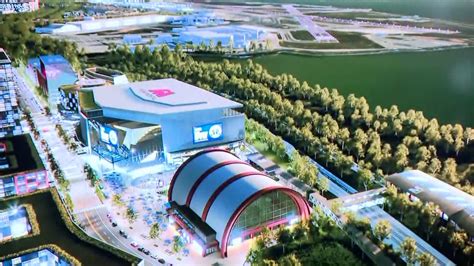
The role of safety regulations cannot be overstated when discussing capacity. Structural considerations, such as the load-bearing capacity of the stadium's framework, dictate how many seats can be installed in each section. Advanced materials like reinforced concrete and steel alloys are used to ensure that the structure can withstand not just the static weight of seated spectators but also dynamic loads, such as those generated during moments of crowd excitement (e.g., jumping or sudden movement). Fire safety codes also influence seating arrangements; aisles and emergency exits must be wide enough to facilitate quick evacuations in case of emergencies. These safety-driven design choices often result in a slight reduction in maximum theoretical capacity but are non-negotiable for compliance with international standards.
In addition to safety, climate control technologies indirectly affect capacity management. Groupama Stadium, located in Lyon, France, experiences seasonal variations in weather. To ensure year-round usability, the stadium incorporates features like retractable roofs or heating systems in certain areas. While these features do not directly increase seating capacity, they make it possible to host events in adverse weather conditions, thereby maintaining consistent attendance levels throughout the year. For example, a covered stadium can host matches or events during winter months when open-air venues might struggle to attract spectators. This adaptability ensures that the stadium operates at or near its capacity regardless of external conditions.
Another noteworthy aspect is the impact of crowd flow optimization on capacity. The design of entry and exit points, as well as the layout of concourses, is informed by computational models that simulate crowd movement. Technologies like pedestrian dynamics software help architects predict how spectators will move through the stadium during peak times, such as immediately before and after an event. By designing wide concourses, multiple entry gates, and strategically placed amenities (like food stalls and restrooms), the stadium can handle large crowds efficiently. This not only enhances the fan experience but also allows the stadium to operate closer to its theoretical capacity without bottlenecks or safety concerns. For instance, the implementation of bi-directional flow systems in stairways and corridors ensures that incoming and outgoing crowds do not collide, maintaining smooth movement even during sold-out events.
The concept of sustainability also plays a role in how capacity is managed. Modern stadiums are increasingly designed with eco-friendly features, such as solar panels, rainwater harvesting systems, and energy-efficient lighting. While these features are primarily aimed at reducing the stadium's environmental footprint, they also influence capacity indirectly. For example, energy-efficient LED lighting systems can illuminate the entire stadium with less power, allowing for the installation of more seats without overburdening the electrical infrastructure. Similarly, the use of sustainable materials in seating construction can reduce maintenance costs, enabling the stadium to maintain higher capacity levels over time without frequent refurbishments.
Finally, the role of data analytics in capacity management is worth exploring. Groupama Stadium, like other technologically advanced venues, collects vast amounts of data on attendee behavior. This data includes ticket purchase patterns, seating preferences, and even movement within the stadium during events. Analyzing this data allows management to identify trends, such as which seating areas are most popular or whether certain events attract larger crowds. These insights can inform future design modifications or expansions. For instance, if analytics reveal that families prefer certain sections with easier access to amenities, the stadium might prioritize expanding those areas in future upgrades.
- The use of CAD tools ensures optimal seat placement and visibility.
- Modular seating systems provide flexibility for different event types.
- Smart ticketing and sensors offer real-time occupancy data for better management.
- Safety regulations and materials influence load-bearing and evacuation design.
- Climate control features support consistent attendance across seasons.
- Crowd flow optimization through simulation software enhances operational efficiency.
- Sustainability features, like LED lighting, support long-term capacity maintenance.
- Data analytics help in identifying trends for future seating adjustments.
In conclusion, the technological and structural considerations of Groupama Stadium are a blend of innovation, safety, and user-centric design. These elements work in tandem to not only define the stadium's seating capacity but also to ensure that this capacity is utilized effectively and sustainably. By leveraging cutting-edge tools and methodologies, the stadium exemplifies how modern venues can balance the demands of large-scale events with the need for comfort, safety, and operational excellence.
Economic and Cultural Impact
The Groupama Stadium, located in Décines-Charpieu near Lyon, France, is a modern sports and entertainment venue with a seating capacity of approximately 59,186. This impressive capacity not only serves as a functional attribute for hosting football matches and large-scale events but also plays a pivotal role in shaping the local economy, tourism industry, and cultural landscape of the region. To fully understand its impact, we must delve into how the stadium’s capacity facilitates economic growth, enhances tourism appeal, and solidifies its place as a cultural hub.
One of the most direct ways the stadium's capacity contributes to the local economy is through the sheer volume of attendees it can accommodate. A capacity of nearly 60,000 means that for every event—be it a football match, concert, or international tournament—the stadium can draw tens of thousands of people. These attendees bring with them spending power that directly benefits a variety of local businesses. For instance, nearby restaurants, bars, hotels, and transportation services experience a surge in demand on event days. Studies have shown that large stadiums can generate a multiplier effect in the local economy, where each euro spent by an attendee circulates through the economy, supporting jobs and small businesses. For example, during a UEFA Champions League match or a high-profile concert, local vendors often report a 20-30% increase in revenue compared to non-event days. This ripple effect is amplified by the stadium's location in a suburban area, which ensures that the economic benefits are distributed beyond Lyon's city center, invigorating the broader metropolitan region.
The tourism sector also reaps significant rewards from the stadium's large capacity. Groupama Stadium is not just a venue for local teams like Olympique Lyonnais; it is a destination for international events such as the 2019 FIFA Women’s World Cup and the 2022 UEFA Europa League final. These high-profile events attract visitors from across Europe and beyond, many of whom might not have otherwise considered Lyon as a travel destination. The influx of international tourists has a dual impact: it introduces new audiences to the city’s rich history, cuisine, and culture while simultaneously boosting revenue for the tourism industry. Tourists staying for matches or events often extend their visits to explore Lyon’s UNESCO World Heritage sites, such as Vieux Lyon and the Basilica of Notre-Dame de Fourvière. This extended stay pattern contributes to the city’s reputation as a dual-purpose destination, where sports and culture coexist. Additionally, the stadium itself has become a tourist attraction, offering guided tours that showcase its state-of-the-art facilities, architecture, and the history of Olympique Lyonnais. This adds another layer of appeal for sports enthusiasts and casual visitors alike, further diversifying Lyon’s tourism offerings.
Beyond economics, the cultural significance of Groupama Stadium’s capacity cannot be overlooked. A venue of this size inherently becomes a gathering space for shared experiences, uniting people from diverse backgrounds under a common purpose. Whether it is the roar of the crowd during a football match or the collective awe at a live performance by a global artist, the stadium fosters a sense of community and belonging. This is particularly evident in how the stadium has hosted events that go beyond sports, such as concerts by artists like Coldplay and Ed Sheeran. These events not only draw massive crowds but also position Lyon as a city capable of hosting world-class entertainment. The cultural spillover effect is tangible; the presence of such a venue encourages other forms of artistic and cultural expression in the region. Local artists, performers, and entrepreneurs often find opportunities to collaborate with or piggyback on the stadium’s events, creating a vibrant ecosystem of creativity and innovation. Furthermore, the stadium serves as a symbol of regional pride, embodying Lyon’s ambition to be a leader in sports and entertainment infrastructure in France. This pride is reflected in how the stadium is integrated into local identity, with residents viewing it as a landmark that represents their city on the global stage.
Another unique aspect of the stadium’s capacity lies in its role as a platform for international visibility. Large-capacity venues are often chosen to host globally televised events, and Groupama Stadium is no exception. When the stadium hosts matches broadcast to millions worldwide, it showcases not just the event but also Lyon as a modern, dynamic city. This exposure can have long-term economic benefits, as it positions Lyon as a viable location for future investments, conferences, and events. For instance, the 2016 European Football Championship matches held at the stadium brought Lyon into the spotlight, leading to increased interest in the city as a business and leisure destination. The stadium’s capacity ensures that such events are not only feasible but also executed on a scale that leaves a lasting impression on global audiences.
However, the economic and cultural impact of the stadium’s capacity is not without challenges. A venue of this size requires robust infrastructure to support the movement of tens of thousands of people. Traffic management, public transportation, and security measures must be meticulously planned to avoid bottlenecks and ensure smooth operations. The city of Lyon has invested heavily in improving transport links to the stadium, including dedicated tram lines and park-and-ride facilities, which further support its economic and cultural goals. These investments, while costly, underline the city’s commitment to maximizing the stadium’s potential as a driver of growth.
Additionally, the stadium's capacity enables it to host diverse events that might not be possible in smaller venues. For instance, the ability to host simultaneous activities—such as fan zones, VIP experiences, and community outreach programs—creates a more inclusive environment. This inclusivity extends to how the stadium engages with local communities. For example, Olympique Lyonnais has used the stadium to host youth training camps, charity events, and cultural festivals, reinforcing its role as a community asset rather than just a commercial venue. These initiatives help bridge the gap between the stadium’s commercial objectives and its social responsibilities, ensuring that its impact is felt across all strata of society.
In conclusion, the capacity of Groupama Stadium is far more than a number; it is a driver of economic vitality, a magnet for tourism, and a cornerstone of cultural significance. Its ability to draw large crowds supports local businesses, enhances Lyon’s global reputation, and fosters a sense of shared identity among residents and visitors. While challenges exist in managing such a large-scale venue, the benefits far outweigh the costs, making the stadium a cornerstone of Lyon’s growth strategy. By leveraging its capacity effectively, Groupama Stadium not only sustains itself as a profitable entity but also enriches the broader socio-economic and cultural fabric of the region.
Conclusion and Future Projections
The Groupama Stadium, home to Olympique Lyonnais, is a modern sporting venue with a current capacity of approximately 59,186 spectators. This capacity places it among the larger stadiums in France and Europe, designed to accommodate both domestic and international football matches, as well as other large-scale events. However, as stadium design and audience expectations evolve, it is worth exploring the potential for changes or upgrades to the stadium's capacity in the future. This conclusion will provide a synthesis of key insights regarding the stadium's current state and speculate on how its capacity might be impacted by emerging trends and strategic decisions.
One of the key insights from analyzing the Groupama Stadium's capacity is its alignment with the growing demand for multi-purpose venues. Unlike older stadiums that were primarily football-focused, Groupama Stadium was built with versatility in mind. It has hosted concerts, rugby matches, and even e-sports events. This adaptability suggests that while the stadium's current capacity is sufficient for most football matches, there may be a need to rethink its design if the scope of events broadens further. For instance, large-scale international events like the UEFA Champions League finals or global concerts might benefit from an expanded seating arrangement to maximize revenue and audience engagement. Additionally, the stadium’s current layout, while efficient, may not fully capitalize on the potential for premium seating or hospitality areas, which are becoming increasingly important revenue streams for venue operators.
Another insight is the shifting expectations of modern sports audiences. Fans today are not merely content with a seat in the stands; they seek an enhanced experience that includes better amenities, technology integration, and personalized services. These demands could indirectly influence capacity considerations. For example, adding luxury boxes, VIP lounges, or even interactive fan zones might reduce the raw number of seats but could enhance the stadium's overall appeal and profitability. This trade-off between capacity and experience is a delicate balance that stadium managers must navigate. If Groupama Stadium were to undergo upgrades aimed at improving fan amenities, it might involve reconfiguring certain sections of the stadium to create more spacious, high-value zones rather than simply increasing the number of seats.
A third insight pertains to the urban and environmental context of the stadium. Located in Décines-Charpieu, a suburb of Lyon, the stadium is part of a broader urban planning landscape. Any significant changes to its capacity would need to consider the surrounding infrastructure, including public transport, parking facilities, and the environmental impact of construction. For instance, increasing the stadium's capacity by even 5,000 seats would likely require expanded access routes, additional parking spaces, and possibly new public transport links. These considerations are not trivial, as they involve coordination with local authorities and long-term urban planning strategies. However, they also present an opportunity to position Groupama Stadium as a leader in sustainable stadium design. Future upgrades could incorporate renewable energy sources, such as solar panels or rainwater harvesting systems, alongside capacity enhancements to ensure the venue remains environmentally responsible while meeting growing demands.
Speculating on potential changes to the stadium's capacity requires looking at global trends in stadium design. One prominent trend is the use of modular seating systems, which allow stadiums to adjust their capacity based on the type of event. For example, a modular design could enable Groupama Stadium to expand its seating for international matches or large concerts while reducing it for smaller domestic games to create a more intimate atmosphere. This approach is already being explored in newer venues like the SoFi Stadium in Los Angeles and could be a viable option for Groupama Stadium. By adopting such technology, the stadium could remain flexible and future-proof, catering to diverse event types without committing to a permanent increase in capacity that might not always be necessary.
Another area of speculation involves the integration of digital and virtual experiences. With the rise of augmented reality (AR) and virtual reality (VR) technologies, there is a possibility that physical attendance might not always be the primary metric for stadium success. For instance, future upgrades could include AR-enabled seats or VR zones where fans can experience matches in immersive ways without physically being present. While this might seem counterintuitive to increasing physical capacity, it represents a shift in how capacity is conceptualized. A stadium’s "reach" could extend far beyond its physical boundaries, with digital enhancements allowing more fans to engage with events remotely. However, this does not negate the importance of physical upgrades; rather, it suggests a hybrid model where physical and virtual capacities complement each other.
From a financial perspective, increasing the stadium's capacity could be driven by the need to remain competitive in hosting major events. The French sports market is highly competitive, with venues like the Stade de France and Parc des Princes vying for high-profile matches and tournaments. If Groupama Stadium were to position itself as a leading venue for such events, an increase in capacity might be a strategic move. For instance, expanding to accommodate 65,000 or even 70,000 spectators could make the stadium more attractive for hosting UEFA finals or even non-sporting mega-events like global summits or festivals. However, this would require significant investment and a clear business case to justify the costs, particularly in light of fluctuating attendance trends post-pandemic.
On the other hand, there is also the possibility of downscaling in certain areas. Some stadiums have experimented with reducing overall capacity to create a more exclusive, high-quality experience for attendees. This could involve removing less profitable general admission areas and replacing them with premium seating or entertainment zones. While this approach might seem counterintuitive, it aligns with the growing trend of prioritizing quality over quantity in audience engagement. Groupama Stadium could explore this option if data suggests that a smaller, more engaged audience delivers better economic outcomes than a larger, more dispersed one.
Finally, it is worth considering the role of technological advancements in stadium capacity management. Innovations such as dynamic seating arrangements, AI-driven crowd flow optimization, and even robotic construction techniques could allow for more efficient use of existing space. For example, AI systems could analyze crowd behavior and seating preferences to suggest reconfigurations that maximize both comfort and capacity without the need for extensive physical renovations. These technologies are still in their infancy but could play a significant role in how Groupama Stadium evolves over the next decade.
In conclusion, the Groupama Stadium's current capacity is a testament to its modern design and versatility. However, as audience expectations, technological capabilities, and global competition evolve, there is room for both expansion and reimagining of its layout. Whether through modular seating systems, enhanced VIP experiences, or sustainable design principles, the stadium has the potential to adapt to future needs while maintaining its status as a premier venue. The key will be to balance physical capacity with the broader goals of fan engagement, revenue generation, and environmental responsibility. By staying attuned to these factors, Groupama Stadium can not only meet the challenges of the future but also set a benchmark for what a modern stadium can achieve.
- Modular seating systems could provide flexibility for different event types.
- Digital and virtual experiences may redefine how capacity is perceived.
- Sustainable design should be a core consideration for any future upgrades.
- Competition for hosting major events could drive capacity expansion.
- Downscaling or reconfiguring for premium experiences might be a viable alternative.
These points collectively highlight that while the stadium's current capacity is well-suited to its present role, the future will likely demand a more dynamic approach to how capacity is defined, managed, and enhanced.


