Introduction to Groupama Stadium
The Groupama Stadium, located in Décines-Charpieu on the eastern outskirts of Lyon, is a modern architectural marvel that serves as a focal point for French sports and entertainment. Officially opened on January 9, 2016, this stadium replaced Lyon's former home ground, Stade de Gerland, and has since become a symbol of the city's ambition to position itself as a hub for international sporting and cultural events. With a seating capacity of 59,186, the stadium is not merely a venue for football matches but a multi-purpose facility designed to host concerts, corporate events, and even large-scale esports tournaments. Its sleek, contemporary design reflects both the dynamism of Lyon as a city and the evolving expectations of sports infrastructure in the 21st century.
The location of the Groupama Stadium in Décines-Charpieu was a deliberate choice aimed at addressing the limitations of Stade de Gerland, which was situated in a densely populated area of Lyon with limited space for expansion and modern amenities. Décines-Charpieu offers easier access to major transport links, including the A46 motorway and the T3 tram line, which connects the stadium directly to Lyon's city center. This strategic placement ensures that the stadium is both accessible to local fans and appealing to international visitors. However, the decision to build the stadium in a suburban area was not without controversy. Critics argued that the move would alienate traditional supporters from central Lyon, while proponents highlighted the potential for economic revitalization in the region. Over time, the stadium has proven to be a catalyst for local business growth, with restaurants, hotels, and retail establishments benefiting from the influx of visitors on match days and during events.
The significance of the Groupama Stadium in French sports cannot be overstated. It is the home ground of Olympique Lyonnais (OL), one of France's most successful football clubs, with a rich history of domestic and European achievements. The club's transition to this new stadium marked a pivotal moment in its identity. Unlike Stade de Gerland, which was steeped in nostalgia but constrained by outdated facilities, Groupama Stadium was built with the future in mind. Its state-of-the-art features include a retractable roof, cutting-edge pitch maintenance technology, and an integrated fan experience system with high-definition screens and Wi-Fi connectivity throughout the venue. These elements not only enhance the matchday experience for spectators but also position the stadium as a model for how modern sports venues can blend tradition with innovation.
Beyond its primary role as a football venue, the Groupama Stadium has played a vital part in elevating Lyon's profile on the international stage. It was one of the host venues for the UEFA Euro 2016 tournament, showcasing its ability to handle high-stakes matches in front of a global audience. The stadium also hosted the 2019 FIFA Women’s World Cup semi-finals and final, underscoring its versatility and importance in promoting women's sports. Such events have reinforced Lyon's reputation as a city capable of hosting world-class competitions, further cementing the stadium's role as a national asset. In addition, the stadium has been a venue for major concerts, including performances by international artists like Coldplay and Ed Sheeran, which have drawn tens of thousands of attendees and highlighted its adaptability beyond sports.
The design of the Groupama Stadium is another aspect worth delving into. Conceived by the architectural firm Populous, the stadium features a sleek, elliptical shape with a translucent facade that allows natural light to filter into the interior spaces. This design not only enhances the aesthetic appeal of the structure but also contributes to energy efficiency by reducing the need for artificial lighting during daytime events. The choice of materials and the integration of green spaces around the stadium reflect a commitment to sustainability, a growing priority in sports infrastructure. Moreover, the stadium's layout prioritizes fan comfort and safety, with wide concourses, ample seating space, and excellent sightlines from every section. These thoughtful design elements demonstrate how the stadium was built not just as a functional space but as an experience-driven destination.
Another unique aspect of the Groupama Stadium is its role in fostering community engagement. The venue includes facilities such as the OL Academy, a training center for young athletes, and the OL Vallée, a surrounding leisure and business complex. These initiatives aim to create a lasting impact beyond football by supporting local talent development and providing recreational opportunities for residents. The stadium also hosts guided tours, allowing fans and tourists to explore its inner workings, from the locker rooms to the VIP lounges, offering a behind-the-scenes glimpse into the life of a modern sports venue. Such efforts highlight the stadium's dual purpose as both a commercial enterprise and a community asset.
From an economic perspective, the Groupama Stadium has had a transformative effect on the region. Its construction represented a significant investment, reported to be around €450 million, much of which was privately funded by Olympique Lyonnais' ownership. This financial model contrasts with many other European stadiums that rely heavily on public funding, making the Groupama Stadium a case study in how sports facilities can be developed sustainably without overburdening taxpayers. The stadium's revenue streams are diverse, including ticket sales, corporate partnerships, event hosting fees, and even real estate development in the surrounding OL Vallée area. These revenue sources have allowed the stadium to remain financially viable while contributing to the broader economic ecosystem of Lyon.
In the context of French sports, the Groupama Stadium stands out as a symbol of progress. While traditional venues like the Parc des Princes in Paris and Stade Vélodrome in Marseille are steeped in history, Groupama Stadium represents a shift toward modernity. It challenges the notion that a stadium must be located in a city's historic core to be iconic. Instead, it proves that a well-planned, forward-looking facility in a suburban setting can achieve the same level of prestige and functionality. This is particularly relevant as cities across France and Europe reassess their approach to urban planning and sports infrastructure in light of growing populations and changing fan expectations.
The stadium's role in shaping Lyon's identity is also noteworthy. Lyon, often overshadowed by Paris in discussions of French culture and sports, has used the Groupama Stadium as a platform to assert its distinctiveness. The venue is not merely a place to watch football; it is a statement of Lyon's ambition to be recognized as a global city with a vibrant sports culture. This ambition is evident in the way the stadium integrates into the city’s broader narrative, from its support of local businesses to its role in hosting international events that put Lyon on the map.
In conclusion, the Groupama Stadium is more than just a sports venue; it is a multi-dimensional facility that embodies Lyon's aspirations as a city and France's commitment to modern sports infrastructure. Its location, design, and impact extend far beyond the boundaries of football, making it a cornerstone of the region's cultural and economic landscape. Whether through its role in hosting international tournaments, its contribution to local development, or its embodiment of sustainable design principles, the Groupama Stadium is a testament to the power of sports to inspire and transform.
Historical Background
The Groupama Stadium in Lyon, also known as the Parc Olympique Lyonnais, is a modern sports arena that has become a symbol of the city's sporting and cultural ambition. To understand its origins, one must delve into the broader context of Lyon's footballing history and the strategic vision that shaped the stadium's development. This section will trace the stadium's journey from conceptualization to its establishment as a landmark venue.
The roots of the Groupama Stadium can be traced back to the longstanding success and ambitions of Olympique Lyonnais (OL), one of France's most prominent football clubs. Founded in 1950, OL grew from a regional team into a national powerhouse, particularly during the early 2000s when the club dominated Ligue 1, winning seven consecutive league titles from 2002 to 2008. This period of sporting excellence highlighted a pressing need for a venue that could match the club's stature and ambitions. The club's former home, the Stade de Gerland, while historic and beloved, had limitations in terms of capacity, facilities, and revenue-generating potential. By the mid-2000s, it was clear that Lyon required a modern stadium to sustain its growth and compete on an international scale.
The idea of a new stadium for OL began to take shape in earnest during the early 2000s. This period coincided with a broader trend in European football where clubs sought to own and operate their stadiums rather than rely on municipally owned venues. Owning a stadium offered clubs greater control over matchday revenue streams, including ticket sales, corporate hospitality, and naming rights. For OL, this shift was not merely about financial gains but also about creating a venue that could serve as a hub for community engagement, entertainment, and innovation. The club's president, Jean-Michel Aulas, was a driving force behind this vision. Aulas envisioned a stadium that would not only host football matches but also act as a multi-purpose venue for concerts, conferences, and other large-scale events.
The development of the Groupama Stadium was heavily influenced by France's bid to host the UEFA Euro 2016 tournament. In 2010, France was officially chosen as the host nation, which provided a unique opportunity for cities and clubs to invest in new infrastructure. Lyon was among the host cities, and the proposed new stadium for OL was included as part of the bid. This created both an impetus and a deadline for the project. The stadium's development was not without challenges, however. Financing such a large-scale project required significant investment, and the club had to navigate complex negotiations with local authorities, investors, and construction partners. Ultimately, the project was funded through a mix of private investment and public support, with OL retaining ownership of the stadium—a critical factor in ensuring its long-term viability.
Construction of the stadium began in 2013, following years of planning and deliberation. The site chosen for the stadium was in Décines-Charpieu, a suburb of Lyon, approximately 10 kilometers east of the city center. This location was selected for its accessibility and potential for development, although it was not without controversy. Local residents and environmental groups raised concerns about the impact of the stadium on the surrounding area, leading to heated debates and legal challenges. Despite these obstacles, the project moved forward, driven by a shared belief in its potential to transform the region.
The stadium's design was a critical aspect of its development. Architects aimed to create a venue that was both functional and visually striking. The final design featured a bowl-shaped structure with a capacity of 59,186 spectators, making it one of the largest stadiums in France. The roof was a standout feature, designed to provide cover for all seats while allowing natural light to filter through. The use of sustainable materials and energy-efficient technologies was another key aspect of the design, reflecting a commitment to environmental responsibility. These features positioned the stadium as a model for modern sports venues.
One of the key milestones in the stadium's construction was its official opening on January 9, 2016, when OL played its first match at the venue against Troyes. The event was a celebration of the club's history and future, attended by thousands of fans and dignitaries. The match itself was a resounding success, with OL winning 4-1, symbolizing a new era for the club. However, the stadium's true test came later that year during the UEFA Euro 2016 tournament, where it hosted six matches, including a semi-final. These high-profile games showcased the stadium's ability to handle large crowds and international attention, cementing its reputation as a world-class venue.
Another milestone was the signing of the naming rights deal with Groupama in 2017. Naming rights are a common revenue stream for modern stadiums, and the partnership with Groupama, a French insurance company, provided OL with a significant financial boost. This deal also reflected the stadium's growing status as a commercial asset, capable of attracting major corporate sponsors. The name "Groupama Stadium" has since become synonymous with Lyon's sporting identity.
The stadium's development also had a broader impact on the city of Lyon. Beyond its role as a sports venue, the Groupama Stadium has contributed to the urban and economic development of the Décines-Charpieu area. The project included the construction of nearby infrastructure, such as improved transport links and commercial spaces, which have benefited the local community. Additionally, the stadium has become a focal point for cultural events, hosting concerts by international artists and serving as a venue for non-sporting gatherings. This multi-use approach has ensured that the stadium remains active and relevant throughout the year, not just during football season.
Looking back, the Groupama Stadium represents a confluence of ambition, innovation, and resilience. Its origins lie in OL's desire to elevate its status as a European footballing powerhouse, but its development was shaped by a complex interplay of economic, political, and social factors. From the challenges of financing and construction to the triumphs of hosting major events, the stadium's history is a testament to what can be achieved when vision and determination align. As a venue, it is more than just a place to watch football—it is a symbol of Lyon's modern identity and a beacon for the future of sports infrastructure in France and beyond.
- The Groupama Stadium was born out of OL's need to modernize and expand beyond the Stade de Gerland.
- France's hosting of UEFA Euro 2016 provided a critical opportunity and deadline for the project.
- The stadium's design incorporates sustainability and multi-purpose functionality, setting it apart from traditional venues.
- Key milestones include its opening in 2016, successful hosting of Euro 2016 matches, and the Groupama naming rights deal in 2017.
In summary, the historical background of the Groupama Stadium is a story of transformation—of a club, a city, and a vision that extended far beyond the boundaries of sport.
Architectural Features and Design
The Groupama Stadium in Lyon, also known as the Stade des Lumières, is a marvel of modern stadium architecture that blends functionality, aesthetics, and innovation. Opened in 2016, this state-of-the-art facility was designed to be more than just a venue for sporting events; it was envisioned as a multipurpose space that could host concerts, corporate events, and community gatherings. Its architectural features and design are a testament to the forward-thinking approach taken by its creators, Populous, a globally renowned architecture firm specializing in sports venues.
One of the most striking aspects of the stadium's design is its elliptical shape, which optimizes sightlines for spectators. Unlike traditional rectangular or oval stadiums, the elliptical form ensures that every seat offers an unobstructed view of the field. This thoughtful approach to fan experience is further enhanced by the stadium's steeply raked seating tiers, which bring spectators closer to the action. This design choice not only improves visibility but also amplifies the acoustics, creating an electric atmosphere during matches and events. The seating capacity of the stadium is approximately 59,186, making it one of the largest in France and suitable for hosting high-profile events such as UEFA Champions League matches and international fixtures.
The roof design of Groupama Stadium is another standout feature. The roof is a semi-translucent structure made of ETFE (ethylene tetrafluoroethylene) panels, a lightweight and durable material often used in cutting-edge architectural projects. This material allows natural light to filter through while protecting spectators from adverse weather conditions. The semi-transparency also contributes to the stadium's energy efficiency by reducing the need for artificial lighting during daytime events. Additionally, the roof extends beyond the seating area to cover walkways and concourses, creating a seamless transition between indoor and outdoor spaces. This design mitigates the impact of rain or sun on fans as they move around the venue, enhancing comfort and accessibility.
A unique aspect of the stadium is its modular construction techniques, which allowed for rapid assembly while maintaining high standards of quality. The use of prefabricated components, such as the steel frame and seating blocks, streamlined the construction process and minimized waste. This approach aligns with sustainable building practices, a growing focus in modern stadium design. Furthermore, the stadium incorporates rainwater harvesting systems and solar panels, underscoring its commitment to environmental sustainability. These systems help reduce the stadium's water and energy consumption, setting a benchmark for eco-friendly sports facilities in Europe.
The facade of the stadium is another design element worth exploring. It features a dynamic, lattice-like exterior made of aluminum and glass, which not only contributes to the aesthetic appeal but also serves a functional purpose. The lattice structure allows for natural ventilation, reducing the reliance on air conditioning systems. At night, the facade transforms into a visual spectacle through the use of LED lighting systems. These lights can be programmed to display a variety of colors and patterns, turning the stadium into a beacon that symbolizes the vibrancy of Lyon. This feature is particularly prominent during major events, where the lighting is synchronized with the mood of the crowd or the theme of the event, reinforcing the stadium's nickname, "Stade des Lumières" (Stadium of Lights).
In terms of accessibility and urban integration, the stadium is located in the suburb of Décines-Charpieu, approximately 10 kilometers east of Lyon's city center. While this location might seem unconventional for a major stadium, it was a deliberate choice to provide ample space for infrastructure development and to minimize disruption to the urban fabric of Lyon. The stadium is well-connected by public transport, including trams and buses, and features dedicated cycling paths and parking facilities for over 7,000 vehicles. This emphasis on accessibility demonstrates how the stadium was designed not just for matchdays but as a hub for the local community. Its proximity to major highways also facilitates easy access for visitors coming from other parts of France or neighboring countries.

The interior design of Groupama Stadium is equally impressive. The concourses are wide and spacious, allowing for smooth movement of large crowds. Unlike older stadiums where bottlenecks are common, the architects prioritized flow dynamics to ensure that fans could easily navigate the venue. The concourses are also lined with food and beverage outlets, offering a diverse range of options that reflect Lyon's reputation as the gastronomic capital of France. From local delicacies to international cuisine, the food offerings enhance the overall experience for attendees.
Another innovative aspect of the stadium is its technology integration. Groupama Stadium was one of the first in Europe to implement a fully cashless payment system, allowing fans to use contactless cards or mobile payments for all transactions within the venue. This not only speeds up service but also enhances security by reducing the need for cash handling. Additionally, the stadium is equipped with high-speed Wi-Fi to cater to the digital needs of modern spectators. Whether it’s live-streaming match highlights or sharing experiences on social media, the stadium ensures that fans remain connected.
The versatility of the design is perhaps one of its most innovative features. While primarily a football stadium, Groupama Stadium has been designed to accommodate a variety of events. Its retractable pitch system allows the field to be replaced with a stage for concerts or other performances. This adaptability extends the stadium's utility beyond sports, making it a profitable and dynamic asset for the city of Lyon. For instance, it has hosted major artists like Ed Sheeran and has been a venue for international rugby matches, showcasing its ability to cater to diverse audiences.
The stadium's integration of public spaces is another noteworthy feature. Unlike many stadiums that are isolated from their surroundings, Groupama Stadium includes open plazas and green spaces that serve as gathering areas for fans and the local community. These spaces are used for pre-event activities, fan zones, and even cultural events, fostering a sense of inclusivity. The design also includes conference rooms, VIP lounges, and a museum dedicated to the history of Olympique Lyonnais, the primary tenant of the stadium. These features position the stadium as not just a sports venue but a multifaceted community asset.
In conclusion, the architectural features and design of Groupama Stadium exemplify a harmonious blend of innovation, sustainability, and user-centric design. From its elliptical shape and ETFE roof to its modular construction and dynamic lighting, every element has been meticulously planned to enhance functionality and aesthetic appeal. Its capacity to host diverse events, coupled with its focus on accessibility and environmental consciousness, makes it a model for modern stadium design. Groupama Stadium is not merely a structure; it is a symbol of Lyon's ambition to merge tradition with modernity while providing a world-class experience for all who enter its gates.
Role in French Football
The Groupama Stadium, located in Décines-Charpieu near Lyon, is more than just a state-of-the-art sports venue; it represents a cornerstone of modern French football and a testament to the ambitions of Olympique Lyonnais (OL). Since its inauguration in 2016, the stadium has played a pivotal role in reshaping the identity of OL and influencing the competitive dynamics of Ligue 1. Its importance extends beyond being a mere home ground—it serves as a symbol of Lyon’s footballing evolution and a driver of economic, cultural, and strategic impact on the French football landscape.
To understand the stadium's role, one must first consider its conception. Unlike many traditional football grounds in France, which are often constrained by aging infrastructure or limited capacity, the Groupama Stadium was purpose-built as a modern, multipurpose arena with a seating capacity of over 59,000. This leap in infrastructure reflects OL’s desire to not only compete with other top-tier European clubs but also to establish itself as a central figure in Ligue 1's narrative. The stadium replaced the aging Stade de Gerland, which, while steeped in history, could no longer support the club's aspirations for global recognition and revenue generation. The shift to Groupama Stadium marked a deliberate move toward professionalization and commercialization—an approach increasingly necessary in the hyper-competitive world of European football.
As the home ground for Olympique Lyonnais, the stadium has become a fortress for the team. OL has a storied history in Ligue 1, with seven consecutive titles between 2002 and 2012, a period known as the club’s golden era. However, the transition to Groupama Stadium coincided with a period of rebuilding and redefinition for the club. While OL has not replicated its earlier dominance in terms of league titles, the stadium has provided a platform for the club to host high-profile matches with enhanced fan engagement and revenue opportunities. The acoustics and design of the stadium amplify the atmosphere during matches, creating an intimidating environment for visiting teams. This has contributed to OL maintaining a strong home record in Ligue 1, even during transitional seasons. For instance, the stadium’s electric ambiance during key fixtures, such as derby matches against arch-rivals AS Saint-Étienne, underscores its importance as a psychological edge for the home team.
Beyond its immediate impact on OL’s performance, the Groupama Stadium has had a broader strategic influence on Ligue 1. Ligue 1 has often been perceived as a league dominated by Paris Saint-Germain (PSG) due to their financial resources and star-studded lineup. However, the emergence of a stadium like Groupama Stadium has provided OL with a competitive edge in hosting UEFA Champions League and Europa League matches, thus elevating the league's profile. This is particularly significant because Ligue 1 clubs, apart from PSG, have historically struggled to maintain financial and sporting parity with their counterparts in the Premier League, La Liga, or the Bundesliga. Groupama Stadium’s world-class facilities have allowed OL to attract marquee fixtures and international events, such as the 2019 FIFA Women’s World Cup and the 2022 UEFA Europa League final. These events not only bring global attention to Lyon but also position Ligue 1 as a league capable of hosting high-caliber competitions, indirectly benefiting other French clubs by raising the league's overall prestige.
The stadium's role is also intertwined with OL’s economic model, which has been significantly bolstered by owning and operating its own venue. Unlike clubs that rent municipal stadiums, OL benefits directly from ticketing, hospitality, and naming rights (the naming deal with Groupama being a prime example). This self-sufficiency allows the club to reinvest in player development, scouting, and infrastructure, creating a virtuous cycle of growth. For Ligue 1, this model is a blueprint for how clubs can reduce dependency on external funding sources, such as state subsidies or wealthy benefactors, and instead build sustainable revenue streams. The success of Groupama Stadium in this regard has inspired other Ligue 1 clubs, such as Lille and Bordeaux, to explore similar stadium ownership models, thereby raising the overall commercial viability of the league.
Another aspect of the stadium’s impact lies in its community and cultural integration. Lyon, as a city, has a deep connection to football, with OL being one of its most cherished institutions. The Groupama Stadium has become a hub for not just football but also cultural events, concerts, and community initiatives. This multifaceted use ensures that the stadium remains active throughout the year, fostering a sense of ownership among the local population. Such integration is vital in Ligue 1, where the relationship between clubs and their communities often determines long-term success. The stadium’s accessibility and design—including its proximity to public transport and its eco-friendly features—reflect a forward-thinking approach that aligns with modern urban planning and sustainability goals. This has made the stadium a point of pride for Lyon’s residents, further cementing OL’s role as a unifying force in the region.
From a competitive standpoint, the Groupama Stadium has also influenced the dynamics of Ligue 1 matches. Its size and modernity have enabled OL to host games with higher attendance figures compared to many other Ligue 1 venues. This has a ripple effect on the league’s overall attendance metrics, which are often scrutinized in comparisons with other top European leagues. Higher attendances generate greater matchday revenue, which in turn supports OL’s ability to invest in its squad. Additionally, the stadium’s facilities, including its cutting-edge training and recovery areas, provide OL with a competitive advantage in player performance and injury management. This edge is particularly important in Ligue 1, where the gap between top-tier and mid-table clubs can be narrowed through superior infrastructure and resources.
It is also worth noting the stadium's role in OL’s youth development strategy. Olympique Lyonnais is renowned for its academy, which has produced world-class talents such as Karim Benzema, Alexandre Lacazette, and Nabil Fekir. The Groupama Stadium serves as a showcase for these talents, offering them a stage that is not only physically impressive but also symbolically aligned with OL’s ethos of nurturing homegrown players. This focus on youth development has implications for Ligue 1 as a whole, as it demonstrates how a well-supported infrastructure can sustain a club’s long-term competitiveness without over-reliance on expensive transfers. In this way, the stadium is not just a venue but a centerpiece of OL’s footballing philosophy, one that other Ligue 1 clubs can aspire to emulate.
In summary, the Groupama Stadium is not merely a physical space for hosting football matches; it is a symbol of ambition, a driver of economic sustainability, and a catalyst for Ligue 1’s evolution. Its impact extends from the pitch to the boardroom, influencing how OL operates as a club and how Ligue 1 positions itself in the global football hierarchy. By providing a modern, scalable, and community-focused venue, the stadium has helped OL remain competitive in a rapidly changing football landscape while simultaneously raising the profile of French football as a whole. In this sense, the Groupama Stadium is a microcosm of what Ligue 1 can achieve when clubs prioritize innovation and long-term vision over short-term gains.
- The stadium enhances OL’s home advantage and competitive edge in Ligue 1.
- It elevates Ligue 1’s profile by hosting high-profile international events.
- Its economic model serves as a benchmark for other French clubs.
- It fosters community engagement and cultural integration in Lyon.
- It supports OL’s youth development and long-term strategy.
These factors collectively underscore why the Groupama Stadium is not just important for Olympique Lyonnais but also a vital piece of the Ligue 1 ecosystem.
Events and International Matches
The Groupama Stadium in Lyon, also known as the Stade des Lumières, is a modern architectural marvel that has established itself as a hub for high-profile events, ranging from international football matches to world-class concerts. Since its inauguration in 2016, the stadium has not only served as the home ground for Olympique Lyonnais but has also been a stage for diverse global gatherings that showcase its versatility and state-of-the-art infrastructure.
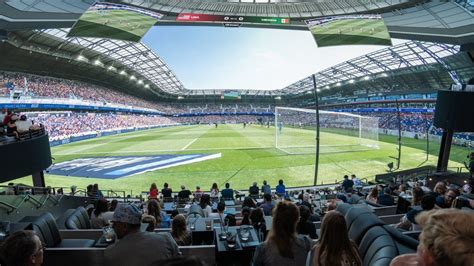
One of the most prominent aspects of the Groupama Stadium's event portfolio is its association with UEFA competitions. The stadium has hosted several UEFA matches, including key fixtures in the UEFA Champions League and UEFA Europa League. Notably, it was selected as one of the venues for the UEFA Euro 2016 tournament, which was a landmark event for European football. During this tournament, the stadium hosted four matches, including a high-stakes semi-final between France and Germany. The atmosphere was electric, with a capacity crowd of over 56,000 spectators creating an unforgettable ambiance. This event not only underscored the stadium's ability to handle large-scale international sporting events but also highlighted Lyon's growing reputation as a city capable of hosting major sporting spectacles.
Beyond UEFA competitions, the stadium has been a preferred venue for international friendlies and qualifiers. For example, it has hosted matches for the French national team, such as their preparatory games for the FIFA World Cup. These matches are often accompanied by a carnival-like atmosphere, with fans from across Europe converging in Lyon to support their teams. The stadium's design, which emphasizes spectator comfort and optimal sightlines, ensures that even the most routine matches feel like grand occasions. Its seating arrangement and acoustics amplify crowd energy, making it a favorite among players and fans alike.
However, the stadium's appeal extends beyond football. It has carved a niche as a venue for global music concerts, attracting some of the biggest names in the entertainment industry. Artists like Ed Sheeran and Coldplay have performed at the Groupama Stadium, drawing crowds that rival those of major sporting events. What sets these concerts apart is the stadium's ability to transform into a concert venue without compromising its functionality. The acoustics are carefully managed to ensure that sound quality is preserved even in an open-air setting, while the expansive grounds allow for the creation of elaborate stage setups. These concerts often feature innovative lighting displays that take advantage of the stadium's "Lumières" moniker, creating a visual spectacle that complements the musical performances.
Another unique aspect of the Groupama Stadium's event portfolio is its role in hosting non-sporting global gatherings. For instance, the stadium has been used for large-scale corporate events, product launches, and even political rallies. Its modern facilities, including VIP lounges, conference rooms, and expansive outdoor spaces, make it an attractive choice for organizations looking to host events with a touch of grandeur. The stadium's proximity to Lyon's city center and excellent transport links further enhance its appeal for such events. Notably, the stadium hosted the Global Sports Week in 2020, an event that brought together leaders from the sports, business, and entertainment sectors to discuss the future of the industry. This event underscored the stadium's ability to act as a platform for thought leadership and innovation, extending its influence beyond entertainment and sports.
The stadium's versatility is further exemplified by its involvement in cultural festivals and community events. For instance, it has been a venue for events like the Lyon Street Food Festival, which combines culinary arts with live performances and interactive experiences. These events often transform the stadium into a vibrant community space, drawing locals and tourists alike. Such initiatives not only diversify the stadium's usage but also embed it within the cultural fabric of Lyon, making it a symbol of the city's dynamism.
A particularly striking example of the stadium's global appeal is its hosting of the UEFA Women's Champions League Final in 2019. This event was a significant milestone for women's football, drawing attention to the growing popularity of the sport and the importance of providing world-class venues for its showcase. The final, which saw Olympique Lyonnais Féminin triumph over FC Barcelona, was a testament to the stadium's role in promoting inclusivity and elevating women's sports to the global stage. The event was not just a sporting success but also a cultural statement, reinforcing Lyon's position as a progressive and forward-thinking city.
The stadium has also been a part of music and sports hybrid events, such as the Fête des Lumières celebrations. While not directly hosted at the stadium, the event often spills into the surrounding areas, with the Groupama Stadium serving as a symbolic centerpiece for Lyon's identity during these festivities. Its illuminated facade often complements the city-wide light displays, reinforcing its role as a beacon of modernity and cultural significance.
From a logistical perspective, the stadium's ability to host such a diverse range of events is rooted in its cutting-edge design and infrastructure. It features a retractable roof, advanced pitch maintenance systems, and modular seating configurations that allow it to adapt to different event requirements. For instance, when transitioning from a football match to a concert, the pitch is protected using specialized coverings, and temporary structures are erected to accommodate stage equipment and audience seating. These features ensure that the stadium can seamlessly switch between roles without compromising the quality of the experience for attendees.
Additionally, the Groupama Stadium has embraced sustainability initiatives that enhance its reputation as a forward-thinking venue. Solar panels, rainwater harvesting systems, and energy-efficient lighting are integrated into its operations, making it an environmentally conscious choice for event organizers. This commitment to sustainability has also attracted events focused on environmental awareness, such as green technology expos and sustainability summits.
In summary, the Groupama Stadium in Lyon is more than just a sports venue; it is a multifaceted hub for international events that span sports, music, culture, and business. Its ability to host UEFA matches, global concerts, and diverse gatherings reflects not only its architectural brilliance but also Lyon's position as a city capable of drawing and accommodating global audiences. Whether it is the roar of football fans during a UEFA Champions League match or the collective energy of a Coldplay concert, the stadium continues to redefine what it means to be a modern, adaptable venue.
- The stadium has hosted key UEFA fixtures, including the Euro 2016 semi-final.
- Major artists like Ed Sheeran and Coldplay have held concerts here, leveraging its acoustics and lighting capabilities.
- It has been a venue for non-sporting events such as corporate gatherings and cultural festivals.
- The stadium played a pivotal role in promoting women's football through the UEFA Women's Champions League Final in 2019.
- Its sustainable design features make it a preferred choice for environmentally conscious events.
With its blend of functionality, innovation, and cultural resonance, the Groupama Stadium stands as a beacon of Lyon's ability to host and celebrate the world's most significant gatherings.
Economic Impact on Lyon
The Groupama Stadium in Lyon is more than just a venue for sporting events; it is a significant economic driver for the region. Since its inauguration in 2016, the stadium has played a pivotal role in reshaping Lyon's economic landscape by contributing to local commerce, tourism, and employment. A detailed analysis of its impact reveals how the stadium serves as a catalyst for growth in multiple sectors, with ripple effects that extend beyond sports.
One of the most immediate and measurable contributions of the Groupama Stadium to Lyon's economy is its role in tourism. The stadium hosts not only football matches featuring Olympique Lyonnais but also international events such as UEFA Champions League games, concerts, and corporate gatherings. These events attract visitors from across France and abroad, many of whom spend on accommodations, dining, and local transportation. For instance, during high-profile matches or concerts, hotels in Lyon experience peak occupancy rates, often surpassing 90% in the days surrounding the event. This surge in demand benefits not only large hotel chains but also smaller bed-and-breakfast establishments and short-term rental providers like Airbnb hosts. Additionally, the influx of tourists leads to increased foot traffic in Lyon's restaurants, cafes, and retail outlets, particularly in the areas surrounding the stadium in Décines-Charpieu and the city center.
The stadium's design and location have also been instrumental in creating a hub for regional and international events. Its state-of-the-art facilities, including a seating capacity of over 59,000 and modern amenities, make it a preferred choice for event organizers. For example, the stadium hosted the 2019 FIFA Women's World Cup matches, drawing global attention to Lyon as a sports and entertainment destination. Such high-profile events not only generate ticket revenue but also position Lyon as a city capable of hosting world-class events, thereby enhancing its brand as a global city. This reputation encourages repeat tourism and fosters long-term economic benefits as visitors are more likely to return for leisure or business purposes.
Beyond tourism, the stadium has had a profound effect on job creation and local employment. The construction phase of the Groupama Stadium alone provided jobs for thousands of workers, ranging from engineers and architects to laborers and administrative staff. Post-construction, the stadium continues to support a wide array of employment opportunities. On event days, the venue requires a substantial workforce to manage operations, including ticketing, security, hospitality, and maintenance. These roles are often filled by local residents, providing a steady source of income for many families in the region. Moreover, the stadium has spurred the growth of ancillary businesses such as food vendors, merchandise sellers, and transportation services, all of which rely on the stadium's activities to sustain their operations.
The economic impact is further amplified by the stadium's integration into Lyon's broader urban development strategy. The Groupama Stadium is part of a larger complex that includes office spaces, retail outlets, and recreational facilities. This mixed-use development has created a dynamic ecosystem where businesses can thrive. For instance, the nearby OL City project includes a hotel, a medical center, and training facilities for the football club, all of which generate additional revenue streams and employment opportunities. This integrated approach ensures that the stadium is not a standalone entity but a central piece of Lyon's economic framework, driving synergies between sports, commerce, and community development.
Another unique aspect of the stadium's economic contribution is its role in stimulating innovation and partnerships. The Groupama Stadium has embraced technology to enhance visitor experiences, such as implementing cashless payment systems and advanced ticketing solutions. These innovations often involve collaborations with local tech companies and startups, providing them with opportunities to showcase their products on a large scale. For example, partnerships with local software firms to develop mobile apps for event navigation or augmented reality experiences for fans have not only boosted the stadium's operational efficiency but also supported Lyon's growing reputation as a tech hub. Such collaborations demonstrate how the stadium serves as a testing ground for new ideas that can benefit the wider regional economy.
The stadium also plays a role in community engagement and social entrepreneurship. Through initiatives like youth training programs, internships, and partnerships with local schools, the Groupama Stadium contributes to skill development among Lyon's younger population. These programs are often tied to the football club's broader mission of fostering community spirit, which in turn helps create a more employable and skilled workforce. By investing in the local community, the stadium ensures that its benefits are not limited to economic gains but also extend to social upliftment.
From a long-term perspective, the stadium has catalyzed infrastructure improvements in the surrounding areas. The construction of better roads, public transport links, and parking facilities to accommodate stadium visitors has improved connectivity in Décines-Charpieu and nearby neighborhoods. These infrastructure upgrades not only serve stadium-goers but also benefit local residents and businesses by making the area more accessible. For instance, the extension of tram lines to the stadium has made it easier for people to commute to and from the venue, indirectly supporting other businesses along the route.
However, it is important to acknowledge that the stadium's economic impact is not without challenges. Critics argue that the initial public investment in the stadium's construction and ongoing operational costs place a burden on taxpayers. Additionally, there are concerns about the seasonal nature of events and the potential for over-reliance on a few high-profile occasions to sustain economic activity. Despite these challenges, the data suggests that the overall benefits outweigh the drawbacks. Studies have shown that the stadium generates millions of euros in economic activity annually, with a significant portion of this revenue remaining within the local economy.
To illustrate the scale of its impact, consider the following statistics:
- The stadium attracts over 1.5 million visitors per year, a mix of sports fans, concert-goers, and business delegates.
- Events at the stadium are estimated to contribute approximately €120 million annually to the local economy.
- During major events, the stadium supports the creation of temporary jobs, ranging from 1,000 to 3,000 positions depending on the scale of the event.
In conclusion, the Groupama Stadium is a cornerstone of Lyon's economic ecosystem. Its ability to attract international events, support local businesses, and create jobs underscores its value as a multifaceted asset. While challenges exist, the stadium's contributions to tourism, employment, and urban development position it as a key player in Lyon's ongoing economic success. By serving as both a physical and symbolic center of activity, the Groupama Stadium exemplifies how sports infrastructure can be leveraged to drive regional growth and prosperity.
Sustainability and Modern Features
The Groupama Stadium in Lyon is not just a venue for world-class sports and entertainment; it also stands as a beacon of sustainability and modern innovation. From its inception, the stadium was designed with a forward-thinking approach to reduce its environmental impact while enhancing the experience of its visitors through cutting-edge technologies. This section delves into the eco-friendly initiatives, energy-efficient systems, and smart technologies that make the Groupama Stadium a model of modern stadium design.
One of the most striking features of the Groupama Stadium is its commitment to renewable energy. The stadium incorporates a photovoltaic solar panel system installed on its roof, which generates a portion of the energy required to power the facility. This system not only offsets the stadium's energy consumption but also contributes to Lyon's broader goal of transitioning to greener energy sources. Unlike many stadiums that rely heavily on grid electricity, Groupama Stadium uses this solar energy to supplement its power needs during events, thereby reducing its reliance on non-renewable energy sources. This initiative is particularly noteworthy as it demonstrates how large-scale venues can play a role in the transition to sustainable energy without compromising their operational efficiency.
In addition to solar energy, the stadium has implemented a rainwater harvesting system as part of its water management strategy. Large reservoirs beneath the stadium collect rainwater, which is then used for irrigation of the pitch and other non-potable purposes such as cleaning. This approach minimizes the strain on local water resources, especially during dry seasons, and reduces the stadium's overall water footprint. The system is an example of how urban infrastructure can integrate sustainable practices that align with the circular economy, where resources are reused rather than discarded. Moreover, the pitch itself is maintained with advanced soil moisture sensors and automated irrigation systems, which ensure that water is used efficiently and only when necessary, avoiding wastage.
The stadium's energy-efficient systems extend beyond renewable energy to include a focus on heating, ventilation, and air conditioning (HVAC). The HVAC systems are designed with high-efficiency heat pumps and variable speed drives that adjust the energy output based on real-time needs. For instance, during a match day, the system can dynamically adapt to the influx of thousands of spectators, ensuring optimal comfort while minimizing energy waste. Additionally, the stadium uses LED lighting throughout its premises, including the pitch and surrounding areas. LED lights are not only more energy-efficient than traditional halogen or fluorescent lights but also have a longer lifespan, reducing maintenance costs and waste. The adoption of LED technology is a clear indicator of how the Groupama Stadium prioritizes long-term cost savings alongside environmental benefits.
Another area where the Groupama Stadium excels is in its use of smart technologies to enhance both sustainability and user experience. The stadium is equipped with a centralized Building Management System (BMS), which monitors and controls various aspects of the facility, such as lighting, HVAC, and security systems. This BMS allows for real-time data analysis, enabling stadium operators to identify inefficiencies and make immediate adjustments. For example, if certain sections of the stadium are unoccupied during a non-match day, the BMS can automatically reduce lighting and HVAC output in those areas. This level of automation not only conserves energy but also ensures that resources are allocated where they are needed most.
The stadium also incorporates smart mobility solutions to address one of the most significant environmental challenges associated with large venues—transportation emissions. Groupama Stadium is located in a suburban area of Lyon, and its design includes dedicated bike lanes, electric vehicle (EV) charging stations, and shuttle services that connect the stadium to public transport hubs. These features encourage spectators to use eco-friendly modes of transport rather than relying on private cars. The shuttle services, in particular, are synchronized with match schedules to ensure seamless connectivity, reducing the carbon footprint associated with event attendance. Furthermore, the stadium has partnered with local authorities to promote carpooling initiatives, further reducing the number of vehicles on the road during events.
A less visible but equally important aspect of the stadium's sustainability efforts is its focus on waste management. The Groupama Stadium has implemented a comprehensive recycling program that separates waste into categories such as plastics, paper, and organic matter. During events, clearly marked bins are placed throughout the venue to encourage spectators to dispose of their waste responsibly. Behind the scenes, the stadium collaborates with local recycling facilities to ensure that collected materials are processed efficiently. Additionally, the stadium has phased out single-use plastics in favor of biodegradable or reusable alternatives, such as paper straws and compostable food containers. This initiative not only reduces landfill waste but also aligns with European Union directives aimed at minimizing plastic pollution.
The stadium's architectural design also plays a role in its sustainability profile. The structure was built with locally sourced materials wherever possible, reducing the carbon footprint associated with transportation. The use of prefabricated components in construction further minimized waste and sped up the building process, exemplifying how modern construction techniques can support environmental goals. Moreover, the stadium's open design maximizes natural ventilation and lighting, reducing the need for artificial climate control and illumination during non-event hours. This thoughtful integration of design and function underscores how sustainability can be embedded into the very fabric of a building.
Another unique feature of the Groupama Stadium is its focus on community engagement as part of its sustainability strategy. The stadium hosts educational tours that highlight its eco-friendly features, aiming to inspire visitors—especially younger audiences—to adopt sustainable practices in their own lives. Additionally, the venue frequently collaborates with local environmental organizations to host awareness campaigns and events centered on sustainability. This approach not only enhances the stadium's reputation as a community-focused facility but also reinforces its role as a platform for change in the realm of sports and sustainability.
Finally, the stadium's commitment to data-driven sustainability is worth noting. The management team regularly collects and analyzes data related to energy consumption, water usage, and waste generation. This data is used to set measurable sustainability goals and track progress over time. For instance, the stadium has a target to reduce its carbon emissions by a specific percentage each year, guided by the data insights provided by its BMS and other monitoring tools. This focus on continuous improvement ensures that the stadium remains at the forefront of sustainable innovation in the sports industry.
In conclusion, the Groupama Stadium in Lyon is a shining example of how modern stadiums can balance the demands of large-scale events with a commitment to sustainability. Through its solar energy systems, rainwater harvesting, energy-efficient technologies, and smart mobility solutions, the stadium demonstrates that environmental responsibility and world-class functionality can coexist. Its integration of smart technologies and focus on community education further solidify its position as a leader in sustainable stadium design. As urban spaces and large venues increasingly come under scrutiny for their environmental impact, the Groupama Stadium serves as a compelling case study in how innovation and eco-consciousness can shape the future of public infrastructure.
Fan Experience and Amenities
The Groupama Stadium in Lyon is widely regarded as one of Europe's most modern and fan-focused sports venues, designed to elevate the spectator experience to new heights. Its approach to fan experience and amenities is rooted in a deep understanding of what contemporary sports fans desire—comfort, convenience, inclusivity, and engagement. From seating arrangements to food services, accessibility initiatives, and innovative fan engagement programs, the stadium exemplifies how a venue can serve as more than just a location for sporting events; it becomes a destination that fosters community and excitement.
The stadium boasts a seating capacity of approximately 59,000, with a design that prioritizes excellent sightlines and acoustics. Seats are arranged in a bowl-like structure to ensure that every spectator has an unobstructed view of the pitch. The tiered seating arrangement is engineered to amplify crowd noise, creating an electric atmosphere during matches. For premium experiences, the stadium offers VIP boxes and lounges, which include plush seating, private catering, and exclusive views. These areas are particularly popular among corporate clients and season ticket holders who value a more luxurious matchday experience. Additionally, the family-friendly zones provide a safe and engaging environment for younger fans, equipped with activities and amenities tailored to children, such as interactive games and dedicated food counters with kid-friendly options.
Food services at Groupama Stadium are a standout feature, offering a diverse range of culinary options that go beyond the typical stadium fare. While traditional snacks like hot dogs, fries, and beer are readily available, the stadium has also embraced Lyon's reputation as a gastronomic hub. Local vendors and pop-up stalls serve regional delicacies such as quenelles, charcuterie, and cheese platters, giving fans a taste of the city’s culinary heritage. Moreover, the stadium has introduced digital ordering systems through mobile apps, enabling spectators to order food and beverages from their seats and pick them up at designated counters, reducing queue times and enhancing convenience. This integration of technology into food services reflects the stadium’s commitment to modernizing traditional aspects of the spectator experience.
Accessibility is another area where Groupama Stadium excels. The venue was designed with universal design principles to ensure that it accommodates fans of all abilities. There are dedicated accessible seating areas with ample space for wheelchair users and their companions, located in prime positions to provide excellent views of the action. Elevators, ramps, and wide concourses are seamlessly integrated into the stadium's layout, ensuring easy navigation for individuals with mobility challenges. The stadium also provides sensory kits for fans with autism or sensory processing difficulties, including noise-canceling headphones and fidget tools, demonstrating a thoughtful approach to inclusivity. Signage throughout the venue is multilingual and includes braille for visually impaired fans, further emphasizing the stadium's dedication to accessibility.
Fan engagement at Groupama Stadium extends far beyond the 90 minutes of a match. The venue hosts a variety of pre- and post-match activities to keep spectators entertained. These include live music performances, interactive games, and opportunities for fans to meet players or club legends. A particularly innovative program is the “Fan Zone”, an outdoor area adjacent to the stadium that opens several hours before kick-off. This space features large screens for live match previews, merchandise stalls, and food trucks offering both local and international cuisine. The Fan Zone fosters a festive atmosphere, allowing fans to mingle, share their passion for the team, and build anticipation for the game. This communal space is especially popular during high-profile matches or European fixtures, where the energy of the crowd is a significant part of the event’s appeal.
Technology plays a central role in fan engagement at Groupama Stadium. The stadium is equipped with high-speed Wi-Fi to ensure that fans can share their experiences on social media, stream live updates, or participate in stadium-wide interactive activities. For instance, the stadium app offers features such as real-time statistics, player profiles, and even augmented reality (AR) experiences that allow fans to explore the history of the club or participate in virtual scavenger hunts. These tech-driven initiatives not only entertain but also educate fans about the rich history of Olympique Lyonnais, deepening their connection to the team and the venue.
Another unique aspect of the stadium’s fan engagement strategy is its focus on sustainability and community involvement. Groupama Stadium has implemented eco-friendly practices, such as recycling stations throughout the venue and the use of biodegradable food packaging. Fans are encouraged to participate in green initiatives, such as bringing reusable water bottles that can be refilled at designated hydration stations. The stadium also hosts community events like charity runs, youth football tournaments, and cultural festivals, reinforcing its role as a hub for the local community rather than merely a sports venue. These efforts not only enhance the fan experience but also position the stadium as a socially responsible entity that cares about its broader impact.
One of the more innovative amenities at Groupama Stadium is its museum and guided tours, which allow fans to delve into the history of Olympique Lyonnais. The museum features memorabilia, interactive exhibits, and multimedia presentations that showcase key moments in the club’s history, from iconic goals to legendary players. Guided tours take fans behind the scenes, offering access to areas like the locker rooms, tunnel, and pitch-side benches, giving them a sense of what it feels like to be a player on matchday. These tours are especially popular among families and international visitors, as they provide a deeper connection to the club and its traditions.
The stadium also excels in its approach to transportation and parking, recognizing that the journey to and from the venue is an integral part of the fan experience. Groupama Stadium is located in the suburb of Décines-Charpieu, approximately 12 kilometers from Lyon’s city center, and is well-served by public transport options, including trams and buses. The stadium has dedicated park-and-ride facilities to encourage the use of public transport, reducing traffic congestion and environmental impact. For those driving, there are ample parking spaces, with clear signage and staff assistance to streamline entry and exit. This focus on seamless transportation logistics ensures that fans can arrive and depart with minimal hassle, allowing them to focus on enjoying their time at the stadium.
In summary, Groupama Stadium in Lyon is a model of how modern sports venues can prioritize fan experience and amenities to create a holistic, inclusive, and engaging environment. From its thoughtful seating design and diverse food offerings to its accessibility features, sustainability initiatives, and innovative fan engagement programs, the stadium caters to a wide range of needs and preferences. It is not merely a place to watch football; it is a space where fans can connect with the team, the city, and each other, making every visit a memorable experience that extends well beyond the final whistle.
Challenges and Controversies
The Groupama Stadium in Lyon, also known as the Stade des Lumières, is a state-of-the-art facility that has hosted numerous high-profile events, including UEFA Euro 2016 matches and major concerts. However, like many modern stadiums, its operations and associated events have not been without their share of criticisms, logistical challenges, and controversies. These issues span from environmental concerns to public sentiment and operational inefficiencies, which warrant a closer examination to understand the complexities of managing a venue of this scale.
One of the most significant logistical challenges associated with the Groupama Stadium is its location. Situated in Décines-Charpieu, a suburb approximately 10 kilometers east of Lyon's city center, the stadium's placement has drawn criticism for being less accessible than more centrally located venues. While the stadium is well-connected by public transport, including tram lines, the sheer volume of attendees during major events often overwhelms the system. Reports from UEFA Euro 2016 indicated that fans faced long waits for trams, with some queuing for over an hour post-match. This issue is exacerbated by the lack of adequate parking facilities near the stadium, which forces many attendees to rely on public transport or park in distant lots. The local infrastructure, while improved for the stadium's construction, has struggled to cope with the influx of visitors during sold-out matches or concerts, leading to frustration among both fans and local residents.
Another operational challenge lies in the stadium’s multi-purpose design. While it is primarily the home ground of Olympique Lyonnais, the venue also hosts concerts, corporate events, and other large gatherings. This versatility is a double-edged sword. On one hand, it maximizes revenue potential; on the other, it creates significant strain on the turf. The playing surface has been a recurring point of contention, particularly during seasons when the stadium hosts back-to-back events such as football matches and large-scale concerts. For example, in 2019, several Ligue 1 matches saw players and coaches complain about the quality of the pitch, which had visibly deteriorated after a major concert. This not only impacts the quality of play but also the reputation of the stadium as a top-tier venue for professional sports. Balancing the needs of diverse event types while maintaining a world-class playing surface remains an ongoing struggle for the stadium's management team.
The environmental impact of the Groupama Stadium has also been a source of controversy. Its construction in a semi-rural area led to concerns about urban sprawl and the loss of green space. Critics argued that the project disrupted local ecosystems and placed undue pressure on surrounding communities. Some residents of Décines-Charpieu expressed dissatisfaction with the increased noise, traffic, and light pollution that accompanied the stadium's events. Furthermore, the stadium's energy consumption and waste management practices have been scrutinized. While the facility has implemented some sustainable initiatives—such as solar panels and water-saving systems—these measures are often viewed as insufficient given the scale of the stadium's operations. Environmental activists have called for more robust measures, such as better public transport integration and stricter waste-reduction policies, to align the stadium's operations with broader sustainability goals.
Public sentiment around the stadium has also been shaped by financial controversies. The project was partially funded by public money, with local authorities contributing significantly to its development. This raised questions about whether such investments were justified, particularly when the primary beneficiary is a private sports club. Detractors argued that public funds could have been better allocated to other community needs, such as education or healthcare. Moreover, the stadium's naming rights deal with Groupama, a French insurance company, sparked debates about the commercialization of public spaces. While such deals are common in modern sports venues, they can alienate fans who feel that the stadium’s identity is being overshadowed by corporate branding. This tension highlights the broader challenge of balancing commercial interests with community acceptance in the management of large-scale venues.
Another area of criticism has centered on the stadium's security and crowd management during high-profile events. Incidents of hooliganism and clashes between rival fan groups have occasionally marred the stadium's reputation. For instance, during a Europa League match in 2017, there were reports of confrontations between supporters, which led to injuries and property damage. While such incidents are not unique to the Groupama Stadium, they underscore the need for robust security protocols. Critics have argued that the stadium’s management has at times been reactive rather than proactive in addressing these issues, relying on increased police presence rather than long-term strategies to mitigate fan-related tensions. This has led to debates about whether the venue is adequately equipped to handle the complex dynamics of modern sports fandom, particularly in an era where fan behavior is increasingly scrutinized.
The economic impact of the stadium on the local community has also been a contentious topic. While proponents argue that the venue has boosted tourism and local business, some small business owners in Décines-Charpieu have reported mixed results. For instance, while matchdays and major events can bring a surge in customers, the influx is often temporary and concentrated around specific times. Outside of these periods, the stadium’s presence has done little to sustain consistent economic growth for smaller enterprises. Additionally, the construction phase displaced some local businesses and residents, leading to lingering resentment among those who felt their concerns were overlooked in favor of the project’s broader ambitions.
One of the more polarizing controversies was the stadium's role in hosting non-sporting events that clashed with local sensibilities. For example, the decision to host a Jeff Koons exhibition in 2022 was met with mixed reactions. While some viewed it as an innovative use of the space, others questioned whether a football stadium was an appropriate venue for high-profile art displays. This debate extended to other non-sporting uses of the venue, such as political rallies or large-scale religious gatherings, which some critics felt diluted the stadium's identity as a sports facility. These controversies highlight the challenge of managing a venue that is expected to serve multiple, often conflicting, purposes.
Finally, the pandemic era introduced a new set of challenges for the Groupama Stadium. COVID-19 restrictions forced the venue to operate at reduced capacity or suspend events altogether, leading to significant revenue losses. The stadium's management faced criticism over their handling of ticket refunds and rescheduling during this period, with some fans expressing frustration over perceived delays and lack of transparency. Additionally, the implementation of health protocols—such as social distancing measures and vaccination checks—was met with mixed reactions. While necessary for public safety, these measures often complicated the fan experience, leading to longer entry times and a less immersive atmosphere during matches.
In summary, the Groupama Stadium is a landmark venue that embodies both the promise and the pitfalls of modern stadium design. Its challenges and controversies are reflective of the broader tensions inherent in managing a facility that must balance sporting excellence, commercial viability, community impact, and environmental responsibility. Addressing these issues requires not only technical solutions but also a nuanced understanding of the diverse stakeholders involved—from fans and local residents to event organizers and environmental advocates. As the stadium continues to evolve, its ability to navigate these complexities will be a key determinant of its long-term success.
Conclusion and Future Prospects
The Groupama Stadium in Lyon stands as a modern marvel of sports architecture and urban development, embodying the synergy between a city's cultural identity and its sporting ambitions. Having hosted numerous high-profile events, including UEFA Champions League matches, concerts, and international tournaments, the stadium has solidified its reputation as a versatile and dynamic venue. Its current status reflects not only its operational success but also its integration into Lyon's broader urban and economic ecosystem. However, as with any landmark of this scale, the question of its future prospects looms large, particularly in the context of evolving demands for sustainability, technology, and community engagement.
At present, the stadium serves as the home ground for Olympique Lyonnais, one of France's most prominent football clubs. With a seating capacity of over 59,000, it offers state-of-the-art facilities that cater to both athletes and spectators. The stadium's design emphasizes accessibility, featuring ample parking, efficient public transport links, and a layout that prioritizes crowd flow and safety. These attributes have made it a preferred choice for hosting large-scale events beyond sports, such as music concerts featuring global artists. Additionally, the surrounding OL City development—a mixed-use complex that includes hotels, office spaces, and retail outlets—has augmented the stadium's role as a hub for economic activity in the region.
However, the stadium's current operational model also presents challenges that could influence its future trajectory. For instance, while the OL City project has enhanced the stadium's commercial appeal, questions remain about the long-term sustainability of this model. The reliance on event-driven revenue streams can be precarious, especially in the face of global disruptions such as the COVID-19 pandemic, which temporarily halted live events. Furthermore, as environmental concerns become increasingly central to urban planning, the stadium must address its carbon footprint. While efforts have been made to incorporate green practices—such as energy-efficient lighting and waste management systems—there is room for more ambitious initiatives, such as integrating renewable energy sources like solar panels or exploring carbon-neutral event hosting strategies.
Looking ahead, potential developments and expansions for the Groupama Stadium could focus on three key areas: technological innovation, community integration, and environmental sustainability. In terms of technology, the stadium could position itself as a leader in the "smart stadium" movement. This would involve the implementation of advanced systems such as AI-driven crowd management, augmented reality (AR) experiences for fans, and enhanced connectivity through 5G networks. These features would not only improve the spectator experience but also open new revenue streams through personalized services, such as tailored food and merchandise offerings based on real-time data analytics. Investing in such technologies could also help the stadium remain competitive as other venues around the world adopt similar innovations.
Community integration is another area with significant potential. While the stadium has been successful in attracting international events, its role within the local community could be further strengthened. For example, the facility could host more grassroots sports programs, educational workshops, or even cultural festivals that resonate with Lyon's diverse population. Such initiatives would not only foster goodwill among residents but also position the stadium as a symbol of inclusivity and civic pride. Collaborations with local schools, universities, and non-profits could create programs that use the stadium as a venue for learning and skill development, particularly in fields like event management, sports science, and urban planning.
On the environmental front, the stadium could explore more aggressive sustainability measures. For instance, there is an opportunity to expand its green spaces, potentially creating urban gardens or biodiverse areas around the facility. These spaces could serve dual purposes: improving the aesthetic appeal of the stadium while also contributing to local biodiversity and air quality. Additionally, the stadium could pioneer the use of modular construction techniques for any future expansions, allowing for flexible and eco-friendly upgrades. For example, temporary seating or event spaces could be added during major tournaments and removed during off-peak periods to minimize resource use.
Another aspect of future prospects involves expansion in terms of capacity and functionality. While the current seating capacity is impressive, there may be a case for further increasing it to accommodate growing demand for major international events, such as the Olympics or the FIFA World Cup. However, any expansion must be carefully balanced against the need to preserve the stadium's existing infrastructure and urban integration. For instance, adding more seats without compromising sightlines or accessibility would require innovative design solutions. Moreover, the introduction of multi-purpose facilities—such as indoor arenas or training centers—could broaden the stadium's appeal and ensure year-round utilization.
It is also worth considering how the Groupama Stadium might adapt to shifts in the sports and entertainment industries. The rise of esports, for example, presents an opportunity to repurpose parts of the stadium for competitive gaming events. With its large screens, high-quality sound systems, and tech-savvy audience base, the venue could easily transition into hosting esports tournaments, attracting a younger demographic and diversifying its revenue streams. Similarly, the growing popularity of hybrid events—combining physical and virtual elements—could see the stadium experimenting with virtual attendance options, allowing fans from around the world to experience matches or concerts in immersive ways.
Finally, the stadium's future prospects are closely tied to its relationship with the city of Lyon and its broader regional development plans. As Lyon continues to grow as a hub for innovation and culture, the Groupama Stadium could play a pivotal role in shaping the city's identity. This might involve closer collaboration with local authorities to align the stadium's development with urban regeneration projects, such as improved public transport networks or sustainable housing initiatives in the surrounding area. By positioning itself as a cornerstone of Lyon's urban future, the stadium can ensure its relevance not just as a sports venue but as a symbol of the city's dynamism and forward-thinking approach.
In conclusion, the Groupama Stadium in Lyon is at a critical juncture. While its current status reflects a successful integration of sports, commerce, and urban planning, its future will depend on its ability to adapt to emerging trends and challenges. By embracing technological innovation, deepening its ties with the local community, and prioritizing environmental sustainability, the stadium can not only maintain its prominence but also set a benchmark for what modern sports venues can achieve. These efforts would ensure that the Groupama Stadium remains a beacon of progress and a source of pride for Lyon and beyond.