Introduction to La Liga Fixtures
La Liga, officially known as La Liga Santander due to sponsorship reasons, is the top professional football league in Spain and one of the most prestigious football competitions globally. Established in 1929, it has grown to become a cornerstone of European football, showcasing some of the world's most skilled players, iconic clubs, and passionate rivalries. The league consists of 20 teams that compete in a double round-robin format, where each team plays 38 matches—one home and one away against every other team. The importance of La Liga fixtures extends far beyond being a schedule of matches; they are the structural framework that defines the rhythm, drama, and competitive dynamics of the season.
At its core, La Liga is a competition that not only crowns a domestic champion but also serves as a gateway to European competitions like the UEFA Champions League and the Europa League. Its global appeal is rooted in the presence of clubs such as FC Barcelona, Real Madrid, and Atlético Madrid, which have consistently dominated European football. These teams bring immense star power to the league, with players like Lionel Messi (formerly of Barcelona), Cristiano Ronaldo (formerly of Real Madrid), and current stars such as Vinícius Júnior and Antoine Griezmann captivating audiences worldwide. The fixtures serve as the stage for these players to demonstrate their prowess, and the scheduling of matches can significantly influence the narrative of the season.
The role of fixtures in shaping the season is multifaceted. First, the fixture list is not random; it is crafted through a draw process that considers logistical, competitive, and commercial factors. For instance, teams are not allowed to play more than two consecutive home or away matches to maintain fairness. Additionally, high-profile matches, often referred to as "clásicos" (such as Barcelona vs. Real Madrid) or derbies (like the Madrid Derby or the Seville Derby), are spaced out to ensure they do not cluster early or late in the season. This spacing is crucial because these games often carry heightened stakes, drawing massive global viewership and impacting team morale and momentum.
Fixtures also play a role in team strategy and preparation. Coaches and managers closely analyze the schedule to plan training regimens, player rotations, and tactical approaches. For example, a sequence of matches involving tough opponents in quick succession—referred to as a "tough run"—can test a team's depth and resilience. Conversely, a stretch of matches against lower-ranked teams might present an opportunity to accumulate points and build confidence. The timing of these runs is critical; encountering a tough run early in the season might allow a team to recover, while facing it in the final stretch could jeopardize their title aspirations or European qualification.
Another layer of complexity is introduced by midweek fixtures and cup competitions. La Liga teams often compete in multiple tournaments simultaneously, including the Copa del Rey, the Supercopa de España, and European competitions. This creates a congested calendar, particularly for top-tier teams. Fixture congestion can lead to player fatigue, injuries, and a higher risk of dropped points in La Liga matches. Managers must carefully balance their squad to ensure key players are rested without compromising results. For instance, Barcelona's reliance on their famed "tiki-taka" style of play requires high energy and precision, making rotation essential during a packed schedule. On the other hand, smaller teams with less squad depth often struggle to compete on multiple fronts, which can lead to relegation battles.
The commercial implications of fixtures are also significant. La Liga is a global brand, and its fixtures are tailored to maximize audience engagement and revenue. High-profile matches are often scheduled during prime time on weekends to attract the largest possible audience, both in stadiums and on television. Broadcast rights for La Liga are sold to networks worldwide, and the placement of matches in favorable time slots is a deliberate strategy to cater to international markets, particularly in Asia and the Americas. For example, a match involving Real Madrid or Barcelona scheduled at a time convenient for viewers in China or the United States can boost the league's global reach and sponsorship deals.
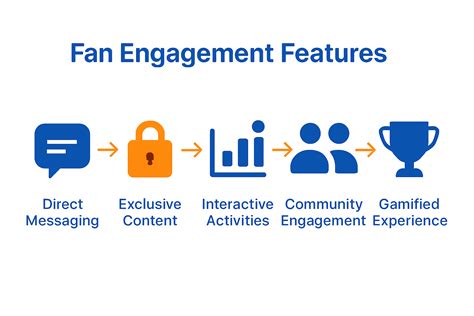
Beyond the immediate competitive and commercial aspects, fixtures also influence fan engagement and club identity. Supporters eagerly await the release of the fixture list each season, as it provides a roadmap for their emotional investment in the campaign. Home fixtures against rivals are marked as red-letter days, and away trips to iconic stadiums like the Santiago Bernabéu or Camp Nou are often seen as pilgrimages for fans. The fixture list also shapes the identity of clubs; for instance, a newly promoted team might view their first fixture against a giant like Atlético Madrid as a rite of passage, while established clubs might use early-season matches to assert dominance.
The importance of La Liga fixtures also extends to the psychological aspect of competition. A well-timed run of home matches against mid-table opponents can help a team build momentum, while a series of away games against top-six sides can test their mental fortitude. The league's competitive balance is often decided by how teams navigate their fixture list. For example, in the 2013-14 season, Atlético Madrid's ability to manage a challenging run of fixtures in the final weeks of the campaign played a pivotal role in their title win, breaking the duopoly of Barcelona and Real Madrid.
Moreover, the global nature of La Liga fixtures reflects the league's ambition to remain at the forefront of international football. With matches broadcast in over 180 countries, the scheduling takes into account time zones, audience preferences, and the desire to showcase the league's diversity. Matches involving smaller clubs, such as Osasuna or Rayo Vallecano, are equally important as they provide opportunities for underdog stories and highlight the league's competitive depth. These fixtures often produce surprises, such as when a lower-ranked team defeats a heavyweight, reminding fans of football's unpredictability.
In summary, La Liga fixtures are far more than a simple schedule of matches. They are a meticulously designed framework that balances fairness, strategy, commercial interests, and fan engagement. They shape the competitive landscape of the season, influence team dynamics, and provide the platform for some of football's most memorable moments. Whether it is the anticipation of a clásico, the tension of a relegation battle, or the thrill of a title race, the fixtures are the heartbeat of La Liga, driving its narrative and ensuring its place as a pinnacle of global football.
Historical Evolution of Fixture Scheduling
The evolution of fixture scheduling in La Liga is a fascinating journey that reflects not just the growth of Spanish football but also the broader impact of technological and logistical advancements on sports administration. From its early days of manual processes to the highly sophisticated systems in use today, the way matches are scheduled has undergone significant transformation, driven by the need for fairness, efficiency, and audience engagement.
In the early years of La Liga, which was founded in 1929, fixture scheduling was a relatively straightforward process. The league was smaller, with fewer teams and matches to coordinate. Administrators relied on manual methods, often using paper-based systems to plan the season's fixtures. The primary considerations were travel distances and avoiding clashes with other competitions. However, even in this simpler era, challenges arose. Teams had to balance domestic fixtures with regional tournaments and international commitments, which occasionally led to scheduling conflicts. These early systems were prone to human error, and disputes over perceived favoritism in scheduling were not uncommon. For instance, larger clubs like Barcelona and Real Madrid were sometimes accused of receiving preferential treatment in terms of home-ground advantages or favorable match timings.
The post-war period and the mid-20th century saw the gradual introduction of more structured approaches to scheduling. As La Liga expanded and the number of participating teams grew, the need for a more systematic and equitable method became apparent. The advent of league management committees helped standardize the process. These committees worked to ensure that each team played every other team twice—once at home and once away—following a double round-robin format. However, even with these efforts, logistical challenges persisted. Travel infrastructure in Spain was not as advanced as it is today, and teams often had to endure long and arduous journeys, especially when playing matches in distant regions like Galicia or Andalusia. This placed additional strain on players and impacted performance consistency.
The 1980s and 1990s marked a turning point in fixture scheduling due to technological advancements. The introduction of computers allowed for the automation of certain scheduling tasks. Early software programs could generate potential fixture lists based on predefined rules, such as avoiding consecutive away games or ensuring a balanced distribution of home and away matches. This was a significant improvement over manual methods, as it reduced human error and allowed for quicker adjustments when unforeseen circumstances arose, such as weather disruptions or stadium unavailability. However, these early systems were still limited in their ability to account for complex variables like TV broadcast preferences, which were becoming increasingly important as La Liga sought to expand its global audience.
By the late 1990s and early 2000s, La Liga began to embrace data-driven scheduling. This era saw the rise of specialized software and algorithms designed specifically for sports scheduling. These tools could handle a wide range of constraints, such as:
- Minimizing travel distances for teams to reduce fatigue.
- Avoiding fixture congestion, particularly for teams participating in European competitions like the UEFA Champions League or Europa League.
- Ensuring high-profile matches (e.g., El Clásico between Barcelona and Real Madrid) were spaced out to maximize viewer interest and avoid overloading key dates.
This period also saw the influence of broadcast partners grow significantly. Television networks, both domestic and international, began to play a major role in determining match timings. Prime-time slots were reserved for high-profile games to attract larger audiences, while less popular matches were scheduled during less desirable times. This shift was not without controversy, as smaller clubs often felt marginalized, arguing that their matches were relegated to less favorable slots, impacting their revenue and fan engagement.
The 2010s brought about a new era of logistical sophistication in La Liga fixture scheduling. The league partnered with technology firms to implement advanced systems capable of optimizing schedules in real time. These systems incorporated machine learning and artificial intelligence to analyze vast amounts of data, including:
- Historical performance data to predict potential fixture challenges (e.g., teams with a history of struggling after long travels).
- Weather patterns to avoid scheduling matches in regions prone to extreme conditions during certain times of the year.
- Fan attendance trends to ensure matches were scheduled at times likely to maximize stadium turnout.
One notable example of this evolution was the integration of dynamic scheduling, where fixture dates and times could be adjusted mid-season based on real-world developments. For instance, if a team progressed further than expected in a European competition, their domestic fixtures could be rescheduled to provide adequate rest periods. This flexibility was a far cry from the rigid, predefined schedules of earlier decades.
Another key development in recent years has been the focus on fan experience and global reach. La Liga has worked to schedule matches at times that are convenient not just for Spanish audiences but also for international viewers. For example, matches are now often scheduled in the early evening or late afternoon Spanish time to cater to Asian and American audiences. This strategy has been instrumental in growing La Liga's international fanbase, although it has occasionally clashed with the preferences of local fans who may find certain timings inconvenient.
The COVID-19 pandemic further accelerated changes in fixture scheduling. With matches played in empty stadiums and a compressed schedule to complete the season, La Liga had to rely heavily on technology to manage an unprecedented level of complexity. Automated systems were used to rapidly adjust schedules when outbreaks occurred or when government restrictions limited travel. This period underscored the importance of having flexible and responsive scheduling systems that could adapt to unexpected challenges.
Today, La Liga's fixture scheduling is a blend of technological innovation and human oversight. While algorithms handle the bulk of the work, human experts review and fine-tune the results to account for factors that machines might overlook, such as the emotional significance of certain matchups or the cultural importance of specific dates. This hybrid approach ensures that while efficiency and fairness are prioritized, the human element of football—its unpredictability and passion—is not lost.
Looking ahead, the future of fixture scheduling in La Liga is likely to be shaped by further advancements in AI and real-time analytics. There is growing interest in creating even more dynamic systems that can account for player health metrics, environmental sustainability (e.g., reducing the carbon footprint of travel), and even fan sentiment analysis to optimize match timings. Additionally, as La Liga continues to compete with other top European leagues for global viewership, the role of scheduling in enhancing the league's brand and commercial appeal will only grow in importance.
In conclusion, the historical evolution of fixture scheduling in La Liga is a testament to how sports administration has adapted to meet the demands of a changing world. From manual processes to AI-driven systems, the journey reflects not only the technological progress of the sport but also its commitment to balancing tradition with innovation. As La Liga continues to evolve, its approach to fixture scheduling will remain a critical component of its success, both on and off the pitch.
Key Stakeholders in Fixture Management
Fixture management in La Liga is a complex process that requires the coordination of multiple stakeholders to ensure the season runs smoothly. Each matchday involves numerous moving parts, from scheduling games to accommodating the needs of clubs, players, and external partners. Understanding the key stakeholders in this process sheds light on the intricacies of how La Liga fixtures are planned and maintained.
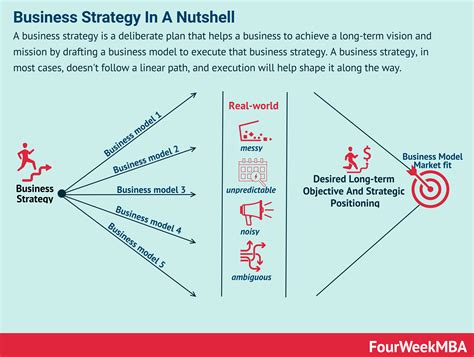
The **league governing body**, La Liga, is the central authority responsible for fixture management. This organization oversees the entire competition, ensuring that the schedule adheres to the rules of the competition and aligns with the broader goals of the league. La Liga employs a dedicated team of professionals, including fixture schedulers and operations managers, who use algorithms and manual adjustments to create a balanced and fair schedule. Their role is not merely administrative; they also consider factors such as venue availability, team travel logistics, and competition overlaps (e.g., European competitions like the UEFA Champions League or domestic cup fixtures).
One of the most challenging aspects of their work is balancing home and away fixtures to ensure equitable distribution. For instance, La Liga aims to avoid scenarios where a team has a disproportionate number of away games in a row, as this could impact performance and fairness. Additionally, the league must consider climatic conditions in certain regions of Spain—games in hotter areas like Seville or Valencia may be scheduled later in the day during summer months to protect player safety. These decisions require input from meteorologists and local authorities, further expanding the network of stakeholders involved.
The **clubs** themselves are another critical stakeholder in fixture management. Each of the 20 teams in La Liga has unique needs and constraints that must be factored into the schedule. For example, clubs with smaller stadiums or less developed infrastructure may request specific match timings to optimize crowd attendance or manage local traffic. Clubs also advocate for favorable scheduling when they are involved in other competitions. A team competing in the Champions League, for instance, might request that their La Liga matches be spaced out to allow players sufficient recovery time. This negotiation process often involves direct communication between club representatives and La Liga officials, highlighting the collaborative yet sometimes contentious nature of fixture planning.
Another layer of complexity is added by the **regional federations** and local authorities. These entities may impose restrictions or requirements on match scheduling due to regional events, public holidays, or security concerns. For example, a local festival in Barcelona might lead to a request to reschedule a match involving FC Barcelona to avoid congestion in the city. While these factors are not always within La Liga's direct control, they must be accommodated to maintain harmony between the league and its regional stakeholders.
Broadcasters play a pivotal role in the fixture management process. La Liga has lucrative broadcasting deals with domestic and international networks, and these agreements often come with specific requirements. For instance, broadcasters may request prime-time slots for high-profile matches involving teams like Real Madrid or Barcelona to maximize viewership. This demand can create tension with smaller clubs, who might feel overshadowed or disadvantaged by the focus on marquee teams. Moreover, international broadcasters often require matches to be scheduled at times that suit audiences in different time zones, such as Asia or the Americas. This global audience consideration can lead to unusual kick-off times, such as early afternoon or late-night games in Spain, which can be unpopular with local fans but are necessary to meet contractual obligations.
The involvement of sponsors and commercial partners also influences fixture management. Sponsors often have a vested interest in specific matches being scheduled at times that offer maximum exposure. For example, a sponsor of a particular club might negotiate for their team’s matches to be broadcast during peak viewing hours. While this is not always feasible, it underscores how fixture planning is not solely a sporting decision but also a commercial one. The interplay between sporting integrity and commercial interests is a delicate balance that La Liga must navigate.
Another often-overlooked stakeholder is the **Spanish Football Federation (RFEF)**. While La Liga manages the top-tier competition, the RFEF oversees the broader football ecosystem in Spain, including the Copa del Rey and lower divisions. Coordination between La Liga and the RFEF is essential to avoid fixture clashes, particularly when teams are involved in multiple competitions. For instance, if a team reaches the later stages of the Copa del Rey, their La Liga fixtures might need to be adjusted to prevent scheduling conflicts. This interdependence requires constant communication and sometimes leads to last-minute changes to the schedule.
The players and coaching staff, while not directly involved in scheduling, are indirect stakeholders whose well-being and performance are deeply impacted by fixture decisions. A congested schedule can lead to player fatigue, injuries, and diminished performance, which in turn affects the quality of the competition. La Liga has been increasingly mindful of this in recent years, working to incorporate player welfare into scheduling decisions. However, this is often a point of contention, as clubs and players sometimes feel their concerns are secondary to commercial or logistical priorities.
Technology also plays a significant role in modern fixture management. La Liga employs data-driven tools and algorithms to optimize the schedule. These tools consider a wide range of variables, such as travel distances, rest periods, and even historical performance data to minimize competitive imbalances. However, these tools are not infallible, and human oversight is required to address anomalies or unforeseen circumstances. For example, during the COVID-19 pandemic, fixture planning had to adapt rapidly to account for health protocols, quarantines, and the compressed season calendar, demonstrating the need for flexibility and real-time adjustments in the process.
Finally, fans are an essential stakeholder, even if their role is indirect. Fixture schedules are designed with fan engagement in mind, as higher attendance and viewership are key to the league's success. However, decisions such as late kick-offs for international broadcast purposes or midweek games to accommodate a congested calendar can sometimes alienate local supporters. La Liga must weigh these trade-offs carefully, as fan dissatisfaction can have long-term implications for the league's popularity and revenue.
In summary, the process of managing La Liga fixtures is a collaborative effort involving a wide array of stakeholders. From the league's schedulers and clubs to broadcasters, sponsors, and even fans, each group has a distinct role and set of priorities. The challenge lies in balancing these often-conflicting interests while maintaining the integrity and competitiveness of the league. This intricate dance of coordination and compromise is what ensures that La Liga remains one of the most watched and respected football competitions in the world.
Impact of Fixture Congestion on Team Performance
Fixture congestion is a recurring challenge in professional football leagues, and La Liga is no exception. With matches often scheduled in quick succession due to domestic cup competitions, European tournaments, and the league's own tight calendar, teams face significant physical and strategic hurdles. This section delves into how closely spaced fixtures impact player fitness, team strategies, and the broader season outcomes in La Liga.
One of the most immediate and observable effects of fixture congestion is on player fitness. Football is a physically demanding sport, requiring players to perform at high intensity for 90 minutes or more. When matches are scheduled with minimal recovery time—sometimes as little as 48 hours apart—players experience cumulative fatigue. Studies have shown that muscle injuries are significantly more likely to occur when players do not have adequate rest periods between games. For instance, a player who participates in three matches within a week may face a 30-40% higher risk of sustaining a soft tissue injury compared to one who has a full week of recovery. This is particularly concerning for La Liga teams that rely heavily on star players, such as Barcelona with their dependence on midfield maestros or Real Madrid's reliance on dynamic wingers. When these key players are sidelined due to injuries caused by overuse, the team's performance can dip substantially.
Beyond individual injuries, fixture congestion also impacts overall team energy levels. Fatigue does not just manifest physically but mentally as well. Players who are repeatedly asked to perform at peak levels without sufficient recovery may experience diminished focus, slower reaction times, and reduced decision-making capabilities. This can be particularly detrimental in high-stakes matches where split-second decisions can determine the outcome. For example, during the 2020-21 season, Atlético Madrid faced a congested schedule due to their involvement in the Champions League and a backlog of La Liga fixtures. The team, which had been leading the league comfortably earlier in the season, saw a noticeable drop in form during the final stretch, partly attributed to player exhaustion. This drop allowed Real Madrid and Barcelona to close the gap, showcasing how fixture congestion can erode even a strong team's advantage over time.
Another critical aspect affected by close match spacing is team strategies and rotation policies. Coaches in La Liga often face a dilemma: whether to field their strongest XI in every match or rotate the squad to manage player workload. This decision is influenced by several factors, including the importance of the match, the opponent's strength, and the team's position in the table. However, rotation is not without risks. Introducing less experienced or younger players into high-pressure games can lead to inconsistent performances. For instance, during the 2019-20 season, Valencia opted to rotate heavily during a congested period, resulting in unexpected losses against lower-table teams. This inconsistency ultimately cost them a higher finish in the league. On the other hand, not rotating can lead to burnout among key players, as seen with Sevilla in the 2021-22 season when their core defenders played almost every game during a packed schedule, leading to a noticeable decline in their defensive solidity toward the season's end.
Fixture congestion also forces teams to adapt their playing styles. When players are fatigued, they may not have the physical capacity to execute high-pressing or intense counter-attacking strategies that require constant movement and energy. This often leads to a shift toward more conservative, possession-based play or a lower defensive line to conserve energy. For example, during the 2022-23 season, Villarreal, known for their high-pressing game under Unai Emery, had to adopt a more pragmatic approach during a congested period in February. This shift was evident in their reduced pressing intensity and lower average distance covered per player per game. While this adaptation helped them avoid major defeats, it also limited their ability to secure dominant wins, which impacted their goal difference and, indirectly, their league standing.
The impact of fixture congestion extends beyond individual matches to influence broader season outcomes. Teams involved in multiple competitions—such as the Copa del Rey, Champions League, or Europa League—often find themselves stretched thin. This is particularly true for mid-table La Liga teams that may not have the squad depth of Barcelona, Real Madrid, or Atlético Madrid. These smaller teams often prioritize one competition over another, consciously sacrificing league points to focus on cup runs or European qualification. For instance, during the 2018-19 season, Espanyol's deep run in the Europa League coincided with a sharp decline in their La Liga performance, as they were unable to balance the demands of both competitions. This trade-off is a recurring theme in La Liga, where fixture congestion often acts as a "great equalizer," allowing smaller teams to capitalize on the exhaustion of bigger clubs but also preventing consistent performances across the season.
There are also financial and reputational implications tied to fixture congestion. Teams that fail to manage their schedules effectively may see a drop in attendance or TV ratings during poorly performed matches. Furthermore, the perception of a team "choking" under pressure due to fatigue can harm their brand value, especially for clubs with global fan bases like Barcelona and Real Madrid. This is why top-tier La Liga teams invest heavily in sports science and recovery technologies, such as cryotherapy chambers and individualized player monitoring systems, to mitigate the effects of congestion. However, even with these resources, the sheer volume of games can overwhelm even the best-prepared teams.
From a league-wide perspective, fixture congestion can also influence the competitive balance of La Liga. While the top teams are better equipped to handle congested schedules due to their larger squads and resources, mid- and lower-tier teams often struggle. This can lead to a scenario where the title race and European qualification spots become less dynamic, as smaller teams are forced to drop points during congested periods. For example, in the 2021-22 season, the mid-table battle was heavily influenced by how teams like Getafe and Levante managed their congested schedules, with both teams slipping down the table due to a lack of squad rotation and recovery time.
In conclusion, the impact of fixture congestion in La Liga is multifaceted, affecting everything from player health to team strategies and season-long narratives. While it challenges teams to innovate in terms of squad management and tactical flexibility, it also exposes vulnerabilities, particularly for teams without the luxury of deep benches or advanced recovery infrastructure. Addressing this issue requires not just better scheduling by league organizers but also a collective effort from clubs to prioritize player welfare and long-term sustainability. Without such measures, fixture congestion will continue to shape—and sometimes distort—the outcomes of La Liga seasons.
Role of Derbies and High-Profile Matches
The role of derbies and high-profile matches in La Liga extends far beyond the 90 minutes of play on the pitch. These marquee fixtures, particularly El Clásico between Real Madrid and Barcelona, serve as cultural touchpoints that ripple through fan engagement, media landscapes, and the broader league dynamics. Their significance is not merely rooted in the competitive stakes but also in the way they shape narratives, foster rivalries, and amplify the global appeal of La Liga as a top-tier football competition.
At the heart of this discussion is El Clásico, arguably the most-watched club football match in the world. This fixture embodies more than just a contest between two footballing giants; it is a collision of identities, ideologies, and histories. Real Madrid, often associated with the establishment and a symbol of central Spain, faces off against Barcelona, a club that represents Catalan pride and regional autonomy. This duality transforms the match into a stage where sport meets socio-political undertones, drawing attention not just from Spain but from a worldwide audience. The global viewership of El Clásico often exceeds 650 million, a figure that underscores its unparalleled reach. This scale of engagement directly impacts fan engagement, as supporters of both teams, as well as neutral fans, are drawn into the spectacle. Social media platforms see a surge in activity during these fixtures, with hashtags, live streams, and interactive polls generating millions of interactions. For La Liga, this is an opportunity to showcase its brand to a diverse, international audience, reinforcing its position as a league that delivers high-stakes drama.
The media coverage surrounding derbies and high-profile matches like El Clásico is another critical dimension. Unlike regular league fixtures, these games are treated as global events. Broadcasters dedicate extensive pre- and post-match analysis, often featuring expert panels, historical retrospectives, and player interviews. This deep dive into the narratives surrounding the match not only attracts hardcore football enthusiasts but also casual viewers who are drawn by the hype. For instance, the build-up to El Clásico often includes detailed discussions on player form, tactical setups, and even off-field controversies, such as transfer rumors or managerial pressures. This level of media saturation serves a dual purpose: it heightens the stakes of the match itself and ensures that La Liga remains in the spotlight for weeks before and after the event. From a commercial perspective, this extended coverage translates into higher advertising revenues for broadcasters and sponsors, as companies vie for placements during these peak-viewership windows.
From a league dynamics standpoint, derbies and high-profile matches are pivotal in shaping the competitive narrative of the season. While La Liga has often been criticized for being a "two-horse race" between Real Madrid and Barcelona, the presence of other derbies—such as the Seville Derby (Betis vs. Sevilla) or the Madrid Derby (Atlético Madrid vs. Real Madrid)—adds layers of complexity to the league's story arc. These matches are not just about bragging rights within a city or region; they often have direct implications on the title race, European qualification spots, or relegation battles. For instance, Atlético Madrid’s rise as a consistent title contender in recent years has added a new dimension to their clashes with Real Madrid, making these derbies more than just local skirmishes. They become part of the broader league ecosystem, where a win or loss can ripple through the standings and influence the morale of other teams. This interconnectivity ensures that high-profile matches are not isolated events but integral cogs in the league’s competitive machinery.
The influence of these fixtures on fan psychology and engagement is also worth exploring. For fans, derbies are not just games; they are emotional rollercoasters that encapsulate years of rivalry and pride. The anticipation leading up to matches like El Clásico often begins weeks in advance, with fan communities organizing watch parties, debates, and even friendly wagers. This heightened emotional investment fosters a sense of belonging and loyalty, which is crucial for La Liga in retaining its fan base amidst competition from other leagues like the Premier League or Serie A. Moreover, the global nature of these matches means that they attract new fans who might not follow La Liga regularly but are drawn in by the allure of watching superstars like Vinícius Júnior, Robert Lewandowski, or Jude Bellingham in action. This influx of new viewers is a strategic win for La Liga, as it provides an avenue to convert casual spectators into long-term followers.
Another aspect to consider is the economic impact of these fixtures. High-profile matches drive ticket sales, merchandise purchases, and tourism. For instance, El Clásico weekends often see a spike in hotel bookings and local business revenues in cities like Madrid and Barcelona. Stadiums are packed to capacity, and the demand for tickets often outstrips supply, leading to a thriving secondary market. Additionally, the global broadcast rights for these matches are sold at a premium, contributing significantly to La Liga’s revenue streams. This economic boost not only benefits the clubs involved but also trickles down to the league as a whole, enabling investments in infrastructure, youth academies, and digital transformation initiatives.
However, it is also important to recognize the potential risks associated with over-reliance on marquee fixtures. While derbies and high-profile matches are undoubted crowd-pullers, an overemphasis on them can sometimes overshadow the contributions of smaller clubs and less glamorous fixtures. This dynamic can create a perception that La Liga’s appeal is centered solely around a handful of teams, potentially alienating fans of mid-table or lower-ranked clubs. To counter this, La Liga has made efforts to promote other narratives, such as the rise of teams like Girona or the competitive spirit of the Basque Derby (Athletic Bilbao vs. Real Sociedad). These efforts are essential to maintain a balanced league identity where every fixture, not just the marquee ones, feels meaningful.
In conclusion, the significance of derbies and high-profile matches in La Liga cannot be overstated. They are not just games but cultural phenomena that influence fan engagement, media coverage, and league dynamics in profound ways. Matches like El Clásico serve as both a showcase of footballing excellence and a platform for La Liga to assert its global dominance. However, the league must strike a balance between leveraging these fixtures for maximum impact and ensuring that the broader ecosystem of teams and matches remains vibrant and relevant. This duality is what makes the role of derbies and high-profile matches not just a feature of La Liga but a cornerstone of its identity and success.
Fixture Optimization and Fairness
The scheduling of La Liga fixtures is not merely a logistical exercise but a critical component of maintaining fairness, competitiveness, and the overall integrity of the league. Ensuring that the schedule is balanced and equitable involves a complex interplay of factors, ranging from practical considerations to the nuanced needs of clubs and players. This section delves into the mechanisms and principles behind fixture optimization and fairness, with a particular focus on how alternating home and away matches and avoiding back-to-back high-stakes games contribute to a level playing field.
One of the foundational principles of fixture design in La Liga is the concept of alternating home and away matches. This approach is rooted in the idea that no team should gain an undue advantage by having a disproportionate number of home games in succession. For instance, playing multiple home games in a row can provide a team with a psychological and logistical edge—familiarity with the stadium, reduced travel fatigue, and the support of a home crowd. Conversely, a string of away games could lead to travel-induced fatigue and diminished performance. To address this, La Liga employs a round-robin system where each team plays every other team twice—once at home and once away—ensuring symmetry over the course of the season. However, the challenge lies in sequencing these matches to avoid patterns that could favor certain teams. Advanced algorithms and manual oversight are used to create a schedule where home and away games are distributed as evenly as possible across the season. For example, a team might play two home games followed by two away games, but never five home games in a row.
Another critical aspect of fairness in fixture optimization is the avoidance of back-to-back high-stakes games. High-stakes matches include derbies (e.g., El Clásico between Barcelona and Real Madrid), games against direct title contenders, or matches immediately following European competition fixtures. These games often carry heightened physical and mental demands, and scheduling them in quick succession can unfairly strain a team. For instance, if a team plays a midweek Champions League match against a top-tier European opponent and then faces a La Liga title rival over the weekend, the lack of adequate recovery time could compromise their performance. To mitigate this, La Liga coordinators work closely with UEFA and other stakeholders to ensure that high-intensity matches are spaced out. This involves analyzing the congestion calendar—a detailed timeline of domestic, European, and international fixtures—to identify potential overlaps or conflicts. Teams participating in European competitions are often given "recovery windows," where their La Liga matches are scheduled with a buffer of at least three days before or after a high-stakes game. This not only protects player health but also ensures that no team is disadvantaged by an overly compressed schedule.
The complexity of this task is amplified by the presence of external variables, such as television broadcast requirements, stadium availability, and even weather conditions. Television networks, for instance, often request prime-time slots for high-profile matches to maximize viewership. While this can generate significant revenue for the league and clubs, it can also disrupt the ideal sequence of fixtures. For example, a team might be forced to play a Sunday night game followed by a Wednesday evening match, leaving little room for recovery. To counteract this, La Liga uses a staggered scheduling model, where less critical matches are prioritized for less favorable time slots, allowing high-stakes games to be spaced out more effectively. Additionally, clubs are consulted during the scheduling process to account for unique circumstances, such as local festivals or shared stadium arrangements (e.g., when Atletico Madrid and Rayo Vallecano coordinate their schedules to avoid clashes at the Wanda Metropolitano).
A deeper layer of fairness involves the concept of minimizing sequence bias. Sequence bias refers to the unintentional advantage or disadvantage a team might gain based on the order of their opponents. For example, if a mid-table team faces a series of relegation-threatened teams early in the season, they might accumulate points more easily compared to a team that faces all top-six contenders in the same period. To address this, La Liga employs a strength-of-schedule analysis during fixture generation. This involves assessing the relative difficulty of each team's sequence of opponents and ensuring that no team faces an excessively challenging or easy run of games early in the season. While complete uniformity is impossible due to the inherent variability of team performance, the goal is to create a schedule where the overall difficulty of each team's fixture list is comparable.
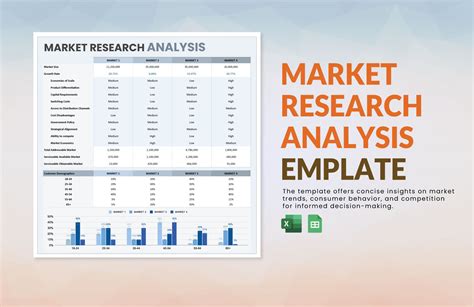
Another innovative approach to fairness is the use of computational models in fixture generation. La Liga collaborates with data scientists and software developers to design algorithms that take into account a range of variables, such as travel distances, rest periods, and historical performance trends. These models can simulate thousands of potential schedules and rank them based on fairness metrics. For instance, a model might penalize a schedule where a team has to travel long distances for consecutive away games or where a team faces all its top-four rivals in the final five matches of the season. By iterating through these simulations, La Liga can select a schedule that optimizes fairness while accommodating practical constraints.
However, fairness in scheduling is not solely about avoiding disadvantages; it is also about enhancing competitive balance. For instance, La Liga often ensures that newly promoted teams are given a somewhat favorable start to the season, allowing them to acclimate to the higher level of competition. This might involve scheduling their early matches against mid-table or lower-ranked teams rather than immediate clashes with title contenders. While this might seem like a form of favoritism, it is intended to provide these teams with a fighting chance to establish themselves in the league rather than being overwhelmed early on. Similarly, the placement of derbies and other emotionally charged matches is carefully considered to avoid clustering them in ways that could destabilize a team's season.
Despite these efforts, challenges remain. One persistent issue is the influence of external competitions, particularly European tournaments. Teams participating in the Champions League or Europa League often face a more congested schedule than their domestic-only counterparts. While La Liga attempts to provide some relief by rescheduling matches, the sheer volume of fixtures can still create an imbalance. For example, a team like Barcelona or Real Madrid might play 60+ matches in a season across all competitions, compared to a mid-table team that plays only 40. This disparity can lead to debates about whether the league should adopt more radical measures, such as expanding squad size limits or introducing mid-season breaks, to level the playing field further.
In conclusion, the methods used to ensure fairness in La Liga fixtures are a blend of tradition, technology, and practical compromise. Alternating home and away matches provides a baseline of equity, while careful sequencing and computational modeling address more nuanced concerns like high-stakes game spacing and sequence bias. While no system can guarantee perfect fairness in a dynamic and competitive league, La Liga's approach demonstrates a commitment to balancing practicality with the principles of equitable competition. This not only upholds the integrity of the league but also reinforces its reputation as one of the most well-organized and competitive football leagues in the world.
Economic Implications of Fixture Scheduling
Fixture scheduling in La Liga, as in any major football league, is not merely a logistical exercise to ensure matches are played within a season. It carries significant economic implications that can shape the financial health of clubs, the league, and even the broader football ecosystem. The timing of fixtures—whether they are scheduled on weekdays, weekends, prime time, or less desirable slots—affects multiple revenue streams, including ticket sales, broadcasting rights, and merchandise. Understanding these dynamics provides insight into how fixture planning can optimize economic outcomes while balancing competitive fairness and fan engagement.
One of the most immediate economic impacts of fixture scheduling is on ticket sales. La Liga clubs rely heavily on matchday revenue, particularly those with large stadiums like Barcelona's Camp Nou or Real Madrid's Santiago Bernabéu. The timing of a fixture can significantly influence attendance. For instance, matches scheduled on weekends, particularly Sundays, tend to draw higher attendance because fans are more likely to have free time. Conversely, midweek fixtures, especially those held late in the evening, can deter fans who need to work the next day or face long commutes. This is particularly true for smaller clubs with fan bases concentrated in specific regions rather than globally dispersed.
An often-overlooked factor is the seasonal timing of fixtures. Winter matches in colder regions of Spain might see reduced attendance due to weather discomfort, while summer-like conditions in Andalusia during early-season fixtures can similarly impact fan willingness to attend. Clubs must work with the league to balance competitive fairness—avoiding clustering too many home matches for one team during unfavorable weather—and economic optimization. A well-timed fixture during a holiday period, such as the Christmas or Easter season, can boost attendance as families and tourists are more likely to attend games. Clubs like Sevilla and Valencia, which attract significant tourist interest, often see spikes in ticket sales during such periods, provided the matches are scheduled at accessible times.
The second major revenue stream influenced by fixture timing is broadcasting rights, which constitute a substantial portion of La Liga's income. Broadcasters pay premium fees for the rights to air high-profile matches, particularly those involving "El Clásico" (Barcelona vs. Real Madrid) or other top-tier rivalries. However, the value of these rights is deeply tied to when the matches are broadcast. Prime-time slots on weekends, especially Saturday evenings or Sunday afternoons, are highly coveted because they maximize viewership. In Spain, as in other countries, these time slots align with when the largest audience segments are available to watch. Similarly, international broadcasters prioritize matches that occur during peak viewing hours in their respective time zones. For instance, a Saturday evening match in Spain might air in the morning in the Americas, capturing a lucrative audience of Spanish-speaking fans in regions like Latin America and the United States.
However, the optimization of broadcasting revenue is not without challenges. Fixture congestion, particularly when La Liga matches overlap with UEFA Champions League or domestic cup games, can dilute the value of certain time slots. A poorly timed midweek fixture might result in lower TV ratings if fans prioritize other competitions or if the match is placed in a less desirable slot to accommodate European schedules. This dynamic underscores the importance of coordination between La Liga and UEFA in fixture planning. A clear example of this challenge occurred during the COVID-19 pandemic when rescheduled matches were crammed into tight windows, leading to viewer fatigue and reduced advertising revenue for broadcasters.
Another intriguing aspect of broadcasting economics is the role of time zone differences in international revenue generation. La Liga has made a concerted effort to expand its global audience, particularly in Asia and North America. To cater to these markets, some fixtures are scheduled at unconventional times for Spanish audiences—such as early afternoon matches that align with evening prime time in Asia. While this strategy can boost viewership and advertising revenue from international markets, it risks alienating domestic fans who might find such timings inconvenient. This trade-off highlights the delicate balance leagues must strike between local and global economic priorities.
The third key revenue stream impacted by fixture scheduling is merchandise sales. While merchandise is less directly tied to specific match timings compared to ticket sales or broadcasting, the ripple effects are nonetheless significant. A well-timed fixture that draws large crowds or high TV ratings can create a halo effect, increasing demand for club jerseys, scarves, and other branded items. For example, a prime-time El Clásico match not only ensures high ticket and broadcasting revenues but also drives fans worldwide to purchase merchandise to feel connected to the event. Clubs often launch limited-edition merchandise around high-profile fixtures, leveraging the event's visibility to drive sales.
Additionally, fixture timing can indirectly influence sponsorship activation. Sponsors often tie their campaigns to specific matches or time slots with high visibility. A poorly scheduled match that results in lower-than-expected viewership or attendance can diminish the value of sponsorship deals. For instance, if a match featuring a key sponsor's branding is moved to a less prominent time due to scheduling conflicts, the sponsor might see reduced exposure, potentially affecting future negotiations. This interplay between fixture timing and sponsorship value is particularly critical for clubs reliant on sponsorship income to supplement other revenue streams.
An often-neglected aspect of this discussion is the long-term economic implications of inconsistent or suboptimal fixture scheduling. Clubs that consistently receive unfavorable slots—such as midweek late-night matches or early afternoon games in extreme heat—may see a gradual erosion of fan loyalty. This can manifest in declining season ticket renewals, reduced merchandise purchases, and even lower engagement on digital platforms where clubs monetize through subscriptions or advertising. Over time, this can create a negative feedback loop where lower revenues lead to reduced investment in player quality, further diminishing the club's appeal and economic potential.
To address these challenges, La Liga has increasingly adopted data-driven approaches to fixture scheduling. Advanced analytics now consider factors such as historical attendance patterns, regional weather forecasts, and international audience preferences. For example, the league might use machine learning models to predict the revenue impact of scheduling a particular match at different times. This approach allows for more informed decision-making that balances economic optimization with competitive integrity.
However, even with data-driven tools, fixture scheduling remains a complex puzzle. Clubs with smaller fan bases or less global appeal often feel marginalized in the process, as their matches are more likely to be relegated to less desirable slots. This has led to calls for more equitable scheduling practices that ensure smaller clubs also benefit economically from prime-time exposure. Such debates highlight the need for a balanced approach that considers not just the economic giants of the league but also its broader ecosystem.
In conclusion, the economic implications of fixture scheduling in La Liga are multifaceted and deeply interconnected. Ticket sales, broadcasting rights, and merchandise revenues are all influenced by when matches are played, with ripple effects extending to sponsorship deals and long-term fan engagement. While the league has made strides in using data and analytics to optimize scheduling, the challenge lies in balancing economic priorities with fairness and fan satisfaction. As La Liga continues to evolve in a globalized sports landscape, the art and science of fixture timing will remain a critical factor in its economic success.
Technological Innovations in Fixture Planning
Fixture planning in a top-tier football league like La Liga is a complex and highly technical endeavor. It involves creating a schedule that not only ensures fairness and competitiveness but also accommodates logistical challenges such as travel distances, rest periods for players, and the availability of stadiums. To address these challenges, La Liga has adopted **technological innovations** that rely on advanced tools and algorithms. These innovations are designed to optimize fixture planning while balancing the needs of clubs, players, and fans.
One of the primary tools used in modern fixture planning is **integer programming**, a mathematical optimization technique. This approach is well-suited for creating schedules that satisfy multiple constraints simultaneously. For instance, La Liga's fixture planners must ensure that no team plays more than two consecutive home or away matches, maintain a balanced distribution of high-stakes matches (e.g., El Clásico), and avoid scheduling games on dates when stadiums are unavailable due to other events. Integer programming models these constraints as a series of equations and uses algorithms to find the best possible solution within the given parameters.
A critical aspect of this process is **minimizing travel distances** for teams. Spain's geography presents unique challenges because teams are spread across a wide area, from the northern regions like Galicia to the southern coast of Andalusia. Excessive travel can lead to player fatigue, increased costs, and logistical inefficiencies. To address this, La Liga employs **geospatial analysis tools** integrated with fixture-planning software. These tools calculate the shortest and most efficient travel routes for teams while factoring in the availability of transportation options such as flights, trains, and buses. For example, if a team from Barcelona is scheduled to play in Seville one week and in Valencia the next, the algorithm might prioritize minimizing the cumulative travel distance over the two weeks rather than optimizing each journey in isolation.
Another area of focus is **ensuring adequate rest periods** for players. The physical demands of professional football require that teams have sufficient recovery time between matches, particularly when competing in multiple competitions like the UEFA Champions League or Copa del Rey. Advanced scheduling algorithms incorporate **rest period constraints** by analyzing the calendar and ensuring that no team is forced to play matches within an unreasonably short window, such as less than 72 hours apart. This is particularly challenging during congested periods, such as the winter holiday schedule or the final weeks of the season when matches are more frequent. To handle this, La Liga uses **machine learning models** trained on historical data to predict the impact of rest periods on team performance and injury rates. These models help planners make informed decisions about which matches to schedule during high-intensity periods and which can be spaced out.
Stadium availability is another logistical hurdle that fixture planning must overcome. Many La Liga stadiums host events beyond football, such as concerts, local festivals, or other sporting events. This creates a **dynamic constraint** that must be factored into the schedule. To address this, La Liga collaborates with stadium management teams to maintain a **centralized database of venue availability**. This database is updated in real time and integrated into the scheduling algorithm. For example, if a stadium is booked for a non-football event on a specific weekend, the algorithm automatically excludes that date for the home team's fixtures. Additionally, the system considers potential overlaps with national holidays or other events that might affect crowd control and security arrangements.
One of the most unique aspects of La Liga's approach is the use of **simulation-based scenario testing**. Before finalizing the schedule, planners run thousands of simulations to evaluate how different fixture combinations might play out under various conditions. These simulations test for scenarios such as weather disruptions, unexpected stadium closures, or changes in team performance. For instance, if a winter storm is predicted in northern Spain during a particular week, the algorithm might adjust the schedule to avoid placing a northern team in a situation where travel or match conditions could be compromised. This predictive approach ensures that the schedule is not only balanced at the outset but also resilient to unforeseen circumstances.
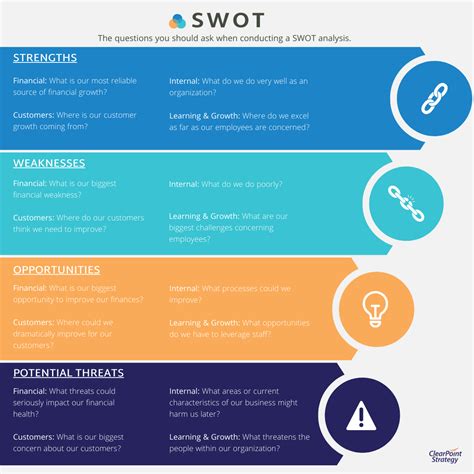
La Liga also incorporates **fairness metrics** into its scheduling algorithms to ensure that no team gains an undue advantage due to the order of fixtures. For example, a team should not face all of its toughest opponents in a row or have an imbalanced home-away distribution in critical phases of the season. To measure fairness, planners use **statistical analysis tools** that evaluate the schedule against key performance indicators (KPIs), such as the average strength of opponents faced in a given sequence of matches. These KPIs are compared across teams to identify and mitigate any imbalances. This process often involves collaboration with club representatives, who provide feedback on draft schedules to ensure their concerns are addressed.
An interesting innovation in La Liga's fixture planning is the integration of **fan engagement data**. With the rise of digital platforms and streaming services, understanding fan preferences has become a key consideration. Algorithms now take into account factors like the popularity of specific matches among viewers and the best times to schedule games for maximum audience reach. For instance, a fixture involving Barcelona and Real Madrid might be scheduled on a weekend evening to maximize global viewership, while less high-profile matches might be placed in less competitive time slots. This approach not only benefits broadcasters but also helps La Liga grow its international audience by tailoring the schedule to viewer habits in different time zones.
Another layer of complexity is introduced by **European competition schedules**. Teams participating in the UEFA Champions League or Europa League often face midweek matches that can impact their domestic performance. To account for this, La Liga uses **coordination algorithms** that synchronize domestic fixtures with European commitments. For example, if a team is playing a midweek Champions League match away in Germany, the system might schedule their next La Liga match at home to reduce travel stress. This level of coordination requires constant communication between La Liga and UEFA to ensure alignment between domestic and international calendars.
Finally, La Liga has begun experimenting with **collaborative AI systems** that allow for real-time adjustments to the schedule. These systems use **reinforcement learning**, a type of machine learning where the algorithm improves its decision-making over time based on feedback. For example, if a particular scheduling approach results in frequent complaints from clubs about unfairness or logistical issues, the system can learn to avoid similar patterns in future iterations. This adaptive capability ensures that the fixture-planning process becomes more efficient and responsive with each season.
In summary, the technological innovations in La Liga's fixture planning are a blend of **mathematical modeling, geospatial analysis, machine learning, and real-time data integration**. These tools allow for the creation of schedules that are not only fair and competitive but also logistically feasible and fan-friendly. By leveraging advanced algorithms and predictive analytics, La Liga has set a benchmark for how modern sports leagues can use technology to address the multifaceted challenges of fixture planning. This approach not only benefits the league and its clubs but also enhances the overall experience for players and fans, ensuring that the beautiful game is supported by equally beautiful technology.
Case Studies of Fixture Challenges
Fixture challenges in La Liga have often tested the resilience of teams, the adaptability of the league, and the patience of fans. These issues are not merely logistical hurdles but can significantly influence the competitive dynamics of the season. Examining specific seasons where fixture issues played a pivotal role provides a deeper understanding of the complexities involved in managing a top-tier football league.
One of the most notable examples of fixture challenges in La Liga occurred during the 2019-2020 season, which was heavily disrupted by the COVID-19 pandemic. This season serves as a case study of how external, non-sporting factors can completely upend the normal flow of fixtures. The league was suspended in March 2020 when the pandemic reached its peak in Spain. At the time of suspension, teams had played 27 to 29 matches, leaving a significant portion of the season unfinished. The resumption of the league in June 2020 presented a compressed schedule, with teams often playing every three days to complete the season by its extended deadline in July. This rapid succession of matches placed immense physical and mental strain on players, particularly for teams competing in multiple competitions like Barcelona, Real Madrid, and Atlético Madrid. The condensed schedule not only increased the risk of injuries but also exposed disparities in squad depth. Smaller teams with less robust rosters struggled to keep up, while top-tier teams had to rotate heavily, sometimes fielding younger or less experienced players in critical matches. This period highlighted how fixture congestion can indirectly impact the fairness of competition, as teams with better resources were better equipped to handle the strain.
Another intriguing case of fixture challenges arose during the 2018-2019 season, when adverse weather conditions disrupted several matches. A prime example was the match between Rayo Vallecano and Real Madrid, originally scheduled for November 2018. Heavy rainfall in Madrid led to waterlogged pitches, forcing the match to be postponed. While such delays might seem minor in isolation, they can have a cascading effect on team preparations. For instance, Real Madrid had to adjust its training and recovery schedule, potentially affecting its performance in subsequent matches. Moreover, rescheduled fixtures often fall during periods already crowded with domestic and European commitments, creating further strain. This example underscores how weather-related fixture changes can disrupt not just individual matches but also the broader rhythm of a team's season.
The 2006-2007 season provides another compelling example of fixture challenges stemming from administrative decisions. That year, the Spanish football federation had to reschedule several matches due to a clash with Copa del Rey fixtures and European competitions. One of the more controversial decisions involved shifting a key match between Barcelona and Espanyol to accommodate Espanyol's progression in the UEFA Cup. While this was seen as a fair adjustment to support a team representing Spain in European competition, it created discontent among other teams who felt their own schedules were not given similar consideration. This season highlighted the delicate balancing act the league faces when juggling domestic and international commitments. The perception of preferential treatment for certain teams can erode trust in the league's impartiality, making transparent and equitable rescheduling a critical concern for La Liga administrators.
A slightly different type of fixture challenge was seen in the 2015-2016 season, when athletic Bilbao faced scheduling conflicts due to their involvement in the Europa League. The team had to play multiple midweek matches in quick succession, both domestically and internationally. This created a scenario where fatigue became a recurring theme in their performances. For instance, after a grueling Europa League away match, Athletic Bilbao faced Barcelona in a league fixture just three days later. The result was a lopsided defeat that many attributed to the physical toll of their tight schedule. This case study illustrates how fixture planning can inadvertently disadvantage teams involved in multiple competitions, particularly when there is limited flexibility in rescheduling.
A more recent example from the 2021-2022 season involved the controversy surrounding postponed matches due to player strikes and fan protests. In one instance, the match between Real Betis and Athletic Bilbao was delayed due to security concerns arising from fan unrest. Such disruptions are not only logistically challenging but also carry reputational risks for the league. When matches are postponed due to off-field issues, it can create a perception of instability or mismanagement, which may deter international audiences and sponsors. Additionally, these delays often lead to a congested calendar later in the season, as seen when several teams had to play critical matches within a short span during the final weeks of the campaign. This example emphasizes the importance of proactive contingency planning to minimize the impact of external disruptions on the fixture list.
Another dimension of fixture challenges is seen in the context of international breaks. During the 2017-2018 season, several La Liga teams faced difficulties when key players returned injured or fatigued from international duty. For example, Barcelona had to cope without Lionel Messi for a brief period after he sustained a minor injury while playing for Argentina. While such situations are not directly caused by La Liga's fixture planning, they highlight the interconnected nature of domestic and international football calendars. The league must often work around FIFA-mandated windows, which can leave teams with little time to prepare for or recover from key matches. This dynamic underscores the need for better coordination between leagues and international governing bodies to reduce the strain on players and clubs.
A final example worth noting is the 2010-2011 season, where volcanic ash from the eruption of Iceland's Eyjafjallajökull volcano disrupted travel plans for several teams. This unusual event led to delays and rescheduling of matches involving teams that had to travel long distances for away games. While this was an extraordinary circumstance, it serves as a reminder of how even unforeseeable natural events can force leagues to adapt on the fly. The incident also raised questions about the league's preparedness for such rare but impactful scenarios, suggesting that more robust contingency frameworks might be necessary.
These case studies reveal that fixture challenges in La Liga are not isolated incidents but recurring themes influenced by a variety of factors—weather, administrative decisions, external global events, and the interplay of domestic and international schedules. Each example demonstrates the league's need for flexibility, fairness, and foresight in managing its calendar. Whether it is adapting to a global pandemic, accommodating weather-related disruptions, or balancing the demands of multiple competitions, the lessons from these seasons emphasize that fixture management is as much about strategy as it is about logistics. For La Liga, the ability to navigate these challenges effectively can mean the difference between a smoothly run season and one marred by controversy and competitive imbalance.
- The 2019-2020 season demonstrated the profound impact of a global pandemic on fixture scheduling and team performance.
- Weather-related disruptions, such as in the 2018-2019 season, can ripple through a team's preparation and performance.
- Administrative decisions, like those in the 2006-2007 season, can create perceptions of favoritism if not handled transparently.
- The physical toll of tight schedules, as seen in the 2015-2016 season, often disadvantages teams with European commitments.
- Off-field issues, such as fan protests in the 2021-2022 season, can lead to logistical and reputational challenges.
- International breaks, as in the 2017-2018 season, highlight the need for better coordination between domestic and global football calendars.
- Unusual events, like the 2010-2011 volcanic ash disruption, remind us of the importance of contingency planning.
By examining these diverse examples, it becomes clear that fixture challenges are an integral part of La Liga's operational landscape. Addressing them requires not only reactive measures but also proactive strategies to ensure the league remains competitive, fair, and resilient in the face of inevitable disruptions.
Conclusion and Future Trends
The conclusion of our analysis on La Liga fixtures reveals several critical takeaways that underscore the complexity and evolving nature of fixture management in one of the world's most prestigious football leagues. As the sport grows in global prominence and fan engagement expands across continents, the way fixtures are organized, managed, and optimized must adapt to meet new challenges and opportunities.
One of the most significant key takeaways is the increasing importance of balancing competitive fairness and logistical efficiency. In La Liga, as in other top-tier leagues, fixture scheduling must account for a variety of factors, including team travel distances, rest periods, venue availability, and the need to maximize television broadcast revenues. However, as global audiences grow, the league must navigate the tension between prioritizing domestic concerns—such as ensuring fair recovery times for teams—and catering to international viewers who expect matches to be scheduled at times convenient for their time zones. For instance, a Saturday evening match in Spain might be ideal for European audiences but inconvenient for fans in Asia or the Americas. This dynamic highlights the need for a more global-centric approach to fixture planning, one that balances local traditions with the demands of a worldwide fanbase.
Another takeaway is the role of technological advancements in reshaping how fixtures are managed. Historically, fixture scheduling has been a manual or semi-automated process, relying heavily on human expertise to account for variables like derby matches, international breaks, and cup competitions. However, the advent of AI-driven planning tools is revolutionizing this landscape. AI systems can analyze vast datasets, including historical performance metrics, player fatigue patterns, and even weather forecasts, to propose schedules that are both efficient and equitable. For example, an AI model might identify that scheduling high-stakes matches involving Barcelona and Real Madrid back-to-back could lead to viewer fatigue or logistical bottlenecks, prompting adjustments to spread these games across the season more evenly. These tools not only enhance the fairness of the schedule but also reduce the likelihood of human error, such as inadvertently disadvantaging smaller clubs due to oversight.
The evolution of league structures also plays a pivotal role in how fixtures might be managed in the future. La Liga, like many other leagues, is exploring expanded formats, such as the inclusion of more teams or cross-league competitions (e.g., collaborations with other European leagues). These changes could significantly complicate fixture planning. For instance, if La Liga were to adopt a model where top teams participate in a mid-season "European Super League" or similar competition, the league would need to restructure its calendar to accommodate these additional games. This could lead to a scenario where La Liga fixtures are compressed into shorter timeframes, increasing the strain on players and teams. As a result, there is a growing need for dynamic scheduling systems that can adapt in real time to changes in league structure, player availability, or even unforeseen events like pandemics or extreme weather.
A further area of evolution is the role of globalization in shaping fixture management. La Liga has been proactive in promoting itself as a global brand, hosting matches outside of Spain (such as the controversial plan to stage games in the United States). While this approach has the potential to grow the league’s international audience, it also introduces logistical challenges. For example, hosting a match in Miami or Doha requires not only coordination with local authorities but also consideration of how such events impact the regular season schedule. Teams might face extended travel times, jet lag, and disrupted training routines, all of which could influence performance. To mitigate these risks, AI and predictive analytics could be employed to simulate the effects of such disruptions and propose countermeasures, such as extended recovery periods or tailored training regimens for affected teams.
Another emerging trend is the integration of fan engagement data into fixture planning. With the rise of digital platforms, leagues now have access to granular data about fan preferences, viewing habits, and even ticket purchase patterns. This information can be used to optimize fixture schedules in ways that maximize attendance and viewership. For instance, if data shows that matches involving smaller clubs tend to draw lower domestic attendance but higher international viewership when scheduled on weekday evenings, the league could prioritize such timings for these teams. This approach not only benefits clubs financially but also helps to foster a sense of inclusivity, ensuring that even less high-profile matches receive attention. However, this strategy must be balanced against the risk of over-commercialization, where the league prioritizes revenue generation at the expense of competitive integrity or player welfare.
Looking ahead, we can predict several future trends in La Liga fixture management. First, the role of AI and machine learning will likely expand beyond simple scheduling optimization to include more proactive functions, such as forecasting the long-term impact of fixture congestion on player health. For example, AI systems could analyze historical injury data to identify patterns linked to specific scheduling practices, enabling leagues to adjust their calendars preemptively to reduce injury risks. This could lead to a more player-centric approach to fixture planning, where the physical and mental well-being of athletes is given as much weight as broadcast revenues or competitive fairness.
Second, the rise of esports and virtual leagues could influence how traditional football fixtures are perceived and managed. As younger audiences increasingly engage with virtual sports, there may be opportunities to synchronize real-world La Liga fixtures with esports events, creating hybrid experiences that appeal to both traditional and digital-native fans. For instance, a La Liga matchday could be paired with a corresponding esports tournament featuring the same teams, allowing fans to engage with their favorite clubs in multiple formats.
Third, the increasing focus on sustainability in sports could reshape fixture management. With growing awareness of the environmental impact of travel and stadium operations, La Liga might explore regionalized scheduling to minimize travel distances for teams and reduce carbon emissions. This could involve clustering matches involving teams from the same geographic area during specific periods of the season. While this approach might face resistance due to its potential impact on traditional rivalries and broadcast strategies, it represents a forward-looking response to the global push for more sustainable practices in sports.
Finally, the concept of flexible fixture management could gain traction. In an era where unexpected disruptions—such as the COVID-19 pandemic—can upend entire seasons, leagues may need to adopt more adaptable scheduling models. This could involve building "contingency windows" into the season for rescheduling matches or even implementing a system where certain games are played on a "floating schedule," determined closer to the match date based on real-time conditions. Such flexibility would require significant coordination among clubs, broadcasters, and other stakeholders but could provide a safety net for maintaining the integrity of the competition in uncertain times.
In conclusion, the future of La Liga fixture management will likely be shaped by a combination of global audience demands, technological innovation, evolving league structures, and a growing emphasis on sustainability and player welfare. While the core principles of fairness and logistical efficiency will remain central, the tools and strategies used to achieve these goals will become increasingly sophisticated. By embracing AI-driven planning, global audience insights, and adaptive scheduling models, La Liga can position itself as a leader in modern sports management, setting a precedent for other leagues to follow. This evolution is not merely about keeping up with the times but about redefining how football leagues operate in an interconnected, fast-paced world.