Introduction to La Liga 2022-23
The 2022-23 La Liga season was a compelling chapter in Spanish football, marked by shifting dynamics, unexpected narratives, and the continued evolution of one of Europe's most prestigious leagues. As the 92nd edition of La Liga, this season carried the weight of tradition while also serving as a proving ground for clubs adapting to modern football's challenges. From the dominance of established giants to the resurgence of mid-table contenders, the season offered a blend of high-stakes drama and nuanced competition that captured global attention.
One of the most striking aspects of the 2022-23 campaign was the **continued rivalry between Real Madrid and Barcelona**, two clubs whose histories are deeply intertwined with La Liga's identity. Real Madrid, fresh off their Champions League triumph in 2022, entered the season as favorites to defend their domestic title. However, their journey was far from straightforward. Under manager Carlo Ancelotti, the team showcased moments of brilliance, particularly through the performances of Vinícius Júnior, whose explosive wing play and goal contributions became a defining feature of their attack. Yet, the squad also faced bouts of inconsistency, particularly in away fixtures against organized, defensively sound opponents. This highlighted a vulnerability that would become a recurring theme for Los Blancos throughout the season.
On the other side of the spectrum, Barcelona underwent a period of transformation under Xavi Hernández. The club, still grappling with financial constraints that had led to the departure of Lionel Messi the previous year, prioritized a youth-driven rebuild while making strategic signings like Robert Lewandowski. Lewandowski's arrival injected a much-needed goal-scoring edge into Barcelona's frontline, and his partnership with emerging talents such as Pedri and Gavi symbolized the club's attempt to balance experience with youthful exuberance. Barcelona's early-season form was particularly impressive, as they strung together a series of clean sheets and commanding victories. However, their campaign was not without controversy—financial fair play debates and off-field administrative challenges loomed large, adding layers of complexity to their pursuit of the title.
Beyond the traditional "big two," the 2022-23 season was notable for the **rise of Atlético Madrid and other ambitious clubs**. Atlético, led by the enigmatic Diego Simeone, sought to reestablish themselves as a genuine title contender after a somewhat subdued 2021-22 season. Their disciplined, counterattacking style remained a hallmark, but there were signs of tactical flexibility, particularly in games where they were required to take the initiative. The performances of players like Antoine Griezmann, who rediscovered his form after a turbulent loan spell, and the emergence of younger talents in their midfield provided Atlético with a balanced squad capable of challenging on multiple fronts. This season also saw Real Sociedad and Real Betis stake their claims as teams capable of disrupting the established hierarchy. Real Sociedad's emphasis on possession-based football and their ability to nurture homegrown talent made them a team to watch, while Betis, under the stewardship of Manuel Pellegrini, combined attacking flair with pragmatic defending to secure a strong position in the standings.
The significance of this season extended beyond the title race. La Liga in 2022-23 was a microcosm of broader trends in European football, particularly the **impact of financial disparities and squad depth on performance**. Clubs like Villarreal and Sevilla, both of whom had previously punched above their weight in European competitions, found themselves grappling with the dual pressures of domestic and international commitments. Villarreal's reliance on a smaller squad, coupled with injuries to key players, exposed the limitations of their depth. Sevilla, meanwhile, endured a turbulent start to the season, with their usual defensive solidity undermined by a lack of cohesion in midfield. These struggles underscored how even well-established clubs could falter in the face of resource constraints and heightened competition.
Another key storyline was the **role of technology and officiating in shaping outcomes**. The introduction of more refined VAR protocols and the league's ongoing emphasis on transparency in decision-making sparked debates about fairness and the role of human error in the sport. Several high-profile matches—including El Clásico and tense encounters involving Atlético Madrid—saw contentious decisions that influenced the league table. While these controversies were not unique to La Liga, they highlighted how technology's integration into football is still a work in progress, with room for improvement in both consistency and communication.
The mid-table and relegation battles added further intrigue to the season. Teams such as Osasuna and Rayo Vallecano demonstrated that La Liga's competitive depth is not confined to its upper echelons. Osasuna's ability to grind out results with a well-drilled defense and opportunistic attacking play was a testament to their organizational strength. Similarly, Rayo Vallecano's fearless approach against top-tier opponents, coupled with the individual brilliance of players like Isi Palazón, made them a fan favorite and a symbol of how smaller clubs can punch above their weight.
From a global perspective, the 2022-23 season also reflected the **growing influence of La Liga as a brand and a platform for talent development**. The league's emphasis on international broadcasting rights and digital engagement ensured that its storylines resonated with audiences far beyond Spain. This was particularly evident in the performances of South American imports like Federico Valverde (Real Madrid) and Nahuel Molina (Atlético Madrid), who brought a dynamic, physical edge to their respective teams. Additionally, the increased visibility of young Spanish talents—many of whom were products of La Liga academies—reinforced the league's reputation as a breeding ground for future stars.
In terms of broader implications, the 2022-23 La Liga season can be seen as a turning point for Spanish football's place in the global landscape. With the Premier League's financial might continuing to reshape European competition, La Liga faced the challenge of maintaining its identity as a league that values technical quality, tactical innovation, and a blend of tradition and modernity. The season's outcomes—whether in the form of Barcelona's resurgence, Real Madrid's adaptability, or the emergence of new challengers—highlighted the league's ability to remain relevant even amidst external pressures.
- The title race was more open than in previous years, with at least three teams maintaining realistic title aspirations well into the second half of the season.
- Financial disparities between clubs became more pronounced, influencing squad strategies and long-term planning.
- Young talents such as Pedri, Gavi, and Vinícius Júnior became central figures, signaling a generational shift in La Liga's star power.
In conclusion, the 2022-23 La Liga season was not merely a collection of matches but a reflection of the league's ongoing evolution. It combined the timeless allure of its historic rivalries with the fresh energy of emerging talents and ambitious clubs. While the final standings would inevitably crown a champion, the season's true legacy lay in its ability to tell a story of resilience, adaptation, and the enduring appeal of Spanish football in an era of global competition.
Overview of Participating Teams
The 2022–23 La Liga season featured 20 teams competing for the top honors in Spanish football. Each team brought its unique history, playing style, and aspirations to the league. This section provides a detailed overview of the participating teams, highlighting their key characteristics, notable moments, and contributions to the season's narrative.
The league showcased a mix of perennial powerhouses, mid-table regulars, and newly promoted sides looking to establish themselves. The diversity of the teams contributed to a competitive and unpredictable season, with storylines ranging from title chases to relegation battles.
Barcelona Barcelona, one of the most storied clubs in La Liga, entered the 2022–23 season under the management of Xavi Hernández. Despite financial difficulties that led to the departure of key players like Lionel Messi the previous year, Barcelona made significant signings such as Robert Lewandowski and Raphinha. Their attacking prowess was evident as they finished the season as champions, with Lewandowski winning the Pichichi Trophy for the top scorer. The team's defensive improvement under Xavi was another highlight, as they conceded the fewest goals in the league, showcasing a renewed focus on solidity at the back.
Real Madrid Real Madrid, Barcelona's arch-rivals, were the defending champions and began the season as strong contenders. Under Carlo Ancelotti, the team relied on experienced players like Karim Benzema and Luka Modrić, alongside young talents such as Vinícius Júnior and Federico Valverde. While they finished second in the standings, Real Madrid's campaign was marked by their success in the UEFA Champions League, where they reached the semi-finals. The team's ability to balance domestic and European competitions demonstrated their depth, though inconsistencies in La Liga cost them the title.
Atlético Madrid Diego Simeone's Atlético Madrid, known for their defensive resilience, aimed to challenge the top two but faced a challenging season. While they finished third, their campaign was marred by inconsistent performances. Key players like Jan Oblak and Antoine Griezmann were instrumental, but the team struggled to replicate the dominance they showed in their title-winning 2020–21 season. Atlético's pragmatic style often clashed with more fluid opponents, leading to mixed results against mid-table teams.
Sevilla Sevilla, a regular contender for European spots, had a tumultuous season. Under Julen Lopetegui and later Jorge Sampaoli, the team struggled to maintain their usual top-four position. Financial constraints and a lack of squad depth were evident as they finished outside the Champions League places. However, their Europa League campaign offered some respite, as Sevilla eventually won the competition, reaffirming their reputation as specialists in the tournament.
Real Betis Real Betis, under Manuel Pellegrini, continued to punch above their weight. The team finished in the top six, qualifying for European competition. Their blend of experienced players like Joaquín and rising stars such as Nabil Fekir made them an entertaining side to watch. Betis's focus on possession-based football and tactical flexibility stood out, though they occasionally lacked the cutting edge needed to break into the top four.
Villarreal Villarreal, managed by Unai Emery, aimed to build on their strong European performances from previous seasons. While they finished in the top half of the table, their campaign was a mixed bag. The team's reliance on players like Gerard Moreno highlighted both their strengths and vulnerabilities when key players were injured. Villarreal's tactical discipline was a positive, but they often lacked the consistency needed to challenge higher up the table.
Real Sociedad Real Sociedad emerged as one of the season's success stories. Finishing in the top four, they secured Champions League qualification for the first time in years. Under Imanol Alguacil, the team played an attractive brand of football, emphasizing youth development and cohesive team play. Players like Mikel Oyarzabal and Alexander Isak (before his transfer to Newcastle United) were pivotal in their success. Real Sociedad's ability to compete with limited resources was a testament to their strategic planning and squad development.
Athletic Club Athletic Club, based in Bilbao, maintained their unique policy of fielding only Basque players. This approach limited their squad options but emphasized their identity and commitment to tradition. Finishing in the mid-table, they were competitive but lacked the firepower to challenge for European spots. Their physical style and strong defensive organization under Ernesto Valverde were notable, though their over-reliance on set pieces sometimes limited their attacking variety.
Osasuna Osasuna, a smaller club from Pamplona, exceeded expectations by finishing in the top half. Their disciplined approach under manager Jagoba Arrasate emphasized hard work and tactical organization. Osasuna's ability to grind out results against stronger teams highlighted their resilience. While they were not in the European conversation, their solid season reflected the potential of well-drilled, underdog teams in La Liga.
Valencia Valencia had a challenging season, finishing in the lower half of the table. The club faced off-field turmoil, including ownership disputes and fan protests. On the pitch, they struggled to find consistency under Gennaro Gattuso and later Rubén Baraja. Despite having talented players like Carlos Soler (before his move to Paris Saint-Germain), Valencia's lack of stability off the field translated to underwhelming performances.
Celta Vigo Celta Vigo, under Eduardo Coudet, had an up-and-down season. They flirted with relegation at times but managed to secure safety with a late-season surge. Iago Aspas, their talismanic forward, was once again their standout player, underscoring the team's over-reliance on individual brilliance. Celta's inability to build a balanced squad was a recurring issue.
Rayo Vallecano Rayo Vallecano, a smaller club from Madrid, punched above their weight in the early part of the season. Their high-energy, attacking style under Andoni Iraola was a breath of fresh air. However, as the season progressed, fatigue and a shallow squad saw them drop into the mid-table. Their spirited performances, particularly at home, were a reminder of how smaller teams can challenge bigger sides with the right approach.
Mallorca RCD Mallorca focused on survival and achieved their goal by finishing safely above the relegation zone. Their pragmatic style under Javier Aguirre emphasized defensive solidity over flair. While not the most entertaining side, their ability to eke out points in crucial games was commendable.
Espanyol Espanyol, Barcelona's city rivals, had a disappointing season that ended in relegation. Despite having players like Joselu who contributed goals, the team lacked cohesion and struggled with consistency. Their inability to turn draws into wins was a key factor in their downfall.
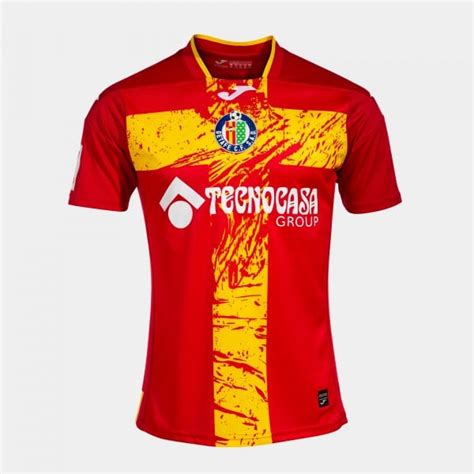
getafe Getafe, known for their physical and defensive style under Quique Sánchez Flores, narrowly avoided relegation. The team's reliance on grinding out low-scoring wins and draws was both a strength and a limitation. Their season was a reminder of how survival in La Liga often hinges on resilience rather than aesthetics.
Cadiz Cadiz, another team focused on avoiding relegation, succeeded in their objective. Their defensive setup and counter-attacking approach under Sergio González were key to their survival. While they lacked star power, their collective effort was enough to secure another season in La Liga.
Almería Newly promoted Almería had a challenging return to La Liga. They spent much of the season battling relegation but managed to stay up by a narrow margin. Their reliance on young talent and a high-energy style made them an unpredictable opponent, though their lack of experience showed in critical moments.
Valladolid Real Valladolid, another promoted side, struggled throughout the season and were eventually relegated. Despite the presence of Ronaldo Nazário as their owner, the team lacked the quality to compete consistently. Their defensive vulnerabilities were exposed repeatedly, leading to a disappointing campaign.
Elche Elche had a torrid season and finished at the bottom of the table. Relegation was almost inevitable given their poor form and lack of quality in the squad. The team's struggles highlighted the gulf between the top and bottom tiers of La Liga.

Girona Girona, another promoted team, had a solid debut season back in La Liga. They finished comfortably mid-table, showcasing a mix of resilience and attacking intent. Their ability to adapt to the top flight was a positive sign for their future ambitions.
This diverse array of teams made the 2022–23 La Liga season a compelling mix of narratives, from Barcelona's resurgence to the struggles of traditional mid-table sides like Valencia. Each team's unique dynamics contributed to the richness of the competition.
Season Timeline and Key Matches
The 2022-23 La Liga season was a rollercoaster of emotions, tactical brilliance, and high-stakes drama. As teams vied for the top spot, the standings were shaped by a combination of consistent performances, surprise upsets, and pivotal matches that defined the narrative of the campaign. This section delves into the major matches, derbies, and turning points that punctuated the season's timeline and significantly influenced the final standings.
The season kicked off on August 12, 2022, with teams like Real Madrid, Barcelona, Atlético Madrid, and Sevilla considered the frontrunners. However, the early fixtures set the tone for what would become a tightly contested race. One of the standout opening matches was Barcelona vs. Rayo Vallecano on August 13. Despite being heavy favorites, Barcelona stumbled to a 0-0 draw at home. This result was an early indicator of Barcelona's initial struggles under Xavi, as they adjusted to life without Lionel Messi and grappled with financial constraints. The match highlighted defensive resilience from Rayo Vallecano, a team that would go on to play spoiler for several top-tier clubs throughout the season.
By September, the narrative began to shift as Real Madrid asserted dominance. Their 4-1 victory over Mallorca on September 11 showcased Karim Benzema's brilliance, with the Frenchman netting a brace. This match was not just about the scoreline but also about Real Madrid's ability to control games with midfield maestros like Luka Modrić and Toni Kroos. It was one of the early signs that Los Blancos were not just defending champions but serious title contenders once again.
The first El Clásico of the season, played on October 16, was a defining moment. Barcelona, eager to reassert themselves, faced a confident Real Madrid at the Santiago Bernabéu. The match ended in a 3-1 victory for Real Madrid, with goals from Benzema and Federico Valverde. This result was a psychological blow to Barcelona, who were still finding their footing. The win extended Real Madrid’s lead at the top of the table and underscored their tactical superiority in big games. For Barcelona, it was a wake-up call, prompting Xavi to make adjustments in their attacking setup, eventually leading to the integration of younger talents like Gavi and Pedri in more prominent roles.
Another critical fixture in the timeline was the Sevilla vs. Atlético Madrid clash on October 23. This match was significant because both teams were vying for a top-four finish. Atlético, known for their defensive solidity under Diego Simeone, managed a narrow 2-1 win. The result was a turning point for Atlético, as it marked the beginning of a six-game unbeaten streak that helped them climb the standings. For Sevilla, it exposed vulnerabilities in their attack, which would plague them for much of the season and eventually lead to a mid-table finish—an uncharacteristic outcome for a team that had consistently challenged for European spots in previous years.
The winter period brought its own set of challenges, with congested schedules and the pressures of European competitions. However, it also gave rise to one of the most thrilling matches of the season: Real Madrid vs. Barcelona (March 19, 2023), the second El Clásico. Played at the Camp Nou, this match ended in a 2-1 win for Barcelona, with a late goal from Franck Kessié sealing the victory. This result not only narrowed the gap at the top but also symbolized Barcelona's resurgence. The match was a testament to Barcelona's improved defensive organization under Xavi, as they managed to neutralize Real Madrid’s counterattacks while capitalizing on set-piece opportunities. This win injected new energy into Barcelona's campaign and set the stage for a thrilling title race in the final months.
Local derbies also played a pivotal role in shaping the standings. The Madrid Derby between Atlético and Real Madrid on February 25 was a fiercely contested affair. Although Real Madrid won 3-1, the match was notable for Atlético's aggressive approach, particularly in the first half, where they took an early lead through Antoine Griezmann. However, Real Madrid's ability to weather the storm and exploit Atlético's high defensive line in the second half demonstrated their championship mettle. This result widened the gap between the two Madrid clubs and reinforced Real Madrid's position as the team to beat.
In contrast, the Valencia Derby between Valencia and Levante on April 2 had implications for the relegation battle. Levante, fighting to avoid the drop, managed a surprising 2-1 victory over their more illustrious neighbors. This result was a turning point for Levante, as it sparked a late-season surge that saw them escape relegation on the final matchday. For Valencia, it was a reminder of the fine margins in La Liga, where even mid-table teams could influence the fates of those around them.
The final stretch of the season saw several matches that acted as turning points. One such game was Barcelona vs. Real Sociedad on April 20. Real Sociedad, having an impressive season themselves, were a tough opponent for Barcelona. However, a 1-0 win for Barcelona, courtesy of a Pedri strike, proved crucial. This victory came during a period when Barcelona were under immense pressure to maintain their lead at the top. The match highlighted their ability to grind out results, a trait that would serve them well in securing the title.
Equally significant was Atlético Madrid vs. Real Madrid on May 14, late in the season. With Real Madrid comfortably ahead in the standings, Atlético were playing for pride and a strong finish. The match ended in a 1-1 draw, but it was a showcase of Atlético's resilience. This result also had implications for the battle for European spots, as teams like Real Betis and Villarreal were closely monitoring Atlético's form in their own quest for a top-six finish.
One cannot discuss the 2022-23 season without mentioning the relegation six-pointer between Cádiz and Granada on May 7. Both teams were locked in a desperate fight to avoid the drop. Cádiz emerged victorious with a 2-0 win, a result that shifted the momentum in their favor. This match exemplified how even games involving lower-table teams had ripple effects on the overall standings, as survival often came down to head-to-head results in such clashes.
The season concluded on May 28, 2023, with Barcelona clinching the title after a 4-2 win over Espanyol in the Barcelona Derby. This victory was symbolic, as it marked Barcelona's return to the summit of Spanish football after a challenging period. The match itself was a microcosm of their season—moments of brilliance interspersed with vulnerabilities, but ultimately, a display of determination to reclaim their status as La Liga champions.
In summary, the 2022-23 La Liga season was defined by a series of high-stakes matches that not only entertained fans but also shaped the standings in profound ways. From the early struggles of Barcelona to Real Madrid's mid-season dominance, and the late surges of teams like Atlético Madrid and Levante, each fixture contributed to the narrative. Key derbies, relegation battles, and title-deciding clashes ensured that this season would be remembered as one of the most competitive and unpredictable in recent memory.
Standings Breakdown by Rounds
The 2022-23 La Liga season was a rollercoaster of highs and lows for many teams, with the standings evolving dramatically across the season's 38 rounds. To understand how the table shifted, it is essential to break down the season into key stages, analyzing the impact of specific matches, streaks, and team performances. This breakdown provides a nuanced view of how the eventual champions and other contenders navigated the challenges of one of Europe's most competitive leagues.
The season began with a flurry of activity in the first 10 rounds, where the table often reflects early-season form rather than long-term consistency. Real Madrid and Barcelona, perennial favorites, started strongly, but surprises emerged from teams like Real Betis and Athletic Bilbao. Real Madrid, bolstered by early victories and a relatively easy fixture list, held the top spot for much of this phase. However, their dominance was not unchallenged. Barcelona, under Xavi's evolving system, struggled initially but began to find their rhythm by Round 7, particularly after integrating summer signings like Robert Lewandowski into the attack. By Round 10, the standings showed Real Madrid leading with a small margin, while teams like Real Sociedad and Betis lurked just behind, signaling that mid-table teams were not content to remain in the shadows.
From Rounds 11 to 20, the season entered a "consolidation phase," where the top teams began to separate themselves from the pack. This period was marked by Real Madrid's first significant stumble—a combination of injuries to key players like Karim Benzema and a congested schedule due to their involvement in the UEFA Champions League. Barcelona capitalized on this, embarking on a seven-match unbeaten run that included several narrow victories. Their defensive solidity, coupled with Lewandowski's prolific scoring, allowed them to overtake Real Madrid by Round 16. Notably, this phase also saw the emergence of Osasuna and Rayo Vallecano as dark horses, with both teams punching above their weight to occupy European qualification spots temporarily. However, their lack of squad depth would later expose them during the grueling winter period.
The winter break provided a natural checkpoint to assess the standings, and by Round 19, Barcelona had established a slender lead over Real Madrid. The table at this stage revealed a clear top-four hierarchy: Barcelona, Real Madrid, Real Sociedad, and Atletico Madrid. However, the gap between fourth and fifth place was already significant, suggesting that the title race and Champions League spots were becoming a closed shop for the elite teams. This period also exposed the struggles of traditional contenders like Sevilla, who found themselves in the relegation zone at one point due to a combination of managerial instability and poor recruitment. Their fall from grace was a stark reminder of how quickly fortunes can change in La Liga.
Rounds 21 to 30 marked the "mid-season grind," a phase where consistency and mental resilience became paramount. Barcelona's lead grew during this stage, partly due to Real Madrid's dip in form after their FIFA Club World Cup victory. Carlo Ancelotti's side faced criticism for a lack of creativity in midfield and an over-reliance on Vinicius Junior for offensive output. Meanwhile, Barcelona's pragmatic approach under Xavi—prioritizing clean sheets and grinding out 1-0 wins—proved effective but not always convincing. This stage also witnessed Atletico Madrid's resurgence. Diego Simeone's team, after a shaky start, found their footing with a series of gritty performances, particularly away from home. Their climb to third place by Round 27 was fueled by Antoine Griezmann's return to form and a more balanced midfield setup.
However, this phase was not without its drama. Teams like Villarreal and Real Betis, initially seen as contenders for European spots, experienced inconsistency. Villarreal, in particular, struggled to maintain momentum after Unai Emery's departure to the Premier League, while Betis's thin squad began to show cracks. These mid-table battles added an extra layer of intrigue to the standings, as every point gained or lost had implications for Europa League and Conference League qualification.
The final stretch, from Rounds 31 to 38, was where the standings truly crystallized. Barcelona's lead, which had seemed precarious at times, became insurmountable as they strung together a series of dominant performances in the spring. Their 1-0 victory over Real Madrid in El Clasico at Camp Nou in Round 26 proved to be a turning point, psychologically demoralizing their rivals while cementing their own title credentials. Real Madrid, despite flashes of brilliance, could not sustain a consistent challenge, with their focus seemingly split between La Liga and their deep run in the Champions League. This dual focus arguably cost them valuable points in domestic matches, particularly against lower-ranked teams like Girona and Cadiz.
The battle for European spots intensified in this phase. Real Sociedad, despite a mid-season slump, held on to fourth place, showcasing their ability to manage games effectively under Imanol Alguacil. Atletico Madrid, meanwhile, solidified their third-place position, with Simeone's trademark defensive organization proving too much for most opponents. Below them, the fight for fifth and sixth place—Europa League spots—was fierce. Villarreal, Betis, and even Osasuna were in contention until the final rounds, with the standings fluctuating weekly. This unpredictability highlighted the competitive depth of La Liga beyond the top two.
At the bottom of the table, the relegation battle added another dimension to the standings evolution. Teams like Levante and Almeria found themselves in a dogfight to avoid the drop, with their fortunes often hinging on individual matches against mid-table opponents. The relegation zone saw significant movement in the last 10 rounds, as teams like Cadiz and Getafe clawed their way to safety with late-season surges. This dynamic underscored how the standings were not just about the top but also about the intense competition at the lower end of the table.
Analyzing the standings by rounds reveals a fascinating pattern of ebbs and flows. The early season was characterized by optimism and unpredictability, the mid-season by consolidation and attrition, and the final stages by clarity and high-stakes drama. Barcelona's steady ascent to the top was a testament to their ability to adapt and grind out results, even when not at their fluent best. Real Madrid's inability to keep pace highlighted the challenges of balancing domestic and European ambitions. Meanwhile, the mid-table and relegation battles provided a microcosm of La Liga's broader competitiveness, where no team could afford to rest on their laurels.
In conclusion, the 2022-23 La Liga standings were a reflection of how teams adapted to challenges across different phases of the season. The evolution of the table was not just about the top two but also about the narratives woven by mid-table teams, dark horses, and relegation contenders. This comprehensive breakdown underscores the dynamic nature of La Liga, where every round brought new twists and turns that shaped the final standings.
Top Performing Teams and Players
The 2022-23 La Liga season was a showcase of tactical brilliance, individual excellence, and team dynamics that defined the standings. While the competition was intense across the table, a few teams and players stood out for their dominance and impact on the league. This section delves into the teams and players that left an indelible mark on the season, supported by key statistics that underscore their performances.
One of the most dominant teams of the season was **Barcelona**, who clinched the La Liga title after a four-year drought. Under the guidance of manager Xavi Hernández, Barcelona displayed a blend of possession-based football and defensive solidity that was reminiscent of their golden era. The team finished the season with **28 wins, 4 draws, and 6 losses**, amassing a total of **90 points**. A key factor in their success was their defensive record—Barcelona conceded only **20 goals** throughout the campaign, the lowest in the league. This was a stark improvement from previous seasons and highlighted the impact of new signings like **Jules Koundé** and the resurgence of veterans such as **Marc-André ter Stegen**.
Ter Stegen, in particular, was a standout performer for Barcelona. The German goalkeeper kept **26 clean sheets**, a record-breaking achievement in La Liga history. His shot-stopping ability and command of the penalty area were critical in low-scoring matches where Barcelona's attack occasionally faltered. For instance, in their 1-0 victory over **Real Madrid** in March, Ter Stegen made several crucial saves to secure three points in a tightly contested El Clásico. His consistency was a cornerstone of Barcelona's title-winning campaign.
Another team that performed exceptionally well was **Real Madrid**, who finished as runners-up with **78 points**. Despite falling short of the title, Real Madrid's season was marked by their prowess in knockout competitions, which somewhat overshadowed their league performance. However, in La Liga, they were driven by the attacking brilliance of **Karim Benzema** and the creative output of **Vinícius Júnior**. Benzema, the previous season's Ballon d'Or winner, scored **19 goals** and provided **6 assists** in 31 appearances. While these numbers were slightly down from his 2021-22 peak, his ability to deliver in high-pressure situations remained unmatched. A notable example was his brace against **Chelsea** in the Champions League quarterfinals, which demonstrated his enduring influence despite the league title slipping away.

Vinícius Júnior, on the other hand, emerged as one of the most electrifying wingers in the league. With **10 goals and 9 assists**, he was Real Madrid's most consistent attacking threat. His ability to dribble past defenders and create goal-scoring opportunities was a nightmare for opposing fullbacks. A particularly memorable performance came in Real Madrid's 3-2 win over **Sevilla**, where Vinícius scored a late winner, showcasing his clutch mentality.
The third-placed team, **Atlético Madrid**, also had a strong season, finishing with **77 points**. Under Diego Simeone, Atlético continued to emphasize defensive organization while integrating a more dynamic attack. Their leading scorer, **Álvaro Morata**, netted **13 goals**, but the team's success was more about collective effort than individual brilliance. A key stat for Atlético was their ability to grind out results in tight games—they won **10 matches** by a one-goal margin, a testament to Simeone's tactical acumen. Additionally, the emergence of **Rodrigo de Paul** as a creative midfielder added a new dimension to Atlético's play. De Paul contributed **6 assists** and was instrumental in linking defense to attack, particularly in matches where Atlético needed to break down stubborn defenses.
In terms of individual performances, one cannot overlook **Robert Lewandowski**, Barcelona's marquee signing of the season. The Polish striker adapted seamlessly to La Liga, finishing as the league's top scorer with **23 goals**. Lewandowski's impact extended beyond goals—his movement off the ball and ability to link play allowed Barcelona to transition from a possession-heavy style to a more direct approach when needed. His hat-trick against **Valencia** in a 4-0 rout was a prime example of his lethal finishing and positional awareness. Moreover, Lewandowski's presence in the box created space for teammates like **Ousmane Dembélé** (who provided **8 assists** before his injury) and **Raphinha**, who chipped in with **7 goals** and **7 assists**.
Among the surprise packages of the season was **Real Betis**, who finished in **6th place** but punched above their weight in several matches. Their midfielder, **Nabil Fekir**, was a creative force, contributing **6 goals and 7 assists** before suffering a season-ending injury. Betis' ability to challenge top teams, such as their 1-0 win over Barcelona in December, was a highlight of their campaign. Their tactical flexibility under manager Manuel Pellegrini allowed them to compete with limited resources, emphasizing the importance of squad cohesion over star power.
Another player who dominated the league in a unique way was **Iago Aspas** of **Celta Vigo**. While Celta Vigo finished in the mid-table, Aspas was a one-man show for his team. He scored **12 goals** and provided **6 assists**, accounting for nearly **50% of Celta Vigo's total goals**. Aspas' influence was particularly evident in matches where Celta were underdogs. For example, his brace against **Villarreal** in a 3-1 win showcased his ability to rise to the occasion. Aspas' performance was a reminder that even in a league dominated by powerhouse clubs, individual brilliance from smaller teams can still shine through.
From a statistical perspective, the 2022-23 season also saw some interesting trends. For instance, **set-piece goals** played a significant role in determining outcomes. Teams like **Villarreal** and **Real Sociedad** exploited this avenue effectively. Real Sociedad, who finished 4th, relied heavily on their midfield maestro **Mikel Merino**, who contributed **5 goals and 6 assists**. His ability to deliver pinpoint set-pieces was a key factor in their success, particularly in their 2-1 victory over Atlético Madrid, where a Merino corner led to the winning goal.
In terms of team dynamics, **Barcelona's midfield trio** of **Sergio Busquets, Pedri, and Frenkie de Jong** was instrumental in controlling the tempo of matches. Pedri, in particular, stood out as a player who could dictate play in tight spaces. His pass completion rate of **92%** in the final third was one of the highest in the league, underscoring his importance in Barcelona's build-up play. Similarly, **Frenkie de Jong's versatility** allowed him to contribute both defensively and offensively, with **3 goals and 3 assists** alongside a high work rate in midfield.
Lastly, it is worth mentioning the impact of young players who announced themselves on the big stage. **Gavi**, Barcelona's 18-year-old prodigy, was a revelation. Despite his age, he started **33 matches** and contributed **2 goals and 6 assists**, often outshining more experienced players with his tenacity and vision. His performance earned him the **Kopa Trophy** for the best young player in the world, further cementing his status as a future star of Spanish football.
In conclusion, the 2022-23 La Liga season was defined by the dominance of Barcelona, the resilience of Real Madrid and Atlético Madrid, and the emergence of standout players like Lewandowski, Benzema, and Vinícius Júnior. These teams and individuals not only shaped the standings but also provided moments of brilliance that will be remembered for years to come. Their performances serve as a testament to the depth of talent and competition in one of Europe's most prestigious leagues.
Relegation Battle Analysis
The 2022-23 La Liga season was a rollercoaster for teams at the bottom of the table, with the relegation battle proving to be one of the most intense and unpredictable in recent memory. While the top of the table often garners the most attention, the struggle for survival at the lower end of the standings is equally compelling, as it determines the financial and competitive futures of clubs. This season, the relegation zone saw a mix of newly promoted teams, perennial strugglers, and even some mid-table regulars who found themselves unexpectedly embroiled in the fight to avoid the drop.
The relegation battle in La Liga is particularly harsh because only the bottom three teams are relegated directly to the Segunda División, with no playoffs offering a second chance. This creates a high-stakes environment where every point matters. For the 2022-23 season, the relegated teams were **Almería**, **Elche**, and **Espanyol**, but their journeys to this fate were marked by distinct challenges and moments of hope that ultimately fell short.
**Elche** was the first team to be mathematically relegated, and their fate was sealed early in the season. They finished the campaign with a mere 17 points, the lowest tally of any team in La Liga. Their struggle was rooted in a combination of poor recruitment, managerial instability, and a lack of cohesion on the field. Elche conceded 76 goals, the highest in the league, which underscored their defensive frailty. A key issue was their inability to replace key players who had left after their previous season in La Liga. Without a solid backbone, they were consistently outmatched, even against teams in similar positions. Their relegation was a case study in how quickly a team can fall when foundational issues are not addressed during the summer transfer window.
**Espanyol**, a team with a history of bouncing between La Liga and the Segunda División, also faced a difficult season. They were relegated on the final matchday, finishing 19th with 39 points. What made Espanyol's relegation particularly painful was how close they came to survival. They were level on points with **Vallecano** and **Cádiz** going into the last round of games, but their inferior goal difference proved decisive. Espanyol's season was characterized by inconsistency; they managed some impressive wins, such as their 3-1 victory over Atlético Madrid, but these were too few and far between. A mid-season managerial change, bringing in Luis García to replace Diego Martínez, provided a brief spark, but the team struggled to find a winning formula. Their relegation highlighted the impact of squad depth—or the lack thereof—as injuries to key players like Joselu exposed their limited options upfront.
**Almería** was the third team to be relegated, finishing 18th with 40 points, just one point shy of safety. Their season was a tale of narrow margins. Almería had moments of brilliance, particularly in their home performances, where they managed to secure victories against stronger teams like Sevilla and Valencia. However, their away form was abysmal, with only two wins on the road all season. This stark contrast between home and away results was a major factor in their downfall. Additionally, Almería's reliance on a small core of players meant that fatigue and injuries took a toll as the season wore on. Their relegation was a harsh reminder of how thin the line can be between survival and the drop, especially for newly promoted teams with limited resources.
The relegation battle also brought attention to the **role of head-to-head results** in La Liga's tiebreaker system. Unlike other leagues that use goal difference as the first tiebreaker, La Liga prioritizes head-to-head records between teams level on points. This system added an extra layer of complexity to the fight for survival. For instance, **Cádiz** managed to avoid relegation by a whisker, finishing with the same number of points as Almería but benefiting from a superior head-to-head record. This rule often forces teams to approach matches against direct rivals with a different mindset, knowing that a draw or narrow loss could come back to haunt them later in the season.
Another interesting aspect of the relegation battle was the impact of **newly promoted teams**. Alongside Almería, **Real Valladolid** and **Girona** were the other promoted sides. While Girona managed to secure a comfortable mid-table finish, Real Valladolid found themselves in the thick of the relegation scrap, eventually surviving by two points. This dynamic created an interesting contrast: while some promoted teams adapted well to the demands of La Liga, others struggled to maintain consistency. The difference often came down to squad investment and tactical flexibility. Girona, for example, benefited from a more expansive style of play and better squad rotation, whereas Almería and Valladolid often seemed constrained by their limited resources.
The relegation battle also underscored the importance of **late-season form**. Teams like **Cádiz** and **Vallecano**, who were hovering dangerously close to the drop zone for much of the season, managed to secure crucial points in the final weeks. Cádiz, in particular, showed remarkable resilience, grinding out draws and narrow wins when it mattered most. Their ability to eke out results against teams like Barcelona and Atlético Madrid in the closing stages of the season demonstrated the value of experience and a never-say-die attitude in such high-pressure situations. In contrast, teams like Espanyol and Almería faltered when the pressure was at its peak, often dropping points in matches they were expected to win.
A deeper look at the relegation battle also reveals the **psychological toll** on players and managers. The constant pressure of fighting for survival can lead to a loss of confidence, as seen in Espanyol's collapse in the final weeks. Managers often face criticism, and the revolving door of coaching changes—seen in Espanyol and other struggling teams—can sometimes do more harm than good. The psychological aspect of relegation fights is often underestimated; players must not only perform on the pitch but also cope with the weight of their club's history and the livelihoods of staff and fans depending on their success.
Finally, the relegation of these teams has broader implications for La Liga. The loss of **regional representation**, particularly with Espanyol's relegation, can impact fan engagement and TV ratings in certain areas. Additionally, relegated teams often face financial difficulties as they adjust to the lower revenues of the Segunda División. This can lead to a vicious cycle where relegation becomes a long-term struggle to return to the top flight.
In conclusion, the relegation battle of the 2022-23 La Liga season was a microcosm of the league's competitive nature. It showcased the fragility of newly promoted teams, the consequences of poor squad management, and the razor-thin margins that separate survival from the drop. Teams like Elche, Espanyol, and Almería will now face the challenge of rebuilding in the Segunda División, while the survivors will look to avoid a repeat of this season's struggles. The fight for survival serves as a stark reminder that in football, as in life, no team is too big to fail.
Impact of Managerial Changes
The 2022-23 La Liga season was marked by significant managerial changes across several clubs, with some transitions proving transformative while others disrupted team dynamics. Coaching changes often act as a double-edged sword in football, capable of either revitalizing a struggling squad or plunging a team into further chaos. This section delves into specific instances of managerial shifts during the season and their measurable impact on team performance and standings in the La Liga table.
One of the most prominent examples of a managerial change influencing team performance was at **FC Barcelona**. After a turbulent start to the season under Ronald Koeman, the club brought in **Xavi Hernández** in November 2021, a move that symbolized both a return to Barcelona's core identity and an attempt to stabilize a squad grappling with inconsistent form. Under Koeman, Barcelona struggled to maintain a top-four position, often appearing disjointed in midfield and vulnerable in defense. Xavi's arrival brought a clear emphasis on possession-based football, a hallmark of Barcelona's philosophy. This shift was evident in the team's improved ball retention and structured buildup play. For instance, Barcelona’s average possession percentage increased from 58% under Koeman to over 65% in the latter half of the season under Xavi. This improvement in control translated to better results, as Barcelona climbed from fifth place in December to secure second place by the season’s end, narrowly missing out on the title to Real Madrid.
However, the impact of Xavi’s appointment was not solely about results. It also had a psychological effect on the squad. Players like **Pedri** and **Gavi**, who were already highly regarded but inconsistent under Koeman, flourished under Xavi’s tutelage. Their confidence grew as the manager provided a system that catered to their strengths, particularly in tight spaces and high-pressure scenarios. This demonstrates how managerial changes can not only alter tactical setups but also instill belief and cohesion within a team, which is often reflected in the standings.
In contrast, **Atletico Madrid** experienced a different trajectory following a less dramatic but still impactful coaching adjustment. Diego Simeone, a long-standing figure at the club, faced criticism during the first half of the season for a perceived over-reliance on defensive tactics that stifled Atletico's attacking potential. While Simeone was not replaced, he made a conscious effort to adapt his approach midway through the season, particularly after a string of disappointing results that saw Atletico drop to as low as sixth in the table. This mid-season "self-reinvention" included giving more freedom to creative players like **Antoine Griezmann** and **Joao Felix**, who were previously constrained by rigid systems. The tactical shift allowed Atletico to recover and finish third, but the journey was far from smooth. The team’s points-per-game average improved from 1.8 in the first half of the season to 2.1 in the second, indicating that even subtle managerial recalibrations can influence a team's trajectory in a competitive league like La Liga.
Another intriguing case was **Sevilla FC**, where the sacking of **Julen Lopetegui** in October 2022 and the appointment of **Jorge Sampaoli** signaled a desire for a fresh approach. Lopetegui had guided Sevilla to consistent top-four finishes in previous seasons, but the 2022-23 campaign saw the team languishing in the bottom half of the table early on. Sampaoli’s appointment was meant to inject energy and unpredictability into the squad. However, his high-pressing, aggressive style clashed with a squad that was built for a more conservative, counterattacking approach under Lopetegui. The results were mixed; while Sevilla showed occasional flashes of brilliance, their inability to adapt fully to Sampaoli’s system saw them drop to mid-table mediocrity. By the end of the season, Sevilla finished in a disappointing tenth place, their lowest position in over a decade. This case underscores how a mismatch between a manager's philosophy and the existing squad composition can lead to underperformance, even when the intent behind the change is positive.
It is also worth examining the less-discussed but equally impactful managerial change at **Villarreal CF**. Unai Emery, who had brought stability and European success to the club, left midway through the season to join Aston Villa in the Premier League. His replacement, **Quique Setién**, brought a distinct style focused on intricate passing and high technical demands. While Villarreal initially struggled to adapt—losing key matches against lower-ranked teams—Setién’s system began to bear fruit in the latter stages of the season. The team’s average goals per game increased from 1.3 under Emery to 1.7 under Setién, showcasing how a change in managerial style can unlock a team’s attacking potential, even if it comes at the cost of initial instability. Villarreal ultimately finished in seventh place, securing a spot in the Europa Conference League, a testament to how a new manager can reshape a team’s identity, even mid-season.
Beyond individual club examples, it is important to consider the broader trend of how managerial changes influence **team morale and player motivation**. In La Liga, where the margin between success and failure is often razor-thin, the psychological aspect of leadership cannot be overlooked. For instance, when a new manager is appointed, players often feel a renewed sense of opportunity to prove themselves, particularly those who were previously sidelined. This was evident at **Real Sociedad**, where Imanol Alguacil, despite being a long-term manager, made significant rotational changes in response to a mid-season slump. These changes allowed fringe players like **Takefusa Kubo** to step up and contribute meaningfully, helping the team maintain their top-six position.
On the other hand, there are instances where managerial changes fail to deliver the intended impact due to **inadequate time for adaptation**. For example, **Cadiz CF** replaced **Alvaro Cervera** with **Sergio Gonzalez** in January 2023 in a bid to escape relegation. While Gonzalez brought a more pragmatic approach focused on defensive solidity, the team’s standing improved only marginally, as they finished 17th, narrowly avoiding relegation. This highlights a critical point: while a managerial change can provide a short-term boost, it is not a guaranteed solution unless accompanied by structural changes in training, recruitment, and squad cohesion.
A common thread across these examples is the role of **timing and context** in determining the success of a managerial change. Clubs like Barcelona and Villarreal, which made changes early enough to allow new managers to implement their systems, saw more pronounced benefits. In contrast, teams like Sevilla and Cadiz, which made reactive changes mid-season, often struggled with the transitional phase. This suggests that while a managerial switch can be a powerful tool to influence standings, its effectiveness is heavily dependent on how well the new manager aligns with the club’s existing resources and long-term vision.
In summary, the 2022-23 La Liga season provided a rich tapestry of examples showcasing how managerial changes influenced team performance and standings. From Xavi’s rejuvenation of Barcelona to Simeone’s mid-season tactical pivot at Atletico, the outcomes varied widely based on factors such as squad compatibility, timing of the change, and the manager’s ability to inspire and adapt. These cases illustrate that while a new manager can be a catalyst for improvement, the process is rarely straightforward and often requires a nuanced understanding of both the team’s needs and the league’s competitive landscape.
Comparison with Previous Seasons
The 2022-23 La Liga season was a fascinating chapter in Spanish football history, packed with drama, unexpected outcomes, and noticeable shifts in team performance compared to previous seasons. To understand the dynamics of the standings for this season, it is essential to contrast them with earlier campaigns to identify trends or shifts in team dominance, competitiveness, and overall league structure.
One of the most striking aspects of the 2022-23 La Liga standings is the resurgence of Barcelona as league champions after a four-year drought. Barcelona had last won La Liga in the 2018-19 season, a period during which their arch-rivals Real Madrid and emerging force Atlético Madrid had taken turns dominating the title race. This season marked a clear shift in Barcelona's fortunes, driven by a combination of factors such as improved financial management, the arrival of key players like Robert Lewandowski, and a disciplined defensive setup under manager Xavi Hernández. In contrast, the 2021-22 season saw Real Madrid comfortably clinch the title with a 13-point lead over Barcelona, who finished second. The 2022-23 table flipped this narrative, with Barcelona finishing atop the standings with an 11-point gap over Real Madrid. This significant swing suggests a rebalancing of power within the league, where Barcelona’s resurgence coincided with Real Madrid’s focus on European competitions, potentially stretching their resources thin domestically.
Another interesting trend is the decline in consistency among mid-table teams compared to prior seasons. In the 2020-21 and 2021-22 campaigns, teams like Real Sociedad, Sevilla, and Villarreal demonstrated remarkable stability, often challenging the top two for extended periods. However, the 2022-23 season saw a drop in their form. For instance, Sevilla, a perennial top-four contender in recent years, struggled early on and found themselves battling relegation fears before stabilizing in the latter half of the season. This decline can be attributed to squad turnover, managerial changes, and the increased competitiveness of teams like Real Betis and Osasuna, who punched above their weight. The implication here is a widening gap between the elite and the chasing pack, where mid-table teams are no longer as reliable in maintaining pressure on the top two.
The promoted teams' performance in 2022-23 also offers a point of comparison. Teams newly promoted from the Segunda División often struggle to adapt, but the 2022-23 season saw a somewhat surprising resilience from sides like Real Valladolid and Girona. While Valladolid ultimately succumbed to relegation, they managed to stay competitive for longer than some of their recently promoted predecessors. In contrast, the 2021-22 season saw Espanyol and Mallorca struggle to maintain their top-flight status, with Rayo Vallecano being the only promoted team to impress. This suggests that the gap between the top division and the second tier may be narrowing, with promoted teams showing greater preparedness to compete at the highest level. However, this trend is not uniform, as Girona’s strong mid-table finish in 2022-23 contrasts sharply with the relegation battles of other promoted sides in prior years.
One cannot discuss the 2022-23 standings without addressing the competitive imbalance at the bottom of the table. Historically, La Liga has seen tight relegation battles involving multiple teams until the final matchdays. However, the 2022-23 season was somewhat unusual in that the bottom three—Elche, Valladolid, and Espanyol—were mathematically relegated with several games to spare. This lack of late-season drama at the bottom is a departure from the 2020-21 season, where teams like Huesca, Valladolid, and Eibar were embroiled in a nail-biting fight for survival until the last round. The 2022-23 season's early clarity at the bottom suggests a consolidation of power at the top and middle tiers, leaving weaker teams with fewer opportunities to salvage their campaigns.
A deeper look at the goal-scoring trends reveals another shift. The 2022-23 season saw Barcelona reclaim their identity as a high-scoring team, with Lewandowski leading the Pichichi race. Barcelona’s goal tally was significantly higher than in the 2021-22 season, where their offensive output was inconsistent despite finishing second. This contrasts with the 2020-21 season, where Atlético Madrid won the league with a defensively solid but low-scoring approach. The 2022-23 standings indicate a return to a more offensively driven league dynamic, where the top teams prioritized attacking football over the cautious, counterattacking styles that had characterized some recent title-winning campaigns. This shift could be attributed to changes in managerial philosophies, with coaches like Xavi and Carlo Ancelotti emphasizing fluid, possession-based systems over rigid defensive setups.
The European qualification race also provides insights into how the league’s competitive landscape evolved. In the 2022-23 season, the battle for Champions League spots was intense, with Real Madrid, Atlético Madrid, and Real Sociedad eventually joining Barcelona in Europe’s premier competition. However, this was a marked difference from the 2021-22 season, where Sevilla and Barcelona secured Champions League spots with relative ease. The increased competition for top-four positions in 2022-23 highlights a broader distribution of quality among the top six teams, as opposed to the clear stratification seen in earlier seasons. Teams like Betis and Villarreal, while falling short of Champions League qualification, showcased enough quality to suggest that La Liga’s upper-mid-table is becoming a more competitive space.
Another trend worth noting is the reduced dominance of Atlético Madrid in the 2022-23 season compared to their title-winning 2020-21 campaign. Atlético finished third in 2022-23, a respectable position but one that underscores their inability to sustain the consistency of their title-winning year. This decline can be linked to squad fatigue, injuries, and the evolving tactical landscape of La Liga, where teams are increasingly adept at countering Diego Simeone’s trademark defensive strategies. This suggests a paradigm shift where Atlético’s once-dominant style is no longer as effective against a more versatile and adaptive league.
Lastly, the financial and structural changes in La Liga played a role in shaping the 2022-23 standings. The league’s implementation of financial fair play measures impacted teams differently. Barcelona’s ability to register new players despite their financial woes was a result of innovative mechanisms like selling future revenue streams. This allowed them to compete at a higher level than in the 2021-22 season, where their financial constraints were more visibly reflected in their squad depth and performance. In contrast, teams like Valencia and Sevilla, who faced their own financial challenges, struggled to maintain their competitive edge compared to previous seasons. This indicates that financial health is becoming a more significant determinant of success in La Liga, with teams needing both on-field strategy and off-field resourcefulness to remain competitive.
In summary, the 2022-23 La Liga standings reflect a league in transition. While Barcelona’s return to dominance signals a potential re-establishment of their era of control, the struggles of traditional contenders like Sevilla and Atlético Madrid point to a league that is becoming more unpredictable. The improved resilience of promoted teams, coupled with the increased competitiveness for European spots, suggests that La Liga is evolving into a more dynamic and less predictable competition. These shifts, when compared to the more stable hierarchies of prior seasons, highlight a league that is adapting to new challenges both on and off the pitch.
Fan and Media Reception
The 2022-23 La Liga season was a rollercoaster of emotions for fans and a rich source of debate for the media. As the standings evolved throughout the season, perceptions of teams, players, and the league as a whole were shaped by both on-field performances and off-field narratives. This section delves into how fans and media reacted to the standings and season outcomes, with a focus on the interplay between expectations, surprises, and controversies.
One of the most striking aspects of fan reception was the **polarization around the top-tier teams**. Barcelona clinched the title, ending a four-year drought, which was greeted with euphoria by their supporters. However, this triumph was tinged with skepticism from neutral fans and rival supporters. Many pointed to Barcelona’s **financial juggling act**—selling off assets and registering players under tight budget constraints—as a reason to question the "purity" of their success. Media outlets, particularly in Spain, dissected the club’s financial strategies in great detail. Articles in Marca and AS often framed Barcelona’s title win as a testament to their resilience but also as a cautionary tale of modern football’s reliance on financial maneuvering. This created a dual narrative: while Barcelona fans celebrated a return to glory, others viewed their success as a product of off-pitch decisions rather than sporting excellence alone.
Real Madrid, the defending champions, faced a different kind of scrutiny. Their second-place finish was met with **disappointment among their global fanbase**, which has grown accustomed to consistent title challenges. The media amplified this sentiment, particularly after their exit from the UEFA Champions League. Analysts on platforms like ESPN FC and Goal.com questioned whether the squad’s aging core—particularly in midfield—was beginning to show cracks. Fans expressed frustration on social media platforms, with hashtags like #FlorentinoOut briefly trending as some blamed the club's transfer policies for not adequately reinforcing the team. However, there was also a counter-narrative in the media praising Real Madrid’s ability to stay competitive despite these challenges, particularly with standout performances from younger players like Vinícius Júnior and Rodrygo.
The **mid-table and relegation battles** also drew significant attention, particularly from fans of smaller clubs and media outlets focused on local football stories. Teams like Real Sociedad and Real Betis, who finished in the top six, were lauded for their ability to punch above their weight. For instance, Real Sociedad’s qualification for the UEFA Champions League after a decade was celebrated as a triumph of strategic squad-building and youth development. Fan forums and regional newspapers in the Basque Country highlighted how this achievement resonated with supporters who valued the club’s identity over big-spending tactics. On the other hand, the relegation of clubs like Levante and Alavés was met with a mix of sadness and resignation. Local media in Valencia and Vitoria-Gasteiz covered these stories with a sense of melancholy, emphasizing how financial limitations and erratic performances contributed to their downfall. Fans of these clubs often expressed a mix of anger and hope, with some calling for structural reforms within their teams to avoid future relegation battles.
The media played a significant role in **shaping the narrative of surprises and disappointments**. One of the most talked-about storylines was the underperformance of Atlético Madrid. Despite being a perennial top-three contender, Atlético finished outside the top two for the first time in several seasons. This led to widespread criticism of manager Diego Simeone’s tactics, with some pundits suggesting that his traditionally defensive approach was becoming outdated in a league increasingly dominated by possession-based teams. Fans on platforms like Reddit’s r/soccer and Twitter echoed this sentiment, with some calling for a change in leadership. However, La Vanguardia offered a more balanced perspective, noting that Atlético’s struggles might be attributed to injuries and a lack of squad depth rather than Simeone’s philosophy alone.
Another area of intense media focus was the **impact of new and emerging talents** on the standings. The rise of young players such as Barcelona’s Gavi and Pedri, as well as Real Madrid’s Fede Valverde, was widely celebrated. Media outlets framed their contributions as a sign of a shifting generational dynamic in La Liga. This was particularly evident in how broadcasters like Movistar+ and beIN Sports highlighted these players in post-match analyses, often juxtaposing their performances with those of established stars like Karim Benzema and Luka Modrić. Fans, especially younger demographics, embraced this shift, creating a surge of content on platforms like TikTok and Instagram that celebrated these players as the future of Spanish football.
The **media’s role in amplifying controversies** also cannot be overlooked. One of the most contentious issues was the **refereeing decisions** that influenced key matches. For example, the contentious penalty decisions in matches involving Barcelona and Real Madrid were dissected ad nauseam by pundits. Platforms like Sport and Mundo Deportivo, known for their pro-Barcelona leanings, often defended the calls that favored their team, while Marca and other Madrid-centric outlets criticized them. This dynamic fueled heated debates among fans, with many feeling that the league’s integrity was being questioned. Social media became a battleground for these debates, with fans from all teams sharing video clips, stats, and opinions to support their views. The intensity of these discussions often overshadowed the actual standings, as fans became more invested in perceived fairness than in the raw results.
From a global perspective, the **international fanbase of La Liga** had a slightly different reception to the standings. Streaming platforms like ESPN+ and LaLigaTV brought the league to audiences worldwide, and their commentary often framed the season as a **transition year** for Spanish football. Analysts noted that while Barcelona and Real Madrid remained dominant, the improved performances of teams like Real Sociedad and Villarreal suggested a broader competitive landscape. This was particularly appealing to fans in regions like Asia and North America, where the narrative of "underdog success" often resonates strongly. Media in these regions highlighted how La Liga’s standings reflected a blend of tradition and innovation, with stories of smaller clubs challenging the status quo being particularly well-received.
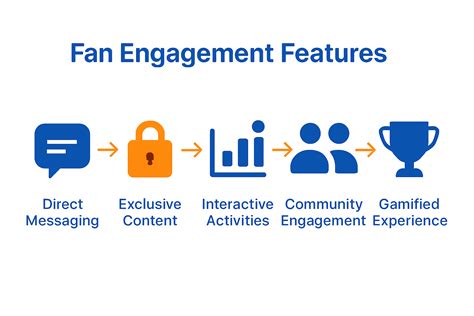
Lastly, the **role of fan engagement through digital platforms** added a new dimension to how the standings were perceived. Real-time updates, fan polls, and interactive content on apps like the official La Liga app and third-party platforms like OneFootball allowed fans to feel more connected to the season’s unfolding drama. For instance, when Barcelona secured the title in the penultimate matchweek, fan reactions on these platforms ranged from jubilant memes to critical analyses of their financial context. This dynamic showed how modern media consumption habits have made fan reception more immediate and multifaceted than ever before.
In summary, the 2022-23 La Liga season was perceived through a lens of **contradictions and complexities** by both fans and media. While some celebrated the traditional powerhouses' continued success, others questioned the methods behind their dominance. The rise of smaller clubs and young talents offered a counterbalance, suggesting that La Liga’s future might not solely rest on its biggest names. The interplay of financial controversies, refereeing debates, and digital fan engagement further enriched the season’s narrative, making it one of the most discussed and analyzed in recent memory.
Conclusion and Lessons Learned
The 2022-23 La Liga season was a fascinating case study in the dynamics of Spanish football, offering a blend of predictable outcomes and surprising twists that underscored both the strengths and vulnerabilities of the league’s structure. As we reflect on the **La Liga standings 2022-23**, several key takeaways emerge, each with significant implications for the future of the competition.
One of the most striking features of the season was the dominance of **Barcelona**, who reclaimed the title after a few years of relative underperformance. Their success was built on a combination of shrewd management, tactical discipline, and a youthful infusion of talent. Under Xavi’s guidance, Barcelona emphasized a return to possession-based football while also adapting to modern counter-pressing systems. This tactical evolution demonstrated that even traditional powerhouses must innovate to stay ahead. The lesson here is clear: **teams cannot rest on their laurels or historical identity alone; adaptation is essential in a league that is increasingly competitive and globalized**. For future campaigns, this suggests that clubs must be willing to invest not only in star players but also in coaching staff capable of blending tradition with innovation.
Another critical observation was the marked decline of **Real Madrid**, who finished second but were often inconsistent throughout the season. While they excelled in the UEFA Champions League, their domestic form was patchy, particularly in away matches against mid-table teams. This inconsistency points to a potential over-reliance on aging stars like Karim Benzema and Luka Modrić. While these players delivered moments of brilliance, the lack of a clear succession plan for their roles became evident. **The lesson for Real Madrid—and other top-tier clubs—is the importance of succession planning and squad depth.** In future seasons, La Liga's giants will need to prioritize youth development and smart transfer strategies to avoid over-dependence on a handful of players. This is particularly relevant as financial fair play regulations and economic pressures continue to challenge clubs’ ability to sustain high-cost squads.
The rise of **Real Sociedad** and **Real Betis** into the top four contention was another highlight of the season. These teams exemplified how well-structured, mid-budget clubs can compete by focusing on cohesive team play and smart recruitment. Real Sociedad’s emphasis on a balanced squad, with players like Mikel Merino and Alexander Isak (before his transfer), showcased the value of nurturing homegrown talent alongside targeted signings. Similarly, Real Betis’ success under Manuel Pellegrini highlighted the importance of a clear tactical philosophy and stability in management. These examples provide a blueprint for smaller clubs aiming to disrupt the traditional hierarchy. **The implication for La Liga is that the middle tier of teams is becoming more competitive, which could lead to a more unpredictable title race in the coming years.** This competitiveness is good for the league’s global appeal but may also increase pressure on top teams to maintain their dominance.
One of the more concerning trends of the 2022-23 season was the widening gap between the top and bottom halves of the table. Teams like **Elche** and **Cádiz** struggled mightily, with Elche’s relegation confirmed well before the season’s end. This points to a structural issue in La Liga: **the financial disparities between clubs are growing, making it harder for smaller teams to compete sustainably.** While the league’s revenue-sharing model has improved in recent years, it still lags behind the Premier League in terms of equitable distribution. This disparity could have long-term implications for La Liga’s competitiveness. If the bottom half of the table continues to weaken, matches against lower-ranked teams may lose their appeal, both for fans and for broadcasters. **A key lesson for La Liga’s administrators is the need to explore mechanisms—such as enhanced revenue sharing, better sponsorship deals for smaller clubs, or youth academy incentives—to bridge this gap.** Without such interventions, the league risks becoming a two-tier competition, which could harm its long-term reputation.
The role of **foreign investment and ownership** also came into focus during the 2022-23 season. Teams like **Villarreal** and **Mallorca**, backed by financially stable ownership groups, demonstrated how targeted investments in coaching and player recruitment can yield results. Villarreal’s ability to challenge for European spots despite a smaller budget than Barcelona or Real Madrid is a testament to their efficient operations. However, this trend also raises questions about the long-term sustainability of such models. If foreign investment becomes the primary driver of success for mid-tier clubs, it could create an environment where financial backing outweighs sporting merit. **For La Liga, this is a double-edged sword: while investment can elevate the league’s overall quality, it could also dilute the organic, community-driven identity that many Spanish clubs cherish.** Future campaigns may need to strike a balance between welcoming investment and preserving the league’s unique character.
Another lesson from the season lies in the **impact of injuries and squad management**. Teams like Atlético Madrid, who were initially considered title contenders, struggled due to a combination of injury crises and inconsistent form. This highlights the growing importance of sports science and player welfare in modern football. Clubs that invested in robust medical teams and rotational strategies—such as Barcelona—were better equipped to handle the physical toll of a long season. **For future La Liga campaigns, the emphasis on injury prevention and squad rotation will likely become even more critical, especially as the football calendar becomes more congested with international tournaments and expanded European competitions.**
The 2022-23 season also underscored the growing role of **data analytics and technology** in shaping match outcomes. Teams that leveraged advanced analytics—such as expected goals (xG) models, player tracking systems, and set-piece optimization—often outperformed expectations. For instance, Real Betis’ use of set-piece routines and Villarreal’s focus on high-probability scoring areas were clear indicators of how data can level the playing field. This trend suggests that **future La Liga campaigns will see an even greater emphasis on the integration of technology into coaching and scouting.** Clubs that fail to adapt to this data-driven era risk falling behind, regardless of their historical prestige.
Finally, the season highlighted the growing influence of **fan engagement and digital media** in shaping the league’s narrative. The return of full-capacity stadiums post-pandemic brought back the vibrancy of La Liga’s matchday atmosphere, but it also emphasized the importance of digital platforms in reaching global audiences. Clubs that invested in engaging content—such as behind-the-scenes documentaries, player interviews, and interactive fan experiences—saw a surge in their online presence. This trend is particularly relevant as La Liga seeks to compete with the Premier League for international viewership. **The lesson here is that the future of La Liga is not just on the pitch but also in the digital realm.** Clubs and the league itself must continue to innovate in how they present the sport to a global audience.
In conclusion, the 2022-23 La Liga season offered a rich tapestry of lessons for the future. From the necessity of tactical evolution and succession planning to the growing importance of financial stability, youth development, and digital engagement, the season provided a roadmap for what La Liga must prioritize to remain one of the world’s premier football competitions. While the dominance of traditional powerhouses like Barcelona remains a constant, the emergence of competitive mid-table teams and the challenges posed by financial disparities suggest that the league is at a crossroads. **For La Liga to thrive in the coming years, it must embrace change while preserving the elements that make it unique—a delicate balancing act that will define the league’s trajectory in the years to come.**