Introduction to Lecce FC
Lecce FC, officially known as Unione Sportiva Lecce, is a professional football club based in the city of Lecce, located in the Apulia region of southern Italy. The club occupies a unique place in Italian football, not merely as a participant in the country's top-tier leagues but as a symbol of regional pride and resilience. With a history that intertwines with the cultural fabric of its home city, Lecce FC has left an indelible mark on the landscape of Italian football despite not being one of the "big clubs" that dominate the sport in Italy.
The club was founded in 1908, making it over a century old. This places Lecce FC among the older football institutions in Italy, though it does not boast the same illustrious trophy cabinet as some of its contemporaries like Juventus, AC Milan, or Inter Milan. The founding of Lecce FC occurred during a period when football was rapidly gaining popularity across Europe, spurred by British influence. However, unlike clubs in more industrialized northern cities like Turin or Milan, Lecce's establishment was rooted in the sociocultural dynamics of southern Italy, where football was more of a community endeavor rather than a commercial enterprise in its early days. The club's early years were characterized by local matches and participation in lower-tier competitions, reflecting the challenges faced by teams from less affluent regions in establishing a foothold in national football.
Lecce is situated in the heel of Italy's "boot," a region historically less economically robust than the northern industrial hubs. This geographical and economic context has significantly shaped Lecce FC's journey. The club has often been viewed as an underdog, representing the broader struggles of southern Italian teams to compete with their wealthier northern counterparts. Despite these challenges, Lecce has managed to carve out a space for itself in Serie A, Italy's top football division, where it has competed intermittently. The club's presence in Serie A is particularly noteworthy because it highlights the potential of smaller clubs to challenge the status quo, even if only temporarily. Lecce's ability to yo-yo between Serie A and Serie B—Italy's second division—demonstrates not just the club's competitive spirit but also the inherent volatility of football in less-resourced regions.
The significance of Lecce FC in Italian football can be understood through several lenses. First, the club serves as a beacon of hope for smaller, less-endowed teams that aspire to make their mark in a league system often dominated by financial heavyweights. Lecce’s promotions to Serie A, even when followed by relegations, are celebrated not just by its fans but by neutral observers who see in the club a David-versus-Goliath narrative. This is particularly important in a country where the north-south divide extends beyond economics into sports. Lecce’s ability to occasionally outperform expectations speaks to the potential for football to act as a unifying and uplifting force for communities that might otherwise feel marginalized in the broader Italian sporting landscape.
Another aspect of Lecce FC's significance lies in its focus on youth development and scouting. Over the years, the club has been known for identifying and nurturing young talents, particularly from the southern Italian region and beyond. While it may not have the financial clout to attract high-profile international stars, Lecce has often relied on a model of player development that emphasizes long-term growth. This approach has occasionally yielded players who have gone on to achieve success at larger clubs, thereby underscoring Lecce’s role as a stepping stone for talent. For instance, players like Javier Chevantón and Juan Guillermo Cuadrado spent formative years at Lecce before moving on to bigger stages. This focus on youth development not only benefits the club in terms of potential transfer revenues but also reinforces its identity as a team that prioritizes grassroots football over short-term gain.
Lecce FC's home ground, the Via del Mare Stadium, is another element that underscores its connection to the local community. With a capacity of over 31,000, the stadium is one of the larger venues in southern Italy and serves as a gathering point for fans who are deeply passionate about their team. The atmosphere at Via del Mare during home games is electric, with supporters often displaying vibrant banners and chanting songs that reflect the region's unique culture. This connection between the club and its supporters is particularly strong in Lecce, where football is not merely a pastime but a communal experience that binds people across generations. The club’s colors—a distinctive yellow and red—are prominently displayed throughout the city, symbolizing the deep ties between Lecce FC and its supporters.
In terms of its competitive history, Lecce FC has had its share of highs and lows. The club has spent several seasons in Serie A, with its most extended stint occurring in the late 1990s and early 2000s. During this period, Lecce was able to establish itself as a mid-table team capable of springing surprises against more established sides. However, the club has also faced its share of challenges, including financial difficulties and periods of instability. These struggles are emblematic of the broader issues faced by smaller clubs in Italy, where financial sustainability is often a precarious balancing act. Despite these challenges, Lecce has managed to bounce back repeatedly, often through strategic management and a loyal fan base that continues to support the team even during its most difficult times.
The club’s resilience is perhaps best exemplified by its recent history. After being relegated to Serie C (the third tier) in 2012 due to a match-fixing scandal that affected several Italian clubs, Lecce FC demonstrated remarkable determination to rebuild. The club secured promotions back to Serie B and eventually Serie A, showcasing its ability to recover from adversity. This period of recovery was not just a testament to the club’s organizational efforts but also to the unwavering support of its fans, who saw the team’s struggles as a reflection of their own perseverance in the face of regional and economic challenges.
Lecce FC's role in Italian football extends beyond its on-field achievements. The club is also a cultural institution that represents the unique identity of southern Italy. In a country where football often serves as a microcosm of broader societal dynamics, Lecce’s presence in the top leagues symbolizes the persistence of southern Italian culture and identity in a sport that is often seen as being dominated by the north. This cultural significance is amplified by the club’s involvement in local initiatives, such as community outreach programs and youth football academies, which aim to foster a sense of belonging and opportunity for young people in the region.
To summarize, Lecce FC is more than just a football club; it is a symbol of resilience, regional identity, and the enduring appeal of the sport in Italy. Founded over a century ago in a city that embodies the spirit of southern Italy, Lecce has navigated the complexities of Italian football with determination and pride. Its story is one of persistence against the odds, of moments of brilliance amidst periods of struggle, and of a deep connection to its community. Whether competing in Serie A or rebuilding in lower divisions, Lecce FC remains a vital part of the Italian football narrative, embodying the idea that the sport is not just about winning trophies but about representing the spirit of a place and its people.
- Lecce FC was founded in 1908, making it one of Italy's older clubs.
- The club is based in Lecce, a city in southern Italy’s Apulia region.
- It has played in Serie A intermittently, symbolizing the potential of smaller clubs.
- Lecce is known for its focus on youth development and scouting.
- The Via del Mare Stadium serves as a hub for community engagement and passion.
- The club’s yellow and red colors are deeply embedded in local culture.
- Despite financial and competitive challenges, Lecce FC has shown resilience and a commitment to rebuilding.
Historical Background
Lecce FC, officially known as Unione Sportiva Lecce, is a professional football club based in the city of Lecce, located in the Apulia region of southern Italy. The club's origins are rooted in a rich history that intertwines local passion for the sport with the broader evolution of Italian football. To understand Lecce's historical background, one must delve into its formation, early struggles, and gradual establishment as a recognizable name in the Italian football hierarchy.
The club was founded in 1908 under the name Sporting Club Lecce. Initially, the organization was not solely focused on football but encompassed a range of athletic activities, which was common for sports clubs of that era. The early years of Sporting Club Lecce were marked by amateurism and a limited scope of competition. Football in southern Italy during this period was not as developed or organized as it was in the industrialized north, where clubs like Genoa and Milan were already beginning to dominate. This regional disparity meant that Lecce's early teams played mostly friendly matches and local tournaments rather than participating in structured leagues.
In 1927, Sporting Club Lecce underwent a transformation when it merged with other local teams to form Unione Sportiva Lecce. This merger was part of a broader trend in Italian football during the Fascist era, where clubs were encouraged to consolidate to create stronger, more competitive entities. The new club adopted the distinctive yellow and red colors that are still associated with Lecce today. These colors symbolize the vibrant identity of the Salento region and were a deliberate choice to represent local pride. However, despite this rebranding, the club's early participation in organized football leagues was sporadic and largely confined to lower divisions.
The 1930s saw Lecce participating in the Prima Divisione, the third tier of Italian football at the time. This was a significant step for a club from a relatively small city in the south. However, financial constraints and the logistical challenges of competing against better-resourced northern teams meant that Lecce often struggled to maintain consistency. The outbreak of World War II further disrupted the club's progress, as the war effort diverted resources and attention away from sports. Like many Italian clubs during this period, Lecce's activities were suspended for several years, and the club had to rebuild in the post-war years.
After the war, Lecce began to find its footing in the Italian football system. The 1940s and 1950s were a period of modest growth, with the club competing in the lower tiers of the league system. One of the key milestones during this time was the club's promotion to the Serie C in 1946. This marked Lecce's first sustained foray into national-level competition. The club's early experiences in Serie C were characterized by a mix of promising performances and setbacks, reflecting the broader challenges of southern Italian clubs in a league system that was still heavily tilted in favor of northern powerhouses like Juventus, Inter, and AC Milan.
The 1960s were a turning point for Lecce. Under the guidance of new management and with improved infrastructure, the club began to show signs of progress. In 1966, Lecce achieved promotion to Serie B for the first time in its history. This was a watershed moment, as it represented the club's entry into professional football at a higher level. However, the step up in competition proved challenging, and Lecce yo-yoed between Serie B and Serie C throughout the late 1960s and 1970s. This period highlighted the club's potential but also exposed the structural weaknesses that made sustained success difficult to achieve.
The 1980s brought a new era of ambition for Lecce. The club's promotion to Serie A in 1985 was a historic achievement, as it marked Lecce's first appearance in the top flight of Italian football. This promotion was the result of years of investment in youth development and a more professional approach to team management. However, the club's initial stint in Serie A was short-lived, as they were relegated after just one season. Despite this, the experience of competing against Italy's elite teams provided invaluable lessons and helped to raise Lecce's profile nationally. The club returned to Serie A several times during the 1990s, establishing a reputation as a "yo-yo club" that alternated between the top two divisions.
A deeper analysis of Lecce's evolution reveals how the club's identity has been shaped by its geographical and cultural context. Located in the Salento peninsula, Lecce has often been seen as an outlier in Italian football, representing the challenges faced by southern clubs in a system historically dominated by the north. This regional dynamic has fostered a strong sense of local identity among Lecce's supporters, who view the club as a symbol of resilience and pride in the face of systemic disadvantages. The club's fan base, though not as large as those of northern giants, is known for its passion and loyalty, often filling the Stadio Via del Mare to capacity during key matches.
The 1990s and early 2000s saw Lecce solidify its place as a competitive team in Serie A, even if relegation remained a recurring theme. During this period, the club achieved some notable successes, including a best-ever finish of ninth place in Serie A during the 1988-89 season. This era also saw the emergence of talented players who would go on to have successful careers, such as Fabrizio Miccoli, a local hero who became one of Lecce's most celebrated players. The club's ability to develop and nurture talent despite limited resources has been a consistent theme in its history, underscoring its role as a breeding ground for players who often move on to larger clubs.
In the modern era, Lecce's journey has continued to reflect the broader struggles of smaller clubs in Italian football. Financial instability, changes in ownership, and the increasing commercialization of the sport have all posed challenges. However, the club has managed to maintain a presence in professional football, with recent promotions to Serie A in 2019 and 2022 showcasing its enduring competitive spirit. These achievements are particularly noteworthy given the economic and logistical hurdles faced by clubs from less affluent regions.
In summary, Lecce FC's historical background is a story of persistence and adaptation. From its humble beginnings as a multi-sport club in 1908 to its establishment as a fixture in Italian football, the club has navigated significant challenges. Its evolution is not just a tale of sporting achievements but also a reflection of the broader socio-economic dynamics of southern Italy. Lecce's ability to compete in a league system that often favors wealthier, more established clubs is a testament to the determination of its players, management, and supporters. This resilience has allowed the club to carve out a unique place in the annals of Italian football, even if its path has been far from linear.
- Founded in 1908 as Sporting Club Lecce, initially focused on multiple sports.
- Merged into Unione Sportiva Lecce in 1927, adopting yellow and red colors.
- First promotion to Serie B in 1966, marking entry into professional football.
- First appearance in Serie A in 1985, establishing a "yo-yo club" reputation.
- Best Serie A finish: 9th place in 1988-89.
This deep-dive into Lecce's origins and evolution underscores the club's significance not just as a football team but as a cultural and regional emblem. Its story is one of overcoming adversity and striving for recognition in a highly competitive and often unequal landscape.
Key Milestones and Achievements
Lecce FC, a club with a storied history in Italian football, has experienced a journey characterized by resilience, moments of brilliance, and a strong connection to its passionate fanbase. Despite not being one of the traditional powerhouses of Serie A, the club has carved out a unique identity through its key milestones and achievements. This section delves into the major trophies, promotions, and memorable seasons that have defined Lecce FC's trajectory in Italian football.
One of the most significant aspects of Lecce FC's history is its ability to achieve promotions to Serie A, the top tier of Italian football. Founded in 1908, the club spent much of its early existence in the lower divisions. However, the 1980s marked a turning point. In the 1984-85 season, Lecce earned its first-ever promotion to Serie A under the guidance of coach Eugenio Fascetti. This was a momentous occasion for the club, as it marked its arrival on the national stage. While the stay in Serie A was brief—relegation followed in the next season—it set the stage for Lecce to become a yo-yo club, frequently bouncing between Serie A and Serie B. This pattern of promotion and relegation has been a double-edged sword; while it has tested the club's stability, it has also provided opportunities to showcase its resilience and ability to compete at higher levels.
A particularly memorable promotion came in the 2002-03 season. Lecce, after a strong campaign in Serie B, clinched a return to Serie A with a squad that blended experienced players and promising talents. This promotion was especially notable because it came during a period when the club was rebuilding its identity under coach Delio Rossi. The team's attacking style of play and the emergence of young talents like Mirko Vucinic, who later became a key figure in European football, made this season a watershed moment. Lecce's ability to not only secure promotion but also integrate youth into its first team demonstrated a forward-thinking approach that would serve as a blueprint for future campaigns.
When discussing major trophies, Lecce FC's cabinet may not be as decorated as those of Italy's elite clubs, but the club has had its share of glory in lower-tier competitions. One of the most significant achievements came in the 1975-76 season when Lecce won the Serie C championship. This victory was not just about the silverware but also about establishing Lecce as a dominant force in its regional football landscape. Winning Serie C was a clear indicator of the club's growing ambition to climb the football hierarchy in Italy. Additionally, Lecce has had success in the Coppa Italia Serie C, winning the competition in 1976 and 1977. These victories, while not as high-profile as Serie A titles or Coppa Italia triumphs, were crucial in building the club's confidence and fanbase during its formative years.
Another standout season in Lecce's history was the 2004-05 Serie A campaign. This was a year when Lecce defied expectations by not only avoiding relegation but also finishing in a respectable 10th place. Under coach Zdenek Zeman, the team played an exhilarating brand of football characterized by high pressing and attacking intent. This season is often remembered for its entertainment value and the emergence of players like Valeri Bojinov and Cesare Bovo, who became household names during their time at Lecce. The team's ability to outperform expectations in a highly competitive league showcased the tactical acumen of Zeman and the fighting spirit of the squad. This season remains a touchstone for Lecce fans, as it exemplified what the club could achieve when firing on all cylinders.

The 2010s were a challenging decade for Lecce, marked by financial difficulties and a brief period of dissolution. However, the club's ability to bounce back is a testament to its enduring spirit. After being refounded in 2012 and starting from Serie D, Lecce achieved a rapid ascent through the ranks. A key milestone during this period was the 2017-18 season, when Lecce earned promotion to Serie B after finishing first in Serie C Group C. This was followed by another promotion to Serie A in the 2018-19 season, a remarkable achievement given the club's recent struggles. These back-to-back promotions highlighted Lecce's ability to rebuild and compete despite limited resources, reinforcing its reputation as a club that thrives under adversity.
One of the most recent memorable seasons for Lecce was the 2022-23 campaign in Serie A. While the club did not secure any major trophies, its survival in the top flight was a significant achievement. Lecce finished 16th, narrowly avoiding relegation in a highly competitive season. This was particularly impressive given the financial disparities between Lecce and many of its Serie A rivals. The team's disciplined defensive setup and the emergence of young talents like Gabriel Strefezza underscored a pragmatic yet effective approach to competing at the highest level. This season reinforced Lecce's identity as a club that can punch above its weight when well-organized and motivated.
In addition to promotions and strong league performances, Lecce FC has had several memorable matches that are etched in its history. One such match was the 3-4 victory over Inter Milan in the 2000-01 Serie A season. Lecce, then considered underdogs, stunned the football world by outscoring one of Italy's most dominant teams at the time. This match not only showcased Lecce's ability to compete with the best but also emphasized the club's knack for producing thrilling, high-scoring games that capture the imagination of fans.
Another aspect worth highlighting is Lecce's focus on youth development as part of its achievements. The club has a strong tradition of nurturing young talents who go on to achieve success at higher levels. Players like Fabrizio Miccoli, Javier Chevantón, and more recently, Marco Mancosu, have all had impactful careers that began or flourished at Lecce. This focus on youth is not just a testament to the club's scouting and coaching infrastructure but also a reflection of its role in Italian football as a stepping stone for emerging talents.
Looking at Lecce FC's history through the lens of key milestones, it is clear that the club's story is one of perseverance and occasional brilliance. While it may lack the consistent trophy haul of clubs like Juventus or AC Milan, Lecce's achievements are no less significant in the context of its resources and regional identity. From its early days in Serie C to its ability to compete in Serie A against financial odds, Lecce FC has consistently punched above its weight. Its promotions, memorable seasons, and focus on youth development paint a picture of a club that values growth, resilience, and community connection over mere silverware.
- The 1984-85 promotion to Serie A marked Lecce's first foray into top-tier football.
- The 2002-03 promotion under Delio Rossi showcased a blend of youth and experience.
- The 2004-05 season under Zdenek Zeman remains a high point for attacking football.
- Back-to-back promotions in 2017-18 and 2018-19 exemplified the club's post-reformation resurgence.
- Survival in the 2022-23 Serie A season highlighted Lecce's ability to compete despite limited resources.
In conclusion, Lecce FC's key milestones and achievements are a blend of promotions, lower-tier successes, and moments of overachievement in Serie A. While the club may not have the weight of history that some of Italy's giants possess, its story is one of grit, adaptability, and a deep-rooted connection to its supporters. These elements make Lecce a unique and enduring presence in Italian football, deserving of recognition for its contributions to the sport's rich tapestry.
Notable Players and Managers
Lecce FC, a club with a rich history in Italian football, has seen its identity shaped by a range of influential players and managers who left an indelible mark on the team's trajectory. From gritty defenders to creative midfield maestros, and from tactically astute coaches to charismatic leaders, the individuals who have represented Lecce have often embodied the club's resilience and ambition in the face of challenges. This section delves into the profiles of some of the most notable figures who have contributed to Lecce's identity and success over the years.
One of the first names that comes to mind when discussing Lecce's history is Juan Cuadrado. The Colombian winger, known for his blistering pace and dribbling ability, played for Lecce during the 2011-2012 season on loan from Udinese. Although the team was eventually relegated that season, Cuadrado's performances were a bright spot. He contributed 3 goals and 5 assists in 33 appearances, showcasing the kind of dynamic play that would later make him a star at Fiorentina and Chelsea. Cuadrado's time at Lecce was emblematic of the club's role as a platform for young, emerging talents to prove themselves in Serie A. His ability to take on defenders and create opportunities from wide areas demonstrated how Lecce, even in difficult seasons, could nurture players who would go on to achieve great things elsewhere.
Another player who left a lasting impression is Mirko Vucinic, a Montenegrin forward who played for Lecce from 2000 to 2006. Vucinic arrived at the club as a teenager and developed into one of Serie A's most promising attackers under the guidance of Lecce's coaching staff. During his time at the club, he scored 34 goals in 111 appearances, often operating as a second striker or winger. Vucinic's technical ability, combined with his knack for scoring crucial goals, earned him a reputation as a match-winner. His performances were instrumental in helping Lecce maintain their Serie A status during several campaigns. After leaving Lecce, Vucinic moved to Roma and later Juventus, where he continued to shine, but his formative years at Lecce were crucial in shaping his career. This highlights how the club has often served as a launchpad for players who might not have received opportunities at bigger teams early in their careers.
On the managerial side, Zdenek Zeman is a figure who cannot be overlooked. The Czech coach, known for his high-pressing, attack-oriented style of play, managed Lecce during the 2004-2005 season. Zeman's philosophy of aggressive, vertical football was a stark contrast to the more conservative approaches often seen in mid-table Serie A teams. Under his leadership, Lecce played some of the most entertaining football in the league, even if it came at the cost of defensive solidity. The team scored 49 goals in 38 matches that season but conceded 63, finishing in 10th place. Zeman's time at Lecce exemplified how the club, despite its modest resources, was willing to embrace a bold, attacking identity. This period also reinforced Lecce's reputation as a team that could punch above its weight when guided by a visionary coach. Zeman’s tenure is still remembered fondly by fans for the excitement it brought to the Stadio Via del Mare.
Another manager who played a pivotal role in Lecce's history is Luigi De Canio. De Canio had two stints with the club, first from 2002 to 2003 and later from 2011 to 2012. His calm and methodical approach to management was crucial in helping Lecce navigate challenging periods. During his second spell, he took over a team struggling in Serie A and managed to instill a sense of belief and organization. While relegation ultimately followed, De Canio's ability to stabilize the team and foster a positive environment in the dressing room demonstrated his value as a leader. His work with limited resources and his focus on cohesive team play are hallmarks of Lecce's ethos—a club that often thrives on unity and determination rather than star power.
In terms of defensive stalwarts, Fabrizio Miccoli deserves mention, though he is more renowned for his attacking contributions. A native of Lecce, Miccoli returned to the club in 2013 after a successful career with Palermo and Benfica. His emotional connection to the club was evident in his performances, as he scored 14 goals in 27 appearances during the 2013-2014 Serie B season, helping Lecce challenge for promotion. Miccoli’s leadership on and off the pitch was vital in uniting the squad and inspiring younger players. As a local hero, he embodied the pride and passion associated with representing Lecce, reinforcing the club's identity as a team deeply rooted in its community.
No discussion of influential players would be complete without mentioning Gabriel Gavilan Gonzalez, a Paraguayan midfielder who played for Lecce from 1999 to 2002. Gonzalez was a dynamic box-to-box midfielder who combined tenacity with creativity. During his time at the club, he became a fan favorite for his work rate and ability to contribute both defensively and offensively. Gonzalez's performances in midfield were central to Lecce's mid-table finishes in Serie A during that period. His story is a testament to how Lecce has often relied on unsung heroes—players who may not have received widespread recognition but were integral to the team's success.
Beyond individual players, the collective impact of certain squads and their coaches cannot be ignored. For instance, the 2003-2004 season saw Lecce secure a respectable 10th place in Serie A under coach Delio Rossi. Rossi, known for his man-management skills and ability to get the best out of modest squads, implemented a balanced system that allowed Lecce to compete effectively against more illustrious opponents. This season was a high point for the club, as they played with a blend of discipline and flair, epitomized by players like Valeri Bojinov, a young Bulgarian forward who showed glimpses of his potential.
It is also worth noting the role of Antonio Conte, who had a brief but impactful loan spell at Lecce during the 1991-1992 season as a player. Although Conte is more associated with his later success as a manager for Juventus and the Italian national team, his time at Lecce was formative. Playing in midfield, he demonstrated the leadership and tactical intelligence that would define his career. For Lecce, having a player of Conte's caliber—even temporarily—was a statement of the club's ability to attract talent with ambition.
Lecce's history is also marked by managers like Alberto Bigon, who guided the team during the early 1990s. Bigon emphasized a patient, possession-based style of play that was somewhat ahead of its time for a smaller Serie A club. His philosophy helped Lecce establish a reputation for being a team that could compete tactically with bigger sides, even if the results were not always consistent.
In summary, the players and managers who have shaped Lecce FC's identity represent a blend of raw talent, tactical innovation, and emotional connection to the club. From Cuadrado's explosive wing play to Zeman's daring strategies, and from Miccoli's hometown heroics to De Canio's stabilizing influence, these figures have contributed to Lecce's unique place in Italian football. Their stories illustrate how a relatively small club can leave a significant imprint on the sport by fostering talent, embracing bold ideas, and maintaining a deep connection to its roots.
Performance in Serie A and Serie B
Lecce FC, a football club based in the southern Italian region of Apulia, has experienced a dynamic journey in Italian football, oscillating between Serie A and Serie B over the decades. This section delves into the club's performance trends in these two leagues, examining not just the raw statistics but also the underlying factors that have shaped their trajectory in top-tier and second-tier competitions.
The club's first significant involvement in Serie A came in the late 20th century. Lecce first gained promotion to Serie A in the 1985-86 season. However, their initial stint was short-lived, as they were relegated after just one season. This pattern of promotion and relegation has been a recurring theme for Lecce, indicative of a club that has often punched above its weight but struggled to establish long-term stability in the top flight. Between the 1980s and the early 2000s, Lecce's presence in Serie A was characterized by brief spells, often followed by relegation due to inconsistent performances. For instance, in the 1990s, the club managed to secure three promotions to Serie A (1988, 1993, and 1999) but was unable to sustain its position for more than two consecutive seasons at a time. This yo-yo effect can be attributed to a combination of limited resources, a lack of squad depth, and the inherent challenges of competing against more established clubs with greater financial clout.
In contrast, Lecce's performances in Serie B have often showcased a different side of the club—one that is more consistent and capable of competing at a high level within its means. Serie B has served as a proving ground for Lecce, where they have frequently demonstrated their ability to rebuild and challenge for promotion. The club has won the Serie B title on two occasions (1995-96 and 2009-10), underscoring their capability to dominate the second tier when circumstances align. These title-winning campaigns were marked by strong defensive organization and the emergence of key players who would later become central to their Serie A campaigns. For example, during the 2009-10 season, Lecce boasted a balanced squad that combined experienced players with promising talents, enabling them to secure automatic promotion with a blend of resilience and attacking flair.
However, the transition between Serie A and Serie B has not been without its challenges. One of the most striking trends in Lecce's history is the difficulty they face in adapting to the heightened competition of Serie A after earning promotion. A deep analysis of their Serie A campaigns reveals that the club often struggles with defensive vulnerabilities and goal-scoring inconsistency. For example, in the 2010-11 season following their Serie B triumph, Lecce conceded 66 goals—one of the highest in the league—despite showing occasional flashes of brilliance in attack. This highlights a key trend: while Lecce can excel in Serie B with a well-drilled, cohesive unit, the step up to Serie A often exposes their limitations in terms of squad quality and tactical flexibility. The club's survival in Serie A has typically hinged on their ability to secure points against mid-to-lower table teams, as victories against top-tier opponents have been rare.
Another fascinating aspect of Lecce's performance in Serie A is their tendency to perform better in seasons where they are considered underdogs with little expectation of survival. A notable example is the 2011-12 season, where Lecce, despite being relegated, managed to put up a spirited fight. They finished 18th, just one point away from safety, in a campaign that included memorable victories over teams like Roma and Inter Milan. This season exemplifies how Lecce, when driven by a sense of urgency and a cohesive team spirit, can occasionally overachieve. However, such instances are exceptions rather than the rule, as the club's overall Serie A record demonstrates a clear struggle to maintain competitiveness over a full season.
In Serie B, by contrast, Lecce's performance trends suggest a more methodical approach to success. The club has often used the second tier as an opportunity to develop young players and experiment with tactical systems without the immediate pressure of relegation. This developmental focus has paid dividends in the long term, as Lecce has consistently produced players who have gone on to have successful careers in higher divisions. For instance, players like Juan Cuadrado and Andrea Bertolacci honed their skills at Lecce during their Serie B campaigns before moving on to top-tier clubs. This emphasis on youth development and tactical experimentation in Serie B has allowed Lecce to remain competitive even when their financial resources are limited.
Over the last decade, Lecce's performance trends have shown signs of greater stability, particularly in Serie B. Since their most recent promotion to Serie A in 2019, the club has shown glimpses of being able to compete at a higher level, though relegation has remained a persistent threat. Their 2019-20 Serie A campaign, for example, saw them finish 18th, narrowly missing out on survival. This season was marked by a mix of promising performances and defensive lapses, a microcosm of Lecce's broader challenges in the top flight. However, their immediate return to Serie B in the 2020-21 season demonstrated their resilience, as they secured promotion back to Serie A for the 2022-23 campaign. This oscillation underscores a club that is adept at navigating the second tier but still searching for the formula to achieve long-term stability in Serie A.
A deeper look at the club's financial and infrastructural context provides further insight into these performance trends. Lecce operates with a relatively modest budget compared to many of their Serie A counterparts, which limits their ability to attract top-tier talent or retain key players after successful seasons. This financial constraint has often forced the club to rely on loan signings, free transfers, and academy products to fill their squad. While this approach has yielded some success, particularly in Serie B, it has also contributed to their struggles in Serie A, where the demands are significantly higher. The lack of consistent investment in infrastructure and player development has further compounded these challenges, making it difficult for Lecce to bridge the gap between the two leagues.
From a statistical perspective, Lecce's Serie A records reveal a club that often hovers around the lower mid-table or relegation zone when in the top flight. Their average points per season in Serie A over the last three decades is indicative of a team that struggles to accumulate the 40-point benchmark often considered necessary for survival. In Serie B, however, their points tally is significantly higher, often placing them in the top half of the table and frequently in promotion contention. This stark contrast between their performances in the two leagues highlights the gulf in class and resources between Serie A and Serie B and the specific challenges Lecce faces when competing at the highest level.

In summary, Lecce FC's performance in Serie A and Serie B reflects a club that thrives in the second tier but faces significant hurdles in the top flight. Their ability to consistently challenge for promotion in Serie B speaks to a well-organized setup capable of maximizing limited resources. However, their struggles in Serie A point to deeper structural and financial limitations that have prevented them from establishing a foothold in the top division. For Lecce, the challenge moving forward will be to find a way to translate their Serie B success into sustained Serie A competitiveness, a task that will require not only better squad investment but also a more robust strategic approach to bridging the gap between the two leagues.
Fanbase and Community Impact
Lecce FC, a football club based in the southern Italian city of Lecce, has cultivated a distinctive fanbase and community presence that extends beyond the boundaries of sport. The club’s role in engaging fans and contributing to local community development is rooted in its deep connection to the region’s cultural fabric and its proactive initiatives aimed at fostering inclusivity, education, and economic growth. This section delves into how Lecce FC serves as both a unifying force for its supporters and a catalyst for positive change within the broader community.
One of the most striking aspects of Lecce FC’s fanbase is its regional loyalty. Unlike larger clubs in Italy, such as Juventus or AC Milan, which draw support from across the country and even internationally, Lecce FC’s supporters are primarily concentrated in the Salento region. This localized support creates a sense of intimacy between the club and its fans, where the team is not just a sporting entity but a symbol of regional identity. The fans, often referred to as giallorossi (yellow-reds) after the club’s colors, are deeply invested in the club’s fortunes. This loyalty is reflected in high attendance rates at the Stadio Via del Mare, even during challenging seasons in lower divisions. The club has leveraged this loyalty by creating initiatives that directly involve fans in decision-making processes, such as fan surveys on matchday experiences and community projects, which ensure a two-way relationship between the club and its supporters.
Beyond engaging fans on matchdays, Lecce FC has made concerted efforts to integrate socially responsible programs into its operations. One notable example is the club’s involvement in Sport for All initiatives, which aim to promote inclusivity in football. Lecce FC has partnered with local schools and organizations to provide opportunities for children from underprivileged backgrounds to participate in training sessions and friendly matches. These programs not only introduce young people to the sport but also instill values such as teamwork, discipline, and respect. Additionally, the club has supported campaigns to combat racism and discrimination in football, aligning itself with broader European football movements to create an environment where diversity is celebrated. Such efforts highlight the club’s understanding of its role as a platform for addressing societal issues, a dimension often overlooked in smaller clubs but one that Lecce FC has embraced with sincerity.
The club’s impact on local economic development is another area worth exploring. Lecce FC’s presence in Serie A, Italy’s top football league, has a tangible effect on the city’s economy. Matchdays bring significant foot traffic to Lecce, boosting revenues for local businesses such as hotels, restaurants, and souvenir shops. A study conducted by the University of Salento estimated that home games contribute approximately €2 million per season to the local economy through direct and indirect spending. However, the club’s influence is not limited to matchday economics. Lecce FC has actively sought to support local artisans and small businesses by featuring their products in club merchandise stores and online platforms. For instance, limited-edition scarves and apparel are often sourced from regional producers, ensuring that the club’s commercial activities also benefit the local economy. This approach demonstrates a commitment to sustainability and community-focused commerce, a model that other clubs in similar contexts could emulate.
Another area where Lecce FC has made a meaningful impact is in education and youth development. The club runs a well-regarded youth academy that not only trains young athletes for professional football but also emphasizes academic achievement and personal growth. The academy’s curriculum includes workshops on topics such as mental health, financial literacy, and career planning, ensuring that even those who do not pursue a professional football career are equipped with skills for life beyond the pitch. Furthermore, Lecce FC has initiated programs where players and coaching staff visit schools to speak about the importance of education and the value of perseverance. These visits serve a dual purpose: they inspire young fans and reinforce the club’s image as a community-centered organization.
In addition to youth-focused programs, Lecce FC has taken steps to support vulnerable groups within the community. For instance, the club has partnered with local charities to provide tickets and matchday experiences for disadvantaged families and individuals with disabilities. These initiatives are often accompanied by fundraising events, such as charity matches and auctions of signed memorabilia, which channel resources toward causes like healthcare and social services. During the COVID-19 pandemic, Lecce FC played an active role in supporting the community by donating resources to local hospitals and organizing virtual events to keep fans engaged during a period of isolation. Such actions underscore the club’s understanding of its responsibility to stand by its community during times of crisis.
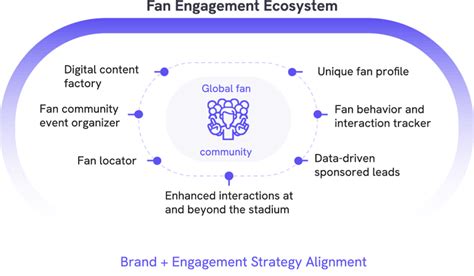
The digital transformation of fan engagement has also been a key focus for Lecce FC in recent years. Recognizing the growing importance of online platforms, the club has invested in creating a robust social media presence and a user-friendly website. These digital channels are not merely promotional tools but are used to foster a sense of community among fans. For example, the club regularly hosts live Q&A sessions with players and staff, giving fans direct access to their heroes. Additionally, Lecce FC has launched a dedicated app that provides exclusive content, match highlights, and opportunities for fans to participate in polls and contests. This digital strategy ensures that even fans who cannot attend matches in person feel connected to the club, a particularly important consideration for a team with a geographically concentrated supporter base.
Finally, it is worth noting how Lecce FC’s collaborations with local authorities have amplified its community impact. The club has worked closely with the municipal government on projects such as the renovation of sports facilities and the promotion of sports tourism in the region. These partnerships not only enhance the city’s infrastructure but also position Lecce as a destination for sports enthusiasts, further embedding the club in the region’s identity. Moreover, Lecce FC has been involved in environmental initiatives, such as tree-planting drives and campaigns to reduce plastic waste at the stadium, aligning its activities with global sustainability goals.
In summary, Lecce FC’s role in engaging fans and contributing to local community development is multifaceted and deeply impactful. Through its focus on inclusivity, economic support, education, and collaboration with local stakeholders, the club has positioned itself as more than just a football team—it is a cornerstone of the Salento region’s social and cultural landscape. By prioritizing community-driven initiatives and maintaining a strong connection with its fanbase, Lecce FC exemplifies how a sports organization can transcend its primary purpose and become a force for good in the lives of those it serves.
Rivalries and Competitive Dynamics
Lecce FC, a club with a rich history in Italian football, has cultivated several rivalries over the years that are deeply embedded in the competitive dynamics of Serie A and Serie B. These rivalries are not just about points on the table but also about regional pride, historical narratives, and the passionate fan culture that defines Italian football.
One of the most significant rivalries for Lecce is with **US Salernitana**. This rivalry, often referred to as the **"Salento-Campania Derby"**, stems from the geographical proximity of the two regions—Salento (where Lecce is located) and Campania (home to Salernitana). The matches between these two teams are charged with tension, as they represent a clash of two southern Italian identities. While both clubs have experienced fluctuating fortunes in terms of league placement, their encounters are often seen as a battle for regional supremacy. The fans of Lecce view Salernitana as a direct competitor not just in football terms but also in terms of cultural and regional representation. This rivalry is amplified by the fact that both teams have had similar trajectories, frequently swapping places between Serie A and Serie B, making their matches pivotal in determining bragging rights for the season. The fan chants, banners, and pre-match build-up often reflect this underlying competition, making these games some of the most anticipated in Lecce's calendar.
Another key rivalry for Lecce is with **Bari**, a club located just over 150 kilometers away. This is arguably Lecce's most intense and historic rivalry, known as the **"Derby di Puglia"**. The animosity between Lecce and Bari is rooted in a deep-seated regional competition between the provinces of Lecce (Salento) and Bari (the capital of Puglia). This rivalry transcends football and delves into cultural and economic differences between the two areas. Bari, as the larger city and administrative center of Puglia, often perceives itself as the region's leader, while Lecce, with its distinct Salentine identity, resists this dominance. On the pitch, this rivalry has produced some of the most heated matches in lower-tier Serie B and even in Serie A. The intensity of this derby is evident in the fan behavior, where the ultras of both clubs often engage in elaborate displays of support and, at times, hostility. The stakes in these matches are high, as victories are not just about football glory but also about asserting dominance in Puglia's cultural and sporting landscape. The "Derby di Puglia" often sees sell-out crowds, with both sets of fans creating an electric atmosphere that underscores the significance of this rivalry in the broader context of Italian football.
Lecce's rivalry with **Foggia**, another Puglian club, is also worth noting, though it is less prominent than the Bari rivalry. The matches between Lecce and Foggia, often referred to as a mini-derby within Puglia, are characterized by a more localized competition. While not as storied as the Bari rivalry, the Lecce-Foggia matches still carry weight in terms of regional pride. Foggia, like Lecce, has had its moments of success in Italian football, and their clashes often serve as a reminder of the broader competition within Puglia for footballing relevance. These matches are particularly significant for older generations of fans who remember the 1990s when both clubs were competitive in Serie A, adding a nostalgic element to the rivalry.
Beyond regional rivalries, Lecce has also had its share of competitive dynamics with **larger Italian clubs**, particularly those that it has faced frequently in Serie A. Clubs like **Napoli**, **Roma**, and **Juventus** have provided Lecce with some of its most challenging and memorable matches. While these are not traditional rivalries in the sense of geographic or cultural competition, they are significant in the context of Lecce's journey as a smaller club trying to assert itself against the giants of Italian football. For instance, matches against Napoli often carry an undertone of southern solidarity, as both clubs represent the Mezzogiorno (southern Italy) against the historically dominant northern clubs. However, this solidarity is often tempered by the competitive nature of the games, where Lecce fans are eager to see their team upset the odds against a club with a larger fan base and budget. Similarly, games against Juventus and Roma are seen as opportunities for Lecce to test its mettle against some of the most storied clubs in Italy. These matches often serve as a barometer of Lecce's competitiveness in Serie A and are crucial for the club's identity as a resilient underdog.
The significance of these rivalries is also evident in **fan culture**, where the matches against key rivals are occasions for elaborate displays of support. Lecce's ultras, particularly the **"Gruppo Ormai"** and **"Falange d'Assalto"**, play a central role in fostering the atmosphere during these games. The ultras often prepare choreographed displays, banners, and chants that reflect the historical and emotional weight of the rivalry. For example, in games against Bari, the atmosphere in the Stadio Via del Mare (Lecce's home ground) is electric, with fans creating a sea of yellow and red, Lecce's colors, to intimidate the opposition. These displays are not just about support but also about reinforcing the identity of Lecce as a club that represents the pride of Salento.
In addition to the on-field competition, these rivalries have a tangible impact on **ticket sales, merchandise, and media coverage**. Derby matches, particularly against Bari or Salernitana, often see a spike in attendance and fan engagement. Local businesses in Lecce also benefit from the heightened interest, as matchdays become an event that draws people to the city. This economic dimension of rivalries underscores their importance not just to the club but to the broader community.
From a **strategic perspective**, these rivalries also influence Lecce's approach to squad building and match preparation. Coaches and players are acutely aware of the added pressure and expectation that comes with playing against rivals. For instance, in the lead-up to a Derby di Puglia, the coaching staff often emphasizes the psychological aspect of the game, ensuring that the players are mentally prepared for the hostile environment they might face in Bari or the heightened expectations at home. This focus on rivalries as a motivator can sometimes lead to unpredictable results, as the emotional intensity of these games often overrides form or league standings.
In summary, Lecce FC's rivalries are a microcosm of the broader competitive dynamics in Italian football. Whether it is the regional battles with Bari and Salernitana or the aspirational clashes with larger clubs like Napoli and Juventus, these rivalries shape Lecce's identity as a club. They are not just about football but about cultural representation, historical narratives, and the unyielding passion of the fans. These matches are moments where the club's history, its present ambitions, and its future aspirations converge, making them a cornerstone of Lecce's place in the Italian football landscape.
Financial and Operational Structure
Lecce FC, a professional football club based in the southern Italian city of Lecce, operates within a highly competitive ecosystem where financial and operational efficiency is paramount to sustaining its presence in Serie A. Unlike clubs with massive global fanbases or wealthy ownership groups, Lecce FC must rely on a mix of localized revenue streams, strategic sponsorship deals, and innovative management strategies to remain competitive. This section delves into the club's financial architecture, sponsorship dynamics, and the operational approaches that underpin its functioning.
One of the primary revenue streams for Lecce FC is **matchday income**. While not as significant as for clubs in larger metropolitan areas, the Stadio Via del Mare, with a capacity of over 31,000, provides a steady flow of revenue during home matches. Ticket sales, season passes, and hospitality packages contribute to this revenue. However, the club faces limitations due to its location in a smaller city with a relatively modest local population. To address this, Lecce FC has worked on **dynamic pricing models** for high-profile matches and invested in enhancing the matchday experience through improved facilities and fan engagement initiatives. For instance, the introduction of family-friendly zones and discounted tickets for students has helped attract a more diverse audience, mitigating some of the financial constraints associated with a smaller fanbase.
Another significant source of income is **broadcasting rights**. As a member of Serie A, Lecce FC benefits from the league’s centralized broadcasting deals, which distribute revenue among clubs based on performance and visibility. While Lecce earns less than top-tier clubs like Juventus or Inter Milan, the broadcasting revenue still represents a critical component of its financial structure. The club has also explored **digital streaming partnerships** to monetize its content further. By collaborating with platforms that offer behind-the-scenes access, match highlights, and exclusive interviews, Lecce FC has tapped into the growing demand for digital football content. This approach not only generates additional income but also helps the club expand its global reach, particularly among the Italian diaspora and football enthusiasts curious about lesser-known teams.
Sponsorship deals are a cornerstone of Lecce FC's financial model. The club has cultivated partnerships with both local and national brands, focusing on **mutually beneficial arrangements**. For example, partnerships with regional food and beverage companies or tourism-related businesses capitalize on Lecce's appeal as a cultural destination. These sponsorships often include branding opportunities on jerseys, stadium signage, and digital platforms. Additionally, Lecce FC has sought out **long-term agreements with multinational brands** in industries like sportswear and technology. A notable example is the club’s kit sponsorship deals, which often involve performance-based incentives. This strategy not only provides guaranteed income but also aligns the club with brands that can elevate its profile. However, the challenge lies in negotiating deals that offer competitive value without overexposing the club to sponsors that might not resonate with its fanbase or dilute its identity.
Beyond traditional sponsorships, **player trading** serves as an unconventional yet critical revenue stream for Lecce FC. The club has a reputation for identifying and developing young talent, particularly from its youth academy and lower leagues. By nurturing players and selling them at a profit—often to larger clubs—Lecce FC creates a sustainable financial loop. This approach mirrors the "selling club" model seen in other smaller teams like Udinese or Atalanta. For instance, the sale of promising players who have performed well in Serie A can yield significant windfalls. However, this model requires a delicate balance: while player sales provide immediate financial relief, over-reliance on this strategy risks undermining the team's competitiveness on the pitch.
In terms of **management strategies**, Lecce FC has embraced a lean and adaptable operational framework. The club is known for its **data-driven approach to scouting and player recruitment**. By leveraging advanced analytics and performance metrics, the management identifies undervalued players who can deliver strong on-field results without commanding exorbitant transfer fees. This method aligns with the club’s budgetary constraints while also positioning it as a forward-thinking organization in Italian football. Moreover, Lecce FC has invested in **youth development programs**, recognizing that a strong academy not only reduces dependency on expensive transfers but also fosters a sense of local pride and loyalty among fans.
The club’s **cost management** is another area of focus. Operating in a region with limited corporate sponsorship opportunities compared to northern Italy, Lecce FC has prioritized **frugality without compromising quality**. For example, the club has streamlined its administrative operations by adopting technology solutions for ticketing, merchandising, and fan communication. These efficiencies reduce overhead costs while improving service delivery. Furthermore, Lecce FC has explored **collaborative ventures** with other smaller clubs in the region to share resources, such as training facilities or scouting networks, further optimizing operational costs.

Another intriguing aspect of Lecce FC's management strategy is its focus on **community engagement** as a revenue driver. The club actively positions itself as a symbol of local identity, which strengthens its appeal to sponsors and fans alike. Initiatives like charity matches, school outreach programs, and partnerships with local businesses help solidify this connection. Such community-focused efforts not only enhance the club’s brand but also open doors for **grassroots sponsorship opportunities** that might otherwise be unavailable to a smaller club.
Despite its modest financial profile, Lecce FC has shown a willingness to experiment with **innovative revenue models**. For instance, the club has explored **merchandising expansion** beyond traditional jerseys and scarves. Limited-edition products tied to key matches or anniversaries, as well as collaborations with local artists for unique designs, have proven popular. Additionally, the club has begun to explore **fan tokenization** and blockchain-based engagement tools, which could provide new ways to monetize fan loyalty while fostering a sense of involvement in club decisions.
However, Lecce FC's financial and operational structure is not without challenges. The club must continually navigate the **financial disparities** within Serie A, where top clubs with global revenue streams can outspend smaller teams like Lecce on players, facilities, and marketing. This disparity often forces Lecce to operate with a **defensive financial strategy**, focusing on sustainability rather than aggressive growth. While this approach ensures the club’s survival in the top flight, it can limit its ability to compete for high-profile signings or large-scale infrastructure projects.
In summary, Lecce FC's financial and operational structure is a study in **resourcefulness and adaptability**. The club leverages its matchday income, broadcasting rights, and sponsorship deals while embracing innovative strategies like player trading, community engagement, and digital expansion. These efforts reflect a pragmatic approach to managing the inherent challenges of being a smaller club in a highly competitive league. By focusing on sustainability and local identity, Lecce FC not only survives but occasionally thrives, demonstrating that even in the high-stakes world of football, strategic thinking can level the playing field.
Current Challenges and Future Prospects
Lecce FC, a club with a storied history in Italian football, currently finds itself in a position that demands both introspection and forward-thinking strategies. As of the 2023-2024 season, the club is competing in Serie A, Italy's top-tier league, after securing promotion from Serie B. While this achievement underscores the club's resilience and ability to compete at higher levels, it also highlights the inherent challenges of sustaining such success in a highly competitive and financially demanding environment.
One of the primary challenges facing Lecce FC is its financial structure relative to other Serie A clubs. The club operates with a significantly smaller budget compared to traditional powerhouses like Juventus, Inter Milan, or AC Milan. This disparity not only limits the club's ability to attract high-profile players but also places a premium on efficient player scouting, youth development, and strategic transfers. While Lecce has historically excelled at identifying undervalued talent—such as players from lower leagues or non-traditional football markets—this approach requires consistent success in talent evaluation, which is inherently risky. A misstep in recruitment can lead to underperformance on the pitch, which in turn impacts revenue streams like ticket sales, sponsorship deals, and broadcasting rights.
Another challenge lies in the club's infrastructure. While the Stadio Via del Mare serves as a symbolic home for Lecce supporters, its capacity of around 31,500 seats is modest by Serie A standards. Furthermore, the stadium's facilities and commercial spaces are not fully optimized for revenue generation. Modern football clubs increasingly rely on matchday experiences, corporate hospitality, and ancillary services to bolster income. Lecce FC could benefit from a strategic overhaul of its stadium operations, potentially through partnerships with local businesses or public-private initiatives to modernize the venue. However, such projects require significant capital investment, which may be difficult to secure given the club's limited financial clout.
The club also faces competition for regional and national attention. Located in the southern region of Puglia, Lecce must contend with the dominance of clubs from Italy's industrial north, which often boast larger fan bases and greater media exposure. This geographical and cultural divide can make it harder for Lecce to cultivate a national or international following, limiting its commercial potential. To counter this, the club must lean into its unique identity—emphasizing its role as a representative of southern Italian football and leveraging its passionate local support to create a distinctive brand. Digital engagement, such as targeted social media campaigns and exclusive content for fans, could play a pivotal role in broadening Lecce's reach beyond its immediate locality.
On the sporting front, Lecce's current position in Serie A is precarious. The club has often found itself in a cycle of promotion and relegation, which can disrupt long-term planning. While promotion campaigns are financially rewarding, the yo-yo effect can strain resources and make it difficult to build a stable squad. To address this, Lecce must prioritize consistency in team management and player retention. Investing in a core group of players who can adapt to the demands of Serie A while also integrating promising youth academy graduates can provide a foundation for mid-table stability. Additionally, the club should consider adopting a defined playing philosophy—such as a possession-based or counter-attacking style—that aligns with its available talent pool and can serve as a unifying strategy across coaching changes.
Lecce's youth academy is a potential avenue for long-term growth. Historically, the club has produced talented players who have gone on to succeed at higher levels, but this pipeline needs further investment and refinement. A robust youth system not only reduces reliance on expensive transfers but also creates opportunities for player sales that can fund other areas of the club. For instance, establishing partnerships with larger clubs for loan deals or co-ownership arrangements could allow Lecce to benefit from top-tier talent without the full financial burden of acquisition. Strengthening the academy’s coaching staff, facilities, and scouting networks should be a priority to ensure a steady supply of homegrown players who can either bolster the first team or be sold for profit.
From a commercial perspective, Lecce FC must diversify its revenue streams. The club’s reliance on traditional sources like ticket sales and local sponsorships is no longer sufficient in the modern football economy. Exploring global partnerships, particularly with brands that have an interest in tapping into the growing football market in southern Italy, could open new revenue opportunities. Additionally, Lecce could benefit from embracing emerging trends such as non-fungible tokens (NFTs), digital fan tokens, or even e-sports initiatives to engage younger, tech-savvy audiences. These strategies, while not without risks, can position the club as a forward-thinking organization willing to innovate in a rapidly evolving industry.
Looking toward the future, Lecce FC has several prospects that could shape its trajectory. One promising avenue is the expansion of its international fan base. Serie A's global broadcasting deals provide Lecce with a platform to showcase its matches to audiences worldwide. By crafting engaging narratives around the club—such as its underdog status, rich history, and connection to Puglia's culture—Lecce can attract fans who are drawn to its unique story. This approach has been successfully employed by clubs like Atalanta, which transformed itself from a mid-table team into a European contender through shrewd management and a strong identity.
Moreover, Lecce could explore collaborations with other southern Italian clubs to form a united front in addressing shared challenges. By pooling resources for scouting networks, training facilities, or even joint marketing campaigns, these clubs could collectively enhance their competitiveness in the face of northern dominance. Such alliances are not without precedent in European football and could serve as a model for regional development.
Finally, Lecce FC must prioritize sustainability in its growth strategy. This includes not only financial sustainability—avoiding over-leveraging in pursuit of short-term success—but also environmental and social responsibility. Clubs that actively engage in community initiatives, promote eco-friendly practices, and align themselves with broader societal goals often enjoy stronger local and global support. For Lecce, this could mean initiatives like youth outreach programs in Puglia, partnerships with local farmers or artisans for club merchandise, or campaigns to reduce the club's carbon footprint.
In conclusion, Lecce FC's current position is both a testament to its resilience and a call to action for strategic evolution. While the club faces significant challenges—ranging from financial limitations to infrastructural needs and regional competition—it also has untapped potential in its youth academy, digital engagement strategies, and unique cultural identity. By focusing on sustainable growth, innovative revenue models, and a clear sporting philosophy, Lecce can carve out a stable future in Serie A and beyond. The road ahead is undoubtedly challenging, but with the right mix of ambition, pragmatism, and community support, Lecce FC has the tools to not only survive but thrive in the competitive landscape of Italian football.
Conclusion and Strategic Insights
The analysis of Lecce FC within the broader context of sports management provides a rich tapestry of lessons and strategic opportunities. This section distills the white paper's core findings into actionable insights that can guide stakeholders in the sports industry, particularly club owners, managers, marketers, and investors, in navigating the complex landscape of modern football.
One of the most striking findings is Lecce FC's ability to remain competitive despite operating within a relatively modest budget compared to the financial giants of Serie A. This underscores a critical lesson for smaller clubs: **resource optimization is not merely a survival tactic but a competitive advantage**. Lecce has demonstrated that success can stem from a well-structured youth academy, strategic player scouting, and a clear emphasis on long-term player development rather than short-term, high-cost transfers. Clubs with limited financial muscle can learn from this model by prioritizing **grassroots talent identification** and fostering a culture that emphasizes loyalty and player retention. For instance, Lecce's focus on promoting players from its youth system not only reduces costs but also builds a sense of community and identity that resonates with fans—a factor often underestimated in modern sports management.
Another key insight from Lecce FC's journey is the importance of **regional branding and community engagement**. While global football clubs often target international fanbases through expansive marketing campaigns, Lecce has carved out a niche by deeply embedding itself within its local community. This approach is particularly relevant for clubs in smaller cities or regions with strong cultural identities. Lecce's strategy of hosting events, partnering with local businesses, and celebrating regional traditions has not only cultivated a loyal fanbase but has also positioned the club as a symbol of local pride. Stakeholders in sports management can extrapolate this approach by leveraging regional narratives and identities to build a brand that is resilient to the ebb and flow of on-field performance. For example, clubs can host "community days" where fans interact with players, or they can launch merchandise lines that feature local art and culture, creating a dual benefit of fan engagement and unique market differentiation.
The white paper also highlights Lecce FC's challenges in maintaining financial stability while competing at the highest level. This is a universal issue for mid-tier clubs, but Lecce's approach to **revenue diversification** offers a blueprint. Beyond traditional revenue streams like ticket sales and broadcasting rights, Lecce has explored partnerships with local and regional sponsors, digital fan engagement platforms, and even limited-edition merchandise tied to key moments in the club's history. These efforts suggest that mid-sized clubs can mitigate financial risks by embracing innovative revenue models such as subscription-based fan platforms, NFT collectibles, or even leveraging their digital presence for content monetization. For example, clubs can create exclusive behind-the-scenes content or offer virtual matchday experiences to global audiences, thereby tapping into a revenue stream that is less dependent on physical attendance.
A critical but often overlooked aspect of Lecce FC's operations is its **strategic approach to squad management**. The club has shown an ability to balance short-term competitiveness with long-term sustainability by adopting a "buy low, sell high" philosophy in the transfer market. This strategy not only keeps the club's finances in check but also creates a pipeline of talent that can be sold at a premium to larger clubs. For stakeholders in sports management, this points to the need for **data-driven decision-making in player recruitment and development**. Clubs should invest in analytics tools that assess player performance, injury risk, and market value to make informed decisions. Furthermore, Lecce's emphasis on building a cohesive team rather than relying on star players offers a counterpoint to the "superstar model" that dominates much of modern football. This approach can be particularly effective for clubs aiming to build a stable, consistent presence in competitive leagues without overextending financially.
From a marketing and fan engagement perspective, Lecce FC's use of **digital platforms to connect with fans** stands out. The club has embraced social media not just as a promotional tool but as a means of storytelling, offering fans a glimpse into the daily lives of players, the history of the club, and the culture of the city. This approach aligns with a broader trend in sports management where **authenticity and narrative-driven content** are becoming central to fan engagement strategies. Clubs can learn from this by creating content that goes beyond match highlights—such as player interviews, historical retrospectives, or even fan-submitted content—to foster a deeper emotional connection with their audience. Additionally, Lecce's experimentation with augmented reality (AR) experiences for fans attending matches or engaging online suggests that smaller clubs can stay ahead of the curve by adopting emerging technologies to enhance the fan experience.
However, the white paper also identifies areas where Lecce FC could improve. One such area is the **globalization of its brand**. While the club has a strong local identity, there is untapped potential in reaching international markets, particularly among diaspora communities and football enthusiasts looking for "alternative" clubs to support. Stakeholders can take this as a cue to invest in targeted international marketing campaigns, perhaps by partnering with influencers or leveraging platforms like YouTube and Twitch to showcase the club's unique story. For instance, a documentary series on Lecce's rise through the ranks of Italian football or its integration of local culture into its operations could resonate with a global audience.
Another area of opportunity lies in **sustainability initiatives**. While not a central focus of the white paper, Lecce FC's relatively modest infrastructure investments present an opportunity to position the club as a leader in eco-friendly stadium management and operations. Clubs that adopt green energy solutions, reduce waste, or implement sustainable travel policies for players and staff not only contribute to environmental goals but also attract a growing segment of socially conscious fans and sponsors. This is particularly relevant as sports organizations face increasing pressure to align with global sustainability standards.
Finally, the white paper underscores the importance of **adaptive leadership** in sports management. Lecce FC's ability to navigate the challenges of promotion and relegation in Serie A highlights the need for club executives to remain agile and forward-thinking. This means not only preparing for the financial implications of relegation but also seizing opportunities during promotion years to solidify the club's position. For example, during promotion seasons, clubs can negotiate more favorable sponsorship deals or expand their scouting networks to capitalize on the higher profile of top-tier football.
In conclusion, Lecce FC serves as a case study in how smaller clubs can thrive in an environment dominated by financial behemoths. The key takeaways for sports management stakeholders are clear:
- Prioritize resource optimization and long-term talent development.
- Leverage regional identity and community engagement to build a loyal fanbase.
- Diversify revenue streams through innovative models like digital content and experiential marketing.
- Adopt data-driven approaches to squad management and financial planning.
- Embrace emerging technologies to enhance fan experiences and global outreach.
- Explore sustainability initiatives to align with modern expectations of corporate responsibility.
These insights are not exclusive to Lecce FC but are broadly applicable to mid-tier clubs across different leagues and sports. By learning from Lecce's successes and challenges, stakeholders can craft strategies that balance competitiveness with sustainability, ensuring long-term viability in an increasingly competitive sports landscape.