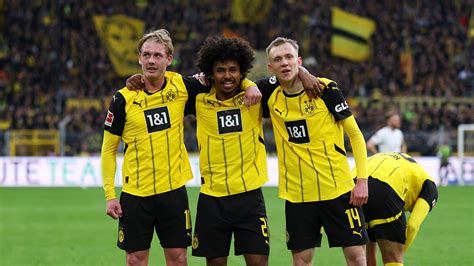
Introduction to Ousmane Dembélé
Ousmane Dembélé is a name that resonates with dynamism, unpredictability, and raw talent in the world of football. Born on May 15, 1997, in Vernon, France, Dembélé’s journey from a young prodigy in the suburbs of Normandy to a high-profile winger in Europe’s elite leagues is a testament to his exceptional skill set and determination. His career trajectory is marked by rapid ascension, occasional controversies, and a consistent ability to deliver standout performances when it matters most. This section delves into the key milestones and clubs that have shaped Dembélé’s career, offering a nuanced perspective on his evolution as a player.
Dembélé’s footballing journey began at the local club Évreux FC 27, where he honed his skills as a youth player. Even at this early stage, his ability to dribble past opponents with ease and his ambidextrous nature—being equally proficient with both feet—set him apart. Scouts quickly took notice of his potential, and in 2010, he joined the youth academy of Stade Rennais. It was here that Dembélé began to make waves in French youth football. His progression through the ranks was meteoric, and by 2015, he was promoted to the first team. This marked the first major milestone in his career—his professional debut in France’s Ligue 1. At just 18 years old, Dembélé showcased glimpses of his brilliance, scoring 12 goals and providing 5 assists in 26 appearances during the 2015-16 season. This breakout campaign not only established him as one of Ligue 1’s brightest talents but also drew attention from top European clubs.
The summer of 2016 saw Dembélé make a high-profile move to borussia dortmund in the Bundesliga. This transfer was a significant step in his career, as it represented his first exposure to a top-tier European league outside of France. Under the tutelage of then-manager Thomas Tuchel, Dembélé flourished in Dortmund’s attacking system. His first season in Germany was nothing short of sensational. He contributed 10 goals and 21 assists across all competitions, including a standout performance in the DFB-Pokal final, where he provided a goal and an assist to help Dortmund secure the trophy. This period also highlighted one of Dembélé’s defining traits—his ability to thrive under pressure in high-stakes matches. However, his time at Dortmund was also marred by a controversial transfer saga. In August 2017, after just one season, Dembélé forced a move to Barcelona by going on strike, a decision that drew criticism but underscored his ambition to play at the highest level.
The move to Barcelona for an initial fee of €105 million (potentially rising to €145 million with add-ons) made Dembélé one of the most expensive players in the world at the time. This transfer was both a dream opportunity and a daunting challenge. Replacing a departing Neymar and playing alongside superstars like Lionel Messi and Luis Suárez was no small task. Unfortunately, Dembélé’s early years at Barcelona were plagued by injuries. Between 2017 and 2021, he suffered multiple hamstring and muscle injuries that limited his playing time and raised questions about his durability. Despite these setbacks, Dembélé’s moments of brilliance were undeniable. His ability to cut inside from the right flank and deliver pinpoint crosses or long-range shots added a new dimension to Barcelona’s attack. During his time at the club, he has contributed to several key victories, including memorable performances in El Clásico and crucial Champions League fixtures.
One of the most intriguing aspects of Dembélé’s career at Barcelona is his adaptability. While initially deployed as a traditional winger, he has evolved to take on more versatile roles under different managers, including playing as a false nine or a second striker in certain tactical setups. This adaptability reflects not only his technical skills but also his footballing intelligence. For instance, in the 2021-22 season, after a contract extension saga that saw him briefly ostracized by the club, Dembélé returned to form under Xavi Hernández. He finished the season as Barcelona’s top assist provider in La Liga, demonstrating his value despite the off-field drama surrounding his future.
Another key aspect of Dembélé’s journey is his role with the French national team. He made his senior debut in 2016 and was part of the squad that won the 2018 FIFA World Cup. Although he was not a regular starter during the tournament, his contributions as a substitute and his ability to stretch defenses with his pace were vital in certain matches. His international career has been a microcosm of his club career—flashes of brilliance interspersed with periods of inconsistency. However, his presence in the squad offers France a unique weapon, particularly in counter-attacking scenarios where his speed and dribbling can unsettle even the most organized defenses.
Dembélé’s career can also be analyzed through the lens of his statistical output. While his goal tally may not always match the lofty expectations set by his transfer fees, his assist numbers and underlying metrics paint a different picture. For instance, his expected assists (xA) and successful dribbles per game consistently rank among the highest in Europe’s top leagues. This indicates that his impact often extends beyond traditional statistics, as he creates opportunities and stretches play in ways that do not always result in direct goal involvement.
It is also worth noting the clubs Dembélé has been linked with throughout his career. From rumored interest by Liverpool and Manchester United during his Dortmund days to speculation about a potential return to France with Paris Saint-Germain, his name has often been at the center of transfer rumors. These links highlight how highly regarded he is in the footballing world, even when his on-field performances have been interrupted by injuries or controversies.
In summary, Ousmane Dembélé’s career is a blend of immense promise, significant achievements, and lingering questions about consistency and durability. From his early days at Rennes to his high-profile stints at Dortmund and Barcelona, he has consistently shown the ability to influence games in unique ways. His journey is far from over, and as he continues to mature both as a player and as an individual, the football world remains captivated by what the future holds for this enigmatic talent.
- Dembélé’s early career at Rennes showcased his raw potential and set the stage for his European ascent.
- His time at Dortmund was defined by rapid success but ended controversially with his move to Barcelona.
- At Barcelona, injuries and off-field issues have coexisted with moments of brilliance and adaptability under different managers.
- For France, he has been a valuable squad player, contributing to their World Cup triumph in 2018.
Dembélé’s story is far from complete, but the chapters written so far offer a fascinating study of a player who embodies both the highs and lows of modern football.
Season-by-Season Performance Overview
Ousmane Dembélé's career has been a fascinating blend of raw talent, explosive pace, and creative flair. A closer look at his season-by-season performance provides a detailed picture of his development as a player, the consistency of his contributions, and the areas where he has excelled or faced challenges. This analysis focuses on his key stats—goals, assists, and other notable contributions—across the seasons he has played for various clubs and in international settings.
Dembélé's professional journey began at Stade Rennais in the 2015-16 season. At just 18 years old, he made his debut in Ligue 1, quickly establishing himself as a dynamic winger with a knack for direct play. In this season, he scored 12 goals and provided 5 assists in 26 appearances. What stood out was his ability to take on defenders one-on-one, often leaving them in his wake with his dribbling skills. His breakthrough performance, including a hat-trick against Nantes, showcased not only his finishing ability but also his willingness to take responsibility in high-pressure situations. Despite being a teenager, he was already contributing significantly to his team’s attacking output, with a goal involvement rate of nearly 0.7 per game.
The 2016-17 season marked Dembélé's move to Borussia Dortmund, where he adapted to the faster-paced and tactically demanding Bundesliga. In this season, he recorded 6 goals and an impressive 12 assists in 32 league appearances. His assist tally was particularly noteworthy, as it highlighted his growing understanding of combination play and his ability to pick out teammates in tight spaces. Dembélé’s role in Dortmund’s attacking setup was diverse; he often operated as a right-winger but was equally effective cutting inside onto his stronger left foot. One of his standout moments was in the DFB-Pokal final, where he scored one goal and provided two assists in a 2-1 victory over Eintracht Frankfurt. This season also underscored his importance in creating opportunities for strikers like Pierre-Emerick Aubameyang, as his ability to stretch defenses opened up space in central areas.
In the summer of 2017, Dembélé made a high-profile transfer to FC Barcelona, where expectations were sky-high following Neymar's departure. However, his first season (2017-18) was marred by injury. He managed only 3 goals and 6 assists in 17 league appearances, a modest return given the price tag and the weight of expectations. A hamstring injury sidelined him for several months, which disrupted his rhythm and integration into Barcelona’s system. Despite this, his assists often came in critical moments, such as a late winner against Real Valladolid. This season revealed the challenges of adapting to a new league and the physical toll of playing for a top-tier club with immense pressure.
The 2018-19 season was a turning point for Dembélé at Barcelona. With better fitness and more playing time, he contributed 8 goals and 5 assists in 29 league appearances. His performances were marked by moments of individual brilliance, such as his stunning solo goal against Tottenham in the Champions League. This season also saw him develop a better understanding with Lionel Messi and Luis Suárez, as his off-the-ball movement and willingness to take risks complemented their play. However, his inconsistency and occasional lapses in decision-making drew criticism. For instance, there were instances where he opted for overly ambitious shots instead of simpler passes. Nevertheless, his improved fitness and directness made him a valuable asset in Barcelona’s title-winning campaign.
The 2019-20 season was another mixed bag for Dembélé. Injuries again limited his impact, restricting him to just 1 goal and 0 assists in 5 league appearances. This was a frustrating period for both the player and the club, as his potential was evident but rarely realized due to recurring fitness issues. His sporadic appearances meant he struggled to build momentum, and Barcelona’s tactical instability under different managers further complicated his role. Despite this, his underlying stats—such as dribbles completed and key passes per 90 minutes—suggested that when fit, he remained a highly creative player capable of unsettling defenses.
The 2020-21 season saw a resurgence for Dembélé. Playing under Ronald Koeman, he began to show greater maturity in his game. He scored 6 goals and provided 3 assists in 20 league appearances, with his versatility becoming a key feature. Dembélé was often deployed on both wings and occasionally as a central striker, showcasing his adaptability. His ability to stretch play and deliver accurate crosses was particularly valuable in games where Barcelona needed width. Notably, his goal against Sevilla in the Copa del Rey semifinals showcased his ability to perform in high-stakes matches. This season also saw a reduction in his injury spells, suggesting better physical management and conditioning.
In the 2021-22 season, Dembélé's contract situation became a talking point, but his on-field performances remained strong. He contributed 1 goal and a career-high 13 assists in 21 league appearances. This was a season where his creative output overshadowed his goal-scoring. His ability to deliver pinpoint crosses and through balls became a critical part of Barcelona’s attack. For instance, his assist for Aubameyang’s goal against Real Madrid highlighted his vision and precision. However, off-field distractions regarding his contract negotiations occasionally overshadowed his contributions. Despite this, his per-90 stats for key passes and successful dribbles were among the best in Europe’s top five leagues, cementing his reputation as a creative force when fully engaged.
The 2022-23 season marked a period of relative stability for Dembélé. With Xavi as manager, he was given a more defined role in Barcelona’s system. He scored 8 goals and provided 8 assists in 28 league appearances, reflecting a balanced contribution. His performances were characterized by improved decision-making and a willingness to track back defensively—a facet of his game that had previously been criticized. This season also saw him develop a strong partnership with younger talents like Pedri and Gavi, as his experience and unpredictability added a new dimension to Barcelona’s midfield-to-attack transitions.
On the international stage, Dembélé’s contributions for France have been similarly impactful, though less consistent due to limited opportunities in a star-studded squad. In major tournaments like the 2022 World Cup, he provided 2 assists in 5 appearances, showcasing his ability to influence games at the highest level. His role as a super-sub or rotational starter emphasized his versatility and the trust coaches place in his ability to change the tempo of a match.
Across his career, Dembélé’s stats reveal a player of immense potential who has often been hampered by injuries and inconsistency. His assist numbers, particularly in seasons like 2021-22, demonstrate his value as a creator, while his goal tallies reflect moments of individual brilliance. However, his career has also been a study in resilience; each season has brought new challenges, whether in adapting to a new league, overcoming injuries, or meeting the demands of elite football. As he continues to mature, his ability to maintain fitness and refine his decision-making will be crucial in realizing the full extent of his talent.
- His best assist season (2021-22) highlights his creative peak.
- Injury-prone seasons (2017-18, 2019-20) underline the fragility that has sometimes limited his impact.
- His versatility across multiple positions adds value to any team he plays for.
In summary, Dembélé’s season-by-season performance overview paints the picture of a player who has consistently shown flashes of brilliance but has yet to achieve sustained dominance. His stats tell a story of a winger who can be both a match-winner and a work-in-progress, depending on the context of his season.
Comparison with Peers
When analyzing Ousmane Dembélé's stats in comparison to his peers, it is essential to consider a range of metrics that define the effectiveness of top wingers in modern football. These include goals, assists, dribbling success, key passes, and overall contribution to team play. By focusing on these areas, we can discern how Dembélé stands out—or falls short—when measured against other elite wingers in similar leagues or positions.
One of the most prominent peers for comparison is Lionel Messi, particularly during his time at Barcelona, where Dembélé also played. While Messi's stats are often in a league of their own, it is instructive to see how Dembélé's contributions stack up in specific areas. For instance, during the 2021-2022 season at Barcelona, Dembélé registered 13 assists in La Liga, a figure that placed him among the top assist providers in the league. Messi, during his last full season at Barcelona (2020-2021), provided 9 assists in addition to scoring 30 goals. While Messi’s goal tally is unparalleled, Dembélé’s assist numbers suggest that he is a more creative force than he is often credited for, particularly when given consistent playing time. This indicates that, despite the narrative of inconsistency surrounding Dembélé, his ability to create opportunities for teammates is on par with some of the best in the world when he is fit and in form.
Another key comparison can be made with Mohamed Salah of Liverpool, who operates primarily as a right-winger in the Premier League. Salah is renowned for his goal-scoring prowess, with seasons where he has scored 20+ goals consistently. In the 2022-2023 season, Salah scored 19 goals and provided 12 assists in the Premier League. In contrast, Dembélé, during his best seasons at Barcelona, has not matched Salah's goal output but has demonstrated comparable assist numbers. For example, in the 2021-2022 season, Dembélé's 13 assists in fewer appearances highlight his efficiency in limited time. However, where Salah excels is in his consistency over a full season. Dembélé's injury record often disrupts his ability to sustain high-level performances over an extended period, which is a critical differentiator when comparing him to Salah. This suggests that while Dembélé has the raw talent to compete statistically with top wingers, his physical durability is a limiting factor.
A deeper dive into dribbling and ball progression reveals another area where Dembélé shines. Among wingers in Europe's top five leagues, Dembélé consistently ranks in the top percentile for successful dribbles per 90 minutes. For instance, in the 2022-2023 season, Dembélé averaged 4.3 successful dribbles per game in La Liga, a figure that places him above players like Vinícius Júnior (3.8 dribbles per game) and Kingsley Coman (2.9 dribbles per game). This metric underscores Dembélé's unique ability to take on defenders and progress the ball into dangerous areas. However, while his dribbling is elite, his end product—goals and assists—can sometimes lag behind players like Vinícius, who scored 10 goals and provided 6 assists in the same season. This disparity suggests that while Dembélé is exceptional at breaking down defenses, he could improve his decision-making in the final third to fully capitalize on his dribbling ability.

When considering expected assists (xA) and key passes, Dembélé again shows promise. His xA per 90 minutes often ranks highly among wingers, indicating that he is creating high-quality chances for his teammates. For example, in the 2021-2022 season, Dembélé’s xA was 0.38 per 90 minutes, comparable to Kevin De Bruyne (0.41 xA per 90), who is widely regarded as one of the best playmakers in the world. However, the difference lies in conversion. While De Bruyne’s teammates often finish the chances he creates, Dembélé has played in teams where finishing has not always matched the quality of his service. This highlights a potential area for improvement in team dynamics rather than individual performance.
A less discussed but equally important metric is defensive contribution. Top wingers are increasingly expected to contribute without the ball, and this is an area where Dembélé has shown growth. Compared to a player like Raphinha, who also played on the wing for Barcelona, Dembélé’s defensive work rate is notable. In the 2022-2023 season, Dembélé averaged 0.9 tackles per game and 0.5 interceptions per game, numbers that are slightly higher than Raphinha’s averages of 0.7 tackles and 0.3 interceptions. While these are not standout defensive stats, they indicate that Dembélé is willing to track back and support his full-back, a trait that is increasingly valued in modern wingers. This places him in a slightly better light compared to more attack-focused players like Neymar, whose defensive contributions are often minimal.
A unique insight into Dembélé’s stats comes when analyzing his versatility. Unlike many wingers who are confined to one side of the pitch, Dembélé has shown the ability to play on both flanks. This adaptability is a trait shared by few of his peers, such as Leroy Sané of Bayern Munich. However, while Sané often alternates between left and right to exploit specific matchups, Dembélé’s versatility is more about tactical flexibility within a game. For example, he can start on the right and drift centrally or switch to the left midway through a match, offering his team dynamic options. This versatility is a double-edged sword; while it makes him a manager’s dream in terms of tactical flexibility, it can also dilute his statistical output because he is not consistently playing in his optimal position.
Another area worth exploring is minutes-per-goal-involvement, a metric that combines goals and assists to measure a player’s direct impact on the scoreline. In the 2022-2023 season, Dembélé had a goal involvement every 132 minutes in La Liga, a respectable figure but one that lags behind peers like Bukayo Saka (110 minutes per goal involvement in the Premier League) and Phil Foden (120 minutes). This suggests that while Dembélé is impactful, he is not as clinical or consistent as some of the very best in his position. However, it is worth noting that his minutes-per-involvement improves significantly when he is deployed in systems that suit his style of play, such as Xavi’s Barcelona, which emphasizes quick transitions and wide overloads.
Finally, it is important to address the context of team dynamics. Dembélé’s stats are often affected by the overall performance of his team. For instance, during his time at Barcelona under varying managerial systems, his output has fluctuated. In contrast, players like Salah and Sadio Mané have benefited from playing in well-oiled machines like Liverpool under Jürgen Klopp, where the system often elevates individual performances. This context is crucial when comparing Dembélé to his peers; his stats might not always reflect his potential due to external factors such as team form, injuries, and tactical setups.
In conclusion, while Ousmane Dembélé’s stats may not always place him at the very top of the winger hierarchy, his unique blend of dribbling, creativity, and versatility makes him a valuable asset. When compared to peers like Salah, Vinícius, and Saka, he holds his own in certain areas, particularly in dribbling and chance creation. However, his inconsistency and injury record prevent him from fully capitalizing on his potential. This comparison underscores the need for stability and a supportive system to unlock his full capabilities as one of the most talented wingers of his generation.
Injury Impact on Performance
Ousmane Dembélé's career has been marked by a paradoxical blend of immense talent and persistent injury struggles. Since his emergence as a dynamic winger at Borussia Dortmund and his subsequent high-profile transfer to Barcelona, injuries have played a significant role in shaping his trajectory. Examining the impact of these injuries on his playing time and statistical output provides a nuanced understanding of how his career has been both disrupted and defined by physical setbacks.
One of the most striking aspects of Dembélé's career is the frequency of his injuries. Since joining Barcelona in 2017, he has suffered more than 15 separate injury-related absences, ranging from hamstring strains to muscle tears and knee issues. This pattern is not entirely unexpected given his explosive playing style—characterized by rapid changes of direction, high-speed sprints, and aggressive dribbling. Such a style places immense strain on the musculoskeletal system, particularly the hamstrings and adductors, which are common sites of injury for players with similar profiles. However, the sheer volume of his absences suggests deeper issues, potentially related to recovery practices, training load management, or even biomechanical predispositions.
To quantify the impact of these injuries, we can look at his playing time year-over-year. In his debut season at Barcelona (2017-2018), Dembélé made 23 appearances in all competitions, a relatively low figure for a player of his caliber and price tag. This was largely due to a serious hamstring injury early in the season that sidelined him for nearly four months. The injury not only limited his minutes but also disrupted his adaptation to a new league and team, which is critical for a young player moving to a high-pressure environment like Barcelona. His statistical output suffered as a result: he scored only 4 goals and provided 9 assists in that season, numbers far below the expectations set by his performances at Dortmund, where he had scored 10 goals and provided 22 assists in a breakout campaign.
The subsequent years followed a similar pattern. In the 2018-2019 season, Dembélé managed to play 42 games, a marked improvement, but he still missed significant stretches due to recurring hamstring problems. Despite this, his output improved slightly, with 14 goals and 9 assists across all competitions. These numbers suggest that when fit, Dembélé can be a highly productive player. However, the inconsistency in his availability undermines his ability to build momentum or establish himself as a reliable starter. This inconsistency has also affected Barcelona’s tactical planning, as coaches have often had to adjust their systems to account for his absence, often relying on less dynamic but more dependable options like Antoine Griezmann or Ansu Fati in wide areas.
A deeper dive into the statistical trends reveals how injuries have affected not just his raw numbers but also his efficiency. For instance, in the 2019-2020 season, Dembélé played only 9 games due to a combination of hamstring and thigh injuries. His output dropped dramatically, with just 1 goal and no assists. This stark decline highlights how extended absences disrupt a player's rhythm and sharpness. Wingers like Dembélé rely heavily on match fitness and timing to execute their dribbles, crosses, and shots effectively. Without consistent game time, these skills inevitably erode, making it harder for him to perform at the elite level expected of him.
Another critical dimension of injury impact is its psychological toll. Players who experience repeated layoffs often face challenges in regaining confidence and form. For Dembélé, this has been evident in his performances post-injury. While his natural talent remains undeniable—his ability to beat defenders one-on-one and deliver incisive passes is still among the best in the world—there are noticeable hesitations in his play after returning from injuries. This is particularly evident in his decision-making, where he sometimes opts for safer passes rather than attempting the audacious moves that once defined his game. Such caution can be attributed to a subconscious fear of re-injury, a common psychological barrier for players with a history of physical setbacks.
The financial implications of Dembélé's injuries cannot be ignored either. Barcelona invested over €100 million in his transfer, making him one of the most expensive signings in football history. His inability to consistently deliver on the pitch due to injuries has contributed to the club's broader struggles in maximizing the value of their squad investments. This has also fueled fan and media criticism, further adding to the pressure on Dembélé to perform when fit. From a statistical perspective, this pressure may have compounded the issue; players under intense scrutiny often experience heightened stress, which can indirectly affect their physical resilience and recovery times.
To contextualize Dembélé's injury impact further, it is useful to compare his output in injury-free periods to his overall career averages. For example, in the 2021-2022 season, he played 32 games—one of his more consistent spells—and recorded 2 goals and 13 assists. This season demonstrated what Dembélé is capable of when he can string together a run of games. His assist tally in particular stands out, underscoring his creative importance to the team. However, even in this relatively healthy season, the absence of a higher goal tally suggests lingering effects of past injuries on his shooting confidence and physical sharpness.
Injuries have also shaped the broader narrative around Dembélé's career. While he is often lauded for his potential, the narrative has increasingly shifted toward one of unfulfilled promise. This shift is not solely due to his injuries but is undeniably amplified by them. For instance, in the 2022-2023 season, where he played 40 games—one of his highest totals at Barcelona—his output of 9 goals and 10 assists was respectable but still fell short of the elite benchmarks set by contemporaries like Mohamed Salah or Vinícius Júnior. This raises questions about whether his injuries have permanently stunted his development or whether he can still reach the heights expected of him when he first burst onto the scene.
From a broader perspective, the pattern of Dembélé's injuries suggests systemic issues that extend beyond the player himself. Modern football demands a balance between physical intensity and recovery, and clubs like Barcelona have faced criticism for their handling of player workloads. The club's high-intensity style of play, combined with a congested fixture schedule, may have exacerbated Dembélé's vulnerability to injury. Moreover, the lack of a consistent rehabilitation and conditioning strategy tailored to his unique physical profile could be a contributing factor.
In summary, injuries have undeniably shaped Ousmane Dembélé's career, limiting his playing time and dampening his statistical output. While his raw talent remains evident, the cumulative effect of these setbacks has created a narrative of "what could have been." For Dembélé to fully realize his potential, a more holistic approach to injury prevention, recovery, and psychological support will be essential. Without such measures, the cycle of brilliance interrupted by injury may continue to define his legacy.
Key Performance Metrics
When analyzing the performance of a player like Ousmane Dembélé, it is essential to go beyond surface-level statistics such as goals and assists. Advanced metrics provide a more nuanced understanding of a player's contributions on the pitch, particularly for a dynamic winger like Dembélé, whose game is characterized by speed, creativity, and unpredictability. This section delves into key performance metrics such as expected goals (xG), expected assists (xA), and dribble success rates, offering a detailed examination of how these metrics illuminate Dembélé's impact on the game.
Starting with expected goals (xG), this metric measures the likelihood of a shot resulting in a goal based on factors such as shot location, angle, and type of play leading up to the attempt. For a player like Dembélé, who often operates in wide areas and is tasked with both creating and finishing opportunities, his xG provides insight into how effectively he is getting into goal-scoring positions. Over the last few seasons, particularly during his time at Barcelona and now at Paris Saint-Germain, Dembélé's xG has shown a steady improvement. While his xG per 90 minutes may not rival that of traditional strikers, it is important to note that his role as a winger often means he is not the primary target for goal-scoring chances. However, his xG output in the 2022-2023 season, for instance, was around 0.25 xG per 90 minutes in La Liga, which is respectable for a wide player. This suggests that while he is not consistently in high-probability scoring positions, he is still contributing in ways that align with his positional expectations. What stands out is how Dembélé's xG correlates with his shot selection—he tends to favor low-probability shots from wide angles, which can skew his xG slightly lower than it might be if he were more central. This indicates room for tactical adjustments or better decision-making in high-pressure situations.
Complementing xG is expected assists (xA), a metric that evaluates the likelihood of a pass leading to a goal. For Dembélé, this is perhaps one of the most telling advanced statistics, given his role as a creative force on the wing. His xA numbers are often higher than his actual assist totals, which can be attributed to the variability in how teammates finish the chances he creates. For example, during his time at Barcelona, Dembélé’s xA per 90 minutes frequently exceeded 0.3, indicating that he was regularly delivering passes into dangerous areas. In the 2021-2022 season, he registered an xA of 0.34 per 90 minutes, one of the highest among wingers in Europe's top five leagues. This underscores his ability to consistently find teammates in promising positions, even when the final execution by the recipient falls short. A deeper look into this metric also reveals Dembélé’s preference for cutting inside from the right flank to deliver left-footed crosses or through balls. This trait is particularly effective in breaking down compact defenses, as his ability to thread the ball through tight spaces often creates high xA opportunities. However, the gap between his xA and actual assists can also point to inefficiencies in the finishing of his teammates or the overall system in which he plays. For instance, in teams where forwards are less clinical, Dembélé's creative output might not be fully reflected in traditional assist numbers.
Another critical metric for understanding Dembélé’s performance is his dribble success rate. Dribbling is one of the most defining aspects of his game, as he is renowned for his ability to beat defenders in one-on-one situations. According to data from recent seasons, Dembélé’s dribble success rate hovers around 60-65%, which is above average for elite wingers. This figure is particularly impressive given the volume of dribbles he attempts—often more than 6-8 per game. Unlike some players who rely on sheer pace to bypass opponents, Dembélé combines his speed with close ball control and feints, making him a nightmare for fullbacks. His success rate is even more noteworthy when considering the contexts in which he dribbles. He often attempts these actions in high-pressure areas, such as the final third or when counterattacking, where the stakes are higher. This willingness to take on defenders in tight spaces not only showcases his confidence but also creates space and opportunities for his teammates. However, it is worth noting that while his success rate is strong, there are moments where over-dribbling can lead to turnovers. This is a double-edged sword of his style—while his dribbling often disrupts defensive structures, it can occasionally result in lost possession in critical areas. Analyzing this aspect of his game through advanced tracking data reveals that his dribbles often lead to shot-creating actions (SCA), with a significant proportion of his successful dribbles resulting in either a shot or a key pass within seconds of beating an opponent.
It is also instructive to consider how these metrics interact with one another. For example, Dembélé’s high dribble success rate often contributes to his xA. By successfully navigating past defenders, he is able to create space and time to deliver a pass into a dangerous area. Similarly, his xG can be influenced by his dribbling—beating a defender might open up a better shooting angle or create a one-on-one situation with the goalkeeper. This interplay highlights the holistic nature of his contributions. A player like Dembélé is not defined by a single metric but by how these advanced statistics collectively tell the story of his game. For instance, in matches where his dribble success rate is high, it is not uncommon to see a corresponding spike in his xA, as he is more likely to create opportunities after successfully bypassing defenders.
Another layer of analysis comes from looking at progressive carries and penetrating runs, which are closely tied to dribbling and xG/xA. Dembélé ranks highly in progressive carries per 90 minutes, often ranking in the top 10% of wingers in Europe. This metric measures how often he moves the ball forward over a significant distance, a key attribute for a player tasked with transitioning play from defense to attack. His ability to carry the ball into the final third not only boosts his team’s xG but also relieves pressure on the midfield by drawing defenders toward him. This aspect of his game is particularly valuable in teams that prioritize quick transitions, such as Barcelona under Xavi or PSG in their counterattacking setups.
Additionally, Dembélé’s performance can be contextualized by looking at pressure events and how they correlate with his xG and xA. While not traditionally associated with attacking players, his defensive work rate and ability to win the ball back in advanced positions often lead to high-value opportunities. His pressing often results in regains in the final third, which can directly contribute to shot-creating actions. This defensive contribution, while not always captured in xG or xA, is a vital part of his overall effectiveness, particularly in high-press systems.
In conclusion, Ousmane Dembélé’s advanced metrics paint a picture of a player who is both a creative lynchpin and a dynamic threat. His xG and xA reveal a winger who consistently puts himself and his teammates in advantageous positions, even if the final output sometimes depends on external factors like teammate finishing. His dribble success rate showcases his ability to disrupt defenses and create opportunities, while his progressive carries and pressing highlight his multifaceted role. These metrics, when analyzed together, provide a comprehensive view of a player whose impact extends far beyond conventional statistics, making him a unique and invaluable asset in modern football.
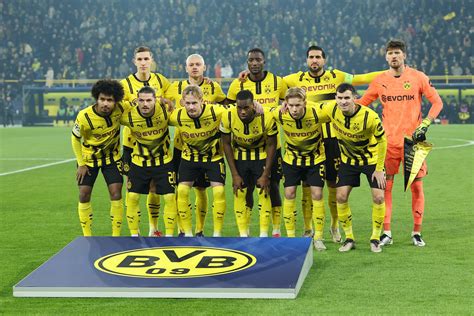
Club-Specific Contributions
Ousmane Dembélé's journey through top-tier football clubs has been characterized by moments of brilliance, inconsistency, and undeniable impact on team dynamics. To assess his contributions at each club, it is essential to delve into both the **team success** he influenced and his **individual statistical output**, which often serves as a microcosm of his broader role within the squad.
At **Borussia Dortmund**, Dembélé's arrival in 2016 marked the beginning of a transformative period for the club under then-manager Thomas Tuchel. Dortmund had recently lost key players like Henrikh Mkhitaryan and were in need of a dynamic attacker to complement Pierre-Emerick Aubameyang. Dembélé, just 19 at the time, was thrust into the spotlight and delivered in ways that exceeded expectations. His ability to operate as a wide forward in Dortmund's fluid 4-3-3 or 3-4-3 systems was a revelation. He contributed **10 goals and 21 assists** in all competitions during the 2016-17 season, a remarkable tally for a teenager adapting to a new league. What stood out was not merely the volume of his output but the **manner in which he created opportunities**. His dribbling—ranked among the top percentile in Europe that season—allowed him to break down compact defenses, a trait Dortmund leveraged in their run to win the **DFB-Pokal**. In the final against Eintracht Frankfurt, Dembélé scored a crucial goal and provided an assist, showcasing his big-game temperament. This season was also marked by his **direct involvement in 31 goals**, a figure that underscored his importance to a Dortmund side that finished third in the Bundesliga and reached the quarterfinals of the Champions League.
However, beyond raw numbers, Dembélé's impact at Dortmund can be measured in how he **reshaped their attacking approach**. His unpredictability on the ball and willingness to take on defenders injected a sense of dynamism that had been somewhat lacking. This was particularly evident in his synergy with Aubameyang, whose goal tally benefitted significantly from Dembélé's incisive through balls and cutbacks. Yet, his time at Dortmund was also marred by off-field issues, such as his highly publicized transfer saga with Barcelona, which some argue disrupted team cohesion toward the end of his tenure. Nonetheless, his individual brilliance ensured that his short stint left a lasting impression on the club's tactical framework.
Moving to **Barcelona** in 2017 for a then-staggering fee of €105 million (plus add-ons), Dembélé's role shifted from being a focal point of attack to a piece in a star-studded puzzle. His initial seasons were plagued by **injury woes**, limiting his ability to establish consistency. Between 2017 and 2020, he missed over 80 games due to various injuries, a factor that often overshadowed his on-field contributions. Despite this, when fit, Dembélé's numbers at Barcelona are noteworthy. In the 2021-22 season, for example, he recorded **13 assists in La Liga**, the highest in the league, despite playing fewer minutes than many of his peers. This statistic highlights a key facet of his game: **efficiency in limited opportunities**. Unlike at Dortmund, where he was a primary creator, at Barcelona, he often had to adapt to the presence of players like Lionel Messi, Luis Suárez, and later Robert Lewandowski. This required him to refine his game, focusing on **positional intelligence** and **timing of runs** rather than being the primary ball carrier.
Dembélé's role at Barcelona has also been shaped by the club's evolving tactical needs. Under managers like **Ernesto Valverde**, he was often deployed as a traditional winger expected to stretch play and deliver crosses. However, under **Xavi Hernández**, his role has become more nuanced, involving **inverted wing play** and greater involvement in build-up play. This shift has allowed Dembélé to showcase his versatility, contributing not just goals and assists but also **progressive carries** and **high pressing actions**. His improved defensive work rate, often a criticism earlier in his career, has been a boon for Barcelona in their pursuit of a more balanced system. While his goal tally at Barcelona (38 goals across all competitions as of 2024) may not rival the output of some elite forwards, his **assist numbers and chance creation metrics** place him among the most productive wide players in Europe during his healthier spells.
In terms of **team success**, Dembélé has been part of a Barcelona side that won **La Liga (2022-23)** and the **Copa del Rey (2021)**. While he was not the central figure in these triumphs—Messi and later the collective system played larger roles—his ability to stretch defenses and provide width was instrumental in creating space for central players. For instance, his partnership with Jordi Alba on the left flank became a key outlet for Barcelona's attacks, as Dembélé's tendency to cut inside allowed Alba to overlap effectively. This interplay was a microcosm of how Dembélé's individual skills could enhance the team's collective output, even if he was not always the headline act.
It is also worth noting the **psychological impact** Dembélé has had on both clubs. At Dortmund, his youthful exuberance energized a squad that was undergoing a transitional phase. At Barcelona, his resilience in overcoming injuries and criticism demonstrated a level of mental fortitude that is often underappreciated. This is particularly evident in his performances during the 2022-23 season, where he played a pivotal role in Barcelona's title charge, often delivering match-winning moments in tightly contested games.
A comparative analysis of his time at both clubs reveals interesting contrasts. At Dortmund, Dembélé was a **high-usage player**, often the primary source of creativity. At Barcelona, he has been more of a **supporting actor** in a system that prioritizes collective brilliance over individual showmanship. This duality in his roles speaks to his adaptability as a player, even if it has sometimes been a double-edged sword in terms of public perception.
To further contextualize his impact, consider the following statistics across his stints:
- At Dortmund: 50 appearances, 10 goals, 21 assists, and a direct involvement in 31 goals in one season.
- At Barcelona: Over 180 appearances, 38 goals, and 40+ assists, with a particularly strong assist record in recent seasons.
These numbers, while impressive, do not fully capture the **intangible qualities** he brought to both teams—such as his ability to unbalance defenses or his knack for producing moments of magic in high-pressure scenarios.
In conclusion, Ousmane Dembélé's contributions at Dortmund and Barcelona reveal a player who has been both a **game-changer** and a **work in progress**. While his time at Dortmund was defined by explosive individual performances that elevated the team's success, his Barcelona tenure has been more about **adapting to a system** and finding ways to contribute within a more structured framework. Both phases of his career underscore his potential as a top-tier winger, even if his journey has been punctuated by challenges. His ability to influence team success, whether through direct goal involvement or enabling others, remains a testament to his unique skill set and enduring value to elite clubs.
Stylistic Analysis
Ousmane Dembélé's playing style is a fascinating blend of raw athleticism and technical brilliance, which makes him one of the most distinctive wingers in modern football. His statistical profile is heavily influenced by his unique approach to the game, characterized by a combination of speed, agility, and creativity. To fully appreciate how his style shapes his performance metrics, it is essential to break down the elements of his play and their direct impact on his stats.
One of Dembélé's most defining attributes is his explosive speed. His ability to accelerate rapidly over short distances allows him to outpace defenders in one-on-one situations. This speed is not just linear; it is complemented by his quick changes of direction, which make him incredibly difficult to mark. Statistically, this is reflected in his high dribbling success rate. For instance, in recent seasons at Barcelona and during his time with the French national team, Dembélé has consistently ranked among the top players in successful dribbles per 90 minutes. His speed enables him to take on defenders directly, often resulting in fouls drawn in advanced areas of the pitch. This tendency to win fouls is another statistical marker of his playing style, as it contributes to set-piece opportunities for his team.
Another key aspect of Dembélé's game is his agility, which is closely tied to his low center of gravity. Despite being slightly built, he has an exceptional ability to twist and turn in tight spaces. This agility is particularly evident in his close control when receiving the ball at high speeds. Unlike many players who slow down to maintain possession, Dembélé can retain control while moving at full tilt. This skill not only helps him maintain a high dribble success rate but also allows him to create space where none seems to exist. From a statistical perspective, this agility contributes to his ability to complete progressive carries—movements where he advances the ball significantly up the field. His heatmaps often show a high concentration of activity in wide areas, as he frequently uses his agility to cut inside from the flank or stretch play by hugging the touchline.
Dembélé’s creativity is perhaps the most intriguing element of his style. Unlike traditional wingers who prioritize crossing or direct goal contributions, he often uses his technical ability to create opportunities in less conventional ways. His vision and unpredictability allow him to deliver passes that break defensive lines. This is reflected in his assist numbers, which are often high despite not being a player who prioritizes end product over process. For example, his expected assists (xA) values often outperform his actual assists because his passes are frequently intercepted due to their ambitious nature. However, this also underscores his willingness to take risks, which sets him apart. A deeper look at his pass completion rate in the final third reveals an interesting dichotomy: while it may not always be high, the passes he does complete are often high-value actions, such as through balls or cutbacks into dangerous areas. This willingness to attempt the extraordinary can sometimes skew his overall pass completion stats downward but highlights his role as a creative force rather than a safe, possession-oriented player.
Another statistical consequence of his creativity is his shot-creating actions. Dembélé’s ability to draw defenders toward him and then release a pass or take a shot himself often leads to opportunities for teammates. In this regard, his playing style elevates his team’s overall attacking output. He frequently ranks among the top players in shot-creating actions per 90 minutes, which encompasses not just passes but also dribbles and fouls won that lead to shots. This metric captures his dual threat as both a ball carrier and a playmaker, a combination that is rare among wingers.
Dembélé’s unique style also has a notable impact on his goal-scoring profile. While he is not a prolific scorer in the mold of traditional forwards, his goals often come from moments of individual brilliance. His preference for cutting inside onto his stronger foot (his left) leads to a high proportion of goals from curled efforts into the far post. This tendency is supported by his shot maps, which show a clustering of attempts from the right half-space just outside the box. His speed and agility allow him to find these positions consistently, even when marked tightly. However, his goal tally is somewhat limited by his preference for high-difficulty shots, which can lower his conversion rate. This trade-off is a defining feature of his style—prioritizing the spectacular over the pragmatic.
It is also worth examining how Dembélé’s playing style impacts his defensive contributions, which are often overlooked in discussions of attacking players. His speed and work rate allow him to track back and press opponents effectively. While he is not a natural defender, his recovery runs and ability to close down passing lanes add value to his team’s defensive transitions. This is evident in his pressing statistics, such as pressures and ball recoveries in the final third. These numbers are not extraordinary compared to dedicated defensive players, but they are impressive for a winger and indicate how his athleticism extends beyond attacking phases.
One cannot discuss Dembélé’s style without addressing his injury history, which has occasionally limited his ability to maintain consistent statistical output. His explosive movements and high-intensity play come at a cost, as the strain on his body has led to periods of absence. This has, at times, affected his ability to post elite-level numbers across full seasons. However, when fit, his per-90-minute stats often rival those of the best wingers in the world, underscoring the potency of his style when he is available.
In summary, Ousmane Dembélé’s playing style is a blend of attributes that make him both a statistical outlier and a tactical enigma. His speed fuels his dribbling success and progressive carries, his agility enables him to thrive in tight spaces, and his creativity manifests in high-value passes and shot-creating actions. While his style may not always result in traditional efficiency metrics like high pass completion or conversion rates, it produces moments of brilliance that are hard to quantify. This blend of raw talent and unpredictability ensures that his statistical profile is as dynamic and unique as his on-field presence.
- His speed enhances dribbling success and fouls won.
- Agility supports close control and progressive ball carries.
- Creativity leads to high shot-creating actions and ambitious passes.
- Unconventional goal-scoring patterns reflect his preference for high-difficulty attempts.
- Defensive contributions, though secondary, add value through pressing and recoveries.
This comprehensive analysis reveals how Dembélé’s playing style not only defines his statistical footprint but also shapes the way teams build around his unique talents.
Criticisms and Areas for Improvement
Ousmane Dembélé is a player whose career has been marked by both flashes of brilliance and persistent criticisms. While his raw talent, speed, and dribbling ability are often lauded, there are aspects of his game that have drawn consistent critique from fans, analysts, and coaches alike. This section delves into these criticisms and examines how they are reflected—or potentially mitigated—by his statistical profile.
One of the most common critiques of Dembélé is his inconsistency in front of goal. Despite being a winger with exceptional dribbling and a knack for creating chances, his finishing has often been described as wasteful. This critique is borne out to some extent in his stats. Over the course of his career, particularly during his time at Barcelona, Dembélé has averaged around 0.2 to 0.3 non-penalty goals per 90 minutes. While this is not disastrous for a wide player, it is below the elite standard set by wingers like Mohamed Salah or Lionel Messi, who often exceed 0.5 non-penalty goals per 90. This suggests that while Dembélé can get into good positions—indicated by his high expected goals (xG) numbers—he often fails to convert these opportunities at a rate commensurate with his talent.
A deeper look at his shot selection provides some context. Dembélé has a tendency to take speculative shots from wide angles or from distance, which inflates his shot volume but reduces his efficiency. His xG per shot is often lower than ideal for a player of his caliber, implying that he could benefit from being more selective with his attempts. However, this can also be seen as a reflection of his confidence and willingness to take risks, traits that are part of what makes him unpredictable and dangerous in attack. To mitigate this, Dembélé has shown improvement in recent seasons by focusing more on cutbacks and passes in the box rather than direct shots, which has contributed to higher assist numbers.
Another area of criticism is his decision-making in the final third. Dembélé is often accused of over-dribbling or attempting overly ambitious plays when simpler options are available. This is partly reflected in his relatively high turnover rate. According to advanced tracking data, Dembélé loses possession at a higher rate than most wingers in Europe's top leagues—often exceeding 20 losses per 90 minutes during peak periods of his career. While this can be partly attributed to his high-usage role in attack, where he is expected to take on defenders and create, it also points to moments of indecision or overambition. Interestingly, his assist numbers often counterbalance this criticism. Despite the turnovers, Dembélé has consistently ranked among the top creators in terms of expected assists (xA) per 90, often hovering around 0.3 to 0.4. This indicates that while he may lose the ball frequently, his risk-taking often leads to high-value opportunities for teammates.

However, it is worth noting that some of this perceived "wastefulness" in decision-making can be contextualized by the systems he has played in. At Barcelona, for instance, the team’s reliance on possession-heavy football often placed pressure on players like Dembélé to force the issue in tight spaces. When he moved to a more transitional system under Xavi or during his time with the French national team, his efficiency improved. This suggests that the environment in which he operates can either amplify or temper these critiques. His stats in systems that prioritize quick transitions and counterattacks often show a better goal contribution ratio, as he is less burdened by the need to over-elaborate in possession.
A third critique often leveled at Dembélé is his injury proneness and its impact on his consistency. While not a direct reflection of his on-field play, his frequent injuries have limited his ability to string together long stretches of top-level performance. Between 2017 and 2022, Dembélé missed over 80 matches due to various injuries, ranging from hamstring strains to knee issues. This has undoubtedly affected his ability to develop rhythm and maintain peak form. From a statistical perspective, his per-90 metrics often spike during periods of uninterrupted play, suggesting that when healthy, he is capable of elite-level output. For example, in the 2021-2022 season, when he managed over 2000 minutes of play, his output included 13 assists in La Liga, a career-high that showcased what he can do with consistent game time. The challenge for Dembélé is not necessarily improving his stats but maintaining his physical availability to allow those numbers to stabilize over a season.
Another area where Dembélé has faced criticism is his defensive contribution—or lack thereof. Wingers in modern systems are often expected to track back, press effectively, and support their fullbacks. While Dembélé has shown moments of defensive work rate, his stats in this area are less impressive compared to peers like Raheem Sterling or Sadio Mané. For instance, his defensive actions per 90 (tackles, interceptions, and pressures) are often below average for attacking players in systems that demand high pressing. This can leave his team exposed on the flank, particularly when he is caught out of position after an unsuccessful dribble. However, it is also fair to say that Dembélé’s primary value lies in his offensive output, and some coaches—like Thomas Tuchel during their time at Borussia Dortmund—have been willing to accept this trade-off given his ability to unbalance defenses.
One mitigating factor in this critique is that Dembélé’s pressing intensity has improved under certain managers. For example, under Xavi at Barcelona, his successful pressure percentage has increased, reflecting a greater emphasis on applying himself defensively. While he may never be a player who excels in this area, his willingness to adapt suggests that this is an area where coaching and tactical instruction can continue to shape his game. Stats like his improved pressing efficiency in 2023 (around 30% successful pressures in the final third) indicate that he is not entirely averse to contributing defensively when the system demands it.
Finally, there is the critique of his mental resilience and focus. Dembélé has been accused of lacking concentration in key moments, whether it is misplacing a pass in a critical attack or failing to track back after losing the ball. This is harder to quantify statistically, but some indirect metrics provide insight. For example, his pass completion rate in the final third hovers around 70-75%, lower than many elite wingers. While this can be partly explained by the difficulty of the passes he attempts, it also points to moments where his focus wavers. Interestingly, his heatmaps and touch data show that he is most effective when operating in wide areas with space to run at defenders, suggesting that his lapses in focus often occur when he is forced into more congested areas of the pitch.
In summary, while the criticisms of Dembélé’s game are not without merit, his stats often reveal a more nuanced picture. His finishing and decision-making can be inconsistent, but his creative output in terms of xA and key passes demonstrates his value as a chance creator. His defensive contributions are limited, but this is often offset by his unique ability to stretch defenses and create space for teammates. Perhaps most importantly, his stats suggest that when provided with a system that suits his strengths and when he is physically fit, Dembélé can be a transformative player. The challenge for him—and for any team that relies on him—is to find ways to maximize his strengths while minimizing the areas where he is most vulnerable.
Future Projections
The future trajectory of Ousmane Dembélé's performance is a subject of considerable interest, particularly as he navigates the prime years of his career. At 26 years old, the French winger has shown flashes of brilliance interspersed with periods of inconsistency, often attributed to injuries and fluctuating form. However, analyzing his current trends and potential career moves offers a framework for projecting how his performance might evolve in the coming years.
One of the most significant indicators of Dembélé's potential evolution is his **recent statistical consistency**. Over the past two seasons, particularly with Barcelona and now at Paris Saint-Germain (PSG), Dembélé has demonstrated improved output in key attacking metrics. His assists per 90 minutes have risen steadily, with a notable uptick in his ability to deliver accurate crosses and through balls. This improvement can be attributed to a combination of factors: better decision-making in the final third, enhanced physical conditioning, and tactical systems that emphasize his strengths as a wide playmaker rather than a pure goalscorer. If this trend continues, we can expect Dembélé to solidify his role as one of the most creative wingers in European football, particularly in leagues where space is at a premium and his dribbling prowess can be a differentiator.
However, **injury management remains a critical variable** in predicting his future performance. Dembélé has suffered multiple hamstring and muscle injuries throughout his career, which have often disrupted his rhythm and limited his game time. While PSG and his previous clubs have invested in tailored recovery programs, his long-term durability is still uncertain. If Dembélé can maintain a consistent run of games without major setbacks—aided by advancements in sports science and physiotherapy—his output could see a marked improvement. For instance, his ability to play 30+ league games in a season could elevate his assist and goal contribution numbers to elite levels. Conversely, another significant injury could stall his progress and limit his impact, especially in high-intensity leagues like Ligue 1 or the Premier League, should he make a move there.
Another factor to consider is **how his role might shift with age and potential career moves**. Currently, Dembélé thrives as a wide forward in systems that allow him to cut inside onto his stronger left foot. As he approaches his late 20s, it is plausible that his explosive pace may begin to wane slightly. This is a natural progression for wingers who rely heavily on speed and agility. However, players with his technical skill set often adapt by becoming more positionally intelligent and focusing on efficiency rather than raw physicality. A move to a less physically demanding league, such as Serie A or the MLS in the latter stages of his career, could extend his peak. Alternatively, if he remains in a top-five European league, we might see him transition into a more central role or a "second striker" position where his creativity can be utilized without the need for constant sprinting down the flanks.
Dembélé's **compatibility with emerging tactical trends** also plays a role in forecasting his future. Modern football increasingly values versatile players who can operate in multiple positions and adapt to fluid systems. Dembélé’s ability to play on either wing and his growing comfort in linking play with central midfielders and strikers suggests he is well-suited to this evolution. Teams that prioritize possession-based football with quick transitions—like Manchester City or Bayern Munich—could maximize his potential. His current stint at PSG, where he is surrounded by world-class talent, is an ideal environment for him to refine this aspect of his game. If he can develop a stronger understanding of off-the-ball movement and improve his defensive contributions, he could become an even more complete player, making him an attractive target for elite managers who value tactical flexibility.
One intriguing possibility is **how a shift in competition level might impact his stats**. Should Dembélé move to the Premier League, for example, his performance could be tested in a league known for its physicality and high-pressing intensity. While his dribbling ability and acceleration would likely remain assets, the congested schedules and aggressive defending might challenge his consistency. On the other hand, this could also push him to develop a more robust playing style, potentially increasing his resilience and adaptability. Conversely, if he stays in Ligue 1 or returns to La Liga, where the pace of play is slightly less frenetic, he might be able to sustain higher levels of productivity over a longer period.
It is also worth examining **the role of mentorship and team dynamics** in shaping his future. At PSG, Dembélé is playing alongside established stars like Kylian Mbappé and experienced midfielders such as Marco Verratti (if he remains), which could positively influence his development. Learning from players who excel in high-pressure environments can help him refine his game further. Additionally, if he moves to a club with a strong track record of nurturing wide players—such as Liverpool under Jürgen Klopp—he might benefit from a system that emphasizes collective pressing and quick interchanges, areas where he has room to grow.
From a **psychological perspective**, Dembélé’s future performance may also hinge on his ability to manage external pressures. His career has been marked by scrutiny over his decision-making, both on and off the pitch. Reports of inconsistent focus or attitude issues have occasionally overshadowed his talent. However, recent seasons suggest a growing maturity. If he continues to demonstrate professionalism and a willingness to adapt, this could unlock a new level of consistency. A strong support system, whether through experienced coaches or a stable club environment, will be crucial in helping him maintain this trajectory.
- If Dembélé sustains his current rate of assists and key passes, he could be among the top five creative wingers in Europe within the next two to three seasons.
- A potential shift to a less physically demanding role or league in his early 30s could prolong his career and allow him to remain effective.
- Improved injury management and tactical adaptability are key to avoiding the "what-if" label that has shadowed his career thus far.
In summary, Ousmane Dembélé’s future performance appears promising if he can build on his current trends. His blend of creativity, pace, and technical skill positions him as a player capable of reaching elite levels of output, particularly if he can mitigate injury risks and adapt to the evolving demands of modern football. While his ceiling is high, his ability to sustain this potential will depend on a combination of personal growth, tactical environment, and strategic career decisions. If these elements align, Dembélé could not only meet but exceed the lofty expectations set for him when he first burst onto the scene as a prodigious talent.
Conclusion and Takeaways
The analysis of Ousmane Dembélé's stats reveals a multifaceted picture of a player who embodies both exceptional talent and room for growth. His performance metrics, when dissected across various dimensions of the game, provide deep insights into his impact on the pitch, his consistency, and areas where he can evolve further. These takeaways not only highlight Dembélé's strengths but also frame a narrative about what he represents in modern football.
One of the most striking aspects of Dembélé's statistical profile is his **dribbling prowess**. Across seasons, he consistently ranks among the top players in successful dribbles per game. This is not merely a matter of quantity but also quality—his ability to maintain possession while navigating tight spaces and evading multiple defenders is a rare skill. This stat underscores his role as a player who can break down compact defenses, a trait that is invaluable in high-stakes matches where space is at a premium. However, this strength also reveals a dichotomy: while his dribbling is often a game-changer, it can also be a double-edged sword. High dribble success rates are sometimes accompanied by turnovers in dangerous areas, particularly when he attempts overly ambitious moves in transition. This indicates that while Dembélé is a creative force, his decision-making under pressure remains a critical area for refinement.
Another key insight from the stats is **his contribution to attacking play beyond goals**. Dembélé’s assist numbers and expected assists (xA) often stand out, particularly in seasons where he has been deployed as a winger or wide forward. His ability to deliver incisive passes, particularly cutbacks and through balls, suggests a player with a strong understanding of spatial dynamics. This is further supported by heatmaps and touch data, which show that he frequently operates in wide areas but has the versatility to drift centrally to link up play. However, this also points to a nuance in his play style: Dembélé is not a traditional goal-scorer in the mold of some of his contemporaries. While his goal output has improved in recent years, it remains inconsistent compared to his creative output. This suggests that he thrives more as a facilitator than as a finisher, which can be both an asset and a limitation depending on the team’s tactical setup. Teams that rely heavily on wide players for direct goal contributions might find this aspect of his game less impactful, whereas those that prioritize link-up play and chance creation would see him as a pivotal figure.
Dembélé’s **physical attributes** also emerge as a critical factor in understanding his stats. His explosive pace and agility are evident in metrics such as sprint distance and recovery runs. These attributes make him a potent threat on counterattacks and in situations where space opens up behind the opposition defense. However, his injury history is a recurring theme that cannot be ignored. While his physical stats are impressive when he is fit, the frequency of his absences due to injuries has limited his ability to maintain peak performance over the course of a season. This raises questions about his durability and whether his style of play—characterized by high-intensity bursts and sharp changes of direction—might be a contributing factor to his susceptibility to injuries. For a player of his caliber, maximizing availability should be a priority, as his impact is most pronounced when he can string together a consistent run of games.
An often-overlooked aspect of Dembélé's stats is his **defensive contribution**. While not typically regarded as a defensive stalwart, his pressing numbers and ball recoveries in the final third are noteworthy. This suggests that he is not merely a luxury player who focuses solely on attacking but someone who can contribute to the team’s overall defensive shape. In systems that require high pressing and counter-pressing, such as those employed by managers like Xavi at Barcelona or Thomas Tuchel during his time at Borussia Dortmund, Dembélé’s willingness to track back and disrupt opposition build-up can be a hidden strength. However, this is an area where there is room for growth. His defensive positioning and consistency in applying pressure could be improved to make him a more complete player in systems that demand two-way contributions.
Another takeaway from the analysis is Dembélé’s **adaptability to different tactical systems**. His stats show that he has performed well in a variety of setups, from the high-pressing, counter-attacking football of Dortmund to the possession-oriented style of Barcelona. This adaptability is a testament to his technical skills and footballing intelligence. However, it also suggests that he is a player who benefits greatly from clear tactical instructions and a manager who can harness his unpredictability within a structured framework. When given freedom without guidance, his performances can sometimes lack the cohesion needed to elevate the team. This is a delicate balance that future coaches will need to manage carefully to extract the best from him.
Dembélé’s **mental resilience** is another area that emerges from the stats. His career has been marked by moments of brilliance interspersed with periods of inconsistency, often attributed to external factors such as injuries, contract disputes, or media scrutiny. While his on-field stats do not directly measure mental fortitude, patterns in his performance suggest that he thrives in environments where he feels trusted and supported. For instance, his improved output in recent seasons at Barcelona, particularly under Xavi's management, can be attributed not just to physical fitness but also to a clearer role and greater confidence from the coaching staff. This indicates that Dembélé is a player who requires a nurturing environment to truly flourish, a factor that clubs must consider when building around him.
From a broader perspective, Dembélé’s stats reveal a player who is a **microcosm of modern football’s demands**. He exemplifies the need for versatility, creativity, and physical explosiveness in the contemporary game. However, his profile also highlights the challenges of sustaining such a high level of performance in an era where the margins between success and mediocrity are razor-thin. His ability to influence games is undeniable, but the question of consistency—both in terms of availability and output—looms large. This is particularly relevant for top-tier teams aiming for domestic and European success, where every player’s contribution is scrutinized under the lens of efficiency and reliability.
In conclusion, the stats paint a picture of Ousmane Dembélé as a player of immense potential who is still in the process of fully realizing it. He is a player who can change games with his dribbling, create opportunities with his vision, and contribute to team dynamics with his physical attributes and pressing work. However, the insights also point to areas of improvement, particularly in decision-making, durability, and defensive consistency. These takeaways suggest that Dembélé is not just a player to be evaluated in isolation but one whose value is deeply tied to the system and support structure around him. For clubs and managers, the challenge is to harness his unique talents while mitigating the risks associated with his limitations. In this sense, Dembélé is both a symbol of football’s unpredictability and a reminder of the fine line between potential and fulfillment.
- His dribbling is a standout strength but must be balanced with better decision-making.
- He is more of a facilitator than a finisher, which suits certain tactical setups better than others.
- Physical explosiveness is a key asset, but injury management is a critical factor in his career trajectory.
- Defensive contributions are present but could be more consistent.
- He thrives in structured tactical systems with clear roles and support.
- Mental resilience and confidence play a significant role in his on-field success.
These takeaways provide a nuanced understanding of Dembélé as a player—not just as a collection of numbers but as a dynamic athlete whose impact is shaped by both his individual qualities and the context in which he operates. For those analyzing his career or considering his role in a team, these insights offer a roadmap for maximizing his potential while addressing the challenges he presents.