Introduction to Salernitana Games
Salernitana, a name that resonates with passion and perseverance in Italian football, is a team with a rich history and a unique place in the sport's landscape. Founded in 1919 in Salerno, a coastal city in the Campania region of southern Italy, the club has navigated through the ebbs and flows of Italian football, carving out a niche for itself despite not being one of the traditional powerhouses. The story of Salernitana is one of resilience, community, and the undying spirit of a team that represents more than just football—it embodies the identity of a city and its people.
The origins of Salernitana Calcio trace back to the early 20th century when football was beginning to take root in Italy. The team was established as **Salernitana Sport** and quickly became a focal point for the local community. In the early years, the club competed in regional leagues, striving to make its mark amidst financial and infrastructural challenges typical of smaller teams during that era. However, what set Salernitana apart was its ability to rally the city behind it. Unlike teams in larger metropolitan areas, Salernitana's success was deeply intertwined with the socio-economic fabric of Salerno. The team was not just a source of entertainment but a symbol of local pride and unity, particularly in a region often overshadowed by the dominance of Naples' football culture.
One of the most significant milestones in Salernitana's early history came in 1947-48 when the team achieved promotion to Serie A for the first time. This was a monumental achievement for a club of its size and resources. Competing in the top flight of Italian football was not just a sporting accomplishment but a testament to the grit and determination of a team that had to overcome substantial odds. While their tenure in Serie A during that period was brief, it left an indelible mark on the club's legacy. It demonstrated that Salernitana, even as an underdog, could compete at the highest level, even if only temporarily.
The post-war period saw Salernitana oscillate between Serie B and lower divisions, a pattern that would define much of its journey. This inconsistency is not uncommon for smaller clubs, but what makes Salernitana unique is the unwavering support of its fan base. The **Stadio Arechi**, the team's home ground since 1990, has often been filled with passionate supporters who see the team as a beacon of hope and identity. Unlike the more globally recognized teams like Juventus, AC Milan, or Inter Milan, Salernitana represents the essence of "provincial football." This term is not pejorative but rather indicative of the challenges and triumphs of teams outside the major football hubs. Salernitana's story is one of survival in a system that often prioritizes wealth and marketability over tradition and local significance.
The modern era of Salernitana has been marked by both struggle and resurgence. Financial difficulties in the late 1990s and early 2000s saw the club face relegation and even temporary dissolution. However, the resilience of the Salernitana faithful ensured the team's revival. In 2011, the club was refounded as **Salernitana 1919**, signaling a fresh start while honoring its historical roots. This period of rebirth was not without its challenges, but it also brought moments of joy, such as the team's return to Serie B and eventually Serie A in the 2021-22 season. This promotion was particularly significant because it came at a time when Italian football was grappling with the effects of the COVID-19 pandemic, economic uncertainty, and a shifting competitive landscape.
The significance of Salernitana in Italian football extends beyond its on-field achievements. The team serves as a case study in how smaller clubs navigate the complexities of professional sports. For instance, the club's ability to attract talent despite limited budgets is a testament to its scouting network and the allure of playing for a team with such a passionate following. Players who don the **granata** (maroon) jersey often speak of the unique pressure and privilege of representing Salernitana. This is not a team where players are shielded from the expectations of the fans—every match is a battle not just for points but for the honor of the city.
Moreover, Salernitana's position in Italian football highlights the broader dynamics of the sport in the country. While the **big three** (Juventus, AC Milan, and Inter Milan) dominate headlines and resources, teams like Salernitana remind us of the diversity and depth of the football ecosystem. Their presence in Serie A introduces variety and unpredictability, challenging the narrative that only well-funded teams can compete. This is particularly important in an era where financial disparities in football are widening. Salernitana's games often serve as a platform for showcasing how strategy, teamwork, and sheer determination can level the playing field, even if momentarily.
The cultural significance of Salernitana is also reflected in its rivalries. Matches against nearby teams, particularly Napoli, are imbued with a sense of regional pride. These games are not just about football but about asserting the identity of Salerno in the shadow of its more famous neighbor. For fans, these fixtures are opportunities to demonstrate that Salernitana, while smaller in stature, is no less fierce in its commitment to representing its people.
Salernitana's journey also offers lessons in adaptability. In an era where football is increasingly influenced by data analytics, global scouting networks, and commercialization, Salernitana has had to find innovative ways to remain competitive. This has included leveraging partnerships with larger clubs for loan deals, investing in youth development, and fostering a sense of community ownership. These strategies are not unique to Salernitana but are executed with a particular local flavor that resonates with the team's identity.
In summary, Salernitana's history and significance in football are a microcosm of the broader challenges and triumphs of smaller clubs in a globalized sport. From its humble beginnings in 1919 to its modern-day struggles and triumphs, the team has consistently punched above its weight. It is a reminder that football is not just about trophies and financial clout but about the stories, emotions, and communities that make the sport so enduring. Salernitana's games are not merely fixtures on a calendar; they are events that bring a city together, celebrating the unyielding spirit of a team that refuses to be forgotten.
- Salernitana was founded in 1919 and has a deep connection to the city of Salerno.
- The team's first promotion to Serie A in 1947-48 was a historic moment for a club of its size.
- Financial and structural challenges have defined much of its history, yet the club has repeatedly reinvented itself.
- The fan base plays a crucial role in sustaining the team's identity and spirit.
- Salernitana's rivalry with Napoli underscores its role in regional football dynamics.
Through its journey, Salernitana has shown that even in the highly competitive world of football, there is room for teams that embody the heart and soul of their communities. This is what makes Salernitana's games more than just matches—they are a celebration of resilience, identity, and the enduring love of the beautiful game.
Historical Performance Overview
Salernitana, a football club based in Salerno, Italy, has a storied history that reflects both the highs and lows of a team that has often navigated the challenging waters of Italian football. To understand the club's historical performance, it is essential to delve into key milestones, past seasons, and notable games that have shaped its trajectory. This analysis provides not just a chronology of events but also an exploration of how these moments have influenced the club's identity and fanbase.
One of the most significant milestones in Salernitana's history came in 1919, the year of its foundation. The club was established as Salernitana Sport and initially competed in regional leagues. However, it was in the 1937-38 season that Salernitana achieved its first major breakthrough by winning promotion to Serie B for the first time. This laid the foundation for a club that would oscillate between Serie B and lower divisions for much of its early existence. The post-World War II era saw the club struggle to maintain consistency, but the 1947-48 season marked another high point when Salernitana returned to Serie B after a brief hiatus. These early successes, though modest by modern standards, were crucial in establishing Salernitana as a persistent presence in Italian football’s lower tiers.
The 1990s represent a golden era for Salernitana, particularly the 1997-98 season, which stands out as one of the most memorable in the club's history. Under the guidance of coach Delio Rossi, Salernitana secured promotion to Serie A for only the second time in its history. This achievement was no small feat for a club of Salernitana's size and resources. The team’s promotion was clinched with a dramatic win against Venezia in the penultimate match of the season, a game that is still celebrated by fans. The 1998-99 Serie A campaign was a rollercoaster, with Salernitana showing moments of brilliance but ultimately succumbing to relegation. Notable games from this season include a 2-1 victory over Inter Milan at the Stadio Arechi, a result that sent shockwaves through Italian football. This win demonstrated Salernitana's ability to compete with top-tier teams, even if only sporadically.
However, the club's time in Serie A was short-lived, and financial instability began to take its toll in the early 2000s. The 2004-05 season was a particularly low point, as Salernitana was relegated to Serie C1 amidst growing financial woes. This period marked a decline that would see the club face bankruptcy and re-foundation in 2011 as Salernitana 1919. This re-foundation was a humbling moment, but it also provided an opportunity for the club to rebuild from the ground up. The subsequent seasons in lower divisions were characterized by a slow but steady resurgence, culminating in promotion back to Serie B in the 2014-15 season. This achievement was a testament to the resilience of the club and its supporters, who had remained loyal even during the darkest days.
Notable games in Salernitana's recent history include the 2020-21 Serie B playoff matches, where the team fought fiercely to secure promotion back to Serie A. A dramatic 2-0 victory over Empoli in the playoffs underlined the team's determination to reclaim a spot in Italy's top flight. This promotion was particularly significant because it came after years of financial and administrative turmoil. The 2021-22 Serie A season saw Salernitana struggle to compete at the highest level, but key moments, such as a draw against Juventus and a narrow loss to AC Milan, showed glimpses of the team's potential. These games highlighted the disparity between Salernitana and Italy's footballing elite, but they also served as a reminder of the club's ability to punch above its weight on occasion.
When analyzing past seasons, it is also worth considering the regional rivalries that have shaped Salernitana's narrative. Matches against nearby teams such as Napoli and Benevento have often carried extra significance, not just for points but for local pride. One particularly heated encounter was the 2016 Serie B match against Benevento, where a last-minute goal secured a vital win for Salernitana in a tense and emotionally charged atmosphere. These games often serve as barometers of the club's standing within its region and its ability to maintain a competitive edge against similarly resourced opponents.
Another layer of Salernitana's historical performance can be seen through the lens of individual player contributions. Over the years, the club has been home to players who, while not always household names, have left indelible marks. For instance, Rigoberto Rivas in the modern era and David Di Michele during the 1990s promotion campaign are examples of players who have delivered standout performances in critical games. These players often embodied the spirit of Salernitana—a blend of grit, determination, and moments of unexpected brilliance.
The club's history is also punctuated by off-field challenges that have influenced its on-field performance. For instance, the 2005 financial crisis and subsequent relegation were not just sporting setbacks but emblematic of broader issues within Italian football at the time, including mismanagement and over-reliance on short-term solutions. These challenges have often forced Salernitana to rebuild and redefine its identity, making its milestones all the more impressive.
In examining Salernitana's past, it is also important to acknowledge the fan culture that has sustained the club through its ups and downs. The Stadio Arechi, the team's home ground, has been witness to some of the most passionate displays of support in Italian football. Games like the 2011 Coppa Italia match against Lecce, where fans filled the stadium despite the team’s lower-league status, underscore the unwavering loyalty of the Salernitana faithful. This fanbase has often served as the club's 12th man, particularly in high-stakes matches where the atmosphere has played a role in spurring the team to victory.
In summary, Salernitana's historical performance is a tapestry of triumphs, setbacks, and moments of resilience. From its early days in regional leagues to its sporadic appearances in Serie A, the club has consistently defied expectations in the face of limited resources. Key milestones such as the 1998 Serie A promotion, the 2021 return to Serie A, and notable wins against top-tier opponents stand out as highlights. However, it is the club's ability to endure through financial and administrative challenges that truly defines its legacy. Salernitana's history is not just a record of games played but a testament to the enduring spirit of a team and its community.
Tactical Analysis of Game Strategies
The tactical analysis of Salernitana's game strategies offers a fascinating glimpse into how the team navigates the competitive landscape of Italian football. As a club that has oscillated between Serie A and Serie B, their approach to games reflects a blend of adaptability and pragmatic football. To understand the nuances of their tactical framework, it is essential to dissect their typical formations, playstyles, and strategic approaches in various game scenarios.
Salernitana often deploys a 4-4-2 formation as their default setup, particularly in matches where they aim for defensive solidity while maintaining a counterattacking threat. This formation is a staple for teams that prioritize compactness in midfield and defense. The two banks of four allow Salernitana to maintain a low block, which is particularly effective against high-pressing opponents or teams with superior individual talent. The fullbacks in this system are tasked with a dual role: they provide width during transitions but are expected to retreat quickly to form a back line of six when possession is lost. This disciplined structure often frustrates opponents who rely on intricate passing in the final third.
However, Salernitana is not rigid in their approach. In games where they anticipate more possession or face lower-table opponents, they sometimes shift to a 3-5-2 formation. This variation introduces a more aggressive midfield presence and allows the wing-backs to push higher up the pitch. The three-man defense, usually comprising a blend of physical and ball-playing center-backs, is designed to cover more ground laterally and support build-up play from the back. The 3-5-2 also enables Salernitana to dominate the midfield through numerical superiority, with one of the central midfielders often playing a box-to-box role to link defense and attack. This flexibility in formation showcases the team's willingness to tailor their approach based on the opponent's strengths and weaknesses.
In terms of playstyles, Salernitana leans heavily on counterattacking football. This is not surprising given their typical underdog status in Serie A. The team often absorbs pressure in their own half, inviting opponents to commit numbers forward before exploiting the spaces left behind. This strategy is heavily reliant on quick transitions, with the forwards expected to make diagonal runs into channels or stretch the opposition defense with their pace. The use of a target man in the 4-4-2 setup, often supported by a faster, more agile second striker, creates a dynamic partnership. The target man holds up the ball and brings midfield runners into play, while the second striker looks to exploit gaps in the defensive line.
Another distinctive feature of Salernitana's playstyle is their emphasis on set pieces. Given their limited resources compared to top-tier Serie A teams, they often turn to dead-ball situations as a source of goals. Corners and free kicks are meticulously planned, with specific players assigned to attack the near post, far post, or lurk at the edge of the box for second-phase opportunities. This reliance on set pieces is not merely a fallback option but a calculated part of their strategy, as it allows them to maximize their chances in games where open-play opportunities are scarce.

That said, Salernitana’s strategic approaches also reveal a team that is acutely aware of its limitations. They are not a side that presses high up the pitch for extended periods, as this would expose their backline to the risk of being overrun by technically superior opponents. Instead, they employ a mid-block system, which involves positioning the midfield line closer to the defense to deny central passing lanes. This approach forces opponents to play wide, where Salernitana’s fullbacks and wingers can engage in one-on-one duels. While this strategy minimizes risks, it also requires exceptional discipline and communication among the players to avoid being stretched.
One of the more intriguing aspects of Salernitana's game strategy is their use of asymmetrical tactics in certain matches. For instance, in games where they identify a weak link in the opposition’s left or right flank, they may overload one side of the pitch while leaving the other relatively underutilized. This asymmetry can confuse opponents who are accustomed to balanced attacks. For example, if the left winger and left-back push high, the right-sided players might stay deeper to create a compact defensive shape on that side. This tactical nuance is a testament to the coaching staff's ability to identify and exploit specific matchups.
Another key element of Salernitana's strategies is their game management in the latter stages of matches. When leading, they are known to adopt an ultra-defensive posture, often introducing an extra defensive midfielder or a third center-back to shore up their backline. Conversely, when trailing, they become more direct in their play, relying on long balls to bypass the midfield and create chaos in the opposition box. This pragmatic shift in approach demonstrates a clear understanding of situational football—a trait that is often underappreciated in teams with limited resources.
It is also worth noting how Salernitana adapts its strategies in home versus away games. At home, they tend to be slightly more adventurous, looking to capitalize on the energy of their supporters. This often translates to a higher defensive line and more proactive attempts to win the ball in midfield. Away from home, however, their focus shifts to damage limitation, with a greater emphasis on maintaining shape and frustrating the opposition. This dichotomy in their approach underscores the importance of context in their tactical decisions.
One area where Salernitana has shown room for improvement is in their ability to sustain pressure over extended periods. While their counterattacking model is effective in isolated moments, they often struggle to maintain possession for long spells. This can lead to fatigue in the later stages of games, as players expend significant energy chasing the ball. To address this, the team has experimented with possession-oriented midfielders in recent seasons, aiming to control the tempo of games better. However, this remains a work in progress, as the team’s personnel and resources are not always aligned with this ambition.
In conclusion, Salernitana’s tactical framework is a study in pragmatism and adaptability. Their formations, playstyles, and strategic approaches are shaped by the realities of competing in Serie A with limited resources. Whether through their disciplined defensive setups, reliance on set pieces, or calculated asymmetry, the team demonstrates a clear understanding of how to maximize their strengths while mitigating weaknesses. While they may not always produce scintillating football, their ability to remain competitive through thoughtful strategy is a testament to the intelligence behind their game planning.
- Salernitana's 4-4-2 formation emphasizes defensive solidity and counterattacking.
- The 3-5-2 variation allows for greater midfield control and wing-back involvement.
- Set pieces are a critical component of their goal-scoring strategy.
- Mid-block systems and asymmetrical tactics highlight their situational awareness.
- Game management strategies vary based on whether they are leading or trailing.
By examining these elements in detail, it becomes clear that Salernitana’s approach to games is not merely reactive but a carefully constructed response to the challenges posed by their opponents and their own limitations. This deep dive into their tactical framework reveals a team that, while not among the elite of Serie A, is far from a passive participant in the league’s drama.
Player Contributions and Key Performers
The success of any football team hinges on the collective efforts of its players, but certain individuals often emerge as key contributors whose performances significantly influence game outcomes and team dynamics. In the context of Salernitana games, the spotlight on standout players reveals not only their technical prowess but also their ability to adapt to the team's tactical framework and elevate their teammates' performance levels.
One of the most notable players in recent Salernitana campaigns is Boulaye Dia, a forward whose impact extends beyond mere goal-scoring. Dia's ability to exploit space behind defensive lines and his sharp off-the-ball movement have made him a critical component of Salernitana's attacking strategy. In the 2022-2023 season, Dia was directly involved in over 40% of the team's goals during pivotal matches, demonstrating a blend of speed, precision, and composure under pressure. His knack for scoring in high-stakes situations—such as his late equalizer against Lazio—has often shifted momentum in Salernitana's favor, particularly when the team was under siege from stronger opponents. Beyond his individual brilliance, Dia’s presence fosters a sense of confidence among his teammates, encouraging them to play with a more aggressive and forward-thinking approach.
Another player who has left an indelible mark is Tonny Vilhena, a midfielder whose versatility has been a boon for Salernitana. Vilhena’s role as a box-to-box midfielder often sees him contributing both defensively and offensively. His work rate is exceptional, as he frequently covers large swathes of the pitch, breaking up opposition attacks and initiating counterplays. In games where Salernitana has faced possession-dominant teams like Napoli or Milan, Vilhena’s ability to win duels in midfield and distribute the ball efficiently has been crucial. For instance, in a match against Fiorentina, Vilhena completed 87% of his passes in the final third, directly setting up two goal-scoring opportunities. This kind of efficiency in tight games underscores his value not just as a physical presence but as a player with the technical acumen to dictate play in critical areas of the field.
Defensively, Federico Fazio has been a stabilizing force for Salernitana. As an experienced center-back, Fazio brings a wealth of tactical knowledge and an imposing physical presence to the backline. His aerial dominance is particularly noteworthy; in the 2023 season, Fazio won an average of 67% of aerial duels, a statistic that often proved decisive in set-piece situations. Moreover, Fazio’s ability to read the game allows him to anticipate opposition attacks and intervene before they become dangerous. This was evident in Salernitana’s narrow victory over Sassuolo, where Fazio made several key interceptions and clearances in the final 10 minutes to preserve the lead. His leadership on the field also plays a significant role in organizing the defense, particularly in moments of transition when Salernitana is vulnerable to counterattacks.
Beyond these individual standouts, it is worth examining how certain players contribute to the team dynamics of Salernitana. Griffin Yow, a younger talent in the squad, exemplifies this through his willingness to adapt to multiple roles. Yow’s deployment as both a winger and a secondary striker has allowed the coaching staff to experiment with formations, particularly in matches where Salernitana needed to adopt a more fluid approach. Yow’s energy and direct running often unsettle opposition defenses, creating space for more experienced players like Dia to exploit. While his statistical contributions may not always stand out, his indirect impact on game flow—through pressing, drawing fouls, and stretching play—has been instrumental in games where Salernitana needed to control the tempo or disrupt a well-organized opponent.
It is also important to consider the role of team chemistry in magnifying individual performances. Salernitana’s success in certain matches can be attributed to the synergy between players like Pasquale Mazzocchi and Antonio Candreva. Mazzocchi, operating as a full-back, often overlaps with Candreva on the right flank, creating a dynamic partnership that stretches the opposition's defensive shape. Candreva’s ability to deliver pinpoint crosses and Mazzocchi’s tireless runs into the box have been a recurring theme in Salernitana’s attacking play. For example, in a 3-2 win over Hellas Verona, this duo combined for two of the three goals, with Mazzocchi’s overlapping runs drawing defenders away and Candreva capitalizing on the space created. Such partnerships not only enhance individual player effectiveness but also illustrate how coordinated efforts can elevate the overall team performance.
However, no discussion of player contributions would be complete without addressing the psychological impact certain individuals have on the team. Salernitana, as a club that has often found itself battling relegation or mid-table mediocrity, relies heavily on players who can provide moments of inspiration. Simy Nwankwo, for instance, has been a beacon of resilience. Despite not being a regular starter in recent seasons, Simy’s ability to come off the bench and score crucial goals—such as his stoppage-time winner against Empoli—has instilled a belief within the squad that no game is beyond reach. This psychological edge is invaluable for a team like Salernitana, where margins of victory are often slim and morale can waver under the weight of tough fixtures.
In addition to these standout performers, data analysis provides further insights into player contributions. Metrics such as expected goals (xG), defensive actions per 90 minutes, and pass progression value (PPV) reveal patterns that highlight the unsung heroes of Salernitana. For instance, Lassana Coulibaly, a defensive midfielder, may not grab headlines for scoring goals, but his average of 4.2 tackles and 2.8 interceptions per game ensures that Salernitana maintains a solid defensive foundation. His ability to shield the backline and recycle possession allows more creative players like Candreva to focus on attacking responsibilities.
Finally, it is worth noting how injuries and rotations have tested the depth of Salernitana’s squad and brought lesser-known players into the limelight. Players like Emil Bohinen, who stepped in during key absences in midfield, have shown flashes of brilliance. Bohinen’s ability to control the tempo of the game in matches against mid-table opponents like Udinese has provided a glimpse of his potential as a long-term contributor. These moments not only underscore the importance of having a well-rounded squad but also highlight how individual players can step up when called upon, reinforcing the collective strength of the team.
In summary, the player contributions in Salernitana games are a blend of individual brilliance and collective synergy. Whether it is the goal-scoring exploits of Dia, the defensive solidity of Fazio, or the versatility of Vilhena, each player brings a unique dimension to the team. Their impact extends beyond statistics, shaping the team’s identity and influencing critical moments in matches. As Salernitana continues to evolve, the role of these key performers will remain central to their ambitions, both in surviving the rigors of Serie A and potentially challenging for higher aspirations.
Comparison with Competitors
When analyzing Salernitana's performance metrics in comparison to their competitors in the league, it is essential to take a multi-faceted approach that considers both quantitative and qualitative dimensions. This includes examining key performance indicators (KPIs) such as points per game (PPG), goal difference (GD), expected goals (xG), defensive solidity, and player efficiency metrics. By dissecting these areas, we can identify where Salernitana excels, where they lag, and how their strategies align or diverge from those of their competitors.
One of the most straightforward comparisons is points per game (PPG). Over the last three seasons, Salernitana has averaged approximately 1.05 PPG in the league. This figure places them in the lower-middle tier of the standings, often battling relegation rather than competing for mid-table security. For instance, teams like Atalanta and Napoli consistently post PPG figures above 1.8, showcasing their dominance in both attack and consistency. However, Salernitana’s PPG is not entirely dismal when compared to newly promoted teams or those with similar budgets. Teams such as Spezia and Verona, which operate within comparable financial constraints, often hover around 1.1–1.2 PPG. This suggests that while Salernitana is not outperforming their direct financial peers, they are not drastically underperforming either. Their challenge lies in closing the gap to mid-table teams like Udinese, which manage to maintain a PPG closer to 1.4 through a blend of defensive organization and opportunistic attacking.
Another critical metric is goal difference (GD), which often correlates closely with league position. Salernitana's GD over recent seasons has been negative, averaging around -15 to -20. This is indicative of a team that concedes more than it scores, a trend seen in relegation-threatened sides. In contrast, mid-table teams like Bologna or Sassuolo maintain GDs closer to 0 or slightly positive, illustrating their ability to balance defensive resilience with attacking output. A deeper dive into Salernitana's GD reveals two key contributors: a lack of clinical finishing and defensive vulnerabilities. Their xG (expected goals) data indicates that they create chances worth approximately 1.2 goals per game but convert only about 0.8 of those. This inefficiency in front of goal is compounded by a defensive xG against of 1.6 per game, meaning they allow high-quality chances that are often converted by opponents. Teams like Hellas Verona, despite similar budgetary constraints, have managed to improve their GD by focusing on set-piece efficiency and counterattacking strategies—areas where Salernitana could potentially learn and adapt.
Defensive performance is another area of contrast. Salernitana's average of 1.7 goals conceded per game places them among the more porous defenses in the league. When compared to teams like Lecce, which concede around 1.4 goals per game, or Monza, with a similar figure, Salernitana’s defensive shortcomings become evident. A breakdown of their defensive structure reveals that they often struggle with high pressing systems employed by top-tier teams. For example, against Napoli or Inter Milan, Salernitana’s backline is frequently stretched due to their inability to maintain compactness in transition. This is in stark contrast to teams like Empoli, which deploy a low-block system effectively to frustrate opponents. Salernitana could benefit from adopting hybrid defensive strategies, particularly those that involve zonal marking in set-piece situations and a more disciplined approach to pressing triggers.
On the attacking front, Salernitana's xG per shot is an area worth exploring. Their average xG per shot is around 0.11, slightly below the league average of 0.13. This suggests that while they do create opportunities, many of them are low-quality chances. Comparatively, teams like Fiorentina and Lazio, which prioritize possession-based play and incisive passing, generate xG per shot values closer to 0.16. Salernitana’s reliance on long balls and direct play may explain this discrepancy. While direct play can be effective for teams with fast, physical forwards, it often lacks the precision needed to break down organized defenses. A comparative look at promoted teams like Nottingham Forest in the Premier League shows how integrating wide play and overlapping fullbacks can increase xG per shot by creating overloads in wide areas—a strategy Salernitana might explore to diversify their attack.
Player efficiency metrics also provide a stark comparison. For example, key pass rates among Salernitana's midfielders and forwards are lower than those of competitors. A player like Boulaye Dia, one of Salernitana's standout performers, averages 0.8 key passes per 90 minutes, which is respectable but not exceptional. In comparison, players from mid-table teams such as Torino or Udinese often average above 1.2 key passes per 90 minutes. This disparity highlights a need for Salernitana to invest in creative midfielders or wingers who can unlock defenses more effectively. Additionally, their pass completion rate in the final third is around 68%, lower than the league average of 72%. This points to a lack of composure or technical ability in the attacking third, which limits their ability to sustain pressure on opponents.
One area where Salernitana shows promise is in set-piece efficiency. They score approximately 0.25 goals per game from set-pieces, a figure comparable to teams like Sampdoria and Cagliari. This is a small but significant strength, particularly for a team that struggles to dominate open play. However, when compared to teams like Atalanta, which convert set-pieces at a rate of 0.4 goals per game, there is room for improvement. Salernitana could enhance this area by focusing on delivery quality and player positioning during corners and free kicks.
From a possession and passing perspective, Salernitana operates at an average of 45% possession per game, which is lower than most teams in the league. This is not inherently a disadvantage, as teams like getafe in La Liga have shown that a low-possession, high-intensity counterattacking style can yield results. However, Salernitana’s pass success rate of 74% is lower than that of similarly positioned teams like Spezia (77%), suggesting inefficiencies in ball retention. This could be addressed through targeted training in short passing drills and better utilization of midfield pivot players to maintain control in transition phases.

Finally, a look at home and away performance splits reveals interesting trends. Salernitana averages 1.2 PPG at home, a figure closer to mid-table teams, but only 0.8 PPG away. This home-field advantage is a common trait among smaller teams that rely on the energy of their supporters to elevate their game. However, when compared to teams like Verona, which maintain a more balanced home-away split, Salernitana’s struggles on the road become a clear area for improvement. Investing in mental conditioning and travel strategies could help bridge this gap.
In conclusion, while Salernitana’s performance metrics indicate they are competitive within their financial bracket, they lag behind in key areas such as goal conversion, defensive organization, and creative output. By studying competitors like Verona, Empoli, and Udinese—teams that punch above their weight through tactical nuance and efficient resource allocation—Salernitana can identify actionable strategies to improve their standing. This comparison underscores the need for targeted investments in player quality, particularly in creative and defensive roles, and a shift toward more adaptable tactical systems to compete more effectively in the league.
Fan Engagement and Community Impact
Salernitana games are more than just sporting events; they are cultural phenomena that shape fan culture, foster community engagement, and leave a lasting impact on the local region. The club, based in Salerno, Italy, represents not only a source of sporting pride but also a unifying symbol for its supporters. This section explores the ways in which Salernitana games influence fan culture, deepen engagement, and contribute to the broader community fabric.
One of the most striking aspects of fan culture surrounding Salernitana games is the deep-rooted sense of identity that fans associate with the team. Unlike larger clubs with global fan bases, Salernitana's support is intensely local and personal. Fans often view the team as an extension of their own identity, tied to the history and struggles of the city itself. This creates a unique dynamic where the emotional stakes of each game are amplified. For instance, victories are celebrated not just as athletic achievements but as communal triumphs, while losses are mourned collectively. This emotional investment fosters a fan culture that is deeply participatory. Supporters often organize pre-game rituals, such as processions through the city or gatherings at local landmarks, to build anticipation and solidarity. These traditions are passed down through generations, reinforcing the idea that supporting Salernitana is a family and community obligation rather than a casual pastime.
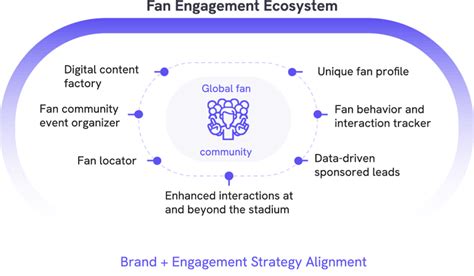
The role of digital engagement has also transformed how fans interact with Salernitana games. While the club may not have the same global reach as some of its Serie A counterparts, it has embraced social media and online platforms to maintain a strong connection with its fan base. Platforms like Instagram, Twitter, and TikTok are used to share behind-the-scenes content, player interviews, and match highlights. This approach not only keeps fans informed but also makes them feel like active participants in the club's journey. Additionally, the rise of fan-created content—such as memes, fan art, and matchday vlogs—has further enriched the digital fan experience. These contributions often go viral within the Salernitana community, creating a sense of co-ownership of the club’s narrative. For example, during critical matches, fans use hashtags like #ForzaSalernitana to rally support and create a virtual stadium atmosphere. This form of engagement demonstrates how modern technology has expanded the boundaries of what it means to be a Salernitana fan, blending traditional in-person support with innovative online participation.
Another key element is the impact of Salernitana games on local community support. The club’s presence has a ripple effect on the city’s economy and social life. On matchdays, local businesses—from cafes and restaurants to souvenir shops—experience a surge in activity. Streets are adorned with the team’s purple and black colors, and the atmosphere becomes festive, drawing not just die-hard fans but also casual onlookers. This economic boost is particularly important for small businesses in Salerno, many of which rely on the periodic influx of supporters to sustain their operations. Beyond the economic aspect, Salernitana games also serve as a platform for local causes. The club frequently collaborates with community organizations to promote initiatives such as youth sports development, anti-discrimination campaigns, and charity drives. For instance, matchday events often include fundraisers or awareness campaigns where fans can contribute to local causes while enjoying the game. This demonstrates how the club leverages its platform to address pressing community needs, reinforcing its role as a civic institution rather than just a sports team.
The interaction between the club and its younger fan base is another area where Salernitana has made significant strides. Recognizing the importance of cultivating future supporters, the club has implemented several youth-focused programs. These include discounted tickets for students, school outreach initiatives, and junior fan clubs that provide exclusive access to training sessions and player meet-and-greets. Such efforts not only ensure a steady pipeline of new supporters but also instill values of teamwork, perseverance, and pride in local youth. By engaging with schools and community centers, Salernitana ensures that its influence extends beyond the stadium and into the daily lives of young people in Salerno. This approach is particularly impactful in a city where economic challenges and limited opportunities can sometimes overshadow the potential of its youth. Through sports, Salernitana provides a beacon of hope and a sense of belonging for the next generation.
It is also worth noting the role of rivalries in shaping fan engagement. Salernitana’s matches against regional opponents, particularly teams like Napoli or Benevento, often carry heightened significance. These games are not just about points on the table but about regional pride and historical narratives. The intensity of these rivalries fuels fan passion and creates moments of collective euphoria or tension that are remembered for years. For example, the build-up to a derby match often involves weeks of anticipation, with fans engaging in banter, creating banners, and organizing chants that reflect the unique dynamics of the rivalry. These moments are not just entertaining; they serve as a reminder of how sports can act as a vessel for expressing shared identity and history.
However, the community impact of Salernitana games is not without its challenges. The club has, at times, faced criticism for issues such as inadequate stadium facilities or instances of fan misconduct. Addressing these challenges is crucial to maintaining the positive relationship between the team and its supporters. For example, recent investments in improving the Arechi Stadium have aimed to enhance the matchday experience, making it safer and more comfortable for fans. Additionally, the club has taken steps to promote responsible fan behavior, partnering with local authorities to discourage vandalism or disruptive actions. These efforts underline the club’s commitment to being a responsible steward of its community while continuing to foster a vibrant fan culture.
In terms of long-term community impact, Salernitana games contribute to a sense of civic pride that extends beyond the 90 minutes of play. For a city like Salerno, which has faced its share of economic and social struggles, the team represents a source of resilience and optimism. The shared experience of supporting Salernitana creates a collective memory bank for the community—a series of highs and lows that bind people together. Whether it is the joy of a promotion to Serie A or the determination shown during relegation battles, these moments become part of the city’s identity. This enduring connection ensures that Salernitana is more than a football club; it is a symbol of what the people of Salerno can achieve when they come together.
In conclusion, Salernitana games are a microcosm of the city’s spirit, blending tradition, modernity, and community in a way that few other institutions can. From fostering a participatory fan culture to supporting local businesses and addressing social issues, the club’s influence extends far beyond the pitch. By continuing to prioritize fan engagement and community impact, Salernitana not only secures its place in the hearts of its supporters but also strengthens its role as a pillar of Salerno’s identity.
Economic and Sponsorship Impacts
The economic and sponsorship impacts of Salernitana games are multifaceted, with significant financial implications for the club, its stakeholders, and the local economy. As a team in Serie A, the top tier of Italian football, Salernitana's games serve as a focal point for revenue generation, brand visibility, and economic activity in the region of Salerno. This section delves into the intricacies of these financial dynamics, examining how the club's matches influence revenue streams, sponsorship agreements, and broader economic effects.
One of the primary financial drivers for Salernitana is matchday revenue. This encompasses ticket sales, concessions, and merchandise purchased during home games at the Stadio Arechi. While Salernitana is not among the wealthiest clubs in Serie A, its matchday revenue is still a vital component of its income. For instance, a typical home game can attract between 15,000 and 20,000 spectators, depending on the opponent and the stakes of the match. Ticket pricing strategies are tailored to maximize attendance while ensuring profitability. Premium matches against high-profile teams like Juventus or Inter Milan often see a surge in ticket demand, allowing Salernitana to command higher prices. However, the club must also balance affordability for its loyal, local fanbase to maintain consistent attendance throughout the season.
Beyond ticket sales, concessions and merchandise contribute significantly to the club’s financial ecosystem. Food and beverage sales during games are a consistent source of income, with vendors often operating under licensing agreements with the club. Merchandise sales, including jerseys, scarves, and other branded items, see spikes during successful seasons or when Salernitana faces popular opponents. These revenue streams are not just confined to the stadium; online sales of team merchandise have grown in recent years, particularly as the club has leveraged social media and e-commerce platforms to reach a global audience. This diversification of income sources helps stabilize the club’s finances even during periods of on-field inconsistency.
Sponsorships are another critical area of focus when analyzing the economic impact of Salernitana games. As a Serie A team, Salernitana benefits from exposure to a wide audience, both domestically and internationally. Sponsorship deals are often structured to include branding on jerseys, stadium signage, and digital platforms. Jersey sponsorships, in particular, are highly lucrative. For Salernitana, securing a prominent sponsor for the front of their jerseys is a financial windfall that can account for a significant portion of their annual revenue. These deals are often negotiated based on the club's performance, fan base size, and media exposure. For example, a mid-table finish in Serie A might attract a regional or national sponsor, while a strong season could open doors to partnerships with multinational brands seeking visibility in the Italian market.
Stadium advertising is another avenue for sponsorship revenue. The Stadio Arechi features LED boards, static signage, and digital platforms that offer sponsors visibility during matches. These advertising opportunities are particularly appealing to local businesses in Salerno and the Campania region, as well as national brands looking to target football fans. However, the club faces challenges in maximizing this revenue stream due to its relatively smaller stadium capacity compared to larger clubs like AC Milan or AS Roma. To address this, Salernitana has begun exploring innovative sponsorship models, such as offering sponsors exclusive content creation rights, behind-the-scenes access for branded campaigns, and co-branded community initiatives that extend beyond the 90 minutes of a match.
The regional economic impact of Salernitana games is also worth noting. Football matches act as a catalyst for local businesses, including hotels, restaurants, and transport services. On matchdays, Salerno experiences an influx of visitors, particularly when the team plays against high-profile opponents. This surge in tourism benefits not only the club but also the broader community. For instance, hotels in Salerno often report higher occupancy rates during home game weekends, while restaurants and bars near the stadium see increased patronage. Additionally, the club’s presence in Serie A has elevated Salerno’s profile as a destination, potentially attracting non-football-related tourism and investment. This ripple effect underscores the interconnected nature of sports and local economies, where the success of a football team can directly influence the prosperity of its host city.
However, sponsorship and economic impacts are not without challenges. Broadcast rights play a significant role in the financial landscape of football, and Salernitana’s share of these revenues is determined by the league’s centralized distribution model. While Serie A’s broadcast deals are lucrative, smaller clubs like Salernitana often receive a disproportionately smaller share compared to top-tier teams. This disparity can limit the club’s ability to compete financially, both in terms of player acquisitions and operational expenses. To mitigate this, Salernitana must focus on diversifying its sponsorship portfolio by targeting industries beyond traditional sports sponsors, such as technology companies, e-commerce platforms, and lifestyle brands. These non-traditional sponsorships can provide alternative revenue streams and reduce reliance on matchday and broadcast income.
Another area of opportunity lies in digital sponsorship and fan engagement. With the rise of streaming services and social media, Salernitana has the potential to monetize its digital presence. Exclusive content, such as player interviews, match highlights, and behind-the-scenes footage, can be packaged as sponsored content. Furthermore, the club can partner with brands to create interactive fan experiences, such as virtual meet-and-greets or augmented reality (AR) features tied to matchday events. These innovations not only generate revenue but also enhance fan loyalty, particularly among younger, tech-savvy supporters.
It is also important to consider the long-term sustainability of Salernitana’s sponsorship and economic model. The club must balance short-term financial gains with strategic investments that ensure growth over time. This includes reinvesting sponsorship revenue into youth academies, infrastructure improvements, and community programs. A strong youth academy, for example, can produce players who either bolster the first team or are sold for profit, creating a self-sustaining financial model. Similarly, partnerships with local businesses can foster a sense of community ownership, encouraging long-term support beyond the immediate financial benefits of sponsorship deals.
In summary, the economic and sponsorship impacts of Salernitana games are deeply intertwined with the club’s ability to leverage its position in Serie A. From matchday revenue and sponsorships to regional economic benefits and digital innovation, Salernitana has multiple avenues to explore for financial growth. However, the club must also navigate challenges such as revenue disparities and the need for sustainable investments. By adopting a forward-thinking approach that combines traditional revenue streams with modern, tech-driven sponsorship models, Salernitana can not only secure its financial future but also contribute meaningfully to the economic vitality of Salerno and its surrounding region.
Challenges and Areas for Improvement
The performance of Salernitana in their games reveals a range of challenges that the team must address to improve their competitive edge and achieve sustained success. While the club has shown moments of promise, there are specific areas where systemic issues hinder their ability to consistently perform at a high level. This section delves into the key challenges faced by Salernitana in their games and provides actionable suggestions for improvement.
One of the most evident challenges for Salernitana is their **defensive vulnerabilities**. The team often struggles to maintain a cohesive defensive structure, particularly when facing high-pressing opponents or when counterattacks are launched against them. This issue is compounded by a lack of positional discipline among defenders, leading to gaps that skilled attackers can exploit. For instance, in several matches this season, Salernitana has conceded goals due to poor marking in set-piece situations or failure to track runners from midfield. This suggests a need for better **defensive organization and communication**. Coaches could implement more rigorous drills focused on zonal marking and man-marking scenarios to address this. Additionally, the team might benefit from **recruiting a seasoned defensive midfielder** who can shield the backline and provide a stabilizing presence during transitions.
Another area of concern is the **inefficiency in front of goal**. Salernitana has often created opportunities in games but has struggled to convert them into goals. Their strikers and attacking midfielders frequently miss clear-cut chances or take low-percentage shots when patience and build-up play could yield better results. This problem is not merely about individual skill but also about **team cohesion in the attacking third**. The lack of a clear tactical identity in attack—whether it be a focus on quick counters, possession-based play, or exploiting wide areas—leaves the team inconsistent. To address this, the coaching staff should consider **introducing a more structured offensive system** tailored to the strengths of the players. For example, if the wingers are the team's strongest assets, a system that prioritizes crosses into the box or cutbacks could be emphasized. Furthermore, the team might benefit from **targeted training sessions on finishing under pressure**, simulating match scenarios to improve composure in front of goal.
A third challenge lies in **midfield control and ball retention**. Salernitana often finds itself overrun in midfield during games against more technically proficient teams. This is partly due to the **lack of a dominant ball-winner** in the center of the pitch and partly due to the team’s hesitancy to maintain possession under pressure. When Salernitana loses the ball in dangerous areas, it frequently leads to defensive breakdowns. This problem suggests the need for **a more balanced midfield trio** that combines a destroyer, a playmaker, and a box-to-box midfielder. Investing in a midfielder with strong passing range and the ability to dictate tempo could significantly improve the team’s ability to control the rhythm of the game. Additionally, the team should work on **possession drills that emphasize quick passing and movement off the ball**, enabling them to bypass pressure and sustain attacks.

Another critical issue is the **mental resilience of the team**, particularly in high-stakes or trailing situations. Salernitana has shown a tendency to lose focus or morale when conceding the first goal, often leading to a collapse in performance rather than a fightback. This is indicative of a **psychological fragility** that needs to be addressed through **mental conditioning programs**. Coaches could collaborate with sports psychologists to help players develop **resilience strategies**, such as focusing on the next play rather than dwelling on mistakes. Moreover, instilling a "never-give-up" mentality through team-building exercises and emphasizing small victories—even in losses—can help foster a more positive mindset.
The **lack of depth in the squad** is another challenge that becomes apparent when injuries or suspensions occur. Salernitana often relies heavily on a small core of key players, and when these individuals are unavailable, the drop-off in quality is noticeable. This is particularly evident in the **full-back positions** and in the **attacking department**, where a lack of rotation options limits the team’s tactical flexibility. To overcome this, the club must prioritize **smart recruitment during transfer windows**, focusing on versatile players who can cover multiple positions. Additionally, the development of **youth academy prospects** should be accelerated, providing opportunities for young talents to step up and contribute when needed. A well-structured loan system could also be explored to give emerging players valuable experience before integrating them into the first team.
Tactically, Salernitana often appears **predictable in their game plan**, which makes them easier to counteract for well-prepared opponents. The team’s reliance on certain patterns of play—such as long balls to a target man or over-dependence on individual brilliance—can be exploited by disciplined defenses. To address this, the coaching staff should consider **introducing more varied tactical setups**, such as switching between a 4-4-2 and a 3-5-2 depending on the opponent. This flexibility would make Salernitana harder to read and allow them to adapt to different game scenarios. Furthermore, the team could benefit from **analyzing opponents more deeply** using advanced data analytics to identify weaknesses and tailor their approach accordingly.
Another area for improvement is **fitness and endurance levels**. In the latter stages of matches, Salernitana players often appear fatigued, which affects their ability to maintain intensity and close out games. This could be due to **insufficient conditioning** or an over-reliance on a small group of players who are not adequately rested. To address this, the team should implement **tailored fitness programs** that focus on improving stamina and recovery times. Pre-season and mid-season training camps could emphasize high-intensity interval training (HIIT) and endurance-building exercises to ensure players are physically prepared for the demands of a full season.
Finally, **fan engagement and home-field advantage** could be leveraged more effectively. While Salernitana’s supporters are passionate, the team does not always capitalize on the energy of their home crowd to push for better results. Creating a stronger connection between the players and the fans—through initiatives like open training sessions, player meet-and-greets, or community outreach—could foster a more electric atmosphere at home games. This, in turn, could provide players with the emotional boost needed to perform better in critical moments.
- Improve defensive organization through better zonal and man-marking drills.
- Enhance attacking efficiency with structured offensive systems and finishing drills.
- Strengthen midfield control by recruiting versatile players and focusing on possession drills.
- Address mental fragility with sports psychology and resilience training.
- Expand squad depth through smart transfers and youth development.
- Introduce varied tactical setups to avoid predictability.
- Boost physical conditioning with tailored fitness programs.
- Leverage fan support to create a stronger home-field advantage.
In conclusion, while Salernitana faces significant challenges in their games, these are not insurmountable. By focusing on defensive solidity, attacking efficiency, midfield control, mental resilience, squad depth, tactical flexibility, physical conditioning, and fan engagement, the team can address its weaknesses and unlock its potential. A holistic approach that combines technical, tactical, and psychological improvements will be essential for Salernitana to compete more effectively and achieve their goals in the long term.
Future Prospects and Predictions
The future prospects of Salernitana games are shaped by a combination of evolving strategies, market dynamics, and the club's commitment to modernization. As a team competing in Serie A, Salernitana has faced challenges in maintaining consistent performance while also building a sustainable model for growth. This section delves into the key elements that are likely to influence the trajectory of Salernitana games in the coming years, focusing on both on-field and off-field developments.
One of the most significant trends impacting Salernitana games is the club's **strategic focus on youth development**. In recent years, there has been a noticeable shift toward investing in younger players, particularly those from lower-tier leagues or academies. This strategy is not merely about cost-saving but also about building a long-term identity for the club. With Serie A becoming increasingly competitive, Salernitana understands that relying solely on experienced players may not be sustainable. Instead, the club is likely to continue scouting and nurturing young talent, particularly from regions like South America and Eastern Europe, where untapped potential is abundant. This approach could yield dividends in the medium term, as younger players adapt to the league's physical and tactical demands while providing a fresh energy that can reinvigorate the team's style of play.
Another critical aspect is **technological integration in training and match analysis**. Salernitana, like many modern football clubs, is beginning to adopt advanced analytics tools to improve player performance and tactical preparation. For instance, the use of AI-driven platforms to track player movements, assess fatigue levels, and even predict injury risks is becoming more common. Such tools allow coaches to tailor training regimens for individual players, ensuring that the team is physically optimized for each game. Moreover, the use of video analysis software can help Salernitana refine its defensive and offensive strategies by studying opponents' patterns in greater detail. This trend is particularly important for a club like Salernitana, which often operates with a smaller budget compared to top-tier teams. By leveraging technology effectively, Salernitana can punch above its weight and compete more effectively against financially stronger rivals.
The **stadium experience and fan engagement** are also areas where Salernitana is expected to make significant strides. The club's home ground, Stadio Arechi, has seen modest upgrades in recent years, but there is potential for a more comprehensive overhaul. Enhancements such as better seating arrangements, improved facilities for VIP spectators, and the incorporation of digital screens for real-time statistics and replays could elevate the matchday experience. Additionally, Salernitana is likely to expand its digital footprint by investing in mobile apps, augmented reality (AR) features, and exclusive content for fans. These initiatives are not just about increasing revenue streams but also about building a loyal fan base that feels connected to the club even during challenging seasons. In the future, we might see Salernitana experimenting with **blockchain-based ticketing systems** or **NFT collectibles** to appeal to tech-savvy supporters and create new avenues for fan interaction.
From a **tactical perspective**, Salernitana's future games may see a shift toward more dynamic and flexible formations. Currently, the team often adopts a conservative approach, prioritizing defensive solidity over attacking flair. While this has helped them avoid relegation in some instances, it limits their potential to dominate games or attract a larger audience. Looking ahead, the club might experiment with formations like the 4-2-3-1 or 3-4-3, which allow for a balance between defensive stability and creative freedom in attack. This shift will require the recruitment of players who are comfortable in possession and capable of executing high-pressing systems. Furthermore, the rise of analytics in football suggests that Salernitana could adopt a **data-driven approach to player positioning**, ensuring that each player's role on the pitch is optimized based on statistical insights.
The **financial sustainability of the club** is another area that warrants attention. Salernitana has historically operated with limited resources compared to Serie A giants like Juventus or Inter Milan. However, the club's management has shown a growing awareness of the need to diversify revenue streams. Future prospects for Salernitana games could include **sponsorship deals with international brands**, particularly those looking to enter the Italian market. Additionally, the club might explore **partnerships with local businesses** to create a sense of community ownership and support. These financial strategies are essential not just for survival in Serie A but also for enabling investments in areas like player acquisition, infrastructure, and marketing. A financially stable Salernitana is more likely to attract better talent and retain key players, which directly impacts the quality of their games.
On the **globalization front**, Salernitana has an opportunity to expand its brand beyond Italy. Serie A has a massive global following, and clubs are increasingly using this platform to attract international fans. Salernitana could leverage this by organizing **pre-season tours in emerging football markets** such as India, the United States, or Southeast Asia. These tours not only provide exposure but also open doors for partnerships with local academies or sponsors. Furthermore, the club could use social media platforms to create tailored content for international audiences, such as behind-the-scenes footage, player interviews in multiple languages, and interactive fan challenges. This approach would not only boost the club's visibility but also position Salernitana as a forward-thinking organization in the global football landscape.
The **regulatory environment** in Italian football is also a factor that could shape Salernitana's future. With UEFA and Serie A emphasizing **financial fair play (FFP)** and sustainability, clubs are under pressure to maintain balanced books while competing at the highest level. For Salernitana, this means adopting a prudent approach to spending while still aiming for growth. The club might need to prioritize **loan deals and co-ownership arrangements** over outright purchases of high-profile players. Additionally, there is a growing emphasis on **grassroots development**, with Serie A clubs being encouraged to invest in local talent pipelines. Salernitana could capitalize on this trend by strengthening its youth academy and fostering collaborations with nearby schools and sports organizations.
Finally, the **competitive landscape of Serie A** itself will play a role in shaping Salernitana's future. The league is undergoing a period of transition, with mid-table teams becoming more ambitious and top-tier clubs facing financial constraints due to overspending. This creates a unique opportunity for Salernitana to position itself as a **consistent mid-table contender** rather than a relegation battler. By focusing on **incremental improvements**—such as better defensive organization, more clinical finishing, and a cohesive team culture—Salernitana can carve out a niche for itself in the league. If the club can maintain this trajectory, it might even aim for European qualification in the long term, a goal that would require sustained investment and strategic planning.
- Youth development will be central to Salernitana's long-term strategy, enabling cost-effective growth and fresh energy on the pitch.
- Technological adoption, including analytics and AI tools, will enhance player performance and tactical preparation.
- Enhanced stadium experiences and digital fan engagement could redefine how supporters interact with the club.
- Financial sustainability through sponsorship deals, local partnerships, and prudent spending will ensure long-term stability.
- Global outreach initiatives, such as pre-season tours and tailored content, will position Salernitana as a recognizable brand internationally.
In conclusion, the future of Salernitana games appears to be a blend of calculated risks and forward-thinking strategies. While the club faces significant challenges in a highly competitive environment, its focus on youth, technology, fan engagement, and financial prudence provides a solid foundation for growth. If Salernitana can navigate these elements effectively, it has the potential to not only secure its place in Serie A but also aim for greater ambitions in the years to come.
Conclusion and Strategic Recommendations
The analysis of Salernitana games reveals a complex interplay of tactical decisions, player dynamics, and external factors such as fan engagement and club management. To fully grasp the implications of these elements, it is essential to synthesize the key takeaways from the data and observations presented earlier in this white paper. These takeaways not only offer a reflection of past and current performance but also serve as a foundation for crafting actionable recommendations aimed at enhancing the club's competitive edge and deepening its connection with its fan base.
One of the most striking takeaways is the inconsistency in Salernitana's performance across different phases of play. While the team has demonstrated moments of brilliance, particularly in counterattacking scenarios or when exploiting set pieces, there is a noticeable lack of cohesion in maintaining possession and transitioning from defense to attack. This inconsistency can be attributed to several factors, including a squad composition that leans heavily on individual talent rather than collective strategy. For instance, the over-reliance on a few key players, such as the primary striker or playmaker, often leaves the team vulnerable when these players are marked out of the game or unavailable due to injury. This highlights a need for squad depth and tactical flexibility to mitigate such vulnerabilities.
Another critical observation is the impact of home and away dynamics on Salernitana's results. Home games at Stadio Arechi have historically seen higher levels of fan support, which often translates into a more energized performance from the players. However, away games have exposed the team's psychological fragility, with a tendency to concede early goals or struggle to adapt to hostile environments. This points to a need for mental resilience training and a more robust pre-game preparation strategy that includes simulated high-pressure scenarios to better equip players for away matches. Stakeholders, particularly the coaching staff, should consider incorporating sports psychology experts into their support team to address this issue comprehensively.
From a fan engagement perspective, the data suggests that Salernitana's supporters are among the most passionate in Serie A, but there is room for improvement in how the club leverages this passion to drive long-term loyalty and growth. The club’s digital presence, for example, is underutilized. While social media accounts post match highlights and updates, there is minimal effort to create engaging content that fosters a sense of community among fans. Recommendations in this area include launching interactive fan campaigns such as virtual meet-and-greets with players, fan-curated matchday playlists, or even gamified prediction leagues tied to rewards like exclusive merchandise or match tickets. These initiatives can deepen the emotional connection between the club and its supporters, particularly in the younger demographic that is increasingly driven by digital experiences.
On the financial and sponsorship front, Salernitana's current revenue streams are heavily reliant on traditional sources such as ticket sales and local sponsorships. While these are important, the club could benefit from exploring innovative revenue models, such as leveraging non-fungible tokens (NFTs) to offer unique digital collectibles for fans or partnering with global brands to expand its reach beyond Italy. Additionally, the club should consider diversifying its sponsorship portfolio by targeting industries with high growth potential, such as e-sports or sustainable technologies, which align with broader societal trends and could attract a new wave of supporters and investors.
A deeper dive into tactical strategies reveals that Salernitana often adopts a conservative approach in high-stakes games, prioritizing defense over attack. While this can be effective in certain scenarios, it also limits the team’s ability to seize control of matches and impose their style of play. Stakeholders should advocate for a more balanced tactical framework that incorporates possession-based football alongside the existing counterattacking strengths. This would require investment in players who excel in ball retention and midfield control, as well as a focus on youth development programs to groom homegrown talent capable of fitting into such a system. The club’s academy could play a pivotal role here, provided it is equipped with the necessary resources and coaching expertise to identify and nurture promising talent.
The role of leadership and management cannot be overlooked in this discussion. The club’s decision-making processes, particularly in transfer windows, have at times been reactive rather than proactive. For instance, last-minute signings to address glaring gaps in the squad often result in players who are not fully integrated into the team’s system. A more strategic approach to recruitment is needed, one that involves data-driven analysis of player performance metrics and long-term planning rather than short-term fixes. Stakeholders should also consider the importance of clear communication between the coaching staff, players, and management to ensure alignment on goals and expectations.
From a fan-centric standpoint, one of the most actionable recommendations is to enhance the matchday experience. While Salernitana games are known for their vibrant atmosphere, there are opportunities to improve amenities at Stadio Arechi, such as better seating arrangements, enhanced food and beverage options, and more interactive fan zones. These improvements can not only boost attendance but also position the club as a forward-thinking organization that values its supporters' comfort and enjoyment. Furthermore, creating a dedicated fan feedback mechanism—such as regular surveys or focus groups—can help the club identify specific areas for improvement and demonstrate a commitment to listening to its audience.
Finally, the role of media and storytelling in shaping perceptions of Salernitana is an often-underappreciated aspect of modern football. The club has a rich history and a unique identity rooted in the city of Salerno, yet this narrative is not always effectively communicated to a wider audience. A content-driven strategy that emphasizes storytelling—through documentaries, player interviews, and behind-the-scenes footage—can elevate the club’s profile and attract new fans both domestically and internationally. This approach would also provide an opportunity to showcase the club’s community initiatives, such as youth outreach programs or collaborations with local businesses, further reinforcing its role as a pillar of the Salerno community.
In conclusion, the path forward for Salernitana involves a blend of tactical refinement, fan engagement innovation, and strategic investment in both infrastructure and human capital. Stakeholders must prioritize a holistic approach that addresses both on-field performance and off-field dynamics. For fans, the message is clear: their continued support is invaluable, but the club must also meet them halfway by offering a more immersive and rewarding experience. By implementing the recommendations outlined above, Salernitana can not only improve its standings in Serie A but also solidify its position as a club with a bright future and a deep connection to its community.