Introduction to Santiago Bernabéu Estadio
The Santiago Bernabéu Estadio, home to Real Madrid Club de Fútbol, is more than just a sporting venue; it is a living monument to the evolution of football as a global phenomenon. Located in the heart of Madrid, Spain, this stadium has played a central role in shaping the narrative of international football. Its significance lies not only in its physical structure but also in the weight of its history, the iconic matches it has hosted, and its enduring influence on the sport's culture and economics.
Constructed in 1947, the Santiago Bernabéu was initially known as the Nuevo Estadio Chamartín before being renamed in 1955 to honor the club's legendary president, Santiago Bernabéu Yeste. Under Bernabéu's leadership, Real Madrid transformed into a football powerhouse, and the stadium became a symbol of the club's ambition and success. The decision to name the stadium after him was not merely an honorific gesture but a reflection of the deep intertwining of the man’s vision with the club's identity. This naming marked the stadium as a beacon of leadership and innovation in football administration, setting a precedent for how clubs could leverage their home grounds as extensions of their brand.
The Santiago Bernabéu Estadio has been a stage for some of the most iconic moments in football history. It has hosted numerous UEFA Champions League finals, including the memorable 1957 final where Real Madrid defeated Fiorentina 2-0, cementing their dominance in the early years of European competition. The stadium has also been the site of World Cup matches, such as during the 1982 tournament, where Italy clinched their third title. These events are not just footnotes in the stadium's history but pivotal moments that amplified its role as a global theater of dreams. Each match played here has contributed to the mythology of the venue, making it a destination for fans and players alike who seek to experience its aura.
Beyond its role in hosting high-profile matches, the Santiago Bernabéu has become a symbol of Real Madrid's global brand. The stadium is not merely a place to watch football; it is an economic engine driving the club's revenue streams. With a seating capacity of over 81,000, the Bernabéu is one of the largest stadiums in Europe, and its design has evolved over the years to maximize its commercial potential. From VIP boxes to state-of-the-art facilities for media and sponsors, the stadium exemplifies how modern football venues are as much about business as they are about sport. This duality—of being a place of passion and a hub of commerce—has allowed Real Madrid to sustain its position as one of the wealthiest and most influential clubs in the world.
The stadium’s renovation projects over the decades highlight its adaptability and the club's commitment to staying ahead of the curve. The most recent renovation, initiated in 2019 and ongoing, aims to modernize the venue with features like a retractable roof, a 360-degree screen, and enhanced accessibility. These upgrades are not just about aesthetics or comfort but about ensuring the stadium remains a cutting-edge facility capable of hosting not only football matches but also concerts, corporate events, and other large-scale gatherings. This forward-thinking approach underscores how the Santiago Bernabéu is not static; it evolves in tandem with the demands of modern entertainment and sports.
The Santiago Bernabéu’s role in global football history extends beyond its physical attributes. It is a venue that has witnessed the rise of legendary players who have graced its pitch. From Alfredo Di Stéfano in the 1950s to Cristiano Ronaldo in the 2010s, the stadium has been the backdrop for some of the most extraordinary individual and team performances. These players, and the teams they were part of, have used the Bernabéu as a platform to etch their names into football folklore. The stadium’s very atmosphere—often described as electric and intimidating for visiting teams—has contributed to its mystique. The "12th man" effect, where the crowd’s energy propels the home team, is particularly potent here, making it a fortress for Real Madrid.
Moreover, the stadium serves as a cultural touchstone in the broader context of Spanish and European football. It is a place where rivalries are intensified, particularly during El Clásico matches against FC Barcelona. These fixtures are not just games; they are events that capture the attention of millions worldwide, symbolizing the clash of ideologies, regions, and footballing philosophies. The Santiago Bernabéu, in this sense, is more than a neutral venue—it is a character in the drama of football, imbued with its own personality and history.
The stadium also played a significant role in shaping the economics of football. Real Madrid’s success in leveraging the Santiago Bernabéu as a revenue generator has set a benchmark for other clubs. The concept of stadium tours, merchandise sales, and premium experiences for fans was pioneered here to a large extent. This model has since been emulated by clubs across the world, demonstrating how a well-managed stadium can be a cornerstone of a club’s financial strategy. The Santiago Bernabéu is thus not only a symbol of Real Madrid’s greatness but also a case study in how sports venues can be integrated into a club’s broader business ecosystem.
Another unique aspect of the Santiago Bernabéu is its influence on the urban landscape of Madrid. The stadium is not isolated from the city but deeply embedded within it. Its location in the Chamartín district makes it a focal point of local life, drawing visitors and contributing to the area's vibrancy. Unlike some stadiums that are located on the outskirts of cities, the Bernabéu is part of Madrid’s urban fabric, reinforcing the idea that football is not separate from society but an integral part of it. This integration has also allowed the stadium to serve as a site for community engagement, hosting charity events and youth programs that extend its impact beyond the realm of professional sports.
- The Santiago Bernabéu is a venue where history and modernity coexist, blending tradition with innovation.
- It has been a witness to the evolution of football tactics, from the total football of the 1970s to the high-pressing systems of today.
- The stadium is a hub for technological experimentation, such as its use of augmented reality for fan engagement in recent years.
In conclusion, the Santiago Bernabéu Estadio is not just a stadium; it is a living archive of football's journey from a regional pastime to a global spectacle. Its walls echo with the cheers of generations of fans, the footsteps of legendary players, and the strategic decisions of visionary leaders. As it continues to evolve, the Bernabéu remains a testament to the enduring power of football to unite, inspire, and innovate. For anyone seeking to understand the sport’s history and its future, this stadium offers a window into how a physical space can transcend its primary purpose to become a symbol of human ambition and collective memory.
Historical Background
The Santiago Bernabéu Estadio, home to Real Madrid Club de Fútbol, stands as one of the most iconic football venues in the world. Its historical background is deeply intertwined with the rise of Real Madrid as a global football powerhouse and the broader socio-economic landscape of post-war Spain. To understand the origins of this monumental structure, we must delve into its construction timeline, the vision behind its creation, and its initial purpose as a symbol of ambition and national pride.
The idea for the stadium began to take shape in the early 1940s, during a period of transformation for both Real Madrid and Spain. Following the Spanish Civil War (1936–1939), the country was in a state of recovery, and sports, particularly football, were seen as a unifying force. Real Madrid, already an established club by this time, played at the Estadio Chamartín, a venue with a capacity of around 22,000 spectators. While sufficient for its era, the club's growing popularity and the vision of its then-president, Santiago Bernabéu Yeste, demanded a more ambitious facility.
Santiago Bernabéu, who assumed the presidency of Real Madrid in 1943, was a man of grand aspirations. He envisioned not just a stadium but a venue that could rival the best in Europe and serve as a beacon for Spanish football. In 1944, the club announced plans to construct a new stadium on the site of the existing Estadio Chamartín. This decision was not merely practical but symbolic—it represented Real Madrid’s intent to position itself as a leading force in European football. The project was ambitious for its time, especially given the economic constraints Spain faced in the aftermath of the Civil War and during the early years of Francisco Franco's regime.
The construction of the new stadium began in 1944, with architects Manuel Muñoz Monasterio and Luis Alemany Soler leading the design. The project faced numerous challenges, including funding limitations and material shortages due to the economic climate. However, the club leveraged innovative financing methods, such as issuing bonds to club members and supporters, to raise the necessary capital. This approach underscored the deep connection between the club and its fanbase, a relationship that would be pivotal in the stadium's development.
The construction timeline was methodical yet fraught with obstacles. The new stadium was built in phases to allow Real Madrid to continue playing matches at the site. The first phase involved demolishing parts of the Estadio Chamartín while simultaneously constructing the initial sections of the new venue. This approach required meticulous planning to ensure the club's operations were not disrupted. By 1947, the stadium, initially named Nuevo Estadio Chamartín, was inaugurated with a capacity of 75,000 spectators. This marked a significant leap in capacity and reinforced Real Madrid’s growing stature.
The choice of the location was strategic. Situated in the Chamartín district of Madrid, the stadium was easily accessible and positioned in a rapidly developing area of the city. This location not only catered to the practical needs of fans but also symbolized Real Madrid’s integration into the urban and cultural fabric of the capital. The stadium was designed with an open, oval shape, featuring a mix of seated and standing areas, which was typical of stadiums of that era. However, even in its initial form, it was clear that the venue was built with future expansion in mind.
The initial purpose of the stadium extended beyond being a venue for football matches. It was conceived as a multi-purpose facility that could host significant events, reflecting the broader role of sports in post-war Spain. Under Franco's regime, football was used as a tool for national unity and international representation. The Nuevo Estadio Chamartín was envisioned as a stage where Real Madrid could showcase not only its athletic prowess but also Spain's resurgence on the global stage. This alignment with nationalistic ideals was evident in the high-profile matches and events hosted at the stadium during its early years.
One of the most notable features of the stadium's early history was its role in Real Madrid's meteoric rise in European competition. In the 1950s, Real Madrid began its dominance in the European Cup (now the UEFA Champions League), winning the trophy five consecutive times from 1956 to 1960. The Nuevo Estadio Chamartín became synonymous with these triumphs, hosting thrilling matches that captivated audiences and elevated the club's reputation. This period solidified the stadium's status as a theater of dreams, where Real Madrid's legendary players, such as Alfredo Di Stéfano and Ferenc Puskás, performed feats that would etch the venue into football folklore.
In 1955, the stadium was renamed Estadio Santiago Bernabéu in honor of its visionary president, who had overseen its creation and continued to drive Real Madrid’s ambitions. This renaming was not merely ceremonial; it reflected the deep respect and gratitude the club and its supporters felt toward Bernabéu. The stadium became a living tribute to his legacy, embodying his belief that Real Madrid should aspire to greatness not just on the field but in its infrastructure and global presence.
The stadium's initial purpose also extended to its role as a revenue generator. Unlike many stadiums of the time, which were primarily functional, the Santiago Bernabéu Estadio was designed with commercial potential in mind. Its large capacity and modern facilities allowed Real Madrid to host a variety of events, from football matches to concerts and ceremonies. This foresight into the stadium's economic utility was ahead of its time and set a precedent for how modern sports venues could serve as multi-functional assets.
- The stadium’s construction showcased innovative engineering for its time, incorporating features like reinforced concrete and a design that allowed for phased expansion.
- It was one of the first stadiums in Europe to prioritize spectator comfort, with better seating arrangements and improved sightlines compared to older venues.
- The financing model, reliant on member contributions, was a pioneering example of fan-driven infrastructure development in sports.
The historical background of the Santiago Bernabéu Estadio is a testament to the interplay between sport, politics, and economics in mid-20th century Spain. Its construction was not just about creating a place to play football; it was about building a monument to ambition, resilience, and the transformative power of sport. From its origins as a replacement for Estadio Chamartín to its evolution into a globally recognized venue, the stadium’s history is a rich tapestry of innovation, determination, and the pursuit of excellence. This deep connection to Real Madrid’s identity and Spain’s post-war recovery makes the Santiago Bernabéu Estadio not just a structure of brick and steel but a living chronicle of a club, a city, and a nation's journey toward prominence.
Architectural Evolution
The Santiago Bernabéu Estadio, home to Real Madrid CF, is not just a venue for football matches but a symbol of architectural ambition and evolution. Since its inauguration in 1947, the stadium has undergone a series of transformative design changes and modernizations, each reflecting the club's growth, the demands of modern sport, and the broader cultural and technological shifts of the times. This section delves into the key phases of the stadium's architectural evolution, highlighting significant milestones and the reasoning behind these changes.
The stadium was originally designed by architects Manuel Muñoz Monasterio and Luis Alemany Soler. When it opened as the Nuevo Estadio Chamartín, it had a capacity of around 75,000 spectators, with a simple yet functional design typical of mid-20th-century stadiums. The structure was primarily made of concrete, featuring an open bowl layout with minimal roofing. This design prioritized capacity and visibility over comfort or luxury, as the primary goal was to accommodate the growing fanbase of Real Madrid in the post-war era.
However, as Real Madrid rose to prominence in European football during the 1950s—winning five consecutive European Cups—the club's leadership recognized the need for a venue that matched their global reputation. In 1954, the stadium underwent its first major expansion, increasing its capacity to 125,000. This expansion included the addition of a second tier of seating and improved access routes. The decision to expand was not merely practical but also symbolic; it signaled Real Madrid's intent to establish itself as a dominant force in world football. The enlarged stadium became a physical manifestation of the club's ambition and success.
The 1982 FIFA World Cup hosted by Spain marked another turning point for the Santiago Bernabéu. In preparation for the tournament, the stadium underwent significant renovations to meet FIFA's modern standards. One of the most notable changes was the installation of a partial roof over the stands to protect spectators from the elements. This addition was both functional and aesthetic, as it enhanced the visual appeal of the stadium while ensuring better comfort for fans. Additionally, seating arrangements were improved to offer better sightlines, and the overall capacity was slightly reduced to around 90,000 to accommodate more comfortable seating. This phase of modernization underscored the growing emphasis on spectator experience, a trend that would define stadium design in the decades to come.
The late 20th century saw a shift in priorities for sports venues, driven by commercialization and the advent of multimedia broadcasting. The Santiago Bernabéu was no exception. In the 1990s, the stadium embraced technological upgrades to enhance its appeal as a venue not just for football but for global events. The introduction of electronic scoreboards, improved lighting systems, and better sound infrastructure were part of this wave of modernization. These changes were not merely cosmetic; they reflected the club's recognition of the stadium as a revenue-generating asset. Broadcasting matches to millions of viewers worldwide required a venue that could deliver high-quality visuals and acoustics, and the Bernabéu adapted to meet these demands.
By the early 2000s, the concept of the "modern stadium" had evolved further, emphasizing not just capacity and comfort but also multi-functionality and sustainability. Real Madrid embarked on a series of upgrades aimed at diversifying the stadium's uses. For instance, VIP areas and corporate boxes were expanded, catering to a growing market of high-net-worth spectators. These premium spaces were designed to offer luxury experiences, complete with exclusive lounges, fine dining, and unobstructed views of the pitch. Such features were not only intended to attract affluent fans but also to position the stadium as a venue for non-sporting events, such as concerts and conferences.
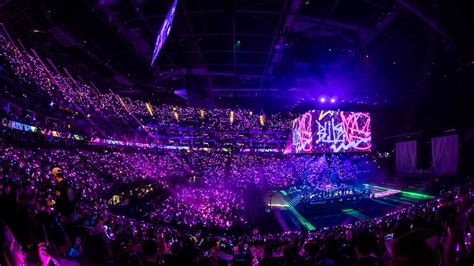
In 2019, Real Madrid announced one of the most ambitious renovation projects in the stadium's history, dubbed the "Santiago Bernabéu of the 21st Century." This project, still underway as of the latest updates, represents a profound reimagining of the venue. The redesign focuses on modern aesthetics, technological integration, and environmental sustainability. A retractable roof is being added, allowing the stadium to host events in all weather conditions. Additionally, the exterior façade is being transformed with a futuristic, metallic sheen that incorporates LED lighting, enabling the stadium to change its appearance for different events or celebrations. This feature not only modernizes the stadium's look but also enhances its role as a city landmark.
Another critical aspect of the current renovations is the emphasis on urban integration and accessibility. The new design includes the creation of public spaces around the stadium, such as green areas and pedestrian-friendly zones, which aim to better connect the venue with the surrounding urban fabric of Madrid. Furthermore, the addition of a 360-degree video screen and state-of-the-art digital infrastructure ensures that the stadium remains at the forefront of fan engagement technologies. These features are not just about improving the matchday experience but also about future-proofing the stadium for a world where virtual and augmented reality experiences are becoming integral to sports entertainment.
One of the most intriguing aspects of the Santiago Bernabéu's evolution is its reflection of broader architectural and urban trends. For instance, the shift from open, utilitarian structures in the mid-20th century to enclosed, multi-purpose venues in the 21st century mirrors global changes in how cities view sports infrastructure. Modern stadiums are no longer isolated entities but are integrated into the urban ecosystem, serving as hubs for community engagement, tourism, and economic activity. The Santiago Bernabéu's evolution exemplifies this trend, as it transitions from a purely functional sports venue to a dynamic, multi-use facility that contributes to Madrid's identity as a global city.
It is also worth noting the role of fan expectations and market competition in driving these changes. As rival clubs like Barcelona (with Camp Nou) and Premier League teams invested heavily in their venues, Real Madrid faced pressure to keep the Santiago Bernabéu competitive. Each modernization effort can be seen as a response to this arms race of stadium innovation, where clubs vie not only for on-field success but also for the prestige of hosting the most advanced and attractive venues.
In summary, the architectural evolution of the Santiago Bernabéu Estadio is a narrative of adaptation and ambition. From its humble beginnings as a simple concrete bowl to its current transformation into a high-tech, multi-functional landmark, the stadium has continually reinvented itself to meet the demands of its era. These changes are not just about accommodating more fans or hosting better events; they are about reinforcing Real Madrid's identity as a club that leads both on and off the pitch. As the latest renovations near completion, the Santiago Bernabéu is poised to remain a beacon of innovation, blending tradition with the cutting edge of stadium design.
Role in Real Madrid's Legacy
The Santiago Bernabéu Estadio is not merely a venue for football matches; it is a living, breathing monument to the grandeur of Real Madrid. Since its inauguration in 1947, the stadium has been intrinsically woven into the fabric of the club's identity, serving as both a physical and symbolic epicenter of its unparalleled success. To understand the stadium's role in Real Madrid's legacy, one must delve into how it has shaped the club's narrative, enhanced its global brand, and acted as a stage for some of the most iconic moments in football history.
From its very inception, the Santiago Bernabéu was designed to be more than a functional space for sport. It was conceived as a statement of ambition by Santiago Bernabéu Yeste, the club's president from 1943 to 1978, whose vision extended far beyond the immediate needs of a growing team. The stadium was a deliberate investment in creating a fortress that would embody Real Madrid's ethos of excellence and dominance. Its initial capacity of over 75,000 spectators—a bold figure for the time—signaled the club's intent to draw massive crowds and establish itself as a central figure in European football. This ambition was not misplaced; over the decades, the stadium has hosted countless matches that have cemented Real Madrid's reputation as a titan of the sport.
One of the most significant ways the Santiago Bernabéu has contributed to Real Madrid's legacy is through its role in the club's European success. The stadium has been the site of numerous UEFA Champions League (formerly European Cup) triumphs, with Real Madrid winning the competition a record 14 times. The electric atmosphere within its walls has often been cited as a "12th man" for the team, intimidating visiting sides and galvanizing the home players. For instance, the 1957 European Cup final, played at the Bernabéu, saw Real Madrid defeat Fiorentina 2-0 in front of a raucous home crowd. This victory was not just a win but a declaration of the club's European supremacy, a narrative that has been reinforced time and again within the stadium's confines. The repeated success in this competition, often celebrated under the floodlights of the Bernabéu, has turned the stadium into a shrine for fans and a symbol of Real Madrid's dominance in European football.
Beyond its functional role as a venue, the Santiago Bernabéu has been a critical component of Real Madrid's brand identity. The stadium is not just a place to watch football; it is a destination that encapsulates the club's history, prestige, and global appeal. The very name "Santiago Bernabéu" carries weight, evoking a sense of tradition and excellence that aligns with Real Madrid's image as a club of legends. This is amplified by the stadium's location in the heart of Madrid, a city synonymous with culture and grandeur. Over the years, the club has leveraged the stadium's iconic status to enhance its commercial and branding efforts. Tours of the Bernabéu attract hundreds of thousands of visitors annually, offering them a chance to walk through the hallowed tunnels, sit in the stands, and immerse themselves in the club's storied past. This has not only deepened the emotional connection between the club and its global fanbase but has also turned the stadium into a revenue-generating asset, further solidifying Real Madrid's financial dominance.
The Santiago Bernabéu has also been a stage for some of the most memorable matches and moments in football history, many of which are inseparable from Real Madrid's identity. Consider the 2014 Champions League final, where Real Madrid secured "La Décima" (their tenth European title) in a dramatic 4-1 victory over Atlético Madrid. The match, played in Lisbon, was a culmination of years of effort, but the celebrations that followed were centered at the Bernabéu, where fans gathered to bask in the glory of their team's achievement. Such moments illustrate how the stadium serves as a focal point for collective memory and celebration, reinforcing its importance in the club's narrative. Similarly, the 2018 Champions League semifinal second leg against Bayern Munich, where Real Madrid secured a place in the final amidst a charged atmosphere, underscores how the Bernabéu can influence the outcome of high-stakes games through its sheer presence and the energy it generates.
In addition to its impact on matchdays, the Santiago Bernabéu has been central to Real Madrid's ability to attract and retain world-class talent. The stadium is a selling point for players who dream of performing on one of the most famous pitches in the world. Legends like Alfredo Di Stéfano, Cristiano Ronaldo, and Zinedine Zidane have all graced the Bernabéu, their exploits forever etched into its history. For many players, the opportunity to play in such a storied venue is a career-defining aspiration. This allure has helped Real Madrid maintain its status as a magnet for the best talent in the world, ensuring a steady stream of stars who contribute to the club's ongoing success.
The stadium's role in Real Madrid's legacy is not static; it evolves with time. Recent renovations, including the addition of a retractable roof and state-of-the-art facilities, demonstrate the club's commitment to keeping the Bernabéu at the forefront of innovation. These upgrades not only enhance the matchday experience for fans but also ensure that the stadium remains a symbol of modernity and ambition. This blend of tradition and forward-thinking reinforces Real Madrid's brand as a club that respects its history while relentlessly pursuing the future.
Moreover, the Santiago Bernabéu has played a pivotal role in Real Madrid's ability to foster a sense of community and belonging among its supporters. The stadium is more than a venue; it is a gathering place for fans from all walks of life who share a common passion. The chants, the rituals, and the camaraderie experienced within its walls create a sense of unity that transcends the 90 minutes of play. This communal aspect is particularly evident during major victories or title celebrations, where the Bernabéu becomes the focal point of citywide festivities. Such moments underscore how the stadium is not just a physical structure but a cultural touchstone for Madridistas worldwide.
- The stadium has hosted pivotal matches that define Real Madrid's European success, such as multiple Champions League finals.
- It serves as a commercial and branding asset, with stadium tours and events drawing global audiences.
- Its atmosphere and history make it a key factor in attracting top-tier talent to the club.
- Renovations ensure the stadium remains a blend of tradition and modernity, reflecting Real Madrid's evolving identity.
In conclusion, the Santiago Bernabéu Estadio is far more than a football stadium; it is a cornerstone of Real Madrid's legacy. It has been the backdrop for historic victories, a beacon of the club's ambition, and a symbol of its enduring appeal. By serving as both a physical space and a metaphorical representation of Real Madrid's values, the Bernabéu has become inseparable from the club's identity. As Real Madrid continues to build on its legacy, the stadium will undoubtedly remain at the heart of its journey, a constant reminder of the club's unparalleled stature in the world of football.
Cultural and Economic Impact
The Santiago Bernabéu Estadio, home to Real Madrid CF, is more than just a sports venue; it is a cultural and economic hub that has deeply influenced Madrid's identity, tourism landscape, and local economy. Since its inauguration in 1947, the stadium has grown to symbolize the city's global prominence in sports and entertainment. Its impact extends far beyond the confines of football, shaping Madrid’s cultural fabric and contributing significantly to its economic vitality.
From a cultural perspective, the Santiago Bernabéu is a shrine to football, a sport that is deeply ingrained in Spanish society. Real Madrid, as one of the most successful football clubs in history, has used the stadium as a stage to showcase not only its athletic prowess but also its philosophy of excellence and global ambition. The stadium has hosted some of the most iconic matches in football history, including European Cup finals and legendary El Clásico encounters. These events have etched the Bernabéu into the collective memory of fans worldwide, making it a pilgrimage site for football enthusiasts. For Madrileños, the stadium is a source of civic pride, a place where the city's identity is celebrated through the victories and resilience of its team. The stadium has also become a venue for non-sporting events, such as concerts by global artists like U2 and Bruce Springsteen, further embedding it into Madrid's cultural scene as a space for collective experiences that transcend sports.
The tourism impact of the Santiago Bernabéu is equally profound. Madrid attracts millions of visitors annually, and the stadium is consistently ranked among the city's top tourist attractions. According to recent data, the Bernabéu museum and guided tours draw over 1.3 million visitors each year, placing it on par with other iconic Madrid landmarks like the Prado Museum and the Royal Palace. Tourists flock to the stadium not just to see the field but to immerse themselves in the history of Real Madrid through its interactive exhibits, trophy displays, and panoramic views of the pitch. This influx of visitors has a ripple effect on the local hospitality industry. Hotels, restaurants, and transport services in the Chamartín district, where the stadium is located, benefit significantly from the steady stream of football fans and tourists. Moreover, the Bernabéu's visibility as a global brand magnifies Madrid’s appeal as a destination for international travelers, reinforcing its status as a cosmopolitan capital.
From an economic standpoint, the Santiago Bernabéu is a critical driver of Madrid's economy. The stadium’s economic contributions can be analyzed through three primary channels: direct revenue generation, job creation, and urban development. In terms of direct revenue, matchdays are a boon for local businesses. On average, a Real Madrid home game attracts over 80,000 spectators, many of whom spend on tickets, merchandise, food, and beverages. Additionally, the club's global fan base ensures a consistent demand for high-value experiences, such as VIP seating and hospitality packages. These activities generate substantial income for the club and its partners, much of which circulates within the local economy.
The stadium is also a significant employer. Beyond the athletes and coaching staff, the operations of the Santiago Bernabéu support a wide array of jobs, from security personnel and maintenance crews to event organizers and retail staff in the club’s megastore. Furthermore, the ongoing renovations to modernize the stadium—a project that includes a retractable roof, a 360-degree screen, and enhanced facilities—have created thousands of construction jobs. This massive redevelopment, estimated to cost over €800 million, is not only a testament to Real Madrid’s ambition but also a stimulus for Madrid’s construction and engineering sectors.
Another key aspect of the stadium’s economic influence lies in its role as a catalyst for urban development. The area surrounding the Bernabéu has undergone significant transformation over the decades, with the stadium acting as an anchor for commercial and residential projects. High-end retail spaces, office buildings, and improved public transport links have sprung up in its vicinity, driven in part by the stadium's ability to attract foot traffic and investment. The recent renovation project, which includes plans for a shopping center, a hotel, and event spaces within the stadium complex, is expected to further elevate the area’s economic profile. This integration of sports infrastructure with urban development exemplifies how stadiums can serve as engines for localized economic growth.
The Santiago Bernabéu’s impact also extends to Madrid’s positioning as a global city. Hosting major international events, such as the 2010 UEFA Champions League final or the 1982 FIFA World Cup matches, has reinforced Madrid's reputation as a city capable of managing large-scale, high-profile gatherings. These events not only bring immediate economic benefits through tourism and media coverage but also enhance Madrid's brand as a destination for sports, business, and culture. The stadium’s global broadcasts reach millions of viewers, effectively turning every match into an advertisement for Madrid as a vibrant and dynamic city.
However, it is essential to consider the challenges and critiques associated with the stadium's economic impact. The urban gentrification driven by stadium-related developments can lead to rising property prices and the displacement of long-term residents in surrounding neighborhoods. Additionally, the high costs of modernizing the stadium have sparked debates about whether such investments are sustainable in the long term, particularly given the financial pressures faced by many football clubs post-pandemic. These challenges highlight the need for a balanced approach to leveraging the stadium’s economic potential without compromising the social fabric of the city.
In summary, the Santiago Bernabéu Estadio is a cornerstone of Madrid’s cultural and economic landscape. It is not merely a venue for football matches but a multifaceted institution that drives tourism, supports local businesses, creates jobs, and shapes the city’s urban identity. Its influence is a microcosm of how sports infrastructure can intertwine with a city’s broader development goals. While its benefits are undeniable, ongoing efforts to address the social and economic trade-offs will be crucial in ensuring that the stadium continues to serve as a positive force for Madrid in the decades to come.
Technological Innovations
The Santiago Bernabéu Estadio, home to Real Madrid, has undergone a transformation that positions it as one of the most technologically advanced stadiums in the world. Its renovations are not merely cosmetic but are deeply rooted in integrating cutting-edge technologies to redefine the fan experience and streamline operational efficiency. This section delves into the specific innovations implemented at the stadium, exploring how they enhance both the spectator experience and the behind-the-scenes management of events.
One of the most striking technological features of the Santiago Bernabéu is its 4K HDR video screen system. The stadium now boasts a 360-degree retractable video screen that wraps around the inner circumference of the roof. This screen is not just a visual spectacle but a functional tool that provides real-time replays, immersive graphics, and interactive content tailored to the audience. Unlike traditional screens, this system is designed to offer a seamless viewing experience from any seat in the stadium. The high-resolution output ensures that even minute details, such as player expressions or intricate match statistics, are visible to fans. This innovation caters to the modern fan's expectation of high-definition, personalized content, which enhances engagement and satisfaction during matches.
Another groundbreaking feature is the augmented reality (AR) enhancements integrated into the stadium experience. Fans can use their smartphones or AR-enabled devices to access layers of digital information overlaid on the physical environment. For instance, pointing a device at a player on the field can display live statistics such as speed, distance covered, or heat maps of their movement. This functionality is powered by a network of high-precision sensors and cameras installed around the pitch. These devices collect data in real time and feed it into an analytics engine that processes and delivers insights to fans. This use of AR not only enriches the in-stadium experience but also serves as a tool for education and deeper engagement, particularly for younger audiences or those new to the sport.

The stadium's smart ticketing system is another area where technology has been leveraged to improve both convenience and security. Traditional paper tickets have been replaced by digital tickets that are stored in a mobile app. These tickets are embedded with NFC (Near Field Communication) technology, allowing fans to enter the stadium by simply tapping their phones at designated gates. This system reduces queues, minimizes the risk of counterfeit tickets, and provides the club with valuable data on attendance patterns. Moreover, the app integrates with other services, such as in-stadium purchases and seat upgrades, creating a unified ecosystem for fans. For instance, a fan can use the app to order food or merchandise and have it delivered to their seat, eliminating the need to miss part of the action.
In terms of operational efficiency, the Santiago Bernabéu has implemented AI-driven crowd management systems. These systems use a combination of surveillance cameras, IoT sensors, and machine learning algorithms to monitor crowd density and movement in real time. This is particularly useful during high-attendance events where bottlenecks or overcrowding can pose safety risks. The AI system can predict potential congestion points and dynamically adjust access routes or recommend alternative entry points to fans via the mobile app. Additionally, the system can detect unusual behavior or security threats, enabling quicker responses from stadium staff or security personnel. This not only ensures the safety of attendees but also optimizes the flow of people, reducing wait times and improving the overall experience.
Energy efficiency is a critical aspect of the stadium's technological upgrades. The installation of a state-of-the-art LED lighting system serves multiple purposes. Beyond providing superior illumination for matches, the LED system is programmable to create dynamic light shows during pre-match ceremonies or goal celebrations. This feature adds a layer of entertainment value while also being environmentally friendly. The LED lights consume significantly less energy compared to traditional stadium lighting systems, contributing to the club's sustainability goals. Furthermore, the stadium is equipped with solar panels and an energy storage system, which help reduce its carbon footprint by harnessing renewable energy sources. These green technologies are not only a nod to environmental responsibility but also align with global trends in sports infrastructure to adopt more sustainable practices.
The connectivity infrastructure of the stadium has been overhauled to support the demands of a hyper-connected audience. With the installation of a 5G network, fans can enjoy seamless internet access, even in a packed stadium with tens of thousands of simultaneous users. This high-speed connectivity enables live streaming, social media engagement, and the use of AR applications without lag or interruptions. Additionally, the stadium has deployed a Wi-Fi 6 network to complement the 5G system, ensuring that even non-5G devices can benefit from fast and reliable internet. This dual-network approach underscores the stadium's commitment to accommodating diverse technological needs of its audience.
Another area of innovation is the use of robotics and automation in facility management. For example, autonomous robots are employed for cleaning and maintenance tasks, particularly in high-traffic areas. These robots are equipped with sensors to navigate the stadium efficiently and can work during off-hours to ensure the venue is pristine for events. Automation also extends to the food and beverage services, where self-ordering kiosks and robotic delivery systems are being tested. These technologies not only speed up service but also reduce the reliance on human labor for repetitive tasks, allowing staff to focus on more customer-centric roles.
The Santiago Bernabéu also embraces data analytics to enhance both fan engagement and operational decision-making. Through the collection of data from ticketing systems, in-stadium purchases, and fan interactions, the club can gain insights into fan preferences and behavior. This data is used to tailor marketing campaigns, optimize seating arrangements, and even influence team strategies by analyzing crowd reactions during key moments of a match. For example, if data shows that certain sections of the crowd are more vocal during specific plays, the club can use this information to design targeted promotions or engagement activities for those areas.
Finally, the stadium's integration of immersive sound technology is worth noting. A distributed sound system has been installed to create a 3D audio experience, where sound is tailored to reach every corner of the stadium with precision. This not only amplifies the atmosphere during matches but also ensures that announcements, music, and crowd noise are evenly distributed. The result is a more immersive and engaging auditory experience for fans, whether they are seated in the front rows or the upper tiers.
In summary, the technological innovations at the Santiago Bernabéu Estadio represent a holistic approach to modernizing a sports venue. From AR-enhanced fan experiences to AI-driven operational efficiencies and sustainable energy practices, the stadium exemplifies how technology can transform not just the way games are watched but also how they are managed. These advancements set a benchmark for other stadiums worldwide, showcasing how traditional sports venues can evolve into smart, sustainable, and fan-centric spaces.
Major Events Hosted
The Santiago Bernabéu Estadio, home to Real Madrid CF, is not only one of the most iconic football venues in the world but also a stage for some of the most significant events in sports and entertainment history. Its storied legacy as a host venue extends far beyond the boundaries of football, encompassing major tournaments, historic matches, and high-profile non-sporting gatherings. This section delves into the key events that have defined the stadium's global reputation.
One of the most defining aspects of the Santiago Bernabéu's history is its role in hosting **pivotal football matches**. The stadium has been the backdrop for numerous UEFA Champions League finals, a competition that Real Madrid has dominated. For instance, the **1957 European Cup Final** was the first major European final hosted at the stadium, where Real Madrid defeated Fiorentina 2-0. This match not only marked the beginning of Real Madrid's European dominance but also showcased the stadium's ability to host high-stakes international fixtures. Decades later, the **1981 European Cup Final** between Liverpool and Real Madrid further solidified the stadium's place in European football lore. Although Real Madrid lost 1-0, the event underscored the stadium's capacity to handle intense rivalries and draw global attention.
The Santiago Bernabéu also played host to the **1982 FIFA World Cup**, a landmark event in football history. The stadium was renovated for the tournament to accommodate the growing expectations of modern football audiences. It hosted several group-stage matches and the **semi-final clash between Italy and Poland**, where Italy triumphed 2-0 en route to winning the trophy. The semi-final was particularly memorable for the presence of legendary players like Paolo Rossi, whose performance in the tournament made him a household name. This World Cup not only brought international prestige to the stadium but also showcased its adaptability to meet the demands of a global audience.
Beyond club and international football, the Bernabéu has been a venue for **historic El Clásico matches** between Real Madrid and FC Barcelona. These fixtures are not merely sporting events but cultural phenomena that attract millions of viewers worldwide. One of the most iconic El Clásico games at the stadium was the **2014 Copa del Rey final**, where Real Madrid triumphed 2-1 with a dramatic late goal by Gareth Bale. This match exemplified the electric atmosphere the stadium can generate, with fans from both sides contributing to an unforgettable spectacle.
In addition to football, the Santiago Bernabéu has hosted **international tournaments outside the traditional football framework**. For example, it was one of the venues for the **1964 European Nations' Cup**, the precursor to the modern UEFA European Championship. The stadium hosted the **final between Spain and the Soviet Union**, where Spain won 2-1 in front of a rapturous home crowd. This victory was not just a sporting achievement but also a moment of national pride during a politically charged era in Spain's history. The event is often remembered as a turning point for Spanish football and a testament to the stadium's ability to host events of national significance.
The versatility of the Santiago Bernabéu extends to **non-sporting events**, which have added another layer to its legacy. One of the most notable non-sporting gatherings was the **Pope John Paul II's visit in 1982**. The stadium was transformed into a space of worship as the Pope led a mass attended by over 100,000 people. This event highlighted the stadium's adaptability and its symbolic importance beyond sports, serving as a unifying space for diverse gatherings. Similarly, the stadium has hosted **major music concerts** featuring global superstars. Artists like **Michael Jackson** performed at the Bernabéu during his **HIStory World Tour in 1993**, drawing massive crowds and cementing the venue's reputation as a multi-purpose arena. These concerts demonstrate how the stadium can transition seamlessly from a sporting colosseum to an entertainment hub, further broadening its appeal.
Another noteworthy category of events includes **charity matches and exhibition games**. The Santiago Bernabéu has been a venue for matches that go beyond competition to serve humanitarian causes. For instance, the **Corazon Classic Match**, an annual charity event featuring legendary players from Real Madrid and other clubs, is a staple at the stadium. These matches not only raise funds for charitable causes but also celebrate the history and camaraderie of football. Such events reinforce the stadium's role as a space that fosters community and goodwill, transcending its primary function as a sports venue.
The stadium has also been the site of **innovative and experimental events** that push the boundaries of its traditional use. For example, the **2018 Copa Libertadores Final** between River Plate and Boca Juniors was held at the Bernabéu due to security concerns in Argentina. This decision was unprecedented, as the final of South America's most prestigious club competition was played outside the continent for the first time. The choice of the Santiago Bernabéu as the neutral venue highlighted its global standing and logistical capabilities, as it successfully managed the high-profile match amid intense scrutiny.
In recent years, the stadium has continued to evolve as a host for **modern, technologically driven events**. With its ongoing renovations aimed at creating a state-of-the-art facility, the Bernabéu is poised to host **e-sports tournaments** and other tech-focused gatherings. These developments reflect a forward-looking approach to maintaining the stadium's relevance in an era where digital and physical experiences converge. The stadium's ability to adapt to such trends ensures its continued prominence on the global stage.
A comprehensive look at the Santiago Bernabéu's event history would be incomplete without mentioning its role in **celebrating Real Madrid's own milestones**. The stadium has been the site of numerous title celebrations, where the team and its fans come together to mark domestic and international triumphs. These celebrations are not merely post-match festivities but cultural events that embody the deep connection between the club, its supporters, and the stadium itself. For instance, after Real Madrid's **2018 UEFA Champions League victory**, the stadium hosted a massive celebration that drew fans from across the world, showcasing the venue's central role in the club's identity.
The Santiago Bernabéu Estadio's ability to host such a diverse array of events speaks to its unparalleled versatility and historical significance. From football finals that have shaped the sport's history to non-sporting gatherings that have brought people together for causes and celebrations, the stadium stands as a symbol of adaptability and excellence. Its legacy is not just rooted in the matches played on its pitch but in the broader cultural and social moments it has facilitated. This deep connection to both sport and society ensures that the Santiago Bernabéu remains an enduring monument to human achievement and collective memory.
- The 1957 European Cup Final marked Real Madrid's early dominance in European football.
- The 1982 FIFA World Cup semi-final showcased the stadium's adaptability for global tournaments.
- El Clásico matches at the stadium have become cultural phenomena.
- The 1964 European Nations' Cup final was a moment of national pride for Spain.
- Michael Jackson's 1993 concert highlighted the stadium's role as an entertainment venue.
- The Corazon Classic Match exemplifies the stadium's charitable initiatives.
- The 2018 Copa Libertadores Final demonstrated the stadium's global logistical capabilities.
- Real Madrid's title celebrations underscore the emotional bond between the club and its home ground.
These examples illustrate the Santiago Bernabéu Estadio's multi-faceted role as a venue that transcends sports, blending athletic excellence with cultural and social significance. Its ability to host such a wide range of events cements its place as one of the most iconic and versatile stadiums in the world.
Challenges and Controversies
The Santiago Bernabéu Estadio, home to Real Madrid, is one of the most iconic football venues in the world. However, its storied history is not without its share of challenges and controversies. These range from ambitious renovation projects to disputes over funding and public opinion. Understanding these issues provides a nuanced view of how the stadium has evolved and the complexities involved in maintaining its status as a world-class sporting venue.
One of the most significant challenges associated with the Santiago Bernabéu is its ongoing renovation project, which began in 2019. The project, estimated to cost over €800 million, aims to modernize the stadium with a retractable roof, a 360-degree video screen, and upgraded facilities for fans and players. While these enhancements are intended to keep the stadium competitive in the modern era, they have not been without their difficulties. The renovation has faced delays due to the COVID-19 pandemic, which disrupted supply chains and forced construction to pause for extended periods. This delay not only pushed back the completion date but also increased costs, creating financial strain for Real Madrid. The club had to secure loans and explore creative financing options, such as selling naming rights to third-party sponsors, to fund the project. This move was met with mixed reactions from fans, some of whom felt that the historic name of the stadium should remain untouched.
The decision to renovate rather than build a new stadium also sparked controversy. Critics argued that demolishing the existing structure and starting fresh might have been a more cost-effective and efficient approach. However, Real Madrid's leadership insisted on preserving the historical essence of the Santiago Bernabéu, emphasizing its role as a symbol of the club's legacy. This decision underscores a broader tension in sports architecture: the balance between preservation and progress. Renovating an aging structure while attempting to incorporate cutting-edge technology is a delicate task, particularly when the venue is as iconic as the Bernabéu. The project’s ambition to blend tradition with modernity has been both a point of pride and a source of tension among stakeholders.
Another notable controversy involves the funding model for the renovations. Real Madrid opted for a loan from JP Morgan and other financial institutions, secured against future revenues. This approach raised eyebrows among financial analysts and fans alike. Questions were raised about whether the club was overleveraging itself, particularly given the uncertainty of post-pandemic revenues. Some critics suggested that the financial burden could impact the club’s ability to invest in its squad, potentially weakening its competitive edge in domestic and European competitions. This concern was amplified by Real Madrid's history of high-profile player acquisitions, which often require significant financial outlays. The club’s leadership countered these criticisms by emphasizing the long-term revenue potential of the upgraded stadium, including increased ticket sales, premium hospitality offerings, and non-football events such as concerts.
The Santiago Bernabéu has also been at the center of public disputes related to its urban impact. The stadium is located in a densely populated area of Madrid, and its renovation has raised concerns about traffic congestion, noise pollution, and the overall integration of the venue into the city’s urban fabric. Local residents have voiced frustrations about the disruption caused by construction activities, particularly in terms of road closures and limited access to public spaces. In response, Real Madrid has worked with city officials to implement mitigation measures, such as improved transportation plans and community engagement initiatives. However, these efforts have not fully alleviated public dissatisfaction, highlighting the inherent challenge of balancing the needs of a global sports institution with those of a local community.
Another layer of controversy surrounds the stadium’s role in political and social dynamics. The Santiago Bernabéu has often been viewed as a symbol of Spanish nationalism, given Real Madrid's historical association with the establishment. This perception has occasionally made the venue a focal point for political protests or debates. For instance, during the Franco era, Real Madrid's success was sometimes interpreted as a tool of state propaganda, a narrative that has lingered in the minds of some critics. While the modern club has worked to distance itself from such associations, the stadium’s prominence ensures that it remains a site of symbolic significance in Spanish society. This dynamic adds a layer of complexity to any major changes or events associated with the Bernabéu, as they are often scrutinized through a political lens.

The stadium has also faced logistical challenges during its operational history. For example, its relatively limited capacity compared to other modern mega-stadiums has been a point of contention. While the Bernabéu can hold over 80,000 spectators, this is smaller than venues like Barcelona's Camp Nou or some Premier League stadiums. This has led to debates about whether the renovations should prioritize increasing capacity to accommodate more fans or focus on enhancing the quality of the experience for existing attendees. Real Madrid’s leadership has leaned toward the latter, arguing that a superior fan experience—through better seating, technology, and amenities—will ultimately be more valuable than sheer numbers. This approach reflects a broader trend in stadium design, where fan engagement and premium experiences are seen as key revenue drivers in an era of rising expectations among supporters.
The environmental impact of the renovations has also been a point of discussion. Large-scale construction projects inevitably generate significant waste and carbon emissions, and the Santiago Bernabéu is no exception. Critics have questioned whether the club has done enough to mitigate these effects, such as using sustainable materials or incorporating energy-efficient systems. Real Madrid has attempted to address these concerns by highlighting features like the new energy-efficient lighting and the integration of green spaces around the stadium. However, some environmental groups argue that these measures are insufficient given the scale of the project.
In addition to these practical challenges, the Santiago Bernabéu has occasionally been embroiled in on-field controversies that have spilled over into its reputation as a venue. Instances of crowd behavior, such as racist chants or clashes between rival fan groups, have tarnished the stadium's image at times. Real Madrid has taken steps to address these issues through stricter security measures and awareness campaigns, but such incidents serve as a reminder of the broader societal challenges that sports venues must navigate.
In summary, the Santiago Bernabéu Estadio’s journey has been marked by a series of challenges and controversies that reflect its status as a globally significant venue. From the financial and logistical hurdles of its ambitious renovation project to its role in urban and political dynamics, the stadium embodies the complexities of managing a historic yet evolving institution. These issues illustrate how even the most celebrated sporting venues must continually adapt to meet the demands of modernity while respecting their legacy. For Real Madrid, the Santiago Bernabéu is not just a stadium—it is a symbol of ambition, tradition, and the ever-present pressure to remain at the pinnacle of global football.
Comparison with Other Iconic Stadiums
The Santiago Bernabéu Estadio, home to Real Madrid, is one of the most iconic football venues in the world. Its legacy, design, and impact on both the sport and the city of Madrid make it a benchmark for stadium architecture and functionality. To understand its place in the pantheon of global football venues, it is essential to compare it with other world-renowned stadiums such as Wembley Stadium in London, Camp Nou in Barcelona, Allianz Arena in Munich, and Maracanã in Rio de Janeiro. Each of these venues offers unique contributions to the sport, and examining their design and impact alongside the Santiago Bernabéu provides a nuanced view of its distinctiveness.
One of the most striking aspects of the Santiago Bernabéu is its urban integration. Located in the heart of Madrid, the stadium is a seamless part of the cityscape, accessible via public transport and surrounded by commercial and residential areas. This contrasts with Wembley Stadium, which is situated in a more suburban setting in northwest London. Wembley’s design emphasizes its role as a national monument—its iconic arch is visible from miles away—but its location makes it less integrated into the daily life of London compared to the Bernabéu. The Bernabéu’s central position allows it to serve as a constant visual and cultural anchor for Madrid, unlike Wembley, which is more of a destination for special occasions.
In terms of architectural innovation, the Santiago Bernabéu has undergone significant transformations since its inauguration in 1947. The most recent renovation, which began in 2019, aims to modernize the stadium with a retractable roof, a 360-degree screen, and an expanded capacity with improved seating comfort. These features position it as a state-of-the-art venue comparable to the Allianz Arena in Munich. The Allianz Arena, known for its illuminated exterior that changes colors based on the home team, is celebrated for its modernity. However, the Bernabéu’s renovation takes this a step further by incorporating sustainability into its design. For instance, the installation of solar panels and energy-efficient systems reflects Real Madrid’s commitment to environmental responsibility—a dimension often overlooked in older stadiums like Maracanã, which, despite its historical significance, lacks the cutting-edge sustainability features seen in the Bernabéu.
The capacity and fan experience are also critical points of comparison. With a current capacity of around 81,000 after its renovation, the Santiago Bernabéu is slightly smaller than Camp Nou, which can hold approximately 99,000 spectators. However, the Bernabéu’s focus on premium experiences sets it apart. The inclusion of luxury suites, high-end dining options, and interactive museum spaces inside the stadium caters to a global audience seeking more than just a football match. This approach contrasts with Camp Nou, which, while vast and steeped in history, has been criticized for its less comfortable seating and limited modern amenities. The Bernabéu’s renovation addresses these aspects head-on, aiming to provide a blend of tradition and luxury that few stadiums can rival.
When considering historical impact, the Maracanã in Rio de Janeiro offers an interesting counterpoint. Built for the 1950 World Cup, the Maracanã is a symbol of Brazilian football and has hosted some of the most iconic moments in the sport’s history, such as Pelé’s 1,000th goal. However, its design is more utilitarian compared to the Santiago Bernabéu. The Bernabéu, while also a venue for historic matches (including multiple Champions League finals), prioritizes both its role as a football mecca and its identity as a multi-purpose venue. The integration of a shopping center, restaurants, and event spaces in the Bernabéu’s renovation reflects a forward-thinking approach that Maracanã, with its more traditional focus, has not fully embraced.
Another point of distinction lies in the cultural significance of these stadiums. The Santiago Bernabéu is not merely a place to watch football; it is a symbol of Real Madrid’s global brand and its association with excellence. This is similar to how the Allianz Arena represents Bayern Munich’s dominance in German football. However, the Bernabéu’s global appeal extends beyond its home team. Its location in one of Europe’s most visited cities, coupled with Real Madrid’s status as a globally recognized club, means the stadium attracts tourists and fans year-round, even outside of match days. This is a stark contrast to venues like Wembley, which, despite its grandeur, is more closely associated with specific events such as FA Cup finals or international fixtures rather than serving as a year-round attraction.
The technological advancements in the Santiago Bernabéu also set it apart. The incorporation of a 360-degree screen and advanced acoustics ensures that every seat offers an immersive experience. This is a step beyond what is offered at many older stadiums, including the Maracanã, where the focus has historically been on sheer size and atmosphere rather than technological sophistication. Similarly, while the Camp Nou has begun its own renovation project to modernize, the Bernabéu’s renovation timeline and scope suggest it will leapfrog its Catalan rival in terms of technological integration.
In terms of economic impact, the Santiago Bernabéu plays a significant role in Madrid’s economy. Its central location and appeal as a tourist destination generate substantial revenue for local businesses, hotels, and transport services. This is a shared trait with the Allianz Arena, which also contributes heavily to Munich’s economy. However, the Bernabéu’s renovation project, estimated to cost over €800 million, is a testament to its ambition to remain not just a football venue but a multi-functional space that can host concerts, conferences, and other large-scale events. This versatility is less pronounced in stadiums like Wembley, which are primarily event-focused rather than designed for diverse revenue streams.
From a design perspective, the Santiago Bernabéu’s emphasis on blending tradition with modernity is particularly noteworthy. While the Camp Nou and Maracanã are often celebrated for their historical aura, they lack the sleek, futuristic elements that the Bernabéu now embodies. The retractable roof and the external metallic facade of the Bernabéu give it a contemporary aesthetic that positions it as a forward-looking venue. This is particularly important in an era where stadiums are expected to be more than just sports facilities—they must also serve as symbols of a city’s progress and innovation.
Finally, the global legacy of these stadiums must be considered. The Santiago Bernabéu’s consistent presence in UEFA Champions League finals and its association with Real Madrid’s unparalleled success in European competitions elevate its status. While Wembley and Maracanã have their own storied histories, the Bernabéu’s combination of architectural evolution, technological integration, and cultural prominence ensures it remains a benchmark for what a modern football stadium can achieve. Its ability to balance its rich history with a vision for the future makes it a unique case study in stadium design and impact.
- Urban Integration: Unlike Wembley, the Bernabéu is deeply embedded in Madrid’s urban fabric.
- Architectural Innovation: The Bernabéu’s renovation surpasses the Allianz Arena in sustainability features.
- Fan Experience: It offers a more luxurious experience compared to Camp Nou’s traditional but dated facilities.
- Historical Impact: While Maracanã is iconic, the Bernabéu blends history with a modern, multi-purpose approach.
- Economic Impact: Its central location and versatility outshine Wembley’s event-specific focus.
In conclusion, the Santiago Bernabéu Estadio stands out not only for its storied history but also for its ability to evolve with the times. While other stadiums like Wembley, Camp Nou, Allianz Arena, and Maracanã each have their own strengths, the Bernabéu’s blend of urban integration, sustainability, luxury, and technological sophistication positions it as a model for the future of stadium design. It is not merely a venue for football but a living testament to how sports infrastructure can adapt to meet the demands of a modern, global audience.
Future Prospects and Vision
The Santiago Bernabéu Estadio, home to Real Madrid, is not just a symbol of sporting excellence but also a beacon of innovation and forward-thinking design. As the stadium undergoes its transformation into a state-of-the-art venue, its future prospects and vision are rooted in a blend of tradition, modernity, and sustainability. This section delves into the upcoming projects, sustainability initiatives, and the overarching vision that positions the Santiago Bernabéu as a global benchmark for the future of stadium architecture and operations.
One of the most significant upcoming projects for the Santiago Bernabéu is the completion of its ambitious renovation. Announced in 2019 and still underway, this project is set to redefine the stadium experience. A retractable roof is being added to ensure that matches can proceed in all weather conditions, a feature that will enhance the venue's versatility for hosting not just football but also other events like concerts, esports tournaments, and corporate gatherings. Additionally, the installation of a 360-degree video screen and an advanced LED lighting system will transform the spectator experience, immersing fans in a dynamic and interactive environment. These upgrades aim to position the stadium as a multi-purpose venue capable of attracting a diverse range of events, thereby increasing its revenue streams and global appeal.
Another critical aspect of the renovation is the incorporation of cutting-edge technology. The stadium is set to feature a digital twin—a virtual replica of the physical structure—that will enable real-time monitoring of various systems, including energy usage, crowd management, and security. This integration of IoT (Internet of Things) and AI (Artificial Intelligence) will allow the operators to optimize operations, reduce inefficiencies, and enhance safety. For instance, AI-driven crowd analytics can help predict and manage crowd flow during high-attendance events, minimizing bottlenecks and ensuring a seamless experience for visitors. Such technological advancements are not merely functional but also symbolic of Real Madrid's ambition to remain at the forefront of innovation in sports and entertainment.
Sustainability is a cornerstone of the Santiago Bernabéu's vision for the future. The stadium is committed to reducing its environmental impact through several ambitious initiatives. One of the most notable is the installation of a green energy system. Solar panels are being integrated into the stadium's design to harness renewable energy, while energy-efficient lighting and HVAC systems are being implemented to minimize power consumption. These measures align with global sustainability goals and demonstrate Real Madrid's commitment to being an environmentally responsible organization. Furthermore, the stadium is exploring ways to incorporate circular economy principles, such as recycling waste generated during events and repurposing materials used in construction. This holistic approach to sustainability sets a precedent for other sports venues to follow.
In addition to energy efficiency, the Santiago Bernabéu is focusing on water conservation. The renovation includes plans for a rainwater harvesting system that will collect and reuse water for irrigation and other non-potable purposes. This is particularly significant given the arid climate of Madrid, where water scarcity is a growing concern. By integrating such systems, the stadium not only reduces its reliance on municipal water supplies but also serves as a model for sustainable urban development in the region.
The fan experience is another area where the Santiago Bernabéu is setting new standards. Beyond the technological enhancements, the stadium is reimagining how spectators interact with the space. Enhanced VIP areas, including luxury suites and premium lounges, are designed to cater to high-net-worth individuals and corporate clients. At the same time, the general seating areas are being upgraded to provide better sightlines, improved acoustics, and more comfortable seating. A new museum and interactive experience zone is also in the works, allowing fans to immerse themselves in the history of Real Madrid while engaging with cutting-edge AR (Augmented Reality) and VR (Virtual Reality) exhibits. These features are not just about enhancing the matchday experience but also about creating a destination that fans and tourists will want to visit year-round.
From a commercial perspective, the Santiago Bernabéu is poised to become a revenue-generating powerhouse. The multi-purpose design of the stadium will allow it to host events beyond football, tapping into the lucrative markets of entertainment and business conferences. The addition of a shopping center, restaurants, and even a hotel in the vicinity will turn the stadium into a hub of activity, drawing visitors even on non-match days. This diversification of income sources is critical for the long-term financial health of Real Madrid, particularly as the economics of football become increasingly competitive.
The urban integration of the stadium is also part of its visionary approach. Unlike many sports venues that exist as isolated structures, the Santiago Bernabéu is being designed to blend seamlessly with the surrounding urban fabric of Madrid. Improved pedestrian access, green spaces, and public plazas are being incorporated into the project to create a more inviting and accessible environment for the local community. This focus on urban integration reflects a broader trend in stadium design, where venues are seen not just as places for sports but as community assets that contribute to the social and economic vitality of their surroundings.
Looking ahead, the Santiago Bernabéu's global aspirations are clear. The stadium is not just aiming to be a leader in Europe but to set a global benchmark for what a modern stadium can achieve. Its focus on digital innovation, sustainability, and fan engagement positions it as a model for other clubs and organizations to emulate. For instance, the stadium’s use of AI and IoT could inspire similar implementations in venues across the world, particularly as the demand for smarter, more efficient spaces grows. Moreover, the emphasis on multi-use functionality could redefine how stadiums are perceived—not as single-purpose facilities but as dynamic spaces that serve a variety of needs.
There are also challenges to consider in this ambitious vision. The high cost of the renovation, estimated at over €800 million, raises questions about financial sustainability and return on investment. However, Real Madrid’s strong brand and global fanbase provide a solid foundation for leveraging these upgrades into long-term profitability. Additionally, the integration of advanced technologies and sustainability measures requires ongoing maintenance and expertise, which could pose operational challenges. However, the club’s track record of innovation and its ability to attract top-tier partnerships suggest that these hurdles can be overcome with the right strategies and collaborations.
In summary, the future prospects and vision of the Santiago Bernabéu Estadio are deeply rooted in its desire to evolve beyond being a football stadium. It aspires to be a global icon of innovation, sustainability, and versatility, setting new standards for how sports venues can adapt to the demands of the 21st century. Through its focus on cutting-edge technology, environmental responsibility, and enhanced fan experiences, the Santiago Bernabéu is not just securing its place in history but also paving the way for the future of stadium design and operation.
- The retractable roof and 360-degree video screen enhance versatility and spectator experience.
- AI and IoT integration optimize operations and safety.
- Sustainability initiatives include solar panels, rainwater harvesting, and circular economy practices.
- Multi-purpose design supports diverse events and revenue streams.
- Urban integration fosters community engagement and accessibility.
By pursuing these goals, the Santiago Bernabéu Estadio is not just modernizing its physical structure but also redefining its role in the global sports and entertainment landscape.


