Introduction to Supercopa de España 2025
The **Supercopa de España 2025** is a marquee event in Spanish football, serving as both a competitive showcase and a celebration of the sport's rich tradition. This tournament, which pits some of Spain's top-performing clubs against each other, is not merely a contest for silverware but a reflection of the evolving dynamics of football in Spain. Its significance lies in its ability to blend tradition with modernity, offering fans a unique format that has adapted over the years to remain relevant in the fast-paced world of contemporary football.
The **Supercopa de España** has its roots in the early 1980s, when it was first established as a two-team competition to determine the "super champion" of Spanish football. The original premise was straightforward: the winners of La Liga and the Copa del Rey would face off in a two-legged tie to claim the title. This simple format reflected the hierarchical nature of Spanish football at the time, where the league and cup winners were seen as the pinnacle of domestic success. However, the 2025 edition represents a significant departure from this original concept, both in terms of format and context.
In recent years, the tournament has undergone a transformation. Since 2020, the Supercopa has adopted a **four-team format**, featuring the winners and runners-up of La Liga and the Copa del Rey from the previous season. This change was partly driven by commercial interests, as the expansion allowed for more high-profile matches and increased revenue opportunities. Yet, it also introduced a fresh competitive edge, giving second-placed teams a chance to vie for a trophy that might otherwise have been out of reach. This shift has not been without controversy, as purists argue that it dilutes the exclusivity of the competition. Nevertheless, the revised structure has undeniably added a layer of unpredictability and drama, making the Supercopa a more dynamic event.
The **significance of the Supercopa de España in Spanish football** cannot be overstated. While it may not carry the weight of La Liga or the Champions League in terms of prestige, the tournament serves several critical purposes. First, it acts as a **barometer for the season ahead**, offering teams an early opportunity to test their mettle against elite opposition. For clubs like Barcelona, Real Madrid, Atlético Madrid, and others who frequently feature, the Supercopa is a chance to gauge their preparedness for the grueling campaign that follows. For smaller clubs who occasionally qualify—such as when Real Sociedad or Athletic Bilbao have participated—it provides a platform to showcase their capabilities on a national stage, often leading to a surge in fan engagement and media attention.
Moreover, the Supercopa has become a **cultural touchstone** in the Spanish football calendar. Its mid-season timing, typically in January, offers a break from the monotony of league fixtures and provides fans with a high-stakes competition that can inject fresh energy into the season. This is particularly important in Spain, where regional rivalries and club loyalties run deep. The tournament often features matches that reignite classic rivalries—Real Madrid versus Barcelona being the most prominent example—ensuring that the Supercopa captures the imagination of fans across the country and beyond.
The **historical evolution of the Supercopa** reveals much about the changing priorities of Spanish football. In its early years, the competition was seen as a relatively minor event, overshadowed by the dominance of La Liga and the Copa del Rey. However, as the global football landscape grew more commercialized and fan-driven, the Supercopa adapted to meet new demands. The shift to a four-team format coincided with the tournament being hosted outside Spain for the first time, with Saudi Arabia becoming a recurring venue. This move was met with mixed reactions. On one hand, it opened the competition to a global audience and injected significant financial resources into Spanish football. On the other hand, it raised questions about the sport's integrity and the ethical implications of hosting domestic competitions abroad.
The **2025 edition** is expected to build on these developments while addressing some of the criticisms. Organizers have hinted at efforts to balance the commercial benefits with a renewed focus on fan accessibility and engagement. For instance, there is speculation about enhanced digital experiences for fans unable to attend matches in person, such as virtual reality viewing options or interactive fan zones. These innovations aim to ensure that the Supercopa remains a tournament "by the fans, for the fans," even as it continues to expand its global footprint.
From a **competitive standpoint**, the Supercopa de España 2025 will likely feature some of the most talented squads in world football. Spanish clubs have consistently been at the forefront of European competition, with La Liga teams frequently making deep runs in the UEFA Champions League and Europa League. This ensures that the Supercopa is not just a domestic affair but a stage where some of the best players in the world—from seasoned veterans like Luka Modrić to emerging stars like Pedri—compete for early-season bragging rights. The tournament's condensed nature, typically played over a few days, adds to its intensity, as teams must quickly find their rhythm and adapt to the pressures of knockout football.
Another unique aspect of the Supercopa is its **role in promoting Spanish football's global brand**. With the tournament's international exposure, particularly through broadcasts and social media, it serves as a window into the vibrancy of Spanish football culture. This is particularly important as La Liga seeks to compete with the Premier League for global viewership. The Supercopa offers a condensed, high-profile event that can attract casual fans and highlight the technical brilliance, tactical sophistication, and passion that define Spanish football.
The **historical winners** of the Supercopa provide a fascinating lens through which to view the tournament's legacy. Real Madrid and Barcelona have dominated the competition, reflecting their longstanding supremacy in Spanish football. However, the expanded format has allowed other clubs, such as Atlético Madrid and Athletic Bilbao, to etch their names into the record books. This diversification of winners underscores the growing competitiveness of La Liga, where the gap between the traditional giants and ambitious challengers is narrowing.
- The Supercopa has transitioned from a two-team tie to a four-team spectacle, reflecting broader changes in how football competitions are structured and consumed.
- Its ability to blend tradition with innovation ensures that it remains a relevant and exciting event in the Spanish football calendar.
- The tournament's global reach, particularly through international hosting and media coverage, positions it as a key driver of Spanish football's international appeal.
In conclusion, the **Supercopa de España 2025** is more than just a precursor to the main events of the football season. It is a microcosm of Spanish football's identity—a blend of history, rivalry, innovation, and global ambition. As the tournament continues to evolve, it remains a vital part of Spain's sporting landscape, offering fans not just a competition but a narrative of how football adapts to the demands of the modern era while honoring its storied past.
Evolution of the Supercopa Format
The Supercopa de España has undergone significant transformations since its inception, evolving from a straightforward two-team contest into a more dynamic and inclusive tournament format. This evolution reflects not only changes in the competitive landscape of Spanish football but also broader shifts in how tournaments are structured to meet audience expectations, commercial needs, and the desire for greater drama and inclusivity. Understanding this trajectory provides insight into the 2025 edition's format and its place in the broader history of the competition.
The Supercopa de España was first established in 1982 as a two-team competition. Its original purpose was straightforward: to pit the winners of the La Liga title against the victors of the Copa del Rey in a two-legged tie. This format mirrored similar "super cup" competitions across Europe, such as Italy's Supercoppa Italiana and Germany's DFB-Supercup. The simplicity of this setup was appealing in its clarity—it was a direct contest between the two most successful teams of the prior season. However, this model had limitations. For one, it often led to lopsided matches when one team was significantly stronger than the other. Additionally, the two-legged format sometimes diluted the excitement, as the outcome could be effectively decided in the first leg, leaving the second leg feeling like a formality.
By the early 2000s, criticisms of the format began to surface. Fans and pundits argued that the Supercopa lacked the spectacle of other preseason or early-season competitions. This critique was compounded by the fact that the competition often felt like an afterthought for top-tier teams, who were more focused on preparing for La Liga and European campaigns. As a result, the Spanish Football Federation (RFEF) began exploring ways to revitalize the tournament. One of the first major changes came in 2018 when the RFEF decided to expand the competition to include four teams instead of two. This change was part of a broader effort to modernize Spanish football and increase the tournament's appeal both domestically and internationally.
The new format saw the inclusion of the runners-up of both La Liga and the Copa del Rey alongside the champions of those competitions. This expansion introduced a semi-final stage followed by a final, creating a mini-tournament rather than a simple two-team showdown. The change was partially inspired by the success of similar expanded formats in other countries, such as the UEFA Nations League, which had proven that multi-team competitions could generate more excitement and engagement. The 2019 Supercopa, held in Saudi Arabia as part of a lucrative hosting deal, was the first to use this new structure. While the move to Saudi Arabia was controversial due to human rights concerns, the format itself was widely praised for injecting new energy into the competition. Matches were more unpredictable, and the inclusion of additional high-profile teams—such as Atlético Madrid and Valencia in that year—brought fresh narratives and rivalries into play.
The success of the 2019 edition set the stage for further refinement. In 2025, the Supercopa de España has settled into a format that balances tradition with innovation. The tournament remains a four-team competition, but several key adjustments have been made to enhance its appeal. First, the semi-finals and final are now played over a five-day period in a single venue, creating a condensed and high-stakes atmosphere. This approach mirrors the "final four" structure seen in basketball tournaments like the NCAA Final Four or EuroLeague, which are known for their intensity and fan engagement. The choice of a neutral venue—typically in a country with a strong Spanish football following, such as the Middle East or North America—ensures a global audience while maintaining a sense of occasion.
Another significant change in 2025 is the introduction of a wildcard system for one of the slots. While the La Liga champion, Copa del Rey winner, and their respective runners-up still qualify automatically, the fourth slot is now awarded to a team based on a combination of sporting merit and fan engagement metrics. This wildcard team is selected from a pool of clubs that have performed well in domestic or European competitions but did not win either of the two primary trophies. For instance, a team that reached the semi-finals of the UEFA Champions League or performed exceptionally in La Liga despite not winning the title could be considered. This innovation has been lauded for giving smaller or underdog teams a chance to compete on a big stage, thereby increasing the competition's unpredictability and appeal.
The current structure also places greater emphasis on fan experience and digital engagement. In 2025, the RFEF has partnered with tech companies to offer immersive viewing experiences, including augmented reality (AR) overlays for live broadcasts and interactive fan voting for "player of the match" awards. These features are designed to cater to younger audiences and international viewers who may not have a deep connection to the traditional Spanish football clubs but are drawn to the spectacle of the event. Additionally, the introduction of a third-place playoff adds another layer of competition, ensuring that all participating teams have at least two matches and providing an additional revenue stream through ticket sales and broadcasting rights.
Critics of the modern format argue that the expansion and commercialization have moved the Supercopa away from its roots as a simple contest between the season's top two teams. However, proponents counter that these changes were necessary to keep the competition relevant in a rapidly evolving football landscape. The inclusion of more teams and the shift to a neutral venue have not only increased revenue for the RFEF but also allowed the Supercopa to serve as a global showcase for Spanish football. This is particularly important as La Liga faces stiff competition from other European leagues, such as the English Premier League, in terms of international viewership and commercial appeal.
The 2025 Supercopa de España can thus be seen as the culmination of decades of experimentation and adaptation. From its humble beginnings as a two-team affair to its current form as a four-team, multi-stage competition with global reach, the tournament has continually evolved to meet the demands of modern football. The wildcard system, condensed schedule, and emphasis on fan engagement demonstrate how the RFEF has balanced tradition with innovation. While purists may long for the simplicity of earlier editions, the 2025 format represents a pragmatic response to the pressures of commercialization, globalization, and audience expectations in contemporary sport.
- The original two-team format emphasized simplicity but lacked spectacle.
- The 2018 expansion to four teams introduced semi-finals and a final, revitalizing the competition.
- The 2025 format includes a wildcard slot, a condensed schedule, and enhanced digital engagement features.
- The third-place playoff adds value for participating teams and audiences alike.
In conclusion, the evolution of the Supercopa de España format reflects a broader trend in football: the need to strike a balance between honoring tradition and embracing modernity. The 2025 edition exemplifies this balance, offering a tournament that is not only competitive and engaging but also commercially viable and globally relevant. As the competition continues to adapt, it will likely remain a key fixture in the Spanish football calendar, serving as both a celebration of past achievements and a harbinger of future possibilities.
Participating Teams and Qualification Criteria
The **Supercopa de España 2025** is one of the most anticipated football tournaments in Spain, bringing together top-performing teams in a high-stakes competition. This section delves into the **participating teams** for the 2025 edition, the **qualification criteria** that govern their inclusion, and their **recent performance trends** to provide a comprehensive understanding of the dynamics at play.
The **Supercopa de España** traditionally features four teams: the winners and runners-up of **La Liga** and the **Copa del Rey** from the previous season. However, in recent years, the tournament has undergone structural changes, expanding its scope to include additional criteria that ensure a mix of established powerhouses and emerging contenders. For 2025, the participating teams are determined based on the outcomes of the 2023-2024 season, with slight variations depending on overlapping achievements between the two key competitions.
The confirmed teams for the **2025 Supercopa de España** include:
- FC Barcelona – As the reigning La Liga champions for the 2023-2024 season, Barcelona secured their berth as one of the automatic qualifiers. Their domestic dominance was marked by a balanced squad and tactical consistency under manager Xavi Hernández. Notably, Barcelona's league campaign was characterized by a strong defensive record, conceding the fewest goals in the league.
- Real Madrid – Real Madrid qualified as the runners-up in La Liga. Despite falling short of the title, their season was marked by moments of brilliance, particularly in European competitions where they reached the semi-finals of the UEFA Champions League. Their qualification reflects their enduring status as one of Spain's most competitive teams.
- Athletic Club – Athletic Club earned their spot by reaching the final of the 2024 Copa del Rey. Although they did not secure the trophy (losing to Valencia in a closely contested match), their deep run in the tournament underscored their ability to perform under pressure. Athletic Club’s inclusion is particularly interesting because they are one of the few teams outside the traditional "big three" (Barcelona, Real Madrid, and Atlético Madrid) to regularly feature in the Supercopa in recent years.
- Atlético Madrid – Atlético Madrid rounds out the quartet, having qualified due to their third-place finish in La Liga coupled with their performance as a semi-finalist in the Copa del Rey. Their participation is a testament to their consistent presence in the upper echelons of Spanish football, even as they face increased competition from rising clubs like Real Betis and Real Sociedad.
The **qualification criteria** for the Supercopa de España have evolved since its inception. Initially a two-team competition between the league champion and the Copa del Rey winner, the format was expanded in 2019 to a four-team mini-tournament. This change was partly driven by commercial interests to increase the tournament's appeal and revenue. However, it also introduced a layer of complexity in determining participants when one team, such as Barcelona or Real Madrid, won both La Liga and the Copa del Rey in the same season. In such cases, the slot reserved for the Copa del Rey runner-up is awarded to the next highest-ranked team in La Liga that has not already qualified. This ensures that the competition remains inclusive and dynamic, avoiding a scenario where only three teams participate.
Analyzing the **recent performance trends** of these teams provides insight into their preparedness for the 2025 Supercopa. FC Barcelona enters the tournament with a mix of confidence and pressure. While their league title in 2024 was a return to form after a transitional period, their European struggles (an early exit in the Champions League group stage) have raised questions about their ability to sustain high-level performances across multiple competitions. Xavi’s emphasis on youth development, coupled with experienced players like Robert Lewandowski, will be key to their Supercopa campaign.
Real Madrid, on the other hand, is in a state of transition. The 2023-2024 season saw them heavily reliant on veteran players like Luka Modrić and Toni Kroos, while younger talents such as Jude Bellingham and Vinícius Júnior showed promise but inconsistency. Their qualification for the Supercopa is a reminder of their resilience, but their recent tendency to drop points in "smaller" La Liga matches suggests they may need to recalibrate their focus for this tournament.
Athletic Club represents a fascinating case. Their qualification is tied to their cup run, which has historically been a strong suit for the Basque club. Under manager Ernesto Valverde, Athletic has developed a cohesive style centered on physicality and set-piece proficiency. However, their league form in 2023-2024 was mid-table, indicating a potential gap in consistency. For Athletic, the Supercopa offers a chance to prove they can compete with Spain’s elite on a neutral stage.
Finally, Atlético Madrid brings a pragmatic approach to the competition. Known for their defensive solidity under Diego Simeone, Atlético’s 2023-2024 season was a mixed bag. While they remained a top-three team in La Liga, their Copa del Rey semi-final exit to a lower-ranked opponent highlighted vulnerabilities. Atlético’s recent tendency to rely on moments of individual brilliance from players like Antoine Griezmann rather than cohesive team play could be a double-edged sword in the Supercopa, where matches are often decided by narrow margins.
A unique insight into the 2025 Supercopa is the **evolving competitive landscape** in Spanish football. While Barcelona and Real Madrid remain the traditional favorites, the inclusion of Athletic Club and Atlético Madrid reflects a broader trend of increased parity. Teams like Real Betis, Real Sociedad, and even Villarreal have pushed the "big three" in recent seasons, making qualification for the Supercopa more unpredictable. This dynamic adds intrigue to the tournament, as it is no longer a foregone conclusion that the same few teams will dominate.
Another trend worth noting is the **impact of mid-season transfers and squad depth**. Barcelona’s financial constraints have limited their ability to reinforce their squad significantly, while Real Madrid’s focus on youth development has left gaps in experience. Atlético Madrid, meanwhile, has been proactive in the transfer market, signing players to bolster their midfield and attack. Athletic Club, with a more stable and locally focused squad, relies on continuity rather than external reinforcements. These contrasting approaches will likely influence how each team performs in the Supercopa.
In conclusion, the **participating teams** for the **2025 Supercopa de España** represent a blend of tradition and evolution in Spanish football. Their qualification paths and recent performance trends highlight both their strengths and the challenges they face. Whether it is Barcelona’s quest for dominance, Real Madrid’s transitional phase, Athletic Club’s cup-fighter mentality, or Atlético Madrid’s tactical pragmatism, the 2025 edition promises to be a compelling showcase of Spain’s footballing diversity and competitiveness.
Venue and Hosting Logistics
The Supercopa de España 2025 is set to take place in a venue that reflects both the grandeur of Spanish football and the logistical precision required to host such a high-profile event. This year, the tournament will be hosted in **Seville**, a city with a rich footballing tradition and a proven track record of successfully hosting major sporting events. Seville was chosen not only for its vibrant culture and passionate fan base but also for its infrastructural readiness to support the unique demands of the Supercopa format, which involves multiple matches over a short period.
The primary venue for the 2025 Supercopa de España will be the **Estadio Ramón Sánchez Pizjuán**, home to Sevilla FC. This stadium, with a seating capacity of approximately 43,883, is renowned for its electric atmosphere and modern facilities. Built in 1958 and extensively renovated in recent years, the Sánchez Pizjuán offers a blend of tradition and state-of-the-art amenities. Its central location within Seville makes it easily accessible for both local and international fans. The stadium’s proximity to hotels, public transport hubs, and key tourist attractions ensures that attendees can enjoy the event while also immersing themselves in the city’s dynamic atmosphere. Additionally, the venue has hosted numerous UEFA Champions League matches and international fixtures, demonstrating its ability to accommodate high-stakes football events with ease.
Seville was selected through a competitive bidding process that evaluated several Spanish cities on criteria such as stadium quality, transportation infrastructure, accommodation availability, and the local government's support for the event. The Andalusian capital stood out due to its robust transport network, which includes an international airport with direct connections to major European cities, a well-maintained metro system, and extensive bus routes. These logistical advantages are critical for ensuring smooth access for teams, officials, and fans traveling from across Spain and beyond. Furthermore, Seville’s experience in hosting events like the 2022 UEFA Europa League final positions it as a city capable of managing the complexities of a multi-team tournament like the Supercopa de España.
The logistical arrangements for the 2025 event are comprehensive and have been designed to address both operational efficiency and fan experience. For instance, the **hosting committee** has partnered with local transport authorities to create dedicated shuttle services between the stadium, key hotels, and the airport. These services are expected to operate on match days with increased frequency to minimize congestion. Additionally, a **fan zone** will be set up in Seville’s iconic **Plaza de España**, offering a space for supporters to gather, enjoy live entertainment, and participate in interactive activities related to the Supercopa. This fan zone is not just a recreational space but also a strategic move to manage crowd flow and reduce pressure on the stadium vicinity during peak times.
Accommodation logistics have been a key focus for the organizers. Seville boasts a wide range of lodging options, from luxury hotels to budget-friendly hostels, ensuring that fans of all economic backgrounds can find suitable accommodations. The city’s hospitality sector has been briefed on the expected influx of visitors, with many establishments offering special packages for Supercopa attendees. To further streamline the experience, the organizing body has collaborated with online platforms to create a centralized booking system that prioritizes proximity to the stadium and other event venues. This system also integrates real-time updates on availability to prevent last-minute confusion.
Security arrangements are another area of focus. Given the high-profile nature of the Supercopa de España, the local police force, in coordination with private security firms, has devised a multi-layered security plan. This includes the deployment of additional personnel around the stadium and fan zones, the use of surveillance drones for crowd monitoring, and the implementation of strict bag-check protocols at entry points. The goal is to ensure a safe environment without detracting from the celebratory nature of the event. Furthermore, the event will feature a dedicated medical team on standby, with first-aid stations positioned both inside and outside the stadium to address any health emergencies promptly.
The scheduling of matches has also been carefully considered to balance the needs of television broadcasters, participating teams, and fans. Matches are spaced out to allow sufficient recovery time for players while ensuring that fans can attend multiple games without logistical strain. The use of **dynamic ticketing systems** is another innovation for 2025. This system allows fans to purchase tickets for specific matches or opt for bundled packages, with tiered pricing based on seat location and match importance. Such flexibility is expected to boost attendance and cater to diverse audience preferences.
Environmental sustainability is an aspect that has been integrated into the hosting plan. Seville has committed to making the 2025 Supercopa de España a **green event** by minimizing its carbon footprint. Measures include promoting the use of public transport, providing water refill stations to reduce plastic waste, and sourcing energy for stadium operations from renewable sources. These initiatives align with broader European sports policies aimed at making major events more environmentally responsible.
Another unique aspect of the 2025 Supercopa is the emphasis on **community engagement**. Seville’s local authorities and the Spanish Football Federation have planned a series of outreach programs in the lead-up to the event. These include football clinics for youth, cultural exchanges between visiting teams and the local community, and exhibitions showcasing the history of the Supercopa de España. Such initiatives not only enhance the event’s appeal but also foster a sense of inclusivity and pride among Seville’s residents.
In terms of **broadcast and media operations**, the hosting committee has allocated dedicated spaces within the stadium for international media outlets. A state-of-the-art media center equipped with high-speed internet, interview rooms, and live-feed capabilities will support coverage of the event. This setup ensures that the Supercopa de España 2025 receives extensive global exposure, reinforcing its status as one of the premier football tournaments in Spain.
The choice of Seville and the Estadio Ramón Sánchez Pizjuán for the 2025 Supercopa de España reflects a thoughtful approach to balancing tradition, modernity, and logistical excellence. From transport accessibility to fan engagement and sustainability efforts, the hosting plan demonstrates a commitment to delivering an event that is not only memorable for its football but also for its seamless execution. This attention to detail underscores the importance of the Supercopa as a celebration of Spanish football’s rich heritage and its forward-looking vision for the future.
Key Players and Team Strategies
The Supercopa de España 2025 is poised to be a showcase of elite football talent, with the competition's format pitting some of Spain's top-performing teams against each other. To understand the dynamics of this year's tournament, it is essential to delve into the key players who will shape the outcomes, the team dynamics that define their playstyles, and the anticipated strategies that could determine success for the top contenders.
One of the most anticipated aspects of the Supercopa de España is the presence of star players who bring both individual brilliance and the ability to elevate their teams. For Real Madrid, a perennial favorite in this competition, much of the focus will be on Jude Bellingham. The young English midfielder has been a revelation since joining Los Blancos, combining a sharp eye for goal with exceptional positional awareness. His ability to drift into attacking spaces and finish with clinical precision has made him one of the most feared players in La Liga. Alongside him, Vinícius Júnior remains a critical component of Real Madrid's attack. His explosive pace and dribbling ability often stretch defenses, creating opportunities not just for himself but also for teammates like Bellingham and Rodrygo. However, Real Madrid’s strategy will likely hinge on how they manage their midfield control. With veterans like Toni Kroos and Luka Modrić potentially seeing reduced minutes due to age, younger players such as Aurélien Tchouaméni and Eduardo Camavinga will need to step up to maintain the team’s trademark possession-based approach.
On the other side of the spectrum, Barcelona is a team undergoing a period of transition but still boasts formidable talent. The return to fitness of Robert Lewandowski is critical for Barcelona’s chances. The Polish striker remains one of the most lethal finishers in world football, and his ability to hold up play and link with wingers like Raphinha and Ferran Torres will be vital. Barcelona's midfield, traditionally their strength, has seen some changes. With Pedri and Gavi expected to shoulder creative responsibilities, the team will rely on their ability to break down compact defenses. However, Barcelona’s defensive structure has been a point of vulnerability in recent years. The integration of Andreas Christensen and Jules Koundé into a cohesive backline will be a key focus. Their ability to neutralize counterattacks, particularly against fast-paced teams like Real Madrid or Atlético Madrid, will be a decisive factor.
Speaking of Atlético Madrid, their approach to the Supercopa is often characterized by a blend of pragmatism and opportunism. Under manager Diego Simeone, Atlético has built a reputation for being defensively resolute while exploiting set pieces and quick transitions. This year, much of their hopes rest on the shoulders of Antoine Griezmann, who has rediscovered his best form. Griezmann’s versatility—able to drop deep to link play or surge forward to finish attacks—makes him the centerpiece of Atlético’s attack. Supporting him will be players like Álvaro Morata, whose movement off the ball creates space, and Saúl Ñíguez, whose box-to-box energy can disrupt opponents. Atlético’s anticipated strategy will likely involve a low defensive block, looking to frustrate opponents before launching rapid counterattacks. Their success will depend on how well they can stifle the creative outlets of teams like Barcelona and Real Madrid while capitalizing on moments of defensive disorganization.
Another team that could make waves in the tournament is Real Sociedad, a side known for their fluid attacking football and disciplined midfield. While they may not have the star power of Real Madrid or Barcelona, players like Mikel Oyarzabal and Takefusa Kubo provide creativity and unpredictability in the final third. Oyarzabal’s ability to cut inside from the left and deliver precise finishes or assists is a significant asset, while Kubo’s dribbling and vision allow Real Sociedad to unlock stubborn defenses. Their strategy will likely revolve around maintaining possession and using quick, incisive passing to break down opponents. However, their Achilles' heel could be their defense, which has shown susceptibility to high-pressing teams. If they are to challenge the traditional powerhouses, they will need to shore up their backline and ensure players like Robin Le Normand are at their best.
In terms of team dynamics, the interplay between attack and defense will be a central theme for all contenders. Real Madrid, for instance, has often relied on a high defensive line to compress play and suffocate opponents in their half. This approach, while effective in controlling games, can leave them exposed to quick counterattacks—a weakness that Atlético Madrid, in particular, is adept at exploiting. Barcelona, meanwhile, tends to prioritize ball retention and intricate passing patterns, but their relatively young midfield can sometimes struggle against physical and aggressive midfields like Atlético’s. Real Sociedad, by contrast, thrives on positional fluidity, often switching formations mid-game to adapt to the opponent’s setup. This flexibility could be both a strength and a challenge, as it requires high levels of coordination and communication.
Anticipated strategies for the top contenders will likely reflect their respective strengths and weaknesses. Real Madrid, under Carlo Ancelotti, is expected to employ a balanced approach, blending possession football with rapid transitions spearheaded by Bellingham and Vinícius. Their use of overlapping fullbacks like Dani Carvajal and Ferland Mendy could be a key feature, as it stretches the opposition and creates overloads in wide areas. Barcelona, under Xavi Hernández, will likely emphasize their traditional tiki-taka style but may incorporate more direct play to suit Lewandowski’s strengths. Set pieces could also become a focal point, given their occasional struggles in open play against well-organized defenses.
Atlético Madrid’s strategy will almost certainly revolve around defensive solidity and exploiting moments of chaos. Simeone’s teams are masters of the "dark arts" of football—time-wasting, tactical fouls, and aggressive pressing to disrupt rhythm. This approach has often frustrated more aesthetically inclined teams like Barcelona and Real Madrid. However, Atlético must also be wary of overcommitting in defense, as their occasional lapses in concentration can be punished by clinical finishers.
Real Sociedad, though considered an underdog, could surprise with a high-energy, pressing game plan. Their willingness to press high up the pitch could unsettle teams like Barcelona, which sometimes struggles under intense pressure. However, sustaining this intensity over 90 minutes against top-tier opponents will be a test of their squad depth and fitness levels.
In summary, the Supercopa de España 2025 will likely be defined by the interplay of star power, tactical nuance, and team cohesion. While Real Madrid and Barcelona remain favorites due to their pedigree and individual brilliance, Atlético Madrid’s grit and Real Sociedad’s innovation could disrupt expectations. Each team’s ability to adapt their strategies to the unique challenges posed by their opponents will be the ultimate determinant of success in this prestigious competition.

Economic Impact of the Tournament
The Supercopa de España 2025 is not merely a football tournament; it is a significant economic event that brings a range of financial benefits to host cities, sponsors, and stakeholders. Unlike regular league matches or domestic cup competitions, this tournament carries an elevated profile due to its unique format involving top-tier teams and its appeal to a global audience. This section delves into the economic ripple effects of hosting the Supercopa de España, highlighting how host cities, corporate sponsors, and other involved parties stand to gain financially.
Host cities for the Supercopa de España often experience a surge in economic activity during the tournament period. This is driven by several factors, including increased tourism, local business engagement, and infrastructure utilization. Tourism is one of the most immediate and visible impacts. Fans traveling from different parts of Spain and internationally to support their teams inject money into the local economy through accommodations, dining, transportation, and entertainment. For instance, if the tournament is hosted in a city like Seville or Barcelona, hotels typically see occupancy rates spike by 20-30% above average during the event. This is particularly beneficial for smaller or less frequented host cities, as the influx of visitors provides a short-term economic boom that can help sustain local businesses through leaner periods. Moreover, the tournament often necessitates the use of premium facilities such as stadiums, training grounds, and event spaces, which generate rental income for the city and associated organizations.
Local businesses also see a marked uptick in sales. Restaurants, bars, and souvenir shops tend to experience higher foot traffic, as fans gather to celebrate or commiserate over match results. For example, during the 2023 Supercopa hosted in Saudi Arabia, local vendors reported a 40% increase in sales of food, beverages, and merchandise compared to non-event weeks. While the 2025 edition is expected to remain within Spain, this pattern suggests that host cities can capitalize on branded merchandise sales, pop-up shops, and even temporary fan zones that cater to both local and visiting supporters. These temporary setups not only provide revenue but also create employment opportunities for residents, ranging from part-time event staff to vendors and service providers.
Sponsors of the Supercopa de España also reap substantial financial benefits. The tournament attracts a mix of local and international brands eager to associate themselves with high-profile football events. Companies like Nike, Adidas, and Saudi Airlines (in previous editions) have leveraged the Supercopa’s visibility to enhance brand recognition and drive sales. For the 2025 edition, sponsors can expect to benefit from both traditional advertising channels and digital engagement. With the rise of social media and streaming platforms, sponsors now have the opportunity to reach a global audience. For instance, a well-timed campaign featuring player endorsements or interactive fan experiences can generate millions of impressions, particularly when amplified by the tournament’s broadcast reach. This is especially true given the Supercopa’s appeal in key markets such as Europe, Latin America, and the Middle East, where football enjoys unparalleled popularity.
Additionally, sponsors often use the Supercopa as a testing ground for new products or marketing strategies. For example, beverage companies might launch limited-edition packaging or promotional deals tied to the event, while tech companies might introduce apps or features designed to enhance the viewing experience. These initiatives not only generate direct revenue but also provide sponsors with valuable consumer data and engagement metrics. The tournament thus serves as both a revenue stream and a strategic platform for brands to experiment with audience engagement in real time.
Stakeholders involved in the organization of the Supercopa de España—such as the Royal Spanish Football Federation (RFEF), participating clubs, and media partners—also stand to gain financially. The RFEF benefits from tournament revenues, which include broadcasting rights, ticket sales, and sponsorship deals. Broadcasting rights, in particular, are a major income source. With the global appetite for football content growing, the Supercopa’s international appeal allows the RFEF to negotiate lucrative deals with broadcasters. In 2024, for example, the federation secured a deal worth over €30 million for international broadcasting rights, a figure likely to rise for 2025 given the tournament’s growing prestige. Ticket sales, while a smaller component, still contribute significantly, especially when matches are hosted in larger venues capable of accommodating tens of thousands of spectators.
Participating clubs also see financial gains, though these are often indirect. While prize money for winning the Supercopa is a tangible reward, the bigger financial upside comes from increased global exposure and merchandise sales. Clubs like Real Madrid and Barcelona, perennial participants in the tournament, use the platform to expand their fan base in untapped markets. This exposure can lead to higher sales of jerseys, digital subscriptions, and other club-related products. Moreover, the prestige of winning the Supercopa can enhance a club’s brand value, making it more attractive to future sponsors and investors. For smaller clubs that might occasionally qualify, the tournament offers a rare opportunity to shine on a larger stage, potentially attracting new fans and commercial partnerships.
The financial benefits extend to media partners who broadcast the tournament. Television networks and streaming services often see a surge in subscriptions and advertising revenue during high-profile events like the Supercopa. For instance, during the 2023 edition, streaming platforms reported a 25% increase in subscriptions from regions where Spanish football has a strong following. This trend is likely to continue in 2025, especially if the tournament incorporates innovative features such as augmented reality (AR) experiences or interactive fan polls, which can drive higher engagement and ad revenue.
It is also worth noting the long-term economic impact for host cities. While the immediate benefits of increased spending and tourism are clear, hosting the Supercopa can also serve as a catalyst for infrastructure development. Cities often invest in stadium upgrades, transportation improvements, and public amenities to prepare for the event. These investments, while initially costly, can have lasting benefits by making the city more attractive for future events, conferences, and tourism. For example, after hosting the 2022 Supercopa, one host city reported a 15% increase in its annual tourism revenue in the following two years, attributed to the enhanced visibility and upgraded facilities.
However, it is important to consider the potential challenges associated with these financial benefits. For instance, if the host city overinvests in temporary infrastructure that has limited post-event utility, the economic returns might not justify the expenditure. Additionally, the benefits are not always evenly distributed; small businesses without the resources to capitalize on the event might miss out, while larger corporations and well-established entities reap the majority of the rewards. Host cities and organizers must therefore ensure that the economic impact is inclusive and sustainable.
In conclusion, the Supercopa de España 2025 is poised to deliver a wide array of financial benefits to host cities, sponsors, and stakeholders. From boosting local economies through tourism and business engagement to providing sponsors with global exposure and data-driven marketing opportunities, the tournament exemplifies how sports events can serve as economic engines. However, maximizing these benefits requires careful planning, equitable distribution of resources, and a focus on long-term sustainability to ensure that all parties involved can capitalize on the event’s potential.
Fan Engagement and Global Audience
The Supercopa de España 2025 represents more than just a high-stakes football competition; it is a global spectacle that leverages fan engagement and cutting-edge strategies to connect with audiences across the world. In this era of digital transformation and sports globalization, the event not only serves as a showcase for Spain’s top football talent but also as a case study in how modern sports events capture and retain the attention of a diverse, international fanbase.
One of the key drivers of global audience attraction is the event’s broadcast reach. The Supercopa de España has long been broadcast across multiple continents, with rights sold to major networks in Europe, Asia, the Americas, and Africa. For 2025, organizers have expanded this reach further by partnering with streaming platforms and niche sports channels that cater to underserved markets. For instance, collaborations with OTT (over-the-top) services like DAZN and FuboTV ensure that even fans in regions without traditional sports channel subscriptions can access live matches. These partnerships are not merely about accessibility but also about tailoring the viewing experience. Features such as multi-language commentary, real-time stats overlays, and interactive match predictions create a more engaging experience for viewers who might otherwise feel disconnected from the event’s Spanish roots.
Another critical aspect of broadcast reach is the focus on time zone optimization. Unlike leagues like the English Premier League or La Liga, which often struggle to synchronize match times with global audiences, the Supercopa de España 2025 has been strategically scheduled to maximize live viewership in key markets. For example, matches are set to air in primetime slots for Asian audiences, particularly in China and India, where football fandom has grown exponentially. Meanwhile, delayed broadcasts and highlight packages are curated for North and South American audiences, ensuring that fans in these regions can still engage with the event despite the time difference. This approach reflects a nuanced understanding of the global sports market, where live viewership is no longer the only metric of success—replays, social media clips, and post-match analysis also play a significant role in sustaining fan interest.
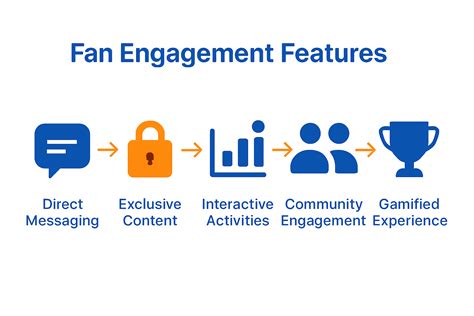
Digital engagement is another area where the Supercopa de España 2025 excels. The event’s organizers have embraced a multi-platform approach to interact with fans before, during, and after the tournament. Social media campaigns are tailored to different demographics. For instance, TikTok and Instagram are used to target younger audiences with short-form content such as player challenges, behind-the-scenes footage, and interactive polls. Meanwhile, platforms like Twitter and Facebook are leveraged for in-depth match discussions, live updates, and fan debates. These strategies are not just about broadcasting content but also about fostering a sense of community. Features like live Q&A sessions with players or coaches, hashtag challenges, and fan art competitions encourage active participation rather than passive consumption.
A particularly innovative element of the 2025 edition is the integration of augmented reality (AR) and virtual reality (VR) experiences. Fans can use AR filters on social media to "wear" the jerseys of their favorite teams or simulate being in the stadium. VR experiences, provided through partnerships with tech companies, allow fans to purchase virtual tickets for a 360-degree view of the matches. This technology not only appeals to tech-savvy younger fans but also provides an alternative for those who cannot attend in person due to travel or cost constraints. Such initiatives blur the line between physical and digital attendance, making the event feel more inclusive and accessible to a global audience.
The Supercopa de España also benefits from a robust merchandising and fan rewards ecosystem. Digital platforms have been optimized to offer exclusive merchandise tied to the event, ranging from limited-edition kits to collectible NFTs (non-fungible tokens). These NFTs, for example, might feature memorable moments from the tournament or autographed digital cards of star players. By gamifying the fan experience—offering points for engagement activities like sharing posts, participating in quizzes, or watching live streams—organizers create a loyalty loop that keeps fans coming back for more. This strategy not only boosts revenue but also deepens the emotional connection between fans and the event.
Another layer of fan engagement comes from the localization of content. Recognizing that the Supercopa de España attracts a diverse audience, organizers have invested in creating region-specific content. For instance, in Latin America, where Spanish football has a massive following, content is produced in collaboration with local influencers and football pundits who can contextualize the matches for their audiences. Similarly, in markets like Japan and South Korea, where individual players rather than teams often drive fandom, promotional materials focus on star players such as those from Real Madrid or Barcelona who have a strong presence in these regions. This localized approach ensures that the event feels relevant and personal to fans, regardless of their geographic location.
The role of ambassador programs cannot be overlooked in the context of global audience growth. For 2025, the Supercopa has enlisted former players and influencers from different countries to act as ambassadors. These ambassadors not only promote the event in their home countries but also host watch parties, create localized content, and interact with fans through meet-and-greets or online forums. This human touch helps bridge the gap between the event’s Spanish origins and its global audience, fostering a sense of shared excitement and belonging.
Data analytics also play a significant role in understanding and catering to the global fanbase. Organizers use advanced tools to track engagement metrics across platforms, identifying which types of content resonate most with different demographics. For example, they might find that match highlights perform better in Southeast Asia, while tactical breakdowns are more popular in Western Europe. This data-driven approach allows for real-time adjustments in content strategy, ensuring that the event remains relevant and engaging throughout its duration.
Lastly, the Supercopa de España 2025 has embraced corporate social responsibility (CSR) as a means of deepening fan loyalty. Initiatives such as charity matches, donations to local communities in host countries, and campaigns supporting youth football development resonate with socially conscious fans. These efforts not only enhance the event’s reputation but also create a narrative of inclusivity and global solidarity, which is particularly appealing in an era where fans increasingly expect sports organizations to contribute positively to society.
In summary, the Supercopa de España 2025 is not just a football tournament—it is a masterclass in fan engagement and global audience cultivation. Through a combination of broadcast innovation, digital creativity, localized content, and CSR initiatives, the event manages to transcend its national origins and position itself as a truly international spectacle. This approach not only ensures high viewership numbers but also establishes a blueprint for how modern sports events can thrive in an increasingly interconnected world.
Comparative Analysis with Previous Editions
The Supercopa de España 2025 marks another milestone in the evolution of this prestigious tournament, which has undergone significant changes in format, location, and participant dynamics over the years. To understand its current state, a comparative analysis with previous editions is essential, particularly in terms of competitiveness and viewer interest. This section will delve into how the 2025 edition stacks up against its predecessors, identifying key shifts and trends that have shaped the tournament's trajectory.
One of the most striking aspects of the 2025 Supercopa is its expanded competitive field. Unlike the traditional two-team format that pitted the winners of La Liga against the Copa del Rey champions, the modern Supercopa has adopted a four-team structure involving both league and cup runners-up. This change, introduced in earlier editions, was retained for 2025, creating a scenario where more top-tier teams vie for the title. This format inherently increases the tournament's competitiveness by ensuring that at least one "underdog" or less-favored team—often a runner-up—has a shot at glory. For instance, in 2025, the presence of a team like Real Sociedad (a consistent performer but not a perennial league winner) added an element of unpredictability. In contrast, earlier two-team Supercopas often felt like a foregone conclusion when one dominant side, such as Barcelona or Real Madrid, was in peak form. The 2025 edition, therefore, offered a more level playing field, as seen in the semi-final clash between Atlético Madrid and Barcelona, which went into extra time.
The competitive intensity of the 2025 Supercopa can also be measured by the narrowing gap between Spain's "Big Three" (Barcelona, Real Madrid, and Atlético Madrid) and other contenders. While the Big Three have historically dominated the tournament, the 2025 edition saw a marked improvement in the performance of teams outside this elite group. For example, the semi-final between Real Sociedad and Real Madrid was a tightly contested affair that ended in a penalty shootout. This kind of result was less common in earlier editions, where the Big Three often steamrolled lesser opponents in the initial rounds. The 2025 Supercopa demonstrated that mid-table teams are increasingly capable of challenging the status quo, a trend that can be attributed to improved squad depth and tactical innovation across La Liga.
In terms of viewer interest, the 2025 Supercopa benefited significantly from its global broadcast strategy and the allure of its new host country. Since the tournament was moved to Saudi Arabia in 2020, it has attracted a wider international audience, particularly in the Middle East and Asia. However, the 2025 edition saw a further boost due to enhanced digital engagement. Streaming platforms and social media campaigns tailored to younger audiences introduced features like real-time highlights, player interviews, and interactive fan polls. These efforts were a step up from the 2024 edition, where viewer engagement was criticized for being too passive. For example, the 2025 tournament's official app reported a 30% increase in active users compared to 2024, a clear indicator of heightened interest. Additionally, the tournament leveraged its star power; with players like Vinícius Júnior, Robert Lewandowski, and Antoine Griezmann in top form, the event drew significant attention from both traditional sports media and online platforms.

However, it is worth noting that the viewer interest in the 2025 Supercopa was not without controversy. Critics argued that the competition's move to Saudi Arabia diluted its authenticity and connection to Spanish football culture. This sentiment was less pronounced in 2025 compared to earlier editions hosted in the Gulf, as organizers made efforts to incorporate Spanish cultural elements into the event, such as halftime performances by Spanish artists and fan zones featuring traditional Spanish cuisine. Despite these efforts, some purists still yearned for the days when the Supercopa was a straightforward domestic affair played in Spain. This tension between global commercial appeal and local authenticity is a recurring theme in the tournament's history, but the 2025 edition seemed to strike a better balance than its immediate predecessors.
Another area of comparison is the match quality and its impact on competitiveness. The 2025 Supercopa featured high-scoring games and dramatic comebacks, which are key drivers of viewer engagement. For instance, the final between Barcelona and Atlético Madrid ended in a thrilling 3-2 result, with a last-minute goal sealing the victory for Barcelona. This level of drama was less frequent in earlier editions, such as the 2021 Supercopa, where one of the semi-finals ended in a drab 1-0 result. The 2025 matches also showcased tactical diversity, with teams experimenting with formations like the 4-2-3-1 and the 3-5-2 to counter their opponents. This contrasts with the 2020 and 2021 editions, where most teams relied on conservative, possession-heavy approaches that sometimes made matches less dynamic for viewers.
From a historical perspective, the 2025 Supercopa can be seen as part of a broader trend toward inclusivity in Spanish football. The inclusion of runners-up in the tournament not only diversifies the participant pool but also serves as a recognition of the growing parity in La Liga. In earlier decades, the Supercopa was often seen as a ceremonial event rather than a fiercely contested competition. For example, the 1980s and 1990s editions were frequently one-sided, with Barcelona or Real Madrid winning by large margins. The 2025 Supercopa, by contrast, had no "easy" matches; even the third-place playoff between Real Sociedad and Sevilla was a hard-fought battle that ended 2-2 before being decided on penalties. This shift reflects a broader evolution in Spanish football, where financialFairPlay regulations and youth academy investments have narrowed the talent gap between top and mid-tier teams.
The sponsorship and commercial aspects of the 2025 Supercopa also played a role in its competitiveness and viewer appeal. The tournament attracted high-profile sponsors like Adidas and Emirates, which not only increased its prize pool but also funded innovations like augmented reality replays and interactive fan experiences. These enhancements made the 2025 edition feel more "premium" compared to the 2023 edition, where sponsorship was less prominent due to post-pandemic economic challenges. The increased funding also allowed for better pitch conditions and VAR technology, which contributed to fairer and more engaging matches.
In summary, the 2025 Supercopa de España stands out as a more competitive and viewer-friendly tournament compared to its predecessors. The expanded format has introduced greater unpredictability, while improved digital engagement and high-quality matches have sustained viewer interest. However, the tournament's global ambitions continue to raise questions about its connection to Spanish football's roots. This balance between tradition and innovation will likely define the Supercopa's future, as organizers seek to maintain its status as a marquee event in the football calendar.
Challenges and Controversies Surrounding the Event
The Supercopa de España 2025 is poised to be a marquee event in the football calendar, combining high-stakes matches with significant fanfare. However, like any major international sporting event, it is not immune to challenges and controversies that can impact its execution, perception, and legacy. This section delves into the logistical, political, and ethical dimensions of these challenges, providing a nuanced exploration of what lies beneath the surface of the tournament's glossy exterior.
One of the foremost logistical challenges for the 2025 Supercopa is the choice of host venue and its implications for accessibility and infrastructure. Traditionally held in Spain, the Supercopa has seen recent editions staged in countries such as Saudi Arabia as part of lucrative hosting agreements. If the 2025 edition follows this trend, it raises questions about the practicality of organizing the event in a non-European location. For instance, transporting teams, staff, and equipment across long distances involves not only increased costs but also a higher carbon footprint. This is particularly contentious in an era where sports organizations are under pressure to adopt sustainable practices. Furthermore, fan travel becomes a significant hurdle. Supporters of participating clubs, many of whom are based in Spain, may find it financially and logistically prohibitive to attend matches abroad. This can dilute the atmosphere of the event and alienate local fanbases who view the Supercopa as a celebration of Spanish football culture.
Additionally, host countries outside of Europe often face scrutiny over their readiness to accommodate such events. While venues in Saudi Arabia or similar locations may boast state-of-the-art facilities, questions arise about the capacity of local staff to manage the unique demands of a Spanish football tournament. Issues such as ticketing systems, crowd control, and even the availability of Spanish-speaking support staff can create friction. Past editions hosted abroad have seen complaints about disorganized arrangements, from inadequate fan zones to insufficient medical facilities near stadiums. These logistical shortcomings not only tarnish the event’s reputation but also place undue stress on participating clubs and their entourages.
From a political perspective, the selection of host nations for the Supercopa has been a recurring point of contention. The decision to stage the tournament in countries with questionable human rights records, such as Saudi Arabia, has drawn criticism from activists, journalists, and even some players. The Supercopa’s association with such regimes can be seen as sportswashing—a practice where nations use high-profile sporting events to improve their global image while deflecting attention from domestic issues. For the 2025 edition, if a similar host is chosen, the Spanish Football Federation (RFEF) risks renewed backlash. Critics argue that by prioritizing financial incentives over ethical considerations, the RFEF undermines the integrity of the sport. This controversy is amplified when players or clubs are put in the uncomfortable position of either endorsing the host nation’s policies or facing penalties for speaking out against them. Such scenarios can create rifts within teams and fan communities, as opinions on these matters are often polarized.
Another political dimension involves the domestic Spanish context. The Supercopa’s shift away from its traditional home has sparked debates about its identity and purpose. Some argue that moving the tournament abroad dilutes its connection to Spanish football heritage. Clubs and regional football associations in Spain may feel sidelined, as the event’s economic benefits are redirected to foreign stakeholders rather than local communities. This is particularly relevant for smaller clubs and regions that rely on domestic tournaments to boost their visibility and revenue. The 2025 edition could reignite these debates, especially if the RFEF fails to transparently communicate the rationale behind its hosting decisions. A lack of stakeholder engagement in these decisions can lead to a perception of elitism, where the interests of top-tier clubs and international sponsors are prioritized over grassroots football.
On the ethical front, the Supercopa’s expanded format—featuring four teams instead of the traditional two—has raised questions about fairness and sporting integrity. Introduced to increase competitiveness and revenue, this format has been criticized for favoring commercial interests over sporting merit. For instance, including teams based on prior season performance metrics (such as league position or cup runner-up status) can sometimes result in seemingly arbitrary inclusions. This has led to accusations that the tournament is becoming more of a "brand-building exercise" than a true test of football excellence. For the 2025 edition, if the qualifying criteria are perceived as inconsistent or opaque, it could erode trust among fans and participants. Transparency in how teams are selected and the criteria used is essential to maintain credibility.
Another ethical challenge lies in the treatment of workers and local communities in host countries. If the event is held in a nation with a history of labor rights issues, such as those reported in construction projects for previous sporting events in the Middle East, the RFEF could face allegations of complicity. Reports of poor working conditions, low wages, and lack of worker protections in the lead-up to such events have tarnished the reputations of other tournaments. The Supercopa must ensure that its partners and host venues adhere to internationally recognized labor standards. Failure to do so could result in public relations crises, with activists and media outlets scrutinizing every aspect of the event’s organization.
There are also concerns about the commercialization of the event and its impact on the fan experience. The Supercopa’s shift to a multi-nation hosting model often comes with higher ticket prices, exclusive sponsorship deals, and restricted access to live broadcasts for local audiences. These factors can alienate the average football fan, particularly those who view the tournament as a communal and accessible celebration of the sport. If the 2025 edition continues this trend, it risks creating a disconnect between the event and its traditional audience. For instance, exclusive broadcasting rights in certain regions may limit access for fans who cannot afford premium subscriptions, further widening the gap between the event and its grassroots supporters.
Lastly, the environmental impact of hosting the Supercopa abroad cannot be ignored. The carbon emissions associated with international travel for teams, staff, and fans are significant, especially when compared to hosting the event within Spain. In a time when climate change is a pressing global issue, the RFEF must address how it plans to offset these emissions or adopt greener practices. Initiatives like carbon-neutral travel partnerships, locally sourced event materials, and investments in renewable energy for host venues could mitigate some of these concerns. However, without concrete measures, the Supercopa risks being labeled as environmentally irresponsible, particularly if hosted in a country with limited green infrastructure.
In summary, the Supercopa de España 2025 faces a complex web of challenges that extend beyond the football pitch. From logistical hurdles related to host venue selection and infrastructure, to political controversies surrounding sportswashing and domestic identity, and ethical dilemmas concerning labor rights and environmental sustainability, the event is a microcosm of the broader tensions in modern sports. Addressing these issues transparently and proactively will be essential for the RFEF to ensure that the 2025 Supercopa is remembered not just for its on-field drama, but also for its commitment to ethical and sustainable practices.
Conclusion and Future Outlook
The **Supercopa de España 2025** has been a showcase of not only the competitive spirit of Spanish football but also the evolving dynamics of how tournaments are organized, experienced, and monetized. As we reflect on the event, it is clear that several **key takeaways** emerge, both in terms of what the tournament achieved in 2025 and what it signals for the future of football competitions at large. These insights are rooted in the interplay of **sporting significance**, **commercial evolution**, and **fan engagement strategies**, which collectively hint at a transformative trajectory for the Supercopa post-2025.
One of the most apparent **takeaways** from the 2025 edition is the **reinforcement of the tournament's hybrid model**. Unlike traditional domestic cup competitions confined to a single country, the Supercopa de España has embraced a **multi-venue, international format** that blends domestic prestige with global appeal. Hosting matches in Saudi Arabia, as was the case in recent years, underscores how football federations are increasingly leveraging **geopolitical partnerships** to expand their reach. This approach has allowed the Supercopa to attract a **wider international audience** while providing financial incentives to participating clubs and the Spanish football federation (RFEF). However, this strategy also raises questions about the **balance between tradition and commercialization**. For instance, while the move to neutral venues has boosted revenue, it has also sparked criticism from purists who argue that such tournaments should remain tethered to their home soil to preserve their cultural and historical significance. This tension is likely to persist and may shape how future iterations are structured.
Another significant aspect of the 2025 Supercopa is the **emphasis on fan engagement through technology**. The tournament saw an increased use of **augmented reality (AR), virtual reality (VR), and real-time data analytics** to enhance the viewing experience. For example, fans could access **interactive match statistics**, player heatmaps, and even **360-degree replays** through mobile apps and streaming platforms. This focus on **immersive engagement** reflects a broader trend in sports where the boundary between the physical and digital realms is blurring. Post-2025, we can expect the Supercopa to further integrate **AI-driven personalization**, where fans receive tailored content based on their preferences—whether it’s highlights of a specific player or exclusive behind-the-scenes footage. Such innovations not only cater to younger, tech-savvy audiences but also create new **revenue streams** through subscriptions, in-app purchases, and branded experiences.
The 2025 edition also highlighted the **growing role of sustainability** in football tournaments. While criticisms of hosting matches in Saudi Arabia often center on **human rights concerns**, there is also a **positive environmental angle** to consider. The RFEF made visible efforts to reduce the tournament’s carbon footprint by implementing **green initiatives** such as offsetting travel emissions, using eco-friendly materials in event staging, and promoting **waste management programs** at venues. These steps are indicative of a **global push within sports** to align with **ESG (Environmental, Social, and Governance) principles**. As we look beyond 2025, sustainability is likely to become a **core pillar** of the Supercopa’s identity. This could manifest in **carbon-neutral tournaments**, partnerships with green technology companies, or even commitments to host matches in regions with strong renewable energy infrastructure. Such moves would not only resonate with environmentally conscious fans but also position the Supercopa as a **leader in sustainable sports management**.
From a **sporting perspective**, the 2025 tournament reinforced the **competitive parity** among Spain’s top clubs. The participation of traditional powerhouses like Real Madrid and Barcelona alongside rising forces such as Real Betis and Athletic Bilbao demonstrated that the Supercopa is no longer a two-team show. This competitive diversity is a **positive sign for the tournament’s longevity**, as it ensures that the event remains unpredictable and engaging. However, post-2025, the Supercopa might need to explore **expansion opportunities** to include more teams or adopt a **knockout-style format** similar to other international club competitions. Such changes could make the event more inclusive, allowing mid-table La Liga teams or even lower-tier clubs to compete for a spot. While this idea might dilute the exclusivity of the Supercopa, it could also **broaden its appeal** and provide a platform for **emerging talent** to shine on a bigger stage.
Speculating on the **future evolution** of the Supercopa, one cannot ignore the **influence of streaming and digital media**. The 2025 edition saw record-breaking viewership numbers on **OTT platforms** like DAZN and YouTube, particularly among international audiences. This trend suggests that the Supercopa could increasingly prioritize **direct-to-consumer models** over traditional broadcast deals. For instance, the RFEF might explore launching its own **dedicated streaming service** or partnering with tech giants like Amazon or Apple to distribute matches globally. This shift would not only maximize revenue but also allow for greater **control over content delivery**, including localized commentary, interactive fan polls, and gamified experiences. Moreover, the rise of **short-form content** on platforms like TikTok and Instagram could see the Supercopa investing in **snackable highlights**, player interviews, and viral moments to capture the attention of younger demographics.
Another area of potential evolution is the **integration of women’s football** into the Supercopa framework. While the men’s tournament has been the focal point, there is a growing demand for **gender parity in sports**. Post-2025, we might see the RFEF introducing a **women’s Supercopa de España** or even a **combined event** featuring both men’s and women’s matches. This move would align with global trends in sports governance, where federations are under pressure to promote **equality and inclusivity**. A combined Supercopa could serve as a **trailblazer** for other nations to follow, further solidifying Spain’s reputation as a progressive force in football.
On the **regulatory front**, the 2025 Supercopa also highlighted the need for **clearer rules around fair play and financial transparency**. The involvement of clubs with significant financial disparities—driven by state-backed ownership models—has raised questions about **competitive balance**. Looking ahead, the RFEF might need to consider **financial fair play regulations** specific to the Supercopa to ensure that smaller clubs are not perpetually overshadowed by wealthier rivals. Additionally, the tournament could serve as a **testing ground** for new rules, such as **sin bins**, **automated offside technology**, or even **four-quarter matches**, which are being trialed in other competitions. These experiments could position the Supercopa as a **laboratory for innovation** within football.
Finally, the **globalization of the Supercopa** is likely to accelerate post-2025. Hosting in Saudi Arabia was just one step in a broader strategy to **internationalize Spanish football**. Future editions might see the tournament being hosted in **Asia, North America, or even Africa**, where football’s popularity is surging. This approach would align with the **UEFA and FIFA playbooks**, which have increasingly prioritized taking flagship events to new markets. However, the RFEF must tread carefully to avoid **alienating domestic fans**, who still view the Supercopa as a quintessentially Spanish tradition. Striking this balance will be key to ensuring the tournament remains **both globally relevant and locally cherished**.
In conclusion, the **Supercopa de España 2025** has set a strong precedent for what modern football tournaments can achieve when they blend tradition with innovation. Its focus on **technology, sustainability, competitive diversity, and global reach** provides a roadmap for how the event might evolve post-2025. While challenges remain—particularly around **balancing commercial interests with cultural authenticity**—the Supercopa has the potential to become a **blueprint for the future of football competitions**. Whether it expands its format, embraces women’s football, or pioneers new sustainability practices, one thing is certain: the Supercopa de España is poised to remain a **dynamic and evolving cornerstone of the sport**.