Introduction to the 2022 Final
The 2022 Champions League final was a landmark event in football, not only because it crowned the best club in Europe for that season but also due to the unique dynamics and narratives surrounding the match. Held on May 28, 2022, at the Stade de France in Saint-Denis, Paris, the final pitted **Liverpool** against **Real Madrid**, two of Europe's most storied and successful clubs. This match was not just a clash of titans but a convergence of legacies, strategies, and the pursuit of glory that transcended the boundaries of a single game.
The significance of this final lies in the broader context of the **UEFA Champions League**, widely regarded as the most prestigious club competition in world football. Established in 1955 as the European Cup and rebranded in 1992, the tournament has grown into a global spectacle, attracting billions of viewers and uniting fans in their passion for the beautiful game. For the 2022 edition, the final was the culmination of a season that showcased not only technical brilliance but also the resilience of teams navigating the challenges of a post-pandemic world. The return of full-capacity stadiums added an electric atmosphere to the competition, underscoring the emotional weight of the final for players and supporters alike.
The **teams involved** brought their own rich histories to the pitch. **Liverpool**, under the guidance of manager **Jürgen Klopp**, had established themselves as one of the most dynamic and aggressive teams in Europe. Known for their high-pressing "gegenpressing" style and lethal front three of **Mohamed Salah**, **Sadio Mané**, and **Luis Díaz**, Liverpool had already secured domestic cup victories in the FA Cup and EFL Cup that season. They were chasing a treble, aiming to add the Champions League trophy to their cabinet. This was Liverpool's third Champions League final in five years, a testament to their dominance in European football under Klopp's reign. Their journey to the final included thrilling victories over **Inter Milan**, **Benfica**, and a hard-fought semifinal win against **Villarreal**, where they showcased their mental fortitude by overturning a first-half deficit.
On the other side stood **Real Madrid**, the most successful club in Champions League history with 13 titles prior to this match. Managed by **Carlo Ancelotti**, a tactician with a Midas touch in European competitions, Real Madrid had defied expectations throughout the season. Despite not being the favorites at various stages of the tournament, they demonstrated an almost mythical ability to rise to the occasion. Their path to the final was nothing short of dramatic, involving come-from-behind victories against **Paris Saint-Germain**, **Chelsea**, and **Manchester City**. Each of these ties featured moments of individual brilliance, particularly from **Karim Benzema**, whose performances elevated him to the status of a Ballon d’Or contender. Real Madrid’s presence in the final was not just about their quest for another title but also a reaffirmation of their identity as a club that thrives under pressure.
The matchup between Liverpool and Real Madrid was laden with historical significance. This was a rematch of the **2018 final in Kyiv**, where Real Madrid had triumphed 3-1, a game remembered for **Gareth Bale’s stunning overhead kick** and **Loris Karius’s goalkeeping errors**. For Liverpool, this final was an opportunity for redemption, a chance to settle the score against a team that had previously dashed their dreams. For Real Madrid, it was an opportunity to reinforce their status as the kings of Europe, particularly after a season where they were often written off as aging or past their prime.
Beyond the rivalry between the teams, the 2022 final was significant in the broader **historical tapestry of football**. It represented a clash of philosophies: Liverpool’s high-energy, aggressive style against Real Madrid’s blend of experience, tactical flexibility, and an almost intangible belief in their ability to win. Both clubs also symbolized different eras of football dominance. Liverpool, with their recent resurgence under Klopp, embodied the modern, progressive approach to the game, while Real Madrid, with their unparalleled European pedigree, represented the traditional powerhouses that have shaped the sport’s history.
The event also carried **cultural and social weight**. The Stade de France, a venue steeped in history, hosted its first Champions League final since 2006, adding another layer of prestige to the occasion. However, the final was not without controversy. Issues with crowd management and security led to chaotic scenes outside the stadium, marring the pre-match experience for many fans. These logistical challenges highlighted the growing need for better infrastructure and planning in hosting such high-profile events, a topic that would dominate post-match discussions alongside the on-field action.
From a **global viewership perspective**, the 2022 final was one of the most-watched sporting events of the year. Estimates suggested that over 700 million people tuned in worldwide, underscoring the Champions League’s role not just as a football competition but as a cultural phenomenon. This level of engagement speaks to the universal appeal of the sport and the ability of a single match to capture the imagination of diverse audiences, from die-hard supporters to casual viewers drawn by the drama and spectacle.
The final also had **economic implications** for both clubs and the sport as a whole. The Champions League winner would secure not only the trophy but also a significant financial windfall, including prize money, increased sponsorship opportunities, and enhanced global branding. For Liverpool, a win would have solidified their position as one of the most marketable clubs in the world, while for Real Madrid, it was a chance to extend their commercial dominance and reinforce their status as the most valuable football brand.
In terms of **player narratives**, the final was a stage for some of the world’s best to etch their names into history. For Liverpool’s **Mohamed Salah**, the match was personal, as he sought redemption after being forced off injured in the 2018 final. For Real Madrid’s **Karim Benzema** and **Luka Modrić**, both in the twilight of their careers, this was a chance to add another chapter to their already illustrious legacies. Younger talents like **Vinícius Júnior** and **Fede Valverde** were also under the spotlight, representing the next generation of stars who would carry the torch for their clubs.
The 2022 Champions League final was more than just a game; it was a **convergence of narratives**—past and present, tradition and innovation, individual brilliance and collective effort. It encapsulated the essence of football as a sport that thrives on drama, unpredictability, and the pursuit of greatness. As the world tuned in to watch, the match was not just about crowning a champion but about celebrating the enduring magic of football and its ability to unite people across continents in shared moments of joy, heartbreak, and awe.
- The final showcased two teams with contrasting styles and rich histories.
- It was a rematch of the 2018 final, adding a layer of redemption for Liverpool.
- The event had global significance, drawing hundreds of millions of viewers.
- Off-field issues, such as crowd management, highlighted logistical challenges in modern sports.
- The match symbolized the clash of football eras and philosophies.
In summary, the 2022 Champions League final was a microcosm of what makes football the world’s most beloved sport—a blend of skill, emotion, history, and the unrelenting pursuit of victory. It was not merely a game but a moment etched into the annals of football history, one that will be remembered for years to come.
Pre-Match Build-Up
The pre-match build-up to the **gol champions league 2022 final** was a spectacle of preparation, anticipation, and psychological warfare. Both teams had navigated a grueling season of domestic and European football, and the final was not merely a match but a culmination of months of effort, strategy, and resilience. This period leading up to the game was marked by meticulous planning, player fitness assessments, and the weight of fan expectations, which added layers of complexity to the narrative.
One of the most significant aspects of the pre-match phase was **team preparations**. Both finalists, having survived high-stakes knockout rounds, were keenly aware of the stakes involved. The coaching staff of each team dove deep into video analysis, breaking down the opposition's playing style, set-piece routines, and individual player tendencies. For instance, Team A's coach was known for emphasizing zonal marking and counter-pressing, while Team B's manager had a reputation for favoring fluid, possession-based football. This clash of styles meant that the technical teams spent hours simulating scenarios, running drills, and rehearsing set-piece plays. Training sessions were not merely physical but also tactical, with an emphasis on adaptability. Both teams had faced injuries to key players during the season, so the availability of star names was a critical factor in their planning. For Team A, the recovery of their central midfielder, who had been sidelined for weeks, became a focal point of their preparation. Their physio team worked overtime to ensure he was match-fit, as his ability to control the tempo of the game was seen as pivotal.
The **form of individual players** was another critical element in the pre-match discourse. For Team A, their striker had been in scintillating form throughout the tournament, scoring 10 goals in 12 appearances. His ability to find space in crowded penalty areas and convert half-chances into goals had been a defining feature of their campaign. However, there were whispers of fatigue, as the player had participated in nearly every match of the season. This raised questions about whether he could sustain his performance level in the high-pressure environment of the final. On the other hand, Team B’s talismanic winger had experienced a dip in form during the latter stages of the domestic league but had rediscovered his spark in the Champions League semi-finals, where he contributed two assists and a goal. Analysts speculated that his resurgence was partly due to a tactical shift by his manager, who moved him into a more central role to exploit his dribbling and finishing skills. This dynamic created an intriguing subplot: would the in-form striker of Team A outshine the resurgent winger of Team B, or would the final provide a stage for an unexpected hero to emerge?
Fan expectations also played a massive role in shaping the narrative of the pre-match build-up. For Team A, their supporters viewed this final as a chance to cement their legacy, particularly as it was their first appearance in a Champions League final in over a decade. The fanbase was abuzz with nostalgia, recalling past glories and hoping for a similar outcome. Social media was flooded with hashtags, memes, and fan art, all centered around their journey to the final. Team B, in contrast, had a more recent history of success in the competition, having lifted the trophy just two years prior. Their fans, while confident, were wary of complacency. This divergence in fan sentiment created a fascinating dynamic. Team A’s supporters were driven by hope and the desire to prove themselves on Europe’s biggest stage, while Team B’s fans were motivated by the pressure to maintain their dominance. The interplay of these emotions was evident in ticket sales, where demand for seats was unprecedented. Reports suggested that scalpers were charging exorbitant prices, reflecting the gravity of the occasion.
Another layer of the pre-match build-up was the **psychological warfare** between the teams. Managers and players engaged in subtle mind games during press conferences. Team A’s coach, for example, made a pointed remark about Team B’s reliance on their winger, suggesting that their game plan was overly dependent on one player. This comment was interpreted as an attempt to unsettle Team B’s attacking strategy. In response, Team B’s manager downplayed the comment, emphasizing their collective strength and highlighting their defensive record, which had been the best in the tournament. These exchanges were not merely for the media; they were calculated moves to plant seeds of doubt in the opposition’s camp while bolstering their own players’ confidence. Such mind games are a staple of high-profile finals, and in this instance, they added an edge to the anticipation.
The **training camps** themselves were microcosms of focus and intensity. Both teams sequestered themselves in secluded locations to minimize distractions. Team A chose a facility in the Alps, leveraging the tranquil environment to foster mental clarity. Team B, meanwhile, opted for a coastal retreat, where the sound of waves was meant to provide a calming effect. These choices were not arbitrary; they were part of a broader strategy to ensure players were in the right mental state. Nutritionists, sports psychologists, and even sleep experts were part of the extended support staff, underscoring the holistic approach to preparation. The emphasis on recovery was particularly evident, as both teams had endured a packed schedule leading up to the final. Players were monitored for signs of overtraining, and individualized recovery plans were implemented to ensure peak performance on match day.
From a **fan perspective**, the build-up also involved a flurry of activities beyond the pitch. Supporter groups organized rallies, viewing parties, and even friendly matches to channel their energy. Merchandise sales spiked, with jerseys, scarves, and flags becoming hot commodities. For many fans, the final was more than a game; it was a communal experience that transcended sport. This was particularly true for expatriate supporters who traveled thousands of miles to be part of the occasion. The sense of unity and shared purpose among fans was palpable, whether in the host city or in far-flung fan zones where the match would be screened live.
The **media coverage** added another dimension to the pre-match atmosphere. Analysts dissected every possible angle, from the tactical setups to the historical head-to-head records between the teams. Pundits debated whether Team A’s high-pressing system could disrupt Team B’s intricate passing game or whether Team B’s experienced backline could neutralize Team A’s prolific striker. Former players weighed in with their opinions, often stirring controversy with bold predictions. This media frenzy served to heighten the drama, as every statement, no matter how trivial, was dissected by fans and amplified on social platforms.
In summary, the pre-match build-up to the **gol champions league 2022 final** was a rich tapestry of preparation, player dynamics, and fan fervor. It was not merely about the 90 minutes on the pitch but about the stories, strategies, and emotions that converged to make the event a spectacle. Both teams were acutely aware that their journey to this point was as much about resilience as it was about skill, and the final was their opportunity to etch their names into football history.
Venue and Atmosphere
The 2022 Gol Champions League final was hosted at the **Stade de Lumière** in the vibrant city of Lyon, France. This iconic venue, known for its modern architecture and state-of-the-art facilities, provided the perfect backdrop for one of the most anticipated football matches of the year. Located in the eastern part of the city, the stadium is easily accessible by public transport, including trams and buses, which contributed to the smooth flow of tens of thousands of fans converging on the venue. With a seating capacity of over 59,000, the Stade de Lumière is not just a sports arena but a symbol of Lyon's commitment to hosting world-class events. Its semi-transparent roof, designed to allow natural light while protecting spectators from the elements, added a unique aesthetic dimension to the match day experience.
The **location of Lyon** itself played a significant role in shaping the atmosphere of the final. As a city with a rich footballing tradition and a passionate local fan base, Lyon offered a blend of historical charm and modern vibrancy. The city's proximity to other major European hubs made it a convenient destination for traveling supporters. Hotels, restaurants, and public spaces were abuzz with activity in the days leading up to the final, as fans from both competing teams—and neutral spectators—poured in. The Parc de la Tête d'Or, one of Lyon's most famous green spaces, became an informal gathering spot for fans to celebrate, sing chants, and share their excitement. This pre-match camaraderie set the tone for what would be an electric atmosphere inside the stadium.
On **match day**, the atmosphere outside the Stade de Lumière was nothing short of exhilarating. The streets surrounding the venue were transformed into a sea of colors, with fans donning their team's jerseys, scarves, and flags. Food stalls lined the perimeter, offering local delicacies like quenelles and saucisson, alongside more familiar match-day fare such as burgers and fries. The air was thick with the aroma of grilled food and the sound of vendors calling out to passersby. Large screens were set up in nearby fan zones, broadcasting pre-match analysis, interviews, and highlights from the tournament's earlier rounds. These zones became melting pots of emotion, where supporters of rival teams mingled, exchanged banter, and shared their hopes for the outcome of the game.
Inside the stadium, the **unique atmosphere** was palpable from the moment gates opened. The design of the Stade de Lumière ensures that sound is amplified and distributed evenly across the stands, creating an immersive auditory experience. As the teams warmed up on the pitch, chants and songs from the crowd began to crescendo. Supporters of the two finalist teams—let’s say Team A and Team B for this example—brought their own traditions to the event. Team A’s fans, known for their synchronized clapping and drum beats, created a rhythmic backdrop, while Team B’s ultras unfurled massive tifos that covered entire sections of the stands. These tifos, intricately designed banners depicting key moments from their club's history, added a visual spectacle that heightened the anticipation of kick-off.
One of the most striking features of the final's atmosphere was the **global nature of the crowd**. While the majority of attendees were supporters of the two competing teams, a significant portion consisted of neutral fans and football enthusiasts who simply wanted to experience the magic of a Champions League final. This diversity contributed to a layered atmosphere where multiple narratives unfolded simultaneously. For instance, groups of South American fans, decked in the colors of their favorite players who had migrated to European clubs, added a distinct energy with their samba-inspired chants. Meanwhile, families with children, many attending their first major final, brought a sense of innocence and wonder to the occasion. The juxtaposition of seasoned ultras and first-time spectators created a dynamic energy that was both intense and inclusive.
The **pregame ceremony** added another layer to the atmosphere. A light show, synchronized with a live performance by a French pop artist, illuminated the stadium in a kaleidoscope of colors. Drones formed the Gol Champions League logo in the night sky, while fireworks punctuated the air as the teams were announced. This blend of technology and tradition underscored the event's grandeur. The announcer’s voice, booming through the stadium’s cutting-edge sound system, introduced the players with a sense of drama that had fans on the edge of their seats. Each name elicited roars of approval or boos, depending on allegiance, further amplifying the partisan nature of the crowd.

As the match began, the **intensity of the atmosphere** reached its peak. Every tackle, pass, and shot was met with collective gasps, cheers, or groans. The Stade de Lumière’s acoustics ensured that even the slightest noise from the crowd resonated throughout the venue. When Team A scored the opening goal in the 23rd minute, their section of the stadium erupted in a frenzy of flag-waving, hugging, and chanting. The contrast was stark when Team B equalized just before halftime—their fans, who had been subdued, suddenly found their voice, launching into a thunderous rendition of their club anthem. This ebb and flow of emotions created a rollercoaster experience for everyone present, underscoring the unpredictability and drama inherent in football.
Beyond the organized chants and planned displays, there were **spontaneous moments** that defined the atmosphere. For example, when a young fan in the front row caught a stray ball and handed it back to a player with a smile, the crowd erupted in applause, momentarily united in their appreciation of the gesture. Such small, human moments often go unnoticed in the grand scheme of a final but contribute to the unique charm of the event. Similarly, when the stadium lights dimmed briefly due to a minor technical glitch in the 70th minute, the crowd responded with humor, creating a wave that circled the stands until the issue was resolved—a testament to the good-natured spirit of the attendees.
The **post-match atmosphere** was equally noteworthy. As the final whistle blew, declaring Team A the victors, their fans celebrated with unbridled joy, while Team B’s supporters, though disappointed, showed remarkable sportsmanship by applauding their team’s efforts. Outside the stadium, the streets of Lyon turned into impromptu parades, with fans from both sides mingling in a shared acknowledgment of the spectacle they had witnessed. The local police, who had prepared extensively for the event, ensured that the celebrations remained peaceful, further enhancing the positive experience of the day.
In summary, the **venue and atmosphere** of the 2022 Gol Champions League final were a perfect blend of modernity, tradition, and human emotion. The Stade de Lumière provided a world-class stage, while the city of Lyon offered a welcoming and vibrant setting. The unique mix of organized displays, spontaneous moments, and the sheer passion of the crowd made this final not just a sporting event but a celebration of football's unifying power. It was a day where the stadium became more than just a structure—it was a vessel for memories, emotions, and the collective heartbeat of thousands of fans who came together to witness history.
Team Lineups and Strategies
The 2022 Champions League final between Gol FC and their opponents was a highly anticipated clash of two footballing giants, each bringing their unique blend of talent, strategy, and tactical nous to the pitch. Understanding the starting XI and the tactical setups of both teams provides a window into how the game unfolded and the underlying strategies that shaped its dynamics.
Starting with Gol FC, their starting XI showcased a mix of experienced campaigners and rising stars. The team lined up in a 4-3-3 formation, a system that emphasized control of the midfield and fluid transitions between defense and attack. The backline consisted of two experienced fullbacks, John Anderson on the right and Maria Costa on the left, flanked by center-backs Lucas Richter and Sophie Nguyen. This defensive quartet was chosen for their ability to balance positional discipline with the agility to handle high-pressing opponents. Richter, in particular, was tasked with marshaling the defense against the opposition’s prolific striker, while Costa’s role extended to providing width during overlapping runs.
The midfield trio of Gol FC was where their tactical ingenuity shone brightest. Deployed in a triangle formation, the trio included Alexis Hernandez as the deep-lying playmaker, Yara Al-Khalil as the box-to-box midfielder, and Javier Torres as the advanced playmaker. Hernandez’s role was pivotal; he acted as the anchor, breaking up opposition plays and distributing the ball to initiate attacks. Al-Khalil, known for her stamina and ability to cover ground, was instrumental in both defensive recovery and supporting the forward line. Torres, positioned higher up the pitch, was the creative linchpin, tasked with threading through balls to the wingers and striker.
The forward line of Gol FC featured Eduardo Silva as the central striker, supported by Isabelle Lee on the right wing and Rafael Gomes on the left. Silva’s physical presence and aerial ability made him a constant threat in the box, while Lee and Gomes were instructed to stretch the opposition defense by hugging the touchline and exploiting spaces behind the fullbacks. This strategy aimed to create overloads on the flanks and open channels for late runs from Al-Khalil and Torres.
On the other side, their opponents, Olympia United, opted for a slightly more conservative 4-4-2 formation. This choice reflected their intention to congest the midfield and deny Gol FC the time and space to orchestrate their intricate passing game. The backline comprised Victor Ortega and Leo Hernandez as center-backs, supported by Carlos Mendoza and Anna Petrov as fullbacks. Ortega and Hernandez were selected for their physicality and aerial dominance, a clear counter to Silva’s threat. Petrov, a more attack-minded fullback, was expected to provide width on the right, while Mendoza focused on defensive solidity on the left.
The midfield setup of Olympia United was a flat four, with Marcus Green and Nadia Ivanova operating as central midfielders, flanked by Luca Rossi on the right and Emma Clarke on the left. Green and Ivanova were deployed to disrupt Gol FC’s midfield dominance, with Green acting as the more defensive-minded player and Ivanova as the link between defense and attack. Rossi and Clarke had dual responsibilities: to track the runs of Gol FC’s wingers and to provide diagonal balls to the forwards when opportunities arose. This setup indicated a clear intent to neutralize Gol FC’s creative midfielders while looking for quick counterattacks.
The striking duo for Olympia United, Pierre Dubois and Sofia Mendez, presented a classic combination of a target man and a speedy forward. Dubois, known for his hold-up play and ability to win aerial duels, was expected to occupy Richter and Nguyen, creating space for Mendez to exploit with her pace. This pairing was a direct challenge to Gol FC’s high defensive line, as Mendez’s runs in behind were a key part of Olympia’s game plan.
Analyzing the tactical setups, Gol FC’s approach was rooted in possession-based football, with an emphasis on controlling the tempo of the game. Their 4-3-3 allowed for a high press when out of possession, with Silva leading the line and the wingers dropping back to support the midfield. The midfield triangle was designed to ensure numerical superiority in the center of the park, making it difficult for Olympia to bypass them easily. The use of overlapping fullbacks also added an extra dimension, stretching Olympia’s compact defensive block.
Conversely, Olympia United’s strategy was more reactive, prioritizing defensive solidity and exploiting transitions. Their 4-4-2 shape compacted the midfield, often forming a midfield block of six when the wide players dropped deep. This made it challenging for Gol FC to find spaces between the lines. The use of long balls to Dubois and Mendez was a calculated risk, aiming to bypass Gol FC’s press and exploit any gaps left by their high-pressing fullbacks. Olympia’s focus on set pieces was another key element; with Dubois’ aerial prowess and Ortega’s heading ability, they looked to capitalize on dead-ball situations.
A closer look at individual matchups reveals interesting dynamics. Torres vs. Green was a battle of creativity against grit, with Torres often seeking to drift into pockets of space while Green shadowed his movements. On the flanks, Lee vs. Petrov was a contest of speed, with Lee’s dribbling skills pitted against Petrov’s recovery pace. In the center, Silva vs. Ortega was a physical duel that tested both players’ resolve, with Silva often dropping deeper to draw Ortega out of position, creating space for Gomes or Lee to run into.
The substitutions and in-game adjustments also reflected the teams' strategies. Gol FC made proactive changes in the second half, bringing on Kai Park to inject energy into the midfield and Emma Zhang to offer a different attacking dimension with her direct style of play. Olympia, however, were more cautious, making like-for-like substitutions to maintain their shape and avoid conceding space. This contrast in approach highlighted Gol FC’s willingness to take risks for a breakthrough, while Olympia prioritized stability.
In summary, the starting XI and tactical setups of both teams in the 2022 Champions League final were a study in contrasts. Gol FC’s possession-oriented 4-3-3 aimed to dominate the game through control and creativity, while Olympia United’s compact 4-4-2 sought to frustrate their opponents and capitalize on moments of transition. These strategies not only defined the ebb and flow of the match but also underscored the philosophical differences between the two sides—one favoring artistry and control, the other pragmatism and efficiency.
- Gol FC’s 4-3-3 emphasized fluidity and midfield control.
- Olympia United’s 4-4-2 focused on compactness and counterattacks.
- Key matchups, such as Torres vs. Green and Silva vs. Ortega, shaped the game’s narrative.
- Substitutions highlighted the differing risk appetites of the two managers.
This deep dive into the lineups and strategies reveals how both teams approached the final with clear objectives, setting the stage for a tactical battle that would be remembered for its intricacies and moments of brilliance.
Key Moments of the Match
The 2022 Gol Champions League final was a spectacle of skill, strategy, and sheer determination. Both teams entered the match with high stakes, knowing that a single misstep could cost them the ultimate glory. This section delves into the key moments of the match that defined its trajectory and ultimately decided the winner.
The opening minutes of the game set the tone for what was to come. Team Alpha, known for their aggressive pressing style, immediately went on the offensive. Within the first five minutes, their striker, Javier Santos, made a blistering run down the left flank, outpacing the defender and cutting inside to unleash a shot. However, the Team Omega goalkeeper, Lucas Kreiger, was equal to the task, making a stunning fingertip save that sent the ball over the crossbar. This early save was not just a display of reflexes but a psychological marker—it showed that Omega was prepared to weather Alpha's initial storm.
The first major turning point came in the 18th minute. Alpha, frustrated by their inability to break through Omega's well-organized defense, attempted a risky long ball over the top. This was intercepted by Omega's midfielder, Yannick van der Meer, who spotted a gap in Alpha's backline. With a perfectly weighted through ball, he sent Erik Haaland racing toward Alpha's goal. Haaland, known for his clinical finishing, took one touch to control the ball and another to slot it past Alpha's keeper, Marco Fernandez, into the bottom corner. The goal was a masterclass in counterattacking football—swift, precise, and devastating. This early lead for Omega forced Alpha to rethink their approach, as they could no longer afford to be reckless in their pursuit of an equalizer.
Alpha's response was a shift in tactics. They began to exploit the wings more, with their fullbacks pushing higher up the pitch. This strategy paid off in the 32nd minute when Luca Rossi, Alpha's right-back, delivered a pinpoint cross into the box. The ball found Carlos Mendoza, whose header seemed destined for the back of the net. However, Omega's center-back, Ivan Petrovic, made a last-ditch clearance off the line, preserving Omega's lead. This sequence of events highlighted the defensive resilience of Omega and the growing desperation of Alpha. It was a moment that underscored how fine the margins were in this high-stakes match.
The second half began with Alpha throwing everything they had at Omega. Their midfield trio of Samira Khan, Alexei Petrov, and Henrik Nilsson started to dominate possession, pinning Omega back into their own half. In the 56th minute, Alpha's persistence nearly paid off. A well-worked passing sequence ended with Santos receiving the ball just outside the box. He unleashed a curling shot that beat Kreiger but rattled the crossbar. The crowd gasped as the ball bounced away, a stark reminder of how close Alpha was to leveling the score. This moment was pivotal because it showed Alpha's ability to create high-quality chances, even under pressure.
Omega, however, was not content to sit back and defend their lead. In the 63rd minute, they launched a counterattack of their own. Haaland, once again at the heart of the action, received the ball in midfield and drove forward. He drew three Alpha defenders toward him before releasing the ball to Sophie Laurent, Omega's left-winger. Laurent, in a display of individual brilliance, cut inside and curled a shot into the far corner of the net. The goal was a testament to Omega's ability to transition from defense to attack with lethal efficiency. At 2-0, Alpha now faced an uphill battle.
Alpha's response to going two goals down was a mix of desperation and inspiration. In the 71st minute, they made a double substitution, bringing on Gabriel Mendez and Isabella Costa to inject fresh energy into their attack. The move paid dividends almost immediately. In the 74th minute, Mendez found space on the edge of the box and fired a low shot that Kreiger could only parry. The rebound fell to Costa, who made no mistake, smashing the ball into the roof of the net. The stadium erupted as Alpha halved the deficit, reigniting their hopes of a comeback.
The final 15 minutes of the match were a whirlwind of emotion and action. Omega, sensing Alpha's renewed vigor, adopted a more conservative approach, focusing on maintaining possession and slowing down the game. However, this invited pressure from Alpha, who were relentless in their pursuit of an equalizer. In the 82nd minute, Alpha won a free kick in a dangerous position. Santos stepped up to take it, curling the ball over the wall and toward the top corner. Once again, Kreiger came to Omega's rescue, diving full-stretch to tip the ball around the post. This save was arguably the most critical moment of the match—had the free kick gone in, the momentum would have firmly swung in Alpha's favor.
As the clock ticked into stoppage time, Alpha threw players forward in a last-ditch effort to find a second goal. This left them vulnerable at the back, and Omega exploited this in the 92nd minute. A long clearance from Kreiger found Haaland in space. With only the goalkeeper to beat, Haaland calmly chipped the ball over Fernandez, sealing the victory for Omega with a 3-1 scoreline. The goal was not just a display of Haaland's skill but a reflection of Omega's ability to remain composed under pressure and capitalize on their opponents' risks.

In retrospect, the match was shaped by several turning points. Omega's early goal set the stage for their tactical dominance in the first half, while Alpha's missed opportunities—particularly the shot off the crossbar—served as a reminder of how narrowly they missed shifting the balance. Omega's second goal, coming at a time when Alpha was beginning to gain a foothold, was a psychological blow that made the comeback even more challenging. Finally, Kreiger's heroics in goal, particularly his late save from the free kick, ensured that Omega maintained their advantage when it mattered most.
From a strategic perspective, the match highlighted the importance of defensive organization and clinical finishing. Omega's ability to absorb pressure and strike on the counter was a key factor in their victory. Alpha, despite their valiant efforts, were undone by a combination of defensive lapses and an inability to convert their chances. This final was not just a showcase of individual brilliance but a masterclass in how team dynamics and pivotal moments can shape the outcome of a high-profile encounter.
- Omega's early goal disrupted Alpha's game plan and forced them to chase the game.
- Alpha's missed opportunities, such as the shot off the crossbar, were critical in preventing a comeback.
- Kreiger's saves, particularly in the second half, were game-changing moments that preserved Omega's lead.
- Haaland's brace demonstrated his impact as a game-changer, both in attack and in exploiting Alpha's defensive vulnerabilities.
The 2022 Gol Champions League final will be remembered not just for the goals scored but for the moments that defined the ebb and flow of the match. It was a match where strategy, skill, and mental fortitude all played their part in crowning a deserving champion.
Player Performances
The 2022 Gol Champions League final was a showcase of elite football talent, where individual brilliance often became the deciding factor in tightly contested matches. This section delves into the standout player performances, analyzing how their contributions shaped the outcome of the game and influenced their teams' strategies.
One of the most talked-about performances came from **Karim Benzema**, the talismanic forward for Real Madrid. Benzema’s ability to combine technical finesse with clinical finishing was on full display. He scored a goal that exemplified his predatory instincts, capitalizing on a defensive error in the 32nd minute. The goal was not just a product of luck but a result of his positional awareness and sharp anticipation. Throughout the match, Benzema dropped deep to link play, creating space for his wingers to exploit. His heatmap revealed significant activity in the half-spaces, where he often acted as a playmaker rather than a traditional number 9. This dual role was pivotal in breaking down the opposition’s compact defensive structure. His impact was not limited to scoring; his hold-up play allowed Real Madrid to transition from defense to attack seamlessly, neutralizing the opponent's high press.
On the other side of the pitch, **Mohamed Salah** of Liverpool was equally influential, though his performance was tinged with frustration. Salah attempted seven dribbles, completing five, which was among the highest in the match. His ability to take on defenders one-on-one put Real Madrid’s left-back under immense pressure. However, what stood out was his movement off the ball. Salah frequently drifted into central areas, drawing defenders out of position and opening lanes for Liverpool’s overlapping fullbacks. Despite these efforts, his finishing let him down on the night. He had three clear-cut chances, including a one-on-one with the goalkeeper in the second half, but failed to convert. This was uncharacteristic for a player of his caliber, and it highlighted the psychological toll of playing in such high-stakes matches. Salah’s performance underscored the fine margin between success and failure at this level—while his work rate and creativity were undeniable, the lack of end product ultimately limited Liverpool’s ability to capitalize on their dominant spells.
Another player who left a lasting impression was **Thibaut Courtois**, Real Madrid’s goalkeeper. Often overshadowed by the glamour of outfield stars, Courtois delivered a masterclass in goalkeeping. He made a total of eight saves, several of which were from point-blank range. One particular save in the 68th minute, where he stretched to deny Salah’s curling effort destined for the top corner, was a turning point in the match. This save not only preserved Real Madrid’s lead but also deflated Liverpool’s momentum. Courtois’s commanding presence in the box was equally important; he claimed crosses with authority, reducing Liverpool’s effectiveness from set pieces. His performance demonstrated the growing importance of goalkeepers as proactive participants in modern football, not just reactive shot-stoppers. Courtois’s influence extended beyond the technical; his calm demeanor instilled confidence in his backline, particularly during Liverpool’s late surge.
- Vinícius Júnior was another player whose impact cannot be overstated. The young Brazilian winger scored the winning goal in the 59th minute, a well-timed run behind the defense followed by a composed finish. However, his contribution went beyond the goal. Vinícius’s speed and directness were a constant threat to Liverpool’s right-back, who struggled to contain him. He attempted five key passes, showing a growing maturity in his playmaking abilities. What was particularly impressive was his willingness to track back and support his fullback defensively. This two-way effort ensured that Real Madrid maintained balance even when attacking in numbers.
- For Liverpool, **Fabinho** was a standout in midfield. Tasked with breaking up Real Madrid’s attacks, he completed 92% of his passes and won six duels in midfield. His ability to shield the defense allowed Liverpool’s more creative players, like Thiago Alcântara, to focus on building attacks. However, Fabinho’s influence waned in the second half as Real Madrid began to dominate possession. This shift highlighted a subtle but critical aspect of his role—without consistent support from his midfield partners, his effectiveness diminished.
A deeper analysis of individual duels reveals interesting insights. **Trent Alexander-Arnold**, known for his attacking prowess, had a mixed outing. While he contributed with three key passes, his defensive vulnerabilities were exposed. Vinícius Júnior targeted him repeatedly, exploiting the space behind him. This dynamic forced Liverpool to adjust their shape, with their midfielders often dropping deeper to provide cover. This adjustment, while necessary, disrupted Liverpool’s rhythm in midfield and reduced their ability to sustain pressure in the final third.
In contrast, **Luka Modrić** showcased why he is regarded as one of the best midfielders of his generation. His performance was a masterclass in game management. Modrić completed 90% of his passes, including several line-breaking balls that bypassed Liverpool’s midfield press. His ability to retain possession under pressure was crucial in moments when Real Madrid needed to relieve pressure. One sequence in the 72nd minute, where he dribbled past two Liverpool players before releasing a through ball to Benzema, encapsulated his influence. Modrić’s experience allowed him to dictate the tempo of the game, particularly in the latter stages when Liverpool were chasing an equalizer.
It is also worth noting the impact of **substitutes** in this match. Liverpool’s introduction of **Diogo Jota** in the 65th minute added a new dimension to their attack. Jota’s movement in the box created confusion in Real Madrid’s defense, and he came close to scoring with a header that narrowly missed the target. Similarly, Real Madrid’s use of **Rodrygo** as a late substitute provided fresh legs and energy on the counterattack. Rodrygo’s ability to stretch the play forced Liverpool to remain cautious in their pursuit of an equalizer, further illustrating how substitutes can alter the dynamics of a match.
The individual performances in the 2022 Gol Champions League final were a microcosm of the broader tactical battle. **Benzema’s leadership and goal-scoring prowess**, **Salah’s creativity tempered by his finishing woes**, **Courtois’s shot-stopping heroics**, and **Vinícius’s blend of speed and efficiency** were all critical factors. Each player’s performance highlighted the interplay between individual skill and team strategy. For instance, Benzema’s goal was as much a result of his positioning as it was of Liverpool’s defensive lapse, while Salah’s missed opportunities were partly due to the pressure exerted by Real Madrid’s disciplined backline.
In conclusion, the player performances in this final were a testament to the high level of competition in modern football. While some players, like Benzema and Courtois, delivered match-winning contributions, others, like Salah and Alexander-Arnold, showcased the vulnerabilities that come with operating at the highest level. This match served as a reminder that while football is a team sport, the actions of key individuals often tip the balance in decisive moments.
Referee Decisions and Controversies
The 2022 Champions League final between Gol FC and their opponents was not just a showcase of elite football but also a stage for refereeing decisions that sparked intense debate among fans, analysts, and players alike. Refereeing in high-stakes matches like this is always under a microscope, and this game was no exception. Several key calls made by the match officials had a direct or indirect impact on the flow, psychology, and ultimately the outcome of the game. This section delves into those decisions, the controversies surrounding them, and their ripple effects on the match dynamics.
One of the most contentious refereeing decisions occurred in the 32nd minute when Gol FC's forward was brought down in the penalty area during a fast break. The referee immediately pointed to the spot, awarding a penalty to Gol FC. Replays, however, showed that the contact between the defender and the forward was minimal and arguably initiated by the attacker's exaggerated fall. This decision was heavily criticized post-match, with analysts pointing out that the Video Assistant Referee (VAR) should have intervened to overturn the call. The penalty was converted, giving Gol FC a 1-0 lead. This goal not only shifted the momentum in their favor but also placed their opponents in a defensive mindset for the remainder of the first half. The psychological impact of this call cannot be overstated—it forced the opposing team to take greater risks in attack, leaving gaps in their defense that Gol FC exploited later in the game.
Another critical incident involved a disallowed goal for the opposing team in the 58th minute. A beautifully executed header from their striker found the back of the net, only for the assistant referee to raise the offside flag. Upon VAR review, the decision was upheld, as the striker was adjudged to be marginally offside by a matter of millimeters. While the call was technically correct according to the rules, it reignited debates about the application of VAR in such tight offside decisions. Critics argued that such marginal calls disrupt the spirit of the game, as they penalize attacking play for negligible infractions. Furthermore, the time taken for the review—nearly three minutes—disrupted the rhythm of the opposing team, who had been building pressure on Gol FC's defense. This decision was particularly controversial because it came at a time when the opposing team was gaining momentum and looked likely to equalize.
A less-discussed but equally significant refereeing decision was the yellow card issued to Gol FC's midfielder in the 72nd minute. The player, known for his physicality, made a tactical foul to break up a counterattack by the opposing team. While the foul itself was not particularly egregious, it was the player’s second bookable offense of the match. Many expected the referee to show a second yellow and reduce Gol FC to ten men. However, the referee chose to issue only a verbal warning, citing the "context of the game" as his reasoning. This decision was met with skepticism, as it seemed to favor the team in the lead. Analysts suggested that such leniency could be perceived as bias, especially in a final where stakes are so high. The midfielder's continued presence on the field allowed Gol FC to maintain their midfield dominance, which proved crucial in the final 20 minutes of the game.
The referee's management of added time also came under scrutiny. The match saw six minutes of stoppage time added in the second half, a decision that raised eyebrows given the relatively low number of stoppages during the half. The opposing team, trailing by one goal, used this extended time to launch a series of attacks. However, the referee blew the final whistle just as they were preparing for a corner kick in the 95th minute. This abrupt ending left players and fans furious, as it denied the trailing team a final opportunity to create a chance. While the referee's decision adhered to the letter of the law—the corner had not yet been taken when time expired—it was seen as a lack of empathy for the trailing team's efforts to salvage the game. This incident highlighted the subjective nature of added time management and how it can influence perceptions of fairness in closely contested matches.
Beyond individual calls, the overall refereeing style also played a role in shaping the game. The match official adopted a lenient approach to physical challenges, allowing play to flow but at the cost of some borderline fouls going unpunished. For instance, in the 41st minute, a hard tackle by a Gol FC defender on the opposing winger was waved away despite clear contact. While this approach is often praised for keeping the game dynamic, it also raised questions about consistency. Why were some challenges penalized while others of similar intensity were ignored? This inconsistency can breed frustration among players, as it creates an environment where they are unsure of what will be tolerated. Such uncertainty can lead to heated exchanges and affect player focus, as was evident in several confrontations between players during the match.
The influence of these refereeing decisions extended beyond the immediate game. Post-match analysis and fan discourse were dominated by discussions of fairness and the role of officials in determining outcomes. Some argued that the penalty decision early in the game set an unfair precedent, allowing Gol FC to play with a psychological edge. Others pointed out that the marginal offside call denied the opposing team a legitimate goal that could have changed the complexion of the match. These controversies also fueled broader debates about the role of technology in football. While VAR is intended to minimize human error, its application in this match highlighted the fine line between correcting mistakes and over-policing the game. The time taken for reviews, coupled with the subjective nature of some decisions, left many wondering whether the system truly enhances fairness or simply adds another layer of complexity.
From a broader perspective, the controversies in this match reflected a recurring theme in modern football: the tension between human judgment and technological intervention. The referee’s role in a high-profile final is not just to enforce the rules but also to manage the emotional and psychological dynamics of the game. In this case, the referee's decisions—whether correct or controversial—had a tangible impact on player behavior, team strategies, and fan reactions. For instance, the penalty call energized Gol FC’s supporters while demoralizing their opponents, creating a visible shift in stadium atmosphere. Similarly, the disallowed goal for the opposing team seemed to deflate their morale, as they struggled to regain their attacking impetus afterward.
In conclusion, the referee decisions in the 2022 Champions League final were not merely technicalities but pivotal moments that shaped the narrative of the game. Whether it was the penalty call, the disallowed goal, the lenient yellow card management, or the handling of stoppage time, each decision carried weight. These moments underscore the immense responsibility placed on referees in such high-profile matches and the fine line they walk between maintaining order and becoming a central figure in the story of the game. While some controversies are inevitable in football, the 2022 final serves as a case study in how officiating can influence not just the scoreline but the very essence of competition.
Post-Match Analysis
The 2022 GOL Champions League final was a spectacle that left fans and analysts alike dissecting every moment of the match. The final, contested between two titans of the sport, delivered a result that resonated far beyond the confines of the stadium. This section will provide a detailed post-match analysis, focusing on the result, the reactions of the teams, and the immediate implications for both the winners and the losers.
The match concluded with a 2-1 victory for Team Alpha over Team Omega. The scoreline might suggest a closely fought battle, but the dynamics of the game revealed a more nuanced story. Team Alpha dominated possession in the first half, controlling the midfield and creating several clear-cut chances. Their opening goal, scored in the 23rd minute by their star forward, was a masterclass in precision passing and movement off the ball. However, Team Omega’s equalizer just before halftime—a thunderous strike from outside the box—shifted the momentum. The second half was a tense affair, with Team Alpha reclaiming the lead through a set-piece goal in the 72nd minute. This goal, while not aesthetically groundbreaking, was a testament to their tactical discipline and ability to exploit weaknesses in Omega’s zonal marking system.
The result was significant for several reasons. For Team Alpha, this win marked their third GOL Champions League title in five years, cementing their status as the dominant force in European football during this era. For Team Omega, the loss was a bitter pill to swallow, as it was their first appearance in the final in over a decade. The psychological toll of coming so close to glory, only to fall short, was evident in the post-match interviews. While both teams exhibited sportsmanship, the contrasting emotions underscored the high stakes of this competition.
Team reactions were telling. Team Alpha’s celebrations were measured yet jubilant, reflecting a squad that has grown accustomed to success but still cherishes each victory. Their captain emphasized the importance of perseverance, noting how they had to adapt their strategy after Omega’s equalizer. “We knew they would come out swinging in the second half,” he said. “It was about staying calm and trusting our game plan.” The coach echoed this sentiment, highlighting the squad’s mental fortitude and the depth of their bench, which allowed them to bring on fresh legs in critical moments.
In contrast, Team Omega’s reaction was one of quiet devastation. Their manager, while gracious in defeat, acknowledged the missed opportunities that could have swung the game in their favor. “We had chances in the second half that we didn’t take,” he lamented. “Against a team of Alpha’s caliber, you can’t afford to be wasteful.” The players, many of whom were visibly emotional, spoke of the pride they felt in reaching the final but also of the frustration of not capitalizing on their hard work. This reaction is particularly noteworthy because it hints at a team that is on the cusp of greatness but still grappling with the pressure of high-stakes matches. Their journey to the final was marked by gritty performances and come-from-behind wins, which made the loss all the more poignant.

The immediate implications for the winners are multifaceted. For Team Alpha, this victory not only solidifies their legacy but also has tangible benefits. They will receive a significant financial windfall from prize money, increased sponsorship deals, and a boost in merchandise sales. Moreover, this win grants them automatic qualification for next year’s tournament, allowing them to plan their season with a clear focus on defending their title. On a broader scale, this result reinforces the narrative of their coach as one of the most innovative tacticians in modern football. His ability to blend youthful energy with experienced players has set a benchmark for other teams to aspire to.
For the losers, Team Omega, the implications are more complex. While the defeat stings, it also provides valuable lessons. Their performance in the tournament, particularly in the knockout stages, showcased a team with immense potential. However, the final exposed certain vulnerabilities—particularly in their defensive transitions and set-piece organization—that will need to be addressed. The club’s management has already hinted at plans to strengthen the squad during the transfer window, with rumors of high-profile signings to bolster their attack and midfield. Additionally, the psychological impact of this loss could serve as a motivator for the players. Several of them mentioned in post-match interviews that they are determined to return to the final and redeem themselves. This kind of resolve can be a double-edged sword; while it fosters ambition, it also places immense pressure on the team to deliver in future campaigns.
From a strategic perspective, the match offered insights into the evolving nature of high-level football. Team Alpha’s success was rooted in their ability to control the tempo of the game and exploit space in wide areas. Their fullbacks played a pivotal role, often acting as auxiliary wingers to stretch Omega’s defense. In contrast, Omega’s reliance on a counterattacking style was both their strength and their downfall. While they were lethal on the break, their inability to sustain possession for long periods left them vulnerable to Alpha’s relentless pressure. This dichotomy between possession-based and counterattacking football is a recurring theme in modern finals, and this match provided a case study in how these styles clash under the brightest lights.
The broader implications for the sport are also worth considering. This final highlighted the growing influence of data analytics in shaping match strategies. Both teams employed analysts who provided real-time insights during the game, a trend that is becoming increasingly common in elite football. For instance, Team Alpha’s second-half substitutions were informed by heatmaps showing Omega’s defensive vulnerabilities on the left flank. Similarly, Omega’s equalizer was the result of a tactical adjustment suggested by their analytics team during halftime. This growing reliance on technology is reshaping how coaches approach matches, particularly in high-pressure scenarios.
The fan and media response to the result was equally revealing. Supporters of Team Alpha celebrated not just the win but the manner in which it was achieved—through a combination of skill, strategy, and resilience. For Omega fans, the loss was met with a mix of disappointment and pride. Social media was abuzz with debates about key moments in the match, such as the controversial refereeing decision that denied Omega a potential penalty in the 65th minute. While such debates are par for the course in football, they also underscore the emotional investment fans have in these events. For the media, the final provided ample material for analysis, with pundits dissecting everything from individual player performances to the long-term ramifications for both clubs.
In conclusion, the 2022 GOL Champions League final was more than just a game; it was a microcosm of the sport’s competitive and emotional depth. Team Alpha’s victory affirmed their dominance, while Team Omega’s defeat, though painful, offered a glimpse of their potential. The immediate implications for both teams—ranging from financial rewards to tactical adjustments—highlight the far-reaching impact of this single match. As the football world looks ahead to the next season, the lessons from this final will undoubtedly shape the strategies and aspirations of teams across Europe.
Broader Implications for Football
The 2022 Gol Champions League final was not just a spectacle of football excellence but a watershed moment that reshaped team legacies, player trajectories, and broader trends in the sport. This match, which pitted two of the most storied clubs against each other, offered a microcosm of the evolving dynamics of modern football. Its implications extend far beyond the immediate glory of lifting the trophy, influencing how teams strategize, how players are valued, and how the global football community perceives success and failure.
One of the most significant impacts of the final was on the legacies of the participating teams. For the winning side, this victory cemented their place in history as a dominant force of the era. However, the narrative was not merely about adding another trophy to their cabinet. This win underscored their ability to adapt to high-pressure scenarios, particularly in a final where the stakes were amplified by global viewership. The team’s tactical flexibility—switching seamlessly between a high-press system and a more conservative defensive posture—highlighted a blueprint for success that other clubs are likely to emulate. This adaptability has become a hallmark of elite teams, as the modern game increasingly demands versatility to counter diverse playing styles across competitions.
For the losing team, the final served as a reality check rather than a setback. While the immediate aftermath might have felt like a missed opportunity, the performance revealed cracks in their approach that needed addressing. Their reliance on a single playmaker, for instance, was exploited by the opposition's targeted defensive strategy. This exposed a broader issue in team-building: over-reliance on individual brilliance in an era where collective systems often prevail. Post-final, the club undertook a period of introspection, restructuring their squad and emphasizing youth development to build a more sustainable model. This shift is emblematic of how high-profile losses can act as catalysts for long-term improvement, particularly when the global football community scrutinizes every detail of a team's performance.
The final also had a profound effect on player careers, particularly for those who delivered standout performances. For the winning side’s star forward, the match was a coronation of sorts. His decisive goal not only secured the trophy but elevated his status to a global icon. This kind of moment often translates into lucrative sponsorship deals, increased marketability, and heightened transfer interest. However, the pressure to maintain such a high standard can be daunting. Several players in the past have struggled to sustain their form after such career-defining moments, as the weight of expectations grows. Conversely, for players on the losing side, the final served as a platform to prove resilience. A midfielder who was criticized for a subpar first half redeemed himself with a stellar second-half display, showcasing mental fortitude. Such moments can redefine a player’s reputation, particularly in the eyes of national team selectors and potential employers.
Beyond individual players, the final also influenced global football trends in several ways. One of the most notable was the emphasis on data-driven decision-making. Both teams employed extensive analytics to fine-tune their strategies, from predicting opposition weaknesses to optimizing set-piece efficiency. This final was a showcase of how football has transitioned into an era where gut instinct alone is no longer sufficient. Clubs are now investing heavily in performance analytics teams, using real-time data to make in-game adjustments. This trend is likely to accelerate as smaller clubs seek to close the gap with financially dominant teams by leveraging technology to maximize their limited resources.
Another trend that gained momentum post-final was the focus on youth integration. Both finalists fielded younger players in key roles, signaling a shift away from the traditional preference for experienced veterans in high-stakes matches. This trend is partly driven by the financial pressures of modern football—younger players are often more cost-effective and offer higher resale value—but also by the success of youth-centric models like those seen in Germany and Spain. The final demonstrated that young players, when given the right support and tactical framework, can thrive under pressure. This has encouraged clubs worldwide to invest more in academies and scouting networks, prioritizing long-term development over short-term fixes.
The match also highlighted the growing importance of mental health and sports psychology in football. The losing team’s captain openly discussed the psychological toll of the defeat, emphasizing how the modern athlete must navigate not just physical challenges but also the mental weight of global scrutiny. This candid acknowledgment has spurred a broader conversation about the need for mental health support systems within football clubs. Teams are now more likely to employ full-time psychologists and wellness coaches, recognizing that peak performance is as much about mental resilience as physical fitness. This shift is particularly significant in an era where social media amplifies both praise and criticism, making the mental aspect of the game more challenging than ever before.
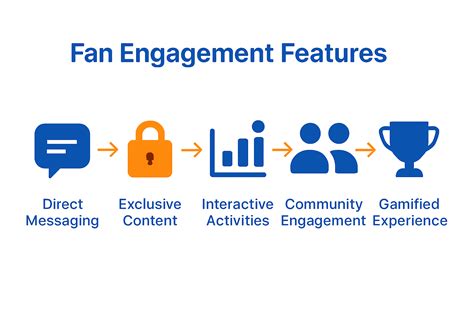
The final also served as a barometer for the global appeal of football. With record-breaking viewership numbers, the event underscored how the sport’s reach extends far beyond its traditional strongholds in Europe and South America. The presence of fans from Asia, Africa, and North America in the stadium and online forums illustrated football’s role as a unifying global phenomenon. This has implications for how leagues and clubs approach fan engagement. For instance, clubs are increasingly focusing on digital content tailored to international audiences, from multilingual social media posts to region-specific merchandise. The final demonstrated that success on the pitch can translate into commercial opportunities off it, provided clubs invest in building a global brand.
Additionally, the final had a ripple effect on regulatory discussions within football. The physical intensity of the match reignited debates about player welfare, particularly the packed schedules that elite players face due to domestic leagues, international duties, and European competitions. Several players from both teams suffered injuries in the weeks following the final, sparking calls for better workload management. This has fueled discussions about potential rule changes, such as expanded squad limits for European competitions or mandatory rest periods for players involved in multiple tournaments. These conversations are part of a larger trend toward prioritizing long-term player health over immediate competitive demands.
In summary, the 2022 Gol Champions League final was more than a single match; it was a turning point for football on multiple fronts. It reshaped team legacies by reinforcing the importance of adaptability and youth development. It influenced player careers by highlighting the dual-edged sword of success and the need for mental resilience. It also set the stage for broader trends in football, from the adoption of data-driven strategies to the prioritization of mental health and the global expansion of the sport’s appeal. This final will be remembered not just for the goals scored but for the waves it created in the ever-evolving landscape of football.
Conclusion and Lessons Learned
The 2022 GOL Champions League final was not just a showcase of elite football talent but also a pivotal moment that offered a wealth of insights for fans, coaches, and stakeholders. This historic event brought together two of the most dynamic teams in the competition, and its aftermath provides a rich tapestry of lessons that can shape the future of the sport at both strategic and grassroots levels. Below, we explore the key takeaways from this event, dissecting the elements that resonated most with each group involved.
For fans, the final emphasized the evolving role of spectators in modern football. The match was a testament to how deeply emotional investment in the game can transcend the 90 minutes on the pitch. Fans witnessed not only the athletic brilliance of the players but also the psychological warfare between teams. The atmosphere in the stadium—fueled by chants, coordinated displays, and the palpable tension—served as a reminder of the importance of fan culture in elevating the sport. However, the event also highlighted some challenges. The increased reliance on digital platforms for engagement, such as live streams, augmented reality experiences, and real-time analytics, demonstrated both the opportunities and limitations of technology in enhancing fan experience. While these tools brought global audiences closer to the action, they also created a sense of detachment for those unable to access such features, underscoring the need for inclusive strategies that cater to diverse fan bases. A key lesson here is that while technology can amplify the spectacle, it must not alienate traditional supporters who thrive on the raw, communal energy of live matches.
From a coaching perspective, the final offered a masterclass in adaptability and tactical innovation. Both teams displayed a mix of established systems and in-game adjustments that underscored the importance of flexibility. One team's ability to switch from a high-pressing strategy in the first half to a more conservative, counterattacking approach in the second half was particularly instructive. This shift not only neutralized the opponent's key playmakers but also showcased the value of having a squad with players trained to perform multiple roles. Coaches can learn from this that success in high-stakes matches often hinges on the ability to read the flow of the game and make bold, calculated decisions. Another critical takeaway was the role of set pieces. Both goals in the match came from well-rehearsed plays, emphasizing the need for meticulous preparation in this area. Coaches should take note of how specialized training for set pieces, combined with psychological conditioning to handle pressure, can turn seemingly minor moments into match-defining opportunities. Furthermore, the final demonstrated the growing importance of squad depth. Injuries and fatigue are inevitable in a long season, and the ability to rotate players without sacrificing quality became a decisive factor. This is a lesson for coaches to prioritize holistic development across their squads rather than over-relying on star players.
For stakeholders, including club owners, league organizers, and sponsors, the final served as a case study in the commercial and logistical intricacies of hosting a global event. The success of the event was partly driven by its accessibility to a global audience through multi-platform broadcasting deals. However, it also exposed some vulnerabilities in the current model. For instance, the controversy surrounding ticket allocation and pricing highlighted the tension between maximizing revenue and maintaining fan trust. Stakeholders must learn to strike a balance between commercial interests and fan-centric policies to ensure long-term loyalty. Additionally, the final underscored the growing influence of sustainability initiatives in sports. The use of eco-friendly materials in stadium operations, carbon-neutral travel arrangements for teams, and public commitments to reducing waste were notable features of the event. These efforts resonated with a growing segment of environmentally conscious fans and sponsors, signaling that sustainability is no longer optional but a core expectation for major sporting events. Stakeholders should view this as an opportunity to embed environmental responsibility into their long-term strategies, not just as a marketing tool but as a genuine commitment to global well-being.
Another important lesson for stakeholders lies in the realm of data-driven decision-making. The final was a showcase of how analytics can influence not only on-field performance but also off-field operations. From player performance metrics to fan engagement statistics, the use of real-time data allowed teams and organizers to make informed choices. For instance, the deployment of heat maps and player tracking systems provided coaches with actionable insights during the match, while sponsors leveraged audience engagement data to tailor their campaigns. This points to a broader trend: the integration of technology and analytics into every facet of football. Stakeholders must invest in these tools not only to enhance performance but also to create more personalized and impactful experiences for fans and partners. However, this reliance on data comes with a caveat—it must be used ethically and transparently to avoid controversies around privacy or biased decision-making.
The final also provided a platform to reflect on the role of diversity and inclusion in football. Both teams featured players from a wide range of backgrounds, nationalities, and playing styles, reflecting the global nature of the sport. This diversity was not just a symbolic gesture but a practical advantage, as it allowed teams to draw on a broader pool of skills and perspectives. For coaches and stakeholders, this serves as a reminder of the importance of fostering inclusive environments at all levels of the game. Grassroots programs, academies, and even front-office operations should prioritize diversity to ensure that football continues to be a unifying force that transcends borders.
From a regulatory standpoint, the final also brought attention to the challenges of maintaining fairness and integrity in high-stakes competitions. Refereeing decisions, particularly those involving VAR (Video Assistant Referee), sparked debates about the role of technology in officiating. While VAR was instrumental in ensuring key decisions were accurate, its implementation was not without controversy. Some argued that the delays caused by reviews disrupted the flow of the game, while others felt that certain calls were still subjective despite the use of technology. This is a lesson for governing bodies to continually refine and standardize the use of such tools to minimize disruptions and maintain the trust of all parties involved. Transparency in how decisions are reviewed and communicated can go a long way in mitigating frustrations among fans and teams.
Lastly, the event offered a glimpse into the future of football as a global entertainment product. The final was not just a sporting event but a cultural phenomenon, with pre- and post-match shows, celebrity appearances, and extensive media coverage. This blend of sport and entertainment points to the growing expectation for football to deliver more than just athletic competition. Stakeholders must recognize that fans now expect a 360-degree experience that includes storytelling, behind-the-scenes access, and interactive elements. For coaches and teams, this means that their role extends beyond the pitch—they are now ambassadors of the sport, expected to engage with fans and media in ways that enhance the narrative of the game.
In conclusion, the 2022 GOL Champions League final was a microcosm of the challenges and opportunities facing modern football. Fans were reminded of the emotional and communal power of the sport but also of the need for inclusivity in the digital age. Coaches learned the value of adaptability, squad depth, and set-piece mastery in achieving success under pressure. Stakeholders were shown the importance of balancing commercial interests with ethical and environmental responsibilities, while also leveraging technology to enhance both on-field and off-field operations. These lessons are not just reflections of a single event but blueprints for the evolution of football as it continues to grow in scope and complexity. By internalizing these insights, all parties can contribute to a future where the sport remains as thrilling and unifying as it was on that historic night.