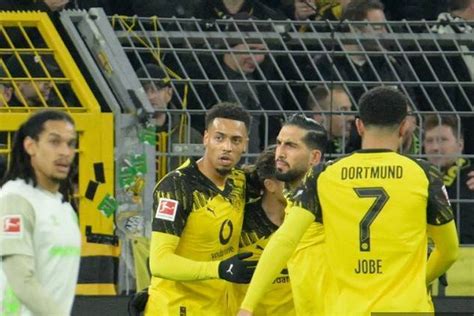
Introduction to the German Supercup 2020
The German Supercup is a prestigious event in German football that serves as an annual curtain-raiser to the new Bundesliga season. In 2020, the competition pitted **Bayern Munich**, the reigning Bundesliga champions and DFB-Pokal winners, against **borussia dortmund**, the Bundesliga runners-up. This match was not merely a ceremonial kickoff but a high-stakes clash between two of Germany's most dominant teams, each carrying a rich legacy and a fervent fan base. The German Supercup 2020 was played on **September 30, 2020**, at the **Allianz Arena** in Munich, marking a significant moment in the football calendar amidst a year heavily impacted by the COVID-19 pandemic.
The **significance of the German Supercup in German football** extends beyond its role as a season opener. Established in **1987**, the competition was initially sporadic but became a regular fixture in 2010. It symbolizes the rivalry between the league champions and the cup winners (or the league runners-up if the same team wins both titles). For German football, this event is more than a friendly; it is a statement of intent for the season ahead. Teams use the Supercup to test their offseason preparations, integrate new signings, and set a competitive tone. For fans, it is a first glimpse of how their teams might fare in the Bundesliga and European competitions. In 2020, the stakes were particularly high as Bayern Munich sought to continue their dominance after securing a historic sextuple the previous year, while Borussia Dortmund aimed to reassert their status as genuine title contenders.
The **historical context of the Supercup** is deeply intertwined with the evolution of German football. The 2020 edition was part of a broader narrative of Bayern Munich's ascendancy in the late 2010s and early 2020s. Bayern had won the Supercup eight times prior to 2020, while Dortmund had claimed it six times. Their head-to-head battles in this competition often mirrored their broader rivalry in the Bundesliga. The 2020 match was a rematch of the 2019 Supercup, where Dortmund had emerged victorious with a 2-0 win. This added an element of revenge for Bayern, who were determined to reclaim the trophy. Such rematches are not just about the silverware but also about psychological supremacy. Winning the Supercup can serve as a confidence booster, while losing it can plant seeds of doubt early in the season.
The **2020 edition was unique** due to the challenges posed by the pandemic. Unlike previous years, the match was played in front of a limited crowd of **15,000 spectators**, a stark contrast to the usual packed stadiums that characterize German football. This reduction in attendance underscored the adaptability of the sport and its stakeholders during a time of global uncertainty. The restricted attendance also highlighted how the Supercup, despite its prestige, was not immune to the logistical and financial challenges faced by football leagues worldwide. However, the event's broadcast reach was as significant as ever, with millions of viewers tuning in globally. This demonstrated the enduring appeal of the Supercup as a showcase of German football’s quality and competitiveness.
From a **tactical and competitive standpoint**, the 2020 Supercup was particularly intriguing because of the contrasting styles of the two teams. Bayern Munich, under manager **Hans-Dieter Flick**, had established themselves as a high-pressing, possession-oriented side that could dismantle opponents with ruthless efficiency. Their 4-2-3-1 formation, spearheaded by **Robert Lewandowski**, was complemented by creative forces like **Thomas Müller** and **Serge Gnabry**. Dortmund, managed by **Lucien Favre**, presented a younger, more dynamic squad known for their counterattacking prowess. With players like **Erling Haaland**, **Jadon Sancho**, and **Giovanni Reyna**, Dortmund represented a faster, more unpredictable threat. This stylistic clash made the 2020 Supercup not only a battle of skill but also a study in contrasting football philosophies.
The **historical weight of the Supercup** also lies in its ability to provide a platform for emerging talents. In 2020, both teams fielded promising young players who were beginning to make their mark. For Dortmund, the emergence of **Jude Bellingham**, a then-17-year-old midfielder, added a layer of excitement. Bayern, meanwhile, showcased their depth with players like **Jamal Musiala**, who would later become a key figure in their squad. These young talents brought a sense of renewal to the competition, emphasizing how the Supercup is not just about established stars but also about the next generation of German football.
Another layer of significance in the **2020 German Supercup** was its timing within the football calendar. The match took place after a compressed offseason due to the pandemic-induced rescheduling of the previous season. This compressed timeline meant that players had less recovery time, and managers had to carefully balance squad fitness with the need to compete at the highest level. For Bayern, this was particularly challenging as they had just completed their Champions League campaign in August 2020. The Supercup thus became a test of resilience and adaptability for both teams, adding a layer of intrigue beyond the usual preseason dynamics.
The **commercial and cultural impact** of the German Supercup should not be overlooked. While it is not as globally renowned as competitions like the UEFA Champions League, the Supercup holds a special place in the German football ecosystem. It serves as a marketing tool for the Bundesliga, drawing attention to the league’s quality and the rivalry between its top teams. Sponsors and broadcasters view the Supercup as an opportunity to engage with fans early in the season, setting the stage for future campaigns. In 2020, the event also provided a sense of normalcy and excitement for fans who had endured months of uncertainty and limited live sports.
From a **broader football culture perspective**, the German Supercup reflects the unique relationship between clubs and fans in Germany. Unlike some other European leagues where commercial interests often dominate, German football places a strong emphasis on fan engagement and accessibility. The Supercup, even in its limited-attendance form in 2020, upheld this tradition by ensuring that a small but passionate group of supporters could attend. This focus on fan involvement is part of what makes German football distinct and contributes to the Supercup’s appeal as more than just a trophy match.
In summary, the **German Supercup 2020** was not just a standalone match but a microcosm of the larger forces shaping German football. It combined historical rivalry, tactical intrigue, and the challenges of a pandemic year into a single event. Whether viewed as a competitive preview of the Bundesliga season, a stage for young talents, or a commercial and cultural touchpoint, the Supercup remains a vital component of the German football landscape. Its 2020 edition, despite the unique circumstances, upheld the tradition of intensity and significance that defines this competition.
Participating Teams and Their Journey
The German Supercup 2020 was a high-profile fixture that pitted two of Germany's most successful football clubs against each other: Bayern Munich and Borussia Dortmund. These teams were not merely chosen at random but earned their spots in the Supercup based on their achievements in the prior season. To fully understand their journey to this encounter, it is essential to examine their performances during the 2019-2020 season, the pathways they navigated, and the context of their qualification.
The German Supercup is traditionally contested between the winner of the Bundesliga and the winner of the DFB-Pokal (German Cup). In cases where the same team wins both titles, the Bundesliga runner-up is invited to participate. This was the scenario for the 2020 edition, as Bayern Munich had achieved a domestic double by winning both the Bundesliga and the DFB-Pokal. Consequently, Borussia Dortmund, the Bundesliga runner-up, was selected as their opponent. This dynamic set the stage for a clash between two teams with contrasting yet equally impressive seasons.
Let us begin with Bayern Munich, whose 2019-2020 campaign was nothing short of historic. Under the guidance of manager Hans-Dieter Flick, who took over midway through the season following the dismissal of Niko Kovač, Bayern embarked on an extraordinary run. They secured their eighth consecutive Bundesliga title, finishing the season with 82 points from 34 matches—13 points clear of Dortmund in second place. Their dominance was underscored by a goal difference of +68, the highest in the league, powered by the prolific scoring of Robert Lewandowski, who netted 34 goals in the Bundesliga alone. Bayern’s ability to maintain consistency even after a rocky start to the season was a testament to Flick’s tactical acumen and the squad’s mental resilience.
In addition to their league triumph, Bayern also conquered the DFB-Pokal, defeating Bayer Leverkusen 4-2 in the final. This victory was significant not only because it completed the domestic double but also because it showcased Bayern’s ability to perform under pressure in knockout competitions. Their journey to the DFB-Pokal final included a 2-1 quarterfinal win over Eintracht Frankfurt and a 2-1 semifinal victory over Eintracht Frankfurt. These results demonstrated that Bayern could adapt to various challenges, whether against defensively compact teams or high-pressing opponents. Their qualification for the Supercup as the double winners was thus a natural outcome of their season-long excellence.
On the other hand, Borussia Dortmund had a strong but ultimately second-best season. Managed by Lucien Favre, Dortmund finished the Bundesliga with 69 points, a respectable tally but one that highlighted the gap between themselves and Bayern. Dortmund’s season was characterized by moments of brilliance interspersed with inconsistency. They boasted a young and talented squad, including rising stars like Erling Haaland and Jadon Sancho, who contributed significantly to their attacking output. Haaland, signed in the January transfer window, made an immediate impact, scoring 13 goals in just 15 Bundesliga appearances. Sancho, meanwhile, contributed 17 goals and 16 assists, cementing his status as one of Europe’s most exciting wingers.
Dortmund’s path to the Supercup was paved by their runner-up status in the Bundesliga. While they were unable to match Bayern’s relentless form, their performances in key matches were noteworthy. For instance, they secured a 4-0 victory over Schalke 04 in the Revierderby and a 2-0 win against RB Leipzig, another title contender. However, their Achilles' heel was their inability to deliver in high-stakes games against Bayern. In their two league encounters, Dortmund lost 4-0 at home and 1-0 away, which underscored the psychological and tactical edge Bayern held over them. Despite these setbacks, Dortmund’s overall campaign was strong enough to secure their Supercup berth as the Bundesliga runner-up.
It is also worth noting that Dortmund’s participation in the Supercup was not merely a consolation prize. The team had shown flashes of brilliance in the DFB-Pokal, where they reached the round of 16 before being eliminated by Werder Bremen in a dramatic penalty shootout. This early exit meant they could not challenge Bayern for the cup title, but it also allowed them to focus more on their Bundesliga campaign in the latter stages of the season. Their qualification for the Supercup was therefore a reflection of their sustained competitiveness in the league rather than a direct cup triumph.
The contrast between the two teams’ journeys to the Supercup is fascinating. While Bayern Munich entered the match as the undisputed kings of German football, having achieved a treble by adding the UEFA Champions League to their domestic double, Dortmund’s presence was a statement of their potential to challenge the status quo. Dortmund’s young squad, though inconsistent, had shown enough promise to suggest they could push Bayern in a one-off match. This dynamic added intrigue to the Supercup, as it was not just a ceremonial curtain-raiser to the new season but a genuine test of whether Dortmund could bridge the gap to Bayern’s dominance.
The qualification criteria for the Supercup also reveal an interesting aspect of German football’s competitive structure. Unlike some other supercup formats where the participants are determined solely by cup competitions, the German Supercup often reflects the Bundesliga’s hierarchical dynamics. Bayern’s dual success meant that the runner-up was given a platform to challenge them, emphasizing the league’s role as the primary determinant of footballing hierarchy in Germany. This setup also provided Dortmund with an opportunity to prove themselves in a high-profile setting, even if they had fallen short in the DFB-Pokal.
From a broader perspective, the 2020 German Supercup was a microcosm of the ongoing rivalry between these two clubs. Bayern’s journey to the Supercup was a culmination of their season-long excellence, while Dortmund’s presence highlighted their role as the most credible challenger in the Bundesliga. This dynamic was not just about the teams but also about the players and managers who shaped their campaigns. Flick’s transformative impact on Bayern and Dortmund’s reliance on youth and attacking flair were central themes that defined their respective seasons.
In summary, the participating teams in the German Supercup 2020 were not randomly selected but earned their spots through clear and distinct pathways. Bayern Munich’s dominance in both the Bundesliga and the DFB-Pokal made them the undisputed representative of German football’s elite, while Borussia Dortmund’s runner-up position in the league allowed them to step into the Supercup as the worthy challenger. Their journeys to this match were shaped by contrasting narratives—Bayern’s relentless excellence and Dortmund’s youthful promise—setting the stage for a compelling encounter that would offer insights into the state of German football at the time.
Match Venue and Atmosphere
The **German Supercup 2020** was hosted at the **Mercedes-Benz Arena** in Stuttgart, a venue steeped in history and significance for German football. This stadium, with a seating capacity of approximately 60,441, has been a hub for high-profile matches, including Bundesliga fixtures and international friendlies. For the Supercup, the choice of this venue was strategic, as it offered both a central location for fans from across Germany and a modern infrastructure capable of supporting a major event. The arena's design, with its steep stands and excellent sightlines, ensured that spectators had an immersive experience regardless of where they were seated.
The **crowd turnout** for the 2020 Supercup was impacted by the COVID-19 pandemic, which had introduced strict restrictions on public gatherings across Europe. Unlike previous years, where the event would have drawn a near-capacity crowd, the 2020 edition saw a limited audience of around **500 invited guests**, including sponsors, officials, and a small number of fans. This marked a stark contrast to the usual electric atmosphere associated with German football events. However, the reduced crowd did not entirely diminish the event's significance. Instead, it created a unique dynamic—an intimate setting where every cheer, chant, and reaction was amplified. Those present were acutely aware of their role in representing the larger fanbase unable to attend. The players, too, seemed to feed off this concentrated energy, with many acknowledging the unusual yet poignant atmosphere in post-match interviews.
Despite the limited physical presence, the **virtual audience** played a significant role in shaping the event's ambiance. Broadcasters leveraged cutting-edge technology to simulate crowd noise and create a sense of normalcy for viewers at home. This approach, while artificial, was a necessary adaptation to maintain the emotional connection between the game and its global audience. The digital engagement extended beyond the broadcast, with social media platforms abuzz with discussions, live reactions, and fan-generated content. This hybrid approach underscored how the event was as much a celebration of resilience as it was of football itself.
The **overall ambiance** of the event was a blend of anticipation, novelty, and nostalgia. The Supercup, traditionally a curtain-raiser for the Bundesliga season, carries an air of festivity as it pits the Bundesliga champions against the DFB-Pokal winners. In 2020, this matchup featured **Bayern Munich**, the reigning league champions, and **Borussia Dortmund**, the Pokal victors. The rivalry between these two teams is one of the most storied in German football, and their clashes are often characterized by high stakes and intense drama. This context added a layer of excitement to the event, even in the absence of a full stadium.
The **pitch presentation** at the Mercedes-Benz Arena was immaculate, reflecting the meticulous preparation typical of German football organizations. The lush green surface, combined with the arena's state-of-the-art lighting, created a visually striking stage for the players. The pre-match ceremonies, though scaled down, retained their charm. The grandeur of the trophy display, the national anthem, and the introduction of the teams were executed with precision, reminding viewers of the event's prestige. These elements contributed to an ambiance that was both professional and celebratory, even under constrained circumstances.
The **lack of a full crowd** did not entirely suppress the energy within the venue. Small groups of supporters who had gathered outside the stadium, though not permitted entry, created a palpable buzz in the surrounding area. Chants and songs could occasionally be heard drifting into the arena, a testament to the unwavering passion of German football fans. Inside, the invited guests—though fewer in number—were vocal in their support. Flags, scarves, and team colors were visible in the stands, and spontaneous applause for key moments, such as a well-executed pass or a near-goal opportunity, echoed through the venue. This organic enthusiasm was a reminder of how deeply ingrained football is in German culture, even in the face of adversity.
Another aspect worth noting was the **role of technology in enhancing the atmosphere**. Large LED screens around the stadium displayed messages of support from fans who could not attend. These screens also featured live reactions from viewers at home, bridging the physical and virtual divide. This innovative use of technology not only compensated for the reduced in-person turnout but also set a precedent for future events where hybrid engagement models might become the norm. The integration of augmented reality (AR) elements in the broadcast further enriched the viewing experience, with virtual overlays providing real-time statistics, player insights, and interactive features for at-home audiences.
From a **cultural perspective**, the Supercup served as a microcosm of Germany's broader response to the challenges of 2020. The event symbolized adaptability and determination, showcasing how sports could continue to unite people even in trying times. The subdued yet determined atmosphere at the Mercedes-Benz Arena mirrored the nation's collective effort to persevere through the pandemic while holding onto the traditions and joys that define its identity. This sentiment was echoed in the post-match commentary, where analysts and former players reflected on how the event had captured the spirit of the times.
In terms of **logistics and organization**, the German Football Association (DFB) and the host venue demonstrated exceptional foresight. The limited attendance was managed with strict health and safety protocols, including mandatory testing, social distancing measures, and assigned seating to prevent clustering. These measures, while necessary, did not detract from the event's professionalism. Instead, they highlighted the organizers' commitment to ensuring that the Supercup could proceed as a beacon of normalcy in an otherwise turbulent year. The smooth execution of these protocols was a silent yet significant contributor to the event's overall success.
The **atmosphere of the German Supercup 2020** was thus a unique blend of tradition, innovation, and adaptability. While the absence of a roaring crowd was undeniably felt, the event managed to carve out its own identity as a symbol of resilience. The Mercedes-Benz Arena, though not filled to capacity, still resonated with the echoes of a sport that refuses to be subdued by external challenges. The limited crowd, enhanced virtual engagement, and the sheer quality of football on display combined to create an event that was both memorable and emblematic of its era.
- The **Mercedes-Benz Arena** provided a modern and visually striking setting for the match.
- The **limited crowd** of 500 invited guests created an intimate yet vibrant ambiance.
- The **virtual audience** and technological enhancements bridged the gap between the physical and digital realms.
- The **cultural significance** of the event was amplified by its timing during the pandemic.
- The **organizational excellence** ensured the event's success despite logistical challenges.
In conclusion, the **Match Venue and Atmosphere** of the German Supercup 2020 were shaped by a confluence of factors—technological innovation, the passion of fans (both present and virtual), and the adaptability of the organizers. This edition of the Supercup will be remembered not just for the football played on the pitch but for the broader narrative it represented: the unyielding spirit of sport in the face of adversity.
Key Players and Tactical Approaches
The German Supercup 2020 was a high-stakes encounter between **Bayern Munich** and **Borussia Dortmund**, two of the most dominant forces in German football at the time. This section delves into the **key players** who shaped the match and the **tactical approaches** that defined their performances. Both teams brought distinctive styles to the pitch, heavily influenced by their star players and the philosophies of their managers.
For **Bayern Munich**, the team was in the midst of a golden era under manager Hansi Flick. Fresh off their UEFA Champions League triumph, Bayern entered the Supercup as favorites, with a squad brimming with world-class talent. At the heart of their attack was **Robert Lewandowski**, a striker operating at the peak of his powers. Lewandowski's role extended beyond mere goal-scoring; he acted as a fulcrum for Bayern's fluid attacking system. His ability to hold up play, link with wingers like **Serge Gnabry** and **Kingsley Coman**, and create space for late-arriving midfielders such as **Thomas Müller** was pivotal. Lewandowski's spatial awareness and off-the-ball movement allowed Bayern to exploit Dortmund's high defensive line, particularly in transition moments.
Another standout for Bayern was **Joshua Kimmich**, whose versatility was on full display. Deployed in central midfield, Kimmich operated as both a defensive anchor and a creative outlet. His role in dictating the tempo of play was instrumental. Kimmich's long diagonal passes often bypassed Dortmund's midfield press, directly feeding Bayern's wide attackers. Moreover, his defensive acumen—cutting passing lanes and engaging in tactical fouls when necessary—helped disrupt Dortmund's attempts to build from the back. Kimmich's tactical intelligence and work rate epitomized Bayern's approach: a blend of aggressive pressing and calculated possession play.
On the other side, **Borussia Dortmund**, managed by Lucien Favre, relied on a younger, more dynamic core. Their star player and talisman, **Erling Haaland**, was the focal point of their attack. Haaland's physicality, blistering pace, and clinical finishing made him a nightmare for defenses. In this match, Dortmund used Haaland as a target man in their counter-attacking setup. The team sought to exploit Bayern's occasional vulnerability to quick transitions, especially when their fullbacks—**Alphonso Davies** and **Benjamin Pavard**—pushed high up the pitch. Haaland's ability to stretch the field vertically was complemented by the creative inputs of **Jadon Sancho**. Sancho's dribbling and vision allowed Dortmund to play through Bayern's midfield press, often drawing multiple defenders and creating space for Haaland or supporting midfielders like **Julian Brandt**.
Dortmund's tactical strategy also leaned heavily on their wingbacks, particularly **Raphaël Guerreiro**. Guerreiro's dual role as an attacking outlet and a defensive cover was critical in balancing Dortmund's approach. While he provided width and delivered dangerous crosses into the box, his positioning was also key in nullifying Bayern's wingers during defensive phases. However, Dortmund's reliance on high-intensity bursts of play often left them exposed in midfield, where Bayern's superior organization and experience gave them an edge.
Tactically, **Bayern Munich's approach** can be described as a high-pressing 4-2-3-1 system that transitioned seamlessly into a fluid 3-2-5 in possession. Flick's emphasis on width was evident, as **Davies** and **Pavard** bombed forward to stretch Dortmund's defensive shape. This created central overloads, with **Müller** and **Leon Goretzka** making late runs into the box. Bayern's tactical flexibility was a hallmark of their success under Flick; they could switch from patient build-up play to rapid vertical attacks depending on the game state. Their ability to recycle possession under pressure was a clear advantage, as Dortmund's midfield often struggled to sustain pressure for extended periods.
In contrast, **Dortmund's tactical blueprint** was more reactive. Favre deployed a 3-4-3 formation that could shift into a 5-4-1 without the ball. This system aimed to deny Bayern space in central areas while using Haaland's speed to exploit the gaps left by Bayern's aggressive fullbacks. However, Dortmund's defensive structure was not without flaws. Their back three often found themselves stretched when Bayern's wingers cut inside, leaving their wingbacks isolated. This was particularly evident in situations where **Sancho** or **Thorgan Hazard** failed to track back effectively, giving Bayern's fullbacks the freedom to deliver crosses or combine with their attacking midfielders.
One of the most intriguing aspects of this match was the **battle of midfield control**. Bayern's double pivot of **Kimmich** and **Goretzka** provided a solid foundation, allowing their attackers to operate with freedom. Dortmund, on the other hand, fielded a midfield pairing of **Axel Witsel** and **Thomas Delaney**, who were tasked with breaking up play and initiating counters. While Witsel's positional discipline was commendable, he often found himself outnumbered in central areas due to Bayern's numerical superiority when their fullbacks pushed forward. This imbalance in midfield control was a decisive factor in Bayern's ability to dominate large stretches of the game.
The role of **set pieces** also warrants mention. Bayern's proficiency in dead-ball situations, driven by Kimmich's delivery and Lewandowski's aerial prowess, added another dimension to their attack. Dortmund, while capable of threatening from set pieces through players like **Mats Hummels**, were less consistent in this area. This disparity highlighted a broader theme: Bayern's meticulous preparation and execution in all phases of play contrasted with Dortmund's occasional lapses in concentration.
From an individual performance standpoint, **Müller's influence** as a "raumdeuter" (space interpreter) was another key factor. His ability to find pockets of space between Dortmund's defensive and midfield lines created headaches for their backline. Müller's off-the-ball runs and link-up play with Lewandowski exemplified Bayern's cohesive attacking structure. For Dortmund, **Haaland's impact** was undeniable—he scored a goal and constantly tested Bayern's center-backs, **David Alaba** and **Jerome Boateng**—but he lacked consistent service due to Bayern's effective midfield control.
In summary, the **German Supercup 2020** showcased a clash of styles: Bayern's methodical, possession-based approach versus Dortmund's explosive counter-attacking strategy. The match underscored the importance of star players like **Lewandowski** and **Haaland**, whose contributions went beyond goals to shape their teams' overall dynamics. Tactical nuances, such as Bayern's use of fullback overlaps and Dortmund's reliance on vertical transitions, provided a fascinating study of how top-level football adapts to the strengths and weaknesses of key players. Ultimately, Bayern's superior cohesion and tactical discipline gave them the edge in this encounter, reflecting their dominance in German football at the time.
Match Summary and Key Moments
The **German Supercup 2020** featured a highly anticipated clash between **Bayern Munich** and **Borussia Dortmund**, two of the most dominant forces in German football. This match was not just a contest for early-season bragging rights but also a test of form and strategy for both teams as they geared up for the Bundesliga campaign. What unfolded was a thrilling encounter that showcased the tactical depth, individual brilliance, and high-octane football synonymous with these two teams.
The match was played on **September 30, 2020**, at the **Allianz Arena**, Bayern Munich's home ground. Bayern, fresh off their treble-winning season (Bundesliga, DFB-Pokal, and UEFA Champions League), were the favorites. However, Dortmund, with their young and dynamic squad, were determined to challenge the reigning champions. The game ended in a **3-2 victory for Bayern Munich**, but the scoreline barely captures the drama and intensity that defined this encounter.
The first half set the stage for an explosive game. **Bayern Munich** started with their trademark high-pressing style, suffocating Dortmund in their own half. Dortmund, however, adopted a more cautious approach initially, looking to exploit Bayern's occasional defensive lapses on the counter. The first goal came in the **18th minute**, courtesy of **Corentin Tolisso**. A well-worked corner routine saw the ball fall to Tolisso inside the box. His shot, though not perfectly struck, found its way past Dortmund goalkeeper **Roman Bürki**, who might have done better to keep it out. This goal was significant because it exposed Dortmund's vulnerability in defending set-pieces—a recurring issue for them in previous seasons.
Dortmund responded with urgency. In the **39th minute**, they found their equalizer through **Julian Brandt**. The goal was a result of a swift counterattack, initiated by **Erling Haaland**, who used his physicality and pace to bypass Bayern's midfield. Brandt, positioned at the edge of the box, received a precise pass and curled a left-footed shot into the top corner. This was a turning point because it showcased Dortmund's ability to transition quickly and exploit Bayern's high defensive line. The goal also seemed to inject confidence into Dortmund, who began to assert themselves more in possession.
However, the see-saw nature of the game continued. Just before halftime, in the **43rd minute**, Bayern reclaimed the lead through **Thomas Müller**. This goal was a testament to Bayern's tactical flexibility and Müller's innate ability to find space in crowded areas. A cross from **Joshua Kimmich** found Müller unmarked at the far post. His header, while not powerful, was placed perfectly into the bottom corner. This goal highlighted a key weakness in Dortmund's defensive setup—their inability to track runners in the box. Müller's goal gave Bayern a psychological edge heading into the break, as they had wrested back control of the match just when Dortmund seemed to be growing into it.
The second half was where the match truly came alive. Dortmund emerged with renewed determination, and their equalizer in the **55th minute** was one of the standout moments of the game. **Erling Haaland**, Dortmund's talismanic striker, showcased why he is one of the most feared forwards in world football. After a brilliant through-ball from **Giovanni Reyna**, Haaland outpaced Bayern's center-back **Jerome Boateng** and finished with a clinical left-footed shot past **Manuel Neuer**. This goal was a masterclass in timing, speed, and precision. Haaland's celebration, a mix of raw emotion and confidence, underscored the significance of the moment—Dortmund were back in the game and looked capable of overturning the result.
The turning point of the match, however, came in the **82nd minute**, when **Joshua Kimmich** scored what would be the winning goal for Bayern. This goal was a microcosm of Kimmich's influence as a player—tenacious, intelligent, and technically gifted. After a chaotic sequence in the Dortmund box, the ball looped into the air following a half-clearance. Kimmich, with exceptional awareness, executed a delicate lob over Bürki while off-balance. The audacity of the finish, combined with the high-pressure situation, made this moment the defining image of the match. Kimmich's goal was not just about skill but also about mental fortitude—Bayern were determined to assert their dominance even when Dortmund were threatening to take control.
Beyond the goals, there were several **standout plays** that shaped the match. One such moment was **Alphonso Davies' defensive recovery** in the **67th minute**. With Dortmund launching another counterattack, Haaland seemed destined to score his second goal of the night. However, Davies, known for his blistering speed, tracked back and made a last-ditch tackle to deny Haaland a clear shot on goal. This play was a reminder of Davies' importance to Bayern's defensive structure, particularly against teams with pacey forwards like Dortmund.
Another key moment was **Manuel Neuer's save** in the **72nd minute**. Dortmund's **Marco Reus** unleashed a powerful shot from just outside the box, aimed at the top corner. Neuer, at full stretch, parried the ball away with one hand. This save was not just about athleticism but also about Neuer's positioning and anticipation. It prevented Dortmund from gaining momentum at a crucial stage of the game.
From a tactical perspective, the match exposed both teams' strengths and vulnerabilities. Bayern's **high defensive line** was tested repeatedly by Dortmund's counterattacks, particularly in the second half. However, their ability to maintain possession under pressure and create goal-scoring opportunities from set-pieces gave them the edge. Dortmund, on the other hand, demonstrated their attacking potency but were let down by defensive lapses and an inability to sustain pressure in the final third.
The match also highlighted individual battles that added intrigue. The duel between **Robert Lewandowski** and **Mats Hummels** was particularly fascinating. Lewandowski, though goalless on the night, was a constant menace, drawing fouls and creating space for his teammates. Hummels, despite being on the losing side, put in a commendable defensive performance, making several key interceptions and clearances.
In terms of **broader implications**, this match was a statement of intent from Bayern Munich. They demonstrated that even after a grueling previous season, they had the hunger and quality to maintain their winning streak. For Dortmund, the loss was a learning experience. Their young squad showed flashes of brilliance but also revealed areas for improvement, particularly in defensive organization and game management.
In summary, the **German Supercup 2020** was a thrilling showcase of German football's best attributes—technical skill, tactical nuance, and relentless competitiveness. The match was defined by **five goals, each with its own narrative**, and moments of individual brilliance that will be remembered by fans of both teams. While Bayern Munich lifted the trophy, the contest served as a reminder of the fine margins that separate success and defeat at the highest level of football.
- Bayern's set-piece efficiency and Müller's positioning were critical in their victory.
- Dortmund's counterattacking strategy, spearheaded by Haaland, was a bright spot despite the loss.
- Key defensive plays, such as Davies' tackle and Neuer's save, underscored the importance of individual brilliance in high-stakes games.
This match will be remembered not just for the result but for the moments that encapsulated the essence of a rivalry that continues to define German football.
Referee Decisions and Controversies
The German Supercup 2020 between Bayern Munich and Borussia Dortmund was a high-stakes match that not only showcased the skill and determination of two of Germany's top football clubs but also brought refereeing decisions and controversies to the forefront of post-match discussions. While the game ended with Bayern Munich clinching a 3-2 victory, the role of refereeing in shaping the outcome of the match was a subject of heated debate among fans, analysts, and even the clubs themselves. This section delves into the notable refereeing decisions and controversies that influenced the game, offering unique insights into their impact on the flow and result of the match.
One of the most discussed refereeing moments came in the 25th minute when Bayern Munich was awarded a penalty. The incident involved a challenge by Dortmund defender Emre Can on Bayern's forward Robert Lewandowski inside the penalty area. Replays showed that Can made contact with Lewandowski's leg as he attempted to clear the ball. However, the extent of the contact and whether it was sufficient to warrant a penalty was a point of contention. The referee, Daniel Siebert, immediately pointed to the spot, a decision that was met with strong dissent from Dortmund players. Siebert's call was particularly controversial because the contact appeared minimal when viewed in slow motion, leading some to argue that Lewandowski may have gone down too easily. Analysts noted that the VAR (Video Assistant Referee) system did not intervene to overturn the decision, which raised questions about the threshold for intervention in such scenarios. This penalty decision gave Bayern a 1-0 lead, setting the tone for a match where refereeing decisions would continue to play a pivotal role.
Another critical moment came in the 40th minute, when Dortmund's Erling Haaland appeared to be brought down by Bayern's defender Jérôme Boateng in what many believed was a clear foul inside the box. Haaland, known for his speed and physicality, was racing toward the goal when Boateng made a last-ditch challenge that seemed to impede his progress. Referee Siebert, however, waved play on, much to the frustration of Dortmund players and their manager. This decision was deemed even more contentious because replays suggested that Boateng had made contact with Haaland's ankle, which could have easily been interpreted as a foul. The absence of a VAR review for this incident was surprising to many, as it seemed to meet the criteria for a "clear and obvious error" that VAR is designed to correct. Dortmund fans and pundits argued that this was a pivotal moment where the referee's decision—or lack thereof—altered the course of the game by denying Dortmund a potential equalizer.
The second half of the match brought its own share of controversies, particularly around the enforcement of the rules regarding handball. In the 60th minute, Bayern's defender Alphonso Davies appeared to handle the ball in his own penalty area while attempting to block a cross from Dortmund's Jadon Sancho. The incident was not flagged by the on-field referee, and VAR did not intervene. Critics pointed out that the handball rule, which had been a subject of much debate in the 2020 season due to its strict interpretation, should have been applied here. Davies' arm was in an unnatural position when the ball struck it, and many argued that this should have resulted in a penalty for Dortmund. However, the referee's decision not to award a penalty was defended by some as being consistent with the "intent" aspect of the handball rule, which suggests that not every unintentional handball should be penalized. This inconsistency in the application of the handball rule was a recurring issue in the Bundesliga that season, and the Supercup match was no exception.
Another area of refereeing scrutiny involved the physicality of the match and how fouls were managed. Both teams played with high intensity, and the referee had to make several judgment calls regarding yellow cards and potential red-card offenses. For instance, in the 72nd minute, Bayern's midfielder Leon Goretzka was involved in a rough tackle on Dortmund's Julian Brandt. While the tackle was undeniably aggressive, Siebert opted for a yellow card rather than a red. This decision was heavily debated, as some argued that the tackle endangered the safety of the opponent and warranted a sending-off. Dortmund fans felt that the referee was too lenient on Bayern players, while Bayern supporters countered that the physical nature of the game was typical of a high-stakes match and that Siebert was simply allowing the game to flow. This tension highlighted the subjective nature of refereeing in a match where emotions and stakes were running high.
One lesser-discussed but equally important aspect of the refereeing was the management of added time. The match saw six minutes of stoppage time added in the second half, a decision that raised eyebrows among both sets of supporters. While stoppage time is often a source of contention in close matches, the perception among Dortmund fans was that the additional time allowed Bayern to maintain their attacking pressure, which ultimately led to their third and decisive goal. Bayern's third goal, scored in the 82nd minute by Corentin Tolisso, came after a period of sustained pressure that some felt was facilitated by the referee's leniency in not blowing the whistle for fouls or infringements earlier in the half. This perception of time management as biased—whether justified or not—added another layer of controversy to the match.
It is also worth exploring the psychological impact of refereeing decisions on the players. Bayern, a team accustomed to winning and often benefiting from close calls, seemed to gain momentum from the early penalty decision. Dortmund, on the other hand, appeared increasingly frustrated as the match progressed, with their players visibly agitated by what they perceived as unfavorable calls. This psychological dimension of refereeing—how decisions can influence the morale and performance of teams—is often overlooked but played a significant role in the Supercup 2020. For instance, Dortmund's attacking play seemed to lose some of its edge after the non-award of the Haaland penalty, as players appeared more focused on contesting decisions than maintaining their rhythm.
From a broader perspective, the controversies in this match also highlighted the limitations of VAR in addressing subjective decisions. While VAR is intended to correct clear and obvious errors, its non-intervention in key moments like the Haaland foul and the Davies handball raised questions about its effectiveness. Some argued that the system's reliance on the on-field referee's judgment for "subjective" calls creates a gray area where consistency is difficult to achieve. This match served as a microcosm of the ongoing debate about how VAR should be used and whether its implementation truly levels the playing field or introduces new layers of uncertainty.
In conclusion, the German Supercup 2020 was not just a showcase of footballing talent but also a stage for refereeing controversies that had a tangible impact on the game. From the early penalty decision to the handling of physical play and the management of stoppage time, the referee's role was under constant scrutiny. These decisions, whether correct or flawed, influenced the momentum, morale, and ultimately the outcome of the match. They also underscored the challenges of refereeing in a high-profile game where every call is magnified by the stakes involved. For fans and analysts alike, the Supercup 2020 remains a case study in how refereeing can shape the narrative of a football match beyond the goals scored on the pitch.
Impact on Team Dynamics and Future Matches
The German Supercup 2020, contested between Bayern Munich and Borussia Dortmund, was more than just a preseason spectacle; it served as a barometer for team readiness, tactical coherence, and psychological momentum heading into the Bundesliga campaign. While the Supercup is often dismissed as a friendly with a shiny trophy, its impact on **team dynamics** and **future matches** can be profound, particularly when the stakes are amplified by the rivalry between two of Germany's footballing giants.
The 2020 edition saw Bayern Munich emerge victorious with a 3-2 scoreline, a result that reinforced their dominance after a treble-winning 2019-20 season. However, the nuances of this match went beyond the scoreline, influencing **team morale**, **fan support**, and the **psychological undercurrents** that shaped subsequent performances for both sides.
### Team Morale and Confidence
For **Bayern Munich**, the win was a continuation of their seemingly unstoppable momentum. Having already secured the Bundesliga, DFB-Pokal, and UEFA Champions League in the prior season, this victory symbolized not just another trophy but a statement of intent. The Supercup reaffirmed their ability to win high-pressure matches, even when not at their peak. This was evident in their performance—while they conceded two goals, their ability to outscore Dortmund highlighted their offensive resilience. Players like Robert Lewandowski, who scored a brace, would have taken immense confidence from such a display, particularly as the season's tougher fixtures loomed.
On the other hand, the loss for **Borussia Dortmund** could have been interpreted as a missed opportunity to disrupt Bayern's aura of invincibility. Dortmund, a team often seen as the primary challenger to Bayern's hegemony, had a young squad brimming with talent, including Erling Haaland and Jadon Sancho. While Haaland's goal showcased his burgeoning talent, the defeat may have planted seeds of doubt about their ability to overcome Bayern in high-stakes encounters. This psychological edge is critical in a league where mental fortitude can often outweigh technical superiority. Dortmund’s players, particularly the younger ones, might have internalized the idea that they were second-best, a perception that could manifest in tentative performances in future direct clashes.
### Fan Support and Expectations
The Supercup result also had a tangible effect on **fan support** for both teams. Bayern's fanbase, already spoilt by success, viewed the win as validation of their team's enduring quality. Social media buzz and post-match discussions among Bayern supporters emphasized their belief in the team's ability to sustain their dominance. This kind of unwavering support can act as a psychological boost for players, who feel the weight of expectations tempered by the assurance of loyalty.
Conversely, Dortmund fans, while proud of their team's spirited effort, may have felt a twinge of frustration. The Supercup is often seen as a chance to set the tone for the season, and losing to Bayern—even narrowly—could have tempered enthusiasm. Fan forums and supporter groups likely debated whether the team had the mental fortitude to challenge Bayern over the course of a grueling season. Such discussions can bleed into player perception; athletes are acutely aware of how their performances are received by the stands. A slightly deflated fanbase might not vocalize discontent immediately, but the ripple effects of reduced fervor can subtly affect player confidence in away matches or during slumps.
### Subsequent Performances
The Supercup's influence on **subsequent performances** is perhaps its most intriguing legacy. For Bayern, the win served as a springboard for an initially explosive start to the Bundesliga season. They began with a series of high-scoring victories, including a 8-0 thrashing of Schalke 04 in their opening match. While it is reductive to attribute this solely to the Supercup result, the psychological carryover is undeniable. Winning breeds winning, and Bayern’s players likely entered their early-season fixtures with a sense of invulnerability. This is particularly important in a league where early momentum can set the stage for title contention.
For Dortmund, the loss might have contributed to a slightly erratic start to their campaign. While they managed some impressive results, such as a 3-0 win over Borussia Mönchengladbach, their inconsistency in away games suggested a team still grappling with self-belief. The Supercup loss may have acted as a subtle anchor, reminding them of their inability to best Bayern when it mattered most. Tactical adjustments by manager Lucien Favre in subsequent matches seemed to prioritize defensive solidity over the free-flowing attacking football that Dortmund is known for. This shift could be interpreted as a reaction to the vulnerabilities exposed in the Supercup, where their defense was repeatedly breached by Bayern's clinical attack.
Another critical aspect of subsequent performances was the **individual player development** influenced by the Supercup. For Bayern, young talents like Joshua Kimmich and Alphonso Davies used the match as a platform to solidify their roles in the team. Kimmich's work rate and Davies' dynamic runs were integral to Bayern's control of the game, and their confidence from such a performance likely carried into their league and European outings. For Dortmund, the Supercup loss might have prompted introspection among players like Giovanni Reyna and Jude Bellingham, both of whom were in the early stages of their Bundesliga journeys. While their potential was evident, the result might have underscored the need for greater composure and tactical discipline in high-pressure scenarios.
### Tactical and Strategic Implications
From a tactical standpoint, the Supercup highlighted areas of improvement for both teams. Bayern's high defensive line, while effective in stifling Dortmund's counterattacks, was occasionally exposed—a weakness that sharper teams might exploit later in the season. Dortmund, meanwhile, learned the importance of midfield control against a possession-heavy side like Bayern. Their inability to dominate the center of the park in the Supercup likely informed their approach in later fixtures, where they sought to press higher and disrupt opponents' build-up play.
The match also provided a glimpse into how both teams handled **transitions**. Bayern's ability to quickly switch from defense to attack was a key factor in their victory, with players like Thomas Müller acting as conduits for rapid ball progression. Dortmund, by contrast, struggled to maintain possession under pressure, a weakness that was exploited in future matches against similarly aggressive teams. This tactical takeaway from the Supercup likely informed Dortmund's training sessions, as they sought to improve their ball retention and defensive shape.
### Broader Implications for the Bundesliga
Beyond the two teams, the result of the Supercup 2020 had implications for the **competitive balance of the Bundesliga**. Bayern's win reinforced the narrative of their dominance, potentially demoralizing other contenders who saw Dortmund as their best hope of breaking the monopoly. For Dortmund, the result underscored the challenge of not just competing with Bayern but also managing the psychological burden of being perennially second-best. This dynamic influenced how other teams approached matches against both sides; for instance, opponents might have been more willing to sit deep against Dortmund, sensing vulnerability, while adopting ultra-defensive setups against Bayern to avoid humiliation.
In conclusion, the **German Supercup 2020** was far more than a preseason curtain-raiser. Its impact on **team morale**, **fan support**, and **performance trajectories** was multi-faceted and enduring. While Bayern used the win to reinforce their dominance, Dortmund faced the challenge of rebuilding confidence and addressing tactical shortcomings. The ripples of this match were felt not just in the immediate aftermath but throughout the season, emphasizing the Supercup's role as a psychological and strategic touchstone in German football.
Media Coverage and Fan Reactions
The **German Supercup 2020**, contested between Bayern Munich and Borussia Dortmund, was not merely a clash of two footballing giants but also a spectacle that attracted significant attention from media outlets and fans worldwide. The event, held on September 30, 2020, at the Allianz Arena, was marked by intense media coverage and diverse fan reactions across various platforms. This section delves into how the event was portrayed in the media and the nature of fan engagement, examining the nuances of both traditional and digital coverage, as well as the emotional and analytical responses from supporters.

The **media landscape** surrounding the German Supercup 2020 was characterized by a blend of traditional sports journalism and modern digital platforms. Major sports networks such as **Sky Sports**, **ESPN**, and **Bundesliga’s official channels** provided extensive pre-match analysis, live coverage, and post-match breakdowns. These outlets emphasized the rivalry between Bayern and Dortmund, framing the Supercup as a precursor to the Bundesliga season. Sky Sports Germany, for instance, aired exclusive interviews with players and coaches, offering insights into team strategies and individual player preparations. Their coverage leaned heavily on the tactical aspect of the game, with pundits dissecting how Bayern’s high-press system would counter Dortmund’s counterattacking prowess. This approach appealed to the more analytically inclined viewers who sought deeper insights into the game beyond the spectacle.
In contrast, **social media platforms** like Twitter, Instagram, and YouTube played a pivotal role in amplifying fan engagement and providing real-time reactions. The hashtag #GermanSupercup trended globally on Twitter during the match, with fans, journalists, and even clubs using it to share updates, memes, and opinions. Bundesliga’s official Twitter account live-tweeted the match, posting key moments such as goals, saves, and controversial refereeing decisions. This real-time engagement allowed fans who could not watch the game live to stay connected and feel part of the event. YouTube channels specializing in football content, such as **OneFootball** and **Goal.com**, uploaded match highlights and post-match analysis within hours of the final whistle, ensuring that even those who missed the live action could catch up quickly.
One unique aspect of the **media coverage** was the focus on the **pandemic-era atmosphere**. The 2020 Supercup was played in front of a limited crowd due to COVID-19 restrictions, which significantly altered the fan experience both in the stadium and for those watching remotely. Media outlets commented on how the absence of a full-capacity crowd impacted the energy of the event. For example, The Guardian noted that while the quality of play was high, the muted atmosphere in the Allianz Arena underscored the challenges of hosting sports events during a global pandemic. This angle was picked up by several German publications, including **Bild** and **Kicker**, which contrasted the subdued stadium ambiance with the vibrancy of past Supercup editions. These reports resonated with fans who were accustomed to the electric energy of sold-out stadiums, eliciting a mix of nostalgia and disappointment.
The **nature of fan responses** across platforms was multifaceted, ranging from elation and disappointment to critical analysis and humor. On **Reddit’s r/soccer**, a popular forum for global football discussions, threads about the match were filled with detailed player ratings, tactical observations, and debates about the referee’s performance. A common theme among Dortmund fans was frustration over missed opportunities, particularly in the first half when their team failed to capitalize on early dominance. Conversely, Bayern supporters celebrated their team’s resilience and highlighted the impact of players like Joshua Kimmich, whose late goal secured the victory. This divide in fan sentiment was mirrored on **Twitter**, where Dortmund fans lamented their team’s defensive lapses, while Bayern fans flooded timelines with celebratory posts and memes.
A particularly interesting trend was the **visual content created by fans** on Instagram and TikTok. These platforms saw a surge of user-generated content, including matchday vlogs, goal montages, and humorous skits about key moments in the game. For instance, Kimmich’s unconventional goal—scored while falling to the ground—became a meme template, with fans overlaying humorous captions and sound effects. This kind of engagement highlighted how modern fans consume sports not just as spectators but as active participants in the narrative, using digital tools to express their emotions and creativity.
On a more critical note, the **media coverage also brought attention to broader issues** within German football. Several outlets discussed the commercial implications of the Supercup, questioning whether the event was more about revenue generation than sporting significance. For example, Die Zeit published an op-ed arguing that the Supercup was increasingly seen as a “glorified friendly” rather than a meaningful contest. This perspective was echoed by some fans on **Facebook groups** dedicated to German football, where discussions often veered into debates about the event’s place in the football calendar. While hardcore supporters valued the Supercup as a chance to see their teams compete for silverware early in the season, others dismissed it as a secondary competition compared to the Bundesliga or Champions League.
Another intriguing element of fan reactions was the **international dimension** of the coverage. The German Supercup 2020 was broadcast in over 200 countries, and this global reach was evident in the diversity of fan responses. Non-German fans, particularly those in Asia and North America, often focused on the star power of players like **Robert Lewandowski** and **Erling Haaland**, whose performances were widely shared on platforms like **Weibo** and **Reddit**. This global attention underscored how the Supercup served as a showcase for the Bundesliga’s top talents, helping to grow the league’s international fanbase. Media outlets in these regions, such as **Fox Sports Asia**, emphasized the individual brilliance of these players rather than the team dynamics, reflecting the preferences of their audiences.
The **role of player interviews and post-match statements** also shaped the narrative around the event. Bayern’s manager, **Hansi Flick**, and Dortmund’s coach, **Lucien Favre**, provided soundbites that were widely quoted in media reports. Flick’s emphasis on his team’s “winning mentality” was highlighted by outlets like **Eurosport**, while Favre’s acknowledgment of Dortmund’s defensive shortcomings was picked up by **Bild** and used to fuel discussions about his tactical decisions. These statements not only added depth to the coverage but also influenced how fans perceived the outcome of the match. For instance, Favre’s comments about needing to “work harder on set pieces” became a focal point for Dortmund fans critiquing their team’s performance online.
In summary, the **media coverage and fan reactions** to the German Supercup 2020 were a blend of traditional and digital engagement, reflecting the evolving nature of sports consumption. While traditional outlets provided in-depth analysis and contextual framing, social media and user-generated content added a layer of immediacy and emotional resonance. The pandemic-era setting introduced unique challenges and perspectives, while the global reach of the event highlighted its importance in promoting the Bundesliga brand. Whether through tactical breakdowns, meme-worthy moments, or critical op-eds, the Supercup served as a microcosm of modern football’s intersection with media and fandom, offering a rich tapestry of narratives for both casual and hardcore enthusiasts.
Broader Implications for German Football
The 2020 German Supercup, contested between Bayern Munich and Borussia Dortmund, was more than just a high-profile match showcasing two of Germany's footballing powerhouses. It served as a microcosm of the broader dynamics and challenges shaping German football at the time. This fixture, held amid the lingering effects of the COVID-19 pandemic, provided a lens through which to examine the state of the Bundesliga, its competitive balance, financial pressures, and the evolving role of German football within the European landscape.
One of the most striking aspects of the 2020 Supercup was the **dominance of Bayern Munich**, who had just completed a treble season by winning the Bundesliga, DFB-Pokal, and UEFA Champions League. This unparalleled success highlighted a growing trend in German football: the increasing **polarization of success**. Bayern’s ability to consistently outperform domestic rivals was not merely a result of superior talent but also reflected the club’s financial heft, strategic squad management, and global brand power. Their dominance was emblematic of a Bundesliga where the gap between the top team and the rest of the league was widening. While this was a point of pride for Bayern supporters, it raised concerns about the league's overall competitiveness. A lack of genuine title challenges from other clubs risked diminishing the Bundesliga's appeal both domestically and internationally, as fans and broadcasters crave unpredictability and variety in outcomes.
The situation was further exacerbated by **Borussia Dortmund’s struggles to consistently challenge Bayern**. Dortmund, often seen as the primary contender to Bayern’s throne, had a talented squad featuring young stars like Erling Haaland and Jadon Sancho. However, their inability to sustain long-term pressure on Bayern pointed to deeper structural issues. Dortmund’s business model, reliant on identifying and developing young talent for eventual sale to wealthier clubs, created a cycle of rebuilding rather than sustained competition. This approach, while financially prudent in the short term, underscored a broader challenge in German football: the **difficulty of retaining top talent** in a league where financial resources were not evenly distributed. The Supercup match, therefore, was not just a showcase of individual brilliance but also a stark reminder of the economic disparities within the Bundesliga.
The **impact of the COVID-19 pandemic** on German football was another critical backdrop to the 2020 Supercup. The pandemic had disrupted traditional revenue streams, particularly matchday income, for clubs across the league. While Bayern Munich’s financial resilience allowed them to weather the storm with relative ease, smaller and mid-table clubs faced significant challenges. The Supercup, played in front of a limited crowd due to health restrictions, symbolized the uncertain future of football as a spectacle dependent on fan engagement. German football, known for its vibrant fan culture and affordable ticket prices, faced questions about how to adapt to a post-pandemic world where digital engagement and alternative revenue models might become more critical. The Supercup served as a test case for how football could maintain its emotional connection with fans in an era of physical distancing.
Another trend reflected in the 2020 Supercup was the **increasing focus on youth development** within German football. Both Bayern and Dortmund fielded squads that included promising young players, a testament to the Bundesliga’s reputation as a breeding ground for talent. However, this emphasis on youth also revealed a tension. While the league prided itself on nurturing homegrown players through its renowned academy systems, the commercial pressures of modern football often led to the export of these talents to richer leagues in England, Spain, or France. The Supercup highlighted this paradox: while German football excelled at producing world-class players, it struggled to retain them long enough to build dynasties at home. This issue was not isolated to Dortmund but resonated across the league, as clubs like RB Leipzig and Bayer Leverkusen also grappled with the challenge of squad continuity in the face of lucrative offers from abroad.
The 2020 Supercup also occurred at a time when **the role of German football in Europe was under scrutiny**. Bayern Munich’s Champions League triumph earlier that year had reaffirmed the Bundesliga’s ability to compete at the highest level. However, the success of a single club could not mask the broader reality that the Bundesliga lagged behind the Premier League and La Liga in terms of global commercial appeal and financial clout. The Supercup, as a high-profile domestic event, underscored the need for German football to think beyond its borders. Strategies to enhance the league’s international visibility, such as better broadcasting deals, improved marketing of its stars, and greater investment in digital platforms, were becoming imperative. The Supercup, though a domestic trophy, carried the weight of representing German football’s aspirations to remain relevant in an increasingly globalized sport.
A related challenge was the **financial sustainability of the Bundesliga model**. Unlike the Premier League, which benefited from enormous television rights deals, the Bundesliga operated under a more egalitarian revenue-sharing system designed to promote fairness. While this approach supported the financial health of smaller clubs, it also limited the ability of mid-tier teams to invest heavily in their squads. The Supercup exposed this tension: while Bayern’s financial advantages were clear, the match also highlighted how Dortmund and other ambitious clubs were constrained by the league’s collective economic framework. This raised questions about whether the Bundesliga needed to reconsider its revenue-sharing model to allow its top clubs to compete more effectively on the European stage without compromising the league’s ethos of inclusivity.
Finally, the 2020 Supercup occurred during a period of **evolving tactical trends in German football**. Both Bayern and Dortmund were at the forefront of implementing high-pressing, possession-oriented systems that emphasized fluidity and attacking dynamism. This style of play, popularized by coaches like Hansi Flick at Bayern and influenced by the broader philosophy of German football fostered by figures such as Jürgen Klopp, symbolized the league’s commitment to innovation. However, the Supercup also exposed vulnerabilities in this approach, particularly for Dortmund, whose defensive frailties were exploited by Bayern’s clinical efficiency. This dynamic pointed to a broader challenge: while German football was celebrated for its tactical sophistication, there was a growing need for teams to find a balance between attack-minded football and defensive solidity to compete consistently at both domestic and European levels.
- The **polarization of success** underscored by Bayern’s dominance raised questions about the Bundesliga’s competitive balance.
- The **pandemic’s impact** on revenue streams highlighted the need for German football to explore new financial models.
- The **export of young talent** revealed tensions between the league’s developmental strengths and its commercial limitations.
- The **global positioning of the Bundesliga** required a rethink of its marketing and commercial strategies to compete with other top European leagues.
- The **tactical evolution** of German football needed to address the balance between attacking flair and defensive resilience.
In conclusion, the 2020 German Supercup was not merely a celebration of Bayern Munich’s supremacy or a test of Dortmund’s potential. It was a moment that encapsulated the broader trends and challenges of German football at the time. From the polarization of success and financial sustainability to the pandemic’s impact and the league’s global ambitions, the Supercup served as a snapshot of a league at a crossroads. It underscored the need for German football to adapt to changing circumstances while preserving the qualities that made it unique: a vibrant fan culture, a commitment to youth development, and a focus on attractive, attacking football. The implications of this match extended far beyond the final score, offering a critical reflection on the state of the Bundesliga and its place in the wider footballing world.
Conclusion and Takeaways
The German Supercup 2020 was more than just a high-profile football match between Bayern Munich and Borussia Dortmund; it was a microcosm of the evolving dynamics in German football, a showcase of resilience amid a global pandemic, and a moment of reflection on the sport's broader implications. To truly understand its significance, we must delve into the key insights, lessons learned, and the legacy this event has left behind.
One of the most striking insights from the 2020 Supercup was the demonstration of Bayern Munich's dominance in German football. Having already secured the Bundesliga and the DFB-Pokal earlier that year, Bayern's 3-2 victory over Dortmund underscored their ability to sustain peak performance across multiple competitions. This was not merely a result of individual brilliance—though players like Robert Lewandowski and Thomas Müller were undeniably pivotal—but also a testament to the club's cohesive structure. Bayern’s ability to integrate new signings like Leroy Sané into their system while maintaining tactical fluidity highlighted the importance of a well-oiled machine over isolated star power. For Dortmund, the loss was a reminder of the fine margins that separate victory from defeat at the highest level. Despite possessing talents like Erling Haaland and Jadon Sancho, Dortmund’s occasional defensive lapses and inability to capitalize on key moments revealed areas for improvement in their pursuit of consistency.
The event also offered a glimpse into the impact of the COVID-19 pandemic on football. Held on September 30, 2020, at the Allianz Arena, the match was played in front of a limited crowd of approximately 15,000 spectators, a stark contrast to the usual packed stadiums for such marquee fixtures. This adjustment was not just logistical but symbolic. It reflected how football, like many other aspects of life, had to adapt to the "new normal." The reduced crowd size did not diminish the intensity of the match itself, but it did serve as a stark reminder of how fan engagement—a cornerstone of football’s appeal—had been altered. Clubs and organizers had to innovate, leveraging digital platforms to connect with fans who could not attend in person. This pivot to digital engagement was not unique to the Supercup but was particularly visible here given the high stakes of the match. The event demonstrated that while the essence of football remains unchanged, its delivery mechanisms must evolve in response to external challenges.
Another lesson learned from the 2020 Supercup was the growing importance of mental resilience in football. Both teams faced unique pressures leading up to the match. Bayern, fresh off their UEFA Champions League triumph just weeks earlier, were at risk of fatigue and overconfidence. Dortmund, on the other hand, were under immense scrutiny to prove they could compete with their rivals on the biggest stage. The match itself was a rollercoaster of emotions, with both teams trading goals and momentum swings. Bayern’s ability to maintain composure and secure the win in the final minutes highlighted their mental fortitude. Dortmund, despite the loss, showed flashes of brilliance that suggested they were not far from bridging the gap. This dynamic emphasized that in modern football, psychological preparedness is as critical as physical readiness. Coaches and teams must prioritize mental conditioning, especially in high-pressure fixtures where the margin for error is minimal.
From a broader perspective, the German Supercup 2020 also served as a case study in the evolving role of domestic cup competitions. Traditionally viewed as a curtain-raiser for the season, the Supercup in 2020 took on added significance due to its timing and context. With the football calendar disrupted by the pandemic, this match was not just a ceremonial event but a critical opportunity for teams to test their readiness for the season ahead. For Bayern, it was a chance to assert their status as Europe’s preeminent team. For Dortmund, it was an early-season litmus test of their ability to challenge for silverware. This shift in perception—from a friendly-like exhibition to a competitive benchmark—reflects how modern football increasingly values every competitive outing as a measure of progress and ambition.
The legacy of the German Supercup 2020 extends beyond the final scoreline. It reinforced the idea that football is not just about the players on the pitch but also about the ecosystem that supports them. For instance, the match highlighted the role of referees and VAR (Video Assistant Referee) in ensuring fairness. A few contentious decisions during the match sparked debates about the role of technology in football. While VAR has been a point of contention globally, its application in the Supercup underscored the need for continuous refinement to balance human judgment with technological precision. This ongoing conversation about fairness and accountability is part of the event's lasting impact.
Additionally, the Supercup 2020 left an indelible mark on the commercial aspects of football. Despite the challenges posed by the pandemic, the match drew significant viewership both domestically and internationally. This was a clear indication of the enduring appeal of top-tier football, even in trying times. Sponsors and broadcasters leveraged the event to experiment with new engagement models, such as interactive fan polls, augmented reality experiences, and exclusive behind-the-scenes content. These efforts not only enriched the viewer experience but also set a precedent for how future events could monetize and engage audiences in innovative ways. The success of these initiatives in the Supercup 2020 context suggested that even traditional sports events could thrive in a hybrid physical-digital model.
On a sociocultural level, the match also reflected the unifying power of sport during a time of global uncertainty. The limited attendance and the global broadcast of the event brought people together, even if only virtually. For many fans, the Supercup was a moment of respite from the challenges of the pandemic—a chance to celebrate the beauty of the game and the rivalry between two of Germany’s most storied clubs. This emotional resonance is part of the event’s legacy, reminding us that football is not just entertainment but a cultural touchstone that can provide solace and connection in difficult times.
From a strategic standpoint, the match provided both clubs with valuable takeaways for the season ahead. Bayern’s victory reaffirmed their tactical blueprint under coach Hansi Flick, emphasizing high pressing, quick transitions, and clinical finishing. Dortmund, despite the loss, identified areas to strengthen, particularly in defensive organization and midfield control. These lessons were not confined to the teams themselves but extended to other clubs in the Bundesliga and beyond, serving as a benchmark for what it takes to compete at the highest level.
In conclusion, the German Supercup 2020 was a multifaceted event that offered far more than a simple title clash. It was a showcase of football’s adaptability in the face of adversity, a reminder of the sport’s emotional and commercial significance, and a platform for tactical and mental lessons that would shape the season ahead. Its legacy lies not only in Bayern’s victory or Dortmund’s near-miss but in the broader lessons about resilience, innovation, and the unifying power of sport. As we reflect on this event, it serves as a reminder that football, even in its most competitive form, is a mirror of the world around it—constantly evolving, deeply human, and endlessly compelling.
- Bayern Munich’s victory highlighted their tactical and mental superiority.
- The match underscored the challenges and opportunities of football in a pandemic-affected world.
- The Supercup’s evolving role as a competitive benchmark was evident.
- Technological and commercial innovations during the event set a precedent for future fixtures.
- The emotional and unifying aspects of the match resonated deeply with fans globally.
These takeaways not only define the 2020 Supercup but also serve as a lens through which we can understand the broader trajectory of football in an era of change.