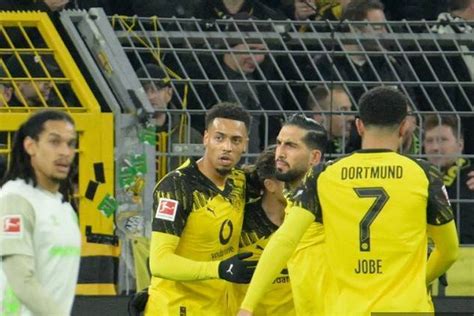
Introduction to the German Supercup 2021
The **German Supercup** is a prestigious fixture in the annual football calendar, serving as a curtain-raiser to the Bundesliga season while pitting the winners of the previous season's **Bundesliga** and **DFB-Pokal** against each other. In cases where the same team wins both titles, the Bundesliga runner-up is invited to compete, ensuring a high-stakes matchup. The 2021 edition of the Supercup was no exception, encapsulating the rich rivalry and competitive spirit that defines German football. This section delves into the historical context of the Supercup, its role in the German football ecosystem, and the unique circumstances surrounding the 2021 event.
The **Supercup** was first introduced in **1987** as a means to showcase the top talents in German football while generating early-season excitement among fans. Unlike league or cup competitions that span months, the Supercup is a one-off match designed to deliver immediate drama. Historically, it has been a stage where newly signed players debut for their clubs, managers test tactical innovations, and fans get a taste of the season's potential narratives. Although it is not as prestigious as the Bundesliga or the DFB-Pokal, the Supercup holds a unique place as a symbolic contest that blends tradition with spectacle. Its significance is further heightened by the fact that it often features Germany's footballing giants—**Bayern Munich** and **borussia dortmund**—who have dominated the domestic scene for much of the 21st century.
The **2021 German Supercup** was held on **August 17, 2021**, at the **Signal Iduna Park** in Dortmund, a venue known for its vibrant atmosphere and the famous **Yellow Wall** of supporters. The match featured **Bayern Munich**, the reigning Bundesliga champions, against **Borussia Dortmund**, the DFB-Pokal winners. This pairing was a familiar one, as both clubs had contested the Supercup multiple times in recent years. However, the 2021 edition carried additional weight due to the shifting dynamics in German football. Bayern Munich, under new manager **Julian Nagelsmann**, was undergoing a transitional phase after the departure of long-time manager Hansi Flick. Meanwhile, Borussia Dortmund, led by their young star **Erling Haaland**, was eager to assert themselves as genuine challengers to Bayern's hegemony. The match was not just a test of skill but also a psychological battleground, setting the tone for the season ahead.
One of the key aspects of the Supercup's significance lies in its role as a **barometer of form and ambition**. For Bayern Munich, the match was an opportunity to demonstrate that the transition to Nagelsmann's leadership would not disrupt their dominance. Bayern had won the Bundesliga for nine consecutive seasons leading into 2021, but questions lingered about their ability to maintain such supremacy amid rising competition. For Dortmund, the Supercup represented a chance to stake their claim as a team ready to dethrone the champions. With Haaland in scintillating form and a crop of talented youngsters like **Jude Bellingham** and **Giovanni Reyna**, Dortmund aimed to show they could compete at the highest level. This clash of narratives made the 2021 Supercup more than just a friendly; it was a critical early statement in the season's broader story.
The **historical rivalry** between Bayern and Dortmund added another layer of intrigue to the 2021 Supercup. These two clubs have been the face of German football's modern era, with their matches often referred to as **"Der Klassiker."** The Supercup has frequently served as a microcosm of this rivalry, offering fans a condensed version of the drama and intensity seen in league and cup fixtures. In the years leading up to 2021, Bayern had often emerged victorious in the Supercup, reinforcing their status as the country's top team. However, Dortmund's occasional triumphs in this competition—such as their 2-0 win in 2019—served as reminders of their ability to challenge Bayern when the stakes were high. This dynamic ensured that the 2021 edition was eagerly anticipated by fans and analysts alike.
The **COVID-19 pandemic** also played a role in shaping the context of the 2021 Supercup. While the event was held with a reduced capacity crowd due to ongoing restrictions, the return of fans to the stadium was a welcome sight after the largely empty venues of the previous season. The pandemic had disrupted football globally, and the Supercup provided a symbolic return to some semblance of normalcy. For German football, this match was not just about the result on the pitch but also about rekindling the communal experience of live football. The atmosphere in Dortmund, even at reduced capacity, underscored the importance of fan presence in elevating the spectacle of such high-profile matches.
Another unique aspect of the 2021 Supercup was the **focus on emerging talents**. Both Bayern and Dortmund have been renowned for their ability to develop young players, and this match provided a platform for some of the brightest prospects in German football. For Bayern, players like **Jamal Musiala**—a teenage sensation who had already made waves in the previous season—were expected to feature prominently. Dortmund, on the other hand, showcased their commitment to youth development with Haaland, Bellingham, and others taking center stage. This emphasis on youth was not merely a coincidence but a reflection of the broader trend in German football, where investment in academies and young talent has become a cornerstone of club strategies.
From a **commercial perspective**, the Supercup also serves as a valuable asset for the German Football Association (DFB) and its broadcast partners. The match is a prime opportunity to engage international audiences, particularly in markets where the Bundesliga is looking to expand its footprint. The 2021 edition was broadcast across multiple continents, with commentators and analysts framing it as a must-watch event for fans eager to see how the season's top teams were shaping up. This commercial angle highlights how the Supercup, while rooted in tradition, has evolved into a global event that contributes to the league's international appeal.
In terms of **tactical preparation**, the Supercup often offers managers a chance to experiment with formations and player combinations before the rigors of the league season begin. For Nagelsmann, this was particularly important as he sought to imprint his philosophy on a Bayern squad accustomed to Flick's more direct style. Dortmund's then-manager **Marco Rose**, in his first season at the club, similarly used the match to test his preferred high-pressing system against one of Europe's best teams. These tactical nuances added depth to the contest, making it a fascinating study for those interested in the strategic side of football.
The **2021 German Supercup** was, therefore, more than just a standalone match; it was a convergence of history, rivalry, and the evolving landscape of German football. It symbolized the start of a new chapter for both Bayern and Dortmund, with each team carrying distinct ambitions into the season. For fans, it was a chance to reconnect with the sport they love in a more tangible way after the disruptions of the pandemic. For the broader football ecosystem, it was a reminder of the Supercup's role as a bridge between the past and the future, blending tradition with the promise of new narratives.
- The Supercup is a one-off match that serves as a season opener and a symbolic contest between Germany's top teams.
- The 2021 edition was shaped by Bayern's managerial transition and Dortmund's ambition to challenge their dominance.
- The match highlighted the importance of youth development and tactical experimentation in modern German football.
- The return of fans, even in limited numbers, added emotional weight to the event in the context of the pandemic.
In conclusion, the **German Supercup 2021** was not merely a prelude to the Bundesliga season but a microcosm of the sport's broader dynamics—rivalry, ambition, and the relentless pursuit of excellence. Its significance extended beyond the final score, offering a glimpse into the state of German football at a moment of transition and renewal.
Participating Teams and Their Journey
The German Supercup 2021 was a highly anticipated clash that brought together two of Germany's footballing giants in a contest that served as both a curtain-raiser for the new season and a symbolic battle for early bragging rights. This section delves into the participating teams, their recent performance trajectories, and the pathways that led them to compete in this prestigious fixture.
The Supercup traditionally features the winners of the Bundesliga and the DFB-Pokal from the previous season. In the event that a single team wins both titles, the Bundesliga runner-up is invited to participate. For the 2021 edition, the competitors were Bayern Munich, the Bundesliga champions, and Borussia Dortmund, the DFB-Pokal winners. Both teams had storied campaigns in the 2020-21 season, marked by moments of brilliance, adversity, and the relentless pursuit of silverware.
Bayern Munich, under the stewardship of manager Hans-Dieter Flick (who would depart for the German national team role after this season), had once again demonstrated their domestic dominance. The Bavarians clinched their ninth consecutive Bundesliga title with a display of attacking football that has come to define their modern era. Their tally of 78 points from 34 matches was a testament to their consistency, even if it was a slightly lower total compared to some of their record-breaking seasons. Key to their success was the unparalleled form of Robert Lewandowski, who scored an astonishing 41 league goals, breaking Gerd Müller's long-standing record for most goals in a single Bundesliga campaign. This feat not only underscored Bayern's attacking prowess but also their reliance on Lewandowski as the focal point of their offensive strategy.
However, Bayern's journey was not without challenges. They faced a mid-season dip in form, partly attributed to a congested fixture list due to their participation in the UEFA Champions League and the FIFA Club World Cup. Injuries to key players such as Serge Gnabry and Leon Goretzka tested their squad depth. Despite these hurdles, Bayern's ability to secure the Bundesliga title ensured their automatic qualification for the Supercup as league champions. Their presence in the fixture was a familiar sight, as they had featured in the Supercup for several consecutive years, reflecting their continued supremacy in German football.
On the other side of the pitch was Borussia Dortmund, a team that had experienced a rollercoaster season. Dortmund's campaign was marked by inconsistency in the Bundesliga, where they finished third with 64 points, a considerable gap behind Bayern. Their league performance was punctuated by moments of brilliance, such as a 4-1 victory over RB Leipzig, but also by surprising losses to mid-table teams like FC Köln. This inconsistency ultimately cost them a serious challenge for the Bundesliga title.
However, Dortmund found solace and success in the DFB-Pokal, where they displayed a more focused and determined approach. Under the management of Edin Terzić, who had taken over midway through the season following the dismissal of Lucien Favre, Dortmund navigated a challenging cup run. They defeated strong opponents like Borussia Mönchengladbach and Holstein Kiel en route to the final, where they faced RB Leipzig. In a commanding performance, Dortmund secured a 4-1 victory in the final, with Jadon Sancho and Erling Haaland both scoring braces. This triumph not only provided Dortmund with silverware but also served as a statement of intent, reaffirming their ability to compete at the highest level in knockout competitions.
The qualification of Dortmund for the Supercup as DFB-Pokal winners was particularly significant because it represented a resurgence under Terzić. After a period of managerial instability and questions about the team's direction, the cup victory and Supercup appearance offered a sense of redemption. It also highlighted the growing influence of young talents like Jude Bellingham and Giovanni Reyna, who complemented the established stars in the squad.
The contrast between the two teams' paths to the Supercup was striking. While Bayern's participation was a result of their league dominance, Dortmund's invitation came through their cup heroics. This dynamic set the stage for a matchup that was not just about the Supercup itself but also about the broader narratives surrounding both clubs. For Bayern, it was an opportunity to assert their dominance over a rival that had often played second fiddle. For Dortmund, it was a chance to prove that they could challenge Bayern's hegemony, even if only in a one-off match.
The historical context of their rivalry added another layer of intrigue. Bayern and Dortmund had met in the Supercup on multiple occasions, with Bayern holding the upper hand in recent years. However, Dortmund's cup victory in 2021 injected a sense of unpredictability into the fixture. Both teams had also undergone personnel changes in the offseason, with Bayern adjusting to life under new manager Julian Nagelsmann and Dortmund looking to build on their cup success under Terzić (though he would step down after the Supercup, with Marco Rose taking over).
From a tactical perspective, the Supercup was also a test of how both teams were evolving. Bayern's high-pressing, possession-based style under Flick was well-documented, but Nagelsmann's arrival hinted at potential tweaks to their approach. Dortmund, meanwhile, had shown under Terzić a willingness to adopt a more direct and counterattacking style, particularly when leveraging the pace of Haaland and Sancho. These stylistic differences promised a fascinating tactical battle in the Supercup.
In terms of squad dynamics, both teams boasted world-class talent. Bayern's roster included not only Lewandowski but also creative forces like Thomas Müller and Joshua Kimmich, who provided the engine for their gameplay. Dortmund, on the other hand, relied heavily on the explosive attacking duo of Haaland and Sancho, supported by a midfield anchored by Axel Witsel and Emre Can. The contrast in squad depth and individual brilliance added to the anticipation of the match.
To summarize, the 2021 German Supercup was a meeting of two teams with distinct journeys. Bayern Munich arrived as the perennial league champions, their qualification a result of sustained excellence over the course of a grueling season. Borussia Dortmund, by contrast, entered as the DFB-Pokal winners, their path marked by a cup campaign that offered a glimpse of their potential to rise above their league struggles. Both teams brought unique strengths and narratives to the match, making the Supercup not just a contest of footballing skill but also a clash of philosophies, ambitions, and legacies within German football.
- Bayern Munich: Qualified as Bundesliga champions, driven by Lewandowski's record-breaking season.
- Borussia Dortmund: Qualified as DFB-Pokal winners, fueled by a resurgence under Terzić and key performances from young talents.
This detailed exploration of the participating teams and their journeys illustrates how the Supercup was more than a seasonal prelude—it was a microcosm of the broader competitive landscape in German football, where tradition, ambition, and the quest for excellence converged on the pitch.
Match Overview and Key Statistics
The German Supercup 2021 was a highly anticipated clash between two of Germany's footballing giants, Bayern Munich and Borussia Dortmund. This annual fixture, which pits the Bundesliga champions against the DFB-Pokal winners, serves as a curtain-raiser for the new season and often sets the tone for the rivalry between these two teams. The match took place on August 17, 2021, at Signal Iduna Park, Borussia Dortmund's iconic home stadium. Known for its electrifying atmosphere, the venue added an extra layer of intensity to the encounter, even though the crowd capacity was slightly limited due to pandemic-related restrictions.
The scoreline of the match was 3-1 in favor of Bayern Munich, who demonstrated their dominance in key moments of the game. While the result may suggest a straightforward victory for the Bavarians, the match was far from one-sided, with both teams showcasing moments of brilliance and tactical nuance. This section will delve into the key statistics and match dynamics that defined this encounter, offering a detailed analysis of how the game unfolded.
The match kicked off with Bayern Munich as the reigning Bundesliga champions and Borussia Dortmund as the DFB-Pokal winners. Both teams were eager to assert their superiority early on, and the opening minutes were characterized by high-pressing football from both sides. Dortmund, under their new coach Marco Rose, sought to implement an aggressive counter-pressing system to disrupt Bayern's build-up play. However, Bayern, managed by Julian Nagelsmann in his first competitive match in charge, demonstrated their trademark composure in possession. The first goal came in the 41st minute, when Bayern's Robert Lewandowski capitalized on a defensive error by Dortmund's backline. This goal was a reflection of Lewandowski's predatory instincts, as he pounced on a loose ball inside the box and slotted it past Dortmund goalkeeper Gregor Kobel with precision. The timing of this goal, just before halftime, was a psychological blow to Dortmund, who had been holding their own until that point.
From a statistical perspective, the first half saw Bayern Munich dominate possession with around 60% of the ball. However, Dortmund were not without their chances. They attempted 8 shots in the first half compared to Bayern's 10, indicating that both teams were willing to take risks in the attacking third. One of the standout statistics of the first half was Dortmund's pressing intensity, as they recorded 19 ball recoveries in Bayern's half. This highlighted their intent to disrupt Bayern's rhythm, even if it did not yield a goal. On the other hand, Bayern's ability to maintain possession under pressure was evident in their pass completion rate of 87% during this period. This stark contrast in styles—Bayern's controlled build-up versus Dortmund's aggressive disruption—set the stage for an intriguing second half.
The second half began with Dortmund showing renewed vigor, as they sought to level the score. In the 50th minute, Dortmund's Marco Reus came close to equalizing with a curling effort from outside the box that narrowly missed the target. This moment underscored Dortmund's potential to trouble Bayern's defense, particularly when they utilized the pace and creativity of players like Reus and Erling Haaland. However, Bayern's defensive structure, marshaled by Dayot Upamecano in his Supercup debut, held firm. Upamecano's ability to read the game and make crucial interceptions was a key factor in Bayern's ability to weather Dortmund's early second-half pressure.
The turning point of the match came in the 59th minute, when Thomas Müller extended Bayern's lead to 2-0. Müller's goal was a product of his trademark off-the-ball movement, as he found space in the box to meet a well-placed cross from Alphonso Davies. This goal was significant not only because it doubled Bayern's lead but also because it exposed Dortmund's vulnerability in defending set-piece situations and wide attacks. The statistics from this phase of the game reveal that Bayern had 73% of possession in the 10 minutes leading up to this goal, emphasizing their ability to control the tempo of the match when it mattered most. Dortmund, despite their energetic start to the half, struggled to maintain their defensive shape as Bayern's midfield trio of Joshua Kimmich, Leon Goretzka, and Müller dictated play.
Dortmund managed to pull one back in the 64th minute through Erling Haaland, who showcased his world-class finishing ability by slotting the ball past Bayern goalkeeper Manuel Neuer after a swift counterattack. This goal reignited Dortmund's hopes and injected energy into the home crowd. Haaland's goal was a result of Dortmund's tactical adjustment to play more direct balls into the final third, bypassing Bayern's midfield press. The statistics bear this out, as Dortmund's long pass accuracy improved to 65% in the second half, compared to 58% in the first. This shift in strategy momentarily unsettled Bayern, who were forced to drop deeper to protect their lead.
However, any hopes of a Dortmund comeback were dashed in the 74th minute when Robert Lewandowski scored his second goal of the game, making it 3-1. Lewandowski's second goal was a masterclass in clinical finishing, as he latched onto a through ball from Serge Gnabry and calmly chipped the onrushing Kobel. This goal was a testament to Lewandowski's ability to perform under pressure and his understanding of space in the final third. Statistically, this goal came after a period where Bayern had 12 successful passes in the final third in the preceding five minutes, highlighting their ability to patiently probe and exploit Dortmund's defensive gaps.
Beyond the goals, the match featured several other notable statistics that provide deeper insights into the teams' performances. Bayern completed 640 passes with an accuracy of 89%, compared to Dortmund's 420 passes at 78% accuracy. This disparity in passing metrics underscores Bayern's dominance in controlling the flow of the game. Additionally, Bayern's xG (expected goals) value of 2.8 compared to Dortmund's 1.4 indicates that they created higher-quality chances throughout the match. Dortmund's xG value, while respectable, reflects their reliance on moments of individual brilliance rather than sustained attacking patterns.
Defensively, Bayern's tackles won stood at 14 compared to Dortmund's 10, while Dortmund had the edge in aerial duels won with 15 to Bayern's 12. These numbers suggest that while Bayern were more comfortable in possession, Dortmund were more physical in their approach, particularly in set-piece scenarios. Another interesting statistic is the distance covered by both teams: Bayern ran a total of 112 kilometers compared to Dortmund's 108 kilometers, reflecting their slightly higher work rate over the 90 minutes.
In terms of individual performances, Robert Lewandowski was undoubtedly the star of the show, with his two goals and constant threat in the box. However, players like Joshua Kimmich and Dayot Upamecano also played pivotal roles in Bayern's victory. For Dortmund, Erling Haaland was a bright spark, but the team's overall lack of cohesion in midfield and defense was evident in the final scoreline.
In conclusion, the German Supercup 2021 was a match that showcased the contrasting styles of two top-tier teams. Bayern's patient, possession-based approach ultimately triumphed over Dortmund's high-energy, counter-pressing system. The key statistics—ranging from possession dominance to xG values—paint a picture of a match where Bayern's tactical maturity and individual brilliance were the deciding factors. This encounter not only provided entertainment for the fans but also offered valuable lessons for both teams as they prepared for the challenges of the upcoming season.
Tactical Analysis of the Match
The German Supercup 2021 between Bayern Munich and Borussia Dortmund was a showcase of tactical ingenuity and high-intensity football. Both teams entered the match with distinct strategic approaches that were shaped by their managers' philosophies, player availability, and the context of the early season fixture. This section delves into the tactical frameworks, key plays, and in-game adjustments that defined the match.
Bayern Munich, under then-manager Julian Nagelsmann, lined up in a 4-2-3-1 formation, a system that emphasized fluidity in attack while maintaining a solid defensive base. The backline consisted of Benjamin Pavard, Dayot Upamecano, Niklas Süle, and Alphonso Davies, with Joshua Kimmich and Leon Goretzka operating as the double pivot in midfield. This setup allowed Bayern to control the central areas of the pitch while providing width through their fullbacks, particularly Davies, who frequently pushed high up the field. The attacking quartet of Serge Gnabry, Thomas Müller, Leroy Sané, and Robert Lewandowski was tasked with creating overloads in the final third by interchanging positions and exploiting Dortmund's defensive gaps.
Borussia Dortmund, managed by Marco Rose, countered with a 4-3-3 formation, which leaned heavily on their ability to transition quickly from defense to attack. The backline featured Manuel Akanji, Mats Hummels, and Raphaël Guerreiro, supported by a midfield trio of Axel Witsel, Jude Bellingham, and Mahmoud Dahoud. The front three of Erling Haaland, Marco Reus, and Giovanni Reyna were deployed to stretch Bayern's defense horizontally and exploit spaces behind their high line. Dortmund’s strategy was predicated on absorbing pressure and using the pace of Haaland and Reyna to launch counterattacks.
From the outset, Bayern's strategy was to dominate possession and press high when out of possession. Their 4-2-3-1 allowed Kimmich and Goretzka to act as dual playmakers, dictating the tempo of the game. Bayern's fullbacks were instrumental in maintaining width, often stretching Dortmund's compact defensive block. A key tactical feature was the movement of Müller, who frequently dropped into the half-spaces to link play between the midfield and attack. This created dilemmas for Dortmund's midfielders, who were forced to decide whether to track Müller or leave space for Lewandowski to exploit centrally.
Dortmund's approach was more reactive. They ceded possession willingly and focused on compactness in their defensive shape. The midfield trio of Witsel, Bellingham, and Dahoud were tasked with shielding the backline and breaking up Bayern's build-up play. When Dortmund regained the ball, their transitions were lightning-quick. Haaland's role as a target man was pivotal; he often dropped deep to draw Bayern's center-backs out of position, creating space for Reus and Reyna to run into. This strategy paid dividends early in the match when Haaland's decoy run allowed Reus to find space for a shot on goal.
One of the most critical key plays of the match came from Bayern's left flank. Alphonso Davies' overlapping runs were a constant source of trouble for Dortmund. In the 30th minute, Davies combined with Sané and Müller to create a sequence that led to a goal. His ability to stretch the field horizontally forced Dortmund's right-back into a defensive mismatch, leaving gaps for Gnabry and Lewandowski to exploit. This goal exemplified Bayern's intent to use their fullbacks as attacking outlets while maintaining numerical superiority in central areas.
Dortmund’s response to Bayern’s dominance was an in-game adjustment that saw them switch to a more direct style of play. Around the 40th minute, Rose instructed his team to bypass the midfield and target Haaland with long balls. This tactical tweak exploited Bayern's high defensive line, particularly when Upamecano and Süle were caught out of position. A notable instance of this adjustment was Haaland's goal, where a long pass over the top found him in space, and his blistering pace allowed him to outrun the Bayern defense before finishing clinically. This goal underscored Dortmund's ability to adapt their approach based on the flow of the game.
Bayern, however, were not content to sit back after conceding. Nagelsmann made a mid-game tactical shift by instructing his team to press even higher and win the ball in Dortmund's half. This adjustment was evident in the second half, where Bayern’s forwards and midfielders applied intense pressure on Dortmund’s defenders when they tried to play out from the back. The high press led to turnovers in dangerous areas, one of which resulted in a Lewandowski goal. His movement off the shoulder of Hummels, combined with Kimmich's precise through-ball, showcased Bayern's ability to exploit even the smallest defensive lapses.
Another fascinating tactical battle occurred in the midfield duel. Dortmund's Bellingham and Dahoud were tasked with disrupting Bayern's rhythm by pressing Kimmich and Goretzka aggressively. While they succeeded in moments, Bayern's midfielders often used quick one-touch passing to evade the press and maintain control. Kimmich, in particular, was influential in switching play to Davies and Pavard, ensuring that Bayern could stretch Dortmund's defensive structure. This dynamic highlighted the contrasting midfield approaches: Dortmund's emphasis on energy and disruption versus Bayern's focus on technical precision and positional play.
In the latter stages of the match, both teams made further adjustments. Dortmund introduced Thorgan Hazard to provide fresh legs and creativity on the wing, while Bayern brought on Jamal Musiala to inject more dynamism into their attack. These substitutions were not merely about energy but also about shifting the tactical balance. Musiala's introduction, for instance, allowed Bayern to play with greater unpredictability in the final third, as he often drifted into central areas to combine with Müller and Lewandowski. Meanwhile, Hazard's direct running offered Dortmund a new avenue to challenge Bayern's fullbacks, who were beginning to show signs of fatigue.
The match also revealed how both teams managed set-piece situations as part of their tactical arsenal. Bayern's set-piece routines were well-rehearsed, with Kimmich delivering pinpoint crosses for Upamecano and Süle to attack. Dortmund, on the other hand, used set pieces defensively to relieve pressure and offensively to target Haaland's aerial prowess. This aspect of the game highlighted how both managers viewed dead-ball scenarios as opportunities to gain an edge in a tightly contested match.
In summary, the German Supercup 2021 was a masterclass in tactical flexibility and execution. Bayern's proactive approach, centered on possession and high pressing, contrasted sharply with Dortmund's reactive strategy of absorbing pressure and exploiting transitions. The match demonstrated how both teams adapted their strategies in response to in-game events, from Dortmund's shift to a more direct style to Bayern's increased intensity in pressing after conceding. These tactical nuances not only provided an enthralling spectacle but also offered a window into the evolving philosophies of Nagelsmann and Rose as they navigated the early stages of their respective campaigns.
Player Performances and Standout Moments
The German Supercup 2021, contested between Bayern Munich and Borussia Dortmund, was a showcase of high-intensity football that highlighted the individual brilliance of several players. This match served as an early-season litmus test for both teams, with players under pressure to deliver standout performances. In this section, we will analyze the contributions of key players, focusing on their goals, assists, and defensive efforts that shaped the outcome of the game.
Bayern Munich's Robert Lewandowski was undoubtedly the star of the show. The Polish striker, known for his clinical finishing and intelligent movement, was in scintillating form. He scored two goals in the match, both of which demonstrated his ability to exploit defensive lapses. His first goal came from a well-timed run into the box, where he latched onto a cross from Serge Gnabry and directed a powerful header past Dortmund's goalkeeper. This goal was a testament to Lewandowski's positioning and aerial prowess. His second goal, a low drive from inside the box, showcased his composure under pressure. Beyond his goals, Lewandowski's off-the-ball movement created space for his teammates, particularly Gnabry and Thomas Müller, who benefited from the attention he commanded from Dortmund's defenders.
Another key contributor for Bayern was Joshua Kimmich, whose versatility in midfield was instrumental. Kimmich not only provided defensive cover but also played a pivotal role in initiating attacks. His assist for Lewandowski's second goal was a display of vision and precision. Kimmich intercepted a loose ball in midfield, quickly assessed the situation, and delivered a perfectly weighted pass into Lewandowski's path. This moment underscored Kimmich's ability to transition from defense to attack seamlessly. Additionally, his work rate was evident in his tackling and ball recovery, particularly in the second half when Dortmund attempted to mount a comeback. Kimmich's performance was a blend of grit and creativity, exemplifying his importance to Bayern's system.
For Borussia Dortmund, Erling Haaland was their most threatening player. The Norwegian striker, known for his physicality and blistering pace, managed to find the back of the net once. His goal was a result of a brilliant counter-attacking move. After receiving a through ball from Marco Reus, Haaland outpaced Bayern's defense and finished with a composed shot into the bottom corner. This goal highlighted Haaland's ability to exploit space behind the opposition's backline. However, his impact was not limited to scoring. Haaland's hold-up play and ability to bring teammates into the game were noticeable, particularly in moments when Dortmund looked to break Bayern's high press. His link-up play with Reus and Jude Bellingham created a few promising opportunities, though they were not converted into goals.
Defensively, Dortmund's Manuel Akanji had a challenging task against Bayern's potent attack. While he was unable to completely neutralize Lewandowski, Akanji made several key interventions that prevented further damage. One standout moment came in the 35th minute when he made a last-ditch tackle to deny Müller a clear scoring chance. Akanji's reading of the game and positioning were commendable, even though he was often left isolated due to Dortmund's high defensive line. His performance, while not flawless, demonstrated resilience in the face of relentless pressure from Bayern's forwards.
On Bayern's side, Alphonso Davies was a constant menace down the left flank. The Canadian full-back combined defensive solidity with attacking intent, often overlapping to support Gnabry and Müller. His recovery runs were crucial in nullifying Dortmund's counter-attacks, particularly in the first half when Dortmund looked to exploit the spaces left by Bayern's high line. Davies' ability to track back and win duels showcased his athleticism and tactical awareness. One of his most notable moments came when he intercepted a pass intended for Haaland and immediately initiated a Bayern counter-attack, demonstrating his two-way impact on the game.
A less heralded but equally important performance came from Bayern's Leon Goretzka. Operating as a box-to-box midfielder, Goretzka provided the balance that allowed Bayern to dominate the midfield battle. His physical presence was vital in breaking up Dortmund's play, and he was often seen winning aerial duels and making interceptions. Goretzka's contribution was not limited to defense; he also played a key role in Bayern's build-up play. His ability to find pockets of space and distribute the ball efficiently allowed Bayern to maintain possession and control the tempo of the game. One particular sequence in the 60th minute saw Goretzka win the ball in midfield, drive forward, and release Gnabry with a well-timed pass, although the attack did not result in a goal.
Dortmund's midfield, led by Jude Bellingham, also had moments of brilliance. The young English midfielder was a bundle of energy, constantly pressing and disrupting Bayern's rhythm. Bellingham's work rate was evident in his ability to cover ground and challenge Bayern's midfielders. He also showcased his technical ability with a few incisive passes that unlocked Bayern's defense. One such instance came in the 50th minute when he played a through ball to Haaland, who was narrowly flagged offside. Bellingham's performance was a bright spot for Dortmund, even in defeat, as it highlighted his potential to influence games at the highest level.
In terms of standout defensive efforts, Bayern's Dayot Upamecano deserves mention. The French center-back, making one of his early appearances for Bayern, had a mixed outing but showed glimpses of his quality. Upamecano's physicality was evident in his duels with Haaland, and he made several crucial clearances to deny Dortmund clear scoring opportunities. However, he was occasionally caught out of position, particularly when Dortmund exploited the space behind Bayern's high line. This duality in his performance—showing both promise and areas for improvement—was a microcosm of his early days at Bayern.
From a tactical perspective, the match also highlighted the contributions of substitutes. Bayern's Jamal Musiala, who came on in the second half, injected energy and creativity into the attack. His ability to dribble past defenders and find pockets of space was a headache for Dortmund's tiring midfield. Musiala's involvement in the build-up to Bayern's third goal, where he drew defenders and created space for Müller, was a moment of tactical ingenuity.
Dortmund, on the other hand, saw Thorgan Hazard make an impact off the bench. Hazard's direct running and willingness to take on defenders added a new dimension to Dortmund's attack in the latter stages of the game. Although he did not score or assist, his presence forced Bayern's defenders to stay alert, which opened up space for Haaland and Reus to operate.
To summarize, the German Supercup 2021 was a match defined by individual brilliance and moments of tactical nuance. Lewandowski's goals, Kimmich's midfield mastery, Haaland's relentless threat, and the defensive resilience of players like Akanji and Davies were the defining elements of the game. Each player's performance offered insights into their roles within their respective teams and set the tone for the season ahead. This deep dive into player contributions underscores how individual excellence can shape the outcome of a high-stakes match.
Historical Context of the German Supercup
The **German Supercup** is a prestigious fixture in German football that serves as a curtain-raiser to the Bundesliga season, pitting the previous season's Bundesliga champions against the DFB-Pokal winners. While its modern iteration has taken a consistent format since the early 1990s, the competition's roots are intertwined with the evolution of German football and its desire to create marquee events that captivate fans and showcase the sport's elite talent. Understanding the **historical context** of the Supercup provides a richer appreciation of how the **2021 edition** fits into this legacy.
The origins of the Supercup can be traced back to **1987**, when the competition was introduced as a one-off match to generate excitement and provide a platform for the top domestic teams to face off in a high-stakes environment. Initially, the Supercup was not an annual event but rather a sporadic competition held when circumstances allowed. For instance, in its earliest years, the match was sometimes skipped due to scheduling conflicts or a lack of agreement between the participating clubs. However, by **1990**, the German Football Association (DFB) recognized the potential of the Supercup as a regular fixture and formalized its structure. This marked a turning point, as the Supercup became a consistent part of the German football calendar, symbolizing a clash of titans that mirrored the growing commercialization and professionalization of the sport in Germany.
The Supercup's format has often been influenced by broader trends in European football. Unlike other domestic supercups in countries like England or Spain, the German Supercup has historically been less about crowning a "champion of champions" and more about creating a spectacle that bridges the off-season gap. This approach aligns with the pragmatic and audience-focused ethos of German football, where fan engagement and TV viewership are key priorities. The 2021 Supercup, for instance, was a continuation of this philosophy, featuring **Bayern Munich**, the Bundesliga champions, and **Borussia Dortmund**, the DFB-Pokal winners. This matchup was not just a clash of two of Germany's most successful clubs but also a reflection of the rivalry that has defined much of modern German football.
To understand the **2021 edition's place in history**, it is essential to consider how the Supercup has evolved as a barometer of the competitive balance in German football. The 1990s and early 2000s saw the competition dominated by Bayern Munich and Borussia Dortmund, with occasional appearances by other clubs like Werder Bremen and Kaiserslautern. This period was marked by Bayern's ascendancy as the dominant force in German football, a trend that has only deepened over time. By 2021, Bayern had won the Supercup a record number of times, underscoring their role as the country's preeminent club. However, the presence of Borussia Dortmund as their primary challenger in this edition was significant. Dortmund, with its youthful squad and attacking ethos, represented a potential shift in the power dynamics, even if Bayern's dominance remained intact.
The **2021 Supercup** also held unique significance within the broader footballing landscape of the time. Coming off the disruptions caused by the **COVID-19 pandemic**, the match symbolized a return to a semblance of normalcy for German football fans. Stadiums were beginning to welcome back spectators in limited capacities, and the atmosphere of the Supercup carried an added weight of expectation. For many, this match was not just about the trophy but about rekindling the communal spirit of live football. This context made the 2021 Supercup more than just a game—it was a moment of collective catharsis for fans who had endured months of watching matches in empty or near-empty stadiums.
Another layer of historical nuance in the 2021 Supercup lies in the **individual narratives** of the players involved. Bayern Munich, under manager **Julian Nagelsmann**, was in a period of transition. While the club had just won its ninth consecutive Bundesliga title, questions lingered about its ability to maintain its dominance under new leadership. The Supercup offered Nagelsmann an early opportunity to assert his tactical vision against a formidable opponent. Conversely, Borussia Dortmund, led by young talents like **Erling Haaland** and **Jude Bellingham**, was eager to prove that it could challenge Bayern's hegemony. The match thus became a microcosm of the broader generational shift occurring in German football, where emerging stars were beginning to challenge the established order.
The result of the 2021 Supercup—a **3-1 victory for Bayern Munich**—was not surprising given the club's track record, but it was the manner of the victory that resonated. Bayern's performance highlighted their ability to seamlessly integrate new signings and adapt to a new managerial style under Nagelsmann. For Dortmund, the loss was a reminder of the fine margins that separate success from disappointment at the highest level. This dynamic is reflective of the Supercup's broader role in German football history: while the trophy itself may not carry the same weight as the Bundesliga or DFB-Pokal, the match often serves as a psychological battleground, setting the tone for the season ahead.
Looking at the **legacy of the Supercup**, the 2021 edition also fits into the competition's role as a showcase for German football's global appeal. With international audiences tuning in, the Supercup has increasingly become a vehicle for promoting the Bundesliga brand. The 2021 match was no exception, as it featured some of the most marketable players in world football, such as **Robert Lewandowski**, **Thomas Müller**, and Haaland. This global viewership underscores how the Supercup has evolved from a domestic spectacle into an event with international significance, reinforcing Germany's position as a leader in European football.
Additionally, the Supercup has often been a testing ground for innovations in German football. Whether it is the introduction of new broadcast technologies, experimental rule changes, or tactical experiments by coaches, the competition has occasionally served as a laboratory for the sport's future. While the 2021 edition did not feature any radical changes, its timing and staging were indicative of how the DFB continues to position the Supercup as a forward-looking event that balances tradition with modernity.
From a **cultural perspective**, the Supercup also embodies the unique relationship between clubs and their supporters in Germany. Unlike some other European leagues where supercups are seen as glorified friendlies, the German Supercup often carries an intensity that reflects the passionate fanbases of clubs like Bayern and Dortmund. This intensity was evident in the 2021 edition, where both sets of supporters brought an energy to the match that underscored the deep-rooted rivalries and loyalties within German football.
In summary, the **2021 German Supercup** was more than just a standalone event; it was a continuation of a legacy that stretches back over three decades. It represented the intersection of tradition and innovation, the ongoing rivalry between Bayern Munich and Borussia Dortmund, and the resilience of German football in the face of global challenges. As a part of the Supercup's history, the 2021 edition reinforced its role as a symbol of the sport's enduring appeal and its ability to adapt to the changing dynamics of football culture.
Impact on the Broader Season
The German Supercup is often viewed as a curtain-raiser to the Bundesliga season, a high-stakes match that pits the previous season's league champions against the DFB-Pokal winners. While it is not a title that carries the weight of the Bundesliga or the Champions League, its psychological and strategic implications can ripple through the rest of the season for both participating teams. The **2021 German Supercup**, contested between **Bayern Munich** and **Borussia Dortmund**, serves as a case study in how such a match can influence team dynamics, momentum, and strategic recalibrations for the season ahead.
For **Bayern Munich**, who emerged victorious with a 3-1 win, the Supercup win acted as a reaffirmation of their dominance. Having just come off a season where they secured their ninth consecutive Bundesliga title, the result served to reinforce their psychological edge over Dortmund, their closest domestic rival. This win was particularly significant because it came early in the tenure of their new manager, **Julian Nagelsmann**, who had replaced the long-serving Hansi Flick. A loss in such a high-profile match could have sown doubts about Nagelsmann’s ability to maintain Bayern’s winning culture. Instead, the victory allowed Nagelsmann to establish credibility within the squad and among the club’s demanding fanbase. This early success likely contributed to the team’s confidence in implementing Nagelsmann’s tactical philosophy, which emphasized a high defensive line and aggressive pressing—hallmarks of his previous work at RB Leipzig.
The match also highlighted individual performances that would shape Bayern’s season. **Robert Lewandowski’s brace** in the Supercup reaffirmed his status as the linchpin of Bayern’s attack. This performance set the tone for what would become another record-breaking season for the Polish striker, as he chased and eventually surpassed Gerd Müller’s Bundesliga goal record. For Bayern, the Supercup win was not just about the trophy but about sending a message: their attacking machinery was still operating at peak efficiency despite changes in leadership. This boosted their momentum going into the Bundesliga, where they started the season with a series of high-scoring wins, including a 7-0 thrashing of Bochum.
On the other hand, **Borussia Dortmund** faced a more complex aftermath. The Supercup loss exposed some of the vulnerabilities that would dog them throughout the season. While **Erling Haaland** scored Dortmund’s lone goal, the team’s defensive frailties were evident. Bayern’s ability to exploit spaces behind Dortmund’s backline and their dominance in midfield raised questions about Dortmund’s structure under then-manager **Marco Rose**. The loss could be seen as a missed opportunity for Dortmund to assert themselves as genuine challengers to Bayern’s hegemony. Instead, it reinforced a narrative of inconsistency that would haunt them in the Bundesliga, where they struggled to maintain a steady run of form despite having one of the league’s most potent attacks.
From a **strategic perspective**, the Supercup provided both teams with a clear diagnostic of their strengths and weaknesses. For Bayern, the game underscored the importance of their midfield control, particularly through players like **Joshua Kimmich** and **Leon Goretzka**, who were instrumental in dictating the tempo. This realization likely influenced Bayern’s emphasis on midfield solidity as the season progressed, with Nagelsmann fine-tuning rotations to ensure freshness and tactical flexibility. Dortmund, meanwhile, were reminded of their need for better defensive organization. The Supercup loss may have prompted Rose to experiment with different defensive setups, including a back three in certain matches, though this approach yielded mixed results over the course of the season.
Another key takeaway from the Supercup was its impact on **player morale and squad cohesion**. For Bayern, the win solidified the belief within the squad that they were still the team to beat, even under new management. This psychological boost can be immensely valuable in a league as competitive as the Bundesliga, where even the smallest dips in form can be exploited by rivals. Dortmund, however, faced the challenge of rebuilding confidence after such a public setback. The loss may have contributed to a sense of doubt, particularly among younger players like **Jude Bellingham** and **Giovanni Reyna**, who were still finding their footing in high-pressure environments. While Haaland’s individual brilliance kept Dortmund competitive in many matches, the team’s collective belief seemed to waver in critical moments during the season, such as their inability to close out games against mid-table opponents.
The Supercup also influenced how both teams approached **head-to-head clashes** later in the season. Bayern’s win in the Supercup set a precedent that they were the mentally stronger side in direct confrontations. This dynamic played out in their Bundesliga fixture in December 2021, where Bayern secured a 3-2 victory over Dortmund in a tightly contested match. While Dortmund showed flashes of brilliance, particularly through Haaland, the lingering effect of the Supercup loss may have contributed to a sense of inevitability when facing Bayern. This psychological edge is a subtle but powerful byproduct of such early-season encounters.
From a **broader league perspective**, the Supercup result also had implications for how other teams viewed the title race. Bayern’s win reinforced the perception that they were the team to beat, potentially demoralizing other contenders like **RB Leipzig** and **Wolfsburg**, who might have hoped for signs of vulnerability in the champions. Dortmund’s inability to win the Supercup might have emboldened these teams to target them as a more attainable scalp in the race for Champions League qualification. This ripple effect can often be overlooked but is a tangible consequence of such high-profile matches.
In terms of **long-term strategies**, the Supercup may have influenced how both clubs approached the **transfer market** in the subsequent windows. Bayern’s win likely validated their existing squad depth, but it also highlighted areas where they could improve, such as their over-reliance on Lewandowski for goals. This realization would later manifest in their pursuit of attacking reinforcements, such as **Sadio Mané** in the following summer. For Dortmund, the loss may have accelerated their focus on defensive reinforcements, as seen in their mid-season efforts to solidify their backline. However, their inability to address these issues comprehensively during the season contributed to their struggles in maintaining consistency.
The **2021 German Supercup** was more than just a one-off match; it was a microcosm of the dynamics that would define the season for both Bayern Munich and Borussia Dortmund. For Bayern, it was a springboard to assert their dominance under a new manager, while for Dortmund, it served as a cautionary tale of the gaps they needed to address. The result influenced not just the teams’ immediate momentum but also their strategic decisions, player confidence, and how they were perceived by the rest of the league. This interplay of psychology, strategy, and momentum illustrates why even a “friendly” competition like the Supercup can carry weight far beyond the final whistle.
Media and Fan Reception
The **German Supercup 2021**, contested between Bayern Munich and Borussia Dortmund, was not just a high-stakes football match but also a significant event in the sports media landscape and among fans. This section delves into the **media coverage**, **fan reactions**, and **social media trends** surrounding the event to provide a comprehensive understanding of how the match resonated beyond the pitch.
The **media coverage** of the 2021 German Supercup was extensive, with both traditional and digital outlets dedicating considerable resources to the event. German broadcasters, such as **Sky Sport** and **ARD**, provided live coverage of the match, complemented by pre- and post-match analysis. These broadcasts emphasized the rivalry between Bayern and Dortmund, framing the Supercup as a continuation of their storied Bundesliga duels. Analysts highlighted key player matchups, such as **Robert Lewandowski** against **Mats Hummels**, and speculated on how new signings like **Donyell Malen** for Dortmund would perform under pressure. This focus on individual battles added a layer of intrigue for casual and die-hard fans alike.
International coverage was also robust. Sports networks in Europe and beyond, including **BT Sport** in the UK and **ESPN** in the United States, framed the match as an early-season barometer for the Bundesliga title race. Notably, the presence of **Erling Haaland** in Dortmund’s lineup drew significant attention from global outlets. Haaland’s meteoric rise as one of football’s most exciting young talents ensured that the match had a broader appeal, transcending the German football audience. Many commentators positioned the Supercup as a showcase for Haaland’s potential to dominate European football, with some even suggesting that this match could influence his future transfer decisions.
However, the **tone of the media coverage** was not uniformly celebratory. Some German sports journalists critiqued the Supercup as a "glorified friendly" that lacked the intensity of league or Champions League fixtures. This perspective was particularly prominent in analytical pieces from outlets like **Kicker** and **Sport1**, which pointed out the experimental lineups and occasional lapses in defensive focus. These critiques suggested that while the match was entertaining, it did not carry the same weight as other competitions. This nuanced take from media professionals contrasted with the more enthusiastic framing seen in fan-focused outlets and social media.
On the **fan reaction** front, the Supercup elicited a mix of excitement, disappointment, and debate. Bayern Munich fans, buoyed by their team’s 3-1 victory, were quick to celebrate the result as a statement of intent for the season. Forums like **Reddit’s r/soccer** and Bayern-specific fan sites were filled with praise for **Thomas Müller’s** creative play and **Lewandowski’s** clinical finishing. For Bayern supporters, the win reinforced their team’s dominance in German football and served as a psychological edge heading into the Bundesliga campaign.
Dortmund fans, on the other hand, were more divided in their responses. While some acknowledged the team’s spirited effort, particularly in the first half, others expressed frustration at defensive lapses that allowed Bayern to capitalize. **Haaland’s goal** was a bright spot for Dortmund supporters, with many pointing to his performance as evidence of the team’s potential to challenge Bayern in the league. However, the loss fueled concerns about Dortmund’s ability to close the gap on their rivals, especially given their history of inconsistent performances in high-profile matches.
A particularly interesting fan dynamic was observed among **neutral supporters**. Many viewed the Supercup as an opportunity to enjoy high-quality football without the emotional stakes of supporting one side. This neutrality was reflected in comments on platforms like **Twitter** and **Instagram**, where users shared clips of spectacular goals and skillful plays irrespective of team allegiance. For instance, Haaland’s goal prompted widespread admiration, with fans from other leagues chiming in to praise his athleticism and finishing ability.
The **social media trends** surrounding the event offer a fascinating glimpse into how the match was consumed and discussed in real-time. On **Twitter**, the hashtags **#Supercup2021** and **#BayernDortmund** trended globally during the match, with peak engagement occurring during key moments such as goals and controversial refereeing decisions. Bayern’s victory generated over **100,000 tweets** in the hours following the final whistle, with a significant portion of the discourse centered on **Julian Nagelsmann’s** first trophy as Bayern manager. This achievement was celebrated by fans and analysts alike, with many framing it as a promising start to his tenure.
Visual content played a major role in shaping social media narratives. **Instagram Stories** and **TikTok videos** featuring match highlights, fan reactions, and player celebrations were widely shared. A particularly viral moment was a clip of Haaland’s frustrated reaction after a missed opportunity, which was reposted thousands of times with captions ranging from supportive ("He’ll bounce back stronger!") to humorous ("Even superheroes have off days"). This kind of user-generated content added a layer of relatability to the event, humanizing the players and making the match feel more accessible to younger audiences.
Another noteworthy trend was the **comparison of viewer engagement metrics** between traditional broadcasts and streaming platforms. While linear TV viewership remained strong, particularly in Germany, there was a noticeable uptick in streaming viewership through services like **DAZN** and **Sky Go**. This shift underscored the growing preference for on-demand and mobile-friendly viewing options, particularly among younger demographics. Social media platforms capitalized on this trend by integrating real-time match updates, GIFs, and interactive polls to keep fans engaged throughout the event.
One unique aspect of the social media discourse was the **focus on player narratives** beyond the match itself. For instance, **social justice initiatives** supported by players like **Joshua Kimmich** and **Marco Reus** were highlighted in posts leading up to the match. This added a dimension of **off-field engagement**, with fans discussing not just the football but also the broader impact of athletes as role models. Such discussions pointed to a growing expectation among fans for players to be socially conscious, a trend that was amplified by the Supercup’s high-profile nature.
In terms of **global reach**, the Supercup’s presence on platforms like **Weibo** and **Reddit** indicated its appeal beyond Europe. Posts from Chinese and Southeast Asian fans often focused on Haaland and Lewandowski, reflecting the star power of these players in markets where Bundesliga broadcasts are popular. This international engagement demonstrated how the Supercup served as a vehicle for promoting the Bundesliga brand on a global scale.
In summary, the **media and fan reception** of the German Supercup 2021 was multi-faceted, blending traditional coverage with dynamic social media engagement. While the match was framed as a competitive spectacle by broadcasters and celebrated by fans of the victors, it also invited critical analysis and broader discussions about player legacies, team strategies, and the evolving landscape of football consumption. This blend of excitement, critique, and global participation underscored the event’s significance not just as a football match, but as a cultural and commercial touchpoint in the football calendar.
Commercial and Sponsorship Insights
The **German Supercup 2021** was a marquee event in the football calendar, pitting the Bundesliga champions Bayern Munich against the DFB-Pokal winners Borussia Dortmund. Beyond the on-pitch spectacle, the event offered a rich tapestry of **commercial and sponsorship dynamics** that underline the economic machinery driving modern football. This section delves into the key commercial aspects, including sponsorships, broadcasting rights, and the economic impact of the Supercup, with a focus on unique insights rather than surface-level observations.
One of the most striking features of the **2021 German Supercup** was its **sponsorship landscape**. Unlike many other football tournaments that rely on a handful of global brands, the Supercup leveraged a **multi-tiered sponsorship structure**. At the top were **premium partners** like **Volkswagen**, the official mobility partner of the DFL (Deutsche Fußball Liga), and **adidas**, which has a long-standing association with both participating clubs. These brands did not merely slap their logos on the event; they activated **integrated marketing campaigns** that extended beyond the 90 minutes of play. For instance, Volkswagen used the Supercup as a platform to showcase its electric vehicle lineup, tying the event to its broader **sustainability narrative**. This demonstrates how sponsors are increasingly seeking to align their brand values with the ethos of the events they support.
A second tier of sponsors included **regional and digital-first companies**. For example, **bwin**, a prominent online betting platform, served as an official partner. This tie-up is indicative of the growing role of **gambling sponsorships** in European football, despite the ethical debates surrounding it. bwin’s presence was felt through **targeted digital ads** and **in-stadium promotions**, which were carefully calibrated to appeal to the younger, tech-savvy audience that watches the Supercup. Meanwhile, **DFL’s partnership with Amazon Web Services (AWS)** brought a technological edge to the event. AWS provided **data-driven insights** during the broadcast, such as player performance metrics and real-time match analytics. This collaboration not only enhanced the viewing experience but also demonstrated how **tech sponsorships** can add value beyond traditional brand exposure.
The **broadcasting rights** for the Supercup were another area of significant commercial interest. In Germany, the match was broadcast on **Sat.1** and **Sky Sport**, with international rights sold to a variety of networks. This multi-channel approach is a testament to the global appeal of German football. However, what stands out is the **monetization strategy** employed by the DFL. Unlike the UEFA Champions League, where broadcasting rights are often sold as part of bundled packages, the Supercup’s rights were negotiated with a **flexible, event-specific model**. This allowed the DFL to experiment with **pay-per-view options** in certain markets while offering free-to-air coverage in others to maximize viewership. Such a strategy reflects the growing trend of **event-specific monetization** in sports, where the value of a single match can be amplified by tailoring distribution methods to audience preferences.
The economic impact of the Supercup is often underestimated in discussions of its commercial significance. While the event itself is a one-off match, its **ripple effects** are felt across multiple sectors. For instance, **hospitality businesses** in the host city (in this case, Dortmund) experienced a surge in demand. Hotels, restaurants, and local vendors benefitted from the influx of fans, media personnel, and corporate guests attending the event. A conservative estimate suggests that the Supercup could inject anywhere between **€5-10 million** into the local economy of the host city, depending on factors like ticket sales and ancillary spending. This localized economic boost is a reminder that football events are not just about the sport but also about their role as **economic catalysts** for host regions.
Another unique aspect of the **2021 Supercup’s commercial setup** was its focus on **digital engagement**. The DFL, in partnership with its sponsors, made a concerted effort to enhance the **second-screen experience**. Fans were encouraged to engage with the event through **mobile apps** and **social media platforms**, where sponsors ran **interactive campaigns** such as polls, quizzes, and live Q&A sessions with players. For example, **adidas ran a campaign** where fans could vote on the "Moment of the Match," with the winning moment being highlighted across adidas’ digital channels. This approach not only deepened fan engagement but also provided sponsors with **valuable data** on audience preferences and behavior. Such **data-driven sponsorship activations** are becoming a cornerstone of modern sports marketing, as they allow brands to measure ROI more effectively.
The **ticket sales and merchandising** aspect of the Supercup also warrants attention. While the event is smaller in scale compared to league or cup finals, it still draws a significant crowd due to the high-profile nature of the participating teams. Merchandising efforts were amplified by **limited-edition Supercup merchandise**, including jerseys, scarves, and collectibles. These items were marketed not just as mementos but as **status symbols** for fans who wanted to showcase their allegiance to their team. The exclusivity of such products, combined with the **hype surrounding the match**, ensured strong sales figures. This demonstrates how even a single-match event can be leveraged for **merchandising opportunities** when framed as a premium experience.
From a **global perspective**, the Supercup also served as a **showcase for German football’s commercial appeal**. The match was broadcast in over **200 countries**, reaching an estimated **global audience of 20 million viewers**. This wide reach is a testament to the Bundesliga’s growing international footprint, which has been carefully cultivated through **strategic partnerships** and **market-specific campaigns**. For instance, in Asia, where the Bundesliga has a strong following, the Supercup was promoted as a **preview of the upcoming season**, with clubs and sponsors running **localized activations** to engage fans in key markets like China, Japan, and India. This global outreach not only enhances the event’s revenue potential but also strengthens the **brand equity** of German football as a whole.
It is also worth noting the **behind-the-scenes negotiations** that shape the commercial framework of the Supercup. The DFL, as the organizer, must balance the interests of various stakeholders, including clubs, sponsors, broadcasters, and fans. For example, the decision to hold the Supercup in **Dortmund’s Signal Iduna Park** was not merely logistical but also a **strategic choice** to maximize attendance and atmosphere. Dortmund’s passionate fanbase and the stadium’s reputation as one of Europe’s most iconic venues added to the event’s allure, which in turn boosted its commercial value. Such decisions highlight the **delicate interplay** between sporting and commercial considerations in modern football.
In conclusion, the **2021 German Supercup** was not just a football match but a **commercial juggernaut** that showcased the interplay of sponsorships, broadcasting, and economic impact. From the **innovative sponsorship activations** of Volkswagen and adidas to the **data-driven engagement strategies** and the localized economic benefits for Dortmund, the event exemplified how modern football tournaments are as much about business as they are about sport. As the football industry continues to evolve, the Supercup serves as a case study in how to **monetize a single event** while delivering value to all stakeholders involved.
Conclusion and Lessons for Future Supercups
The **German Supercup 2021** was a showcase of top-tier football, pitting Bayern Munich against Borussia Dortmund in a high-stakes match that encapsulated the competitive spirit and quality of the Bundesliga. While Bayern emerged victorious with a 3-1 win, the event offered several key takeaways that extend beyond the final scoreline. This section delves into those insights and explores how future Supercups can build on the lessons learned to elevate the competition both as a sporting event and a broader spectacle.
One of the most striking features of the 2021 Supercup was the **emphasis on attacking play**. Both teams fielded lineups designed to maximize offensive output, with a noticeable focus on direct transitions and quick counterattacks. Bayern Munich's ability to exploit Dortmund's defensive vulnerabilities highlighted the importance of tactical preparation in such one-off matches. For instance, Bayern's use of high pressing forced Dortmund into errors in their own half, a strategy that other teams in future Supercups might adopt to disrupt technically proficient opponents. This suggests that **tactical adaptability** should be a core focus for teams entering the Supercup, as the compressed nature of the match often rewards those who can quickly adjust to the opponent's style of play.
Another critical takeaway was the **role of individual brilliance** in determining the outcome. Players like Robert Lewandowski and Thomas Müller for Bayern, and Erling Haaland for Dortmund, were instrumental in shaping the match's flow. Their ability to rise to the occasion underscored how the Supercup often serves as a stage for star players to announce their form for the season ahead. However, this also raises a question about **team balance**. While individual performances can steal the spotlight, future editions of the Supercup could benefit from a stronger narrative around **collective team strategy**. This could involve pre-match promotions focusing on how teams plan to work cohesively rather than solely hyping star players. Such a shift could deepen fan engagement by offering a more nuanced perspective on the game's dynamics.
The **broadcast and fan experience** of the 2021 Supercup also offered valuable insights. With the event taking place amidst ongoing adjustments to post-pandemic football, the integration of digital engagement tools was evident. Virtual watch parties, live fan polls, and interactive social media campaigns were deployed to compensate for limited in-stadium attendance. However, these efforts often felt secondary to the game itself. For future Supercups, there is an opportunity to **integrate fan interaction more deeply into the event's core identity**. This could include augmented reality (AR) features that allow fans to "experience" the match from player perspectives or gamified prediction challenges that reward correct calls with exclusive content or merchandise. These enhancements would not only cater to a younger, tech-savvy audience but also position the Supercup as a forward-thinking competition in the football calendar.
The **commercial aspects** of the 2021 Supercup also warrant attention. Sponsorship visibility was high, with prominent branding across the stadium and digital platforms. However, there was a lack of innovation in how sponsors were integrated into the event narrative. For example, rather than simply displaying logos, future Supercups could involve sponsors in **interactive storytelling**—perhaps through mini-documentaries about player journeys or branded segments highlighting grassroots football initiatives supported by the competition. This approach would add value to sponsors while aligning their involvement with the sport's broader social impact, making the Supercup more appealing to both corporate partners and socially conscious fans.
A notable challenge in the 2021 event was the **scheduling conflict** with other football fixtures, particularly in a calendar increasingly crowded by international tournaments and league commitments. The Supercup's placement in mid-August, just as domestic leagues are kicking off, led to some criticism about player fatigue and potential injury risks. This logistical issue points to the need for **better calendar coordination** in future editions. Organizers could consider moving the Supercup to a less congested period or even experimenting with a mid-season slot, akin to how some other leagues schedule their equivalent competitions. Such a shift would not only prioritize player welfare but also allow the Supercup to stand out as a unique event rather than being overshadowed by ongoing league matches.
Another area for improvement lies in the **inclusivity of the event**. While the Supercup is a high-profile match, its accessibility—both in terms of ticket pricing and digital streaming options—was a point of contention among some fans. Reports of high ticket prices and limited affordable streaming options for international audiences suggest that the event could do more to broaden its reach. For future Supercups, **affordable ticketing tiers** or partnerships with streaming platforms to offer discounted rates for first-time viewers could help democratize access. Additionally, incorporating **regional fan engagement initiatives**, such as watch parties in underrepresented football regions or collaborations with local clubs, could help the Supercup build a more inclusive reputation.
From a **regulatory perspective**, the 2021 Supercup also highlighted the evolving role of Video Assistant Referee (VAR) technology in contentious decisions. While VAR played a role in ensuring fairness, its implementation occasionally disrupted the match's rhythm. This points to a broader trend in football where the balance between **technological intervention and the human element of the game** is still being refined. Future Supercups could serve as a testing ground for innovations in VAR usage, such as faster review times or clearer communication of decisions to fans in real-time. This would not only improve the viewing experience but also position the Supercup as a pioneer in adopting and refining football technology.
One trend that emerged in the 2021 Supercup and is likely to grow in future editions is the **focus on sustainability**. The event featured some limited green initiatives, such as reduced plastic use in the stadium and carbon offset programs for team travel. However, these efforts were not prominently highlighted in the event's messaging. Moving forward, the Supercup could position itself as a leader in **sustainable sports events** by adopting more ambitious green practices, such as fully carbon-neutral matches, partnerships with environmental organizations, or even using the platform to raise awareness about climate-related issues in football. This would not only align the competition with global sustainability goals but also appeal to an audience increasingly concerned with ethical consumption.
Lastly, the **legacy of the Supercup** as a competition deserves consideration. While it is often seen as a pre-season curtain-raiser, the 2021 edition demonstrated its potential to be more than just a friendly match with a trophy at stake. By emphasizing its role as a **barometer for the season ahead**, future Supercups could lean into this narrative by incorporating elements like performance analytics previews, expert panels discussing team prospects, or even fan-voted awards for standout players. This would elevate the Supercup's profile and make it a more integral part of the football calendar rather than a mere formality.
In conclusion, the **German Supercup 2021** provided a mix of thrilling football, valuable lessons, and areas for improvement. From tactical adaptability and player-centric narratives to fan engagement, sustainability, and technological innovation, the event highlighted both its strengths and its untapped potential. By addressing these areas—whether through enhanced digital experiences, improved scheduling, or a stronger focus on inclusivity and sustainability—future Supercups can not only entertain but also set a standard for what a modern football competition can achieve. These lessons, if implemented thoughtfully, could ensure that the Supercup remains a dynamic and evolving part of the sport's landscape for years to come.