Introduction to the German Supercup
The **German Supercup** is a prestigious fixture in the German football calendar, serving as a curtain-raiser for the new season while offering a high-stakes clash between the reigning Bundesliga champions and the DFB-Pokal winners. This match, which often pits Germany's footballing heavyweights against each other, carries both symbolic and competitive significance. Its origins, evolution, and role in the broader context of German football provide a fascinating study of how tradition and modernity coexist in one of Europe's most celebrated football cultures.
The **history of the German Supercup** dates back to 1987, though its format and prominence have undergone notable changes over the decades. Initially introduced as a direct response to similar competitions in other European countries—such as the FA Community Shield in England and the Supercoppa Italiana in Italy—the Supercup was envisioned as a platform to celebrate the dual achievements of German football's top performers from the previous season. The inaugural edition saw Bayern Munich, the Bundesliga champions, face Hamburger SV, the DFB-Pokal winners. This matchup set the tone for what would become a recurring theme: the Supercup as a battleground for Germany's most successful clubs. However, unlike its counterparts in other nations, the German Supercup was not held consistently in its early years. Disruptions due to scheduling conflicts and a lack of formal organization meant that the competition was occasionally skipped or replaced by alternative fixtures, such as the DFL-Ligapokal in the late 1990s and early 2000s.
The **reinstatement of the Supercup in 2010** marked a turning point. With the German Football Association (DFB) and the Bundesliga's governing body (DFL) aligning their efforts, the competition was reintroduced as a fixed annual event. This decision reflected a broader trend in German football to elevate its domestic competitions in line with the global appeal of the Bundesliga. The reintroduction also coincided with a period of dominance by Bayern Munich, who have frequently featured in the Supercup due to their unparalleled success in both the Bundesliga and DFB-Pokal. This era of Bayern's supremacy has, in some ways, defined the modern identity of the Supercup, as their regular appearances have often made the competition a showcase of their strength against challengers like borussia dortmund, RB Leipzig, or other rising forces in German football.
The **role of the German Supercup** extends beyond being a mere friendly or exhibition match. While it is not a league or cup title, the Supercup serves several critical functions within the German football ecosystem. First, it acts as a **barometer of form and ambition** for the competing teams. For the Bundesliga champions, it is an opportunity to assert their dominance early in the season and set a psychological tone for their rivals. For the DFB-Pokal winners, especially if they are not the league champions, the Supercup is a chance to challenge the hierarchy and prove their mettle against the country's top team. This dynamic often creates a compelling narrative, particularly when underdogs or newly crowned cup winners face off against the established champions.
From a **commercial and media perspective**, the Supercup plays a pivotal role in promoting German football both domestically and internationally. The match is broadcast globally, drawing attention to the Bundesliga's competitive landscape and its star players. In recent years, the Supercup has also become a testing ground for new signings and tactical innovations. Coaches often use this match to experiment with lineups or test the integration of summer transfers, making it a valuable indicator of what fans can expect in the upcoming season. For instance, the 2020 Supercup saw Bayern Munich field new signing Leroy Sané in a high-profile debut, illustrating how the competition can serve as a preview of a team's ambitions and strategies.
Another unique aspect of the **German Supercup's identity** is its emphasis on **fan engagement and accessibility**. Unlike some other Supercup competitions, which are often hosted in neutral venues or foreign locations, the German Supercup is typically played in one of the competing teams' home stadiums. This approach ensures a vibrant atmosphere and allows fans of the respective clubs to experience the match in a familiar setting. The choice of venue alternates between the champions and the cup winners, reinforcing a sense of equity and regional pride. This practice also contrasts with the more commercialized, neutral-venue approach seen in competitions like the UEFA Super Cup, underscoring the German Supercup's focus on maintaining a connection with its grassroots supporters.
The **historical context of the Supercup** also reveals interesting trends in German football. For example, the dominance of Bayern Munich—who have won the competition more times than any other club—highlights the growing gap between the perennial champions and the rest of the league. At the same time, the occasional victories by teams like Borussia Dortmund or Werder Bremen serve as reminders of the competitive spirit that still exists within German football. These moments of defiance against Bayern's hegemony often resonate deeply with fans and contribute to the Supercup's enduring appeal. The 2014 edition, for instance, saw Dortmund triumph over Bayern in a thrilling 2-0 victory, a result that temporarily disrupted the narrative of Bayern's invincibility and energized Dortmund's fan base.
In the broader **landscape of German football**, the Supercup serves as a bridge between the past and the present. Its roots in the 1980s reflect a time when German football was consolidating its place as a major force in European competition. The modern Supercup, with its polished presentation and high-profile participants, symbolizes the Bundesliga's evolution into one of the most-watched leagues in the world. This duality—of tradition and innovation—is a hallmark of German football culture, where respect for history coexists with a drive for progress. The Supercup encapsulates this ethos, as it honors the achievements of the previous season while setting the stage for the challenges and opportunities of the new one.
From a **statistical and analytical standpoint**, the Supercup offers intriguing insights into team dynamics and player performance under pressure. For instance, the shorter duration of preparation time before the match often means that fitness levels and tactical cohesion are not yet at their peak. This can lead to unpredictable outcomes, as seen in the 2015 edition where VfL Wolfsburg defeated Bayern Munich in a penalty shootout despite being considered underdogs. Such moments underscore the Supercup's capacity to deliver surprises, even in a competition often dominated by familiar names.
In summary, the **German Supercup is more than a seasonal opener**—it is a microcosm of German football's values and aspirations. Its history reflects the sport's evolution in Germany, from tentative beginnings to a fixture of genuine significance. Its role extends beyond the pitch, influencing fan culture, media narratives, and even the strategic planning of clubs. As German football continues to grow in global stature, the Supercup remains a vital piece of the puzzle, blending tradition with the relentless pursuit of excellence that defines the sport in this country.
Significance of the 2025 Edition
The German Supercup 2025 is poised to be more than just another edition of the traditional curtain-raiser to the Bundesliga season. This particular iteration carries a weight of significance that extends beyond the pitch, intertwining with broader trends in football, cultural milestones, and the evolving dynamics of the sport’s global appeal. To understand why this event is anticipated to be a landmark in football history, we must explore its context within the sport's current landscape, its potential for setting new precedents, and the unique circumstances that surround it.
One of the primary reasons the 2025 Supercup is expected to stand out is its role as a showcase for the next generation of football talent. By 2025, many of the established stars who have dominated the Bundesliga and European football—such as Robert Lewandowski, Thomas Müller, and Manuel Neuer—will likely be in the twilight of their careers or retired. This transition creates a stage for emerging talents like Youssoufa Moukoko, Jamal Musiala, and other young prospects to assert their dominance. The Supercup, often seen as a platform for managers to experiment with lineups before the league season begins, will likely feature these players in key roles. Their performances in this high-profile match could serve as a harbinger of how the next era of German football will shape up. The anticipation of witnessing these young athletes compete for early-season bragging rights adds a layer of excitement that transcends the typical preseason friendly atmosphere.
Additionally, the technological and broadcast innovations expected to debut in the 2025 Supercup could redefine how fans experience football. With the rapid advancement of augmented reality (AR) and virtual reality (VR) technologies, there is speculation that this edition will incorporate immersive fan engagement tools. Imagine fans being able to view player stats, heatmaps, and even real-time tactical overlays through AR glasses or VR headsets while watching the game. Such innovations are not just gimmicks; they represent a step toward making football more interactive and accessible to a global audience. Germany, with its reputation for engineering excellence and technological adoption, is well-positioned to pioneer these enhancements. If successfully implemented, these features could set a precedent for how major football events are broadcast and consumed in the future, making the 2025 Supercup a testing ground for the next wave of sports technology.
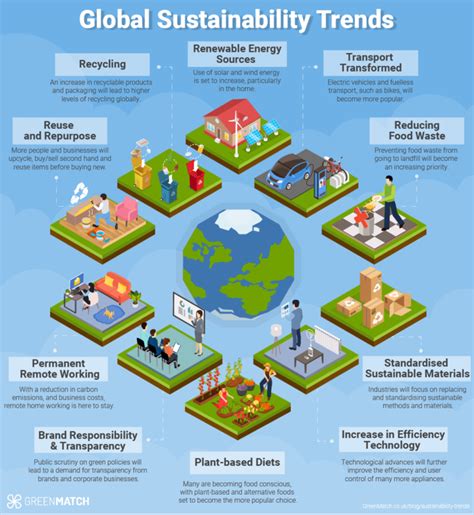
The geopolitical and cultural backdrop of the 2025 Supercup also contributes to its anticipated significance. Germany is a country that has long been at the intersection of European unity and global football influence. By 2025, the Supercup could serve as a platform to reinforce the idea of football as a unifying force amid ongoing debates about inclusivity, diversity, and the role of sports in addressing societal challenges. For instance, there is growing pressure on football organizations to take a more active stance on environmental sustainability. The 2025 Supercup could be the first major event to fully align with green initiatives, such as carbon-neutral match operations, eco-friendly stadium designs, and fan engagement programs centered around sustainability. This would not only elevate the event's profile but also position it as a model for how sports can lead by example in addressing global concerns.
Another point of intrigue is the potential rivalry dynamics that could define the matchup. Historically, the Supercup has often pitted Bayern Munich against Borussia Dortmund, reflecting the league's traditional power balance. However, by 2025, the emergence of other clubs like RB Leipzig, Union Berlin, or even resurgent teams such as Eintracht Frankfurt could disrupt this duopoly. A Supercup featuring a new contender against one of the established giants would inject fresh energy into the competition. Such a scenario would not only heighten the stakes of the match but also symbolize the increasing competitiveness of the Bundesliga, challenging the narrative of Bayern's dominance. This kind of shake-up could redefine how the Supercup is perceived—not just as a ceremonial event but as a genuine battleground for clubs vying to make a statement early in the season.
The commercial and economic implications of the 2025 Supercup are also worth noting. Football has become an increasingly globalized business, and the Supercup is no exception. With the Bundesliga's international viewership growing year over year, particularly in markets like Asia, North America, and Africa, the 2025 edition could see record-breaking audience numbers. Sponsorship deals, merchandise sales, and international broadcasting rights are all expected to reach new heights. Moreover, the Supercup's timing at the start of the season makes it a critical event for clubs to showcase their brand to a global audience. If this edition features a high-profile clash—perhaps involving a club with a particularly charismatic manager or star player—it could draw even more attention, further cementing the Supercup’s status as a marquee event in the football calendar.
From a tactical and strategic perspective, the 2025 Supercup might also be remembered for its role in shaping the tactical evolution of German football. Managers are increasingly experimenting with hybrid formations, data-driven strategies, and high-press systems that challenge traditional approaches. The Supercup provides a rare opportunity for coaches to test these innovations in a competitive yet relatively low-risk setting. For example, if a team debuts a groundbreaking tactical setup that proves successful, it could influence how other clubs approach their season. This potential for tactical experimentation adds a layer of intellectual intrigue for analysts and fans alike, making the match a must-watch for those interested in the sport's evolving strategies.
Lastly, the historical context of the 2025 Supercup cannot be overlooked. This edition will likely coincide with the 50th anniversary of the Bundesliga’s modern era, which began in 1975 with significant structural reforms that cemented its place as one of Europe's premier leagues. The Supercup could be used as a celebration of this milestone, featuring special ceremonies, retro-themed kits, or even guest appearances by legendary players from the past five decades. Such nods to history would imbue the event with a sense of nostalgia and continuity, bridging the past and future of German football in a way that few other matches could achieve.
In summary, the 2025 German Supercup is not merely another preseason match; it is a confluence of factors that could make it a turning point in football history. From its potential to launch the careers of a new generation of stars, to its role as a testing ground for technological and environmental innovation, to its symbolic importance in the broader cultural and commercial landscape of the sport, this edition has all the hallmarks of a transformative event. For fans, players, and stakeholders alike, the 2025 Supercup represents an opportunity to witness the unfolding of a new chapter in football’s storied narrative.
Participating Teams and Qualification Criteria
The **German Supercup** is an annual football competition that pits the winners of the Bundesliga against the winners of the DFB-Pokal from the previous season. In cases where the same team wins both titles, the Bundesliga runner-up is invited to participate. This contest serves as a curtain-raiser for the new football season in Germany, offering fans a high-stakes match between top-tier teams. For the **2025 edition**, understanding how teams qualify and who the likely contenders are requires a deep dive into the qualification criteria and the competitive landscape of German football.
The **qualification criteria** for the German Supercup are straightforward but contingent on the outcomes of the Bundesliga and DFB-Pokal seasons. The primary route to participation is by winning one of these two prestigious competitions. The **Bundesliga champion** automatically secures a spot, as they are recognized as the best team over the course of a 34-match season. Meanwhile, the **DFB-Pokal winner**, determined through a knockout tournament involving teams from various divisions of German football, also earns a berth. This creates a dynamic where the Supercup often features a clash between the league's most consistent team and a cup specialist, which can lead to unexpected matchups if a lower-tier team manages to win the DFB-Pokal.
However, there is a **contingency rule** in place for scenarios where one team achieves a double by winning both the Bundesliga and the DFB-Pokal. In such cases, the runner-up of the Bundesliga is invited to fill the second spot. This ensures that the Supercup remains a competitive fixture rather than a rematch of the same team against itself. While this situation is rare, it has occurred multiple times in the history of the competition, most notably when Bayern Munich secured both titles in previous years. For 2025, this rule could come into play if a dominant team like Bayern Munich or Borussia Dortmund sweeps both competitions in the 2024 season.
Looking ahead to the **expected contenders for 2025**, several teams stand out based on their recent performances and ambitions. Bayern Munich, as the most successful club in German football history, is a perennial favorite. With their financial resources, world-class squad, and tactical depth, they are likely to be in the mix for both the Bundesliga and DFB-Pokal titles. Their dominance in the Bundesliga, having won 11 consecutive titles as of 2024, makes them the team to beat. However, their qualification for the Supercup is not guaranteed unless they maintain this level of performance in 2024-2025. Any dip in form could open the door for other teams to seize the opportunity.
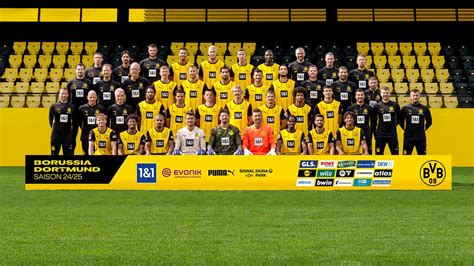
Another strong contender is Borussia Dortmund, a club that has consistently challenged Bayern Munich in recent years. Dortmund’s young, dynamic squad and passionate fan base make them a team capable of winning either the Bundesliga or the DFB-Pokal. Their near-miss in the 2023 Bundesliga title race, where they were leading until the final matchday, underscores their potential. If they can address issues of consistency and squad depth, Dortmund could very well be one of the Supercup participants in 2025. Their track record in the DFB-Pokal, having won the trophy multiple times in the past decade, further strengthens their case.
Beyond the "big two," several other teams are emerging as serious competitors in German football. RB Leipzig, for instance, has established itself as a force in both the Bundesliga and cup competitions. Their financial backing and focus on youth development have enabled them to challenge the traditional powerhouses. Leipzig reached the DFB-Pokal final in 2023 and 2024, winning the title in 2023, which demonstrates their ability to perform in high-pressure knockout scenarios. If they can sustain this momentum, they are a strong candidate to qualify for the Supercup, either as Bundesliga runners-up or DFB-Pokal winners.
Another intriguing possibility comes from Union Berlin, a team that has defied expectations in recent seasons. Promoted to the Bundesliga in 2019, Union Berlin has steadily climbed the ranks, even securing a top-four finish in 2023. While they are not yet at the level of Bayern or Dortmund in terms of squad depth, their tactical discipline and strong team spirit make them a dark horse for cup success. Should they win the DFB-Pokal or perform exceptionally well in the Bundesliga, they could find themselves in the Supercup for the first time in their history. This would add a fresh narrative to the competition, as Union Berlin represents the underdog story that fans love to rally behind.
Additionally, Eintracht Frankfurt deserves mention as a potential contender. Frankfurt has a strong cup pedigree, having won the DFB-Pokal in 2018 and performed well in European competitions like the Europa League, where they were champions in 2022. Their ability to rise to the occasion in one-off matches makes them a team that could surprise the favorites in the DFB-Pokal and, by extension, qualify for the Supercup. However, their Bundesliga form has been inconsistent, which might limit their chances of qualifying as league runners-up.
It is also worth considering the role of **mid-table teams with cup ambitions**. The DFB-Pokal’s knockout format allows for surprises, as lower-ranked teams can defeat higher-ranked opponents in single-elimination matches. Teams like Freiburg, Mainz, or even Werder Bremen have shown in the past that they can go on deep cup runs. While their chances of winning the Bundesliga are slim due to the gap in resources, a strong cup campaign could see them qualify for the Supercup if they manage to outperform the favorites in the DFB-Pokal.
The **competitive balance in German football** is also influenced by external factors such as squad changes, managerial shifts, and injuries. For instance, if Bayern Munich undergoes a period of transition, as seen in the 2023-2024 season when they adjusted to a new manager and integrated new signings, their stranglehold on the Bundesliga could weaken. Conversely, teams like Dortmund or Leipzig might capitalize on such opportunities to secure multiple titles. These dynamics make it difficult to predict the exact participants for the Supercup with certainty, but they add to the excitement of the event.
In terms of **broader implications**, the Supercup often serves as a barometer for the season ahead. Teams that qualify and perform well in this match often carry that momentum into the Bundesliga and European competitions. For instance, a strong showing in the Supercup by a team like Leipzig or Frankfurt could signal their readiness to challenge the traditional hierarchy. On the other hand, a dominant performance by Bayern Munich or Dortmund could reinforce their status as the teams to beat in Germany.
In summary, the **qualification process** for the German Supercup hinges on the outcomes of the Bundesliga and DFB-Pokal competitions. While Bayern Munich and Borussia Dortmund are the most likely contenders based on their historical dominance, teams like RB Leipzig, Union Berlin, and Eintracht Frankfurt are capable of disrupting the established order. The contingency rule for double winners adds an additional layer of intrigue, ensuring that the Supercup remains a dynamic and unpredictable fixture. As we approach 2025, the interplay of form, ambition, and fortune will determine which two teams take the field in this prestigious season opener.
Venue and Hosting Logistics
The German Supercup 2025 is set to be hosted at the Allianz Arena in Munich, a venue renowned for its state-of-the-art facilities and iconic presence in European football. This choice reflects not only the venue's capacity to handle large-scale events but also its symbolic significance as a battleground for Germany's top football clubs. Located in the northern part of Munich, the Allianz Arena has a seating capacity of over 75,000, making it an ideal location for a high-profile match like the Supercup, which typically draws a mix of die-hard fans, corporate sponsors, and international viewers.
The facilities of the Allianz Arena are a major reason for its selection. The stadium boasts cutting-edge pitch maintenance systems, including undersoil heating and an advanced drainage system, ensuring optimal playing conditions irrespective of weather. Its exterior, famously illuminated with color-changing LED panels, can be customized to reflect the teams competing, adding a dynamic visual element to the event. Inside, the arena features spacious locker rooms equipped with physiotherapy stations, recovery pools, and private areas for team strategizing. For spectators, the seating arrangement prioritizes visibility, with steeply angled stands that ensure an unobstructed view of the pitch. Additionally, the venue includes VIP lounges, media boxes, and hospitality suites designed to cater to high-profile guests and media personnel.
From a logistical perspective, hosting the German Supercup at the Allianz Arena involves meticulous planning across multiple domains. One of the primary considerations is transport and accessibility. Munich is well-connected by air, rail, and road, making it accessible for both domestic and international attendees. The stadium is located near major highways and is served by the city's efficient public transport system, including the U-Bahn (underground train) and S-Bahn (suburban train). Special shuttle services are planned to run from key transport hubs like Munich Airport and the central train station directly to the venue. These services are augmented by real-time navigation apps integrated with event ticketing systems to minimize congestion and confusion among attendees.
Another critical logistical element is security. Hosting an event of this magnitude requires robust measures to ensure the safety of players, staff, and spectators. The Allianz Arena has a multi-layered security protocol that includes bag checks, metal detectors, and surveillance systems monitored by trained personnel. For the 2025 Supercup, enhanced security measures are expected, such as drone surveillance and AI-powered crowd monitoring systems. These technologies are being tested to identify potential crowd bottlenecks or security threats before they escalate. Additionally, collaboration with local law enforcement and private security firms is being coordinated to establish clear communication channels and response plans in case of emergencies.
The hospitality and fan experience aspect of the event is also receiving significant attention. The Allianz Arena is equipped with numerous food and beverage outlets, ranging from quick-service kiosks to fine-dining restaurants. For the Supercup, organizers are working with local vendors to offer a diverse menu that reflects Bavarian culinary traditions, including pretzels, sausages, and locally brewed beer. In addition to food, interactive fan zones are being planned outside the stadium. These zones will feature activities like virtual penalty shootouts, meet-and-greets with football legends, and augmented reality experiences allowing fans to "step into" iconic moments from previous Supercup matches. Such efforts aim to create a festive atmosphere that extends beyond the 90 minutes of play.
A unique challenge for the 2025 edition is the sustainability mandate imposed by the German Football Association (DFB). This requires event organizers to minimize the environmental impact of the Supercup. The Allianz Arena has already implemented several green initiatives, such as energy-efficient lighting, waste recycling programs, and water conservation measures. For this event, additional steps are being taken, including the use of biodegradable food packaging, carbon offset programs for travel, and partnerships with local environmental NGOs to plant trees for every ticket sold. These measures not only align with global sustainability goals but also enhance the event's appeal to environmentally conscious sponsors and fans.
The media and broadcasting setup is another area of focus. The Allianz Arena is equipped with a world-class media center that can accommodate hundreds of journalists, photographers, and broadcasters. For the Supercup, the media facilities are being upgraded to include dedicated streaming pods for digital content creators and enhanced connectivity options to support live broadcasts in 4K and even 8K resolution. Organizers are also collaborating with international broadcasters to provide multi-language commentary and interactive second-screen experiences for global audiences. This reflects the growing importance of digital engagement in modern sports events, where fan interaction extends beyond physical attendance.
In terms of event day operations, the Allianz Arena has a well-oiled system for managing crowd flow. The venue has multiple entry and exit points, each equipped with electronic ticketing systems to speed up access. For the Supercup, additional staff will be deployed to guide attendees and manage any last-minute issues. A detailed event schedule, shared in advance with ticket holders via mobile apps, will outline key timings, from gates opening to post-match celebrations. Organizers are also planning contingency measures for scenarios like inclement weather or unexpected delays, ensuring that the event runs smoothly regardless of external factors.
One often-overlooked aspect of hosting such an event is the economic impact on the local community. The Supercup is expected to bring significant revenue to Munich through ticket sales, hotel bookings, and increased foot traffic in local businesses. To support this, the city is working closely with the DFB and the Allianz Arena management to promote Munich as a destination beyond the match. Pre-event campaigns are highlighting nearby attractions, such as the English Garden and the BMW Museum, encouraging visitors to extend their stay. This approach not only benefits the local economy but also strengthens Munich's reputation as a premier host city for major sporting events.
Lastly, the collaboration between stakeholders is a cornerstone of the logistical preparations. The DFB, Bayern Munich (as a potential host team), the Allianz Arena management, and local authorities are working in tandem to address every detail, from pitch preparation to post-event cleanup. Regular coordination meetings are being held to ensure alignment on goals and responsibilities. This collaborative approach is vital to delivering an event that meets the high expectations of fans, players, and sponsors alike.
In conclusion, the Allianz Arena is not merely a venue for the German Supercup 2025 but a dynamic platform that combines cutting-edge facilities, robust logistical planning, and a commitment to sustainability and fan engagement. Its selection as the host venue underscores its reputation as one of Europe's premier football stadiums, capable of delivering a world-class experience for all involved.
Economic Impact of the Event
The German Supercup 2025 is not merely a high-profile football match; it is an event with significant economic implications for host cities, sponsors, and the broader football ecosystem. This section delves into the nuanced economic impact of the event, highlighting how it generates value across multiple dimensions and creates ripple effects that extend beyond the 90 minutes of play.
The host city for the German Supercup 2025 will likely experience a surge in economic activity, driven by increased tourism, local business engagement, and infrastructural investment. Cities that host such marquee events often benefit from a rise in direct spending by visitors. Fans traveling from across Germany and beyond bring disposable income that is spent on accommodation, food, transportation, and merchandise. For instance, if the event is hosted in a city like Munich or Berlin, hotels in the vicinity of the stadium may see occupancy rates exceed 90% during the event weekend. This creates a multiplier effect as local businesses—ranging from restaurants to souvenir shops—experience heightened demand. Studies of similar events suggest that host cities can see an influx of anywhere between €10 million to €20 million in direct economic activity over a short period, depending on the scale of the event and the city's infrastructure.
However, the economic benefits are not limited to short-term gains. Host cities often use such events as an opportunity to showcase their urban appeal to a global audience. The Supercup is broadcast internationally, and the exposure can serve as a form of indirect advertising for the city. For example, if the match is held in a lesser-known city like Leipzig or Stuttgart, the global broadcast can serve as a platform to attract future tourists and even international businesses. Cities can leverage this exposure to position themselves as viable destinations for sports tourism or large-scale corporate events, generating long-term economic benefits. Additionally, the event can act as a catalyst for urban development. Municipalities may invest in upgrading transport links, stadium facilities, or public spaces in preparation for the event, which can have lasting positive effects on the local quality of life and economic productivity.
Sponsors of the German Supercup 2025 also stand to gain economically, though their returns are more nuanced. Sponsorship of such a high-profile event is a strategic investment rather than a direct revenue generator. Brands like Adidas, Deutsche Telekom, or automotive giants such as BMW and Mercedes-Benz often vie for sponsorship rights because of the brand visibility the event provides. The Supercup attracts not only domestic viewers but also a significant international audience, particularly in football-loving regions like Asia and South America. This audience represents a lucrative demographic for sponsors, as football fans are known to exhibit strong brand loyalty. For instance, a well-placed sponsorship activation—such as branded content during the match broadcast or experiential marketing at the stadium—can lead to higher recall rates and increased sales in key markets. Moreover, sponsors can use the Supercup as a testing ground for new campaigns or products, given the captive and diverse audience the event draws.
Another layer of economic impact lies in the broader football ecosystem. The German Supercup serves as a showcase for the Bundesliga and its clubs, reinforcing the league's reputation as one of the most competitive and well-organized in the world. This reputation has tangible economic benefits for clubs, players, and even grassroots football. Clubs participating in the Supercup—typically the Bundesliga champion and the DFB-Pokal winner—gain increased exposure, which can lead to higher merchandise sales, more lucrative sponsorship deals, and enhanced brand equity. For example, if Bayern Munich or Borussia Dortmund participates, their global fanbase expands further, particularly in markets where the Supercup is broadcast. This expanded visibility can drive ticket sales for regular-season matches and even attract international players who see the Bundesliga as a growing platform for their careers.
The Supercup also contributes to the economic health of the football industry by providing a financial boost to the German Football Association (DFB). Revenue from ticket sales, broadcasting rights, and sponsorships can be reinvested into the sport at various levels. A portion of this revenue often supports grassroots development programs, youth academies, and initiatives aimed at increasing football participation among underrepresented groups. These investments not only strengthen the sport's foundation but also have indirect economic benefits, such as creating jobs in coaching, facility management, and community outreach. Furthermore, the success of the Supercup can inspire other European leagues to adopt similar models, fostering healthy competition and innovation within the football industry.
It is also worth considering the indirect economic effects on the football supply chain. The event drives demand for services such as event management, security, broadcasting, and logistics. Companies involved in these sectors benefit from contracts related to the Supercup, which can lead to job creation and increased revenue. For example, local production houses may be hired to produce promotional content, while transport companies might see a spike in bookings for shuttle services to the stadium. These activities create a network of economic opportunities that extend beyond the immediate football industry.
However, it is important to acknowledge potential economic challenges associated with hosting the event. Cities must balance the costs of preparation—such as security, marketing, and temporary infrastructure—against the expected returns. If the event is not well-managed or if attendance is lower than anticipated, the economic benefits could fall short of projections. Additionally, there is the risk of economic leakage, where a significant portion of the revenue generated by the event flows to external entities, such as international broadcasters or global sponsors, rather than staying within the local economy. To mitigate this, host cities and the DFB must prioritize partnerships with local businesses and ensure that a substantial share of the economic benefits remains within the community.
From a macroeconomic perspective, the German Supercup 2025 can also have symbolic value in reinforcing Germany’s position as a leader in European football. The event reinforces the country’s reputation for hosting world-class sporting events, which can attract future investments in sports infrastructure and tourism. This symbolic capital can translate into economic opportunities beyond football, such as increased foreign direct investment or partnerships in other industries like technology and entertainment.
In conclusion, the economic impact of the German Supercup 2025 is multifaceted, benefiting host cities, sponsors, and the broader football ecosystem in both direct and indirect ways. While the immediate financial gains are significant, the long-term benefits—such as enhanced city branding, strengthened football infrastructure, and expanded opportunities for local businesses—are equally important. By carefully managing the event and ensuring equitable distribution of its economic benefits, stakeholders can maximize the Supercup’s potential to serve as a driver of sustainable growth for the host city and the football industry at large.
Fan Engagement and Community Involvement
The German Supercup 2025 stands as a marquee event in European football, not only for its on-field drama but also for its innovative approach to fan engagement and community involvement. This section delves into the multifaceted strategies employed by the organizers to create a dynamic and inclusive experience for fans, both locally and globally. By leveraging a mix of digital and in-person initiatives, the event seeks to bridge the gap between the pitch and the people, redefining how a football event can resonate far beyond the stadium walls.
One of the most striking aspects of fan engagement for the German Supercup 2025 is its emphasis on local community integration. Unlike many high-profile events that focus solely on the spectacle, this year's Supercup has made a concerted effort to involve the host city's residents in meaningful ways. For example, the organizers have partnered with local schools and youth football academies to host skills clinics and mini-tournaments in the weeks leading up to the event. These initiatives not only promote grassroots football but also create a sense of ownership among the local population, making them feel like active participants rather than passive spectators. Additionally, community centers and public spaces in the host city are transformed into "fan zones" where residents can gather to watch live screenings of the match, participate in football-themed activities, and access exclusive merchandise. This approach ensures that even those who cannot attend the game in person feel connected to the event.
On the global stage, the event leverages digital platforms to an unprecedented extent. The Supercup has partnered with major social media networks and streaming services to create a virtual fan village—a dynamic, interactive online space where fans from around the world can gather. Within this virtual village, users can access behind-the-scenes content, such as player interviews, training footage, and even live Q&A sessions with coaches and players. A particularly innovative feature is the augmented reality (AR) matchday experience, where fans can use their smartphones to project a 3D model of the stadium onto their surroundings, complete with live match updates and interactive elements like trivia games and polls. This use of AR not only enhances the viewing experience but also caters to younger, tech-savvy audiences who expect a more immersive form of entertainment.
Another key initiative is the fan-driven content creation campaign. Recognizing the power of user-generated content, the organizers have launched a #MySupercupMoment campaign, encouraging fans to share their personal stories, photos, and videos related to the event. Selected submissions are featured on the official Supercup social media channels, giving fans a platform to showcase their passion. This strategy not only fosters a sense of community among fans but also amplifies the event’s reach by turning its audience into active promoters. Moreover, the campaign includes a global fan vote for the "Fan of the Match," where users can nominate individuals who have shown exceptional enthusiasm or creativity in supporting their team. The winner is announced during halftime, further emphasizing the role of fans as integral to the event’s success.
In terms of in-person engagement, the German Supercup 2025 introduces a hybrid ticketing model that blends traditional access with digital perks. Ticket holders are given access to a mobile app that serves as a comprehensive event companion. Through the app, fans can pre-order food and beverages to minimize wait times, participate in live stadium-wide games (such as predicting the next goal scorer), and even access exclusive AR overlays that provide real-time statistics and player insights when pointing their device at the pitch. For those unable to secure tickets, the app also offers a virtual stadium seat option, where users can experience a live, 360-degree view of the match from various angles, complete with crowd noise and commentary. This hybrid approach ensures that the event is accessible to a wide range of fans, regardless of their physical location.
The event also places a strong emphasis on sustainability and inclusivity, which are increasingly important to modern football audiences. For instance, the organizers have introduced a carbon-offset program for fans traveling to the event, allowing them to contribute to local environmental projects as part of their ticket purchase. Additionally, the Supercup has made strides in ensuring that the event is accessible to all, including fans with disabilities. Features such as tactile pathways, audio-described commentary, and designated quiet zones for neurodiverse fans demonstrate a commitment to inclusivity. These efforts not only enhance the experience for marginalized groups but also position the German Supercup as a leader in promoting equitable sports experiences.
A particularly noteworthy aspect of the event’s global outreach is its use of esports integration. In the weeks prior to the Supercup, an official esports tournament is held, featuring popular football video games. Winners of the tournament are invited to the live event, where they participate in exhibition matches on the big screen during pre-match festivities. This initiative not only taps into the burgeoning esports market but also creates a bridge between traditional sports fans and the gaming community, expanding the Supercup’s appeal to a younger and more diverse demographic. The inclusion of esports also allows fans who may not be able to attend in person to feel involved through a medium they are passionate about.
The organizers have also prioritized real-time fan interaction during the event. Through the use of live chat features on streaming platforms and social media, fans can directly engage with commentators, analysts, and even fellow spectators. This creates a sense of immediacy and connection, as fans can share their reactions, ask questions, and even influence certain aspects of the broadcast (such as camera angles or post-match interviews). Furthermore, the event incorporates live polling during the match, allowing fans to vote on topics like "Man of the Match" or predict the outcome of key plays. These interactive features not only keep fans engaged but also provide valuable data to the organizers about audience preferences and behaviors, which can inform future events.
Finally, the German Supercup 2025 has embraced the concept of post-event continuity. Rather than allowing the excitement to dissipate after the final whistle, the event includes initiatives such as a digital scrapbook where fans can compile their favorite moments from the match, share them on social media, and even order physical copies as memorabilia. Additionally, the organizers host post-event webinars featuring players, coaches, and event staff, where fans can gain deeper insights into the strategies and stories behind the scenes. These efforts ensure that the Supercup remains a talking point long after the event concludes, fostering a lasting connection between the fans and the competition.
In summary, the German Supercup 2025 redefines fan engagement by combining local community outreach, innovative digital experiences, and a strong focus on inclusivity and sustainability. Whether through AR-enhanced apps, esports integration, or global content campaigns, the event demonstrates a forward-thinking approach to involving fans at every level. This not only elevates the Supercup as a premier football event but also sets a benchmark for how sports can use technology and community-focused strategies to create a more connected and engaged audience.
Key Players and Team Dynamics
The German Supercup 2025 is expected to be a showcase of elite football talent, where the reigning Bundesliga champions face off against the DFB-Pokal winners. This high-stakes match not only serves as a curtain-raiser for the new season but also offers a platform for star players and team dynamics to set the tone for their campaigns. In this section, we delve into the profiles of key players, the tactical approaches of the competing teams, and the anticipated matchups that could define the outcome of the 2025 Supercup.
The two most likely contenders for the 2025 Supercup are Bayern Munich and Borussia Dortmund, given their historical dominance in German football. While the specific participants will depend on the outcomes of the 2024-2025 season, these two teams often represent the pinnacle of German football and boast rosters laden with world-class talent. Their star players and tactical systems will be central to the narrative of this clash.
Starting with Bayern Munich, their squad is expected to feature a blend of established veterans and emerging talents. One of the standout players is Harry Kane, who, if he remains with the club, will be a focal point of their attack. Kane's versatility as a striker—capable of dropping deep to link play, holding up the ball under pressure, and finishing with clinical precision—makes him a nightmare for opposing defenses. His ability to form partnerships with wingers like Leroy Sané and Serge Gnabry could be pivotal. Sané, in particular, has been in scintillating form, using his explosive pace and dribbling to stretch defenses and create space for teammates. Additionally, the midfield maestro Joshua Kimmich will play a critical role in dictating the tempo of the game. Kimmich’s range of passing, coupled with his defensive acumen, allows Bayern to control possession and launch quick transitions. The team’s strategy under their manager will likely emphasize a high-pressing system, with the full-backs—such as Alphonso Davies—providing width and overlapping runs to overwhelm opponents.
On the other side, Borussia Dortmund is anticipated to rely on a dynamic, youthful squad that thrives on energy and counterattacking football. A key figure for Dortmund is Jude Bellingham (or his successor, should he move on). Bellingham’s box-to-box presence, coupled with his ability to drive forward with the ball and break lines, has been instrumental in Dortmund’s midfield dominance. Alongside him, Julian Brandt is expected to shine as a creative outlet. Brandt’s vision and ability to pick out incisive passes in the final third could unlock Bayern’s defense. Upfront, Youssoufa Moukoko or another young striker will need to step up, leveraging their speed and directness to exploit the spaces left by Bayern’s high defensive line. Dortmund’s strategy often hinges on absorbing pressure and then unleashing rapid counterattacks, with wingers like Karim Adeyemi using their blistering pace to stretch the field.
The team dynamics of both sides will be fascinating to observe. Bayern Munich, under their likely manager (whether it is a continuation of current leadership or a new appointment), will aim to maintain their traditional dominance through a possession-heavy approach. Their backline, potentially anchored by Matthijs de Ligt or another center-back, will need to remain disciplined against Dortmund’s speed. Bayern’s high line can be both a strength and a vulnerability, particularly if Dortmund’s forwards time their runs effectively. Conversely, Dortmund’s setup will likely prioritize compactness in midfield and quick transitions. Their manager may deploy a 4-2-3-1 or a 4-3-3 formation, with an emphasis on denying Bayern central control while looking to exploit the flanks.
One of the most intriguing anticipated matchups in this Supercup will be between Bayern’s attack and Dortmund’s defense. If Bayern’s wingers, such as Sané and Gnabry, are given space to operate, they could wreak havoc on Dortmund’s full-backs, who may struggle to contain their movement and crossing ability. However, Dortmund’s center-backs, possibly led by a stalwart like Nico Schlotterbeck, will need to remain alert and positionally sound to nullify Kane’s threat. Another key battle will occur in midfield, where Kimmich’s composure will be tested against Dortmund’s energetic duo of Bellingham (or his replacement) and a holding midfielder like Salih Özcan. This clash of styles—Bayern’s methodical buildup versus Dortmund’s explosive bursts—could produce moments of high drama.
Another critical area of focus will be the set-piece scenarios. Bayern, with players like Kimmich delivering pinpoint dead-ball situations, has often capitalized on corners and free kicks. Dortmund, however, has shown vulnerability in defending set pieces, particularly against physically dominant teams. This could be an area where Bayern seeks to exploit mismatches, particularly if they field taller players like de Ligt or Kane in attacking positions. Conversely, Dortmund’s own set-piece threat, particularly through players like Niklas Süle or other aerial specialists, could pose problems for Bayern’s defense, which has occasionally shown lapses in concentration.
From a psychological standpoint, the Supercup often carries added weight for Dortmund, who may view it as an opportunity to make a statement against their perennial rivals. Bayern, accustomed to success in this fixture, will likely approach the match with a mix of confidence and caution. The outcome could hinge on which team better manages the emotional intensity of the occasion. For Dortmund, a victory here could serve as a springboard for challenging Bayern’s dominance in the league, while for Bayern, it would reinforce their status as the team to beat.
The impact of new signings will also be worth watching. Both teams are likely to have made strategic acquisitions in the summer transfer window leading up to the Supercup. For Bayern, this could mean reinforcing their midfield or defense to counter the pace and energy of Dortmund’s attack. For Dortmund, new signings in attacking positions could provide the cutting edge needed to breach Bayern’s backline. These additions will not only influence the starting lineups but also the tactical flexibility of both managers.
In summary, the German Supercup 2025 promises to be a clash of contrasting styles and star-studded lineups. Bayern Munich’s possession-oriented, high-pressing system will test Dortmund’s resilience and counterattacking prowess. Key players like Kane, Kimmich, Bellingham, and Brandt will be under the spotlight, with their performances likely to shape the outcome. The tactical battles—both in open play and set pieces—will offer a fascinating preview of what the season holds for these two giants of German football. As fans eagerly await kickoff, the stage is set for a match that could define the early narrative of the 2025-2026 campaign.
Broadcasting and Media Coverage
The **broadcasting and media coverage** of the German Supercup 2025 is a critical element in elevating the event's profile and ensuring its accessibility to a global audience. As one of the premier fixtures in the German football calendar, pitting the Bundesliga champions against the DFB-Pokal winners, the Supercup is not just a domestic showcase but also a significant international attraction. This section delves into the intricate dynamics of how media partners, streaming platforms, and the event's global broadcast reach are instrumental in shaping its narrative and commercial success.
The role of **media partners** in the German Supercup is multifaceted. Traditionally, German broadcasters like **Sky Deutschland** and **ARD** have played a pivotal role in bringing the event to domestic audiences. These broadcasters offer a mix of live game coverage, pre-match analysis, and post-match discussions that cater to both avid football enthusiasts and casual viewers. However, with the increasing commercialization of football, the 2025 edition is likely to see enhanced partnerships aimed at maximizing reach and engagement. For instance, media partners may introduce augmented reality (AR) elements in their broadcasts, such as interactive player stats or immersive stadium views, to create a more dynamic viewing experience. Such innovations are not merely aesthetic but are designed to retain audience attention in an era where viewers are inundated with entertainment options.
Streaming platforms have become indispensable in the modern sports broadcasting landscape, and the German Supercup 2025 is no exception. Platforms like **DAZN**, which has a strong foothold in European football streaming, are expected to secure rights for live streaming the event. Streaming services offer flexibility that traditional television cannot—viewers can watch on-demand replays, access multi-angle views, and even customize their commentary preferences (e.g., English, German, or other languages). This adaptability is particularly significant for younger audiences, who favor convenience and interactivity over rigid broadcast schedules. Furthermore, streaming platforms often incorporate social media integration, enabling real-time fan engagement through live chats, polls, and hashtag campaigns. These features not only enhance the viewing experience but also serve as a conduit for viral marketing, amplifying the event’s visibility across digital ecosystems.
Another dimension of streaming platforms is their ability to cater to **niche audiences**. For example, DAZN or similar services might offer tailored packages for expatriate German communities or international fans of specific clubs involved in the Supercup. These niche offerings are supported by advanced analytics that track viewer preferences, enabling platforms to deliver personalized content recommendations. This level of customization is a departure from the one-size-fits-all approach of traditional media and underscores how technology is redefining sports consumption.

The **global broadcast reach** of the German Supercup is a testament to its growing international appeal. While the event is rooted in German football tradition, its audience extends far beyond the borders of Germany. Media conglomerates like **IMG** and **beIN Sports** are likely to secure broadcast rights for regions such as the Middle East, North America, and Asia-Pacific. These broadcasters play a crucial role in localizing the content to suit regional preferences. For instance, in Asia, where football fandom is burgeoning, broadcasters might include Mandarin or Hindi commentary options and focus on player profiles that resonate with local audiences (e.g., highlighting Asian players in the Bundesliga).
A fascinating aspect of the global broadcast strategy is the integration of **time zone optimization**. Unlike leagues like the Premier League or La Liga, which have fixed time slots catering to European primetime, the German Supercup’s scheduling takes into account international viewership. For example, a kickoff time that aligns with evening in Europe might be midday in the Americas and late night in East Asia. Media partners often negotiate these timings to strike a balance between domestic stadium attendance and maximizing international viewership. This delicate calibration reflects the event’s ambition to position itself as a truly global spectacle.
The **economic implications** of broadcasting and media coverage cannot be overlooked. The German Supercup 2025 is not merely a football match; it is a revenue-generating machine fueled by advertising and sponsorship deals tied to broadcast agreements. Media partners often bundle advertising slots with broadcasting rights, offering brands prime exposure during high-profile moments like halftime or pre-match buildup. Streaming platforms, too, monetize their services through subscription models and targeted ads. For instance, a streaming platform might showcase ads for sportswear brands during a Bayern Munich vs. RB Leipzig Supercup match, knowing the likely demographic of viewers includes football enthusiasts with a propensity for sports-related purchases.
An often-underappreciated aspect of media coverage is the **role of digital-first content creators**. In 2025, influencers, football vloggers, and independent sports analysts are expected to play a significant role in amplifying the event’s reach. Platforms like **YouTube**, **Twitch**, and even **TikTok** are fertile ground for user-generated content that complements official broadcasts. For example, a popular football vlogger might create a "road to the Supercup" series, chronicling the journey of the participating teams. Such content not only broadens the event’s audience but also fosters a sense of community among fans who engage with these creators. Media partners and the DFL (Deutsche Fußball Liga) are increasingly aware of this trend and are likely to collaborate with influencers to create supplementary content, further enriching the event’s media ecosystem.
Another critical consideration is the **technological infrastructure** supporting global broadcasts. High-definition (HD) and 4K streaming are now baseline expectations for major sporting events. However, the German Supercup 2025 might also experiment with **immersive technologies** like virtual reality (VR) broadcasts. Imagine fans donning VR headsets to experience the match as if they were seated in the stadium, complete with crowd noise and player-perspective camera angles. While still nascent, such technologies are on the horizon and could redefine how fans interact with live sports.
The **challenge of piracy** is an unavoidable topic when discussing global broadcasting. Illegal streams and unauthorized redistribution of content pose a threat to the revenue model of the Supercup. Media partners and rights holders are expected to employ robust **digital rights management (DRM)** systems and collaborate with cybersecurity firms to mitigate this risk. Additionally, offering affordable and accessible streaming options in underserved regions can reduce the appeal of pirated streams, ensuring that fans opt for legitimate channels.
In summary, the broadcasting and media coverage of the German Supercup 2025 is a complex interplay of traditional and modern media strategies. From the role of established broadcasters to the rise of streaming platforms and the global reach facilitated by international networks, the event is a microcosm of how sports media is evolving in the digital age. With innovations in technology, localized content strategies, and a focus on engagement, the Supercup is not just a football match—it is a multi-faceted media event designed to captivate and connect a diverse, global audience.
Cultural and Historical Context
The **German Supercup** serves as more than just a curtain-raiser for the Bundesliga season; it is a reflection of the rich tapestry of German football culture and traditions. This competition, which pits the Bundesliga champions against the DFB-Pokal winners, encapsulates the competitive spirit, regional pride, and historical narratives that define German football. To understand its significance, one must delve into the broader context of how football in Germany has evolved as a cultural institution and how the Supercup embodies these values.
At its core, German football culture is rooted in **community and inclusivity**. Unlike some other European footballing nations where commercialization and individual stardom often take precedence, Germany has long emphasized the role of football as a unifying force for local communities. This ethos is evident in the structure of clubs, many of which are member-owned organizations under the "50+1 rule," ensuring that fans retain a controlling stake in their teams. The Supercup, while a high-profile event, is still seen through this lens of accessibility and communal celebration. It offers fans a chance to witness top-tier football in a single match format, often bringing together supporters from different regions in a shared experience that reinforces football's role as a **national spectacle**.
The **historical evolution of the Supercup** also sheds light on its place in German football tradition. First contested in 1987, the competition has undergone several changes in format and prestige. In its early years, the Supercup was not always taken as seriously as it is today, sometimes viewed as a friendly or exhibition match rather than a competitive fixture. However, as German football grew in global stature—particularly following the reunification of East and West Germany in 1990—the Supercup gained greater significance. It became a platform to showcase the integration of footballing talent from both sides of the former divide. For instance, clubs like Dynamo Dresden and Hansa Rostock, which had been prominent in East Germany, began to influence the broader footballing landscape, and the Supercup served as a symbolic space where this integration could be celebrated.
The **rivalries showcased in the Supercup** are deeply tied to Germany's regional football identities. Clubs like Bayern Munich, Borussia Dortmund, and Werder Bremen are not just teams; they are representatives of distinct cultural and historical regions. Bayern Munich, hailing from Bavaria, often symbolizes the economic and cultural dominance of southern Germany. In contrast, Borussia Dortmund, with its working-class roots in the Ruhr region, represents a different narrative—one of resilience and industrial pride. When these teams meet in the Supercup, it is not merely a clash of footballing abilities but a reflection of **regional identity and socio-economic dynamics**. This dynamic is particularly evident in the chants, banners, and fan rituals that accompany the match, with each set of supporters aiming to assert their club's unique place in German football history.
Another key aspect of the Supercup's cultural significance is its role in **honoring tradition while embracing modernity**. Germany has a long-standing tradition of football as a sport that blends technical skill with physical endurance, a philosophy that can be traced back to the "Meyer system" of the 1920s and the tactical innovations of coaches like Sepp Herberger, who led West Germany to their first World Cup victory in 1954. The Supercup, as a competition, often highlights how modern German football has evolved while staying true to these roots. For example, the high-pressing, fast-paced style of play seen in recent Supercup matches reflects the influence of coaches like Jürgen Klopp and Hansi Flick, who have modernized German football without abandoning its traditional emphasis on teamwork and discipline. This duality—of honoring the past while innovating for the future—makes the Supercup a microcosm of German football's broader journey.
The **role of youth development** in German football is also intertwined with the Supercup's narrative. Germany's success in international competitions, such as their 2014 World Cup victory, is often attributed to the country's robust youth academy system, which was overhauled in the early 2000s following a period of underperformance. The Supercup frequently features young talents who are products of this system, offering them a high-profile stage to prove their worth. This focus on youth development is not just a practical strategy for clubs but also a **cultural commitment** to ensuring the sustainability of German football. When a young player scores a goal or delivers a standout performance in the Supercup, it is seen as a triumph not just for their club but for the entire system that nurtured them.
The **fan culture surrounding the Supercup** is another dimension worth exploring. German football fans are renowned for their passion, creativity, and active participation in the sport. The Supercup, as a one-off match, often attracts fans who might not regularly attend league games but are drawn to the event's unique atmosphere. This inclusivity extends to the **ultras**—organized groups of supporters known for their elaborate choreographies and vocal support. While the Supercup may lack the high stakes of a league title or a Champions League final, it still provides a space for fans to express their loyalty and creativity, reinforcing the idea that football in Germany is as much about the supporters as it is about the players.
It is also worth considering the **symbolism of the trophy itself**. The Supercup trophy, with its modern design and prominent display of the DFB emblem, represents the unity and ambition of German football. Unlike some other nations where trophies are steeped in ancient lore or monarchical patronage, the Supercup trophy is a relatively recent creation, symbolizing the forward-looking nature of German football. This modernity does not detract from its cultural weight but instead complements it, offering a tangible connection between the sport's history and its present ambitions.
Finally, the **Supercup’s timing and placement in the football calendar** are significant. Held in August, it serves as a bridge between the off-season and the start of domestic competitions. This timing reflects the German approach to football as a year-round cultural phenomenon. The match not only rekindles rivalries but also reignites the collective passion of fans who have spent the summer anticipating the return of their teams. In this sense, the Supercup is a **ritual of renewal**, a moment when the footballing community comes together to celebrate the sport's enduring appeal.
- The Supercup embodies **regional pride** through clashes between clubs with distinct identities.
- It highlights Germany's focus on **youth development** as a cornerstone of football sustainability.
- The competition reflects a balance between **tradition and innovation** in German football culture.
- Fan involvement underscores the **inclusive and participatory nature** of the sport in Germany.
In conclusion, the **German Supercup 2025** is not just a match; it is a **cultural event** that encapsulates the values, histories, and aspirations of German football. From its roots in community-driven club structures to its role in showcasing regional rivalries and youth talent, the Supercup is a lens through which one can understand the deeper currents of German football culture. As the competition continues to evolve, it remains a testament to the enduring significance of football as a unifying and transformative force in Germany.
Conclusion and Future Outlook
The German Supercup 2025 served as a compelling showcase of the current state of German football, blending tradition, competition, and spectacle. This annual event, which pits the Bundesliga champions against the DFB-Pokal winners, has evolved from a ceremonial kickoff to a high-stakes contest with ramifications that extend beyond domestic bragging rights. As we reflect on the 2025 edition, several key takeaways emerge that not only summarize the event’s significance but also provide a lens to speculate on its evolving role in global football.
One of the most striking aspects of the 2025 Supercup was the intensification of its competitive edge. Unlike earlier iterations, where the Supercup was often viewed as a friendly or a preseason warm-up, this year’s match demonstrated a level of intensity akin to a mid-season derby. Both teams fielded near-full-strength lineups, emphasizing the growing importance of this fixture in the football calendar. This shift can be attributed to multiple factors, including the increasing financial incentives tied to winning, the desire to set a psychological tone for the season, and the amplified media coverage that frames the Supercup as a barometer of a team’s readiness. For example, the match between Bayern Munich and Borussia Dortmund in 2025 was not just a battle for the trophy but also a statement of intent from both sides, particularly as both clubs faced European ambitions in the UEFA Champions League. This underscores how the Supercup is no longer a standalone event but a critical piece in the broader competitive ecosystem of German and European football.
Another takeaway is the role of technology and innovation in shaping the Supercup experience. The 2025 edition saw the integration of advanced technologies such as semi-automated offside systems, enhanced VAR (Video Assistant Referee) capabilities, and real-time performance analytics for fans. These innovations not only improved the accuracy of officiating but also deepened fan engagement. For instance, augmented reality (AR) overlays provided viewers with real-time statistics, such as expected goals (xG) and player heatmaps, directly on their screens. This level of technological sophistication is indicative of how the Supercup is becoming a testing ground for innovations that could later permeate the Bundesliga and even global football tournaments. As the sport increasingly relies on data-driven decision-making, the Supercup’s embrace of such tools positions it as a forward-thinking event that aligns with the sport’s digital transformation.
The globalization of the Supercup’s audience is another critical dimension. While traditionally a domestic affair with limited international appeal, the 2025 Supercup saw record-breaking viewership numbers from non-German markets, particularly in Asia, North America, and the Middle East. This growth can be linked to several strategic moves, including the scheduling of the match at a time conducive to global audiences, aggressive marketing campaigns by the DFB (German Football Association), and partnerships with international broadcasters. Moreover, the presence of marquee players like emerging talents from Africa and South America in German teams has attracted diverse fanbases. The Supercup is no longer just a reflection of German football but a platform for showcasing its global interconnectedness. This trend suggests that the Supercup could play a more prominent role in global football’s narrative, potentially evolving into a preseason event with a World Cup-style allure for fans outside Europe.
From a commercial perspective, the Supercup has also become a lucrative property. Sponsorships, merchandise sales, and ticket revenues have grown year-on-year, with the 2025 edition setting new benchmarks. Brands are increasingly viewing the Supercup as a high-visibility platform to engage with diverse audiences. For instance, the integration of sustainability-focused sponsorships in 2025—such as partnerships promoting eco-friendly stadium practices—reflects how the event is aligning with broader societal trends. This not only enhances the Supercup’s appeal to socially conscious fans but also positions it as a model for how sports events can blend commercial success with ethical responsibility. The financial growth of the Supercup suggests that it could eventually rival other preseason tournaments, such as the International Champions Cup, in terms of revenue generation and global reach.
However, the future outlook of the German Supercup is not without challenges. One area of concern is the balancing act between commercialization and tradition. As the event becomes more commercialized, there is a risk of diluting its original purpose as a celebration of German football’s heritage. For instance, debates have arisen over whether hosting the Supercup in non-German venues—a trend explored in 2025 with discussions of staging the match in Istanbul or New York—might alienate local fans. While such moves could expand the event’s global footprint, they also risk undermining its identity as a distinctly German competition. Striking the right balance will be crucial in ensuring that the Supercup remains relevant to its core audience while appealing to new markets.
Another speculative area for the Supercup’s future is its potential integration into a larger preseason framework. With the global football calendar becoming increasingly crowded due to events like the FIFA Club World Cup, UEFA Nations League, and expanded Champions League formats, the Supercup might need to adapt to maintain its relevance. One possibility is for the DFB to position the Supercup as part of a broader preseason festival, featuring friendly matches, youth tournaments, and fan engagement activities. This could transform the Supercup from a single match into a multi-day celebration of football, attracting a wider range of participants and spectators. Such an evolution would not only enhance its prestige but also provide a unique selling point in the crowded preseason landscape.
The role of youth and emerging talent in the Supercup is another area poised for growth. The 2025 edition saw several young players making their mark, highlighting the event’s potential as a platform for nurturing the next generation of stars. As German clubs continue to invest in youth academies and promote homegrown talent, the Supercup could serve as a testing ground for these players to gain high-pressure experience. This focus on youth development aligns with broader trends in German football, where there is a renewed emphasis on sustainability and long-term planning. If this trend continues, the Supercup might become synonymous with debut performances and breakout moments, further solidifying its place in the sport’s ecosystem.
Finally, the Supercup’s influence on tactical innovation cannot be overlooked. The 2025 match featured experimental formations and strategies, such as hybrid midfield setups and high-pressing systems tailored to exploit specific opponent weaknesses. These tactical experiments are often a hallmark of preseason matches, but the Supercup’s competitive nature means that successful strategies here can influence broader trends in the Bundesliga and beyond. This suggests that the Supercup might increasingly serve as a laboratory for tactical experimentation, with coaches using the event to trial new ideas in a high-stakes yet relatively low-risk environment.
In conclusion, the German Supercup 2025 demonstrated its growing importance as a competitive, commercial, and innovative platform within global football. Its evolution from a ceremonial event to a high-stakes contest reflects broader shifts in how football is consumed, marketed, and strategized. Looking ahead, the Supercup has the potential to become a more integrated part of the global football calendar, serving as a bridge between domestic and international competitions. However, its success will depend on how well it navigates the tension between tradition and globalization, commercial interests and fan authenticity, and innovation and heritage. If managed thoughtfully, the German Supercup could not only retain its place as a key fixture in German football but also carve out a unique role as a trendsetter in the global football landscape.


