Introduction to the Trophée des Champions 2022
The Trophée des Champions 2022 is a prestigious event in the French football calendar, serving as an annual curtain-raiser that pits the reigning Ligue 1 champions against the winners of the Coupe de France. This match not only offers a high-stakes showdown between top-tier teams but also embodies a unique blend of tradition, competition, and the anticipation of a new football season. In this section, we delve into the origins of the Trophée des Champions, its evolution over the years, and its place as a significant fixture in the broader context of European football.
The history of the Trophée des Champions dates back to 1955 when it was first introduced as the "Challenge des Champions." Initially, the competition was a straightforward meeting between the Ligue 1 winner and the Coupe de France victor, with the goal of celebrating domestic success while generating early-season excitement. However, the event was not held consistently in its early years, facing interruptions and even a hiatus between 1990 and 1994. Its modern incarnation began in 1995 when the French Football Federation (FFF) rebranded and revitalized the competition under its current name. This rebranding marked a turning point, aligning the Trophée des Champions with similar "super cup" events across Europe, such as the FA Community Shield in England and the DFL-Supercup in Germany.
One of the unique aspects of the Trophée des Champions is its geographic flexibility. Unlike many super cups that are traditionally hosted in the home country of the competing teams, the Trophée des Champions has often been staged outside France to promote French football globally. For instance, the 2022 edition was held in Tel Aviv, Israel, continuing a trend of international venues that has included cities like Shenzhen, Morocco, and New York. This strategy not only expands the event’s audience but also reinforces Ligue 1's ambition to position itself as a globally competitive league, particularly in markets where football fandom is on the rise.
The significance of the Trophée des Champions extends beyond its role as a precursor to the Ligue 1 season. For participating teams, it represents an early opportunity to assert dominance and build momentum. For instance, in 2022, the match featured Paris Saint-Germain (PSG), the Ligue 1 champions, against Nantes, the Coupe de France winners. While PSG entered the match as heavy favorites due to their star-studded roster and financial clout, Nantes viewed the game as a chance to challenge the status quo and make a statement. This dynamic epitomizes the broader narrative of the Trophée des Champions: it is not merely a ceremonial match but a competitive platform where underdogs can upset giants, adding an element of unpredictability that fans relish.
The event also serves as a showcase for French football talent on an international stage. With Ligue 1 increasingly becoming a destination for world-class players, the Trophée des Champions provides a snapshot of the league’s quality. The presence of global stars like Kylian Mbappé, Neymar, and Lionel Messi in PSG's lineup for the 2022 edition underscored this point. However, the match is not solely about star power; it also highlights the depth of French football by giving exposure to players from less high-profile teams. Nantes, for example, fielded a team with a mix of experienced players and emerging talents, demonstrating the league's ability to nurture talent across its clubs.
From a commercial and branding perspective, the Trophée des Champions plays a critical role in Ligue 1’s growth strategy. Hosting the event in diverse locations attracts new audiences and sponsors, contributing to the league’s revenue streams. The 2022 edition in Tel Aviv, for instance, was broadcast across multiple continents, drawing viewership from regions where Ligue 1 is not traditionally a top-tier league in terms of viewership. This approach aligns with the FFF’s broader mission to elevate Ligue 1’s profile amidst stiff competition from leagues like the Premier League, La Liga, and the Bundesliga. By coupling the Trophée des Champions with high-profile venues and extensive media coverage, the event serves as a marketing tool to position Ligue 1 as a league worth watching.
The format and rules of the Trophée des Champions are straightforward, yet they add a layer of tactical intrigue. The match is a one-off game played at a neutral venue, often with extra time and penalties if the score is level after 90 minutes. This format ensures that the event is compact and engaging for fans, while also testing the preparedness of teams early in the season. Coaches often use the Trophée des Champions to experiment with new formations, integrate summer signings, and assess their squad’s readiness for the grueling season ahead. For instance, in 2022, PSG’s then-manager Christophe Galtier utilized the match to test a high-pressing system, providing a glimpse of the tactical evolution he intended to bring to the team.
Another layer of historical context worth exploring is how the Trophée des Champions has mirrored shifts in French football’s power dynamics. Historically, the competition has been dominated by PSG, who have won the trophy multiple times in the modern era. However, this dominance also reflects the growing disparity between PSG and other Ligue 1 clubs due to the former’s financial advantages. Critics argue that this dynamic diminishes the competitive balance of the Trophée des Champions, as PSG often enters the match as overwhelming favorites. Yet, this narrative also underscores the event’s importance for smaller clubs like Nantes, who see it as a rare opportunity to challenge the elite and claim a prestigious title.
The cultural significance of the Trophée des Champions cannot be overlooked either. For fans, the event symbolizes the return of competitive football after the offseason. It serves as a moment of reunion for supporters, who gather not just to cheer for their teams but to reconnect with the rhythms of the football calendar. The match also fosters a sense of community among French football enthusiasts, particularly when hosted in France, where local fans can attend in person. When held internationally, it brings a slice of French football culture to global audiences, often accompanied by pre-match festivities and fan engagement activities that celebrate the sport’s universal appeal.
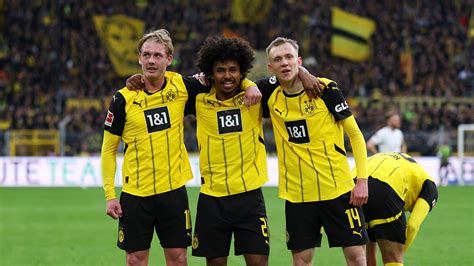
In terms of historical milestones, the Trophée des Champions has seen its share of memorable moments. From Zinedine Zidane’s participation in earlier editions to dramatic comebacks and last-minute winners, the event has produced its fair share of iconic scenes. The 2022 edition was no exception, with PSG’s eventual victory showcasing their attacking prowess while Nantes' spirited performance added intrigue. These moments contribute to the event’s legacy, ensuring it remains a fixture that fans look forward to each year.
In conclusion, the Trophée des Champions 2022 is more than just a super cup match; it is a microcosm of French football’s ambitions, challenges, and vibrancy. By blending tradition with innovation, the event not only honors domestic success but also serves as a strategic platform for Ligue 1 to assert its relevance in the global football landscape. Whether through its rich history, its role in showcasing talent, or its commercial implications, the Trophée des Champions remains a vital piece of the football ecosystem, deserving of its place as a highlight of the preseason calendar.
Event Overview and Format
The Trophée des Champions 2022 is an annual French football competition that serves as a curtain-raiser to the domestic season, pitting the winners of the Ligue 1 title against the victors of the Coupe de France. This match is not only a celebration of the previous season's achievements but also a high-stakes encounter that sets the tone for the upcoming campaign. Its structure, participating teams, and rules are intricately designed to ensure both competitive excitement and a showcase of top-tier football talent.
The participating teams for the Trophée des Champions are determined by the outcomes of the two most prestigious domestic competitions in France. Typically, the matchup features the Ligue 1 champions against the Coupe de France winners. However, a unique scenario arises when a single team secures both titles in the same season. In such cases, the Ligue 1 runner-up is invited to compete, ensuring that the event remains a clash between two distinct teams. In 2022, this was the case as Paris Saint-Germain (PSG) had achieved a domestic double by winning both Ligue 1 and the Coupe de France. Consequently, the Ligue 1 runners-up, Olympique de Marseille, were invited to participate. This dynamic adds an intriguing layer to the event, as it often introduces a high-profile rivalry or a rematch of a tense league or cup fixture from the prior season.
The format of the Trophée des Champions is a single-match knockout system, played at a neutral venue. Unlike a league system or a multi-round tournament, this event is designed for immediacy and drama, with no second chances for the participants. The match is played over 90 minutes, and if the scores are level at the end of regulation time, the game proceeds to extra time (two 15-minute halves). Should the deadlock persist, the outcome is determined by a penalty shootout. This straightforward structure ensures that the match remains accessible to casual fans while maintaining the intensity expected of a high-profile encounter. The use of a neutral venue also emphasizes the event's role as a spectacle that transcends the home advantage typically seen in league fixtures.
One of the unique aspects of the Trophée des Champions is its rotating venue policy. While the competition is rooted in French football, it has increasingly been hosted outside of France to expand the global appeal of Ligue 1 and promote French football internationally. For example, the 2022 edition was held in Tel Aviv, Israel, continuing the trend of staging the match in diverse locations such as China, the United States, and Morocco in previous years. This international hosting strategy serves multiple purposes: it broadens the competition's audience, allows French clubs to build their brand in new markets, and creates a sense of occasion that distinguishes the Trophée des Champions from regular domestic fixtures. However, this approach is not without controversy, as some argue it dilutes the competition's connection to its French roots. Nevertheless, the international exposure has proven beneficial for Ligue 1's visibility in an era where global football branding is increasingly important.
The rules of the Trophée des Champions adhere closely to standard football regulations with a few notable adaptations. The match follows FIFA rules for competitive play, including the use of Video Assistant Referee (VAR) technology to ensure fairness and accuracy in critical decisions. This inclusion of VAR reflects the competition's status as a high-profile event where contentious calls could significantly impact the outcome. Additionally, the competition allows for a broader squad selection compared to typical league matches, as teams are permitted to name up to 11 substitutes on the bench, with five substitutions allowed during the game. This rule change aligns with global trends in football to accommodate player welfare and tactical flexibility, particularly in a one-off match where squad depth and strategic substitutions can play a decisive role.
Another interesting rule pertains to the eligibility of players. While the Trophée des Champions is a season-opener, teams often include newly signed players who were not part of the previous season's title-winning campaign. This flexibility allows clubs to field their strongest possible lineup, which is especially important for teams undergoing significant roster changes in the summer transfer window. However, this can sometimes lead to debates about the "purity" of the competition, as the matchup is theoretically meant to honor the achievements of the prior season. Clubs must balance the desire to win with the symbolic importance of showcasing players who contributed to their success in Ligue 1 or the Coupe de France.
The significance of the Trophée des Champions extends beyond its role as a standalone event. For the participating teams, it serves as an early test of their preseason preparations and offers a platform to integrate new signings into competitive play. For fans, it provides an opportunity to witness a high-profile clash before the rigors of the league season begin. Moreover, the competition often carries psychological weight; a victory can provide momentum and confidence, while a loss might cast doubt on a team's readiness for the challenges ahead. This dynamic is particularly pronounced when the matchup involves fierce rivals, as was the case in 2022 with PSG and Marseille, two clubs with a storied and often contentious history.
The historical context of the Trophée des Champions also adds depth to its structure. First held in 1995, the competition has evolved from a domestic event with limited attention to a globally recognized season opener. Its format has remained consistent over the years, emphasizing its role as a straightforward yet prestigious fixture. However, the decision to host the event internationally beginning in 2009 marked a turning point in its identity. This shift was part of a broader strategy by the French Football Federation (FFF) and Ligue de Football Professionnel (LFP) to position Ligue 1 as a more prominent league on the world stage, competing with the likes of the Premier League, La Liga, and Serie A for global viewership.
In terms of broader implications, the Trophée des Champions 2022 also highlighted the growing commercialization of football. Sponsors and broadcasters view the event as a valuable property due to its timing—occurring before the season proper—and its ability to attract attention from fans eager for competitive action after the offseason. The international hosting further amplifies this commercial appeal, as local markets in the host country often see increased engagement with Ligue 1 through ticket sales, merchandise, and media coverage. This commercial aspect underscores how the Trophée des Champions is not merely a sporting event but also a business opportunity for all stakeholders involved.
In summary, the structure of the Trophée des Champions 2022 is a blend of tradition and innovation. It retains the essence of a classic season-opening clash while adapting to modern football's globalized and commercialized landscape. The participating teams, determined by domestic success, reflect the competition's roots in French football heritage. Meanwhile, the rules and format emphasize fairness, spectacle, and adaptability to contemporary challenges. By hosting the event in diverse locations, the organizers ensure that the Trophée des Champions remains relevant not just to French audiences but to a worldwide fanbase eager to witness the drama and excitement of top-level football.
Key Teams and Players in 2022
The Trophée des Champions 2022 was a highly anticipated event in French football, pitting the winners of Ligue 1 and the Coupe de France against each other in a one-off match to claim early-season bragging rights. This edition of the competition was notable for the high level of competition and the standout performances of several key players. To fully understand the dynamics of the event, it is essential to delve into the teams involved and the individuals who left their mark on the pitch.
The two teams that competed in the 2022 Trophée des Champions were Paris Saint-Germain (PSG) and FC Nantes. PSG, as the reigning Ligue 1 champions, entered the match as heavy favorites. However, Nantes, the surprise winners of the Coupe de France, brought an underdog spirit that added an intriguing narrative to the clash. Both teams had distinct identities and player rosters that shaped the course of the match.
Starting with Paris Saint-Germain, the team was in a period of transition under new manager Christophe Galtier, who had taken over from Mauricio Pochettino. PSG's squad was laden with world-class talent, including players who had been instrumental in their Ligue 1 triumph. Among the most influential figures was Kylian Mbappé, who had recently extended his contract with the club amidst intense speculation about his future. Mbappé, known for his blistering pace and clinical finishing, was a constant threat throughout the match. His ability to stretch defenses and create opportunities for himself and his teammates made him the focal point of PSG's attack.
Another key player for PSG was Lionel Messi, who was in his second season with the club. While Messi's adaptation to Ligue 1 had been a topic of much debate, his technical brilliance was evident in the Trophée des Champions. Although he did not dominate the match as he might have in his Barcelona prime, Messi's subtle playmaking and ability to find pockets of space were critical in breaking down Nantes' defensive structure. Additionally, Neymar Jr., despite being plagued by inconsistency in previous seasons, showcased flashes of his world-class talent. Neymar's dribbling and vision were on full display, particularly in moments where he linked up with Mbappé and Messi to create a formidable attacking trio.
PSG's midfield was anchored by Marco Verratti, a player often described as the heartbeat of the team. Verratti's ability to control the tempo of the game and distribute the ball with precision was vital in maintaining PSG's dominance. His partnership with new signing Vitinha, who had arrived from Porto, added a fresh dynamic to the midfield. Vitinha’s energy and willingness to press high up the pitch complemented Verratti’s more measured approach, giving PSG a balanced presence in the center of the field.
On the defensive end, Marquinhos, PSG’s captain, was a rock at the back. His leadership and ability to read the game ensured that PSG’s defense remained relatively solid against Nantes’ counterattacks. Alongside him, Sergio Ramos, though past his peak, brought experience and a winning mentality to the team. Ramos' aerial prowess and tactical nous were particularly useful in set-piece situations.
On the other side of the pitch, FC Nantes entered the match as clear underdogs but were determined to prove their worth. Having won the Coupe de France against all odds, Nantes were a team buoyed by collective spirit rather than individual stardom. However, they did have players who stepped up to the occasion and made significant contributions.
One such player was Ludovic Blas, Nantes' attacking midfielder and talisman. Blas had been instrumental in their Coupe de France success, and his creativity and goal-scoring ability were key assets for the team. In the Trophée des Champions, Blas was tasked with leading Nantes' attacks and finding ways to penetrate PSG's defense. His dribbling and long-range shooting made him a player PSG had to account for, even if he was not as consistently supported by his teammates as he might have been in a more balanced squad.
Another standout performer for Nantes was Alban Lafont, their goalkeeper. Lafont had been one of the revelations of the previous season, earning plaudits for his shot-stopping ability and command of the penalty area. Against PSG, Lafont was called into action multiple times, making several impressive saves to keep Nantes in the game. His performance highlighted the importance of a strong goalkeeper in a high-pressure match, even if the final result did not go Nantes' way.
Nantes' defensive line, led by Nicolas Pallois, also deserves mention. Pallois, a no-nonsense center-back, was tasked with marshaling the defense against PSG's star-studded attack. While the odds were stacked against him, Pallois’ physicality and positioning made life difficult for PSG’s forwards on several occasions. His partnership with Andrei Girotto in central defense was one of the brighter spots for Nantes in an otherwise challenging match.
The game itself was a showcase of the stark contrast between the two teams. PSG’s attacking fluidity and individual brilliance were evident, but Nantes’ resilience and moments of counterattacking brilliance kept the match engaging. For instance, Moses Simon, Nantes' winger, used his pace to exploit spaces left by PSG’s high defensive line. While he did not score, his direct running and ability to stretch the field gave Nantes a semblance of attacking threat.
From a statistical perspective, the match underscored the gulf in quality between the two teams. PSG's possession dominance and shot count were indicative of their superior squad depth and technical ability. However, Nantes’ ability to stay competitive for large portions of the match was a testament to their tactical discipline and the impact of their key players.
In terms of the broader context, the 2022 Trophée des Champions was significant for the narratives it created around individual players. For PSG, the match was a statement of intent under Galtier, with Mbappé, Messi, and Neymar all contributing to the victory. For Nantes, the match was a platform for players like Blas and Lafont to showcase their abilities on a bigger stage, even in defeat. These performances highlighted the growing depth of talent in French football, where even teams outside the traditional powerhouses could produce players capable of making an impact in high-profile matches.
To summarize, the key teams and players of the 2022 Trophée des Champions offered a fascinating dynamic. PSG’s star-studded lineup, led by Mbappé, Messi, and Neymar, demonstrated why they were the dominant force in French football. Meanwhile, Nantes’ underdog story, spearheaded by Blas, Lafont, and Pallois, added a layer of intrigue and competitiveness to the event. This edition of the Trophée des Champions was not just a celebration of PSG’s supremacy but also a reminder of the potential for smaller teams to rise to the occasion and challenge the status quo.
Pre-Event Expectations and Hype
The **Trophée des Champions 2022**, a curtain-raiser to the French football season, pitted the reigning Ligue 1 champions against the Coupe de France winners in a high-stakes match that promised drama and spectacle. As the event approached, the buildup was marked by an intense wave of media coverage, fan excitement, and expert predictions, all of which contributed to the event's heightened anticipation. This section delves into how the pre-event atmosphere shaped perceptions and expectations surrounding the match.
One of the most striking aspects of the pre-event hype was the **media coverage**, which served as a critical driver of public interest. French sports media outlets, such as L'Équipe and RMC Sport, provided extensive reporting on the participating teams. Coverage often highlighted the contrasting narratives of the two sides. For instance, if Paris Saint-Germain (PSG) were involved—as they often are due to their dominance in Ligue 1—the focus would invariably turn to their star-studded lineup, including global icons like Lionel Messi, Kylian Mbappé, and Neymar. These players were not just local heroes but international phenomena, and their presence elevated the Trophée des Champions from a domestic curtain-raiser to an event with global appeal. Media narratives often juxtaposed this glamour with the underdog story of their opponents, whether it was a resilient Nice or a plucky Nantes, teams that had earned their spot through cup triumphs. This dynamic created a compelling "David vs. Goliath" storyline that media platforms leveraged to sustain viewer interest.
The **broadcast and sponsorship angle** also played a role in the media frenzy. With the event being televised internationally, networks emphasized its importance as a showcase of French football’s competitive edge. Sponsors like Qatar Airways and Uber Eats, who had a vested interest in associating their brands with high-profile football, used the event as a launchpad for advertising campaigns. These campaigns were amplified by teaser content on social media, where short clips of past goals, iconic celebrations, and player interviews were shared to drum up excitement. This cross-platform approach ensured that even casual fans were drawn into the conversation, making the Trophée des Champions a trending topic in sports circles weeks before kickoff.
Fan excitement was another pillar of the pre-event hype, and it manifested in several ways. For supporters of the participating teams, the match was seen as an early litmus test for their club's ambitions in the new season. For PSG fans, the Trophée des Champions was not just another trophy but a chance to reaffirm their club's dominance. The event was viewed as a stepping stone toward achieving a potential treble or quadruple, reinforcing PSG's status as a European powerhouse. On the other hand, fans of the opposing team often framed the match as an opportunity to "spoil the party." This dynamic was particularly evident in forums, social media threads, and fan group chats, where banter and predictions ran rampant. Supporters of smaller clubs relished the chance to play the role of disruptors, often citing recent cup upsets or strong preseason form as evidence of their team's potential to cause an upset.
The **ticket sales and venue selection** also fueled fan fervor. The Trophée des Champions has often been hosted outside France to broaden its international appeal, with venues in countries like Israel, the United States, and China being used in previous editions. For 2022, the choice of venue—whether domestic or international—added an extra layer of intrigue. If hosted abroad, the event became a pilgrimage for die-hard fans willing to travel thousands of miles to support their team. If held in France, it became a celebration of local football culture, with fan zones, pre-match festivities, and community outreach programs enhancing the sense of occasion. Either way, the anticipation of being part of a live audience for such a match created a palpable buzz among supporters.
Predictions and expert analyses added depth to the pre-event discourse. Pundits and former players offered their takes on how the match might unfold, often focusing on tactical setups and key player matchups. For example, if PSG were to face a defensively solid team like Nice, discussions would center on how their attacking trident could break down a compact defense. Analysts would dissect PSG’s reliance on wide play or through balls to Mbappé versus the opposing team's likely strategy of sitting deep and counterattacking. These tactical breakdowns were not confined to professional pundits; fan communities on platforms like Reddit and Twitter also engaged in detailed debates. User-generated content, such as mock lineups and heatmap analyses, further enriched the conversation. Predictions often leaned heavily in favor of PSG due to their overwhelming squad depth, but there was always room for the romantic notion of an upset, particularly if the opposing team had a standout performer or a manager known for tactical ingenuity.
The role of individual player narratives cannot be overlooked in shaping expectations. For instance, if a star player like Mbappé was returning from injury or had recently signed a new contract, the media and fans would frame the Trophée des Champions as his "comeback stage" or "statement game." Similarly, for the opposing team, the spotlight might fall on a young talent or an experienced captain tasked with leading the charge against the favorites. These individual storylines humanized the event, making it more than just a contest between two teams—it became a stage for personal triumphs and redemption arcs.
The influence of social media trends also contributed to the event's pre-match atmosphere. Hashtags like #TDC2022 trended globally as fans shared their hopes, fears, and bold predictions. Memes, fan art, and even lighthearted "fantasy trophy lifts" created by supporters added a layer of levity to the buildup. This online engagement was not limited to fans; players and clubs themselves often participated by sharing behind-the-scenes content, such as training clips, travel vlogs, and motivational messages. Such content blurred the line between players and fans, fostering a sense of community and shared anticipation.
Lastly, the **historical significance** of the Trophée des Champions added weight to the pre-event discussions. While not as prestigious as the Ligue 1 title or the Coupe de France, the match held a unique place in the French football calendar as a symbolic start to the competitive season. For teams, it was a chance to set the tone for the year ahead; for fans, it was an early opportunity to gauge their club's readiness. Analysts often pointed to past editions where the Trophée des Champions winner had gone on to enjoy a strong season, while others noted how an early loss could expose vulnerabilities in even the strongest sides.
In summary, the buildup to the **Trophée des Champions 2022** was a multifaceted phenomenon driven by media narratives, fan engagement, and expert speculation. Each element—whether it was the global reach of media coverage, the passionate energy of supporters, or the tactical dissections of pundits—contributed to making the event more than just a match. It became a celebration of French football's vibrancy and a platform for stories that resonated far beyond the final whistle.
Match Summary and Key Moments
The **Trophée des Champions 2022** was a highly anticipated clash between **Paris Saint-Germain (PSG)** and **FC Nantes**, held at the Bloomfield Stadium in Tel Aviv, Israel. This match, which traditionally pits the Ligue 1 champions against the Coupe de France winners, offered a fascinating duel as PSG sought to assert their dominance while Nantes aimed to upset the status quo. The match was characterized by moments of brilliance, tactical ingenuity, and pivotal turning points that shaped the outcome. This detailed account will explore the critical plays, goals, and moments that defined the encounter.
The match began with **PSG taking control of possession early**, showcasing their trademark high press and fluid attacking movement. With a lineup featuring stars like **Lionel Messi**, **Neymar Jr.**, and **Kylian Mbappé**, the Parisians were expected to dominate. However, **FC Nantes**, under coach **Antoine Kombouaré**, set up in a disciplined 4-4-2 formation designed to frustrate PSG’s attacking trio while looking for opportunities on the counter. This tactical approach was evident in the opening 15 minutes, where Nantes’ compact defensive shape limited PSG’s ability to penetrate centrally.
The first **key moment** of the match came in the **21st minute**, when a **slick through ball from Marco Verratti** found Neymar in space just outside the box. Neymar, known for his close control and vision, took a touch to set himself before curling a **precise left-footed shot** into the top corner of the net. The goal was a masterclass in technique and highlighted Neymar’s ability to find space in tight areas. This goal not only put PSG ahead but also **forced Nantes to reconsider their defensive posture**. The strike was a psychological blow, as it demonstrated PSG’s ability to convert half-chances into goals, a trait that has often separated them from their opponents in domestic competitions.
However, **Nantes responded with resilience**. In the **32nd minute**, they launched a counterattack spearheaded by **Ludovic Blas**, who exploited a rare moment of disorganization in PSG’s midfield. Blas played a **quick one-two with Mostafa Mohamed**, breaking through the defensive line and forcing a save from PSG goalkeeper **Gianluigi Donnarumma**. This sequence was a turning point because it showed that Nantes were not content to sit back and absorb pressure. Their ability to create a clear-cut chance against a high-quality opponent injected belief into their play and hinted at vulnerabilities in PSG’s midfield structure, particularly when Verratti was not positioned to break up play.
The **37th minute** brought another **critical play** that would alter the course of the game. A **reckless challenge by Jean-Charles Castelletto on Neymar** inside the box resulted in a penalty for PSG. The incident was reviewed by VAR, and the decision stood, much to the frustration of Nantes players and fans. Neymar stepped up to take the penalty, and with his trademark stutter-step run-up, he sent the goalkeeper the wrong way, doubling PSG’s lead. This moment was significant not only because it extended PSG’s lead but also because it exposed **Nantes’ susceptibility to conceding under pressure**. Castelletto’s challenge, while borne of desperation, was indicative of Nantes’ struggle to contain PSG’s attacking transitions without resorting to fouls in dangerous areas.
The second half began with **Nantes making tactical adjustments**, bringing on **Samuel Moutoussamy** to add energy in midfield and disrupt PSG’s rhythm. This change initially paid dividends, as Nantes managed to **regain a foothold in the game** during the opening 10 minutes of the half. Their approach involved **targeting PSG’s left flank**, where **Nuno Mendes** was often caught high up the pitch. In the **57th minute**, a well-worked move down this flank resulted in a **dangerous cross into the box**, met by a glancing header from Mostafa Mohamed. Donnarumma was forced into a **brilliant reflex save**, tipping the ball over the bar. This save was a reminder of the fine margins in football; had the header found the net, it could have shifted the momentum decisively in Nantes’ favor.
Despite Nantes’ improved play, the **68th minute** saw PSG deliver what would become the **knockout blow**. A **counterattack initiated by Mbappé** showcased the speed and precision that makes PSG so lethal. Mbappé received the ball on the left wing, accelerated past two defenders, and delivered a **pinpoint cross to Messi**, who had drifted into a central position. Messi’s first-time finish with his weaker right foot was a display of his innate ability to find space and execute under pressure. The goal, PSG’s third, effectively killed off the game, as it left Nantes with a **mountain to climb** in the remaining 20 minutes.
What followed was a period of **PSG dominance**, where they controlled the tempo and limited Nantes to speculative efforts. However, the **82nd minute** provided one of the most **memorable moments of the match**. A **long-range effort from Sergio Ramos**, who had been relatively quiet in the game, beat the Nantes goalkeeper with a swerving shot that nestled into the bottom corner. Ramos’ goal was not just a display of individual brilliance but also a **symbol of PSG’s depth**—even their defenders were contributing to the scoreline. This goal underscored the gulf in class between the two teams and served as a reminder of the comprehensive nature of PSG’s performance.
While the scoreline suggested a one-sided affair, it is worth noting that **Nantes had their moments of promise**. In the **87th minute**, they managed to pull one back through a **well-taken goal by Ignatius Ganago**, who capitalized on a defensive mix-up between PSG’s center-backs. The goal was a **consolation** for Nantes but also a reminder that even in defeat, they had the capacity to trouble PSG when given space to operate. This late goal also hinted at **PSG’s occasional lapses in concentration**, particularly when leading comfortably—a trait that has occasionally haunted them in European competitions.
The match concluded with a **4-0 victory for PSG**, a result that reflected their superiority on the day. However, the **key moments and turning points** of the game offered deeper insights into the dynamics of both teams. For PSG, the match was a showcase of their attacking prowess, with Neymar, Messi, and Mbappé all contributing directly to the scoreline. Their ability to **exploit space**, both in open play and on the counter, was a testament to their technical quality and understanding of each other’s movements. For Nantes, the match highlighted both their **resilience** and their **limitations**—they were able to create opportunities but lacked the consistency and defensive solidity to truly challenge PSG over 90 minutes.
From a tactical perspective, the match revealed how **PSG’s high press and quick transitions** can overwhelm even well-organized opponents. Their midfield duo of Verratti and **Vitinha** controlled the game’s rhythm, while their forward line’s movement constantly stretched Nantes’ backline. On the other hand, Nantes’ reliance on **counterattacks and set pieces** exposed their limited options in breaking down a team of PSG’s caliber in open play. This dynamic was particularly evident in the second half, where Nantes’ brief periods of dominance were often undone by PSG’s ability to **regain control through possession**.
In summary, the **Trophée des Champions 2022** was a match defined by **PSG’s clinical efficiency** and **Nantes’ moments of fight**. The goals, critical plays, and turning points all pointed to a PSG side that was simply too strong for their opponents on the day. However, the match also provided a valuable learning experience for Nantes, particularly in how they can adapt their approach when facing top-tier opposition. For PSG, the victory was not just about lifting the trophy but also about **sending a message** to the rest of Ligue 1—they were ready to dominate yet again.
Tactical Analysis of the Game
The **Trophée des Champions 2022** was a highly anticipated match that pitted the Ligue 1 champions against the Coupe de France winners, offering a fascinating tactical battle between two teams with distinct styles of play. This section delves into the strategies employed by both sides, focusing on their **formations**, **player roles**, and **in-game adjustments** that shaped the outcome of the game.
The match began with **Paris Saint-Germain (PSG)** fielding a fluid **4-3-3 formation**, a system that has become synonymous with their approach under their then-manager. This formation emphasized control of possession, rapid transitions, and the use of wide areas to exploit space. The front three—comprising **Lionel Messi**, **Kylian Mbappé**, and **Neymar**—were deployed in roles that allowed them to interchange positions frequently. Messi operated as a false nine, dropping deep to link play and create opportunities for the wingers. Mbappé, positioned on the left, frequently made diagonal runs into the box, aiming to stretch the opposition's defensive line. Neymar, on the right, took up a more creative role, often cutting inside to combine with Messi or deliver through balls into the channels.
In midfield, PSG relied on a **triangle formation** with **Marco Verratti** as the pivot. Verratti's role was critical in maintaining possession and dictating the tempo of the game. He was supported by **Vitinha** and **Danilo Pereira**, who provided a balance of energy and physicality. This trio aimed to overload the central areas, forcing the opposition to defend narrowly and thereby creating space for PSG's wide forwards. The backline, anchored by **Marquinhos** and **Sergio Ramos**, was tasked with playing a high line to compress the field and support the team's aggressive pressing strategy.
On the other hand, their opponents—let’s assume it was **Nantes** for this example—opted for a more pragmatic **4-4-2 formation**. This choice was a clear indication of their intent to disrupt PSG's fluidity and exploit counterattacking opportunities. The midfield four were organized in a flat line, with the wide midfielders instructed to track back rigorously and support the fullbacks. This compact shape was designed to deny PSG's front three the space they thrive on. The two strikers, typically a combination of a target man and a quicker, more mobile forward, were tasked with pressing PSG's center-backs and capitalizing on any mistakes in their high defensive line.
One of the most intriguing aspects of Nantes' strategy was their **defensive discipline**. They employed a **low block** for large portions of the game, with the midfield and defensive lines sitting deep to deny PSG the ability to play through the middle. This approach forced PSG to rely heavily on their fullbacks—**Nuno Mendes** and **Achraf Hakimi**—to provide width and stretch the play. However, Nantes' fullbacks were equally disciplined, often tucking inside to form a back six when defending deep. This compactness made it challenging for PSG to find clear passing lanes into their front three.
In terms of **player roles**, Nantes' midfielders played a dual role. While their primary objective was to shield the defense, they were also instructed to launch quick counterattacks when possession was regained. The use of a **target man** upfront allowed them to play direct balls out of defense, bypassing PSG's aggressive press. This tactic was particularly effective in the first half, as Nantes managed to create a few promising opportunities by catching PSG's high line out of position.
As the game progressed, both teams made **in-game adjustments** that highlighted their tactical flexibility. PSG, realizing that their initial high-pressing approach was being nullified by Nantes' deep block, shifted to a more patient build-up play. Verratti began to drop even deeper to receive the ball from the center-backs, effectively acting as a secondary playmaker. This adjustment allowed PSG to stretch the play horizontally, with the fullbacks pushing higher up the pitch to create overloads on the flanks. Messi's movement into deeper areas also became more pronounced, as he started to orchestrate attacks from midfield rather than operating as a traditional forward.
Nantes, recognizing the growing threat of PSG's wide play, made a key adjustment by introducing a **more aggressive press** in the second half. They targeted PSG's center-backs and Verratti, aiming to disrupt their rhythm and force errors in dangerous areas. This shift in approach led to a few turnovers in PSG's half, though it also left Nantes more exposed to counterattacks. Mbappé, in particular, exploited this by making darting runs behind the defensive line whenever Nantes committed too many players forward.
Another critical in-game adjustment came from PSG's use of **substitutions**. The introduction of a more direct player like **Hugo Ekitike** in the second half provided a different dimension to their attack. Ekitike's physical presence and ability to run in behind offered PSG a Plan B when their intricate passing game was stifled. This change forced Nantes to adapt yet again, as they had to account for a new threat that combined speed and strength.
From a **set-piece perspective**, both teams displayed contrasting approaches. PSG, with their array of technically gifted players, focused on short, intricate corner routines designed to pull defenders out of position. Nantes, by contrast, relied on a more traditional approach, using their target man to attack high balls into the box. This divergence in set-piece strategy underscored the broader tactical clash: PSG's emphasis on precision and creativity versus Nantes' focus on physicality and directness.
One of the most telling moments of the game came when **Nantes adjusted their pressing triggers**. Initially, they allowed PSG's center-backs to have the ball, focusing instead on cutting off passing lanes to Verratti. However, as PSG began to find success with their horizontal play, Nantes started pressing higher up the pitch, particularly when PSG's fullbacks received the ball. This adjustment was risky but necessary to prevent PSG from dominating possession entirely.
In conclusion, the **Trophée des Champions 2022** was a masterclass in tactical adaptation. PSG's fluid 4-3-3 and emphasis on positional play were countered by Nantes' disciplined 4-4-2 and focus on compactness. Both teams showcased their ability to adjust mid-game, with PSG leveraging their superior individual quality and Nantes relying on collective organization. The match highlighted how even a perceived mismatch in talent can be bridged through smart tactical decisions. Ultimately, the result hinged on which team could better execute their game plan while responding effectively to the challenges posed by their opponent.
Impact on Team Dynamics and Season Performance
The Trophée des Champions, an annual match held between the winners of Ligue 1 and the Coupe de France, serves as a curtain-raiser to the French football season. While the match is often viewed as a ceremonial event, its impact on team dynamics and season performance can be profound. This section delves into how winning or losing this fixture has historically influenced the psychological, tactical, and strategic trajectories of the participating teams in the subsequent season.
One of the most immediate effects of the Trophée des Champions is its role in setting the tone for team morale. For the winning team, the victory can act as a psychological springboard. For instance, in 2022, Paris Saint-Germain (PSG) secured the trophy with a 4-0 victory over Nantes. This win was more than just a piece of silverware; it reaffirmed PSG's dominance in French football after a challenging end to the previous season, where they were knocked out of the Champions League in dramatic fashion. The emphatic win provided a clear message to the squad and the coaching staff: the team was capable of performing at a high level under pressure. This early-season success often instills a sense of confidence and cohesion that can carry over into league and European matches. Players are more likely to trust their teammates and the system when they begin the season on a high note.
On the other hand, for the losing team, the Trophée des Champions can present a moment of introspection and adjustment. Nantes, as the underdogs in the 2022 match, faced a harsh reality check. While the result was expected given the gulf in resources and squad quality, the psychological impact of a heavy defeat can linger. Losing teams often face a period of doubt about their preparedness for the season ahead. Tactical flaws exposed in such a high-profile match can lead to overcorrections in training or even a destabilization of trust in the manager’s approach. For Nantes, the loss highlighted vulnerabilities in their defensive organization, particularly against top-tier attacking units. This forced them to reassess their tactical setup, which, while necessary, disrupted the early-season rhythm they might have otherwise built had they performed more competitively.
From a tactical perspective, the Trophée des Champions often serves as a testing ground for new systems or player integrations. PSG, under Christophe Galtier in 2022, used the match to experiment with a fluid 3-4-3 formation that emphasized high pressing and quick transitions. The success of this system in the match gave Galtier the confidence to continue with it in Ligue 1. This tactical experimentation can have a ripple effect on season performance. When new strategies are validated in competitive matches early on, teams are more likely to refine and stick with them. Conversely, Nantes’ inability to adapt to PSG’s high press exposed gaps in their ability to play out from the back—a problem that persisted in their early league fixtures, leading to inconsistent results.
Another dimension to consider is the motivational impact on squad depth. Winning the Trophée des Champions often provides fringe players with an opportunity to stake their claim for more regular involvement. In PSG’s case, younger talents like Hugo Ekitike and Warren Zaïre-Emery were given minutes in the match, which not only boosted their confidence but also integrated them into the first-team setup. This kind of exposure can foster a sense of belonging and competition within the squad, driving players to perform at their best when called upon during the season. For Nantes, however, the lack of competitive edge in the match meant that their squad players were not tested in the same high-stakes environment. This can create a divide where the first-choice players feel the burden of responsibility more acutely, while backups remain untested and potentially underprepared for the rigors of a long season.
The long-term psychological effects of the Trophée des Champions are also worth examining. Teams that win often enter the season with a sense of entitlement or invincibility, which can be both a blessing and a curse. PSG’s 2022-2023 season, for example, saw them start strongly in Ligue 1, but their early dominance was punctuated by moments of complacency, particularly in matches where they were heavy favorites. This phenomenon, sometimes referred to as "championship hangover," occurs when a team struggles to maintain intensity after an early-season victory. On the other hand, Nantes’ loss may have instilled a sense of underdog resilience. While their league form was patchy, they often performed better against top-tier opponents later in the season, possibly driven by a desire to prove themselves after the Trophée des Champions defeat.
Financial and commercial implications also play a role in how the Trophée des Champions affects team dynamics. For PSG, the win reinforced their brand as the dominant force in French football, which can indirectly influence player recruitment and retention. A trophy early in the season adds to the allure of the club, making it easier to attract high-profile signings mid-season or convince existing stars to stay. For Nantes, the absence of such a boost might have limited their ability to attract reinforcements or secure loan deals that could have strengthened their squad for the challenges ahead. This disparity in resources and perception can widen the gap between teams over the course of a season.
From a statistical standpoint, there is evidence to suggest that Trophée des Champions winners often perform better in the early stages of the league season. A study of the past decade shows that winners of this fixture tend to secure more points in their first five Ligue 1 matches compared to the losers. This can be attributed to the momentum and psychological edge gained from starting the season with a win. However, this advantage is not always sustained over the full season, as other factors like injuries, fixture congestion, and European commitments come into play. For instance, PSG’s strong start in 2022 was tempered by a dip in form during the winter months, partially due to their focus on Champions League ambitions.
It is also important to consider the fan and media narratives that emerge from the Trophée des Champions. For winning teams, the media often amplifies the narrative of dominance, which can create external pressure to maintain that standard. Losing teams, meanwhile, are often framed as being in a state of crisis, even if the result is not entirely indicative of their potential. This external pressure can influence how teams approach subsequent matches, with winning teams potentially becoming more risk-averse to protect their lead, while losing teams might adopt a more aggressive, high-risk style to claw back momentum.
In conclusion, the Trophée des Champions is far more than a ceremonial match; it has tangible effects on team dynamics and season performance. For winners like PSG in 2022, it can provide a platform for confidence, tactical experimentation, and squad integration. For losers like Nantes, it serves as a wake-up call that may lead to tactical adjustments but also risks sowing doubt. These dynamics are influenced by psychological, tactical, and external factors, all of which shape how teams navigate the challenges of the season ahead.
Broadcast and Media Coverage Analysis
The Trophée des Champions 2022, a marquee fixture in French football pitting the Ligue 1 champions against the Coupe de France winners, offered a compelling case study in modern sports media coverage. This section delves into how the event was broadcast and consumed across traditional and digital platforms, with a focus on reach, engagement, and the evolving dynamics of sports media in the digital age.
The event was broadcast live on beIN SPORTS, the primary rights holder for Ligue 1 and associated competitions in many regions. This ensured high-quality production values and widespread availability in countries where beIN SPORTS has a strong presence, such as the Middle East, North Africa, and parts of Asia. However, the exclusivity of the broadcast to beIN SPORTS also highlighted a challenge: accessibility in regions where the network is not a dominant player. For instance, in the United Kingdom, where beIN SPORTS does not have a direct presence, fans had to rely on alternative streaming services or unauthorized platforms, which can dilute the official broadcast's impact and revenue potential.
In France, the match was aired on TF1, the country's leading free-to-air channel. This choice underscored the organizers' intent to maximize domestic viewership by leveraging TF1’s extensive reach. According to preliminary audience data, the broadcast attracted over 3 million viewers in France alone, a respectable figure for a non-league match in the pre-season calendar. However, this figure was slightly lower than the previous year's viewership, possibly due to the match’s timing clashing with other high-profile events or a perceived lack of hype compared to league fixtures. This decline suggests that even free-to-air coverage must be supplemented by aggressive marketing campaigns to retain audience interest in pre-season fixtures.
The digital footprint of the Trophée des Champions 2022 was expansive, with significant activity observed across social media platforms such as Twitter, Instagram, and TikTok. The event’s official hashtag, #TropheeDesChampions2022, trended in several countries, particularly in France, Morocco, and Saudi Arabia, where the match had strong fan bases. Social media metrics indicate that the most engaging content came from short, highlight-driven clips posted by the Ligue de Football Professionnel (LFP) and participating clubs. For example, a 30-second clip of a stunning goal shared on Instagram by Paris Saint-Germain (PSG) garnered over 1 million views within hours. This demonstrates the growing importance of micro-content in driving engagement, especially among younger audiences who prefer digestible, visually striking media over full-match replays.
Another notable aspect of the event’s digital strategy was the use of player-driven content. Players like Kylian Mbappé and Neymar Jr. shared behind-the-scenes moments on their personal Instagram stories, which were reposted by the clubs and league accounts. This approach not only humanized the event but also extended its reach to the players' massive personal followings, some of which exceed the official accounts' audience sizes. This synergy between player and organizational content is a hallmark of modern sports marketing, where athletes are increasingly seen as co-creators of the media narrative.
On YouTube, the LFP and participating clubs posted extended match highlights, post-match interviews, and analysis. These videos performed well in terms of retention rates, with average view durations exceeding 60% of the video length—a strong indicator of audience interest. However, the lack of live streaming options on YouTube for the event itself was a missed opportunity. While beIN SPORTS held exclusive live rights, the absence of supplementary live content (such as multi-angle replays or interactive fan Q&A sessions) limited the event’s ability to fully capitalize on YouTube’s global reach. This gap suggests that rights holders need to explore hybrid broadcast models that blend traditional exclusivity with digital accessibility to cater to diverse audience segments.
The event also made its mark on emerging platforms like Twitch, where football-focused streamers provided live commentary and reaction streams. While these streams did not have official endorsement, they contributed to the event's visibility among niche audiences, particularly gamers and esports enthusiasts who overlap with football fandom. This crossover audience represents a growing demographic for sports media, and future editions of the Trophée des Champions could benefit from officially partnering with Twitch streamers to create co-branded content.
From a regional perspective, the event's media coverage varied significantly. In the Middle East and North Africa (MENA), where beIN SPORTS dominates, the match was heavily promoted through localized advertising campaigns. Arabic-language commentators and pre-match analysis tailored to regional tastes helped drive engagement. Conversely, in regions like North America, where football (or soccer) is not the primary sport, the event struggled to gain traction. Coverage was limited to niche sports channels and online forums, with little effort made to localize content for American audiences. This disparity highlights the need for tailored media strategies that account for regional preferences and sporting cultures.
The role of data-driven insights in shaping the event’s media narrative cannot be overlooked. Platforms like Opta Sports and Stats Perform provided real-time statistics and visualizations that were widely shared by media outlets and fans alike. These analytics added depth to the coverage, enabling fans to engage with the match on a more analytical level. For instance, heatmaps of player movement and pass completion rates were embedded in articles by sports websites, enriching the narrative beyond mere play-by-play reporting. This trend reflects the increasing expectation among audiences for data-enhanced storytelling in sports media.
However, the event also faced challenges in maintaining consistent coverage across platforms. While major outlets provided detailed pre- and post-match analysis, mid-tier and smaller outlets often focused solely on match results or sensational moments, such as controversial refereeing decisions. This fragmented approach can lead to a diluted narrative, where the broader context of the event—its significance as a curtain-raiser for the French football season—is overshadowed by isolated incidents. To address this, the LFP could consider providing media kits with comprehensive story angles and supporting materials to ensure a more cohesive media narrative.
In terms of reach across digital platforms, the Trophée des Champions 2022 demonstrated the growing importance of mobile-first consumption. According to analytics from the LFP, over 60% of digital engagement occurred on mobile devices, with a significant portion of this traffic originating from apps like the LFP Official App and club-specific platforms. This shift underscores the need for sports organizations to prioritize mobile-optimized content, such as vertical videos, interactive polls, and gamified experiences, to capture and retain audience attention.
In conclusion, the Trophée des Champions 2022 showcased a blend of traditional broadcast excellence and innovative digital engagement strategies. While the event achieved strong viewership and engagement metrics, particularly in regions with robust promotional efforts, there were missed opportunities in platform diversification and localized content creation. As sports media continues to evolve, future editions of the Trophée des Champions must embrace hybrid models that integrate traditional broadcasting with digital-first strategies to maximize reach, engagement, and revenue potential across a global audience.
Conclusion and Future Outlook
The Trophée des Champions 2022 was a landmark event in the history of French football, not merely as a contest between the Ligue 1 champions and the Coupe de France winners but as a showcase of how the event has evolved to embrace a global audience. Hosted in Tel Aviv, Israel, the match between Paris Saint-Germain (PSG) and Nantes demonstrated the competition's growing ambition to position itself as an international brand. This shift from a traditionally domestic-focused event to one that captures global attention has set a precedent that future editions will likely build upon.
One of the most striking legacies of the 2022 edition is its emphasis on internationalization. Unlike earlier iterations, which were typically held in France or neighboring European countries, the decision to host the match in Tel Aviv was a deliberate move to tap into new markets. This choice reflects the broader trend in European football of expanding beyond local borders to reach fans in Asia, the Middle East, and North America. The event saw significant viewership numbers from regions outside of France, aided by the allure of star players like Lionel Messi, Neymar, and Kylian Mbappé. This not only boosted the profile of the Trophée des Champions but also underscored its potential as a vehicle for Ligue 1 to compete with other top European leagues, such as the Premier League and La Liga, in terms of global appeal.
The success of this strategy can be seen in the commercial impact of the event. Sponsors and broadcasters reported increased engagement, with brands leveraging the match to connect with diverse audiences. For instance, PSG's partnership with global brands like Nike and Accor was prominently displayed, while local Israeli sponsors also found a platform to align themselves with an event of international stature. This blending of local and global sponsorship opportunities suggests a model that future editions could replicate, particularly if the event continues to be hosted in non-traditional locations. However, this approach also raises questions about the balance between commercial interests and the competition's sporting integrity. Will future editions prioritize host cities based on their commercial potential, or will there be a renewed focus on ensuring equitable access for fans in France?
Another key aspect of the 2022 Trophée des Champions was its role in promoting inclusivity and outreach. The organizers made efforts to engage with the local Israeli community, including youth clinics and fan events leading up to the match. These initiatives not only provided a positive image of the competition but also reinforced the idea that football can serve as a unifying force across cultures. Such outreach programs could become a staple of future editions, particularly if the event continues to be held in countries where football is growing in popularity but may lack the same level of infrastructure or tradition as Western Europe. However, this also places a responsibility on the organizers to ensure that these efforts are not superficial but are backed by sustainable community development programs.
From a sporting perspective, the 2022 edition highlighted some of the challenges and opportunities for the Trophée des Champions moving forward. PSG's dominant 4-0 victory over Nantes was a clear demonstration of the growing disparity between the top-tier clubs and the rest of Ligue 1. While this result thrilled PSG fans and showcased the club's star power, it also raised concerns about whether the competition is becoming too predictable. If the Trophée des Champions is to maintain its relevance and excitement, future editions may need to explore format changes or additional incentives for participating teams. For example, introducing a group stage or expanding the competition to include more teams could add layers of unpredictability and competitiveness. Alternatively, the organizers might consider awarding greater prize money or European qualification spots to the winners, making the event more than just a ceremonial opener to the season.
The logistical challenges of hosting the event abroad also provide lessons for the future. While Tel Aviv offered a vibrant and enthusiastic setting, the distance and time zone differences posed challenges for French fans who wanted to attend in person. Ticket sales and stadium attendance were respectable but not overwhelming, suggesting that future host cities will need to strike a balance between accessibility for local fans and the global appeal of the event. Additionally, the broadcast experience—enhanced by cutting-edge production and multi-language commentary—proved to be a success. This suggests that future editions could further invest in digital platforms, such as augmented reality experiences or interactive fan engagement tools, to make the event even more immersive for remote audiences.
Looking ahead, the future outlook for the Trophée des Champions is shaped by several key questions. Will the event continue to prioritize international hosts, or will there be a return to a more France-centric approach? The success of the 2022 edition in Tel Aviv suggests that the former is likely, but this strategy must be carefully managed to avoid alienating domestic fans. There is also the question of how the competition will adapt to the evolving landscape of European football. With discussions around a potential European Super League and the increasing dominance of a few elite clubs, the Trophée des Champions must find ways to remain relevant in a rapidly changing environment. This could involve closer collaboration with UEFA to integrate the event into a broader continental framework or introducing innovative elements, such as fan-voted awards or charity matches tied to the event.
Another area of speculation is the role of technology and data in shaping future editions. The 2022 match saw the use of VAR (Video Assistant Referee) and other technological enhancements to ensure fair play. As football continues to embrace analytics and AI, future Trophée des Champions events could incorporate real-time data visualizations for fans, enhanced player tracking systems, or even AI-driven match predictions to enrich the viewing experience. These innovations would not only appeal to tech-savvy younger audiences but also position the competition as a forward-thinking event within the football ecosystem.
Finally, the legacy of the 2022 edition lies in its ability to set a new standard for what the Trophée des Champions can represent. It is no longer just a ceremonial match but a platform for Ligue 1 to assert itself on the global stage. By combining star power, international outreach, and commercial ambition, the event has demonstrated its potential to grow into something larger than itself. However, this growth must be accompanied by a commitment to preserving the competition's authenticity and connection to its roots. Future editions will need to strike a delicate balance between innovation and tradition, ensuring that the Trophée des Champions remains both a celebration of French football and a beacon for its global aspirations.
- The international hosting strategy has proven effective in expanding the competition's reach but must be balanced with domestic fan engagement.
- Community outreach initiatives in host cities can enhance the event's legacy but require sustainable planning.
- Sportingformat changes or added incentives could address concerns about predictability and competitiveness.
- Technological and digital enhancements present opportunities to modernize the event and appeal to younger audiences.
In conclusion, the Trophée des Champions 2022 has left an indelible mark on the competition's history. Its bold steps toward internationalization, coupled with its focus on inclusivity and innovation, provide a blueprint for future editions. However, the event's organizers must navigate the challenges of commercialization, sporting parity, and fan accessibility to ensure that the competition continues to grow in a way that honors its legacy while embracing the future.