Introduction to UCL Prize Money
The UEFA Champions League (UCL) is not only one of the most prestigious club football competitions in the world but also a significant financial driver for participating teams. The prize money system associated with the tournament is a complex yet highly influential aspect of modern football economics. This system not only rewards sporting success but also serves as a critical revenue stream for clubs across Europe. Understanding the mechanics and implications of the UCL prize money system for the 2025-26 season sheds light on how financial incentives shape team strategies, player transfers, and even the broader competitive landscape of football.
At its core, the UCL prize money system is designed to distribute financial rewards based on a combination of performance, participation, and market value. Each season, UEFA allocates a pool of funds derived from broadcasting rights, sponsorships, and other commercial agreements. For the 2025-26 season, this pool is expected to exceed €2 billion, reflecting the tournament's massive global appeal and the ever-increasing revenue generated by its widespread viewership. This figure underscores how the UCL has evolved from a purely sporting event into a commercial juggernaut, with prize money serving as a carrot that drives clubs to invest heavily in their squads and infrastructure to compete at the highest level.
The distribution of prize money in the UCL is structured in a multi-tiered system that rewards clubs at various stages of the competition. The first component is the **starting fee**, a fixed amount paid to all clubs that qualify for the group stage. For the 2025-26 season, this starting fee is rumored to be around €15.64 million per team. This baseline payment ensures that even smaller clubs from less financially robust leagues can benefit significantly just by making it to the group stage. However, this sum is only the beginning. Clubs earn additional performance-based bonuses for each match they play and win during the group stage. A victory in the group stage is worth €2.8 million, while a draw nets €930,000. These amounts may seem modest compared to the overall pool, but they accumulate quickly for teams that excel in the early rounds, providing an immediate financial boost that can be reinvested in player salaries or scouting.
Beyond the group stage, the prize money escalates sharply as teams advance through the knockout phases. Reaching the round of 16, for instance, adds another €9.6 million to a club's earnings, while quarterfinalists receive €10.6 million. The financial incentives peak for those who make it to the semifinals (€12.5 million), the final (€15.5 million for the runner-up and €20 million for the winner). These figures demonstrate how the UCL prize money system is not merely about crowning a champion but also about creating a cascading system of rewards that incentivizes clubs to push their limits throughout the tournament. For instance, a club that wins the UCL while also performing well in the group stage can earn over €100 million in prize money alone, before considering other revenue streams like ticket sales, merchandise, and market pool shares.
The **market pool** is another critical component of the UCL prize money system, and it often differentiates the earnings of clubs from wealthier leagues like the Premier League or La Liga from those in smaller leagues. The market pool allocates a portion of the prize money based on the value of each country's TV rights deal and the performance of its clubs in the competition. For example, a club from England might earn significantly more from the market pool than a club from Serbia, even if both reach the same stage of the competition. This aspect of the system has been a subject of debate, as it can exacerbate financial inequalities between clubs from different countries. However, it also reflects the reality of modern football, where broadcast revenues are heavily skewed toward the most popular leagues and teams.
The significance of the UCL prize money system in modern football extends far beyond the immediate financial rewards for clubs. It has a ripple effect on **player recruitment and retention**. High-profile players are often drawn to clubs with a strong track record in the UCL, not just for the prestige of competing in the tournament but also for the financial stability these clubs can offer. Prize money allows clubs to offer competitive salaries and bonuses, which in turn helps them attract top talent. This dynamic creates a feedback loop where successful clubs can reinvest their earnings into better squads, further strengthening their chances of future success in the tournament. For example, perennial UCL contenders like Real Madrid, Manchester City, and Bayern Munich have leveraged their consistent prize money earnings to maintain elite squads year after year.
Another dimension of the UCL prize money system is its role in **shaping competitive balance—or the lack thereof**—within European football. While the system rewards success, it also tends to concentrate wealth in the hands of a small group of elite clubs. This concentration can make it increasingly difficult for mid-tier or smaller clubs to break into the upper echelons of the competition. A club that consistently qualifies for the UCL and performs well can build a financial advantage over its domestic rivals, potentially creating a cycle of dominance. This phenomenon has led to discussions about whether the prize money system should be reformed to promote greater parity, perhaps by redistributing funds more equitably or capping the earnings of top-performing clubs. However, such reforms are politically and logistically challenging, given the vested interests of major stakeholders in the current system.
The 2025-26 season also introduces **new considerations related to sustainability and financial fair play (FFP)**. UEFA has been increasingly focused on ensuring that clubs do not overextend themselves financially in pursuit of UCL success. Prize money, while lucrative, must be managed responsibly to avoid financial mismanagement. Clubs are now required to demonstrate compliance with FFP regulations, which include limits on losses and stricter oversight of spending. This adds a layer of complexity to how clubs approach the tournament—not just as a competition to win but as a financial opportunity that must align with long-term stability goals.
From a **fan and cultural perspective**, the prize money system also symbolizes the growing commercialization of football. While purists might lament the increasing focus on financial rewards, there is no denying that the UCL's economic structure has elevated the tournament's global profile. The promise of massive payouts motivates clubs to field their best teams, produce high-quality matches, and engage fans worldwide. This, in turn, drives ticket sales, merchandise revenue, and sponsorship deals, creating a self-sustaining ecosystem where success on the pitch translates directly into financial gains off it.
In conclusion, the UCL prize money system for the 2025-26 season is a multifaceted mechanism that reflects the intersection of sport, business, and strategy in modern football. It rewards excellence while perpetuating financial hierarchies, incentivizes investment in talent and infrastructure, and fuels the global appeal of the competition. For clubs, it is both an opportunity and a challenge—a chance to reap substantial rewards but also a reminder of the financial pressures that come with competing at the highest level. As the football landscape continues to evolve, the UCL prize money system will remain a central pillar of the sport's economic and competitive framework.
Historical Context of UCL Prize Distribution
The UEFA Champions League (UCL) has long been one of the most prestigious tournaments in club football, not only for the glory of lifting the trophy but also for the significant financial rewards it offers. The evolution of UCL prize money allocations over the years provides a fascinating lens through which to understand how the competition has grown in stature, both as a sporting event and as a commercial juggernaut. To set the stage for the 2025/26 season, it is essential to examine how prize money has been distributed historically, the factors driving these changes, and the broader implications for clubs, leagues, and the sport as a whole.
The origins of UCL prize money can be traced back to the early days of the European Cup, the precursor to the modern Champions League. In its inaugural season in 1955/56, financial rewards were minimal and largely symbolic. Clubs participated primarily for prestige, as the tournament was more about honor than economic gain. However, as football became increasingly commercialized in the 1980s and 1990s, the European Cup transitioned into the Champions League format in 1992. This shift was driven by a desire to expand the competition's appeal and revenue potential, particularly through television rights and sponsorship deals. The introduction of group stages and more participating teams meant that prize money allocations needed to be formalized to incentivize performance and participation.
By the late 1990s and early 2000s, the UCL prize money structure began to take on a more defined shape. UEFA introduced a tiered system where teams earned money not only for advancing through rounds but also for their performance in the group stage. For instance, a win in the group stage would bring a fixed amount, with draws earning slightly less. This approach was revolutionary because it rewarded consistent performance throughout the tournament rather than solely focusing on the eventual winner. The introduction of market pool shares added another layer of complexity. The market pool was designed to distribute funds based on the commercial value of a club's domestic television market. For example, clubs from countries with lucrative TV deals, such as England, Spain, and Italy, received higher shares compared to those from smaller markets. This created a financial disparity that favored teams from wealthier leagues, a trend that has persisted and intensified over time.
The 2000s saw a significant escalation in prize money due to the explosion of broadcast rights deals. UEFA negotiated increasingly lucrative contracts with broadcasters worldwide, particularly as the Champions League became a global phenomenon. For the 2003/04 season, the total prize money pool was around €250 million, a figure that would seem modest by today's standards but was groundbreaking at the time. This period also saw the introduction of performance bonuses for reaching specific milestones, such as qualifying for the knockout stages or winning the tournament. These incremental payments incentivized clubs to prioritize the competition, even at the expense of domestic league form, as the financial stakes grew higher.
By the 2010s, the UCL prize money pool had ballooned to over €1 billion per season, reflecting the tournament's status as a cash cow for UEFA and its participating clubs. The evolving structure included larger base payments for simply qualifying for the group stage, with additional funds for each match played, win, or draw. For example, in the 2018/19 season, a club could earn approximately €15.25 million for reaching the group stage alone, with €2.7 million awarded for each group stage win and €900,000 for a draw. Advancing to the knockout stages brought even greater rewards, with €9.5 million for reaching the round of 16, €10.5 million for the quarterfinals, and so on. The winner of the tournament could pocket upwards of €80 million when combining prize money and market pool shares, a sum that underscored the financial gulf between UCL participants and non-participants.
However, this rapid growth in prize money has not been without controversy. One of the key criticisms is the widening gap between "elite" clubs and smaller teams. The market pool system, while intended to reflect the commercial value of a club's domestic market, has often reinforced existing inequalities. For instance, a club like Real Madrid or Manchester United, with massive global fanbases and lucrative TV deals, would receive significantly higher payouts compared to a team from a less commercially attractive league, such as a Croatian or Greek side. This dynamic has fueled debates about competitive balance, as wealthier clubs can reinvest their UCL earnings into better players, facilities, and coaching staff, further entrenching their dominance.
Another notable trend in recent years has been the inclusion of solidarity payments to non-participating clubs. UEFA has recognized the need to support the broader football ecosystem by allocating a portion of UCL revenues to leagues and teams that do not qualify for the tournament. While this is a step toward addressing inequalities, the amounts pale in comparison to the windfalls enjoyed by UCL participants. For example, in the 2020/21 season, solidarity payments accounted for only a small fraction of the overall €2 billion prize pool.
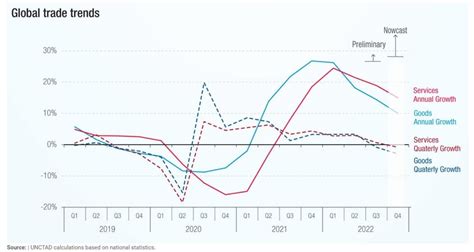
The COVID-19 pandemic in 2020 brought an unexpected twist to the evolution of UCL prize money. With global economies reeling and broadcast revenues under pressure, UEFA was forced to adjust its prize money distribution for the 2020/21 season. A reduction of approximately 4% was implemented across the board, reflecting the financial strain on the sport. This was a rare instance of prize money contraction, highlighting the vulnerability of football's financial model to external shocks. However, the recovery has been swift, with prize money rebounding in subsequent seasons as broadcast and sponsorship deals regained momentum.
Looking ahead to the 2025/26 season, the historical trajectory of prize money suggests that the pool will likely continue to grow, driven by ever-increasing broadcast and commercial revenues. However, there are emerging questions about sustainability and fairness. Some stakeholders argue for a more equitable distribution to support smaller clubs and leagues, while others advocate for performance-based incentives to maintain the competitive edge of the tournament. Additionally, the rise of digital streaming platforms and the potential for direct-to-consumer broadcasting models could reshape how prize money is generated and allocated, potentially decentralizing the financial landscape of European football.
In summary, the evolution of UCL prize money reflects the broader commercialization and globalization of football. From humble beginnings in the European Cup era to the billion-euro prize pools of today, the distribution of funds has mirrored the sport's transformation into a global entertainment product. As we approach the 2025/26 season, the lessons of the past suggest that prize money will remain a critical driver of the tournament's appeal, even as debates about fairness, sustainability, and the future of football finance continue to shape the conversation.
- Historical prize money growth has been tied to commercialization and TV rights expansion.
- The market pool system has exacerbated inequalities between clubs from wealthy and less wealthy leagues.
- The pandemic briefly disrupted prize money growth but did not derail its long-term trajectory.
- Future trends may involve digital platforms and a push for more equitable distribution models.
This historical context provides a foundation for understanding how the 2025/26 UCL prize money structure will likely build on past practices while addressing new challenges in an ever-evolving football landscape.
Breakdown of 2025/26 Prize Money Pools
The UEFA Champions League (UCL) is not only one of the most prestigious club football competitions in the world but also a lucrative one for participating teams. The 2025/26 season is no different, with a substantial prize money pool designed to reward performance, participation, and marketability. Understanding how this prize money is structured and distributed provides insight into the financial dynamics of top-tier European football. In this section, we will dissect the total prize money available and its division among teams in the 2025/26 UCL season.
The total prize money for the 2025/26 UEFA Champions League is estimated to be around €2.5 billion. This figure represents a significant increase compared to previous seasons, driven by enhanced broadcasting deals, sponsorship agreements, and the growing global appeal of the competition. UEFA has consistently worked to elevate the financial rewards for clubs, ensuring that the UCL remains a financially attractive endeavor for both established giants and emerging clubs. This total is divided into several components, each tied to specific aspects of a team's journey in the tournament.
The first and most straightforward allocation is the participation fee. Every team that qualifies for the group stage of the UCL receives a fixed amount simply for being part of the competition. In the 2025/26 season, this participation fee is set at €15.64 million per team. This ensures that even clubs that do not advance beyond the group stage still gain a considerable financial boost. For smaller clubs or those from less commercially robust leagues, this sum can represent a significant proportion of their annual revenue, enabling them to invest in infrastructure, youth development, or player acquisitions.
Beyond the participation fee, teams earn additional money based on their performance in the group stage. Each win in the group stage is rewarded with €2.8 million, while a draw earns €930,000. This incentivizes teams to aim for victories rather than settling for ties, as the financial difference is substantial. For example, a team that wins all six of its group stage matches would earn an extra €16.8 million on top of the participation fee. A team that draws all its matches would collect €5.58 million in performance bonuses. This structure ensures that competitive matches are encouraged throughout the group stage, maintaining the excitement for fans and stakeholders.
Once teams progress beyond the group stage, the financial rewards increase significantly. Teams that qualify for the round of 16 receive an additional €9.6 million, while those reaching the quarter-finals are awarded €10.6 million. The semi-finals bring in €12.5 million per team, and the runners-up of the tournament receive €15.5 million. The champions of the 2025/26 UCL are set to earn €20 million for lifting the trophy. These escalating rewards reflect the increasing stakes and prestige associated with advancing deeper into the tournament. For instance, a team that wins the UCL after winning all their group stage matches and progressing through each knockout round could accumulate over €100 million from performance-based prize money alone.
Another critical element of the prize money structure is the coefficient ranking payment. This is a system designed to reward clubs based on their performance in European competitions over the past ten seasons, as well as the coefficient of their national association. Each club is assigned a coefficient score, and the higher the score, the greater the payment. For the 2025/26 season, the total coefficient ranking pool is approximately €600 million, distributed among the 32 group-stage participants. The club with the highest coefficient might receive around €3.5 million, while lower-ranked teams might receive closer to €1.5 million. This system provides an advantage to historically successful clubs and those from stronger footballing nations, reinforcing the financial disparity between Europe's elite and less prominent clubs. However, it also serves as a recognition of past achievements and consistency in European competition.

The market pool is another significant component of the prize money distribution. This pool, which accounts for roughly €400 million in the 2025/26 season, is allocated based on the value of each country's TV market and the performance of its teams in the tournament. Teams from nations with lucrative broadcasting deals, such as England, Spain, and Germany, typically receive a larger share of the market pool. For example, if a club from England reaches the semi-finals, they are likely to earn a higher market pool share than a similarly performing team from a smaller market like Croatia. This creates an inherent financial imbalance, as clubs from wealthier leagues have a built-in advantage in prize money accumulation. However, it also reflects the reality of the modern football economy, where TV rights from major markets drive much of the revenue.
It is also worth noting that the solidarity payments form a smaller but important part of the UCL prize money ecosystem. These payments are directed to clubs that do not qualify for the group stage but have contributed to the early qualification rounds. Approximately €200 million is set aside for these teams, ensuring that even those who fall short of the group stage benefit from the competition's financial ecosystem. This is particularly important for clubs in lower-ranked leagues, where even modest solidarity payments can have a transformative impact on their operations.
To illustrate the cumulative effect of these prize money streams, consider a hypothetical scenario. A team from a mid-tier league qualifies for the group stage, wins four matches, reaches the round of 16, and has a respectable coefficient ranking. Such a team could earn around €50-60 million, even without progressing further. For a club with limited domestic revenue streams, this injection of funds can be game-changing, allowing them to compete at a higher level domestically or retain key talent. On the other hand, perennial UCL contenders like Real Madrid, Manchester City, or Bayern Munich can expect to earn well over €100 million in a successful campaign, further widening the gap between Europe's footballing elite and the rest.
The distribution of prize money in the 2025/26 UCL season also highlights some broader implications for the sport. While the financial rewards are undeniably attractive, they also exacerbate the gap between "superclubs" and smaller teams. The rich get richer, as top-performing clubs not only secure higher payouts but also enhance their brand value, attract better sponsorships, and increase their commercial appeal. This dynamic has led to debates about the sustainability of such a system and whether it undermines competitive balance in European football. Some argue for a more equitable distribution of funds to level the playing field, while others see the current structure as a reflection of market realities.
In conclusion, the 2025/26 UCL prize money pool is a complex and multi-faceted system that rewards performance, participation, and marketability in varying proportions. From the fixed participation fees to the performance bonuses, coefficient payments, and market pool allocations, each element shapes the financial landscape of European football. While the prize money offers immense opportunities for clubs to grow and compete, it also underscores the financial stratification within the sport. Understanding this breakdown not only sheds light on the economics of the UCL but also raises critical questions about the future of competition and fairness in European football.
Qualification Stage Rewards
The UEFA Champions League (UCL) is not only one of the most prestigious football competitions globally but also a significant financial boon for participating clubs. The qualification stage of the tournament, often overlooked in broader discussions of prize money, serves as the first step in a lucrative journey for teams. Understanding the financial incentives tied to this stage provides a clearer picture of how clubs are motivated to perform even before reaching the group stage. In this section, we will delve into the specifics of the financial rewards for teams qualifying for the group stage and earlier rounds, emphasizing the strategic importance of these incentives for clubs of varying sizes and ambitions.
The qualification stage of the UCL is structured into multiple rounds, beginning with preliminary rounds and progressing through first, second, third, and playoff rounds before the group stage. Each of these stages offers financial rewards, which increase incrementally as teams advance. This tiered approach ensures that even smaller clubs that may not make it to the group stage can still benefit financially from their participation. For example, in the 2025/26 season, the preliminary round alone provided participating clubs with a fixed payment of approximately €250,000. While this amount may seem modest compared to the riches of the group stage, for clubs from lower-ranked leagues, this is a critical source of revenue that can help fund infrastructure, player development, or operational costs.
The first qualifying round sees a step-up in rewards, with clubs typically receiving around €300,000 to €350,000 for their participation. This round often features clubs from nations with lower UEFA coefficients, meaning the financial injection can be transformative. For instance, a club like FC Sheriff Tiraspol from Moldova, which has historically punched above its weight in UCL qualifiers, can use this money to sustain its operations in a league where TV rights and sponsorship deals are limited. The prize money at this stage not only supports the immediate needs of the club but also acts as an incentive to invest in scouting and youth development to improve their chances in future competitions.
As teams progress to the second qualifying round, the rewards grow to approximately €400,000 to €450,000 per club. This increase reflects the heightened competition and the greater likelihood of attracting larger crowds and media attention. Clubs at this stage are often semi-professional or lower-tier professional outfits, and the prize money can be a lifeline. It is worth noting that the UCL qualification process is designed to balance the financial disparities between clubs from wealthier leagues and those from less affluent footballing nations. This ensures that even if a club from a smaller league like Latvia or Estonia is eliminated in the second round, they still walk away with a meaningful financial boost that can stabilize their operations for the season ahead.
The third qualifying round represents a critical juncture in the qualification journey. Clubs that reach this stage are often more established outfits from mid-tier leagues or ambitious sides from smaller nations. The financial rewards at this stage increase significantly, with payments ranging between €500,000 and €600,000. For many clubs, this is the point where the stakes become higher not just in terms of sporting ambition but also in financial planning. A team like Dinamo Zagreb or Red Star Belgrade, which regularly features in these rounds, can use the money to strengthen their squad for domestic league dominance or invest in facilities to maintain their competitive edge. Importantly, this stage also marks the beginning of greater exposure, as matches are broadcast more widely, indirectly boosting revenue through sponsorship visibility and merchandise sales.
The playoff round, the final hurdle before the group stage, is where the financial rewards take a significant leap. Clubs that reach this stage are guaranteed a minimum of €3.5 million if they qualify for the group stage, even if they lose the playoff. This "group stage entry fee" is a game-changer for many clubs. For example, in the 2024/25 season, teams like Ferencváros and Qarabağ benefited immensely from this payment, using it to attract higher-caliber players and improve their domestic league standing. The playoff round itself offers around €750,000 to €850,000 for participation, making it a high-pressure stage where the financial and sporting consequences of success or failure are starkly contrasted.
It is also essential to consider the indirect financial benefits of progressing through these earlier stages. For clubs that qualify for the group stage, the guaranteed €15.64 million (as per the 2025/26 structure) for simply reaching this phase is a substantial reward. However, the earlier rounds act as a funnel for this ultimate prize. Clubs that advance through multiple rounds not only accumulate the direct payments for each stage but also gain exposure that can attract better sponsorship deals, improve their UEFA coefficient ranking (which impacts future revenue shares), and enhance their brand visibility in global markets. This multi-faceted impact underscores why even smaller clubs fight tooth and nail to progress through the qualification stages.
Another unique aspect of the qualification stage rewards is the trickle-down effect on the broader football ecosystem. For instance, clubs that are eliminated in the early rounds often transfer a portion of their earnings to lower-tier domestic leagues or invest in grassroots football. This is particularly true in nations where football infrastructure is underdeveloped. The UEFA solidarity payments, which redistribute a portion of UCL revenues to non-participating clubs in the same association, further amplify this effect. A club that earns €1 million from early-round exits might channel part of this sum into youth academies or facilities, indirectly benefiting the entire footballing pyramid in their country.
From a broader perspective, the financial incentives in the qualification stage also serve as a motivational tool for clubs to prioritize European competition. For teams in smaller leagues, the promise of even modest UCL earnings can outweigh the focus on domestic league success. This dynamic can lead to tactical decisions, such as fielding stronger squads in UCL qualifiers at the expense of domestic league matches early in the season. While this strategy can backfire if it leads to league underperformance, the lure of UCL money often justifies the gamble for clubs aiming to break into the higher echelons of European football.
Additionally, the psychological and reputational value of advancing through the qualification stages cannot be understated. For clubs in less prominent leagues, simply reaching the third qualifying round or the playoff stage can elevate their profile. This can lead to increased ticket sales, better sponsorship opportunities, and even improved player recruitment as the club is seen as a rising force. For example, a club like Malmö FF from Sweden has used early UCL successes to position itself as a desirable destination for players from neighboring countries, despite the relatively modest size of the Swedish league.
In conclusion, the financial incentives for teams in the qualification stages of the UCL are both direct and far-reaching. From the modest payments of the preliminary rounds to the transformative sums of the playoff stage, these rewards provide a clear pathway for clubs to grow, invest, and compete at higher levels. The tiered structure not only ensures that clubs of varying sizes can benefit but also reinforces the UEFA Champions League’s role as a competition that supports the broader football ecosystem. For many clubs, the journey begins long before the group stage, and the rewards of these early battles often set the stage for their future trajectories in both financial and sporting terms.
Group Stage Earnings and Performance Bonuses
The UEFA Champions League (UCL) is not just a competition for glory on the pitch; it is also a financial battleground where clubs vie for significant prize money that can bolster their revenues and stabilize their financial health. The group stage of the tournament, in particular, serves as the first major revenue-generating phase, with structured earnings tied to performance metrics such as wins, draws, and progression to the knockout stages. Understanding how teams earn money during this stage requires a detailed look at the financial framework established by UEFA and the strategic implications for participating clubs.
The group stage of the UCL is designed to reward consistent performance while incentivizing competitive play. For the 2025-26 season, UEFA has allocated a substantial pool of prize money, with specific allocations for group stage participation, results, and advancement. Each participating team is guaranteed a fixed amount simply for qualifying for the group stage. This "participation fee" is a baseline revenue stream that ensures even the smallest clubs have a financial stake in the competition. However, the real earnings come from performance-based bonuses, which are directly tied to match outcomes and overall group standings.
Teams earn €2.8 million per win and €900,000 per draw during the group stage. This structure creates a clear incentive for teams to aim for victories rather than settle for shared points. For instance, a team that wins all six of its group stage matches would earn €16.8 million from wins alone, a figure that can be transformative for smaller clubs or those with tighter budgets. On the other hand, even a team that consistently draws its matches would accumulate €5.4 million from six draws. While this is less lucrative than a string of wins, it still represents a meaningful financial return, particularly when combined with other revenue streams like TV rights and sponsorship deals.
The distinction between wins and draws is not merely a matter of immediate earnings; it also has a ripple effect on a team's broader financial prospects. A higher number of wins often correlates with a better position in the group, which can lead to easier knockout stage draws and further financial opportunities. Additionally, the psychological boost of a strong group stage performance can enhance a team's marketability, attracting better sponsorship deals and higher ticket sales for subsequent matches.
Beyond individual match earnings, UEFA also awards €9.6 million to teams that progress to the round of 16. This creates a significant financial cliff between teams that advance and those that do not. For instance, a team that narrowly misses out on progression might find itself at a severe disadvantage compared to a rival that scrapes through with a slightly better record. This dynamic often leads to high-stakes matches in the final round of group games, where even a single point can mean the difference between financial windfall and missed opportunity. The pressure to secure progression is particularly acute for teams from less affluent leagues, where UCL prize money can account for a substantial portion of their annual revenue.
It is also worth noting that the group stage earnings are not distributed in isolation. They are part of a broader financial ecosystem that includes market pool shares—a variable amount allocated based on the value of a team's domestic TV market and its performance in the competition. For example, a team from a lucrative TV market like England or Spain might earn significantly more from the market pool than a team from a smaller market, even if their on-pitch performances are comparable. This creates a dual incentive structure where teams are not only competing for wins but also for the prestige and marketability that come with being a top-performing club in a high-value league.
Another layer of complexity is introduced by the coefficient ranking bonuses. UEFA allocates additional funds based on a team's UEFA coefficient, which measures their historical performance in European competitions. Teams with higher coefficients receive larger payouts, reflecting their perceived value to the competition. This can create a disparity where established giants of European football, such as Real Madrid or Bayern Munich, earn more from the group stage even before kicking a ball, simply due to their historical success. However, this system also rewards consistency, encouraging clubs to invest in long-term success rather than short-term fixes.
The interplay between performance bonuses and fixed earnings creates strategic considerations for clubs. For instance, a team that is unlikely to win the tournament outright might still aim to maximize its group stage earnings by focusing on achievable targets, such as securing draws against stronger opponents or prioritizing wins against weaker teams. This approach can be seen in the tactics of "smaller" clubs that recognize the financial importance of each point earned. For example, a club like Shakhtar Donetsk or Red Star Belgrade might adopt a more defensive style in away games against top-tier opponents, knowing that a draw still yields a substantial financial return while conserving resources for more winnable matches.
The financial structure of the group stage also has implications for squad management. Teams with limited resources might prioritize certain matches over others, resting key players for games where a draw is a more realistic outcome. This can lead to interesting dynamics within the competition, as managers balance the need to perform well with the practical constraints of squad depth and fixture congestion. For instance, a team playing in multiple competitions might field a weaker lineup in a group stage match where the financial stakes are lower, saving its best players for a domestic league clash or a more critical UCL fixture.
From a broader perspective, the group stage prize money structure also reflects UEFA's intent to maintain competitive balance while rewarding excellence. The combination of fixed participation fees, performance bonuses, and market pool allocations ensures that even smaller clubs have a chance to benefit financially, even if they are unlikely to progress far in the tournament. This inclusivity is a deliberate design choice, as UEFA seeks to prevent the UCL from becoming an exclusive playground for the wealthiest clubs. However, the disparity in earnings between top-tier and lower-tier teams still exists, as evidenced by the market pool and coefficient bonuses, which tend to favor established powerhouses.
In summary, the group stage of the UCL is a microcosm of the tournament's financial architecture, blending guaranteed earnings with performance-driven incentives. Teams are not only competing for sporting success but also for the financial rewards that can shape their future. The €2.8 million per win and €900,000 per draw create a clear hierarchy of earnings, while progression bonuses and market pool shares add layers of complexity. For clubs, the group stage is not just about surviving to the knockout rounds—it is about maximizing every opportunity to secure the financial resources that can sustain their ambitions both on and off the field.
- Wins are rewarded with €2.8 million per match, emphasizing the importance of aggressive play.
- Draws, while less lucrative at €900,000, still provide a meaningful financial return.
- Progression to the round of 16 nets teams €9.6 million, creating a sharp financial divide.
- Market pool shares and coefficient ranking bonuses add variable earnings that favor historically successful or marketable teams.
This detailed financial framework underscores the dual nature of the UCL group stage: a stage for sporting competition and a critical revenue-generating period that can define a club's season and beyond.
Knockout Phase Incentives
The UEFA Champions League (UCL) is not just a showcase of Europe's top footballing talent but also a lucrative competition where financial incentives play a significant role in team strategies and long-term planning. The **Knockout Phase Incentives** of the 2025-2026 season are particularly noteworthy as they provide a clear monetary ladder that rewards teams for their progression through the tournament's most intense stages. Understanding the incremental prize money tied to each knockout round illuminates how clubs balance sporting ambition with financial sustainability.
The **round of 16** serves as the entry point to the knockout phase, and it is here that the financial rewards begin to climb sharply. Teams that qualify for this stage are already guaranteed a base amount for participating in the group stage and advancing, but reaching the round of 16 adds a significant boost. For the 2025-2026 season, each team that qualifies for the round of 16 receives **€9.6 million** in prize money. This figure is not just a reward for survival in a competitive group stage but also an incentive to continue investing in squad depth and tactical preparation for the challenges ahead. For smaller clubs or those with limited resources, this sum can represent a significant portion of their annual revenue, making it a critical milestone. However, it is worth noting that this amount is only the beginning of the financial windfall for those who progress further.
Advancing to the **quarter-finals** introduces another layer of financial reward. Teams that make it this far are awarded **€10.6 million**. This incremental increase of €1 million from the round of 16 might seem modest at first glance, but it underscores the UCL's structured approach to incentivizing continued success. For clubs, this stage often marks the point where their financial outlook for the season can shift dramatically. The quarter-finals are not only a test of footballing prowess but also a moment where commercial opportunities—such as increased sponsorship visibility, higher merchandise sales, and enhanced global brand recognition—begin to materialize. For instance, clubs at this stage often see a spike in jersey sales and digital engagement, which can indirectly amplify the value of the prize money. Additionally, the prestige of being among the last eight teams in Europe’s premier club competition often attracts higher-profile players and coaches, further solidifying a club’s competitive edge in future seasons.
The **semi-finals** represent a critical juncture where the stakes—both sporting and financial—rise exponentially. Teams that reach this stage are rewarded with **€12.5 million**. This jump of nearly €2 million from the quarter-finals is indicative of the UCL's recognition of the semi-finals as a stage where the competition's global audience reaches its zenith. Semi-finalists often experience a surge in media rights negotiations and broadcasting deals, as matches at this level are among the most-watched events in the football calendar. Clubs also benefit from increased ticket sales for home fixtures, with premium pricing often applied for such high-profile matches. From a strategic perspective, semi-final qualification often serves as a signal to investors and sponsors that the club is operating at an elite level, potentially unlocking additional funding or partnerships. This financial boost can also be reinvested into youth academies or infrastructure projects, creating a virtuous cycle of growth for the club.
The ultimate goal for any team in the UCL is, of course, to reach the **final**. For the 2025-2026 season, the finalists are guaranteed **€15.5 million** simply for making it to the championship match. This figure is a testament to the unparalleled prestige of the final, which consistently draws over 700 million viewers worldwide. However, the financial implications of reaching the final extend beyond this fixed prize money. The winning team receives an additional **€4.5 million** for lifting the trophy, bringing their total for the final stage to **€20 million**. This distinction is crucial because it not only rewards the victor but also sets them apart in terms of legacy and marketability. Winning the UCL often leads to a significant increase in a club’s market value, with players’ transfer values often spiking and commercial partnerships becoming more lucrative. For example, a UCL-winning club might negotiate higher fees for friendly matches or secure better terms in kit sponsorship deals.
It is also important to consider the **cumulative effect** of these incremental rewards. A team that progresses from the round of 16 to the final can amass over **€60 million** in prize money from the knockout phase alone, excluding earlier earnings from the group stage and market pool shares. This cumulative nature of UCL prize money creates a strong incentive for clubs to prioritize European success, even at the expense of domestic league form. For instance, mid-table teams in strong leagues might shift their focus to UCL progression if it becomes clear that the financial upside outweighs the risks of squad rotation in less critical domestic fixtures. This dynamic has led to debates about whether the UCL’s financial structure disproportionately benefits elite clubs, as they are better positioned to consistently reach the latter stages.
Another unique insight lies in how **smaller clubs** approach the knockout phase incentives. While the likes of Real Madrid, Manchester City, and Bayern Munich might view these sums as supplementary to their already vast revenues, for teams like a breakout side from a less prominent league, the prize money can be transformative. For example, if a club from a league like the Czech First League or the Austrian Bundesliga reaches the semi-finals, the financial injection could fund years of sustainable growth, including facility upgrades, scouting networks, and player acquisitions. This aspect of the UCL’s prize structure serves as a subtle equalizer, allowing less-established clubs to compete on a financial footing with traditional powerhouses, even if only temporarily.
The **competitive implications** of these incentives are equally fascinating. Teams often face difficult decisions about squad rotation and prioritization of competitions. For instance, a club that secures early qualification from the group stage might rest key players in less critical domestic matches to ensure peak performance in the knockout phase. This approach is not without risk, as it can lead to fatigue or injuries, but the potential financial rewards often justify the gamble. Moreover, the UCL’s prize structure encourages clubs to invest heavily in their squads during the summer and winter transfer windows, as having a deep and versatile roster is often the difference between early elimination and a deep run.
In conclusion, the **Knockout Phase Incentives** of the UCL for the 2025-2026 season are more than just monetary rewards—they are a driving force behind team strategies, squad investments, and long-term planning. From the round of 16 to the final, the incremental prize money not only reflects the growing stakes of the competition but also highlights the delicate balance clubs must strike between sporting ambition and financial pragmatism. For some, these funds represent survival and growth; for others, they are a means to cement their status among Europe’s elite. Either way, the knockout phase of the UCL is a high-stakes arena where the financial and sporting worlds collide in spectacular fashion.
Market Pool Allocation Explained
The concept of the market pool is a critical component of UEFA Champions League (UCL) prize money distribution. It represents a portion of the revenue allocated to participating clubs based on the value of their respective domestic television rights deals and the size of their market. This system reflects the economic realities of European football, where clubs from countries with lucrative TV deals often receive significantly higher payouts compared to those from smaller markets. Understanding how the market pool works is essential to grasp why prize money can vary so dramatically between clubs, even if their on-field performance is similar.
The market pool is derived from the revenue generated by the sale of broadcasting rights for the UCL across Europe. UEFA negotiates these deals on a country-by-country basis, and the income varies widely depending on the market size, audience interest, and the strength of the local football culture. For instance, countries like England, Spain, and Italy command higher TV rights fees due to their large audiences and the global appeal of their leagues. In contrast, smaller nations such as Croatia or Slovakia generate far less revenue because their domestic TV markets are less lucrative. This disparity is directly reflected in the market pool allocation.
To illustrate, consider the example of two clubs: one from the English Premier League and another from the Croatian First Football League. Both clubs might advance to the same stage of the UCL, but the English club is likely to receive a far larger share of the market pool. This is because the Premier League's domestic TV rights deal is one of the most expensive in the world, fetching billions of pounds annually. In comparison, the Croatian league's TV rights deal is modest, reflecting the smaller audience and lower commercial appeal. Consequently, the English club benefits from a larger slice of the market pool pie, even if both clubs perform identically in the competition.
The allocation of the market pool is influenced by two main factors: the proportion of a country’s TV rights revenue attributed to its participating clubs and the performance of those clubs in the UCL. UEFA divides the market pool for each country among its participating teams based on these criteria. First, the total TV rights revenue for a country is split among its UCL representatives. For example, if a country has four UCL entrants, the revenue might be divided into four shares, with adjustments made for the stage of the competition each team reaches. A club that progresses further in the tournament—say, to the knockout stages or the final—will receive a larger share of its country’s market pool than a club eliminated in the group stage.
However, the distribution is not purely performance-based. A significant portion of the market pool is also determined by the historical TV revenue share of each country. This means that even if a club from a smaller market overperforms compared to a club from a larger market, the latter will still have an advantage due to the higher baseline value of its country's TV deal. For instance, a club like Ajax from the Netherlands might excel in the UCL and reach the semifinals, but its market pool share will still be limited compared to a mid-table Premier League team that exits in the group stage. This inherent bias in the system has been a point of contention among smaller clubs and leagues, as it perpetuates financial inequalities within European football.
Another layer of complexity is added by the variable nature of TV rights deals over time. Countries that negotiate improved deals midway through a UCL cycle can see their market pool grow, benefiting their clubs in subsequent seasons. For example, if a broadcaster in Germany secures a more lucrative UCL rights package, German clubs participating in the UCL the following year will see an increase in their market pool share. This dynamic creates a feedback loop where successful leagues with high audience engagement can further consolidate their financial advantage, leaving smaller leagues struggling to close the gap.
The geographical and cultural factors also play a role in the market pool. UEFA recognizes that certain countries have a stronger footballing tradition and larger fan bases, which drive higher TV viewership and advertiser interest. For example, matches involving clubs like Barcelona, Manchester United, or Bayern Munich are more likely to attract global audiences than those involving less-renowned teams. This audience pull indirectly boosts the market pool for clubs from countries with established footballing powerhouses, even if the specific club in question is not among the elite. In this way, the market pool rewards not just individual club performance but also the broader economic ecosystem of a country's football landscape.
It is also worth noting that the market pool can create anomalies in prize money distribution. For instance, a club that qualifies for the UCL through a strong domestic league performance but underperforms in the group stage might still earn a significant market pool share simply because its country has a high-value TV deal. Conversely, a club from a smaller country that excels on the pitch might find its financial reward disproportionately low compared to its achievements. This has led to debates about whether the market pool system adequately rewards merit or whether it overly emphasizes commercial factors at the expense of sporting fairness.
To better understand the variability, consider a hypothetical scenario where two clubs—one from Spain and one from Portugal—both reach the UCL quarterfinals. The Spanish club might receive €30 million from the market pool, while the Portuguese club earns only €10 million. This difference is not due to their on-field results but rather the disparity in the value of their countries' TV rights deals. Spain's La Liga commands higher fees globally, while Portugal's Primeira Liga, though competitive, lacks the same financial clout. This example underscores how the market pool can create financial imbalances that extend beyond the pitch.
The implications of the market pool system extend beyond individual clubs. It shapes the broader competitive landscape of European football. Clubs from wealthier leagues can reinvest their higher UCL earnings into player acquisitions, infrastructure, and youth development, further widening the gap between "big" and "small" clubs. This dynamic has fueled discussions about reforming the UCL prize money structure to level the playing field, perhaps by capping market pool allocations or redistributing funds more equitably across participating nations. However, such changes are politically and economically challenging, as they would require UEFA to renegotiate its TV rights strategy and potentially alienate its most lucrative markets.
In summary, the market pool is a nuanced and highly variable component of UCL prize money distribution. It reflects the commercial realities of European football, where TV rights deals are a primary revenue driver. While the system rewards clubs from countries with strong broadcasting markets, it also creates inherent inequalities that can hinder smaller clubs and leagues. Understanding the market pool is essential not only for analyzing UCL prize money but also for appreciating the economic forces that shape the modern game. As the football landscape evolves, the market pool will remain a contentious yet integral part of the UCL's financial framework.
Impact of Prize Money on Club Finances
The UEFA Champions League (UCL) is not just a showcase of Europe's elite football talent; it is also a financial juggernaut that significantly impacts the economic structure of participating clubs. The prize money for the 2025-26 season, like previous iterations, serves as a critical revenue stream that can shape club finances in profound ways. This section delves into how UCL earnings influence club budgets, transfer strategies, and long-term financial planning, with a focus on the nuanced dynamics of football economics.
To begin with, the direct financial injection from UCL prize money is a cornerstone for many clubs' annual budgets. For the 2025-26 season, UEFA has structured the prize money distribution to reward not only performance but also participation and historical performance coefficients. A club that qualifies for the group stage alone can expect to receive a baseline payment in the range of €15-20 million. Additional earnings come from performance-based metrics such as wins, draws, and progression through knockout stages, with the champion potentially earning over €100 million when factoring in market pool shares and TV rights. This revenue is a lifeline for clubs, especially those operating in leagues where domestic broadcasting deals or sponsorship income may not match the financial heft of Europe's top-tier competitions.
For smaller or mid-tier clubs, such as those from leagues like the Dutch Eredivisie or Portuguese Primeira Liga, UCL earnings can represent a disproportionate share of their total annual revenue. For instance, if a club like Ajax or Benfica reaches the knockout stages, the prize money can account for 30-40% of their total income for the year. This infusion allows these clubs to maintain competitive squads and invest in youth academies, which are often their primary sources of player development and future revenue. Without UCL earnings, such clubs might struggle to retain top talents or invest in facilities, leading to a potential downward spiral in competitiveness.
However, for elite clubs like Manchester City, Real Madrid, or Bayern Munich, UCL prize money plays a different role. For these financial powerhouses, the earnings are less about survival and more about reinforcing their dominance. These clubs often use UCL revenue as a supplementary resource to fund ambitious transfer strategies or to offset the costs of maintaining world-class facilities and support staff. For example, a club that earns €80-100 million from UCL might allocate part of this sum to secure a marquee signing or to extend contracts for key players, ensuring squad stability. This financial flexibility often widens the gap between the elite and the rest, creating a self-reinforcing cycle where success in the UCL begets further success.

The influence of UCL prize money on transfer markets is particularly noteworthy. Clubs that perform well in the competition often find themselves in a stronger negotiating position when pursuing players. The promise of UCL football—and the associated salaries funded by UCL revenue—can be a decisive factor for top talents choosing between clubs. For instance, a mid-table Premier League team that qualifies for the UCL might suddenly become an attractive destination for players who otherwise would aim for established giants. This dynamic can lead to a reshuffling of talent distribution across Europe, as clubs outside the traditional "big five" leagues gain temporary leverage in the transfer window.
Moreover, UCL prize money has a cascading effect on long-term financial planning. Clubs often use these funds to reduce reliance on external debt or owner subsidies. A well-managed club might channel UCL earnings into reducing stadium debts, upgrading training facilities, or even diversifying revenue streams by investing in commercial partnerships or digital content platforms. For example, Liverpool's UCL successes in the mid-2010s were parlayed into improved commercial deals and stadium expansions, creating a virtuous cycle of financial health. Conversely, clubs that fail to qualify for the UCL may face budget shortfalls, forcing them to sell key players or cut operational costs, which can undermine their competitive edge.
Another critical aspect is the role of UCL earnings in mitigating financial fair play (FFP) pressures. UEFA's FFP regulations require clubs to balance their books, and UCL prize money can be a crucial factor in meeting these requirements. A club like Paris Saint-Germain or Chelsea, which often operates with significant transfer outlays, relies on UCL revenue to demonstrate financial sustainability. Without this income, such clubs might face sanctions or be forced to adopt more conservative spending strategies, potentially stalling their ambitions. This interplay between UCL earnings and FFP compliance underscores how prize money is not just a reward but also a tool for regulatory navigation.
However, there are risks associated with over-reliance on UCL earnings. Clubs that budget aggressively based on expected UCL participation can face severe financial strain if they fail to qualify. This is particularly true for clubs in highly competitive domestic leagues, where a single poor season can result in exclusion from the UCL. For instance, Arsenal's absence from the UCL for several years in the late 2010s led to a period of financial retrenchment, as the club had to adjust its wage structure and transfer policies to align with reduced revenue. This highlights the precarious nature of UCL-dependent financial models, where success is both a reward and a necessity.
From a broader perspective, the distribution of UCL prize money also influences the competitive balance of European football. The current system disproportionately benefits established elites due to the market pool allocation and performance coefficients, which favor clubs from wealthier leagues or those with a strong historical track record. This dynamic can entrench inequality, as smaller clubs find it increasingly difficult to break into the upper echelons of the competition. For instance, while a club like RB Salzburg might perform admirably in the group stage, their relatively smaller market pool share limits their ability to reinvest at the same scale as a club from England or Spain. Over time, this can lead to a stratification of European football, where only a handful of clubs consistently compete for the top honors.
In conclusion, UCL prize money for the 2025-26 season is a double-edged sword. While it provides clubs with the financial means to compete, invest, and plan for the future, it also exacerbates existing inequalities in the football ecosystem. Clubs must strike a balance between leveraging UCL earnings for immediate gains and ensuring long-term financial stability. For some, this revenue stream is a stepping stone to greater ambitions; for others, it is a critical lifeline that sustains their very existence in the competitive landscape of European football. Understanding this dynamic is essential for appreciating how the UCL shapes not just the sport on the pitch but also the business off it.
Comparison with Other Tournaments
The UEFA Champions League (UCL) is widely regarded as the pinnacle of club football, not only for its prestige but also for the substantial financial rewards it offers to participating teams. However, when analyzing the prize money structure of the UCL for the 2025-26 season, it is essential to compare it with other major football tournaments to understand its relative value and impact on the financial ecosystem of football.
One of the most direct comparisons can be made with the UEFA Europa League, another high-profile European competition. While the Europa League offers significant prize money, it is considerably lower than that of the UCL. For the 2024-25 season, the Europa League winners were estimated to earn around €20 million in prize money, with additional revenue from performance bonuses, market pool shares, and TV rights. In contrast, the UCL prize money for the 2025-26 season is projected to reward the winner with over €100 million when factoring in group stage participation, progression bonuses, and market pool allocations. This stark difference underscores the UCL's status as the more lucrative tournament, which is reflective of its higher viewership, global appeal, and sponsorship deals. For instance, a club like Manchester City earned approximately €120 million from their UCL triumph in 2023, a figure that dwarfs what even the most successful Europa League teams could achieve.
The financial gap between the two tournaments can be attributed to several factors. The UCL features the most elite clubs from Europe’s top leagues, which inherently attract higher TV audiences and sponsorship interest. The Europa League, while still prestigious, often includes teams that failed to qualify for the UCL or are from less commercially attractive leagues. This dynamic creates a self-reinforcing cycle where UCL participants benefit from greater exposure and revenue streams, further widening the financial chasm between the two competitions.
Another point of comparison is with domestic leagues, such as the English Premier League (EPL), La Liga, or the Bundesliga. Domestic leagues offer prize money based on final standings, but the structure differs significantly from tournament-based competitions like the UCL. For example, the EPL distributed approximately £2.5 billion in total revenue among its clubs for the 2023-24 season, with the champions earning around £160 million from a combination of prize money, TV rights, and merit payments. While this figure may seem comparable to UCL earnings, it is important to note that domestic league revenue is distributed more evenly among all participating teams, reducing the financial advantage for the top-performing club. Additionally, domestic league revenue is often tied to TV deals specific to each country, which can vary widely in value. For example, the EPL’s lucrative international broadcasting rights significantly inflate its overall payout compared to smaller leagues like the Austrian Bundesliga.
The key distinction here is that the UCL is a knockout tournament with a fixed number of high-stakes matches, whereas domestic leagues are long-term competitions with 38 matches per team in many cases. This difference in format impacts the financial model. In the UCL, every match carries high stakes, leading to concentrated revenue from ticket sales, sponsorships, and broadcasting rights for fewer games. Domestic leagues, on the other hand, spread their revenue over a larger number of matches, which can dilute the per-game financial impact. However, the EPL’s ability to generate massive revenue even for mid-table teams highlights the unique financial strength of top-tier domestic leagues compared to European competitions.
A less obvious but equally relevant comparison is with other continental tournaments, such as the Copa Libertadores in South America or the AFC Champions League in Asia. The Copa Libertadores, for instance, offers a total prize pool of around $25 million, with the winner taking home approximately $18 million. While these figures are impressive within their regional context, they pale in comparison to the UCL’s financial scale. This disparity is largely due to the global commercial appeal of European football. Sponsors and broadcasters are willing to pay a premium for UCL rights because of its unmatched viewership across continents. The AFC Champions League, while growing in stature, similarly lags behind due to the relatively limited commercial appeal of Asian football markets compared to Europe.
One unique aspect of the UCL’s financial model is the market pool allocation, which varies based on the broadcasting deals in each participating country. This aspect is less prominent in domestic leagues and other tournaments. For example, a Spanish team like Real Madrid might earn a larger market pool share in the UCL due to Spain’s strong broadcasting revenues, whereas an equivalent team in the Europa League might see a smaller share. This mechanism ensures that the UCL not only rewards performance but also incentivizes clubs from countries with strong football economies, further cementing its financial dominance over other tournaments.
It is also worth considering the secondary financial benefits of UCL participation compared to other tournaments. Beyond direct prize money, UCL clubs often see a surge in sponsorship deals, merchandise sales, and player market value due to the tournament's global exposure. A Europa League run might boost a club's profile, but the scale of these benefits is incomparable to what the UCL offers. For instance, Liverpool’s repeated deep runs in the UCL in the late 2010s were instrumental in securing high-value sponsorship extensions with brands like Nike and Standard Chartered. Such opportunities are less frequent for Europa League participants or domestic league winners who do not consistently feature on the international stage.
From a player and club development perspective, the UCL’s financial rewards have a ripple effect on squad investment. Clubs that regularly compete in the UCL can reinvest their earnings into player acquisitions, youth development, and infrastructure, creating a competitive advantage. This is less pronounced in the Europa League, where the lower prize money often limits the scope of reinvestment. Domestic leagues, while lucrative, do not always provide the same intensity of high-profile matches that help clubs attract top-tier talent or negotiate better commercial deals. For example, a mid-table EPL team might earn substantial revenue but might lack the prestige and competitive edge that UCL participation offers.
In summary, while the UCL’s prize money for the 2025-26 season is a clear outlier in terms of financial rewards, it is not just the sheer amount that sets it apart. The UCL combines high-stakes competition, global appeal, and a robust financial model that integrates performance bonuses, market pool shares, and secondary revenue streams. Compared to the Europa League, which serves as a secondary European competition, or domestic leagues, which distribute revenue more evenly, the UCL stands as a financial juggernaut. Its ability to offer both direct and indirect financial benefits to clubs makes it a cornerstone of the modern football economy, reinforcing its status as the most prestigious and financially rewarding club competition in the world.
Conclusion and Future Outlook
The 2025/26 UEFA Champions League (UCL) prize money structure marks a significant evolution in how financial incentives are distributed among competing clubs. This iteration of the prize money system is not merely a reflection of UEFA's revenue growth but also an attempt to balance competitive equity and commercial viability. By analyzing the implications of this structure and speculating on potential future changes, we can better understand how the football landscape might evolve in the coming years.
The 2025/26 prize money distribution introduced a more nuanced approach compared to previous seasons. A larger share of the revenue pool is now allocated based on performance metrics, such as group stage wins and progression through knockout rounds. Additionally, UEFA has incorporated a "historical coefficient" ranking that rewards clubs with a strong legacy in European competitions. While this may seem like a fair acknowledgment of a club's historical contribution, it has sparked debate over whether it perpetuates a cycle of dominance by established giants at the expense of smaller or emerging clubs. For instance, clubs like Real Madrid, Barcelona, and Bayern Munich, which already enjoy significant financial advantages, are further bolstered by these historical bonuses. This creates a scenario where new or less storied clubs, even if they perform exceptionally in a given season, struggle to close the financial gap.
One of the most critical implications of this structure is its impact on **competitive balance** within European football. The financial windfall for top-performing clubs enables them to reinvest in their squads, facilities, and youth academies, creating a self-reinforcing cycle of success. However, this can widen the chasm between the elite tier of clubs and the rest of the pack. Smaller clubs that manage to qualify for the UCL may find it increasingly difficult to compete, not just on the pitch but also in terms of attracting top talent or retaining their best players. Over time, this could erode the diversity of competition that makes the UCL compelling. Fans are drawn to the tournament not just for the star power of top teams but also for the occasional "Cinderella story" where an underdog club defies expectations. If the financial disparities grow too large, such narratives might become increasingly rare, which could diminish the tournament's broader appeal.
Another aspect worth examining is the **commercialization of the UCL prize money model**. UEFA’s revenue streams have diversified significantly, with broadcasting rights, sponsorship deals, and digital engagement all contributing to the growing prize pool. This year’s structure reflects UEFA's intent to maximize returns from these avenues while ensuring clubs feel adequately rewarded for their participation. However, this commercial focus raises questions about the long-term sustainability of such a model. If prize money continues to escalate at this pace, it could inadvertently inflate player wages and transfer fees, leading to financial instability for clubs that over-leverage themselves in pursuit of European success. The collapse of certain high-profile clubs in recent years due to unsustainable spending (e.g., Barcelona’s financial woes) serves as a cautionary tale. UEFA must balance its desire to incentivize performance with safeguards that prevent clubs from overextending their resources.
Speculating on **future changes** to the prize money structure, we can anticipate several trends influenced by both internal and external pressures. First, there is growing advocacy for **greater revenue sharing** among participating clubs. Smaller clubs and leagues are increasingly vocal about the need for a more equitable distribution system that ensures their survival and growth. UEFA might respond by introducing a tiered system where a fixed percentage of the prize pool is earmarked for lower-ranked clubs or those from less prominent leagues. Such a move would align with broader trends in sports governance, where inclusivity and sustainability are becoming central themes.
A second possible change could involve the **integration of performance-based sustainability metrics** into the prize money criteria. For example, UEFA might reward clubs that demonstrate responsible financial management, invest in youth development, or meet environmental and social governance (ESG) standards. This would not only promote long-term stability within the football ecosystem but also appeal to modern sponsors and fans who value ethical practices. Clubs that adhere to these principles could receive "bonus points" in the coefficient rankings or additional financial incentives, creating a dual incentive structure that rewards both on-field success and off-field responsibility.
Another area of potential evolution is the **role of digital and streaming revenues** in shaping prize money. With the rapid growth of over-the-top (OTT) platforms and direct-to-consumer streaming services, UEFA has an opportunity to reimagine how it monetizes its content. Clubs that drive higher viewership or engagement on these platforms could receive a share of the revenue directly linked to their digital footprint. This approach would align the prize money system more closely with the modern media landscape, where audience data and engagement metrics are as valuable as traditional broadcast deals. For instance, if a smaller club like Sheriff Tiraspol generates outsized global interest due to a surprise run, they could be rewarded not just for their on-field achievements but also for their contribution to the tournament's digital success.
Additionally, **regulatory pressures and political factors** may influence the future of the prize money structure. The European Commission and other governing bodies are scrutinizing the financial practices of sports organizations, particularly in light of controversies like the failed European Super League proposal. UEFA may need to demonstrate that its prize money model supports fair competition and does not unduly favor a select group of clubs. This could lead to the introduction of **hard caps on historical bonuses** or a requirement for clubs to reinvest a portion of their prize money into community projects or grassroots football. Such measures would not only address criticisms of inequality but also enhance UEFA's reputation as a responsible steward of the sport.
Finally, the rise of **pan-continental competitions** and alternative leagues poses an existential question for the UCL. If breakaway leagues or rival tournaments gain traction, UEFA might need to radically revise its prize money structure to maintain the UCL's status as the premier club competition. This could involve offering even larger financial rewards for participation or creating exclusive "elite tiers" within the UCL that provide clubs with guaranteed income streams. However, such moves risk alienating fans and smaller clubs, potentially leading to a backlash that undermines the competition's integrity.
In conclusion, the 2025/26 UCL prize money structure reflects UEFA's attempt to navigate a complex landscape of commercial growth, competitive balance, and fan expectations. While the current model has its merits, it also exposes vulnerabilities that could harm the long-term health of European football. Future changes will likely need to address issues of equity, sustainability, and digital transformation to ensure the UCL remains both financially rewarding and competitively vibrant. As the sport continues to evolve, UEFA’s ability to adapt its prize money system will be a key determinant of whether the UCL can maintain its position as the pinnacle of club football.