Introduction to Udinese Games
Udinese Calcio, commonly referred to as Udinese, is a professional football club based in the city of Udine, Italy. Founded in 1896, Udinese is one of the oldest football clubs in the country, with a rich and complex history that intertwines with the evolution of Italian football itself. The club has played a significant role in shaping the landscape of Serie A, Italy's top-tier football league, and continues to maintain a unique identity within the sport.
The origins of Udinese are rooted in a broader athletic association, as the club was initially part of a multi-sport organization focused on gymnastics and other physical activities. However, football quickly became the focal point of the club's endeavors. This early adoption of football as a primary sport set Udinese apart in the late 19th and early 20th centuries, a time when organized football was still in its infancy in Italy. Unlike many clubs that emerged from urban centers like Milan, Turin, or Rome, Udinese's base in the relatively smaller city of Udine gave it a distinctive provincial identity. This regional character has been a double-edged sword for the club—on one hand, it has fostered a deep connection with its local fanbase; on the other, it has posed challenges in competing with wealthier, more centrally located clubs for resources and talent.
Udinese's journey through Italian football has been marked by resilience and adaptability. The club first gained prominence in the 1920s and 1930s, participating in early iterations of national competitions. However, it was not until the post-World War II era that Udinese began to establish itself as a consistent presence in professional leagues. The 1950s saw the club rise to Serie A for the first time, though their tenure in the top flight was often interrupted by relegations. This fluctuation between Serie A and lower divisions became a defining characteristic of Udinese in the mid-20th century. Despite these challenges, the club's ability to rebound and re-establish itself in Serie A demonstrated a tenacity that would become emblematic of its ethos.
One of the most significant periods in Udinese's history came in the 1990s and early 2000s, a time when the club underwent a transformation under the ownership of the Pozzo family. The Pozzos, who took control of the club in 1986, implemented a forward-thinking model centered on scouting and player development. This approach was revolutionary for its time, as Udinese became known for identifying and nurturing young talent from across the globe, particularly in South America and Africa. Players like Alexis Sánchez, Antonio Di Natale, and Samir Handanović are prime examples of talents who flourished at Udinese before moving on to bigger stages. This model not only allowed the club to compete with limited financial resources but also positioned it as a benchmark for sustainable football management in an era of increasing commercialization.
The significance of Udinese in Italian football extends beyond its on-field achievements. The club has often been seen as a "feeder" team for larger European clubs, a role that has sparked both admiration and criticism. While some argue that Udinese's frequent sale of star players undermines its competitive ambitions, others view it as a pragmatic strategy that ensures the club's long-term survival in an environment dominated by financial powerhouses like Juventus, Inter Milan, and AC Milan. This dynamic illustrates a broader tension within Italian football, where smaller clubs must balance sporting aspirations with economic realities.
Udinese's home ground, the Dacia Arena (formerly known as the Stadio Friuli), is another element of the club's identity. Renovated in 2013 to modern standards, the stadium reflects the club's commitment to providing a high-quality experience for fans while maintaining a sense of intimacy. With a capacity of around 25,000, the Dacia Arena is not one of Italy's largest venues, but its design emphasizes proximity between spectators and the pitch, creating an atmosphere that is both electric and uniquely Udinese. This focus on fan engagement is part of the club's broader strategy to remain relevant and competitive in an era where fan loyalty is increasingly tested by globalized media and shifting allegiances.
The club's historical significance is also tied to its representation of the Friuli-Venezia Giulia region. Udinese serves as a cultural ambassador for this northeastern part of Italy, which is characterized by its unique blend of Italian, Austrian, and Slavic influences. This regional pride is evident in the club's crest, which features the silhouette of a friulian eagle, a symbol of strength and independence. For many fans, supporting Udinese is not merely about football but about affirming a sense of belonging to a distinct cultural and geographical identity.
In terms of on-field achievements, Udinese has not secured major silverware like some of Italy's more decorated clubs. However, its consistent presence in Serie A—interspersed with occasional forays into European competitions such as the UEFA Cup and Europa League—demonstrates a level of stability that is commendable for a club of its size. The team's best finish in Serie A came in the 1997-98 season, when they placed third, a testament to their ability to punch above their weight. This achievement is particularly notable given the financial disparities that exist in modern football. Udinese's ability to remain competitive despite these disparities underscores the effectiveness of their scouting and development model.
Beyond the numbers and statistics, Udinese's legacy is also shaped by its role as a "giant killer" in Serie A. The club has a reputation for upsetting more illustrious opponents, particularly in tightly contested matches at the Dacia Arena. This knack for delivering unexpected results has endeared Udinese to neutral fans and added an element of unpredictability to Italian football. Matches against traditional powerhouses often carry an extra layer of drama, as Udinese's tactical discipline and counterattacking prowess can unsettle even the most dominant teams.
From a sociocultural perspective, Udinese's presence in Serie A represents the enduring importance of provincial clubs in maintaining the diversity and vibrancy of Italian football. While the global spotlight often shines on teams from major cities, Udinese's continued presence serves as a reminder that football is not solely the domain of metropolitan elites. The club's story is one of perseverance, innovation, and a deep-rooted connection to its community—qualities that make it a compelling case study in the broader narrative of football as a unifying and transformative force.
- Udinese's foundation in 1896 places it among Italy's oldest football institutions.
- The Pozzo family's ownership revolutionized the club with a focus on scouting and talent development.
- The Dacia Arena exemplifies modern stadium design tailored to fan intimacy.
- The club's regional identity as a representative of Friuli-Venezia Giulia adds cultural depth to its legacy.
In summary, Udinese is more than just a football team; it is a symbol of how smaller clubs can carve out a meaningful space in a highly competitive and commercialized sport. Its history, characterized by resilience, innovation, and a commitment to its regional roots, offers a unique perspective on what it means to thrive in the shadow of giants. For fans and observers alike, Udinese games are not just sporting events—they are a celebration of football's ability to transcend size, resources, and expectations.
Historical Performance Overview
Udinese Calcio, a storied Italian football club based in Udine, has a history that intertwines resilience, moments of brilliance, and the occasional struggle to maintain its place among Italy's elite teams. To understand the club's historical performance, it is essential to delve into specific key moments that have shaped its narrative over the decades. These moments not only highlight Udinese's competitive spirit but also provide a lens through which to evaluate its broader impact on Italian football.
One of the earliest milestones in Udinese's history came in the 1954-55 season when the club earned promotion to Serie A for the first time. This achievement was significant because it marked Udinese's entry into the upper echelons of Italian football, a realm dominated by clubs with greater resources and fanbases. However, this initial taste of Serie A was short-lived, as the club was relegated the following season. This early yo-yo dynamic set a precedent for Udinese's struggles to establish long-term stability in the top flight. Despite this, the club’s ability to bounce back from relegation and consistently challenge for promotion demonstrated an underlying resilience that would become a hallmark of its identity.
The 1980s were a period of transitional growth for Udinese. The club began investing in talent that could elevate its competitive standing. A pivotal figure during this era was Zico, the Brazilian maestro who joined Udinese in 1983. Zico's arrival was a watershed moment for the club, as his technical brilliance and goal-scoring prowess brought international attention to Udinese. In the 1983-84 season, Zico scored 19 goals, helping the team finish ninth in Serie A—a respectable position for a club of Udinese’s size. This period underscored how strategic signings could momentarily elevate a mid-tier club to compete with the traditional powerhouses of Italian football. However, financial constraints and the eventual departure of Zico exposed the fragility of relying on individual brilliance without a robust supporting structure.
The 1990s were a mixed bag for Udinese, characterized by both highs and lows. The club experienced relegation in 1994 but rebounded strongly under the guidance of manager Alberto Zaccheroni in the late 1990s. Zaccheroni's tactical innovations, particularly his use of a 3-4-3 formation, enabled Udinese to secure a fifth-place finish in the 1997-98 season, earning them a spot in the UEFA Cup. This was a significant achievement for a club of Udinese’s stature, as it demonstrated that tactical acumen and effective squad-building could overcome budgetary limitations. The 1997-98 campaign also marked the emergence of Oliver Bierhoff, a German striker who scored 17 goals that season and became a symbol of Udinese's ability to identify and develop undervalued talent.
The early 2000s marked a golden era for Udinese, particularly under the stewardship of the Pozzo family, who took ownership of the club in 1986. The Pozzos implemented a model centered on talent scouting, player development, and shrewd transfer strategies. This approach bore fruit in the 2004-05 season when Udinese finished fourth in Serie A under manager Luciano Spalletti. This result was not just a statistical achievement but a testament to the club’s ability to outperform expectations. Players like Antonio Di Natale, who would later become a club legend, began to emerge as cornerstones of Udinese's strategy. The fourth-place finish secured Udinese a place in the UEFA Champions League qualifying rounds, a rare feat for a club of its size. This period highlighted the Pozzo model’s effectiveness in blending astute scouting with a focus on sustainable growth.
However, Udinese’s history is not without its heartbreaking losses. One of the most painful moments came in the 2012-13 season when the club finished fifth in Serie A but missed out on Champions League qualification due to a playoff defeat against Braga. This loss was particularly stinging because Udinese had demonstrated exceptional form throughout the season, with Antonio Di Natale scoring 23 goals. The narrow margin of failure in such a critical moment symbolized the razor-thin margins that often define mid-table clubs striving for greater success. Despite this setback, the 2010s were a period where Udinese consistently punched above its weight, maintaining a competitive edge in Serie A while operating on a fraction of the budgets of clubs like Juventus or Inter Milan.
Another milestone worth noting is Udinese's consistent ability to serve as a talent pipeline for larger clubs. Over the years, the club has nurtured and sold players such as Alexis Sánchez, Medhi Benatia, and Juan Cuadrado, who went on to achieve success at elite European clubs. This strategy, while financially prudent, has often left fans lamenting the loss of key players just as the team seemed poised for sustained success. The tension between developing talent and retaining it has been a recurring theme in Udinese’s history, illustrating the challenges faced by smaller clubs in a financially stratified league.
In terms of modern challenges, Udinese’s performance in the 2020s has been more subdued compared to its earlier peaks. The club has largely settled into a pattern of mid-table finishes, with occasional flirtations with relegation battles. This shift can be attributed to several factors, including increased competition in Serie A, the financial pressures of modern football, and the difficulty of maintaining the Pozzo model’s success in an era where even mid-tier clubs are subject to aggressive scouting by wealthier competitors. Despite these challenges, Udinese’s ability to remain in Serie A for extended periods—often without significant investment—demonstrates a level of operational stability that many similar-sized clubs struggle to achieve.
Looking back, Udinese’s key moments are not just about wins and losses but about the broader narrative of a club that has consistently defied expectations. From the excitement of Zico’s arrival to the tactical innovation of Zaccheroni and the consistent overachievement under the Pozzo family, Udinese has carved out a unique place in Italian football history. The club’s ability to identify and develop talent, coupled with its moments of European qualification and domestic success, reflects a legacy of resourcefulness. At the same time, its struggles—whether through financial limitations, player departures, or narrow misses in key competitions—serve as a reminder of the inherent challenges faced by clubs of its size in a highly competitive environment.
In summary, Udinese’s historical performance is a study in contrasts: moments of brilliance juxtaposed with periods of struggle. Yet, the club’s story is one of persistence and adaptability. Whether through the magic of individual players like Zico and Di Natale or the collective efforts of well-drilled squads, Udinese has left an indelible mark on Serie A. Its history serves as both an inspiration and a cautionary tale for clubs operating in similar circumstances, proving that even with limited resources, strategic vision and grit can yield remarkable results.
Tactical Approaches in Udinese Games
Udinese Calcio, a team with a rich history in Italian football, is often characterized by its pragmatic and adaptable approach to the game. The team's tactical strategies are shaped by its resources, the strengths of its squad, and the demands of Serie A, one of Europe's most tactically nuanced leagues. In this section, we will explore Udinese's typical playing styles, formations, and strategies employed in matches, focusing on how these elements contribute to their competitive edge.
One of Udinese's most recognizable traits is their **defensive solidity**. Over the years, the team has often prioritized a well-organized backline, making it challenging for opponents to break them down. This defensive focus is not merely about parking the bus but involves a structured approach to **low-block defending**. Udinese frequently adopts a compact 3-5-2 or 5-3-2 formation, which allows them to maintain a strong presence in central areas while utilizing wing-backs to provide width. This formation is particularly effective against teams that rely on wide overloads or high-pressing systems. The three central defenders are tasked with covering the central channel, while the wing-backs drop deep to form a defensive five when under pressure. This setup minimizes space in behind and forces opponents to play through congested areas, where Udinese excels at intercepting and countering.
The use of a **midfield trio** in their 5-3-2 or 3-5-2 system is another hallmark of Udinese's tactical approach. The central midfielders are usually a blend of a ball-winner, a box-to-box player, and a more creative presence. This balance ensures that Udinese can disrupt the opponent's build-up play while also offering a platform for transitions. For instance, the ball-winner often operates in a **destroyer role**, tasked with breaking up play and shielding the backline. Meanwhile, the box-to-box midfielder provides energy and supports both defense and attack, making late runs into the box or covering ground to close down passing lanes. The creative midfielder, often deployed as a deep-lying playmaker, is responsible for initiating counterattacks with precise forward passes. This tactical setup allows Udinese to absorb pressure and then exploit spaces left by opponents who overcommit in attack.
In attack, Udinese's approach is often **counter-oriented**. Given their tendency to cede possession to stronger teams, they rely on **quick transitions** to create scoring opportunities. The two forwards in their 3-5-2 system are typically a mix of a target man and a quicker, more agile striker. The target man, often a physically imposing player, serves as a focal point for long balls and aerial duels, while the second striker looks to exploit gaps left by the opposition's backline. This partnership is designed to stretch defenses vertically, with one player holding up the ball and the other making runs in behind. Udinese's wing-backs play a crucial role in this strategy, as they provide the width necessary to deliver crosses into the box or stretch the opposition's defensive shape. Their ability to overlap and deliver accurate balls into the penalty area often serves as the team's primary method of chance creation.

Another key aspect of Udinese's playing style is their **set-piece efficiency**. The team places significant emphasis on dead-ball situations, both defensively and offensively. Given their focus on physicality and organization, Udinese often uses set pieces as a reliable source of goals. Corners and free kicks are meticulously planned, with specific runners assigned to attack the ball and others tasked with blocking opponents. This attention to detail reflects a broader philosophy of maximizing limited opportunities, especially against teams with superior technical quality. Defensively, Udinese employs a **zonal marking system** with man-marking adjustments for key aerial threats, ensuring they can handle the dual challenge of preventing goals while remaining compact.
While Udinese is often associated with pragmatism, they are not averse to **possession play** when the situation demands it. Against weaker opponents or in games where they are expected to dominate, Udinese can shift to a 4-3-3 formation. This setup allows them to control the midfield with a trio of central players while using wide forwards to stretch the pitch. The fullbacks in this formation push higher up the field, providing overlapping runs and creating numerical superiority in the final third. However, this approach is less common and is usually reserved for matches where Udinese has a clear technical advantage. Their preference for a more conservative style in most games reflects a realistic understanding of their squad's limitations and the competitive nature of Serie A.
One of the more intriguing aspects of Udinese's tactics is their **adaptability to opposition strengths**. The coaching staff is known for tailoring game plans to neutralize specific threats. For example, when facing teams with high-pressing systems, Udinese may opt for a more direct style, bypassing the midfield with long balls to their forwards. Conversely, when playing against possession-heavy teams, they might employ a **mid-block**, sitting slightly higher than their usual low block to disrupt the opponent's rhythm without leaving too much space behind. This flexibility is a testament to the coaching acumen at the club, which often involves detailed video analysis and in-game adjustments.
A deeper look at Udinese's strategies also reveals their focus on **player roles and specialization**. For instance, the wing-backs are not just expected to defend and attack but are often given specific instructions based on the opponent. Against teams with aggressive wingers, the wing-backs might prioritize defensive positioning, tucking in to form a back five. Against less dynamic opponents, they are given more license to push forward and deliver crosses. Similarly, the central defenders are often chosen based on the type of forward they will face—faster defenders are preferred against teams with quick attackers, while more physical center-backs are used against target men.
It is also worth noting Udinese's emphasis on **youth development and integration** within their tactical framework. The club has a reputation for scouting and nurturing young talent, often fielding players who are adaptable and quick to learn new systems. This focus on youth allows Udinese to remain competitive despite operating on a relatively modest budget compared to some of their Serie A rivals. Young players are often deployed in roles that suit their physical and technical profiles, with coaches emphasizing discipline and tactical awareness as part of their development.
In summary, Udinese's tactical approaches are a blend of **pragmatism, adaptability, and efficiency**. Their typical playing styles revolve around a strong defensive foundation, counterattacking efficiency, and set-piece proficiency. While they are not a team that dominates possession or dazzles with intricate passing patterns, their ability to execute well-defined game plans and exploit opponent weaknesses makes them a challenging opponent. Whether employing a low-block 3-5-2 to frustrate high-pressing teams or shifting to a 4-3-3 to control weaker opponents, Udinese's strategies reflect a deep understanding of their strengths and limitations. This tactical versatility, combined with a focus on youth and set-piece efficiency, ensures that Udinese remains a respected and competitive force in Italian football.
Key Players and Their Impact
Udinese Calcio, a club with a storied history in Italian football, has often been characterized by its ability to nurture and showcase talent that has left an indelible mark on the team's performance. Over the years, several standout players have not only elevated Udinese's standing in Serie A but have also shaped the club's identity as a breeding ground for exceptional footballers. This section delves into the key players who have had a profound impact on Udinese's journey, analyzing their contributions both on and off the pitch.
One of the most iconic figures in Udinese's modern history is **Antonio Di Natale**. A diminutive yet lethal striker, Di Natale spent over a decade at the club (2004–2016) and became synonymous with Udinese's attacking prowess. His impact can be quantified not just by his goal tally—227 goals in 446 appearances—but also by the way he redefined the role of a forward in a team that often operated on a relatively modest budget compared to Serie A giants. Di Natale's ability to find space in tight areas, his clinical finishing, and his leadership as captain were instrumental in Udinese's consistent top-half finishes during his tenure. Notably, in the 2009–2010 and 2010–2011 seasons, he was the league's top scorer, a feat that underscored his importance to the team. Beyond statistics, Di Natale's decision to remain loyal to Udinese despite offers from bigger clubs demonstrated his deep connection to the club and its fans, cementing his legacy as a player who embodied Udinese's fighting spirit.
Another player who left a significant imprint is **Alexis Sánchez**, who played for Udinese from 2008 to 2011. The Chilean forward arrived as a raw talent and departed as one of the most sought-after players in Europe. Sánchez's time at Udinese was marked by explosive pace, dribbling ability, and a knack for creating and scoring goals. In the 2010–2011 season, he formed a deadly partnership with Di Natale, contributing 12 goals and numerous assists as Udinese secured a Champions League qualification spot. What made Sánchez's impact unique was his versatility; he could play across the front line, often drifting wide to stretch defenses or cutting inside to exploit central areas. His performances at Udinese not only elevated the team's attacking dynamics but also served as a springboard for his later success at Barcelona and beyond. Sánchez's time at Udinese exemplifies how the club has historically been a platform for young talents to flourish before moving on to bigger stages.
Defensively, **Medhi Benatia** stands out as a player who shaped Udinese's backline during his tenure from 2008 to 2013. The Moroccan center-back was a pillar of strength in a team that often prioritized disciplined and organized play. Benatia’s reading of the game, aerial dominance, and composure on the ball were critical in helping Udinese maintain a solid defensive record even when facing high-pressing opponents. In the 2011–2012 season, Udinese conceded just 35 goals in 38 league matches, finishing third in Serie A—a testament to Benatia's influence. His partnership with other defenders like Danilo and Zeljko Brkic ensured that Udinese could compete against more attack-heavy teams. Benatia's departure to Roma in 2013 marked the end of an era for Udinese's defense, but his impact remains a benchmark for players in that position at the club.
In midfield, **Giampiero Pinzi** deserves recognition for his long-standing service to Udinese. A product of the club's youth system, Pinzi played for Udinese across two spells (2005–2011 and 2012–2016) and was a symbol of consistency and work ethic. While not as flashy as some of his attacking counterparts, Pinzi's role as a box-to-box midfielder was vital in balancing the team's play. His ability to break up opposition attacks, distribute the ball efficiently, and support the attack when needed made him an unsung hero of many successful Udinese campaigns. Pinzi’s longevity and adaptability—he played in various tactical setups under different managers—highlight his importance in maintaining stability during periods of transition for the club.
More recently, **Rodrigo De Paul** has emerged as a transformative figure for Udinese in the late 2010s and early 2020s. The Argentine midfielder, who joined the club in 2016, brought a blend of creativity, tenacity, and leadership to the squad. De Paul’s impact is multifaceted; he contributed goals and assists while also shouldering defensive responsibilities, often dropping deep to initiate attacks. In the 2020–2021 season, he recorded nine goals and nine assists, a remarkable output for a midfielder in a mid-table team. His ability to carry the ball under pressure and his set-piece expertise made him a focal point of Udinese's strategy. De Paul’s departure to Atlético Madrid in 2021 was a bittersweet moment for fans, as it signaled the loss of a player who had become the heartbeat of the team, yet it also reinforced Udinese’s reputation for developing world-class talent.
It is also worth noting the role of **players who were not necessarily superstars but had a profound tactical impact** on Udinese's structure. For instance, **Kwadwo Asamoah**, who played for the club from 2008 to 2012, was a dynamic midfielder-turned-wing-back whose energy and adaptability allowed Udinese to experiment with fluid formations. Under managers like Francesco Guidolin, Asamoah’s ability to overlap and provide width was crucial in a system that often relied on quick transitions and counterattacks. Similarly, **Juan Cuadrado**, who had a brief but impactful loan spell at Udinese in 2011–2012, showcased the club's knack for identifying and utilizing players with raw potential. Cuadrado’s dribbling and pace on the wing added a new dimension to Udinese's attack during his time there.
In examining these players, a common thread emerges: Udinese has excelled at identifying undervalued or emerging talent and maximizing their potential within a cohesive team framework. This is not merely a result of luck but a deliberate strategy by the club's management and scouting network. Players like Di Natale, Sánchez, and De Paul were not just individuals who performed well; they were part of a system that allowed them to thrive while contributing to the collective success of the team.
Additionally, the impact of these players extends beyond their time on the pitch. Many of them became ambassadors for Udinese’s brand of football—a blend of resilience, tactical intelligence, and flair. Their performances often inspired younger players in the academy and set a standard for what it means to represent the club. This ripple effect has helped Udinese maintain a competitive edge even when operating with limited resources compared to wealthier Serie A rivals.
In conclusion, the key players who have shaped Udinese's performance over the years are a testament to the club's unique approach to talent development and team-building. From Di Natale's goal-scoring exploits to Sánchez's explosive breakthrough, Benatia's defensive solidity, Pinzi's midfield reliability, and De Paul's creative brilliance, each player has left a distinct legacy. These individuals are not just footnotes in Udinese's history but central figures who have defined eras and elevated the club's narrative in Italian football. Their stories serve as a reminder of how a well-structured team can punch above its weight when fueled by exceptional talent and dedication.
Competitive Analysis: Udinese vs. Rivals
In the realm of Italian football, Udinese has long been a team that operates with a mix of resilience and tactical adaptability. When analyzing their competitive performance against top rivals, it is essential to delve into specific match dynamics, including possession statistics, goal-scoring patterns, defensive strategies, and the impact of key players. This section will explore how Udinese stacks up against some of their most formidable opponents, such as Juventus, Inter Milan, Napoli, and Atalanta, focusing on the nuances of game outcomes and the underlying factors that contribute to their relative success or struggles.
One of the most striking aspects of Udinese's performance against top rivals is their ability to maintain a defensive solidity even when faced with high-pressure attacks. For instance, in matches against Juventus, a team renowned for its possession-heavy style and clinical finishing, Udinese often deploys a low defensive block. This strategy aims to frustrate Juventus' build-up play and limit the space available for their attacking stars like Dusan Vlahovic or Federico Chiesa. In the 2022/2023 season, Udinese managed to secure a draw against Juventus at the Allianz Stadium, a result that was largely attributed to their disciplined backline and the ability to absorb pressure. However, this approach can sometimes backfire when they are unable to capitalize on counterattacks, as seen in their 0-1 loss to Juventus at home, where they failed to register a single shot on target. This highlights a critical weakness: Udinese's offensive output often lags when they prioritize defense too heavily, particularly against teams with superior ball retention capabilities.
Against Inter Milan, Udinese's matches tend to be more open and dynamic. Inter's aggressive wing-back system and reliance on quick transitions often force Udinese into a more expansive style of play. In the 2021/2022 season, Udinese managed a surprising 3-1 victory over Inter at the Dacia Arena. This win was marked by Udinese's ability to exploit Inter's high defensive line through well-timed through balls and the pace of their forwards. However, this result is an outlier rather than the norm. In subsequent fixtures, Inter has adjusted by deploying a more compact midfield to neutralize Udinese's counterattacking threat. For example, in their most recent encounter, Inter won 2-0, with Udinese struggling to bypass Inter's double pivot in midfield. This demonstrates how Udinese's success against top teams often hinges on their ability to adapt to tactical shifts introduced by their opponents.
When facing Napoli, a team that has dominated Serie A in recent years with their fluid attacking play and high press, Udinese often finds themselves on the back foot. Napoli's ability to maintain possession and stretch play through wingers like Khvicha Kvaratskhelia poses a significant challenge for Udinese's defensive setup. In the 2023/2024 season, Udinese lost 0-3 to Napoli, with the match exposing their vulnerability to wide overloads. Napoli frequently targeted Udinese's fullbacks, who were often left isolated due to the narrowness of Udinese's midfield. However, in prior seasons, Udinese has shown moments of brilliance by focusing on set-piece opportunities and physical duels in midfield. For instance, in a 2020 match, Udinese managed a 2-2 draw by capitalizing on Napoli's occasional lapses in concentration during dead-ball situations. This indicates that while Udinese can occasionally punch above their weight, their reliance on isolated moments rather than sustained pressure limits their consistency against top-tier opponents.
Atalanta presents a unique challenge for Udinese due to their high-energy, pressing style and emphasis on vertical play. Atalanta's matches against Udinese are often characterized by a high number of transitions, with both teams seeking to exploit spaces left open during rapid changes of possession. In the 2022/2023 campaign, Udinese lost 1-3 to Atalanta in a game where they were outrun in midfield. Atalanta's ability to regain possession high up the pitch and quickly launch attacks exposed Udinese's slower midfielders, who struggled to track runners. However, Udinese has occasionally disrupted Atalanta's rhythm by focusing on physicality and set-piece efficiency. For example, in a 2019 match, Udinese secured a 2-0 win by targeting Atalanta's aerial weaknesses during corners and free kicks. This suggests that Udinese can find success against high-pressing teams when they exploit specific weaknesses rather than trying to match their energy over 90 minutes.
A common thread in Udinese's performances against these top rivals is their dependence on individual brilliance in key moments. Players like Beto, a physical and agile striker, have often been the focal point of their attacks. Against teams with strong defensive structures, such as Juventus or Inter, Beto's ability to hold up play and create opportunities from limited service has been crucial. However, when he is marked out of the game or when Udinese's midfield fails to provide adequate support, their attacking threat diminishes significantly. This over-reliance on a small pool of key players is a recurring theme in Udinese's competitive analysis. For instance, in matches where Beto was injured or off-form, Udinese's goal tally against top rivals dropped noticeably, underscoring the need for a more diversified attacking strategy.
Another critical aspect to consider is Udinese's home and away form against these rivals. At the Dacia Arena, Udinese often performs better due to the familiarity of their surroundings and the vocal support of their fans. For example, in home games against Napoli and Atalanta, Udinese has managed to secure draws or narrow defeats more frequently than in away fixtures. However, their away record tells a different story. In the 2022/2023 season, Udinese lost all their away matches against the top four teams, often conceding early goals that forced them into a reactive rather than proactive style of play. This suggests that psychological factors, such as confidence and the ability to handle hostile environments, play a significant role in their performance.
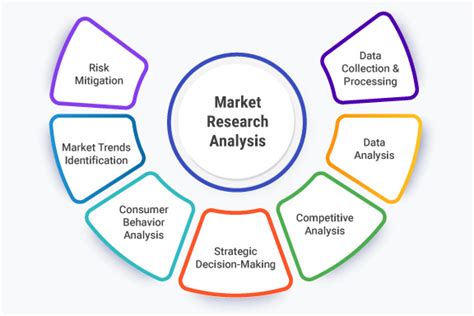
From a statistical perspective, Udinese's results against top rivals reveal some interesting patterns. Over the last five seasons, their win rate against Juventus, Inter, Napoli, and Atalanta combined hovers around 15%, with draws accounting for approximately 30% of their results. This indicates that while Udinese is not a team that consistently beats top-tier opposition, they are capable of snatching points through resilience and tactical discipline. Their average goals conceded per game against these teams is 1.8, slightly higher than their season average of 1.4, which points to the increased difficulty of containing elite attacking units. Conversely, their average goals scored in these fixtures is only 0.9, reflecting their struggles to create high-quality chances against well-organized defenses.
In conclusion, Udinese's competitive analysis against top rivals reveals a team that is adept at surviving high-pressure scenarios but often lacks the offensive firepower or tactical flexibility to consistently challenge for wins. Their reliance on a strong defensive structure and occasional moments of individual brilliance is both a strength and a limitation. To improve their standing in these fixtures, Udinese would need to focus on bolstering their midfield creativity and developing a more dynamic attacking approach that can unsettle even the most organized defenses. While they may not be a title contender, their ability to occasionally disrupt the rhythm of top teams makes them a fascinating case study in how smaller clubs can compete in a league dominated by financial powerhouses.
Fan Engagement and Community Support
Fan engagement and community support are pivotal aspects of any sports organization's strategy, and Udinese games exemplify how a football club can build a deep connection with its supporters and the local community. Udinese Calcio, based in the city of Udine in Italy's Friuli-Venezia Giulia region, has cultivated a unique approach to fostering fan loyalty and community involvement that goes beyond the typical matchday experience. This section delves into the specific strategies and initiatives that make Udinese games a hub for fan engagement and a catalyst for community support.
One of the most distinctive features of Udinese's fan engagement strategy is its emphasis on personalization and accessibility. Unlike larger clubs with global fanbases, Udinese has a more localized and intimate supporter base. This allows the club to focus on creating highly personalized experiences for fans. For instance, the club frequently organizes meet-and-greet sessions with players and coaching staff, particularly after home games. These sessions are not just limited to VIP ticket holders but are often open to season ticket holders and even younger fans through youth club programs. Such initiatives foster a sense of closeness between the team and its supporters, making fans feel like they are part of the Udinese family rather than mere spectators. This level of access is rare in modern football, where the commercialization of the sport often creates barriers between players and fans.
Another key element of Udinese's approach is its investment in youth and community programs. The club has a robust youth academy system that not only nurtures young talent for the first team but also serves as a bridge to the local community. Udinese actively involves local schools and youth organizations in events like football clinics, summer camps, and charity tournaments. These programs are designed to instill a sense of pride and belonging among young fans while also promoting physical activity and teamwork. For example, the club's "Gioca con Noi" (Play with Us) initiative allows children from underserved areas of Udine to attend matches for free and participate in pre-game activities on the pitch. This not only introduces new generations to the sport but also ensures that the club remains rooted in its community.
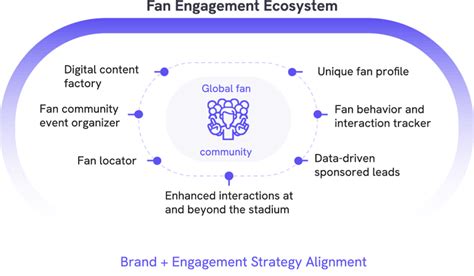
The club also leverages digital innovation to enhance fan engagement. In recent years, Udinese has embraced technology to provide fans with immersive experiences, even when they cannot attend games in person. The club's official app offers features like live match streaming, real-time statistics, and interactive fan forums where supporters can discuss tactics, share opinions, and connect with fellow fans. Additionally, the app includes gamification elements such as prediction challenges and loyalty rewards for attending games or participating in online activities. These features are particularly effective in maintaining fan interest during the off-season or when the team is playing away matches. By using technology to create a continuous connection with fans, Udinese ensures that its community remains engaged year-round.
Udinese also stands out for its focus on inclusivity and diversity within its fanbase. The club has taken proactive steps to make its games accessible to a wide range of people, including those with disabilities. The Dacia Arena, Udinese's home stadium, is equipped with facilities for wheelchair users, including dedicated seating areas and accessible restrooms. Moreover, the club has partnered with local organizations to provide sensory kits for fans with autism, ensuring that they can enjoy the matchday experience in a comfortable and inclusive environment. These efforts highlight Udinese's commitment to creating a welcoming atmosphere for all fans, which in turn strengthens the bond between the club and its community.
Beyond the stadium, Udinese games play a significant role in community cohesion and local pride. The club frequently organizes events that tie the team's success to the broader identity of the Friuli region. For example, Udinese has hosted "Festa della Friulanità" (Festival of Friulian Identity), where fans can celebrate local culture through food, music, and art alongside matchday activities. Such events not only draw larger crowds to the stadium but also position Udinese as a symbol of regional pride. This strategy is particularly effective in smaller cities like Udine, where the football club often serves as a unifying force for the community. By aligning its brand with the cultural heritage of the region, Udinese ensures that its games are not just sporting events but also celebrations of local identity.
The club's charitable initiatives further underscore its role in community support. Udinese has partnered with local charities and non-profits to address social issues such as poverty, education, and health. For instance, the "Un Goal per la Vita" (A Goal for Life) campaign donates a portion of ticket sales from selected games to support children's hospitals in the region. Additionally, the club has used its platform to raise awareness about environmental sustainability, encouraging fans to participate in recycling programs and reduce waste during matches. These initiatives demonstrate that Udinese views its role as extending beyond entertainment—it sees itself as a steward of the community's well-being.
An often-overlooked aspect of Udinese's success in fan engagement is its emphasis on long-term relationships rather than short-term gains. Unlike some clubs that prioritize attracting transient fans or overseas supporters for revenue, Udinese focuses on cultivating loyalty among its core supporters. This is evident in the club's pricing strategy for tickets and merchandise, which is designed to remain affordable for local fans. Season ticket packages are competitively priced, and the club frequently offers discounts for families and students. This approach ensures that attending Udinese games remains accessible to the average resident of Udine, reinforcing the idea that the club belongs to the people of the city.
Finally, Udinese's collaboration with local businesses plays a significant role in community support. The club actively partners with small and medium-sized enterprises in Udine to promote local products and services. For example, the stadium concessions feature locally sourced food and beverages, and the club often hosts business networking events during matchdays. These collaborations not only provide economic benefits to the local economy but also create a sense of shared purpose between the club and the community. Fans are more likely to support a team that visibly contributes to the prosperity of their city.
In conclusion, Udinese games are a testament to how a football club can go beyond the pitch to foster fan loyalty and community involvement. Through personalized experiences, youth programs, digital innovation, inclusivity, cultural celebrations, charitable efforts, and local partnerships, Udinese has created a model of engagement that is both sustainable and deeply rooted in its community. This holistic approach not only enhances the matchday experience but also ensures that the club remains a central pillar of Udine's social fabric for years to come.
Media Coverage and Branding of Udinese Games
The media representation and branding of Udinese games play a pivotal role in shaping public perception, fan engagement, and the club's marketability. As a mid-tier team in Serie A, Udinese Calcio operates within a competitive landscape where larger clubs like Juventus, Inter Milan, and AC Milan dominate not only the league table but also the media narrative. To carve out a distinct identity, Udinese must leverage media coverage and branding as tools to amplify its presence, establish a unique narrative, and foster a loyal fanbase. This section delves into how these elements influence the perception of Udinese games, both domestically and internationally.
One of the most significant ways media coverage impacts the perception of Udinese games is through **narrative framing**. Media outlets often focus on the club’s reputation as a "selling club," known for developing young talents and transferring them to bigger teams. While this narrative has some truth—Udinese has been a launchpad for players like Alexis Sánchez and Juan Cuadrado—it can also overshadow the club's on-field achievements. For instance, when Udinese secures a strong win or plays an exciting match, the media tends to contextualize it within the framework of "punching above their weight" rather than attributing it to strategic planning or tactical brilliance. This framing subtly reinforces the idea that Udinese is a team of underdogs rather than a competitive force in its own right. Such a portrayal can limit the club's ability to be seen as a serious contender, even when its performance suggests otherwise.
However, Udinese has attempted to counter this by **investing in localized branding efforts** that emphasize its regional identity. The club is deeply rooted in the city of Udine, a relatively small urban center in Italy's Friuli-Venezia Giulia region. Unlike clubs in metropolitan hubs like Milan or Rome, Udinese’s branding often leans into its status as a symbol of regional pride. This is evident in how local media outlets, such as **Messaggero Veneto**, highlight the club’s connection to the community. Coverage often includes stories about local players, youth academy successes, and initiatives like free match tickets for schoolchildren. These efforts not only humanize the club but also create a sense of belonging for fans in the region. This localized approach can be seen as a double-edged sword; while it strengthens ties with the immediate fanbase, it may not resonate as strongly with a broader, national audience that is accustomed to the glitz and glamour of bigger clubs.
On the international stage, **digital media and streaming platforms** have become crucial in shaping how Udinese games are perceived. With Serie A matches broadcast globally, the club’s branding must appeal to diverse audiences. Here, the quality of media representation becomes paramount. For example, when Udinese plays a high-profile opponent like Napoli or Roma, the match is more likely to receive extensive pre- and post-game analysis. This coverage often includes visual branding elements such as team logos, player highlights, and stylized graphics. However, the challenge lies in ensuring that Udinese’s branding stands out amidst the visual noise of more prominent clubs. If the club’s matches are framed primarily as "David vs. Goliath" narratives, it risks being pigeonholed as a team that exists solely to provide upsets rather than to compete on equal footing. To address this, Udinese has experimented with **branded content partnerships**, such as collaborations with sports media platforms to produce behind-the-scenes documentaries or player interviews that showcase the club’s culture and ethos.
Another dimension of media influence is the **role of match-day commentary and analysis**. Commentators often set the tone for how a game is perceived by the audience. For Udinese, this can be a mixed blessing. When the team is involved in a tightly contested match, commentators may emphasize the "grit" and "determination" of the players, which reinforces the underdog narrative. However, this can also work in the club’s favor when they secure unexpected victories, as it amplifies the sense of achievement. For instance, during Udinese’s 2021-2022 season, where they had a strong start with several impressive wins, media outlets highlighted their tactical setup under then-manager Luca Gotti. This kind of positive framing can elevate the club’s image, but it requires consistent performance to sustain. If the team falters later in the season, the same media outlets may revert to narratives of inconsistency or underachievement, which can erode the positive perception built earlier.
Branding also extends to **stadium aesthetics and fan engagement initiatives**, which are often showcased in media coverage. The Dacia Arena, Udinese’s home ground, has undergone significant modernization efforts to enhance its appeal. Media representations of the stadium often focus on its sleek design, fan-friendly facilities, and the vibrant atmosphere during home games. These portrayals help position Udinese as a club that values its supporters and invests in creating a memorable match-day experience. However, compared to the San Siro or the Allianz Stadium, the Dacia Arena receives less airtime in international broadcasts, which can limit its visibility. To counter this, Udinese has leveraged **social media campaigns** to showcase fan engagement, such as themed match days, interactive fan polls, and virtual meet-and-greets with players. These efforts not only enhance the club’s digital footprint but also provide media outlets with ready-made content that highlights the club’s proactive approach to fan interaction.
An often-overlooked aspect of branding and media representation is the **influence of player personas**. Udinese has historically fielded players from diverse backgrounds, particularly from South America and Eastern Europe. Media narratives around these players often focus on their journey to Serie A, their adaptability, and their contributions to the team. For example, when a player like Rodrigo De Paul (now at Atlético Madrid) had standout performances for Udinese, the media narrative often centered on his individual brilliance rather than the team’s collective effort. While this can elevate the player’s personal brand, it may dilute the club’s identity as a cohesive unit. Udinese has attempted to address this by emphasizing team-oriented branding, such as campaigns that celebrate "the Udinese way" of playing—a blend of defensive solidity and counter-attacking flair. This approach aims to position the club as more than just a collection of talented individuals.
Lastly, **sponsorship and commercial branding** play a critical role in how Udinese games are perceived. The club’s long-standing partnership with Dacia, a car manufacturer, is prominently displayed in media coverage, from jersey branding to stadium naming rights. While this partnership provides financial stability, it also influences how the club is portrayed. Sponsorship visibility can sometimes overshadow the club’s own narrative, particularly when media outlets focus more on the sponsor’s branding than on the team’s performance or identity. To mitigate this, Udinese has worked on integrating sponsor branding seamlessly into its broader media strategy, ensuring that the focus remains on the club’s identity rather than becoming a mere vehicle for sponsor visibility.
- Media framing of Udinese as an underdog can limit its competitive identity but also amplify the emotional appeal of its victories.
- Localized branding efforts strengthen regional ties but may not attract a broader national audience.
- Digital platforms and branded content help Udinese reach global audiences, provided the club maintains a consistent and compelling narrative.
- Player-focused narratives can elevate individual stars but risk overshadowing the team’s collective identity.
- Sponsorship integration must balance financial benefits with the preservation of the club’s unique identity.
In conclusion, the media representation and branding of Udinese games are deeply intertwined with how the club is perceived by fans, pundits, and potential investors. While the club has made strides in leveraging its regional identity, player narratives, and digital presence, it must navigate the challenges of being viewed through the lens of an underdog. To truly shape its perception in the long term, Udinese must continue to innovate in its branding strategies, ensuring that media coverage not only reflects its on-field achievements but also reinforces its identity as a club with ambition, resilience, and a distinct place in Italian football.
Economic Impact of Udinese Games
The economic impact of Udinese games extends far beyond the boundaries of the football pitch, influencing the club's financial health, the local economy of Udine, and the broader ecosystem of sponsorships and partnerships. To fully understand this dynamic, it is essential to dissect each area of influence and assess how the club's activities ripple through various economic sectors.
First, consider the direct financial implications for the club itself. Udinese Calcio, as a mid-tier Serie A club, relies heavily on matchday revenues, broadcasting rights, and commercial activities to sustain its operations. Matchday revenues, though not as substantial as those of larger clubs like Juventus or Inter Milan, still play a critical role. Ticket sales, merchandise, and concessions during home games contribute directly to the club's income. For instance, a well-attended match against a high-profile opponent can generate significant revenue, especially when combined with premium seating options and hospitality packages. However, the club's relatively modest stadium capacity (Dacia Arena holds around 25,000 spectators) limits the scale of these earnings compared to larger venues. This underscores the importance of maximizing attendance and optimizing pricing strategies to ensure financial sustainability.
Broadcasting rights represent another cornerstone of the club's revenue stream. Serie A's collective bargaining for TV rights ensures that even smaller clubs like Udinese benefit from a share of the lucrative broadcasting deals. However, the club's on-field performance directly influences its share of these revenues. A strong season with high-profile games against top-tier opponents not only boosts Udinese's visibility but also enhances its bargaining position in future rights negotiations. For example, a season in which Udinese secures a mid-table finish with exciting performances can lead to better placement in televised match schedules, indirectly increasing the club's financial returns. Conversely, relegation or consistently poor performance could diminish these revenues, emphasizing the high stakes of each game.
The local economy of Udine also experiences tangible benefits from Udinese games. As the primary sports team in the region, Udinese acts as a magnet for economic activity. On match days, local businesses such as hotels, restaurants, and bars experience a surge in patronage. Fans traveling from other cities or even abroad often book accommodations, dine at local establishments, and explore Udine’s attractions, creating a mini-boom for the hospitality sector. A study of similar-sized clubs in Europe indicates that for every 10,000 match attendees, local businesses can see an increase in revenue ranging from €50,000 to €100,000 per game day. This effect is amplified during high-profile matches or derby games, where the influx of visitors is greater. Moreover, the presence of Udinese as a cultural and sporting symbol enhances Udine's brand as a city, potentially attracting non-football-related tourism and investment over time.
However, the local economic impact is not without its challenges. Udine is a relatively small city with a population of just over 100,000, which means the scale of economic spillover is inherently limited compared to larger urban centers hosting major clubs. To counter this, the club and local authorities have explored initiatives to extend the economic benefit of games beyond match days. For example, Udinese has invested in community engagement programs, such as youth training camps and public events, to keep the club relevant and economically active throughout the year. These efforts not only foster goodwill but also create additional revenue streams through sponsorships and partnerships tied to these initiatives.
Sponsorships and partnerships form the third pillar of the economic impact of Udinese games. The club's visibility in Serie A provides a platform for brands to reach a dedicated and diverse audience. Sponsorship deals with local, national, and international companies are a critical source of income for Udinese. For instance, the naming rights of Dacia Arena (owned by the automaker Dacia, a subsidiary of Renault) exemplify how the club monetizes its physical and digital assets. Such deals are often contingent on the club's performance and fan engagement metrics, making every game a critical showcase for sponsors. Additionally, the club’s jerseys, digital media channels, and even individual player endorsements offer valuable real estate for brands seeking exposure.
An interesting aspect of Udinese's sponsorship landscape is its focus on long-term, mutually beneficial relationships rather than short-term, high-value deals. This approach reflects the club's position as a smaller entity in Serie A, where sustainability often trumps extravagance. For example, partnerships with regional businesses—such as local food producers or wineries—allow Udinese to tap into niche markets while reinforcing its identity as a club rooted in its community. These partnerships also have a reciprocal effect: sponsors gain visibility and brand association with a beloved local institution, while the club benefits from steady income and support for its operations.
Another facet of the sponsorship dynamic is the role of international exposure. Udinese’s participation in European competitions, when qualified, amplifies its appeal to global brands. Games broadcast across Europe and beyond open doors to partnerships with companies seeking to penetrate the Italian market or align with the club's international fanbase. This aspect is particularly relevant in the context of digital transformation, where streaming platforms and social media extend the club's reach far beyond the physical stadium. A strong performance in European tournaments can lead to exponential growth in sponsorship interest, as seen with other mid-tier clubs that have leveraged continental success to secure high-profile deals.
Despite these opportunities, Udinese must also navigate the economic risks associated with fluctuating performance. A string of poor results can lead to reduced attendance, lower TV viewership, and diminished sponsor interest. This volatility underscores the need for the club to diversify its revenue streams and invest in off-field activities that can stabilize its financial position. For instance, the development of a robust youth academy not only ensures a pipeline of talent for the first team but also creates opportunities for partnerships with educational institutions and sports brands, further embedding the club in the local and national economy.
In summary, the economic impact of Udinese games is multifaceted, touching on the club's direct revenues, the vibrancy of the local economy, and the dynamics of sponsorships. While the club's size and regional context present inherent limitations, its strategic approach to matchday operations, community engagement, and sponsor relationships demonstrates a nuanced understanding of how to maximize its economic potential. By leveraging its unique position as both a sporting entity and a cultural symbol of Udine, Udinese Calcio exemplifies how even smaller clubs can play a pivotal role in shaping the economic landscape of their region.
Challenges and Opportunities for Udinese
Udinese, a storied club in Italian football, has long been a fixture in Serie A, known for its resilience and ability to punch above its weight despite limited resources compared to the league's financial powerhouses. However, like any team operating in a highly competitive environment, Udinese faces a range of challenges that could hinder its long-term success. At the same time, these challenges present opportunities for growth and innovation if approached with strategic foresight.
One of the most pressing challenges for Udinese is **financial constraints**. Unlike clubs like Juventus, Inter Milan, or AC Milan, Udinese does not have the backing of a wealthy ownership group or lucrative sponsorship deals that allow for significant investment in player acquisitions. This has led to a business model heavily reliant on **player trading**—identifying young, undervalued talent, developing them, and then selling them at a profit. While this model has been effective in keeping the club afloat financially, it creates a cycle of instability. The constant turnover of key players can disrupt team chemistry and make it difficult to build a cohesive, long-term strategy on the pitch. For example, the sale of star players like Rodrigo De Paul to Atlético Madrid or Seko Fofana to Lens has often left gaps in the squad that are challenging to fill with equivalent talent within the same budget.
Another challenge is **squad depth and injury management**. Udinese’s relatively small squad size means that injuries to key players can have an outsized impact on performance. Serie A is a physically demanding league, and the lack of rotational options often forces the team to rely on younger or less experienced players who may not yet be ready for the rigors of top-flight competition. This issue is compounded by the club's focus on developing young players for resale rather than building a squad with seasoned veterans who can provide stability during transitional periods. While this strategy aligns with Udinese’s financial model, it leaves the team vulnerable during critical stretches of the season when injuries mount or fatigue sets in.
A related issue is **tactical flexibility**. Udinese has often been characterized by a pragmatic, defensively solid approach under various managers. While this has helped the team avoid relegation and remain competitive, it can also limit their ceiling in terms of attacking output and overall entertainment value. In recent seasons, the team has struggled to score goals consistently, which is a glaring weakness in modern football where high-scoring games and dynamic attacking play are increasingly rewarded. The challenge here is to find a balance between maintaining defensive solidity—a hallmark of Udinese’s identity—and incorporating more creative, forward-thinking play. This requires not only better recruitment of attacking players but also a shift in coaching philosophy to encourage more risk-taking in the final third.
On the **opportunities front**, Udinese has a unique advantage in its affiliation with the Pozzo family, who also own Watford FC in England. This connection provides access to a network of scouting and player development that is uncommon for a club of Udinese’s size. The Pozzo model of scouting and player trading across multiple leagues has proven effective in identifying hidden gems, particularly in South America and Africa. However, there is room to improve how these players are integrated into the first team. **Enhanced development pathways**—such as partnerships with lower-league Italian clubs or structured loan systems—could help young players gain valuable experience before being thrust into Serie A. This would not only improve their readiness but also increase their resale value, aligning with Udinese’s financial strategy.
Another area of opportunity lies in **fan engagement and digital transformation**. While Udinese has a loyal local fanbase, the club has yet to fully capitalize on the global reach of modern football fandom. Investing in **digital content strategies**—such as behind-the-scenes documentaries, interactive fan experiences, and social media campaigns tailored to international audiences—could help Udinese build a stronger brand presence beyond Italy. This is particularly relevant as streaming platforms and digital-first consumption models continue to reshape how fans interact with football. Clubs like Ajax and RB Leipzig have demonstrated how targeted digital engagement can elevate a mid-tier team’s profile, and Udinese could learn from these examples to attract a younger, more diverse audience.
A third opportunity is in **stadium utilization and infrastructure**. The Stadio Friuli, while an iconic venue, could benefit from modernization efforts to enhance the matchday experience. Upgrading facilities to include premium seating, better hospitality options, and state-of-the-art technology (such as high-speed Wi-Fi and augmented reality features) could make the stadium a more appealing destination for both local fans and corporate sponsors. Additionally, exploring non-football revenue streams—such as hosting concerts, esports events, or community programs—could diversify income sources and reduce the club’s reliance on player sales.
From a competitive standpoint, Udinese also has the opportunity to **leverage analytics and data-driven decision-making** more effectively. Many smaller clubs in Europe have embraced advanced analytics to identify under-the-radar talent, optimize training regimens, and even refine in-game strategies. While Udinese has a reputation for smart scouting, there is significant potential to deepen this approach by integrating machine learning models or predictive analytics into their operations. For instance, using data to assess not just a player’s current performance but their potential trajectory—factoring in injury history, adaptability to different leagues, and psychological resilience—could give Udinese an edge in the transfer market.
Finally, **youth development** represents both a challenge and an opportunity. While Udinese has a track record of nurturing young talent, the club could benefit from a more robust academy system that not only produces players for the first team but also creates a sense of identity and continuity. Clubs like Ajax have shown how a strong youth academy can become a cornerstone of long-term success, even for teams with limited financial resources. By prioritizing local talent development and creating a clear pathway from the academy to the senior squad, Udinese could build a more sustainable model that reduces dependency on the volatile player trading market.
In summary, Udinese’s challenges—financial limitations, squad depth issues, and tactical conservatism—are deeply intertwined with its identity as a smaller club in a competitive league. However, these challenges are not insurmountable. By embracing opportunities in digital engagement, infrastructure investment, data analytics, and youth development, Udinese can position itself for a more stable and ambitious future. The key lies in balancing the club’s pragmatic approach with a willingness to innovate and take calculated risks. In doing so, Udinese can not only maintain its Serie A status but also aspire to greater heights in Italian football.
Conclusion and Future Outlook
The analysis of Udinese's games provides a rich tapestry of insights into the club's performance, strategic approach, and adaptability within the competitive landscape of Italian football. As we conclude this deep dive, it is essential to distill the key takeaways that define Udinese's current state and project a forward-looking perspective on how the club might evolve in the coming seasons.
One of the most striking takeaways from Udinese's recent games is the club's resilience in the face of limited resources. Unlike some of the financial powerhouses of Serie A, Udinese operates within a more constrained budget. This has necessitated a focus on player development and shrewd transfer strategies. The club has consistently scouted under-the-radar talent, particularly from South America and Eastern Europe, and has honed its ability to develop these players into competitive assets. Examples such as Rodrigo De Paul, who was sold to Atlético Madrid for a substantial fee, exemplify this model. However, what stands out in the context of Udinese's games is not just the ability to produce saleable assets but the consistency with which the team has remained competitive despite frequent squad turnover. This points to a well-established system of coaching and team philosophy that prioritizes adaptability and tactical discipline over individual star power.
Another critical observation is the defensive solidity that has become a hallmark of Udinese's playstyle. Across multiple seasons, the team has demonstrated an ability to frustrate opponents with a compact defensive structure. This is particularly evident in games against top-tier teams like Juventus, Inter Milan, and Napoli, where Udinese has often employed a low block and counterattacking strategy. While this approach has its limitations—such as a tendency to struggle in breaking down equally defensive opponents—it has allowed the club to secure points in challenging fixtures. The data from recent seasons supports this; Udinese's xGA (expected goals against) metrics often outperform their actual goals conceded, underscoring the effectiveness of their defensive organization. However, this leads to a forward-looking question: can Udinese evolve beyond this reactive approach to incorporate a more proactive, possession-based game that might yield greater control over matches?
The club's home form versus away form dichotomy is another area of interest. Historically, Udinese has been a formidable opponent at the Dacia Arena, leveraging the familiarity of their pitch and the support of their fans to secure crucial wins. However, their away performances have often lagged, with a noticeable drop in both attacking output and defensive cohesion. This inconsistency suggests that while the team has a clear identity at home, there is room for improvement in maintaining that identity on the road. For Udinese to take the next step in their trajectory, addressing this disparity will be crucial. Tactical adjustments, such as experimenting with more aggressive setups in away games or focusing on psychological preparation for players, could help bridge this gap.
On the managerial front, Udinese has seen a carousel of coaches in recent years, which has both benefits and drawbacks. Each new manager brings fresh ideas and tactical tweaks, but the lack of long-term stability can hinder the development of a cohesive team identity. This is particularly evident in the variability of Udinese's attacking output. While the team has shown flashes of brilliance—such as their 3-1 victory over Roma in the 2022-2023 season—there is a sense that the attacking philosophy is not as well-defined as their defensive setup. For Udinese to secure a more stable position in Serie A's mid-table or even push for European qualification, they may need to invest in a managerial vision that aligns with their long-term goals. This could mean prioritizing a coach who can blend the club's defensive strengths with a more expansive attacking framework.
Looking ahead, Udinese's trajectory will likely be shaped by three key factors: their ability to sustain their talent pipeline, their strategic use of technology and analytics, and their integration into the broader ecosystem of Italian football. On the talent front, the club must continue to identify and nurture young players while also ensuring that they do not become overly reliant on sales to balance the books. This means investing in a robust youth academy and potentially forming partnerships with larger clubs to create a pathway for loaned players to gain experience. The rise of data analytics in football presents an opportunity for Udinese to gain a competitive edge. By leveraging advanced metrics—such as player tracking data, opposition analysis, and injury prediction models—the club can refine its scouting, training, and in-game decision-making processes.
Furthermore, Udinese's role within the Italian football landscape is worth considering. As Serie A continues to modernize and attract international investment, mid-tier clubs like Udinese must find ways to remain relevant. This could involve exploring new revenue streams, such as digital fan engagement platforms or partnerships with global brands. Additionally, the club could benefit from a more active role in promoting its identity and history, particularly to younger audiences and international fans. A stronger digital presence, including exclusive content around players, matches, and the club’s storied history, could help Udinese build a more engaged and loyal fan base.
There is also the question of European competition aspirations. While Udinese has not consistently qualified for European tournaments in recent years, their occasional strong seasons suggest that this is not an unattainable goal. However, achieving this would require not just tactical and squad improvements but also a cultural shift within the organization to set higher ambitions. This might involve rethinking the club’s transfer policy to retain key players for longer periods or investing in experienced leaders who can guide younger talents during high-pressure situations.
In terms of broader trends in Italian football, Udinese's future will also be influenced by external factors such as the league's global appeal, potential changes in financial regulations, and the competitive dynamics of Serie A. If the league continues to attract top-tier talent and investments, Udinese will need to adapt quickly to avoid being left behind. Conversely, if the league experiences a leveling of competition due to financial constraints among top clubs, Udinese could find themselves in a position to capitalize on the opportunity.
In conclusion, Udinese's games reveal a club that is both resilient and in transition. The takeaways from their recent performances highlight a team that is adept at maximizing limited resources but one that must now consider how to evolve beyond its current identity. The future outlook for Udinese hinges on their ability to balance short-term competitiveness with long-term vision. By embracing innovation, fostering stability in coaching and squad development, and strategically positioning themselves within the evolving landscape of Serie A, Udinese has the potential to not only sustain their place in Italian football but also to redefine their role as a club capable of punching above its weight.