Introduction to DFB Pokal
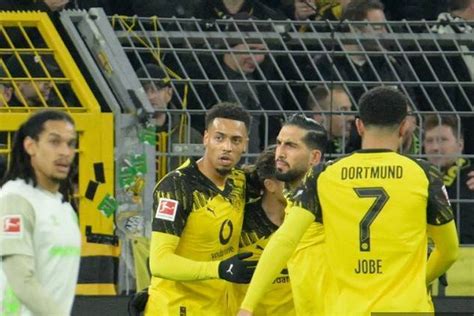
The DFB Pokal, officially known as the Deutscher Fußball-Bund-Pokal, is one of the most prestigious knockout football competitions in Germany. It is a tournament that captures the imagination of fans across the country, pitting teams from various tiers of the German football pyramid against one another in a high-stakes battle for glory. Unlike the Bundesliga, which is dominated by elite clubs with vast resources, the DFB Pokal offers a unique platform where underdogs can rise to the occasion and etch their names into the annals of German football history. This introduction delves into the essence of the DFB Pokal, its significance in the context of German football, and its role as a cornerstone of the annual football calendar.
The tournament was first established in 1935, though its modern iteration began in 1952 following a brief hiatus due to World War II. Over the decades, the DFB Pokal has grown in stature and importance, becoming a symbol of inclusivity and competitive parity in German football. Unlike league competitions, where consistency over a season determines success, the DFB Pokal is a knockout format that thrives on unpredictability. This format allows clubs from lower divisions, such as the 3. Liga or even amateur sides from regional associations, to compete against heavyweights like Bayern Munich, borussia dortmund, or RB Leipzig. The prospect of a minnow facing a giant in a one-off match is a narrative that resonates deeply with football fans, as it embodies the romantic ideal of "David vs. Goliath" that is often lost in the stratified structures of modern football leagues.
The significance of the DFB Pokal in German football extends beyond its role as a secondary competition to the Bundesliga. For many clubs, particularly those outside the top tier, it represents their best chance to claim silverware and secure a place in European competition. The winner of the DFB Pokal earns a direct berth in the UEFA Europa League (or, in certain scenarios, the UEFA Champions League if the winner has already qualified through the Bundesliga). This incentive makes the tournament a critical objective for clubs like Eintracht Frankfurt, SC Freiburg, or even second-division teams with ambitions of punching above their weight. For these clubs, a deep run in the DFB Pokal can provide not only sporting success but also financial windfalls that can stabilize their operations and bolster their ambitions for future seasons.
Moreover, the DFB Pokal plays a unique role in fostering regional pride and community engagement. Unlike the Bundesliga, where fixtures are often concentrated among established football hubs, the DFB Pokal frequently takes the beautiful game to smaller towns and cities. Imagine the excitement in a place like Saarbrücken or Rot-Weiss Essen when their local team is drawn against a Bundesliga giant, with the match hosted in their modest stadium. These moments are not just about football; they are cultural events that bring communities together, create lifelong memories, and highlight the diversity of German football. For fans in these regions, a DFB Pokal tie is often the most significant footballing event of the year, and the atmosphere in these matches is often electric, with packed stands and passionate support that rivals any top-tier fixture.
The tournament also serves as a testing ground for emerging talents and tactical experimentation. For top clubs, the early rounds of the DFB Pokal can provide opportunities to field younger players or those returning from injury, offering them valuable minutes in competitive matches. This dynamic often leads to unexpected results, as less experienced sides or reserve players may struggle to adapt to the pressures of a knockout game. At the same time, smaller clubs often view these matches as their "cup final," fielding their strongest lineups and employing highly motivated tactics to exploit any weaknesses in their more illustrious opponents. This mix of youth, experimentation, and sheer determination creates a dynamic and unpredictable tournament environment that is distinctly different from the rhythm of league play.
In the broader context of the annual football calendar, the DFB Pokal is strategically positioned to complement the Bundesliga and other domestic and international competitions. The competition typically begins in August, with the first rounds involving lower-tier teams and gradually incorporating higher-ranked clubs as the season progresses. The final, held at the Olympiastadion in Berlin, is traditionally scheduled for late May or early June, serving as one of the last major fixtures of the German football season. This timing ensures that the DFB Pokal remains a key focal point throughout the year, offering moments of respite and excitement amidst the grind of league campaigns. For players and fans, the tournament provides a series of high-stakes, one-off encounters that break the monotony of the league's long-term objectives and inject a sense of immediacy and drama.
The ritual of the DFB Pokal final in Berlin is another aspect that underscores its importance. The final is not just a match; it is a spectacle that symbolizes the culmination of a season's worth of effort and emotion. The choice of Berlin as the host city adds a layer of historical and cultural significance, as the Olympiastadion has witnessed some of the most memorable moments in German football history. From last-minute winners to penalty shootouts that keep fans on the edge of their seats, the DFB Pokal final is a celebration of the sport's unpredictability and drama. For the teams involved, it is a chance to cap off their season with a trophy, while for neutral fans, it is an event that often delivers some of the most entertaining and emotionally charged football of the year.
The DFB Pokal also plays a role in shaping the narrative of German football on a broader scale. While the Bundesliga often reflects the dominance of a few elite clubs, the DFB Pokal has a history of producing upsets and stories of triumph against the odds. Who can forget FC Magdeburg, a third-division side, defeating Bayern Munich in 2000? Or the fairy-tale run of fourth-tier side SV Werder Bremen in 2009, reaching the final against all expectations? These moments remind fans and stakeholders alike that football is not always about the biggest budgets or the most star-studded squads—it is about heart, grit, and the occasional miracle. Such stories enrich the tapestry of German football, ensuring that the DFB Pokal remains a tournament that is cherished not just for its winners but for the journeys it creates along the way.
In summary, the DFB Pokal is much more than a knockout tournament; it is a celebration of German football's diversity, inclusivity, and unpredictability. From its roots as a competition designed to bring teams of all levels together, to its modern role as a platform for underdog stories, youth development, and regional pride, the DFB Pokal occupies a unique space in the football landscape. Its annual presence in the football calendar ensures that fans are treated to a blend of tradition, excitement, and the occasional fairy tale, reinforcing its status as a vital component of Germany's sporting culture. As long as the DFB Pokal continues to provide these moments of magic, it will remain an integral thread in the rich fabric of German football.
History of the DFB Pokal
The DFB Pokal, officially known as the Deutscher Fußball-Bund-Pokal, is one of Germany's most prestigious football tournaments, showcasing a rich tapestry of history that intertwines with the evolution of German football itself. To understand its origins and evolution, we must delve into the early 20th century when the idea of a national cup competition first emerged, and follow its trajectory through the decades as it grew into the spectacle it is today.
The roots of the DFB Pokal can be traced back to 1935, when the tournament was inaugurated under the name **Tschammerpokal**, named after Reichssportführer Hans von Tschammer und Osten. This cup was introduced as part of the Nazi regime's efforts to promote national unity and athletic prowess. The inaugural edition saw **1. FC Nürnberg** clinch the title by defeating FC Schalke 04 in the final. While the tournament was initially a vehicle for propaganda, it laid the foundation for what would become a staple of German football culture. However, the competition was discontinued after 1943 due to the upheavals of World War II, and it would not be revived until the post-war era.
After the war and the division of Germany, football in the country underwent significant reorganization. In 1952, the DFB reintroduced the tournament under the name we recognize today—**DFB Pokal**. This reincarnation was part of broader efforts to rebuild German football and foster a sense of normalcy and unity in the aftermath of the war. The early years of the revived competition were characterized by regional qualifiers and a narrower pool of participants. It was not until the 1960s that the tournament began to expand, incorporating more teams and gaining a foothold in the national football calendar. This period also marked the first appearances of clubs like **Bayern Munich** and **Borussia Dortmund**, who would go on to dominate the competition in later years.
One of the most significant milestones in the DFB Pokal's history came in the **1980s**, a decade that saw the tournament's format solidify and its prestige grow. The introduction of a two-legged final in the earlier rounds gave way to the current single-match knockout system, which heightened the drama and unpredictability of the competition. This era also witnessed some of the most iconic finals, such as the 1987 clash between **Hamburger SV** and **Stuttgarter Kickers**, where HSV secured a 3-1 victory. These matches not only showcased the competitive spirit of the tournament but also underscored its role in providing smaller clubs with a platform to challenge giants of German football.
The **1990s** brought another wave of evolution, influenced by the reunification of Germany. With the inclusion of teams from the former East Germany, the DFB Pokal became a truly national competition in scope. Clubs like **Dynamo Dresden** and **Hansa Rostock** entered the fray, adding a new dynamic to the tournament. This period also marked the rise of **Werder Bremen** as a dominant force in the cup, winning the title multiple times and cementing their reputation as cup specialists. The 1990s also saw the emergence of **record-breaking performances**, such as Bayern Munich's growing collection of titles, a trend that would continue into the 21st century.
Memorable moments abound in the DFB Pokal's history, and one cannot overlook the **giant-killing feats** that have become a hallmark of the tournament. Lower-division teams have often defied the odds to upset top-tier sides. For instance, in 1990, **FC Saarbrücken**, then in the third division, reached the final, becoming the first team from such a low tier to achieve this feat. Though they lost to Werder Bremen, their journey captured the imagination of fans and reinforced the tournament's reputation as a stage for underdog stories. Similarly, the 2000–01 edition saw **Union Berlin**, then in the third division, reach the final against Schalke 04, further illustrating the cup's capacity to deliver David-versus-Goliath narratives.
The **2000s and beyond** have seen the DFB Pokal adapt to the modern era of football, with increased broadcasting, larger prize money, and greater international attention. One of the most striking developments has been the dominance of **Bayern Munich**, who have turned the competition into something of a personal fiefdom. Their record 20 titles (as of 2024) underscore their unparalleled consistency in the tournament. However, this era has also seen moments of resistance, such as **Eintracht Frankfurt's victory** over Bayern in the 2018 final, a match remembered for its high drama and the underdog's triumph.
Another key evolution has been the **involvement of women's football** in the DFB Pokal framework. Since 1981, a separate women's DFB Pokal has run parallel to the men's competition, showcasing the growth of women's football in Germany. This inclusion has added depth to the tournament's legacy, emphasizing its role as a unifying force across different facets of the sport.
The **impact of the DFB Pokal on German football culture** cannot be overstated. It serves as a bridge between amateur and professional football, offering smaller clubs not only financial rewards but also a chance to compete on the national stage. This aspect of the tournament is exemplified by moments like **Rot-Weiss Essen's 1953 win**, one of the earliest examples of a semi-professional team triumphing in the competition. Such victories resonate deeply with fans and communities, often becoming part of local folklore.
Looking at the tournament's **modern structure**, the DFB Pokal now features 64 teams, including all Bundesliga and 2. Bundesliga clubs, along with representatives from lower leagues determined by regional cup competitions. This format ensures a broad representation of German football, maintaining the tournament's ethos of inclusivity. The final, held annually at Berlin's Olympiastadion, has become a marquee event in the football calendar, drawing massive crowds and global viewership.
The **integration of technology** in recent years, such as the use of VAR (Video Assistant Referee), has also left its mark on the DFB Pokal. While controversial at times, these advancements aim to ensure fairness and maintain the tournament's credibility in an era of high stakes and scrutiny.
In summary, the DFB Pokal is more than just a cup competition; it is a living chronicle of German football's journey. From its origins as the Tschammerpokal to its modern incarnation as a platform for drama, inclusivity, and unforgettable moments, the tournament has continually evolved while staying true to its essence. Whether through the dominance of Bayern Munich, the resilience of underdogs, or the unifying power of football in a reunified Germany, the DFB Pokal remains a cornerstone of the sport's heritage in the country.
- The tournament began as the Tschammerpokal in 1935, serving as a tool for national unity during a tumultuous era.
- Post-war revival in 1952 marked a new chapter, with the competition gradually expanding its reach.
- The 1980s and 1990s saw format changes, the reunification impact, and the rise of cup specialists like Werder Bremen.
- Modern milestones include Bayern Munich's dominance, giant-killing feats, and the integration of women's football.
As the DFB Pokal continues to write new chapters, its history remains a testament to the enduring appeal of knock-out football and its ability to unite fans across divisions and generations.
Structure of the Tournament
The DFB Pokal, Germany's premier domestic cup competition, is a tournament that brings together a wide array of teams from different tiers of German football. Its structure is designed to provide a stage for both top-tier clubs and underdogs from lower divisions, creating opportunities for dramatic upsets and compelling narratives. To fully understand the tournament, it is essential to delve into its format, which includes the number of teams, the progression of rounds, and the mechanisms for determining fixtures.
The DFB Pokal features a total of 64 teams each season. These teams are drawn from several sources to ensure a diverse representation of German football. The largest contingent comes from the Bundesliga, Germany's top division, which contributes 18 teams—all participants of the previous season. The 2. Bundesliga, the second division, also sends 18 teams, ensuring that the second tier is fully represented. The remaining slots are filled by teams from the lower divisions, including four teams from the 3. Liga (the third division) and a mix of 24 amateur teams from regional associations. These amateur teams qualify through their respective regional cup competitions, adding a grassroots element to the tournament. This mix of professional and semi-professional teams creates a unique dynamic where smaller clubs have a legitimate chance to face giants of the sport.
The tournament is structured as a knockout competition, meaning that each round is single-elimination. A team must win its match to advance to the next stage, with no room for draws. If a match is tied after 90 minutes, it proceeds to extra time (30 minutes, split into two halves). If the deadlock persists, the outcome is determined by a penalty shootout. This format ensures high stakes in every match, as a single loss means elimination. The knockout nature also lends itself to the possibility of upsets, as even the strongest teams can falter in a one-off game against determined underdogs.
The competition is divided into six rounds, beginning with the first round and culminating in the final. The first round is where the 64 teams are introduced. The draw for this round is conducted with certain conditions to balance the playing field. The 18 Bundesliga teams and the top 14 teams from the 2. Bundesliga are seeded, meaning they are kept separate from each other in the initial draw. This ensures that the highest-ranked teams are not paired against each other early on, which could prematurely eliminate marquee clubs. The remaining slots, including lower-ranked 2. Bundesliga teams, 3. Liga representatives, and amateur sides, are unseeded and can be drawn against any opponent. This seeding system is intended to provide some protection for top-tier teams while still allowing for potential giant-killings by smaller clubs.
The second round reduces the field to 32 teams, followed by the round of 16, the quarter-finals, and the semi-finals, each halving the number of teams. The final, held at the Olympiastadion in Berlin, is the crowning event of the tournament. This venue has become an iconic part of the DFB Pokal, symbolizing the culmination of a journey that began months earlier with 64 hopeful teams. The single-match format at a neutral venue adds to the drama, as there is no home advantage in the final.
One of the unique aspects of the DFB Pokal is how fixtures are determined in each round. The draws for the tournament are conducted openly, with the process often televised or streamed to maintain transparency. For the first round, the draw is completely random within the constraints of seeding. However, as the tournament progresses, the draws become fully open, meaning there are no seeded teams or restrictions on who can face whom. This openness heightens the unpredictability of the competition, as it is entirely possible for a lower-division team to draw a top Bundesliga side in any round after the first. This unpredictability is a key feature of the DFB Pokal, as it often leads to "David vs. Goliath" matchups that captivate fans and create memorable moments.
Another distinctive element of the DFB Pokal is the home advantage rule in the early rounds. For matches in the first and second rounds, the lower-ranked team (based on league status) is typically awarded home-field advantage. This rule is designed to give smaller clubs a better chance of competing, as playing at home can provide a psychological and logistical edge. However, as the tournament progresses to the later stages, the home advantage is no longer guaranteed, and matches may be played at neutral venues or determined by logistical considerations. This transition adds another layer of complexity to the competition, as teams must adapt to varying conditions and environments.
The seeding and draw mechanics also play a role in how amateur teams are integrated into the competition. For instance, amateur teams are often drawn against higher-ranked opponents in the first round to maximize the potential for upsets and to give these smaller clubs a chance to host a high-profile match. This approach not only provides financial benefits to the amateur clubs through ticket sales and exposure but also contributes to the romantic appeal of the DFB Pokal. Stories of amateur teams knocking out Bundesliga giants are part of the tournament's lore and are celebrated as testaments to the unpredictability of football.
It is also worth noting how the DFB Pokal schedule is integrated into the broader football calendar. The tournament typically begins in August, with the first round taking place shortly after the start of the domestic season. The rounds are spaced out over the course of the season, with matches occurring every few weeks. This staggered approach allows teams to balance their cup commitments with their league and, for some, European competition schedules. However, the compressed nature of the knockout format means that a team's journey in the DFB Pokal can end abruptly, adding a sense of urgency to every match.
The structure of the DFB Pokal also has implications for team strategies. For top-tier clubs, the competition is often seen as an opportunity to win silverware and qualify for the UEFA Europa League (if the winner has already secured a Champions League spot through the Bundesliga). However, for smaller teams, particularly those from lower divisions, the DFB Pokal represents a rare chance to shine on a national stage, attract new fans, and generate revenue. This dual purpose of the tournament—serving both as a pathway to glory for elites and a platform for the underdogs—is a cornerstone of its appeal.
In summary, the structure of the DFB Pokal is a carefully balanced system that combines inclusivity with high-stakes competition. With 64 teams spanning multiple divisions, a knockout format that ensures every match is decisive, and a seeding and fixture system that allows for both protection of top teams and opportunities for upsets, the tournament encapsulates the essence of football's unpredictability. Its progression through six rounds, from the open draws of the first stage to the grandeur of the final in Berlin, makes the DFB Pokal not just a competition but a celebration of the diversity and drama inherent in German football.
Fixture Scheduling and Logistics
The scheduling of fixtures for the DFB-Pokal, Germany's premier knockout football competition, is a complex and highly logistical process that requires careful coordination between the German Football Association (DFB), participating clubs, broadcasters, and other stakeholders. Unlike league competitions where fixtures are set at the start of the season in a round-robin format, the DFB-Pokal follows a knockout system where the progression of teams is unpredictable. This unpredictability introduces unique challenges in organizing matches, particularly when considering the interplay of team calendars, venue availability, and broadcast schedules.
The process begins with the draw for each round, which determines the pairings of teams. The draws are conducted in a way that ensures fairness and transparency, often involving a mix of seeded and unseeded teams to preserve competitive balance. However, the random nature of these draws means that logistical considerations must be addressed on the fly. For instance, if two geographically distant teams are drawn against each other, travel logistics come into play. This can be particularly challenging for lower-tier teams, who may lack the resources of top-tier Bundesliga clubs to handle last-minute travel arrangements efficiently. Additionally, the DFB must ensure that the venues selected for matches are compliant with competition regulations, such as minimum seating capacity and safety standards, which can further complicate scheduling.
One of the most significant challenges in fixture scheduling is the overlap with other competitions. Many DFB-Pokal participants are also involved in domestic league matches (Bundesliga, 2. Bundesliga, etc.) and European competitions like the UEFA Champions League or Europa League. This creates a tight calendar where clubs must juggle multiple commitments. For example, a Bundesliga team playing midweek in the Champions League may face a DFB-Pokal fixture just days later, leaving little room for recovery and preparation. The DFB works closely with clubs to avoid scheduling clashes, but this is not always feasible. In some cases, matches are rescheduled to accommodate European fixtures, which can lead to compressed schedules and player fatigue. This is especially true for smaller clubs, where squad depth is limited, and the physical toll of frequent matches can impact performance in both the DFB-Pokal and their league campaigns.
Weather conditions also play a role in fixture scheduling, particularly during the winter months when matches are often postponed due to snow or frozen pitches. Unlike league matches, which can sometimes be rescheduled with relative ease, DFB-Pokal fixtures are bound by the tournament's rigid timeline. A postponed match might need to be slotted into an already crowded schedule, potentially disrupting the rhythm of both teams involved. This highlights the importance of contingency planning in the DFB's logistical framework. For instance, the association might pre-identify alternative venues with better weather conditions or invest in pitch-heating technologies to minimize disruptions.
Another layer of complexity is introduced by broadcast agreements. Television networks play a critical role in the financial ecosystem of the DFB-Pokal, and their preferences often influence scheduling. Prime-time slots are reserved for high-profile matches involving top-tier teams or potential upsets involving lower-tier clubs. While this maximizes viewership and revenue, it can create logistical headaches for clubs. For example, a smaller club drawn against a Bundesliga giant might find itself playing on a weekday evening to fit into the broadcast schedule, which can disrupt local fan attendance and player routines. Furthermore, the DFB must balance the interests of broadcasters with those of the clubs, ensuring that matches are accessible to fans while meeting contractual obligations.
The impact of DFB-Pokal fixtures on team calendars is profound. For top-tier clubs, the competition often serves as a secondary priority compared to league titles or European ambitions. However, for lower-tier teams, the DFB-Pokal represents a rare opportunity for glory and financial windfall. A deep run in the tournament can provide much-needed revenue through prize money, increased ticket sales, and exposure. However, this also means that these teams must navigate the additional strain on their resources. Smaller clubs may need to prioritize certain competitions over others, potentially fielding weaker squads in league matches to focus on the DFB-Pokal. This trade-off can have long-term implications, such as relegation battles in the league due to a lack of focus or over-reliance on key players in cup matches.
The DFB also faces the challenge of maintaining competitive integrity while accommodating these logistical hurdles. For example, rescheduling a match to favor a higher-profile team might be seen as unfair to smaller clubs, who already operate at a disadvantage. To mitigate this, the DFB has introduced rules to standardize certain aspects of scheduling, such as mandating a minimum recovery period between matches for all teams. However, these rules are not foolproof and often require case-by-case adjustments, particularly when unforeseen circumstances like COVID-19 outbreaks or extreme weather arise.
From a broader perspective, the DFB-Pokal's fixture scheduling also has a ripple effect on the ecosystem of German football. Local businesses, particularly in host cities, benefit from increased foot traffic during matchdays, but they also face the uncertainty of last-minute changes. Hotels, restaurants, and transport services must adapt quickly to accommodate traveling fans, which can be a logistical challenge in itself. The DFB often collaborates with local authorities to ensure smooth operations, but this requires significant coordination and communication.
In terms of fan experience, the scheduling of fixtures can sometimes alienate supporters. For instance, a midweek fixture in a remote location might deter away fans from attending due to travel costs and time constraints. This is particularly true for lower-tier teams with smaller fan bases. The DFB has attempted to address this by introducing digital platforms for ticket sales and live streaming options, but the physical presence of fans at matches remains a key part of the competition's charm. Balancing the needs of fans with the demands of scheduling is an ongoing challenge.
To summarize, the scheduling and logistics of DFB-Pokal fixtures are a delicate balancing act that involves juggling multiple variables—team calendars, venue availability, broadcast preferences, and external factors like weather. The DFB must navigate these complexities while ensuring fairness, maintaining the competition's integrity, and meeting the needs of stakeholders ranging from clubs to fans and broadcasters. This intricate process underscores the operational sophistication required to run a high-profile knockout tournament and highlights the importance of adaptability in modern football administration.
- The random nature of draws necessitates flexible logistical planning.
- Overlap with other competitions creates calendar congestion for participating teams.
- Weather and venue compliance add additional layers of complexity.
- Broadcast agreements often dictate prime-time slots, affecting club routines.
- Lower-tier teams face unique challenges due to resource limitations.
By addressing these factors with a mix of foresight, technology, and collaboration, the DFB ensures that the DFB-Pokal remains a dynamic and compelling tournament, even as it tests the limits of organizational capability.
Key Teams and Historical Performers
The DFB Pokal, Germany's premier domestic cup competition, has long been a stage for thrilling matches, unexpected upsets, and a showcase of the nation's footballing prowess. Within this context, certain teams have etched their names into the annals of the tournament's history through consistent performances, dominance, and the occasional upset that sends ripples across the footballing world. To understand the dynamics of the DFB Pokal fixtures, it is essential to analyze the performance of top-performing teams and their historical trajectories.
One of the most dominant forces in the DFB Pokal is **Bayern Munich**, a team that has redefined what it means to be a cup contender. With a record 20 titles to their name as of the latest update, Bayern Munich's historical performance in the competition is nothing short of extraordinary. Their ability to navigate through the rounds with clinical precision is underpinned by a squad depth that often outmatches lower-tier opponents and even fellow Bundesliga sides. However, what makes Bayern's dominance intriguing is not just their victories but the manner in which they achieve them. In several seasons, Bayern has displayed an almost ruthless efficiency, particularly in the latter stages of the tournament, where they have often overwhelmed opponents with high-scoring affairs. For instance, their 5-0 victory over Borussia Dortmund in the 2020 final exemplifies their ability to rise to the occasion. Yet, this dominance is not without its vulnerabilities. In the 2018-19 season, Bayern was famously knocked out in the second round by **Holstein Kiel**, a second-division side, in a penalty shootout. This upset serves as a reminder that even giants like Bayern are not immune to the unpredictability of the cup format.
Another team that has left an indelible mark on the DFB Pokal is **Werder Bremen**. While not as decorated as Bayern Munich in this competition, Werder Bremen has a storied history, particularly in the 1980s and 1990s, when they won the cup multiple times. Their success is rooted in a blend of tactical flexibility and the ability to thrive in high-pressure knockout scenarios. Notably, Werder Bremen has often been a team capable of causing upsets, particularly against higher-ranked Bundesliga opponents. Their victory in the 2009 final against Bayer Leverkusen is a prime example of their cup pedigree. However, their more recent history in the competition has been marked by inconsistency. Despite this, Werder Bremen's ability to occasionally punch above their weight, especially in home fixtures where their passionate fan base creates a formidable atmosphere, makes them a team to watch in any given season. Their historical knack for springing surprises, such as knocking out Bayern Munich in the 2000 semi-finals, underscores the unpredictable nature of the DFB Pokal.
**Schalke 04**, despite their recent struggles in league competitions, has a rich DFB Pokal history that warrants attention. With five titles to their name, Schalke has often used the cup as a platform to salvage seasons that might have otherwise been disappointing. Their most recent triumph in 2011, where they defeated MSV Duisburg in the final, showcased their ability to focus their energies on cup glory when league success was out of reach. Schalke's historical performances in the DFB Pokal are also marked by their resilience in away fixtures, where they have often defied the odds to progress. This resilience was evident in their run to the 2005 final, where they overcame strong teams like Bayern Munich in earlier rounds. However, like many teams, Schalke has also been on the receiving end of upsets, such as their shock exit to fourth-tier side **1. FC Saarbrücken** in the 2019-20 season. This result highlights how the DFB Pokal often levels the playing field, allowing smaller teams a chance to make history.
It is also important to consider the role of **lower-division teams** in shaping the narrative of the DFB Pokal. While not traditional "top performers," these teams have often played spoilsport to the ambitions of bigger clubs. A prime example is **Rot-Weiss Essen**, a fourth-division side that reached the quarter-finals in the 2020-21 season, defeating Bundesliga side Arminia Bielefeld along the way. Such performances are a testament to the cup's unique charm, where form and league standings often hold little sway. These upsets not only provide smaller teams with financial windfalls and exposure but also add an element of drama that keeps fans and analysts on edge.
Analyzing the performance of teams like **Borussia Dortmund** offers another layer of insight into the DFB Pokal's competitive landscape. Dortmund, with five titles, has often been a strong contender, particularly in the last two decades. Their style of play, characterized by high-intensity attacking football, often thrives in the cup's one-off match format. Dortmund's victories in the 2012 and 2017 finals against Bayern Munich and Eintracht Frankfurt, respectively, are indicative of their ability to deliver in high-stakes matches. However, their journey is also punctuated by moments of disappointment, such as their loss to second-tier **Union Berlin** in the 2018-19 second round. This juxtaposition of dominance and vulnerability encapsulates the essence of the DFB Pokal, where no team can afford complacency.
The historical dynamics of the DFB Pokal also reveal patterns in how teams approach the competition. For top-tier sides, the cup often serves as a secondary objective compared to league or European ambitions, which can lead to unexpected results. For instance, **Eintracht Frankfurt's** triumph in the 2018 final against Bayern Munich was a masterclass in how a well-organized team can exploit the vulnerabilities of a more decorated opponent. Frankfurt's tactical discipline and counter-attacking prowess in that match highlighted how cup competitions can reward teams that prioritize the moment over long-term campaigns.
In summary, the DFB Pokal fixtures are a microcosm of football's unpredictability, where historical dominance by teams like Bayern Munich coexists with the potential for seismic upsets by underdogs. The competition's format, which emphasizes single-elimination matches, creates a unique dynamic where no team can take progression for granted. Whether it is the sustained excellence of Bayern Munich, the resurgence of teams like Werder Bremen, or the occasional giant-killing feats of lower-division sides, the DFB Pokal remains a tournament where history is written and rewritten with every fixture. This blend of tradition, unpredictability, and high-stakes drama ensures that the DFB Pokal continues to be a cornerstone of German football culture.
- Bayern Munich: Record 20 titles but not immune to upsets (e.g., Holstein Kiel in 2018-19).
- Werder Bremen: Historical success in the 1980s and 1990s, known for causing upsets.
- Schalke 04: Five titles, resilience in away fixtures, but prone to upsets (e.g., 1. FC Saarbrücken in 2019-20).
- Lower-division teams: Examples like Rot-Weiss Essen showcase the cup's unpredictability.
- Borussia Dortmund: Strong contender but occasional missteps (e.g., Union Berlin in 2018-19).
This blend of historical dominance, tactical nuance, and the ever-present threat of upsets makes the DFB Pokal a compelling competition to analyze and follow.
Impact of Fixtures on Team Strategies
The DFB-Pokal, Germany's premier domestic cup competition, presents a unique challenge for teams due to its knockout format and the unpredictability of matchups. Unlike league fixtures, where consistency and long-term strategy often dominate, the DFB-Pokal fixtures demand a flexible and reactive approach from teams. This section delves into how the timing and nature of these fixtures influence team tactics, player rotations, and overall season planning, particularly for teams juggling multiple competitions.
One of the most significant ways DFB-Pokal fixtures impact team strategies is through **the timing of matches relative to league and European commitments**. For top-tier teams like Bayern Munich or Borussia Dortmund, the cup often falls between critical league matches or Champions League group stage games. This creates a **sandwich effect** where managers must decide whether to prioritize the cup or save key players for other high-stakes encounters. For instance, if a DFB-Pokal fixture occurs three days before a must-win Bundesliga match against a direct rival, managers are more likely to rotate their squad. This rotation is not merely about resting star players but also about **minimizing injury risk** in a competition where physical intensity is often heightened due to the "win-or-go-home" nature.
The **nature of the opponent** in DFB-Pokal fixtures further complicates tactical decisions. Lower-division teams, especially those from the 3. Liga or even amateur sides, often adopt a highly defensive or counterattacking approach when facing top-flight opponents. This forces elite teams to adjust their usual game plan. For example, a possession-heavy team like Bayern Munich might find themselves frustrated by a deep-lying block from a third-tier side. In such cases, managers may opt for **wider formations** to stretch the defense or deploy **creative playmakers** who can unlock compact defenses. Conversely, if the draw pits two top-tier teams against each other, the match often becomes a high-stakes tactical battle where both sides are unwilling to cede ground. These scenarios demand **specific tactical preparation** that differs significantly from routine league games.
Player rotation is another area where DFB-Pokal fixtures play a pivotal role. While some managers view the cup as a secondary objective, others see it as a legitimate path to silverware, particularly for teams unlikely to challenge for the Bundesliga title. This dichotomy leads to **varied approaches to squad utilization**. A mid-table team like Mainz or Augsburg might field a stronger lineup in the DFB-Pokal to chase a rare opportunity for glory, whereas a team like Bayern, with broader ambitions, might use the early rounds to **blood young talents** or provide minutes to fringe players. This strategy not only helps in **maintaining squad morale** but also serves as a **testing ground** for players who might be needed later in the season due to injuries or suspensions. For instance, a young striker scoring a brace in a DFB-Pokal match against lower opposition could earn trust for more significant roles in league or European games.
The **psychological impact** of DFB-Pokal fixtures on team morale and season momentum cannot be overlooked. A surprise loss to a lower-tier team can lead to **media backlash** and internal pressure, even if the team is performing well in the league. On the other hand, a deep cup run can **galvanize a squad**, especially for teams in transition or those looking to rebuild their identity. For example, a team like Eintracht Frankfurt in 2018 used their DFB-Pokal victory as a springboard for future European success. Managers must therefore weigh the **emotional dividends** of advancing in the cup against the physical toll it might take on players. This calculation often leads to a **carefully calibrated approach** where the team’s overall season objectives are factored into fixture prioritization.
From a **season planning perspective**, the DFB-Pokal fixtures can act as both a boon and a burden. Early-round fixtures against minnows might seem like straightforward opportunities for progression, but they can also disrupt a team's rhythm if they fall during a congested period. For example, if a team has a run of three DFB-Pokal, Bundesliga, and Champions League matches in a span of seven days, the physical and mental strain on the squad can be immense. Managers often employ **periodization techniques** to ensure players peak for the most critical games. This might involve **lighter training loads** before less important cup matches or even **strategic use of substitutions** to preserve energy for upcoming league fixtures. However, the randomness of the draw means that teams cannot always predict when they might face a tough opponent, making long-term planning inherently uncertain.
Another layer of complexity arises from the **financial and reputational stakes** of the DFB-Pokal. For smaller clubs, a deep run in the cup can provide a **significant financial windfall** through prize money and increased exposure. This often leads to a more aggressive approach, where even underdog teams field their best XI regardless of league priorities. For top-tier teams, the cup represents not just a chance for silverware but also a **reputational risk**. A loss to a smaller team can tarnish a club's image and undermine the manager's authority. As a result, even when rotating players, managers are careful to field a side that is **competitive enough to avoid embarrassment**. This balancing act often leads to **hybrid squads**, where a mix of first-team regulars and squad players is deployed to ensure both competitiveness and freshness.
The **impact of VAR (Video Assistant Referee)** in DFB-Pokal fixtures also influences tactical decisions. With VAR in play, managers are more likely to emphasize **disciplined defending** and **set-piece efficiency**, as even a single mistake can be reviewed and potentially punished. This has led to a trend where teams prioritize **set-piece specialists** and **defensive organization** in cup games, particularly in the latter stages where the stakes are higher. Managers might also adjust their in-game management style, knowing that VAR decisions can prolong stoppage time and require **greater mental resilience** from players.
In summary, the timing and nature of DFB-Pokal fixtures create a complex web of considerations for teams. From tactical adjustments to player rotations and season-long planning, the cup's unique dynamics force managers to think beyond the routine. Whether it is using the competition to test young players, managing physical loads during a congested schedule, or chasing the emotional boost of a cup run, the DFB-Pokal is far more than a secondary competition—it is a **strategic puzzle** that can shape a team’s entire season. Managers who navigate this landscape successfully often find that the DFB-Pokal not only offers a shot at silverware but also serves as a **microcosm of their broader managerial philosophy**.
Fan Engagement and Broadcast Dynamics
The DFB Pokal, Germany's premier domestic cup competition, is not just a tournament but a spectacle that embodies the emotional and competitive essence of football. Its fixtures are a unique blend of high-stakes matches, underdog narratives, and marquee clashes between footballing giants. This creates a dynamic environment where **fan engagement** and **broadcast dynamics** are intricately linked to the tournament's structure and appeal.
One of the most compelling aspects of the DFB Pokal fixtures is their ability to **generate widespread fan interest** across multiple demographics. Unlike league competitions that follow a predictable rhythm of home and away matches, the cup format introduces an element of **unpredictability**. Each round is a knockout, meaning every fixture carries the weight of potential elimination. This high-stakes nature inherently drives **emotional investment** from fans, as each match could be their team's last in the competition. Clubs from lower divisions facing Bundesliga powerhouses often see a surge in local and national support, as these "David vs. Goliath" scenarios capture the imagination of neutral fans. For instance, when a fifth-tier side like SSV Ulm faces off against Bayern Munich, ticket sales for the smaller club's home ground often see a dramatic spike, even if the match is played at a neutral or larger venue to accommodate demand.
This dynamic also affects **ticket sales strategies**. Clubs involved in DFB Pokal fixtures often adopt a tiered approach to pricing, leveraging the heightened interest in cup matches. For smaller clubs, hosting a top-tier team can mean a financial windfall, as ticket prices are adjusted to reflect the rarity of such an event. Larger clubs, on the other hand, use the cup fixtures to **test and expand their fan base** by offering group ticket packages or discounted rates for families and younger fans, particularly when playing against less prominent opponents. The allure of potentially witnessing a giant-killing act or a record-breaking performance ensures that even non-regular matchgoers are drawn to the stands.
Broadcast dynamics further amplify this engagement. The DFB Pokal's **fixture scheduling** is designed to maximize viewership both domestically and internationally. Unlike league matches, which are often spread across a weekend, cup fixtures are condensed into midweek slots or specific time windows, creating a sense of **event-driven viewing**. Broadcasters capitalize on this by offering comprehensive pre-match coverage, including player interviews, historical match analyses, and fan-zone reports. This approach not only enhances the narrative of each fixture but also caters to a global audience hungry for **story-driven content**. For example, when a lower-league team progresses deep into the tournament, broadcasters often highlight their journey through mini-documentaries or featurettes, further driving interest and viewership.
The **broadcast viewership patterns** of DFB Pokal fixtures also exhibit unique trends. Matches involving traditional heavyweights like Bayern Munich, Borussia Dortmund, or RB Leipzig consistently attract high viewership numbers, particularly in the later stages of the competition. However, what sets the DFB Pokal apart is the **unexpected spikes in viewership** when smaller clubs progress. A match like Rot-Weiss Essen vs. Bayer Leverkusen in the round of 16 can draw viewers curious about the underdog's performance, even if they are not regular followers of German football. This phenomenon is amplified by streaming platforms and social media, where highlights, live updates, and fan reactions provide additional engagement avenues. Platforms like YouTube and TikTok often see a surge in content related to cup upsets, as fans share clips of dramatic goals or penalty shootouts.
Another critical aspect of fan engagement tied to DFB Pokal fixtures is the **role of local communities**. For smaller clubs, a home fixture in the cup is often a **civic event**, drawing not just football fans but entire towns or regions into the fold. Local businesses, from pubs to merchandise vendors, see increased activity around these matches. This communal aspect is particularly evident in rural or semi-urban areas where the local club is a source of pride. Broadcasters and sponsors often tap into this sentiment by featuring local stories—players who grew up in the area, fans who have supported the club for decades, or even the cultural significance of the town itself. Such narratives resonate deeply with audiences and create a sense of **shared experience** that transcends the sport itself.
From a **broadcast innovation perspective**, the DFB Pokal fixtures have also been a testing ground for new technologies and engagement tools. Features like **multi-angle replays**, augmented reality graphics, and interactive fan polls during live broadcasts enhance the viewing experience. Some broadcasters have experimented with **simulcasting matches with fan commentary**, allowing supporters of both teams to provide live, unfiltered reactions. These innovations not only cater to hardcore football enthusiasts but also attract casual viewers who are drawn to the interactive and immersive nature of such broadcasts.
The **international appeal** of DFB Pokal fixtures cannot be overlooked. With the global rise of streaming services and OTT platforms, matches are now accessible to audiences far beyond Germany. This has led to a growing interest in the competition from markets where German football is not traditionally dominant. For example, matches involving high-profile players like Harry Kane (if he were to play for Bayern Munich in the DFB Pokal) attract viewers from England and other parts of the world. Broadcasters often tailor their commentary and analysis to cater to these international audiences, offering insights into the cultural and historical significance of the cup.
Additionally, the **data-driven nature of modern football** has allowed clubs and broadcasters to better understand fan engagement patterns during DFB Pokal fixtures. Social media analytics, ticket sale trends, and viewership metrics provide valuable insights into what drives interest. For instance, clubs can identify which fixtures generate the most buzz on platforms like Twitter or Instagram and use this information to fine-tune their marketing campaigns for future rounds. Broadcasters, meanwhile, can adjust their programming schedules or promotional strategies based on real-time data, ensuring they capture the largest possible audience.
In conclusion, the DFB Pokal fixtures are a microcosm of how football competitions can drive **fan engagement and broadcast dynamics** through a combination of unpredictability, community involvement, and innovative storytelling. The tournament's unique format ensures that every match is a potential headline-maker, whether through the drama of an upset or the spectacle of a high-profile clash. This interplay between fan interest, ticket sales, and broadcast strategies not only sustains the competition's relevance but also serves as a case study for how sports events can adapt to the evolving demands of modern audiences.
Economic and Cultural Significance
The DFB-Pokal, Germany's premier domestic cup competition, is more than just a series of football fixtures; it is a significant economic and cultural driver for clubs, host cities, and the broader landscape of German football. This section delves into the multifaceted economic benefits and cultural resonance of the tournament, highlighting its role in bolstering local economies, enriching club finances, and reinforcing the cultural identity of German football.
One of the most direct economic benefits of the DFB-Pokal fixtures is the financial boost they provide to **participating clubs**, particularly those from lower divisions. Unlike league competitions, where revenue is often concentrated among top-tier clubs, the DFB-Pokal offers a level playing field where smaller clubs can compete against giants like Bayern Munich or Borussia Dortmund. For these smaller clubs, a single fixture against a high-profile opponent can result in a windfall. Ticket sales for such matches often exceed the usual attendance figures for lower-division teams, as fans flock to witness the spectacle of their local team challenging a national powerhouse. For instance, when a fourth-tier club hosts a Bundesliga side, the match can generate ticket revenue that might equate to a significant portion of their annual budget. Additionally, broadcasting rights and sponsorships associated with these fixtures often include performance-based incentives, providing smaller clubs with much-needed financial injections.
The economic impact extends beyond the clubs to the **host cities** that stage these fixtures. Local businesses, including hotels, restaurants, and transportation services, experience a surge in activity during match days. A DFB-Pokal fixture can bring thousands of visiting fans to a city, many of whom spend on accommodation, dining, and local attractions. For smaller or less-visited cities, this influx of visitors can be a rare opportunity to showcase their offerings to a broader audience. Cities like Kaiserslautern, Magdeburg, or Paderborn—places that may not regularly host top-tier league games—can benefit immensely from the exposure and revenue generated by a DFB-Pokal fixture. This economic stimulation is particularly important in regions with limited industrial or commercial activity, as it diversifies income streams and supports local employment.
From a **broader economic perspective**, the DFB-Pokal contributes to the overall health of German football by redistributing wealth across the football pyramid. The tournament's prize money, though not as substantial as that of the Bundesliga, is still a critical resource for clubs outside the elite tier. For example, reaching the later stages of the competition can provide a financial safety net for clubs that might otherwise struggle with operational costs. This redistribution fosters a more sustainable football ecosystem, where success in the DFB-Pokal can help bridge the gap between the haves and have-nots of German football. Furthermore, the visibility gained by smaller clubs through their participation can attract new sponsors and investors, creating a ripple effect of economic benefits that extend well beyond the tournament itself.

The **cultural significance** of the DFB-Pokal is equally profound. Unlike the Bundesliga, which often sees predictable outcomes due to the dominance of a few top clubs, the cup competition is renowned for its unpredictability and "giant-killing" moments. This unpredictability fosters a sense of excitement and inclusivity that resonates deeply with German football fans. A lower-league team defeating a top-flight side is not just a sporting upset; it is a narrative of hope and defiance that embodies the spirit of the competition. These moments are celebrated across the country, reinforcing the idea that football is a sport where anything is possible. This cultural appeal is amplified by the tournament's format, which ensures that matches are one-off contests rather than two-legged affairs, adding to the drama and stakes of each fixture.
The DFB-Pokal also plays a role in **preserving and promoting regional football identities**. Germany's football culture is deeply rooted in its regional clubs, many of which have long histories and loyal local followings. The DFB-Pokal provides these clubs with a national platform to showcase their identity and heritage. For example, when a club like Rot-Weiss Essen or Waldhof Mannheim progresses in the competition, it not only brings pride to their local communities but also rekindles interest in the rich tapestry of German football history. This dynamic strengthens the bond between fans and their local teams, creating a counterbalance to the globalized, commercial nature of modern football.
Another aspect of the DFB-Pokal's cultural impact is its role in **fostering national unity through football**. The tournament brings together teams from across Germany, from the industrial heartlands of the Ruhr to the rural regions of Bavaria and beyond. This geographic diversity is reflected in the range of clubs that participate, each carrying the hopes of their region. The shared experience of supporting one's team in the DFB-Pokal creates a sense of collective belonging that transcends local rivalries. For instance, the final at Berlin's Olympiastadion is a unifying event, drawing fans from all over the country to celebrate the culmination of the competition. This shared cultural experience reinforces the idea of football as a unifying force in German society.
The tournament also has a **long-term impact on youth development and grassroots football**. For smaller clubs, the revenue and exposure from DFB-Pokal fixtures can be reinvested into youth academies and community programs. This reinvestment helps nurture the next generation of players, ensuring that German football remains competitive at both domestic and international levels. Additionally, the visibility of lower-tier clubs in the DFB-Pokal can inspire young players in these regions, showing them that pathways to success exist even outside the elite clubs. This aspect of the tournament is often overlooked but is vital for the sustained growth of German football culture.
From a **tourism and branding perspective**, the DFB-Pokal contributes to Germany's image as a hub of football excellence. International viewership of the tournament, particularly during the later stages and the final, showcases German stadiums, cities, and fan culture to a global audience. This exposure not only enhances Germany's reputation as a footballing nation but also boosts its appeal as a tourist destination. Cities that host matches, especially the final in Berlin, benefit from this branding, as they are associated with the grandeur and spectacle of one of Europe's most prestigious cup competitions.
In summary, the economic and cultural significance of the DFB-Pokal fixtures is far-reaching. For **clubs**, it provides financial opportunities that can be transformative, particularly for those outside the Bundesliga. For **host cities**, it offers a chance to thrive economically and culturally through increased visibility and visitor spending. For **German football culture** as a whole, the tournament embodies the unpredictability, inclusivity, and regional pride that make the sport so deeply ingrained in the nation's identity. By fostering economic growth, preserving regional identities, and uniting fans across the country, the DFB-Pokal stands as a testament to the enduring power of football to shape both local economies and national culture.
Challenges and Controversies in Fixture Management
The management of fixtures in the DFB-Pokal, Germany's premier knockout football competition, is a complex task that involves balancing the needs of clubs, broadcasters, and fans while adhering to a tightly packed football calendar. Despite the best efforts of organizers, several challenges and controversies arise in fixture management, particularly around fixture congestion, disputes over scheduling, and the mechanisms used to resolve these issues. These challenges can have far-reaching implications for team performance, player welfare, and the overall integrity of the competition.
One of the most pressing issues in DFB-Pokal fixture management is fixture congestion. With Bundesliga clubs often participating in multiple competitions—such as the UEFA Champions League, Europa League, and domestic league matches—the addition of DFB-Pokal fixtures creates a logistical puzzle. For instance, a team that advances deep into the DFB-Pokal while also competing internationally may face a scenario where they play three high-stakes matches in the space of seven days. This not only strains players physically but also limits the ability of managers to field their best squads consistently. The ripple effect of this congestion is twofold: first, it can lead to a higher risk of injuries due to player fatigue, and second, it can compromise the quality of play in all competitions. Clubs with smaller squads, such as those from lower divisions who occasionally make a deep run in the DFB-Pokal, are particularly vulnerable to these pressures. While UEFA and the DFB have introduced rules to provide minimal rest periods between matches, these are often seen as inadequate by coaches and sports scientists who argue for more flexible rescheduling options.
Another dimension of the congestion issue lies in the scheduling of replays or postponed matches. Unlike some other cup competitions, the DFB-Pokal does not traditionally allow for replays in the event of a draw; instead, matches proceed to extra time and penalties. However, weather-related postponements or other unforeseen circumstances can create a backlog of fixtures, especially in the winter months when pitches are more likely to be unplayable. Rescheduling these matches often involves negotiations between clubs, the DFB, and broadcasters, with little room for flexibility given the fixed nature of the competition calendar. This can result in hastily arranged matches that further exacerbate congestion and disrupt team preparations.
Closely tied to congestion is the issue of disputes over scheduling. Clubs often voice frustration over the timing of their DFB-Pokal fixtures, particularly when they are scheduled in close proximity to important league or European matches. For example, a midweek DFB-Pokal game sandwiched between two critical Bundesliga fixtures can place a team at a competitive disadvantage. Smaller clubs, who may view the DFB-Pokal as a rare opportunity for exposure and revenue, sometimes feel that their matches are relegated to less desirable time slots to prioritize high-profile clashes involving bigger teams. This perceived inequity can fuel tensions between clubs and the DFB. Additionally, there are instances where scheduling decisions are influenced by broadcasting priorities. Television networks often prioritize matches featuring popular teams or star players, which can lead to suboptimal scheduling for less glamorous ties. While this is a commercial reality of modern football, it raises questions about whether the competition's integrity is being compromised for financial gain.
The resolution mechanisms for these challenges are an area of ongoing debate. The DFB employs several strategies to address fixture-related disputes, but their effectiveness is often questioned. One common approach is the use of a fixture coordination committee, which works to balance the needs of clubs, leagues, and broadcasters. This committee considers factors such as travel distances, recovery times, and the competitive importance of other fixtures when setting the schedule. However, critics argue that the committee’s decisions are often opaque and that smaller clubs lack sufficient representation in these processes. There is a growing call for more transparent and consultative scheduling practices, where clubs have a greater say in how their fixtures are arranged.
Another resolution mechanism is the use of regulatory frameworks to enforce minimum rest periods and avoid extreme fixture pile-ups. For example, the DFB has rules that stipulate a minimum number of days between matches for teams involved in European competitions. While these rules are well-intentioned, they are not always sufficient to address the complexities of modern football calendars. In some cases, clubs have appealed directly to the DFB or even taken their grievances to the Court of Arbitration for Sport (CAS) when they feel that scheduling decisions are unfair. These legal disputes, while rare, highlight the tension between the DFB’s need to maintain a streamlined competition and the clubs' desire for fairness and flexibility.
A related point of contention is the role of financial incentives in fixture management. Larger clubs, which generate higher revenues and attract more viewership, often have more leverage in negotiations over scheduling. This can lead to accusations of favoritism, particularly when smaller clubs are forced to play on short rest or in less favorable conditions. For instance, a third-division club drawn against a Bundesliga giant might find their match scheduled at an inconvenient time that limits their ability to maximize gate receipts or television exposure. While the DFB has made efforts to distribute revenue more equitably, these measures do not fully address the underlying power imbalance in fixture management.
Innovation in fixture management technology offers a potential avenue for improvement. Advanced scheduling algorithms, which take into account factors like player workload, travel logistics, and historical performance data, could provide a more objective basis for setting fixtures. Some leagues and competitions have begun experimenting with such tools, but their adoption in the DFB-Pokal has been limited. There is also the possibility of introducing more flexible formats, such as regional group stages or earlier rounds played in a condensed timeframe, to alleviate some of the strain on the calendar. However, these changes would require significant buy-in from stakeholders and could face resistance due to tradition and commercial interests.
Finally, it is worth considering the role of fan engagement in fixture management controversies. Fans often bear the brunt of poorly scheduled matches, particularly when games are arranged at short notice or during inconvenient times. This can lead to reduced attendance at lower-profile matches and frustration among supporters who feel their interests are secondary to those of broadcasters or larger clubs. While fan feedback is sometimes solicited informally, there is no formal mechanism for incorporating their input into fixture decisions. A more inclusive approach, such as fan representation on scheduling committees or public consultations, could help address this gap.
In conclusion, the challenges and controversies in DFB-Pokal fixture management are multifaceted and deeply rooted in the complexities of modern football. From the physical toll of fixture congestion to the inequities of scheduling disputes and the limitations of current resolution mechanisms, these issues require a nuanced and proactive approach. By embracing transparency, leveraging technology, and prioritizing the welfare of players and fans, the DFB can take meaningful steps toward a more balanced and equitable fixture management system. Such reforms would not only enhance the competition's credibility but also reinforce its status as a cornerstone of German football.
Conclusion and Future Outlook
The DFB Pokal, Germany's premier domestic cup competition, has long been a fixture of excitement and unpredictability in the football calendar. As we reflect on its structure, organization, and the broader implications of its fixtures, it is clear that the tournament holds a unique place in the sporting landscape. However, as with any long-standing event, there are areas where improvements or adaptations could better align the competition with modern football's demands and audience expectations.
One of the key takeaways from the current management of DFB Pokal fixtures is the balance it strikes between tradition and inclusivity. The tournament's format, which includes teams from all levels of German football—from the Bundesliga giants to amateur sides—ensures that the competition remains a unifying force. This inclusivity is a significant strength, as it provides smaller clubs with a platform to shine and occasionally upset their more illustrious opponents. However, this structure also introduces logistical challenges. For instance, smaller clubs often lack the infrastructure to host high-profile matches, leading to venue changes or games being played in neutral locations. While this approach ensures fairness and safety, it can dilute the home-field advantage that is a hallmark of cup competitions.
Another critical aspect is the scheduling of fixtures. The DFB Pokal is played alongside domestic league fixtures and, for some teams, European competitions. This overlap can lead to fixture congestion, particularly for top-tier teams juggling multiple commitments. The result is often a prioritization of league or European games over the cup, which can undermine the DFB Pokal's prestige. This is not a problem unique to Germany—cup competitions across Europe face similar challenges—but it underscores the need for a more integrated approach to fixture planning. One potential solution could involve better coordination between the DFB (German Football Association) and the DFL (German Football League) to create a more synchronized calendar. For example, introducing mid-week slots dedicated exclusively to DFB Pokal matches could reduce conflicts and give the tournament its own space in the season's narrative.
Innovation in how fixtures are determined could also enhance the competition. Currently, the draw process is largely random, with some seeding to prevent early clashes between top teams. While this maintains a sense of unpredictability, it can sometimes result in unbalanced matchups that fail to capture widespread interest. A more dynamic system, perhaps incorporating performance-based seeding or regional groupings in the early rounds, could add new layers of strategy and excitement. For instance, grouping teams by proximity in the first rounds could reduce travel burdens for lower-tier clubs and foster local rivalries, which often draw significant fan engagement.
The role of technology in managing DFB Pokal fixtures is another area ripe for exploration. In recent years, we have seen the adoption of tools like video assistant referees (VAR) to improve match officiating. However, technology could also play a role in optimizing fixture scheduling. Advanced algorithms could analyze team schedules, player workloads, and even fan travel patterns to propose optimal dates and times for matches. This would not only benefit clubs and players but also enhance the fan experience by minimizing mid-week games in remote locations or clashes with other major events. Additionally, integrating real-time data into the fixture planning process could allow for more adaptive scheduling in response to unexpected developments, such as weather disruptions or COVID-19-style interruptions.
The fan experience is another area where future changes could make a significant impact. While the DFB Pokal has a loyal following, there is room to innovate in how fixtures are presented and promoted. For example, the use of augmented reality (AR) or virtual reality (VR) could allow fans to "experience" matches remotely in immersive ways, particularly for those unable to attend in person. Interactive apps that provide detailed match statistics, historical context for specific fixtures, and even fan voting on preferred match-ups could further engage audiences. These tools would not only modernize the competition but also appeal to younger, tech-savvy demographics who expect more interactive and personalized experiences.
Financial considerations also play a role in the future outlook of DFB Pokal fixtures. Smaller clubs often rely on the revenue generated from cup runs to fund their operations. However, the current prize money structure and broadcasting deals may not provide adequate incentives for lower-tier teams. A more equitable distribution of revenue—perhaps weighted to reward underdog performances or early-round upsets—could stimulate greater participation and enthusiasm across all levels of the competition. Furthermore, exploring partnerships with streaming platforms or social media networks could open new revenue streams while increasing the tournament's global reach. This is particularly relevant as traditional broadcast models face challenges from cord-cutting and the rise of on-demand content.
Environmental sustainability is an increasingly important consideration in sports management, and the DFB Pokal is no exception. The travel requirements for teams and fans, particularly in later rounds when fixtures may involve long-distance journeys, contribute to the competition's carbon footprint. Innovations such as incentivizing the use of public transport for fans, scheduling fixtures to minimize travel distances, or even exploring carbon-offset programs for the tournament could demonstrate a commitment to sustainability. These initiatives would not only align the DFB Pokal with broader societal goals but also enhance its reputation as a forward-thinking competition.
Finally, the role of the DFB Pokal in developing young talent deserves attention. Cup matches often provide opportunities for fringe players or academy graduates to gain valuable experience in competitive environments. However, this potential is not always fully realized due to the pressure on top teams to field strong lineups in pursuit of silverware. Encouraging clubs to use the DFB Pokal as a testing ground for emerging talent—perhaps through rule adjustments or bonus points for fielding younger players—could help bridge the gap between youth academies and first-team football. This would not only benefit German football's long-term development but also add an extra layer of intrigue to the competition.
In conclusion, while the DFB Pokal fixtures are currently well-managed and provide a compelling blend of tradition and excitement, there is room for evolution. By addressing logistical challenges, embracing technological innovations, rethinking revenue distribution, and prioritizing sustainability and youth development, the competition can position itself as a model for modern cup tournaments. These changes would not only enhance the DFB Pokal's appeal but also ensure its relevance in an ever-evolving football landscape. As the sport continues to grow and adapt, the DFB Pokal has the opportunity to lead by example, demonstrating how tradition and innovation can coexist to create a richer, more dynamic experience for all stakeholders.