Introduction to La Liga Highlights in the UK
La Liga, Spain's top-tier football league, is not just a domestic competition but a global phenomenon that has captured the imagination of football enthusiasts around the world. Its significance extends far beyond the Iberian Peninsula, and this is particularly evident in the United Kingdom, where the league has carved out a dedicated and growing fanbase. To understand the prominence of La Liga highlights in the UK, it is essential to examine the league's global stature, its unique appeal compared to other football leagues, and the specific factors that have fueled its popularity among British audiences.
At its core, La Liga is home to some of the most iconic football clubs in the world, such as Real Madrid and FC Barcelona. These teams are not just Spanish institutions but global brands that have transcended sport to become cultural symbols. Real Madrid, with its record number of UEFA Champions League titles, and Barcelona, with its tiki-taka style of play popularized during the Pep Guardiola era, have consistently been at the forefront of football excellence. This excellence is not confined to Europe; it resonates strongly in the UK, where football is deeply ingrained in the national culture. British fans are accustomed to high-quality football, and La Liga’s ability to deliver matches that combine technical skill, tactical sophistication, and individual brilliance makes it a natural draw for audiences in the UK.
The popularity of La Liga in the UK can also be attributed to the presence of world-class players who have graced its pitches. Players like Lionel Messi, Cristiano Ronaldo, and more recently, younger talents such as Vinícius Júnior and Pedri, have not only elevated the league's standard of play but have also become household names in the UK. During the peak of the Messi-Ronaldo rivalry, matches between Barcelona and Real Madrid—commonly referred to as El Clásico—drew record viewership figures globally, including in the UK. This rivalry was not just a contest between two players but a clash of philosophies, styles, and narratives that captivated even neutral fans. The legacy of such moments has cemented La Liga as a must-watch league for British football enthusiasts, ensuring that highlights of these games are eagerly sought after.
Another factor contributing to La Liga's appeal in the UK is the distinct style of play that sets it apart from the Premier League, the dominant league in the country. While the Premier League is often associated with its fast-paced, physical, and sometimes chaotic matches, La Liga is often seen as a league that prioritizes technical proficiency, possession-based football, and intricate build-up play. This stylistic contrast offers UK audiences a refreshing alternative. For fans who appreciate the artistry of a well-executed through ball or a perfectly timed dribble, La Liga provides a visual and tactical feast. This has led to a segment of British fans who actively seek out La Liga highlights to witness a different flavor of football—one that complements rather than competes with the Premier League's offerings.
The broadcasting landscape in the UK has also played a pivotal role in bringing La Liga closer to British audiences. Over the past decade, La Liga has benefited from strategic partnerships with broadcasters like Sky Sports, BT Sport, and more recently, streaming platforms such as Amazon Prime and La Liga TV. These platforms have not only made live matches accessible but have also curated high-quality highlight packages tailored to the preferences of UK viewers. For instance, La Liga TV, a dedicated channel for the league, provides British fans with not just match highlights but also in-depth analysis, player interviews, and cultural insights into Spanish football. This comprehensive approach ensures that UK audiences are not merely passive consumers of highlights but are engaged in the broader narrative of the league.
The rise of streaming services has further democratized access to La Liga content. Unlike traditional broadcast models, streaming platforms allow fans to watch highlights on-demand, often with options to customize their viewing experience. This flexibility is particularly appealing in the UK, where time zone differences can make live matches challenging to follow. A fan in London, for example, might not stay up late to watch a live game broadcast from Spain but can easily catch up with La Liga highlights during their commute or leisure time. This accessibility has broadened the league's reach, making it a staple for football fans who might not have the time or inclination to follow full matches but still want to stay connected to the action.
Additionally, the UK's multicultural society has contributed to La Liga's growing fanbase. Cities like London, Manchester, and Birmingham are home to diverse communities, many of which have strong ties to Spain or Latin America. Spanish expatriates, Latin American migrants, and second-generation fans often bring their passion for La Liga to the UK, creating local hubs of support for teams like Atlético Madrid, Sevilla, or Valencia. These communities amplify the league’s visibility through fan clubs, social media engagement, and grassroots events, further embedding La Liga into the UK's football culture. Highlights serve as a bridge for these fans to stay connected to their teams and share their enthusiasm with others in the UK.
It is also worth noting the role of La Liga's marketing and digital strategy in enhancing its presence in the UK. The league has invested heavily in promoting itself as a global brand, leveraging social media platforms, partnerships with influencers, and targeted advertising campaigns. For instance, La Liga’s official social media channels frequently post bite-sized highlight reels, player spotlights, and interactive content aimed at engaging international audiences, including those in the UK. This proactive approach ensures that even casual fans are exposed to the league's most exciting moments, from stunning goals to dramatic last-minute saves.
From a cultural perspective, La Liga highlights in the UK also serve as a gateway to understanding Spanish football's broader context. British fans who engage with La Liga content are often introduced to the rich history of clubs like Athletic Bilbao, with its Basque-only player policy, or the community-driven ethos of clubs such as Real Betis. These stories add depth to the viewing experience, making highlights more than just a collection of goals and key moments—they become part of a larger narrative about the league’s identity and traditions. This layered engagement is particularly appealing to UK fans who value the storytelling aspect of football as much as the on-pitch action.
In summary, the significance of La Liga highlights in the UK lies in the league's ability to offer a unique blend of world-class football, stylistic diversity, and cultural richness. Its global appeal, bolstered by iconic clubs, legendary players, and a distinct playing style, resonates deeply with British audiences. Coupled with accessible broadcasting options and a growing multicultural fanbase, La Liga has solidified its place as a key part of the UK's football landscape. For fans in the UK, highlights are not just a recap of matches—they are a window into one of the most exciting and dynamic football leagues in the world.
Overview of La Liga's Structure and Key Teams
La Liga, officially known as La Liga Santander for sponsorship reasons, is the top professional football league in Spain and one of the most prestigious football competitions in the world. Established in 1929, it has grown into a globally recognized league that not only serves as the stage for some of the best football talent but also as a cultural phenomenon across Spain and beyond. Understanding its structure and the prominence of its key teams, such as Barcelona and Real Madrid, is essential for appreciating its significance in the football landscape.
The league format of La Liga is structured as a round-robin tournament involving 20 teams. Each team plays 38 matches in a season—19 at home and 19 away—facing every other team twice (once at home and once away). This format ensures fairness, as each team has an equal opportunity to compete against every other team in the league. Points are awarded based on match outcomes: 3 points for a win, 1 point for a draw, and 0 points for a loss. At the end of the season, the team with the highest number of points is crowned the champion. In the event of a tie in points, the head-to-head record between the tied teams is considered first, followed by goal difference and other tie-breaking criteria if necessary.
One of the defining features of La Liga is its relegation and promotion system. The bottom three teams in the league table at the end of the season are relegated to the Segunda División (the second tier of Spanish football), while the top two teams from the Segunda División are promoted to La Liga. Additionally, the third promoted team is determined through a playoff involving teams that finish between third and sixth in the Segunda División. This dynamic system ensures that the league remains competitive, as even historically strong teams can face the risk of relegation if they underperform. Conversely, smaller clubs with strong seasons in the lower division can earn a coveted spot in La Liga, adding an element of unpredictability and excitement to the competition.
La Liga is also part of the broader European football ecosystem, with its top-performing teams qualifying for UEFA competitions such as the Champions League and the Europa League. The top four teams in La Liga qualify directly for the group stage of the UEFA Champions League, while the fifth-place team and the Copa del Rey winner (or the sixth-place team if the Copa del Rey winner is among the top five) qualify for the Europa League. This integration with European competitions adds another layer of prestige and incentive for teams to perform well domestically.
When discussing La Liga, it is impossible to overlook the dominance of its top teams, particularly FC Barcelona and Real Madrid CF. These two clubs are not just Spanish powerhouses but are among the most successful and widely supported football teams globally. Their rivalry, known as El Clásico, is one of the most-watched sporting events in the world, drawing millions of viewers each time they face off. This fixture is more than a game—it is a clash of ideologies, regions, and histories, with Barcelona representing Catalonia and Real Madrid embodying the Spanish capital's central power.
Barcelona, founded in 1899, has a distinct identity rooted in its philosophy of attacking football, often referred to as "tiki-taka" during its peak years under managers like Pep Guardiola. The club has been home to some of the greatest players in football history, including Lionel Messi, who spent the majority of his career at Barcelona and became the league's all-time top scorer. Barcelona’s Camp Nou stadium, with a seating capacity of over 99,000, is a symbol of the club’s grandeur. Despite recent financial challenges that have seen the club struggle to maintain its dominance, Barcelona remains a team capable of producing moments of brilliance, with a youth academy (La Masia) that has consistently produced world-class talent.
On the other hand, Real Madrid, established in 1902, is synonymous with a winning mentality and a storied history of success. The club has won the most La Liga titles (35 as of 2024) and holds the record for the most UEFA Champions League trophies (14). Real Madrid’s approach has often been characterized by a focus on star power, with the club frequently signing "galácticos"—world-renowned players such as Cristiano Ronaldo, Zinedine Zidane, and more recently, Karim Benzema. The Santiago Bernabéu stadium, their home ground, is not just a venue but a theater of dreams for fans and players alike. Real Madrid’s ability to consistently attract top talent and maintain a competitive edge has cemented its status as a perennial contender in La Liga and European football.
Beyond Barcelona and Real Madrid, Atlético Madrid has emerged as a consistent challenger in recent years. Under the management of Diego Simeone, Atlético has developed a reputation for a disciplined, defensive style of play that often frustrates opponents. Their 2013-14 La Liga title win broke the duopoly of Barcelona and Real Madrid, showcasing that smaller, well-organized teams can compete at the highest level. This victory was a reminder that while the "big two" dominate the narrative, La Liga is not devoid of competitive balance.
Other notable teams in La Liga include Sevilla FC and Valencia CF, both of which have had periods of success and European achievements. Sevilla, in particular, has carved out a niche as a specialist in the Europa League, winning the competition multiple times. These teams, while not as dominant as Barcelona or Real Madrid, contribute to the depth of competition within the league and often act as spoilers in key matches.
The global appeal of La Liga is also worth noting. Its matches are broadcast in over 180 countries, making it one of the most-watched sports leagues in the world. This reach is driven not only by the quality of football but also by the star power of its players and the historical significance of its clubs. For UK audiences, La Liga highlights are a window into a different style of football—one that often emphasizes technical skill, flair, and possession-based play compared to the more physical style seen in the Premier League.
La Liga’s structure and its key teams like Barcelona and Real Madrid are a testament to the rich tapestry of Spanish football. While the league format provides a fair and competitive framework, the presence of iconic clubs ensures that the league remains a spectacle. Whether it is the breathtaking goals of a Messi or the tactical masterclasses of a Simeone-led Atlético, La Liga offers a blend of tradition, rivalry, and innovation that continues to captivate audiences worldwide, including in the UK.
- The round-robin format ensures every team plays each other home and away, promoting fairness.
- Relegation and promotion add dynamism, allowing smaller clubs to rise and established ones to face challenges.
- The presence of European competitions like the Champions League provides additional stakes for top-performing teams.
- Rivalries such as El Clásico elevate La Liga’s cultural and sporting significance.
In summary, La Liga is more than just a football league; it is a showcase of Spain’s footballing heritage, where tradition meets modernity, and where teams like Barcelona and Real Madrid set the standard for excellence. For UK fans, understanding this structure and the prominence of its top teams offers a deeper appreciation of what makes La Liga highlights a must-watch for any football enthusiast.
Legal Broadcasting Rights for La Liga in the UK
The broadcasting rights for La Liga in the UK are governed by a complex web of agreements between the Spanish football league and various media companies. These agreements ensure that matches and highlights are legally accessible to fans in the UK, while also protecting the commercial interests of the league and its stakeholders. Understanding the landscape of these broadcasting rights involves delving into the current authorized broadcasters and platforms, as well as the nuances of how they secure and distribute content.
One of the primary broadcasters of La Liga in the UK is Viaplay Sports, formerly known as Premier Sports. Viaplay Sports has established itself as a key player in the sports broadcasting space, particularly for niche and international football leagues. The platform has secured the rights to broadcast La Liga matches live, offering UK fans access to a wide range of games throughout the season. This includes marquee fixtures involving top teams like Barcelona, Real Madrid, and Atlético Madrid. Viaplay Sports not only provides live coverage but also includes pre- and post-match analysis, which enriches the viewing experience for fans. Their distribution model often combines traditional TV channels with streaming services, making it accessible to a broad audience.
Another significant player in this space is Amazon Prime Video, which has been gradually expanding its footprint in sports broadcasting. While Amazon Prime Video is not a dedicated football channel, it has occasionally secured rights to stream select La Liga matches or highlights in the UK. This is part of a broader strategy by Amazon to test the waters in sports content, particularly in markets where there is high demand for football. Although their involvement is not as comprehensive as Viaplay Sports, their occasional presence signals a growing trend of tech companies entering the sports broadcasting arena. This disrupts the traditional model of sports rights being monopolized by established TV networks and introduces new competition, which can benefit consumers through more diverse viewing options.
In addition to live match broadcasts, highlights packages are an essential component of how La Liga content is distributed in the UK. Platforms like YouTube and social media channels associated with La Liga often provide free, short-form highlights to reach a wider audience. These highlights are typically made available shortly after matches conclude, catering to fans who may not have the time or resources to watch full games. However, the availability of these highlights is tightly controlled by licensing agreements. For instance, La Liga retains strict oversight over how and where such content is shared to prevent piracy and unauthorized use. This ensures that even freely accessible content adheres to the league's commercial strategy, which prioritizes revenue generation and brand visibility.
The role of La Liga TV, the league's dedicated channel, is also worth noting. La Liga TV is available as part of the Viaplay Sports package in the UK and offers an exclusive focus on Spanish football. This channel not only broadcasts live matches but also provides in-depth analysis, interviews, and feature content centered around La Liga. For hardcore fans, La Liga TV serves as a one-stop destination for all things related to the league. Its presence ensures that UK audiences have access to content that goes beyond the matches themselves, fostering a deeper connection with the league and its teams. This type of dedicated channel is a relatively recent innovation in sports broadcasting and underscores how leagues are increasingly taking ownership of their content distribution to maintain control over their brand and revenue streams.

The landscape of legal broadcasting in the UK is also influenced by regional and exclusivity clauses within the rights agreements. For example, certain matches may be available exclusively on one platform, while others are simultaneously broadcast across multiple services. This patchwork of exclusivity can sometimes confuse fans, especially when trying to determine where to watch specific games. However, it is a deliberate strategy employed by broadcasters and rights holders to maximize viewership across different platforms. For instance, a high-profile El Clásico match between Barcelona and Real Madrid might be available on Viaplay Sports as part of a premium subscription, while shorter highlights might be accessible for free on YouTube. This multi-tiered approach ensures that the league captures both paying subscribers and casual viewers who might later convert into paying customers.
Another layer of complexity in the UK broadcasting rights for La Liga involves streaming-only platforms. Services like DAZN, which have made significant inroads in other European markets, are also potential players in the UK. While DAZN does not currently hold exclusive La Liga rights in the UK, its model of offering flexible, subscription-based streaming services makes it a likely contender for future agreements. The rise of such platforms represents a shift away from traditional cable and satellite TV toward more flexible, internet-based consumption. This shift is particularly relevant in the UK, where younger audiences are increasingly "cord-cutters" who prefer streaming services over traditional TV packages.
It is also important to consider the legal framework surrounding these broadcasting rights. The UK has strict copyright and intellectual property laws that govern how sports content is distributed. Unauthorized streaming or sharing of La Liga matches and highlights is not only a violation of these laws but also undermines the financial ecosystem that supports the league. Broadcasters and platforms authorized to show La Liga content invest heavily in securing these rights, and they rely on subscription fees, advertising revenue, and sponsorship deals to recoup their costs. This legal structure ensures that the league and its partners can continue to produce high-quality content while also funding the development of Spanish football at all levels.
From a fan perspective, the availability of La Liga content in the UK is a mix of convenience and challenge. On one hand, the presence of multiple platforms ensures that there are options for different budgets and preferences. On the other hand, the fragmentation of rights across various services can lead to frustration, particularly for fans who want comprehensive access without subscribing to multiple services. This challenge is not unique to La Liga but is a broader issue in modern sports broadcasting, where leagues and broadcasters are constantly balancing exclusivity with accessibility.
In summary, the current landscape of legal broadcasting rights for La Liga in the UK involves a mix of traditional broadcasters like Viaplay Sports, tech-driven platforms like Amazon Prime Video, and dedicated channels like La Liga TV. Highlights are also distributed through controlled platforms such as YouTube to reach a broader audience. While this system provides fans with multiple ways to engage with the league, it also reflects the ongoing evolution of sports broadcasting, where traditional models are being challenged by streaming services and digital innovation. For UK fans, staying informed about which platforms hold the rights to La Liga content is essential to ensure they can enjoy the league's action legally and without interruption.
- Viaplay Sports is a primary broadcaster offering live matches and analysis.
- Amazon Prime Video occasionally streams select matches as part of its sports expansion.
- La Liga TV provides exclusive, in-depth content for dedicated fans.
- Platforms like YouTube offer free, short-form highlights under strict licensing controls.
- The rise of streaming-only services like DAZN could reshape the future of La Liga broadcasting in the UK.
Popular Platforms for Accessing La Liga Highlights
Accessing La Liga highlights in the UK has become a highly sought-after activity for football enthusiasts, given the league's reputation for showcasing some of the world's most talented players and dramatic matches. The platforms offering this content vary in terms of accessibility, cost, and user experience. Here, we delve into the most popular platforms, evaluating their strengths, weaknesses, and unique offerings for fans of Spanish football.
Sky Sports is one of the most established names in UK sports broadcasting and has a long-standing association with football coverage. La Liga has been a part of Sky Sports' offerings in the past, and while its current focus has shifted toward the Premier League and other domestic competitions, it occasionally features La Liga highlights through its Sky Sports Football YouTube channel or as part of its broader football programming. One of the key advantages of Sky Sports is its polished production quality. The platform provides professionally edited highlight reels that are often accompanied by expert analysis from seasoned pundits. However, the downside is that La Liga is not a primary focus for Sky Sports, meaning the depth and frequency of highlights might not satisfy hardcore fans of the league. Additionally, access to Sky Sports content typically requires a subscription, which can be expensive for those who are only interested in La Liga content.
BT Sport has positioned itself as a strong competitor to Sky Sports in the UK sports broadcasting landscape. While BT Sport primarily focuses on the UEFA Champions League and Europa League, it has occasionally included La Liga matches and highlights in its programming. The platform’s app and online portal allow users to access condensed match replays and key moments from La Liga games. A notable feature of BT Sport is its integration of multi-angle replays and detailed statistical overlays, which cater to fans who want a more analytical approach to their football consumption. However, like Sky Sports, BT Sport’s La Liga content is not as comprehensive as it could be, and it is often overshadowed by the platform’s emphasis on other competitions. For users who already subscribe to BT Sport for its Champions League coverage, the La Liga highlights can feel like a secondary perk rather than a primary offering.
In contrast to traditional broadcasters, online streaming services have emerged as game-changers for accessing La Liga highlights. Platforms like LaLigaTV, which is dedicated exclusively to Spanish football, offer a more tailored experience for fans. LaLigaTV is available as part of Premier Sports packages in the UK and provides not only match highlights but also full match replays, documentaries, and in-depth analysis shows like The Preview Show and The Roundup. This platform is a haven for La Liga purists who want more than just highlights—they want a deep dive into the league’s culture, player interviews, and tactical breakdowns. However, the subscription cost for LaLigaTV can be a barrier for casual fans, especially when compared to free or ad-supported alternatives. Furthermore, the platform’s user interface, while functional, is not as intuitive or visually engaging as some of the more mainstream streaming services.
Another significant player in this space is Amazon Prime Video, which has been making inroads into sports broadcasting. While Amazon Prime Video does not currently hold exclusive rights to La Liga in the UK, it has dabbled in football content by offering select matches and highlights packages for other leagues. Its strength lies in its accessibility—many UK households already have an Amazon Prime subscription for other benefits like fast shipping and entertainment content. If Amazon were to expand its football portfolio to include La Liga, it could provide a seamless experience for users already embedded in its ecosystem. However, as of now, its La Liga offerings are limited, and fans must rely on other platforms for consistent access to highlights.
The rise of free online platforms and social media channels has also changed how fans access La Liga highlights. Platforms like YouTube host a plethora of channels that upload condensed match highlights, often within hours of the final whistle. Channels such as Goal and SPORTbible are popular among younger audiences who prefer quick, digestible content. While these options are free and easily accessible, they come with trade-offs. The quality of the uploads can vary, and there is often a lack of commentary or context, which can detract from the viewing experience. Moreover, these platforms are not always licensed to show official content, which can lead to copyright takedowns and an inconsistent availability of highlights.
Another avenue for La Liga highlights is through social media platforms like Twitter and Instagram. Official La Liga accounts and club pages often post short clips of goals, saves, and key moments shortly after matches. These snippets are highly engaging and cater to the fast-paced consumption habits of modern audiences. However, the brevity of these posts means they lack the depth of traditional highlight packages. Additionally, the algorithmic nature of social media can sometimes bury this content among unrelated posts, making it less reliable for fans who want a guaranteed viewing experience.
A growing trend in the UK is the use of aggregator websites and apps that compile La Liga highlights from various sources. Services like LiveScore and OneFootball provide users with curated highlight packages and news updates. These platforms are particularly appealing because they are free to use and often include options to personalize content based on preferred teams or players. However, their reliance on third-party licensing means the quality and availability of highlights can fluctuate. For instance, some matches might only feature text-based summaries rather than video content, which can be frustrating for users expecting visual content.
It is also worth mentioning illegal streaming sites, which, while not endorsed, are a reality of the digital landscape. These sites often provide free access to full matches and highlights but come with significant risks, including poor video quality, intrusive advertisements, and potential legal or cybersecurity issues. For ethical and practical reasons, these should not be considered viable options for accessing La Liga highlights.
In evaluating these platforms, it becomes clear that the ideal choice depends on the user’s priorities. Dedicated fans of La Liga who want comprehensive coverage are best served by platforms like LaLigaTV, which offer a curated and immersive experience. Those who are more casual viewers or who already subscribe to broader sports packages might find Sky Sports or BT Sport sufficient for their needs. Meanwhile, social media and aggregator platforms cater to a younger, more mobile-first audience that values immediacy over depth. As the landscape of sports broadcasting continues to evolve, it is likely that the competition between these platforms will drive improvements in accessibility, quality, and variety of La Liga content for UK audiences.
Ultimately, the diversity of options available reflects the growing demand for international football content in the UK. Whether through subscription-based services, free platforms, or social media, fans have more ways than ever to stay connected to the excitement of La Liga, even if no single platform yet offers a perfect solution for every type of viewer.
How to Access Free or Low-Cost La Liga Highlights
For avid football fans in the UK, staying updated with La Liga highlights is a must, especially when following the dramatic clashes of teams like Real Madrid, Barcelona, and Atletico Madrid. However, not everyone has access to premium sports subscriptions or the willingness to invest in costly streaming services. This section delves into practical, free, or low-cost options for fans to enjoy La Liga highlights without breaking the bank, focusing on the utility of social media platforms, official apps, and alternative digital channels.
One of the easiest and most accessible ways to catch La Liga highlights for free is through social media platforms. Platforms like YouTube, Twitter, and Instagram have become go-to sources for football content. Official La Liga channels, such as the LaLiga English YouTube channel, often post condensed match highlights shortly after games conclude. These videos are typically free to watch and provide a high-quality recap of key moments, including goals, saves, and controversial decisions. Subscribing to these channels ensures you receive notifications when new content is uploaded, so you don’t miss out on the latest action.
Additionally, club-specific social media accounts are treasure troves for fans who want more personalized content. Teams like Barcelona and Real Madrid have massive followings on platforms like Instagram and Twitter, where they share goal compilations, player interviews, and short highlight reels. For instance, Barcelona’s official Twitter account often tweets short clips of their star players’ best moments during matches. While these snippets may not offer full match recaps, they are an excellent way to stay engaged with your favorite team’s performance without any cost. A pro tip for fans is to use hashtags like #LaLigaHighlights or #LaLiga to discover user-generated content, which sometimes includes fan edits of match moments that are not available through official channels.
Another avenue worth exploring is free sports streaming apps and services. While many streaming services charge a premium for live matches, some apps provide free highlights packages as part of their content offerings. For example, the La Liga app itself is a fantastic resource. Although the app primarily promotes its premium services, it often includes free access to post-match highlights for users who create a basic, no-cost account. This feature is particularly beneficial for fans who want a quick overview of games without wading through unrelated content. The app also provides additional features like match statistics, player performance data, and news updates, making it a one-stop shop for La Liga enthusiasts.
Beyond official channels, third-party sports apps can be a goldmine for affordable or free highlights. Apps like OneFootball and LiveScore are widely used by football fans for their comprehensive coverage of multiple leagues, including La Liga. These apps curate highlight videos from various sources and present them in an easy-to-navigate interface. While some content may require a subscription for full access, these apps often offer a selection of free highlights as part of their freemium model. For instance, OneFootball allows users to watch short clips of key moments from matches without needing to pay, catering to fans who want quick recaps rather than in-depth analysis.
It is also worth noting that broadcasters with free-to-air rights occasionally provide La Liga highlights. In the UK, channels like ITV or Channel 4 have, at times, secured rights to air select matches or post-match summaries. Checking their online platforms or apps can reveal free content that might otherwise go unnoticed. While these options are less consistent than dedicated football platforms, they are a viable fallback for fans looking for no-cost access. Similarly, some regional sports networks or broadcasters in partnership with La Liga may offer free streaming of highlights on their websites or through affiliated apps.
For those who prefer a more interactive approach, online communities and forums can be surprisingly effective. Platforms like Reddit, particularly subreddits such as r/soccer or r/football, often have threads where users share links to free highlight videos. While caution is advised to avoid unofficial or pirated content, many users post legitimate links to short highlight reels hosted on platforms like YouTube or Dailymotion. Additionally, these communities often discuss the best ways to access La Liga content affordably, offering tips and tricks that might not be widely known. For example, some users share information about VPNs to access free streams or highlights available in other regions where rights are less restricted.
Another often-overlooked option is news websites and sports blogs. Major sports news outlets like BBC Sport, Sky Sports, and ESPN frequently post written recaps accompanied by video highlights. While these are not as comprehensive as full-match recaps, they often include the most exciting moments of a game. These platforms are particularly useful for fans who want a blend of written analysis and visual content. For example, after a big El Clasico match, ESPN might post a 2-minute highlight reel alongside an article breaking down the key events of the game. This dual approach caters to fans who enjoy both reading about the match and watching its pivotal moments.
It’s also important to address the role of mobile network partnerships in providing low-cost access to sports content. Some UK mobile providers, such as EE or Vodafone, have partnered with sports networks or apps to offer exclusive deals for their customers. For instance, certain plans might include free access to apps like BT Sport Lite or discounted subscriptions to services that include La Liga coverage. Exploring these options can uncover hidden opportunities to watch highlights at a reduced cost or even for free as part of your existing mobile plan.
Finally, fans should not underestimate the power of data-saving techniques when accessing highlights. Many apps and platforms allow users to adjust video quality settings to save on data usage, making it easier to stream highlights on the go without incurring high costs. For instance, using the La Liga app or YouTube in “standard quality” mode can significantly reduce the amount of data consumed while still providing clear visuals of the action. This is particularly useful for fans who want to watch highlights on their commute or during short breaks without worrying about exceeding their data limits.

In summary, while premium services like Sky Sports or La Liga TV offer comprehensive coverage, there are numerous free or low-cost alternatives available for UK fans to access La Liga highlights. From leveraging social media platforms and official apps to exploring third-party services and community-driven resources, fans have a variety of tools at their disposal. By combining these options strategically, you can stay connected to the excitement of La Liga without overspending. Whether you prefer brief clips on Instagram, detailed recaps on sports apps, or curated content from news outlets, the digital landscape offers something for every type of fan willing to explore beyond traditional paid services.
Impact of Streaming Technology on La Liga Viewership
The rise of streaming technology has fundamentally altered the way UK fans engage with La Liga highlights, reshaping not just the accessibility of content but also the broader experience of following one of Europe's most prestigious football leagues. Streaming platforms have introduced a paradigm shift in how sports content is consumed, moving away from the traditional broadcast model toward a more flexible, user-centric approach. This transformation has had profound implications for La Liga’s presence and engagement in the UK market.
One of the most significant impacts of streaming technology is the democratization of access. In the past, UK fans were largely reliant on traditional television broadcasters to provide La Liga highlights, often with limited scheduling options and a focus on major matches featuring popular teams like Barcelona or Real Madrid. Streaming services, however, have eliminated many of these constraints. Platforms such as Amazon Prime Video, DAZN, and even YouTube now offer tailored highlight packages that can be accessed at any time. This shift means that fans no longer need to wait for scheduled programming to see the best moments of a game. Instead, they can immediately search for and view highlights of specific matches, goals, or player performances, often within minutes of the final whistle. This immediacy has heightened fan engagement, particularly for those who may not have the time or inclination to watch full matches live.
The on-demand nature of streaming services has also introduced a level of personalization previously unavailable. Streaming platforms use algorithms to recommend content based on a user’s viewing history, preferences, and even geographic location. For UK fans, this means they can receive curated La Liga highlight reels that prioritize their favorite teams or players. For instance, a fan of Atlético Madrid might be served a reel focusing on their defensive masterclass in a recent game, while a neutral fan might see a compilation of the weekend’s best goals. This tailored approach not only keeps users engaged but also fosters a deeper connection to the league by emphasizing content that aligns with individual interests. Moreover, the ability to pause, rewind, and replay highlights allows fans to analyze key moments in greater detail—something that was much harder to do with traditional TV broadcasts.
Another critical aspect is the globalization of content distribution enabled by streaming. Streaming services often operate across multiple regions, and this has allowed La Liga to reach UK audiences that might otherwise have been overlooked. Unlike traditional broadcasters, which are constrained by licensing agreements and regional exclusivity, streaming platforms can deliver La Liga highlights to a wider audience without the same geographical limitations. This has been particularly advantageous for La Liga, which has sought to expand its international footprint and compete with the Premier League for global viewership. For UK fans, this means access to not just the highlights of high-profile matches but also those of smaller teams and less publicized fixtures, enriching their understanding of the league as a whole.
The integration of interactive features within streaming platforms has further enhanced the viewing experience. Many services now include options such as multi-angle replays, real-time statistics overlays, and even commentary in multiple languages. These features cater to a more tech-savvy audience that expects more than passive consumption of content. For example, a UK fan interested in the tactical nuances of a match might appreciate the ability to watch a goal from multiple camera angles or view heat maps of player movement during a highlight sequence. Such interactivity not only deepens engagement but also positions La Liga as a forward-thinking league that embraces technological innovation to serve its audience.
Streaming technology has also influenced the social aspect of consuming La Liga highlights. Platforms like Twitter, Instagram, and TikTok often integrate streaming highlights into their ecosystems, allowing fans to share, comment on, and discuss key moments in real time. This social layer adds a communal dimension to the viewing experience, even for fans watching highlights alone. For instance, a spectacular goal by a La Liga star might trend on social media within hours of being streamed, sparking widespread discussion and meme creation. This social amplification not only boosts La Liga’s visibility in the UK but also creates a sense of shared experience among fans, even if they are geographically dispersed.
However, the shift to streaming is not without its challenges. One concern is the fragmentation of content across multiple platforms. While traditional broadcasters provided a centralized experience, fans now often need subscriptions to multiple services to access all the La Liga content they desire. This can lead to frustration and even disengagement if fans feel overwhelmed by the need to manage numerous subscriptions. Additionally, the availability of free or pirated streams poses a challenge to official platforms, as some fans may opt for unauthorized sources to avoid paying for access. La Liga and its streaming partners must address these issues by offering competitive pricing, exclusive content, and robust anti-piracy measures to maintain viewer loyalty.
Another area of impact is the data-driven insights that streaming services provide. Unlike traditional TV, streaming platforms collect vast amounts of user data, including watch times, engagement rates, and even specific moments that fans rewatch. This data is invaluable for La Liga and its partners, as it allows them to understand UK audience preferences in granular detail. For example, if data shows that UK fans are particularly interested in highlight reels featuring young talents like Pedri or Vinícius Júnior, La Liga can use this information to craft marketing campaigns or even influence broadcast priorities for future matches. This feedback loop between streaming platforms and content creators ensures that the league remains responsive to its audience’s evolving tastes.
The commercial opportunities presented by streaming are also worth noting. Streaming platforms often integrate advertising and sponsorship opportunities directly into their highlight packages. For UK fans, this might mean seeing targeted ads for football gear, betting platforms, or even travel packages to Spain during highlight breaks. While this can sometimes feel intrusive, it also provides a revenue stream that supports the continued production and distribution of high-quality content. Furthermore, La Liga can leverage streaming platforms to promote its brand beyond football, such as by featuring cultural content about Spain or player interviews that appeal to UK audiences curious about the league’s broader context.
In conclusion, streaming technology has revolutionized how UK fans consume La Liga highlights by offering greater accessibility, personalization, and interactivity. While challenges like content fragmentation and piracy persist, the overall impact has been overwhelmingly positive, enabling La Liga to strengthen its position in the UK market. As streaming services continue to evolve, their role in shaping the future of sports viewership will only grow, ensuring that La Liga remains a dynamic and engaging part of the UK sports landscape.
Comparing La Liga Highlights with Other Leagues
When analyzing the quality, availability, and fan engagement of La Liga highlights compared to other prominent football leagues like the Premier League and Serie A, it is essential to consider both the intrinsic attributes of the content and the external factors that influence how these highlights are consumed. Each league has its own approach to packaging and delivering match highlights, shaped by cultural, technological, and commercial priorities. This section delves into the nuances of these differences to provide a well-rounded comparison.
One of the most striking aspects of La Liga highlights is the emphasis on aesthetic presentation. Spanish football has long been associated with a flair for artistry on the pitch, and this ethos extends to how its highlights are curated. La Liga often prioritizes longer, more cinematic sequences that include sweeping shots of stadiums, close-ups of players’ emotions, and replays of key moments from multiple angles. This approach caters to fans who appreciate not just the action but also the narrative of the game. For instance, a highlight reel of a match between Barcelona and Real Madrid might include atmospheric pre-match footage of the Camp Nou or the Bernabéu, interspersed with slow-motion replays of intricate dribbling or a perfectly executed team goal. This cinematic style is a deliberate effort to position La Liga as a league where football is not just a sport but also a form of entertainment art.
In contrast, the Premier League takes a more utilitarian approach to highlight packages. The focus is often on delivering efficiency and accessibility over artistic flair. Premier League highlight reels are typically shorter, with a clear emphasis on the most critical events of the match—goals, major chances, red cards, and significant saves. This reflects the fast-paced consumption habits of its global audience, many of whom are accustomed to quick, digestible content due to the league's massive popularity across time zones. While the Premier League’s highlights are undeniably high-quality in terms of production value, they often lack the romanticized storytelling seen in La Liga. Instead, the Premier League caters to an audience that prioritizes immediacy—fans want to know what happened in the match and move on, especially when juggling multiple games in a weekend.
Serie A, on the other hand, occupies a middle ground. Italian football highlights tend to blend technical analysis with a focus on individual brilliance. Serie A highlight packages often include detailed replays of defensive organization, tactical set-pieces, and moments of individual skill, such as a well-timed sliding tackle or a curling free-kick. This reflects the league's reputation for being more tactically nuanced and less oriented toward high-scoring, end-to-end action. However, Serie A’s highlights can sometimes feel less polished or less widely promoted compared to La Liga or the Premier League. This is partly due to Serie A’s slower adoption of modern digital strategies and the league's smaller global footprint compared to its competitors.
In terms of availability, La Liga has made significant strides in recent years to ensure its highlights are accessible to a global audience. Through partnerships with platforms like YouTube, La Liga provides free, official highlight packages shortly after matches conclude. This strategy has helped the league expand its reach in regions where subscription-based models might be less viable. However, the Premier League still holds a clear advantage in terms of sheer ubiquity. Its highlights are distributed across a wide range of platforms, from Sky Sports and BT Sport in the UK to NBC Sports in the US and various streaming services globally. The Premier League’s aggressive licensing model ensures that its content is almost inescapable, even if it often comes at a cost to the viewer. Serie A lags slightly in this area, with highlights often restricted to paid services or regional broadcasters, limiting their accessibility for casual fans.
Fan engagement is another critical area where these leagues diverge. La Liga has embraced interactive digital strategies to enhance the highlight experience. For example, the league frequently uses social media platforms like Twitter, Instagram, and TikTok to share bite-sized clips, player interviews, and fan-driven polls related to highlight moments. This approach not only extends the lifespan of the content but also creates a two-way interaction with fans. La Liga’s use of localized content—such as highlight reels tailored for specific regions with commentary in local languages—further strengthens its connection with diverse fan bases. The Premier League, while also active on social media, tends to focus more on broadcasting partnerships and less on direct fan engagement through digital channels. Its highlights are often presented as part of a larger ecosystem of pre- and post-match analysis, which can feel less personal to individual fans.
Serie A has struggled somewhat with fan engagement in the digital space. While there are dedicated efforts to promote the league’s stars—such as Cristiano Ronaldo during his time in Italy—the overall approach often feels less cohesive. Serie A’s social media presence is growing, but it lacks the dynamic, fan-first approach seen in La Liga. This can be attributed to Serie A’s slower adaptation to the demands of a younger, more digitally native audience.
Another point of contrast lies in the narrative framing of highlights. La Liga often uses its highlight reels to tell a story of the season, weaving in subplots like title races, underdog stories, or the emergence of young talents. This is particularly evident in how La Liga highlights are edited to emphasize the drama of matches involving smaller clubs challenging the giants. The Premier League, by comparison, focuses more on the event-driven nature of its matches. A typical Premier League highlight package might prioritize the “big six” clubs, sometimes at the expense of showcasing the league’s broader competitive depth. Serie A highlights, meanwhile, often lean into the league’s historical identity as a bastion of defensive mastery and star power, which can appeal to a niche audience but may not resonate as broadly as La Liga’s more inclusive storytelling.
From a technological perspective, La Liga has been a pioneer in using augmented reality (AR) and data visualization within its highlight packages. For instance, some La Liga highlight reels include on-screen graphics showing player heatmaps, pass completion rates, or expected goals (xG) metrics. This not only enhances the viewing experience for casual fans but also appeals to the growing segment of data-driven football enthusiasts. The Premier League has begun incorporating similar features, but they are less consistently integrated into highlight packages. Serie A, while offering some data-driven insights, often presents them in a less polished manner, reflecting a gap in technological investment compared to La Liga.
In summary, while each league has its strengths, La Liga’s highlights stand out for their blend of cinematic quality, accessibility, and fan-focused engagement. The Premier League excels in reach and immediacy, catering to a global audience with a no-frills approach to content delivery. Serie A, while rich in tactical depth and individual brilliance, lags in both availability and modern engagement strategies. For fans looking for a highlight experience that combines artistry, accessibility, and a sense of narrative, La Liga often provides the most compelling option.
Cultural and Commercial Significance of La Liga in the UK
La Liga, Spain's top-tier football league, has carved a significant niche in the global football landscape, and its presence in the UK is no exception. While the Premier League dominates the local football scene, La Liga highlights have established themselves as a cultural and commercial force that resonates deeply with UK audiences. This influence is multifaceted, encompassing both the way UK football culture absorbs and interacts with the league's content and the commercial opportunities it unlocks for sponsors and broadcasters.
One of the most striking aspects of La Liga's cultural significance in the UK is its role in diversifying the football narrative. The Premier League is synonymous with fast-paced, physical football, but La Liga offers a contrasting style that emphasizes technical skill, intricate passing, and individual brilliance. UK audiences, accustomed to the high-octane energy of their domestic league, find in La Liga a different kind of spectacle—one that often feels more artful and deliberate. This contrast is particularly appealing to fans who seek variety in their football consumption. For instance, the presence of highlights packages featuring iconic teams like Barcelona and Real Madrid allows UK fans to witness a brand of football that complements rather than competes with the Premier League's identity. This coexistence has fostered a richer football culture where fans can appreciate multiple styles and philosophies of the game.
The influence of La Liga is also evident in the growing popularity of Spanish players and managers in the Premier League. Over the years, stars like David Silva, Cesc Fàbregas, and managers such as Pep Guardiola and Rafael Benítez have brought a touch of La Liga's ethos to the UK. Their success has heightened interest in Spanish football among British fans, who now view La Liga highlights not just as a secondary source of entertainment but as a way to better understand the origins of the playing styles they see in the Premier League. This cross-pollination of football cultures has deepened the connection between the two leagues, making La Liga highlights a bridge for fans to explore the broader European football ecosystem.
From a commercial perspective, La Liga highlights hold immense appeal for sponsors and advertisers targeting the UK market. The league's global brand is bolstered by its association with some of the most recognizable football clubs and players in the world. Teams like Barcelona and Real Madrid are not just football clubs; they are global entertainment franchises with massive followings. When UK audiences tune in to La Liga highlights, they are not only engaging with the matches but also with the extensive branding opportunities these clubs provide. For example, shirt sponsors of top La Liga teams gain indirect exposure in the UK market through highlight reels, social media clips, and post-match analyses. This creates a compelling value proposition for brands looking to associate themselves with high-profile football content without directly competing in the saturated Premier League sponsorship space.
Broadcasters in the UK also play a pivotal role in amplifying La Liga's commercial and cultural reach. Platforms like Sky Sports, BT Sport, and streaming services have made La Liga highlights readily accessible to UK audiences. These platforms often package highlights with expert commentary, player interviews, and tactical breakdowns, which cater to both casual fans and football enthusiasts. This curated content not only keeps fans engaged but also serves as a subtle advertisement for La Liga's brand, reinforcing its prestige and appeal. Additionally, the rise of social media has allowed La Liga to penetrate the UK market even further. Short, shareable clips of goals, skills, and dramatic moments are widely circulated, often accompanied by hashtags and branding that reinforce La Liga's presence in the digital sphere. This strategy ensures that even fans who do not actively seek out full matches are exposed to the league's content, fostering a sense of familiarity and interest.

Another dimension of La Liga's commercial significance lies in its ability to attract a diverse demographic of fans. While the Premier League primarily caters to a domestic and anglophone audience, La Liga's cultural diversity—reflected in its players, club identities, and fanbases—appeals to a broader, more international audience. In the UK, this is particularly evident in cities with large Spanish-speaking communities or those with a strong affinity for European football culture. For instance, La Liga viewing parties and fan events in cities like London and Manchester often draw a mix of expatriates, students, and local fans, creating a vibrant community around the league. This grassroots engagement enhances La Liga's commercial viability, as it demonstrates a tangible connection between the league and its UK-based audience.
The appeal of La Liga highlights also extends to the youth demographic, a key target for sponsors and marketers. Younger fans in the UK, many of whom are drawn to football through video games like FIFA or social media influencers, often gravitate toward the star power of La Liga players such as Vinícius Júnior, Pedri, and Luka Modrić. These players feature prominently in highlight reels, and their individual brilliance is often packaged as must-watch content. This focus on individual moments—goals, dribbles, and celebrations—resonates strongly with younger fans who consume football in bite-sized, visually driven formats. Sponsors targeting this demographic can leverage La Liga's highlights as a vehicle to embed their brands in the minds of future consumers, particularly when paired with digital campaigns that emphasize interactivity and personalization.
Moreover, La Liga's highlights serve as a showcase for innovation in football broadcasting. The league has been at the forefront of adopting technologies like augmented reality (AR), drone cameras, and real-time analytics to enhance the viewing experience. When these innovations are featured in highlight packages, they not only captivate UK audiences but also set a benchmark for what football content can achieve. This positions La Liga as a forward-thinking league, which appeals to UK sponsors eager to align themselves with cutting-edge sports content. For example, AR-enhanced replays of a Lionel Messi goal or a Karim Benzema finish can create a sense of spectacle that elevates the perceived value of La Liga highlights, making them more attractive to both fans and commercial partners.
In summary, the cultural and commercial significance of La Liga highlights in the UK is rooted in their ability to offer a unique footballing experience while serving as a platform for sponsors and broadcasters to engage with diverse audiences. Through a blend of stylistic contrast, player and manager influence, digital innovation, and grassroots fan engagement, La Liga has positioned itself as a complementary yet distinct entity within the UK's football ecosystem. This dynamic not only enriches the UK's football culture but also underscores the league's growing importance as a commercial asset in one of the world's most football-obsessed nations.
Challenges in Accessing La Liga Highlights in the UK
Accessing La Liga highlights in the UK is not as straightforward as it might seem for football enthusiasts. While the league boasts some of the most thrilling matches and iconic players in the world, several challenges can hinder fans from easily catching up on the action. These barriers range from geo-restrictions and subscription costs to limited coverage of specific matches. Understanding these challenges provides insight into why some fans resort to alternative, sometimes less legitimate, means to access content.
One of the most significant hurdles is geo-restrictions. Broadcasting rights for La Liga are sold on a regional basis, meaning that UK broadcasters must negotiate with La Liga and other rights holders to secure the ability to show matches or highlights. However, these agreements often come with strict territorial limitations. For instance, if a UK-based platform like Sky Sports or BT Sport holds the rights to broadcast La Liga matches live, they may not have the same rights to distribute condensed highlight packages freely across their platforms. This creates a scenario where even if a fan subscribes to a service, they might still encounter barriers when trying to access specific highlight reels due to regional locks on certain content.
The implications of geo-restrictions are further complicated by the rise of streaming platforms. While platforms like La Liga TV or international services such as ESPN+ may offer highlights, they often require users to be in a specific region to access the content. VPNs (Virtual Private Networks) are sometimes used to bypass these restrictions, but this approach can be fraught with legal and ethical concerns. Moreover, using a VPN to access La Liga highlights in the UK might violate the terms of service of the platform, potentially leading to account suspension. This creates a frustrating dichotomy where fans are willing to pay for content but are technically restricted from doing so due to licensing agreements.
Another major challenge is subscription costs. In the UK, football content is often fragmented across multiple platforms. For example, La Liga matches might be available on one service, while highlights are offered through another. A fan might need to subscribe to La Liga TV for live matches, Premier Sports for additional coverage, and even YouTube channels or social media for unofficial or delayed highlight packages. Each of these services comes with its own subscription fee, which can quickly add up. For a casual fan, the cumulative cost of accessing La Liga content across these platforms might feel prohibitive, especially when compared to the perceived value of the content they receive. This fragmented model of broadcasting often alienates fans who are not deeply invested in following every match but still want to enjoy the best moments of the league.
The issue of limited coverage for certain matches adds another layer of complexity. While high-profile games featuring teams like Barcelona, Real Madrid, or Atlético Madrid are heavily promoted and widely available, matches involving smaller clubs or mid-table teams often receive far less attention. This disparity is partly due to the commercial appeal of star players and globally recognized teams. Broadcasters prioritize matches that will draw larger audiences, leaving fans of less prominent clubs feeling neglected. For instance, a thrilling 3-3 draw between two mid-table teams might not be prioritized in highlight packages, even though it could offer as much entertainment as a game involving top-tier clubs. This selective focus can lead to a sense of inequity among fans who feel their teams are underrepresented in the available highlights.
Additionally, time-zone differences can indirectly affect the accessibility of La Liga highlights in the UK. Matches are often played during Spanish prime time, which translates to late afternoon or early evening in the UK. While this timing is convenient for live broadcasts, it can create a lag in the availability of highlights. Fans who miss live games due to work or other commitments may find themselves waiting hours for highlights to be uploaded, particularly if the broadcaster has a policy of prioritizing live content over post-match summaries. This delay can be particularly frustrating in the fast-paced world of social media, where discussions and analyses of key moments often unfold in real time. Fans may feel left out of the conversation if they cannot access highlights promptly.
Another issue worth exploring is the role of free-to-air channels in the UK. Unlike leagues like the Bundesliga, which occasionally offers free-to-air coverage in some regions, La Liga has historically been tied to paid subscription services in the UK. This lack of free-to-air options limits the accessibility of highlights for fans who may not have the financial means or inclination to subscribe to multiple services. While platforms like YouTube or social media channels sometimes offer short clips or "goal of the week" compilations, these are often incomplete and lack the depth of a full highlight package. This creates a gap in accessibility for those who want to enjoy La Liga content without committing to paid services.
The rise of piracy and unauthorized streams also reflects the challenges fans face. When legitimate avenues are either too expensive, too fragmented, or too restrictive, some fans turn to unofficial sources to access La Liga highlights. While this might provide a short-term solution, it poses risks such as exposure to malware, poor video quality, and ethical concerns regarding the support of illegal streaming. Broadcasters and rights holders are in a constant battle to curb piracy, but their efforts can sometimes feel like a game of whack-a-mole, as new unauthorized platforms emerge as quickly as old ones are shut down. This dynamic underscores the need for more affordable and accessible legal options for fans in the UK.
Furthermore, the lack of tailored content for UK audiences can be a subtle yet significant barrier. While La Liga has a strong global following, the way highlights are packaged and presented often caters more to Spanish-speaking audiences or those in regions with a stronger football culture. For instance, commentary, pre-match analyses, and post-match discussions might be heavily focused on local narratives or player stories that resonate more with Spanish fans than with UK audiences. This can make the experience of watching La Liga highlights feel less personalized for UK viewers, further reducing their appeal. Platforms that invest in localized content—such as UK-specific commentary or culturally relevant analyses—could bridge this gap and make the content more engaging for British fans.
Finally, there is the challenge of platform exclusivity. When a single platform secures exclusive rights to La Liga highlights, it can limit choice and competition. Exclusive deals might be lucrative for broadcasters, but they can be detrimental to fans who prefer flexibility in how they consume content. For example, if only one service offers comprehensive La Liga highlights in the UK, fans are effectively forced into subscribing to that platform, even if they are otherwise dissatisfied with its user experience or pricing. This lack of competition can stifle innovation in how highlights are presented and delivered, leaving fans with fewer options and less control over their viewing experience.
In summary, the challenges of accessing La Liga highlights in the UK are multifaceted, encompassing geo-restrictions, subscription costs, limited match coverage, and platform exclusivity. These barriers not only frustrate fans but also highlight the need for a more inclusive and flexible approach to football broadcasting. Addressing these issues could involve rethinking licensing models, offering more affordable access points, and tailoring content to better suit the diverse needs of UK audiences. Until these challenges are addressed, many fans will continue to face unnecessary obstacles in enjoying one of the most exciting football leagues in the world.
Future of La Liga Highlights Accessibility in the UK
The future of La Liga highlights accessibility in the UK is poised to undergo significant transformation, driven by advancements in broadcasting technologies, evolving fan expectations, and the dynamic interplay between traditional media and digital platforms. As the global appetite for football content continues to grow, the UK market presents a unique landscape where innovation and adaptation will define how fans engage with La Liga content in the years to come.
One of the most prominent trends shaping the future of La Liga highlights consumption is the rise of over-the-top (OTT) platforms. While traditional broadcasters like Sky Sports and BT Sport have long dominated the UK sports broadcasting scene, OTT services such as Amazon Prime Video and DAZN are increasingly challenging this dominance. These platforms offer greater flexibility in content delivery, allowing fans to access highlights on-demand rather than being tethered to fixed broadcast schedules. La Liga, recognizing this shift, could explore partnerships with OTT providers to deliver tailored highlight packages that cater to diverse audience segments. For instance, a subscription-based service offering customizable highlight reels—focusing on specific teams, players, or match events—could appeal to younger, tech-savvy fans who prioritize personalization over generalized content.
Another critical factor is the integration of artificial intelligence (AI) and machine learning in content curation and delivery. AI-powered algorithms can analyze user preferences and behaviors to recommend personalized highlight packages. Imagine a scenario where a fan of Real Madrid receives a notification offering a 5-minute reel of Karim Benzema’s best moments from the latest match, while a Barcelona supporter is presented with a focused recap of their team’s defensive strategies. This level of granularity not only enhances user experience but also deepens fan loyalty by making them feel seen and understood. Additionally, AI can automate the creation of highlight reels in real-time, reducing production costs and enabling near-instantaneous availability of key moments from matches. This immediacy aligns with the modern fan’s desire for rapid access to content in an era defined by short attention spans and on-the-go consumption.
The convergence of augmented reality (AR) and virtual reality (VR) technologies also holds transformative potential for how La Liga highlights are presented. While AR and VR are still in nascent stages in sports broadcasting, their adoption could redefine how fans interact with content. For example, AR could enable fans to overlay La Liga highlights onto their physical environment through mobile devices, creating an immersive experience where they can “walk through” a match’s key plays. VR, on the other hand, could transport fans into virtual stadiums where they can relive highlights as if they were in the stands, complete with crowd noise and player-perspective views. These technologies, while not yet mainstream, are likely to gain traction as hardware becomes more affordable and user-friendly, particularly among younger demographics who are eager to explore new ways of consuming sports content.
Fan demand in the UK is also shifting toward community-driven engagement, a trend that platforms will need to address to remain relevant. Social media platforms like TikTok, Instagram, and YouTube have become vital arenas for sports content, particularly among younger audiences. Short-form highlight clips, often accompanied by engaging commentary or memes, are shared and consumed at an unprecedented rate. La Liga could capitalize on this by creating platform-specific highlight formats—such as 15-second reels for TikTok or interactive polls on Instagram Stories—that encourage fan participation. Furthermore, fostering partnerships with UK-based influencers and content creators who have a strong following in the football space could amplify La Liga’s reach. These collaborations would not only promote highlights but also build a sense of community around the league, making it feel more accessible and culturally relevant to UK audiences.
The role of data and analytics in enhancing highlight accessibility cannot be overlooked. As fans become more data-literate, there is a growing demand for insights that go beyond the surface-level action. For instance, instead of merely showing a goal, platforms could provide contextual data such as expected goals (xG), pass accuracy leading up to the goal, or player sprint speeds. This approach not only enriches the viewing experience but also appeals to the growing segment of “stat-savvy” fans who seek deeper engagement with the sport. Partnering with analytics companies or integrating data visualizations directly into highlight packages could position La Liga as a forward-thinking league that caters to both casual viewers and hardcore enthusiasts.
From a regulatory and licensing perspective, the UK market presents unique challenges and opportunities. Brexit has introduced complexities in licensing agreements, and La Liga must navigate these to ensure seamless access for UK fans. At the same time, the growing emphasis on sustainability and ethical broadcasting—such as reducing carbon footprints associated with production—could influence how highlights are produced and distributed. For example, cloud-based production workflows, which minimize physical infrastructure, might become a standard practice. This shift not only aligns with broader environmental goals but also supports faster and more cost-effective content delivery to UK audiences.
Another trend to consider is the fragmentation of viewing habits. While some fans prefer long-form content like full match replays, others gravitate toward ultra-short highlight reels or even GIFs shared on messaging apps. This fragmentation necessitates a multi-pronged strategy where La Liga provides content tailored to different consumption preferences. For example, a fan watching on a commute might prefer a 30-second clip of the best goals, while one at home might opt for a 10-minute extended highlight package. Ensuring that La Liga’s content strategy accommodates this diversity will be essential to maintaining relevance in a crowded media landscape.
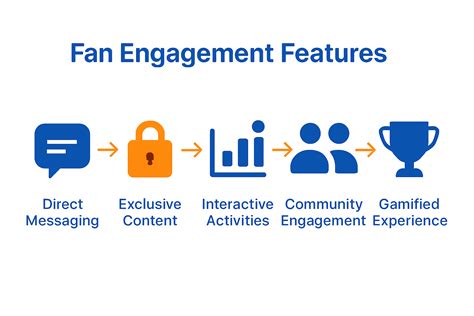
Finally, the influence of gamification and interactive features could play a significant role in the future of La Liga highlights. Platforms might introduce features where fans can “vote” on the best highlight of the week, earn rewards for watching certain content, or even create their own highlight reels using provided tools. These interactive elements not only increase engagement but also foster a sense of ownership and participation among fans, turning passive viewers into active contributors to the La Liga ecosystem.
In summary, the future of La Liga highlights accessibility in the UK will be shaped by a blend of technological innovation, evolving fan behavior, and strategic adaptation to market dynamics. OTT platforms, AI-driven personalization, AR/VR experiences, community-focused engagement, data-rich content, and gamified features are all poised to redefine how fans interact with La Liga content. As these trends unfold, the league must remain agile, leveraging partnerships, embracing new technologies, and prioritizing fan-centric approaches to ensure its highlights remain a cornerstone of football consumption in the UK.