Introduction to La Liga Live Games
La Liga, officially known as Campeonato Nacional de Liga de Primera División, is Spain's premier professional football league and one of the most prestigious competitions in the global sports arena. Established in 1929, it has grown to become a cornerstone of European football, renowned for its high level of competition, technical brilliance, and the production of some of the world’s most iconic players and teams. The league features 20 teams each season, with heavyweights like FC Barcelona, Real Madrid, and Atlético Madrid consistently dominating both domestically and in European competitions. However, beyond the star-studded lineups and historic rivalries, La Liga is also a cultural phenomenon, deeply ingrained in the fabric of Spanish society and followed passionately by millions of fans worldwide.
The concept of live games in La Liga is more than just a broadcasting feature; it is a critical element in how the league connects with its audience. In the modern era, live access to matches has transformed from being a luxury to a necessity for fans. This transformation is driven by several factors, including advancements in technology, the globalization of football fandom, and the growing demand for immersive, real-time experiences. For La Liga, live game access serves as a bridge between the league and its diverse fan base, which spans continents and cultures. Whether it is a local supporter in Madrid or a devoted follower in Tokyo, live games offer an opportunity to engage directly with the action, emotions, and narratives that unfold on the pitch.
One of the key aspects of La Liga’s live game experience is its global reach and accessibility. Unlike regional leagues that cater primarily to domestic audiences, La Liga has positioned itself as a truly international product. This is evident in the league's broadcasting partnerships, which span over 180 countries. These agreements ensure that fans across the world can tune in to watch matches live, whether through traditional TV channels, streaming platforms, or digital services. The importance of this global accessibility cannot be overstated. For instance, live game broadcasts in regions like Asia and the Americas often occur at unconventional hours due to time zone differences. Yet, the passion of La Liga fans in these regions is so strong that they willingly adjust their schedules to watch their favorite teams in action. This dedication underscores the league’s ability to captivate audiences far beyond Spain’s borders.
The significance of live games extends beyond mere entertainment. For many fans, watching a La Liga match live is an emotional experience that fosters a sense of belonging and identity. Football, particularly at the elite level of La Liga, is more than a sport—it is a shared cultural ritual. Supporters often gather in homes, bars, or public viewing venues to watch games together, creating a collective atmosphere that mirrors the energy of the stadium. In this context, live games act as a unifying force, bringing people together despite geographical or cultural differences. This communal aspect is particularly evident during high-stakes matches, such as El Clásico (the clash between Barcelona and Real Madrid), where the entire football world seems to pause and tune in. The live broadcast of such games becomes a global event, amplifying the league’s prestige and reinforcing its status as a top-tier competition.
From a technological perspective, the evolution of live game access has been shaped by innovations in media and communication. Traditional television broadcasts were once the primary means of watching La Liga matches live, but the landscape has shifted dramatically with the advent of digital streaming. Platforms like Movistar+, DAZN, and even La Liga’s own OTT (over-the-top) services have revolutionized how fans consume live content. These platforms not only provide live match streams but also offer additional features such as multi-angle replays, real-time statistics, and interactive fan engagement tools. This shift toward digital access has democratized the viewing experience, allowing fans to personalize how they watch games. For example, a viewer in India might choose to stream a match on their smartphone while commuting, while another in New York might prefer a 4K stream on a smart TV. These options cater to diverse preferences and lifestyles, making La Liga live games more inclusive and adaptable to the modern fan’s needs.
Another critical dimension of live game access is its economic impact on the league and its stakeholders. Broadcasting rights for live games are a major revenue stream for La Liga, accounting for a significant portion of its income. The league’s ability to negotiate lucrative deals with broadcasters and streaming services is directly tied to the demand for live content. This financial ecosystem benefits not only the league itself but also the clubs, players, and associated businesses. For instance, higher revenues from broadcasting rights enable clubs to invest in player development, infrastructure, and grassroots programs, which in turn elevate the overall quality of the league. Moreover, live game access plays a pivotal role in sponsorships and advertising. Brands are eager to associate with La Liga matches because of the massive live audiences they attract, further cementing the league’s economic importance.
The role of live games in promoting La Liga’s brand identity is also worth exploring. Each live match is an opportunity for the league to showcase its unique attributes, such as its emphasis on possession-based football, tactical innovation, and the flair of individual players. These elements are not just showcased during the 90 minutes of play but are amplified through pre-match analyses, post-match discussions, and highlight reels that are part of the live game experience. This comprehensive approach ensures that fans are not just passive viewers but active participants in the league’s narrative. For example, features like player interviews, behind-the-scenes footage, and fan interaction segments add depth to the live game experience, making it more engaging and memorable.
The challenges of live game access are also worth noting. While La Liga has made significant strides in ensuring broad availability, there are still barriers for certain fans. Issues such as paywalls, regional restrictions, and the cost of premium streaming services can limit accessibility for some. Additionally, the rise of illegal streaming poses a challenge to the league’s revenue model and the quality of the viewing experience. Tackling these challenges requires a balance between protecting intellectual property and ensuring that live games remain accessible to as many fans as possible. Initiatives like affordable subscription tiers, free-to-air broadcasts for key matches, and partnerships with local broadcasters in underserved regions are steps in the right direction.
In conclusion, live games are the lifeblood of La Liga’s connection with its fans. They are not just a means of delivering football content but a dynamic platform for building relationships, fostering loyalty, and expanding the league’s global footprint. By prioritizing live game access, La Liga ensures that it remains at the forefront of the football world, catering to the evolving needs of its audience while preserving the essence of the beautiful game. Whether through traditional broadcasts or cutting-edge digital platforms, the live game experience is a testament to La Liga’s commitment to excellence and inclusivity, making it a beacon for sports leagues worldwide.
- La Liga’s live games are a bridge between the league and its global audience.
- Technological advancements have democratized access to live matches.
- Economic benefits from live game broadcasting support the league and its clubs.
- Challenges like paywalls and illegal streaming require innovative solutions.
History and Evolution of La Liga Broadcasting
The broadcasting of La Liga games has undergone a remarkable transformation since the league's inception in 1929. Initially, the concept of live sports broadcasting was non-existent, as television itself was still decades away from becoming a household staple. In its early years, fans accessed La Liga matches primarily by attending games in person or through radio broadcasts, which were the primary medium for sports coverage at the time. These radio broadcasts not only provided live commentary but also served to cultivate a loyal fan base across Spain, as listeners could follow the action without being physically present at the stadium. This era laid the foundation for the eventual evolution of La Liga's media presence, setting the stage for the technological advancements that would reshape how games were consumed.
The introduction of television in the mid-20th century marked a significant turning point. Spain’s national broadcaster, Televisión Española (TVE), began airing select La Liga matches in the 1950s. However, these broadcasts were sporadic and often limited to high-profile games or derby matches. The lack of widespread access to television sets meant that the audience remained relatively small, but this was the first step toward creating a visual connection between fans and the league. During this period, the production quality was rudimentary by modern standards, with only a few cameras capturing the action and limited on-screen graphics. Despite these limitations, the allure of watching football on television began to grow, particularly as the medium became more accessible in the 1960s and 1970s.
The 1980s ushered in a new era of La Liga broadcasting with the advent of satellite and cable television. This period saw the emergence of dedicated sports channels that could offer more comprehensive coverage of the league. Spanish networks like Canal+ began to secure broadcasting rights, bringing a level of professionalism and innovation to how matches were presented. Features such as multi-angle replays, expert analysis, and pre- and post-match shows became standard. These developments not only enhanced the viewing experience but also contributed to La Liga's growing international reputation. The league’s most prominent clubs, such as Real Madrid and Barcelona, became global brands partly due to the increased visibility provided by these broadcasts. However, access was still limited to those who could afford subscription-based services, creating a divide between die-hard fans and casual viewers.
The 1990s and early 2000s saw a shift toward greater commercialization of La Liga broadcasting rights. This was driven by the league’s recognition of its potential as a revenue generator. Exclusive deals with broadcasters became the norm, with networks bidding significant sums to secure rights to air matches. This era also marked the beginning of regional and international distribution agreements. For instance, La Liga games were broadcast in Latin America, where the league’s Spanish-speaking stars had a natural fan base. Similarly, partnerships with broadcasters in Asia and Europe expanded the league’s reach, making it one of the most-watched football leagues worldwide. Yet, this commercialization also introduced challenges, such as the monopolization of rights by a few major networks, which sometimes limited fan access or drove up costs for viewers.
The rise of the internet in the 2000s and 2010s brought about a seismic shift in how La Liga games were accessed. Streaming platforms began to emerge as viable alternatives to traditional television. Services like YouTube and later dedicated sports streaming platforms allowed fans to watch matches online, sometimes for free or through subscription models. La Liga itself embraced this trend by launching its own over-the-top (OTT) platform, LaLigaSportsTV, which provided direct access to games and other league-related content. This move was part of a broader strategy to maintain control over distribution and engage directly with fans. At the same time, social media platforms like Twitter, Facebook, and Instagram became integral to how fans interacted with La Liga content. Highlights, live updates, and even live streams of certain matches were shared widely, breaking down barriers to access and creating a more inclusive fan experience.
One of the most significant developments in recent years has been the globalization of La Liga’s broadcasting strategy. The league has actively sought to penetrate new markets, particularly in Asia and North America, by tailoring its broadcasts to local audiences. For example, matches are often scheduled at times that are more convenient for viewers in different time zones. Additionally, La Liga has invested in production quality, employing technologies like 4K and virtual reality to offer an immersive experience. This focus on innovation has helped the league remain competitive in a crowded global sports market, where other leagues such as the Premier League and Bundesliga are also vying for viewership.
However, the evolution of La Liga broadcasting has not been without controversy. The rise of pay-per-view models and exclusive streaming deals has sparked debates about accessibility. In Spain, for instance, some fans have criticized the high costs associated with watching games legally, leading to a rise in illegal streaming. This issue underscores the tension between maximizing revenue and ensuring that the sport remains accessible to a broad audience. Furthermore, the fragmentation of broadcasting rights across multiple platforms has sometimes caused confusion among fans, who may need to subscribe to several services to follow their favorite teams comprehensively.
Another unique aspect of La Liga’s broadcasting evolution is its use of data and analytics to enhance the viewing experience. Modern broadcasts often include advanced statistics, heat maps, and player tracking, which provide deeper insights into the game. This focus on data-driven storytelling has appealed to a new generation of fans who value not just the spectacle of football but also the underlying strategy and performance metrics. Such features have also been leveraged to attract younger audiences who are accustomed to interactive and tech-driven content.
Looking ahead, the future of La Liga broadcasting is likely to be shaped by emerging technologies such as augmented reality (AR), artificial intelligence (AI), and 5G networks. These tools could enable even more personalized and interactive viewing experiences, such as customizable camera angles or AI-generated commentary tailored to individual preferences. Additionally, the league’s focus on sustainability and inclusivity may lead to innovations like carbon-neutral production practices or more affordable access models for underserved communities.
In summary, the history and evolution of La Liga broadcasting reflect a dynamic interplay between technological progress, commercial interests, and fan expectations. From humble radio beginnings to the high-tech, globally accessible broadcasts of today, the journey of La Liga’s media presence mirrors the broader transformation of sports media. As the league continues to adapt to new trends and technologies, it remains a case study in how sports leagues can leverage broadcasting to grow their audience while maintaining the essence of the game.
How to Access Live La Liga Matches
Accessing live La Liga matches has become increasingly convenient in the digital age, with a variety of platforms, services, and channels catering to fans across the globe. Whether you're a die-hard supporter of Barcelona, Real Madrid, or a smaller club like Rayo Vallecano, the options for watching La Liga games live are diverse and often tailored to specific regions, devices, and preferences. This section explores the primary avenues for accessing live La Liga matches, including streaming services, broadcast networks, and emerging technologies.
One of the most prominent ways to watch La Liga games live is through **dedicated sports streaming platforms**. Services like ESPN+ in the United States and LaLigaTV in the UK provide comprehensive coverage of La Liga matches. ESPN+, for instance, has secured rights to broadcast La Liga games as part of its extensive soccer portfolio, which also includes other leagues such as the Bundesliga and MLS. Subscribers can access matches on-demand or live through the ESPN app, which supports a range of devices including smartphones, smart TVs, and gaming consoles. This platform offers not just live games but also pre- and post-match analysis, which is a boon for fans who want more than just the action on the pitch. Similarly, LaLigaTV is a channel fully dedicated to La Liga, offering live games, highlights, and exclusive interviews with players and managers. For UK-based fans, this service is often bundled with other sports packages, making it an attractive option for those who want a seamless viewing experience without juggling multiple subscriptions.
In addition to these region-specific services, **global streaming giants** have also entered the fray. Amazon Prime Video has started dipping its toes into sports broadcasting, and while its involvement in La Liga is limited compared to other leagues, it has occasionally streamed high-profile matches in certain regions. This trend indicates a growing interest from non-traditional sports broadcasters in acquiring rights to premium soccer content. Another notable player is DAZN, a sports-focused streaming service that has made significant inroads into the European and Asian markets. DAZN holds broadcasting rights for La Liga in countries like Japan and Canada, offering live streams in high definition along with multilingual commentary options. Its user-friendly interface and cross-device compatibility make it a favorite for tech-savvy fans who value flexibility.
For those who prefer traditional television, **cable and satellite providers** remain a reliable option. Channels such as beIN SPORTS have long been associated with La Liga broadcasting, particularly in the Middle East, North Africa, and parts of Asia. beIN SPORTS provides not only live coverage of matches but also expert commentary and dedicated shows that delve into the league's history, rivalries, and current standings. However, the accessibility of these channels often depends on the viewer's cable package, which can be a limiting factor for cord-cutters. To address this, many cable providers now offer **add-on sports packages** that include La Liga coverage, allowing viewers to customize their subscriptions without overcommitting to a full sports bundle.
Another avenue worth exploring is the use of **regional broadcasters** that partner with La Liga to bring games to local audiences. For example, in India, Viacom18 (through its Sports18 channel) has secured rights to broadcast La Liga matches. This partnership not only ensures live game coverage but also introduces La Liga to a burgeoning soccer fanbase in South Asia. Similarly, in sub-Saharan Africa, SuperSport has been a long-standing partner of La Liga, offering games via its DStv platform. These regional broadcasters often tailor their programming to suit local tastes, incorporating cultural elements and language-specific commentary to enhance the viewing experience for their audiences.
Beyond traditional and streaming platforms, **social media and over-the-top (OTT) services** are emerging as innovative ways to access live La Liga matches. Platforms like Facebook Watch and YouTube have occasionally streamed games for free in specific regions as part of promotional campaigns or licensing agreements. While these options are less consistent than dedicated services, they offer an excellent opportunity for casual fans to catch high-profile matches without a subscription. Additionally, La Liga itself has embraced OTT solutions by launching its own streaming service, LaLigaSportsTV. This platform not only provides live games but also covers lower-tier Spanish football and other Spanish sports, making it a niche but valuable resource for fans interested in the broader Spanish sports ecosystem.
A unique insight into accessing La Liga matches is the role of **virtual private networks (VPNs)** for geo-restricted content. Fans in regions where La Liga broadcasting rights are limited or overly expensive can use VPNs to access services from countries with better coverage. For instance, a fan in a country without a dedicated La Liga broadcaster might use a VPN to subscribe to LaLigaTV or ESPN+ as if they were located in a supported region. While this method requires some technical know-how and a reliable VPN service, it demonstrates how determined fans can overcome barriers to access their favorite games.
Another increasingly relevant option is the integration of La Liga games into **mobile apps and smart TV ecosystems**. Many streaming services now offer apps that are optimized for smart TVs, allowing fans to watch games on large screens with minimal setup. Some services, like DAZN and ESPN+, also support features such as multi-view, where users can watch multiple games simultaneously—a particularly appealing feature during weeks with packed schedules or derby matches. Moreover, mobile apps often include features like live stats, interactive timelines, and real-time commentary, enriching the experience for viewers who want more than just passive watching.

It is also worth noting the role of **illegal streams** in the landscape of live sports access. While not endorsed due to ethical and legal concerns, the prevalence of unauthorized streams highlights the demand for affordable and accessible live sports options. This has pushed legitimate providers to innovate, offering tiered pricing models, free trials, and bundled deals to attract cost-conscious fans. For example, some services provide discounted rates for long-term subscriptions or include La Liga access as part of a larger sports package, which can be a more sustainable alternative to illicit streams.
Finally, the advent of **5G technology** and **augmented reality (AR)** is poised to revolutionize how fans experience La Liga games. Some providers are experimenting with AR-enhanced broadcasts that allow viewers to overlay real-time stats, player heatmaps, and even virtual replays directly onto their screens. While these features are still in their infancy, they point to a future where live game access is not just about watching the match but immersing oneself in an interactive, data-rich environment.
In summary, the options for accessing live La Liga matches are vast and varied, ranging from traditional TV broadcasts to cutting-edge streaming platforms and experimental technologies. Each option caters to different demographics, from casual fans looking for free or low-cost solutions to dedicated supporters willing to invest in premium services. As the landscape of sports broadcasting continues to evolve, fans can expect even more innovative ways to enjoy the thrill of La Liga matches live, no matter where they are in the world.
Streaming Services and Platforms Overview
When it comes to accessing La Liga live games, fans have a variety of streaming services and platforms to choose from. Each service brings its own set of features, pricing structures, and regional availability, making it essential for viewers to evaluate their options carefully. Below is a detailed comparison of some of the most popular streaming services that offer access to La Liga matches, focusing on their unique selling points, pricing models, and user experience.
One of the most prominent platforms for La Liga coverage is ESPN+. ESPN+ has secured rights to broadcast La Liga matches in the United States, positioning itself as a go-to service for soccer enthusiasts in this region. Subscribers gain access to a wide range of matches, including marquee games featuring top teams like Barcelona, Real Madrid, and Atlético Madrid. Pricing for ESPN+ is competitive at $9.99 per month or $99.99 annually, which also includes access to a variety of other sports content such as UFC, college football, and MLB. One of the key advantages of ESPN+ is its integration with the broader ESPN ecosystem, meaning users can leverage features like real-time stats, match highlights, and expert analysis through the ESPN app. However, a limitation of ESPN+ is that it does not provide La Liga games in 4K resolution, which might disappoint viewers who prioritize visual quality. Additionally, blackout restrictions can apply for certain games depending on local broadcast agreements, which can be a frustration for die-hard fans.
In contrast, DAZN has carved out a strong position in several international markets, particularly in Europe and Canada, as a dedicated sports streaming platform. DAZN holds the rights to broadcast La Liga in countries like Germany, Austria, and Japan, among others. Its pricing varies by region but generally falls within a range of $19.99 to $24.99 per month, with discounts available for annual subscriptions. DAZN offers a robust feature set, including multi-device streaming (up to two devices simultaneously) and a user-friendly interface tailored for sports fans. Unlike ESPN+, DAZN places emphasis on 1080p streaming quality with plans to expand 4K offerings in the near future. A unique feature of DAZN is its focus on localized content; for instance, in some regions, it provides match commentary in local languages alongside English. However, DAZN’s regional restrictions can be a double-edged sword. While it excels in certain markets, its lack of availability in others—such as the U.S.—can limit its appeal to La Liga fans globally. Furthermore, its pricing in some regions is higher than competitors, which might deter budget-conscious users.
Another platform worth considering is fuboTV, a sports-centric streaming service that includes La Liga games as part of its channel lineup in the U.S. fuboTV offers access to beIN SPORTS, a network that traditionally broadcasts La Liga matches. Plans start at $74.99 per month, making fuboTV one of the more expensive options. However, its appeal lies in the breadth of content offered beyond soccer, including NFL, NBA, and news channels. fuboTV also supports 4K streaming for select events, which sets it apart from ESPN+ in terms of visual quality. A major drawback of fuboTV is its higher cost relative to single-sport platforms like ESPN+ or DAZN. For users exclusively interested in La Liga, this might feel like overkill. On the other hand, households with diverse viewing preferences may find fuboTV’s all-in-one approach more appealing.
For viewers in the UK and Ireland, LaLigaTV is a dedicated channel available through platforms like Amazon Prime Video Channels and Sky TV. LaLigaTV offers comprehensive coverage of all La Liga matches, including pre- and post-match analysis, documentaries, and exclusive interviews with players and coaches. Pricing for LaLigaTV as an add-on channel is around £7.99 per month, making it one of the more affordable options for fans in this region. A standout feature of LaLigaTV is its focus solely on La Liga, which ensures in-depth coverage that other generalist platforms may lack. However, its regional exclusivity means it is not a viable option for fans outside the UK and Ireland, and its standalone app is less feature-rich compared to ESPN+ or DAZN.
Another alternative for global audiences is Fanatiz, a niche streaming service tailored specifically for soccer enthusiasts. Fanatiz provides access to La Liga matches in select regions, often at a lower price point of around $9.99 per month. Its primary advantage is affordability combined with a focus on Latin American and European soccer content. Fanatiz also includes features like on-demand replays and match archives, which can be particularly useful for fans who miss live broadcasts. However, Fanatiz suffers from limited brand recognition compared to ESPN+ or DAZN, and its user interface is often described as less intuitive. Additionally, its availability is patchy across different countries, which can make it a less reliable choice for international viewers.
When examining these platforms, it is also important to consider the user experience and device compatibility. ESPN+ and DAZN lead in this area, offering seamless integration across smartphones, smart TVs, tablets, and web browsers. Both services support features like offline viewing (for highlights or replays) and customizable notifications for upcoming matches. fuboTV, while robust in its channel offerings, can sometimes feel cluttered due to its broader focus on general entertainment. Meanwhile, services like LaLigaTV and Fanatiz, while affordable or specialized, may lack the polish of larger platforms in terms of app design and streaming reliability.
From a pricing perspective, the choice often boils down to the viewer's priorities. Budget-conscious fans might lean toward ESPN+ or Fanatiz for their lower entry costs, particularly if they are not interested in supplementary sports content. Conversely, users who value a comprehensive sports package might find fuboTV or DAZN worth the higher price. Geographic availability also plays a critical role; for instance, DAZN might be the best option in Germany, while ESPN+ dominates the U.S. market. Fans in regions without direct access to La Liga rights might need to explore VPN services to bypass restrictions, though this comes with its own set of legal and technical considerations.
In terms of future trends, the competition among these platforms is likely to intensify as streaming services aim to secure exclusive rights and enhance their offerings. DAZN, for example, has been expanding its global footprint and investing in original content to differentiate itself. ESPN+ and fuboTV are also exploring partnerships and technological upgrades, such as augmented reality features or enhanced interactivity during live games. This competitive landscape benefits consumers, as it drives innovation and potentially lowers costs over time.
In conclusion, the choice of a streaming service for La Liga live games depends on factors like regional availability, budget, and the importance of additional features such as 4K streaming or multi-device support. While ESPN+ and DAZN are strong contenders in their respective strongholds, niche platforms like LaLigaTV and Fanatiz cater to specific audiences. As the demand for high-quality soccer streaming grows, these platforms will need to continually adapt to meet the expectations of a global fanbase.
Geographic Restrictions and Accessibility Issues
Geographic restrictions and accessibility issues are among the most frustrating challenges for fans of La Liga live games. These barriers often arise due to broadcasting rights agreements, which are negotiated on a country-by-country basis. While these agreements aim to maximize revenue and ensure exclusivity for broadcasters, they can create significant hurdles for fans trying to watch their favorite teams in real time. This section delves into the specifics of regional blackouts, VPN usage, and strategies fans can employ to navigate these barriers effectively.
One of the primary issues faced by fans is regional blackouts. These occur when a particular match or set of matches is unavailable in a specific region due to exclusive broadcasting rights held by a local network. For instance, if a Spanish broadcaster has exclusive rights to air a particular La Liga match in Spain, fans in that region may find the game blocked on international streaming platforms. This is a deliberate mechanism to enforce territorial exclusivity and protect the broadcaster's investment. However, it leaves fans in that region scrambling for alternatives, often resorting to unofficial streams or other less-than-ideal solutions. This not only diminishes the fan experience but also poses risks, such as exposure to malware or poor-quality streams.
The concept of regional blackouts is rooted in the complex web of licensing agreements. La Liga, like other major sports leagues, sells its broadcast rights to the highest bidder in each region. These agreements are often multi-year deals, meaning fans in certain areas might face blackouts for extended periods unless they find a workaround. For example, a fan in the United States might have access to La Liga games through ESPN+, but the same fan traveling to Spain during a match might be unable to watch it on the same platform due to regional restrictions. This creates a paradox where a fan’s location determines their ability to enjoy the very sport they are passionate about, regardless of their willingness to pay for access.
To circumvent these blackouts, many fans turn to VPNs (Virtual Private Networks) as a solution. A VPN allows users to mask their IP address and appear as though they are browsing from a different country. For example, a fan in Spain could use a VPN to connect to a server in the UK, thereby accessing a streaming service that has rights to broadcast La Liga in that region. While this method is technically effective, it comes with its own set of challenges and ethical considerations.
First, the use of VPNs often violates the terms of service of streaming platforms. Most platforms explicitly prohibit the use of VPNs to bypass geographic restrictions, and they employ sophisticated detection mechanisms to block VPN traffic. Fans using VPNs may find their accounts suspended or their access temporarily restricted. Moreover, even if a VPN works initially, broadcasters and streaming services are continually improving their VPN-blocking technologies, making it a game of cat and mouse. Fans might need to switch VPN providers or servers frequently to maintain access, which can be both time-consuming and costly.
Additionally, there are legal and ethical questions surrounding VPN usage. While using a VPN itself is not inherently illegal in most countries, circumventing geographic restrictions to access content may breach copyright laws or the specific terms of the broadcasting agreement. Fans must weigh the convenience of using a VPN against the potential risks, including account bans or even legal action in extreme cases. Some fans argue that these restrictions are unfair, as they are willing to pay for legitimate access but are barred due to their location. This sentiment has fueled calls for more flexible and fan-friendly licensing models, though progress has been slow.
Another challenge tied to VPNs is the issue of streaming quality and latency. When using a VPN, data is routed through an intermediary server, which can introduce lag or reduce stream quality. For live sports, where every second counts, this can be particularly frustrating. A fan might successfully bypass a blackout only to experience a delayed stream or buffering issues, which can ruin the experience of watching a fast-paced La Liga match. This is why some fans opt for alternative solutions, such as using proxy services or even traveling to regions where the game is accessible.
For fans who want to avoid the risks associated with VPNs, there are other strategies to consider. One approach is to explore legal alternatives that might offer access to La Liga games. For instance, some streaming platforms offer "international passes" or temporary subscriptions that allow fans to watch games outside their home region. These passes are often marketed to expatriates or travelers and can be a viable option for fans willing to pay a premium for legitimate access. However, these options are not always well-publicized, and fans may need to do significant research to find them.
Another option is to leverage social media and community forums where fans share tips and updates about accessing La Liga games. Platforms like Reddit or dedicated La Liga fan groups often have active threads discussing the latest methods for bypassing blackouts. While these forums can be helpful, they also come with a caveat: not all advice is reliable or safe. Fans should exercise caution and verify the legitimacy of any suggested workaround to avoid scams or security risks.
A more systemic issue contributing to these challenges is the fragmentation of streaming rights. Unlike traditional cable packages, where a single provider might offer comprehensive coverage of a league, the streaming era has seen rights split across multiple platforms. A fan might need subscriptions to several services to watch all La Liga matches, depending on their region. This not only increases costs but also complicates the viewing experience. For example, a match featuring Barcelona might be available on one platform, while a Real Madrid game is exclusive to another. Fans are left juggling subscriptions and navigating a patchwork of services, which is far from ideal.
To address these issues, there is a growing demand for global streaming solutions that prioritize accessibility over territorial exclusivity. Some leagues and broadcasters are experimenting with direct-to-consumer models, where fans can purchase access to games directly from the league itself, bypassing regional restrictions altogether. While this is not yet widespread in La Liga, it represents a potential future where fans are no longer at the mercy of geographic limitations.
In the meantime, fans can adopt a proactive approach to staying informed about their options. Keeping track of which platforms have rights in their region, understanding the blackout schedules, and being aware of VPN risks can help fans make better decisions. Additionally, advocating for change—whether through petitions, social media campaigns, or direct feedback to broadcasters—can contribute to a broader push for more equitable access to live sports.
In conclusion, geographic restrictions and accessibility issues are a significant pain point for La Liga fans, rooted in the intricacies of broadcasting rights and licensing agreements. While tools like VPNs offer a workaround, they are not without risks and limitations. Fans must navigate a complex landscape of legal, technical, and ethical considerations to enjoy live games. As the sports broadcasting industry evolves, there is hope that future solutions will prioritize fan accessibility, reducing the need for such workarounds and ensuring that La Liga’s thrilling matches are available to all who wish to watch them.

Understanding La Liga Schedules and Fixtures
La Liga, Spain's top-tier professional football league, is one of the most-watched sports leagues in the world. Fans from across the globe tune in to watch iconic clubs like Real Madrid, Barcelona, and Atlético Madrid battle it out on the pitch. However, understanding La Liga match schedules and fixtures can be a complex task, especially for international viewers. This section delves into how to find and interpret La Liga match schedules, with a particular focus on the challenges posed by time zone adjustments for global audiences.
The first step in accessing La Liga schedules is identifying reliable sources. Official platforms such as La Liga's official website and its associated mobile app are the most trustworthy sources for up-to-date fixtures. These platforms not only list match dates and times but also provide additional details like venue information, team lineups, and broadcast options. In addition to the official site, popular sports news outlets like ESPN, BBC Sport, and Goal often publish La Liga schedules. While these sources are generally accurate, it is advisable to cross-check with the official platform to avoid errors or outdated information. For fans who prefer a visual approach, apps like LiveScore and SofaScore offer user-friendly interfaces that display La Liga matches in real time, alongside other leagues.
Once you have access to the schedule, the next challenge is interpreting it. La Liga fixtures are typically released before the start of the season, providing a broad overview of match dates. However, these schedules are subject to change due to factors such as TV broadcast priorities, European competition fixtures, and weather-related disruptions. For instance, a match originally scheduled for a Saturday afternoon might be moved to a Sunday evening to accommodate TV viewership in key markets. This dynamism means that fans need to regularly check for updates, particularly in the days leading up to a match. Automated notifications from apps or subscribing to email alerts from La Liga can help ensure you don’t miss any changes.
A critical aspect of interpreting La Liga schedules is understanding the time zone adjustments for global audiences. Spain operates on Central European Time (CET) during standard time and Central European Summer Time (CEST) during daylight saving time. This can create confusion for fans in different parts of the world. For example, a match listed as starting at 9:00 PM CET would be 8:00 PM in the UK (GMT), 3:00 PM in New York (EST), and 12:30 AM in India (IST) the next day. To simplify this process, many schedule platforms include a time zone converter or allow users to select their local time zone. However, not all platforms provide this feature, so it’s useful to familiarize yourself with the time difference between Spain and your location. Tools like World Time Buddy or even a simple Google search (“CET to [your time zone]”) can be invaluable for manual conversions.
Another factor to consider is the impact of daylight saving time changes in both Spain and your region. Spain shifts to CEST in late March and reverts to CET in late October. If your country also observes daylight saving time but on a different schedule, the time difference may temporarily change by an hour. This can lead to confusion, particularly for fans in regions like North America or Australia, where time zone differences are already significant. A best practice is to double-check the time zone conversion a day or two before the match to account for any discrepancies caused by these seasonal adjustments.
For fans in regions with significant time differences, such as Asia, Australia, or the Americas, live matches can occur at inconvenient hours. A 9:00 PM CET kickoff might mean a 4:00 AM start for viewers in Sydney or a 3:00 PM start for those in Los Angeles. This often leads to a reliance on highlights or on-demand streaming services. Platforms like ESPN+, beIN Sports, and La Liga's own streaming service often provide options to watch matches later, though this may not replicate the thrill of live viewing. Some fans in these regions opt to prioritize high-stakes matches, such as El Clásico (Real Madrid vs. Barcelona), over less critical fixtures to manage their time better.
Understanding the structure of La Liga’s scheduling can also help in planning your viewing experience. La Liga typically follows a consistent pattern for matchdays. Matches are spread across a weekend, starting on Friday evenings and concluding on Monday nights. Key matches involving top-tier teams are often scheduled for prime time on Saturday or Sunday to maximize viewership. Mid-table or lower-ranked team matches are sometimes scheduled for less popular slots, such as Friday nights or Monday evenings. This hierarchy of scheduling can help fans prioritize which games to watch live versus which ones to catch up on later.
Another unique insight is the role of regional derbies and high-profile matches in scheduling. Games like El Clásico or the Madrid Derby (Real Madrid vs. Atlético Madrid) are often given special consideration in the fixture list. These matches are scheduled to avoid clashes with other major events, such as UEFA Champions League games, to ensure maximum attention. Additionally, local derbies, such as Sevilla vs. Real Betis, are often placed in slots that allow for high local attendance and TV viewership in Spain. For international fans, this means that such matches are more likely to be broadcast widely and may even be available in free-to-air channels in certain regions.
Fans should also be aware of broadcast blackouts or restrictions. In some countries, certain matches may not be available live due to licensing agreements. For example, in the UK, a "3 p.m. blackout" rule prevents the live broadcast of most Saturday afternoon matches to encourage local attendance at lower-league games. Fans in such regions might need to rely on VPNs or alternative streaming methods to access these games. However, this approach comes with legal and technical considerations that should be weighed carefully.
Lastly, for the truly dedicated fan, there are third-party tools and communities that provide deeper insights into schedules. Online forums, Reddit communities, and fan groups often share tips on how to track changes in fixtures or access matches in restricted regions. These communities can also provide localized advice, such as which streaming services work best in specific countries or how to deal with time zone challenges unique to certain regions.
- Use official sources like La Liga's website for the most accurate schedules.
- Leverage time zone converters or apps with built-in local time adjustments.
- Stay updated on fixture changes due to TV priorities or European competition overlaps.
- Consider highlights or on-demand options for matches airing at inconvenient times.
- Join fan communities for localized advice on accessing matches.
In conclusion, understanding La Liga schedules and fixtures requires a blend of reliable sources, time zone awareness, and adaptability to changes. By staying informed and using the right tools, fans can ensure they never miss a moment of the action, whether they are watching live from Madrid or streaming from halfway around the world. With careful planning and the right resources, following La Liga live games becomes a seamless and enjoyable experience for football enthusiasts everywhere.
Fan Engagement During Live Games
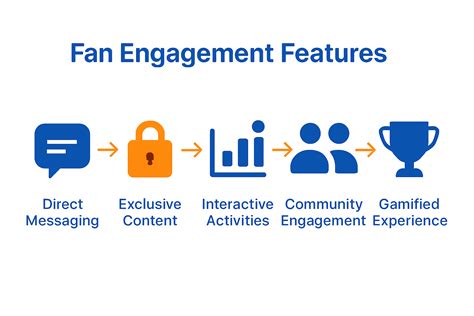
Fan engagement during live games has evolved significantly in the digital age, particularly for high-profile leagues like La Liga. With the advent of social media platforms, online forums, and second-screen experiences, fans now have more avenues than ever to interact with live games beyond simply watching them. This shift has transformed passive viewership into an active, participatory experience that enhances the overall enjoyment and immersion of the event. Below, we explore the specific ways in which fans can engage with La Liga live games through these channels, highlighting unique features and opportunities for interaction.
One of the most prominent methods of engagement is through social media platforms like Twitter, Instagram, and Facebook. These platforms serve as real-time hubs for discussion, commentary, and community-building during live games. For instance, La Liga itself maintains active accounts across these platforms, where they share live updates, highlight clips, and even polls to gauge fan sentiment. Fans can use hashtags such as #LaLigaLive or team-specific tags (e.g., #HalaMadrid or #ViscaBarca) to join global conversations. This allows them to connect with other fans, share opinions, and even engage in friendly banter or debates about match events. A unique aspect of social media engagement is the speed at which reactions can be shared—fans can post their thoughts on a goal, a controversial referee decision, or a player's performance within seconds of it happening. This immediacy creates a sense of collective experience, as though the entire fanbase is watching and reacting together in a virtual stadium.
Another layer of social media engagement comes from player and club interactions. Many La Liga players, especially high-profile stars like Vinícius Júnior or Luka Modrić, actively post on their personal accounts before, during, or after games. These posts can range from motivational messages to post-match reflections, and they often include behind-the-scenes content such as dressing room celebrations or training clips. Fans can directly comment on these posts, tag friends, or even create memes and reactions that circulate widely. This dynamic not only humanizes the players but also strengthens the emotional connection between fans and the league. Moreover, La Liga clubs often run live Q&A sessions or watch parties on platforms like Instagram Live or Twitter Spaces during game days, giving fans direct access to club representatives, former players, or even analysts who provide real-time insights.
Beyond social media, online forums and dedicated fan communities play a crucial role in engagement. Platforms like Reddit (e.g., r/soccer or team-specific subreddits) and niche football forums provide spaces where fans can have more in-depth discussions about live games. Unlike the fast-paced nature of social media, forums allow for longer, more thoughtful posts where fans can analyze tactics, critique player performances, or speculate about future matchups. For example, during a live La Liga game, fans might dissect how a particular team’s high press is affecting the opposition’s buildup play or debate whether a manager’s substitution was timely. These forums often attract a mix of casual fans and deeply knowledgeable enthusiasts, creating a rich environment for learning and sharing perspectives. Some forums even host live match threads, where users post minute-by-minute updates and reactions as the game unfolds. This format encourages a collaborative form of engagement, as fans collectively build a narrative of the game through their comments.
The concept of second-screen experiences is another critical element of modern fan engagement. A second screen refers to the use of a supplementary device, such as a smartphone or tablet, while watching the game on a primary screen (e.g., a television). La Liga and its broadcast partners have embraced this trend by offering interactive apps and features that complement the live broadcast. For instance, the official La Liga app provides real-time statistics, heatmaps, and player tracking data during games. Fans can use this data to better understand the flow of the match, such as how a team’s possession percentage correlates with their attacking output or how a defender’s positioning impacts their tackle success rate. These insights not only enhance the viewing experience but also cater to fans who enjoy a more analytical approach to the game.
Second-screen experiences also extend to gamification features that keep fans engaged throughout the game. Many apps and websites offer fantasy football integrations, where fans can create virtual teams composed of La Liga players and earn points based on their real-life performances during the game. This adds an extra layer of excitement, as fans are not only rooting for their favorite team but also for individual players who might earn them fantasy points. Similarly, prediction games—where fans guess the final score, first goal scorer, or other match outcomes—are popular. These games often come with rewards such as discounts on merchandise or exclusive access to post-match content, incentivizing active participation.
Another innovative second-screen feature is the integration of augmented reality (AR) and interactive overlays. Some broadcasters and apps allow fans to access AR elements that display player stats, replays, or tactical formations directly on their screens. For instance, a fan watching a live game might use their app to pull up a 3D visualization of how a goal was scored, complete with player movement paths and passing sequences. This not only deepens their understanding of the game but also makes them feel like they are part of the analytical team.
Additionally, live chats and watch-along streams are growing in popularity as second-screen options. Platforms like YouTube and Twitch often host live watch-along events where influencers, former players, or pundits provide commentary and answer fan questions in real time. These streams are particularly appealing to younger audiences who value a more casual and interactive viewing experience. Fans can participate in live chats alongside thousands of others, sharing their excitement, frustration, or predictions as the game progresses. This creates a sense of camaraderie and belonging, even for fans who might be watching alone at home.
It is also worth noting how localization and language accessibility enhance engagement. La Liga has a global fanbase, and platforms often provide multilingual options for live updates, commentary, and fan forums. For example, a Spanish-speaking fan in Latin America might engage with a Spanish-language forum, while an English-speaking fan in Asia might prefer an English-language Twitter thread. This inclusivity ensures that fans from diverse regions can feel equally involved in the live game experience.
Finally, user-generated content has become a cornerstone of fan engagement. Fans often create their own content during live games, such as reaction videos, memes, or tactical breakdowns, which they share on platforms like TikTok or YouTube. This content not only reflects their passion for the game but also contributes to the broader ecosystem of La Liga fandom. Clubs and the league itself sometimes feature fan-generated content on their official channels, further validating and amplifying fan voices. For instance, a particularly creative goal celebration meme might be shared by the official La Liga account, giving the creator a moment of recognition within the larger community.
In conclusion, the ways in which fans can engage with La Liga live games have expanded far beyond the confines of traditional television broadcasts. Through social media’s immediacy, the depth of online forums, and the interactivity of second-screen experiences, fans are no longer mere spectators but active participants in the game’s unfolding narrative. These tools not only deepen the emotional connection between fans and the league but also foster a global community bound by a shared love for football. As technology continues to evolve, it is likely that fan engagement will become even more immersive, offering new dimensions of interaction that redefine what it means to experience a live game.
Impact of Live Games on La Liga's Popularity
The rise of live broadcasting has been a transformative force for sports leagues worldwide, and La Liga is no exception. As one of the most prestigious football leagues in the world, La Liga has leveraged live games to expand its global footprint, deepen its fan engagement, and solidify its position as a dominant force in international football. This section explores the mechanisms through which live broadcasting has contributed to La Liga's global reach and fan base expansion, with a focus on technological advancements, strategic partnerships, and the socio-economic impact of live games.
One of the most significant ways live broadcasting has boosted La Liga's popularity is through accessibility. In the pre-digital era, fans were largely limited to watching matches through local television networks or attending games in person. This created a barrier for international audiences who wanted to follow La Liga but lacked access to broadcasts. However, the advent of satellite television, online streaming platforms, and mobile applications has revolutionized how fans consume football. La Liga has capitalized on these technologies by partnering with global broadcasters and streaming services, ensuring that matches are available in high-definition across multiple time zones. For instance, the league's deals with platforms like ESPN, beIN SPORTS, and Facebook Watch have allowed fans in North America, Asia, and Africa to watch games live, often with localized commentary and analysis tailored to regional preferences. This accessibility has turned La Liga into a truly global product, breaking down geographical barriers and bringing the excitement of Spanish football to millions of homes worldwide.
Another critical factor is the role of time zone optimization in live broadcasting strategies. Unlike some other European leagues, La Liga has been proactive in scheduling matches at times that cater to international audiences. For example, games are often played in the late afternoon or early evening Spanish time, which aligns with prime viewing hours in Asia and the Americas. This approach reflects a deliberate effort to make the league more accessible to fans in growing markets like India, China, and the United States. By prioritizing these audiences, La Liga has not only increased its viewership numbers but also fostered a sense of inclusivity, making fans feel that the league values their support irrespective of their location. This strategy has paid off, as evidenced by the growing number of La Liga fan clubs and social media engagement metrics in these regions.
The role of digital platforms cannot be overstated in this context. Live games are no longer confined to traditional television broadcasts; they are now streamed on platforms like YouTube, Twitch, and dedicated league apps. These platforms offer features such as multi-angle replays, real-time statistics, and interactive fan polls, which enhance the viewing experience. For instance, La Liga's partnership with Facebook to stream matches in the Indian subcontinent was a landmark move. It not only brought the league to a massive audience but also introduced interactive elements like live chats and community groups where fans could discuss matches in real time. Such innovations have transformed passive viewers into active participants, deepening their emotional connection to the league.

Moreover, live broadcasting has played a pivotal role in brand building for clubs and players. La Liga is home to some of the most iconic teams and players in football history, such as Real Madrid, Barcelona, and Atlético Madrid, as well as global superstars like Lionel Messi (during his time in the league) and Karim Benzema. Live games serve as a showcase for these talents, allowing fans to witness their skills in real time. This exposure not only elevates the profiles of individual players but also reinforces the prestige of the league itself. For example, the "El Clásico" matches between Real Madrid and Barcelona are among the most-watched sporting events in the world, drawing hundreds of millions of viewers per broadcast. The live broadcast of such high-profile games amplifies the league's allure, turning casual viewers into dedicated fans who actively follow the league beyond these marquee fixtures.
The economic impact of live games is another area where La Liga has reaped significant benefits. Broadcasting rights for live games are a major revenue stream for the league, with deals worth billions of euros negotiated with broadcasters worldwide. This revenue is reinvested into the league, enabling clubs to attract top talent, improve infrastructure, and enhance the overall quality of football. Additionally, the global exposure provided by live broadcasts has attracted sponsors and advertisers eager to associate their brands with La Liga's reach. This creates a virtuous cycle where higher revenues lead to better quality football, which in turn attracts more viewers and sponsors. The league's ability to monetize live games has also allowed it to invest in grassroots development programs and community outreach initiatives, further solidifying its reputation as a socially responsible organization.
Another dimension of live broadcasting's impact is its role in cultural exchange. Football is not just a sport; it is a cultural phenomenon that transcends borders. Through live games, La Liga has introduced global audiences to the unique aspects of Spanish football culture—from the passionate fan chants in stadiums to the tactical nuances of the "tiki-taka" style of play associated with teams like Barcelona. This cultural exchange has made La Liga more than just a sports league; it has become a symbol of Spanish identity and a bridge between cultures. Fans in distant countries often adopt La Liga teams as their own, creating a sense of belonging and camaraderie that extends beyond national boundaries.
However, the success of live broadcasting in expanding La Liga's popularity is not without its challenges. The league has had to navigate issues such as piracy, which threatens the revenue generated from legitimate broadcasts. To combat this, La Liga has implemented advanced anti-piracy technologies and partnered with law enforcement agencies to protect its intellectual property. Additionally, the league has faced criticism for the disparity in exposure between top-tier clubs like Real Madrid and Barcelona and smaller clubs. While live games have undoubtedly boosted the global profile of La Liga, ensuring that this growth benefits all participating clubs equally remains an ongoing challenge.
In conclusion, live broadcasting has been a cornerstone of La Liga's strategy to enhance its global reach and fan base. Through a combination of technological innovation, strategic scheduling, and cultural resonance, the league has transformed itself into a truly international spectacle. The ability to deliver high-quality, accessible, and engaging live content has not only expanded La Liga's audience but also deepened its influence on the global football landscape. As the league continues to evolve its broadcasting strategies in response to emerging technologies and audience preferences, its position as a leader in the world of sports entertainment seems poised to grow even further.
Technological Innovations in Live Game Experiences
The evolution of live sports broadcasting has transformed how fans experience their favorite games, and La Liga has been at the forefront of adopting cutting-edge technologies to enhance the viewing experience. From the advent of high-definition broadcasts to the integration of immersive features, La Liga has consistently pushed the boundaries of what is possible in live game experiences. This section delves into the technological advancements that have redefined how fans interact with La Liga matches, focusing on 4K streaming, augmented reality (AR) features, and interactive viewing tools that have elevated the broadcast quality and fan engagement.
One of the most significant advancements in La Liga's broadcasting strategy is the adoption of 4K streaming. While 4K technology has been around for some time, its application in live sports has been limited due to the high bandwidth and processing power required to deliver seamless, ultra-high-definition content. La Liga has invested heavily in infrastructure to ensure that 4K streams are not only available but also optimized for a global audience. This includes partnerships with broadcasters and streaming platforms capable of supporting 4K feeds. The result is a viewing experience that captures the vivid colors of the pitch, the intricate details of player movements, and the atmosphere of the stadiums with unparalleled clarity. For example, the texture of the grass, the sweat on a player's brow, and even the expressions of fans in the stands are rendered with such precision that viewers feel as though they are sitting in the stadium. This leap in visual fidelity has not only enhanced the aesthetic appeal of the game but also provided an edge for analysts and enthusiasts who can now dissect plays and strategies with greater accuracy.
Another groundbreaking innovation is the integration of augmented reality (AR) features into La Liga broadcasts. AR has opened up new possibilities for enriching the viewer experience by overlaying digital elements onto the live feed in real time. For instance, La Liga has introduced AR-driven player statistics that appear alongside the action on the screen. When a player makes a key pass or scores a goal, viewers can see dynamic overlays displaying their speed, distance covered, or even heat maps of their movement during the match. These AR elements are not static; they are context-sensitive and update in real time, providing fans with a deeper understanding of the game as it unfolds. Beyond statistics, AR has also been used to create virtual replays. For example, a controversial offside decision can be replayed with AR lines superimposed on the pitch to show exactly where players were positioned at the moment of the pass. This not only enhances transparency but also engages fans by involving them in the decision-making process. Furthermore, AR has been used to create immersive stadium tours or pre-match build-ups where virtual elements like team mascots or historical moments from the club's history are integrated into the broadcast, bridging the gap between the physical and digital realms of sports entertainment.
In addition to 4K and AR, interactive viewing tools have become a cornerstone of La Liga’s technological arsenal. These tools are designed to give fans greater agency over how they consume the game. One such tool is the multi-camera view, which allows fans to switch between different camera angles during live matches. For instance, a fan might choose to focus on a specific player, the manager's reactions, or even a bird’s-eye view of the entire pitch. This level of control is particularly appealing to die-hard fans who want to analyze specific aspects of the game rather than passively consume the default broadcast feed. Another interactive feature is the real-time polling and commentary integration. Through apps or streaming platforms, fans can participate in live polls about the game—such as predicting the next goal scorer or voting for the man of the match—and see the results updated in real time. This interactivity not only fosters a sense of community among viewers but also provides broadcasters with valuable data on fan preferences and engagement patterns. Additionally, some platforms offer customizable commentary options, where fans can choose between different languages, expert analysts, or even fan-led commentary tracks. This personalization ensures that the viewing experience is tailored to the diverse preferences of La Liga’s global audience.
La Liga has also embraced data-driven storytelling as part of its technological innovation. Through collaborations with sports analytics firms, the league has integrated advanced metrics into its broadcasts. For example, during a live game, fans might see on-screen graphics that highlight expected goals (xG), pass completion rates, or defensive positioning. These metrics are not just presented as raw data but are woven into the narrative of the match. Commentators use these insights to provide context to key moments, such as explaining why a particular goal was likely or how a team’s defensive strategy is impacting the flow of the game. This approach not only appeals to casual fans who want to understand the game better but also caters to the growing audience of data-savvy viewers who appreciate the blend of analytics and entertainment.
Another area where La Liga has stood out is in its use of social media integration during live games. Recognizing that many fans consume sports content across multiple platforms simultaneously, La Liga has introduced features like synchronized second-screen experiences. For instance, while watching a match on TV or a streaming platform, fans can use their mobile devices to access exclusive content such as player interviews, behind-the-scenes footage, or real-time match statistics. Some broadcasts even incorporate live social media feeds, showing tweets or Instagram posts from fans, players, or clubs during the game. This integration not only amplifies the communal aspect of sports but also ensures that La Liga remains relevant in an era where digital engagement is as important as the game itself.
It is also worth noting the role of 5G technology in enabling many of these innovations. The low latency and high bandwidth of 5G networks have made it possible to deliver 4K streams and AR features without buffering or lag, even in high-demand scenarios like El Clásico matches. Furthermore, 5G has facilitated the use of remote production techniques, where much of the broadcast is produced off-site, reducing costs and logistical challenges while maintaining high production quality. This has allowed La Liga to experiment with new formats, such as drone cameras or player-mounted cameras, which provide unique perspectives that were previously impractical.
Finally, accessibility features have been a key focus for La Liga in its quest to make live games inclusive for all fans. Innovations such as audio descriptions for visually impaired fans, multilingual closed captions, and customizable interfaces for users with disabilities demonstrate a commitment to ensuring that the technological advancements are not limited to a niche audience. These efforts underscore the league's understanding that technological innovation must serve a broader purpose—making the beautiful game accessible to everyone, regardless of their physical or technological constraints.
In conclusion, La Liga’s embrace of 4K streaming, augmented reality, and interactive viewing tools represents a paradigm shift in how live sports are consumed. These advancements are not merely about improving the visual or technical quality of broadcasts; they are about redefining the relationship between the game and its audience. By leveraging technology to create more immersive, interactive, and inclusive experiences, La Liga has set a benchmark for other leagues and sports organizations to follow. As these technologies continue to evolve, it is clear that the future of live game experiences will be shaped by the league's willingness to innovate and adapt to the ever-changing demands of its global fan base.
Conclusion and Future of La Liga Live Games
The current state of live game access for La Liga, Spain's top-tier football league, is a blend of traditional broadcasting models and emerging digital platforms. Fans across the globe can access live games through a variety of channels, including cable TV subscriptions, over-the-top (OTT) services like ESPN+ and DAZN, and even social media platforms offering highlight clips or live streams for specific regions. This multi-channel approach has democratized access to some extent, allowing fans to choose how they consume content based on their preferences and geographical location. However, this landscape is not without its challenges. Regional restrictions, subscription costs, and the fragmentation of viewing options can create barriers for fans who want seamless and affordable access to live games.
One of the key trends in the current state of La Liga live games is the increasing reliance on digital platforms to reach younger, tech-savvy audiences. Platforms like Twitch and YouTube, which were once considered unconventional for live sports broadcasting, are now being explored by leagues to engage with fans in new ways. For instance, La Liga has experimented with streaming matches on social media in certain markets, particularly in regions where traditional TV deals are less lucrative. This shift reflects a broader trend in sports media: the need to prioritize accessibility and engagement over traditional revenue models tied exclusively to cable TV.
Additionally, the use of data-driven personalization is beginning to shape how live games are presented to viewers. Broadcasters and OTT platforms now use advanced analytics to tailor the viewing experience. For example, some services allow fans to choose their preferred camera angles, access real-time statistics overlays, or even watch games with augmented reality (AR) enhancements. These innovations are designed to make the viewing experience more immersive and interactive, catering to a generation of fans who expect more than passive consumption of content. However, while these features are promising, they are still in their infancy and often limited to premium subscription tiers, which can alienate casual fans or those in lower-income demographics.
Looking to the future, the integration of artificial intelligence (AI) is poised to revolutionize the live game experience for La Liga and other sports leagues. AI has the potential to enhance nearly every aspect of game access, from content delivery to fan engagement. One possible application is the use of AI-driven recommendation engines that can suggest games, players, or even specific moments to watch based on a user's viewing history and preferences. Imagine logging into a platform that not only knows you are a fan of Real Madrid but also understands that you are particularly interested in Vinícius Júnior's performance. The platform could then prioritize showing you his key moments during a live game or suggest post-match analysis focused on his contributions.
Another area where AI could make a significant impact is in real-time language translation and commentary customization. La Liga has a global audience, with fans speaking dozens of languages. AI-powered tools could provide live, accurate translations of commentary or even generate custom commentary tracks tailored to specific fan bases. For example, a fan in Japan might prefer a commentary style that focuses on tactical analysis, while a fan in Brazil might enjoy a more emotive and celebratory tone. This level of personalization could make the viewing experience feel more intimate and relevant to individual fans, fostering deeper connections with the league.
Enhanced personalization could also extend to how games are packaged and consumed. Future platforms might allow fans to create their own "highlight reels" in real time, selecting only the moments they care about—such as goals, key saves, or player-specific actions—while skipping less interesting parts of the game. This kind of on-demand viewing experience would cater to fans with limited time or those who prefer curated content over full-game broadcasts. Such features could be particularly appealing in an era where attention spans are shrinking, and fans are bombarded with competing forms of entertainment.
Another intriguing possibility is the use of immersive technologies like virtual reality (VR) and augmented reality (AR) to simulate the experience of being in the stadium. While VR has been explored in other sports, its adoption in football has been slow due to the high costs of production and the challenge of replicating the communal atmosphere of a live match. However, as the technology becomes more affordable and accessible, La Liga could leverage VR to offer fans a "virtual seat" in iconic stadiums like the Camp Nou or Santiago Bernabéu. This would not only appeal to international fans who may never have the chance to attend a live game but also serve as a new revenue stream for the league.
A related trend is the potential for blockchain and tokenization to reshape how fans interact with live games. NFTs (non-fungible tokens) and digital collectibles could allow fans to "own" moments from La Liga games—such as a goal scored by a favorite player—and trade them on digital marketplaces. While this concept is still experimental, it represents a way to monetize fan engagement and create new forms of loyalty. For instance, fans who hold certain tokens might gain access to exclusive live streams, behind-the-scenes content, or even voting rights on minor league decisions, such as the design of a matchday jersey.
However, these future trends are not without challenges. The adoption of AI, VR, and blockchain technologies requires significant investment, both in terms of infrastructure and expertise. There are also ethical considerations, particularly around data privacy and the potential for over-commercialization of the fan experience. For instance, if personalization becomes too intrusive or monetized to an extreme degree, it risks alienating fans who value the simplicity and communal nature of traditional sports viewing. Striking the right balance between innovation and fan-centric values will be critical for La Liga's long-term success in this space.
Furthermore, the geopolitical and economic landscape will play a role in shaping the future of live game access. As streaming wars intensify and global platforms like Amazon and Apple enter the sports broadcasting arena, La Liga will need to navigate complex negotiations to ensure its games remain accessible to diverse audiences. There is also the question of how to balance the needs of local fans in Spain with the demands of an increasingly global audience. For example, should La Liga prioritize high-quality, localized streaming experiences for fans in Asia and Africa, or should it focus on maximizing revenue through exclusive deals with premium broadcasters?
In conclusion, the future of La Liga live games is likely to be shaped by a combination of technological innovation, changing consumer expectations, and the league's ability to adapt to a rapidly evolving media landscape. While AI, VR, and enhanced personalization promise to make the viewing experience more dynamic and tailored, these advancements must be implemented thoughtfully to avoid alienating core audiences. La Liga has the opportunity to position itself as a leader in sports media innovation, but success will depend on its ability to balance cutting-edge technology with the timeless appeal of live football as a shared, emotional experience. By embracing these opportunities while remaining attuned to fan needs, La Liga can ensure that its live games remain a cornerstone of global sports entertainment for decades to come.