Introduction to Signal Iduna Park
Signal Iduna Park, located in Dortmund, Germany, is one of the most iconic football stadiums in the world. Known for its electric atmosphere, modern facilities, and rich history, it serves as the home ground for borussia dortmund, one of the most successful football clubs in the Bundesliga. The stadium is not just a venue for sports but a symbol of the city’s identity and passion for football. Its sitzplan (seating plan) plays a critical role in accommodating its massive fan base while ensuring optimal views and experiences for spectators. To fully appreciate the significance of Signal Iduna Park, it is essential to explore its origins, evolution, and the role it has played in both sports and cultural events.
The stadium was originally built in 1974 as the Westfalenstadion, named after the region of Westphalia. It was constructed as part of Germany’s preparations for hosting the 1974 FIFA World Cup. At the time, the stadium had a capacity of around 54,000 spectators, which was considered impressive for its era. However, the stadium’s design and purpose have evolved significantly over the decades. One of the key turning points in its history came in 2005 when, as part of a sponsorship deal, the stadium was renamed Signal Iduna Park, after the insurance company Signal Iduna. This renaming marked the beginning of a new era for the venue, aligning it with modern branding strategies while retaining its deep historical roots.
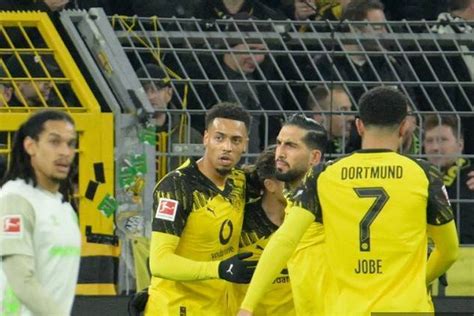
Signal Iduna Park is renowned for its Yellow Wall, the massive standing terrace located in the south stand, which can hold over 25,000 fans. This section is the largest of its kind in Europe and is synonymous with the passionate support of Borussia Dortmund’s fans. The Yellow Wall is more than just a seating area; it is a cultural phenomenon that embodies the club’s philosophy of fan-driven energy. The sight of thousands of fans clad in yellow and black, chanting and waving flags, is a spectacle that has drawn global attention. This unique seating arrangement is a cornerstone of the stadium’s sitzplan, designed to amplify the intensity of matchday experiences. The proximity of the stands to the pitch further enhances this effect, creating an almost claustrophobic sense of pressure for visiting teams—a deliberate design choice to give Borussia Dortmund a home-field advantage.
The history of Signal Iduna Park is deeply intertwined with Borussia Dortmund’s rise as a football powerhouse. The club has won multiple Bundesliga titles and the UEFA Champions League, with many of these triumphs celebrated within the walls of this stadium. The 1997 Champions League victory, for instance, is etched in the memories of fans who witnessed the team’s journey to glory. The stadium has also hosted key matches during the 2006 FIFA World Cup, including a quarter-final match, reinforcing its status as a venue capable of handling high-stakes international events. These milestones have solidified Signal Iduna Park’s place in football history, not just as a facility but as a living archive of sporting excellence.
Beyond football, Signal Iduna Park has become a versatile venue for other events, showcasing its adaptability. It has hosted concerts by world-renowned artists such as Coldplay and Metallica, drawing audiences beyond the realm of sports. The stadium’s infrastructure, including its seating plan and acoustics, is designed to support such diverse functions. For instance, the staggered levels of seating ensure that even non-sporting events can be experienced with clarity and comfort. This versatility highlights how the sitzplan is not just about football but about creating a multi-purpose space that can cater to a wide range of audiences.
The sitzplan of Signal Iduna Park is a carefully thought-out aspect of its design. With a current capacity of over 81,000 for Bundesliga matches (and slightly less for international games due to UEFA regulations), the stadium is one of the largest in Europe. The seating arrangement is divided into four main stands: the North, East, South, and West stands. Each stand offers a mix of seating and standing options, with premium areas for VIPs and corporate guests. The sitzplan is optimized to ensure that even the furthest seats provide a good view of the pitch, a feature achieved through elevated tiers and thoughtful angling. For instance, the upper tiers of the South Stand are steeply raked to give fans a sense of being close to the action, even from higher altitudes. This attention to detail reflects the stadium’s commitment to inclusivity and fan satisfaction.
Another aspect worth noting is the stadium’s integration with technology. Signal Iduna Park has embraced digital innovations to enhance the fan experience. Features like electronic ticketing, app-based navigation to seats, and high-speed Wi-Fi are part of its modern appeal. These advancements are particularly important given the stadium’s size and the diverse needs of its visitors. The sitzplan is also complemented by clear signage and wayfinding systems, ensuring that even first-time visitors can navigate the stadium with ease. Such features not only improve the practical aspects of attending events but also contribute to the stadium’s reputation as a forward-looking venue.
The cultural significance of Signal Iduna Park extends beyond Dortmund. It is a symbol of German football’s global influence and the country’s ability to blend tradition with modernity. The stadium’s design and sitzplan reflect Germany’s post-war reconstruction efforts and its focus on creating spaces that unite communities. For Dortmund, a city that has faced economic challenges due to the decline of its industrial base, the stadium represents resilience and pride. It is a place where the city comes together, transcending socio-economic divides to celebrate shared passions.
In terms of its impact on the local economy, Signal Iduna Park is a major driver of tourism and commerce. Matchdays see the influx of tens of thousands of visitors, who spend on tickets, merchandise, food, and accommodation. The stadium’s sitzplan plays a role here as well, as it is designed to accommodate a wide range of ticket prices, from affordable standing areas to high-end VIP boxes. This inclusivity ensures that the stadium remains accessible to a broad demographic, reinforcing its role as a community hub rather than an exclusive space for the elite.
In conclusion, Signal Iduna Park is more than just a stadium; it is a living testament to the power of sports to unite people and create lasting memories. Its sitzplan is not merely a logistical arrangement of seats but a carefully designed framework that supports the stadium’s dual role as a sports venue and a cultural landmark. From its origins as the Westfalenstadion to its modern identity as Signal Iduna Park, the venue has continually adapted to meet the needs of its fans and the broader community. Whether through the roar of the Yellow Wall, the echoes of a sold-out concert, or the quiet hum of a guided tour, Signal Iduna Park remains a beacon of excellence in the world of sports and events.
What is Sitzplan?
The term **Sitzplan** originates from the German language, where "Sitz" means "seat" and "plan" refers to a layout or arrangement. In the context of stadiums like Signal Iduna Park, a **Sitzplan** is a detailed seating chart or map that illustrates the arrangement of seats within the venue. Such a plan is not merely a visual guide for spectators but serves as a foundational tool for event organizers, ticket sellers, and attendees to navigate and optimize the stadium experience. Understanding the **Sitzplan** is crucial for appreciating how seating arrangements impact both the functionality and atmosphere of a stadium.
At its core, a **Sitzplan** provides a bird’s-eye view of the stadium's seating structure, segmented into different sections, rows, and seat numbers. For a venue as iconic as Signal Iduna Park, home to Borussia Dortmund, the **Sitzplan** is particularly complex due to the sheer size of the stadium and the diversity of its seating options. These include general admission areas, VIP boxes, family zones, and standing terraces like the famous "Yellow Wall" (Südtribüne). Each of these areas serves a specific purpose, catering to different types of spectators with varying expectations and budgets. The **Sitzplan** helps demystify this complexity by offering a clear visual representation of where each seat is located in relation to the field, entrances, and amenities.
The importance of a **Sitzplan** lies in its role as a **spatial organizer**. Stadiums are large, multi-functional spaces designed to accommodate tens of thousands of people simultaneously. Without a well-structured seating plan, chaos could ensue—attendees might struggle to find their seats, leading to delays, overcrowding in certain areas, and a diminished overall experience. For instance, Signal Iduna Park has a capacity of over 81,000 spectators, making it one of the largest stadiums in Germany. A well-designed **Sitzplan** ensures that this vast number of people can be seated efficiently, with clear pathways to their designated spots. This efficiency is not just about convenience; it is also a matter of **safety**. In emergency scenarios, such as evacuations, a clear seating arrangement ensures that people can exit the venue in an orderly and timely manner.
Another critical aspect of the **Sitzplan** is its role in **enhancing the spectator experience**. Different seating sections offer unique perspectives of the game or event. For example, seats closer to the field provide an immersive view of the action, allowing fans to feel connected to the players and the game’s intensity. However, these seats might lack a comprehensive view of the entire field, which is better observed from higher tiers. The **Sitzplan** helps spectators make informed decisions about where to sit based on their preferences. Some may prioritize proximity to the action, while others may value a panoramic view or easy access to food stalls and restrooms. By consulting the **Sitzplan**, fans can select seats that align with their priorities, ensuring they enjoy the event to the fullest.
From an **organizational perspective**, the **Sitzplan** is indispensable for ticket sales and event management. Ticket platforms use the seating chart to display available seats in real time, allowing customers to choose their preferred locations. This integration of the **Sitzplan** with online ticketing systems streamlines the purchasing process, reducing confusion and potential disputes over seat availability. Moreover, event organizers use the **Sitzplan** to allocate seats for special groups, such as media personnel, sponsors, and VIPs. These allocations are strategically placed to provide optimal views or proximity to key areas like the dugout or stage. Without a detailed and accurate **Sitzplan**, managing such diverse requirements would be nearly impossible.
The **Sitzplan** also plays a role in **marketing and branding**. Stadiums like Signal Iduna Park often have iconic sections that are part of their identity. For instance, the "Yellow Wall" is not just a seating area but a symbol of fan passion and unity. Highlighting such sections in the **Sitzplan** helps promote the stadium’s unique features to both local and international audiences. When fans see the layout, they can visualize themselves as part of the roaring crowd, which adds to the allure of attending an event at the venue. This emotional connection is a subtle yet powerful marketing tool that stadiums leverage to attract more visitors.
In addition to its practical uses, the **Sitzplan** reflects the **architectural philosophy** of the stadium. Modern stadiums are designed with careful consideration of sightlines, acoustics, and audience engagement. The **Sitzplan** embodies these design principles by showing how seats are positioned to ensure maximum visibility of the field or stage. For example, the curved tiers of Signal Iduna Park are intended to keep spectators as close to the action as possible, even in the upper levels. This design choice is evident in the **Sitzplan**, where seats are arranged in a way that minimizes obstructed views and maximizes immersion. Such insights into stadium design are often overlooked but are embedded in the details of the seating plan.
The concept of a **Sitzplan** also extends beyond individual events. Over time, it becomes a **historical record** of how the stadium has evolved. For instance, Signal Iduna Park has undergone renovations and expansions to meet modern standards and accommodate growing fan bases. Comparing older **Sitzpläne** with current ones reveals how seating arrangements have adapted to new technologies, safety regulations, and audience expectations. This evolution is not just about adding more seats but about rethinking how people interact with the space. The **Sitzplan** serves as a snapshot of these changes, offering a glimpse into the stadium’s history and its adaptability to contemporary needs.
Furthermore, the **Sitzplan** is a **cultural artifact** in the context of European football. Stadiums like Signal Iduna Park are more than venues; they are community hubs where fans gather to celebrate their teams and shared traditions. The seating arrangement influences how fans interact with one another, creating distinct atmospheres in different parts of the stadium. For example, the standing terraces at Signal Iduna Park foster a sense of camaraderie and energy that is unique to German football culture. The **Sitzplan** captures this cultural dimension by illustrating how seating is organized to support these communal experiences.
- Efficiency: A well-designed **Sitzplan** ensures smooth navigation and seating for tens of thousands of spectators.
- Safety: It supports orderly movement during both regular events and emergencies.
- Customization: Fans can choose seats based on their preferences for view, proximity, or amenities.
- Cultural Significance: The **Sitzplan** reflects the stadium’s role as a space for community and tradition.
In summary, the **Sitzplan** is far more than a simple map of seats. It is a multifaceted tool that supports stadium functionality, enhances the spectator experience, and preserves the cultural and historical essence of venues like Signal Iduna Park. By understanding the **Sitzplan**, one gains a deeper appreciation of how stadiums are designed to balance practicality, safety, and the emotional resonance of live events. For anyone attending an event at Signal Iduna Park, the **Sitzplan** is not just a guide—it is a gateway to experiencing the stadium’s unique blend of sport, culture, and community.
Overview of Signal Iduna Park Sitzplan
The seating plan of Signal Iduna Park, home to Borussia Dortmund, is a marvel of modern stadium design that balances functionality, fan experience, and architectural ingenuity. With a seating capacity of over 81,000 for Bundesliga matches (reduced to around 66,000 for international games due to UEFA regulations), the **Sitzplan** (seating plan) of Signal Iduna Park is structured to optimize visibility, atmosphere, and accessibility for diverse fan groups. Understanding its general structure requires delving into the major sections and zones that define this iconic venue.
The stadium is divided into **four main stands**, each named after a cardinal direction: the **South Stand**, **North Stand**, **East Stand**, and **West Stand**. These stands are further subdivided into tiers, blocks, and specific zones tailored to different ticket categories, such as general admission, VIP, and away supporters. This hierarchical organization ensures that the stadium can cater to a wide range of spectator needs while maintaining the electric atmosphere for which it is renowned.
The South Stand, often referred to as the "Yellow Wall," is the most iconic feature of Signal Iduna Park. As one of the largest free-standing grandstands in Europe, it can hold approximately 25,000 standing spectators. This stand is entirely reserved for Dortmund's most passionate fans, who create a sea of yellow and black, chanting and waving flags throughout the match. The South Stand is not part of the typical seated Sitzplan in the traditional sense, as it is a terraced area. However, its inclusion in the overall structure of the stadium is crucial because it shapes the acoustics and energy of the venue. Its design emphasizes proximity to the pitch, allowing fans to feel intimately connected to the action—a deliberate choice to enhance home-field advantage.
The North Stand serves as a counterpoint to the South Stand and is primarily a seated area. It houses a mix of general admission seats and premium seating options. This stand is also where the **away supporters' section** is located, typically in the upper blocks to segregate them from the home crowd while still providing a clear view of the pitch. The North Stand's layout prioritizes safety and visibility, with staggered seating rows designed to ensure unobstructed sightlines even in the upper tiers. The inclusion of away fans in this stand is a deliberate strategy to balance the stadium's atmosphere, as their presence contributes to the competitive edge without overwhelming the home support.
The East Stand and West Stand are the two long sides of the stadium, and they are where the majority of the seated Sitzplan is concentrated. These stands are divided into **lower, middle, and upper tiers**, each catering to different ticket classes. The lower tier is closest to the pitch and offers an immersive experience, ideal for fans who want to feel the heat of the game. The middle tier provides a balanced view, appealing to families and casual spectators who seek comfort and good visibility. The upper tier, while farther from the action, offers a panoramic perspective of the entire stadium, making it a favorite for those who enjoy analyzing the game's broader tactical nuances.
Within these stands, Signal Iduna Park features designated **zones** that cater to specific audience segments. For instance, there are **family zones** in the East Stand, where the environment is more relaxed and geared toward younger fans. These areas often include amenities like play zones or family-friendly food options. Conversely, the **VIP zones** are concentrated in the West Stand, offering luxury seating, private lounges, and exclusive services such as gourmet dining and dedicated parking. These zones are designed not just for affluent fans but also for corporate clients and sponsors, emphasizing the stadium's dual role as a sports venue and a business hub.
Another unique aspect of the Sitzplan is the **accessibility features** integrated into the seating layout. Signal Iduna Park includes spaces for wheelchair users and their companions in multiple sections of the stadium, particularly in the lower tiers of the East and West Stands. These areas are designed with ramps, elevators, and wider aisles to ensure ease of movement. The thoughtful placement of these spaces demonstrates the stadium's commitment to inclusivity, ensuring that fans with mobility challenges can also enjoy the matchday experience without compromise.

The stadium's seating plan also incorporates **technological enhancements** to improve navigation and usability. Each block and seat is clearly labeled, and digital signage throughout the venue helps spectators locate their seats efficiently. Additionally, the Sitzplan is optimized for crowd flow, with wide concourses and clearly marked entry and exit points. This design minimizes bottlenecks during peak times, such as before kickoff or at halftime, ensuring a smoother experience for all attendees.
One of the less discussed but equally significant features of the Sitzplan is its **sound dynamics**. The arrangement of seats and stands is not merely about visibility but also about how sound travels within the stadium. The steep incline of the stands, particularly in the South and West sections, ensures that crowd noise is funneled toward the pitch. This creates an intimidating wall of sound that can unnerve visiting teams while energizing the home side. The acoustics of the seating arrangement are a deliberate part of the stadium's identity, contributing to its reputation as one of the most atmospheric venues in world football.
The Sitzplan also reflects the stadium's adaptability for non-sporting events. Signal Iduna Park has hosted concerts, corporate events, and even public viewings of major tournaments. For such occasions, the seating plan is reconfigured to prioritize general admission or standing areas, depending on the nature of the event. This flexibility underscores the stadium's versatility and its role as a multi-purpose venue that can serve both its primary football audience and a broader community.
From a historical perspective, the evolution of the Sitzplan mirrors the growth of Borussia Dortmund as a club. Early iterations of the stadium had a much smaller capacity, and the seating arrangement was less sophisticated. Over time, expansions and renovations—such as those undertaken for the 2006 FIFA World Cup—have modernized the Sitzplan to meet contemporary standards of comfort, safety, and inclusivity. These changes have not only increased capacity but also enhanced the overall fan experience, making the stadium a benchmark for other venues worldwide.
In summary, the Signal Iduna Park Sitzplan is a meticulously designed framework that goes beyond mere seat allocation. It is a dynamic system that integrates fan culture, accessibility, acoustics, and event versatility. Each section and zone within the seating plan serves a specific purpose, whether it is fostering the intense passion of the "Yellow Wall," accommodating families, or providing luxury experiences for VIPs. This holistic approach to stadium design ensures that Signal Iduna Park remains not just a venue but a living, breathing entity that embodies the spirit of Borussia Dortmund and its supporters.
Key Features of the Seating Layout
The seating layout of Signal Iduna Park, home to Borussia Dortmund, is a masterclass in stadium design that combines functionality, fan experience, and accessibility. Known for its electric atmosphere and capacity to hold over 81,000 spectators, the sitzplan (seating plan) of this iconic venue is thoughtfully structured to cater to diverse audience needs. This section delves into the unique aspects of the seating layout, focusing on VIP areas, accessibility zones, and fan sections that define its character and utility.
One of the most striking features of Signal Iduna Park's seating layout is the presence of VIP areas that blend luxury with an immersive matchday experience. Located primarily in the West and East Stands, these areas are designed to offer premium amenities while ensuring that guests do not feel detached from the fervor of the crowd. The VIP lounges, such as the Business Club and the Opel Familienblock Lounge, provide an elevated view of the pitch along with exclusive services like gourmet catering, private parking, and dedicated entry points. What sets these areas apart is their careful integration into the stadium's overall design—they are not isolated enclaves but are positioned to allow VIP guests to feel connected to the energy of the main stands. For instance, the West VIP section offers direct sightlines to the famous "Yellow Wall" (Südtribüne), enabling guests to witness the passion of the standing fans while enjoying their exclusive comforts. This balance of exclusivity and engagement is a unique feature that enhances the stadium's appeal to corporate sponsors and high-profile guests.
Another standout aspect of the sitzplan is the attention given to accessibility zones for fans with disabilities. Signal Iduna Park is a model of inclusivity in stadium design, offering numerous wheelchair-accessible seating areas distributed across the stadium. These zones are not relegated to less desirable locations, such as the back rows or far corners, but are strategically placed to provide unobstructed views of the pitch. For example, the North and South Stands feature elevated platforms specifically designed for wheelchair users and their companions, ensuring they are not obstructed by standing fans during high-energy matches. Additionally, the stadium provides accessible restrooms, dedicated parking spaces close to entry points, and trained staff to assist fans with special needs. This thoughtful approach reflects a commitment to making live football accessible to everyone, a feature that is often overlooked in older or less modern stadiums. The sitzplan also accounts for fans with sensory sensitivities by offering quieter zones where the noise levels are slightly reduced, catering to individuals who may find the intense atmosphere overwhelming.
The fan sections of Signal Iduna Park are perhaps its most celebrated feature, particularly the Südtribüne, which is Europe's largest free-standing grandstand and a symbol of fan culture. This section, often referred to as the "Yellow Wall," accommodates approximately 25,000 standing fans, creating an unparalleled visual and auditory spectacle. The sitzplan ensures that this area is not just a mass of standing space but is organized to enhance fan cohesion and participation. The terraces are slightly inclined to maximize visibility for every attendee, and the proximity to the pitch fosters an intimate connection between the players and the supporters. This design choice underscores the club's philosophy of keeping fans at the heart of the action. Beyond the Südtribüne, the stadium also features clearly demarcated sections for away fans, typically located in the northeast corner. These areas are designed with safety in mind, ensuring separation from home supporters while still providing a vibrant matchday experience. The clear delineation of fan sections helps maintain order while fostering a sense of identity for both home and visiting supporters.
An often-underappreciated aspect of the sitzplan is the family-friendly seating zones, which are a deliberate effort to make the stadium welcoming for younger audiences. Located primarily in the East Stand, these sections are tailored to provide a safe and enjoyable environment for families. Features such as reduced ticket pricing for children, easy access to amenities like concession stands with kid-friendly options, and proximity to less rowdy fan groups make these areas particularly appealing. The inclusion of such zones demonstrates Borussia Dortmund's commitment to nurturing the next generation of supporters, a strategy that aligns with the club's community-focused ethos. These family zones are also positioned to provide clear views of the pitch without being overwhelmed by the more intense sections like the Südtribüne, ensuring a balanced experience for parents and children alike.
The sitzplan also incorporates innovative sightline optimization across all seating tiers. Unlike some stadiums where upper-tier seats can feel distant or offer limited views, Signal Iduna Park uses a tiered design that ensures even the furthest seats maintain a good perspective of the pitch. This is achieved through a combination of steep gradients in the upper stands and carefully calculated sightlines that minimize obstructions. The stadium's architects have also considered the psychological impact of seating proximity on fan engagement—closer seating tiers in the lower stands are designed to amplify the sense of being "part of the action," which contributes to the stadium's reputation for having one of the most electric atmospheres in European football.
Another unique feature of the sitzplan is its modular design for event flexibility. While primarily a football stadium, Signal Iduna Park occasionally hosts other events such as concerts and international matches. The seating layout is designed to adapt to these varied uses without compromising the core fan experience. For instance, removable seats in certain sections allow the stadium to transition between standing and seated configurations depending on the event type. This modularity not only maximizes the venue's utility but also ensures that the sitzplan can evolve with the needs of modern sports and entertainment audiences.
From a historical and cultural perspective, the sitzplan reflects the deep bond between Borussia Dortmund and its fans. The layout pays homage to the club's tradition of inclusivity and passion by ensuring that no section feels neglected or secondary. Whether it is the die-hard supporters in the Südtribüne, families in the East Stand, or VIPs in the West Stand, each group is given a space that enhances their matchday experience. This egalitarian approach to stadium design is a subtle yet powerful statement about the club's values, where every fan—regardless of their ticket type—is seen as integral to the team's success.
In summary, the seating layout of Signal Iduna Park is a carefully crafted blend of tradition, innovation, and inclusivity. Its VIP areas offer luxury without isolation, accessibility zones prioritize inclusiveness, and fan sections are designed to amplify the collective energy of supporters. These features, combined with modular flexibility and family-friendly considerations, make the sitzplan a benchmark for stadium design. It is not merely a plan for organizing seats but a reflection of the club's identity and its dedication to providing a world-class experience for every attendee.
Navigating the Sitzplan: Tips for Visitors
For first-time visitors to Signal Iduna Park, understanding the **sitzplan** (seating plan) can feel like deciphering a complex map. With a seating capacity of over 81,000 for Bundesliga matches and slightly reduced for other events, the stadium's layout is sprawling and meticulously organized. However, with some practical guidance, even a newcomer can navigate the sitzplan with ease and confidence. This section will break down the sitzplan into manageable pieces, offering actionable tips to ensure a smooth experience for attendees.
The first step in understanding the sitzplan is to familiarize yourself with the **general structure of the stadium**. Signal Iduna Park is divided into several distinct areas: the **South Stand** (Südtribüne), often called the "Yellow Wall" due to its reputation as Europe's largest free-standing grandstand; the **North Stand** (Nordtribüne); the **East Stand** (Osttribüne); and the **West Stand** (Westtribüne). Each of these areas is further subdivided into **blocks**, which are labeled numerically. For instance, block 12 is part of the South Stand, while block 80 belongs to the West Stand. This block-based system is the backbone of the sitzplan, so recognizing the block numbers and their corresponding locations is crucial.
When you first look at the sitzplan, you might notice that the blocks are color-coded or grouped by sections. Pay close attention to these visual cues. For example, the South Stand typically has a different color designation than the East Stand, helping attendees quickly identify where their seats are located. If you are attending a football match or concert, it is worth noting that certain areas have distinct atmospheres. The South Stand, for instance, is known for its passionate, vocal fans, while the West Stand often hosts premium seating and corporate boxes. Understanding the vibe of each area can help you choose seats that align with your preferences—whether you want to be in the heart of the action or in a more relaxed zone.
Another key aspect of the sitzplan is the **row and seat numbering system**. Within each block, seats are arranged in rows, and each seat has a specific number. Rows are usually labeled with letters or numbers, starting from the front of the block and moving backward. Seat numbers often run sequentially within a row, but this can vary slightly depending on the block's shape or orientation. A common pitfall for first-time visitors is assuming that higher seat numbers are always farther to the right or left—this is not always the case. Some blocks have unconventional layouts where seat numbers might skip or cluster in unexpected ways. To avoid confusion, check your ticket details against the sitzplan before arriving. Most tickets will specify the block, row, and seat number, and cross-referencing this with the sitzplan ensures you don’t waste time searching for your spot in a crowded stadium.
One practical tip for visitors is to use the **digital sitzplan tools** provided by the stadium or event organizers. Many modern stadiums, including Signal Iduna Park, offer interactive sitzplans on their official websites or mobile apps. These tools allow you to zoom in on specific areas, view 3D renderings of the stadium, and even see the view from your seat before you arrive. This is particularly helpful for understanding how close you are to key amenities like restrooms, food vendors, or exits. If you're attending a high-demand event, these tools can also help you identify less crowded entry points or quieter sections of the stadium. For example, if you prefer a less hectic environment, you might choose seats in the upper tiers of the East Stand rather than the bustling lower rows of the South Stand.
It is also worth considering the **proximity to amenities** when reviewing the sitzplan. Large stadiums like Signal Iduna Park are equipped with numerous facilities, but their distribution is not always uniform. For instance, food and beverage stalls are more concentrated in certain areas, such as near the main entrances or along the concourses of the West Stand. If you have specific needs—such as wheelchair accessibility, family-friendly zones, or proximity to restrooms—reviewing the sitzplan in detail can save you from logistical headaches. The stadium’s accessibility features, including elevators and designated seating areas for individuals with mobility challenges, are clearly marked on most sitzplans. Be sure to confirm these details in advance if they are relevant to your visit.
Another aspect that often confuses first-time attendees is the **difference between seated and standing areas**. The South Stand, for example, has a large standing area that is a hallmark of the stadium's vibrant atmosphere. However, this can be misleading if you are not accustomed to such arrangements. Seated areas are clearly demarcated on the sitzplan with individual seat numbers, while standing areas are usually represented as open zones without specific seat assignments. If you are purchasing tickets for a standing area, be prepared for a more dynamic and crowded experience. This can be exhilarating for fans who want to immerse themselves in the energy of the crowd, but it may not be ideal for those seeking a quieter or more structured setting.
One often-overlooked tip is to **account for entry gates and pathways** when studying the sitzplan. Signal Iduna Park is divided into multiple entry points, and each block is associated with a specific gate. Your ticket will indicate the gate you should use to access your seat, and this is closely tied to the sitzplan. Arriving at the wrong gate can result in unnecessary backtracking through crowded concourses. To streamline your entry, look for the gate number on your ticket and cross-reference it with the sitzplan. Some sitzplans also include pathways or suggested routes to help guide you from the gate to your block. Familiarizing yourself with these routes in advance can save time and reduce stress, especially during peak entry times before a major event.
For visitors attending non-football events, such as concerts or festivals, the sitzplan may look slightly different. Temporary stages or adjusted seating arrangements can alter the layout of certain areas. In these cases, consult the event-specific sitzplan rather than relying on the default football configuration. Event organizers typically release updated sitzplans tailored to the specific setup of the stage, sound systems, and audience zones. Checking these in advance can help you avoid surprises, such as obstructed views or seats that are farther from the stage than expected.
Finally, consider the **practical challenges of large crowds**. Signal Iduna Park is one of the most iconic stadiums in Europe, and its events often draw massive audiences. This means that even with a clear sitzplan, you might encounter bottlenecks or confusion in high-traffic areas. To mitigate this, arrive early and use the sitzplan as a reference point to plan your route. Many visitors underestimate how long it takes to navigate a stadium of this size, especially if they are unfamiliar with its layout. Allowing extra time not only ensures you find your seat without stress but also gives you the opportunity to explore the stadium, take photos, or enjoy pre-event activities.
In summary, the sitzplan of Signal Iduna Park is a powerful tool for ensuring a seamless visit, but it requires a bit of preparation to use effectively. By understanding the stadium's layout, block structure, row and seat numbering, and event-specific adjustments, you can approach your visit with confidence. Whether you’re cheering from the Yellow Wall or enjoying a concert from the upper tiers, a well-read sitzplan is your ticket to a hassle-free experience.
Comparison with Other Stadium Sitzplans
When analyzing the sitzplan (seating plan) of Signal Iduna Park, it is essential to place it within the broader context of other major stadiums around the world. This comparison not only highlights its unique features but also underscores how its design caters to both functionality and fan experience. Signal Iduna Park, home to Borussia Dortmund in Germany, stands out for its blend of modern stadium architecture and fan-centric seating arrangements. By juxtaposing it with other prominent stadiums, we can identify what makes its sitzplan a benchmark in stadium design.
One of the most striking features of Signal Iduna Park's sitzplan is its emphasis on proximity to the pitch. Unlike many larger stadiums, such as Wembley Stadium in London or the AT&T Stadium in the United States, Signal Iduna Park ensures that even the furthest seats are relatively close to the action. Wembley, for instance, while iconic for its sheer size and capacity of 90,000, often places spectators in the higher tiers at a considerable distance from the field. This can dilute the intimacy of the experience, particularly for football matches where the energy of the crowd plays a pivotal role. In contrast, Signal Iduna Park, with a capacity of around 81,000, prioritizes a steeper gradient in its seating tiers. This design choice allows fans in the upper sections to feel closely connected to the pitch, enhancing the atmosphere and making every seat feel "in the game."
Another point of comparison is the inclusion of standing areas, which is a hallmark of Signal Iduna Park's sitzplan. The stadium is renowned for its "Yellow Wall"—the Südtribüne, a massive single-tier standing section that accommodates over 25,000 fans. This feature is virtually unparalleled in modern stadiums. For example, Camp Nou in Barcelona, the largest stadium in Europe with a capacity of 99,000, does not have a comparable standing section. While Camp Nou offers an expansive sitzplan that emphasizes sheer scale, it lacks the vertical intensity and unified fan energy that the Yellow Wall provides. Standing areas are not just about capacity; they are about fostering a sense of community and collective enthusiasm, which is a core part of Signal Iduna Park's identity. The sitzplan here is designed to maximize this communal energy, creating an environment where fans feel like active participants rather than passive observers.
In terms of accessibility and sightlines, Signal Iduna Park also excels when compared to stadiums like the Allianz Arena in Munich or the Stade de France in Paris. The Allianz Arena, while celebrated for its modern aesthetics and color-changing exterior, has a sitzplan that can feel more segmented due to its bowl-like structure. Some sections, particularly in the corners, can feel slightly disconnected from the primary lines of sight. Signal Iduna Park avoids this pitfall by ensuring that its seating arrangement is optimized for unobstructed views. The absence of large VIP boxes or overly wide aisles in critical areas means that even seats in less premium locations maintain excellent sightlines. This is a subtle yet significant advantage, as it democratizes the viewing experience. Similarly, the Stade de France, built for multipurpose use including athletics, often suffers from a sitzplan where the track between the seats and the pitch creates a sense of detachment. Signal Iduna Park, purpose-built for football, eliminates such barriers, ensuring that every seat is football-focused.
A deeper dive into capacity utilization and fan density reveals another strength of Signal Iduna Park's sitzplan. Stadiums like the Melbourne Cricket Ground (MCG) in Australia, with its vast 100,024-seat capacity, often struggle to maintain a sense of fullness during less popular events. The MCG's sitzplan is designed for maximum capacity, which can lead to a dispersed crowd during lower-attendance games, dampening the atmosphere. Signal Iduna Park, while slightly smaller in capacity, ensures a high density of seats in key areas, particularly around the Yellow Wall and central sections. This design choice helps maintain a vibrant atmosphere even during less crowded matches. The sitzplan here is not just about numbers but about creating a consistently electric environment, which is a unique strength compared to multipurpose or oversized venues.
The technological integration of the sitzplan is another area where Signal Iduna Park demonstrates innovation. Many modern stadiums, such as Tottenham Hotspur Stadium in London, have embraced features like heated seats, individual screens, and customizable experiences for premium ticket holders. While these are impressive, they can sometimes detract from the communal nature of football fandom. Signal Iduna Park takes a different approach, focusing on simplicity and functionality in its sitzplan while still incorporating modern amenities where needed. For example, the sitzplan supports easy navigation for fans, with clear demarcations for entry points, concession areas, and restroom facilities. This practical design ensures that the focus remains on the match rather than on navigating a labyrinthine seating arrangement. It is a reminder that sometimes less is more when it comes to enhancing fan experience.
From a historical and cultural perspective, Signal Iduna Park's sitzplan also benefits from its role as a symbol of German football tradition. Unlike newer stadiums like MetLife Stadium in the U.S., which hosts multiple sports and events and therefore must cater to diverse seating needs, Signal Iduna Park is deeply rooted in its identity as a football-first venue. This focus allows its sitzplan to prioritize the needs of football fans above all else. For instance, the sitzplan at MetLife Stadium often includes large sections dedicated to corporate suites and luxury boxes, which can fragment the seating layout and reduce the overall energy of the crowd. In Signal Iduna Park, while there are VIP areas, they are integrated in a way that does not disrupt the communal flow of the seating arrangement.
A final point of comparison lies in the adaptability of the sitzplan for different events. While some stadiums, like the Olympic Stadium in Berlin, are designed to host a wide range of events including concerts and athletics, their sitzplans can feel less optimized for football-specific needs. Signal Iduna Park, by contrast, maintains a sitzplan that is laser-focused on football. This specialization allows for features such as the Yellow Wall and the steep terraces, which might not be feasible in a stadium designed for multipurpose use. The sitzplan here is a testament to the idea that a venue can achieve greatness by focusing on its primary purpose rather than trying to be all things to all people.
- Signal Iduna Park's steep gradient ensures fans feel close to the action, unlike the distant upper tiers of Wembley.
- The Yellow Wall standing section is a unique feature absent in stadiums like Camp Nou or Allianz Arena.
- Its sitzplan prioritizes unobstructed sightlines, outperforming segmented layouts seen in the Allianz Arena or Stade de France.
- High fan density in key areas ensures a vibrant atmosphere, even during smaller events, unlike the MCG.
- Simplicity in design avoids overcomplication, contrasting with the tech-heavy sitzplans of Tottenham Hotspur Stadium.
- Its football-first focus distinguishes it from multipurpose venues like MetLife Stadium or Berlin's Olympic Stadium.
In conclusion, Signal Iduna Park's sitzplan is a masterclass in balancing capacity, atmosphere, and functionality. While other stadiums may excel in sheer size, luxury features, or multipurpose adaptability, few can rival the intimacy, energy, and fan-focused design of this iconic venue. Its sitzplan is not just a seating arrangement; it is a carefully crafted blueprint for maximizing the football experience, setting it apart as one of the most distinctive and effective plans in the world of stadium design.
Event-Specific Sitzplan Variations
The sitzplan, or seating plan, of Signal Iduna Park is a dynamic framework designed to accommodate the diverse needs of events hosted within its iconic walls. While the stadium is primarily associated with football matches as the home ground of Borussia Dortmund, its versatile infrastructure allows it to host a wide array of events, including concerts, corporate gatherings, and other large-scale spectacles. This adaptability necessitates event-specific variations in the sitzplan to optimize the experience for attendees, performers, and organizers alike. Understanding these variations provides a deeper insight into the logistical and experiential nuances of event management in such a venue.
For **football matches**, the sitzplan is tailored to prioritize the viewing experience of the game while ensuring crowd safety and efficient movement. Signal Iduna Park has a seating capacity of approximately 81,000 for league matches, with a significant proportion of seats allocated to season ticket holders. These seats are distributed across four main stands: the North, South, East, and West stands. The **Südtribüne (South Stand)**, known as the "Yellow Wall," is the largest free-standing grandstand in Europe and is entirely composed of standing terraces during football matches. This configuration creates an electrifying atmosphere that is central to the identity of Borussia Dortmund and its fans. However, for other events, this area undergoes significant transformation.
In contrast, **concerts and music events** require a different approach to seating arrangements. Unlike football matches, where the focus is on a central field of play, concerts often position the stage at one end of the stadium (typically the North or East stand). This reconfiguration impacts the sitzplan in several ways. First, the standing terraces of the Südtribüne are often converted into seated areas to accommodate a more relaxed viewing experience for concertgoers. This is due to the nature of live music events, where sustained standing over several hours might not be feasible for all attendees. Additionally, the proximity of the stage to certain sections of the stadium means that some seats in the immediate vicinity of the stage may be excluded from sale due to obstructed views or safety concerns. These seats are either left unoccupied or repurposed for production crews and technical setups.
The **logistical demands of concerts** also introduce variability in the sitzplan. For instance, additional space is often required for sound and lighting equipment, which can result in the temporary removal or reallocation of seats in certain areas. Walkways and access routes are adjusted to ensure smooth movement of large crowds and to facilitate the setup of merchandise stalls, food vendors, and VIP zones. Unlike football matches, where the crowd is generally seated or standing in designated sections for the duration of the game, concert audiences are more dynamic, moving between zones for refreshments, restrooms, or better vantage points. This fluidity requires a sitzplan that supports ease of access without compromising safety.
Another critical factor in concert sitzplans is the **inclusion of premium seating and VIP areas**. While football matches also have VIP boxes and hospitality suites, concerts often see an increased demand for high-end experiences. Temporary structures, such as elevated platforms or lounge areas, may be installed to cater to this demand. These areas are strategically placed to offer unobstructed views of the stage while providing additional amenities like private bars, catering services, and enhanced comfort. The sitzplan for concerts must account for these additions, often reducing the total available seating in favor of creating exclusive zones that generate higher revenue for event organizers.
A less obvious but equally important aspect of event-specific sitzplan variations is the **impact of acoustics**. Signal Iduna Park was not originally designed with concerts in mind, so the sitzplan must be adjusted to ensure sound quality is optimized for all attendees. For instance, seats directly behind the stage or in areas with poor line-of-sight to speakers may be excluded from ticket sales. Concert organizers often conduct sound tests and collaborate with acoustic engineers to determine the best placement of equipment and audience zones. This level of customization ensures that even attendees seated farther away from the stage enjoy a high-quality audio experience, a consideration that is irrelevant in the context of football matches.
The sitzplan also differs when Signal Iduna Park hosts **multi-purpose events** such as esports tournaments, festivals, or corporate functions. For esports tournaments, the field is often transformed into a massive stage with large screens and gaming setups. Seating is rearranged to focus attention on the central stage rather than the traditional football pitch. Here, the sitzplan might prioritize sections with better visibility of screens rather than the standard end-to-end view of a football match. Similarly, for festivals or non-sporting cultural events, temporary stages might be erected in the center of the field, necessitating a 360-degree seating arrangement. These setups can reduce the overall capacity of the stadium as some areas are used for performance setups or technical equipment rather than audience seating.
It is also worth noting the **role of temporary infrastructure** in altering the sitzplan. For concerts and other non-football events, additional structures like scaffolding, temporary seating risers, and modular platforms are often installed. These installations can shift the orientation of the seating layout, sometimes reducing the total capacity of the stadium to ensure safety and functionality. For example, while a football match might utilize every inch of the Südtribüne for standing fans, a concert might see this area partitioned into smaller, seated sections to comply with fire safety regulations and provide better sightlines to the stage.
From a **practical perspective**, the sitzplan variations also consider audience demographics. Football matches draw a predominantly local and regional crowd familiar with the stadium's layout. Concerts, on the other hand, often attract a more diverse audience, including international visitors. This demographic shift influences how the sitzplan is communicated and managed. Clear signage, multilingual instructions, and enhanced wayfinding systems are often implemented to ensure that attendees can navigate the altered layout with ease. Moreover, event-specific sitzplans are often published well in advance, allowing ticket holders to understand their seating location and plan their arrival accordingly.
The **financial implications** of sitzplan variations cannot be overlooked. Football matches are a staple of the stadium's calendar, and the sitzplan for these events is relatively static, optimized for maximum capacity and long-term season ticket arrangements. Concerts and other events, however, are often one-off or infrequent occurrences, meaning the sitzplan must be reimagined to balance revenue generation with audience satisfaction. For instance, a concert might involve tiered pricing where seats closer to the stage are priced higher, while seats with limited visibility are discounted or excluded altogether. This dynamic pricing model is reflected in the sitzplan, which must clearly delineate these variations to avoid confusion among ticket buyers.
In summary, the sitzplan of Signal Iduna Park is not a static entity but a flexible framework that adapts to the unique requirements of each event. Whether it is the energetic roar of football fans in the Südtribüne or the immersive experience of a live concert, the sitzplan serves as a critical tool in shaping the attendee experience. By considering factors like stage placement, acoustics, audience dynamics, and logistical needs, the stadium management ensures that every event is tailored to its audience while maintaining the venue’s reputation as a world-class facility. This thoughtful approach to sitzplan variations underscores the stadium's versatility and its ability to transition seamlessly between its roles as a sporting mecca and an entertainment hub.
Accessibility and Inclusivity in the Sitzplan
The sitzplan of Signal Iduna Park, home to Borussia Dortmund, is not just a logistical arrangement of seating but a carefully designed system aimed at inclusivity and accessibility. Ensuring that individuals with disabilities or special needs can enjoy matches and events is a critical aspect of modern stadium planning. This analysis delves into the specific features and strategies employed in the sitzplan to accommodate such individuals, highlighting its strengths, potential areas for improvement, and how it compares to global standards for stadium accessibility.
One of the most prominent aspects of accessibility in the sitzplan is the allocation of dedicated seating areas for wheelchair users. These areas are strategically located to provide unobstructed views of the pitch while ensuring safety and comfort. Typically, these spaces are positioned at elevated points in the lower tiers of the stadium, allowing wheelchair users to avoid the crowd density of the standing sections while still being immersed in the atmosphere. This placement reflects an understanding of both physical and experiential needs—offering proximity to the action without compromising on safety or visibility. Furthermore, these areas are often accompanied by companion seats, enabling friends or family members to sit alongside, which is a thoughtful inclusion that enhances the overall experience for disabled patrons.
However, the effectiveness of these areas depends on several factors. For instance, the ratio of wheelchair-accessible seats to the total capacity is a point of scrutiny. Signal Iduna Park has a capacity of over 81,000, and while it is not feasible to provide wheelchair seating for a large percentage of this number, the stadium adheres to German regulations that mandate a minimum percentage of accessible seating. This adherence is commendable, but there is room to evaluate whether the current allocation sufficiently meets demand during high-profile matches or events, where ticket demand surges. A deeper look into user feedback suggests that while the stadium generally meets expectations, peak-time shortages can occasionally frustrate disabled fans who may feel their needs are secondary to revenue-generating general seating.
Another critical component of inclusivity in the sitzplan is the provision of accessible routes and entry points. The sitzplan is supported by a network of ramps, elevators, and wide corridors designed to facilitate movement for individuals with mobility challenges. These routes are clearly marked on stadium maps and integrated into the ticketing process, so users can select seats that align with their access needs. For instance, users purchasing tickets online can view an interactive sitzplan that highlights accessible seating areas and nearby facilities. This integration of technology into the sitzplan is a significant step forward, as it reduces the uncertainty and stress associated with navigating a large venue. However, while these features are available, their discoverability can sometimes be a challenge for first-time visitors or those unfamiliar with the stadium's layout. Enhanced communication—such as detailed guides or videos demonstrating accessible routes—could improve the user experience further.
In addition to physical accommodations, the sitzplan also considers sensory needs, which is an often-overlooked aspect of inclusivity. Large stadiums like Signal Iduna Park can be overwhelming for individuals with sensory processing disorders, autism, or other conditions that make them sensitive to noise, light, or crowd intensity. To address this, the stadium has introduced "sensory-friendly zones" in certain sections of the sitzplan. These zones are designed to be quieter and less visually stimulating, offering a reprieve for those who might find the typical matchday environment too intense. While this is a relatively new initiative, it represents a forward-thinking approach to inclusivity that goes beyond physical accessibility. However, the sitzplan could benefit from clearer labeling of these zones and more widespread promotion of their existence, as awareness among the target audience remains limited.
The sitzplan also supports inclusivity through the integration of assistive technologies. For instance, audio-descriptive commentary services are available for visually impaired fans. These services allow users to listen to detailed descriptions of the match in real time, enhancing their ability to follow the action. While this service is not directly tied to the sitzplan, its availability is often linked to specific seating areas where the audio equipment is optimized. This integration demonstrates how the sitzplan can act as a framework for layering additional accessibility services. However, there is an opportunity to expand such services to more seating sections, ensuring that visually impaired fans are not limited to a small subset of options when choosing where to sit.
Another area of focus is the proximity of accessible seating to amenities. The sitzplan ensures that wheelchair-accessible seating is located near restrooms, concession stands, and other facilities that are equipped with features like wider doorways, grab bars, and low-height counters. This thoughtful placement reduces the physical effort required for disabled fans to access essential services during their visit. However, anecdotal evidence suggests that while these facilities exist, queues and crowding at peak times can still pose challenges. A more detailed analysis of foot traffic patterns and the distribution of amenities relative to accessible seating could help address these bottlenecks, ensuring that inclusivity extends beyond seating to the broader stadium experience.

A unique feature of Signal Iduna Park’s sitzplan is its flexibility in accommodating temporary needs. For instance, during non-sporting events such as concerts or community gatherings, the stadium often reconfigures seating arrangements to prioritize accessibility. This adaptability is a testament to the modular nature of the sitzplan, which can be adjusted to meet diverse needs. However, the challenge lies in ensuring that these temporary adjustments do not inadvertently create new barriers. For example, reconfiguring seating might sometimes result in longer travel distances for disabled patrons or reduced availability of companion seats. Regular feedback loops with disabled user groups can help identify and address such issues before they become systemic.
When compared to international standards, Signal Iduna Park’s sitzplan fares well but is not without areas for growth. For example, stadiums in countries like the United States often incorporate universal design principles that go beyond minimum legal requirements. These principles advocate for spaces that are inherently accessible to all, rather than adding accessibility as an afterthought. While Signal Iduna Park has made significant strides, adopting a more holistic universal design approach could set a new benchmark for German stadiums. This might include features like tactile wayfinding for visually impaired fans or integrated smart technologies that allow users to customize their experience through mobile apps, such as reserving nearby parking or requesting assistance in real time.
In conclusion, the sitzplan of Signal Iduna Park demonstrates a strong commitment to accessibility and inclusivity, with dedicated seating, accessible routes, sensory accommodations, and assistive technologies. However, there are opportunities to enhance these features further by increasing the visibility of sensory-friendly zones, expanding assistive services, and adopting more universal design principles. By continuing to innovate and listen to user feedback, the stadium can ensure that its sitzplan not only meets the needs of disabled individuals but sets a standard for what an inclusive sporting venue can achieve.
Digital Tools for Exploring the Sitzplan
Exploring the sitzplan (seating plan) of Signal Iduna Park can be a critical step for fans and event-goers looking to optimize their experience. Whether you are attending a Bundesliga match, a concert, or another large-scale event, having a clear understanding of where you will sit can enhance comfort, visibility, and overall satisfaction. In the digital age, several online platforms and apps provide interactive tools to help users navigate the sitzplan with precision. This section delves into the most effective digital tools available, their features, and how they can support better planning.
One of the most widely used platforms for exploring seating plans is **official stadium websites**. Signal Iduna Park's official site often provides an interactive sitzplan that allows users to view seat locations in relation to the pitch or stage. These tools are typically designed with a user-friendly interface, enabling fans to hover over specific sections to see details such as row numbers, seat orientation, and sometimes even pricing tiers. What makes this tool particularly valuable is its direct integration with ticket purchasing systems. For instance, when you select a seat, the platform may display real-time availability and even suggest nearby seats if your first choice is unavailable. This level of interactivity ensures that users can make informed decisions without needing to switch between multiple tabs or platforms.
Another significant tool is **third-party ticketing websites** like Ticketmaster, StubHub, or Viagogo. These platforms often include detailed sitzplans tailored to the specific event. Unlike the official website, third-party sites may offer additional features such as user reviews or ratings for specific seats. For example, a fan who attended a previous match might leave feedback about whether a particular section offers good sightlines or if it is too far from restroom facilities. This crowd-sourced information can be a game-changer for first-time visitors who are unsure about the nuances of different seating areas. However, it is worth noting that third-party platforms may have slightly less accurate representations of the sitzplan compared to the official site, as they rely on generalized layouts that might not account for event-specific adjustments.
In addition to websites, **mobile apps** dedicated to stadium navigation have gained popularity. Apps like **SeatGeek** and **TickPick** go beyond simple sitzplan visualization by incorporating augmented reality (AR) features. With AR, users can point their smartphone camera at the stadium from outside or within, and the app overlays seat locations and section details in real-time. This feature is particularly useful for fans who arrive at the venue without a clear sense of where their seats are located. Moreover, these apps often include filters that allow users to sort seats by criteria such as price, proximity to the field, or even shade availability for daytime events. Such granular customization ensures that users can prioritize their preferences when selecting seats.
For those who want a more detailed and immersive experience, **3D sitzplan tools** are emerging as a cutting-edge solution. Platforms like **Virtual Venue** offer 3D visualizations of seating sections, allowing users to "walk through" the stadium virtually. This tool is particularly helpful for understanding how elevation and angle impact the view of the field or stage. For instance, a seat in the upper tiers of Signal Iduna Park might offer a panoramic view of the entire pitch, but the trade-off could be a reduced ability to see player expressions or close-up action. By simulating the view from each seat, 3D tools help users weigh these trade-offs before making a purchase. While this technology is not yet universally adopted, its adoption by major stadiums indicates a growing trend toward immersive planning tools.
Beyond dedicated platforms, **social media communities and forums** play an underrated role in exploring the sitzplan. Platforms like Reddit, particularly subreddits focused on Borussia Dortmund or general stadium experiences, often feature detailed discussions about seating areas. Users share photos, anecdotes, and advice about which sections are best for families, which are prone to rowdy crowds, and which offer the best acoustics for concerts. These insights are particularly valuable because they come from real fans who have experienced the stadium firsthand. While this method requires more manual effort—scrolling through posts and comments—it can yield highly personalized recommendations that automated tools might miss.
Another innovative approach is the use of **data-driven analytics platforms**. Some advanced tools, such as **RateYourSeats**, aggregate data from thousands of user reviews to provide a comprehensive analysis of seating quality. These platforms often include metrics like "view score," which quantifies how good the sightlines are from a specific seat, or "comfort score," which considers factors like legroom and proximity to amenities. For a venue as large and varied as Signal Iduna Park, such data-driven insights can save hours of guesswork. For example, a user might discover that while seats in section 64 are closer to the action, those in section 58 offer better overall visibility due to a more centralized position.
It is also important to consider **accessibility-focused tools** when exploring the sitzplan. Many platforms now include features that highlight seats designed for individuals with mobility challenges or other specific needs. For example, some apps provide detailed information about wheelchair-accessible seating, proximity to elevators, or areas with reduced noise levels for those with sensory sensitivities. This focus on inclusivity ensures that the sitzplan is not just a tool for convenience but also a resource for equitable access.
One often-overlooked aspect of sitzplan exploration is the integration of **real-time event updates**. Some platforms, especially those tied to ticketing systems, provide live updates about seat availability as the event date approaches. This feature is particularly useful for high-demand events where seats sell out quickly. Users can set alerts for specific sections or price ranges, ensuring they are notified as soon as tickets matching their preferences become available. This real-time functionality adds a dynamic element to sitzplan exploration, making it a more adaptive and responsive process.
Finally, it is worth mentioning the role of **user-generated content** in enhancing the utility of sitzplan tools. Many fans now use platforms like YouTube or Instagram to post videos or photos taken from specific seats. A quick search for "Signal Iduna Park section 80 view" might yield dozens of results showing exactly what the view looks like from that area. While this method is less structured than using dedicated apps or websites, it provides a highly visual and relatable way to gauge the quality of a seat. Coupled with the other tools mentioned, user-generated content can serve as a valuable supplement to official resources.
In summary, the digital landscape offers a wealth of tools for exploring the sitzplan of Signal Iduna Park. From official websites and third-party ticketing platforms to mobile apps, 3D visualizations, and social media insights, there is no shortage of resources to help fans plan their visit. Each tool offers unique advantages, whether it is real-time availability updates, AR navigation, or crowd-sourced reviews. By leveraging these platforms effectively, users can ensure they choose seats that align with their preferences and needs, transforming a simple seating plan into a comprehensive planning resource.
Conclusion and Best Practices
The sitzplan of Signal Iduna Park, the iconic home stadium of Borussia Dortmund, is more than just a seating chart—it is a tool that can significantly enhance the visitor experience when used effectively. A deep understanding of the sitzplan allows fans, event organizers, and stadium staff to optimize logistics, improve accessibility, and create memorable moments for attendees. In this section, we will summarize the key takeaways from the sitzplan's structure and utility, provide actionable recommendations for its use, and explore its role in elevating the overall experience at one of Europe's most vibrant football venues.
One of the most striking features of the sitzplan is its **comprehensive organization**. The stadium is divided into distinct sections—North, South, East, and West stands—each catering to different types of spectators. For instance, the **Südtribüne**, or the South Stand, is famously known as the "Yellow Wall," a standing area that houses the most passionate supporters. Understanding this layout is crucial because it helps visitors choose seats that align with their preferences. Fans seeking an immersive, high-energy atmosphere may prioritize seats in the South Stand, while those looking for a more relaxed or family-friendly experience might opt for sections in the East or West stands. This segmentation not only caters to diverse audience needs but also underscores the stadium's ability to balance intensity with inclusivity.
Another key takeaway is the sitzplan's **role in accessibility planning**. Signal Iduna Park has designated areas for wheelchair users and individuals with limited mobility, typically located in lower-tier sections where accessibility is optimized. These areas are clearly marked on the sitzplan, making it easier for event organizers and visitors to plan accordingly. This thoughtful inclusion ensures that the stadium is not just a space for the able-bodied but a welcoming environment for all. A best practice here is for visitors to consult the sitzplan in advance to identify these zones and book tickets early, as they are often limited in number. Additionally, the sitzplan can guide event organizers in planning auxiliary services like shuttle routes or assistance points near these sections, ensuring seamless movement for those who need it.
The sitzplan also serves as a **logistical tool for crowd management**. With a capacity of over 81,000, Signal Iduna Park is one of the largest stadiums in Germany, and effective crowd flow is a critical consideration. The sitzplan can help event planners and security teams anticipate high-traffic zones, such as entrances near popular seating areas or concession stands located in proximity to densely packed sections. For instance, the North Stand often sees higher foot traffic due to its proximity to public transport hubs. By analyzing the sitzplan, organizers can deploy staff strategically, set up additional signage, or even adjust entry points to distribute crowds more evenly. Visitors, too, can benefit from this insight by arriving at less congested gates or planning their movement within the stadium based on the sitzplan's cues.
For fans, the sitzplan can be a **guide to optimizing their view of the pitch**. Different sections offer varying perspectives of the game, and the sitzplan provides detailed information about sightlines. For example, seats in the upper tiers of the West Stand offer panoramic views of the entire field, ideal for those who want an overarching perspective of the match. In contrast, lower-tier seats in the East Stand bring fans closer to the action, offering an immersive experience of player interactions and goal celebrations. A best practice for fans is to use interactive versions of the sitzplan available online, which often include 3D visualizations or user reviews of specific seats. These tools can help visitors make informed decisions, especially for high-demand matches where ticket availability is limited.
The sitzplan also plays a **pivotal role in enhancing non-sporting events** hosted at Signal Iduna Park. Beyond football matches, the stadium frequently hosts concerts, corporate events, and community gatherings. Here, the sitzplan serves as a versatile blueprint for configuring spaces to suit different event types. For example, a concert might require reconfiguring the pitch area for a stage and adjusting nearby seating sections for optimal acoustics. The sitzplan can help organizers simulate these configurations and communicate them effectively to attendees. For visitors attending such events, the sitzplan provides clarity on how the stadium's usual football-focused layout transitions into an event-specific arrangement, ensuring they can navigate the space with confidence.
A critical recommendation for using the sitzplan effectively is to **integrate it with digital tools and mobile applications**. Many modern stadiums, including Signal Iduna Park, offer apps that allow users to view the sitzplan in real time, check seat availability, and even purchase tickets directly. These tools can be enhanced with features like augmented reality (AR) to provide a virtual walkthrough of the stadium, helping visitors visualize their seating location before they arrive. This integration not only simplifies the ticket-buying process but also adds a layer of convenience and personalization to the visitor experience. For instance, a family attending a match could use the app to locate seats close to restrooms or food vendors, making their visit more comfortable.
From a **visitor engagement perspective**, the sitzplan can be leveraged to create more interactive experiences. Imagine a scenario where the sitzplan is integrated with gamification elements, such as scavenger hunts or trivia challenges tied to specific sections of the stadium. Visitors seated in the "Yellow Wall" might unlock exclusive content about Borussia Dortmund's history, while those in other stands could participate in themed activities relevant to their location. Such initiatives not only make the sitzplan a functional tool but also transform it into a medium for storytelling and fan engagement.
The sitzplan also has a **symbolic role in fostering community and identity**. For Borussia Dortmund fans, the layout of the stadium is deeply tied to their sense of belonging. The sitzplan serves as a visual representation of this collective identity, with each section representing a piece of the larger puzzle that is the club's fanbase. Event organizers and marketers can use this aspect to craft campaigns that highlight the unique characteristics of each stand. For example, promotional materials could emphasize the energy of the Südtribüne or the panoramic views from the West Stand, reinforcing the emotional connection fans have with their preferred seating areas.
Finally, the sitzplan's effectiveness is closely tied to its **continuous improvement and feedback integration**. Visitor surveys, post-event analyses, and technological upgrades can all contribute to refining the sitzplan's design and utility. For instance, if feedback indicates that certain sections are underutilized due to poor visibility or accessibility issues, the stadium management can address these concerns in future updates to the sitzplan. This iterative approach ensures that the sitzplan remains a dynamic and responsive tool rather than a static document.
In conclusion, the sitzplan of Signal Iduna Park is a multifaceted resource that goes beyond merely indicating where to sit. It is a **strategic asset** for enhancing visitor experience, improving accessibility, and managing the complexities of a large-scale venue. By understanding its structure, leveraging digital tools, and incorporating visitor feedback, the sitzplan can be used to its full potential. Whether you are a die-hard Borussia Dortmund fan, a first-time visitor, or an event organizer, the sitzplan is your guide to navigating and enjoying one of football's most iconic arenas. Its thoughtful design and adaptability not only optimize the functional aspects of stadium use but also contribute to the intangible magic that makes every visit to Signal Iduna Park a memorable experience.