Introduction to the Carabao Cup
The Carabao Cup, officially known as the EFL Cup, is one of the most intriguing and dynamic competitions in English football. While it may not command the global prestige of the Premier League or the FA Cup, it holds a unique place in the football calendar that blends tradition, opportunity, and high-stakes drama. This competition serves as a platform for clubs across the English Football League (EFL) pyramid to showcase their talent, often providing smaller teams with a rare chance to compete against top-tier sides. Its history and evolution offer a fascinating lens through which to understand its role in the broader football ecosystem.
The Carabao Cup was first introduced in **1960-61** as the Football League Cup, a direct response to the growing popularity of European competitions and the need to offer English clubs additional opportunities for silverware. At the time, the FA Cup was the dominant domestic cup competition, but the Football League sought to create a tournament that could complement it while providing more matches for clubs and fans. Initially, the competition was met with skepticism, as some of the bigger clubs, including Arsenal and Tottenham Hotspur, declined to participate in its inaugural season. However, as the years passed, the tournament gained traction, and by the mid-1960s, it had become a staple of the English football season.
One of the most significant aspects of the Carabao Cup's history is its adaptability. Unlike the FA Cup, which has largely retained its traditional structure, the League Cup has undergone several format changes. For instance, in its early years, the tournament was played over two legs in most rounds, including the final. This format was later streamlined to a single-leg format for most rounds to reduce fixture congestion, particularly as the demands of European and domestic league competitions grew. The final, however, remained a one-off match held at Wembley Stadium, a tradition that has persisted and added to the competition's allure. Wembley's iconic setting elevates the Carabao Cup final, providing players and fans with an experience akin to the FA Cup final, albeit on a slightly smaller scale.
The significance of the Carabao Cup in English football lies in its dual role as both a competitive battleground and a developmental platform. For **Premier League teams**, the competition often serves as an opportunity to rotate squads and give younger or fringe players valuable game time. This dynamic has led to some memorable upsets, where lower-league teams have triumphed over their more illustrious opponents. For instance, in 2014, League One side Bradford City reached the final after defeating Premier League teams such as Chelsea and Aston Villa. These moments underline the competition's unpredictability and its ability to deliver narratives that resonate deeply with fans.
For clubs in the **EFL Championship, League One, and League Two**, the Carabao Cup represents a chance to test themselves against higher-ranked opposition and potentially secure financial rewards that can be transformative for their operations. Advancing through the rounds not only brings prize money but also boosts a club’s profile, attracting sponsors and fans. The competition's early rounds, where Premier League teams do not enter until the second or third stage, are particularly crucial for smaller clubs. They often see these matches as opportunities to generate revenue through ticket sales and TV appearances, which can be a lifeline for clubs operating on tight budgets.
The Carabao Cup also holds a unique place in the context of **English football's competitive structure**. While the Premier League and FA Cup often dominate headlines, the Carabao Cup provides a different kind of intensity. Its midweek scheduling, often under floodlights, creates an atmosphere distinct from weekend fixtures. This setting often produces high-energy matches, as teams look to make the most of limited opportunities. Additionally, the competition's winner earns a place in the **UEFA Europa Conference League** (or historically the UEFA Cup/Europa League), adding an international dimension to its stakes. This incentive has made the Carabao Cup particularly attractive to clubs aiming to break into European competition for the first time or reestablish themselves on the continental stage.
Another layer of the Carabao Cup's significance is its role in **shaping managerial careers**. For many coaches, particularly those at smaller clubs, success in the competition can act as a springboard to greater opportunities. Managers like **José Mourinho** and **Pep Guardiola** have used Carabao Cup victories as part of their early trophy hauls in English football, reinforcing its importance even for elite managers. Conversely, the competition has also been a stage where up-and-coming coaches, such as those in the lower leagues, can make a name for themselves by orchestrating giant-killing feats or leading their teams on deep runs.
The competition's **sponsorship history** also provides insight into its commercial evolution. Originally without a title sponsor, the League Cup has been associated with various brands over the years, including Milk Marketing Board (leading to its nickname "The Milk Cup" in the 1980s), Coca-Cola, Capital One, and now Carabao, a Thai energy drink company. These sponsorships reflect the competition's ability to remain commercially viable while adapting to changing economic landscapes in football. The current sponsorship by Carabao has added an international flavor, emphasizing the global reach of even secondary domestic competitions in the modern era.
The Carabao Cup also plays a role in **fan engagement**. For many supporters, particularly of smaller clubs, the competition offers some of the most memorable moments of the season. The chance to see their team play at a high-profile venue like Wembley or face a Premier League giant creates a sense of excitement and community. This engagement is amplified by the competition's scheduling, which often allows for midweek escapism from the grind of league fixtures.
From a historical perspective, the Carabao Cup has been won by a diverse range of clubs, though the dominance of top-tier teams is evident. **Liverpool** holds the record for the most títulos, with nine victories, followed by **Manchester City**, **Manchester United**, and **Chelsea**. However, the competition has also seen unlikely winners, such as **Swansea City** in 2013 and **Oxford United** in its early years. These victories highlight the competition's egalitarian nature, where David can occasionally overcome Goliath.
In summary, the Carabao Cup is far more than a secondary competition in English football. It is a tournament steeped in history, offering a blend of tradition, opportunity, and excitement. Its ability to provide a stage for both established giants and ambitious underdogs ensures its enduring relevance. Whether through its role in player development, its commercial importance, or its knack for producing unforgettable moments, the Carabao Cup remains a vital thread in the rich tapestry of English football.
Understanding the Tournament Format
The Carabao Cup, officially known as the EFL Cup, is one of England's most intriguing domestic football competitions. Unlike the more celebrated FA Cup or Premier League, the Carabao Cup is structured in a way that prioritizes efficiency and high-stakes drama. Its format is designed to accommodate the packed schedules of clubs, particularly those involved in European competitions, while still offering a pathway to silverware. Understanding the tournament's structure is key to appreciating its unique place in English football.
The Carabao Cup is an annual knockout competition open to the 92 clubs within the top four tiers of English football: the Premier League, the Championship, League One, and League Two. The inclusivity of the tournament ensures that lower-tier clubs have an opportunity to face off against some of the country's elite teams. This aspect often leads to memorable giant-killing moments, where smaller clubs upset higher-ranked opponents, making the tournament a breeding ground for drama and unpredictability.
The tournament begins with the first round, which typically involves all 72 clubs from the EFL (Championship, League One, and League Two). These clubs are divided geographically into a northern and southern section to minimize travel distances for teams and fans. This regional split is a practical measure that also adds a layer of local rivalry to early matches. The first round is a straightforward knockout format, meaning that a loss results in immediate elimination. This high-stakes nature ensures that even the earliest matches carry weight, as clubs vie to progress and potentially secure a lucrative tie against a Premier League giant in later stages.
Premier League clubs not involved in European competitions enter the competition in the second round. This influx of higher-profile teams often brings a noticeable shift in the dynamics of the tournament. For lower-tier clubs that have survived the first round, the second round is a chance to test themselves against stronger opposition and, for some, to dream of a financial windfall from gate receipts and TV exposure. The second round retains the knockout structure, continuing the theme of sudden-death matches that demand full focus from all participants.
In the third round, the remaining Premier League clubs—those involved in European competitions like the UEFA Champions League, Europa League, or Europa Conference League—join the fray. This stage is where the Carabao Cup starts to feel like a true battleground for silverware. The addition of top-tier teams often leads to high-profile clashes, as well as opportunities for smaller clubs that have progressed to pit themselves against the likes of Manchester City, Liverpool, or Chelsea. The randomness of the draw at this stage can create intriguing matchups that captivate fans and media alike. For instance, a League Two side hosting a Premier League heavyweight is not just a football match—it is a narrative of David versus Goliath, with potential for Cinderella stories to unfold.
From the fourth round onward, the competition enters its latter knockout stages, where only 16 teams remain. By this point, the field has usually narrowed to include a mix of Premier League sides and a few resilient lower-tier teams. The fourth round, quarter-finals, and semi-finals all adhere to the single-elimination principle, but a key distinction arises in the semi-finals. Unlike the earlier rounds, the semi-finals are played over two legs, home and away. This format introduces a layer of strategy and endurance, as teams must navigate the challenge of performing across two matches rather than relying on a single dominant performance. The two-legged semi-finals also allow for comebacks, as a poor result in the first leg can be overturned in the second, adding suspense and tactical intrigue to the competition.
The final of the Carabao Cup is a one-off match held at Wembley Stadium, one of the most iconic venues in world football. This is where the tournament's narrative reaches its climax. The final is not just about the trophy; it is a showcase event that draws massive crowds and global attention. For the winning team, the Carabao Cup represents more than just a piece of silverware—it is a statement of intent, particularly for Premier League sides looking to build momentum for other competitions. For smaller clubs, reaching the final is often the pinnacle of their season, offering a chance to etch their name into football history.
One of the more unique aspects of the Carabao Cup format is the absence of replays. Unlike the FA Cup, where drawn matches in earlier stages are often replayed, the Carabao Cup resolves drawn matches in the first four rounds through extra time and penalties. This rule emphasizes the tournament's fast-paced nature and ensures that matches do not overly burden teams with additional fixtures in an already crowded calendar. However, the semi-finals and final do allow for extra time if the match is tied after 90 minutes, with penalties as the final decider if needed. This tweak in rules underscores the tournament's pragmatic approach to balancing competitive integrity with practicality.
Another noteworthy element is the seeding and byes system in the early rounds. While the competition aims for inclusivity, certain structural measures are in place to streamline the process. For instance, higher-ranked teams from the previous season’s league standings may receive byes in the first round, ensuring that the initial matches are more evenly matched. This seeding mechanism not only helps preserve the competitive balance but also ensures that the tournament progresses efficiently without overloading the schedule early on.
The logistical considerations of the Carabao Cup are also worth noting. The tournament is compressed into a relatively short timeframe compared to other competitions. Matches are often scheduled midweek to avoid clashes with the busier weekend fixtures of league play. This midweek scheduling can be both a blessing and a curse. For top-tier teams with deep squads, it provides an opportunity to rotate players and give fringe squad members valuable game time. However, for smaller clubs with limited resources, the midweek fixtures can stretch their squads thin, especially when combined with league and other cup commitments.
The progression through the rounds also has financial and reputational implications for clubs. For lower-league teams, each advancement brings not only the prospect of facing bigger names but also a tangible financial reward. Gate receipts, TV deals, and sponsorship opportunities can provide a much-needed boost to clubs operating on tight budgets. This financial incentive often leads to spirited performances, as even a single upset can have a transformative impact on a club's season.
In summary, the structure of the Carabao Cup is a blend of inclusivity, efficiency, and high-stakes drama. From its geographically segmented early rounds to the grandeur of the Wembley final, the tournament offers a unique blend of opportunities and challenges for clubs across the English football pyramid. Its knockout nature ensures that every match matters, while the two-legged semi-finals and single-leg final provide a crescendo of excitement. Understanding this format reveals why the Carabao Cup is not just a secondary competition but a vital part of the English football calendar, offering both spectacle and opportunity in equal measure.
Key Dates for the Current Season
The Carabao Cup, officially known as the EFL Cup, is one of the most dynamic and fast-paced competitions in English football. Unlike the sprawling league fixtures that stretch across an entire season, the Carabao Cup is compact, intense, and often serves as a platform for teams to test their depth, experiment with tactics, and chase silverware in parallel to their league ambitions. For the current season, the competition's schedule is a tightly woven sequence of rounds designed to fit within the congested football calendar. Understanding the **key dates** for the ongoing season provides insight into how clubs navigate this high-stakes tournament while balancing other commitments.
The **Carabao Cup for the current season** kicked off in **August**, aligning with the traditional start of the competition. This preliminary phase often involves lower-tier teams from League One and League Two, alongside a handful of Championship clubs. These early matches are crucial for smaller clubs, as they provide an opportunity to generate revenue and showcase their talent on a bigger stage. The first round typically features 35 fixtures, with seeding based on league positions from the previous season. This ensures a mix of competitive matchups while also giving lower-ranked teams a fighting chance to progress. Notably, Premier League clubs not involved in European competitions enter the fray in the **second round**, which usually takes place in **late August or early September**. This round introduces a new level of intensity as the competition begins to blend teams from different tiers of English football.
The **third round**, often occurring in **mid-September**, is when the landscape of the Carabao Cup truly begins to take shape. This is the stage where the Premier League's European contenders—clubs participating in the UEFA Champions League, Europa League, or the newly established Conference League—join the competition. The addition of these elite teams injects a higher level of quality and unpredictability into the fixtures. For instance, this season saw a clash between a top-six Premier League side and a lower-league underdog in one of the standout matches of the third round. Such matchups are emblematic of the Carabao Cup's charm—where giant-killings and unexpected results are not just possible but almost expected. This round also serves as a testing ground for managers who might rotate their squads heavily, giving younger players or fringe squad members a chance to impress.
By **October**, the **fourth round** arrives, narrowing the field further. At this stage, the competition becomes more exclusive, with only 16 teams remaining. The matches are often scheduled around international breaks, which adds another layer of complexity for clubs managing player fitness and availability. This year, for example, the fourth round saw some intriguing pairings, such as a mid-table Premier League side facing off against a Championship contender. These matches are not just about progression but also about momentum—winning here can provide a psychological boost that spills over into league performances. From a logistical standpoint, the fourth round is a critical juncture because it precedes the busy holiday fixture period, making squad management a top priority for managers.
The **quarter-finals**, typically held in **December**, mark the business end of the competition. This is where the stakes are raised significantly. With only eight teams left, the Carabao Cup becomes a realistic target for clubs that might not be in contention for the Premier League title or European glory. This year, the quarter-finals featured a mix of traditional powerhouses and ambitious mid-table teams looking to make a statement. The scheduling of this round is particularly challenging because it falls during one of the busiest periods of the football calendar—the Christmas and New Year fixtures. Managers must weigh the importance of advancing in the Carabao Cup against the need to keep their squads fresh for league matches. This often leads to a blend of youth and experience in starting lineups, creating an unpredictable dynamic that fans relish.
As the competition progresses into **January**, the **semi-finals** take center stage. Unlike earlier rounds, the semi-finals are played over two legs, home and away, adding a layer of tactical depth to the proceedings. This format rewards consistency and resilience, as a poor performance in one leg can often be mitigated by a strong showing in the other. The semi-finals are often where the competition's narrative crystallizes—whether it is a top club reaffirming its dominance or an underdog continuing its fairy-tale run. For instance, this season's semi-final draw pitted a perennial contender against a team enjoying a resurgence, setting up a fascinating clash of styles and ambitions. The two-leg format also tests the depth of squads, as injuries and fatigue from league and European competitions can begin to take their toll.
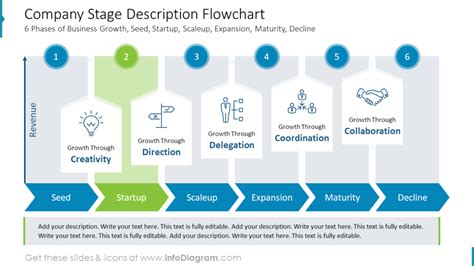
The **final**, usually held in **late February or early March**, is the crowning moment of the Carabao Cup. Taking place at Wembley Stadium, the final is not just a match but a spectacle that captures the imagination of fans across the country. For the teams involved, it represents a chance to secure the first major trophy of the season, potentially setting the tone for the remainder of their campaign. From a logistical perspective, the final's timing is significant because it falls before the business end of the Premier League and European competitions, allowing winning teams to carry momentum into those challenges. Moreover, for clubs outside the traditional elite, winning the Carabao Cup can be a transformative moment, boosting morale, attracting new fans, and even influencing player recruitment in subsequent transfer windows.
This season's Carabao Cup schedule is particularly noteworthy because of how it interacts with other competitions. The **compact nature of the English football calendar**, exacerbated by the winter World Cup in recent years, has made fixture congestion a pressing concern for clubs. The EFL has worked to ensure that the Carabao Cup rounds are spaced in a way that minimizes clashes with international breaks and league fixtures, but the tight schedule still poses challenges. For example, teams playing in midweek European matches often find themselves with little recovery time before Carabao Cup games, leading to debates about player welfare and the sustainability of the current structure.
Another unique aspect of this season's schedule is the **emphasis on fan engagement**. The EFL has made efforts to ensure that matches are accessible to a wider audience, with several games broadcast live and innovative ticketing initiatives to encourage attendance. This focus on fans is particularly important in the Carabao Cup, where the earlier rounds can sometimes struggle to attract large crowds. By aligning key dates with school holidays or other high-profile events, the competition has sought to enhance its appeal beyond the hardcore football audience.
In summary, the **timeline of the Carabao Cup for the current season** is a carefully orchestrated sequence of rounds that balances the demands of a busy football calendar with the need to maintain the competition's prestige and excitement. From the early rounds in August to the climactic final in February or March, each stage of the Carabao Cup offers something unique—whether it is the thrill of a giant-killing, the tactical intrigue of a two-legged semi-final, or the grandeur of a Wembley finale. For clubs, fans, and neutrals alike, the schedule provides a roadmap to one of English football's most exciting journeys, packed with drama, unpredictability, and the promise of silverware.
Participating Teams and Qualification Criteria
The Carabao Cup, officially known as the EFL Cup, is one of England's most prestigious domestic football tournaments, providing a platform for teams across various tiers of the English football pyramid to compete for silverware. Understanding the participating teams and their qualification criteria is essential to grasp how the tournament structure accommodates teams from different divisions and ensures a fair yet competitive environment. This section delves into the specifics of which teams are eligible and the mechanisms by which they secure their spots in the competition.
The Carabao Cup is open to a wide range of teams, primarily drawn from the top four divisions of English football. These include the Premier League, EFL Championship, EFL League One, and EFL League Two. Collectively, these leagues encompass 92 professional clubs, all of which are theoretically eligible to participate. However, the qualification process involves specific rules and exceptions that determine which teams ultimately compete in the tournament each season. This ensures the competition remains streamlined while still offering representation across the football hierarchy.
To begin with, all 20 Premier League teams automatically qualify for the Carabao Cup. This is a standard feature of the tournament, as the Premier League represents the highest level of English football. Premier League clubs are not required to meet any additional criteria beyond their membership in the top flight. Their inclusion is guaranteed, which often provides high-profile matches early in the competition when they face lower-tier teams. This dynamic creates opportunities for "giant-killing" moments, where smaller clubs can upset top-tier sides, adding to the tournament's allure.
From the EFL Championship, EFL League One, and EFL League Two, the qualification process is slightly more nuanced. These three leagues collectively include 72 teams, but not all of them enter the Carabao Cup automatically. For instance, all 24 Championship clubs are guaranteed entry into the tournament. This is because the Championship is the second-highest tier in English football, and its teams are considered integral to the competition’s structure. Similarly, the top teams from League One and League Two are also included without exception. However, the distinction lies in how the lower-tier teams are filtered into the draw.
In EFL League One and League Two, all 48 teams are eligible to participate. This means that, unlike the Premier League and Championship, there is no selection process or performance-based criteria for these divisions. Every team, regardless of their position in the previous season’s standings, is included. This universal inclusion is significant because it allows smaller clubs, often with limited resources, to test themselves against higher-ranked opponents. For instance, a team like Accrington Stanley or Morecambe from League One might face off against a Premier League giant, creating memorable moments for fans and players alike.
However, there are exceptions and adjustments to consider. One key factor is the involvement of clubs that qualify for European competitions. Premier League teams that secure a place in UEFA competitions—such as the Champions League, Europa League, or the Europa Conference League—receive a bye in the early rounds of the Carabao Cup. This is a practical measure to manage fixture congestion for these high-performing teams. For example, if a club like Manchester City or Liverpool qualifies for the Champions League, they will not enter the Carabao Cup until the third round. This adjustment ensures that their participation does not compromise their ability to compete effectively across multiple competitions.
Another unique aspect of the Carabao Cup qualification involves newly promoted or relegated teams. When a team is promoted to the Premier League or relegated to a lower division, their qualification status for the subsequent Carabao Cup season is determined by their final position in the previous campaign. For example, if a team is promoted from the Championship to the Premier League, they automatically qualify as a Premier League representative. Conversely, a relegated Premier League team will enter the tournament as part of the Championship cohort. This fluidity ensures that the Carabao Cup remains representative of the current football landscape, even as teams move between divisions.
There are also specific cases involving Welsh teams that add an interesting dimension to the tournament. While the Carabao Cup is primarily an English competition, two Welsh clubs—Cardiff City and Swansea City—compete in the EFL structure and are therefore eligible to participate. Their inclusion stems from their membership in the EFL rather than the Welsh football system. This cross-border participation is a unique feature of the Carabao Cup and underscores the tournament's inclusivity within the broader context of British football.
Additionally, there are scenarios where clubs may withdraw or be disqualified from the Carabao Cup due to administrative issues or breaches of competition rules. For instance, if a team fails to register players in time or violates financial fair play regulations, they may forfeit their place. Such cases are rare but highlight the importance of meeting eligibility requirements beyond mere sporting performance. In the event of a withdrawal, the EFL may decide to adjust the draw or allow a bye for the opposing team in the affected fixture.
The draw system also plays a role in how teams are distributed across the competition. The Carabao Cup employs a seeded and regionalized format in its early rounds to minimize travel for lower-tier teams and create locally relevant matchups. For example, in the first round, teams from the northern and southern regions of England are drawn separately. This not only reduces logistical challenges for smaller clubs but also fosters local rivalries and fan engagement. However, as the tournament progresses, the regionalization is removed, and the draw becomes open, allowing for potentially high-stakes matches between teams from different parts of the country.
It is also worth noting that B-teams or reserve teams of clubs are not allowed to participate in the Carabao Cup. This rule ensures that the competition remains focused on first-team squads, maintaining its integrity as a professional tournament rather than a developmental platform. This is a contrast to some cup competitions in other countries, where reserve teams are occasionally fielded. The exclusion of B-teams reinforces the Carabao Cup's status as a serious competition with high stakes for all involved.
In summary, the participation and qualification criteria for the Carabao Cup are designed to balance inclusivity with practicality. The automatic inclusion of Premier League and Championship teams, alongside the universal entry of League One and League Two clubs, ensures broad representation. Adjustments for European qualifiers and the handling of Welsh teams add layers of complexity that reflect the tournament's adaptability. These mechanisms collectively create a dynamic and competitive structure that upholds the Carabao Cup's reputation as a tournament where underdogs can shine and top-tier teams must remain vigilant to avoid upsets.
- All 20 Premier League teams qualify automatically.
- All 24 Championship teams are included without exception.
- All 48 League One and League Two teams participate universally.
- European competition qualifiers enter in later rounds to manage fixtures.
- Welsh clubs Cardiff City and Swansea City are eligible due to EFL membership.
- Withdrawals or disqualifications are rare but handled by the EFL as needed.
This detailed breakdown underscores how the Carabao Cup caters to the diverse landscape of English football, offering both established powerhouses and ambitious smaller clubs a chance to compete on a national stage.
Fixture Breakdown by Rounds
The Carabao Cup, officially known as the EFL Cup, is one of England's most prestigious domestic football competitions. It features teams from the top four tiers of English football—the Premier League, Championship, League One, and League Two—competing in a knockout format. Understanding the fixture breakdown by rounds is essential for fans, analysts, and stakeholders to grasp the tournament's structure and typical scheduling nuances. This section provides a detailed round-by-round summary of the matches and their scheduling patterns, shedding light on how the tournament unfolds throughout the season.
The Carabao Cup begins in August, typically coinciding with the early stages of the football season. This timing is strategic, as it allows clubs to ease into competitive play while managing player fitness and squad rotations. The competition is divided into seven rounds: the First Round, Second Round, Third Round, Fourth Round, Quarter-Finals, Semi-Finals, and the Final. Each round has unique characteristics in terms of participants, scheduling, and stakes.
The First Round is where the competition kicks off, involving 72 teams from the Championship, League One, and League Two. Premier League clubs not participating in European competitions join in the Second Round, while those in Europe enter in the Third Round. This staggered entry system ensures a gradual build-up of competition intensity. In the First Round, matches are often scheduled across two midweek slots to accommodate the large number of participating teams. For example, in the 2023/24 season, the First Round saw 36 fixtures split over Tuesday and Wednesday evenings. This approach minimizes scheduling conflicts and gives teams adequate recovery time before their next league fixtures. A unique insight here is that lower-league clubs often prioritize the Carabao Cup as a chance to generate revenue and test their squads against higher-tier opponents.
The Second Round introduces Premier League clubs not involved in European competitions. This round expands the pool of participants and typically sees a mix of midweek fixtures across Tuesday and Wednesday. Unlike the First Round, which often features regional groupings to reduce travel for lower-league clubs, the Second Round adopts a more open draw. This can lead to intriguing matchups, such as a Championship side hosting a Premier League team. A distinctive feature of this round is the heightened focus on giant-killing opportunities, where smaller clubs aim to upset higher-ranked teams. Scheduling here often prioritizes TV broadcast slots, as these matches attract more viewers due to the inclusion of Premier League sides.
In the Third Round, the Premier League's European contenders—teams competing in the UEFA Champions League, Europa League, and Europa Conference League—enter the fray. This round often represents the first significant test for top-tier clubs, as they balance domestic cup ambitions with European and league commitments. Fixture congestion becomes a critical factor in this round. For instance, a club like Manchester City or Liverpool might play a midweek Carabao Cup match sandwiched between a Premier League game on the weekend and a Champions League fixture the following midweek. To manage this, clubs often field rotated squads, providing younger players and fringe squad members with valuable playing time. The scheduling in this round is also influenced by broadcast demands, with high-profile matches often given prime-time slots on TV networks.
The Fourth Round, also known as the Round of 16, narrows the field further. By this stage, most lower-tier teams have been eliminated, and the competition begins to feature a higher concentration of Premier League clubs. Matches are again scheduled midweek, often in late October or early November, aligning with a busy period in the football calendar. This round is notable for its unpredictability; while top clubs aim to progress, fixture congestion and squad rotation can lead to surprising results. For instance, in recent years, teams like Sunderland and Brentford have reached this stage despite being considered underdogs. The Fourth Round's scheduling often reflects a compromise between ensuring competitive fixtures and accommodating the demands of other competitions, such as the UEFA group stages and domestic league matches.
The Quarter-Finals represent a significant milestone, as only eight teams remain. Typically held in December, this round occurs during one of the most congested periods of the season, coinciding with the festive fixture pile-up in English football. Clubs are often juggling three competitions—domestic league, European commitments, and the Carabao Cup—making squad management a critical factor. The Quarter-Finals are usually single-leg fixtures played midweek, with no replays allowed (a rule introduced to streamline the competition). This creates high-stakes matches where a single mistake can end a team's cup run. A unique insight here is that smaller clubs reaching this stage often face logistical and financial windfalls, as gate receipts and TV appearances provide a boost to their operations.
The Semi-Finals are the only stage of the Carabao Cup played over two legs, home and away. This format sets it apart from the earlier rounds and adds an extra layer of complexity to scheduling. The Semi-Finals are typically held in January, a time when clubs are also navigating the third round of the FA Cup and the resumption of European competitions after the winter break. The two-leg format introduces the concept of away goals (although this rule was removed in recent years) and heightens the drama, as teams must perform consistently over two matches to secure a place in the Final. Scheduling here often prioritizes spacing out the two legs to allow teams sufficient recovery time, especially given the physical toll of the winter schedule. A unique challenge for clubs at this stage is balancing priorities—for instance, a team deep in a title race or European campaign might deprioritize the Carabao Cup to focus on other objectives.
Finally, the Final is a standalone event, usually held in late February or early March at Wembley Stadium. Unlike earlier rounds, the Final is a one-off match with no room for error, making it a high-pressure event for both teams. The scheduling of the Final is influenced by its status as a marquee event in the English football calendar, often broadcast globally and attended by tens of thousands of fans. The timing of the Final is also significant because it occurs before the business end of the Premier League and European competitions, allowing clubs to focus on this trophy without the added pressure of title races or relegation battles. A unique insight is that the Carabao Cup Final often serves as a platform for clubs to build momentum for the remainder of the season, as winning a trophy early can boost morale and confidence.
In summary, the Carabao Cup's fixture breakdown by rounds showcases a carefully structured progression from the inclusive early stages to the high-stakes later rounds. Each round has its own rhythm, influenced by factors such as participant entry points, fixture congestion, and broadcast priorities. This staggered approach not only ensures the competition's longevity but also provides opportunities for clubs of all levels to shine. Whether it is the giant-killing potential of the early rounds or the grandeur of the Final at Wembley, the Carabao Cup schedule is a masterclass in balancing tradition, competition, and logistical practicality.
Broadcast and Streaming Information
The Carabao Cup, officially known as the EFL Cup, is one of the most anticipated football tournaments in England, featuring teams from the Premier League, Championship, and lower divisions. For fans around the world, accessing live coverage of matches can sometimes be challenging due to regional broadcasting rights and streaming restrictions. This section delves into the **broadcast and streaming information** for the Carabao Cup, providing a comprehensive guide to where and how fans can tune in globally.
The broadcasting landscape for the Carabao Cup is diverse, as the tournament attracts a wide audience across continents. Unlike competitions like the UEFA Champions League or the Premier League, the Carabao Cup does not have a singular global broadcaster. Instead, rights are sold to different networks and platforms region by region, which can create a fragmented viewing experience for fans. However, this also means that there are often tailored options for audiences in specific countries, ensuring that the matches are accessible in some form almost everywhere.
In the **United Kingdom**, Sky Sports has traditionally been the primary broadcaster for Carabao Cup matches. Sky Sports holds the rights to air a selection of live games, particularly those involving high-profile teams or later stages of the competition. For UK-based fans who do not have a Sky Sports subscription, NOW TV offers a flexible streaming option through day or month passes, allowing viewers to watch matches without committing to a long-term contract. Additionally, some matches may be available on free-to-air channels like BBC or ITV, although this is less common and usually limited to select fixtures, such as the final.
For **fans in the United States**, ESPN holds the broadcasting rights for the Carabao Cup. ESPN+, the network’s streaming platform, is the go-to service for live coverage of most matches. This is a significant advantage for American viewers, as ESPN+ offers a relatively affordable subscription model compared to traditional cable packages. The platform also provides on-demand replays, which is ideal for fans who cannot watch live due to time zone differences. However, it is worth noting that not all Carabao Cup matches are broadcast live on ESPN+; the platform tends to prioritize matches featuring top-tier teams or those in the later rounds, so fans of lower-division teams may need to seek alternative coverage through unofficial streams or match highlights.
In **continental Europe**, the broadcasting picture varies widely. In **Germany**, for example, DAZN has emerged as a major player in sports streaming, and it often includes Carabao Cup matches as part of its extensive football portfolio. DAZN’s model of offering a wide range of leagues and tournaments under one subscription makes it a convenient option for fans of English football. Similarly, in **France**, beIN Sports is a key provider of Carabao Cup coverage, often bundling it with other English football content. In **Spain**, Movistar+ has occasionally aired Carabao Cup matches, though coverage is not as extensive as for the Premier League. These regional differences highlight how the Carabao Cup’s broadcast strategy caters to local audience preferences while also leveraging the popularity of English football in Europe.
In **Asia**, the Carabao Cup has a strong following, particularly in countries like **China**, **Japan**, and **India**. In **China**, PP Sports and iQiyi Sports are among the platforms that have streamed Carabao Cup matches in the past. These services often include English football as part of broader sports packages, capitalizing on the growing interest in European competitions. In **Japan**, DAZN also operates, offering Carabao Cup matches alongside other leagues like the Premier League and J-League. For **Indian fans**, Sony Pictures Networks has historically provided coverage of English football tournaments, including the Carabao Cup, through its Sony LIV platform. However, the availability of matches can vary based on the round and the teams involved, so fans may need to check schedules closer to match dates.
The **Middle East and North Africa (MENA)** region is another area where the Carabao Cup has a dedicated audience. beIN Sports is the dominant broadcaster for English football in this region, and it typically includes Carabao Cup matches as part of its coverage. beIN Sports offers both live streaming and on-demand options through its beIN Connect service, ensuring that fans in countries like Saudi Arabia, UAE, and Egypt can follow the tournament. However, the time zone differences can pose challenges for live viewing, particularly for matches played in the early rounds, which often take place on weekday evenings in the UK.
In **Africa**, the broadcast landscape is somewhat fragmented. SuperSport, a major sports broadcaster in sub-Saharan Africa, has occasionally aired Carabao Cup matches, particularly those involving top Premier League teams. However, coverage is not as consistent as for the Premier League, and fans in countries like Nigeria, South Africa, and Kenya may need to rely on online streaming platforms or VPN services to access matches through international broadcasters.
For **Latin America**, the Carabao Cup does not have as strong a presence as other English football competitions, but there are still options for fans. Networks like ESPN Latin America and DirecTV Sports have occasionally included Carabao Cup matches in their programming, though this is often limited to the later stages of the tournament. Fans in this region may also turn to online platforms like Fanatiz or use VPNs to access streams from other regions.
The **Oceania region**, including **Australia** and **New Zealand**, has seen growing interest in English football, and the Carabao Cup is no exception. In Australia, beIN Sports is the primary provider of Carabao Cup coverage, offering matches through its linear channels and streaming platform. In New Zealand, Sky Sport has historically provided access to English football tournaments, though the Carabao Cup is sometimes overshadowed by the Premier League in terms of priority. Fans in this region may also explore global streaming services like Kayo Sports, which often includes beIN Sports content as part of its offerings.
One of the key challenges for global fans is the issue of **geoblocking and regional restrictions**. Many streaming platforms enforce geoblocking based on licensing agreements, which can limit access to Carabao Cup matches in certain countries. For example, a fan in Germany might not be able to access ESPN+ due to regional restrictions, while a viewer in the US might find DAZN unavailable. To overcome this, some fans use **VPNs (Virtual Private Networks)** to bypass these restrictions and access streams from other regions. While this is a practical solution for many, it is important to note that using VPNs to access content outside licensed regions may violate the terms of service of some platforms.
Another avenue for fans is the **official Carabao Cup website and app**, which sometimes provide live streaming options or links to authorized broadcasters. These platforms are particularly useful for fans who want to stay updated on match schedules, results, and highlights. Additionally, social media platforms like **YouTube**, **Twitter**, and **Facebook** often feature short clips, goal highlights, and post-match analysis, though full match streams are rarely available due to copyright enforcement.
For fans seeking free options, **illegal streams** are a persistent issue in the world of sports broadcasting. While these streams may seem like an easy way to watch matches without paying, they come with significant risks, including poor video quality, intrusive ads, and potential security threats like malware. It is always recommended to use official and licensed platforms to support the sport and ensure a high-quality viewing experience.
In summary, the **broadcast and streaming options for the Carabao Cup** are as diverse as the tournament’s global fanbase. From Sky Sports in the UK to ESPN+ in the US, DAZN in Europe and Asia, and beIN Sports in the MENA region, there are numerous ways for fans to tune in. However, the availability of matches can vary significantly by region, and fans may need to explore alternative methods like VPNs or on-demand services to catch their favorite teams in action. As the Carabao Cup continues to grow in popularity, it is likely that streaming options will become more streamlined and accessible in the future, further enhancing the global appeal of this storied competition.
Impact on Team Schedules and Player Fatigue
The Carabao Cup, as one of England's domestic cup competitions, often introduces a layer of complexity to the already packed schedules of top-tier football teams. While the tournament offers a chance for silverware and a route into European competition for the winner, its impact on team fixture congestion and player fatigue is a subject of ongoing debate among coaches, analysts, and sports scientists. This section delves into how the Carabao Cup disrupts the rhythm of team schedules and examines the tangible and intangible costs to player performance.
One of the most immediate effects of participating in the Carabao Cup is the increase in fixture density. Premier League teams, especially those involved in European competitions like the Champions League or Europa League, already face a demanding calendar. The addition of Carabao Cup fixtures—particularly in the early rounds where lower-league teams enter—means that top-flight teams often play midweek matches in close proximity to weekend league fixtures. For instance, a team might play a Premier League match on a Saturday, followed by a Carabao Cup tie on a Tuesday or Wednesday, and then another league game the subsequent weekend. This compressed schedule leaves little room for recovery, especially when travel is involved for away fixtures.
The physical toll on players is significant. Research into player workload has shown that playing two high-intensity matches within a 72-hour window increases the risk of soft tissue injuries, such as muscle strains and ligament damage. When players are subjected to this kind of schedule repeatedly, their performance can suffer due to accumulated fatigue. A study by the UEFA Elite Club Injury Study found that teams with congested schedules had a 25-30% higher injury rate compared to those with more spaced-out fixtures. This is particularly concerning for teams like Manchester City or Liverpool, who often field strong squads in the Carabao Cup to maintain their competitive edge but risk overloading key players.
Another dimension of this issue is the rotation of squads. Managers often use the Carabao Cup as an opportunity to rest first-team players and provide minutes to fringe or youth players. While this strategy can mitigate fatigue for star players, it introduces its own challenges. Younger or less experienced players may not have the same physical resilience or tactical understanding as seasoned professionals, which can lead to suboptimal performances. Additionally, when reserve players are thrust into high-stakes matches against motivated lower-league opponents, the risk of upsets increases. This was evident in recent years when teams like Arsenal and Tottenham were knocked out by lower-division sides, partly due to the use of weakened squads. The fallout from such results can include psychological pressure on the manager and players, as media and fans scrutinize their approach to the competition.
From a tactical perspective, the Carabao Cup schedule can force teams to prioritize certain competitions over others. For instance, a team fighting for a top-four finish in the Premier League or aiming for European glory might consciously deprioritize the Carabao Cup to focus on more prestigious or financially rewarding objectives. This is often seen in the later stages of the tournament when top teams field experimental lineups or appear less motivated. However, this approach can backfire if the team suffers an unexpected loss, as it may dent morale and create a narrative of underachievement. Conversely, teams lower in the league table may view the Carabao Cup as a rare opportunity for success, leading them to field stronger teams and push their players harder, which can exacerbate fatigue in subsequent league matches.
The cumulative impact on player recovery is another critical factor. Modern football places a heavy emphasis on sports science and player monitoring, with metrics like heart rate, sleep quality, and muscle soreness used to gauge readiness. However, even the best recovery protocols can only do so much when the schedule is unforgiving. For instance, a player who expends significant energy in a midweek Carabao Cup match may not fully recover for a weekend Premier League game, leading to reduced sprint speed, lower passing accuracy, and diminished decision-making under pressure. These micro-deficits might not be immediately apparent but can accumulate over a season, potentially costing a team points in critical matches.
There is also the psychological aspect to consider. Players are not machines, and the mental strain of constant competition can be as taxing as the physical demands. The Carabao Cup often requires teams to switch focus rapidly between different types of opponents—from battling relegation-threatened sides in the league to facing lower-league teams in cup ties who approach the game with nothing to lose. This mental juggling act can lead to lapses in concentration, particularly for players who are not accustomed to such rapid shifts in focus. Anecdotal evidence from managers like Pep Guardiola and Jürgen Klopp suggests that the mental "grind" of cup competitions can sometimes outweigh the physical toll, particularly when teams are chasing multiple trophies.
The financial and reputational stakes of the Carabao Cup further complicate the issue. While the tournament is not as lucrative as the Premier League or Champions League, it still holds value for clubs in terms of prize money, fan engagement, and the opportunity to build momentum. Smaller clubs, in particular, often prioritize the Carabao Cup as a chance to generate revenue through gate receipts and TV appearances. For these teams, the competition can be a double-edged sword: while it offers a platform to shine, it also stretches their limited resources and can lead to burnout among players who are not used to such a demanding schedule.
To mitigate these challenges, some teams have adopted innovative approaches. For example, clubs have experimented with rotational strategies that balance the need for rest with the desire to remain competitive. This might involve playing a hybrid squad with a mix of first-team and youth players or prioritizing recovery sessions over traditional training in the days following a Carabao Cup match. However, these solutions are not foolproof, as they depend heavily on the depth of the squad and the quality of the backup players.
In conclusion, the Carabao Cup's impact on team schedules and player fatigue is multifaceted. While it provides opportunities for glory and development, it also introduces significant challenges in terms of fixture congestion, injury risk, and mental resilience. Teams must navigate this landscape carefully, weighing the short-term benefits of progression against the long-term costs of overburdening their squads. As the football calendar becomes increasingly crowded, the role of the Carabao Cup in the broader context of player welfare and competitive balance will likely remain a contentious topic for years to come.
Historical Performance and Records
The Carabao Cup, also known as the EFL Cup, has a storied history that stretches back to its inception in 1960. Over the decades, it has become a fixture of English football, offering clubs across the tiers of the football league system a chance to compete for silverware. This section delves into the **historical performance and records** of the tournament, highlighting past winners, memorable matches, and notable statistics that have shaped its legacy.
The tournament has seen a diverse array of winners since its first edition. Liverpool holds the record for the most Carabao Cup victories, having lifted the trophy nine times. Their dominance in the competition, particularly during the 1980s, underscored their ability to prioritize and excel in multiple competitions simultaneously. During this era, Liverpool’s squads under managers like Bob Paisley and Joe Fagan demonstrated a blend of tactical nous and squad depth that made them formidable opponents. Their back-to-back wins in 1981, 1982, 1983, and 1984 created a dynasty that few teams have replicated in the competition’s history.
Another club with a rich history in the Carabao Cup is Manchester City, which has won the tournament eight times. Under the stewardship of Pep Guardiola in the modern era, Manchester City has redefined what it means to dominate domestic cup competitions. Their recent successes, including four consecutive wins from 2018 to 2021, showcased a blend of attacking football and squad rotation that allowed them to maintain high performance levels even when fielding what some might consider "second-string" teams. This run of dominance highlights how the competition has evolved into a stage where top-tier clubs often experiment with younger talents while still aiming for victory.
Among the memorable matches in Carabao Cup history, the 2019 final between Manchester City and Chelsea stands out. This match was decided by a penalty shootout after a goalless 120 minutes of play. The drama was heightened by the controversial substitution (or lack thereof) of Chelsea goalkeeper Kepa Arrizabalaga, who refused to be replaced by Willy Caballero during extra time. This incident remains one of the most talked-about moments in the tournament’s history, illustrating how even the seemingly routine matches can produce moments of high tension and unpredictability.
Another unforgettable encounter was the 2008 final between Tottenham Hotspur and Chelsea. Spurs emerged victorious with a 2-1 win in extra time, with Jonathan Woodgate scoring the decisive goal. This match is remembered not only for the result but also for the narrative surrounding Tottenham’s resurgence under manager Juande Ramos. It was a rare moment of triumph for Spurs in a competition that has often been dominated by the so-called "bigger clubs."
The competition has also provided a platform for lower-league teams to make their mark. One of the most remarkable runs came from Swansea City in 2013, when they won the trophy by defeating Bradford City 5-0 in the final. This was Swansea’s first major trophy, and their journey to the final included victories over top-flight opponents like Liverpool and Chelsea. This kind of underdog story is a testament to the tournament's inclusivity, allowing smaller clubs to dream of glory and often producing giant-killing moments that captivate fans.
Notable statistics from the Carabao Cup further illuminate its unique place in English football. For instance, the tournament has seen a high frequency of penalty shootouts, particularly in recent years. The introduction of the ABBA shootout system in 2017 added a new dimension to these climactic finales, though it was later reverted to the traditional format. Additionally, the competition has often served as a breeding ground for young talents. Players like Wayne Rooney, who announced himself to the world with a stunning goal for Manchester United against Arsenal in 2005, and Marcus Rashford, who scored twice on his debut in 2016, have used the Carabao Cup as a springboard for their careers.
The competition’s format has also contributed to its unpredictability. Unlike the FA Cup, which allows replays in earlier rounds, the Carabao Cup traditionally enforces single-leg ties (with the exception of the semi-finals), increasing the likelihood of upsets. This has led to some surprising results, such as Bradford City’s run to the 2013 final despite being a fourth-tier team. Their victories over Arsenal and Aston Villa in earlier rounds showcased how the tournament’s structure can level the playing field, even for clubs with limited resources.
Another interesting facet of the Carabao Cup’s history is its role in managerial narratives. For instance, José Mourinho has often emphasized the importance of winning this competition early in his tenures at Chelsea and Manchester United. His first trophy in English football came via the 2005 Carabao Cup, setting the tone for a period of dominance at Chelsea. Similarly, Pep Guardiola used the 2018 victory as a springboard for Manchester City’s era of domestic dominance. The competition has often served as a confidence booster for managers looking to establish their credentials or rejuvenate struggling teams.
From a statistical perspective, the Carabao Cup has seen some remarkable individual feats. Geoff Hurst, famous for his World Cup heroics in 1966, holds the record for the most goals scored in a single match, netting six for West Ham United against Cardiff City in 1966. On the team level, the highest-scoring match in the competition’s history was a 12-0 victory by Liverpool over Fulham in 1986, a result that remains an outlier in terms of goal margins. These records highlight how the Carabao Cup has occasionally been a stage for extraordinary individual and team performances.
The Carabao Cup’s history is also intertwined with broader trends in English football. In the 1980s and 1990s, the tournament was seen as a secondary competition compared to the FA Cup and league titles. However, the Premier League era has redefined its significance, with top clubs often using it to blood young players or maintain momentum during congested fixture schedules. This shift in priorities has not diminished its appeal but instead added layers of strategy and intrigue to its proceedings.
In summary, the Carabao Cup’s historical performance and records reveal a tournament that is more than just a secondary competition. It has been a stage for dynasties like Liverpool and Manchester City, a platform for underdog triumphs, and a breeding ground for future stars. From dramatic finals to record-breaking performances, the tournament has etched its place in the annals of English football, offering fans moments of joy, heartbreak, and everything in between.
Fan Engagement and Event Highlights
The Carabao Cup, also known as the EFL Cup, is more than just a competition for English football clubs to vie for silverware. It is a platform that thrives on fan engagement, offering unique moments and traditions that set it apart from other tournaments in the football calendar. This section delves into the ways the tournament captivates its audience and highlights the distinctive elements that make it a memorable experience for fans.
One of the most striking aspects of fan engagement in the Carabao Cup is its **accessibility to a wide range of clubs**. Unlike the Premier League or the FA Cup, where the spotlight often shines brightest on top-tier teams, the Carabao Cup provides opportunities for lower-league teams to compete against giants of English football. This inclusivity not only gives smaller clubs a chance to shine but also allows their fans to experience high-profile matches that might otherwise be out of reach. For instance, when a League Two team hosts a Premier League side, the local community often rallies around the event, turning it into a festival-like atmosphere. The buzz created by such matchups is amplified through social media campaigns, where clubs and the EFL actively encourage fans to share their excitement, predictions, and matchday experiences. These interactions are often rewarded with exclusive content, such as player shoutouts or behind-the-scenes footage, which strengthens the emotional connection between fans and the tournament.
Another key element of engagement is the **format of the tournament itself**. The Carabao Cup is structured to deliver fast-paced, high-stakes matches. With no two-legged ties in the early rounds and the possibility of penalty shootouts if a game ends in a draw after 90 minutes, fans are guaranteed a sense of immediacy and drama. This format appeals particularly to younger audiences and casual fans who may not have the time or inclination to follow extended cup runs. The tournament’s scheduling, often on midweek evenings, also caters to fans looking for a quick football fix outside the weekend Premier League grind. Streaming partnerships and digital platforms have further enhanced this accessibility, allowing global audiences to tune in and engage with live updates, interactive polls, and real-time commentary. For instance, the Carabao Cup’s collaboration with platforms like Sky Sports and its use of hashtag campaigns such as #CarabaoCupMoments encourage fans to share their reactions and become part of a larger narrative.
The tournament also boasts **traditions and unique moments** that contribute to its charm. One such tradition is the **unpredictability of results**. Unlike the Premier League, where the same few teams often dominate, the Carabao Cup has a history of upsets. Lower-league teams knocking out top-tier opponents is not uncommon, and these "giant-killings" are celebrated as some of the most electrifying moments in English football. For example, when Bradford City reached the final in 2013 as a League Two team, their journey captured the imagination of fans across the country. These underdog stories are amplified by the tournament’s coverage, which often includes player interviews, fan testimonials, and highlight reels that emphasize the emotional weight of such victories.
Additionally, the **Carabao Cup final at Wembley Stadium** is a spectacle that draws fans from all corners of the UK and beyond. The final is not just about the match; it is an event steeped in pageantry. From the pre-match fan zones, where supporters can participate in skill challenges, take photos with the trophy, or enjoy live music, to the post-match celebrations that include confetti showers and trophy parades, the final is designed to be a full-day experience. This focus on creating a festival-like environment ensures that even neutral fans feel invested in the occasion. The use of **augmented reality (AR) and virtual reality (VR)** experiences in recent years has further enhanced fan engagement. Fans at home or in the stadium can use AR filters to "wear" their team’s kit or virtually place themselves in the stands, creating a sense of immersion. Such innovations reflect the tournament’s willingness to embrace modern technology to deepen its connection with fans.
The **role of sponsors** also plays a significant part in fan engagement. Carabao, the Thai energy drink company that lends its name to the tournament, has introduced creative marketing strategies to involve fans. From offering free samples at matches to running competitions where supporters can win VIP matchday experiences or meet-and-greets with players, the sponsor’s involvement is not just passive branding but an active effort to integrate into the fan experience. For example, Carabao has launched campaigns like "Spot the Ball" on social media, where fans guess the position of a hidden football in a matchday image for a chance to win tickets or merchandise. These initiatives not only promote the brand but also foster a sense of participation among fans, making them feel like they are part of the tournament’s ecosystem.
Unique traditions also extend to **memorable goal celebrations and rituals**. The Carabao Cup has seen some of the most iconic goal celebrations in recent football history. Whether it is a player mimicking a dance move popularized on social media or a team huddling together in a choreographed celebration, these moments resonate deeply with fans. Social media teams of participating clubs often capitalize on these celebrations by turning them into GIFs, memes, and short video clips that are widely shared. This not only entertains fans but also ensures that the tournament remains a talking point long after the final whistle. The use of **player-generated content**, such as Instagram takeovers or TikTok challenges, further personalizes the experience for fans, especially younger demographics who value authenticity and relatability in their sports heroes.
Another area where the Carabao Cup shines is in its **focus on community initiatives**. Many clubs use their involvement in the tournament to launch or promote charitable campaigns. For example, some clubs donate a portion of ticket sales from early-round matches to local causes or invite underprivileged fans to attend games for free. These gestures not only enhance the tournament’s reputation but also create a sense of goodwill among fans, who view the competition as more than just a quest for a trophy. Such initiatives are often highlighted in pre- and post-match coverage, ensuring that fans are aware of the positive impact their support has beyond the pitch.
Finally, the Carabao Cup provides a platform for **emerging talents** to showcase their skills. For top-tier clubs, the tournament often serves as an opportunity to field younger players or squad members who do not get regular playing time in league matches. This strategy not only keeps the competition fresh but also gives fans a glimpse of the future stars of English football. For instance, when a teenager scores their first senior goal in a Carabao Cup match, it becomes a milestone celebrated across fan forums and media outlets. These moments of discovery add an element of excitement and unpredictability that traditional league matches sometimes lack.
In conclusion, the Carabao Cup is a tournament that thrives on **dynamic fan engagement and the celebration of unique traditions**. From its inclusivity and fast-paced format to its embrace of modern technology and community-focused initiatives, the competition offers a rich tapestry of experiences that keep fans invested. Whether through underdog triumphs, innovative marketing campaigns, or the spectacle of the Wembley final, the Carabao Cup ensures that it remains a beloved fixture in the football calendar, offering something special for every type of fan.
Conclusion and Future Outlook
The Carabao Cup, also known as the EFL Cup, holds a unique and multifaceted position within the football calendar. While it may not command the global prestige of competitions like the UEFA Champions League or the Premier League title race, its significance is far from trivial. For clubs across the English football pyramid, the Carabao Cup serves as a platform for ambition, experimentation, and financial opportunity. As we look toward the future, the competition’s role and structure may evolve in response to shifting priorities in the sport.
One of the most compelling aspects of the Carabao Cup is its inclusivity. Unlike the Premier League or the FA Cup, which can sometimes feel dominated by elite clubs, the Carabao Cup provides lower-league teams with a genuine chance to compete against top-tier opposition. This democratization of competition is vital for the health of English football. For smaller clubs, a deep run in the Carabao Cup can mean much-needed revenue from gate receipts, broadcast fees, and sponsorship deals. These financial boosts can fund infrastructure improvements, youth academy investments, or even help stave off financial instability. For instance, a League Two side reaching the later stages of the competition can experience a windfall that reverberates beyond the immediate season. This dynamic underscores the cup’s importance not just as a tournament but as a lifeline for clubs outside the elite bubble.
From a competitive standpoint, the Carabao Cup often serves as a testing ground for managers and players. Premier League teams, particularly those involved in European competitions, frequently use the early rounds to rotate their squads and give younger or fringe players valuable minutes. This approach has dual benefits: it allows managers to assess depth and potential while also mitigating the physical toll on key players during a congested fixture schedule. For fans, this experimentation can be a double-edged sword—it offers a glimpse of emerging talent but sometimes results in less-than-stellar performances. However, the unpredictability of these lineups contributes to the competition’s charm. Matches between mismatched teams often produce upsets that resonate in football lore, such as when fourth-tier Bradford City reached the final in 2013. These moments of giant-killing inject drama and narrative into the season, enriching the broader football experience.
Despite its appeal, the Carabao Cup faces challenges that could shape its future. One of the most pressing issues is the overcrowded football calendar. With the expansion of European competitions, the increasing demands of international breaks, and the push for a winter World Cup in certain cycles, clubs and players are stretched thin. This has led to debates about whether the Carabao Cup should be scaled back or even abolished. Some argue that its elimination would free up space for rest and recovery, particularly for top-tier clubs juggling domestic and international commitments. However, such a move would likely face resistance, not only from lower-league clubs who rely on the competition but also from fans who value its tradition and unpredictability.
Another area of speculation involves potential format changes. The current structure, with its two-legged semi-finals, has been critiqued as unnecessarily elongating the tournament. Proposals to switch to single-leg semi-finals, as seen in other cup competitions, could reduce fixture congestion while maintaining the drama of knockout football. Similarly, there is growing discussion about whether the Carabao Cup should adopt a more experimental approach to rules or formats, such as introducing bonus points for away goals or trialing new technologies like automated offside systems. These changes could revitalize interest in the competition, particularly among younger audiences who are drawn to innovation.
The Carabao Cup’s relationship with broadcasters and sponsors is also worth examining. As the football media landscape evolves, with streaming platforms and digital-first outlets gaining prominence, the competition may need to adapt its presentation and scheduling to remain attractive to partners. For instance, midweek fixtures, a staple of the Carabao Cup, could be leveraged to capture audiences in time zones where traditional weekend matches are less accessible. Enhanced production values, such as augmented reality replays or interactive fan engagement tools, could further elevate the tournament’s profile in a crowded sports market.
Looking ahead, the Carabao Cup’s place in the football ecosystem will likely depend on how it balances tradition with modernity. There is a risk of the competition being perceived as secondary, especially if top clubs continue to field weakened squads or publicly downplay its importance. To counter this, the EFL and participating clubs could work to rebrand the tournament as a celebration of football’s diversity and unpredictability. Initiatives like community-focused campaigns, increased prize money for lower-league participants, or even themed rounds (such as “Heritage Week” matches featuring retro kits) could help rekindle enthusiasm.
Speculation about the future also invites consideration of how the Carabao Cup might intersect with broader changes in football governance. The specter of a European Super League or other breakaway formats looms large in discussions about the sport’s direction. If such initiatives gain traction, the Carabao Cup could become even more vital as a bastion of traditional, inclusive competition. Conversely, if football moves toward a more centralized, elite-focused model, the cup might face marginalization. Advocates for the competition would need to make a strong case for its preservation as a counterbalance to exclusivity.
In terms of player development, the Carabao Cup’s role in nurturing young talent cannot be overstated. Many of today’s stars, from Harry Kane to Phil Foden, gained early exposure in this competition. As academies continue to produce high-caliber prospects, the cup will remain a crucial avenue for their transition into professional football. This aspect of the tournament could be emphasized in future marketing efforts, framing it as a “pathway cup” that bridges the gap between youth and senior football.
Finally, the Carabao Cup’s international appeal should not be overlooked. While its primary audience is domestic, the competition has grown in visibility among global fans, particularly in markets where English football is highly popular. Streaming deals and social media engagement could be leveraged to position the Carabao Cup as a showcase of English football’s depth and dynamism. This would not only boost its revenue potential but also reinforce its status as a key component of the football calendar.
In conclusion, the Carabao Cup occupies a vital niche in the football landscape. It is a competition that blends tradition with opportunity, offering a stage for drama, development, and financial sustenance. While its future may involve changes to format, scheduling, or presentation, its core value as a unifying and inclusive tournament should not be compromised. Whether through innovation or reaffirmation of its existing strengths, the Carabao Cup has the potential to adapt and thrive in an ever-evolving sporting world.


