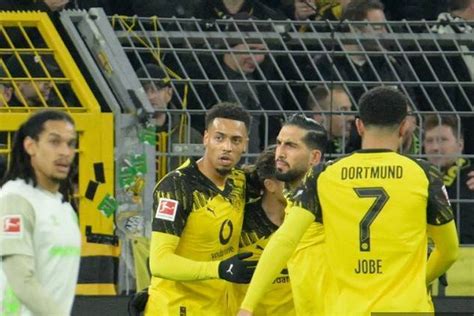
Introduction to the DFB Pokal
The **DFB Pokal**, officially known as the Deutscher Fußball-Bund-Pokal, is one of the most prestigious and storied competitions in German football. Established in 1935, it is an annual knockout tournament organized by the German Football Association (DFB) and features teams from various tiers of the German football league system. Unlike league competitions that reward consistency over a season, the DFB Pokal is a high-stakes, single-elimination format where any club, regardless of its league position or resources, has the opportunity to claim glory. This unique structure makes the tournament a compelling spectacle, blending unpredictability with tradition.
The **significance of the DFB Pokal in German football** cannot be overstated. It serves as a parallel narrative to the Bundesliga, Germany's top-tier league, offering a stage where smaller clubs can challenge the dominance of giants like Bayern Munich, borussia dortmund, and RB Leipzig. For instance, clubs from lower divisions such as the 3. Liga or even amateur sides from regional associations often find themselves pitted against top-flight opposition. These "David vs. Goliath" matchups are a hallmark of the tournament, providing not only thrilling upsets but also a sense of romanticism that is increasingly rare in modern football. This dynamic has helped the DFB Pokal maintain its charm even as football becomes more commercialized and stratified.
One of the most fascinating aspects of the DFB Pokal is its **inclusive nature**. The competition includes 64 teams each season, drawn from the Bundesliga (18 teams), the 2. Bundesliga (18 teams), and the remaining spots filled by teams from the 3. Liga and amateur associations through regional cup competitions. This setup ensures that clubs from all corners of Germany, irrespective of their financial stature or fan base, have a chance to participate. For smaller clubs, simply qualifying for the DFB Pokal can be a significant achievement, often accompanied by financial rewards and increased visibility. For fans, it is an opportunity to dream of giant-killing feats or, at the very least, a memorable day out against a marquee opponent.
The **knockout format** of the DFB Pokal is central to its appeal. Each round consists of one-off matches played at the home ground of one of the competing teams, determined by a draw. This creates a level of unpredictability, as the advantage of playing at home can sometimes offset the gap in quality between teams. For example, a fifth-tier side hosting a Bundesliga giant in their compact, atmospheric stadium can create an environment where the pressure on the favorites is immense. The single-elimination nature also means there is no room for error—a single bad performance can end a team’s campaign, adding to the drama. This format contrasts sharply with league play, where a poor result can often be mitigated over the course of a season.
The **historical context** of the DFB Pokal adds layers of meaning to its modern-day significance. Initially introduced as the Tschammer-Pokal during the Nazi era, the tournament was suspended during World War II and reintroduced in 1952 as the DFB Pokal. Over the decades, it has evolved into a symbol of unity and competition in post-war Germany, bringing together clubs from the former East and West Germany after reunification. This historical backdrop enriches the tournament's narrative, making it more than just a football competition—it is a thread in the fabric of German sporting and cultural history.
The **role of the DFB Pokal in the broader football ecosystem** is multifaceted. For top-tier clubs, it represents an opportunity to secure silverware and, crucially, a spot in the UEFA Europa League (or, in some cases, the UEFA Champions League if the winner has already qualified through the Bundesliga). For smaller clubs, the financial incentives are substantial. Prize money increases with each round, and hosting a high-profile match can provide a windfall through ticket sales, sponsorships, and media exposure. Additionally, the tournament often serves as a platform for young talents and fringe players to showcase their abilities, particularly for bigger clubs that rotate their squads in earlier rounds.
The **emotional resonance of the DFB Pokal** is another key factor in its enduring popularity. For fans, the tournament offers moments of unbridled joy and heartbreak. Lower-league supporters often view a deep run in the DFB Pokal as the pinnacle of their club’s achievements, creating stories that are passed down through generations. Consider the 1992 final, where Hannover 96, then a second-division team, defeated Borussia Mönchengladbach in a penalty shootout to lift the trophy. Such moments are etched in the collective memory of German football fans and underscore the tournament’s ability to produce legends and folklore.
From a **strategic perspective**, the DFB Pokal poses unique challenges for managers and players. The compressed schedule of the tournament, often running alongside domestic and European competitions, requires careful squad management. Top teams must balance their priorities, deciding when to field their strongest XI and when to rest key players. This balancing act has led to some memorable upsets, as weaker teams capitalize on the rotated lineups of their more illustrious opponents. Conversely, for ambitious lower-tier teams, the DFB Pokal is an opportunity to test their mettle against elite competition and potentially spring a surprise that can define their season.
The **cultural impact** of the DFB Pokal extends beyond the pitch. The final, traditionally held at the Olympiastadion in Berlin, is one of the highlights of the German football calendar. It is a celebration of the sport, attended by fans from across the country and watched by millions on television. The event has a festival-like atmosphere, with pre-match festivities, fan parades, and a sense of national camaraderie. Winning the DFB Pokal is not just about lifting a trophy—it is about etching one’s name into the annals of German football history, joining a lineage of winners that includes iconic teams and moments.
In conclusion, the **DFB Pokal is more than just a knockout tournament**—it is a microcosm of German football’s diversity, drama, and dynamism. Its ability to provide a stage for both the elite and the underdog, its rich history, and its role in shaping the narratives of clubs and players make it an integral part of the sport’s landscape in Germany. Whether it is the thrill of an unexpected upset, the prestige of reaching the final, or the sheer joy of competing for a trophy, the DFB Pokal encapsulates the essence of what makes football so captivating: the promise of glory, no matter how improbable.
- The DFB Pokal is a **knockout tournament** featuring 64 teams from various tiers of German football.
- It offers **smaller clubs a chance to compete** against top-tier sides, creating memorable upsets.
- The tournament has a **rich historical background**, evolving from its origins in the 1930s to become a unifying event in modern Germany.
- It plays a **crucial role in the football ecosystem**, offering financial rewards, European qualification, and a platform for young talents.
- The **final in Berlin** is a cultural event, celebrated as much for its atmosphere as for the football itself.
Through its blend of tradition, inclusivity, and high-stakes competition, the DFB Pokal remains a cornerstone of German football, embodying the sport’s capacity to inspire and surprise.
Historical Origins of the DFB Pokal
The **DFB Pokal**, officially known as the Deutscher Fußball-Bund-Pokal, is one of Germany's most prestigious football tournaments, serving as a knockout competition that brings together teams from various tiers of German football. Its **historical origins** are rooted in the broader context of German football's development during the early 20th century, a period when the sport was transitioning from localized club matches to a more structured and nationally recognized format.
The **inception of the tournament** can be traced back to 1935, when the first edition of the competition was held under the name **Tschammerpokal**, named after Reichssportführer Hans von Tschammer und Osten. This was a time when the Nazi regime was consolidating its control over various aspects of German society, including sports. The Tschammerpokal was introduced as part of a broader initiative to promote national unity and showcase German athletic prowess. The tournament was designed to include not just top-tier clubs but also lower-division teams, providing a rare opportunity for smaller clubs to compete on a national stage. This inclusive approach was a significant departure from the exclusivity of league competitions and laid the groundwork for the DFB Pokal's enduring appeal as a tournament of surprises and upsets.
The first edition of the Tschammerpokal saw **1. FC Nürnberg** emerge as the inaugural champions, defeating Schalke 04 in the final. This early success of the tournament underscored its potential to capture public interest and elevate the profile of German football. However, the tournament was suspended during World War II, as the war effort and the disintegration of organized sports infrastructure rendered such competitions impractical. This hiatus lasted until 1952, when the competition was reintroduced under the auspices of the **Deutscher Fußball-Bund (DFB)**, the governing body of German football. The rebranding of the tournament as the **DFB Pokal** marked a new era, dissociating it from its politically charged origins and aligning it with the post-war reconstruction of German football.
One of the **key milestones** in the tournament's evolution was the decision to include **amateur teams** alongside professional ones. This practice, which began in the 1950s, ensured that the DFB Pokal retained its unique character as a competition where David-versus-Goliath narratives could unfold. For instance, in 1956, Karlsruher SC, a team from a smaller footballing region, clinched the title, showcasing how the tournament could level the playing field between clubs of varying resources. This dynamic has persisted over the years, with amateur and lower-tier teams occasionally upsetting giants like Bayern Munich or Borussia Dortmund, much to the delight of neutral fans.
The **format of the tournament** has also undergone significant changes. Initially, the competition featured a mix of regional qualifiers and direct entries for top-tier teams. Over time, the DFB introduced a more standardized structure, with teams from the Bundesliga, 2. Bundesliga, and lower divisions entering at various stages. The inclusion of a **two-legged format** in the earlier rounds during the 1980s added an extra layer of competitiveness, though this was later abandoned in favor of single-leg matches to streamline the tournament. This shift not only reduced the logistical burden on smaller clubs but also heightened the drama of knockout football, where a single mistake could end a team's campaign.
Another pivotal moment in the DFB Pokal's history came with the **introduction of the Olympiastadion in Berlin** as the fixed venue for the final in 1985. This move provided the tournament with a sense of grandeur and tradition, akin to other major cup finals like the FA Cup at Wembley. Hosting the final in Berlin symbolized the unification of German football, particularly after the reunification of East and West Germany in 1990. The DFB Pokal became a unifying platform where teams from the former East Germany, such as Dynamo Dresden and Hansa Rostock, could compete alongside their Western counterparts. This integration was not without challenges, as Eastern teams initially struggled to match the financial and infrastructural advantages of Western clubs, but it ultimately enriched the tournament's diversity.
The **commercialization and globalization of football** in the late 20th and early 21st centuries further transformed the DFB Pokal. Broadcasting rights, sponsorship deals, and increased prize money elevated the tournament's stature, making it a lucrative endeavor for participating clubs. For instance, the DFB Pokal final is now one of the most-watched sporting events in Germany, with millions of viewers tuning in domestically and internationally. This global reach has also made the tournament a showcase for German football talent, with young players often using the competition to announce themselves on the big stage. Players like Thomas Müller and Erling Haaland have delivered standout performances in the DFB Pokal, cementing its role as a breeding ground for future stars.
The tournament's **evolution over the years** has also been shaped by its relationship with the Bundesliga. While the DFB Pokal is a separate competition, its winners earn a spot in the UEFA Europa League (or the UEFA Champions League if the winner has already qualified through the league). This added incentive has made the tournament a critical part of the season for clubs outside the Bundesliga's top echelon. For example, teams like SC Freiburg and Union Berlin have used strong DFB Pokal runs to bolster their European ambitions, demonstrating how the competition can serve as a springboard for smaller clubs.
In recent decades, Bayern Munich has dominated the DFB Pokal, winning the trophy a record number of times. However, this dominance has not diminished the tournament's unpredictability. Upsets, such as 4th-division side SV Riedlingen taking a top-tier team to extra time in 2001 or Eintracht Frankfurt's triumph in 2018 against Bayern Munich, continue to be a hallmark of the competition. These moments highlight the DFB Pokal's enduring appeal as a tournament where anything is possible.
- The **Tschammerpokal's origins** in 1935 reflect the intersection of sport and politics in Nazi Germany.
- The **post-war rebranding** as the DFB Pokal marked a clean break from its controversial past.
- The **inclusion of amateur teams** ensured the tournament's unique identity as a platform for underdog stories.
- The **fixed venue for the final** in Berlin added prestige and symbolism to the competition.
- The **modern era's commercialization** has made the DFB Pokal a financially significant event for clubs.
In summary, the **DFB Pokal's historical origins** reveal a tournament that has evolved from a politically motivated initiative into a beloved institution of German football. Its ability to adapt to changing times—whether through format adjustments, the inclusion of diverse teams, or its embrace of commercial opportunities—has ensured its longevity and relevance. While the tournament may be overshadowed at times by the Bundesliga's glamour, its role as a stage for drama, diversity, and dreams remains undiminished.
Format and Structure of the Tournament
The **DFB-Pokal**, Germany's premier domestic cup competition, is a tournament steeped in tradition and excitement. Its format and structure are designed to provide a platform for teams across various levels of German football to compete on an equal footing, creating opportunities for underdog stories and high-stakes drama. Understanding the competition format requires a detailed look at the number of teams involved, the progression through rounds, and the method of participant selection.
The **DFB-Pokal** involves **64 teams** in total, a number that has been consistent for several years. This figure is carefully calibrated to balance inclusivity with practicality, ensuring that the tournament remains manageable while providing a broad representation of German football. These 64 teams are drawn from multiple tiers of the football pyramid, encompassing professional and amateur sides. This blend of participants is a hallmark of the competition, setting it apart from many other domestic cup tournaments worldwide.
The participants are selected through a combination of **automatic qualifications** and **special allocations**. The largest contingent comes from the **Bundesliga**, Germany's top-flight league. All 18 Bundesliga teams from the previous season are granted direct entry into the DFB-Pokal. Similarly, the **2. Bundesliga**, the second division, provides **18 teams**—its entire complement of clubs from the prior season. This ensures that the top two professional tiers of German football are fully represented in the competition. These teams are guaranteed spots regardless of their final league position, reflecting the prestige of their status in the football hierarchy.
The remaining spots are allocated to teams from lower divisions and regional associations. A total of **24 places** are reserved for clubs from the **third division (3. Liga)** and below, including amateur sides. These places are distributed through a system of **regional cup competitions** organized by the 21 state football associations of the German Football Association (DFB). Each association holds its own cup tournament, and the winners of these regional cups earn the right to participate in the DFB-Pokal. This mechanism ensures that even the smallest clubs, often with modest resources and limited exposure, have a chance to test their mettle against giants of the game. It is not uncommon for these regional qualifiers to produce giant-killing moments, where lower-tier teams defeat higher-ranked opponents, much to the delight of neutral fans.
In addition to the regional qualifiers, there are **three additional slots** allocated to the winners of the **German futsal championship**, the **Under-19 Bundesliga cup**, and a wildcard spot determined by the DFB. These additions add a layer of diversity to the tournament, though the futsal and Under-19 slots are less prominent in terms of media focus compared to the main draw. The wildcard slot is often used strategically to promote specific narratives or reward exceptional performances outside the traditional pathways.
The **structure of the tournament** is a **single-elimination knockout format**, which is both straightforward and highly dramatic. Each round is a one-off match played at the home ground of one of the competing teams, decided by a draw. This home advantage element introduces an interesting dynamic, as lower-tier teams hosting Bundesliga sides often see their stadiums filled to capacity, creating an electric atmosphere. The randomness of the draw can also lead to intriguing matchups, such as clashes between traditional rivals or fixtures that pit amateur sides against elite clubs.
The tournament begins with a **round of 64**, where all 64 teams are drawn against one another. There are no seedings in the initial rounds, which means that top-tier teams can be drawn against each other or face lower-ranked opponents right from the start. This lack of protection for higher-ranked teams adds to the unpredictability of the early stages. The matches progress through **rounds of 32, 16, 8 (quarterfinals), 4 (semifinals), and finally the final**, which is held at the **Olympiastadion in Berlin**—a venue that has become synonymous with the DFB-Pokal climax.
One of the unique features of the DFB-Pokal format is the **provision for replays** in the event of a draw. While this was a common practice in earlier iterations of the tournament, modern rules have eliminated replays in favor of **extra time and penalty shootouts** to determine a winner on the day. This change was introduced to streamline the competition and avoid fixture congestion, particularly for teams involved in multiple competitions like the Bundesliga and European tournaments. However, the absence of replays has arguably increased the stakes of individual matches, as there is no second chance for either side.
The **inclusion of amateur teams** in the competition often leads to fascinating subplots. For instance, amateur sides often face logistical and financial challenges when drawn against professional clubs. They may need to travel long distances, upgrade their facilities to meet DFB standards, or manage the sudden influx of media attention. Despite these hurdles, the opportunity to play in the DFB-Pokal is seen as a once-in-a-lifetime experience for many of these clubs and their communities. Stories of local businesses sponsoring kit upgrades or fans traveling en masse to support their team in far-flung venues are common and add to the competition's charm.
The **distribution of matches across rounds** also has implications for team strategies. For Bundesliga sides, the DFB-Pokal is often seen as a secondary objective compared to league success or European ambitions. As a result, managers may rotate their squads in the early rounds to rest key players. However, as the tournament progresses and the prospect of silverware becomes tangible, the intensity increases. This dynamic can sometimes backfire, as overconfidence or underestimation of lower-tier opponents has led to famous upsets. Matches like **SSV Ulm's victory over Energie Cottbus in 1994** or **Magdeburg's win against Bayern Munich in 2000** are etched in the tournament's history as reminders of the cup's unpredictable nature.
The **regional diversity** of participants also ensures that the DFB-Pokal serves as a unifying event for German football. While the Bundesliga and 2. Bundesliga are primarily dominated by clubs from larger cities, the regional cup qualifiers bring representation from areas with smaller footballing infrastructures. This inclusivity not only broadens the tournament's appeal but also fosters a sense of community pride among fans of smaller clubs. For example, when a team like **SV Babelsberg 03** from the northeast of Germany reaches the later stages, it often becomes a focal point for regional enthusiasm.
In summary, the **format and structure of the DFB-Pokal** are designed to blend tradition, inclusivity, and high-stakes competition. With 64 teams drawn from across the football pyramid, the tournament offers a unique blend of professional rigor and amateur enthusiasm. The single-elimination format ensures that every match is meaningful, while the home-and-away ground dynamics and regional representation add layers of complexity and narrative richness. This combination of factors makes the DFB-Pokal not just a cup competition but a celebration of German football's breadth and depth.
Key Stakeholders and Participants
The DFB-Pokal, Germany's premier domestic cup competition, is a dynamic tournament that brings together a wide array of teams from various levels of German football. This diversity is a hallmark of the competition, as it allows for unexpected matchups and provides smaller clubs with opportunities to challenge the giants of the sport. To fully understand the competition's structure and appeal, it is essential to explore the **types of teams involved** and their **motivations for competing**.
The DFB-Pokal features **professional teams** from the Bundesliga and Bundesliga 2, as well as **semi-professional and amateur teams** from lower divisions, including clubs from the Regionalliga (fourth tier) and even some from the Oberliga (fifth tier). This mix of participants creates a unique dynamic where David-versus-Goliath scenarios are not only possible but often anticipated. Each type of team brings its own set of motivations and strategic considerations to the competition, which shapes the nature of their involvement.
Firstly, **professional teams** from the Bundesliga and Bundesliga 2 are the most prominent participants in the DFB-Pokal. These clubs, such as Bayern Munich, Borussia Dortmund, and RB Leipzig, are driven by several factors. For them, the DFB-Pokal represents a **prestigious trophy** that adds to their domestic and international accolades. Winning the cup not only enhances their reputation but also secures a spot in the UEFA Europa League (or, in some cases, the UEFA Champions League if they have not already qualified through league performance). This competitive incentive is particularly important for teams that may have struggled in the league or are looking to salvage their season with silverware.
Additionally, for **top-tier teams**, the DFB-Pokal serves as a platform to rotate their squad and provide playing time to fringe players or youth prospects. This is especially true in the early rounds when professional teams are often drawn against lower-division sides. While the outcome is usually expected to favor the higher-ranked team, these matches can be used strategically to test formations, rest key players, or integrate new signings into the team dynamic. However, this approach comes with risks; underestimating semi-professional or amateur opponents can lead to **giant-killing upsets**, which are a source of both embarrassment for the professional team and immense joy for the underdog.
For **semi-professional teams** in the Regionalliga or 3. Liga (third tier), the DFB-Pokal is often a chance to **compete on a bigger stage**. These clubs are typically part-time outfits where players balance football with other careers or studies. Their participation in the tournament is fueled by a mix of **financial incentives** and the **romantic allure of upsetting a top team**. Advancing even one or two rounds can provide a significant financial boost through prize money and increased ticket sales for home matches. For instance, a semi-professional club hosting a Bundesliga giant can see their stadium filled to capacity, generating revenue that might sustain their operations for months. This financial aspect is critical for clubs operating on tight budgets, as it can help them invest in facilities, youth academies, or player contracts.
The **motivational aspect** for semi-professional teams also extends beyond finances. For players at this level, the DFB-Pokal is an opportunity to **showcase their talents** in front of a broader audience, including scouts from higher-tier clubs. A standout performance against a Bundesliga side can act as a springboard for a player's career, potentially leading to a transfer to a professional team. This dual purpose of financial reward and individual exposure creates a high-stakes environment for semi-professional teams, even if their chances of advancing deep into the competition are statistically low.
At the lowest end of the spectrum, **amateur teams** from the Oberliga or even lower divisions often enter the DFB-Pokal through regional cup competitions. These teams, which might consist of local players with day jobs, view the tournament as a **once-in-a-lifetime experience**. Their motivations are less about tangible rewards and more about the **emotional and community-driven aspects** of the competition. For these clubs, simply qualifying for the DFB-Pokal is a source of immense pride. The opportunity to play against a professional team, even if it ends in defeat, is a moment of glory for players, fans, and the local community. These matches often become **celebratory events**, with towns rallying around their team, regardless of the expected outcome.
The presence of amateur teams also adds an element of **unpredictability** to the tournament. While they are often overmatched in terms of skill and resources, their sheer determination and the element of surprise can lead to **memorable upsets**. Stories of amateur teams defeating professional sides, such as when Rot-Weiss Essen knocked out Bayer Leverkusen in 2021, resonate deeply within German football culture. These moments are not just anomalies but reminders of the DFB-Pokal's egalitarian nature, where the playing field is momentarily leveled, and anything is possible.
Another layer of complexity in the competition is the **motivational disparity** between teams at different stages of the tournament. While professional teams may initially approach early rounds with a degree of complacency, the stakes grow higher as the competition progresses. For semi-professional and amateur teams, each round survived is a triumph, and their focus sharpens as they inch closer to the later stages. This creates a fascinating dynamic where the **underdogs grow in confidence** while the favorites must guard against complacency.
It is also worth noting that the DFB-Pokal's structure ensures that **amateur and semi-professional teams are guaranteed representation** in the first round. A total of 64 teams participate, with 36 spots reserved for professional teams from the top two divisions and the remaining slots filled by lower-tier clubs. This deliberate inclusion is a testament to the DFB-Pokal's role as a **unifying force in German football**, bridging the gap between the professional and grassroots levels. It ensures that the competition is not solely about the elite but also about the broader football ecosystem, where even the smallest clubs have a voice and a chance to shine.
From a **community perspective**, the DFB-Pokal fosters a sense of belonging and identity for smaller clubs and their supporters. Semi-professional and amateur teams often represent towns or regions with deep-rooted football traditions. Their participation in the cup is not just about the sport but about **representing their identity** on a national platform. This aspect is particularly evident in the passionate support these teams receive from local fans, who see the DFB-Pokal as a chance to put their community on the map.
In summary, the DFB-Pokal is a tournament where the diversity of participants—ranging from multimillion-euro professional outfits to humble amateur sides—creates a rich tapestry of motivations and narratives. Professional teams compete for glory, European qualification, and squad development, while semi-professional and amateur teams are driven by financial rewards, exposure, and the sheer joy of competing against the best. This interplay of goals and aspirations makes the DFB-Pokal a unique competition, where the stakes are high for all involved, regardless of their standing in the football hierarchy.
Economic and Cultural Impact of the DFB Pokal
The DFB Pokal, Germany's premier domestic cup competition, is more than just a series of football matches—it is a cornerstone of the nation's sporting and cultural fabric. Its **economic and cultural impact** extends far beyond the pitches where the games are played, influencing local economies, shaping fan engagement, and reinforcing cultural identity across Germany. This section delves into how the tournament serves as a catalyst for economic activity, a platform for fan connection, and a symbol of unity and regional pride.
One of the most direct ways the DFB Pokal contributes to **local economies** is through the influx of visitors to host cities during match days. Unlike the Bundesliga, where fixtures are often concentrated in larger cities with established football clubs, the DFB Pokal frequently features smaller clubs from less prominent regions. When a lower-tier team qualifies for the tournament and hosts a match against a top-tier opponent, it often sparks a surge in tourism. Hotels, restaurants, and local businesses in these areas experience a temporary economic boom. For example, when a club like SSV Ulm 1846 or Rot-Weiss Essen hosts a match against Bayern Munich or Borussia Dortmund, the host city sees an influx of fans who spend on accommodations, dining, and merchandise. This creates a ripple effect, as even vendors not directly associated with football—such as souvenir shops or public transport providers—benefit from the increased foot traffic. Studies have shown that smaller cities hosting such high-profile matches can see a temporary revenue increase of up to 20% in specific sectors during these periods.
The **fan engagement** aspect of the DFB Pokal is equally significant. Unlike league competitions that reward consistency over a season, the cup format offers a unique dynamic where any team, regardless of league standing, has a chance to advance. This unpredictability fuels excitement among fans, particularly for underdog stories. A prime example is when 4th-division side SV Rödinghausen faced Bayern Munich in 2018. Despite the mismatch in resources, the local community rallied around their team, and the game became a focal point of regional pride. Such matches are not merely contests on the field but events that galvanize entire communities. The DFB Pokal also serves as a unifying platform for fans of smaller clubs who may not experience regular success in league play. For these supporters, a single cup run can define an entire season, creating memories and narratives that persist long after the tournament concludes. This emotional investment translates into higher ticket sales, increased viewership on television, and higher engagement on social media platforms, all of which contribute to the tournament's broader appeal.
The DFB Pokal also plays a pivotal role in **cultural identity** within Germany. Football is deeply embedded in the country's social fabric, and the cup competition serves as a microcosm of Germany's regional diversity. Each participating club represents not just a team but a specific locality, with its own history, traditions, and fan base. This regional representation is particularly evident in the early rounds of the tournament, where amateur and semi-professional teams often face off against giants of the Bundesliga. These matches are opportunities for smaller clubs to showcase their identity on a national stage. For instance, when BSC Hastedt, a club from Bremen’s lower divisions, played against Borussia Dortmund in 2018, the event became a celebration of local heritage. Players and fans alike embraced the moment as a chance to highlight their club’s unique story. This dynamic reinforces the idea that the DFB Pokal is not merely about crowning a winner but about celebrating the breadth of German football culture, from the professional elite to the grassroots level.
The tournament also acts as a **bridge between generations** of fans. For many German families, attending a DFB Pokal match is a tradition passed down through decades. Parents often take their children to matches, particularly when their local team is involved, creating a shared experience that strengthens familial and communal bonds. This intergenerational engagement ensures that the tournament remains relevant across age groups, helping to preserve its cultural significance. Moreover, the DFB Pokal often serves as a platform for clubs to honor their own histories. Teams frequently use the competition to showcase retro jerseys, celebrate club anniversaries, or highlight local heroes, further embedding the tournament in the collective memory of fans.
From a **media and marketing perspective**, the DFB Pokal offers unique opportunities to promote regional narratives. Broadcasters often focus on the human-interest stories tied to smaller clubs, such as the journey of part-time players balancing football with day jobs or the passionate volunteers who keep these clubs running. These stories resonate deeply with audiences, as they highlight the perseverance and community spirit that underpin German football. This focus on the "human element" of the tournament not only enhances its cultural appeal but also reinforces its role as a unifying event. In a country as diverse as Germany, where regional identities can sometimes clash, the DFB Pokal provides a shared experience that transcends local rivalries, fostering a sense of national cohesion.
The **economic spillover effects** of the DFB Pokal are not limited to match days. The tournament also drives long-term investments in infrastructure and youth development. Smaller clubs that perform well in the cup often use their prize money and increased visibility to improve facilities, recruit talent, or expand youth academies. This creates a positive feedback loop, as better infrastructure can lead to more competitive teams, which in turn attract more fans and sponsors. For example, when Holstein Kiel reached the semifinals in 2021, the club leveraged its success to strengthen its academy and attract new partnerships. These investments contribute to the overall health of German football, ensuring that the sport remains vibrant at all levels.
Finally, the DFB Pokal serves as a **barometer of inclusivity** in German football. Unlike other competitions that may prioritize elite clubs, the cup’s format ensures that teams from all tiers of the football pyramid have a chance to compete. This inclusivity fosters a sense of fairness and opportunity, which resonates with fans and players alike. It also reinforces the idea that football in Germany is not just about the biggest clubs but about the collective passion of its people. This ethos is particularly important in maintaining the sport's accessibility and appeal to a wide audience.
In conclusion, the DFB Pokal is a tournament that transcends its role as a football competition. It is a **driver of economic activity** for local communities, a **platform for fan engagement** that fosters emotional connections, and a **symbol of cultural identity** that celebrates Germany's regional and national diversity. By blending the excitement of competition with the richness of local traditions, the DFB Pokal ensures its place as a vital thread in the tapestry of German football and society.
Memorable Matches and Moments
The DFB Pokal, Germany's premier domestic cup competition, has been a stage for some of football's most dramatic, emotional, and unforgettable moments. Throughout its history, the tournament has provided fans with iconic games, shocking upsets, and legendary performances that have etched themselves into the fabric of German football lore. This section delves into some of the most memorable matches and moments that have shaped the legacy of the DFB Pokal.
One of the most shocking upsets in the tournament's history occurred in the 1990 edition when FC Saarbrücken, a third-division side, reached the final. This remarkable run was not just about defying the odds but also about the sheer tenacity of a team that refused to bow to superior opponents. In the second round, Saarbrücken knocked out Borussia Dortmund, a top-tier side, in a thrilling 3-2 victory. Their journey to the final was a testament to the unpredictable nature of cup football, where passion and determination can sometimes outweigh technical superiority. Although they ultimately lost the final to Werder Bremen, their achievement remains a symbol of the DFB Pokal's egalitarian spirit, where even the smallest clubs can dream big.
Another unforgettable match took place in the 2011 final between MSV Duisburg and Schalke 04. Duisburg, a second-division team at the time, faced off against the Gelsenkirchen giants in what many expected to be a one-sided affair. However, the match was far from predictable. Schalke, buoyed by their star-studded lineup including Raúl and Klaas-Jan Huntelaar, put on a masterclass, winning 5-0. While the result was a disappointment for Duisburg, the match is remembered for the way Schalke's attacking brilliance illuminated the Olympiastadion. Raúl's goal, in particular, was a moment of pure artistry, as he controlled a long pass with his chest before volleying it into the net. This game underscored the DFB Pokal's ability to showcase the gulf in class between teams while still providing a platform for underdogs to dream.
The 1989 final between Borussia Dortmund and Werder Bremen is often cited as one of the most dramatic finals in the tournament's history. The match was a rollercoaster of emotions, with Dortmund taking an early lead through a goal by Frank Mill. However, Bremen, led by the talismanic Rudi Völler, fought back fiercely. The game was tied 1-1 at full time, and extra time saw both teams throwing everything into attack. In the end, it was Frank Neubarth's goal in the 114th minute that sealed a 2-1 victory for Werder Bremen. This match is remembered not just for its nail-biting finish but also for the tactical brilliance displayed by both managers, who adapted their strategies in real time to try and outwit their opponents. It was a showcase of how the DFB Pokal often brings out the best in teams under pressure.
No discussion of memorable DFB Pokal moments would be complete without mentioning Bayern Munich's dominance in the competition. The Bavarian giants have won the cup a record number of times, but one of their most iconic performances came in the 2012 final against Borussia Dortmund. This match was billed as a clash of titans, with both teams dominating German football at the time. Bayern, smarting from losing the Bundesliga title to Dortmund, were determined to salvage their season. The game was a tense affair, with both teams creating chances but failing to convert. It was only in the 83rd minute that Arjen Robben, a player often criticized for faltering in big moments, scored the decisive goal. His delicate chip over the goalkeeper was a moment of individual brilliance that encapsulated the high stakes of the DFB Pokal final. This victory was not just a triumph for Bayern but also a psychological blow to Dortmund, setting the stage for their rivalry to intensify in the coming years.
The DFB Pokal has also been a stage for individual brilliance, and few performances stand out as much as Gerd Müller's in the 1969 final. Playing for Bayern Munich against Schalke 04, Müller scored a hat-trick in a 2-1 victory (one of his goals was later credited as an own goal, but his impact was undeniable). Müller's ability to find space in the box and finish with deadly accuracy was a masterclass in forward play. This performance was emblematic of his broader legacy as one of Germany's greatest-ever strikers, and it highlighted how the DFB Pokal often serves as a showcase for players to etch their names into history with standout displays.
In more recent times, the 2018 final between Eintracht Frankfurt and Bayern Munich provided another iconic moment. Frankfurt, managed by Niko Kovač (who would go on to manage Bayern the following season), were considered heavy underdogs. However, they delivered a spirited performance, with Ante Rebić scoring twice in a 3-1 victory. This win was particularly significant because it came against a Bayern side that had just secured the Bundesliga title. The match showcased the unpredictability of the DFB Pokal, where even the most dominant teams can be undone by a combination of tactical nous and sheer determination. Rebić's performance, in particular, was a masterclass in exploiting defensive vulnerabilities, and his second goal—a thunderous strike from outside the box—remains one of the most replayed moments in recent tournament history.
Beyond individual matches, the DFB Pokal has also been a breeding ground for youthful exuberance and breakthrough performances. In the 2009 edition, Holstein Kiel, then in the fourth tier of German football, reached the quarter-finals after knocking out Mainz 05 and MSV Duisburg. Their journey was fueled by a group of young players who played with no fear, embodying the romanticism of cup football. Although they were eventually eliminated by Werder Bremen, their run inspired smaller clubs across Germany and reinforced the idea that the DFB Pokal is a competition where anything is possible.
The tournament has also seen its fair share of controversial moments that have added to its lore. The 2003 quarter-final between Alemannia Aachen and Borussia Mönchengladbach is a prime example. Aachen, a second-division side, won 1-0 in a match marred by claims of biased refereeing from Gladbach's perspective. The result sparked heated debates about the role of officiating in cup football, but for Aachen, it was a moment of glory that showcased their ability to rise above adversity. Such controversies, while divisive, have only added to the DFB Pokal's reputation as a competition where passion often overshadows reason.
In summary, the DFB Pokal's legacy is built on a rich tapestry of iconic games, upsets, and legendary performances. From third-division teams defying the odds to established giants delivering moments of brilliance, the tournament has consistently provided drama and excitement. These matches and moments are not just footnotes in German football history; they are integral to the narrative of a competition that celebrates the unpredictable, the passionate, and the extraordinary.
Comparison with Other Domestic Cups
The DFB Pokal, Germany's premier domestic cup competition, holds a unique place in the landscape of national football tournaments. While it shares many similarities with other domestic cups like the FA Cup in England or the Copa del Rey in Spain, there are distinct features that set it apart. This section delves into the comparison between the DFB Pokal and these competitions, exploring their structures, traditions, participant diversity, and overall impact on their respective football ecosystems.
One of the most striking similarities between the DFB Pokal and the FA Cup is the open nature of participation. Both competitions allow teams from all levels of the football pyramid to compete, from top-tier professional clubs to semi-professional and amateur sides. This inclusivity is a hallmark of domestic cup tournaments, fostering a sense of community and providing smaller clubs with a rare opportunity to test their mettle against giants of the sport. However, the scale of this inclusivity differs. The FA Cup, for instance, begins with qualifying rounds that involve over 700 teams, ranging from non-league outfits to Premier League sides. In contrast, the DFB Pokal features a more streamlined entry process, with 64 teams participating directly in the first round. These include all Bundesliga and 2. Bundesliga teams, along with representatives from the lower leagues and regional cup winners. While the FA Cup's broader base allows for more "giant-killings" in the early stages, the DFB Pokal's format ensures a higher concentration of competitive matches from the outset, often pitting top-tier teams against lower-league opponents.
The prize money and prestige associated with these tournaments also differ. The FA Cup, with its historic roots dating back to 1871, often carries a romanticized allure, especially for lower-tier teams dreaming of a Wembley final. The financial rewards for progressing through the rounds are significant, with even early-round victories offering lifelines to financially struggling clubs. The DFB Pokal, while also lucrative, places a greater emphasis on direct qualification for European competition. The winner of the DFB Pokal earns a spot in the UEFA Europa League (or the UEFA Champions League if the cup winner has already qualified through the league). This European incentive often makes the DFB Pokal a high-stakes competition even for top Bundesliga teams, unlike the FA Cup where mid-table Premier League sides might prioritize league survival or European qualification over cup success. In Spain's Copa del Rey, the prize money is comparatively lower, and the competition has historically been dominated by Barcelona and Real Madrid, reducing its unpredictability compared to the FA Cup or DFB Pokal.
Another area of distinction is the format of the finals. The DFB Pokal final is held annually at the Olympiastadion in Berlin, a consistent venue that has become a symbolic location for the competition. This contrasts with the FA Cup, where the final is always at Wembley Stadium, a venue steeped in similar tradition but with a more international profile. The Copa del Rey final venue, however, changes each year, often reflecting regional representation or logistical considerations. This variability in the Copa del Rey final can sometimes dilute the sense of a "destination event" compared to the fixed venues of the DFB Pokal and FA Cup. Additionally, the atmosphere in Berlin during the DFB Pokal final is often characterized by a mix of local pride and national celebration, as fans from across Germany converge on the capital. This centralized final location fosters a unique sense of unity within German football, whereas the FA Cup and Copa del Rey finals can sometimes feel more regionally focused depending on the participating teams.
The role of underdog stories also varies between these competitions. The FA Cup is perhaps most famous for its "cupsets," where lower-league teams defeat top-tier sides. Matches like Wigan Athletic's victory over Manchester City in 2013 or Lincoln City's run to the quarter-finals in 2017 are etched in football folklore. While the DFB Pokal has its share of upsets—such as fourth-division side SV Sandhausen defeating VfB Stuttgart in 2006—these moments are less frequent due to the smaller pool of participants and the higher average quality of teams in the early rounds. The Copa del Rey, meanwhile, has seen its fair share of dramatic upsets, such as third-division Mirandés reaching the semi-finals in 2020, but the dominance of Barcelona and Real Madrid in recent decades has somewhat tempered the competition's reputation for unpredictability.
A critical difference lies in the scheduling and prioritization of these cups within their domestic calendars. In Germany, the DFB Pokal is often viewed as a secondary competition to the Bundesliga, particularly for teams competing in European tournaments. However, its compact format—with one-leg ties played throughout the season—ensures it remains manageable for clubs with busy schedules. The FA Cup, by contrast, spans multiple rounds with replays (though replays have been reduced in recent years), which can lead to fixture congestion for top teams. The Copa del Rey, with its two-leg format in most rounds (except the final), often places additional strain on smaller teams with limited resources. This structural difference means the DFB Pokal is often seen as a more efficient competition, balancing excitement with practicality.
The cultural significance of these tournaments also varies. In Germany, the DFB Pokal is celebrated as a unifying event that brings together teams from disparate regions and levels of play. It is seen as a platform for regional pride, particularly when smaller clubs from less-heralded footballing areas make deep runs. In England, the FA Cup is imbued with a sense of nostalgia and tradition, often romanticized as a link to the sport's amateur roots. The Copa del Rey, while prestigious, has struggled at times to maintain its prominence in the shadow of La Liga's dominance by a small group of elite clubs. This has led to occasional debates about its relevance, particularly when top teams field weakened squads in earlier rounds.
From a broadcast and commercial perspective, the DFB Pokal benefits from Germany's centralized approach to media rights, ensuring consistent coverage and revenue distribution. The FA Cup, with its ties to major broadcasters like the BBC and commercial networks, similarly enjoys wide exposure but often faces challenges in maintaining interest during rounds featuring less glamorous matchups. The Copa del Rey, while broadcast widely in Spain and internationally, often suffers from lower viewership in early rounds due to the predictable outcomes involving top-tier teams.
In conclusion, while the DFB Pokal, FA Cup, and Copa del Rey share the common goal of crowning a domestic cup champion, their structures, cultural contexts, and impacts on their football ecosystems differ significantly. The DFB Pokal stands out for its balance of inclusivity and efficiency, its fixed final venue, and its role as a gateway to European competition. The FA Cup thrives on its tradition and sheer scale, while the Copa del Rey offers moments of brilliance but is often overshadowed by the hegemony of Spain's top clubs. Each competition reflects the unique football culture of its nation, and the DFB Pokal's blend of accessibility, high stakes, and centralized celebration makes it a standout example of how domestic cups can enrich the sport.
Modern Challenges and Innovations
The DFB-Pokal, Germany's premier domestic cup competition, has long been a showcase of footballing tradition and drama. However, as the sport evolves in the 21st century, the tournament faces modern challenges that test its structure, appeal, and sustainability. These challenges are compounded by the pressures of commercialization and the rapid integration of technology into the football ecosystem. This section delves into the key issues and explores how innovations are reshaping the DFB-Pokal experience for teams, fans, and stakeholders.
One of the most pressing issues for the DFB-Pokal is scheduling conflicts. With the proliferation of domestic leagues, European competitions, and international breaks, finding suitable dates for cup matches has become increasingly complex. Clubs participating in the UEFA Champions League or Europa League often find their calendars stretched thin, leading to fixture congestion. This not only impacts player fitness and performance but also dilutes the importance of DFB-Pokal matches when they are sandwiched between high-stakes league or European games. For smaller clubs, especially those from lower tiers, the challenge is even greater. These teams often struggle to balance their limited resources across multiple competitions, and the lack of flexibility in rescheduling can lead to logistical nightmares.
The solution to this challenge lies in better coordination between the German Football Association (DFB) and other football governing bodies. Advanced scheduling algorithms and software, powered by artificial intelligence (AI), are being explored to optimize fixture planning. These tools can analyze variables like player recovery times, travel distances, and broadcast priorities to create more balanced schedules. However, implementing such systems requires a collaborative approach and a willingness to prioritize player welfare over commercial imperatives—a delicate balancing act in modern football.
Another area of concern is the commercialization of the tournament. While the DFB-Pokal has traditionally been a platform for underdog stories and grassroots football, the growing influence of sponsors and broadcasters has shifted its focus. Large clubs, particularly those with global fanbases, dominate media coverage and sponsorship deals, leaving smaller teams with limited exposure. This commercial imbalance risks eroding the tournament's identity as a competition where minnows can upset giants. For instance, match broadcasts often prioritize games featuring top-tier clubs, relegating matches involving lower-league teams to less prominent time slots or streaming platforms.
To address this, the DFB has experimented with initiatives aimed at leveling the playing field. For example, revenue-sharing models have been introduced to ensure that even smaller clubs benefit financially from the tournament's success. Additionally, there is a growing push to use digital platforms to amplify the stories of underdog teams. Social media campaigns, behind-the-scenes content, and interactive fan engagement tools can help smaller clubs build their profiles and attract new supporters. These efforts not only enhance the tournament's inclusivity but also create new revenue streams for clubs that might otherwise struggle to compete commercially.
Technology is also playing a transformative role in how the DFB-Pokal is experienced by fans and managed by organizers. One of the most visible changes is the adoption of video assistant referee (VAR) technology. While VAR has been a controversial addition to football, its implementation in the DFB-Pokal has aimed to reduce refereeing errors in critical knockout matches. However, the system is not without its flaws. Delays in decision-making and inconsistent application of VAR rules have sparked frustration among fans and players alike. To mitigate these issues, the DFB is investing in training programs for referees and improving the communication of VAR decisions to spectators, both in stadiums and through broadcasts.
Beyond VAR, digital fan engagement is a frontier where the DFB-Pokal is innovating. Augmented reality (AR) and virtual reality (VR) technologies are being tested to provide immersive experiences for fans who cannot attend matches in person. For example, AR apps allow fans to view real-time statistics, player heatmaps, and even "step onto the pitch" through their devices. Similarly, VR broadcasts enable fans to experience matches as if they were sitting in the stands, regardless of their physical location. These technologies not only cater to a global audience but also provide new monetization opportunities through premium subscriptions and exclusive content packages.
The rise of data analytics is another area where the DFB-Pokal is evolving. Teams are increasingly using advanced analytics to prepare for cup matches, especially when facing unfamiliar opponents from lower divisions. Tools like player tracking systems, performance metrics, and opposition scouting software are now commonplace. For example, a Bundesliga team facing a fourth-tier side might use data to identify weaknesses in set-piece defense or exploit gaps in midfield positioning. This use of technology not only enhances competitive balance but also adds a layer of strategic depth to matches that might otherwise be seen as one-sided.
However, technology's role is not limited to on-field performance. Fan experience enhancements are also a key focus. Mobile apps now offer features like live match commentary, ticket purchasing, and even gamification elements such as prediction leagues and interactive polls. These tools help foster a sense of community among fans and create new touchpoints for engagement. Furthermore, the use of blockchain technology is being explored to combat ticket fraud and create secure, traceable digital ticketing systems. This not only benefits fans but also ensures that clubs and the DFB can better manage attendance and revenue streams.
Despite these innovations, the DFB-Pokal faces a broader challenge in maintaining its cultural relevance in an era dominated by global competitions like the Champions League. The tournament's appeal lies in its tradition and the romantic notion of smaller clubs competing for glory against giants. To preserve this essence, the DFB must strike a balance between modernization and tradition. For instance, while technological advancements can improve the tournament's efficiency and reach, over-commercialization risks alienating the very fanbase that cherishes the DFB-Pokal's unique charm.
A potential avenue for growth lies in community-focused initiatives. Hosting fan festivals, grassroots football clinics, and local outreach programs during the tournament can help reconnect the DFB-Pokal with its roots. These efforts can also serve as a counterbalance to the commercial pressures, reinforcing the idea that the competition is not just about revenue but about celebrating the spirit of German football.
In conclusion, the DFB-Pokal is at a crossroads, grappling with challenges that are emblematic of modern football. Scheduling conflicts, commercialization pressures, and the role of technology are reshaping the tournament in ways that are both exciting and uncertain. While innovations like AI-driven scheduling, digital fan engagement, and advanced analytics offer solutions, they must be implemented with care to ensure that the DFB-Pokal remains true to its identity. By embracing change while honoring its heritage, the tournament can continue to thrive as a symbol of footballing passion and unpredictability in Germany.
Strategic Importance for Clubs and Players
The DFB Pokal, Germany's premier domestic cup competition, holds a unique place in the footballing landscape. While it may not carry the same global prestige as the UEFA Champions League or Bundesliga title, its strategic importance for clubs and players is profound. This tournament serves as a platform for clubs to assert dominance, for players to elevate their careers, and for teams to secure pathways into European competitions. Understanding its impact requires an exploration of its ripple effects on club prestige, player development, and long-term sporting ambitions.
For clubs, particularly those outside the traditional powerhouses like Bayern Munich or Borussia Dortmund, the DFB Pokal represents an opportunity to level the playing field. Unlike the Bundesliga, where financial disparities often dictate the title race, the cup competition is a knockout format that inherently creates a sense of unpredictability. Smaller clubs, such as SC Paderborn or Holstein Kiel in recent years, have used the tournament to punch above their weight. Reaching the later stages—or better yet, winning—can provide these teams with a surge of prestige that might otherwise take years of consistent league performance to achieve. A victory in the DFB Pokal often becomes a centerpiece of a club's history, immortalized in banners, chants, and marketing campaigns. This not only boosts fan engagement but also attracts sponsors who see value in associating with a team that has proven its mettle on a national stage.
From a financial perspective, the DFB Pokal offers tangible rewards. Advancing through the rounds brings prize money that can be reinvested into squad development, infrastructure, or youth academies. For clubs with limited resources, this injection of funds can be transformative. For instance, a deep cup run might enable a second-tier team to invest in a promising young talent or improve training facilities, thus setting the stage for sustainable growth. Additionally, the exposure gained through televised matches and increased media coverage can open doors to partnerships and sponsorships that were previously out of reach. This is particularly important for clubs aiming to establish themselves as more than just "provincial teams" in Germany's football hierarchy.
For players, the DFB Pokal can be a career-defining competition. While league titles and European trophies are often the domain of elite players at top clubs, the cup offers a more egalitarian stage for individual brilliance to shine. A standout performance in the DFB Pokal—whether it’s a young goalkeeper making a series of crucial saves in a penalty shootout or a striker scoring a hat-trick in a high-stakes semi-final—can elevate a player’s profile overnight. This is especially true for players at smaller clubs or those returning from injury. A player like Jadon Sancho, for example, used his early cup performances at Borussia Dortmund to demonstrate his ability to perform under pressure, which later translated into interest from top European clubs. Similarly, veterans or players on the fringes of the first team often see the DFB Pokal as a chance to prove their worth. A strong showing can lead to more consistent playing time in the league or even attract transfer interest from clubs in higher divisions.
The DFB Pokal also plays a critical role in shaping player narratives. For young talents, it offers an early taste of high-stakes football. Many German internationals, such as Timo Werner and Kai Havertz, cut their teeth in the competition before becoming household names. The cup’s format allows managers to rotate squads and give younger or less-experienced players opportunities to showcase their skills. This not only aids in their development but also helps clubs assess which players are ready for greater responsibilities. In this way, the DFB Pokal becomes a testing ground for talent, often serving as a bridge between youth academies and first-team football.
One of the most direct strategic benefits of the DFB Pokal lies in its role in European qualification. The winner of the competition earns a spot in the group stage of the UEFA Europa League (or, in some cases, the UEFA Champions League if the winner has already qualified through the Bundesliga). This avenue into European football is particularly significant for clubs that may not have the financial or sporting consistency to secure a top-four Bundesliga finish. For example, Eintracht Frankfurt’s DFB Pokal victory in 2018 provided them with a springboard into European competition, where they subsequently made a deep run in the Europa League. Such opportunities can be transformative for mid-table clubs, as European exposure not only enhances their brand but also attracts better players and coaches. The prestige of playing in Europe can also galvanize a club's fanbase, creating a virtuous cycle of improved morale and performance.
However, the importance of European qualification through the DFB Pokal extends beyond the immediate rewards. For clubs with ambitions of breaking into the upper echelons of German football, consistent participation in European tournaments can help them build a more robust infrastructure and attract a higher caliber of talent. This is particularly relevant for clubs like RB Leipzig or Union Berlin, who have used cup runs and subsequent European campaigns to accelerate their growth trajectories. The DFB Pokal, therefore, acts as a stepping stone for clubs aiming to establish themselves as perennial contenders rather than one-season wonders.
From a strategic planning standpoint, the DFB Pokal also influences how clubs approach their season. Managers often use the competition to test tactical systems, rotate key players, or experiment with formations in less pressurized environments than the Bundesliga. This flexibility can pay dividends in the long term, as it allows teams to refine their approach while still competing for silverware. For instance, a club might use the early rounds of the DFB Pokal to trial a high-pressing system or give minutes to a promising academy graduate, knowing that a misstep in the cup is less damaging than one in the league. This dual focus on short-term success and long-term development underscores the competition's layered importance.
On a broader scale, the DFB Pokal serves as a unifying element in German football. Unlike the Bundesliga, where a handful of clubs dominate the narrative, the cup often features David-versus-Goliath matchups that capture the imagination of neutral fans. These games, whether they involve a fifth-division side hosting a Bundesliga giant or a tightly contested derby, add a layer of drama and unpredictability that enriches the footballing calendar. For players and clubs alike, being part of such moments—whether as the underdog or the favorite—can leave an indelible mark on their legacy.
In summary, the DFB Pokal is far more than a secondary competition in German football. Its strategic importance lies in its ability to redefine club prestige, accelerate player careers, and provide a clear path to European competition. For smaller clubs, it offers a rare chance to shine; for players, it serves as a stage for individual brilliance; and for the football ecosystem as a whole, it reinforces the idea that success is not solely the domain of the elite. This multifaceted impact ensures that the DFB Pokal remains a cornerstone of German football’s competitive and cultural identity.
Conclusion and Future Outlook
The DFB Pokal, Germany's premier domestic cup competition, has etched itself as a cornerstone of German football culture. Its enduring importance lies not only in its role as a tournament but also as a symbol of inclusivity, tradition, and the unpredictable nature of the beautiful game. As we reflect on its legacy and speculate on its future trajectory, it becomes evident that the DFB Pokal is more than just a competition—it is a microcosm of German football's identity and evolution.
One of the most striking aspects of the DFB Pokal's importance is its ability to bridge the gap between professional and amateur football. Unlike league competitions that are dominated by the elite clubs, the DFB Pokal offers lower-tier teams a platform to compete against giants like Bayern Munich, Borussia Dortmund, or RB Leipzig. This democratization of competition is rare in modern football, where financial disparities often create an unbridgeable chasm. For smaller clubs, a deep run in the DFB Pokal can be transformative—financially, in terms of exposure, and in fostering local pride. For instance, when a fourth-division side like SSV Ulm 1846 or a regional league team reaches the later stages, it not only captures the imagination of their supporters but also underscores the tournament's unique ability to spotlight the breadth of German football's ecosystem.
The DFB Pokal also serves as a barometer for the health of German football's grassroots. The tournament's structure, which allows over 60 teams from various tiers of the football pyramid to participate, ensures that the sport's roots remain vibrant. This inclusivity has practical benefits: it encourages investment in lower-tier clubs, as success in the DFB Pokal can attract sponsors, boost ticket sales, and even lead to infrastructural upgrades. Furthermore, it provides younger players and fringe squad members of top-tier teams with valuable match experience, particularly when coaches rotate their squads in earlier rounds. This dual benefit—bolstering the lower leagues while offering development opportunities for elite club players—reinforces the tournament's multifaceted role in German football.
From a cultural perspective, the DFB Pokal represents a unifying tradition. The final at Berlin's Olympiastadion is a spectacle that transcends club loyalties, drawing fans from across the country to celebrate the culmination of a journey filled with drama, upsets, and moments of brilliance. This annual event has become a ritual in German sports culture, akin to other national traditions. Its enduring appeal can be seen in the way it captures the zeitgeist of German football—whether through the fairytale runs of underdogs or the dominance of perennial winners like Bayern Munich, who have used the competition to assert their supremacy. These narratives are not merely about winning a trophy but about the stories they tell about resilience, ambition, and the unpredictable nature of cup football.
Looking ahead, the future of the DFB Pokal is poised at an interesting crossroads. On one hand, its traditional format and charm are under pressure from the demands of modern football. The increasing commercialization of the sport, coupled with the growing dominance of a small cadre of elite clubs, poses challenges to the tournament's egalitarian ethos. For instance, the financial clout of top-tier teams often results in predictable outcomes in later stages, with smaller clubs rarely progressing beyond the quarterfinals. This trend could, over time, erode the DFB Pokal's appeal as a competition where "anything can happen." To counter this, the German Football Association (DFB) may need to consider reforms that preserve the tournament's essence while adapting to contemporary challenges.
One potential avenue for the future is the integration of technology and fan engagement. The DFB Pokal could leverage digital platforms to enhance its reach and create new revenue streams. For example, augmented reality (AR) experiences for fans, interactive match-day apps, or even blockchain-based ticketing systems could make the tournament more accessible and engaging for younger, tech-savvy audiences. Additionally, there is room to explore how the DFB Pokal can better integrate with global football audiences. Streaming partnerships, multilingual commentary, and tailored content for international viewers could elevate the tournament's profile beyond Germany, turning it into a global showcase of the country's footballing diversity.
Another area of speculation is the potential impact of European competition reforms on the DFB Pokal. As UEFA continues to tinker with formats like the Champions League and Europa League, there may be ripple effects on domestic cup competitions. If the DFB Pokal winner's path to European qualification is altered—or if the tournament itself is restructured to align with wider European football strategies—this could reshape its significance. For instance, should the DFB Pokal become a direct gateway to a revamped UEFA Europa Conference League or another tier of continental competition, it might incentivize top clubs to field stronger teams throughout the tournament, thereby increasing its competitive intensity.
There is also the question of how the DFB Pokal might evolve in response to societal and environmental concerns. Football is increasingly being asked to address its carbon footprint, and cup competitions, with their frequent travel requirements for teams and fans, are no exception. The DFB could take a pioneering role by implementing eco-friendly practices, such as incentivizing public transport for fans attending matches or using the tournament to promote sustainability initiatives. Such measures would not only align the DFB Pokal with broader societal values but also enhance its appeal among environmentally conscious fans and sponsors.
On a more speculative note, the DFB Pokal could also serve as a testing ground for experimental formats or rule changes in German football. For instance, the introduction of video assistant referee (VAR) technology was trialed in high-profile matches before being adopted league-wide. Similarly, the DFB Pokal could experiment with innovations like sin bins, alternative extra-time rules, or even fan-voted man-of-the-match awards. These experiments, while controversial, could position the tournament as a laboratory for the future of the sport, reinforcing its relevance in an ever-evolving football landscape.
Finally, the DFB Pokal's trajectory will be influenced by the ongoing debate about financial sustainability in football. As the gap between the haves and have-nots in German football widens, there may be a need for the DFB to introduce measures that level the playing field. This could include increased prize money for lower-tier teams, revenue-sharing models for broadcast rights, or even caps on how much top-tier clubs can spend on their cup campaigns. Such steps would not only preserve the DFB Pokal's competitive balance but also reinforce its role as a competition that celebrates the collective spirit of German football rather than just the elite.
In conclusion, the DFB Pokal's enduring importance lies in its ability to embody the diversity, tradition, and unpredictability of German football. While its future trajectory will undoubtedly face challenges from commercialization, technological shifts, and structural changes in the sport, the tournament has proven resilient over decades. By embracing innovation, sustainability, and inclusivity, the DFB Pokal can not only maintain its status as a beloved institution but also evolve into a competition that continues to captivate fans, empower smaller clubs, and reflect the dynamic nature of German football. Its legacy is secure, but its future is a story yet to be written—one that will depend on how well it adapts to the opportunities and challenges of a changing football world.